Reveal your natural glow with advanced skin treatments for glowing skin by the best dermatologist in Chennai. Feel confident in your skin.
Skin Booster Treatment – Advanced Under Eye Solutions by Dr. Hanan
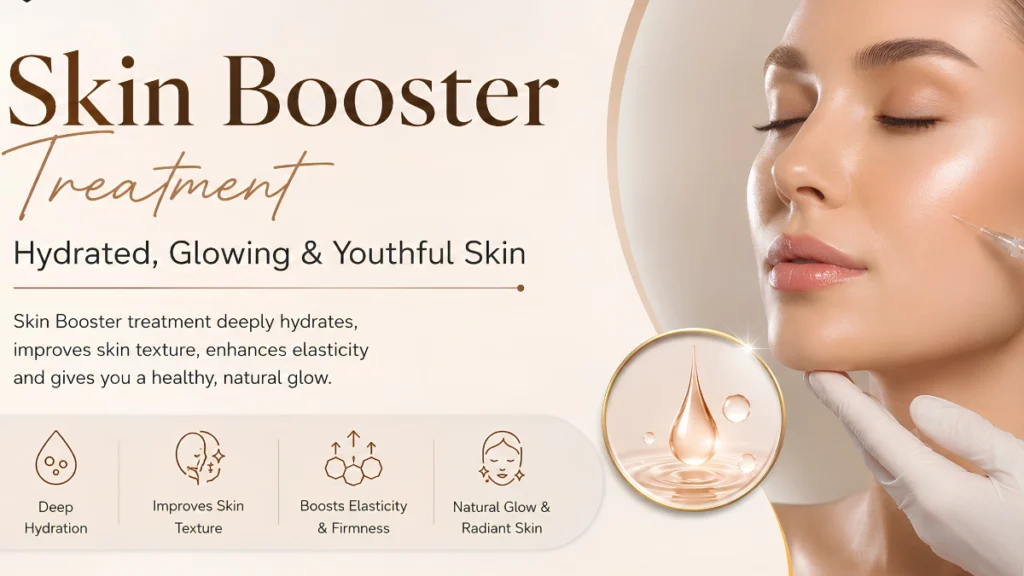
Healthy, glowing skin is a sign of hydration, collagen strength, and proper skin care. However, factors like aging, pollution, stress, sun exposure, and dehydration can make the skin appear dull, dry, and tired. Skin booster treatments have become one of the most popular aesthetic solutions for restoring skin radiance naturally.
At Dr. Hanan Clinic, skin booster treatments are designed to deeply hydrate the skin, improve texture, and provide long-lasting rejuvenation without changing your natural facial appearance. Unlike traditional fillers that add volume, skin boosters focus on improving overall skin quality from within.
Whether you want the famous “glass skin” glow, smoother texture, or youthful hydration, skin boosters offer a safe and effective solution for all skin types.
A skin booster is a minimally invasive cosmetic treatment that delivers hydrating substances such as hyaluronic acid directly into the skin through micro-injections. These ingredients work beneath the surface to improve moisture retention, elasticity, and skin texture.
The treatment acts like an internal moisturizer, helping the skin become naturally plump, radiant, and healthy-looking.
Skin boosters are commonly used for:
They are suitable for both men and women seeking healthier and younger-looking skin.
Skin boosters use fine injections to place hyaluronic acid and skin-rejuvenating ingredients into the middle layer of the skin. Hyaluronic acid attracts and retains water molecules, providing intense hydration from within.
This process helps:
Over time, the skin becomes firmer, softer, and more radiant.
Skin boosters deliver hydration deep beneath the surface where creams and serums cannot reach.
The treatment smooths rough patches, refines pores, and creates softer skin.
Skin boosters restore healthy radiance and improve dull-looking skin.
Hydrated skin appears smoother and reduces early signs of aging.
The treatment supports collagen and elastin production for firmer skin.
Skin boosters provide visible improvements without surgery or major downtime.
These are professional treatments using hyaluronic acid injections to deeply hydrate and rejuvenate the skin.
These include serums and skincare products containing peptides, niacinamide, vitamins, and antioxidants.
Different formulations are used depending on individual skin concerns such as dryness, pigmentation, aging, or acne scars.
Skin boosters are ideal for people experiencing:
The treatment is suitable for adults looking for natural skin rejuvenation without dramatic changes.
At Dr. Hanan Clinic, the treatment begins with a detailed skin assessment to understand your concerns and choose the right booster formulation.
Patients may experience mild redness or swelling for a short time. Most people resume normal activities within a day.
Post-care instructions may include:
Many patients notice improved hydration and glow within a few days after treatment. Full results become more visible after multiple sessions.
Typical improvements include:
For best results, 2 to 3 sessions are generally recommended, spaced a few weeks apart.
The longevity of results depends on the product used, skin type, lifestyle, and aftercare.
Typically, results last:
Maintenance sessions help prolong the benefits and maintain healthy skin quality.
ommon temporary side effects may include:
These effects usually resolve within a few days.
Choosing an experienced aesthetic clinic is important for safe and natural-looking results.
Dr. Hanan performs a detailed facial assessment to understand the patient’s lip structure and desired outcome.
A numbing cream may be applied for comfort during the procedure.
The filler is strategically injected to create balanced and natural-looking enhancement.
Patients receive detailed aftercare instructions to ensure optimal healing and results.
The cost of skin booster treatment depends on several factors:
A professional consultation helps determine the most suitable treatment and pricing for your skin concerns.
To maintain healthy and glowing skin after treatment:
t Dr. Hanan Clinic, every skin booster treatment is personalized according to your skin type and goals.
Why patients choose Dr. Hanan:
The clinic aims to provide refreshed, healthy, and naturally radiant skin with safe modern treatments.
Skin boosters are injectable skin rejuvenation treatments that deeply hydrate the skin and improve texture, elasticity, and overall glow.
Skin boosters use micro-injections of hyaluronic acid and nourishing ingredients to hydrate the skin from within and stimulate collagen production.
Benefits include deep hydration, smoother texture, improved elasticity, reduction in fine lines, brighter skin, and a natural youthful glow.
No. Dermal fillers add volume and contour to specific areas, while skin boosters improve overall skin quality and hydration.
Skin boosters can be used on the face, neck, hands, under-eye area, and décolletage.
Most people require 2 to 3 sessions spaced a few weeks apart for the best results.
Results typically last between 6 and 12 months depending on the product used, skin condition, and lifestyle habits.
The treatment involves minimal discomfort. A numbing cream is usually applied before the procedure to make it more comfortable.
There is very little downtime. Mild redness, swelling, or tiny injection marks may appear temporarily and usually settle within a few days.
Yes, skin boosters are generally safe when performed by experienced and qualified aesthetic professionals.
Yes, skin boosters are highly effective for treating dry and dehydrated skin by restoring deep moisture levels.
Yes, they can improve skin texture, reduce the appearance of pores, and help soften mild acne scars.
Many people start skin boosters in their late 20s or 30s to maintain hydration and prevent early signs of aging.
Yes, skin boosters are suitable for both men and women seeking healthier and more refreshed skin.
Many patients notice improved hydration and glow within a few days, while full results develop gradually over several weeks.
It is usually recommended to avoid makeup for at least 24 hours after the procedure.
Maintaining a healthy skincare routine, staying hydrated, using sunscreen, and attending maintenance sessions can help prolong the results.
Dr. Hanan Clinic offers personalized treatment plans, advanced aesthetic care, safe procedures, and natural-looking skin rejuvenation results.
Dark Circle Treatment in Chennai – Advanced Under Eye Solutions by Dr. Hanan
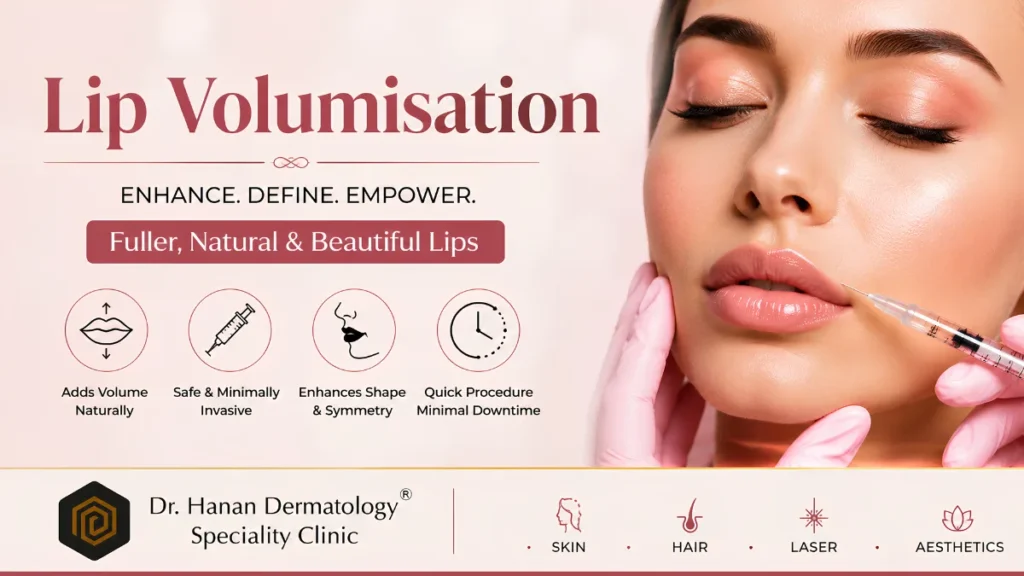
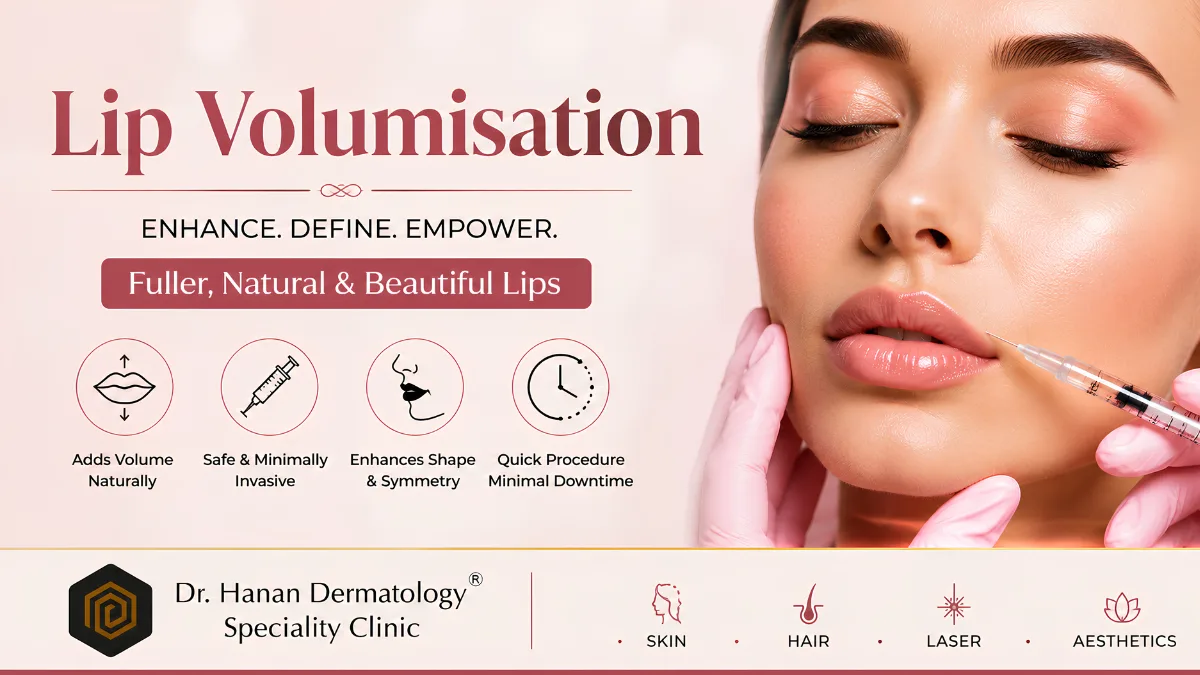
Beautiful, fuller lips are often associated with youthfulness, confidence, and facial harmony. Lip volumisation is one of the most popular aesthetic treatments today, helping individuals enhance the size, shape, contour, and symmetry of their lips while maintaining a soft and natural appearance.
At Dr. Hanan’s aesthetic clinic in Chennai, advanced lip volumisation treatments are customized according to each patient’s facial structure and aesthetic goals. Whether you want subtle enhancement, improved definition, or fuller lips, modern cosmetic procedures provide safe and effective solutions with natural-looking results.
Lip volumisation is a cosmetic treatment designed to improve lip fullness and contour using advanced aesthetic techniques.
The treatment can help:
Lip enhancement treatments can be non-surgical or semi-permanent depending on the patient’s preferences and goals.
The demand for lip enhancement treatments in Chennai has increased significantly due to advancements in aesthetic medicine and the growing preference for natural beauty enhancement.
Modern techniques now focus on:
Read more: Dark Circle Treatment in Chennai
Lip volumisation is suitable for individuals who:
A professional consultation helps determine the most suitable treatment option.
Dermal fillers are the most common and effective non-surgical lip enhancement treatment.
Hyaluronic acid-based fillers are carefully injected into the lips to add volume, improve contour, and create natural-looking fullness.
Popular filler brands include:
Hyaluronic acid naturally occurs in the body and helps maintain hydration and softness.
Read more: Under Eye Hollowing Correction in Chennai
Fat transfer is a semi-permanent lip enhancement procedure.
Fat is extracted from another area of the body, purified, and then injected into the lips.
Since this is a surgical procedure, recovery time may be slightly longer than fillers.
A lip flip uses Botox injections to relax muscles around the upper lip, allowing it to appear slightly fuller.
This option is ideal for patients seeking mild lip enhancement without fillers.
Read more: Lip Fillers in Chennai | Dr. Hanan Clinic
Temporary lip-plumping products provide short-term enhancement.
Lip glosses and serums use ingredients such as:
These ingredients temporarily increase blood circulation or hydration for fuller-looking lips.
Dr. Hanan performs a detailed facial assessment to understand the patient’s lip structure and desired outcome.
A numbing cream may be applied for comfort during the procedure.
The filler is strategically injected to create balanced and natural-looking enhancement.
Patients receive detailed aftercare instructions to ensure optimal healing and results.
Patients typically notice immediate improvement after lip filler treatment.
Results may include:
Swelling usually subsides within a few days, revealing the final outcome.
Lip fillers generally last between 6 to 12 months depending on:
Maintenance sessions help prolong results.
The cost of lip volumisation depends on:
Lip filler treatments in Chennai generally range between ₹15,000 and ₹30,000 per session.
1. What is lip volumisation?
Lip volumisation is a cosmetic treatment that enhances the size, shape, and contour of the lips using fillers or other aesthetic procedures.
2. Are lip fillers safe?
Yes, lip fillers are generally safe when performed by a qualified and experienced aesthetic professional using approved products.
3. How long do lip fillers last?
Lip fillers usually last between 6 to 12 months depending on the filler type, metabolism, and lifestyle factors.
4. Is lip volumisation painful?
Most patients experience minimal discomfort because numbing cream is applied before the procedure.
5. What is the recovery time after lip fillers?
Recovery is usually quick. Mild swelling or bruising may last for a few days.
6. How much does lip volumisation cost in Chennai?
The cost generally ranges from ₹15,000 to ₹30,000 depending on the filler brand, amount used, and clinic expertise.
7. Can lip fillers look natural?
Yes, modern lip filler techniques focus on natural-looking enhancement that complements facial features.
8. What are the side effects of lip fillers?
Temporary swelling, redness, bruising, and tenderness are common side effects that usually resolve within a few days.
9. Who is a good candidate for lip volumisation?
People with thin lips, asymmetrical lips, age-related volume loss, or those seeking enhanced lip definition are ideal candidates.
10. How soon can I see results after treatment?
Results are usually visible immediately after the procedure, although final results appear after swelling subsides.
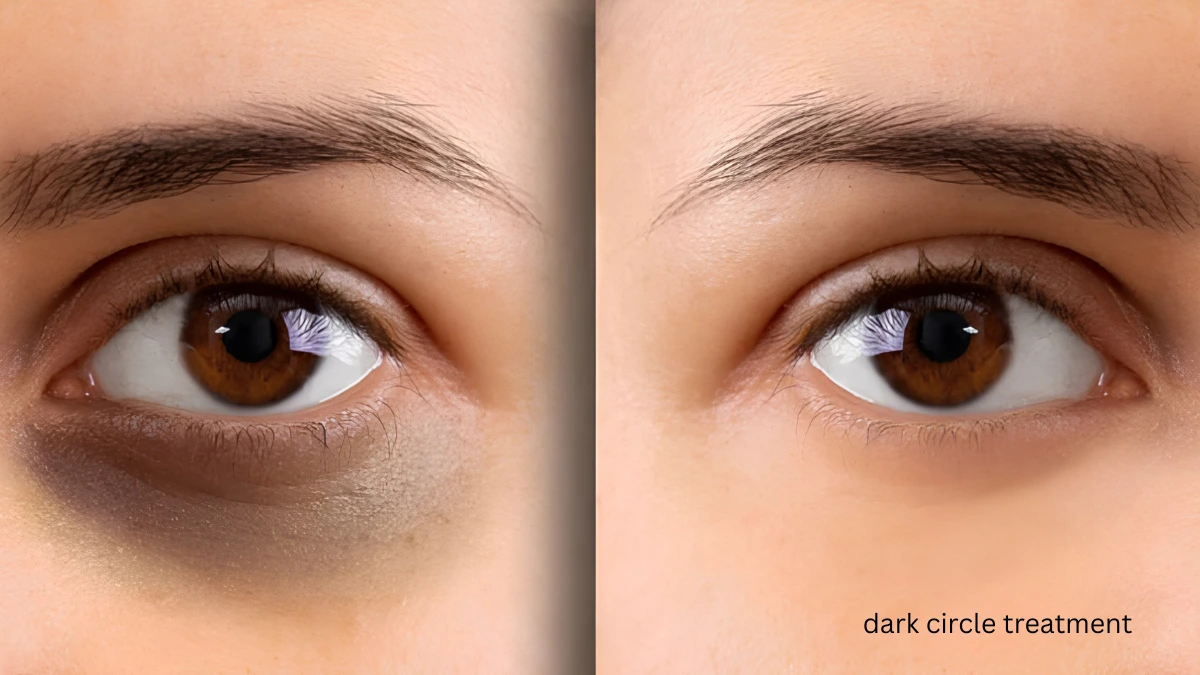
Dark Circle Treatment in Chennai – Advanced Under Eye Solutions by Dr. Hanan
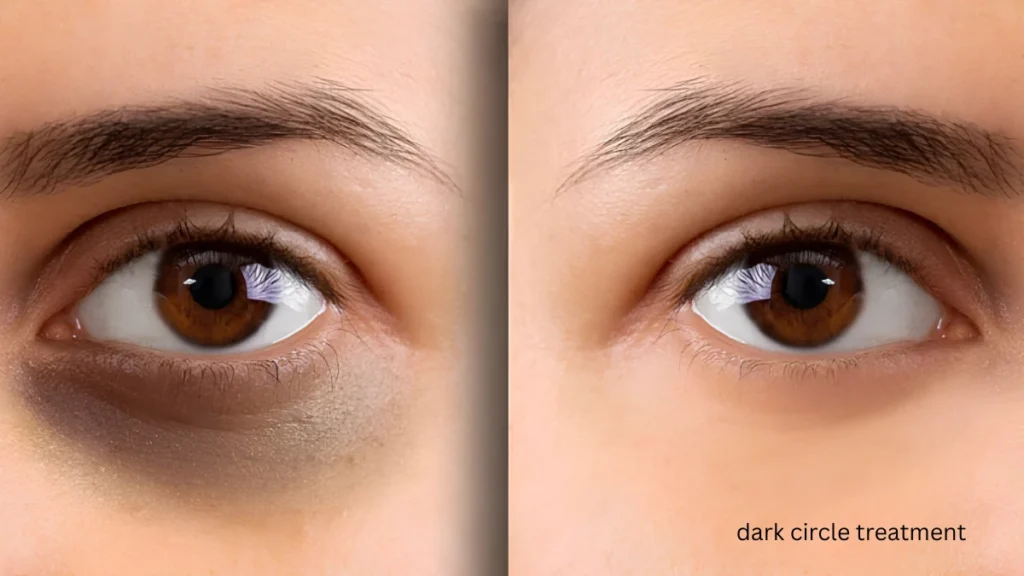
Dark Circle Treatment in Chennai: Dark circles are one of the most common skin concerns affecting both men and women. They can make the face appear tired, dull, stressed, and older than actual age. Lack of sleep, stress, aging, genetics, pigmentation, allergies, and lifestyle habits are some of the major reasons behind under-eye darkness.
At Dr. Hanan’s clinic in Chennai, advanced dark circle treatments are designed to target the root cause of the condition and restore a brighter, refreshed, and youthful appearance. Whether your dark circles are caused by pigmentation, volume loss, thin skin, or puffiness, customized treatment options are available for effective and long-lasting results.
Dark circles refer to discoloration, shadows, or puffiness beneath the eyes. Since the under-eye skin is extremely thin and delicate, any changes in pigmentation, blood vessels, or collagen levels become more visible.
Dark circles may appear:
Understanding the exact cause helps determine the most suitable treatment plan.
Many people inherit under-eye pigmentation or naturally thin skin around the eyes.
Poor sleep quality can cause puffiness and make blood vessels more visible.
As collagen and fat reduce with age, hollowness and shadows become more noticeable.
UV rays increase melanin production, causing pigmentation under the eyes.
Mental stress and screen exposure can worsen tired-looking eyes.
Frequent rubbing irritates the skin and leads to darkening.
Lack of hydration can make the skin appear dull and sunken.
These appear brown or dark and are caused by excess melanin production.
Blue or purple discoloration caused by visible veins under thin skin.
Volume loss under the eyes creates shadowing known as tear trough deformity.
Fluid retention creates swelling and shadow effects around the eyes.
Mild dark circles can improve with healthy lifestyle changes and proper skincare.
Cold compresses reduce swelling and constrict blood vessels. Chilled spoons, cucumber slices, and green tea bags can help soothe the under-eye area.
Getting 7–9 hours of quality sleep helps reduce puffiness and improves skin repair.
Drinking enough water keeps the skin healthy and prevents dullness.
Using SPF 30+ sunscreen and UV-protective sunglasses helps prevent pigmentation.
Brightens pigmentation and improves skin radiance.
Stimulates collagen production and thickens thin under-eye skin.
Improves skin texture and reduces discoloration.
Helps lighten pigmentation around the eyes.
Provides hydration and smoothens fine lines.
Reduces puffiness and minimizes blood vessel visibility.
Improve elasticity and collagen repair.
Chemical peels exfoliate damaged skin and reduce pigmentation around the eyes.
Specialized mild peels are used for the delicate under-eye region.
Laser therapy targets pigmentation and stimulates collagen production to rejuvenate the under-eye area.
Advanced laser technologies are customized according to individual skin concerns.
Dermal fillers are ideal for hollow under-eyes caused by volume loss.
Results are usually immediate and natural-looking.
Platelet-Rich Plasma (PRP) therapy uses growth factors from the patient’s own blood to rejuvenate the skin.
PRP is a natural and minimally invasive treatment option.
The ideal treatment depends on the underlying cause of dark circles.
| Cause | Recommended Treatment |
|---|---|
| Pigmentation | Chemical peels, laser therapy, brightening creams |
| Thin skin | Retinol, PRP, collagen-stimulating lasers |
| Tear trough hollows | Dermal fillers |
| Puffiness | Hydration, caffeine creams, lifestyle correction |
A detailed consultation with Dr. Hanan helps determine the best customized treatment plan.
Dark circle treatments are generally safe when performed by experienced professionals.
Temporary side effects may include:
These effects usually resolve within a few days.
1. What is the best treatment for dark circles?
The best treatment depends on the cause. Pigmentation can be treated with laser or chemical peels, while hollow under-eyes respond well to dermal fillers. PRP and skincare help improve overall skin quality.
2. Can dark circles be removed permanently?
Dark circles can be significantly reduced and controlled, but permanent removal depends on the cause. Genetic and age-related dark circles may require maintenance treatments.
3. Is dark circle treatment safe?
Yes, treatments like lasers, PRP, fillers, and chemical peels are safe when performed by an experienced dermatologist such as Dr. Hanan.
4. How long does it take to see results?
Some treatments like fillers show immediate results, while laser and PRP treatments may take a few weeks for visible improvement.
5. Is laser treatment effective for dark circles?
Yes, laser therapy is highly effective for pigmentation, thin skin, and improving collagen under the eyes.
6. Are dermal fillers good for under-eye hollows?
Yes, dermal fillers are one of the best solutions for tear trough hollows as they restore lost volume and reduce shadowing.
7. What causes dark circles under the eyes?
Common causes include lack of sleep, genetics, aging, stress, sun exposure, allergies, and dehydration.
8. Can lifestyle changes reduce dark circles?
Yes, proper sleep, hydration, sun protection, and a healthy diet can significantly reduce mild dark circles.
9. Is PRP treatment effective for dark circles?
Yes, PRP therapy improves skin texture, stimulates collagen, and naturally rejuvenates the under-eye area.
10. How many sessions are needed for dark circle treatment?
It depends on the treatment type and severity. Laser and PRP usually require multiple sessions, while fillers may need only one session with maintenance.
Tear Trough Correction in Chennai– Learn what to ask your doctor to ensure a safe procedure, natural results, and long-term success.
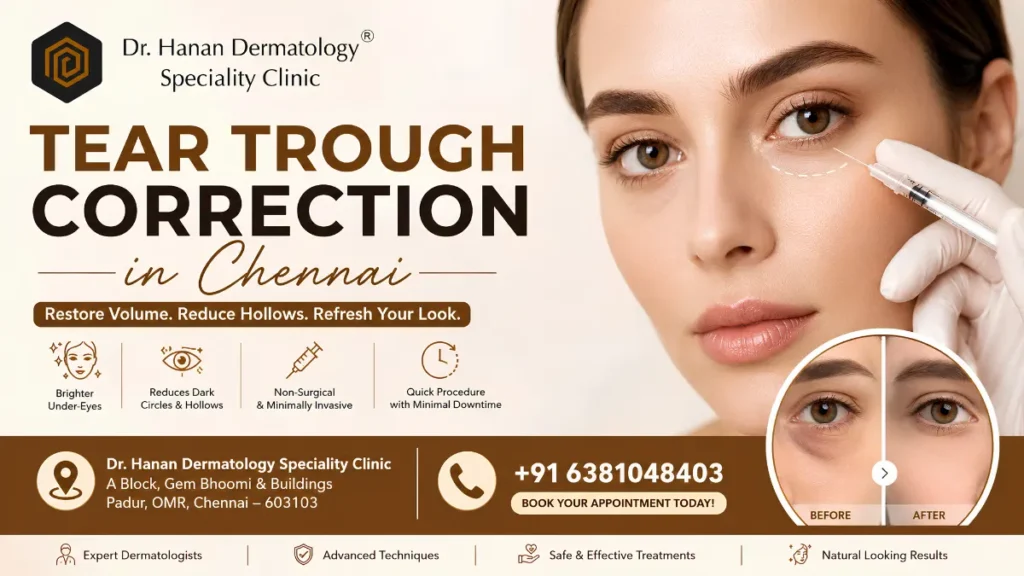
The under-eye area plays a significant role in your overall facial appearance. As we age, the delicate skin beneath the eyes can develop hollows, making you look tired, stressed, or older than you feel. Genetics, collagen loss, and lifestyle factors can also contribute to the formation of tear troughs. If you are looking for a safe and effective solution to restore a refreshed appearance, tear trough correction in Chennai is an excellent option.
At Dr. Hanan Dermatology Speciality Clinic, we offer advanced tear trough correction treatments tailored to your unique facial anatomy and aesthetic goals. Led by Dr. Hanan Basith, MD (DVL), FFAM, our clinic combines medical expertise with advanced aesthetic techniques to deliver natural-looking, long-lasting results. Whether you have mild under-eye hollows or more noticeable volume loss, our personalised treatment plans can help you regain a youthful and well-rested appearance.
Tear trough correction is a cosmetic procedure that improves the appearance of the hollow groove extending from the inner corner of the eye to the upper cheek. These hollows create shadows that can resemble dark circles, even when you are well-rested. The treatment restores lost volume, smooths the under-eye contour, and brightens the eye area.
In most cases, hyaluronic acid dermal fillers are used to replenish volume beneath the eyes. These fillers are carefully injected to create a smooth transition between the lower eyelid and the cheek, providing subtle, natural-looking enhancement without altering your facial expressions.
Several factors can contribute to the development of tear troughs, including:
A detailed consultation with an experienced dermatologist helps identify the underlying cause and determine the most appropriate treatment approach.
You may be a suitable candidate for tear trough correction if you:
During your consultation, our dermatologists will assess your facial anatomy to ensure the treatment is safe and suitable for you.
At Dr. Hanan Dermatology Speciality Clinic, every procedure begins with a comprehensive facial assessment. Our dermatologist evaluates your skin quality, facial structure, and medical history before creating a customised treatment plan.
The treatment area is cleansed, and a topical numbing cream may be applied for comfort. Premium-quality hyaluronic acid filler is then carefully injected using fine needles or blunt-tip cannulas to restore volume beneath the eyes. The procedure typically takes 30–45 minutes, and most patients can return to their normal activities on the same day.
Our advanced injection techniques ensure balanced, natural-looking results while minimising swelling and bruising.
Choosing tear trough correction offers several aesthetic benefits, including:
The treatment is ideal for individuals seeking subtle facial rejuvenation without surgery.
Recovery is generally quick, with most patients experiencing only mild swelling or bruising that resolves within a few days.
To achieve the best results:
Following your dermatologist’s aftercare instructions helps ensure optimal healing and long-lasting results.
Tear trough correction is considered safe when performed by an experienced dermatologist. Possible temporary side effects include:
Serious complications are rare when the procedure is performed using proper techniques and high-quality products.
Results vary depending on the type of filler used, individual metabolism, and lifestyle. Most patients enjoy visible improvements for 9 to 18 months. Periodic maintenance treatments can help preserve your refreshed appearance.
The cost of tear trough correction in Chennai depends on several factors, including:
A personalised consultation at Dr. Hanan Dermatology Speciality Clinic provides an accurate treatment plan and cost estimate based on your individual needs.
Dr. Hanan Dermatology Speciality Clinic is one of the trusted destinations for advanced skin and aesthetic treatments in Chennai. Our team focuses on delivering safe, personalised, and natural-looking results using evidence-based techniques.
Why patients choose us:
If you are looking for a safe and effective way to reduce under-eye hollows and restore a youthful appearance, our experts are here to help.
Refresh your appearance with advanced tear trough correction in Chennai at Dr. Hanan Dermatology Speciality Clinic. Our experienced dermatologists will evaluate your concerns, recommend the most suitable treatment, and create a personalised plan to help you achieve brighter, naturally youthful-looking eyes.
Dr. Hanan Dermatology Speciality Clinic
A Block, Gem Bhoomi & Buildings
Padur, OMR, Chennai – 603103
Phone: +91 6381048403
Book your appointment today and take the first step toward a refreshed and confident appearance.
Tear trough correction is a cosmetic treatment that reduces under-eye hollows by restoring lost volume. It helps create a smoother transition between the lower eyelid and cheek, giving the eyes a brighter and more refreshed appearance.
The treatment is suitable for adults with under-eye hollows, volume loss, or a tired-looking appearance caused by ageing or genetics. A consultation with a dermatologist is necessary to determine if the procedure is right for you.
Most patients experience minimal discomfort. A topical numbing cream is usually applied before the procedure, and many dermal fillers also contain a local anaesthetic to improve comfort.
The treatment typically takes 30 to 45 minutes, including the consultation and preparation.
Results usually last between 9 and 18 months, depending on the type of filler used, your metabolism, and lifestyle.
Downtime is minimal. Mild swelling, redness, or bruising may occur but generally resolves within a few days. Most patients can return to their normal activities on the same day.
Tear trough correction is effective for dark circles caused by shadowing from under-eye hollows. However, if pigmentation is the primary cause, additional treatments may be recommended.
Yes. When performed by an experienced dermatologist using high-quality, approved dermal fillers, tear trough correction is considered a safe and effective procedure.
For the first 24–48 hours, avoid rubbing the treated area, strenuous exercise, alcohol, excessive heat exposure, and sleeping face down. Follow your dermatologist’s aftercare instructions for the best results.
The cost varies depending on the amount of filler required, the severity of under-eye hollows, and your personalised treatment plan. A consultation at Dr. Hanan Dermatology Speciality Clinic will provide an accurate cost estimate.
Yes. It is often combined with treatments such as Botox, skin boosters, PRP therapy, or laser skin rejuvenation to achieve comprehensive facial rejuvenation.
Dr. Hanan Dermatology Speciality Clinic offers personalised treatment plans, advanced aesthetic techniques, premium-quality dermal fillers, and expert care from
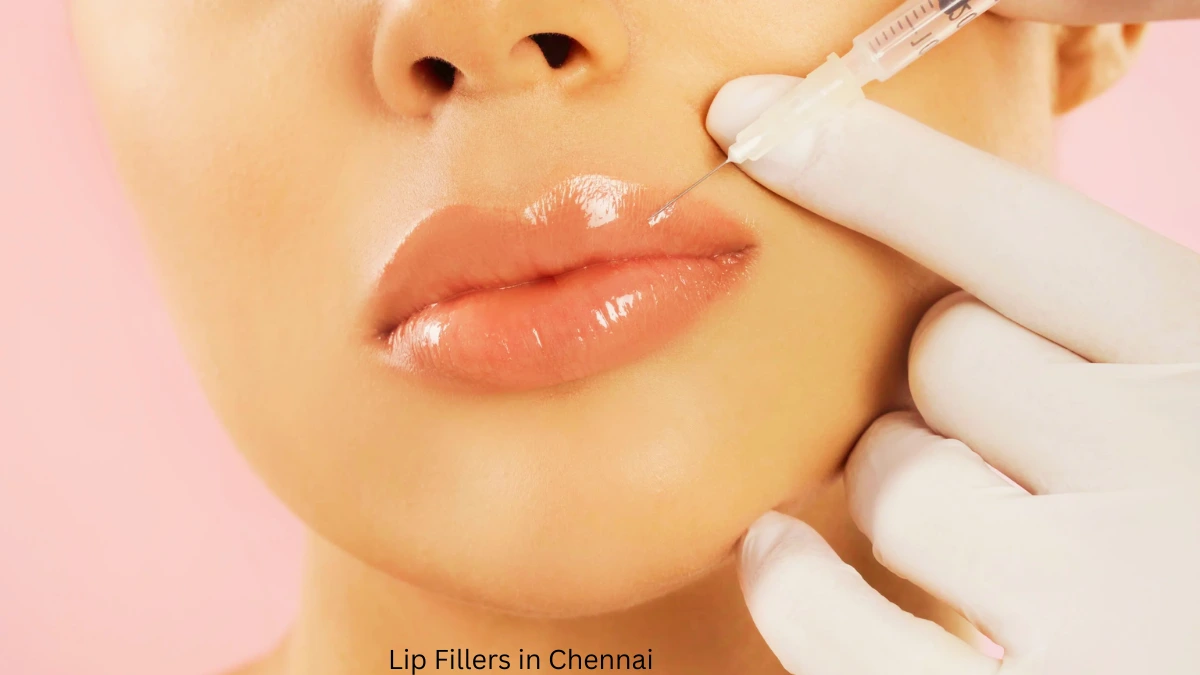
Lip Fillers in Chennai and diet and lifestyle tips from Dr. Hanan Clinic, Chennai.
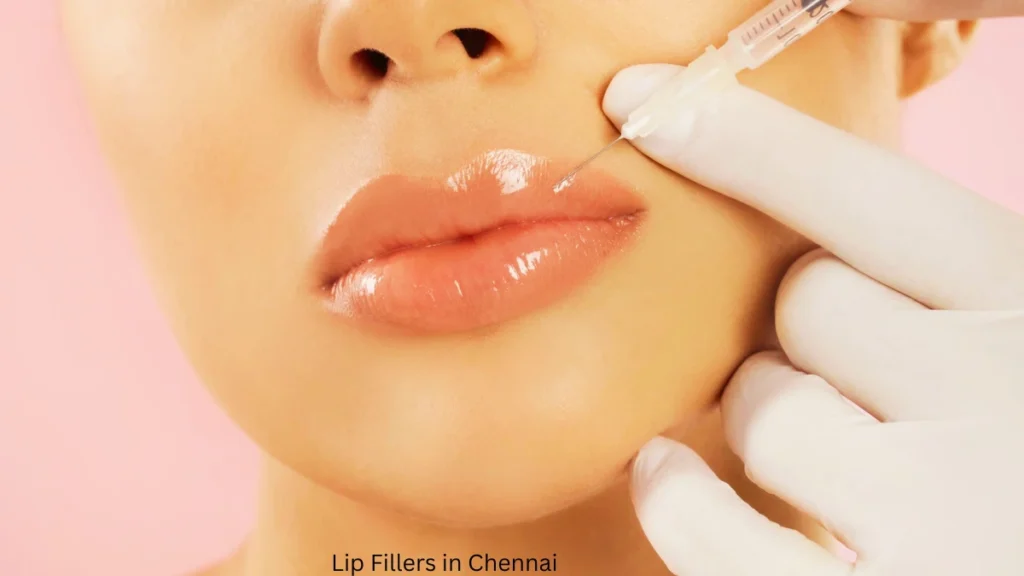
Lip Fillers in Chennai: Beautiful, fuller lips can enhance facial balance, improve confidence, and create a youthful appearance. With the growing demand for non-surgical cosmetic treatments, lip fillers in Chennai have become one of the most preferred aesthetic procedures among individuals seeking natural-looking lip enhancement.
At Dr. Hanan Dermatology Speciality Clinic, Chennai, patients receive personalized lip filler treatments using advanced techniques and high-quality dermal fillers. Led by Dr. Hanan Basith MD (DVL), FFAM, the clinic is known for delivering safe, aesthetically balanced, and natural results in skin, hair, and cosmetic dermatology.
Lip fillers are injectable dermal fillers used to increase lip volume, improve lip shape, define contours, and correct asymmetry. Most modern lip fillers are made from hyaluronic acid (HA), a naturally occurring substance in the body that helps maintain hydration and softness.
These fillers are temporary, non-surgical, and customizable according to individual facial features and aesthetic goals.
Many individuals today prefer minimally invasive cosmetic procedures that provide noticeable results without surgery. Lip fillers offer:
At Dr. Hanan Dermatology Speciality Clinic, every treatment is carefully designed to maintain natural facial proportions rather than creating an artificial appearance.
Lip fillers help improve thin or uneven lips by adding balanced fullness and softness.
The treatment enhances lip borders and cupid’s bow for a more youthful look.
Fillers can reshape uneven lips and improve facial balance.
Hyaluronic acid attracts moisture, helping lips appear hydrated and healthy.
Unlike surgical lip augmentation, fillers are minimally invasive and involve very little recovery time.
Most lip filler procedures are completed within 30–45 minutes.
Dr. Hanan Dermatology Speciality Clinic is recognized as one of the trusted skin and cosmetic clinics in Chennai for advanced aesthetic procedures.
The clinic is led by Dr. Hanan Basith MD (DVL), FFAM, who has extensive expertise in clinical dermatology, facial aesthetics, and cosmetic procedures.
She is:
Every patient has unique facial anatomy. The clinic focuses on customized lip shaping and balanced enhancement for natural-looking results.
Modern injection techniques and premium-quality fillers are used for improved precision, safety, and comfort.
The clinic follows strict dermatology safety standards and patient-focused care.
At Dr. Hanan Dermatology Speciality Clinic, commonly used fillers may include internationally trusted hyaluronic acid-based products such as:
Known for soft texture and volume enhancement.
Popular for natural contouring and lip definition.
Selected according to the patient’s lip structure and cosmetic goals.
The procedure begins with a detailed facial assessment and discussion about desired lip shape and volume.
A numbing cream is applied to minimize discomfort during injections.
Using fine needles or cannulas, the filler is carefully injected into targeted areas of the lips.
The lips are gently shaped for smooth and symmetrical results.
Patients receive complete aftercare instructions for optimal healing and results.
Patients usually notice immediate improvement after the procedure. However, mild swelling may temporarily affect the final appearance.
Final results generally become more visible within a few days once swelling reduces.
The clinic focuses on:
Lip filler results are temporary and usually last:
Regular touch-up treatments help maintain desired lip volume.
Following proper aftercare helps reduce swelling and improves recovery.
Most side effects are mild and temporary.
These effects usually improve within a few days.
Although uncommon, complications can include:
This is why choosing an experienced dermatology clinic is extremely important.
Lip fillers may be suitable for individuals who:
A professional consultation helps determine the right treatment approach.
At Dr. Hanan Dermatology Speciality Clinic, treatment plans are personalized based on individual needs and aesthetic goals.
| Feature | Lip Fillers | Lip Surgery |
|---|---|---|
| Procedure | Non-surgical | Surgical |
| Recovery Time | Minimal | Longer |
| Results | Temporary | Permanent |
| Reversible | Yes | Limited |
| Treatment Duration | Quick | More extensive |
Many patients prefer lip fillers due to flexibility and minimal downtime.
Lip fillers are injectable dermal fillers made mainly from hyaluronic acid that help enhance lip volume, shape, and symmetry.
Yes, lip fillers are generally safe when performed by qualified cosmetic dermatologists using approved fillers and proper techniques.
Most lip fillers last between 6 and 12 months depending on the filler type, metabolism, and lifestyle factors.
The procedure is usually well tolerated because numbing cream is applied before treatment to reduce discomfort.
Mild swelling and bruising may last for 2–5 days after the procedure.
Yes, experienced dermatologists can create subtle and natural-looking lip enhancement that suits your facial structure.
The cost varies based on the type of filler used, quantity required, and treatment goals.
Yes, hyaluronic acid fillers can be dissolved safely using an enzyme called hyaluronidase.
Avoid smoking, alcohol, heavy workouts, excessive heat exposure, and touching the lips for at least 24–48 hours.
Individuals with thin lips, uneven lips, or age-related volume loss who want non-surgical enhancement may be suitable candidates.
Results are visible immediately after treatment, but final results appear after swelling subsides.
Lip fillers involve minimal downtime, and most people can return to normal activities shortly after treatment.
Reveal your natural glow with advanced skin treatments for glowing skin by the best dermatologist in Chennai. Feel confident in your skin.
Skin Treatments for Glowing Skin: Achieving glowing skin is a common skincare goal, but factors like pollution, stress, poor diet, and aging can make skin look dull and tired. The good news is that various skin treatments can help restore your skin’s natural radiance. Whether you prefer professional dermatological treatments or natural home remedies, this guide will explore the best skin treatments for a long-lasting glow.
For those seeking long-term results, professional dermatological treatments offer scientifically proven methods to enhance skin brightness and improve overall texture.
Chemical peels use acids like glycolic, lactic, or salicylic acid to exfoliate dead skin cells and promote skin renewal. They help in reducing pigmentation, fine lines, and dullness, revealing a brighter complexion.
This treatment involves a minimally invasive exfoliation process that removes dead skin layers, leaving the skin smooth and radiant. It is suitable for treating dull skin, mild acne scars, and sun damage.
Laser treatments such as Fractional CO2 and Intense Pulsed Light (IPL) therapy target deep skin layers to stimulate collagen production, reduce dark spots, and enhance skin tone.
HydraFacial combines cleansing, exfoliation, extraction, hydration and antioxidant protection. This quick, non-invasive treatment is highly effective in achieving an immediate brightness and deep hydration.
This treatment uses various wavelengths of light to treat skin concerns. Red light therapy promotes collagen and reduces inflammation, while blue light therapy helps with acne and oil control.
Mesotherapy involves injecting vitamins and serums in the skin for hydration and brightness. PRP (platelet-rich plasma) therapy, also known as “Vampire Facial”, stimulates skin renewal by using growth factors from the patient’s own blood.
Oxygen facials infuses the skin with pure oxygen and hydrating serum, improve circulation and give the skin an immediate, healthy glow.
Many DIY remedies for those who like natural remedies can improve skin glow without professional intervention.
Massaging the skin with natural oils or using devices like Gua Sha promotes blood circulation and gives a natural glow.
Maintaining a proper skincare routine is essential for glowing skin.
Hydrating materials such as hyaluronic acid and ceramides help to keep the skin thicker and bright.
Applying sunscreen (SPF 30 or higher) daily prevents skin damage and premature aging.
Dry skin: hydrating treatment such as HydraFacial and mesotherapy.
Oily skin: chemical peels and laser resurrection help to control oil and acne.
Combination Skin: A mixture of exfoliation, hydration and safety is ideal.
Sensitive skin: gentle treatment such as LED therapy and oxygen facials..
To achieve glowing skin requires a combination of professional treatment, natural remedies and a consistent skincare routine. Whether you choose dermatological treatment or home-based treatment, taking care of your skin in the right ways will help maintain a young and bright color.
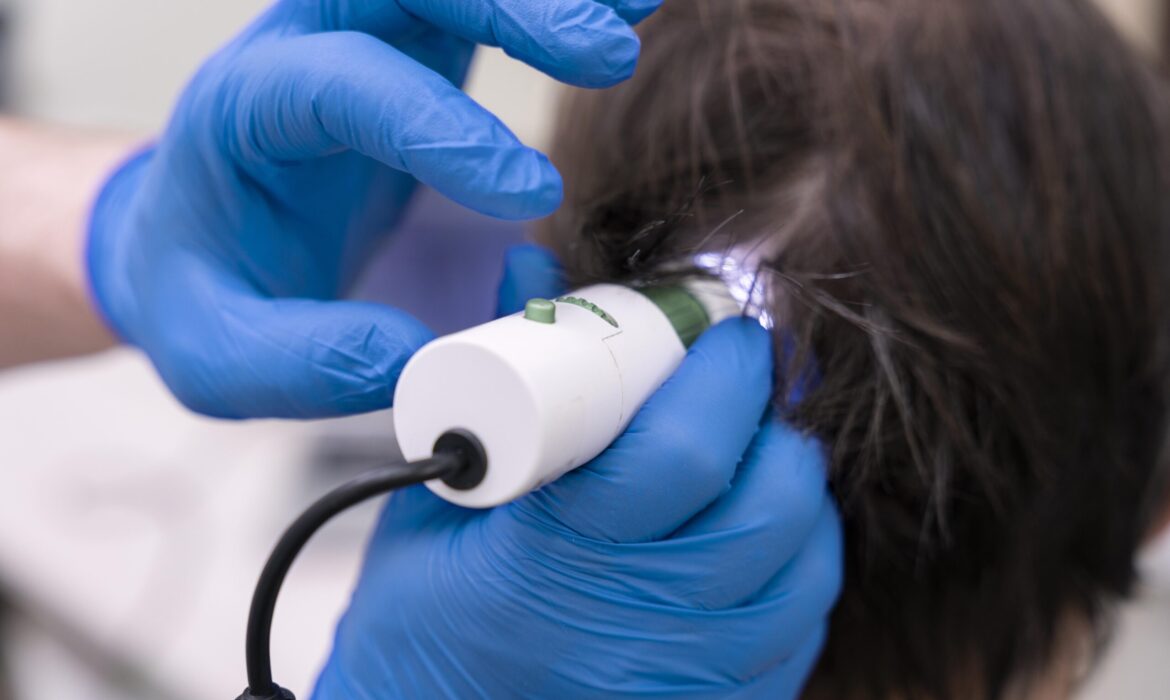
Stem Cell Hair Transplant in Chennai and helps boost hair growth by energizing follicles and reducing scalp inflammation
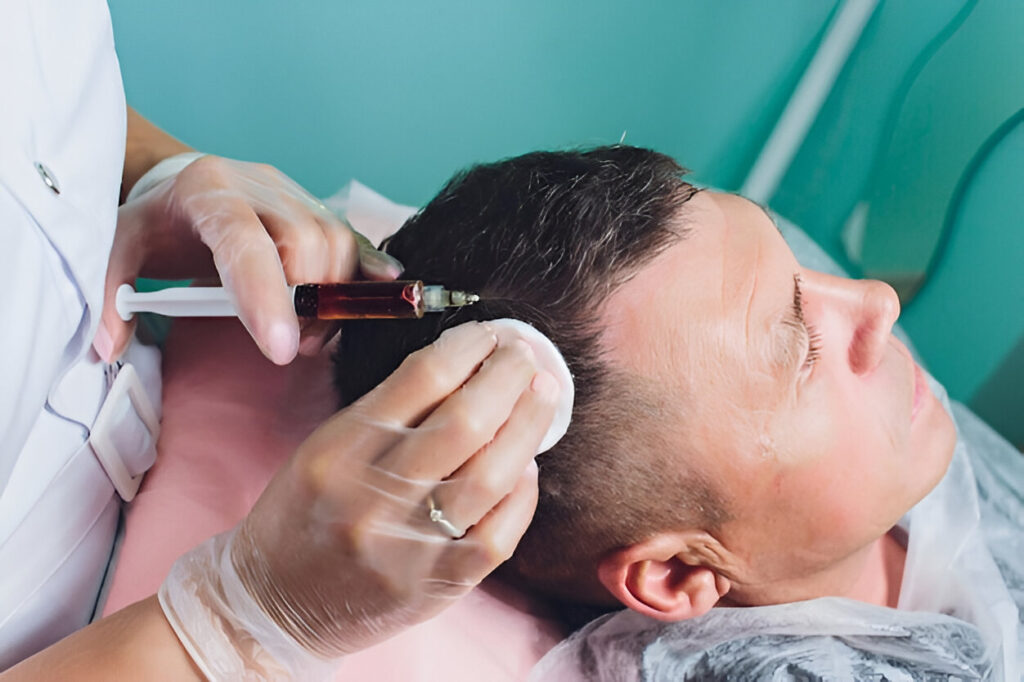
Stem Cell Hair Transplant in Chennai : Hair loss can affect confidence and overall appearance—but modern dermatology now offers advanced, minimally invasive solutions. One of the most innovative treatments gaining attention is the stem cell hair transplant, a regenerative approach designed to restore natural hair growth without traditional surgery.
At Dr. Hanan Dermatology Speciality Clinic, Chennai, patients receive expert-guided, science-backed treatments tailored to their hair concerns. If you’re exploring safe and effective hair restoration options, this guide will help you understand everything about stem cell hair transplant.
A stem cell hair transplant is a cutting-edge hair restoration technique that uses your body’s natural regenerative cells to stimulate hair growth.
Unlike traditional procedures that move hair follicles from one area to another, this method:
The goal is to revive dormant hair follicles and improve hair density naturally.
Note: This treatment is still considered emerging and experimental, and results can vary.
A small biopsy is taken, usually from:
The sample is processed in a specialized lab to:
The prepared solution is injected into:
This process helps stimulate new hair growth and improve thickness.
| Factor | Details |
|---|---|
| Procedure Time | 1–2 hours (may extend in advanced cases) |
| Recovery Time | 2–3 days |
| Pain Level | Minimal |
| Hospital Stay | Not required |
Most patients can return to normal activities within a couple of days.
Consulting a qualified dermatologist is essential before choosing this treatment.
This treatment is best suited for individuals with mild to moderate hair thinning, early-stage hair loss, and those seeking non-invasive options.
It is not recommended for advanced baldness or completely inactive hair follicles.
The cost depends on multiple factors such as clinic expertise, technology, and treatment complexity.
| City | Estimated Cost |
|---|---|
| Chennai | ₹1,50,000 – ₹4,00,000 |
Factors affecting cost include doctor experience, clinic reputation, technology used, and number of sessions required. It is considered a premium regenerative treatment compared to traditional options.
| Feature | Stem Cell | FUE/FUT |
|---|---|---|
| Method | Regenerates follicles | Relocates hair |
| Surgery | No | Yes |
| Recovery | Faster | Moderate |
| Results | Early-stage only | Suitable for all stages |
Traditional hair transplants are still more effective for advanced hair loss.
| Timeline | Results |
|---|---|
| 1–2 Months | Initial shedding phase |
| 3–6 Months | Visible hair growth |
| 6–12 Months | Improved density |
Results vary based on individual hair condition and response.
A stem cell hair transplant is a regenerative hair restoration treatment that uses your body’s stem cells to stimulate natural hair growth and improve hair density.
Yes, stem cell hair transplant is available in select advanced dermatology clinics in Chennai, including specialized hair and skin clinics.
The cost typically ranges from ₹1,50,000 to ₹4,00,000, depending on the clinic, doctor expertise, and treatment complexity.
Results can be long-lasting, but since the treatment is still evolving, long-term permanence is not fully established.
It is ideal for individuals with early to moderate hair loss, thinning hair, or those looking for a non-surgical treatment option.
Not necessarily. Stem cell treatment works best for early hair loss, while FUE hair transplant is more effective for moderate to severe baldness.
Most patients start seeing visible hair growth within 3 to 6 months, with full results appearing in 6 to 12 months.
No, the procedure is minimally invasive and usually performed under local anesthesia, causing minimal discomfort.
Mild redness, swelling, or temporary discomfort may occur, but serious side effects are rare when performed by qualified professionals.
It is generally considered safe when done by experienced dermatologists, but it is still an experimental treatment and should be approached with proper medical consultation.
Most patients need 1 to 2 sessions, but this depends on the severity of hair loss and individual response to treatment.
No, it is not effective for complete baldness, as it works by stimulating existing or dormant hair follicles.
Recovery is quick, and most patients can return to normal activities within 2 to 3 days.
There is minimal downtime, and patients can resume daily activities shortly after the procedure.
Look for a clinic with experien
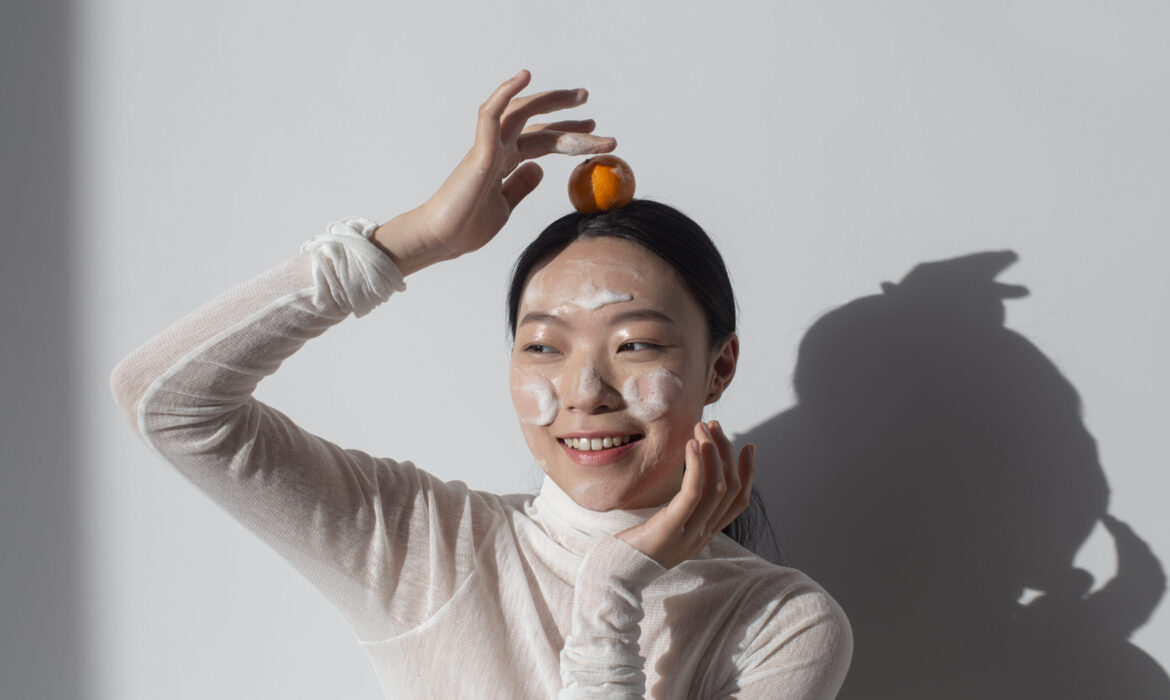
Explore Korean Skin Whitening Treatment tips, ingredients, and routines to achieve radiant, even-toned skin safely and effectively.
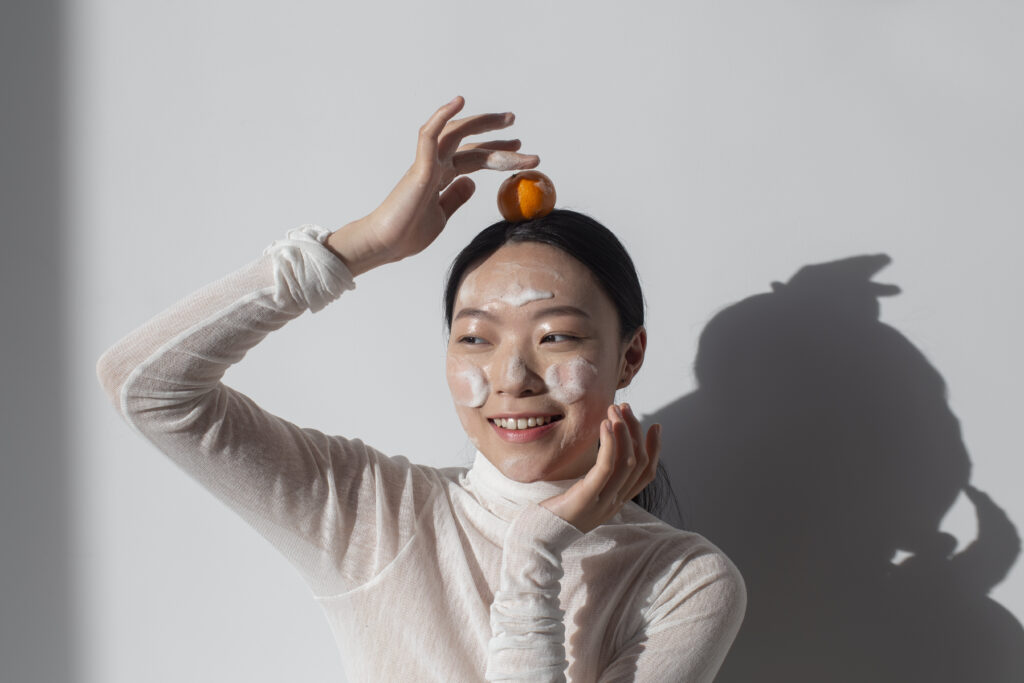
Korean Skin Whitening Treatment: Korean skincare has taken the world by storm, with its emphasis on healthy, radiant skin and its carefully crafted routines that prioritize skin care over quick fixes. One of the most popular skincare goals among Korean beauty enthusiasts is achieving clear, glowing, and even-toned skin. But what exactly is “skin whitening” in Korean beauty, and how can you achieve it safely and effectively?
In this article, we’ll dive into the concept of Korean skin whitening treatments, explore the key ingredients that make them work, and discuss how you can incorporate them into your skincare routine for a brighter, more even complexion. Korean skin brightening routine and Korean beauty tips for glowing skin are gaining popularity for a reason—they focus on long-term skin health and radiance.
Korean skin whitening, often used interchangeably with terms like “brightening” or “evening out skin tone,”which is not about making your skin unnaturally fair, but about achieving a shiny and healthy glow. Unlike skin bleaching, which aims to lighten the skin significantly, skin whitening focuses on reducing pigmentation, dark spots and focus on reducing hyperpigmentation, resulting in a uniform-toned complexion. Korean Skincare is designed with effective ingredients.
In Korean Skincare, emphasis is laid on brightening the skin by addressing underlying issues such as unequal tones, acne marks and sun damage. Instead of changing one’s natural skin tone, healthy, bright skin is the ultimate goal. It aligns with Korean melanin reduction techniques and glass skin treatment approaches.
Many powerful ingredients are usually found in Korean skin white products. These ingredients are known to illuminate, calm and improve the overall appearance of the skin. Here are some important ingredients to see:
1. Niacinamide is a powerful form of vitamin B3 that helps lighten black spots, reduce redness and even skin tones. It works by stopping melanin production, which has a great color over time. It is one of the best Korean products for uneven skin tones.
2. Arbutin is naturally occurred from plants such as a bearberry, arbutin, have skin-lightening properties. It helps to inhibit an enzyme tyrosine which is responsible for melanin production, thus reduces hyperpigmentation. It is generally used in soft skin whitening solutions.
3. Vitamin C is known for its antioxidant properties, vitamin C reduces melanin production and disappears dark spots. It also protects the skin from UV damage, prevents future pigmentation issues. An important part of any shining Korean facials.
4. Licorice Extract are well known for lightening hyperpigmentation in Korean Skincare. It has anti -inflammatory properties that help soothe the skin during brightening, which is ideal for people with sensitive skin. Whitening serum in Korean beauty often features this component.
5. Centella Asiatica is often found in soothing products, Centella Asiatica helps to cure and reproduce the skin by reducing redness and pigmentation. It is particularly beneficial for people with acne marks or uneven skin tones. It supports traditional Korean beauty secrets to calm the skin.
6. Tranexamic Acid is becoming a popular ingredients in Korean Skincare, which is due to the ability to address melasma, dark spots and pigmentation. It works by stopping the production of melanin in the skin.
7. Ginseng is a traditional Korean ingredients, ginseng used for its stimulating properties. It improves circulation and promotes a healthy, radiant glow by brightening the complexion and reducing the fine lines. Often used in brightening essence Korean style.
There are various skincare products that are specially designed to brighten and even out the tone of the skin. Below are some popular categories and types of products that are usually used for skin whitening:
1. Cleanser: oil-based cleanser and soft foaming cleanser help to remove impurities and dead skin cells, prepare your skin for bright, healthy skin. Products with vitamin C or licorice extract can help brighten the skin with every wash
2. Toner: toner hydrate with brightening ingredients such as niacinamide, vitamin C, or licorice extract hydrate, and balance the skin by preparing it for the next stages in its routine. These toner are staples K-beauty in the enhancing routine.
3. Serum and essence: serum and essences are concentrated treatments that address specific skin concerns. For skin whitening, look for serum with niacinamide, vitamin C, or arbutin, which target hyperpigmentation and brighten your complexion. Even skin tone Korean products fall under this category.
4. Sheet masks: A Korean skincare staple, sheet masks infused with brightening ingredients provide a quick boost of radiance. Look for masks containing Vitamin C, green tea, or licorice to help fade dark spots. Korean whitening sheet mask benefits go beyond hydration
5. Moisturizer: that focus on brighting and hydration are essential in a skin -white routine. For both Hydrate, find products with soothing materials such as Centella Asiatica or Niacinamide and promote a similar skin tone.
6. Sunscreen: is an absolute to maintain your bright skin and prevent further pigmentation. Opt for broad spectrum sunscreen that prevents both UVA and UVB rays.
Korean skin whitening products usually work by preventing melanin production in the skin and reducing existing pigmentation. Major ingredients such as niacinamide and vitamin C block tyrosine, an enzyme responsible for melanin production. Over time, it helps reduce dark spots, sun damage and other forms of hyperpigmentation.
In addition to bright agents, these treatments often have a soothing and hydrating material for the skin to be balanced and healthy. Regular use of these products can lead to a bright and even skin tone without compromising the health of the skin.
While skincare routines are effective at home, there are also professional remedies that can speed up the skin process and provide intensive rejuvenation. Korean cosmetic procedures for whitening are also in demand:
1. Laser Treatment PicoSure and fractional lasers target hyperpigmentation and rejuvenate the skin. These procedures break the melanin in the skin, which help to fade black spots and even out the skin tone.
2. A chemical peel, it involves applying an exfoliating solution to remove dead skin cells, which can help brighten the complexity and treat discoloration. These peels often contain alpha-hydroxy acid (AHA) or beta-hydroxy acid (BHA).
3. Whitening Facials: This facials targeted remedies that are often found in the Korean spa. They use brightening masks, serum and LED light therapy to enhance skin glow and treat uneven pigmentation.
For those who prefer natural, home treatment, here are some DIY Korean remedies for shining skin:
1. Rice mask rice has long been used for skin brightening properties and it has been used in Korean beauty. A simple rice flour mask can help exfoliate the skin and promote a glowing complextion.
2. Green tea and honey masks: Green Tea contains antioxidants that protect the skin, while the moisturizing properties of honey help to nourish the skin. Together, they provide a soothing and bright effect.
3. Yogurt and lemon mask: lemon’s citric acid gently helps to exfoliate the skin, while yogurt hydrates and soths. This mask can illuminate the skin with regular use.
There are many myths surrounding skin whitening treatments. It’s important to clarify that achieving brighter, even-toned skin is not about making your skin unnaturally fair but about enhancing your skin’s natural radiance. Misconceptions like “whitening products are harmful” or “you should see results overnight” can lead to disappointment and frustration.
It’s also crucial to focus on the health of your skin, as overuse of harsh treatments can damage the skin barrier and cause irritation.
While Korean skin whitening products can offer great results, it’s important to be cautious. Overuse of whitening ingredients or choosing products that don’t suit your skin type can cause irritation, sensitivity, or even worsen pigmentation issues. Always patch test new products, and consider consulting a dermatologist before starting intense whitening treatments.
To maintain healthy, glowing skin, follow these simple tips:
Korean skin whitening treatments are more about enhancing the skin’s natural radiance than lightening the complexion. With the right ingredients, products, and professional treatments, achieving an even, glowing complexion is possible. However, it’s important to focus on the health of your skin and not just its appearance, ensuring that the path to brighter skin is both safe and effective.
Visit Dr. Hanan Dermatology Speciality Clinic in Chennai
For personalized Korean Skin Whitening Treatment and expert skincare guidance, visit Dr. Hanan Dermatology Speciality Clinic in Padur, Chennai. Our dermatologists specialize in advanced skin-brightening solutions tailored to your skin type. Book your consultation today and start your journey toward radiant, even-toned skin!
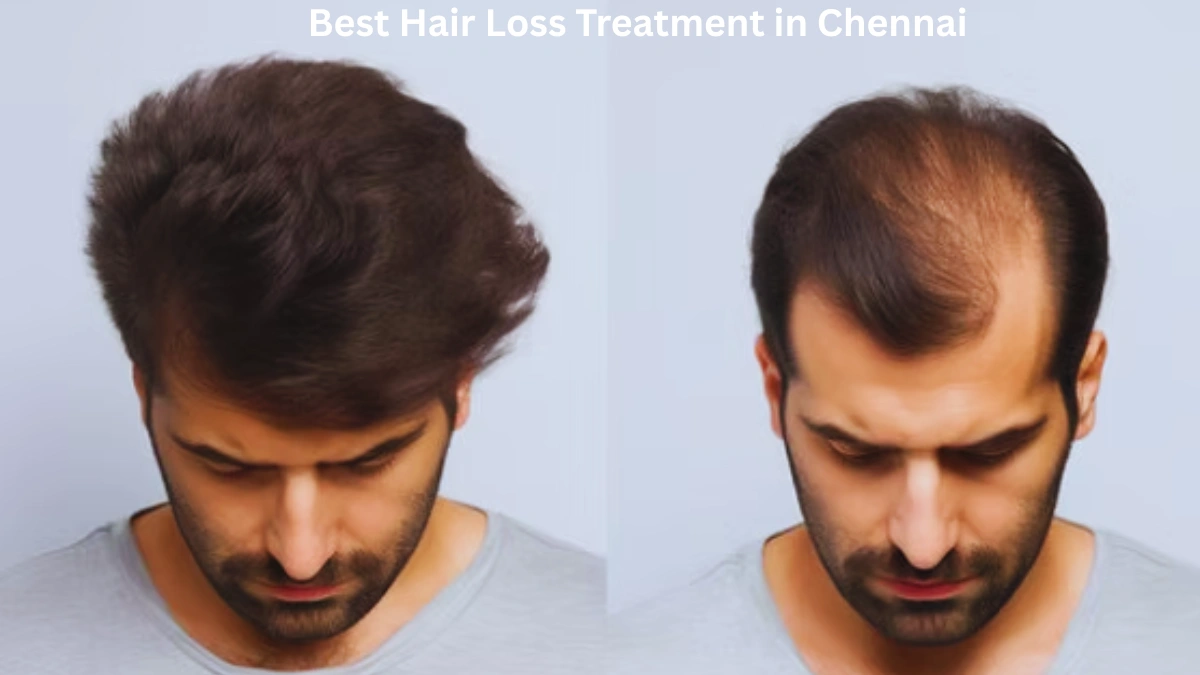
Find the best hair loss treatment based on your hair and scalp type. Chennai dermatologists at Dr. Hanan Clinic share expert tips, safe ingredients, and proven solutions for healthy hair regrowth.
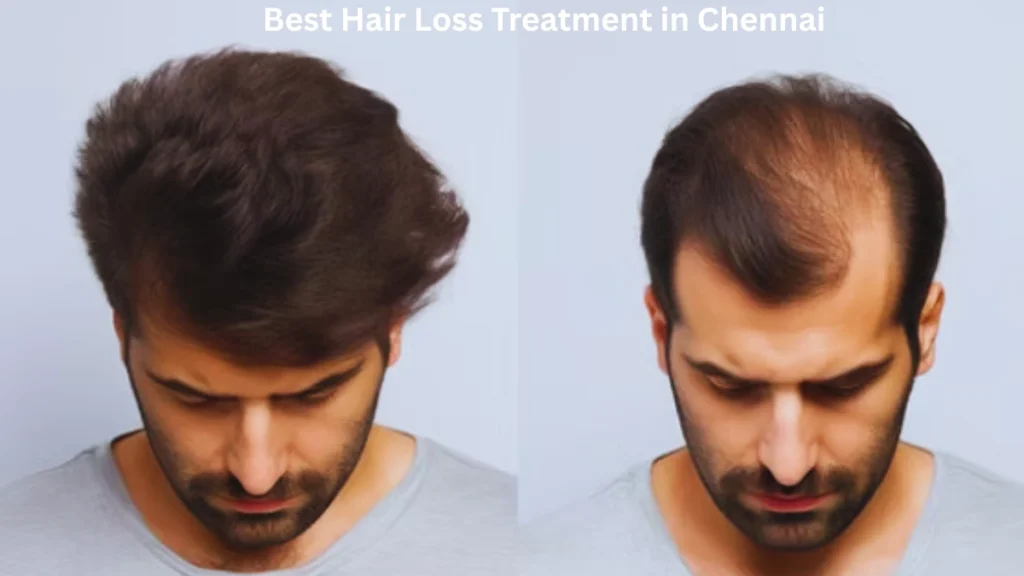
Best Hair Loss Treatment: Hair loss is no longer just a cosmetic concern—it directly affects confidence, self-esteem, and quality of life. If you are searching for the best hair loss treatment in Chennai, Dr. Hanan Dermatology Speciality Clinic offers dermatologist-led, affordable, and evidence-based solutions for men and women.
As a leading dermatology, cosmetology, and trichology clinic in Chennai, we specialize in diagnosing the root cause of hair loss and delivering personalized treatments that produce visible, long-term results.
Hair fall is common, but excessive or progressive hair loss is not normal. Losing more than 80–100 strands daily, thinning hair, widening part lines, or receding hairlines are signs that require professional evaluation.
Early diagnosis by a dermatologist:
At Dr. Hanan Dermatology Speciality Clinic, we focus on early intervention and medical accuracy to preserve and restore hair health.
Hair loss can occur due to one or multiple underlying reasons, including:
Identifying the exact cause is the foundation of choosing the best hair loss treatment.
At Dr. Hanan Dermatology Speciality Clinic, every patient undergoes:
Based on the findings, we design a customized treatment plan focused on safety, effectiveness, and long-term hair regrowth.
Read more: Best Treatments for Dandruff and Itchy Scalp
Medical Treatment for Hair Loss
Medical therapy remains the first line of treatment for most patients.
All medications are prescribed only after dermatologist consultation to ensure safety and suitability.
A gentle cleanser ensures your skin feels supple and smooth instead of tight after washing.
Platelet-Rich Plasma (PRP) therapy is one of the most effective non-surgical treatments for hair regrowth.
Benefits of PRP:
Results typically appear within 3–4 months with multiple sessions.
Depending on severity, we may recommend:
These therapies are performed under strict medical protocols.
For advanced baldness, hair transplant surgery offers permanent and natural-looking results.
At our clinic, we provide:
Hair transplant is recommended only when medical treatments are insufficient, ensuring ethical care.
Medical treatment works best when combined with:
We guide patients on long-term hair health, not just temporary fixes.
Hair loss affects men and women differently.
Our clinic provides gender-specific treatment protocols for safe and effective outcomes.
Hair growth is a gradual process.
Consistency, follow-ups, and medical supervision are key to success.
Myth: Hair loss cannot be treated
Fact: Early-stage hair loss is highly treatable
Myth: Oils alone can regrow hair
Fact: Oils support scalp health but cannot treat medical hair loss
Myth: All shampoos stop hair fall
Fact: Shampoos are supportive, not curative
What is the best hair loss treatment?
The best hair loss treatment depends on the underlying cause such as genetics, hormonal imbalance, stress, or nutritional deficiency. A dermatologist consultation is essential to identify the cause and recommend the right treatment.
Can hair loss be treated permanently?
Hair loss can be effectively controlled and improved when treated early. Medical therapies help slow or reverse hair fall, while hair transplant provides a permanent solution for advanced baldness.
Is PRP treatment effective for hair loss?
Yes, PRP (Platelet-Rich Plasma) therapy is a clinically proven treatment that helps reduce hair fall, strengthen hair follicles, and promote natural hair regrowth when performed by a qualified dermatologist.
How many PRP sessions are required for hair regrowth?
Most patients require 3 to 6 PRP sessions, spaced 4 to 6 weeks apart. The number of sessions depends on the severity of hair loss and individual response.
Is hair loss treatment safe?
Yes, hair loss treatments are safe when prescribed and performed by a dermatologist. All procedures at Dr. Hanan Dermatology Speciality Clinic follow medically approved and ethical protocols.
When will I see results from hair loss treatment?
Hair fall reduction is usually noticed within 4 to 8 weeks, while visible hair regrowth and improved thickness may take 3 to 6 months with consistent treatment.
Is hair transplant better than non-surgical treatments?
Hair transplant is recommended for advanced hair loss. In early and moderate stages, non-surgical treatments such as medications and PRP therapy often provide excellent results.
Are hair loss treatments different for men and women?
Yes, hair loss patterns and causes differ in men and women, so treatment plans are customized based on gender-specific medical and hormonal factors.
Do oils and shampoos stop hair loss?
Oils and shampoos help maintain scalp health but cannot treat medical hair loss on their own. Dermatologist-guided treatment is required for effective results.
Who is the right candidate for a hair transplant?
Patients with stable hair loss, good donor hair density, and healthy scalp conditions are suitable candidates. A detailed dermatologist evaluation is necessary.
Why choose Dr. Hanan Dermatology Speciality Clinic for hair loss treatment?
The clinic offers dermatologist-led care, advanced PRP and hair transplant procedures, ethical pricing, and proven patient outcomes, making it one of the trusted hair clinics in Chennai.
Where is Dr. Hanan Dermatology Speciality Clinic located?
A Block, Gem Bhoomi & Buildings, Padur, OMR, Chennai – 603103
Phone: +91 6381048403

Best Dermatologist in OMR Chennai – Learn what to ask your doctor to ensure a safe procedure, natural results, and long-term success.
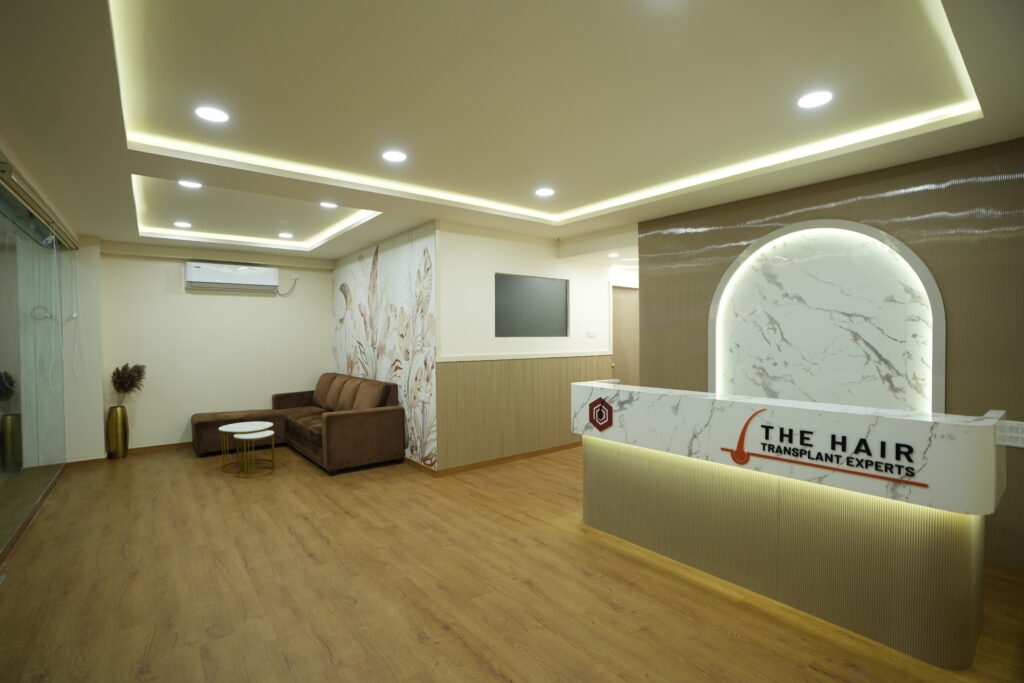
Best Dermatologist in OMR Chennai: Finding the best dermatologist in OMR, Chennai is important when it comes to treating skin concerns, hair loss, or cosmetic improvement. Skin and hair issues are not just cosmetic—they often affect confidence, lifestyle, and overall well-being.
At the heart of OMR, Chennai, Dr. Hanan Dermatology Speciality Clinic provides advanced dermatology, trichology, and aesthetic treatments with a strong focus on safety, results, and patient satisfaction.
The clinic combines medical expertise with modern technology to deliver effective solutions for both common and complex skin and hair conditions.
Dr. Hanan Dermatology Speciality Clinic is a well-known skin and hair care center in Chennai, offering comprehensive dermatology services under expert supervision.
The clinic focuses on:
Led by Dr. Hanan Basith MD (DVL), FFAM, the clinic follows evidence-based dermatology practices to ensure safe and long-lasting results for patients.
The clinic is especi
Choosing the right dermatologist is crucial for achieving safe and effective results. Here’s why patients prefer this clinic:
Dr. Hanan Basith is a qualified dermatologist with strong academic background from Madras Medical College and expertise in clinical dermatology, dermoscopy, and aesthetics.
The clinic uses modern laser systems and dermatology equipment for accurate diagnosis and treatment.
Every patient receives customized treatment based on skin type, condition, and medical history.
All treatments are clinically tested and performed under medical supervision.
Thousands of successful treatments and positive patient feedback make it a trusted skin clinic in Chennai.
Healthy skin requires proper diagnosis and care. The clinic provides advanced solutions for:
These treatments are designed to improve skin texture, tone, and overall appearance.
Hair loss is one of the most common concerns today due to stress, lifestyle, and genetics. The clinic offers:
The focus is on treating the root cause rather than temporary solutions.
For permanent hair restoration, the clinic provides advanced hair transplant procedures.
This makes it one of the reliable destinations for hair transplant in OMR, Chennai.
Modern aesthetic treatments help enhance facial appearance without surgery:
These treatments help patients achieve youthful and natural-looking results.
Hair loss is not only an external issue—it is often linked to internal health.
At Dr. Hanan Dermatology Clinic, treatment focuses on:
This holistic approach improves long-term results and reduces recurrence of hair loss.
r. Hanan Basith is a highly qualified dermatologist with strong academic and clinical expertise.
Her approach combines medical science with aesthetic precision, ensuring safe and effective outcomes.
This trust is built through consistent results and ethical medical practice.
Patients frequently highlight:
Many patients recommend the clinic for both medical and cosmetic dermatology needs.
Dr. Hanan Dermatology Speciality Clinic is one of the most trusted dermatology clinics in OMR, Chennai, offering advanced skin, hair, and cosmetic treatments under expert care.
The clinic provides comprehensive treatments including:
Yes, hair transplant procedures are safe when performed by qualified dermatologists. The clinic uses advanced techniques to ensure natural results with minimal downtime.
Acne scar treatments are highly effective depending on skin type and scar depth. Multiple sessions may be required for best visible improvement.
Yes, the clinic specializes in treating all stages of hair loss, including advanced thinning and baldness, using medical and surgical solutions.
Most patients can resume normal activities within a few days. Full hair growth results typically appear over several months.
Yes, cosmetic procedures are performed after proper skin analysis to ensure safety and suitability for each patient.
Yes, consultation is necessary to diagnose the condition accurately and recommend the right treatment plan.
You can book an appointment by contacting the clinic via phone or filling out the online enquiry form.
Patients prefer the clinic due to:

Dr Hanan Dermatology Speciality clinic a Leading Dermatology, Cosmetology Clinic that provides the Best Affordable Treatment for Skin, Hair & Laser.
Our Contacts
Copyright © 2024 Dr Hanan Dermatology Speciality Clinic is Developed and Maintained by Qualpr | Privacy Policy | Terms and Conditions
Dr Hanan Dermatology Speciality Clinic
Typically replies within minutes
Any questions related to Skin, Hair, and Cosmetic or Looking to book an appointment?
WhatsApp Us
🟢 Online | Privacy policy
WhatsApp us