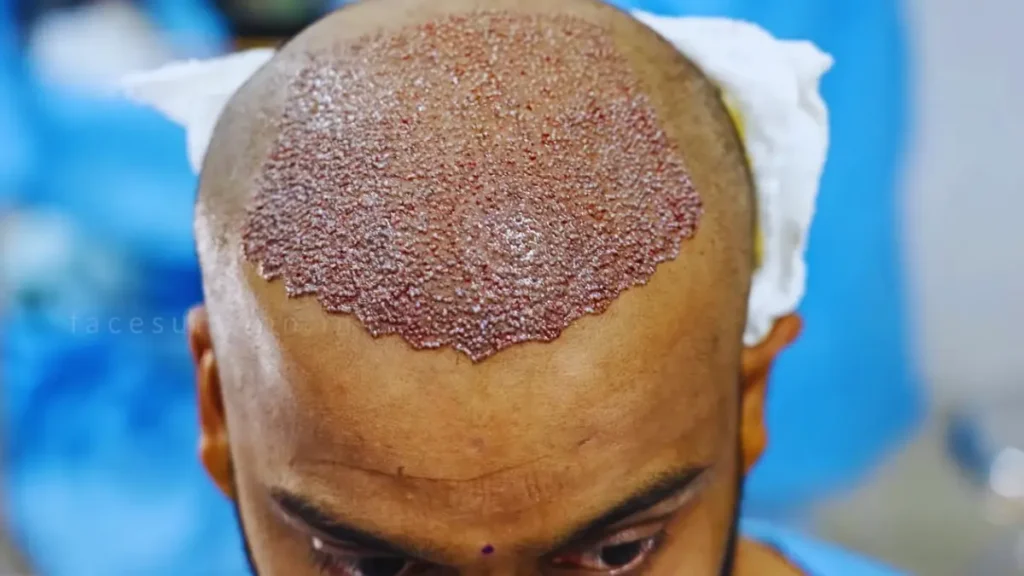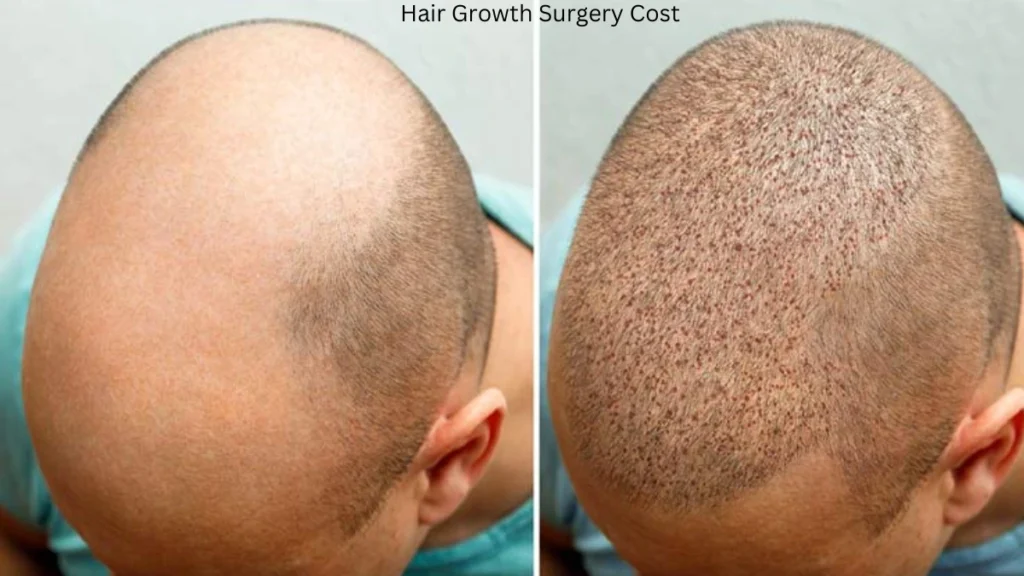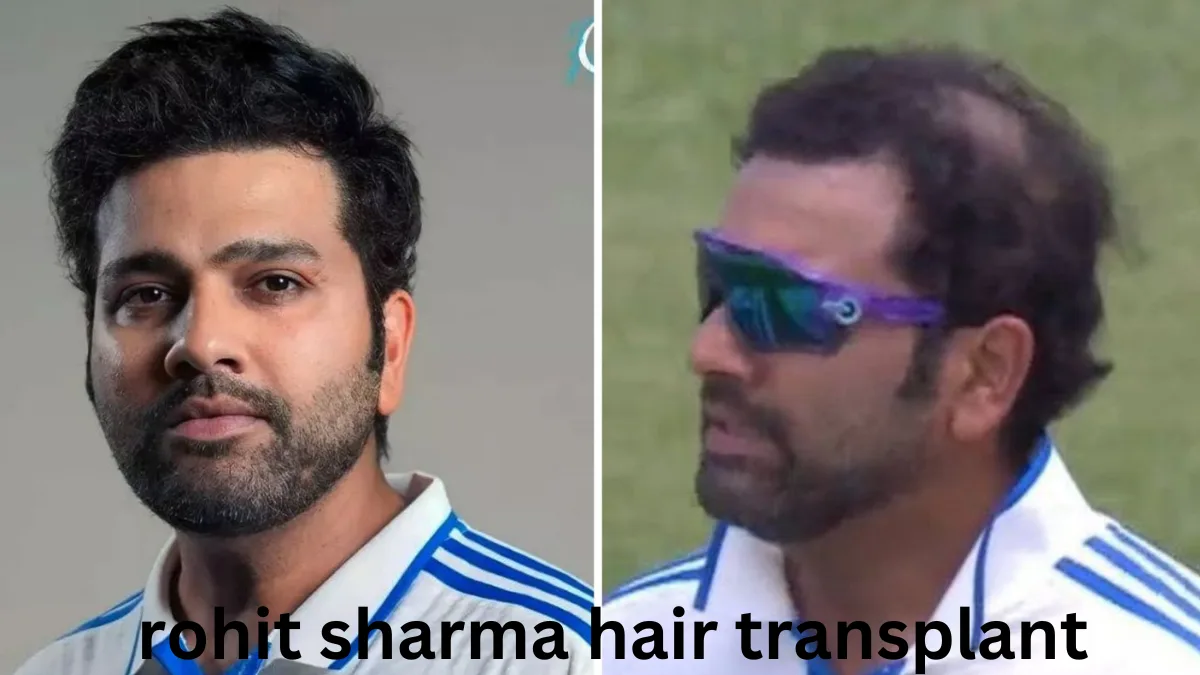
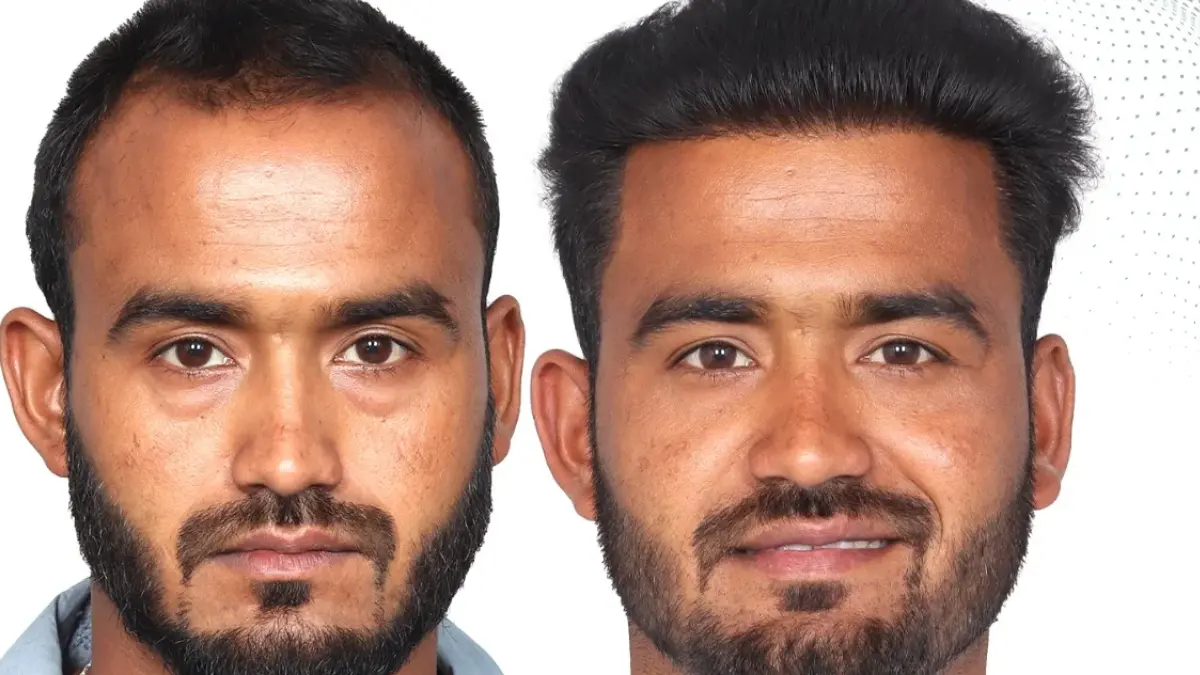
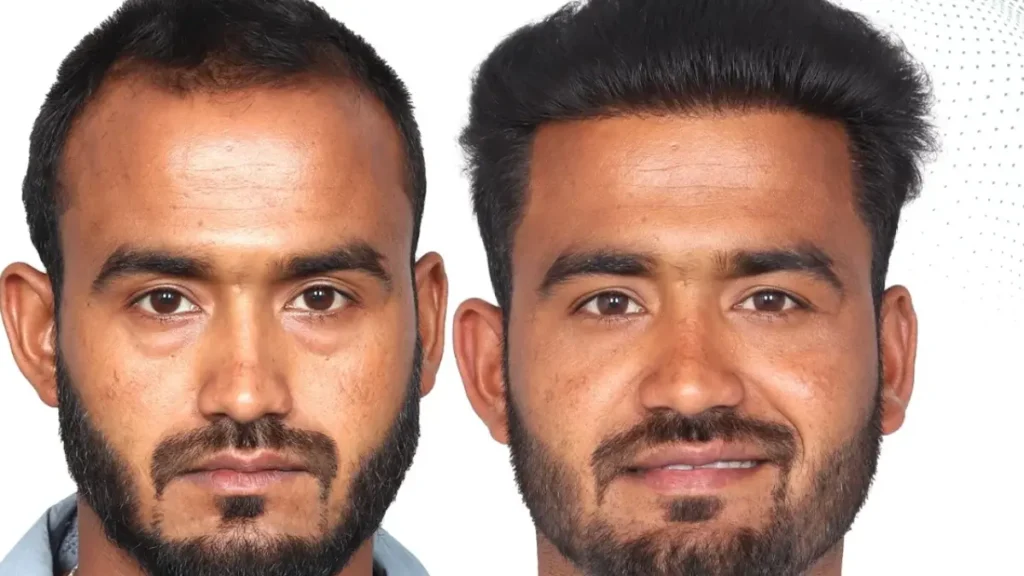
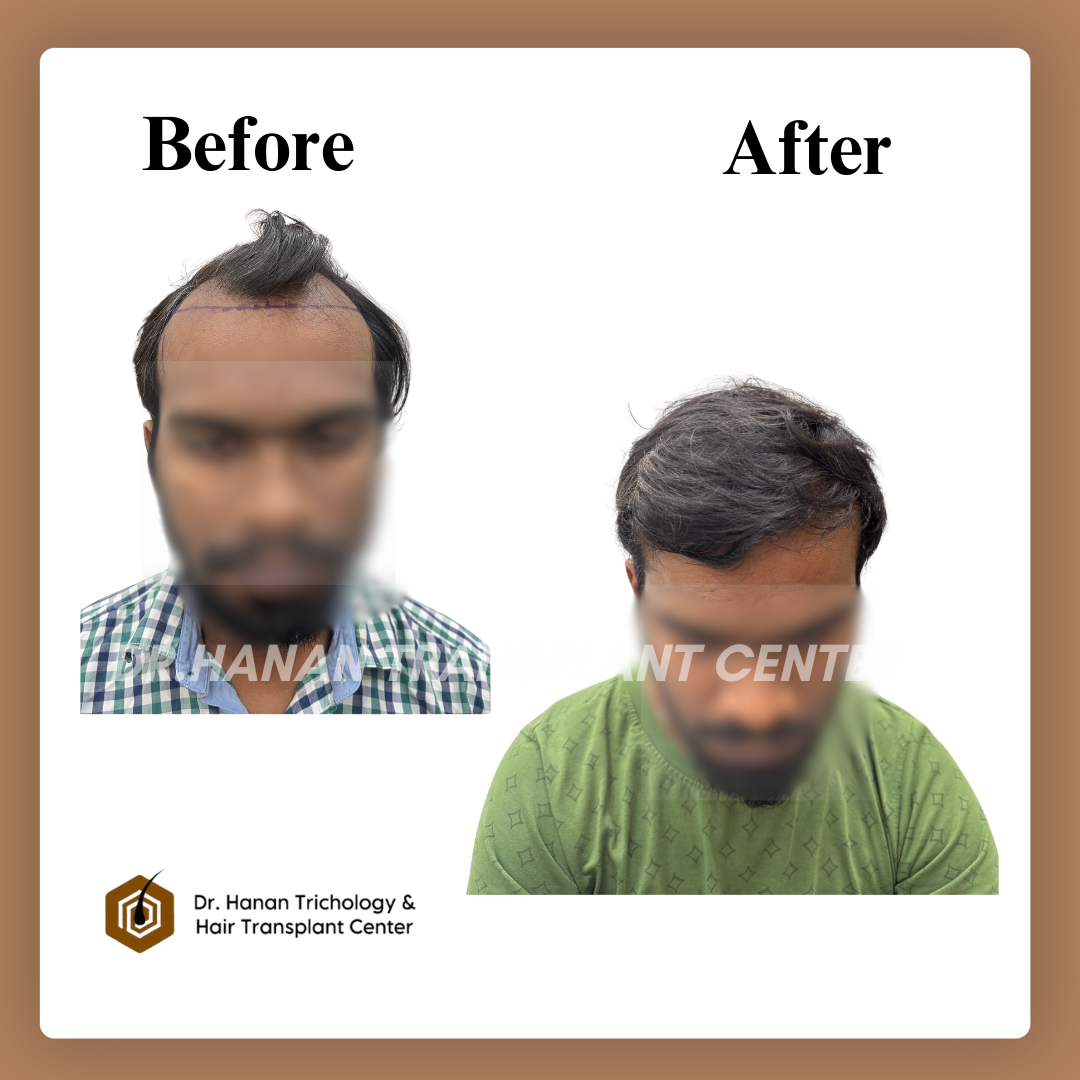
Explore Virat Kohli hair transplant journey, expert insights, FUE technique, graft estimates & before-after results. Learn from a celebrity case study.
Hair Treatment List: Find the Perfect Solution for Your Hair Needs
Looking for the best hair treatment list? Explore expert-recommended solutions for hair fall, dryness, frizz & more.

Your hair deserves a best care, but with so many treatments available, Finding the right one for you may feel overwhelming. Whether you are struggling with frizz, dryness, or hair loss, is a treatment designed to restore and rejuvenate your locks. In this guide, we will detect a comprehensive list of hair remedies to help achieve healthy, shinier, and more manageable hair
Understanding the importance of hair care can be your first step towards long -lasting results. Consistent treatment to your specific requirements not only improves appearance, but also supports overall scalp and hair health. This detailed hair treatment list is your Go-To resource to restore the natural beauty of your hair.
Common Hair Problems and Why Treatments Are Essential
Before diving in treatment, identify some common hair issues:
Frizz and dryness: overexposure to heat, lack of moisture and chemicals.
Hair loss and thin: often associated with stress, hormonal imbalance, or poor nutrition.
dandruff and scalp: as a result of buildup, oil, or skin conditions.
Lack of glow and texture: a sign of damage or poor hair health
Each of these problems requires a tailored solution, and the right treatment can work wonders.
Comprehensive Hair Treatment List
1. Moisture Treatments
Suitable for: dried and brittle hair.
Benefits: Hydrate and smooth hair, prevents breakdown.
Key option: Hydration mask, leave-in conditioner.
Recommended even after heat style or color treatment.
2. Keratin Treatments
Suitable for: frizzy and curly hair.
Benefits: Gets smooth and adds glow when taming frizz.
Duration: Results last up to 3 months.
Ideal for those who want manageable, low maintenance styles.
3. Protein Treatments
Suitable for: weak and damaged hair.
Benefits: Restore strength, reduces breakage, and repair hair.
Application Time: Quick, with different result duration.
Great for people with chemically treated or more styled hairs.
4. Hair Botox
Suitable for all hair types.
Benefits: Reduces frizz, enhances shine, and reduces repair damage.
Duration: up to 4 months.
Non-invasive, formaldehyde-free solution for smooth texture.
5. Hot Oil Treatments
Suitable for: dried, brittle hair.
Benefits: Increases hydration, reduces hair loss, and adds glow.
Key oils: coconut, argan, and castor oil.
The best applied for deep penetration in the hair shaft.
6. Deep Conditioning Treatments
Suitable for: Colorful or chemically treated hair.
Benefits: Improves the texture and hydrates deeply.
Duration: Results last up to 3 weeks.
Helps to maintain color vibrancy and reduces split ends.
7. Scalp Treatments
Suitable for: Dandruff, itching and hair loss.
Benefits: detoxes the scalp and stimulates blood flow.
Option: Salon Exfoliation or at overnight home Treatments .
Oil or serum can be combined for the best results.
8. Hair Glossing Treatments
Suitable for: Dull or lackluster hair.
Benefits: Adds a radiant shine and increases color.
Duration: Temporary, ideal or special occasions.
Available in clear or tinted versions to suit hair goals.
9. Low-Level Laser Therapy
Suitable for: hair loss and thinning.
Benefits: Stimulates hair growth with advanced technology.
Effectiveness: For Visual results require consistent sessions.
Safe, FDA-innovative and non-invasive solution for alopecia.
10. Detox Treatments
Suitable for: Product Buildup or Oily Scalps.
Benefits: Reset the hair and scalp for optimal health.
Application: Special shampoo or salon can be done with services.
The best for those individuals who use regular styling products.
DIY vs. Salon Hair Treatments
Professional treatment: Ideal for long -lasting results and advanced solutions such as keratin or laser therapy.
DIY option: Affordable and convenient for regular maintenance (eg, hot oil or deep conditioning treatment).
Decision Tip: choose based on your hair needs, budget and time constraints.
Salon visits offer customization and higher strength products, while DIY can be great for maintenance.
How to Choose the Right Hair Treatment
Identify your hair concerns: What is your biggest issue – dryness, damage, or dandruff?
Assess your budget and time: some remedies, such as protein therapy, are quick, while others require more commitment.
Consult a professional: For serious issues, a stylist or trichologist may recommend the best solution.
Note how your hair responds post treatment and adjusts accordingly.
Aftercare Tips for Long-Lasting Results
Use sulfate-free shampoo and conditioner.
Avoid excessive heat style.
Follow your stylist’s recommendations for maintenance.
Include nutritious oil and masks in your routine.
Consider protective hairstyles and regular trims.
Conclusion
Hair treatment list your hair and is an important part of your identity, and it is worthy of it to give care that can change both its health and appearance. From keratin to scalp detox treatment, every hair type and a solution to anxiety. Explore these options, consult a professional if necessary, and unlock the way for healthy, more beautiful hair!
Still You’re confused about which treatment is right for you? Dr. Hanan Dermatology Specialty and Trichology Clinic guide experts to a personal hair care trip that provides real results.
Book Your Consultation Today!
For Personalised Treatment visit Dr. Hanan Clinic. Feel confident and proud with our expert care.
FAQ
1. What are the different types of hair treatments available?
There are various hair treatments for different concerns, including hair restoration, color correction, and nourishment. Popular options include hair transplants, keratin treatments, PRP (Platelet-Rich Plasma), and scalp treatments designed to strengthen hair and promote growth.
2. How do I know which hair treatment is right for me?
Choosing the right hair treatment depends on your specific concerns, whether it's hair loss, thinning, or damaged hair. It’s best to consult a dermatologist or hair specialist who can assess your condition and recommend a personalized treatment plan.
3. Are hair treatments safe for everyone?
Most hair treatments are safe when performed by trained professionals. However, individuals with specific allergies or skin sensitivities should consult a dermatologist before undergoing any treatments to ensure they’re safe for their skin and hair type.
Table of Contents
7 Days Glowing Skin Challenge: Your Ultimate Guide to Radiant Skin
Everyone desires healthy, glowing skin, but achieving it requires more than just applying skincare products. A combination of a proper skincare routine, hydration, a healthy diet, and self-care practices can transform your skin. This 7 Days Glowing Skin Challenge is designed to enhance your natural glow with simple yet effective steps. Follow this plan to achieve clear, radiant skin in just one week.
Book Your Consultation Today
Visit Dr. Hanan Dermatology Specialty Clinic in Padur, OMR, Chennai. Schedule your consultation today and start your journey to fuller, healthier hair.
For more information and to book your appointment, visit our clinic or call us at the clinic’s contact details.
Why Skincare Matters
Our skin reflects our internal health and external care. Factors like pollution, stress, poor diet, and lack of hydration can dull our complexion. A structured skincare routine ensures:
- Proper cleansing and hydration
- Removal of dead skin cells
- Skin nourishment with essential nutrients
- Protection from environmental damage
By following this challenge, you’ll learn how to nurture your skin inside and out for long-term results
7-Day Glowing Skin Routine
Day 1: Double Cleanse Your Face
- Start with an oil-based cleanser to remove makeup and dirt.
- Follow with a gentle foaming or gel-based cleanser.
- Rinse with lukewarm water and pat dry.
- Apply a hydrating toner to prep your skin for the next steps.
Day 2: Follow a Separate Evening Routine
- Morning skincare: Use a mild cleanser, vitamin C serum, moisturizer, and sunscreen.
- Night routine: Cleanse, apply a hydrating serum, use retinol (if suitable), and finish with a night cream.
- Night skincare helps repair the skin while you sleep.
Day 3: Exfoliate Your Face and Body
- Use a gentle scrub or chemical exfoliant (AHA/BHA) to remove dead skin cells.
- Exfoliate no more than twice a week to avoid irritation.
- Follow up with a soothing moisturizer.
Day 4: Hydrate – Inside and Out
- Drink at least 8 glasses of water to keep skin plump and hydrated.
- Use a hyaluronic acid serum to lock in moisture.
- Apply a thick layer of moisturizer to prevent water loss.
Day 5: Steam and Facial Massage
- Steaming opens pores and removes toxins.
- Massage your face using a facial oil to improve circulation and lymphatic drainage.
- A simple 5-minute massage can enhance your skin’s elasticity and glow.
Day 6: Eat Skin-Boosting Fruits
- Vitamin C-rich fruits (oranges, strawberries, kiwi) boost collagen production.
- Avocados and nuts provide healthy fats for skin elasticity.
- Leafy greens help detoxify and reduce inflammation.
Day 7: Prioritize Sleep and Rest
- Aim for 7-9 hours of quality sleep to allow skin to regenerate.
- Sleep deprivation can lead to dark circles, dull skin, and premature aging.
- Try a silk pillowcase to reduce skin friction and retain moisture.
Additional Skincare Tips for Lasting Results
- Use Skin Serums: Vitamin C, hyaluronic acid, and retinol can enhance your glow.
- Protect from UV Rays: Always wear sunscreen (SPF 30+), even on cloudy days.
- Eat Healthy: Consume antioxidants, omega-3 fatty acids, and hydration-rich foods.
- Manage Stress: Practice meditation, yoga, or deep breathing to prevent breakouts.
- Try Home Remedies: Use aloe vera, honey, yogurt, or cucumber for natural skin nourishment.
The Role of Diet in Achieving Glowing Skin
Your diet plays a crucial role in your skin’s appearance. A healthy skin diet includes:
- Anti-inflammatory foods: Leafy greens, nuts, seeds, and fatty fish.
- Hydration: Water, green tea, and fresh juices.
- Collagen-boosting foods: Berries, citrus fruits, and bone broth.
- Avoid processed foods: Sugar, fried items, and artificial additives can trigger breakouts.
Conclusion
This 7 Days Glowing Skin Challenge is a simple yet powerful way to achieve naturally radiant skin. By following these daily steps, nourishing your body with the right foods, and staying consistent, you’ll see visible improvements in your skin’s health. Keep up these habits beyond the challenge for long-lasting, beautiful skin.
Top 10 Hair Clinics in Chennai

Maintaining healthy hair is an essential part of personal care, but with rising concerns like hair loss, dandruff, and scalp infections, seeking professional help has become crucial. Chennai, a hub of advanced healthcare services, offers numerous specialized hair clinics catering to various needs. In this article, we’ll explore the top 10 hair clinics in Chennai to help you make an informed choice.
Criteria for Choosing a Hair Clinic
When selecting a hair clinic, consider the following factors:
- Expertise: Look for certified dermatologists and trichologists with proven experience.
- Services Offered: Evaluate the range of treatments such as hair transplants, PRP therapy, and scalp rejuvenation.
- Technology: Clinics using advanced equipment and techniques often deliver better results.
- Reputation: Check patient reviews and testimonials to assess the clinic’s credibility.
- Affordability: Ensure the treatments fit your budget without compromising quality.
Book Your Consultation Today
Visit Dr. Hanan Dermatology Specialty Clinic in Padur, OMR, Chennai. Schedule your consultation today and start your journey to fuller, healthier hair.
For more information and to book your appointment, visit our clinic or call us at the clinic’s contact details.
The Top 10 Hair Clinics in Chennai

1. Dr. Hanan Dermatology Specialty Clinic

- Specializations: Hair transplants, skin and hair treatments.
- Highlights: Known for personalized treatment plans and use of cutting-edge technology.
- Location: Padur, OMR, Chennai
- Patient Reviews: Excellent ratings for natural results and professional care.
2. Oliva Skin & Hair Clinic
- Specializations: PRP therapy, laser hair removal, and hair loss treatments.
- Highlights: Advanced dermatology services with trained experts.
- Location: Multiple branches across Chennai.
- Patient Reviews: High satisfaction with tailored treatment options.
3. Advanced Hair Studio
- Specializations: Non-surgical hair restoration and FUE transplants.
- Highlights: Global presence with state-of-the-art facilities.
- Location: Teynampet, Chennai.
- Patient Reviews: Well-regarded for innovative solutions.
4. Delphi Skin Clinic
- Specializations: Trichology-focused treatments for scalp and hair issues.
- Highlights: Offers affordable and customized care.
- Location: Adyar, Chennai.
- Patient Reviews: Praised for effective and budget-friendly solutions.
5. Aura Skin & Hair Clinic
- Specializations: Hair regrowth treatments and scalp rejuvenation.
- Highlights: Combines cosmetology and dermatology for holistic care.
- Location: Anna Nagar, Chennai.
- Patient Reviews: Positive feedback for affordability and expertise.
6. DHI Hair Transplant Clinic
- Specializations: Direct Hair Implantation (DHI) technique.
- Highlights: Renowned for high precision and natural-looking results.
- Location: Nungambakkam, Chennai.
- Patient Reviews: Consistently rated highly for quality care.
7. Dr. Batra’s Healthcare
- Specializations: Homeopathy-based hair treatments.
- Highlights: Trusted brand with decades of expertise in holistic care.
- Location: Multiple branches in Chennai.
- Patient Reviews: Appreciated for natural and side-effect-free solutions.
8. Hairline International
- Specializations: Comprehensive hair care solutions including PRP therapy and transplants.
- Highlights: Focuses on both medical and cosmetic aspects of hair care.
- Location: Alwarpet, Chennai.
- Patient Reviews: Known for delivering visible results.
9. MAX Hair Clinic
- Specializations: Advanced FUE transplants and bio-enhanced treatments.
- Highlights: Experts in restoring natural hairlines.
- Location: T. Nagar, Chennai.
- Patient Reviews: Highly rated for professionalism and customer care.
10. Eugenix Hair Sciences
- Specializations: High-density hair transplants and scalp care.
- Highlights: Recognized globally for its innovative techniques.
- Location: Kodambakkam, Chennai.
- Patient Reviews: Praised for exceptional results and post-treatment support.
Read more: Best Hair Clinic in Chennai OMR Your Ultimate Guide to Expert Hair Care and Treatment
Benefits of Professional Hair Clinics

- Customized Treatment Plans: Tailored solutions based on individual needs.
- Long-Term Results: Address the root cause of hair issues for lasting improvement.
- Advanced Technology: Ensures effective and minimally invasive procedures.
- Expert Care: Access to qualified professionals ensures safety and quality.
Read more: Benefits of Hair Transplant A Permanent Solution for Hair Loss
Conclusion
Finding the right hair clinic in Chennai can be a game-changer for your hair care journey. With their expertise, advanced technology, and patient-centric approach, these top 10 clinics stand out as the best in the city. Don’t hesitate to consult a professional for personalized care and take the first step towards healthy, beautiful hair.
FAQs
What services do hair clinics in Chennai typically offer?
- Most hair clinics in Chennai provide treatments like hair transplant, PRP therapy, hair loss solutions, dandruff treatment, scalp health assessments, and advanced hair restoration procedures.
How do I choose the best hair clinic in Chennai?
- Look for clinics with experienced dermatologists, certified trichologists, positive patient reviews, modern technology, and personalized treatment plans.
What is the cost of a hair transplant in Chennai?
- The cost ranges from ₹30,000 to ₹1,50,000, depending on the clinic, procedure type (FUE or FUT), and the number of grafts required.
Are the treatments at Chennai hair clinics safe?
- Yes, reputable clinics in Chennai use advanced equipment and trained professionals to ensure safe and effective treatments. Always verify the clinic’s credentials before proceeding.
How long do hair restoration treatments take to show results?
- Results vary by treatment. For hair transplants, visible growth usually begins after 3–6 months. Non-invasive treatments like PRP or laser therapy may show improvement in 4–8 sessions.
Do hair clinics in Chennai treat conditions like alopecia?
- Yes, many clinics specialize in treating alopecia and other hair loss conditions with customized treatments, including medications, PRP therapy, and advanced restorative options.
Do these clinics offer non-surgical hair restoration treatments?
- Absolutely. Non-surgical options include PRP therapy, mesotherapy, laser therapy, and topical or oral medications tailored to individual needs.
Can hair treatments be done for women in Chennai clinics?
- Yes, most clinics offer specialized hair treatments for women, addressing issues like hair thinning, postpartum hair loss, and scalp conditions.
Are consultations free at hair clinics in Chennai?
- Some clinics offer free initial consultations, while others may charge a nominal fee. It’s best to confirm with the clinic beforehand.
What should I consider before starting treatment at a hair clinic?
- Ensure the clinic has certified professionals, discuss potential side effects, understand the costs involved, and follow pre-treatment advice from your trichologist or dermatologist.
Virat Kohli Hair Transplant: Expert Analysis

Virat Kohli is not only a cricket icon, but also a style inspiration for millions of people. The changes that have been decorated over the years have given rise to many conversations, especially about his hair. In this blog, we dive deeply in the discussion around Virat Kohli Hair Transplant, checking facts, experts and techniques that may have contributed to his hair makeover.
Who is Virat Kohli?
Virat Kohli is one of the most successful and recognized cricketers in the world. Kohli, a former captain of the Indian national team, is known for his aggressive batting style, unmatched stability, and charismatic appearance and both. Beyond cricket, he admits to develop his fitness, fashion sense and personal style – including his hair.
Virat Kohli’s Hair Loss Journey
Like many men in his 20 and 30s, Kohli allegedly experienced male pattern baldness, mainly affecting their hairline and temples. Fans saw a change in the density of their hair, speculation about the hair being thin. Despite this, Kohli maintained a well -designed appearance with a hairstyle, which cleverly disrupts thin areas.ohli, a former captain of the Indian national team, is known for his aggressive batting style, unmatched stability, and charismatic appearance and both. Beyond cricket, he admits to develop his fitness, fashion sense and personal style – including his hair.
Did He Really Get a Hair Transplant?
While there is no official confirmation, experts and supervisors strongly believe that Virat Kohli did a hair transplant. Their attention is to be noted, which includes a more defined hairline and full crown, indicating a well -executed process. Hair transplants are common among famous celebrities, and Kohli’s case is widely considered a successful example.
Which Hair Transplant Method Did He Choose?
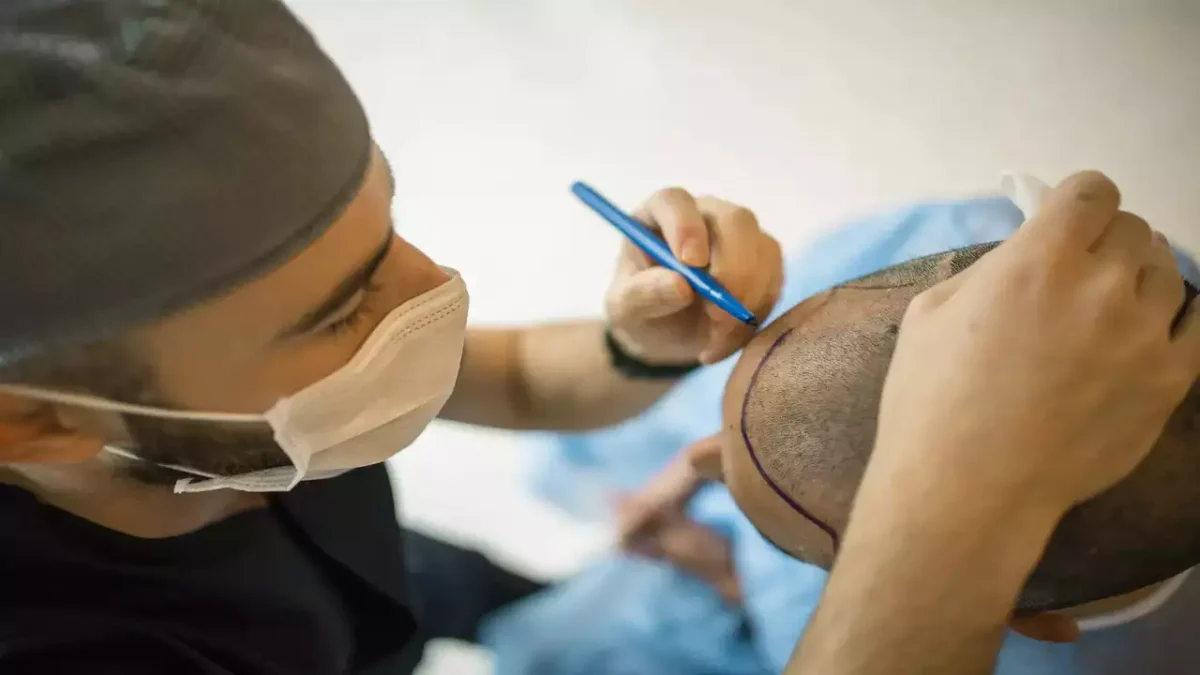
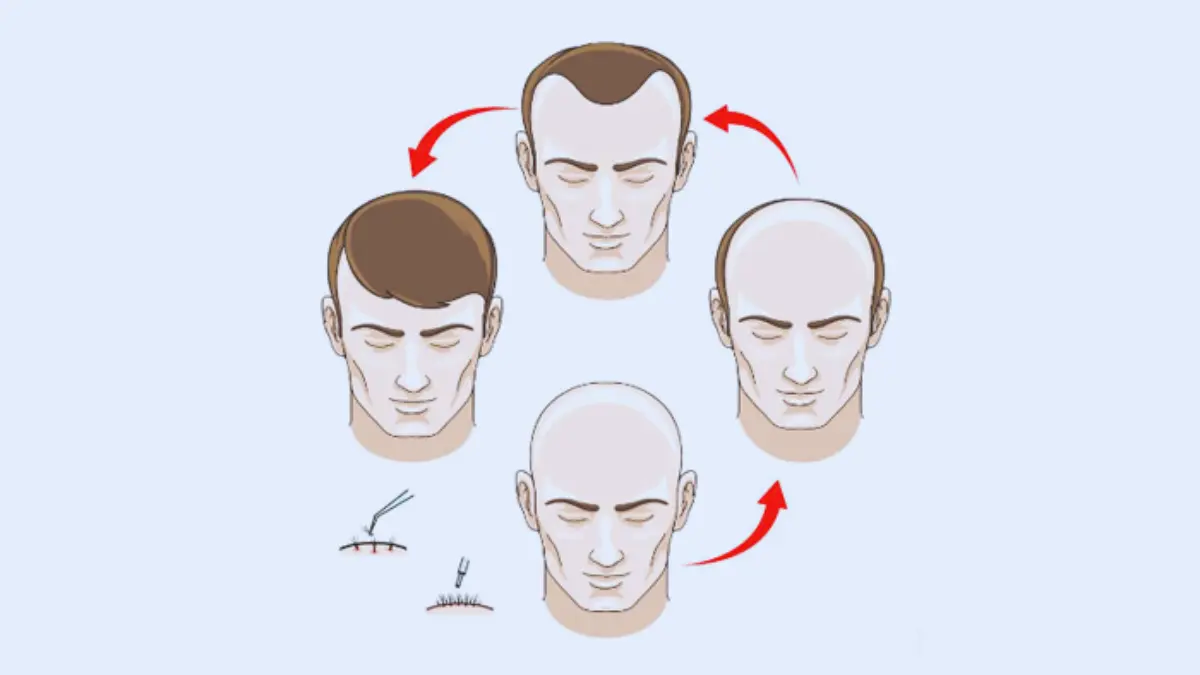
Based on expert analysis, it is likely that Kohli chose for the Fue (follicular unit extraction) method. This modern technology involves extracting separate hair follicles from a donor area (usually behind the skull) and transplanting them into thin or balding areas. Fue is favored by its minimal scarring, natural looking results and low recovery time-it is making a favorite option among celebrities.
How Many Grafts Were Transplanted?
While there is no official confirmation from Virat Kohli or his team about the specifics of the process, hair transplant experts estimate that they will have received around 2,000 to 3,000 grafts. This estimate is based on noticeable improvement in their frontal hairline and overall hair density.
Typically, a graft has 1 to 4 hair follicles. For a person like Kohli – who needs moderate improvements mainly in frontal and temple zones – this range of grafts would be sufficient to achieve a natural, full look, which is seen in its recent public appearances.
Cost of Virat Kohli’s Hair Transplant
While the accurate cost of Kohli’s hair transplant is unknown, based on similar high-end processes in India, the number of grafts and the reputation of the clinic, may range from 2,00,000 to ₹ 5,00,000 or more. Given their position and the quality of the result, it is likely that Kohli chose a premium hair restoration center.
Celebrity Hair Transplants: A Growing Trend
Virat Kohli is included in the list of celebrities like Salman Khan, Akshay Kumar, and others who have allegedly done hair transplants. These changes highlight how accessible and effective modern hair restoration techniques have become – not only for celebrities, but also to gain confidence for anyone.
Expert Opinion: Why FUE Works
The FUE method remains one of the most recommended options by dermatologists and trichologists. It does not leave no linear scars, a quick recovery time, and allows for accurate, natural looking results. For public figure like Kohli, these benefits are important.
Before and After: Virat Kohli’s Hair Transformation
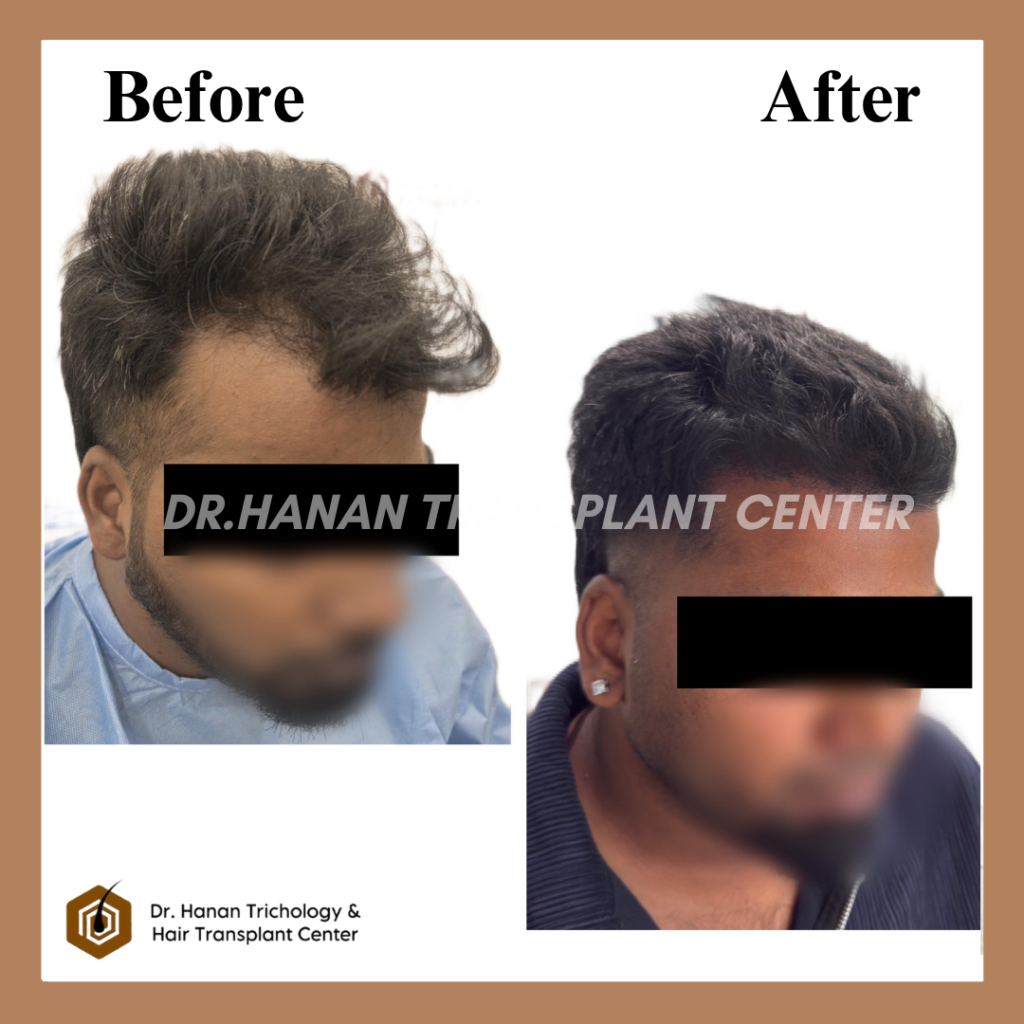
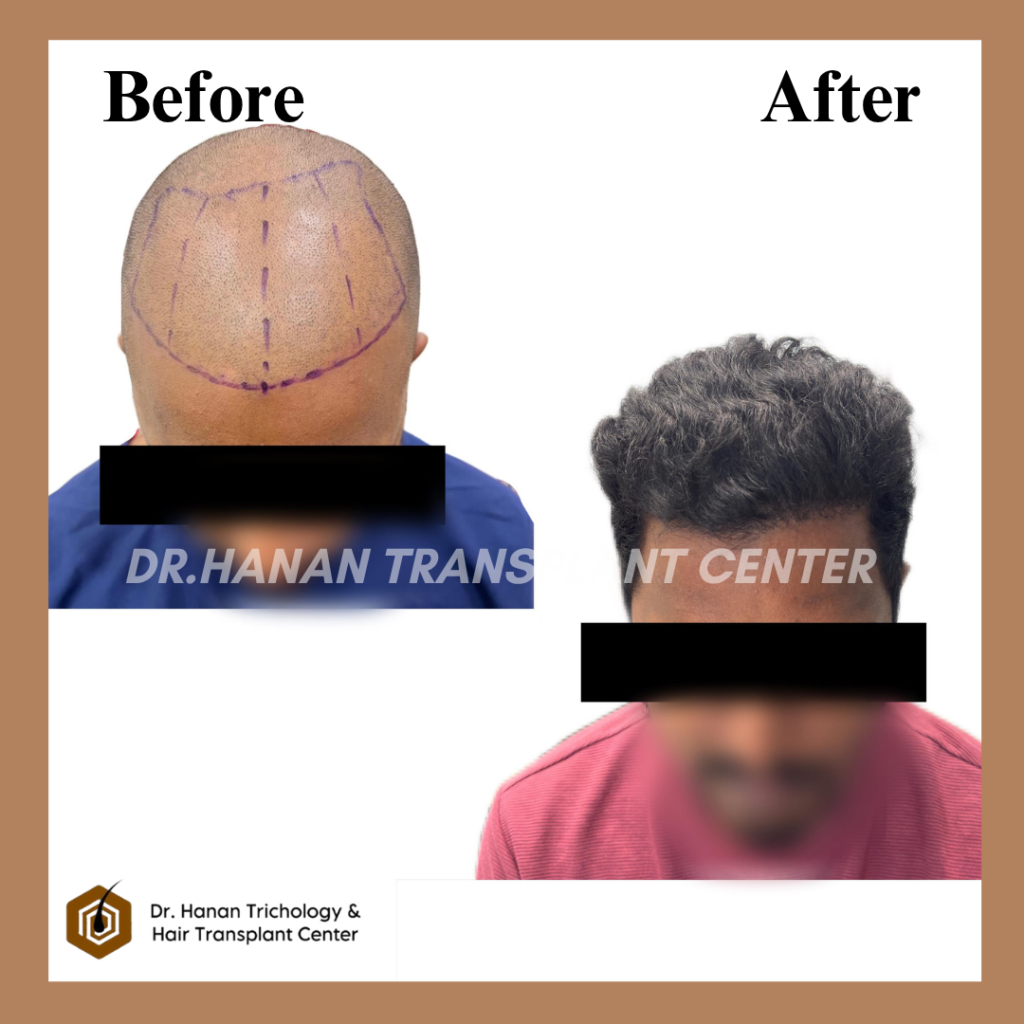
For the recent appearance compared to photos from early 2010, there is a clear difference between Virat’s hair density and line-up. Their current hairstyle looks natural, well mixed, and adds their sharp appearance to a testament for skills behind the process.
Final Thoughts
Virat Kohli’s transformation is not just about looks – it is about confidence and grooming. Whether you are a fan or a child transplant options, their journey provides valuable insight into modern hair restorations.
If you are considering a hair transplant and want professional guidance and natural looking results, visit Dr. Hanan Dermatology Specialty and Trichology Clinic-Your Reliable Destination for Specialist Hair Restoration Solutions.
Table of Contents
Best Homeopathic Medicine for Dandruff and Hair Fall: Natural Remedies for Healthier Hair

Best Homeopathic Medicine for Dandruff and Hair Fall: Hair problems like dandruff and hair fall affect millions of people around the world. While conventional treatments can be effective, many individuals are turning to homeopathic remedies for a more natural and personalized approach to their hair care routine. Homeopathy offers gentle, holistic treatments that target the root causes of hair issues, promoting overall scalp health and hair growth. In this article, we explore the best homeopathic medicines for dandruff and hair fall, their benefits, and how they can help you achieve healthier, fuller hair.
Book Your Consultation Today
Visit Dr. Hanan Dermatology Specialty Clinic in Padur, OMR, Chennai. Schedule your consultation today and start your journey to fuller, healthier hair.
For more information and to book your appointment, visit our clinic or call us at the clinic’s contact details.
Understanding Dandruff and Hair Fall
Before diving into the homeopathic treatments, it’s important to understand what dandruff and hair fall are and how they impact your hair.
What is Dandruff?
Dandruff is a common scalp condition characterized by flaky, itchy skin. It can result from various factors, including:
- Dry Scalp: Lack of moisture can lead to peeling and flakes.
- Fungal Infections: Yeast-like fungi (Malassezia) can trigger dandruff.
- Oily Scalp: Excess oil can mix with dead skin cells, leading to flakes.
What is Hair Fall?
Hair fall occurs when hair shedding exceeds hair growth, leading to thinning or baldness. Common causes include:
- Genetics: Hereditary hair loss can contribute to thinning.
- Stress: Physical or emotional stress can disrupt hair growth.
- Nutritional Deficiencies: Lack of essential vitamins can result in weakened hair.
- Hormonal Imbalances: Conditions like thyroid issues or pregnancy can affect hair growth.
Benefits of Homeopathy for Dandruff and Hair Fall

Homeopathy is known for its holistic approach, treating the individual as a whole rather than just focusing on symptoms. When it comes to dandruff and hair fall, homeopathic remedies work by addressing the root causes and stimulating the body’s natural healing abilities. Here are some key benefits:
- Natural Treatment: Homeopathic medicines use natural ingredients that are gentle on the scalp and hair.
- Personalized Care: Remedies are tailored to the specific symptoms of the individual.
- Long-Term Results: Homeopathic treatments aim to address underlying imbalances, providing long-term relief.
Read more: Dandruff Treatment A Complete Guide to a Healthier Scalp
Best Homeopathic Medicines for Dandruff

Homeopathy offers several remedies that can effectively treat dandruff. Here are some of the most effective medicines for dandruff:
1. Thuja Occidentalis
Thuja is a popular remedy for dandruff caused by fungal infections. It helps balance the scalp’s oil production and promotes healthy hair growth. Thuja is often used for itchy, flaky scalps and can relieve discomfort caused by dandruff.
2. Natrum Muriaticum
This remedy is particularly effective for dry, flaky dandruff that often occurs in winter. If you experience dandruff due to dehydration or environmental factors, Natrum Muriaticum can help restore moisture to the scalp and reduce dryness.
3. Graphites
Graphites is ideal for individuals who experience eczema-like dandruff, where the scalp becomes crusted or greasy. It helps soothe scalp irritation, reduce inflammation, and alleviate flakes.
4. Kali Sulphuricum
For individuals dealing with oily dandruff, Kali Sulphuricum works to balance the scalp’s oil production. It helps treat greasy flakes and helps with scalp inflammation that often accompanies oily dandruff.
Read more: Best Dandruff Treatment in Chennai
Best Homeopathic Medicines for Hair Fall
When it comes to hair fall, homeopathy offers several remedies that can strengthen the hair follicles and promote hair growth. Some of the most effective treatments include:
1. Phosphorus
Phosphorus is known for its ability to treat hair thinning caused by stress or hormonal imbalances. It helps restore vitality to the hair follicles, encouraging hair regrowth. Phosphorus can also be effective for those who experience excessive hair shedding after stressful events.
2. Lycopodium Clavatum
Lycopodium is commonly used for pattern baldness, particularly in individuals who experience hair loss in the crown or front of the scalp. It helps with premature graying and encourages healthy hair growth.
3. Silicea
Silicea is a powerful remedy for individuals suffering from hair fall due to weak hair roots. It helps strengthen the hair follicles, improves scalp health, and reduces excessive hair shedding. It is especially beneficial for people with fragile, brittle hair.
4. Arsenicum Album
For those who experience hair loss related to poor circulation or overall health, Arsenicum Album can be a useful treatment. It helps improve scalp circulation and reduces the shedding of hair, especially if the scalp is inflamed or irritated.
How to Use Homeopathic Remedies for Dandruff and Hair Fall
Homeopathic medicines come in various forms, including liquids, pellets, and tablets. The correct dosage and treatment plan depend on your individual symptoms, so it’s crucial to consult a professional homeopath for personalized advice. Here are some general guidelines for using homeopathic remedies:
Tips for Supporting Hair Health
In addition to homeopathic remedies, there are several lifestyle changes you can make to promote healthy hair:
- Scalp Hygiene: Wash your hair regularly with a gentle shampoo to remove excess oil and dandruff flakes.
- Balanced Diet: Ensure you are getting enough vitamins and minerals like iron, zinc, and biotin to support hair health.
- Avoid Harmful Treatments: Minimize the use of harsh chemicals, heat styling, and other treatments that can damage your hair.
- Stress Management: Practice relaxation techniques like meditation or yoga to reduce stress, which can contribute to hair loss.
Conclusion
Homeopathic remedies offer a natural and effective solution for dandruff and hair fall. Whether you’re dealing with dry scalp, oily flakes, or hair thinning, there are homeopathic treatments that can help address the root causes and promote healthy hair growth. Remember to consult a professional homeopath for personalized advice and treatment plans, and be patient as you give these remedies time to work. Embrace the natural path to healthier, fuller hair with homeopathy.
FAQs at Best Homeopathic Medicine for Dandruff and Hair Fall
1. Are homeopathic remedies safe for dandruff and hair fall? Yes, homeopathic remedies are made from natural ingredients and are safe when used as directed. Always consult a professional for proper guidance.
2. How long does it take to see results with homeopathic treatments for hair fall?
Results can vary depending on the individual, but most people start seeing noticeable improvements after a few weeks to a few months of consistent use.
3. Can homeopathy treat all types of hair loss?
Homeopathy can help with various types of hair loss, including stress-related hair fall, pattern baldness, and hair loss due to poor scalp health.
4. Should I combine homeopathic remedies with other treatments?
It’s best to consult a homeopath before combining treatments. Sometimes, homeopathy works well alongside other natural remedies or lifestyle changes.
Shedding Phase After Hair Transplant: What to Expect & How to Care for Your Scalp
Undergoing a hair transplant is an exciting step toward hair restoration, but many individuals experience the shedding phase shortly after the procedure. This stage, also known as shock loss, is a natural and temporary process. Understanding the shedding phase can help manage expectations and ensure proper scalp care for optimal regrowth.
Book Your Consultation Today
Visit Dr. Hanan Dermatology Specialty Clinic in Padur, OMR, Chennai. Schedule your consultation today and start your journey to fuller, healthier hair.
For more information and to book your appointment, visit our clinic or call us at the clinic’s contact details.
What is the Shedding Phase?
The shedding phase is a temporary period where transplanted hair falls out before new growth begins. This happens because the hair follicles enter the resting phase of the hair growth cycle after being relocated. While shedding may seem concerning, it is a normal and necessary part of the hair restoration journey.
When Does Shedding Occur?
- Shedding typically begins 2–4 weeks after a hair transplant.
- The phase can last for 2–3 months, depending on individual healing factors.
- You may first notice a few hairs falling out, which gradually becomes more noticeable.
Why Does Shedding Happen?
The hair growth cycle consists of three main phases:
- Anagen (Growth Phase): Active hair growth stage.
- Catagen (Transition Phase): Hair stops growing and prepares to shed.
- Telogen (Resting Phase): Hair falls out before new hair grows.
After a transplant, hair follicles enter the telogen phase due to temporary trauma, leading to shedding. However, the follicles remain intact and will soon produce new hair.
What Happens After Shedding?
- 4–12 Months: New hair begins to grow back.
- 12–18 Months: Hair becomes thicker and blends with existing hair.
- The final results depend on individual hair growth rates and adherence to post-transplant care.
How to Care for the Scalp During Shedding

Proper scalp care can promote healing and support new hair growth. Follow these essential tips:
- Use a mild, sulfate-free shampoo to avoid irritation.
- Avoid scratching or rubbing the scalp.
- Pat dry with a soft towel instead of rubbing.
- Keep the scalp hydrated with doctor-recommended products.
- Protect from sun exposure by wearing a hat or using scalp-friendly sunscreen.
Read more: Things to Do Before Getting a Hair Transplant
Can Shedding Be Reduced?
While shedding is unavoidable, certain treatments can help minimize it:
- Platelet-Rich Plasma (PRP) Therapy: PRP injections can boost hair follicle recovery and reduce excessive shedding.
- Medications: Doctors may recommend Minoxidil or Finasteride to support new hair growth and reduce post-transplant shedding.
Common Myths & Misconceptions
Myth 1: Shedding Means the Transplant Failed
Fact: Shedding is a normal part of the hair transplant process, and new hair will grow back stronger.
Myth 2: Shedding is Permanent
Fact: The transplanted hair follicles remain intact, and shedding only affects the hair strands, not the roots.
FAQs
1. Is shedding normal after a hair transplant?
Yes, shedding is a normal part of the healing process. It’s known as shock loss and occurs because the transplanted hair follicles enter the resting phase before new hair growth begins.
2. When does shedding start after a hair transplant?
Shedding typically begins 2–4 weeks after the transplant procedure.
3. How long does the shedding phase last?
The shedding phase can last between 2–3 months, depending on individual healing and hair growth cycles.
4. Does shedding mean my hair transplant has failed?
No, shedding does not mean failure. The hair follicles remain intact, and new hair will begin to grow after the shedding phase.
5. When will new hair start growing after shedding?
New hair usually starts to grow within 4–12 months, with significant thickening by 12–18 months.
6. How can I care for my scalp during the shedding phase?
- Use a mild, sulfate-free shampoo.
- Avoid scratching or rubbing the scalp.
- Keep the scalp moisturized and protected from the sun.
- Follow doctor-recommended post-care instructions.
7. Can I reduce the shedding phase?
Some treatments can help minimize shedding, such as:
- Platelet-Rich Plasma (PRP) Therapy
- Medications like Minoxidil or Finasteride
8. Will all the transplanted hair shed?
Not all transplanted hair will shed, but it is common for a significant amount to fall out before new growth begins.
9. Can I speed up hair regrowth after shedding?
While there’s no way to completely speed up the process, proper scalp care, a healthy diet, and doctor-recommended treatments can support faster regrowth.
10. What if shedding continues beyond three months?
If shedding persists beyond the expected timeline, consult your hair transplant specialist to rule out any underlying issues.
10 Days After Hair Transplant: What to Expect, Care Tips & Healing Timeline
Expert Tips to Choose the Best Hair Transplant Clinic – 10 Days After Hair Transplant

10 Days After Hair Transplant: Undergoing a hair transplant is a life-changing decision, and the recovery journey plays a crucial role in achieving natural, long-lasting results. Ten days after a hair transplant, most patients experience visible healing, reduced discomfort, and an important biological phase known as shock loss.
At Dr. Hanan Dermatology Speciality Clinic, Chennai, patients are carefully guided through each recovery milestone to ensure graft safety and optimal hair regrowth.
Why the 10-Day Mark Is Important After a Hair Transplant
Day 10 marks a critical transition phase in hair transplant recovery:
Hair grafts begin to anchor securely into the scalp
The risk of accidental graft dislodgement significantly reduces
Most post-operative swelling and redness subside
The scalp prepares for the shedding (shock loss) phase, which is normal
While healing is well underway, the scalp still needs gentle care and medical supervision.
What to Expect 10 Days After Hair Transplant
Scalp Appearance
Most tiny scabs fall off naturally
Redness reduces considerably, though mild pinkness may persist
No active bleeding or swelling should be present
This is a healthy sign that the micro-incisions are healing properly.
How the Scalp Feels
Mild tenderness or tightness is common
Occasional itching as nerves regenerate
Grafts feel secure but should not be scratched or rubbed
According to dermatologists, this sensitivity usually resolves over the next 1–2 weeks.
Hair Shedding (Shock Loss)
One of the most common concerns at this stage is hair shedding, also called shock loss.
Transplanted hair shafts may fall out
Hair follicles remain alive and intact beneath the scalp
This process does not affect final hair growth
New hair growth typically begins around 3–4 months post-transplant.
Is Hair Fall Normal 10 Days After Hair Transplant?
Yes. Hair fall at this stage is expected and temporary.
Normal:
Shedding of transplanted hair
No pain or bleeding
Not Normal:
Excessive redness with pus
Severe pain or swelling
Sudden bald patches with inflammation
If any abnormal symptoms appear, immediate consultation is recommended.
Hair Washing Routine at Day 10
Patients can now begin gentle washing:
Use a mild, dermatologist-recommended shampoo
Apply using fingertips (no nails)
Rinse with lukewarm water
Pat dry with a soft towel — do not rub
At Dr. Hanan Dermatology Speciality Clinic, patients receive personalized washing instructions based on their scalp type and transplant technique.
Activities You Can Resume After 10 Days
You may safely resume:
Office work and daily routines
Light walking
Normal sleeping with a soft pillow
Activities to Still Avoid
Heavy workouts or sweating
Swimming and steam baths
Direct sun exposure
Smoking and alcohol
Hair styling products or oil massage
These can delay healing and affect graft survival.
Do’s and Don’ts 10 Days After Hair Transplant
Do’s
Follow your dermatologist’s aftercare plan
Stay hydrated and eat protein-rich foods
Use prescribed medications only
Protect the scalp from dust and pollution
Don’ts
Scratch or pick scabs
Massage the scalp
Wear tight helmets or caps
Skip follow-up appointments
Warning Signs to Watch After Day 10
Contact your dermatologist immediately if you notice:
Persistent redness or swelling
Pus or foul discharge
Fever or severe pain
Sudden bleeding
Early medical attention prevents complications.
Hair Growth Timeline After This Stage
| Time After Transplant | What Happens |
|---|---|
| 2–4 weeks | Shock loss phase |
| 3–4 months | New baby hair starts growing |
| 6 months | Visible density improvement |
| 9–12 months | Final, natural results |
Patience and proper care are key to success.
Expert Dermatologist Advice for Faster Healing
Dr. Hanan Basith, MD (DVL), FFAM, Founder of Dr. Hanan Dermatology Speciality Clinic, emphasizes:
Regular follow-ups improve outcomes
Nutrition and scalp hygiene matter
Avoid self-medication or online remedies
Choose experienced dermatologists for long-term success
Dr. Hanan is a graduate of Madras Medical College, Chennai, a fellow in facial aesthetic medicine, and a life member of IADVL, ACSI, and AHRS, ensuring international-standard care.
Book Your Consultation Today!
For Personalised Treatment visit Dr. Hanan Clinic. Feel confident and proud with our expert care.
FAQs
Is it normal for hair to fall out 10 days after a hair transplant?
Yes. Hair fall at this stage is completely normal and is known as shock loss. Only the hair shafts shed, while the transplanted follicles remain healthy beneath the scalp and will regrow new hair in the coming months.
Can grafts fall out after 10 days?
No. By Day 10, the grafts are usually securely anchored in the scalp. Normal washing or gentle touch will not dislodge them if aftercare instructions are followed properly.
Is redness or pinkness still normal after 10 days?
Mild redness or pinkness is normal, especially in fair or sensitive skin types. It typically fades over the next few weeks. Severe redness, pain, or pus should be evaluated by a dermatologist.
Can I wash my hair normally 10 days after a hair transplant?
You can gently wash your hair using a mild, dermatologist-recommended shampoo. Avoid rubbing, scratching, or using strong water pressure. Always pat dry with a soft towel.
Can I resume work and daily activities after 10 days?
Yes. Most patients can return to office work, walking, and light daily activities. Heavy exercise, sweating, swimming, and gym workouts should still be avoided.
Is itching normal 10 days after a hair transplant?
Yes. Mild itching is a sign of healing and nerve regeneration. Do not scratch the scalp. If itching becomes severe, consult your dermatologist for soothing medications.
Can I apply oil or hair products at this stage?
No. Hair oils, gels, sprays, and styling products should be avoided for at least 3–4 weeks or until your doctor advises otherwise.
When will new hair start growing after shock loss?
New hair growth usually begins around 3 to 4 months after the transplant. Visible density improves by 6 months, with final results seen between 9–12 months.
Can I wear a helmet or cap after 10 days?
Loose-fitting caps may be allowed, but tight helmets or caps should be avoided as they can irritate the scalp and affect healing.
When should I contact my doctor after Day 10?
Contact your dermatologist if you notice increasing pain, swelling, pus, persistent redness, fever, or unusual bleeding.
Why choose Dr. Hanan Dermatology Speciality Clinic for hair transplant care?
Dr. Hanan Dermatology Speciality Clinic in Chennai offers advanced hair transplant techniques, experienced dermatologists, personalized post-procedure care, and affordable, ethical treatment focused on long-term results.
Table of Contents
Hair Replacement in Chennai: Top Clinics, Methods & Cost 2026

Hair Replacement in Chennai: Hair loss can significantly affect your appearance and self-esteem, leading many individuals to seek effective solutions. Whether it’s thinning hair, bald patches, or complete hair loss, hair replacement offers a promising way to regain your natural look and confidence. Chennai, known for its advanced medical treatments, is home to some of the top clinics offering expert hair replacement services. In this guide, we’ll explore the best hair replacement options available in Chennai, the methods involved, and how to choose the right clinic for your needs.

Book Your Consultation Today
Visit Dr. Hanan Dermatology Specialty Clinic in Padur, OMR, Chennai. Schedule your consultation today and start your journey to fuller, healthier hair.
For more information and to book your appointment, visit our clinic or call us at the clinic’s contact details.
Understanding Hair Loss
Hair loss affects millions of people globally, and it can occur due to various factors. Common causes include:
- Genetics: The most common cause, known as androgenic alopecia, leads to gradual hair thinning.
- Stress: Physical or emotional stress can trigger hair loss, causing temporary shedding.
- Medical Conditions: Conditions like thyroid disorders, anemia, and autoimmune diseases can contribute to hair loss.
- Nutritional Deficiencies: Lack of essential vitamins and minerals can weaken hair follicles and lead to thinning.
Hair loss can be both emotionally and psychologically challenging, which is why many turn to hair replacement solutions for a lasting solution.

Read more: Hair Transplant Cost in India : Guide for 2024
What is hair replacement?
Hair replacement is a non-invasive or minimally invasive procedure that provides a permanent solution for those experiencing hair loss. It differs from hair transplants, which involve transplanting your own hair follicles to the balding areas. Hair replacement techniques are designed to restore a full head of hair, boosting your confidence and appearance.
Difference Between Hair Replacement and Hair Transplant:
- Hair Replacement: Involves the use of wigs, hair systems, or non-surgical methods to cover bald spots.
- Hair Transplant: A surgical procedure where hair follicles are transplanted from one part of the scalp to another.
Top Hair Replacement Methods in Chennai
Chennai offers a variety of hair replacement methods catering to different needs and preferences. The city is home to expert clinics that use the latest technology and techniques to ensure natural-looking results.
1. Hair Transplants
Hair transplants are among the most popular and effective treatments for hair loss. Two main types are:
- FUT (Follicular Unit Transplantation): Involves removing a strip of scalp with healthy hair follicles and transplanting them to the balding areas.
- FUE (Follicular Unit Extraction): A more advanced method where individual hair follicles are extracted and implanted one by one.
Both methods are minimally invasive, providing long-lasting, natural results.
2. Non-Surgical Solutions
For those who prefer a non-invasive approach, several options are available:
- Scalp Micropigmentation: A tattoo-like procedure that creates the illusion of a fuller head of hair by applying pigment to the scalp.
- Hair Fibers: Temporary hair fibers are applied to existing hair to add volume and thickness.
- Wigs and Hairpieces: Custom-made wigs and hair systems provide an instant solution for hair loss, offering comfort and a natural appearance.
3. Custom Hair Systems
Custom hairpieces are designed to match your natural hair texture, color, and density. These systems are ideal for individuals who want a non-surgical but highly personalized hair replacement solution.
Choosing the Right Hair Replacement Clinic in Chennai
Selecting the right clinic is crucial for achieving the best results. When choosing a clinic in Chennai, consider the following factors:
- Experience and Reputation: Look for clinics with experienced doctors who specialize in hair replacement.
- Technology and Techniques: Choose clinics that use the latest technologies and up-to-date techniques to ensure optimal results.
- Patient Reviews and Testimonials: Reading reviews from past patients will give you insight into the clinic’s quality and patient care.
- Consultation and Diagnosis: Ensure the clinic offers a thorough consultation process to assess your hair loss and recommend the most suitable treatment.
Some of the top-rated clinics in Chennai for hair replacement include RichFeel Hair and Skin Clinic, Dr. Batra’s Clinic, and Auris Clinic.
Benefits of Hair Replacement

Hair replacement offers numerous benefits that go beyond aesthetic improvements:
- Restored Confidence: Hair loss can impact your self-esteem, and hair replacement can help you feel confident again.
- Natural-Looking Results: Whether you choose a surgical or non-surgical option, the results of hair replacement are natural-looking and effective.
- Minimally Invasive: Many hair replacement options are non-invasive, requiring little to no downtime.
- Long-Lasting Effects: Hair replacement provides long-term results with proper care, particularly surgical methods like hair transplants.
Read more: Best Hair Transplant Center in Chennai 2024
Cost of Hair Replacement in Chennai
The cost of hair replacement in Chennai can vary significantly depending on the method, clinic, and extent of hair loss.
- Hair Transplants: Typically cost between ₹50,000 and ₹1,50,000, depending on the number of grafts required.
- Non-Surgical Solutions: Wigs or hair systems can range from ₹10,000 to ₹50,000, depending on quality and customization.
- Scalp Micropigmentation: This can cost between ₹25,000 and ₹80,000, depending on the area treated.
Many clinics also offer financing options to make the treatments more accessible.
What to Expect During the Hair Replacement Process
- Consultation: Your hair replacement journey begins with a thorough consultation where the doctor assesses your hair loss and recommends the best treatment.
- Procedure: The procedure varies depending on the method chosen. For hair transplants, it involves grafting hair follicles, while non-surgical methods like scalp micropigmentation may take a few hours.
- Recovery: Post-treatment care is essential for optimal results. For surgical methods, expect a recovery period of 7-10 days, while non-surgical methods have minimal downtime.
Risks and Side Effects
While hair replacement treatments are generally safe, there are some risks and side effects to consider:
- Hair Transplants: Temporary swelling, scarring, and infection.
- Non-Surgical Methods: Allergic reactions or discomfort from hairpieces or scalp treatments.
- Aftercare: Following post-procedure care instructions is crucial to prevent complications.
Hair Replacement Aftercare
To ensure the longevity of your new hair, follow these aftercare tips:
- For Hair Transplants: Avoid heavy exercise for a few weeks, and follow your doctor’s instructions for washing and maintaining your hair.
- For Non-Surgical Methods: Regular cleaning and maintenance of wigs, hair systems, and scalp treatments are necessary.
- Diet and Lifestyle: Maintain a healthy diet rich in vitamins and minerals to support hair health.
Conclusion
Hair replacement in Chennai offers an excellent solution for those struggling with hair loss. Whether you choose a surgical transplant or a non-surgical treatment, the city’s top clinics provide advanced options to restore your natural look. The key to successful hair replacement lies in choosing a reputable clinic, understanding the costs, and following proper aftercare.
Start your hair restoration journey today and regain your confidence with the best hair replacement solutions available in Chennai!
FAQs
- Is hair replacement permanent?
- Surgical hair transplants are permanent, while non-surgical options may require maintenance.
- How long does it take to see results?
- Results from hair transplants can take several months to become fully visible, while non-surgical solutions show immediate effects.
- Are there any risks with hair replacement treatments?
- As with any medical procedure, there are some risks, but they are generally minimal if done by a qualified expert.
- How much does a hair transplant cost in Chennai?
- Hair transplant costs in Chennai typically range from ₹50,000 to ₹1,50,000 depending on the number of grafts.
Beard Hair Transplant in Chennai
Beard Hair Transplant in Chennai Learn what top dermatologists in Chennai say about the link between stress and hair fall, types, treatments, and recovery tips.

Natural & Permanent Beard Restoration at Dr. Hanan Dermatology Speciality Clinic
Beard Hair Transplant in Chennai: A well-shaped, dense beard is often associated with confidence and a strong appearance. However, many men struggle with patchy, thin, or uneven beard growth due to genetics, scars, or medical conditions. If you are looking for a safe and permanent solution, a beard hair transplant in Chennai at Dr. Hanan Dermatology Speciality Clinic can help you achieve natural-looking, long-lasting results.
Located at Padur, OMR, Chennai, Dr. Hanan Dermatology Speciality Clinic is a trusted center for advanced hair restoration, offering dermatologist-supervised beard transplants using modern, proven techniques.
What Is a Beard Hair Transplant?
A beard hair transplant is a minimally invasive cosmetic procedure where healthy hair follicles are taken from a donor area—usually the back of the scalp—and carefully implanted into areas of the beard that lack density or have no growth.
The transplanted hair grows naturally, just like your original beard hair, and once established, it becomes permanent. The procedure is customized to match your facial structure, beard pattern, and hair texture for a natural appearance.
Who Is an Ideal Candidate for a Beard Hair Transplant?
You may be a good candidate for a beard transplant if you have:
Patchy or uneven beard growth
No beard growth due to genetics
Beard hair loss from scars, burns, or acne marks
Alopecia areata affecting the beard
Stable overall health and realistic expectations
A detailed consultation at Dr. Hanan Dermatology Speciality Clinic helps determine suitability and expected results.
Common Causes of Poor Beard Growth
Understanding the cause of beard hair loss is important before treatment. Common reasons include:
Genetics: Family history of thin or patchy beard
Hormonal imbalance: Low androgen sensitivity
Skin conditions: Alopecia areata or chronic inflammation
Scarring: Injuries, burns, or acne scars
Past habits: Over-plucking or improper grooming
At Dr. Hanan’s clinic, beard hair loss is evaluated medically to ensure the right treatment approach.
Beard Hair Transplant Procedure at Dr. Hanan Dermatology Speciality Clinic
The clinic follows a precise, dermatologist-led approach for safe and natural outcomes.
Step-by-step process:
Consultation & Beard Design
Facial analysis and beard shape planning based on face structure.Donor Area Selection
Healthy hair follicles are selected from the scalp.Advanced FUE Technique
Individual hair follicles are extracted using minimally invasive methods.Implantation
Grafts are placed at the correct angle and direction to mimic natural beard growth.Post-Procedure Care
Aftercare instructions and follow-ups ensure smooth recovery.
The procedure is usually completed in a single session and does not require hospital admission.
Why Choose Dr. Hanan Dermatology Speciality Clinic for Beard Hair Transplant in Chennai?
Patients trust Dr. Hanan Dermatology Speciality Clinic for beard transplants because of its medical expertise and ethical care.
Key advantages:
Procedure supervised by a qualified MD Dermatologist
Natural beard line and density planning
Advanced FUE technology
High safety and hygiene standards
Affordable and transparent pricing
Personalized treatment for every patient
Beard Hair Transplant Results: What to Expect
Initial shedding may occur in the first few weeks (normal phase)
New beard hair growth starts in 3–4 months
Visible improvement by 6 months
Full, natural beard growth by 9–12 months
The transplanted hair grows permanently and can be shaved, trimmed, and styled like natural beard hair.
Recovery and Aftercare
Recovery after a beard hair transplant is generally smooth.
Aftercare guidelines include:
Mild redness or swelling for a few days
Avoid touching or shaving the beard initially
Follow prescribed medications and skincare routine
Resume normal activities within a few days
Regular follow-ups at the clinic help monitor healing and results.
Beard Hair Transplant Cost in Chennai
The cost of beard hair transplant in Chennai depends on:
Number of grafts required
Area of beard coverage
Technique used
Individual beard design complexity
At Dr. Hanan Dermatology Speciality Clinic, pricing is kept affordable without compromising medical quality. A personalized cost estimate is provided after consultation.
Is Beard Hair Transplant Safe?
Yes. When performed by trained professionals in a certified clinic, beard hair transplant is considered safe.
Safety highlights:
Minimally invasive procedure
Low risk of complications
Permanent and natural results
Dermatologist-supervised care
Patients with certain medical conditions may require additional evaluation before proceeding.
Book Your Consultation Today!
For Personalised Treatment visit Dr. Hanan Clinic. Feel confident and proud with our expert care.
FAQs
1. Is beard hair transplant permanent?
Yes. The transplanted hair follicles are taken from healthy donor areas (usually the scalp) and are permanent. Once they grow, they behave like natural beard hair and can be shaved, trimmed, and styled normally.
2. How long does it take to see results?
Initial hair shedding occurs in the first few weeks, which is normal. New hair growth begins around 3–4 months, with visible results by 6 months. Full beard density and natural appearance are typically achieved by 9–12 months.
3. Does the procedure hurt?
The procedure is performed under local anesthesia, so discomfort is minimal. Most patients report feeling only mild pressure during graft implantation. Post-procedure, any minor swelling or redness usually subsides within a few days.
4. Who is eligible for a beard hair transplant?
Ideal candidates are men with patchy or thin beard growth, scars, burns, or genetic beard hair loss. A consultation at Dr. Hanan Dermatology Speciality Clinic will assess your suitability based on hair density, skin type, and medical history.
5. How long does the procedure take?
A beard hair transplant session typically lasts 4–6 hours, depending on the number of grafts required and the area of beard coverage. Most patients can resume normal daily activities shortly after the procedure.
6. Is beard hair transplant safe?
Yes. When performed by a qualified dermatologist at a certified clinic, beard hair transplant is a safe, minimally invasive procedure. Dr. Hanan Dermatology Speciality Clinic follows strict hygiene protocols and medical standards to ensure safety.
7. Can I shave or style my beard after the transplant?
After complete healing and hair growth, transplanted hair can be shaved, trimmed, or styled like natural beard hair. Patients should follow post-procedure care instructions to ensure optimal growth.
8. How much does a beard hair transplant cost in Chennai?
Cost depends on factors like the number of grafts, area of coverage, and technique used. At Dr. Hanan Dermatology Speciality Clinic, we offer affordable and transparent pricing tailored to your individual needs. A detailed cost estimate is provided after consultation.
9. How long is the recovery period?
Most patients experience mild redness or swelling for 3–5 days. Normal activities can usually resume immediately, but strenuous activity should be avoided for the first week. Full recovery and optimal hair growth occur over several months.
10. Can beard transplants fix scars or burns?
Yes. Beard hair transplant can effectively restore hair in areas affected by scars or burns, giving a natural appearance. The dermatologist carefully designs graft placement to cover scar tissue seamlessly.
Table of Contents
Hair Clinic: Your Path to Healthy, Beautiful Hair
Hair health is not just about aesthetics; it’s an integral part of our overall well-being. Hair clinics play a crucial role in diagnosing and treating a variety of hair and scalp issues, providing specialized care and advanced treatments. This article explores what hair clinics are, the services they offer, and how they can benefit those struggling with hair problems.
What is a hair clinic?
A hair clinic is a specialized medical facility that focuses on diagnosing and treating hair and scalp conditions. These clinics offer a range of services designed to address various hair issues, from hair loss to scalp diseases. Whether you are experiencing thinning hair or scalp conditions, or simply want to enhance the health and appearance of your hair, a hair clinic can provide the expert care you need.
Top Clinic In Chennai:
| Clinic Name | Specialization | Location | Consultation Fees |
|---|---|---|---|
Dr.Hanan Dermatology Speciality Clinic | Hair transplant, FUE, FUT, PRP therapy | Chennai | ₹600 |
| DHI Hair Transplant Clinic | Direct Hair Implantation (DHI), hair restoration | Chennai | ₹3000 |
| VBC Hair Transplant Clinic | Hair transplants, scalp treatments, PRP therapy | Chennai | ₹2000 |
| Dr. Narayanamurthy’s Clinic | Hair restoration, skin care treatments, advanced hair transplant methods | Alwarpet, Chennai | ₹750 |
| Dr. Ganga Ravikumar Aesthetic Dermatology Clinic | Aesthetic dermatology, hair restoration, PRP | Adyar, Chennai | ₹500 |
| Dr. Anand’s Dermatology Clinic | Hair restoration, hair loss treatments, PRP therapy | Chennai | ₹1200 |
| Dr. Hanander Dermatology Clinic | Advanced dermatology, hair restoration, PRP, scalp treatments | Chennai | ₹1000 |
Dr.Hanan Dermatology Speciality Clinic is a reputable option for those seeking high-quality dermatological and hair restoration treatments. With services like PRP therapy and scalp treatments, it is recognized for its professional care and advanced techniques in hair restorationop hair clinics in Chennai.
Clinic Location
Common Hair Issues Addressed by Hair Clinics
Hair Loss and Thinning
Hair loss is a common concern for many individuals. Clinics offer treatments for various types of hair loss, including male and female pattern baldness, alopecia areata, and telogen effluvium.
Scalp Conditions
Scalp conditions such as dandruff, psoriasis, and seborrheic dermatitis can be uncomfortable and unsightly. Hair clinics provide specialized treatments to manage and alleviate these conditions.
Hair Damage
Issues like breakage, split ends, and overall hair damage can result from various factors, including heat styling, chemical treatments, and environmental stressors. Clinics offer treatments to repair and strengthen damaged hair.
Aesthetic Concerns
For those looking to improve the texture, volume, and overall appearance of their hair, clinics offer cosmetic treatments such as hair restoration and extensions.
Treatments and Services Provided
Consultations and Diagnostics
Hair clinics begin with a thorough consultation and diagnostic assessment. This involves understanding your hair and scalp condition, medical history, and lifestyle to create a personalized treatment plan.
Medical Treatments
These include prescription medications, topical treatments, and injections that target specific hair and scalp issues. Examples include minoxidil for hair growth and corticosteroids for inflammatory scalp conditions.
Surgical Treatments
Hair transplant procedures, such as Follicular Unit Extraction (FUE) and Follicular Unit Transplantation (FUT), are offered to individuals with significant hair loss. These procedures transplant hair follicles from one part of the body to the scalp to restore hair growth.
Non-Surgical Treatments
Non-invasive treatments like platelet-rich plasma (PRP) therapy, laser therapy, and microneedling stimulate hair growth and improve scalp health without the need for surgery.
Cosmetic Treatments
For those looking to enhance their hair’s appearance, clinics offer services such as hair restoration, extensions, and professional styling to achieve the desired look.
Benefits of Visiting a Hair Clinic
Expert Diagnosis and Treatment
Hair clinics provide access to experienced dermatologists and trichologists who specialize in hair and scalp health. Their expertise ensures accurate diagnosis and effective treatment plans.
Customized Care Plans
Treatment plans are tailored to meet individual needs, addressing specific hair and scalp conditions for optimal results.
Access to Advanced Technology and Treatments
Hair clinics utilize the latest technology and treatments to ensure the best possible outcomes for their patients.
Improved Hair Health and Appearance
Effective treatments lead to healthier, stronger, and more attractive hair, enhancing overall well-being.
Boost in Confidence and Self-Esteem
Improving hair health can significantly boost one’s confidence and self-esteem, contributing to a better quality of life.
How to Choose the Right Hair Clinic
Researching Clinic Credentials and Reputation
Ensure the clinic has certified professionals and a good reputation. Look for credentials, certifications, and professional affiliations.
Evaluating the Expertise of the Medical Staff
Check the qualifications and experience of the medical staff, including dermatologists, trichologists, and surgeons.
Reviewing Patient Testimonials and Before-and-After Photos
Patient reviews and before-and-after photos provide insights into the clinic’s success rates and patient satisfaction.
Considering the Range of Services Offered
Choose a clinic that offers a comprehensive range of treatments to address your specific needs.
Assessing the Clinic’s Location and Facilities
Ensure the clinic is conveniently located and has modern facilities equipped with the latest technology.
Case Studies and Success Stories
Examples of Successful Hair Treatments and Outcomes
- Patient A: Successfully treated for androgenetic alopecia with a combination of minoxidil and PRP therapy, resulting in significant hair regrowth.
- Patient B: Underwent an FUE hair transplant procedure, achieving natural-looking hair restoration and boosting self-confidence.
Detailed Analysis of Treatment Plans and Results
A thorough analysis of these cases shows how personalized treatment plans and advanced therapies can lead to successful outcomes.
Impact on Patients’ Hair Health and Overall Well-Being
Patients reported improved hair health, increased confidence, and enhanced quality of life following their treatments.
Common Myths and Misconceptions
Debunking Myths About Hair Loss and Treatments
Common myths include the belief that hair loss is solely genetic or that wearing hats causes hair loss. Hair clinics provide evidence-based information to dispel these myths.
Clarifying Misconceptions About Hair Transplants and Other Procedures
Many believe hair transplants result in unnatural looks or are only for men. Clinics educate patients on the natural results achievable with modern techniques and the suitability of these procedures for both men and women.
Understanding the Realities of Hair Care and Maintenance
Maintaining healthy hair requires ongoing care and attention. Clinics offer guidance on proper hair care routines and maintenance to sustain treatment results.
Future Trends in Hair Treatment
Innovations in Hair Transplant Techniques
Emerging techniques, such as robotic hair transplants and advanced FUE methods, are making hair restoration more effective and less invasive.
Advances in Non-Surgical Hair Restoration
New therapies like stem cell treatments and improved PRP formulations are enhancing non-surgical options for hair restoration.
The Role of Genetics and Personalized Medicine
Genetic testing and personalized medicine are playing a growing role in diagnosing and treating hair conditions, allowing for more targeted and effective treatments.
Emerging Technologies and Research in Hair Health
Ongoing research and technological advancements are continually improving the understanding and treatment of hair and scalp conditions.
FAQs
1. Where is the clinic located?
- Address: A Block, Gem Bhoomi & Buildings, OMR, Padur, Chennai, Tamil Nadu 603103.
2. What are the clinic’s operating hours?
- Monday, Tuesday, Thursday, Friday: 2:00 PM to 7:00 PM.
- Saturday and Sunday: 10:00 AM to 7:00 PM.
- Closed on Wednesdays.
3. How can I book an appointment?
- To book an appointment, visit the clinic during working hours or call the clinic directly at the listed contact number.
4. What is the consultation fee?
- The consultation fee is ₹600 per session.
5. What services are offered at the clinic?
- The clinic specializes in dermatological treatments, including:
- Hair loss solutions like PRP therapy and scalp treatments.
- Skin care treatments for acne, pigmentation, and other conditions.
6. Does the clinic accept walk-in appointments?
- Walk-ins may be entertained based on availability, but prior booking is recommended to avoid long wait times.
7. Is parking available at the clinic?
- Yes, parking facilities are available within the Gem Bhoomi & Buildings complex.
8. How can I find directions to the clinic?
- Use Google Maps or any GPS service and search for Dr. Hanan Dermatology Specialty Clinic, OMR, Padur, Chennai, Tamil Nadu 603103.