Expert tips to choose the Best Hair Transplant Clinic with qualified surgeons, advanced techniques, and trusted patient outcomes in India.
Best Hair Treatment for Damaged Hair: Restore Your Hair’s Health

Best Hair Treatment for Damaged Hair: Hair damage is a common problem that can leave your locks looking dull, brittle, and lifeless. Whether it’s caused by over-styling, chemical treatments, or environmental factors, repairing damaged hair is essential for restoring its strength and shine. This article will guide you through the best hair treatments for damaged hair, from deep conditioning to professional salon treatments.
Book Your Consultation Today
Visit Dr. Hanan Dermatology Specialty Clinic in Padur, OMR, Chennai. Schedule your consultation today and start your journey to fuller, healthier hair.
For more information and to book your appointment, visit our clinic or call us at the clinic’s contact details.
Understanding Hair Damage
Hair damage can manifest in various forms, and it’s important to understand its causes to treat it effectively. There are three main types of hair damage:
- Physical Damage: Caused by excessive brushing, towel-drying, and using hair tools like straighteners or curling irons.
- Chemical Damage: Resulting from coloring, bleaching, or perming your hair.
- Environmental Damage: Exposure to harsh weather conditions like sun, wind, and pollution.
Symptoms of damaged hair include dryness, split ends, frizz, breakage, and thinning. Treating your hair properly can prevent further damage and restore its health.
Best Hair Treatments for Damaged Hair
Deep Conditioning Treatments
One of the most effective ways to repair damaged hair is through deep conditioning. Deep conditioners are formulated to penetrate the hair shaft and provide essential moisture and nutrients. Look for products with ingredients like shea butter, avocado oil, and keratin, which help restore hair’s strength and elasticity. Using a deep conditioner once a week can significantly improve the texture of your hair.
Keratin Treatments
Keratin treatments are a popular solution for damaged hair. Keratin is a protein naturally found in your hair, and replenishing it can help rebuild hair structure. Keratin treatments smooth frizz, repair damage, and add shine. However, while keratin treatments are effective, they can also leave your hair feeling a bit flat, so it’s important to choose a product that suits your hair type.
Hair Oils
Hair oils are excellent for nourishing and moisturizing dry, damaged hair. Argan oil, coconut oil, and olive oil are all rich in vitamins and essential fatty acids, making them great choices for repairing damage. Simply massage a few drops into your scalp and hair, and leave it on for at least 30 minutes before washing your hair. This will help seal in moisture and improve the overall health of your hair.
Hair Masks
Hair masks can be either store-bought or DIY. Store-bought masks are usually packed with vitamins, oils, and proteins that help revitalize damaged hair. For a more natural approach, you can create your own hair mask using ingredients like honey, yogurt, and avocado. Apply the mask to your hair and leave it on for 20-30 minutes to let it work its magic.
Protein Treatments
Protein treatments are essential for strengthening damaged hair. When your hair is damaged, it often lacks protein, which can make it weaker and more prone to breakage. Protein treatments help to rebuild and strengthen the hair shaft, restoring your hair’s structure. Use a protein treatment once a month to maintain your hair’s strength and prevent further damage.
Heat Protection Treatments
If you can’t avoid using heat styling tools like blow dryers, flat irons, and curling irons, it’s essential to use heat protectants. Heat protectants create a barrier between your hair and the heat, minimizing the damage caused by high temperatures. Look for products with silicones or natural oils that provide heat protection and keep your hair looking smooth and shiny.
Professional Treatments for Damaged Hair
Hair Salon Treatments
Professional salon treatments like Olaplex and Brazilian Blowouts are highly effective at repairing damaged hair. These treatments work by restoring the hair’s internal structure and bonding the broken disulfide bonds. Although these treatments can be expensive, they provide long-lasting results and are ideal for severely damaged hair.
Hair Reconstruction Services
In cases of extreme damage, hair reconstruction services may be necessary. These services help to rebuild the hair’s strength and texture by using advanced techniques to repair split ends, prevent breakage, and restore volume.
Home Remedies for Damaged Hair
For a more natural approach to hair repair, you can use several home remedies to treat damaged hair. Some of the most effective DIY treatments include:
- Coconut Oil Treatment: Apply coconut oil to your hair and leave it on overnight for intense hydration.
- Honey and Olive Oil Mask: Mix honey and olive oil for a moisturizing mask that helps seal split ends.
- Aloe Vera Treatment: Aloe vera helps soothe the scalp and restore moisture to dry, brittle hair.
Prevention Tips for Hair Damage
Preventing further damage is key to maintaining healthy hair. Here are some helpful tips to protect your hair:
- Avoid Over-Washing: Washing your hair too frequently can strip it of natural oils. Wash your hair 2-3 times a week.
- Limit Heat Styling: Reduce the use of heat styling tools, or use them on the lowest heat setting.
- Use a Wide-Tooth Comb: Instead of brushing wet hair, use a wide-tooth comb to prevent breakage.
- Protect Your Hair from Sun and Pollution: Wear a hat or use UV-protectant hair products to shield your hair from harmful environmental factors.
When to Seek Professional Help
If your hair damage is severe or if home treatments aren’t working, it’s time to consult a professional. A dermatologist or hair specialist can help determine the cause of the damage and recommend personalized treatment plans.
FAQs
1. What causes hair damage?
Hair damage can be caused by excessive heat styling, chemical treatments (like coloring and perming), environmental factors (like sun exposure), and poor hair care habits (such as over-washing or using harsh products).
2. How can I repair my damaged hair?
Repairing damaged hair typically involves using nourishing treatments such as deep conditioning masks, oils, and protein-rich products to restore moisture, strengthen strands, and improve elasticity. Regular trims are also essential to remove split ends.
3. What is a keratin treatment?
A keratin treatment is a salon procedure that helps smooth and strengthen hair by infusing it with keratin, a natural protein. It can help reduce frizz, improve shine, and make hair more manageable.
4. How often should I use a deep conditioning treatment?
For severely damaged hair, it’s recommended to use a deep conditioning treatment at least once a week. For mild damage, you can use it bi-weekly or monthly, depending on your hair’s needs.
5. Can home remedies help damaged hair?
Yes, certain home remedies like coconut oil, honey, aloe vera, and avocado masks can provide moisture and nourishment to damaged hair. However, for significant damage, professional treatments may be more effective.
6. Is there a treatment for heat-damaged hair?
Yes, using protein treatments, repairing serums, and moisturizing conditioners can help restore heat-damaged hair. Avoiding heat styling tools while your hair recovers is crucial.
7. Can damaged hair grow back healthy?
While you can’t reverse damage to existing hair, you can improve its condition with proper treatments and a healthy hair care routine. New hair growth can be healthy if you nourish your scalp and hair follicles.
8. Are salon treatments worth the investment?
Salon treatments like Olaplex or keratin treatments can significantly improve the health and appearance of damaged hair. If you have severe damage, professional treatments can provide more noticeable results than at-home products.
9. What products should I avoid for damaged hair?
Avoid harsh shampoos, products with sulfates, and those with alcohol, as these can further strip moisture from damaged hair. Opt for gentle, hydrating, and strengthening products instead.
10. How long does it take to repair damaged hair?
The time it takes to repair damaged hair depends on the extent of the damage and your hair care routine. With consistent treatments, improvements may be visible within a few weeks to a couple of months.
Permanent PRP Hair Treatment Near Me: A Complete Guide

Hair loss can be distressing, leading many individuals to seek effective and long-lasting treatments. One of the most popular and promising solutions today is PRP (Platelet-Rich Plasma) hair treatment. If you are searching for a “permanent PRP hair treatment near me,” this guide will help you understand what PRP is, its effectiveness, cost, and how to find the best clinic for your needs.
Book Your Consultation Today
Visit Dr. Hanan Dermatology Specialty Clinic in Padur, OMR, Chennai. Schedule your consultation today and start your journey to fuller, healthier hair.
For more information and to book your appointment, visit our clinic or call us at the clinic’s contact details.
What is PRP Hair Treatment?
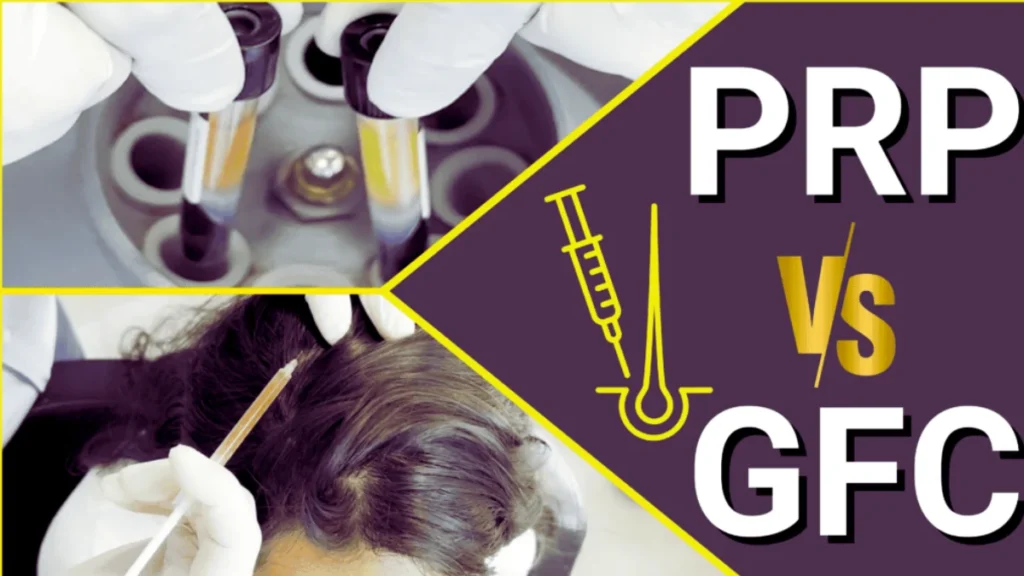
PRP hair treatment is a non-surgical procedure that uses a patient’s own blood to stimulate hair growth. The process involves drawing a small amount of blood, separating the platelets using a centrifuge, and injecting the concentrated plasma into the scalp. Platelets contain growth factors that promote hair follicle regeneration, improve blood circulation, and strengthen hair shafts.
Benefits of PRP Hair Treatment:
- Stimulates natural hair growth
- Increases hair density and thickness
- Non-invasive with minimal downtime
- Safe and natural, as it uses the patient’s own blood
- Suitable for both men and women experiencing hair thinning
Is PRP Hair Treatment Permanent?
One of the most common questions is whether PRP treatment provides permanent results. While PRP significantly improves hair growth and density, it is not a one-time solution. The longevity of the results depends on individual factors, including age, the severity of hair loss, and overall scalp health.
Factors Influencing PRP Treatment Longevity:
- The number of initial sessions (usually 3-4 sessions over several months)
- Maintenance treatments (recommended every 6-12 months)
- Lifestyle factors like diet, stress levels, and hair care routine
- The underlying cause of hair loss (genetic, hormonal, or medical conditions)
Who is an Ideal Candidate for PRP Hair Treatment?
PRP therapy is ideal for individuals experiencing early-stage hair thinning and hair loss. It is effective for:
- Men and women with androgenetic alopecia (pattern baldness)
- Those experiencing hair thinning due to stress or hormonal imbalances
- Individuals looking for a non-surgical hair restoration method
- Patients who want to enhance the results of a hair transplant
Finding the Best Permanent PRP Hair Treatment Near You
Choosing the right clinic is crucial to ensure safe and effective results. Here’s how to find the best PRP hair treatment provider near you:
1. Check Clinic Reputation:
Look for clinics with experienced dermatologists or hair restoration specialists. Read online reviews and testimonials to gauge customer satisfaction.
2. Verify Doctor’s Credentials:
Ensure the doctor performing the treatment is certified and has experience in PRP therapy.
3. Ask About the Procedure:
A good clinic will offer a consultation to discuss the process, expected results, and maintenance plans.
4. Compare Costs and Packages:
Different clinics may offer varying prices. Look for a balance between affordability and quality of service.
What to Expect from PRP Hair Treatment?
Step-by-Step Process:
- Blood Draw: A small amount of blood is taken from the patient.
- Centrifugation: The blood is processed to isolate platelet-rich plasma.
- Injection: The PRP is injected into targeted areas of the scalp.
- Recovery: Minimal downtime, with mild redness or tenderness lasting a day or two.
When Will You See Results?
- First 3 Months: Reduction in hair shedding
- 4-6 Months: Visible hair regrowth and increased thickness
- 12 Months: Full effects of the treatment, with noticeable hair density improvement
Cost of Permanent PRP Hair Treatment
The cost of PRP treatment varies based on location, clinic expertise, and the number of sessions required. On average:
- Single session: $500 – $1,500
- Full treatment package (3-4 sessions): $1,500 – $4,000
- Maintenance sessions: $400 – $800 per session
Insurance usually does not cover PRP for hair loss as it is considered a cosmetic procedure.
Potential Risks and Side Effects
PRP hair treatment is generally safe, but minor side effects may occur, such as:
- Mild pain or redness at the injection site
- Temporary swelling or bruising
- Rare risk of infection if performed by an inexperienced practitioner
To minimize risks, always choose a certified and experienced provider.
Success Stories and Real Patient Testimonials
Many patients have experienced significant hair growth and improved hair thickness after PRP treatment. Before-and-after pictures from reputable clinics can provide insight into the potential results.
FAQs About Permanent PRP Hair Treatment Near Me
1. How Many PRP Sessions Are Needed for Long-Term Results?
Most individuals require 3-4 initial sessions, followed by maintenance treatments every 6-12 months.
2. Can PRP Completely Stop Hair Loss?
PRP can slow hair loss and promote regrowth, but it may not completely stop hair loss caused by genetic factors.
3. How Soon Can Results Be Seen?
Noticeable improvements usually appear within 3-6 months.
Best Hair Loss Treatment in Chennai – Expert Solutions by Dr. Hanan Dermatology Speciality Clinic
Find the best hair loss treatment based on your hair and scalp type. Chennai dermatologists at Dr. Hanan Clinic share expert tips, safe ingredients, and proven solutions for healthy hair regrowth.

Table of Contents
Best Hair Loss Treatment: Hair loss is no longer just a cosmetic concern—it directly affects confidence, self-esteem, and quality of life. If you are searching for the best hair loss treatment in Chennai, Dr. Hanan Dermatology Speciality Clinic offers dermatologist-led, affordable, and evidence-based solutions for men and women.
As a leading dermatology, cosmetology, and trichology clinic in Chennai, we specialize in diagnosing the root cause of hair loss and delivering personalized treatments that produce visible, long-term results.
Understanding Hair Loss: Why Early Treatment Matters
Hair fall is common, but excessive or progressive hair loss is not normal. Losing more than 80–100 strands daily, thinning hair, widening part lines, or receding hairlines are signs that require professional evaluation.
Early diagnosis by a dermatologist:
- Prevents permanent follicle damage
- Improves treatment success
- Reduces the need for surgical procedures
At Dr. Hanan Dermatology Speciality Clinic, we focus on early intervention and medical accuracy to preserve and restore hair health.
Common Causes of Hair Loss
Hair loss can occur due to one or multiple underlying reasons, including:
- Genetic hair loss (Androgenetic Alopecia)
- Hormonal imbalance (thyroid, PCOS)
- Nutritional deficiencies (iron, vitamin D, B12)
- Stress and lifestyle factors
- Post-illness or post-COVID hair fall
- Scalp infections and skin conditions
- Excessive chemical treatments and heat styling
Identifying the exact cause is the foundation of choosing the best hair loss treatment.
How We Choose the Best Hair Loss Treatment for You
At Dr. Hanan Dermatology Speciality Clinic, every patient undergoes:
- Detailed medical history evaluation
- Clinical scalp and hair examination
- Dermoscopy when required
- Blood tests (if indicated)
Based on the findings, we design a customized treatment plan focused on safety, effectiveness, and long-term hair regrowth.
Read more: Best Treatments for Dandruff and Itchy Scalp
Best Hair Loss Treatments Recommended by Dermatologists
Medical Treatment for Hair Loss
Medical therapy remains the first line of treatment for most patients.
- Topical and oral medications (as medically appropriate)
- Prescription supplements for nutritional deficiencies
- Long-term maintenance plans
All medications are prescribed only after dermatologist consultation to ensure safety and suitability.
- Hyaluronic Acid – locks in moisture.
- Ceramides – repair the skin barrier.
- Aloe Vera or Vitamin E – soothe and nourish.
A gentle cleanser ensures your skin feels supple and smooth instead of tight after washing.
PRP Therapy for Hair Loss
Platelet-Rich Plasma (PRP) therapy is one of the most effective non-surgical treatments for hair regrowth.
Benefits of PRP:
- Strengthens weak hair follicles
- Reduces hair fall
- Improves hair thickness and density
- Uses the patient’s own blood (safe & natural)
Results typically appear within 3–4 months with multiple sessions.
Advanced Hair Loss Therapies
Depending on severity, we may recommend:
- GFC therapy
- Mesotherapy
- Combination treatments for enhanced results
These therapies are performed under strict medical protocols.
Hair Transplant: A Permanent Hair Loss Solution
For advanced baldness, hair transplant surgery offers permanent and natural-looking results.
At our clinic, we provide:
- Advanced FUE hair transplant techniques
- Natural hairline design
- Minimal downtime
- Long-lasting outcomes
Hair transplant is recommended only when medical treatments are insufficient, ensuring ethical care.
Natural & Supportive Hair Loss Care
Medical treatment works best when combined with:
- Balanced diet rich in protein and iron
- Proper scalp hygiene
- Stress management
- Dermatologist-recommended hair care routines
We guide patients on long-term hair health, not just temporary fixes.
Hair Loss Treatment for Men and Women
Hair loss affects men and women differently.
- Men commonly experience frontal recession and crown thinning
- Women often face diffuse thinning and volume loss
Our clinic provides gender-specific treatment protocols for safe and effective outcomes.
When Will You See Results?
Hair growth is a gradual process.
- Hair fall reduction: 4–8 weeks
- New hair growth: 3–6 months
- Visible density improvement: 6–12 months
Consistency, follow-ups, and medical supervision are key to success.
Myths vs Facts About Hair Loss Treatment
Myth: Hair loss cannot be treated
Fact: Early-stage hair loss is highly treatable
Myth: Oils alone can regrow hair
Fact: Oils support scalp health but cannot treat medical hair loss
Myth: All shampoos stop hair fall
Fact: Shampoos are supportive, not curative
FAQs
What is the best hair loss treatment?
The best hair loss treatment depends on the underlying cause such as genetics, hormonal imbalance, stress, or nutritional deficiency. A dermatologist consultation is essential to identify the cause and recommend the right treatment.
Can hair loss be treated permanently?
Hair loss can be effectively controlled and improved when treated early. Medical therapies help slow or reverse hair fall, while hair transplant provides a permanent solution for advanced baldness.
Is PRP treatment effective for hair loss?
Yes, PRP (Platelet-Rich Plasma) therapy is a clinically proven treatment that helps reduce hair fall, strengthen hair follicles, and promote natural hair regrowth when performed by a qualified dermatologist.
How many PRP sessions are required for hair regrowth?
Most patients require 3 to 6 PRP sessions, spaced 4 to 6 weeks apart. The number of sessions depends on the severity of hair loss and individual response.
Is hair loss treatment safe?
Yes, hair loss treatments are safe when prescribed and performed by a dermatologist. All procedures at Dr. Hanan Dermatology Speciality Clinic follow medically approved and ethical protocols.
When will I see results from hair loss treatment?
Hair fall reduction is usually noticed within 4 to 8 weeks, while visible hair regrowth and improved thickness may take 3 to 6 months with consistent treatment.
Is hair transplant better than non-surgical treatments?
Hair transplant is recommended for advanced hair loss. In early and moderate stages, non-surgical treatments such as medications and PRP therapy often provide excellent results.
Are hair loss treatments different for men and women?
Yes, hair loss patterns and causes differ in men and women, so treatment plans are customized based on gender-specific medical and hormonal factors.
Do oils and shampoos stop hair loss?
Oils and shampoos help maintain scalp health but cannot treat medical hair loss on their own. Dermatologist-guided treatment is required for effective results.
Who is the right candidate for a hair transplant?
Patients with stable hair loss, good donor hair density, and healthy scalp conditions are suitable candidates. A detailed dermatologist evaluation is necessary.
Why choose Dr. Hanan Dermatology Speciality Clinic for hair loss treatment?
The clinic offers dermatologist-led care, advanced PRP and hair transplant procedures, ethical pricing, and proven patient outcomes, making it one of the trusted hair clinics in Chennai.
Where is Dr. Hanan Dermatology Speciality Clinic located?
A Block, Gem Bhoomi & Buildings, Padur, OMR, Chennai – 603103
Phone: +91 6381048403
Book Your Consultation Today!
For Personalised Treatment visit Dr. Hanan Clinic. Feel confident and proud with our expert care.
Female Hair Transplant: A Complete Guide for Women Experiencing Hair Loss
Discover the key benefits of female hair transplant for permanent, natural-looking hair restoration. Get expert, dermatologist-led treatment at Dr. Hanan Dermatology Speciality Clinic, Chennai.

Female Hair Transplant: Hair loss is not just a men’s concern. Millions of women experience thinning hair, widening part lines, receding hairlines, or bald patches due to hormonal changes, genetics, stress, or medical conditions. A female hair transplant is an advanced, dermatologist-approved solution designed specifically for women to restore hair density while maintaining a natural, feminine appearance.
Unlike male hair restoration, female hair transplant procedures require a highly customized approach, making expert evaluation and technique selection crucial for success.
Understanding Hair Loss in Women
Hair loss in women can be temporary or permanent, depending on the cause. Common reasons include:
Hormonal imbalance (PCOS, menopause, post-pregnancy)
Genetic predisposition (female pattern hair loss)
Chronic stress or illness
Thyroid disorders
Nutritional deficiencies
Traction from tight hairstyles or extensions
A proper diagnosis is essential before deciding on a hair transplant, as some types of hair loss respond better to medical treatment than surgery.
Common Female Hair Loss Patterns
Women experience hair loss differently from men. The most common patterns include:
Female Pattern Hair Loss (FPHL): Gradual thinning over the crown and part line
Diffuse Thinning: Overall reduction in hair density
Traction Alopecia: Hair loss caused by tight hairstyles
Alopecia Areata: Patchy hair loss due to autoimmune causes
Scarring Alopecia: Permanent hair loss from injury or inflammation
Each pattern requires a tailored treatment plan to achieve natural results.
What Is a Female Hair Transplant?
A female hair transplant involves relocating healthy hair follicles from a donor area (usually the back or sides of the scalp) to thinning or bald areas. The goal is to restore volume, improve density, and create a natural hairline that blends seamlessly with existing hair.
Common areas treated include:
Frontal hairline
Crown and mid-scalp
Widening part lines
Scarred areas
Eyebrows (in select cases)
Who Is an Ideal Candidate for Female Hair Transplant?
Women may be suitable candidates if they:
Have stable hair loss with visible thinning or bald areas
Possess a healthy donor area with sufficient hair density
Have realistic expectations about results
Have not responded adequately to medical treatments alone
Women with active hair shedding conditions may need medical management before considering surgery.
Hair Transplant Techniques for Women
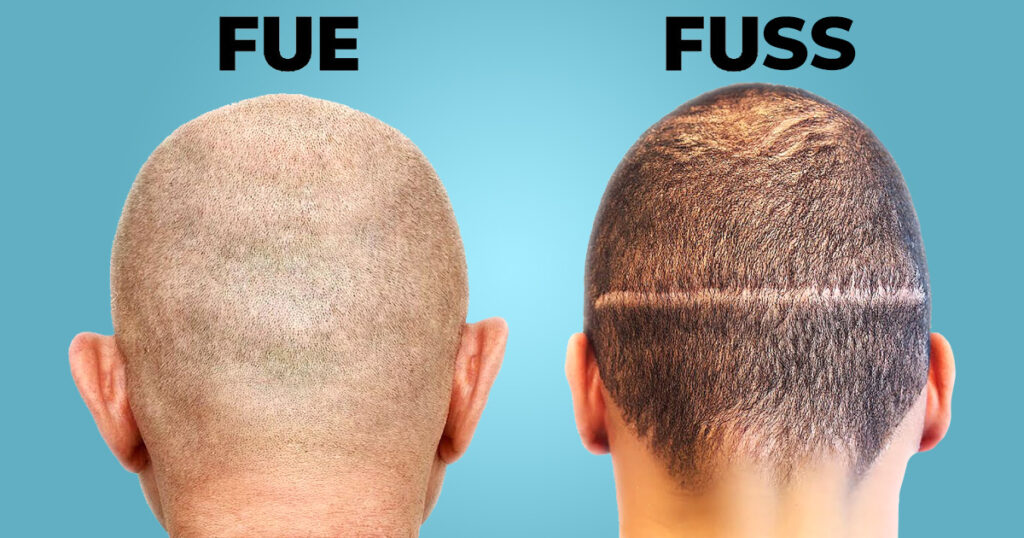
FUE (Follicular Unit Extraction)
FUE is the most commonly recommended technique for women because it:
Leaves no linear scar
Is ideal for diffuse thinning
Allows flexible donor area selection
Provides natural-looking density
FUT (Strip Method)
FUT may be considered in select cases where a larger number of grafts are needed. However, it involves a linear scar and is less commonly preferred for women.
Donor Area Selection & Hairline Design
Successful female hair transplantation depends heavily on:
Careful donor area selection to prevent visible thinning
Precision graft extraction
Customized hairline and density planning
Matching hair direction, angle, and texture
Expert planning ensures the results look natural and feminine.
Step-by-Step Female Hair Transplant Procedure
Detailed consultation and scalp analysis
Local anesthesia for comfort
Graft extraction from donor area
Careful implantation into thinning regions
Procedure duration: typically 4–8 hours, depending on graft count
The procedure is safe, minimally invasive, and performed as a day-care treatment.
Recovery & Aftercare
Mild scabbing and redness for 7–10 days
Gentle hair washing as advised by the dermatologist
Return to work within a few days
Avoid strenuous exercise for 2–3 weeks
Following aftercare instructions is vital for optimal graft survival.
Hair Growth Timeline & Results
Temporary shedding (shock loss) may occur in the first few weeks
New hair growth begins around 3–4 months
Noticeable density improvement by 6–9 months
Final results visible in 9–12 months
Transplanted hair is generally permanent, provided underlying hair health is maintained.
Female hair transplant is considered safe when performed by experienced dermatologists. Possible mild side effects include:
Temporary swelling or redness
Shock loss
Minimal infection risk
These risks are significantly reduced in certified, medically supervised clinics.
Maintenance & Long-Term Hair Care
To protect existing hair and enhance results, doctors may recommend:
Topical treatments like Minoxidil
PRP (Platelet-Rich Plasma) therapy
Nutritional support and scalp care routines
Ongoing care helps maintain overall hair health and density.
Table of Contents
Medicine After Hair Transplant: Essential Post-Operative Care for Optimal Results

Medicine After Hair Transplant: Hair transplant surgery is a highly effective solution for hair loss and baldness, offering individuals a chance to regain their hair and confidence. However, the success of the procedure largely depends on proper post-operative care, including the use of prescribed medications. This article explores the essential medicines and care required after a hair transplant to ensure optimal healing and results.
Book Your Consultation Today
Visit Dr. Hanan Dermatology Specialty Clinic in Padur, OMR, Chennai. Schedule your consultation today and start your journey to fuller, healthier hair.
For more information and to book your appointment, visit our clinic or call us at the clinic’s contact details.
Understanding Hair Transplant Recovery

Typical Recovery Timeline
The recovery process after a hair transplant varies from person to person, but most patients can expect to return to normal activities within a week. Full recovery and the appearance of new hair growth can take several months. The typical recovery timeline includes:
- First Few Days: Swelling, redness, and mild discomfort are common.
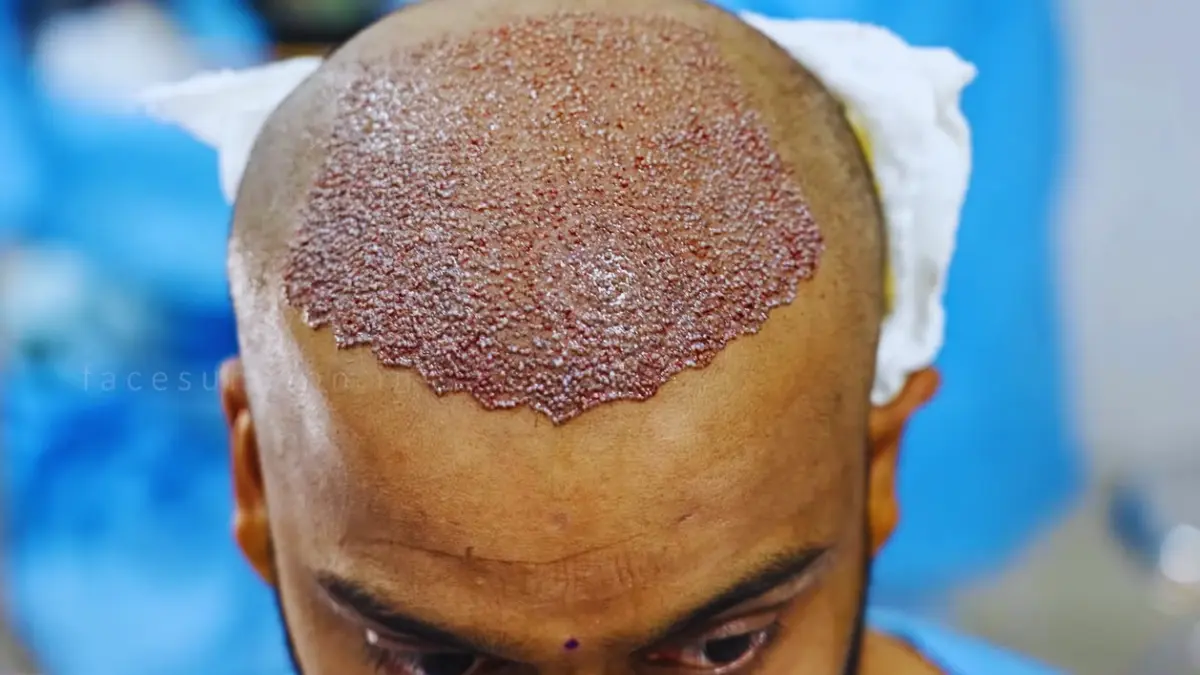
- First Week: Scabs and crusts form around the transplanted grafts.
- 2-3 Weeks: Shedding of transplanted hair, which is normal.
- 3-6 Months: Noticeable new hair growth begins.
- 6-12 Months: Full results with mature hair growth.
Read more: Hair Follicle Surgery A Complete Guide to Hair Restoration
Common Symptoms and Side Effects Post-Surgery
- Swelling and bruising around the forehead and eyes.
- Mild pain and discomfort in the donor and recipient areas.
- Itching and scabbing on the scalp.
- Temporary hair shedding from the transplanted area.
Importance of Following Medical Advice
Adhering to your surgeon’s post-operative instructions is crucial for a smooth recovery and optimal results. This includes taking prescribed medications, following care routines, and attending follow-up appointments.

Read more: Hair Replacement in Chennai: Top Clinics, Methods & Cost 2025
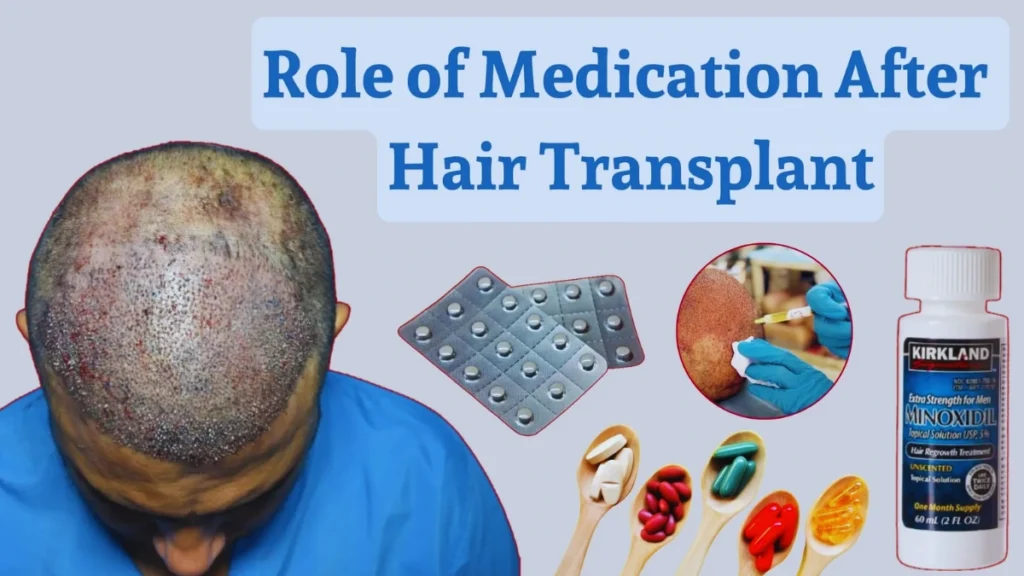
Medications Prescribed After Hair Transplant
| Medicine Type | Purpose | Examples | Usage Duration |
|---|---|---|---|
| Antibiotics | Prevents infections in the surgical area | Amoxicillin, Ciprofloxacin | Typically 5–7 days |
| Pain Relievers | Alleviates mild to moderate post-operative pain | Paracetamol, Ibuprofen | As needed for 3–5 days |
| Anti-Inflammatory Drugs | Reduces swelling and inflammation | Prednisolone, Methylprednisolone | 3–5 days |
| Antihistamines | Relieves itching caused by healing | Cetirizine, Loratadine | 7–14 days (if required) |
| Hair Growth Medications | Stimulates new hair growth and strengthens roots | Minoxidil, Finasteride | As recommended (long-term) |
| Antiseptic Solutions | Cleans the scalp and prevents infections | Betadine, Chlorhexidine | As directed (during washing) |
| Vitamin Supplements | Boosts recovery and supports hair growth | Biotin, Zinc, Multivitamins | As recommended (long-term) |
Key Notes on Medication Usage
- Antibiotics: Complete the full course to prevent infections, even if no symptoms appear.
- Pain Relievers: Take only when necessary to manage discomfort; avoid exceeding the prescribed dosage.
- Anti-Inflammatories: These help reduce swelling and should be taken exactly as prescribed.
- Hair Growth Medications: Finasteride and Minoxidil may require long-term use to maintain results.
- Avoid Self-Medication: Do not add or substitute any medication without consulting your doctor.
If you have any allergies or pre-existing conditions, inform your surgeon before taking any of these medications.
Painkillers
Painkillers, such as paracetamol or ibuprofen, are often prescribed to manage post-operative pain and discomfort. These medications help keep you comfortable during the initial recovery period.
Anti-Inflammatory Drugs
Anti-inflammatory drugs, like naproxen or diclofenac, are prescribed to reduce swelling and inflammation. These medications help alleviate discomfort and promote faster healing.
Antibiotics
Antibiotics are essential to prevent infections in the donor and recipient areas. Commonly prescribed antibiotics include amoxicillin and cephalexin. It is important to complete the full course of antibiotics as directed.
Hair Growth Stimulants
Medications such as minoxidil and finasteride may be prescribed to stimulate new hair growth and prevent further hair loss. These hair growth stimulants help enhance the overall results of the hair transplant.

Read more: Hair Growth Surgery Cost
Topical Ointments
Topical ointments, such as those containing antibiotics or hydrocortisone, may be applied to the scalp to control itching, reduce inflammation, and minimize scarring.
Dos and Don’ts After Hair Transplant
Dos
- Apply Sterile Solutions: Use sterile saline solutions to keep the scalp clean and moisturized.
- Keep the Scalp Clean: Gently wash the scalp with a mild shampoo as instructed by your surgeon.
- Sleep with Head Elevated: Elevate your head while sleeping to reduce swelling.
- Take Prescribed Medications: Follow your medication regimen as directed by your surgeon.
Don’ts
- Avoid Harsh Hair Products: Refrain from using hair products containing alcohol or harsh chemicals.
- Don’t Touch or Scratch the Scalp: Avoid touching, scratching, or rubbing the transplanted area.
- Refrain from Alcohol and Smoking: Alcohol and smoking can interfere with the healing process and should be avoided.
- Avoid Strenuous Activities: Refrain from heavy lifting, exercise, and activities that may cause sweating for at least a week.
Tips for Optimal Healing and Results
Hydration and Nutrition
Staying hydrated and maintaining a balanced diet rich in vitamins and minerals can promote faster healing and support new hair growth.
Sun Protection
Protect your scalp from direct sunlight by wearing a hat or using sunscreen. UV rays can damage the healing tissues and affect the transplant results.
Follow-Up Appointments
Attend all scheduled follow-up appointments with your surgeon to monitor your progress and address any concerns.
Managing Expectations
Understand that hair growth is a gradual process. Patience is key, as it can take several months to see the full results of your hair transplant.
Potential Side Effects and How to Manage Them
Swelling and Bruising
Swelling and bruising around the forehead and eyes are common and typically subside within a few days. Applying cold compresses and keeping your head elevated can help reduce swelling.
Pain and Discomfort
Mild pain and discomfort are normal after a hair transplant. If pain persists or worsens, contact your surgeon for advice.
Infection Signs
Signs of infection include increased redness, swelling, pus, and a high fever. If you notice any of these symptoms, seek medical attention immediately.
Long-Term Care and Maintenance
Continued Use of Medications
Continue using hair growth stimulants, such as minoxidil and finasteride, as directed by your surgeon. These medications can help maintain and enhance the results of your hair transplant.
Lifestyle Adjustments
Maintain a healthy lifestyle, including regular exercise, a balanced diet, and avoiding smoking and excessive alcohol consumption, to support overall hair health.
Regular Scalp Care
Practice regular scalp care by keeping the area clean and using gentle hair products. Avoid excessive styling and heat treatments that can damage the hair.
Success Stories and Testimonials
Patient Experiences
Real-life success stories and testimonials from patients who have undergone hair transplant surgery can provide valuable insights into the recovery process and results.
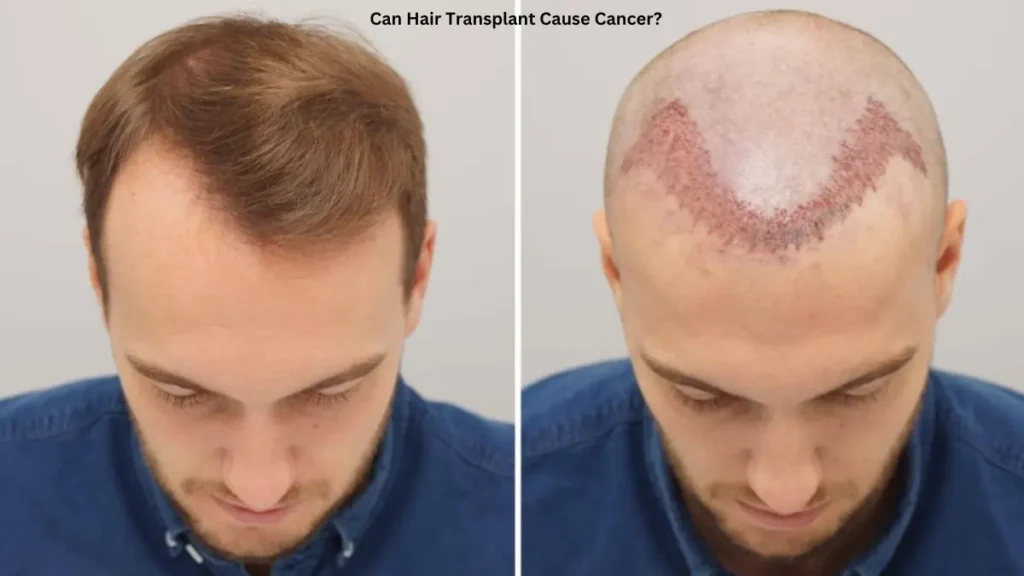
Before and After Photos
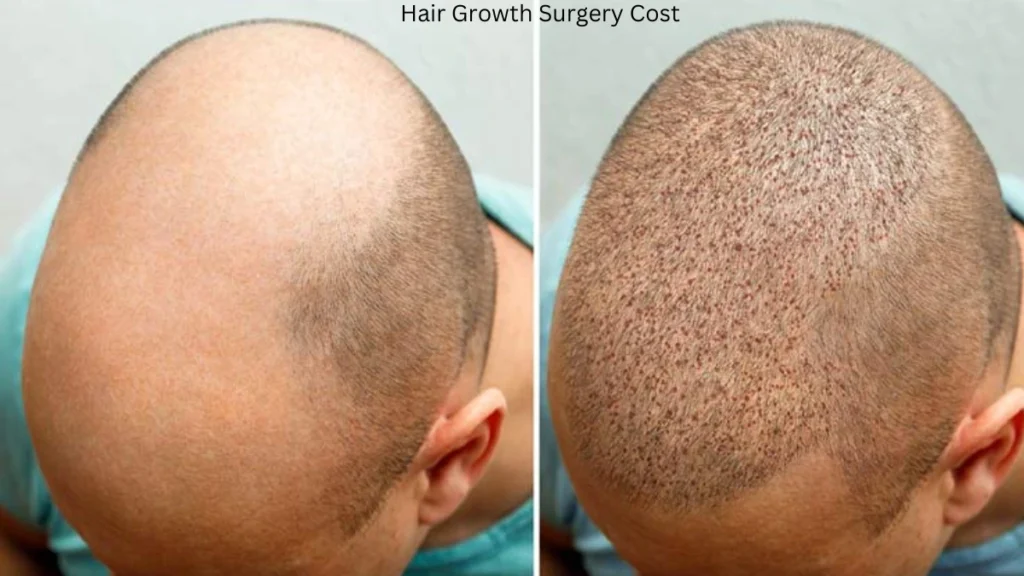
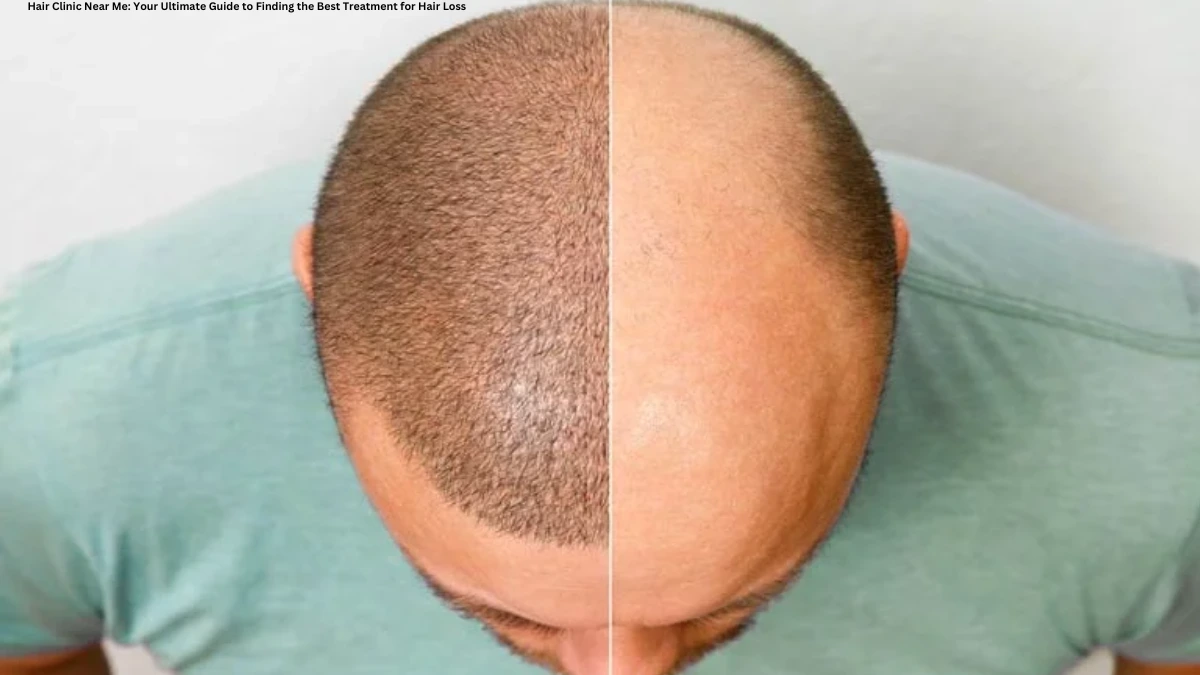
Before and after photos of successful hair transplant procedures showcase the transformative effects and help manage expectations.
FAQs
1. Why is Necessary Medicine After Hair Transplant?
Medication is essential to:
- Prevent infections.
- Minimize swelling and discomfort.
- Promote healing and hair regrowth.
2. What are the most commonly prescribed medicines after a hair transplant?
Here’s a list of medications you might be prescribed:
| Medicine Type | Purpose |
|---|---|
| Antibiotics | Prevents infections in the surgical area. |
| Pain Relievers | Alleviates post-operative pain and discomfort. |
| Anti-Inflammatory Drugs | Reduces swelling and promotes healing. |
| Hair Growth Stimulants | Stimulates new hair growth and strengthens roots. |
| Antihistamines | Reduces itching caused by the healing process. |
| Vitamin Supplements | Supports recovery and long-term hair growth. |
3. How long do I need to take Medicine After Hair Transplant?
- Antibiotics: Typically 5–7 days.
- Pain Relievers and Anti-Inflammatory Drugs: 3–5 days or as needed.
- Hair Growth Stimulants and Vitamins: Often prescribed for several months or long-term use.
Always follow your doctor’s recommendations regarding dosage and duration.
4. Are there any side effects of the medications?
Most post-operative medications are safe when taken as prescribed. However, potential side effects may include:
- Mild stomach upset (antibiotics).
- Drowsiness or dizziness (pain relievers and antihistamines).
- Rare allergic reactions.
If you experience unusual symptoms, consult your doctor immediately.
5. Can I stop taking the Medicine After Hair Transplant once I feel better?
No. Even if you feel better, it’s important to complete the full course of antibiotics and other prescribed medications to avoid complications such as infections or delayed healing.
6. Are there any over-the-counter medicines I can take?
It’s best to avoid self-medicating. Stick to the medications prescribed by your surgeon to ensure safety and effectiveness.
7. What should I avoid while taking post-transplant medications?
- Alcohol: Can interfere with healing and the effectiveness of certain drugs.
- Smoking: Slows down the healing process.
- Excessive Sun Exposure: Can irritate the scalp.
- Vigorous Physical Activities: Avoid for at least 2–3 weeks post-surgery.
8. Are hair growth medications like Minoxidil and Finasteride mandatory?
While not mandatory, these medications can significantly enhance the results of your transplant by promoting hair regrowth and preventing further hair loss. Your doctor will assess if these are suitable for you.
9. Can vitamins or supplements improve recovery?
Yes, vitamins like Biotin, Zinc, and Vitamin D support hair health and recovery. However, take only those recommended by your doctor.
10. What should I do if I forget a dose?
If you miss a dose, take it as soon as you remember. However, if it’s close to your next scheduled dose, skip the missed one. Do not double the dose to make up for it.
Benefits of Hair Transplant: Why It’s the Best Solution for Hair Loss
Learn the key benefits of hair transplant for permanent, natural hair growth. Get expert treatment at Dr. Hanan Dermatology Clinic!

Hair transplant is one of the most effective and permanent solutions for hair loss. Whether you are struggling with male or female pattern baldness or thinning of hair, a hair transplant can restore your confidence and natural hair growth. In this blog, we will find out the top benefits of hair transplantation and Why Dr. Hanan Dermatology Specialty and Trichology Clinic is the best option for this life-changing procedure.
Permanent and Natural Results
The biggest advantage of hair transplant is that it provides long -lasting and natural looking results. Unlike temporary solutions such as wig, hair fiber, or medication, hair transplantation uses your own hair follicle, which ensures a spontaneous mix with your existing hair. Transplanted hair naturally grows, making it impossible to differentiate from the rest of your hair.
Boosts Self-Confidence
Hair loss can lead to a toll on a person’s self -esteem and mental health. A successful hair transplant restores your hair and helps you regain confidence. Many patients experience a better quality of life and feel more comfortable in social and professional settings after the process.
Low Maintenance
Once transplanted hair starts growing, it does not require any special maintenance. You can wash your hair, style and cut as before. Unlike hair extensions or wigs, which require continuous adjustment and special care, a hair transplant is struggle free.
Cost-Effective in the Long Run
While a hair transplant may look expensive initially, this is a one -time investment. Unlike the treatment of hair loss, the cost of medication, PRP therapy, or hair growth products requires the ongoing cost, a hair transplant is permanent, which saves you in long periods.
Safe and Painless Procedure
With Advancement in medical technology, hair transplant is now a safe and minimum invasive process. Modern techniques such as FUE (follicular unit extraction) and FUT (follicular Unit Transplantation) ensure minimal pain and a comfortable experience with a quick recovery. The process is performed under local anesthesia, making it almost painless.
Minimal Downtime and Quick Recovery
A hair transplant requires minimal recovery time, allowing you to return to your daily activities within a few days. Most patients experience minor swelling or redness, which decreases within a week. The proper post-process ensures a smooth and rapid recovery after care.
No Risk of Allergic Reactions
Since a hair transplant uses your own hair follicle, there is no risk of allergic reactions or incompatibility. Unlike synthetic treatment or hair implants, which might cause side effects, a hair transplant is completely natural and biocompatible
Suitable for Both Men and Women
Hair transplantation is not only for men! Women suffering from hair Thinning, Receding hairlines, or bald patches can also benefit from this process. Transplant techniques are optimized based on the pattern of individual hair loss to ensure the best results for both male and female patients
Permanent Solution for Various Types of Hair Loss
Hair transplant processes are effective in treating various types of hair loss, including:
- Male and female pattern baldness (androgenetic alopecia)
2. Hair loss due to trauma (irritation, injury, or surgery scars)
3. Hair loss due to medical conditions such as traction alopecia
4. Restoring eyebrows, beards, and mustaches for those who are with patchy or absent facial hair
Performed by Expert Dermatologists at Dr. Hanan Dermatology Speciality & Trichology Clinic
If you are considering a hair transplant, it is important to choose the right clinic and experienced professionals. Dr. Hanan Dermatology Specialty and Trichology Clinic is a major hair transplant clinic in Chennai, known for it: of expert dermatologist and hair transplant specialist. Proven results with high success rates, Excellent patient care and post-transplant follow-up
Conclusion:
A hair transplant is a life -changing procedure that provides a permanent, natural and effective solution for hair loss. If you are looking for the best hair transplant clinic in Chennai, then Dr. Hanan Dermatology Specialty and Trichology Clinic.
💡 Book your consultation today and take the first step towards restoring your hair and confidence!
Ready for Permanent Hair Restoration?
Wondering if a hair transplant is permanent? Book a consultation with our specialists and get personalized guidance for long-lasting results!
Table of Contents
Shedding Phase After Hair Transplant Duration – Dr. Hanan Dermatology Speciality Clinic, Chennai

Shedding Phase After Hair Transplant Duration: Undergoing a hair transplant is an exciting step towards restoring your hair and confidence. However, many patients notice that transplanted hair falls out within a few weeks after the procedure. This is known as the shedding phase, a normal part of the hair growth cycle. Understanding this phase is crucial to stay calm and ensure long-term success. At Dr. Hanan Dermatology Speciality Clinic, Chennai, we guide our patients through every stage, ensuring safe and effective hair restoration.
What is the Shedding Phase After Hair Transplant?
Understanding the timeline helps patients set realistic expectations:
| Weeks After Transplant | What to Expect |
|---|---|
| 1–2 Weeks | Initial shedding of transplanted hair begins |
| 3–4 Weeks | Most grafts enter resting (telogen) phase |
| 5–8 Weeks | Gradual shedding continues, scalp heals fully |
| 3–6 Months | New hair starts emerging from transplanted follicles |
| 9–12 Months | Full hair growth and natural density achieved |
Patience is key. The shedding phase is temporary, and visible results usually appear within 3–6 months, with full results in 9–12 months.
Causes of Shedding After Hair Transplant
Several factors contribute to post-transplant shedding:
Natural Hair Growth Cycle: Transplanted follicles temporarily enter the telogen (resting) phase.
Minor Scalp Trauma: Extraction and implantation cause slight trauma to hair follicles.
Individual Factors: Age, hair density, and genetics influence shedding intensity.
Lifestyle Factors: Stress, poor nutrition, and inadequate post-operative care may affect shedding.
Tip: Following the dermatologist’s instructions minimizes shedding-related stress.
What to Expect During the Shedding Phase
During this phase, it’s normal to see clumps of hair falling out. Key things to remember:
Shedding does not harm the transplanted follicles.
Avoid panicking, as hair will regrow naturally.
Maintain gentle hair care as advised by your dermatologist.
At Dr. Hanan Clinic, we educate patients on what to expect during this phase to reduce anxiety and ensure adherence to post-operative care.
How to Manage Shedding After Hair Transplant
Proper care can help manage shedding and promote healthy hair growth:
Use gentle, sulfate-free shampoos
Avoid scratching, combing aggressively, or using chemical treatments
Ensure nutritional support with protein, vitamins, and minerals
Follow dermatologist instructions for PRP therapy or post-transplant medications
Adhering to post-transplant care improves follicle survival and speeds up hair growth.
When to Consult Your Dermatologist
While shedding is normal, consult your dermatologist if you notice:
Excessive shedding beyond 8–10 weeks
Redness, swelling, or infection at the transplant site
Patchy or uneven hair loss
Dr. Hanan Clinic provides personalized follow-ups to ensure every patient achieves natural and lasting results.
Benefits of Understanding the Shedding Phase
Knowing about the shedding phase helps patients:
Reduce anxiety and unrealistic expectations
Follow post-transplant care instructions carefully
Prepare for the timeline of new hair growth
Understanding the process ensures a smoother recovery and better satisfaction with final results.
FAQs
Q1. How long does the shedding phase last after a hair transplant?
A: The shedding phase typically lasts 2–8 weeks. During this time, transplanted hair may fall out before new growth begins.
Q2. Is shedding normal after FUE or DHI hair transplant?
A: Yes. Shedding is a natural and expected part of the hair growth cycle and occurs in both FUE and DHI procedures.
Q3. Will my hair grow back after shedding?
A: Absolutely. The hair follicles remain healthy and enter a new growth phase, producing permanent hair after the resting period.
Q4. Can shedding affect my final results?
A: No. Shedding is temporary and does not impact the long-term success of the hair transplant.
Q5. How can I reduce shedding after hair transplant?
A: Follow gentle hair care, avoid harsh chemicals, maintain a healthy diet, and adhere to post-operative care instructions provided by your dermatologist.
Q6. When should I consult my dermatologist about shedding?
A: If shedding continues beyond 8–10 weeks, or if you notice redness, swelling, infection, or patchy hair loss, consult your dermatologist immediately.
Q7. Is shedding painful or harmful?
A: No. The shedding phase is not painful, and it is a normal part of the healing process.
Q8. How soon will new hair growth be visible after shedding?
A: New hair usually starts growing around 3–6 months, with full results visible in 9–12 months
Book Your Consultation Today!
For Personalised Treatment visit Dr. Hanan Clinic. Feel confident and proud with our expert care.
Table of Contents
Hair Transplant Before and After Women – Dr. Hanan Dermatology Speciality Clinic, Chennai
Women hair transplant in Chennai. Ensure safe procedures, natural results, and long-term success with Dr. Hanan Dermatology Clinic.

Hair Transplant Before and After Women: Hair loss is not just a problem for men; it affects millions of women globally, impacting confidence and self-esteem. At Dr. Hanan Dermatology Speciality Clinic, Chennai’s leading dermatology and hair clinic, we specialize in female hair transplant procedures that restore natural hair density and deliver lasting results. In this article, we explore causes, procedures, before and after transformations, benefits, risks, and costs of hair transplants for women.
Causes of Hair Loss in Women
Hair loss in women can occur due to a variety of reasons:
Genetics: Androgenetic alopecia can cause thinning along the scalp.
Hormonal Changes: Conditions like PCOS, menopause, and thyroid disorders affect hair growth.
Stress & Lifestyle: Poor diet, stress, and lifestyle habits can accelerate hair loss.
Medical Conditions & Medications: Certain illnesses or chemotherapy can cause temporary or permanent hair thinning.
Understanding the cause helps in planning an effective hair transplant strategy.
Types of Hair Transplant for Women
Female hair transplant procedures are tailored to women’s specific hair patterns. The most popular techniques include:
FUE (Follicular Unit Extraction): Individual hair follicles are extracted and transplanted to thinning areas.
DHI (Direct Hair Implantation): A more precise method allowing direct implantation without prior incisions.
Sapphire FUE: Uses sapphire blades for minimally invasive graft implantation, ensuring natural hairlines and faster healing.
Each technique is carefully chosen based on scalp condition, hair density, and patient expectations.

Hair Transplant Procedure for Women
A typical hair transplant procedure at Dr. Hanan Clinic includes:
Consultation & Scalp Assessment: A dermatologist evaluates hair loss pattern, donor hair, and suitability for the transplant.
Donor Area Selection & Extraction: Healthy hair follicles are harvested from the back or sides of the scalp.
Implanting Hair in Thinning Areas: Follicles are transplanted to the thinning or bald regions, following the natural hairline pattern.
Post-Procedure Care & Recovery: Patients receive detailed instructions for care, with minimal downtime and fast healing.
Hair Transplant Before and After – Women
Documenting results is crucial to show transformation and success.
Before: Thinning hair, receding hairline, or bald patches affecting confidence.
After: Natural hair density, improved hairline, and restored volume.
Typical timelines:
1–3 months: Early hair growth starts
6 months: Noticeable improvement in density
9–12 months: Full natural results
At Dr. Hanan Clinic, we provide real patient transformations with before-and-after images, showcasing successful results and natural outcomes.
Benefits of Hair Transplant for Women
Female hair transplants offer multiple advantages:
Restores natural hair density and hairline
Improves self-confidence and appearance
Offers a permanent solution for thinning hair
Minimally invasive with quick recovery and minimal scarring
Risks and Considerations
While hair transplants are safe, patients should be aware of:
Minor side effects like swelling, redness, or temporary shedding
Importance of choosing an experienced dermatologist and certified clinic
Managing realistic expectations for density and hairline design
Dr. Hanan Clinic follows strict safety protocols and uses advanced techniques to minimize risks.
Cost of Hair Transplant for Women
The cost depends on multiple factors:
Number of grafts required
Type of procedure (FUE, DHI, Sapphire FUE)
Clinic reputation and location
Surgeon experience
Additional treatments like PRP therapy
Approximate cost range in Chennai:
1000 grafts: ₹40,000 – ₹80,000
2000 grafts: ₹80,000 – ₹1,60,000
3000 grafts: ₹1,20,000 – ₹2,40,000
At Dr. Hanan Dermatology Speciality Clinic, we offer transparent pricing and customized packages for female hair transplant patients.
FAQs
Q1. Is hair transplant safe for women?
A: Yes, when performed by certified dermatologists like Dr. Hanan, hair transplant is safe and effective for female patients.
Q2. How many grafts are needed for women?
A: Most women require 2000–4000 grafts depending on hair loss pattern and desired density.
Q3. How soon will I see results?
A: Initial growth is visible after 3–6 months, with full results in 9–12 months.
Q4. Is the procedure painful?
A: Procedures are performed under local anesthesia, ensuring minimal discomfort.
Q5. Can hair transplant results last a lifetime?
A: Yes, transplanted hair is permanent, though natural hair loss may continue in untreated areas.
Book Your Consultation Today!
For Personalised Treatment visit Dr. Hanan Clinic. Feel confident and proud with our expert care.
Table of Contents
Grafts Hair Transplant Cost – Dr. Hanan Dermatology Speciality Clinic, Chennai
Discover the top questions to ask before your hair transplant in Chennai. Ensure safe procedures, natural results, and long-term success with Dr. Hanan Dermatology Clinic.

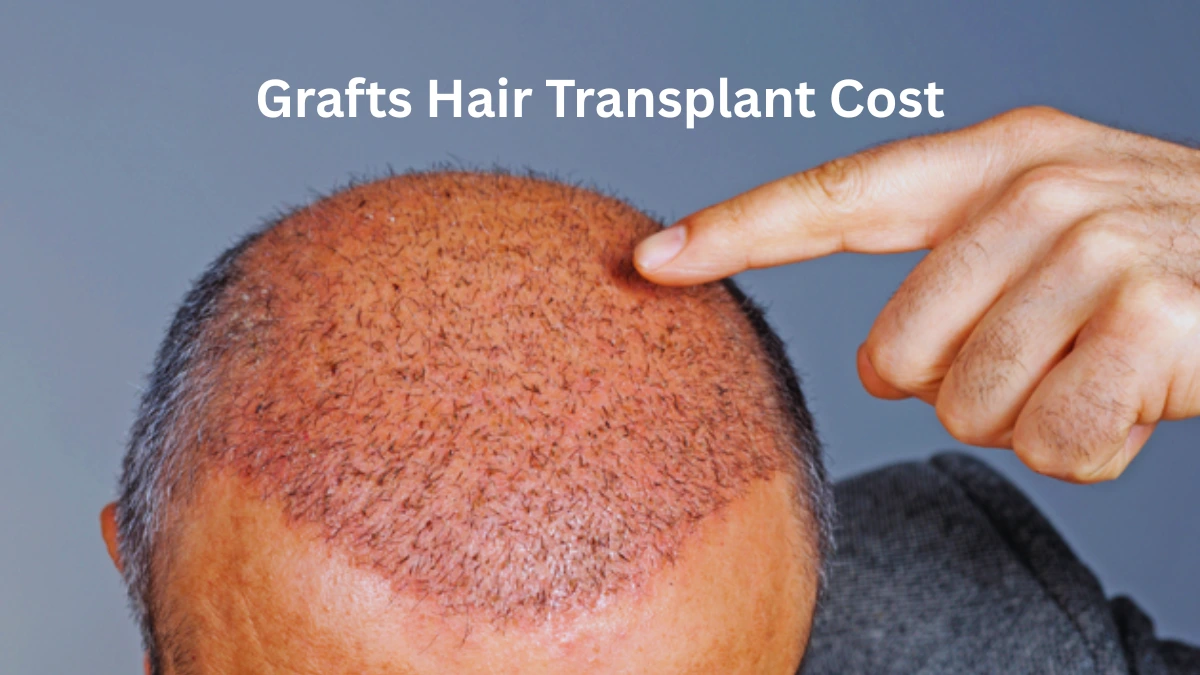
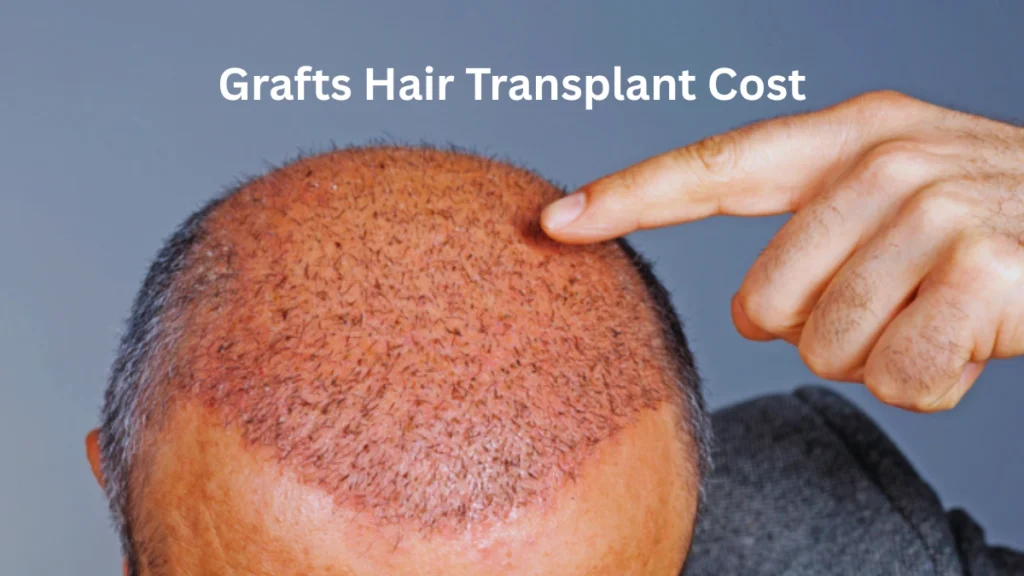
Grafts Hair Transplant Cost: Are you struggling with hair loss and considering a hair transplant? Understanding the cost per graft is essential before planning your hair restoration journey. At Dr. Hanan Dermatology Speciality Clinic, Chennai’s leading dermatology and hair clinic, we provide advanced FUE, DHI, and Sapphire hair transplant procedures that deliver natural results at affordable and transparent costs.
What is a Hair Graft?
A hair graft is a small bundle of hair follicles transplanted from the donor area (usually the back or sides of the scalp) to the thinning or balding areas. Each graft may contain 1–4 hairs, depending on hair density and the type of transplant procedure.
Different techniques like FUE (Follicular Unit Extraction) and FUT (Follicular Unit Transplantation) determine the number of grafts required and influence the total cost. Knowing the graft count helps in planning your hair restoration and estimating the budget accurately.
How Hair Transplant Cost is Calculated
The hair transplant cost per graft varies based on multiple factors:
Number of grafts required – More grafts increase total cost.
Type of procedure – FUE, DHI, Sapphire FUE, and robotic methods differ in pricing.
Clinic reputation & location – Premium clinics with advanced technology may charge slightly higher.
Surgeon experience – Experienced dermatologists like Dr. Hanan Basith, MD (DVL), FFAM ensure high-quality results.
Additional procedures – PRP therapy, scalp preparation, or anesthesia may add to the cost.
Example Cost Estimate for Reference:
| Number of Grafts | Approx. Cost (INR) |
|---|---|
| 1000 grafts | ₹40,000 – ₹80,000 |
| 2000 grafts | ₹80,000 – ₹1,60,000 |
| 3000 grafts | ₹1,20,000 – ₹2,40,000 |
Note: Costs vary depending on the hair density, procedure type, and patient requirements.
Cost per Graft – India & Global Trends
In India, hair transplant costs generally range from ₹20 to ₹100 per graft, depending on the clinic, city, and technique. Compared to global prices, India offers highly competitive rates without compromising quality. For example:
UAE: ₹80–₹200 per graft
US & UK: ₹150–₹400 per graft
This makes India a preferred destination for affordable yet premium hair transplant procedures.
Factors Influencing the Total Graft Requirement
The total number of grafts required depends on:
Age & pattern of hair loss – Younger patients may need fewer grafts initially.
Donor hair availability – Healthy hair in the donor area is crucial for good results.
Desired hair density – Higher density requires more grafts.
Hair quality & texture – Coarse hair covers more area with fewer grafts.
A consultation with Dr. Hanan helps determine your exact graft requirement and cost estimate.
Tips to Reduce Hair Transplant Costs
While it’s important not to compromise on quality, some ways to manage costs include:
Choosing FUE or FUT based on hair loss pattern.
Availing clinic packages that combine consultation, transplant, and post-procedure care.
Booking early consultations for special discounts or financing options.
Avoiding extremely cheap clinics that may compromise results.
At Dr. Hanan Clinic, we provide affordable hair transplant packages without sacrificing quality or safety.
Risks of Choosing Cheap Hair Transplants
Hair transplant is a surgical procedure, and going for extremely low-cost options can lead to:
Unnatural hairlines
Scarring and poor graft survival
Complications and infections
Multiple redo surgeries, increasing long-term costs
Choosing a certified clinic with experienced dermatologists ensures safe and natural-looking results.
Before & After Hair Transplant Results
At Dr. Hanan Dermatology Speciality Clinic, we share real patient transformations with natural hair density and no visible scarring. Recovery typically takes 7–14 days, with new hair growth visible after 3–6 months and full results in 9–12 months.
FAQs
Q1. What is the cost of hair transplant per graft in Chennai?
A: At Dr. Hanan Dermatology Speciality Clinic, the cost per graft typically ranges from ₹20 to ₹100, depending on the procedure type (FUE, DHI, Sapphire FUE), number of grafts, and complexity of the case.
Q2. How many grafts do I need for a full hair transplant?
A: The number of grafts varies based on hair loss severity and desired density. Most patients need 2000–4000 grafts for full scalp coverage, while smaller areas may require 1000–1500 grafts. A consultation is necessary to determine your exact requirement.
Q3. Does hair transplant cost vary with technique?
A: Yes. FUE, DHI, Sapphire FUE, and robotic hair transplant procedures differ in cost due to their precision, technology, and recovery benefits. Dr. Hanan Clinic provides a personalized cost estimate after assessment.
Q4. Is hair transplant at Dr. Hanan Clinic worth the cost?
A: Absolutely. Dr. Hanan Dermatology Speciality Clinic combines experienced dermatologists, advanced technology, and safe procedures to deliver natural and long-lasting results, making it a trusted choice in Chennai.
Q5. Are there any hidden costs in hair transplant procedures?
A: No. Our clinic provides transparent pricing including consultation, procedure, post-care, and follow-ups. Optional add-ons like PRP therapy or scalp treatments may be quoted separately.
Q6. How long does it take to see results after hair transplant?
A: Initial hair growth is visible after 3–6 months, with full results appearing in 9–12 months. Recovery from the procedure is usually quick, with minimal downtime.
Q7. Is hair transplant painful?
A: Hair transplant procedures are performed under local anesthesia, ensuring minimal discomfort during surgery. Post-procedure soreness is mild and manageable.
Q8. Can hair transplant cost be covered by insurance?
A: Hair transplant is considered a cosmetic procedure, so it is typically not covered by insurance. However, we offer affordable packages and financing options to suit different budgets.
Q9. How do I choose the right number of grafts for my transplant?
A: The ideal number of grafts depends on hair loss pattern, donor hair availability, and your desired hair density. Dr. Hanan will assess your scalp and recommend the optimal graft count during your consultation.
Q10. Can results from a hair transplant last a lifetime?
A: Yes. Hair transplanted from the donor area is permanent, but natural hair loss may continue in non-transplanted areas. Follow-up treatments or PRP therapy can help maintain long-term results.
Book Your Consultation Today!
For Personalised Treatment visit Dr. Hanan Clinic. Feel confident and proud with our expert care.
Table of Contents
Shedding Phase After Hair Transplant: What to Expect & How to Care for Your Scalp
Undergoing a hair transplant is an exciting step toward hair restoration, but many individuals experience the shedding phase shortly after the procedure. This stage, also known as shock loss, is a natural and temporary process. Understanding the shedding phase can help manage expectations and ensure proper scalp care for optimal regrowth.
Book Your Consultation Today
Visit Dr. Hanan Dermatology Specialty Clinic in Padur, OMR, Chennai. Schedule your consultation today and start your journey to fuller, healthier hair.
For more information and to book your appointment, visit our clinic or call us at the clinic’s contact details.
What is the Shedding Phase?
The shedding phase is a temporary period where transplanted hair falls out before new growth begins. This happens because the hair follicles enter the resting phase of the hair growth cycle after being relocated. While shedding may seem concerning, it is a normal and necessary part of the hair restoration journey.
When Does Shedding Occur?
- Shedding typically begins 2–4 weeks after a hair transplant.
- The phase can last for 2–3 months, depending on individual healing factors.
- You may first notice a few hairs falling out, which gradually becomes more noticeable.
Why Does Shedding Happen?
The hair growth cycle consists of three main phases:
- Anagen (Growth Phase): Active hair growth stage.
- Catagen (Transition Phase): Hair stops growing and prepares to shed.
- Telogen (Resting Phase): Hair falls out before new hair grows.
After a transplant, hair follicles enter the telogen phase due to temporary trauma, leading to shedding. However, the follicles remain intact and will soon produce new hair.
What Happens After Shedding?
- 4–12 Months: New hair begins to grow back.
- 12–18 Months: Hair becomes thicker and blends with existing hair.
- The final results depend on individual hair growth rates and adherence to post-transplant care.
How to Care for the Scalp During Shedding

Proper scalp care can promote healing and support new hair growth. Follow these essential tips:
- Use a mild, sulfate-free shampoo to avoid irritation.
- Avoid scratching or rubbing the scalp.
- Pat dry with a soft towel instead of rubbing.
- Keep the scalp hydrated with doctor-recommended products.
- Protect from sun exposure by wearing a hat or using scalp-friendly sunscreen.
Read more: Things to Do Before Getting a Hair Transplant
Can Shedding Be Reduced?
While shedding is unavoidable, certain treatments can help minimize it:
- Platelet-Rich Plasma (PRP) Therapy: PRP injections can boost hair follicle recovery and reduce excessive shedding.
- Medications: Doctors may recommend Minoxidil or Finasteride to support new hair growth and reduce post-transplant shedding.
Common Myths & Misconceptions
Myth 1: Shedding Means the Transplant Failed
Fact: Shedding is a normal part of the hair transplant process, and new hair will grow back stronger.
Myth 2: Shedding is Permanent
Fact: The transplanted hair follicles remain intact, and shedding only affects the hair strands, not the roots.
FAQs
1. Is shedding normal after a hair transplant?
Yes, shedding is a normal part of the healing process. It’s known as shock loss and occurs because the transplanted hair follicles enter the resting phase before new hair growth begins.
2. When does shedding start after a hair transplant?
Shedding typically begins 2–4 weeks after the transplant procedure.
3. How long does the shedding phase last?
The shedding phase can last between 2–3 months, depending on individual healing and hair growth cycles.
4. Does shedding mean my hair transplant has failed?
No, shedding does not mean failure. The hair follicles remain intact, and new hair will begin to grow after the shedding phase.
5. When will new hair start growing after shedding?
New hair usually starts to grow within 4–12 months, with significant thickening by 12–18 months.
6. How can I care for my scalp during the shedding phase?
- Use a mild, sulfate-free shampoo.
- Avoid scratching or rubbing the scalp.
- Keep the scalp moisturized and protected from the sun.
- Follow doctor-recommended post-care instructions.
7. Can I reduce the shedding phase?
Some treatments can help minimize shedding, such as:
- Platelet-Rich Plasma (PRP) Therapy
- Medications like Minoxidil or Finasteride
8. Will all the transplanted hair shed?
Not all transplanted hair will shed, but it is common for a significant amount to fall out before new growth begins.
9. Can I speed up hair regrowth after shedding?
While there’s no way to completely speed up the process, proper scalp care, a healthy diet, and doctor-recommended treatments can support faster regrowth.
10. What if shedding continues beyond three months?
If shedding persists beyond the expected timeline, consult your hair transplant specialist to rule out any underlying issues.