
Cap for Hair Transplant: What You Need to Know
Undergoing a hair transplant can be a life-changing decision, giving you renewed confidence and a fuller head of hair. However, the recovery process is crucial in ensuring the procedure’s success. One question often arises is whether you can wear a cap after a hair transplant and, if so, when and how. In this guide, we’ll discuss everything you need to know about wearing a cap post-hair transplant.
Book Your Consultation Today
Visit Dr. Hanan Dermatology Specialty Clinic in Padur, OMR, Chennai. Schedule your consultation today and start your journey to fuller, healthier hair.
For more information and to book your appointment, visit our clinic or call us at the clinic’s contact details.

Why Caps Are Discussed Post-Hair Transplant
After a hair transplant, your scalp is in a sensitive state. Wearing a cap might seem like a convenient way to protect the scalp or cover any redness and scars. However, improper use of caps can potentially harm the healing process or dislodge the newly implanted grafts. Therefore, understanding the right way to use caps is essential to avoid complications and support recovery.
Can You Wear a Cap After a Hair Transplant?
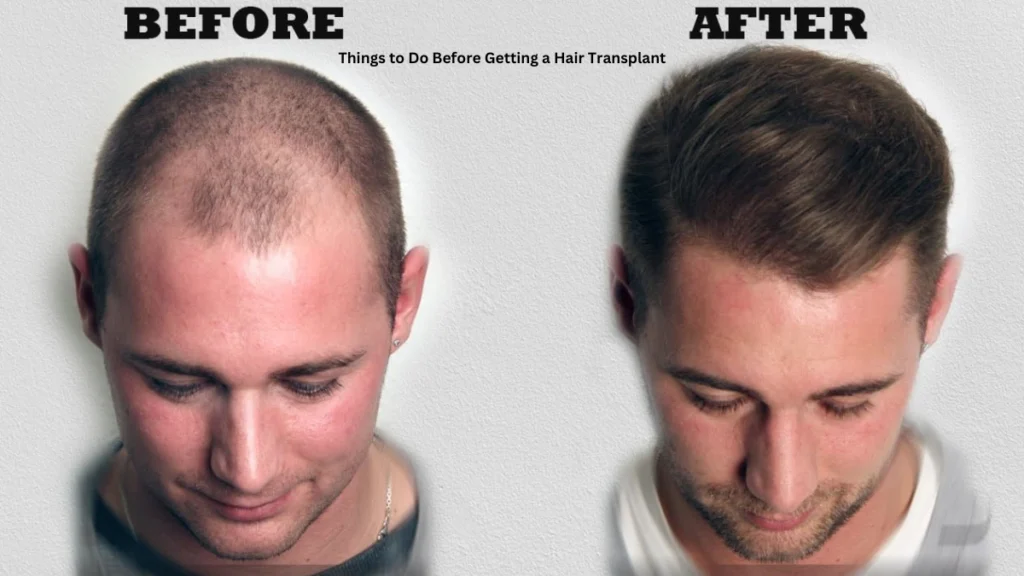
The short answer is yes but with precautions. The timing and type of cap you choose are critical. Following the hair transplant, the scalp needs time to heal, and the grafts must anchor themselves securely. Caps should not be worn immediately after the procedure unless specifically recommended by your surgeon.
Read more: Things to Do Before Getting a Hair Transplant
When Can You Start Wearing a Cap?
Most surgeons advise waiting at least 5–7 days before wearing any kind of cap. During this time, your scalp is healing, and the grafts are particularly vulnerable. Once the initial healing period is over, you can wear a loose-fitting, soft cap that doesn’t exert pressure on the scalp or disturb the grafts.
If you’re unsure, consult your doctor to get personalized advice based on your transplant method—whether it’s Follicular Unit Extraction (FUE) or Follicular Unit Transplantation (FUT).
Caps for the Early Recovery Phase
Best Types of Caps to Use
- Loose-fitting caps: These allow air circulation and prevent rubbing on the scalp.
- Soft, breathable materials: Cotton or lightweight fabrics are ideal to reduce irritation.
A cap that sits gently over the scalp can help protect the grafts from dirt, dust, and sunlight during the early recovery phase.
How Caps Protect Grafts
Caps can act as a shield against external elements such as pollution or accidental bumps. However, they must not interfere with the transplanted area, which is still fragile during this period.
Caps and Graft Safety
Wearing a cap too soon or choosing a tight-fitting one can damage the grafts. Here are some safety measures to keep in mind:
- Avoid pressure: Ensure the cap doesn’t press against the grafts.
- Prevent infection: Clean your cap regularly to reduce the risk of bacteria buildup.
- Don’t rub or disturb the scalp: Use caps only when absolutely necessary, especially in the first two weeks.
Tips for Choosing the Right Cap
When selecting a cap post-transplant, consider the following:
- Material: Opt for soft and breathable materials like cotton.
- Fit: Choose a cap that sits loosely over the scalp without exerting pressure.
- Design: Avoid caps with hard brims or internal stitching that may irritate the skin.
How Caps Can Help with Sun Protection
Direct sunlight can harm the transplanted area and slow the healing process. Caps offer excellent protection by shielding the scalp from harmful UV rays. If wearing a cap isn’t an option, use a hair-friendly sunscreen or stay indoors during peak sun hours.
Common Mistakes When Using Caps Post-Transplant
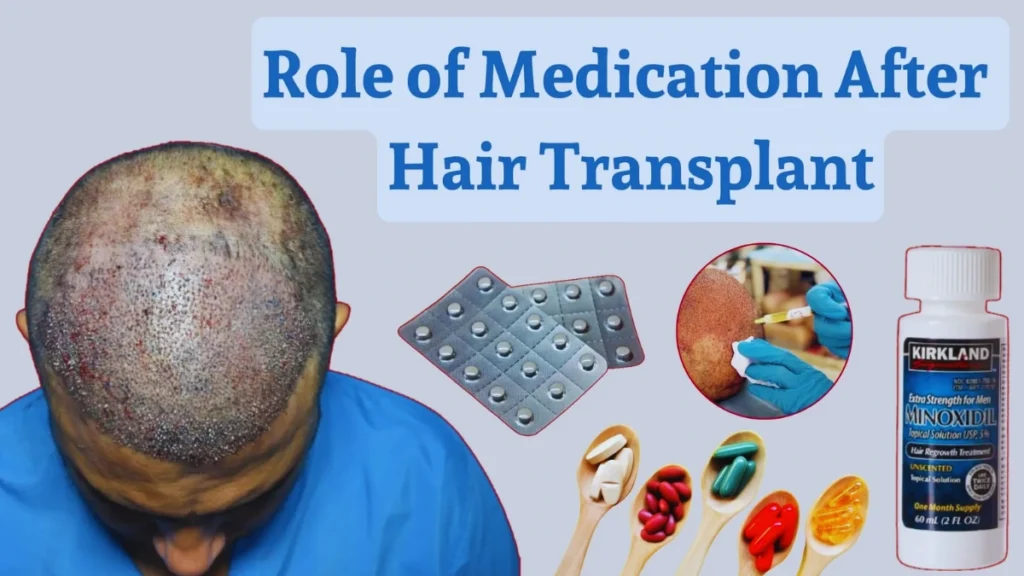
- Wearing caps too soon: This can dislodge the grafts and affect the results.
- Choosing tight caps: These can irritate the scalp and disrupt healing.
- Neglecting hygiene: Dirty caps can introduce bacteria, leading to infections.
Read more: Medicine After Hair Transplant Essential Post-Operative Care for Optimal Results
Hygiene Tips for Caps
- Wash your cap regularly with mild detergent.
- Rotate between multiple caps to ensure cleanliness.
- Avoid wearing the same cap for prolonged periods, especially if it gets sweaty.
Psychological Benefits of Wearing Caps Post-Transplant
Wearing a cap can boost your confidence during the recovery period. It allows you to step outside without worrying about visible redness, swelling, or scabs. This simple accessory can make the recovery phase more comfortable for many individuals.
Alternatives to Wearing Caps
If wearing a cap feels uncomfortable or is not advisable during the initial recovery phase, consider these alternatives:
- Bandanas or scarves: These are soft and less likely to irritate the scalp.
- Hair-friendly sunscreen: Use a mild product to protect against UV rays.
- Staying indoors: Avoid stepping out during peak sunlight hours to minimize exposure.
Long-Term Cap Use After Hair Transplant
Once your scalp has healed completely, you can transition to wearing regular caps. However, avoid tight caps or prolonged use to prevent traction alopecia, which can cause further hair loss over time.
Expert Opinions on Wearing Caps
Leading hair transplant surgeons recommend prioritizing scalp safety and hygiene during the recovery period. While caps are a practical option, they should be used with caution. Always follow your surgeon’s instructions for the best results.
FAQs About Caps for Hair Transplant Recovery
- How soon can I wear a cap after a hair transplant?
- Most surgeons recommend waiting 5–7 days before wearing a loose-fitting cap.
- Will wearing a cap affect my grafts?
- If worn correctly and after the initial healing phase, caps should not harm the grafts.
- What type of cap is best for the first few weeks post-transplant?
- Choose a loose-fitting cap made of soft, breathable fabric.
- Can I wear a cap while exercising?
- Avoid caps during exercise in the early recovery phase as sweat can irritate the scalp.
- How can I clean my cap to avoid infections?
- Wash caps regularly with a mild detergent and rotate between multiple caps.
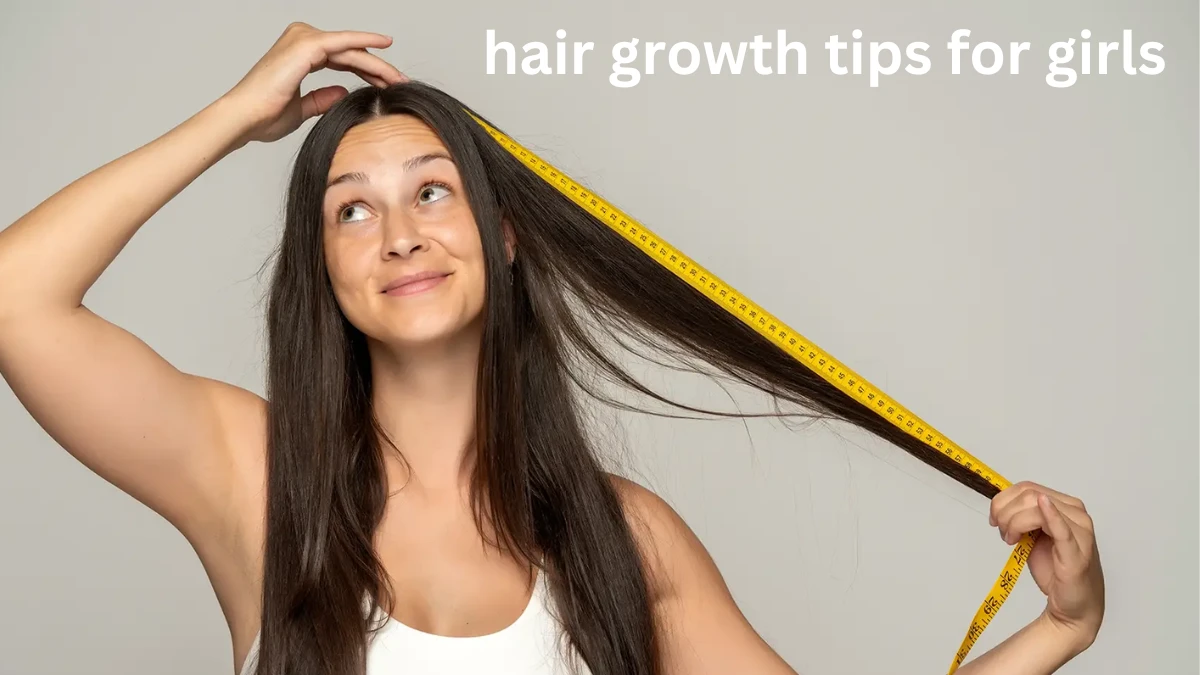
Hair Growth Tips for Girls: How to Achieve Longer, Healthier Hair
Hair Growth Tips for Girls: Achieving long, healthy hair is a common goal for many girls. However, growing your hair requires more than just waiting for it to grow out. It takes a combination of proper care, nutrition, and patience. Whether you’re dealing with slow growth or damaged hair, these proven tips will help you get the long, luscious locks you’ve always wanted.
Book Your Consultation Today
Visit Dr. Hanan Dermatology Specialty Clinic in Padur, OMR, Chennai. Schedule your consultation today and start your journey to fuller, healthier hair.

For more information and to book your appointment, visit our clinic or call us at the clinic’s contact details.
Hair Growth Tips for Girls
Understand Your Hair Type
The first step to growing long, healthy hair is understanding your hair type. Hair growth can vary depending on whether you have straight, wavy, or curly hair. Identifying your hair type will help you select the best products and treatments that suit your hair’s unique needs.
For example, curly hair tends to be more fragile and prone to dryness, so it may require extra moisture. Straight hair, on the other hand, may benefit from lightweight products that don’t weigh it down. Tailoring your hair care routine to your hair type ensures you nourish and protect your hair correctly.
Balanced Diet for Hair Growth
Healthy hair starts from the inside out. Your diet plays a significant role in the quality and growth rate of your hair. Key nutrients such as biotin, iron, vitamin A, vitamin C, and omega-3 fatty acids are vital for strong, healthy hair. Incorporate foods like salmon, eggs, spinach, sweet potatoes, and avocados into your meals to support hair growth.
Remember, a well-balanced diet isn’t just good for your hair—it improves your overall health, too!
Hydration is Key
Just like your skin, your hair needs moisture to stay healthy and grow. Dehydration can lead to brittle hair that breaks easily and slows down the growth process. Drinking plenty of water each day ensures your hair remains hydrated, which in turn helps it grow faster and stronger.
Make it a habit to drink at least 8 cups of water a day to support overall health and encourage healthy hair growth.
Gentle Hair Care Routine
The way you wash and care for your hair can make a big difference in how it grows. Use sulfate-free shampoos and conditioners that are gentle on your hair and scalp. Washing your hair too often can strip it of essential oils, so try to limit hair washing to 2-3 times per week.
Deep conditioning treatments once a week can restore moisture and nutrients, making your hair softer and less prone to breakage.
Scalp Health and Massages
A healthy scalp is the foundation for healthy hair growth. Massaging your scalp stimulates blood circulation, promoting hair follicle health and encouraging faster growth. You can enhance your scalp massage by using essential oils such as rosemary, peppermint, or lavender, which are known to stimulate hair follicles and encourage growth.
Massage your scalp for 5-10 minutes a few times a week to boost circulation and improve hair health.
Avoid Heat Styling and Chemical Damage
Excessive heat styling, including blow-drying, straightening, and curling, can cause irreversible damage to your hair. If you must use heat tools, always apply a heat protectant spray beforehand.
Chemical treatments, such as hair dyes and perms, can also weaken hair, causing it to become brittle and break. Consider avoiding these treatments or opting for more natural alternatives that won’t strip your hair of essential nutrients.
Sleep Care: Protecting Your Hair Overnight
Your hair can get damaged while you sleep due to friction with your pillowcase. Switching to a silk or satin pillowcase can help reduce hair breakage and prevent split ends. Additionally, tying your hair in a loose braid or ponytail can help minimize tangling and snapping during the night.
Trim Regularly to Prevent Split Ends
It may sound counterintuitive, but regular trims are essential for hair growth. Cutting off split ends prevents hair from breaking, which helps it grow longer and healthier. Aim for a trim every 6-8 weeks to keep your hair looking fresh and healthy.
Stress Management for Healthy Hair
Chronic stress can wreak havoc on your hair, slowing down growth or causing hair loss. Finding ways to manage stress is crucial for maintaining healthy hair. Practices like yoga, meditation, and regular exercise can help reduce stress and promote overall health.
Make stress management a part of your daily routine to support healthy hair growth.
Hair Growth Supplements: Do They Work?
Many girls turn to supplements to boost their hair growth. Biotin, collagen, and other hair vitamins can support the natural growth process by providing your hair with the nutrients it needs to thrive. However, supplements work best when combined with a healthy diet and proper hair care routine.
Consult with a healthcare professional before starting any supplement to ensure it’s right for you.
Natural DIY Hair Masks and Treatments
DIY hair masks can be a great way to nourish and strengthen your hair. Ingredients like coconut oil, honey, avocado, and yogurt are packed with vitamins and nutrients that promote hair growth. Apply a homemade mask once a week to provide deep conditioning and repair any damage to your hair.
Protect Your Hair from Environmental Damage
Environmental factors like sun exposure, pollution, and chlorine can damage your hair and hinder growth. Protect your hair by wearing a hat or using UV-protectant hair sprays when spending time outdoors. Additionally, avoid chlorine damage by wearing a swimming cap or rinsing your hair with fresh water before swimming.
Patience and Consistency
Hair growth takes time, and it’s important to remain patient throughout the process. Consistency is key to seeing results, so stick to your hair care routine and give it time. While hair typically grows around half an inch per month, maintaining a healthy lifestyle and following these tips will help you reach your hair goals.
Conclusion
Growing long, healthy hair doesn’t happen overnight, but with the right routine, diet, and care, you’ll see beautiful results. By understanding your hair type, nourishing it with the right nutrients, and protecting it from damage, you can achieve the long, strong hair you’ve always dreamed of. Be patient, stay consistent, and enjoy the hair growth journey!
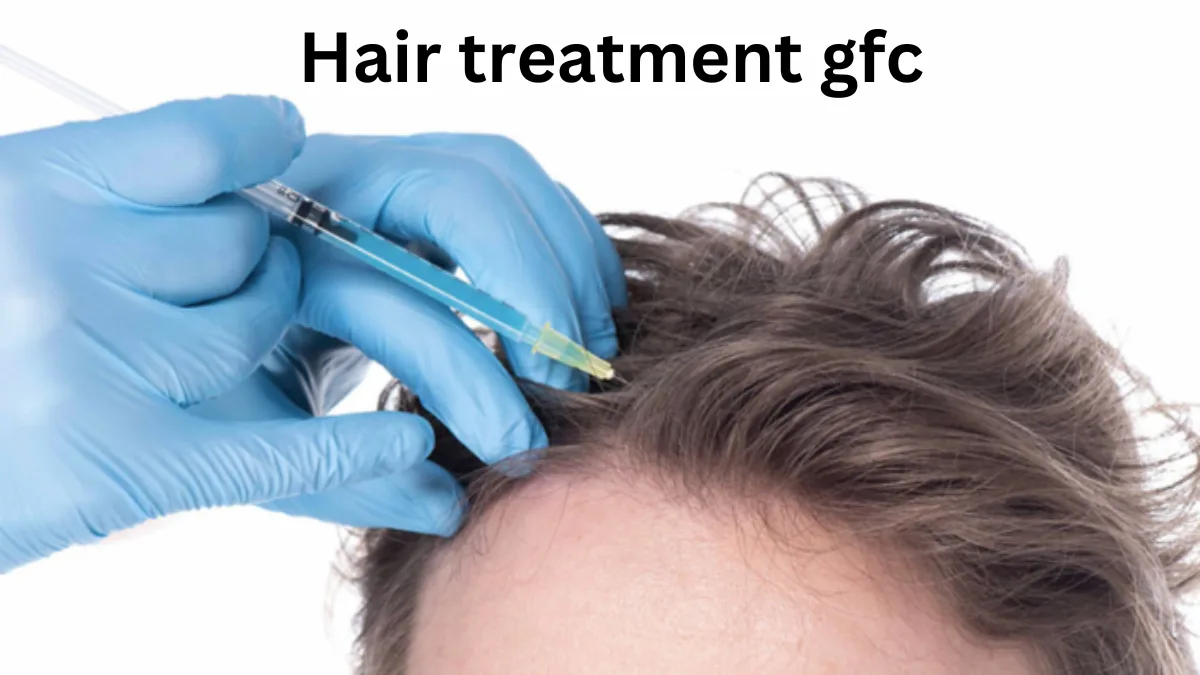
Hair Treatment GFC: A Revolutionary Solution for Hair Regrowth
Hair loss is a common concern for both men and women, with countless individuals seeking effective solutions to restore their hair’s fullness and health. Among the most innovative advancements in hair restoration is GFC (Growth Factor Concentrate), a cutting-edge treatment gaining popularity for its ability to stimulate hair regrowth and improve scalp health. In this article, we’ll explore what GFC hair treatment is, how it works, and why it’s a game-changer in the field of hair restoration.
Book Your Consultation Today
Visit Dr. Hanan Dermatology Specialty Clinic in Padur, OMR, Chennai. Schedule your consultation today and start your journey to fuller, healthier hair.
For more information and to book your appointment, visit our clinic or call us at the clinic’s contact details.
What is GFC Hair Treatment?
GFC, or Growth Factor Concentrate, is a non-surgical hair restoration treatment that uses growth factors to stimulate hair follicles and encourage hair regrowth. These growth factors are naturally occurring proteins that help promote cell growth, healing, and regeneration. GFC is derived from the patient’s own blood, which is processed to concentrate these growth factors and then injected into the scalp to rejuvenate dormant hair follicles and stimulate the growth of new, healthy hair.
This treatment is a breakthrough in the fight against hair loss, offering a natural and effective alternative to more invasive procedures like hair transplants.
The Science Behind GFC Hair Treatment
Growth factors play a crucial role in stimulating hair regrowth. These are naturally occurring proteins in the body that promote the healing of tissue and the growth of new cells. In the context of hair restoration, key growth factors such as VEGF (vascular endothelial growth factor) and PDGF (platelet-derived growth factor) are particularly important. They help to regenerate hair follicles, improve blood circulation to the scalp, and promote hair follicle survival.
The process begins with drawing a small sample of the patient’s blood, which is then processed in a centrifuge to isolate the plasma. This plasma, which contains a high concentration of growth factors, is injected into the scalp in targeted areas where hair thinning or hair loss is most prominent. This stimulation of the scalp promotes the regeneration of hair follicles, leading to stronger, thicker hair growth.
Benefits of GFC Hair Treatment
GFC offers a range of benefits that make it an appealing choice for those looking to combat hair thinning and hair loss:
- Stimulates Hair Growth: GFC directly targets the hair follicles, encouraging dormant follicles to become active again, leading to visible hair regrowth.
- Improves Hair Thickness and Texture: As new hair grows, it is often thicker and healthier, contributing to fuller, more voluminous hair.
- Non-Invasive Procedure: Unlike hair transplant surgery, GFC treatment is minimally invasive, requiring no incisions or stitches.
- Minimal Downtime: Most patients experience only mild discomfort and minimal downtime, allowing them to resume daily activities almost immediately.
- Safe and Natural: Since the treatment uses the patient’s own blood, it is a natural, safe option with a low risk of complications.
Who is an Ideal Candidate for GFC Hair Treatment?
GFC hair treatment is suitable for a wide range of individuals, including:
- People with Androgenic Alopecia (Pattern Baldness): This hereditary condition causes gradual thinning or balding, particularly around the crown and temples.
- Women and Men with Thinning Hair: Those experiencing thinning hair or early-stage hair loss can benefit from GFC’s restorative properties.
- Individuals Seeking Non-Surgical Solutions: GFC is an excellent option for people who are not ready for or are not candidates for hair transplant surgery.
- Those Looking for a Natural Alternative: Because GFC uses the body’s own growth factors, it is a great option for those seeking a natural approach to hair restoration.
The GFC Hair Treatment Procedure
The GFC hair treatment procedure is relatively straightforward and involves the following steps:
- Consultation and Assessment: A thorough consultation with a hair restoration specialist is essential to assess the patient’s hair loss and determine the suitability of GFC treatment.
- Blood Collection and Processing: A small blood sample is drawn from the patient. This sample is then processed using a centrifuge to isolate the growth factor-rich plasma.
- Application of GFC: The concentrated plasma is injected into the scalp at areas where hair thinning or loss has occurred. The injections are typically done with a fine needle to minimize discomfort.
- Post-Treatment Care: After the procedure, patients may experience mild redness or swelling at the injection sites. These effects are temporary, and most patients can return to their normal routines immediately.
What to Expect After GFC Hair Treatment
After undergoing GFC hair treatment, patients may experience:
- Mild Side Effects: Some redness or swelling at the injection site is common but typically subsides within a few hours to a few days.
- Gradual Hair Growth: It takes time for new hair to grow, and results are typically visible within 3-6 months. New hair may initially be fine but gradually thickens and strengthens.
- Ongoing Treatments: To maintain results, some patients may need follow-up sessions. Your hair restoration specialist will provide a personalized treatment plan based on your progress.
GFC Hair Treatment vs. Other Hair Loss Treatments
When comparing GFC to other popular hair treatments, several key differences become apparent:
- GFC vs. PRP (Platelet-Rich Plasma): While both GFC and PRP involve the use of the patient’s own blood, GFC typically has a higher concentration of growth factors, making it a more powerful treatment for stimulating hair growth.
- GFC vs. Hair Transplant: Unlike hair transplants, which involve the surgical relocation of hair follicles, GFC is a non-invasive procedure with minimal downtime. It’s a great option for people who want to avoid surgery.
- Cost Comparison: GFC is generally more affordable than hair transplant surgery, making it an attractive option for those looking for a cost-effective solution to hair loss.
Potential Risks and Side Effects
GFC hair treatment is generally safe, but as with any medical procedure, there are potential risks:
- Mild Pain or Swelling: Some patients may experience discomfort at the injection site.
- Temporary Results: The effectiveness of the treatment can vary, and not everyone will experience the same level of hair regrowth.
Success Stories and Case Studies
Many patients have experienced significant improvements in hair regrowth following GFC treatment. Testimonials from individuals who have undergone the procedure often highlight the natural results and improved hair thickness. Before-and-after photos demonstrate how GFC can help restore hair in areas that were once thinning or bald.
Conclusion
GFC hair treatment is an innovative, non-invasive solution for hair loss and thinning. By harnessing the power of growth factors derived from the patient’s own blood, this treatment helps stimulate hair regrowth and improve hair thickness. With minimal downtime and a natural, safe process, GFC is a highly effective alternative to more invasive hair restoration options. If you’re struggling with hair loss and seeking a natural, non-surgical option, GFC might be the treatment you’ve been waiting for.
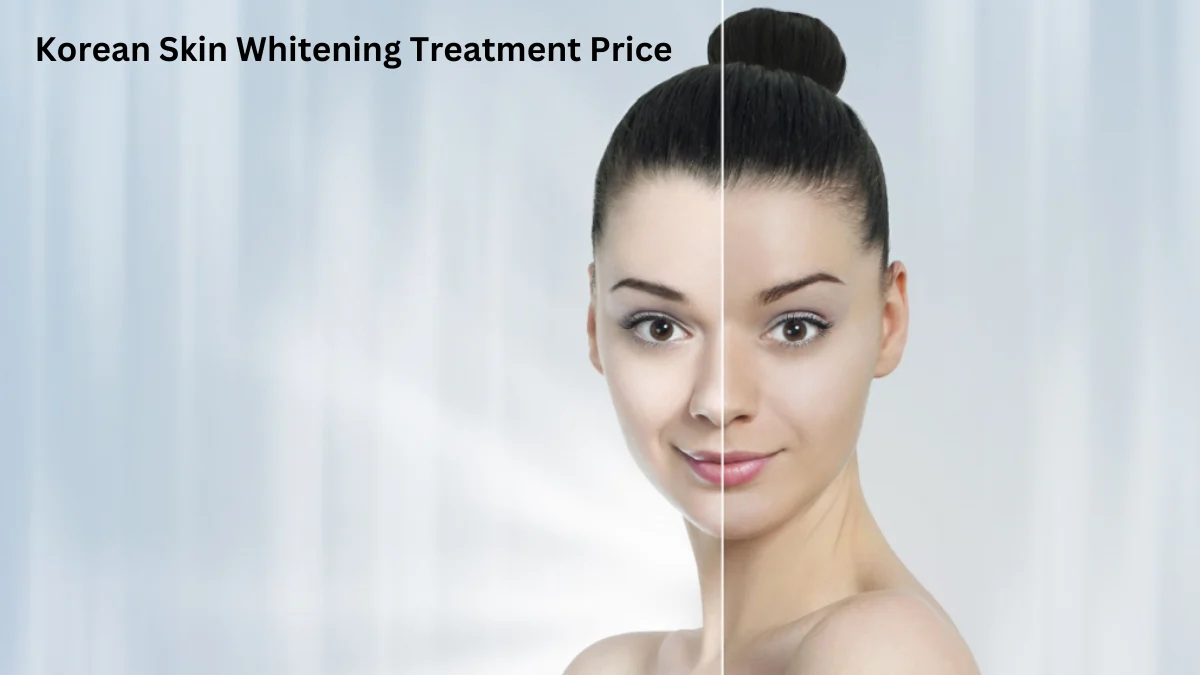
Korean Skin Whitening Treatment Price: A Complete Guide
Korean Skin Whitening Treatment Price: In recent years, Korean skincare has taken the beauty industry by storm, with a focus on flawless, radiant skin. One of the most sought-after treatments is Korean skin whitening, which promises a brighter, more even complexion. As its popularity continues to grow, many are curious about the price of these treatments. In this article, we will explore the various Korean skin whitening treatments, the factors affecting their cost, and a detailed price breakdown to help you make an informed decision.
Book Your Consultation Today
Visit Dr. Hanan Dermatology Specialty Clinic in Padur, OMR, Chennai. Schedule your consultation today and start your journey to fuller, healthier hair.
For more information and to book your appointment, visit our clinic or call us at the clinic’s contact details.
Korean Skin Whitening Treatment Price
| Treatment Type | Price Range (INR) | Details |
| Skincare Products | ₹1,640 – ₹8,200 | Whitening creams, serums, and masks from brands like Laneige, Innisfree, and The Face Shop. |
| Whitening Sheet Masks | ₹164 – ₹1,640 | Affordable sheet masks for brightening and skin tone evening. |
| Laser Skin Whitening | ₹8,200 – ₹41,000 per session | Includes fractional CO2 laser and other advanced technologies. |
| Chemical Peels | ₹8,200 – ₹24,600 per session | Exfoliates the skin and helps lighten dark spots. |
| Whitening Facials | ₹4,100 – ₹16,400 per session | Professional facials offered by top clinics in Korea. |
| Glutathione Injections | ₹4,100 – ₹16,400 per session | Skin-whitening injections, often used for quicker results. |
| Whitening IV Drips | ₹8,200 – ₹24,600 per session | Whitening IV treatments offered as packages for lasting effects. |
1.Introduction
Korean skin whitening treatments are gaining immense popularity due to their effectiveness and innovation in the beauty world. These treatments range from affordable skincare products to more intensive procedures such as laser therapy and glutathione injections. Whether you’re looking for a radiant glow or trying to fade dark spots, understanding the cost of these treatments is crucial for making the best choice.
2. Types of Korean Skin Whitening Treatments
Korean skin whitening treatments can be broadly categorized into four main types: skincare products, facial treatments, injections, and home remedies.
Skincare Products
Korean skincare brands offer a wide variety of whitening products, such as creams, serums, and sheet masks, all designed to lighten the skin, even out skin tone, and reduce pigmentation.
Facial Treatments
These are in-clinic treatments such as laser therapy, chemical peels, and whitening facials that target deeper layers of the skin for more permanent results.
Injections and Procedures
Glutathione injections and whitening IV drips are popular procedures in Korea for those seeking rapid and visible results. These treatments are typically done at specialized clinics and involve injecting or infusing skin-whitening agents into the bloodstream.
Home-Based Remedies
Many people opt for DIY Korean whitening masks or natural skin treatments at home, which are budget-friendly but may not offer the same level of results as professional procedures.
3. Factors Affecting the Price of Korean Skin Whitening Treatments
The price of Korean skin whitening treatments varies depending on several factors:
Treatment Type
The type of treatment you choose plays a significant role in the cost. Skincare products are generally the most affordable option, while injections and laser treatments tend to be more expensive.
Location and Clinic
Treatment costs can vary greatly depending on where you get the procedure. Urban centers like Seoul, where many high-end clinics are located, may charge higher fees compared to more rural areas.
Brand and Product Quality
Premium skincare brands such as Laneige, Sulwhasoo, and Dr. Jart+ will cost more than drugstore brands. The higher quality products tend to offer better and longer-lasting results, which may justify the higher price.
Duration and Frequency of Treatment
One-time treatments like laser therapy or chemical peels may cost more upfront, while regular use of whitening products or continuous glutathione injections could be more cost-effective over time.
Expertise of Professionals
The cost of treatments may also depend on the expertise of the professionals administering them. Dermatologists and certified skincare experts often charge more than less experienced staff.
4. Price Breakdown of Popular Korean Skin Whitening Treatments
Skincare Products
Korean whitening skincare products are widely available and can be purchased online or in-store. On average:
- Whitening creams and serums: Prices range from $20 to $100, depending on the brand and ingredients.
- Whitening masks: Sheet masks typically cost between $2 to $5 per mask, with premium versions costing up to $20.
Popular brands like Laneige, Innisfree, and The Face Shop offer products that cater to different skin types and needs.
Facial Treatments
- Laser treatments: The cost of a single session of laser skin whitening ranges from $100 to $500. For more advanced technologies, such as fractional CO2 lasers, the cost can be even higher.
- Chemical peels: A single session typically costs between $100 to $300.
- Whitening facials: Professional facials in top Korean clinics can range from $50 to $200 per session.
Injections and Procedures
- Glutathione injections: The cost of glutathione injections can range from $50 to $200 per session, depending on the clinic and the dosage.
- Whitening IV drips: These are more expensive, with prices ranging from $100 to $300 per treatment, typically offered as packages.
5. Comparing Korean Skin Whitening Treatment Prices with Other Countries
When comparing the prices of Korean skin whitening treatments with those in other countries, you may find that Korea offers more affordable options. In places like the United States or Europe, the cost of similar treatments—especially in high-end clinics—can be significantly higher, sometimes reaching up to double the prices seen in Korea. This is one reason why many people from around the world travel to Korea for cosmetic procedures, including skin whitening.
6. Is Korean Skin Whitening Worth the Cost?
Whether or not Korean skin whitening treatments are worth the cost depends on individual needs, preferences, and skin concerns. Many people find significant improvements in their skin tone, reduced pigmentation, and an overall brighter complexion with these treatments. The choice of treatment will depend on factors like:
- Desired results (quick vs. gradual)
- Budget constraints
- Sensitivity to certain ingredients or procedures
- Availability of professional clinics in your area
It’s important to consult with a dermatologist or skincare professional before committing to any treatment to ensure it is suitable for your skin.
7. Conclusion
Korean skin whitening treatments offer a wide range of options for those looking to brighten their complexion and reduce hyperpigmentation. From affordable skincare products to high-end clinical procedures, there is something for every budget. When considering these treatments, it’s essential to factor in the cost, treatment type, and location. Always ensure you are opting for reputable clinics or brands to ensure safety and effectiveness.
FAQs
Q1: Are Korean skin whitening treatments safe?
Yes, most Korean skin whitening treatments are safe when performed by licensed professionals or using reputable products. Always consult with a dermatologist before starting any treatment.
Q2: How long does it take to see results from Korean skin whitening treatments?
The Korean Skin Whitening Treatment Price and results depend on the treatment type. Skincare products can take several weeks to show visible results, while injections and laser treatments can provide faster improvements.
Q3: Can I combine different Korean skin whitening treatments? Combining skincare products with professional treatments can enhance results. However, it’s important to consult with a dermatologist to avoid any adverse effects.
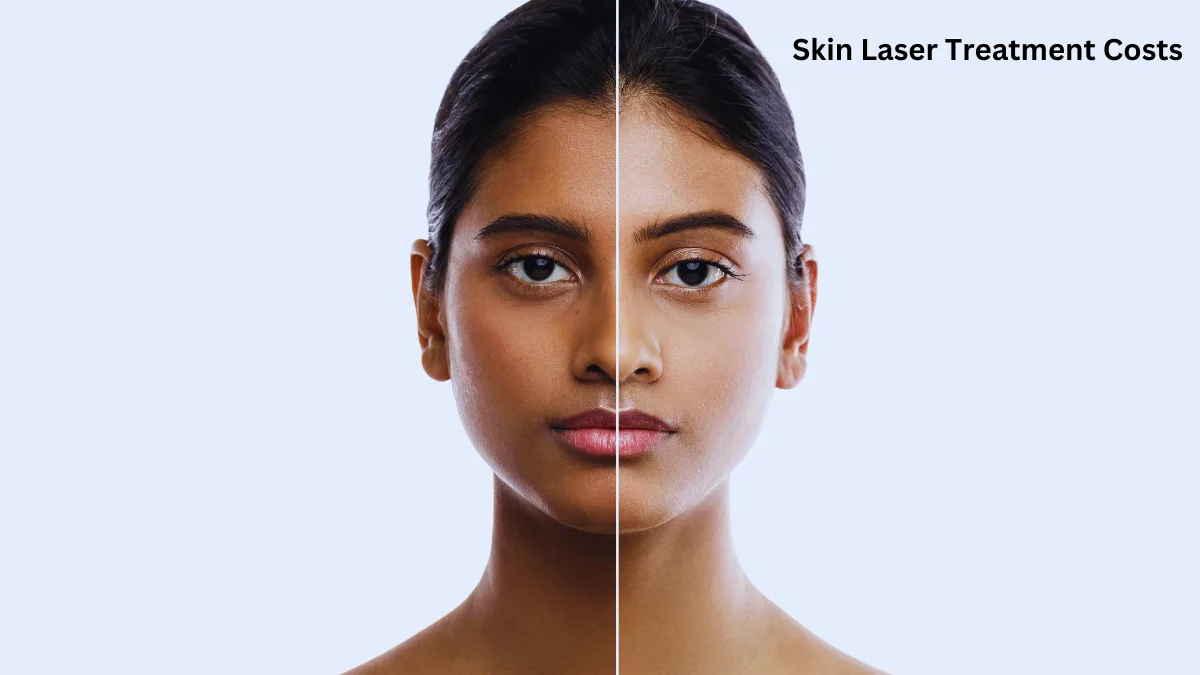
The Ultimate Guide to Skin Laser Treatment Costs
Skin laser treatments are no longer exclusive to celebrities and high-profile individuals. These procedures are now widely accessible, offering solutions to various skin concerns like acne scars, wrinkles, unwanted hair, and pigmentation. But how much do they actually cost? This guide dives deep into the factors influencing skin laser treatment costs, the types of treatments available, and tips for making these procedures more affordable.
Book Your Consultation Today
Visit Dr. Hanan Dermatology Specialty Clinic in Padur, OMR, Chennai. Schedule your consultation today and start your journey to fuller, healthier hair.
For more information and to book your appointment, visit our clinic or call us at the clinic’s contact details.
What Factors Influence Skin Laser Treatment Costs?
The cost of skin laser treatment depends on several factors, including:
Types of Skin Laser Treatments and Their Costs
Laser Hair Removal
Laser hair removal is a popular choice for permanent hair reduction.
- Cost Per Session: Typically ranges from $50 to $300, depending on the area being treated.
- Packages: Clinics often offer discounts for multiple sessions, reducing the per-session cost.
Fractional CO2 Laser
Ideal for treating acne scars and wrinkles.
- Price Range: $500 to $3,000 per session.
- Factors: Costs depend on the treatment area and the severity of the condition.
IPL (Intense Pulsed Light) Therapy
Used for pigmentation, redness, and minor skin imperfections.
- Average Cost: $400 to $600 per session.
- Duration: Multiple sessions may be needed for optimal results.
Laser Skin Resurfacing
This comprehensive treatment rejuvenates the skin and reduces fine lines.
- Cost: $1,000 to $2,500 per session.
- Full-Face Treatments: Generally on the higher end of the spectrum.
Tattoo Removal
Laser tattoo removal is priced based on the size and complexity of the tattoo.
- Per Session Cost: $200 to $500.
- Complete Removal: May require 5–10 sessions, making it a significant investment.
How Much Do Skin Laser Treatments Cost in Different Countries?
- USA: $200–$3,000 per session.
- UK: £150–£2,500 per session.
- India: ₹5,000–₹1,50,000 per session.
- Australia: AUD 300–4,000 per session.
Why Do Costs Vary Between Clinics?
Costs differ due to:
How to Save Money on Skin Laser Treatments
- Packages and Memberships: Clinics often offer discounted bundles.
- Off-Season Discounts: Prices may drop during less busy periods.
- Medical Tourism: Traveling to countries like India can save money.
- What to Expect During a Skin Laser Treatment
- Consultation: Initial assessment to determine suitability.
- Preparation: Pre-treatment care, including avoiding sun exposure.
- Procedure: Varies based on the type of treatment.
- Recovery: Includes downtime and aftercare.
Are Skin Laser Treatments Covered by Insurance?
Most cosmetic laser treatments are not covered by insurance. However, procedures with medical benefits, like mole removal, may be partially covered.
Risks and Side Effects of Skin Laser Treatments
Common side effects include redness, swelling, and temporary discomfort. Choosing a reputable clinic minimizes risks.
Success Stories: Is Skin Laser Treatment Worth It?
Many patients report dramatic improvements in their skin’s appearance, making these treatments a worthwhile investment.
Conclusion
Skin laser treatments can be life-changing, but they come at a cost. By understanding the factors that influence pricing, exploring treatment options, and choosing the right clinic, you can make an informed decision that suits your budget and goals.
FAQs
- What is the average cost of laser hair removal?
Prices range from $50 to $300 per session, depending on the treatment area. - How many sessions are required for tattoo removal?
Most tattoos require 5–10 sessions for complete removal. - Are laser treatments safe for sensitive skin?
Yes, but it’s essential to consult with a dermatologist. - Can I get discounts on skin laser treatments?
Many clinics offer packages and seasonal discounts. - Do laser treatments have long-term side effects?
Rarely, but choosing an experienced professional reduces the risk significantly.
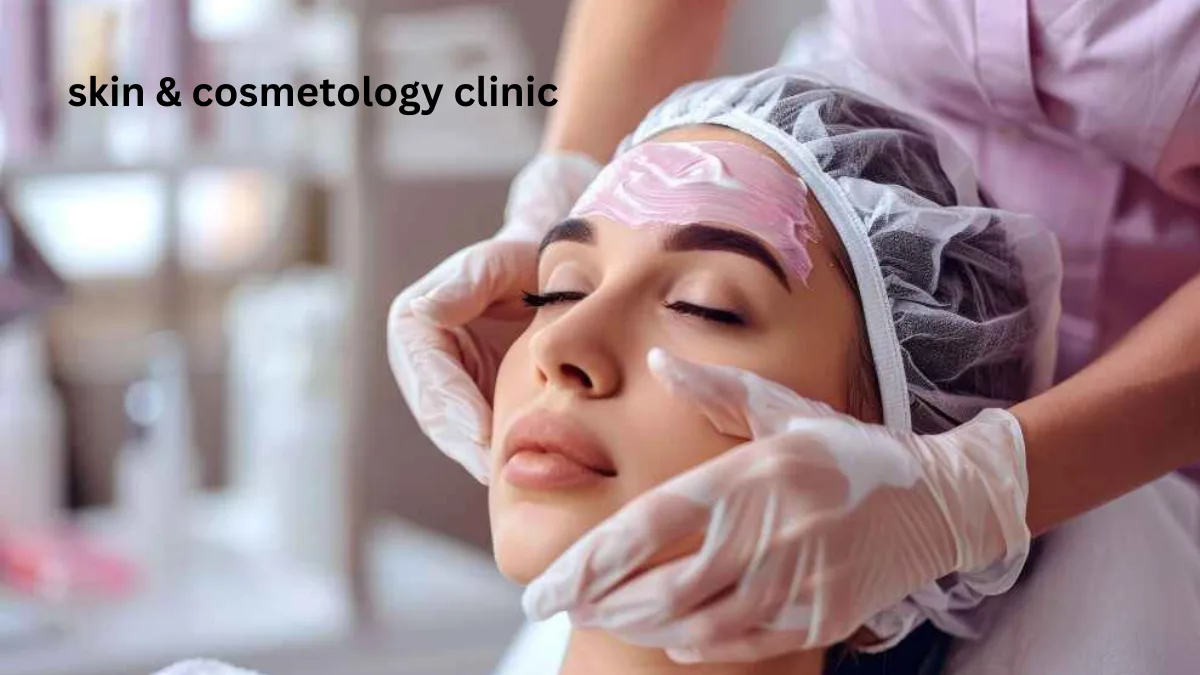
Everything You Need to Know About Skin & Cosmetology Clinics
A skin and cosmetology clinic is a specialized healthcare facility dedicated to enhancing and maintaining skin health while addressing cosmetic concerns. These clinics provide a wide range of services, including treatments for acne, pigmentation, scars, and hair loss, as well as anti-aging therapies, chemical peels, and laser procedures. Staffed by experienced dermatologists and aesthetic experts, a skin and cosmetology clinic combines medical expertise with advanced technology to deliver effective and personalized care. Whether you’re seeking to treat a specific skin condition or improve your overall appearance, these clinics are equipped to provide tailored solutions that boost confidence and promote well-being.
Book Your Consultation Today
Visit Dr. Hanan Dermatology Specialty Clinic in Padur, OMR, Chennai. Schedule your consultation today and start your journey to fuller, healthier hair.
For more information and to book your appointment, visit our clinic or call us at the clinic’s contact details.
What is a Skin & Cosmetology Clinic?
A skin and cosmetology clinic is a specialized healthcare facility where trained professionals offer treatments for skin, hair, and cosmetic concerns. These clinics combine medical expertise with cutting-edge technology to address everything from acne to anti-aging needs.
The Rising Popularity of These Clinics
In today’s appearance-driven world, skin and cosmetology clinics have gained immense popularity. With the promise of youthful skin, luscious hair, and confidence-boosting treatments, more people are turning to these clinics for their aesthetic needs.
Services Offered at Skin & Cosmetology Clinics
Skincare Treatments
Acne and Scar Treatments
Clinics offer solutions like chemical peels, microdermabrasion, and laser therapy to combat stubborn acne and scars, leaving your skin smoother and clearer.
Anti-Aging Therapies
Want to turn back the clock? Treatments like collagen-boosting facials, Botox, and dermal fillers help reduce wrinkles and fine lines effectively.
Hair Treatments
Hair Transplants
Hair transplant techniques like FUE (Follicular Unit Extraction) restore thinning hairlines and bald patches, offering a natural look.
Hair Fall Control
Non-invasive treatments like PRP (Platelet-Rich Plasma) therapy stimulate hair growth and prevent hair fall.
Cosmetic Procedures
Botox and Fillers
These minimally invasive procedures smooth out wrinkles and add volume to areas like lips and cheeks, giving a youthful appearance.
Laser Treatments
Laser procedures are used for everything from tattoo removal to pigmentation correction, offering precision and effectiveness.
How to Choose the Right Clinic for Your Needs
Certifications and Expertise
Ensure the clinic is certified and employs skilled professionals who specialize in cosmetology and dermatology.
Checking Reviews and Testimonials
Online reviews and client testimonials offer valuable insights into a clinic’s reputation and service quality.
Comparing Costs and Facilities
While affordability is important, prioritize quality care and advanced technology when selecting a clinic.
Benefits of Visiting a Skin & Cosmetology Clinic
Expert Care for Complex Skin Issues
Unlike home remedies, clinics provide scientifically-backed solutions tailored to your unique skin type and condition.
Advanced Technology for Lasting Results
Modern equipment ensures precise and lasting outcomes, reducing the risk of complications.
Common Misconceptions About Skin & Cosmetology Clinics
Myth: They Are Only for Celebrities
Think these clinics are exclusive to the rich and famous? Think again! Many clinics cater to people from all walks of life.
Myth: The Treatments Are Painful
Most procedures are minimally invasive and involve little to no discomfort, thanks to modern technology.
Preparing for Your First Visit to a Clinic
Initial Consultation Tips
Be honest about your medical history and current skincare routine to ensure the specialist can recommend the best treatment.
Questions to Ask Your Specialist
Ask about the procedure, potential side effects, and post-treatment care to set realistic expectations.
Costs of Skin and Cosmetic Treatments
Factors Influencing Costs
Treatment complexity, clinic location, and specialist expertise all impact the cost of services.
Are These Treatments Covered by Insurance?
Most cosmetic procedures are not covered by insurance as they are considered elective. However, medical skin treatments might qualify.
Potential Risks and How Clinics Minimize Them
Safety Protocols
Reputable clinics follow strict safety guidelines to minimize risks during and after treatments.
Post-Treatment Care Tips
Following your specialist’s advice for aftercare helps ensure optimal results and quicker recovery.
Future Trends in Skin & Cosmetology Clinics
AI-Powered Skincare
Artificial intelligence is revolutionizing the way clinics analyze skin conditions and recommend treatments.
Personalized Treatments Based on DNA
Imagine a treatment plan tailored to your unique genetic makeup—this is the future of cosmetology.
Conclusion
Skin and cosmetology clinics are more accessible than ever, offering a range of treatments to help you look and feel your best. Whether you’re seeking solutions for specific issues or just want to pamper yourself, these clinics provide expert care with advanced technology.
FAQs
1. What is the difference between a dermatologist and a cosmetologist?
A dermatologist is a medical doctor specializing in skin diseases, while a cosmetologist focuses on beauty treatments and aesthetic enhancements.
2. How do I know if a treatment is right for me?
Consult with a specialist for a thorough assessment and personalized recommendations.
3. How long do the results of cosmetic treatments last?
The longevity of results depends on the treatment type, with some lasting months and others being permanent.
4. Are skin & cosmetology clinics safe for sensitive skin?
Yes, clinics tailor treatments to suit different skin types, including sensitive skin.
5. Can men also visit skin & cosmetology clinics?
Absolutely! Clinics offer a variety of services designed for men as well.
The Ultimate Guide to Black Hair Oil: Benefits, Types & Usage Tips
Black hair oils have long been a staple in the hair care routines of many, particularly those with textured hair. These oils, rich in natural ingredients, are revered for their ability to promote healthy hair growth, add moisture, and improve the overall health of the hair. Whether you’re looking for stronger, shinier, or longer hair, black hair oil could be your go-to solution. In this guide, we’ll explore the benefits, types, and how to use black hair oil for the best results.
Book Your Consultation Today
Visit Dr. Hanan Dermatology Specialty Clinic in Padur, OMR, Chennai. Schedule your consultation today and start your journey to fuller, healthier hair.
For more information and to book your appointment, visit our clinic or call us at the clinic’s contact details.
1. What is Black Hair Oil?
Black hair oil refers to a variety of oils made from natural ingredients specifically designed for Black and textured hair types. These oils, such as Jamaican black castor oil and black seed oil, are packed with nourishing properties that cater to the unique needs of coarser, curlier, and more textured hair. They offer a variety of benefits, including moisturizing, repairing, and stimulating hair growth.
Unlike regular oils, black hair oils are often formulated with healing herbs and botanical extracts that work harmoniously to enhance scalp health and prevent hair damage.
2. Key Benefits of Black Hair Oil
Promotes Hair Growth
One of the most significant benefits of using black hair oil is its ability to stimulate hair growth. Oils like Jamaican black castor oil contain ricinoleic acid, which increases blood circulation to the scalp, promoting hair growth from the root.
Moisturizes and Hydrates
Black hair oils are rich in fatty acids that help lock in moisture. Regular use can help prevent dryness, frizz, and split ends, making your hair more manageable and soft to the touch.
Strengthens Hair
Black hair oils help repair damage by nourishing the hair shaft, reducing breakage and adding strength. This is particularly beneficial for those with brittle or chemically-treated hair.
Improves Scalp Health
The anti-inflammatory properties of black hair oils contribute to a healthier scalp. Ingredients like black seed oil and Jamaican black castor oil are known for their antifungal and antibacterial properties, promoting a cleaner scalp and reducing issues such as dandruff.
Prevents Premature Greying
Many black hair oils contain antioxidants that help reduce the appearance of grey hair by nourishing the hair follicles and preserving the natural pigment.
3. Types of Black Hair Oil
Jamaican Black Castor Oil
This oil is renowned for its ability to thicken and lengthen hair. Rich in omega-9 fatty acids, Jamaican black castor oil penetrates the scalp to hydrate and strengthen the hair follicles.
Black Seed Oil
Packed with essential fatty acids, antioxidants, and vitamins, black seed oil is known for helping with hair thinning and promoting overall scalp health. It’s a fantastic option for those suffering from hair loss or a dry, itchy scalp.
Amla Oil
Amla oil, derived from the Indian gooseberry, adds shine and softness to Black hair while helping to reduce hair fall and increase hair density.
Baobab Oil
Known for its high vitamin C content, baobab oil hydrates and strengthens dry, brittle hair. It’s perfect for nourishing hair that’s been damaged by heat or chemical treatments.
Other Variants
Other oils commonly found in black hair oil blends include argan oil, coconut oil, and olive oil, which offer additional moisturizing and strengthening benefits.
4. How to Use Black Hair Oil
Pre-shampoo Treatment
Before washing your hair, apply your black hair oil to dry hair. Let it sit for 15-30 minutes to allow the oil to deeply hydrate and prepare your scalp for cleansing.
Hot Oil Treatments
Heat the oil slightly and apply it to your hair for an intense moisture treatment. This helps the oil penetrate deeper into the hair shaft and strengthens it from within.
Scalp Massages
Massage the oil directly into your scalp using your fingertips to boost circulation, stimulate hair follicles, and relieve any scalp tension. This can be done before bed and left overnight for maximum absorption.
Leave-in Oil
Apply a small amount of oil to damp hair and leave it in for a natural shine and extra moisture. This method works wonders for keeping curls hydrated and bouncy throughout the day.
Hair Mask
Create an enriching oil-based hair mask by combining black hair oil with other nourishing ingredients, like honey or aloe vera. Leave it on for 30 minutes before rinsing for soft, hydrated hair.
5. Choosing the Right Black Hair Oil for Your Hair Type
Curly and Coily Hair
If you have curly or coily hair, Jamaican black castor oil or baobab oil is a great choice for adding moisture and promoting hair growth. These oils help define curls and reduce frizz.
Straight and Wavy Hair
For straight or wavy hair types, black seed oil and amla oil provide softness and strength without weighing the hair down.
Damaged or Dry Hair
If your hair is brittle or damaged, consider using Jamaican black castor oil or coconut oil for deep repair. These oils help restore moisture, strengthen the hair shaft, and reduce breakage.
Sensitive Scalp
If you have a sensitive scalp, look for gentle oils like baobab oil or black seed oil that soothe irritation while moisturizing the scalp.
6. Common Myths About Black Hair Oil
Oil Makes Hair Greasy
One common misconception is that oils make hair greasy. When used in moderation and the right amounts, oils can provide nourishment without leaving hair looking oily or weighed down.
Oils Weigh Down Hair
When applied correctly, oils can add volume and bounce to your hair, especially if you use lightweight options like argan oil or baobab oil.
All Oils Are the Same
Not all oils are created equal. Different oils have different benefits, so it’s essential to choose one that matches your hair type and needs.
7. Best Black Hair Oil Brands to Try
- Tropic Isle Living Jamaican Black Castor Oil
- Kiehl’s Magic Elixir
- Pura D’or Organic Black Seed Oil
- WOW Skin Science Onion Black Seed Hair Oil
- Mielle Organics Jamaican Black Castor Oil
8. Potential Side Effects and Considerations
Allergic Reactions
While rare, some people may experience an allergic reaction to certain oils. Always perform a patch test before applying oils to your scalp.
Overuse
Too much oil can lead to buildup, leaving your hair looking heavy and greasy. A few drops or a small amount is usually sufficient for most hair types.
Storage Tips
Store your oils in a cool, dark place to preserve their potency and extend their shelf life.
Conclusion
Black hair oils are an essential part of many hair care routines due to their ability to hydrate, strengthen, and promote growth. Whether you’re dealing with dryness, breakage, or thinning hair, the right oil can make a significant difference. By understanding the benefits and choosing the best oil for your hair type, you can unlock healthier, more beautiful hair.
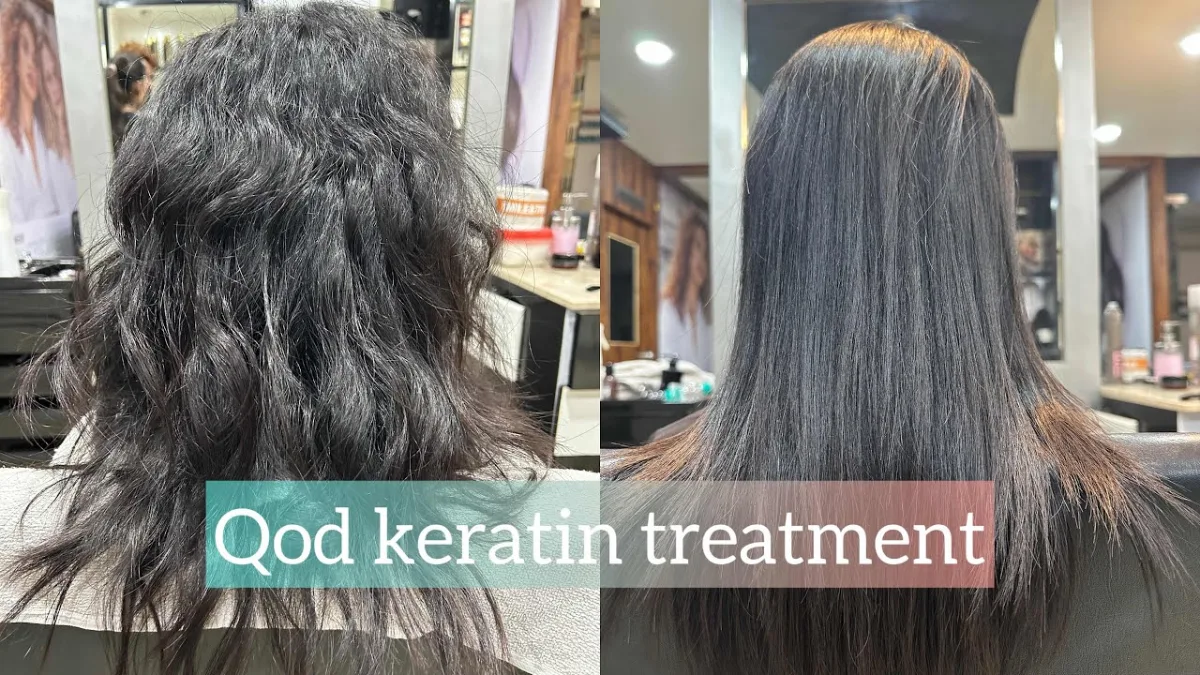
Everything You Need to Know About QOD Hair Treatment: Benefits, Process & Aftercare
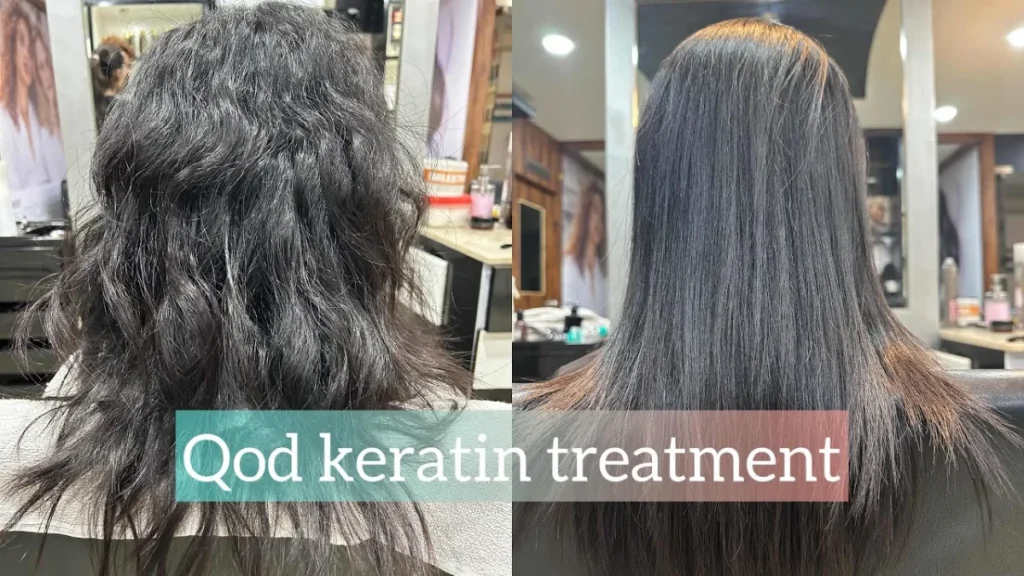
Hair care has come a long way with advancements in technology and treatments that promise smoother, healthier, and more manageable hair. One such treatment that has gained significant attention for its impressive results is QOD Hair Treatment. Whether you struggle with frizzy hair, dullness, or damage, QOD offers a solution that promises smooth, shiny, and nourished locks. In this article, we’ll dive deep into what QOD hair treatment is, how it works, its benefits, and how you can maintain your results for long-lasting effects.
Book Your Consultation Today
Visit Dr. Hanan Dermatology Specialty Clinic in Padur, OMR, Chennai. Schedule your consultation today and start your journey to fuller, healthier hair.
For more information and to book your appointment, visit our clinic or call us at the clinic’s contact details.
What is QOD Hair Treatment?
QOD Hair Treatment (Quality of Desired) is a professional salon treatment that uses a blend of keratin and other nourishing ingredients to repair and rejuvenate hair. The treatment is designed to smooth, straighten, and reduce frizz while improving the overall health of the hair. One of the reasons QOD has become so popular is its ability to enhance hair texture without using harsh chemicals like formaldehyde, which is commonly found in other hair treatments like Brazilian blowouts.
QOD offers several treatment options, such as keratin smoothing, hair botox, and specialized solutions tailored for different hair types and concerns. The treatment is suitable for various hair types, including curly, wavy, and even damaged hair, making it a versatile solution for all.
How Does QOD Hair Treatment Work?
The QOD hair treatment process involves applying a blend of keratin, proteins, and amino acids to the hair. Here’s a breakdown of how it works:
- Cleansing: The treatment begins with a deep-cleansing shampoo to remove any build-up or impurities in the hair. This prepares the hair for the application of the treatment.
- Application of the Treatment: The formula is carefully applied to the hair, focusing on even distribution from root to tip.
- Heat Activation: To activate the treatment, heat is applied using a flat iron. The heat helps seal the keratin and nutrients into the hair shaft, allowing the hair to absorb the product for better results.
- Rinsing and Styling: After the treatment has set, the hair is rinsed and styled. The result is visibly smoother, shinier hair that’s easier to manage.
Depending on the type of treatment chosen, the results can last for several months, and you’ll notice immediate improvements in the texture and health of your hair.
Benefits of QOD Hair Treatment
Why should you consider QOD Hair Treatment? Here are the key benefits:
- Frizz Reduction: QOD treatment provides long-lasting frizz control by smoothing the hair cuticle, helping your hair stay sleek, even in humid conditions.
- Healthier Hair: The keratin and nutrients infused in the treatment strengthen the hair shaft, improving its health and reducing damage caused by heat styling and environmental factors.
- Shiny, Glossy Hair: After treatment, your hair will look more radiant and lustrous. The QOD formula replenishes lost moisture, leaving your hair softer and more vibrant.
- Time-Saving: With smoother, more manageable hair, styling time is significantly reduced. You’ll spend less time blow-drying, straightening, or curling your hair.
- Repairs Damaged Hair: If you have brittle, over-processed, or dry hair, the nourishing ingredients in QOD can restore vitality, repairing hair from the inside out.
- Customizable for Different Hair Types: Whether you have curly, straight, or wavy hair, QOD can be customized to suit your specific needs, providing a solution for every hair type.
QOD Hair Treatment vs. Other Hair Treatments
When comparing QOD Hair Treatment with other hair straightening and smoothing treatments like Brazilian Blowout or traditional keratin treatments, here’s what sets QOD apart:
- Formaldehyde-Free: Many treatments, like Brazilian Blowout, contain formaldehyde, which can cause irritation and harm the hair over time. QOD, on the other hand, offers formaldehyde-free options, making it a safer and gentler choice for your hair.
- Longer-lasting Results: While Brazilian Blowouts and other treatments last around 2-3 months, QOD’s effects can last up to 6 months with proper care, depending on the treatment and hair type.
- Nutrient-Rich Formula: QOD’s keratin-infused formula not only smooths the hair but also repairs it, offering more benefits than typical treatments that mainly focus on straightening.
In short, QOD Hair Treatment offers a safer, longer-lasting, and nourishing solution for anyone looking to improve the texture of their hair.
Side Effects or Considerations
While QOD Hair Treatment is generally safe, there are some important considerations to keep in mind:
- Patch Test: It’s always a good idea to perform a patch test before applying the treatment to ensure you’re not allergic to any ingredients.
- Sensitive Scalp: If you have a sensitive scalp or any existing scalp conditions, consult with a stylist to ensure QOD is right for you.
- Post-Treatment Care: For the treatment to last, avoid washing your hair for at least 48 hours post-application. Additionally, use sulfate-free shampoos to preserve the results.
How to Maintain Results
To extend the life of your QOD Hair Treatment and keep your hair looking fabulous, follow these aftercare tips:
- Use Sulfate-Free Shampoo: Traditional shampoos with sulfates can strip the keratin treatment, so make sure to use products specifically formulated for treated hair.
- Avoid Excessive Heat: While the treatment helps to reduce frizz, excessive heat can still damage your hair. Use heat styling tools sparingly and at lower temperatures.
- Deep Conditioning: Regularly deep condition your hair to keep it hydrated and healthy.
- Protect from Chlorine: If you’re swimming, especially in chlorine-treated water, protect your hair with a swim cap or use a leave-in conditioner.
Frequently Asked Questions (FAQs)
- Can QOD hair treatment be done on color-treated hair?
Yes! QOD Hair Treatment is safe for color-treated hair and can even help preserve your color, making it look shinier and more vibrant. - How long does QOD hair treatment last?
Results typically last between 3 to 6 months, depending on your hair type and how well you maintain the treatment. - Is QOD suitable for all hair types?
Yes! Whether your hair is curly, wavy, or straight, QOD can be customized to suit your specific needs, offering smoother, healthier hair for all types.
Conclusion
Game-changing solution for anyone looking to smooth frizzy, unruly hair and restore its health. The treatment’s ability to improve hair texture while reducing frizz, damage, and styling time makes it a must-try for those with all hair types. Whether you’re seeking a keratin treatment, botox repair, or a customizable solution, QOD offers a safe and effective way to achieve your desired look.
Ready to transform your hair? Book an appointment with a certified QOD stylist or purchase QOD products online to begin your hair care journey today!
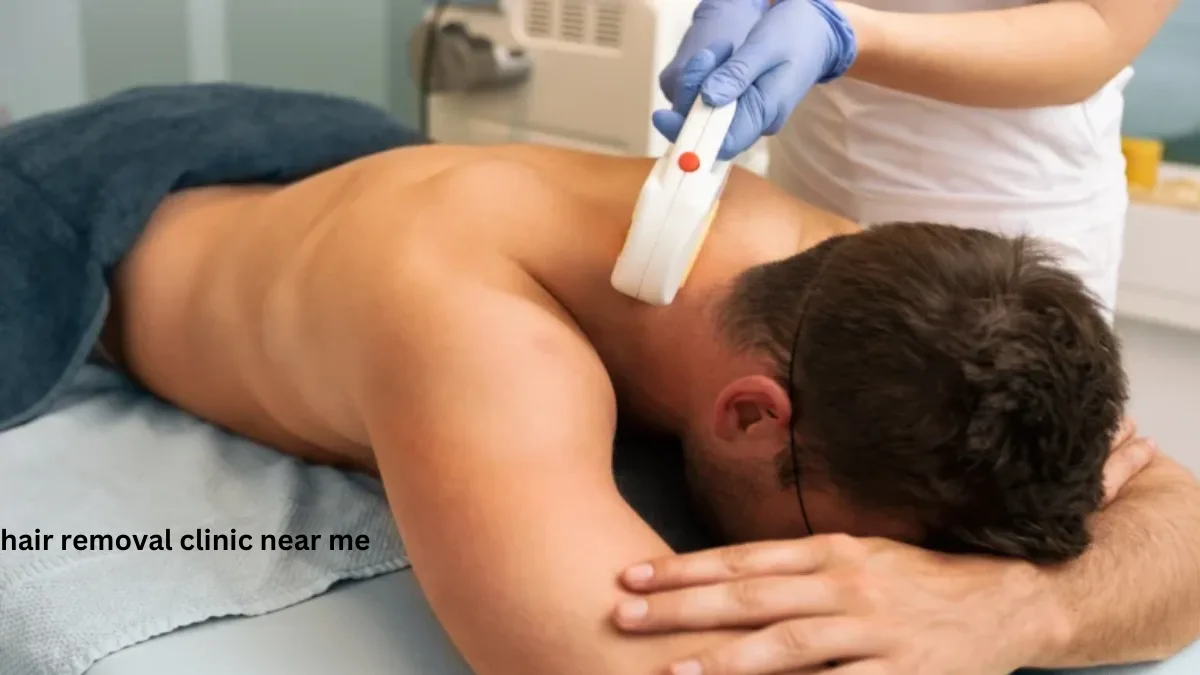
Hair Removal Clinic Near Me: Your Comprehensive Guide
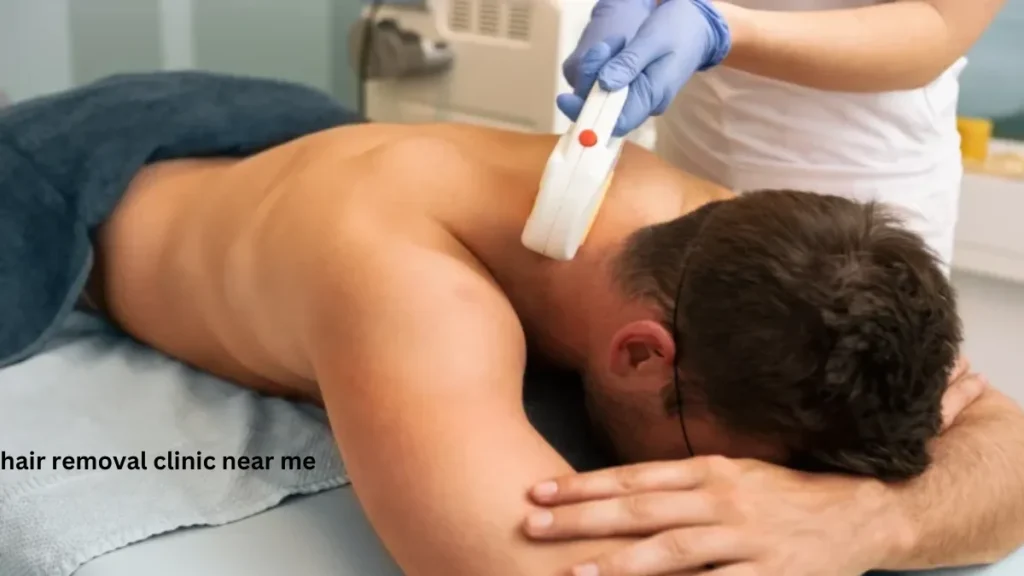
Hair removal has become an integral part of personal grooming for many people. Whether for aesthetic purposes or comfort, finding a trusted hair removal clinic nearby is essential. With advancements in technology like laser hair removal, achieving smooth, hair-free skin has never been easier. This article will guide you through everything you need to know about finding the best hair removal clinic near you.
Book Your Consultation Today
Visit Dr. Hanan Dermatology Specialty Clinic in Padur, OMR, Chennai. Schedule your consultation today and start your journey to fuller, healthier hair.
For more information and to book your appointment, visit our clinic or call us at the clinic’s contact details.
Types of Hair Removal Treatments Available
When it comes to hair removal, there are several options to choose from. Here’s an overview of the most popular treatments:
- Laser Hair Removal: A long-term solution that uses laser technology to target and reduce hair growth effectively.
- Waxing: A temporary method that removes hair from the root, ideal for larger areas like legs and arms.
- Electrolysis: A permanent solution that uses electric currents to destroy hair follicles, best for smaller areas.
- Threading and Shaving: Quick and affordable options for facial hair and small areas.
- IPL (Intense Pulsed Light): Similar to laser but uses broad-spectrum light, suitable for lighter skin tones and finer hair.
Factors to Consider When Choosing a Hair Removal Clinic
Selecting the right clinic is crucial to ensure safe and effective treatment. Here are key factors to keep in mind:
- Proximity: A clinic near you saves time and ensures convenience for follow-up sessions.
- Services Offered: Ensure the clinic provides the specific treatment you need.
- Expertise: Check if the clinic employs certified dermatologists or trained technicians.
- Hygiene and Safety: Visit the clinic to assess its cleanliness and adherence to safety protocols.
- Reviews and Ratings: Look for online reviews and testimonials from previous clients.
- Pricing: Compare costs and packages across clinics to find the best value for money.
Benefits of Opting for a Professional Clinic
Professional hair removal clinics offer several advantages:
- Long-lasting Results: Treatments like laser hair removal significantly reduce hair growth over time.
- Personalized Plans: Clinics create customized treatment plans based on your skin type and hair texture.
- Advanced Technology: Professional clinics use state-of-the-art equipment for safe and effective results.
- Minimal Risks: Trained professionals minimize the chances of side effects or complications.
What to Expect During a Hair Removal Consultation
Most clinics offer a pre-treatment consultation to ensure the best results. Here’s what typically happens:
- Skin and Hair Analysis: Experts assess your skin type and hair growth pattern.
- Customized Plan: A treatment plan is designed to suit your needs.
- Discussion of Costs: Transparent pricing details, including the number of sessions required.
- Safety Measures: Explanation of precautions and potential side effects.
Popular Hair Removal Clinics Near Me
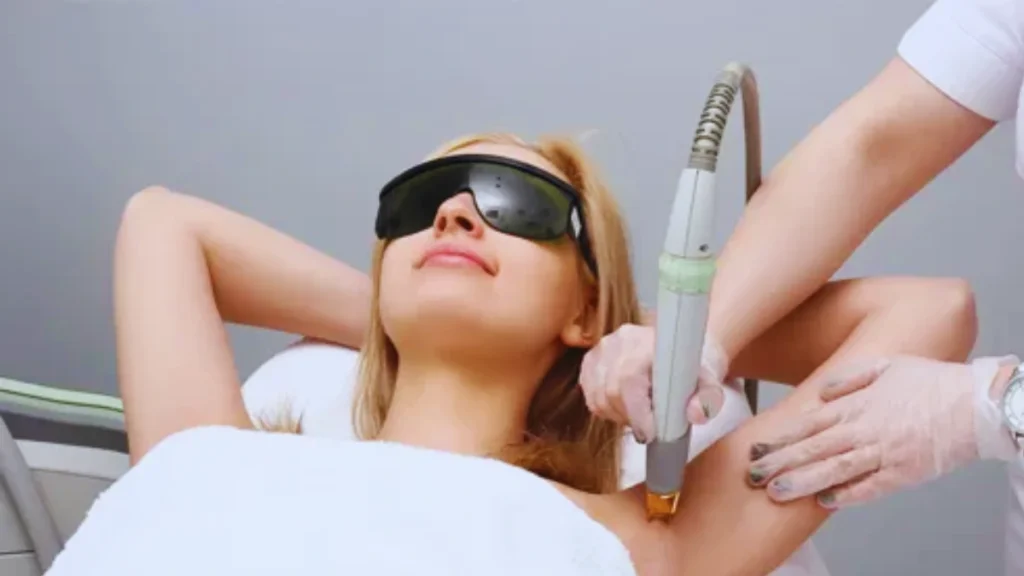
Here’s a list of reputed hair removal clinics in your area:
- Dr. Hanan Dermatology Speciality Clinic
- Location: Padur, Chennai, Tamil Nadu
- Specializes in laser hair removal.
- Welona – Slimming, Skin & Hair Care Clinic
- Location: Chennai, Tamil Nadu
- Offers hair growth and hair removal treatments.
- The Madras Cosmetic Clinics
- Location: Padur, Chennai, Tamil Nadu
- Known for advanced slimming and laser hair removal services.
Cost of Hair Removal Treatments
The cost of hair removal varies based on the treatment and area covered:
- Laser Hair Removal: INR 1,500 – INR 5,000 per session (depending on the area treated).
- Waxing: INR 500 – INR 2,000 per session.
- Electrolysis: INR 2,000 – INR 3,000 per session for smaller areas.
- IPL: INR 2,500 – INR 6,000 per session.
Permanent solutions like laser and electrolysis may seem costlier upfront but offer better value over time.
Read more: Private Part Hair Removal in Chennai
Testimonials and Success Stories
Many clients have seen incredible results from professional hair removal treatments. Here are some testimonials:
- “After just three sessions of laser hair removal, I’ve noticed a significant reduction in hair growth. The staff was professional and made me feel comfortable.” – Anjali S.
- “Electrolysis worked wonders for my facial hair. The process was precise and well-executed.” – Ravi T.
Frequently Asked Questions
Q: Is laser hair removal safe for all skin types?
A: Yes, but it’s essential to consult a specialist to determine the best approach for your skin type.
Q: How many sessions are needed for permanent results?
A: Typically, 6-8 sessions are required for optimal results.
Q: What is the cost of full-body hair removal?
A: Full-body laser hair removal can cost INR 25,000 – INR 50,000 for a package of sessions.
Q: Are there any side effects to laser treatment?
A: Minimal side effects like redness or slight irritation may occur but usually subside within hours.
Hair Lice Treatment: Effective Remedies & Prevention Tips
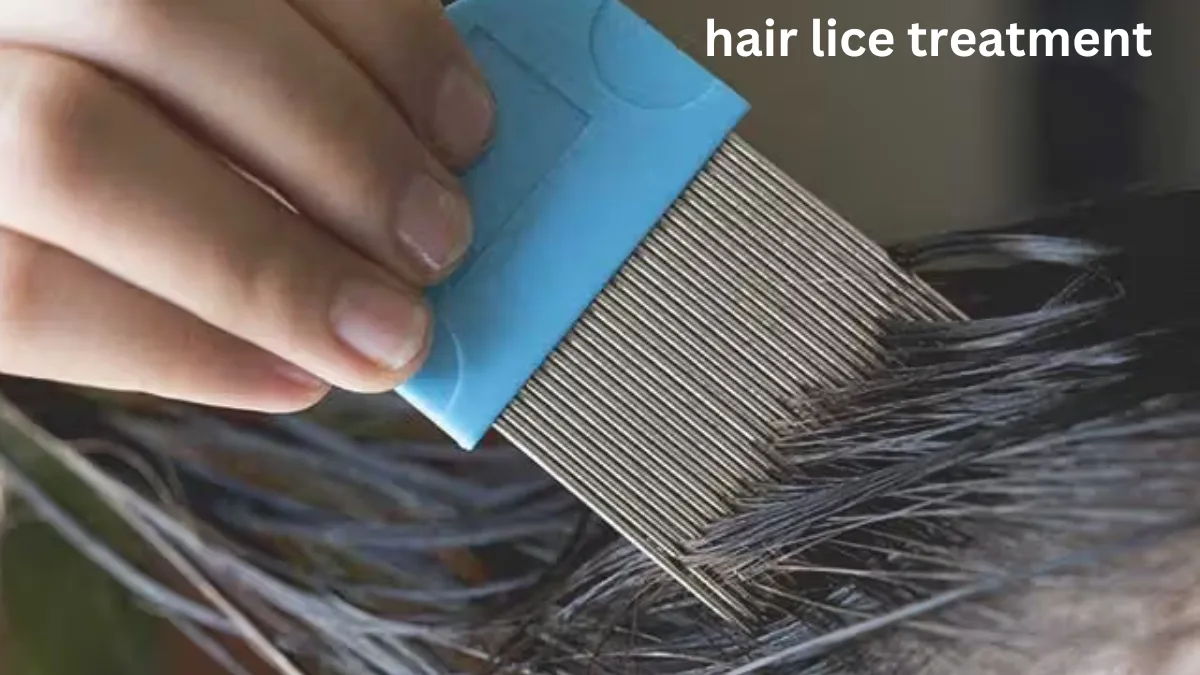
Hair Lice Treatment: Hair lice are tiny, wingless parasites that infest the scalp and feed on human blood. They spread easily through direct head-to-head contact, making them common among children and families. Contrary to popular belief, lice infestations are not caused by poor hygiene. If you or your child is experiencing persistent itching and discomfort, it’s essential to take immediate action with the right treatment methods.
Book Your Consultation Today
Visit Dr. Hanan Dermatology Specialty Clinic in Padur, OMR, Chennai. Schedule your consultation today and start your journey to fuller, healthier hair.

For more information and to book your appointment, visit our clinic or call us at the clinic’s contact details.
Signs and Symptoms of Hair Lice
- Persistent Itching: The most common symptom due to an allergic reaction to lice bites.
- Visible Nits (Eggs): Tiny white or yellowish eggs attached to the base of hair strands.
- Lice Crawling on the Scalp: Adult lice are small (about the size of a sesame seed) and move quickly.
- Red Bumps or Sores: Scratching can lead to irritation and infection.
Causes and Risk Factors
- Direct Head-to-Head Contact: Common among children at school or daycare.
- Sharing Personal Items: Hats, combs, hairbrushes, and pillows can harbor lice.
- Lack of Preventive Measures: Regular hair checks and proper hygiene help reduce infestation risks.
Effective Hair Lice Treatments
1. Over-the-Counter (OTC) Treatments
- Medicated Shampoos: Products containing permethrin or pyrethrin are effective at killing lice.
- Application Tips: Follow instructions carefully, leaving the shampoo on for the recommended time before rinsing.
- Repeat Treatment: A second application is often necessary after 7–10 days to kill newly hatched lice.
2. Prescription Treatments
- Stronger Medications: Spinosad, ivermectin, and malathion are prescribed for resistant lice.
- Doctor Consultation: If OTC treatments fail, consult a healthcare provider for a more effective solution.
3. Natural Remedies for Lice Removal
- Tea Tree Oil & Neem Oil: Have natural insecticidal properties.
- Coconut Oil & Olive Oil: Smother lice and make combing easier.
- Vinegar Rinse: Helps loosen nits from hair strands.
- Application Method: Apply the chosen remedy to dry hair, leave for several hours, then comb through with a fine-tooth lice comb.
4. Combing & Manual Removal
- Lice Comb: A fine-toothed metal comb helps remove lice and nits effectively.
- Wet Combing: Use conditioner to ease combing and repeat every few days.
- Lighting & Magnification: Bright light and a magnifying glass can help spot lice.
Preventing Hair Lice Infestation
- Avoid Head-to-Head Contact: Educate children about the risks of sharing hats and brushes.
- Regular Hair Checks: Especially in school-going children.
- Clean Personal Belongings: Wash bedding, hats, and clothing in hot water.
- Use Preventive Sprays: Essential oil-based sprays may deter lice.
When to See a Doctor
- If lice persist after multiple treatments.
- If scratching leads to scalp infections.
- If OTC solutions cause skin irritation or allergic reactions.
FAQs on Hair Lice Treatment
1. What are hair lice?
Hair lice are tiny, wingless parasites that live on the scalp and feed on human blood. They are highly contagious and can spread through direct head-to-head contact.
2. What are the common symptoms of hair lice?
Common symptoms include intense itching, a tickling sensation on the scalp, visible lice or nits (eggs) on hair strands, and red bumps on the scalp, neck, or shoulders.
3. How do lice spread?
Lice spread primarily through direct head-to-head contact but can also transfer via shared personal items such as combs, hats, pillows, and towels.
4. Can lice jump or fly?
No, lice cannot jump or fly. They move by crawling from one head to another.
5. What are the best treatments for hair lice?
Effective treatments include:
- Over-the-counter (OTC) lice shampoos containing permethrin or pyrethrin.
- Prescription treatments such as ivermectin or malathion for severe infestations.
- Home remedies like wet combing, essential oils, or vinegar rinses.
6. How do I remove nits (lice eggs) from my hair?
Use a fine-toothed lice comb on damp hair after applying a conditioner. Repeat the process daily for at least a week.
7. Can hair lice survive on furniture or bedding?
Lice can live off the scalp for up to 48 hours. Washing bedding, hats, and clothes in hot water and vacuuming furniture can help prevent reinfestation.
8. How long does it take to get rid of lice?
It typically takes 1–2 weeks with proper treatment and regular nit combing.
9. Can lice infestations happen to clean hair?
Yes, lice do not discriminate between clean or dirty hair. They only need human blood to survive.
10. Do I need to shave my head to remove lice?
No, shaving is unnecessary. Proper treatment and consistent lice combing are effective in removing lice.
11. Are lice shampoos safe for children?
Most OTC lice treatments are safe for children, but it’s best to consult a doctor before use, especially for kids under 2 years old.
12. Can lice cause serious health issues?
Lice are annoying but do not carry diseases. However, excessive scratching can cause scalp infections.
13. How can I prevent lice infestations?
Avoid sharing personal items, tie long hair in braids or ponytails, and perform regular lice checks, especially for school-going children.
14. Is it possible to get lice from pets?
No, human lice only live on human scalps and do not infest pets.
15. When should I see a doctor for lice treatment?
If OTC treatments fail, if the infestation persists, or if there are signs of an allergic reaction or skin infection, consult a doctor for stronger treatment options.