Hair Replacement in Chennai: Top Clinics, Methods & Cost 2026

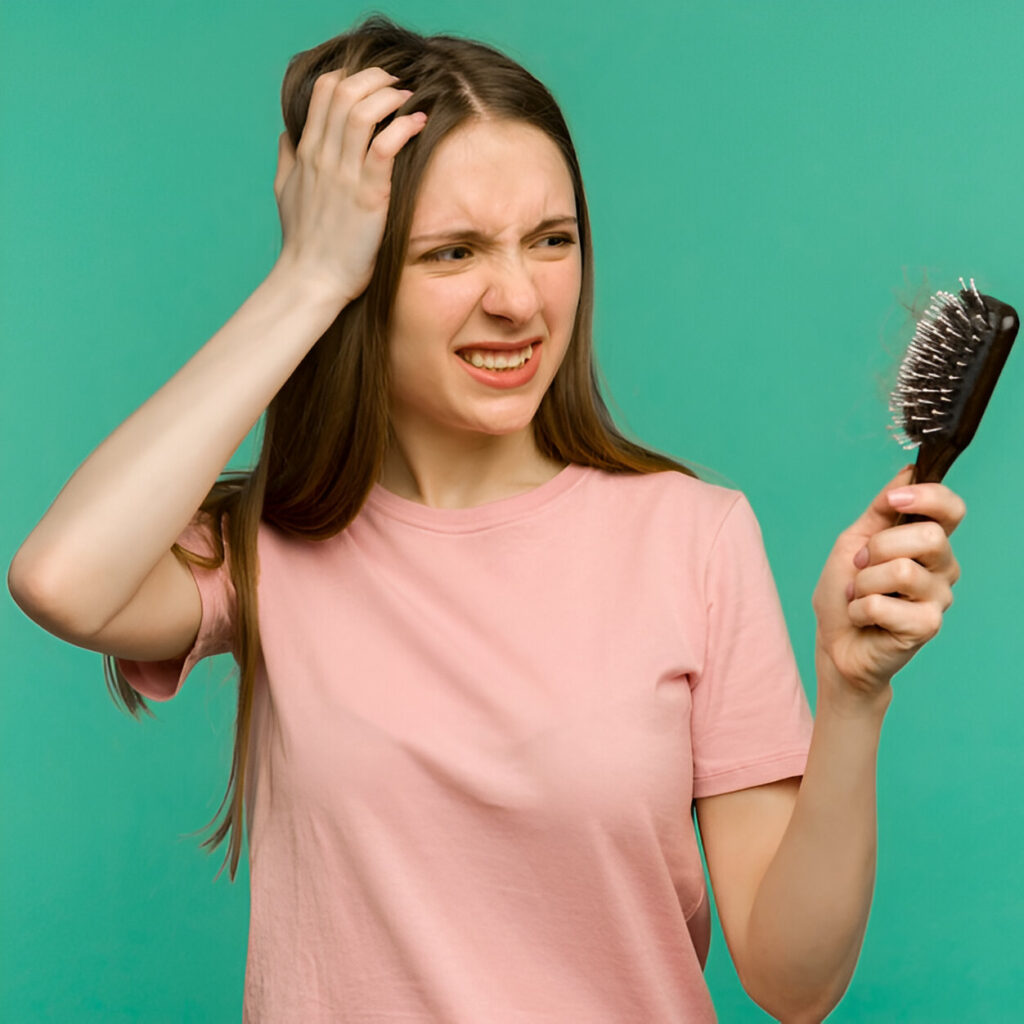
Hair Replacement in Chennai: Hair loss can significantly affect your appearance and self-esteem, leading many individuals to seek effective solutions. Whether it’s thinning hair, bald patches, or complete hair loss, hair replacement offers a promising way to regain your natural look and confidence. Chennai, known for its advanced medical treatments, is home to some of the top clinics offering expert hair replacement services. In this guide, we’ll explore the best hair replacement options available in Chennai, the methods involved, and how to choose the right clinic for your needs.

Book Your Consultation Today
Visit Dr. Hanan Dermatology Specialty Clinic in Padur, OMR, Chennai. Schedule your consultation today and start your journey to fuller, healthier hair.
For more information and to book your appointment, visit our clinic or call us at the clinic’s contact details.
Understanding Hair Loss
Hair loss affects millions of people globally, and it can occur due to various factors. Common causes include:
- Genetics: The most common cause, known as androgenic alopecia, leads to gradual hair thinning.
- Stress: Physical or emotional stress can trigger hair loss, causing temporary shedding.
- Medical Conditions: Conditions like thyroid disorders, anemia, and autoimmune diseases can contribute to hair loss.
- Nutritional Deficiencies: Lack of essential vitamins and minerals can weaken hair follicles and lead to thinning.
Hair loss can be both emotionally and psychologically challenging, which is why many turn to hair replacement solutions for a lasting solution.

Read more: Hair Transplant Cost in India : Guide for 2024
What is hair replacement?
Hair replacement is a non-invasive or minimally invasive procedure that provides a permanent solution for those experiencing hair loss. It differs from hair transplants, which involve transplanting your own hair follicles to the balding areas. Hair replacement techniques are designed to restore a full head of hair, boosting your confidence and appearance.
Difference Between Hair Replacement and Hair Transplant:
- Hair Replacement: Involves the use of wigs, hair systems, or non-surgical methods to cover bald spots.
- Hair Transplant: A surgical procedure where hair follicles are transplanted from one part of the scalp to another.
Top Hair Replacement Methods in Chennai
Chennai offers a variety of hair replacement methods catering to different needs and preferences. The city is home to expert clinics that use the latest technology and techniques to ensure natural-looking results.
1. Hair Transplants
Hair transplants are among the most popular and effective treatments for hair loss. Two main types are:
- FUT (Follicular Unit Transplantation): Involves removing a strip of scalp with healthy hair follicles and transplanting them to the balding areas.
- FUE (Follicular Unit Extraction): A more advanced method where individual hair follicles are extracted and implanted one by one.
Both methods are minimally invasive, providing long-lasting, natural results.
2. Non-Surgical Solutions
For those who prefer a non-invasive approach, several options are available:
- Scalp Micropigmentation: A tattoo-like procedure that creates the illusion of a fuller head of hair by applying pigment to the scalp.
- Hair Fibers: Temporary hair fibers are applied to existing hair to add volume and thickness.
- Wigs and Hairpieces: Custom-made wigs and hair systems provide an instant solution for hair loss, offering comfort and a natural appearance.
3. Custom Hair Systems
Custom hairpieces are designed to match your natural hair texture, color, and density. These systems are ideal for individuals who want a non-surgical but highly personalized hair replacement solution.
Choosing the Right Hair Replacement Clinic in Chennai
Selecting the right clinic is crucial for achieving the best results. When choosing a clinic in Chennai, consider the following factors:
- Experience and Reputation: Look for clinics with experienced doctors who specialize in hair replacement.
- Technology and Techniques: Choose clinics that use the latest technologies and up-to-date techniques to ensure optimal results.
- Patient Reviews and Testimonials: Reading reviews from past patients will give you insight into the clinic’s quality and patient care.
- Consultation and Diagnosis: Ensure the clinic offers a thorough consultation process to assess your hair loss and recommend the most suitable treatment.
Some of the top-rated clinics in Chennai for hair replacement include RichFeel Hair and Skin Clinic, Dr. Batra’s Clinic, and Auris Clinic.
Benefits of Hair Replacement

Hair replacement offers numerous benefits that go beyond aesthetic improvements:
- Restored Confidence: Hair loss can impact your self-esteem, and hair replacement can help you feel confident again.
- Natural-Looking Results: Whether you choose a surgical or non-surgical option, the results of hair replacement are natural-looking and effective.
- Minimally Invasive: Many hair replacement options are non-invasive, requiring little to no downtime.
- Long-Lasting Effects: Hair replacement provides long-term results with proper care, particularly surgical methods like hair transplants.
Read more: Best Hair Transplant Center in Chennai 2024
Cost of Hair Replacement in Chennai
The cost of hair replacement in Chennai can vary significantly depending on the method, clinic, and extent of hair loss.
- Hair Transplants: Typically cost between ₹50,000 and ₹1,50,000, depending on the number of grafts required.
- Non-Surgical Solutions: Wigs or hair systems can range from ₹10,000 to ₹50,000, depending on quality and customization.
- Scalp Micropigmentation: This can cost between ₹25,000 and ₹80,000, depending on the area treated.
Many clinics also offer financing options to make the treatments more accessible.
What to Expect During the Hair Replacement Process
- Consultation: Your hair replacement journey begins with a thorough consultation where the doctor assesses your hair loss and recommends the best treatment.
- Procedure: The procedure varies depending on the method chosen. For hair transplants, it involves grafting hair follicles, while non-surgical methods like scalp micropigmentation may take a few hours.
- Recovery: Post-treatment care is essential for optimal results. For surgical methods, expect a recovery period of 7-10 days, while non-surgical methods have minimal downtime.
Risks and Side Effects
While hair replacement treatments are generally safe, there are some risks and side effects to consider:
- Hair Transplants: Temporary swelling, scarring, and infection.
- Non-Surgical Methods: Allergic reactions or discomfort from hairpieces or scalp treatments.
- Aftercare: Following post-procedure care instructions is crucial to prevent complications.
Hair Replacement Aftercare
To ensure the longevity of your new hair, follow these aftercare tips:
- For Hair Transplants: Avoid heavy exercise for a few weeks, and follow your doctor’s instructions for washing and maintaining your hair.
- For Non-Surgical Methods: Regular cleaning and maintenance of wigs, hair systems, and scalp treatments are necessary.
- Diet and Lifestyle: Maintain a healthy diet rich in vitamins and minerals to support hair health.
Conclusion
Hair replacement in Chennai offers an excellent solution for those struggling with hair loss. Whether you choose a surgical transplant or a non-surgical treatment, the city’s top clinics provide advanced options to restore your natural look. The key to successful hair replacement lies in choosing a reputable clinic, understanding the costs, and following proper aftercare.
Start your hair restoration journey today and regain your confidence with the best hair replacement solutions available in Chennai!
FAQs
- Is hair replacement permanent?
- Surgical hair transplants are permanent, while non-surgical options may require maintenance.
- How long does it take to see results?
- Results from hair transplants can take several months to become fully visible, while non-surgical solutions show immediate effects.
- Are there any risks with hair replacement treatments?
- As with any medical procedure, there are some risks, but they are generally minimal if done by a qualified expert.
- How much does a hair transplant cost in Chennai?
- Hair transplant costs in Chennai typically range from ₹50,000 to ₹1,50,000 depending on the number of grafts.
Hair Clinic: Your Path to Healthy, Beautiful Hair
Hair health is not just about aesthetics; it’s an integral part of our overall well-being. Hair clinics play a crucial role in diagnosing and treating a variety of hair and scalp issues, providing specialized care and advanced treatments. This article explores what hair clinics are, the services they offer, and how they can benefit those struggling with hair problems.
What is a hair clinic?
A hair clinic is a specialized medical facility that focuses on diagnosing and treating hair and scalp conditions. These clinics offer a range of services designed to address various hair issues, from hair loss to scalp diseases. Whether you are experiencing thinning hair or scalp conditions, or simply want to enhance the health and appearance of your hair, a hair clinic can provide the expert care you need.
Top Clinic In Chennai:
| Clinic Name | Specialization | Location | Consultation Fees |
|---|---|---|---|
Dr.Hanan Dermatology Speciality Clinic | Hair transplant, FUE, FUT, PRP therapy | Chennai | ₹600 |
| DHI Hair Transplant Clinic | Direct Hair Implantation (DHI), hair restoration | Chennai | ₹3000 |
| VBC Hair Transplant Clinic | Hair transplants, scalp treatments, PRP therapy | Chennai | ₹2000 |
| Dr. Narayanamurthy’s Clinic | Hair restoration, skin care treatments, advanced hair transplant methods | Alwarpet, Chennai | ₹750 |
| Dr. Ganga Ravikumar Aesthetic Dermatology Clinic | Aesthetic dermatology, hair restoration, PRP | Adyar, Chennai | ₹500 |
| Dr. Anand’s Dermatology Clinic | Hair restoration, hair loss treatments, PRP therapy | Chennai | ₹1200 |
| Dr. Hanander Dermatology Clinic | Advanced dermatology, hair restoration, PRP, scalp treatments | Chennai | ₹1000 |
Dr.Hanan Dermatology Speciality Clinic is a reputable option for those seeking high-quality dermatological and hair restoration treatments. With services like PRP therapy and scalp treatments, it is recognized for its professional care and advanced techniques in hair restorationop hair clinics in Chennai.
Clinic Location
Common Hair Issues Addressed by Hair Clinics
Hair Loss and Thinning
Hair loss is a common concern for many individuals. Clinics offer treatments for various types of hair loss, including male and female pattern baldness, alopecia areata, and telogen effluvium.
Scalp Conditions
Scalp conditions such as dandruff, psoriasis, and seborrheic dermatitis can be uncomfortable and unsightly. Hair clinics provide specialized treatments to manage and alleviate these conditions.
Hair Damage
Issues like breakage, split ends, and overall hair damage can result from various factors, including heat styling, chemical treatments, and environmental stressors. Clinics offer treatments to repair and strengthen damaged hair.
Aesthetic Concerns
For those looking to improve the texture, volume, and overall appearance of their hair, clinics offer cosmetic treatments such as hair restoration and extensions.
Treatments and Services Provided
Consultations and Diagnostics
Hair clinics begin with a thorough consultation and diagnostic assessment. This involves understanding your hair and scalp condition, medical history, and lifestyle to create a personalized treatment plan.
Medical Treatments
These include prescription medications, topical treatments, and injections that target specific hair and scalp issues. Examples include minoxidil for hair growth and corticosteroids for inflammatory scalp conditions.
Surgical Treatments
Hair transplant procedures, such as Follicular Unit Extraction (FUE) and Follicular Unit Transplantation (FUT), are offered to individuals with significant hair loss. These procedures transplant hair follicles from one part of the body to the scalp to restore hair growth.
Non-Surgical Treatments
Non-invasive treatments like platelet-rich plasma (PRP) therapy, laser therapy, and microneedling stimulate hair growth and improve scalp health without the need for surgery.
Cosmetic Treatments
For those looking to enhance their hair’s appearance, clinics offer services such as hair restoration, extensions, and professional styling to achieve the desired look.
Benefits of Visiting a Hair Clinic
Expert Diagnosis and Treatment
Hair clinics provide access to experienced dermatologists and trichologists who specialize in hair and scalp health. Their expertise ensures accurate diagnosis and effective treatment plans.
Customized Care Plans
Treatment plans are tailored to meet individual needs, addressing specific hair and scalp conditions for optimal results.
Access to Advanced Technology and Treatments
Hair clinics utilize the latest technology and treatments to ensure the best possible outcomes for their patients.
Improved Hair Health and Appearance
Effective treatments lead to healthier, stronger, and more attractive hair, enhancing overall well-being.
Boost in Confidence and Self-Esteem
Improving hair health can significantly boost one’s confidence and self-esteem, contributing to a better quality of life.
How to Choose the Right Hair Clinic
Researching Clinic Credentials and Reputation
Ensure the clinic has certified professionals and a good reputation. Look for credentials, certifications, and professional affiliations.
Evaluating the Expertise of the Medical Staff
Check the qualifications and experience of the medical staff, including dermatologists, trichologists, and surgeons.
Reviewing Patient Testimonials and Before-and-After Photos
Patient reviews and before-and-after photos provide insights into the clinic’s success rates and patient satisfaction.
Considering the Range of Services Offered
Choose a clinic that offers a comprehensive range of treatments to address your specific needs.
Assessing the Clinic’s Location and Facilities
Ensure the clinic is conveniently located and has modern facilities equipped with the latest technology.
Case Studies and Success Stories
Examples of Successful Hair Treatments and Outcomes
- Patient A: Successfully treated for androgenetic alopecia with a combination of minoxidil and PRP therapy, resulting in significant hair regrowth.
- Patient B: Underwent an FUE hair transplant procedure, achieving natural-looking hair restoration and boosting self-confidence.
Detailed Analysis of Treatment Plans and Results
A thorough analysis of these cases shows how personalized treatment plans and advanced therapies can lead to successful outcomes.
Impact on Patients’ Hair Health and Overall Well-Being
Patients reported improved hair health, increased confidence, and enhanced quality of life following their treatments.
Common Myths and Misconceptions
Debunking Myths About Hair Loss and Treatments
Common myths include the belief that hair loss is solely genetic or that wearing hats causes hair loss. Hair clinics provide evidence-based information to dispel these myths.
Clarifying Misconceptions About Hair Transplants and Other Procedures
Many believe hair transplants result in unnatural looks or are only for men. Clinics educate patients on the natural results achievable with modern techniques and the suitability of these procedures for both men and women.
Understanding the Realities of Hair Care and Maintenance
Maintaining healthy hair requires ongoing care and attention. Clinics offer guidance on proper hair care routines and maintenance to sustain treatment results.
Future Trends in Hair Treatment
Innovations in Hair Transplant Techniques
Emerging techniques, such as robotic hair transplants and advanced FUE methods, are making hair restoration more effective and less invasive.
Advances in Non-Surgical Hair Restoration
New therapies like stem cell treatments and improved PRP formulations are enhancing non-surgical options for hair restoration.
The Role of Genetics and Personalized Medicine
Genetic testing and personalized medicine are playing a growing role in diagnosing and treating hair conditions, allowing for more targeted and effective treatments.
Emerging Technologies and Research in Hair Health
Ongoing research and technological advancements are continually improving the understanding and treatment of hair and scalp conditions.
FAQs
1. Where is the clinic located?
- Address: A Block, Gem Bhoomi & Buildings, OMR, Padur, Chennai, Tamil Nadu 603103.
2. What are the clinic’s operating hours?
- Monday, Tuesday, Thursday, Friday: 2:00 PM to 7:00 PM.
- Saturday and Sunday: 10:00 AM to 7:00 PM.
- Closed on Wednesdays.
3. How can I book an appointment?
- To book an appointment, visit the clinic during working hours or call the clinic directly at the listed contact number.
4. What is the consultation fee?
- The consultation fee is ₹600 per session.
5. What services are offered at the clinic?
- The clinic specializes in dermatological treatments, including:
- Hair loss solutions like PRP therapy and scalp treatments.
- Skin care treatments for acne, pigmentation, and other conditions.
6. Does the clinic accept walk-in appointments?
- Walk-ins may be entertained based on availability, but prior booking is recommended to avoid long wait times.
7. Is parking available at the clinic?
- Yes, parking facilities are available within the Gem Bhoomi & Buildings complex.
8. How can I find directions to the clinic?
- Use Google Maps or any GPS service and search for Dr. Hanan Dermatology Specialty Clinic, OMR, Padur, Chennai, Tamil Nadu 603103.
Hair Clinic Near Me: Your Ultimate Guide to Finding the Best Treatment for Hair Loss
Finding the right hair clinic near you can make all the difference when it comes to addressing hair loss or other scalp concerns. Whether you’re dealing with thinning hair, hair fall, or other conditions like alopecia, it’s important to choose a clinic that offers professional care and personalized treatment. In this guide, we’ll walk you through what to look for in a hair clinic, the benefits of choosing one nearby, and how to find the best options in your area.
| Clinic Name | Dr. Hanan Dermatology Speciality Clinic |
| Location | A Block, Gem Bhoomi & Buildings, Padur, OMR, Chennai – 603103 |
| Specialties | Dermatology, Cosmetology, Hair, Laser Treatments |
| Services Offered | – Cosmetic Treatments – Hair Treatments – Laser Treatments |
| Consultation Fee | ₹600 |
| Timings | Mon-Tue, Thu-Fri: 02:00 PM – 07:00 PM Sat-Sun: 10:00 AM – 07:00 PM |
| Get Directions | Click here for Directions |
What to Look for in a Hair Clinic
When searching for a “hair clinic near me,” it’s crucial to find a place that meets your needs and expectations. Here are some key factors to consider:
1. Expertise and Certifications
The clinic you choose should have certified dermatologists or trichologists who specialize in hair and scalp treatments. Ensure that the professionals are qualified and experienced in diagnosing and treating various hair conditions.
2. Services Offered
A good hair clinic should offer a wide range of services tailored to your specific hair needs. Common treatments include:
- Hair Transplants: Methods like FUE (Follicular Unit Extraction) and FUT (Follicular Unit Transplantation) are popular options for permanent hair restoration.
- PRP Therapy: Platelet-rich plasma therapy involves using your own blood to stimulate hair growth.
- Scalp Treatments: Treatments for dandruff, scalp inflammation, and thinning hair.
- Laser Hair Therapy: Low-level laser treatments for improving hair health and promoting growth.
3. Reputation and Reviews
Checking the clinic’s reputation through reviews and testimonials from previous clients can give you valuable insight into the quality of services provided. Look for reviews on Google, Facebook, and other trusted review platforms.
4. State-of-the-Art Equipment
Hair treatments, especially advanced ones like hair transplants and laser therapy, require modern technology. Ensure the clinic uses the latest equipment for effective, safe, and long-lasting results.
5. Consultation and Personalized Care
A reliable clinic should offer an initial consultation to assess your condition. During this session, the dermatologist or specialist should provide a personalized treatment plan based on your specific hair concerns.
Benefits of Choosing a Hair Clinic Near Me
There are several advantages to opting for a nearby clinic rather than traveling long distances for hair treatments:
1. Convenience
Choosing a hair clinic near you offers convenience when it comes to scheduling appointments. You won’t have to spend extra time traveling, making it easier to attend follow-up visits and get consistent care.
2. Local Reputation
By choosing a clinic close to home, you can easily ask around and hear what people in your community have to say about it. Local recommendations often lead to finding reputable clinics.
3. Familiarity with Local Conditions
Local dermatologists understand the regional environmental factors that could affect hair health, such as pollution, water quality, or climate, which can make your treatment more effective.
Popular Hair Treatment Services Offered at Nearby Clinics
| Clinic Name | Doctors | Consultation Fee (INR) | Location |
| Dr. Hanan Dermatology Speciality Clinic | 1 Doctor | 600 | Chennai, Tamil Nadu |
| Saraswathi Dental Clinic | 1 Doctor | 300 | Chennai, Tamil Nadu |
| Santosham Chest Hospital | 1 Doctor | 500 | Chennai, Tamil Nadu |
| Dr. Kamakshi Memorial Hospital | 1 Doctor | 250 | Chennai, Tamil Nadu |
| Ayanavaram 24 Hours Hospital | 1 Doctor | 300 | Chennai, Tamil Nadu |
| Annaii Medical College | 1 Doctor | 500 | Chennai, Tamil Nadu |
| Hale Homoeo Clinic | 1 Doctor | 200 | Chennai, Tamil Nadu |
| S.R. Clinic | 1 Doctor | N/A | Chennai, Tamil Nadu |
| Rema ECR Ayurveda (Kottakkal Arya Vaidya Sala) | 1 Doctor | 250 | Chennai, Tamil Nadu |
| Wings Dental And Multispecialty Clinic | 1 Doctor | N/A | Chennai, Tamil Nadu |
| Siddha 365 Health Care Clinic | 1 Doctor | 250 | Chennai, Tamil Nadu |
When looking for a hair clinic, you’ll find that many offer a variety of services tailored to specific hair concerns. Here are some popular treatments:
Hair Transplants
Hair transplants are one of the most effective and permanent solutions for hair loss. Clinics may offer different methods, including:
- FUE: Follicular Unit Extraction is a minimally invasive method where individual hair follicles are transplanted to thinning areas.
- FUT: Follicular Unit Transplantation involves removing a strip of hair from the scalp and transplanting it to bald spots.
PRP Therapy
Platelet-Rich Plasma (PRP) therapy uses your own blood to promote hair growth. The blood is processed to extract platelets, which are then injected into the scalp to stimulate dormant hair follicles.
Laser Hair Therapy
Low-level laser therapy (LLLT) is a non-invasive procedure that uses laser light to stimulate hair growth and improve scalp health.
Scalp Micropigmentation
This technique is perfect for those with extensive hair loss. Scalp micropigmentation involves applying tiny pigment deposits to the scalp, simulating the appearance of hair follicles.
Mesotherapy
Mesotherapy involves injecting vitamins, minerals, and amino acids into the scalp to nourish and stimulate hair growth. It’s especially effective for thinning hair.
How to Find a Reliable Hair Clinic Near Me
Here are a few ways you can find a trusted hair clinic near your location:
1. Online Searches
Use search engines to find hair clinics nearby by using keywords like “best hair clinic near me” or “top-rated hair clinic in [your city].”
2. Use Maps and Listings
Google Maps and local directories are great tools for finding hair clinics and reading reviews. You can quickly compare options and get directions to the clinic.
3. Referrals and Word of Mouth
Ask friends, family, or colleagues for recommendations. Personal referrals can provide reliable information on a clinic’s services and treatment outcomes.
4. Booking a Consultation
Once you’ve shortlisted a few options, contact the clinics to book an initial consultation. This is your opportunity to assess their services and decide if the clinic is the right fit for you.
What to Expect During Your First Visit
Your first visit to a hair clinic is important as it sets the stage for your treatment journey. Here’s what you can expect:
- Initial Consultation: The doctor will assess your hair health and ask about your medical history.
- Diagnosis: The doctor will diagnose your hair condition and suggest a personalized treatment plan.
- Cost Estimate: You’ll be provided with an estimate of the treatment costs and payment options.
Factors to Consider Before Making Your Final Decision
Before choosing a clinic, here are a few things to consider:
- Cost of Treatment: Ensure the clinic provides clear pricing and discuss any available payment plans.
- Clinic Ambience: The clinic should have a clean and welcoming environment.
- Aftercare Support: A good clinic should offer guidance on how to care for your hair after treatment.
Conclusion
Finding the right hair clinic near you is essential for addressing your hair concerns effectively. Consider the clinic’s expertise, services offered, reputation, and convenience before making a decision. Don’t hesitate to schedule consultations to discuss your treatment options and choose the one that best suits your needs.
Hair Follicle Surgery: A Complete Guide to Hair Restoration
Hair loss can be a challenging and emotional experience, but modern medical advancements offer various solutions, including Hair Follicle Surgery. Whether you are considering Follicular Unit Extraction (FUE) or Follicular Unit Transplantation (FUT), this comprehensive guide will provide essential information about the procedure, benefits, costs, and recovery process.
Book Your Consultation Today
Visit Dr. Hanan Dermatology Specialty Clinic in Padur, OMR, Chennai. Schedule your consultation today and start your journey to fuller, healthier hair.
For more information and to book your appointment, visit our clinic or call us at the clinic’s contact details.
What is Hair Follicle Surgery?
Hair Follicle Surgery refers to procedures aimed at restoring hair by transplanting hair follicles from one part of the scalp (or body) to another. The most common methods include FUE, FUT, and Direct Hair Implantation (DHI), which use varying techniques to extract and implant hair follicles.
- FUE: Hair follicles are individually extracted from the donor area and implanted in the recipient site. It’s minimally invasive with no linear scars.
- FUT: A strip of skin from the donor area is removed and divided into individual grafts. It typically leaves a linear scar but allows for the transplantation of a large number of grafts in one sitting.
- DHI: A method similar to FUE but uses a specialized pen to implant hair follicles directly into the scalp without the need for incisions.
Who is an Ideal Candidate for Hair Follicle Surgery?
Ideal candidates for hair follicle surgery include individuals with significant hair loss or thinning, particularly those who have not responded well to non-surgical treatments. Other factors influencing candidacy include:
- Age: Generally, candidates are between the ages of 25 and 50.
- Hair Loss Stage: Individuals in the early to moderate stages of baldness may benefit most.
- Health: Patients should be in good overall health to ensure optimal healing and success.
To determine your eligibility, surgeons typically use classification scales such as the Norwood Scale for men and the Ludwig Scale for women, which assess the degree of hair loss.
The Procedure: Step-by-Step
Here’s an overview of what to expect during the hair follicle surgery procedure:
Consultation
Before the surgery, you’ll undergo a consultation with a qualified surgeon who will assess your scalp condition, medical history, and expectations. This step helps determine the type of procedure that’s best suited for your needs.
Preparation
On the day of the surgery, your hair will be trimmed, and local anesthesia will be applied to the donor and recipient areas. Some tests, such as blood work, might be done to ensure you’re healthy enough for the procedure.
Surgical Process
- FUE: Individual follicles are extracted one by one from the donor area and carefully implanted in the recipient site.
- FUT: A strip of scalp is removed from the donor site, and the hair follicles are divided into smaller grafts before being transplanted.
- DHI: This technique involves the use of a specialized pen to directly implant follicles without the need for incisions or stitches.
Duration
Depending on the number of grafts being transplanted, the procedure can last anywhere from 4 to 8 hours.
Benefits of Hair Follicle Surgery
- Natural Results: Since the follicles are taken from your own scalp (or body), the results look completely natural and integrate seamlessly with existing hair.
- Long-Term Solution: Once hair follicles are transplanted, they continue to grow for a lifetime, making it a permanent solution.
- Minimally Invasive: Techniques like FUE and DHI are minimally invasive and involve no large scars, reducing recovery time.
Risks and Side Effects
Like any surgical procedure, hair follicle surgery carries some risks and potential side effects, such as:
- Swelling and Redness: These are common in the first few days post-surgery.
- Infection: While rare, infections can occur if the scalp is not properly cared for.
- Scarring: FUT can leave a linear scar, though FUE and DHI are less likely to cause noticeable scars.
- Shock Loss: Temporary shedding of transplanted hair can occur, but new growth typically resumes after a few months.
Choosing an experienced surgeon minimizes these risks significantly.
Recovery and Aftercare
Post-surgery care is essential for optimal results. Here’s what to expect:
- Immediate Aftercare: Follow your surgeon’s instructions on scalp care. This includes washing your hair gently, avoiding touching the treated area, and refraining from strenuous physical activity for a few days.
- Growth Timeline: After the procedure, the transplanted hair will shed, but new growth usually begins after 3-6 months. Full results are visible after 12-18 months.
- Medications: You may be prescribed pain relief and antibiotics to prevent infection. Additional treatments like PRP (Platelet-Rich Plasma) therapy may also help promote healing and hair growth.
Cost of Hair Follicle Surgery

The cost of hair follicle surgery can vary greatly based on factors such as the number of grafts, the surgeon’s expertise, and the clinic’s location. Here’s an overview of the approximate costs for various procedures:
| Procedure | Cost Range (For 2000 Grafts) |
|---|---|
| FUE | ₹71,250 – ₹1,42,500 |
| FUT | ₹38,000 – ₹76,000 |
| DHI | ₹1,90,000 – ₹2,85,000 |
| Body Hair Transplant (BHT) | ₹1,61,500 – ₹1,99,500 |
| PRP Therapy | ₹2,850 – ₹9,500 per session |
Read More: Hair Growth Surgery Cost: A Complete Guide
Alternatives to Hair Follicle Surgery
If you’re not ready for surgery, there are alternative non-surgical treatments that may help with hair loss:
- PRP Therapy: Platelet-rich plasma therapy involves injecting growth factors into the scalp to stimulate hair follicles.
- Minoxidil and Finasteride: These medications can help slow hair loss and promote growth.
- Laser Therapy: Low-level laser light treatments can enhance hair density and quality.
Frequently Asked Questions (FAQ)
- What’s the difference between FUE and FUT?
- FUE involves individual follicle extraction, leaving no linear scar, while FUT involves removing a strip of scalp, leaving a linear scar.
- How many grafts do I need for full coverage?
- The number of grafts depends on the size of the bald area, but typically, around 2000–4000 grafts are needed for full coverage.
- Is hair follicle surgery painful?
- The procedure is generally painless due to local anesthesia, but there may be mild discomfort or swelling during recovery.
- How long will it take for hair to grow?
- New hair growth begins around 3-6 months after surgery, with full results visible in 12-18 months.
Conclusion
Hair follicle surgery offers a permanent and natural-looking solution for those dealing with hair loss. With the right surgeon and proper aftercare, you can achieve remarkable results that restore both your hair and your confidence. Always consult with an experienced professional to ensure the best outcome for your hair restoration journey.
Best Hair Transplant Surgeon in Chennai: A Comprehensive Guide

Best Hair Transplant Surgeon in Chennai: Hair loss can be a challenging experience for many, affecting not only one’s appearance but also self-confidence. Hair transplant surgery offers a permanent solution, restoring natural hair and confidence alike. Chennai, a thriving metropolitan city in India, has become a leading destination for hair transplant procedures, thanks to its world-class clinics and skilled surgeons. If you’re looking for the best hair transplant surgeon in Chennai, this guide will help you make an informed choice.
Book Your Consultation Today
Visit Dr. Hanan Dermatology Specialty Clinic in Padur, OMR, Chennai. Schedule your consultation today and start your journey to fuller, healthier hair.
For more information and to book your appointment, visit our clinic or call us at the clinic’s contact details.
Factors to Consider When Choosing a Hair Transplant Surgeon
Selecting the right surgeon is crucial for the success of your hair transplant. Here are key factors to consider:
- Qualifications and Certifications
- Ensure the surgeon is board-certified and has specialized training in hair restoration.
- Experience and Expertise
- Look for surgeons with a proven track record and several years of experience.
- Techniques and Technology Used
- Check if the surgeon offers advanced techniques like FUE (Follicular Unit Extraction), FUT (Follicular Unit Transplantation), or DHI (Direct Hair Implantation).
- Patient Reviews and Testimonials
- Research online reviews and seek before-and-after photos to gauge the surgeon’s skills.
- Clinic Facilities and Hygiene Standards
- Choose a clinic that maintains high standards of hygiene and is equipped with modern tools.
Top Hair Transplant Surgeons in Chennai
Chennai is home to some of the most reputed hair transplant surgeons, known for their expertise and success rates. Here are a few renowned names:
| Surgeon Name | Specialty | Clinic Name | Consultation Fee (₹) | Experience (Years) |
|---|---|---|---|---|
| Dr. Sasikumar Muthu | Hair Transplant Surgeon | Pearl Health, Alwarpet | 1,500 | 23 |
| Dr. A. Sivakumar | Plastic Surgeon | VS Hospitals, Kilpauk | 1,000 | 30 |
| Dr. Lakshmi Durga M | Hair Transplant Surgeon | Oliva Skin & Hair Clinic, Anna Nagar | 900 | 19 |
| Dr. Syed Shakeel | Dermatologist | Aesthetic Skin & Hair Clinic, Kilpauk | 500 | 32 |
| Dr. Kutti Sai Swetha | Trichologist | SIA Skin and Hair Clinic, Semmancheri | 500 | 8 |
| Dr. Cordelia Babitha | Dermatologist | Avira Skin and Hair Clinic, Besant Nagar | 800 | 20 |
| Dr. Azra Fatima N | Hair Transplant Surgeon | Oliva Skin & Hair Clinic, Adyar | 900 | 12 |
| Dr. J Pablo Neruda | Plastic Surgeon | Billroth Hospitals, Shenoy Nagar | 500 | 28 |
| Dr. Senthil Sivaprakasam | Dermatologist | Radiance Skin & Hair Care, Kilpauk | 700 | 19 |
| Dr. Meenakshi M | Hair Transplant Surgeon | Oliva Skin & Hair Clinic, Alwarpet | 900 | 12 |
Popular Hair Transplant Techniques in Chennai
The type of technique used significantly influences the outcome of your hair transplant. Some of the popular options include:
- Follicular Unit Extraction (FUE)
- A minimally invasive procedure with quicker recovery time.
- Follicular Unit Transplantation (FUT)
- Ideal for patients requiring a larger number of grafts.
- Direct Hair Implantation (DHI)
- Ensures precise implantation for natural results.
Each technique has its pros and cons, and the surgeon will recommend the most suitable one based on your specific needs.
Cost of Hair Transplant in Chennai

The cost of hair transplant procedures in Chennai varies depending on several factors, including:
- Technique Used: FUE is generally more expensive than FUT due to its precision and lower downtime.
- Number of Grafts: Larger areas of hair loss require more grafts, increasing the cost.
- Clinic and Surgeon’s Reputation: Premium clinics and highly experienced surgeons charge more.
On average, the cost in Chennai ranges from ₹40,000 to ₹1,50,000. This is often more affordable compared to other metro cities or international destinations.
Read more: Hair Growth Surgery Cost
What to Expect During a Hair Transplant Journey
Understanding the hair transplant process can ease your concerns. Here’s what typically happens:
- Initial Consultation
- The surgeon evaluates your hair loss and discusses goals.
- Pre-Surgery Preparation
- You may be asked to avoid certain medications and follow dietary guidelines.
- The Procedure
- The surgery can take 4-8 hours, depending on the number of grafts.
- Post-Surgery Care
- Follow post-operative instructions for a smooth recovery.
- Expect mild swelling and scabs, which subside within 10-14 days.
Benefits of Getting a Hair Transplant in Chennai

Chennai offers several advantages for those seeking hair transplant surgeries:
- Expertise: Access to highly skilled and experienced surgeons.
- Cost-Effective Solutions: Competitive pricing without compromising quality.
- State-of-the-Art Clinics: Equipped with the latest technology for superior results.
- Convenience for International Patients: Many clinics offer tailored packages, including accommodation and travel assistance.
Read more: Hair Transplant Surgery in Chennai Your Ultimate Guide for 2025
FAQs About Hair Transplant Surgeons in Chennai
Q1. How do I verify a surgeon’s credentials?
- Check their certifications and memberships in professional organizations like ISHRS (International Society of Hair Restoration Surgery).
Q2. How long does a hair transplant procedure take?
- Depending on the technique and number of grafts, it can take 4-8 hours.
Q3. Are there any risks involved?
- Hair transplants are generally safe, but minor risks like infection or scarring can occur if post-operative care is not followed.
Q4. What is the success rate of hair transplants in Chennai?
- With experienced surgeons and advanced techniques, the success rate is over 90%.
Conclusion
Choosing the best hair transplant surgeon in Chennai is a crucial step toward regaining your confidence. By considering factors like expertise, patient reviews, and clinic standards, you can ensure a successful and satisfying outcome. Start your journey today by booking a consultation with one of Chennai’s top surgeons and take the first step toward transforming your look
Things to Do Before Getting a Hair Transplant: A Complete Guide for a Successful Procedure

Hair transplants are a popular solution for individuals experiencing hair loss, and proper preparation before undergoing the procedure is crucial for ensuring the best possible outcome. Whether you’re considering a hair transplant for the first time or are familiar with the process, understanding the necessary steps to take before your surgery can significantly influence your recovery and final results.
In this article, we’ll guide you through essential preparations to ensure you’re ready for a successful hair transplant. From consultations with your surgeon to physical preparation, here’s what you need to do before your procedure.
Book Your Consultation Today
Visit Dr. Hanan Dermatology Specialty Clinic in Padur, OMR, Chennai. Schedule your consultation today and start your journey to fuller, healthier hair.
For more information and to book your appointment, visit our clinic or call us at the clinic’s contact details.
Things to Do Before Getting a Hair Transplant

1. Consultation with a Qualified Surgeon
The first step in preparing for a hair transplant is selecting a skilled and experienced hair transplant surgeon. During your initial consultation, your surgeon will assess your hair loss, discuss your medical history, and determine your eligibility for the procedure.
Expect your surgeon to explain various techniques, such as Follicular Unit Extraction (FUE) and Follicular Unit Transplantation (FUT), and suggest the best approach based on your needs. This is also the time to ask any questions you may have about the procedure, expected results, and aftercare.
Read more: how much hair transplant cost in india
2. Understanding the Procedure

Before undergoing a hair transplant, it’s essential to understand the procedure and what it involves. There are two primary hair transplant techniques:
- Follicular Unit Extraction (FUE): In this technique, individual hair follicles are extracted and transplanted to the thinning or balding areas of the scalp. It’s less invasive and involves minimal scarring.
- Follicular Unit Transplantation (FUT): A strip of scalp is removed, and hair follicles are harvested and transplanted. This technique often results in a more noticeable scar but can be ideal for patients requiring a larger number of grafts.
By understanding these procedures, you can make an informed decision and set realistic expectations for your post-surgery appearance.
Read more: PRP vs GFC Hair Treatment in Chennai Which is the Best for Hair Regrowth
3. Prepare Your Hair

Proper hair care is essential before a hair transplant. Here’s what you should do:
- Wash your hair: Shampoo your hair thoroughly the night before and the morning of the surgery. This helps clean the scalp and removes oils and dirt that may interfere with the procedure.
- Avoid hair products: Refrain from using hair gels, oils, or other styling products before your surgery. These products can leave residues that may affect the grafting process.
- Do not trim, dye, or shave your hair: Unless instructed by your doctor, avoid cutting, coloring, or shaving your hair before the procedure. The surgeon will need to evaluate the natural state of your hair for the transplant.
4. Prepare Your Body
Your body needs to be in optimal condition for the surgery. Follow these steps:
- Get enough sleep: Ensure you’re well-rested before your surgery. A good night’s sleep the night before the procedure will help your body recover faster.
- Eat a light breakfast: Have a nutritious, light meal on the day of your surgery. Avoid heavy, greasy foods or those that may cause discomfort.
- Stay hydrated: Drink plenty of water in the days leading up to the procedure to keep your body hydrated.
- Avoid alcohol and caffeine: These substances can dehydrate you and may interfere with anesthesia or recovery. Avoid them at least 24 hours before the surgery.
- Quit smoking: Nicotine constricts blood vessels and can negatively affect healing. It’s best to stop smoking several weeks before your surgery for optimal results.
5. Medications and Supplements

Before your hair transplant, discuss all medications and supplements you’re taking with your doctor. Some medications, such as blood thinners, can increase the risk of bleeding during the procedure. Your surgeon will likely advise you to stop taking certain medications, including:
- Blood thinners: Avoid medications like aspirin and ibuprofen.
- Supplements: Certain supplements, such as vitamin E and fish oil, can thin the blood and may need to be stopped.
- Prescription medications: If you’re on any chronic medications, ask your doctor for guidance.
Make sure to inform your surgeon of any allergies or pre-existing medical conditions to ensure a safe and smooth procedure.
Read more: Medicine After Hair Transplant Essential Post-Operative Care for Optimal Results
6. Avoid Stress and Mental Preparation
Preparing mentally for your hair transplant is just as important as physical preparation. Stress and anxiety can negatively affect your body’s ability to recover. Take time to relax and discuss any concerns with your surgeon. They will help you understand the procedure and what to expect, ensuring you feel confident and at ease.
Set realistic expectations for the results. While hair transplants can produce fantastic outcomes, the process requires patience, as it may take several months for new hair to grow fully.
7. Arrange for Post-Procedure Care
The recovery period after a hair transplant is just as important as the procedure itself. You’ll need someone to drive you home after the surgery, as the anesthesia may leave you groggy. Arrange for a friend or family member to accompany you to the clinic.
Prepare your home environment for a comfortable recovery. Set up a clean, quiet space where you can rest and follow the post-op instructions from your doctor. Make sure to have any prescribed medications on hand for pain management or infection prevention.
8. Prepare Your Wardrobe
On the day of your surgery, wear loose, comfortable clothing that will not need to be pulled over your head. Opt for button-up shirts or easy-to-remove tops, as you may experience discomfort if you try to pull clothing over your head after the procedure.
9. Financial Planning

Ensure you are aware of the total cost of the procedure and what is included. Some hair transplant clinics may offer package deals that cover medications, follow-up visits, and additional treatments. Be prepared for any extra costs that may arise during recovery.
Conclusion
Proper preparation is key to achieving the best results from your hair transplant. From choosing the right surgeon and understanding the procedure to following pre-op care guidelines, each step plays a crucial role in ensuring a smooth process. By taking the time to properly prepare your hair, body, mind, and environment, you’ll be setting yourself up for a successful hair transplant and a fuller, more confident you.
FAQs
1. How should I prepare my hair before the transplant?
You should wash your hair with shampoo the night before and the morning of the surgery. Avoid using any hair products like gel, oil, or styling creams. Do not dye, trim, or shave your hair before the procedure unless specifically instructed by your doctor.
2. Can I drink alcohol before a hair transplant?
No, you should avoid alcohol at least 24 hours before the procedure. Alcohol can dehydrate your body and may interfere with anesthesia and recovery.
3. Should I quit smoking before my hair transplant?
Yes, it’s advisable to quit smoking several weeks before the surgery. Nicotine constricts blood vessels and can hinder proper healing. Avoid smoking for at least two weeks before and after the procedure.
4. Can I take my regular medications before the surgery?
You should discuss all medications, including over-the-counter drugs and supplements, with your surgeon. Some medications, like blood thinners, may need to be stopped before the procedure to minimize bleeding risks. Always follow your doctor’s advice.
5. What should I eat before my hair transplant?
It’s recommended to have a light, healthy breakfast on the day of your surgery. Avoid greasy or heavy foods that may upset your stomach or cause discomfort during the procedure. Staying hydrated is also essential.
6. Can I exercise before my hair transplant?
It’s best to avoid strenuous exercise 24-48 hours before the procedure. Exercise can increase blood flow and may affect the success of the surgery. After the procedure, follow your doctor’s advice regarding physical activity.
7. How should I dress for the surgery?
Wear loose, comfortable clothing that you can easily take off without needing to pull anything over your head. Button-up shirts or zip-up tops are ideal for post-surgery comfort.
8. How soon will I see results after a hair transplant?
While results vary, you can typically expect to see the first signs of new hair growth around 3-4 months after the procedure. Full results may take 9-12 months as hair continues to grow and thicken.
9. Do I need someone to drive me to the clinic?
Yes, it’s recommended to have someone accompany you to the clinic and drive you home after the procedure. The anesthesia used during the transplant may leave you feeling groggy, and you should avoid driving immediately after the surgery.
10. Can I take a shower before the procedure?
Yes, you can take a shower before the procedure, but avoid using any heavy hair products. Make sure to wash your hair thoroughly to remove any dirt, oils, or residues that could affect the procedure.
11. What if I have a medical condition?
If you have any pre-existing medical conditions, inform your surgeon before the procedure. Your doctor will assess your health and may need to make adjustments to the procedure or medication based on your condition.
12. What should I do if I feel nervous about the procedure?
It’s normal to feel anxious before a hair transplant. Discuss any concerns with your surgeon and ask for more details about the procedure. Understanding the process and setting realistic expectations can help ease your nerves.
13. What are the costs involved in a hair transplant?
The cost of a hair transplant varies depending on the technique used, the clinic’s location, and the number of grafts required. Be sure to discuss the costs during your consultation and ask about any additional expenses for medications, follow-up visits, or aftercare.
14. Can I resume normal activities right after the transplant?
No, it’s important to take it easy during the first few days after the procedure. Avoid activities like heavy exercise, bending over, or direct sun exposure until your doctor clears you for regular activities.
Hair Removal Clinic Near Me: Your Comprehensive Guide

Hair removal has become an integral part of personal grooming for many people. Whether for aesthetic purposes or comfort, finding a trusted hair removal clinic nearby is essential. With advancements in technology like laser hair removal, achieving smooth, hair-free skin has never been easier. This article will guide you through everything you need to know about finding the best hair removal clinic near you.
Book Your Consultation Today
Visit Dr. Hanan Dermatology Specialty Clinic in Padur, OMR, Chennai. Schedule your consultation today and start your journey to fuller, healthier hair.
For more information and to book your appointment, visit our clinic or call us at the clinic’s contact details.
Types of Hair Removal Treatments Available
When it comes to hair removal, there are several options to choose from. Here’s an overview of the most popular treatments:
- Laser Hair Removal: A long-term solution that uses laser technology to target and reduce hair growth effectively.
- Waxing: A temporary method that removes hair from the root, ideal for larger areas like legs and arms.
- Electrolysis: A permanent solution that uses electric currents to destroy hair follicles, best for smaller areas.
- Threading and Shaving: Quick and affordable options for facial hair and small areas.
- IPL (Intense Pulsed Light): Similar to laser but uses broad-spectrum light, suitable for lighter skin tones and finer hair.
Factors to Consider When Choosing a Hair Removal Clinic
Selecting the right clinic is crucial to ensure safe and effective treatment. Here are key factors to keep in mind:
- Proximity: A clinic near you saves time and ensures convenience for follow-up sessions.
- Services Offered: Ensure the clinic provides the specific treatment you need.
- Expertise: Check if the clinic employs certified dermatologists or trained technicians.
- Hygiene and Safety: Visit the clinic to assess its cleanliness and adherence to safety protocols.
- Reviews and Ratings: Look for online reviews and testimonials from previous clients.
- Pricing: Compare costs and packages across clinics to find the best value for money.
Benefits of Opting for a Professional Clinic
Professional hair removal clinics offer several advantages:
- Long-lasting Results: Treatments like laser hair removal significantly reduce hair growth over time.
- Personalized Plans: Clinics create customized treatment plans based on your skin type and hair texture.
- Advanced Technology: Professional clinics use state-of-the-art equipment for safe and effective results.
- Minimal Risks: Trained professionals minimize the chances of side effects or complications.
What to Expect During a Hair Removal Consultation
Most clinics offer a pre-treatment consultation to ensure the best results. Here’s what typically happens:
- Skin and Hair Analysis: Experts assess your skin type and hair growth pattern.
- Customized Plan: A treatment plan is designed to suit your needs.
- Discussion of Costs: Transparent pricing details, including the number of sessions required.
- Safety Measures: Explanation of precautions and potential side effects.
Popular Hair Removal Clinics Near Me

Here’s a list of reputed hair removal clinics in your area:
- Dr. Hanan Dermatology Speciality Clinic
- Location: Padur, Chennai, Tamil Nadu
- Specializes in laser hair removal.
- Welona – Slimming, Skin & Hair Care Clinic
- Location: Chennai, Tamil Nadu
- Offers hair growth and hair removal treatments.
- The Madras Cosmetic Clinics
- Location: Padur, Chennai, Tamil Nadu
- Known for advanced slimming and laser hair removal services.
Cost of Hair Removal Treatments
The cost of hair removal varies based on the treatment and area covered:
- Laser Hair Removal: INR 1,500 – INR 5,000 per session (depending on the area treated).
- Waxing: INR 500 – INR 2,000 per session.
- Electrolysis: INR 2,000 – INR 3,000 per session for smaller areas.
- IPL: INR 2,500 – INR 6,000 per session.
Permanent solutions like laser and electrolysis may seem costlier upfront but offer better value over time.
Read more: Private Part Hair Removal in Chennai
Testimonials and Success Stories
Many clients have seen incredible results from professional hair removal treatments. Here are some testimonials:
- “After just three sessions of laser hair removal, I’ve noticed a significant reduction in hair growth. The staff was professional and made me feel comfortable.” – Anjali S.
- “Electrolysis worked wonders for my facial hair. The process was precise and well-executed.” – Ravi T.
Frequently Asked Questions
Q: Is laser hair removal safe for all skin types?
A: Yes, but it’s essential to consult a specialist to determine the best approach for your skin type.
Q: How many sessions are needed for permanent results?
A: Typically, 6-8 sessions are required for optimal results.
Q: What is the cost of full-body hair removal?
A: Full-body laser hair removal can cost INR 25,000 – INR 50,000 for a package of sessions.
Q: Are there any side effects to laser treatment?
A: Minimal side effects like redness or slight irritation may occur but usually subside within hours.
Everything You Need to Know About QOD Hair Treatment: Benefits, Process & Aftercare

Hair care has come a long way with advancements in technology and treatments that promise smoother, healthier, and more manageable hair. One such treatment that has gained significant attention for its impressive results is QOD Hair Treatment. Whether you struggle with frizzy hair, dullness, or damage, QOD offers a solution that promises smooth, shiny, and nourished locks. In this article, we’ll dive deep into what QOD hair treatment is, how it works, its benefits, and how you can maintain your results for long-lasting effects.
Book Your Consultation Today
Visit Dr. Hanan Dermatology Specialty Clinic in Padur, OMR, Chennai. Schedule your consultation today and start your journey to fuller, healthier hair.
For more information and to book your appointment, visit our clinic or call us at the clinic’s contact details.
What is QOD Hair Treatment?
QOD Hair Treatment (Quality of Desired) is a professional salon treatment that uses a blend of keratin and other nourishing ingredients to repair and rejuvenate hair. The treatment is designed to smooth, straighten, and reduce frizz while improving the overall health of the hair. One of the reasons QOD has become so popular is its ability to enhance hair texture without using harsh chemicals like formaldehyde, which is commonly found in other hair treatments like Brazilian blowouts.
QOD offers several treatment options, such as keratin smoothing, hair botox, and specialized solutions tailored for different hair types and concerns. The treatment is suitable for various hair types, including curly, wavy, and even damaged hair, making it a versatile solution for all.
How Does QOD Hair Treatment Work?
The QOD hair treatment process involves applying a blend of keratin, proteins, and amino acids to the hair. Here’s a breakdown of how it works:
- Cleansing: The treatment begins with a deep-cleansing shampoo to remove any build-up or impurities in the hair. This prepares the hair for the application of the treatment.
- Application of the Treatment: The formula is carefully applied to the hair, focusing on even distribution from root to tip.
- Heat Activation: To activate the treatment, heat is applied using a flat iron. The heat helps seal the keratin and nutrients into the hair shaft, allowing the hair to absorb the product for better results.
- Rinsing and Styling: After the treatment has set, the hair is rinsed and styled. The result is visibly smoother, shinier hair that’s easier to manage.
Depending on the type of treatment chosen, the results can last for several months, and you’ll notice immediate improvements in the texture and health of your hair.
Benefits of QOD Hair Treatment
Why should you consider QOD Hair Treatment? Here are the key benefits:
- Frizz Reduction: QOD treatment provides long-lasting frizz control by smoothing the hair cuticle, helping your hair stay sleek, even in humid conditions.
- Healthier Hair: The keratin and nutrients infused in the treatment strengthen the hair shaft, improving its health and reducing damage caused by heat styling and environmental factors.
- Shiny, Glossy Hair: After treatment, your hair will look more radiant and lustrous. The QOD formula replenishes lost moisture, leaving your hair softer and more vibrant.
- Time-Saving: With smoother, more manageable hair, styling time is significantly reduced. You’ll spend less time blow-drying, straightening, or curling your hair.
- Repairs Damaged Hair: If you have brittle, over-processed, or dry hair, the nourishing ingredients in QOD can restore vitality, repairing hair from the inside out.
- Customizable for Different Hair Types: Whether you have curly, straight, or wavy hair, QOD can be customized to suit your specific needs, providing a solution for every hair type.
QOD Hair Treatment vs. Other Hair Treatments
When comparing QOD Hair Treatment with other hair straightening and smoothing treatments like Brazilian Blowout or traditional keratin treatments, here’s what sets QOD apart:
- Formaldehyde-Free: Many treatments, like Brazilian Blowout, contain formaldehyde, which can cause irritation and harm the hair over time. QOD, on the other hand, offers formaldehyde-free options, making it a safer and gentler choice for your hair.
- Longer-lasting Results: While Brazilian Blowouts and other treatments last around 2-3 months, QOD’s effects can last up to 6 months with proper care, depending on the treatment and hair type.
- Nutrient-Rich Formula: QOD’s keratin-infused formula not only smooths the hair but also repairs it, offering more benefits than typical treatments that mainly focus on straightening.
In short, QOD Hair Treatment offers a safer, longer-lasting, and nourishing solution for anyone looking to improve the texture of their hair.
Side Effects or Considerations
While QOD Hair Treatment is generally safe, there are some important considerations to keep in mind:
- Patch Test: It’s always a good idea to perform a patch test before applying the treatment to ensure you’re not allergic to any ingredients.
- Sensitive Scalp: If you have a sensitive scalp or any existing scalp conditions, consult with a stylist to ensure QOD is right for you.
- Post-Treatment Care: For the treatment to last, avoid washing your hair for at least 48 hours post-application. Additionally, use sulfate-free shampoos to preserve the results.
How to Maintain Results
To extend the life of your QOD Hair Treatment and keep your hair looking fabulous, follow these aftercare tips:
- Use Sulfate-Free Shampoo: Traditional shampoos with sulfates can strip the keratin treatment, so make sure to use products specifically formulated for treated hair.
- Avoid Excessive Heat: While the treatment helps to reduce frizz, excessive heat can still damage your hair. Use heat styling tools sparingly and at lower temperatures.
- Deep Conditioning: Regularly deep condition your hair to keep it hydrated and healthy.
- Protect from Chlorine: If you’re swimming, especially in chlorine-treated water, protect your hair with a swim cap or use a leave-in conditioner.
Frequently Asked Questions (FAQs)
- Can QOD hair treatment be done on color-treated hair?
Yes! QOD Hair Treatment is safe for color-treated hair and can even help preserve your color, making it look shinier and more vibrant. - How long does QOD hair treatment last?
Results typically last between 3 to 6 months, depending on your hair type and how well you maintain the treatment. - Is QOD suitable for all hair types?
Yes! Whether your hair is curly, wavy, or straight, QOD can be customized to suit your specific needs, offering smoother, healthier hair for all types.
Conclusion
Game-changing solution for anyone looking to smooth frizzy, unruly hair and restore its health. The treatment’s ability to improve hair texture while reducing frizz, damage, and styling time makes it a must-try for those with all hair types. Whether you’re seeking a keratin treatment, botox repair, or a customizable solution, QOD offers a safe and effective way to achieve your desired look.
Ready to transform your hair? Book an appointment with a certified QOD stylist or purchase QOD products online to begin your hair care journey today!
The Ultimate Guide to Black Hair Oil: Benefits, Types & Usage Tips

Black hair oils have long been a staple in the hair care routines of many, particularly those with textured hair. These oils, rich in natural ingredients, are revered for their ability to promote healthy hair growth, add moisture, and improve the overall health of the hair. Whether you’re looking for stronger, shinier, or longer hair, black hair oil could be your go-to solution. In this guide, we’ll explore the benefits, types, and how to use black hair oil for the best results.
Book Your Consultation Today
Visit Dr. Hanan Dermatology Specialty Clinic in Padur, OMR, Chennai. Schedule your consultation today and start your journey to fuller, healthier hair.
For more information and to book your appointment, visit our clinic or call us at the clinic’s contact details.
1. What is Black Hair Oil?
Black hair oil refers to a variety of oils made from natural ingredients specifically designed for Black and textured hair types. These oils, such as Jamaican black castor oil and black seed oil, are packed with nourishing properties that cater to the unique needs of coarser, curlier, and more textured hair. They offer a variety of benefits, including moisturizing, repairing, and stimulating hair growth.
Unlike regular oils, black hair oils are often formulated with healing herbs and botanical extracts that work harmoniously to enhance scalp health and prevent hair damage.
2. Key Benefits of Black Hair Oil
Promotes Hair Growth
One of the most significant benefits of using black hair oil is its ability to stimulate hair growth. Oils like Jamaican black castor oil contain ricinoleic acid, which increases blood circulation to the scalp, promoting hair growth from the root.
Moisturizes and Hydrates
Black hair oils are rich in fatty acids that help lock in moisture. Regular use can help prevent dryness, frizz, and split ends, making your hair more manageable and soft to the touch.
Strengthens Hair
Black hair oils help repair damage by nourishing the hair shaft, reducing breakage and adding strength. This is particularly beneficial for those with brittle or chemically-treated hair.
Improves Scalp Health
The anti-inflammatory properties of black hair oils contribute to a healthier scalp. Ingredients like black seed oil and Jamaican black castor oil are known for their antifungal and antibacterial properties, promoting a cleaner scalp and reducing issues such as dandruff.
Prevents Premature Greying
Many black hair oils contain antioxidants that help reduce the appearance of grey hair by nourishing the hair follicles and preserving the natural pigment.
3. Types of Black Hair Oil
Jamaican Black Castor Oil
This oil is renowned for its ability to thicken and lengthen hair. Rich in omega-9 fatty acids, Jamaican black castor oil penetrates the scalp to hydrate and strengthen the hair follicles.
Black Seed Oil
Packed with essential fatty acids, antioxidants, and vitamins, black seed oil is known for helping with hair thinning and promoting overall scalp health. It’s a fantastic option for those suffering from hair loss or a dry, itchy scalp.
Amla Oil
Amla oil, derived from the Indian gooseberry, adds shine and softness to Black hair while helping to reduce hair fall and increase hair density.
Baobab Oil
Known for its high vitamin C content, baobab oil hydrates and strengthens dry, brittle hair. It’s perfect for nourishing hair that’s been damaged by heat or chemical treatments.
Other Variants
Other oils commonly found in black hair oil blends include argan oil, coconut oil, and olive oil, which offer additional moisturizing and strengthening benefits.
4. How to Use Black Hair Oil
Pre-shampoo Treatment
Before washing your hair, apply your black hair oil to dry hair. Let it sit for 15-30 minutes to allow the oil to deeply hydrate and prepare your scalp for cleansing.
Hot Oil Treatments
Heat the oil slightly and apply it to your hair for an intense moisture treatment. This helps the oil penetrate deeper into the hair shaft and strengthens it from within.
Scalp Massages
Massage the oil directly into your scalp using your fingertips to boost circulation, stimulate hair follicles, and relieve any scalp tension. This can be done before bed and left overnight for maximum absorption.
Leave-in Oil
Apply a small amount of oil to damp hair and leave it in for a natural shine and extra moisture. This method works wonders for keeping curls hydrated and bouncy throughout the day.
Hair Mask
Create an enriching oil-based hair mask by combining black hair oil with other nourishing ingredients, like honey or aloe vera. Leave it on for 30 minutes before rinsing for soft, hydrated hair.
5. Choosing the Right Black Hair Oil for Your Hair Type
Curly and Coily Hair
If you have curly or coily hair, Jamaican black castor oil or baobab oil is a great choice for adding moisture and promoting hair growth. These oils help define curls and reduce frizz.
Straight and Wavy Hair
For straight or wavy hair types, black seed oil and amla oil provide softness and strength without weighing the hair down.
Damaged or Dry Hair
If your hair is brittle or damaged, consider using Jamaican black castor oil or coconut oil for deep repair. These oils help restore moisture, strengthen the hair shaft, and reduce breakage.
Sensitive Scalp
If you have a sensitive scalp, look for gentle oils like baobab oil or black seed oil that soothe irritation while moisturizing the scalp.
6. Common Myths About Black Hair Oil
Oil Makes Hair Greasy
One common misconception is that oils make hair greasy. When used in moderation and the right amounts, oils can provide nourishment without leaving hair looking oily or weighed down.
Oils Weigh Down Hair
When applied correctly, oils can add volume and bounce to your hair, especially if you use lightweight options like argan oil or baobab oil.
All Oils Are the Same
Not all oils are created equal. Different oils have different benefits, so it’s essential to choose one that matches your hair type and needs.
7. Best Black Hair Oil Brands to Try
- Tropic Isle Living Jamaican Black Castor Oil
- Kiehl’s Magic Elixir
- Pura D’or Organic Black Seed Oil
- WOW Skin Science Onion Black Seed Hair Oil
- Mielle Organics Jamaican Black Castor Oil
8. Potential Side Effects and Considerations
Allergic Reactions
While rare, some people may experience an allergic reaction to certain oils. Always perform a patch test before applying oils to your scalp.
Overuse
Too much oil can lead to buildup, leaving your hair looking heavy and greasy. A few drops or a small amount is usually sufficient for most hair types.
Storage Tips
Store your oils in a cool, dark place to preserve their potency and extend their shelf life.
Conclusion
Black hair oils are an essential part of many hair care routines due to their ability to hydrate, strengthen, and promote growth. Whether you’re dealing with dryness, breakage, or thinning hair, the right oil can make a significant difference. By understanding the benefits and choosing the best oil for your hair type, you can unlock healthier, more beautiful hair.
Everything You Need to Know About Skin & Cosmetology Clinics
A skin and cosmetology clinic is a specialized healthcare facility dedicated to enhancing and maintaining skin health while addressing cosmetic concerns. These clinics provide a wide range of services, including treatments for acne, pigmentation, scars, and hair loss, as well as anti-aging therapies, chemical peels, and laser procedures. Staffed by experienced dermatologists and aesthetic experts, a skin and cosmetology clinic combines medical expertise with advanced technology to deliver effective and personalized care. Whether you’re seeking to treat a specific skin condition or improve your overall appearance, these clinics are equipped to provide tailored solutions that boost confidence and promote well-being.
Book Your Consultation Today
Visit Dr. Hanan Dermatology Specialty Clinic in Padur, OMR, Chennai. Schedule your consultation today and start your journey to fuller, healthier hair.
For more information and to book your appointment, visit our clinic or call us at the clinic’s contact details.
What is a Skin & Cosmetology Clinic?
A skin and cosmetology clinic is a specialized healthcare facility where trained professionals offer treatments for skin, hair, and cosmetic concerns. These clinics combine medical expertise with cutting-edge technology to address everything from acne to anti-aging needs.
The Rising Popularity of These Clinics
In today’s appearance-driven world, skin and cosmetology clinics have gained immense popularity. With the promise of youthful skin, luscious hair, and confidence-boosting treatments, more people are turning to these clinics for their aesthetic needs.
Services Offered at Skin & Cosmetology Clinics
Skincare Treatments
Acne and Scar Treatments
Clinics offer solutions like chemical peels, microdermabrasion, and laser therapy to combat stubborn acne and scars, leaving your skin smoother and clearer.
Anti-Aging Therapies
Want to turn back the clock? Treatments like collagen-boosting facials, Botox, and dermal fillers help reduce wrinkles and fine lines effectively.
Hair Treatments
Hair Transplants
Hair transplant techniques like FUE (Follicular Unit Extraction) restore thinning hairlines and bald patches, offering a natural look.
Hair Fall Control
Non-invasive treatments like PRP (Platelet-Rich Plasma) therapy stimulate hair growth and prevent hair fall.
Cosmetic Procedures
Botox and Fillers
These minimally invasive procedures smooth out wrinkles and add volume to areas like lips and cheeks, giving a youthful appearance.
Laser Treatments
Laser procedures are used for everything from tattoo removal to pigmentation correction, offering precision and effectiveness.
How to Choose the Right Clinic for Your Needs
Certifications and Expertise
Ensure the clinic is certified and employs skilled professionals who specialize in cosmetology and dermatology.
Checking Reviews and Testimonials
Online reviews and client testimonials offer valuable insights into a clinic’s reputation and service quality.
Comparing Costs and Facilities
While affordability is important, prioritize quality care and advanced technology when selecting a clinic.
Benefits of Visiting a Skin & Cosmetology Clinic
Expert Care for Complex Skin Issues
Unlike home remedies, clinics provide scientifically-backed solutions tailored to your unique skin type and condition.
Advanced Technology for Lasting Results
Modern equipment ensures precise and lasting outcomes, reducing the risk of complications.
Common Misconceptions About Skin & Cosmetology Clinics
Myth: They Are Only for Celebrities
Think these clinics are exclusive to the rich and famous? Think again! Many clinics cater to people from all walks of life.
Myth: The Treatments Are Painful
Most procedures are minimally invasive and involve little to no discomfort, thanks to modern technology.
Preparing for Your First Visit to a Clinic
Initial Consultation Tips
Be honest about your medical history and current skincare routine to ensure the specialist can recommend the best treatment.
Questions to Ask Your Specialist
Ask about the procedure, potential side effects, and post-treatment care to set realistic expectations.
Costs of Skin and Cosmetic Treatments
Factors Influencing Costs
Treatment complexity, clinic location, and specialist expertise all impact the cost of services.
Are These Treatments Covered by Insurance?
Most cosmetic procedures are not covered by insurance as they are considered elective. However, medical skin treatments might qualify.
Potential Risks and How Clinics Minimize Them
Safety Protocols
Reputable clinics follow strict safety guidelines to minimize risks during and after treatments.
Post-Treatment Care Tips
Following your specialist’s advice for aftercare helps ensure optimal results and quicker recovery.
Future Trends in Skin & Cosmetology Clinics
AI-Powered Skincare
Artificial intelligence is revolutionizing the way clinics analyze skin conditions and recommend treatments.
Personalized Treatments Based on DNA
Imagine a treatment plan tailored to your unique genetic makeup—this is the future of cosmetology.
Conclusion
Skin and cosmetology clinics are more accessible than ever, offering a range of treatments to help you look and feel your best. Whether you’re seeking solutions for specific issues or just want to pamper yourself, these clinics provide expert care with advanced technology.
FAQs
1. What is the difference between a dermatologist and a cosmetologist?
A dermatologist is a medical doctor specializing in skin diseases, while a cosmetologist focuses on beauty treatments and aesthetic enhancements.
2. How do I know if a treatment is right for me?
Consult with a specialist for a thorough assessment and personalized recommendations.
3. How long do the results of cosmetic treatments last?
The longevity of results depends on the treatment type, with some lasting months and others being permanent.
4. Are skin & cosmetology clinics safe for sensitive skin?
Yes, clinics tailor treatments to suit different skin types, including sensitive skin.
5. Can men also visit skin & cosmetology clinics?
Absolutely! Clinics offer a variety of services designed for men as well.