Build the Best Hair Care Routine for Men with expert grooming tips, hair fall control advice, and healthy habits for stronger hair.

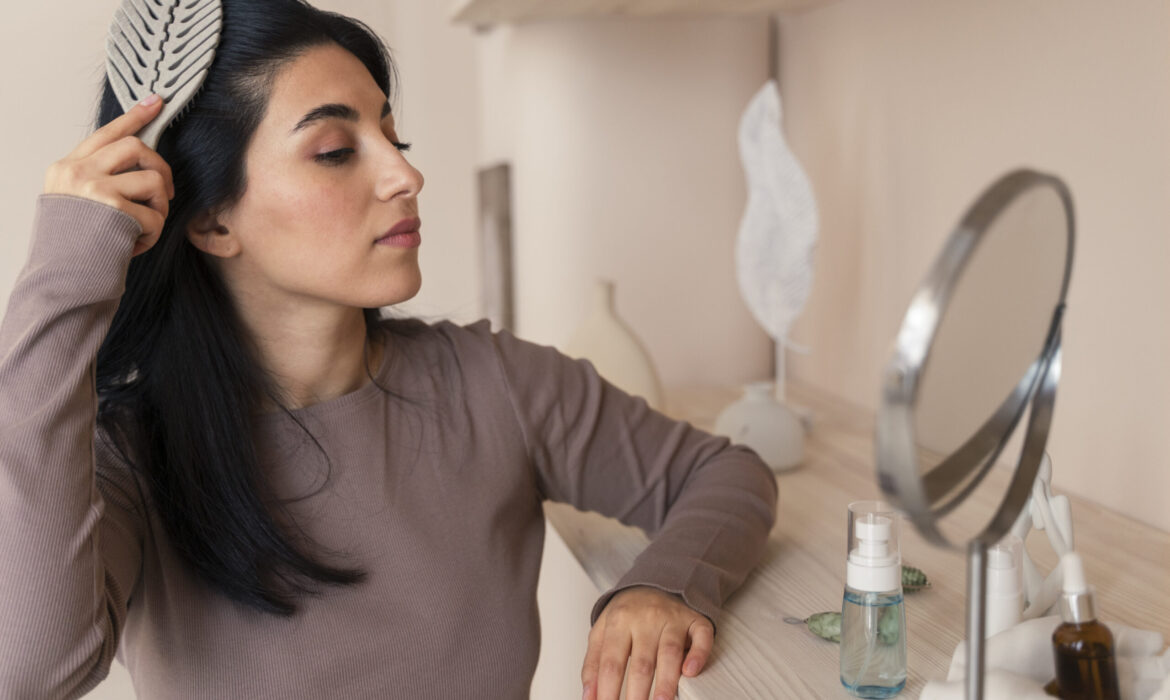
Learn dermatologist approved haircare habits to boost scalp health. Spot green flags vs red flags and protect your hair with expert tips from Dr. Hanan Clinic, Chennai.
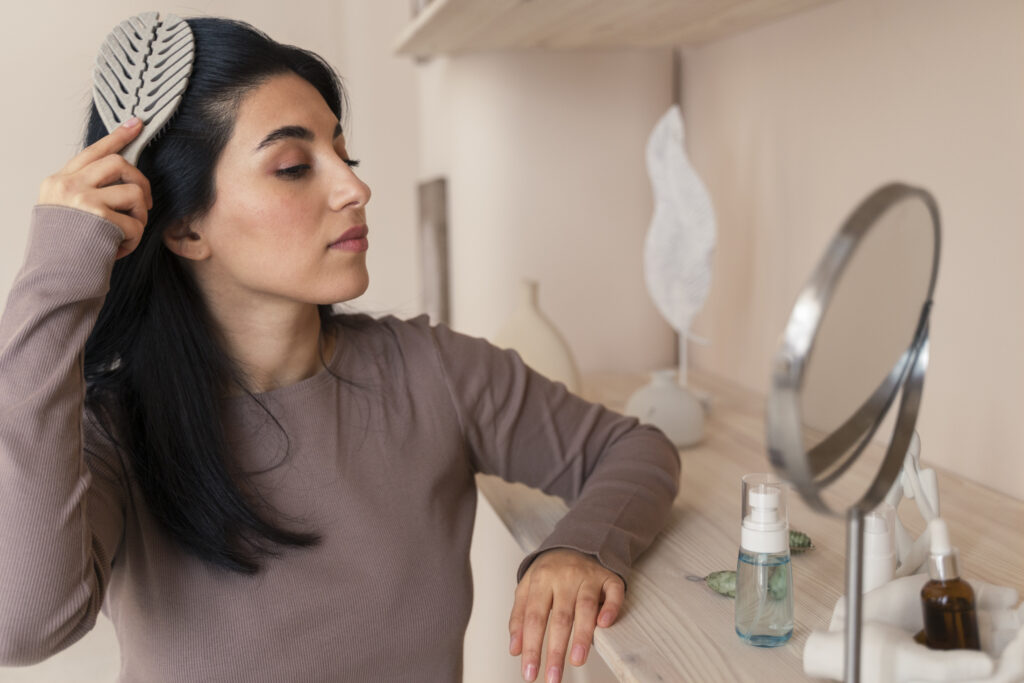
Healthy, strong hair doesn’t just come from good genetics—it also comes from consistent, scientifically sound haircare habits. But many people follow advice from social media or hearsay, which sometimes includes harmful steps. In this blog, we’ll walk you through dermatologist-approved green flags (good habits you should follow) and red flags (practices to avoid). Use this as your reference to build a haircare routine that supports scalp health and hair growth.
Your scalp is skin too, and hair follicles depend on a balanced environment—adequate hydration, minimal inflammation, good blood circulation, and proper nutrition. Poor habits (overwashing, harsh chemicals, tight hairstyles) can cause damage, breakage, hair fall, or scalp issues like irritation or dandruff.
As specialists in dermatology and trichology, at Dr. Hanan Dermatology Speciality and Trichology Clinic, we see many patients whose hair loss or scalp problems are worsened by bad habits. The good news: small changes—making more green flag habits—can make a big difference.
These are safe, beneficial habits that support hair health for most people
Harsh sulfates strip natural oils, making the scalp dry and triggering overcompensation by sebaceous glands. Use mild cleansers or shampoos with gentle surfactants. For example, shampoos containing cocamidopropyl betaine or sodium lauryl sulfoacetate are milder.
Not everyone needs daily shampooing. For those with oily scalps, washing more often is okay; for dry or color-treated hair, washing 2–3 times per week may suffice. Let your scalp’s oil balance guide you.
Apply conditioner only from the mid-shaft downward—not on the scalp—so that the scalp isn’t weighed down or clogged. Use ingredients like panthenol, hydrolyzed keratin, and natural oils in conditioners.
Vigorous towel rubbing causes mechanical damage. Instead, gently pat or squeeze excess water, or use a microfiber towel or soft cotton T-shirt.
Especially when hair is wet, use a wide-tooth comb or specially designed detangler to minimize breakage.
Gently massaging the scalp for a few minutes daily improves blood flow. Some dermatologists recommend low-level laser therapy (LLLT) or microneedling (under clinical supervision) to boost follicle health.
Scalp massages improve circulation. Some clinical solutions like PRP therapy also stimulate hair regrowth (read more about PRP Treatment for Hair Loss in Chennai
Hair follicles need nutrients. Ensure adequate protein, iron, zinc, biotin, omega-3 fatty acids, vitamins A, C, D. Drink enough water. Poor nutrition often shows up as weak, dull hair.
Trimming split ends every few months prevents further splitting that can travel up the hair shaft. This doesn’t grow hair faster, but helps hair look healthier.
If you have dandruff, sensitivity, or scalp conditions, use medicated shampoos or treatments as prescribed. Follow dermatologist advice rather than random over-the-counter aggressive treatments.
These are common but harmful practices that many people do—often without realizing the damage they cause.
Bleaches, strong perms, repeated coloring can damage hair structure and scalp barrier. Doing these frequently weakens hair and increases breakage or permanent hair loss.
This strips natural oils and damages the scalp barrier, causing compensatory oiliness, dryness, or irritation.
This can block follicle openings, trap debris, and lead to clogged pores or milia, especially in sensitive scalps.
Styles like braids, tight ponytails or buns, weaves, or extensions create strain on hair follicles, causing traction alopecia over time.
Sleeping on rough cotton pillowcases or without wrapping/covering your hair can cause friction, leading to breakage.
Using flat irons or curling wands at extreme heat repeatedly damages keratin bonds and leads to brittle, broken hair.
Itchiness, flaking, pain, or tender spots might indicate scalp disease—ignoring them or self-medicating can worsen the condition.
Random use of strong acids, bleaching agents, or unknown serums can lead to chemical burns, pigmentation, or hair loss.
UV radiation damages hair protein, fades color, and weakens structure. Scalp and hair UV protection is needed.
Chronic stress, nutrient deficiency, dehydration, smoking all negatively influence hair health.
At Dr. Hanan Dermatology Speciality and Trichology Clinic, we evaluate scalp condition, hair density, and history before recommending a personalized regime.
When patients look for the best dermatologist in Chennai or the top hair transplant clinic in Chennai, they often find us. Our reputation comes from:
Building a haircare routine based on dermatologist-approved habits strengthens your hair, protects your scalp, and enhances the results of any medical treatment you may undergo. Always look for green flag habits and be aware of the red flags.
If you’re noticing persistent hair fall, thinning, or scalp issues, your best step is to consult a specialist. At Dr. Hanan Dermatology Speciality and Trichology Clinic, we combine medical expertise with patient education – helping you care for your hair every day.
Struggling with hair thinning in teenage years? Get expert tips and treatments from Chennai’s trusted dermatologists at Dr. Hanan Clinic.
Hair thinning in teenage years is becoming increasingly common, especially due to modern lifestyle habits, nutritional gaps, stress, and hormonal changes. While it’s natural to lose a few strands daily, excessive hair fall or visible thinning at a young age can be distressing. At Dr. Hanan Dermatology Speciality and Trichology Clinic, Chennai, we see many teens facing this issue and provide tailored treatment plans based on in-depth diagnosis.
In this blog, we’ll explore the causes of teenage hair thinning, how to spot early signs, effective treatments, and expert tips to regain hair health safely.
In this blog, we’ll explore the causes of teenage hair thinning
Hair thinning during adolescence can be due to several reasons—some reversible, some needing long-term management. The key is early diagnosis.
Related Link: Learn more about Types of Hair Loss and Their Treatments
Recognizing the early signs of hair thinning is essential for timely treatment.
Yes—most types of hair thinning in teenagers can be reversed if treated early and correctly. The approach may include medical treatment, lifestyle changes, and professional care under a dermatologist.
Symptoms: Patchy hair loss, broken hairs, and thinning. Most common in adolescents and young adults.
Management: Behavioral therapy, psychological support, and dermatological care.
At Dr. Hanan Clinic, we customize hair loss treatment based on the patient’s age, diagnosis, severity, and medical history.
1. Topical Treatments
Mild topical solutions like minoxidil (in low strength) may be used under medical supervision to stimulate hair follicles and improve density.
2. Nutritional Therapy
We prescribe supplements containing biotin, iron, zinc, and amino acids to restore internal imbalances. Diet counseling is often part of the treatment.
3. PRP Therapy for Teens
Platelet-Rich Plasma (PRP) therapy is a safe, non-surgical treatment that uses your own blood’s growth factors to stimulate hair regrowth. It’s becoming a popular option even for young patients with early signs of androgenetic alopecia.
4. Low-Level Laser Therapy (LLLT)
This painless treatment boosts blood circulation in the scalp and revitalizes weak hair follicles.
5. Microneedling
For early-stage thinning, microneedling combined with hair serums can help increase scalp absorption and rejuvenate follicles.
Visit a specialist if:
At Dr. Hanan Dermatology Speciality and Trichology Clinic, our dermatologists use trichoscopy, blood tests, and clinical evaluation to diagnose the exact reason for your hair thinning. This enables us to design a personalized, teen-friendly treatment plan.
Explore Treatments: Hair Regrowth Treatments in Chennai
While hair thinning in teenage years can feel overwhelming, the good news is that it’s usually reversible with timely care. Whether the root cause is stress, poor nutrition, or hormonal changes, you don’t have to face it alone.
Our team at Dr. Hanan Clinic in Chennai has helped hundreds of teens regain confidence and fuller, healthier hair. Early consultation and a customized plan are the keys to long-term hair wellness.

Healthy scalp before hair transplant ensures lasting results. At Dr. Hanan Clinic, Chennai, treating scalp issues boosts graft survival and growth.”
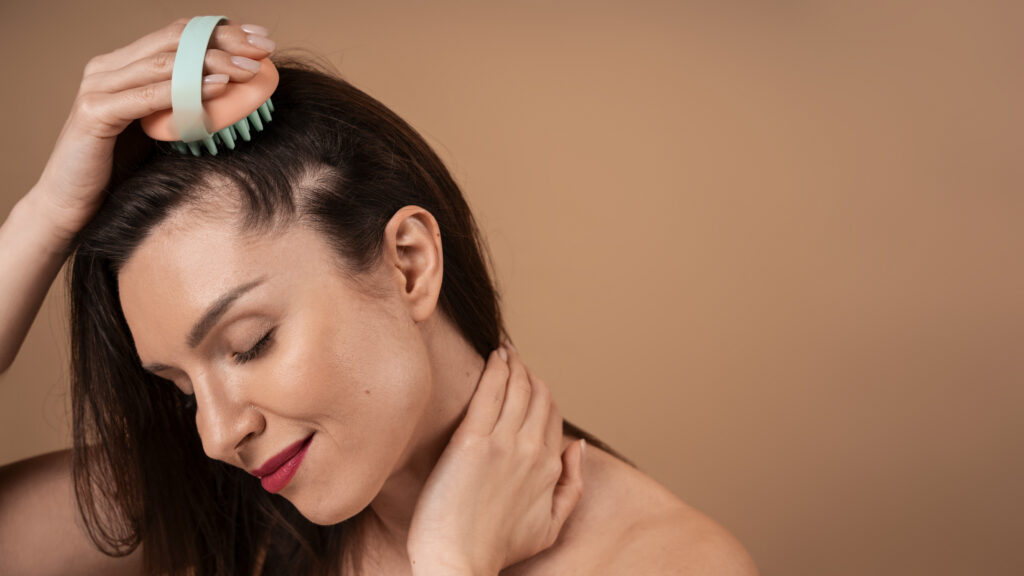
Hair transplantation has become one of the most effective and permanent solutions for baldness and thinning hair. However, what many patients don’t realize is that the success of a hair transplant depends heavily on the condition of the scalp before surgery. Preparing your scalp is not just a recommendation—it is a crucial step that influences graft survival, healing, and long-term results.
At Dr. Hanan Dermatology Speciality and Trichology Clinic, Chennai, we emphasize scalp health as the foundation for natural, lasting hair transplant outcomes. In this blog, our dermatologists explain why scalp preparation is important, what steps patients should take, and how to maximize transplant success.
Your scalp is the “soil” where transplanted hair grafts will grow. If the scalp is unhealthy—due to dandruff, infections, poor circulation, or inflammation—the newly transplanted follicles may not survive. A well-prepared scalp ensures:
Patients often ask, “Does scalp condition really affect transplant success?” The answer is yes. Studies show that poor scalp health can lower graft survival rates by up to 20–30%.
Many patients in Chennai visit us with pre-existing scalp concerns. These must be addressed before the transplant procedure:
Our dermatologists treat these conditions in advance using medicated shampoos, antifungal therapies, and topical solutions before moving forward with surgery.
At Dr. Hanan Clinic, every patient undergoes trichoscopy and scalp analysis before planning surgery. This helps us identify dandruff, scalp infections, or poor skin barrier function. Based on the results, we customize a scalp preparation plan.
Patients are advised to use medicated shampoos containing:
These shampoos reduce flakes, clean the pores, and create an ideal environment for transplant grafts.
A healthy scalp requires good blood flow. We recommend:
Lifestyle changes—regular exercise and stress management.
Nicotine and alcohol reduce oxygen flow in the bloodstream, delaying wound healing. Patients must stop smoking and drinking at least 2 weeks before surgery to ensure better graft survival.
If you have scalp psoriasis, eczema, or dermatitis, these must be treated first. At our clinic, we use topical steroids, anti-inflammatory serums, and oral medications when required. Transplantation is only scheduled once the scalp is stable
Simple hygiene measures matter:
Diet directly affects scalp condition. Patients are encouraged to include:
Supplements may also be prescribed for patients with deficiencies.
Once your scalp is ready, you’re fit for surgery. At Dr. Hanan Dermatology Speciality and Trichology Clinic, we use advanced methods like FUE (Follicular Unit Extraction) and FUT (Follicular Unit Transplantation). A healthy scalp allows:
Our dermatologists emphasize that a hair transplant isn’t just about surgery—it’s about preparation and aftercare. We guide patients at every step:
Follow-up treatments like PRP therapy to boost graft survival.
For more insights, check out:
The success of your hair transplant doesn’t begin in the operation room—it begins weeks before, with proper scalp preparation. By treating dandruff, infections, and poor circulation in advance, you give your grafts the best possible chance to survive and thrive.
At Dr. Hanan Dermatology Speciality and Trichology Clinic, Chennai, our expert dermatologists ensure every patient is prepared, treated, and supported throughout the journey. Healthy scalp equals healthy results.
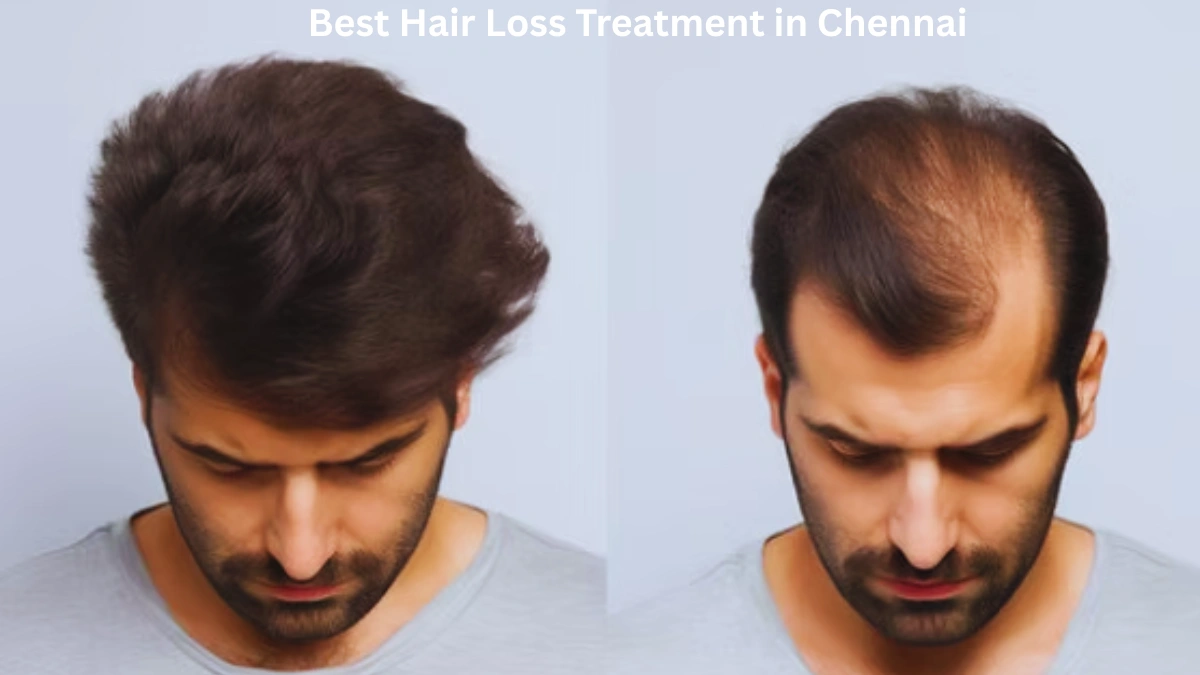
Find the best hair loss treatment based on your hair and scalp type. Chennai dermatologists at Dr. Hanan Clinic share expert tips, safe ingredients, and proven solutions for healthy hair regrowth.
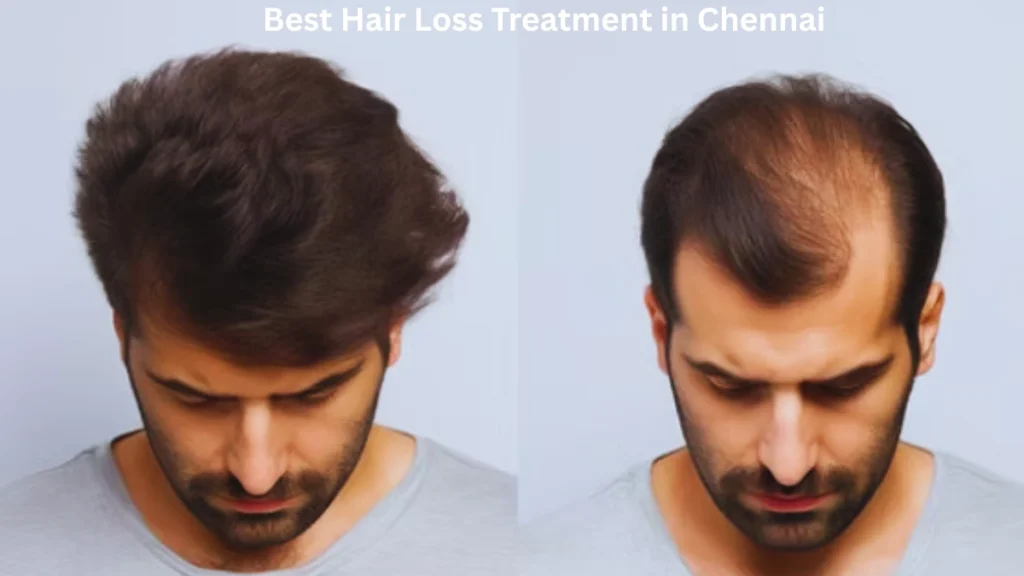
Best Hair Loss Treatment: Hair loss is no longer just a cosmetic concern—it directly affects confidence, self-esteem, and quality of life. If you are searching for the best hair loss treatment in Chennai, Dr. Hanan Dermatology Speciality Clinic offers dermatologist-led, affordable, and evidence-based solutions for men and women.
As a leading dermatology, cosmetology, and trichology clinic in Chennai, we specialize in diagnosing the root cause of hair loss and delivering personalized treatments that produce visible, long-term results.
Hair fall is common, but excessive or progressive hair loss is not normal. Losing more than 80–100 strands daily, thinning hair, widening part lines, or receding hairlines are signs that require professional evaluation.
Early diagnosis by a dermatologist:
At Dr. Hanan Dermatology Speciality Clinic, we focus on early intervention and medical accuracy to preserve and restore hair health.
Hair loss can occur due to one or multiple underlying reasons, including:
Identifying the exact cause is the foundation of choosing the best hair loss treatment.
At Dr. Hanan Dermatology Speciality Clinic, every patient undergoes:
Based on the findings, we design a customized treatment plan focused on safety, effectiveness, and long-term hair regrowth.
Read more: Best Treatments for Dandruff and Itchy Scalp
Medical Treatment for Hair Loss
Medical therapy remains the first line of treatment for most patients.
All medications are prescribed only after dermatologist consultation to ensure safety and suitability.
A gentle cleanser ensures your skin feels supple and smooth instead of tight after washing.
Platelet-Rich Plasma (PRP) therapy is one of the most effective non-surgical treatments for hair regrowth.
Benefits of PRP:
Results typically appear within 3–4 months with multiple sessions.
Depending on severity, we may recommend:
These therapies are performed under strict medical protocols.
For advanced baldness, hair transplant surgery offers permanent and natural-looking results.
At our clinic, we provide:
Hair transplant is recommended only when medical treatments are insufficient, ensuring ethical care.
Medical treatment works best when combined with:
We guide patients on long-term hair health, not just temporary fixes.
Hair loss affects men and women differently.
Our clinic provides gender-specific treatment protocols for safe and effective outcomes.
Hair growth is a gradual process.
Consistency, follow-ups, and medical supervision are key to success.
Myth: Hair loss cannot be treated
Fact: Early-stage hair loss is highly treatable
Myth: Oils alone can regrow hair
Fact: Oils support scalp health but cannot treat medical hair loss
Myth: All shampoos stop hair fall
Fact: Shampoos are supportive, not curative
What is the best hair loss treatment?
The best hair loss treatment depends on the underlying cause such as genetics, hormonal imbalance, stress, or nutritional deficiency. A dermatologist consultation is essential to identify the cause and recommend the right treatment.
Can hair loss be treated permanently?
Hair loss can be effectively controlled and improved when treated early. Medical therapies help slow or reverse hair fall, while hair transplant provides a permanent solution for advanced baldness.
Is PRP treatment effective for hair loss?
Yes, PRP (Platelet-Rich Plasma) therapy is a clinically proven treatment that helps reduce hair fall, strengthen hair follicles, and promote natural hair regrowth when performed by a qualified dermatologist.
How many PRP sessions are required for hair regrowth?
Most patients require 3 to 6 PRP sessions, spaced 4 to 6 weeks apart. The number of sessions depends on the severity of hair loss and individual response.
Is hair loss treatment safe?
Yes, hair loss treatments are safe when prescribed and performed by a dermatologist. All procedures at Dr. Hanan Dermatology Speciality Clinic follow medically approved and ethical protocols.
When will I see results from hair loss treatment?
Hair fall reduction is usually noticed within 4 to 8 weeks, while visible hair regrowth and improved thickness may take 3 to 6 months with consistent treatment.
Is hair transplant better than non-surgical treatments?
Hair transplant is recommended for advanced hair loss. In early and moderate stages, non-surgical treatments such as medications and PRP therapy often provide excellent results.
Are hair loss treatments different for men and women?
Yes, hair loss patterns and causes differ in men and women, so treatment plans are customized based on gender-specific medical and hormonal factors.
Do oils and shampoos stop hair loss?
Oils and shampoos help maintain scalp health but cannot treat medical hair loss on their own. Dermatologist-guided treatment is required for effective results.
Who is the right candidate for a hair transplant?
Patients with stable hair loss, good donor hair density, and healthy scalp conditions are suitable candidates. A detailed dermatologist evaluation is necessary.
Why choose Dr. Hanan Dermatology Speciality Clinic for hair loss treatment?
The clinic offers dermatologist-led care, advanced PRP and hair transplant procedures, ethical pricing, and proven patient outcomes, making it one of the trusted hair clinics in Chennai.
Where is Dr. Hanan Dermatology Speciality Clinic located?
A Block, Gem Bhoomi & Buildings, Padur, OMR, Chennai – 603103
Phone: +91 6381048403
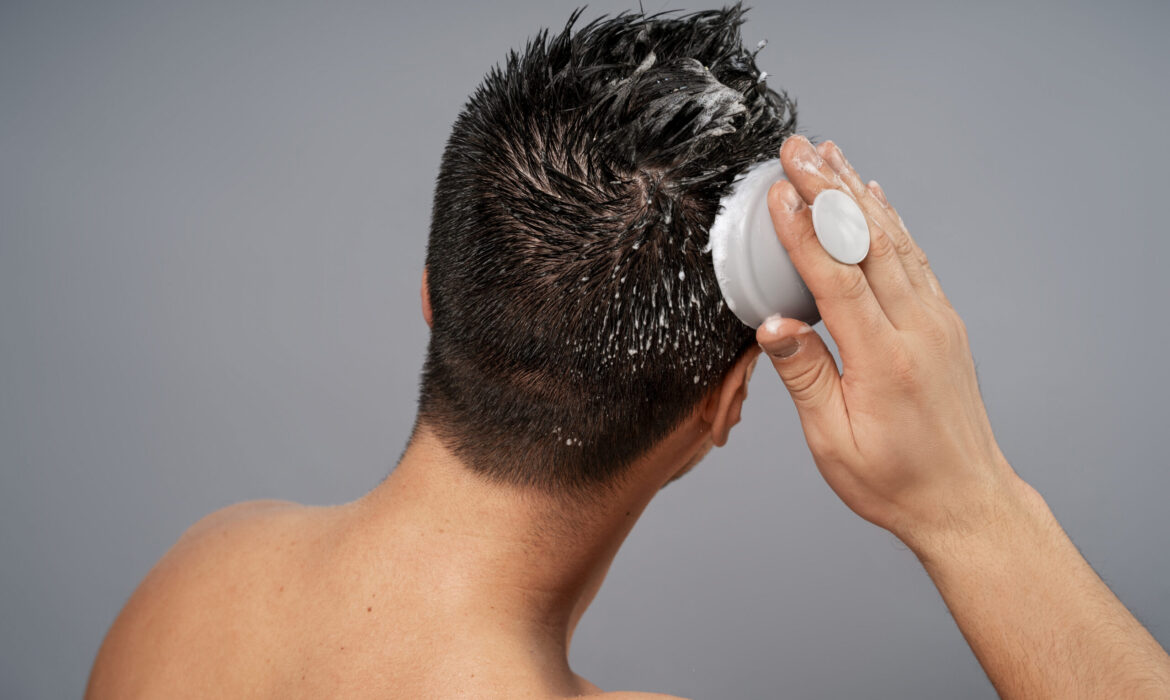
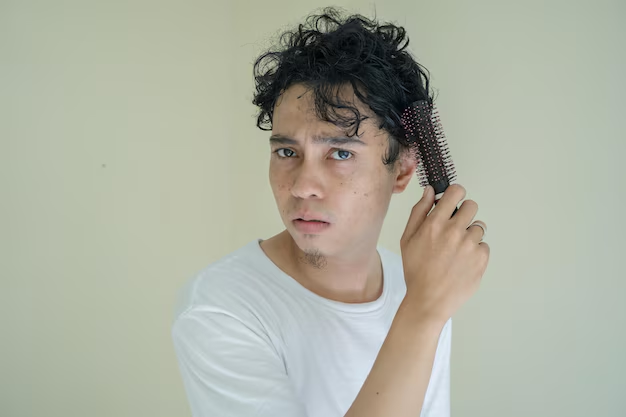
Build the Best Hair Care Routine for Men with expert grooming tips, hair fall control advice, and healthy habits for stronger hair.
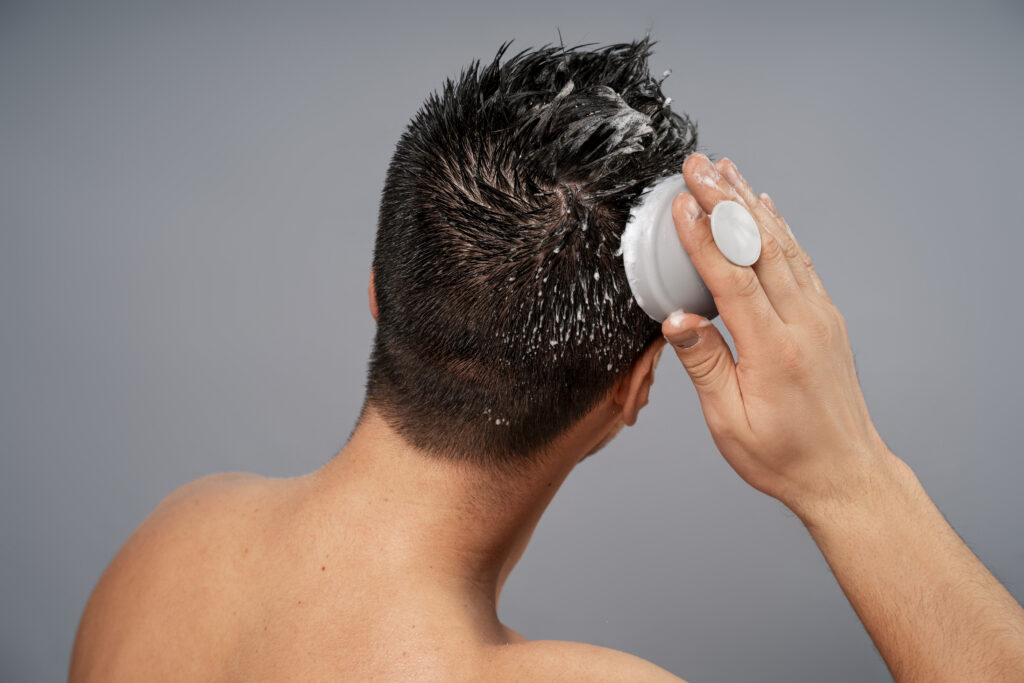
Having a strong, healthy head of hair does not occur by coincidence – it takes dedication, correct products and good habits. In this guide, we will run through the best hair care routine for men, provide practical suggestions and insight to help maintain a clean, healthy scalp and strong hair. Whether you are struggling with dandruff, experiencing hair thin, or just want to level your grooming game, this guide is for you.
It is important to understand your hair type before you start building your routine. Men’s hair can be straight, wavy, curly or coily, and each type has specific requirements. Straight hair can be rapidly oily and requires more frequent washing, while curly or coily hair is dry and has benefits from deep hydration. Knowing the type of your hair will help you choose the right products and will set the expectations of realistic grooming.
Conditioning is not optional – especially if you want soft, managable hair. After each washing, apply a conditioner to repay the moisture and repair any damage. Leave it for at least 2-3 minutes before rinsing well. A good conditioner helps to reduce the frizz, prevent breakdown, and gives your hair a smooth texture.
A balanced diet and proper hydration are often underestimated by reducing hair care. Your hair is made of protein, so protein -rich diets, omega -3 fatty acids, and vitamins such as biotin, B12 and E help in promoting hair growth and strength. Drinking enough water keeps your scalp hydrated and free from dryness or irritation, supporting your hair care routine from the inside out.
Excessive use of hair gel, wax and spray can lead to product buildups, clogged follicles and even hair loss time. Stick to light, non-comedogenic products and always wash out styling products before bed. If you are using the heat tool, apply a heat protector to prevent damage.
Experienced dermatologists and trichologists
Evidence-based scalp care protocols
Over 800+ positive Google reviews
State-of-the-art treatment technology
Located in Padur, Chennai for easy access
We don’t just treat dandruff—we work toward restoring your scalp’s health permanently.
Even if you’re growing your hair out, trimming every 4–6 weeks helps remove split ends and keeps your hairstyle looking sharp. Regular haircuts promote healthy growth and prevent your hair from looking messy or unwanted.
Healthy hair begins with a healthy scalp. To remove dead skin and improve blood circulation, exfoliate your scalp once a week using a scalp scrub or clarify the shampoo. Massage your scalp regularly to stimulate hair follicles and increase growth. It is one of the most underrated men’s hair care tips, but also one of the most effective.
Use products that correspond to your hair type and needs. Men with thin or fine hair may benefit from volumizing shampoos, while people with curly or thick hair require more hydrating and curl-enhancing formulas. Always check the ingredient label – avoid harsh sulfates, parabens and alcohol.
Hair fall is common in men due to stress, genetics and environmental factors. To control this, use anti-hair fall shampoos, include essential oils such as henna or peppermint, and consider medical remedies such as minoxidil under the guidance of a dermatologist. Do not ignore natural remedies – onion juice and aloe vera have shown promising results for some users.
Pollution, UV rays and hard water can wreak havoc on your hair. Wear a hat directly in the sun, use a leave-in conditioner with SPF, and rinse the hair after swimming to remove chlorine or salt. Installing shower filters can also help reduce harm from hard water.
The key to obtaining long -term results is stability. Do not expect miracles overnight – whether you are facing hair fall or dullness, ensure gradual but permanent improvement every day after a structured routine.
What is the best daily hair care routine for men?
A good daily hair care routine for men includes gentle cleansing with a suitable shampoo, regular scalp massage, proper conditioning, and avoiding excessive heat or harsh styling products.
How often should men wash their hair?
Most men should wash their hair 2–3 times a week. Those with oily scalp may need more frequent washing, while dry or curly hair types benefit from fewer washes.
Which shampoo is best for men’s hair?
The best shampoo depends on hair type and scalp condition. Men with hair fall, dandruff, or oily scalp should choose dermatologist-recommended shampoos with mild, sulfate-free formulas.
Is oiling necessary for men’s hair care?
Oiling helps nourish the scalp and improve hair texture, but it should be done in moderation. Over-oiling or leaving oil overnight can clog pores and worsen dandruff.
How can men prevent hair fall naturally?
Maintaining a balanced diet, managing stress, exercising regularly, and following a consistent hair care routine can help reduce hair fall. Medical advice is recommended if hair loss is excessive.
Does using hair gel or wax damage hair?
Frequent use of hair styling products can cause scalp buildup and dryness if not washed properly. Use them sparingly and clean the scalp regularly.
What role does diet play in men’s hair health?
Protein, iron, vitamins, and minerals are essential for healthy hair growth. Poor nutrition can lead to weak, thinning hair over time.
Can men with dandruff follow the same hair care routine?
Men with dandruff need a specialized routine that includes anti-dandruff shampoos and proper scalp care. Regular products may not effectively treat dandruff.
When should men consult a dermatologist for hair problems?
If hair fall is sudden, excessive, or accompanied by scalp itching or thinning, consulting a dermatologist is recommended for early diagnosis and treatment.
Does a proper hair care routine help prevent baldness?
A good hair care routine supports scalp health and slows damage, but genetic baldness requires medical or advanced treatment for effective control.
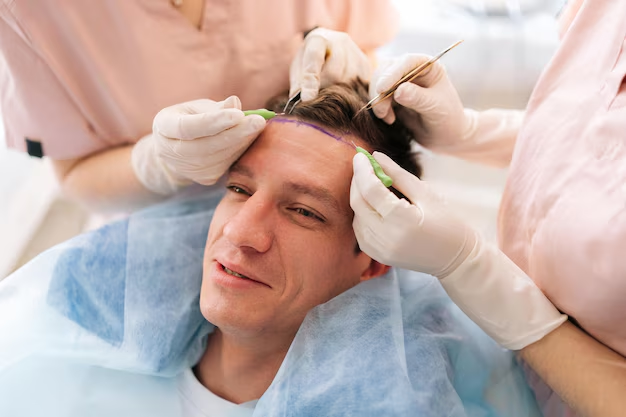
Wondering how many grafts you need for a successful hair transplant? Learn graft requirements, costs, and expert insights
How Many Grafts Do You Need for a Successful Hair Transplant: Hair loss can be emotionally challenging, especially when it starts affecting your confidence and appearance. For many, a hair transplant in Chennai offers a permanent, natural-looking solution. But one of the most common questions patients ask is: “How many grafts do I actually need for a successful hair transplant?”
The answer isn’t one-size-fits-all. It depends on your stage of baldness, hair density goals, and the technique used. At Dr. Hanan Dermatology Speciality and Trichology Clinic, we provide personalized assessments to determine the exact number of grafts required for long-term, natural results.
A hair graft is a small piece of skin containing hair follicles. Each graft can contain anywhere from 1 to 4 hair follicles. During a hair transplant, these grafts are extracted from the donor area (usually the back or sides of the scalp) and implanted into thinning or balding areas.
The number of grafts you need directly determines:
Dermatologists use the Norwood Scale to classify male pattern baldness.
Some patients want a fuller, denser look, while others are satisfied with moderate coverage. The higher the density goal, the more grafts are needed.
Your donor area (the back and sides of the scalp) must have enough strong, healthy follicles to supply grafts. If the donor area is limited, we plan carefully to balance density and coverage
Depending on your graft requirement and donor supply:
At Dr. Hanan Clinic, our dermatologists assess the scalp, donor density, and hair goals before planning the session count.
Not necessarily. While more grafts may give higher density, quality and placement matter more than quantity. Poorly placed or low-survival grafts won’t give natural results, no matter how many are implanted.
That’s why it’s essential to choose an experienced clinic with advanced technology. At Dr. Hanan Dermatology Speciality and Trichology Clinic, we use FDA-approved tools and follow strict protocols to ensure graft survival and natural outcomes.
The cost of hair transplant in Chennai is usually calculated per graft:
So, a 2,000-graft transplant may cost around ₹60,000–₹90,000, while a 4,000-graft transplant could cost ₹1.2–₹1.6 lakhs.
Investing in the right number of grafts ensures not just coverage, but a natural hairline and lasting results.
The number of grafts you need for a successful hair transplant depends on baldness level, donor area, and personal goals. More grafts don’t always equal better results – skilled placement, advanced technology, and aftercare matter the most.
At Dr. Hanan Dermatology Speciality and Trichology Clinic, we take a personalized approach, ensuring every graft counts toward natural, lasting hair restoration.
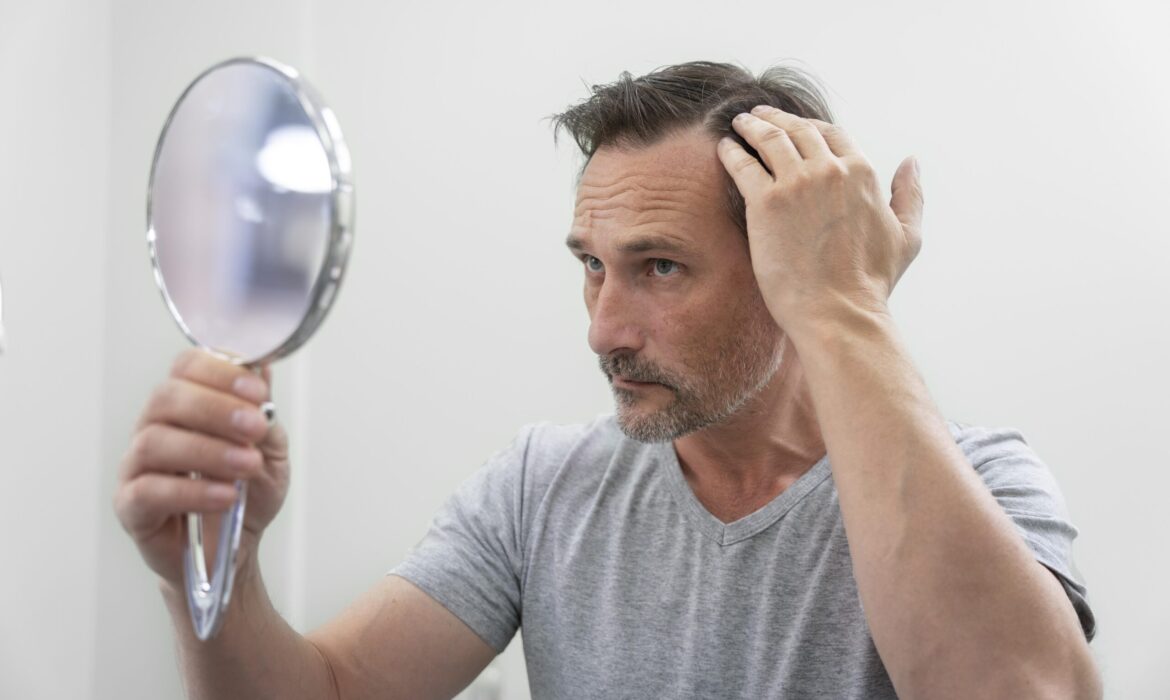
Sex after a hair transplant—does it affect results? Learn when it’s safe and what to avoid from the best hair transplant clinic in Chennai.
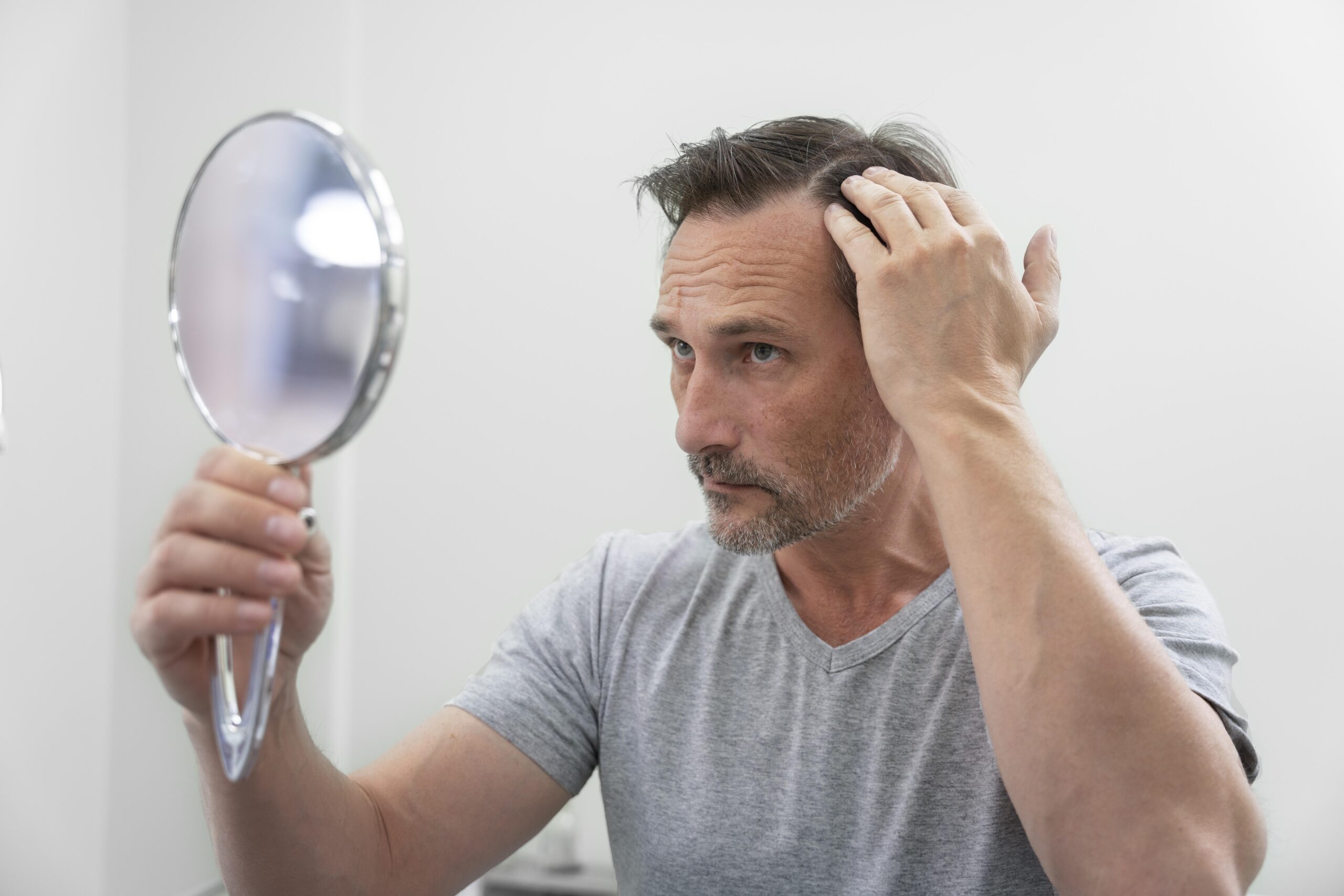
A hair transplant is a life -changing process that restores not only hair but also confidence. However, patients often worry about after surgery care, and a common question is: “Can I have sex after a hair transplant?”
While sex is a natural part of life, attachment to it even after a hair transplant can affect the healing process. In this blog, we will discuss how sexual activity can affect your results, when it is safe to resume, and the precautions you should take.
The brief answer is: It is best to wait for at least 7-10 days.
After a hair transplant, new transplanted hair follicle is delicate. During this treatment period, excessive sweating, increase in heart rate, and can interfere with the physical pressure recovery process on the scalp.
While sex does not directly damage transplanted grafts, some factors related to sexual activity may cause risk
Those who have lost hair due to burns, accidents or surgery can qualify for a transplantation, based on their scalp position and the availability of donor hair.
Sexual activity increases blood pressure and heart rate, causing inflammation after surgery on the scalp and forehead. This can expand the time of recovery and cause discomfort.
During sex, sudden movements or casual bumps can dislike grafts in the initial treatment phase. Even slight friction can disturb new transplanted follicles.
Sex triggers the release of hormones such as testosterone and adrenaline. Although this is not necessarily harmful, it can cause temporary changes in the body’s response to treatment, which can lead to comfort in the first few days.
Doctors usually recommend waiting at least 7-10 days before being engaged in sexual activity. However, it depends on individual treatment rates.
Here is a common guideline:
Day 1-5: Avoid sex strictly. Grafts are still critical.
Day 6-10: If healing is well, soft physical activity can be resumed. However, avoid sweating and avoid direct exposure to the skull.
After 10 days: Most patients, including sex, can resume general activities without major concerns.
For the best results, always consult your hair transplant surgeon before starting intensive activities.
If you decide to resume sexual activity after the recommended waiting period, follow these precautions:
Sex hair does not ruin your hair transplant, but timing matters. If you follow proper precautions then sex does not affect your results after hair transplant. The key is to allow your scalp to be heal without unnecessary stress.
At Dr. Hanan Dermatology Specialty and Trichology Clinic, we provide specialist guidance to ensure the best post-transplant care. If you worry about recovery, then our experts are here to help!
Book a consultation today and get the best hair transplant in Chennai!

Dr Hanan Dermatology Speciality clinic a Leading Dermatology, Cosmetology Clinic that provides the Best Affordable Treatment for Skin, Hair & Laser.
Our Contacts
Copyright © 2024 Dr Hanan Dermatology Speciality Clinic is Developed and Maintained by Qualpr | Privacy Policy | Terms and Conditions
Dr Hanan Dermatology Speciality Clinic
Typically replies within minutes
Any questions related to Skin, Hair, and Cosmetic or Looking to book an appointment?
WhatsApp Us
🟢 Online | Privacy policy
WhatsApp us