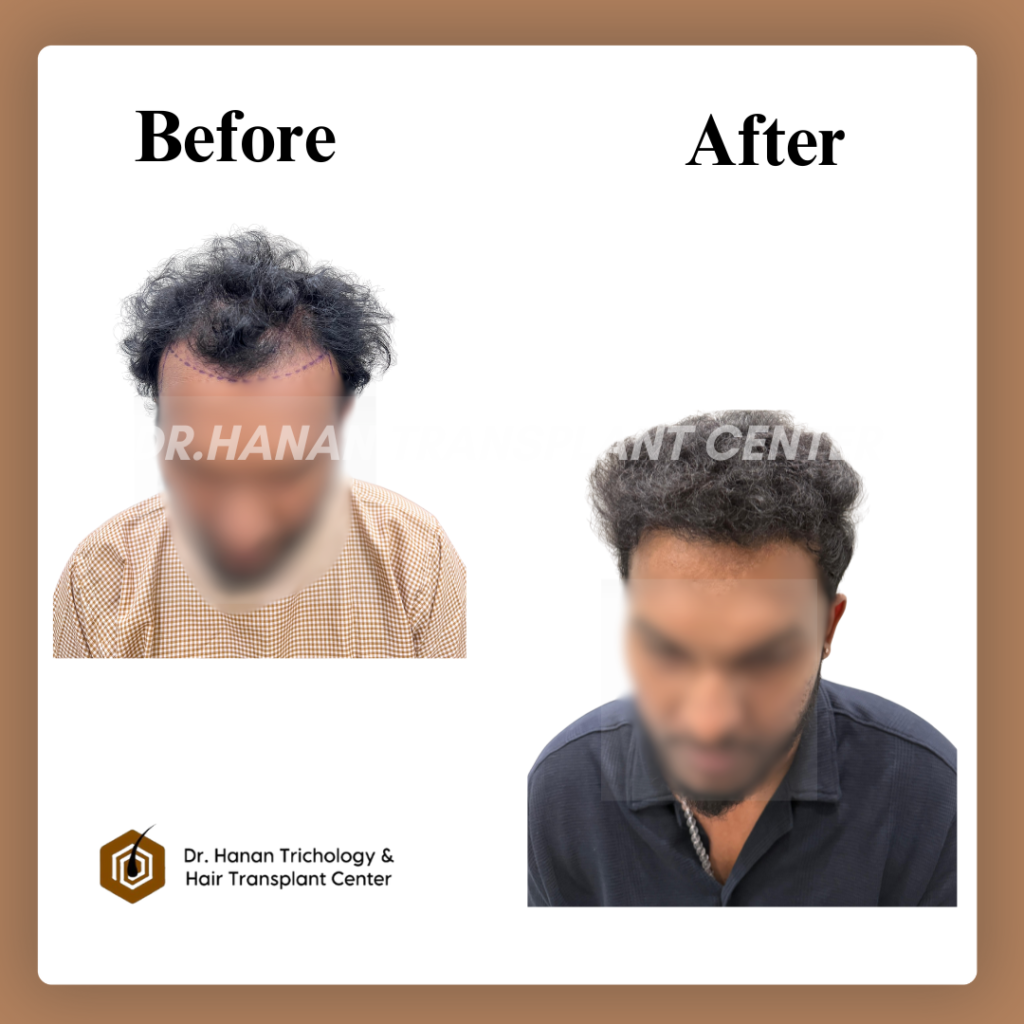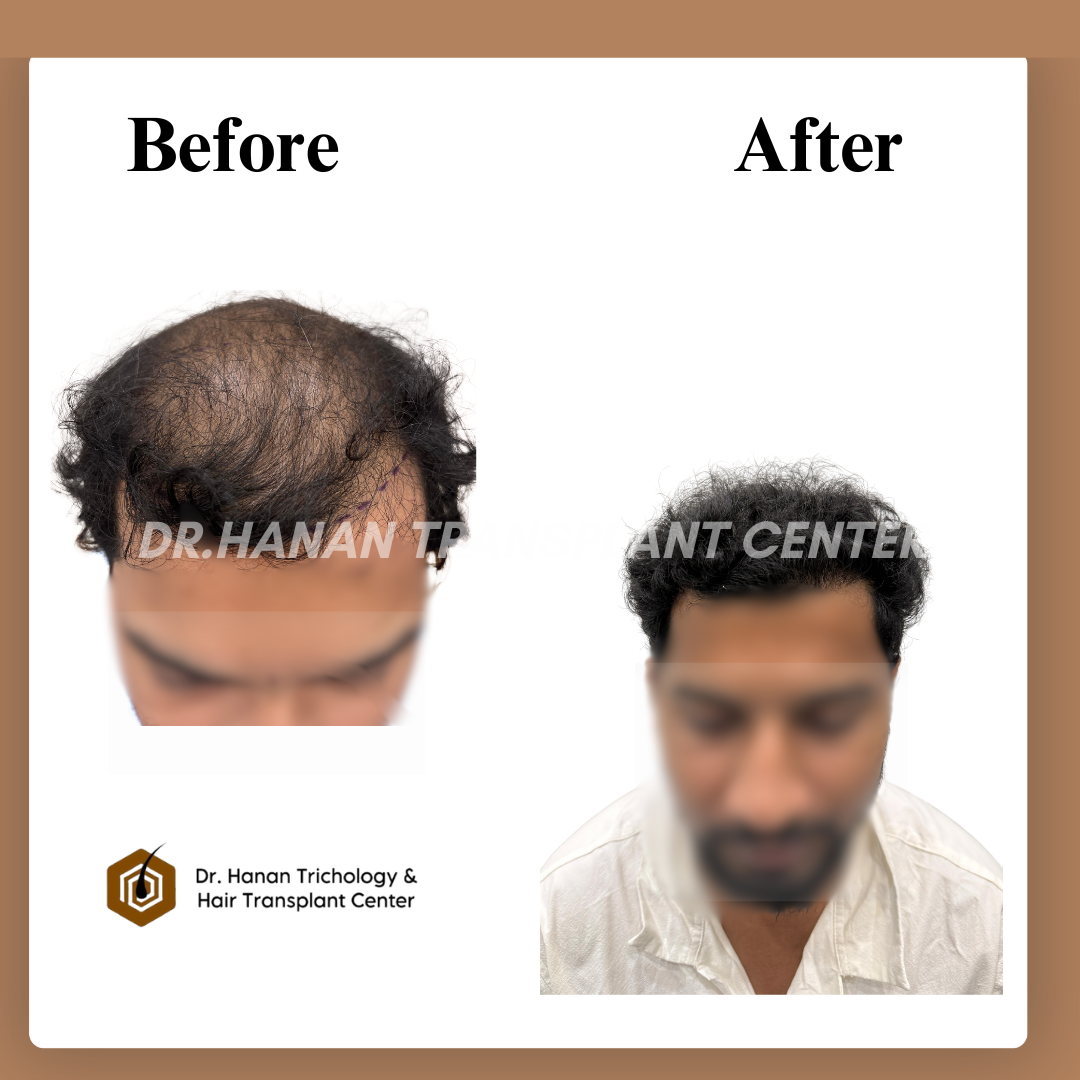
Expert Tips to Choose the Best Hair Transplant Clinic – 10 Days After Hair Transplant
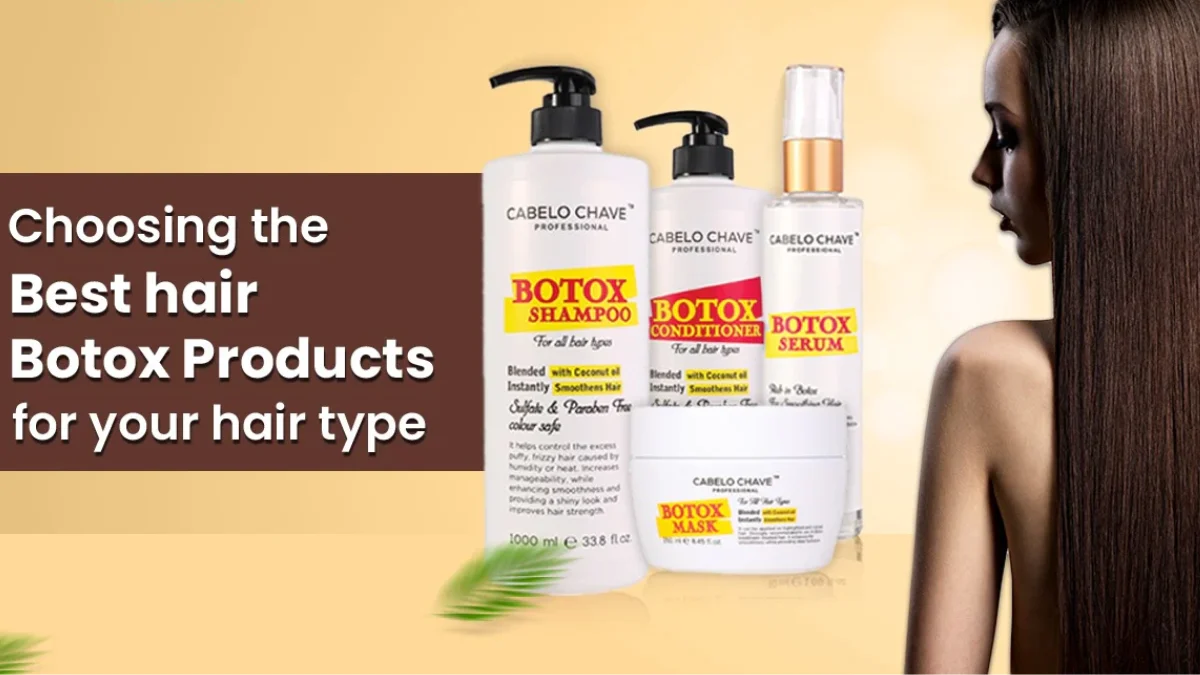
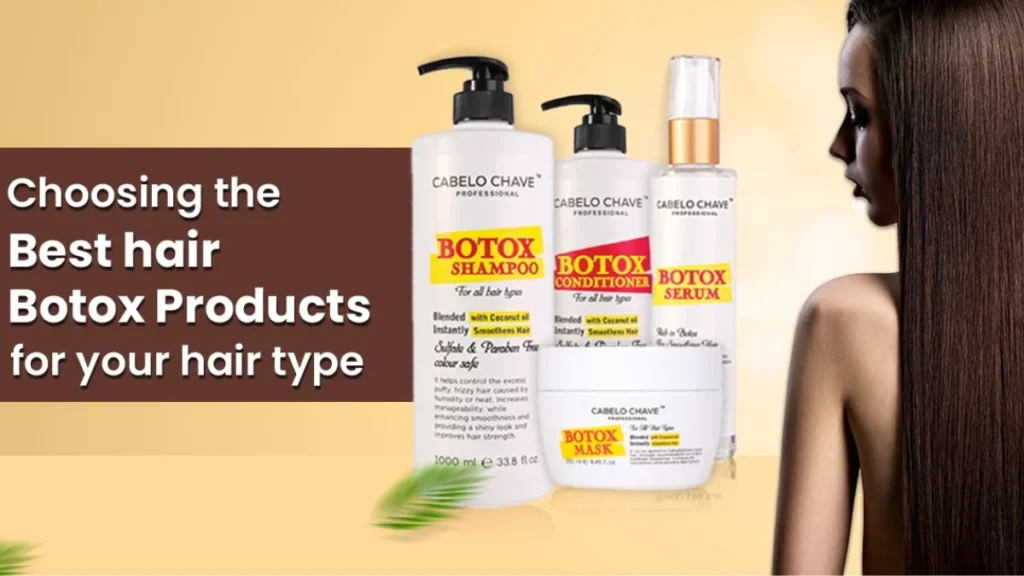
Botox hair treatment products: Hair Botox has become one of the most talked-about hair treatments in recent years, offering a deep, rejuvenating solution for damaged and unruly hair. Whether you’re looking to smooth frizz, restore shine, or achieve healthier-looking hair, Hair Botox promises an effective treatment. In this guide, we will dive into everything you need to know about Hair Botox, its benefits, the treatment process, and some of the best products you can try in 2024.
Visit Dr. Hanan Dermatology Specialty Clinic in Padur, OMR, Chennai. Schedule your consultation today and start your journey to fuller, healthier hair.
For more information and to book your appointment, visit our clinic or call us at the clinic’s contact details.

Hair Botox is a non-invasive treatment that uses a blend of natural ingredients, such as vitamins, amino acids, and proteins, to repair and rejuvenate hair. Despite the name, Hair Botox doesn’t involve injections or toxins. Instead, it works by deeply nourishing the hair, filling in damaged areas, and restoring its health and vitality. This treatment is especially beneficial for those with frizzy, dry, or chemically damaged hair.
The process of Hair Botox involves applying a special formula to the hair that’s designed to penetrate the hair shaft, filling in gaps and smoothing out the hair. The formula typically includes:
The treatment works by rejuvenating and nourishing each strand, making your hair appear smoother, shinier, and healthier. It also helps reduce frizz and prevent split ends.
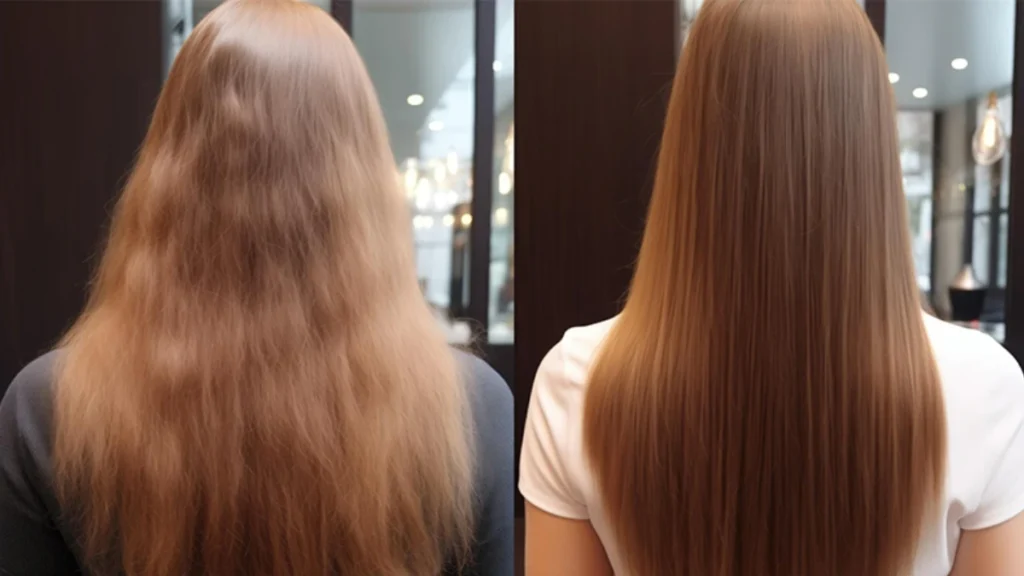
Hair Botox provides numerous benefits that can make a noticeable difference in your hair’s texture and health. Here are some of the key advantages:
Read more: Nanoplastia Hair Treatment
While the exact process may vary slightly depending on the salon or brand, here is an overview of the typical Hair Botox treatment:
If you’re looking for effective Hair Botox treatments, here are some top-rated products you can consider in 2024:
While Hair Botox and Keratin treatments are often used interchangeably, they are not the same. Here’s a quick comparison:
If you’re looking for a treatment that nourishes, restores, and smooths hair without harsh chemicals, Hair Botox is the ideal choice.

To ensure that your Hair Botox treatment lasts as long as possible, here are some tips for maintenance:
1. What is Hair Botox?
Hair Botox is a deep conditioning treatment that uses natural ingredients like vitamins, amino acids, and proteins to repair and rejuvenate hair. It smoothens frizz, adds shine, and restores moisture to damaged hair without the use of harmful chemicals like formaldehyde.
2. Is Hair Botox the same as Botox for the skin?
No, Hair Botox is not the same as Botox used in skin treatments. It’s a non-invasive hair treatment that nourishes and rejuvenates hair strands, while skin Botox involves injections to reduce wrinkles. Hair Botox does not involve injections or toxins.
3. How long does a Hair Botox treatment last?
The effects of Hair Botox can last anywhere from 2 to 3 months, depending on your hair type, how often you wash your hair, and how well you maintain it.
4. Can Hair Botox be used on all hair types?
Yes, Hair Botox is suitable for all hair types, including curly, straight, and wavy hair. It is particularly beneficial for those with frizz, dryness, or damaged hair due to chemical treatments or heat styling.
5. Is Hair Botox safe for color-treated hair?
Yes, Hair Botox is safe for color-treated hair. It helps enhance the color’s vibrancy and adds shine without causing damage to the hair.
6. How is Hair Botox different from a Keratin treatment? While both treatments help smooth and restore hair, Hair Botox focuses on repairing and rejuvenating hair with natural ingredients, whereas Keratin treatments mainly focus on straightening the hair. Additionally, Hair Botox does not contain formaldehyde, unlike some Keratin treatments.
7. Can I do Hair Botox at home?
Yes, there are at-home Hair Botox kits available that are easy to apply. However, for professional results, it’s recommended to have the treatment done by a trained stylist at a salon.
8. Will Hair Botox make my hair straight?
Hair Botox does not straighten the hair. It smoothens and adds shine, reducing frizz, but it does not alter your natural texture. If you are looking for straightened hair, a Keratin treatment might be more suitable.
9. How often should I do a Hair Botox treatment?
For optimal results, you can get a Hair Botox treatment every 2 to 3 months. Regular treatments help maintain the health and shine of your hair.
10. Can Hair Botox help with split ends?
Hair Botox can help reduce the appearance of split ends by adding moisture and smoothing the hair cuticle, but it doesn’t completely seal split ends. Regular trims are still recommended to prevent further splitting.
11. Is Hair Botox suitable for men?
Yes, Hair Botox is suitable for both men and women. It works on all hair types, whether it’s thick, thin, or coarse, and helps in managing frizz and improving the overall health of the hair.
12. Are there any side effects of Hair Botox?
Hair Botox is generally safe and does not have major side effects. However, some people may experience mild irritation if they have sensitive skin or allergies to specific ingredients. It’s always a good idea to do a patch test before applying the treatment.