Build the Best Hair Care Routine for Men with expert grooming tips, hair fall control advice, and healthy habits for stronger hair.

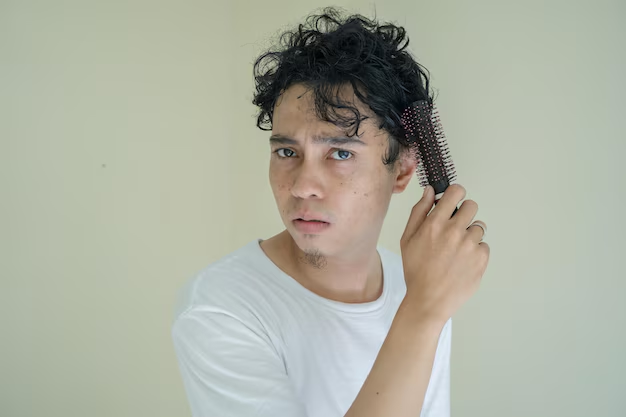
Struggling with hair thinning in teenage years? Get expert tips and treatments from Chennai’s trusted dermatologists at Dr. Hanan Clinic.
Hair thinning in teenage years is becoming increasingly common, especially due to modern lifestyle habits, nutritional gaps, stress, and hormonal changes. While it’s natural to lose a few strands daily, excessive hair fall or visible thinning at a young age can be distressing. At Dr. Hanan Dermatology Speciality and Trichology Clinic, Chennai, we see many teens facing this issue and provide tailored treatment plans based on in-depth diagnosis.
In this blog, we’ll explore the causes of teenage hair thinning, how to spot early signs, effective treatments, and expert tips to regain hair health safely.
In this blog, we’ll explore the causes of teenage hair thinning
Hair thinning during adolescence can be due to several reasons—some reversible, some needing long-term management. The key is early diagnosis.
Related Link: Learn more about Types of Hair Loss and Their Treatments
Recognizing the early signs of hair thinning is essential for timely treatment.
Yes—most types of hair thinning in teenagers can be reversed if treated early and correctly. The approach may include medical treatment, lifestyle changes, and professional care under a dermatologist.
Symptoms: Patchy hair loss, broken hairs, and thinning. Most common in adolescents and young adults.
Management: Behavioral therapy, psychological support, and dermatological care.
At Dr. Hanan Clinic, we customize hair loss treatment based on the patient’s age, diagnosis, severity, and medical history.
1. Topical Treatments
Mild topical solutions like minoxidil (in low strength) may be used under medical supervision to stimulate hair follicles and improve density.
2. Nutritional Therapy
We prescribe supplements containing biotin, iron, zinc, and amino acids to restore internal imbalances. Diet counseling is often part of the treatment.
3. PRP Therapy for Teens
Platelet-Rich Plasma (PRP) therapy is a safe, non-surgical treatment that uses your own blood’s growth factors to stimulate hair regrowth. It’s becoming a popular option even for young patients with early signs of androgenetic alopecia.
4. Low-Level Laser Therapy (LLLT)
This painless treatment boosts blood circulation in the scalp and revitalizes weak hair follicles.
5. Microneedling
For early-stage thinning, microneedling combined with hair serums can help increase scalp absorption and rejuvenate follicles.
Visit a specialist if:
At Dr. Hanan Dermatology Speciality and Trichology Clinic, our dermatologists use trichoscopy, blood tests, and clinical evaluation to diagnose the exact reason for your hair thinning. This enables us to design a personalized, teen-friendly treatment plan.
Explore Treatments: Hair Regrowth Treatments in Chennai
While hair thinning in teenage years can feel overwhelming, the good news is that it’s usually reversible with timely care. Whether the root cause is stress, poor nutrition, or hormonal changes, you don’t have to face it alone.
Our team at Dr. Hanan Clinic in Chennai has helped hundreds of teens regain confidence and fuller, healthier hair. Early consultation and a customized plan are the keys to long-term hair wellness.

Healthy scalp before hair transplant ensures lasting results. At Dr. Hanan Clinic, Chennai, treating scalp issues boosts graft survival and growth.”
Hair transplantation has become one of the most effective and permanent solutions for baldness and thinning hair. However, what many patients don’t realize is that the success of a hair transplant depends heavily on the condition of the scalp before surgery. Preparing your scalp is not just a recommendation—it is a crucial step that influences graft survival, healing, and long-term results.
At Dr. Hanan Dermatology Speciality and Trichology Clinic, Chennai, we emphasize scalp health as the foundation for natural, lasting hair transplant outcomes. In this blog, our dermatologists explain why scalp preparation is important, what steps patients should take, and how to maximize transplant success.
Your scalp is the “soil” where transplanted hair grafts will grow. If the scalp is unhealthy—due to dandruff, infections, poor circulation, or inflammation—the newly transplanted follicles may not survive. A well-prepared scalp ensures:
Patients often ask, “Does scalp condition really affect transplant success?” The answer is yes. Studies show that poor scalp health can lower graft survival rates by up to 20–30%.
Many patients in Chennai visit us with pre-existing scalp concerns. These must be addressed before the transplant procedure:
Our dermatologists treat these conditions in advance using medicated shampoos, antifungal therapies, and topical solutions before moving forward with surgery.
At Dr. Hanan Clinic, every patient undergoes trichoscopy and scalp analysis before planning surgery. This helps us identify dandruff, scalp infections, or poor skin barrier function. Based on the results, we customize a scalp preparation plan.
Patients are advised to use medicated shampoos containing:
These shampoos reduce flakes, clean the pores, and create an ideal environment for transplant grafts.
A healthy scalp requires good blood flow. We recommend:
Lifestyle changes—regular exercise and stress management.
Nicotine and alcohol reduce oxygen flow in the bloodstream, delaying wound healing. Patients must stop smoking and drinking at least 2 weeks before surgery to ensure better graft survival.
If you have scalp psoriasis, eczema, or dermatitis, these must be treated first. At our clinic, we use topical steroids, anti-inflammatory serums, and oral medications when required. Transplantation is only scheduled once the scalp is stable
Simple hygiene measures matter:
Diet directly affects scalp condition. Patients are encouraged to include:
Supplements may also be prescribed for patients with deficiencies.
Once your scalp is ready, you’re fit for surgery. At Dr. Hanan Dermatology Speciality and Trichology Clinic, we use advanced methods like FUE (Follicular Unit Extraction) and FUT (Follicular Unit Transplantation). A healthy scalp allows:
Our dermatologists emphasize that a hair transplant isn’t just about surgery—it’s about preparation and aftercare. We guide patients at every step:
Follow-up treatments like PRP therapy to boost graft survival.
For more insights, check out:
The success of your hair transplant doesn’t begin in the operation room—it begins weeks before, with proper scalp preparation. By treating dandruff, infections, and poor circulation in advance, you give your grafts the best possible chance to survive and thrive.
At Dr. Hanan Dermatology Speciality and Trichology Clinic, Chennai, our expert dermatologists ensure every patient is prepared, treated, and supported throughout the journey. Healthy scalp equals healthy results.
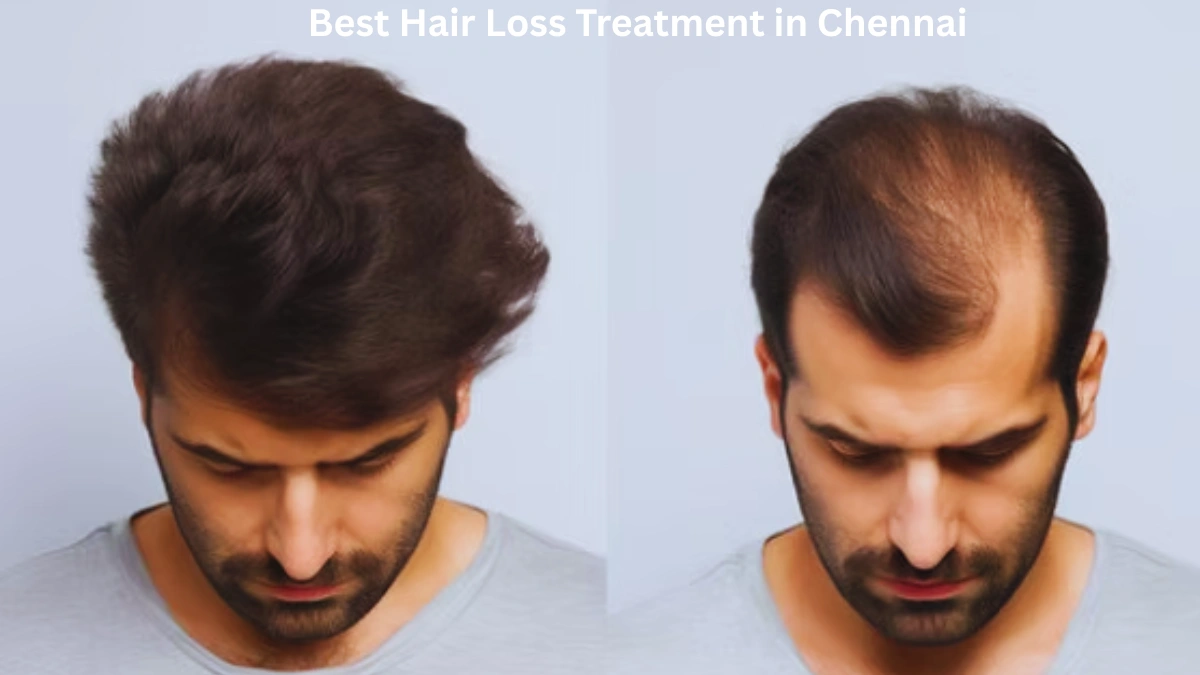
Find the best hair loss treatment based on your hair and scalp type. Chennai dermatologists at Dr. Hanan Clinic share expert tips, safe ingredients, and proven solutions for healthy hair regrowth.
Best Hair Loss Treatment: Hair loss is no longer just a cosmetic concern—it directly affects confidence, self-esteem, and quality of life. If you are searching for the best hair loss treatment in Chennai, Dr. Hanan Dermatology Speciality Clinic offers dermatologist-led, affordable, and evidence-based solutions for men and women.
As a leading dermatology, cosmetology, and trichology clinic in Chennai, we specialize in diagnosing the root cause of hair loss and delivering personalized treatments that produce visible, long-term results.
Hair fall is common, but excessive or progressive hair loss is not normal. Losing more than 80–100 strands daily, thinning hair, widening part lines, or receding hairlines are signs that require professional evaluation.
Early diagnosis by a dermatologist:
At Dr. Hanan Dermatology Speciality Clinic, we focus on early intervention and medical accuracy to preserve and restore hair health.
Hair loss can occur due to one or multiple underlying reasons, including:
Identifying the exact cause is the foundation of choosing the best hair loss treatment.
At Dr. Hanan Dermatology Speciality Clinic, every patient undergoes:
Based on the findings, we design a customized treatment plan focused on safety, effectiveness, and long-term hair regrowth.
Read more: Best Treatments for Dandruff and Itchy Scalp
Medical Treatment for Hair Loss
Medical therapy remains the first line of treatment for most patients.
All medications are prescribed only after dermatologist consultation to ensure safety and suitability.
A gentle cleanser ensures your skin feels supple and smooth instead of tight after washing.
Platelet-Rich Plasma (PRP) therapy is one of the most effective non-surgical treatments for hair regrowth.
Benefits of PRP:
Results typically appear within 3–4 months with multiple sessions.
Depending on severity, we may recommend:
These therapies are performed under strict medical protocols.
For advanced baldness, hair transplant surgery offers permanent and natural-looking results.
At our clinic, we provide:
Hair transplant is recommended only when medical treatments are insufficient, ensuring ethical care.
Medical treatment works best when combined with:
We guide patients on long-term hair health, not just temporary fixes.
Hair loss affects men and women differently.
Our clinic provides gender-specific treatment protocols for safe and effective outcomes.
Hair growth is a gradual process.
Consistency, follow-ups, and medical supervision are key to success.
Myth: Hair loss cannot be treated
Fact: Early-stage hair loss is highly treatable
Myth: Oils alone can regrow hair
Fact: Oils support scalp health but cannot treat medical hair loss
Myth: All shampoos stop hair fall
Fact: Shampoos are supportive, not curative
What is the best hair loss treatment?
The best hair loss treatment depends on the underlying cause such as genetics, hormonal imbalance, stress, or nutritional deficiency. A dermatologist consultation is essential to identify the cause and recommend the right treatment.
Can hair loss be treated permanently?
Hair loss can be effectively controlled and improved when treated early. Medical therapies help slow or reverse hair fall, while hair transplant provides a permanent solution for advanced baldness.
Is PRP treatment effective for hair loss?
Yes, PRP (Platelet-Rich Plasma) therapy is a clinically proven treatment that helps reduce hair fall, strengthen hair follicles, and promote natural hair regrowth when performed by a qualified dermatologist.
How many PRP sessions are required for hair regrowth?
Most patients require 3 to 6 PRP sessions, spaced 4 to 6 weeks apart. The number of sessions depends on the severity of hair loss and individual response.
Is hair loss treatment safe?
Yes, hair loss treatments are safe when prescribed and performed by a dermatologist. All procedures at Dr. Hanan Dermatology Speciality Clinic follow medically approved and ethical protocols.
When will I see results from hair loss treatment?
Hair fall reduction is usually noticed within 4 to 8 weeks, while visible hair regrowth and improved thickness may take 3 to 6 months with consistent treatment.
Is hair transplant better than non-surgical treatments?
Hair transplant is recommended for advanced hair loss. In early and moderate stages, non-surgical treatments such as medications and PRP therapy often provide excellent results.
Are hair loss treatments different for men and women?
Yes, hair loss patterns and causes differ in men and women, so treatment plans are customized based on gender-specific medical and hormonal factors.
Do oils and shampoos stop hair loss?
Oils and shampoos help maintain scalp health but cannot treat medical hair loss on their own. Dermatologist-guided treatment is required for effective results.
Who is the right candidate for a hair transplant?
Patients with stable hair loss, good donor hair density, and healthy scalp conditions are suitable candidates. A detailed dermatologist evaluation is necessary.
Why choose Dr. Hanan Dermatology Speciality Clinic for hair loss treatment?
The clinic offers dermatologist-led care, advanced PRP and hair transplant procedures, ethical pricing, and proven patient outcomes, making it one of the trusted hair clinics in Chennai.
Where is Dr. Hanan Dermatology Speciality Clinic located?
A Block, Gem Bhoomi & Buildings, Padur, OMR, Chennai – 603103
Phone: +91 6381048403
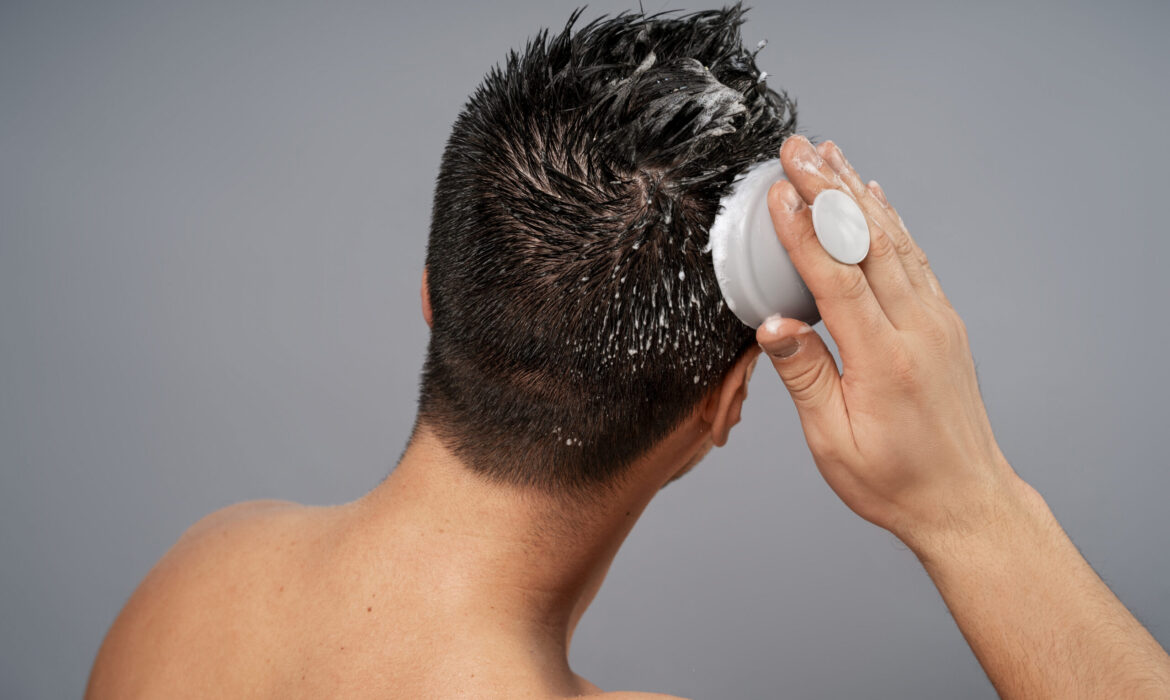
Build the Best Hair Care Routine for Men with expert grooming tips, hair fall control advice, and healthy habits for stronger hair.
Having a strong, healthy head of hair does not occur by coincidence – it takes dedication, correct products and good habits. In this guide, we will run through the best hair care routine for men, provide practical suggestions and insight to help maintain a clean, healthy scalp and strong hair. Whether you are struggling with dandruff, experiencing hair thin, or just want to level your grooming game, this guide is for you.
It is important to understand your hair type before you start building your routine. Men’s hair can be straight, wavy, curly or coily, and each type has specific requirements. Straight hair can be rapidly oily and requires more frequent washing, while curly or coily hair is dry and has benefits from deep hydration. Knowing the type of your hair will help you choose the right products and will set the expectations of realistic grooming.
Conditioning is not optional – especially if you want soft, managable hair. After each washing, apply a conditioner to repay the moisture and repair any damage. Leave it for at least 2-3 minutes before rinsing well. A good conditioner helps to reduce the frizz, prevent breakdown, and gives your hair a smooth texture.
A balanced diet and proper hydration are often underestimated by reducing hair care. Your hair is made of protein, so protein -rich diets, omega -3 fatty acids, and vitamins such as biotin, B12 and E help in promoting hair growth and strength. Drinking enough water keeps your scalp hydrated and free from dryness or irritation, supporting your hair care routine from the inside out.
Excessive use of hair gel, wax and spray can lead to product buildups, clogged follicles and even hair loss time. Stick to light, non-comedogenic products and always wash out styling products before bed. If you are using the heat tool, apply a heat protector to prevent damage.
Experienced dermatologists and trichologists
Evidence-based scalp care protocols
Over 800+ positive Google reviews
State-of-the-art treatment technology
Located in Padur, Chennai for easy access
We don’t just treat dandruff—we work toward restoring your scalp’s health permanently.
Even if you’re growing your hair out, trimming every 4–6 weeks helps remove split ends and keeps your hairstyle looking sharp. Regular haircuts promote healthy growth and prevent your hair from looking messy or unwanted.
Healthy hair begins with a healthy scalp. To remove dead skin and improve blood circulation, exfoliate your scalp once a week using a scalp scrub or clarify the shampoo. Massage your scalp regularly to stimulate hair follicles and increase growth. It is one of the most underrated men’s hair care tips, but also one of the most effective.
Use products that correspond to your hair type and needs. Men with thin or fine hair may benefit from volumizing shampoos, while people with curly or thick hair require more hydrating and curl-enhancing formulas. Always check the ingredient label – avoid harsh sulfates, parabens and alcohol.
Hair fall is common in men due to stress, genetics and environmental factors. To control this, use anti-hair fall shampoos, include essential oils such as henna or peppermint, and consider medical remedies such as minoxidil under the guidance of a dermatologist. Do not ignore natural remedies – onion juice and aloe vera have shown promising results for some users.
Pollution, UV rays and hard water can wreak havoc on your hair. Wear a hat directly in the sun, use a leave-in conditioner with SPF, and rinse the hair after swimming to remove chlorine or salt. Installing shower filters can also help reduce harm from hard water.
The key to obtaining long -term results is stability. Do not expect miracles overnight – whether you are facing hair fall or dullness, ensure gradual but permanent improvement every day after a structured routine.
What is the best daily hair care routine for men?
A good daily hair care routine for men includes gentle cleansing with a suitable shampoo, regular scalp massage, proper conditioning, and avoiding excessive heat or harsh styling products.
How often should men wash their hair?
Most men should wash their hair 2–3 times a week. Those with oily scalp may need more frequent washing, while dry or curly hair types benefit from fewer washes.
Which shampoo is best for men’s hair?
The best shampoo depends on hair type and scalp condition. Men with hair fall, dandruff, or oily scalp should choose dermatologist-recommended shampoos with mild, sulfate-free formulas.
Is oiling necessary for men’s hair care?
Oiling helps nourish the scalp and improve hair texture, but it should be done in moderation. Over-oiling or leaving oil overnight can clog pores and worsen dandruff.
How can men prevent hair fall naturally?
Maintaining a balanced diet, managing stress, exercising regularly, and following a consistent hair care routine can help reduce hair fall. Medical advice is recommended if hair loss is excessive.
Does using hair gel or wax damage hair?
Frequent use of hair styling products can cause scalp buildup and dryness if not washed properly. Use them sparingly and clean the scalp regularly.
What role does diet play in men’s hair health?
Protein, iron, vitamins, and minerals are essential for healthy hair growth. Poor nutrition can lead to weak, thinning hair over time.
Can men with dandruff follow the same hair care routine?
Men with dandruff need a specialized routine that includes anti-dandruff shampoos and proper scalp care. Regular products may not effectively treat dandruff.
When should men consult a dermatologist for hair problems?
If hair fall is sudden, excessive, or accompanied by scalp itching or thinning, consulting a dermatologist is recommended for early diagnosis and treatment.
Does a proper hair care routine help prevent baldness?
A good hair care routine supports scalp health and slows damage, but genetic baldness requires medical or advanced treatment for effective control.
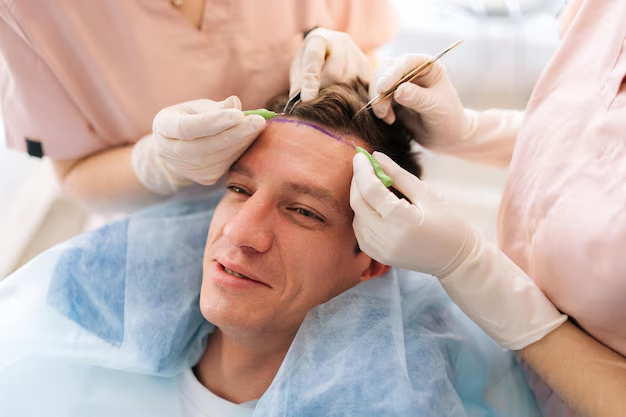
Wondering how many grafts you need for a successful hair transplant? Learn graft requirements, costs, and expert insights
How Many Grafts Do You Need for a Successful Hair Transplant: Hair loss can be emotionally challenging, especially when it starts affecting your confidence and appearance. For many, a hair transplant in Chennai offers a permanent, natural-looking solution. But one of the most common questions patients ask is: “How many grafts do I actually need for a successful hair transplant?”
The answer isn’t one-size-fits-all. It depends on your stage of baldness, hair density goals, and the technique used. At Dr. Hanan Dermatology Speciality and Trichology Clinic, we provide personalized assessments to determine the exact number of grafts required for long-term, natural results.
A hair graft is a small piece of skin containing hair follicles. Each graft can contain anywhere from 1 to 4 hair follicles. During a hair transplant, these grafts are extracted from the donor area (usually the back or sides of the scalp) and implanted into thinning or balding areas.
The number of grafts you need directly determines:
Dermatologists use the Norwood Scale to classify male pattern baldness.
Some patients want a fuller, denser look, while others are satisfied with moderate coverage. The higher the density goal, the more grafts are needed.
Your donor area (the back and sides of the scalp) must have enough strong, healthy follicles to supply grafts. If the donor area is limited, we plan carefully to balance density and coverage
Depending on your graft requirement and donor supply:
At Dr. Hanan Clinic, our dermatologists assess the scalp, donor density, and hair goals before planning the session count.
Not necessarily. While more grafts may give higher density, quality and placement matter more than quantity. Poorly placed or low-survival grafts won’t give natural results, no matter how many are implanted.
That’s why it’s essential to choose an experienced clinic with advanced technology. At Dr. Hanan Dermatology Speciality and Trichology Clinic, we use FDA-approved tools and follow strict protocols to ensure graft survival and natural outcomes.
The cost of hair transplant in Chennai is usually calculated per graft:
So, a 2,000-graft transplant may cost around ₹60,000–₹90,000, while a 4,000-graft transplant could cost ₹1.2–₹1.6 lakhs.
Investing in the right number of grafts ensures not just coverage, but a natural hairline and lasting results.
The number of grafts you need for a successful hair transplant depends on baldness level, donor area, and personal goals. More grafts don’t always equal better results – skilled placement, advanced technology, and aftercare matter the most.
At Dr. Hanan Dermatology Speciality and Trichology Clinic, we take a personalized approach, ensuring every graft counts toward natural, lasting hair restoration.
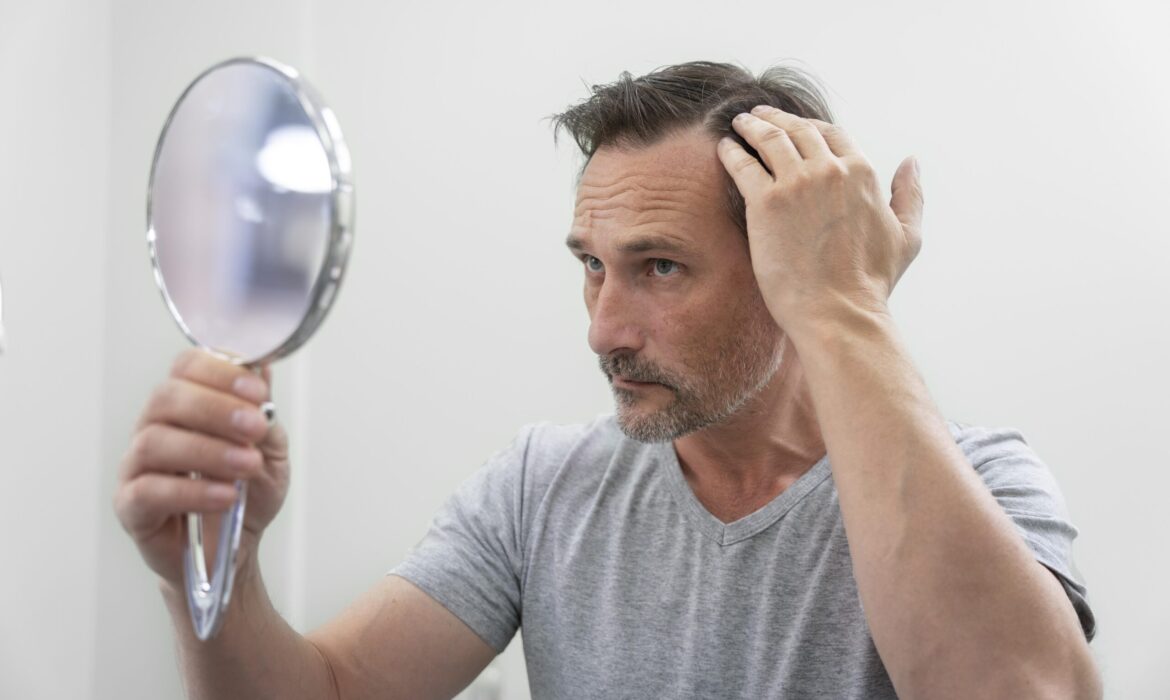
Sex after a hair transplant—does it affect results? Learn when it’s safe and what to avoid from the best hair transplant clinic in Chennai.
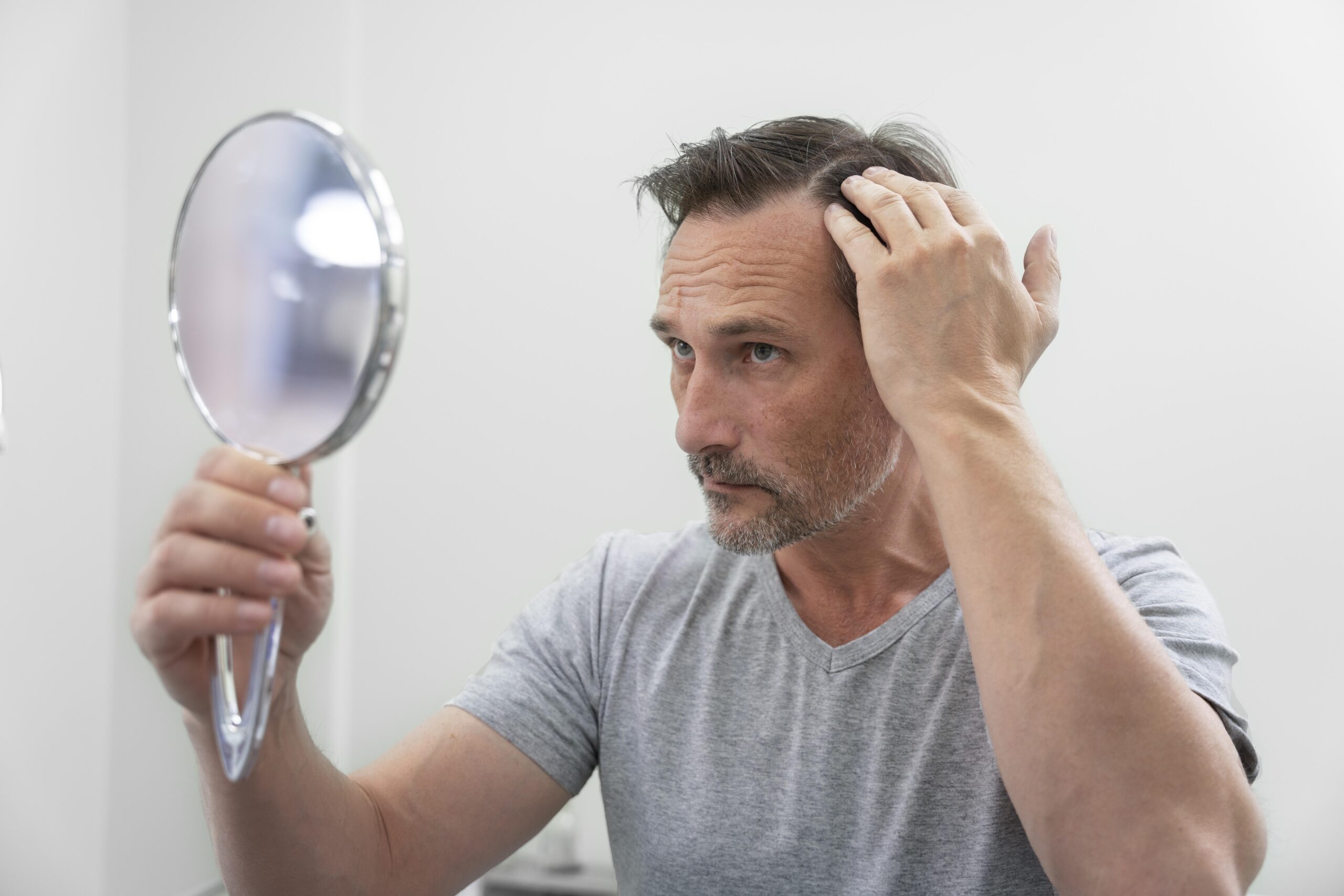
A hair transplant is a life -changing process that restores not only hair but also confidence. However, patients often worry about after surgery care, and a common question is: “Can I have sex after a hair transplant?”
While sex is a natural part of life, attachment to it even after a hair transplant can affect the healing process. In this blog, we will discuss how sexual activity can affect your results, when it is safe to resume, and the precautions you should take.
The brief answer is: It is best to wait for at least 7-10 days.
After a hair transplant, new transplanted hair follicle is delicate. During this treatment period, excessive sweating, increase in heart rate, and can interfere with the physical pressure recovery process on the scalp.
While sex does not directly damage transplanted grafts, some factors related to sexual activity may cause risk
Those who have lost hair due to burns, accidents or surgery can qualify for a transplantation, based on their scalp position and the availability of donor hair.
Sexual activity increases blood pressure and heart rate, causing inflammation after surgery on the scalp and forehead. This can expand the time of recovery and cause discomfort.
During sex, sudden movements or casual bumps can dislike grafts in the initial treatment phase. Even slight friction can disturb new transplanted follicles.
Sex triggers the release of hormones such as testosterone and adrenaline. Although this is not necessarily harmful, it can cause temporary changes in the body’s response to treatment, which can lead to comfort in the first few days.
Doctors usually recommend waiting at least 7-10 days before being engaged in sexual activity. However, it depends on individual treatment rates.
Here is a common guideline:
Day 1-5: Avoid sex strictly. Grafts are still critical.
Day 6-10: If healing is well, soft physical activity can be resumed. However, avoid sweating and avoid direct exposure to the skull.
After 10 days: Most patients, including sex, can resume general activities without major concerns.
For the best results, always consult your hair transplant surgeon before starting intensive activities.
If you decide to resume sexual activity after the recommended waiting period, follow these precautions:
Sex hair does not ruin your hair transplant, but timing matters. If you follow proper precautions then sex does not affect your results after hair transplant. The key is to allow your scalp to be heal without unnecessary stress.
At Dr. Hanan Dermatology Specialty and Trichology Clinic, we provide specialist guidance to ensure the best post-transplant care. If you worry about recovery, then our experts are here to help!
Book a consultation today and get the best hair transplant in Chennai!

Best Dermatologist in OMR Chennai – Learn what to ask your doctor to ensure a safe procedure, natural results, and long-term success.
Best Dermatologist in OMR Chennai: Finding the best dermatologist in OMR, Chennai is important when it comes to treating skin concerns, hair loss, or cosmetic improvement. Skin and hair issues are not just cosmetic—they often affect confidence, lifestyle, and overall well-being.
At the heart of OMR, Chennai, Dr. Hanan Dermatology Speciality Clinic provides advanced dermatology, trichology, and aesthetic treatments with a strong focus on safety, results, and patient satisfaction.
The clinic combines medical expertise with modern technology to deliver effective solutions for both common and complex skin and hair conditions.
Dr. Hanan Dermatology Speciality Clinic is a well-known skin and hair care center in Chennai, offering comprehensive dermatology services under expert supervision.
The clinic focuses on:
Led by Dr. Hanan Basith MD (DVL), FFAM, the clinic follows evidence-based dermatology practices to ensure safe and long-lasting results for patients.
The clinic is especi
Choosing the right dermatologist is crucial for achieving safe and effective results. Here’s why patients prefer this clinic:
Dr. Hanan Basith is a qualified dermatologist with strong academic background from Madras Medical College and expertise in clinical dermatology, dermoscopy, and aesthetics.
The clinic uses modern laser systems and dermatology equipment for accurate diagnosis and treatment.
Every patient receives customized treatment based on skin type, condition, and medical history.
All treatments are clinically tested and performed under medical supervision.
Thousands of successful treatments and positive patient feedback make it a trusted skin clinic in Chennai.
Healthy skin requires proper diagnosis and care. The clinic provides advanced solutions for:
These treatments are designed to improve skin texture, tone, and overall appearance.
Hair loss is one of the most common concerns today due to stress, lifestyle, and genetics. The clinic offers:
The focus is on treating the root cause rather than temporary solutions.
For permanent hair restoration, the clinic provides advanced hair transplant procedures.
This makes it one of the reliable destinations for hair transplant in OMR, Chennai.
Modern aesthetic treatments help enhance facial appearance without surgery:
These treatments help patients achieve youthful and natural-looking results.
Hair loss is not only an external issue—it is often linked to internal health.
At Dr. Hanan Dermatology Clinic, treatment focuses on:
This holistic approach improves long-term results and reduces recurrence of hair loss.
r. Hanan Basith is a highly qualified dermatologist with strong academic and clinical expertise.
Her approach combines medical science with aesthetic precision, ensuring safe and effective outcomes.
This trust is built through consistent results and ethical medical practice.
Patients frequently highlight:
Many patients recommend the clinic for both medical and cosmetic dermatology needs.
Dr. Hanan Dermatology Speciality Clinic is one of the most trusted dermatology clinics in OMR, Chennai, offering advanced skin, hair, and cosmetic treatments under expert care.
The clinic provides comprehensive treatments including:
Yes, hair transplant procedures are safe when performed by qualified dermatologists. The clinic uses advanced techniques to ensure natural results with minimal downtime.
Acne scar treatments are highly effective depending on skin type and scar depth. Multiple sessions may be required for best visible improvement.
Yes, the clinic specializes in treating all stages of hair loss, including advanced thinning and baldness, using medical and surgical solutions.
Most patients can resume normal activities within a few days. Full hair growth results typically appear over several months.
Yes, cosmetic procedures are performed after proper skin analysis to ensure safety and suitability for each patient.
Yes, consultation is necessary to diagnose the condition accurately and recommend the right treatment plan.
You can book an appointment by contacting the clinic via phone or filling out the online enquiry form.
Patients prefer the clinic due to:
Top 10 Skin Clinic in Chennai – Learn what to ask your doctor to ensure a safe procedure, natural results, and long-term success.
Finding the top skin clinic in Chennai is essential if you want safe, effective, and long-lasting results for your skin and hair concerns. With rising issues like acne, pigmentation, hair fall, and aging, consulting an experienced dermatologist is important for proper diagnosis and treatment.
In this expert-curated guide, we list the top 10 skin clinics in Chennai, with a strong focus on trusted and result-driven care. Whether you’re dealing with psoriasis, eczema, fungal infections, hair loss, or cosmetic concerns, this article will help you choose the right clinic.
If you’re looking for the best skin and hair clinic in Chennai, Dr. Hanan Dermatology Speciality Clinic stands out as a top choice for advanced and personalized care.
Dr. Hanan Basith (MD DVL, FFAM) is a highly qualified dermatologist. She is a graduate of Madras Medical College and holds a fellowship in Facial Aesthetic Medicine. She is a member of IADVL, ACSI, and AHRS, with expertise in clinical dermatology, dermoscopy, and aesthetics.
Her patient-focused approach and clinical experience make this clinic one of the most trusted in Chennai.
The clinic provides advanced treatment for psoriasis, eczema, urticaria, fungal infections, lichen planus, scabies, dry skin, and wrinkles. Each condition is carefully diagnosed and treated using medically approved methods.
The clinic offers hair fall control, PRP therapy, advanced hair transplant procedures, and immunity-based hair regrowth solutions. The focus is on restoring natural hair and improving confidence.
Treatments include laser hair reduction, acne scar removal, non-surgical face lifting, glutathione therapy, and anti-aging procedures. All treatments are performed using modern dermatology technology.
Dr. Hanan Dermatology Speciality Clinic is known for experienced doctors, advanced equipment, affordable pricing, and high patient satisfaction. Treatments are customized based on individual skin and hair needs.
Location: Padur, OMR Chennai
Contact: +91 6381048403
Book a consultation to get expert skin and hair care.
| Rank | Clinic Name | Location | Speciality |
|---|---|---|---|
| 1 | Dr. Hanan Dermatology Speciality Clinic | OMR, Padur | Skin, Hair, Laser & Hair Transplant |
| 2 | Kaya Clinic | ECR & Multiple Locations | Laser, Pigmentation, Acne |
| 3 | Radiance Skin and Hair Care | Chennai | Hair Fall, Skin Rejuvenation |
| 4 | Genesis Dermatology Skin & Hair Clinic | OMR Chennai | Advanced Dermatology & Laser |
| 5 | Le Thia Cares | Anna Nagar | Aesthetic & Skin Glow Treatments |
| 6 | Belleza 360° Aesthetics | Chennai | Anti-aging & Body Contouring |
| 7 | SKY Skin & Laser Clinic | Chennai | Laser & Skin Treatments |
| 8 | Vee Vee Skin & Hair Clinic | Thoraipakkam | Clinical Dermatology |
| 9 | Everglo Aesthetic Clinic | ECR Chennai | Laser & Skin Glow |
| 10 | Dermea Clinic | Nungambakkam | Cosmetic Dermatology |
Skin problems are common due to pollution, stress, and lifestyle changes. Clinics in Chennai treat conditions such as psoriasis, eczema, urticaria, fungal infections, lichen planus, scabies, dry skin, and wrinkles. Early diagnosis helps prevent complications and improves treatment outcomes.
Hair problems like hair fall, baldness, and dandruff are increasing among both men and women. Treatments available include PRP therapy, hair transplant surgery, scalp treatments, and nutritional support for hair regrowth. Choosing a qualified dermatologist ensures safe and effective results.
Modern clinics offer cosmetic procedures such as laser hair removal, acne scar reduction, skin brightening treatments, anti-aging solutions, and non-surgical face lifting. These treatments help improve skin appearance and confidence when done under expert supervision.
| Treatment Type | Price Range (INR) |
|---|---|
| Acne Treatment | ₹1,500 – ₹5,000/session |
| Laser Hair Removal | ₹2,000 – ₹10,000/session |
| PRP Hair Treatment | ₹4,000 – ₹12,000/session |
| Hair Transplant | ₹40,000 – ₹1,50,000 |
| Chemical Peel | ₹2,000 – ₹6,000 |
Prices may vary depending on the clinic, technology, and condition severity.
Check the dermatologist’s qualifications, clinic hygiene, treatment technology, and patient reviews before making a decision. A good clinic will provide personalized consultation and transparent treatment plans.
Many patients in Chennai report positive outcomes such as reduced acne, improved skin texture, successful hair regrowth, and safe cosmetic procedures. Choosing a reputed clinic ensures better results and overall satisfaction.
Dr. Hanan Dermatology Speciality Clinic
A Block, Gem Bhoomi & Buildings, Padur, OMR, Chennai – 603103
Phone: +91 6381048403
Book your appointment to begin your journey toward healthy skin and hair.
1. Which is the best skin clinic in Chennai?
Dr. Hanan Dermatology Speciality Clinic is considered one of the best skin clinics in Chennai due to its experienced dermatologist, advanced treatments, and high patient satisfaction.
2. What skin conditions can be treated at dermatology clinics?
Top clinics in Chennai treat psoriasis, eczema, urticaria, fungal infections, lichen planus, scabies, dry skin, acne, and wrinkles with proper medical diagnosis.
3. Is hair transplant safe in Chennai?
Yes, hair transplant is safe when performed by qualified dermatologists using advanced and sterile techniques.
4. How much does a hair transplant cost in Chennai?
Hair transplant costs usually range between ₹40,000 and ₹1,50,000 depending on the number of grafts and clinic expertise.
5. How many sessions are required for acne treatment?
Most acne treatments require 3 to 6 sessions, depending on the severity of the condition.
6. Are laser skin treatments safe?
Yes, laser treatments are safe when performed by certified professionals using approved equipment.
7. Which clinic is best for acne scar treatment in Chennai?
Clinics like Dr. Hanan Dermatology Speciality Clinic and Kaya Clinic are known for effective acne scar treatments.
8. Do skin clinics offer permanent hair removal?
Yes, most advanced clinics provide laser hair reduction treatments for long-term hair removal.
9. Can I get glowing skin treatments in Chennai clinics?
Yes, treatments like chemical peels, laser therapy, and glutathione help improve skin glow and texture.
10. How do I choose the right skin clinic in Chennai?
Choose a clinic based on dermatologist qualifications, patient reviews, hygiene standards, technology used, and personalized consultation.
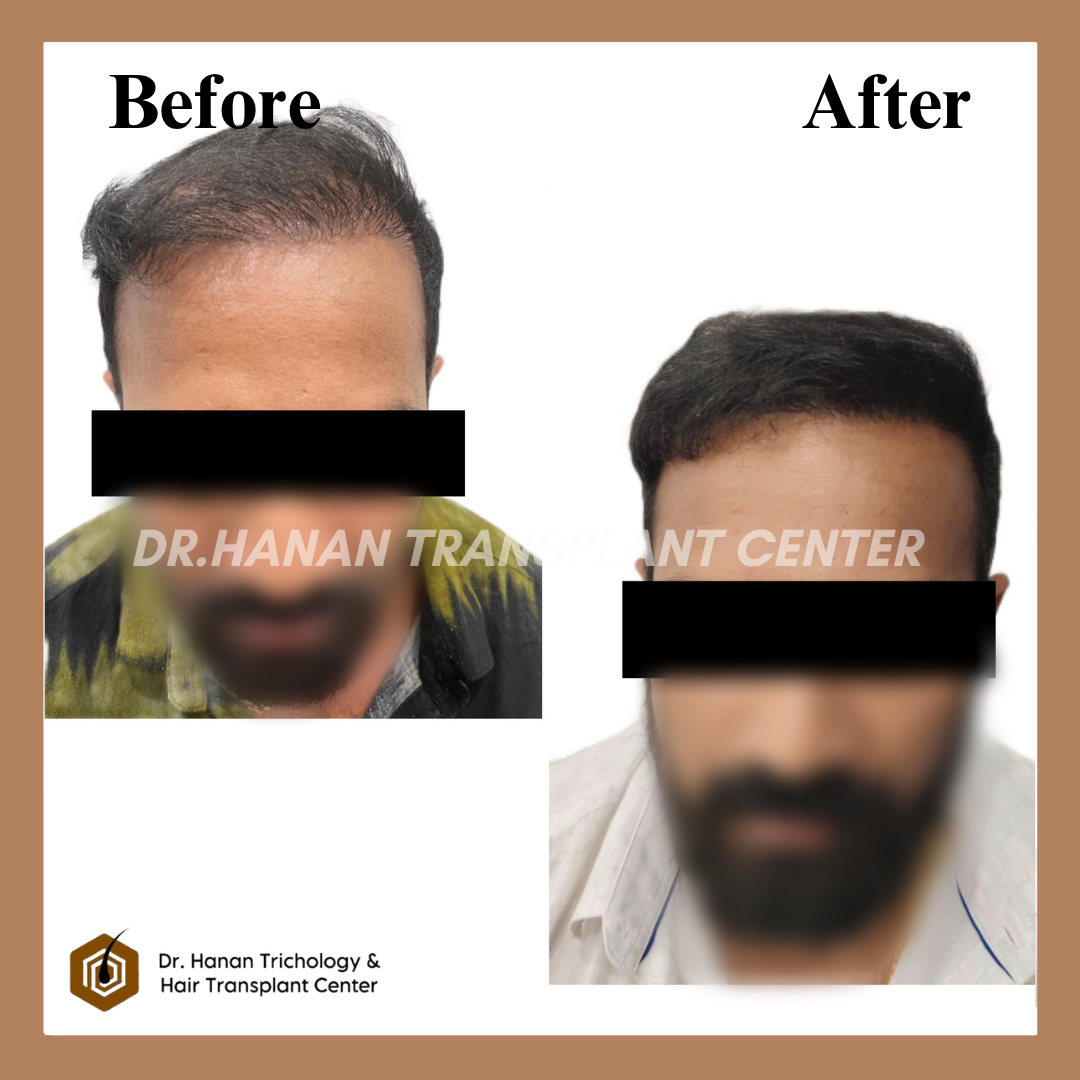
Hair Transplant Side Effects Fertility – Learn what to ask your doctor to ensure a safe procedure, natural results, and long-term success.
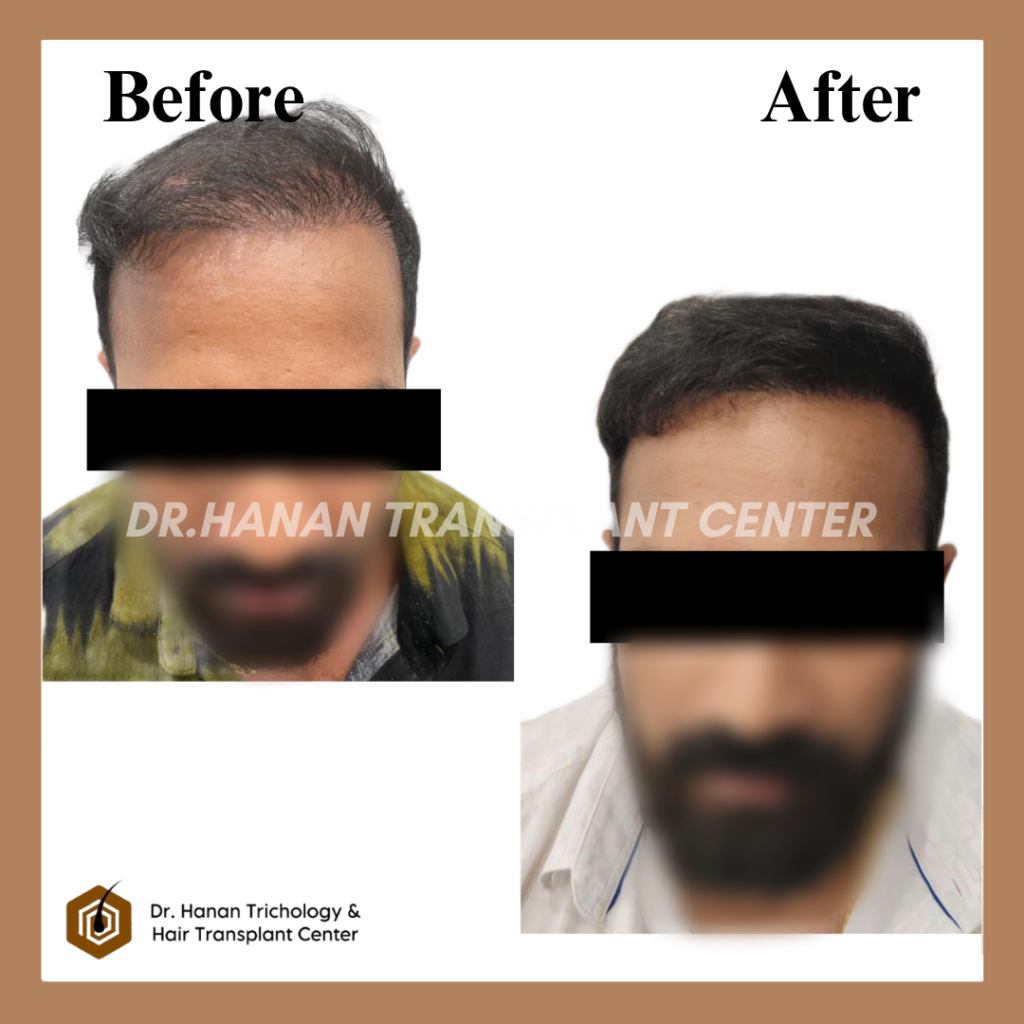
Hair Transplant Side Effects Fertility: Hair transplant procedures have become one of the most trusted solutions for hair loss. But many people still worry about side effects and fertility, especially when planning a family.
This guide explains everything in a clear, medically accurate, and easy-to-understand way—so you can make an informed decision.
Hair loss can affect confidence, appearance, and emotional well-being. With modern techniques, hair transplants offer natural-looking and long-lasting results.
However, a common concern is:
“Can a hair transplant affect fertility or reproductive health?”
The short answer is no, but there are a few important details you should understand—especially about medications.
A hair transplant is a cosmetic procedure where healthy hair follicles are moved from a donor area (usually the back of the scalp) to areas experiencing thinning or baldness.
It is a localized procedure, meaning it only affects the scalp—not internal organs or reproductive systems.
Most side effects are temporary and manageable.
These side effects usually subside within a few days to weeks.
No, hair transplant surgery does not affect fertility.
From a medical perspective, it is considered safe for both men and women, even if they are planning to conceive.
Hair loss is often linked to a hormone called DHT (Dihydrotestosterone), which affects hair follicles.
However:
While the surgery is safe, some medications used alongside hair transplant may have mild effects.
Possible Side Effects (Rare – 1–2% cases):
Important: Effects usually improve after stopping the medication.
Safety Note:
It’s important to understand the difference:
Some studies suggest that long-term or high-dose use of certain drugs can affect sperm quality—but these effects are usually reversible.
Men planning to conceive should consult a doctor before starting medication.
If you’re concerned about fertility, consider safer options:
Before undergoing any hair treatment:
This ensures both safe results and peace of mind.
| Myth | Fact |
|---|---|
| Hair transplant causes infertility | Surgery does not affect fertility |
| All hair treatments are risky | Only certain medications have minor risks |
| Side effects are permanent | Most are temporary and reversible |
No, a hair transplant does not affect male fertility. The procedure is limited to the scalp and does not interfere with sperm production, hormones, or reproductive organs.
No, the surgery itself does not reduce sperm count. However, certain medications like Finasteride may cause temporary changes in sperm count in rare cases.
Yes, it is safe to undergo a hair transplant while planning a baby. The procedure does not impact fertility. Still, consult your doctor regarding medications.
No, common side effects like swelling, redness, or itching are temporary and do not affect reproductive health.
Finasteride may cause mild sexual side effects or temporary sperm changes in a small percentage of users. These effects are usually reversible after stopping the medication.
No, Minoxidil is a topical treatment and does not significantly affect fertility or hormone levels.
Doctors often recommend stopping medications like finasteride at least 2–3 months before planning pregnancy, but always follow medical advice.
Yes, women can safely undergo hair transplant procedures. It does not affect ovulation or reproductive health. However, it is usually avoided during pregnancy.
No, most side effects are temporary and resolve within a few days or weeks with proper care.
Non-hormonal treatments like PRP therapy and lifestyle changes are considered the safest options for individuals concerned about fertility.
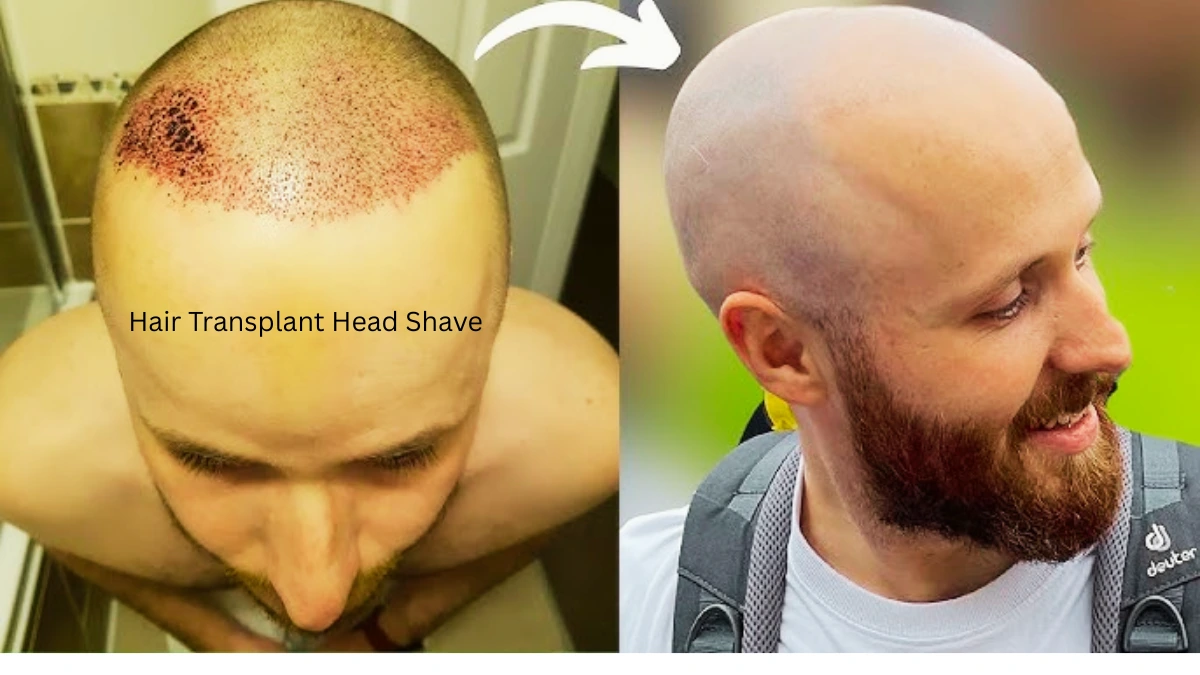
Hair Transplant Head Shave – Learn what to ask your doctor to ensure a safe procedure, natural results, and long-term success.
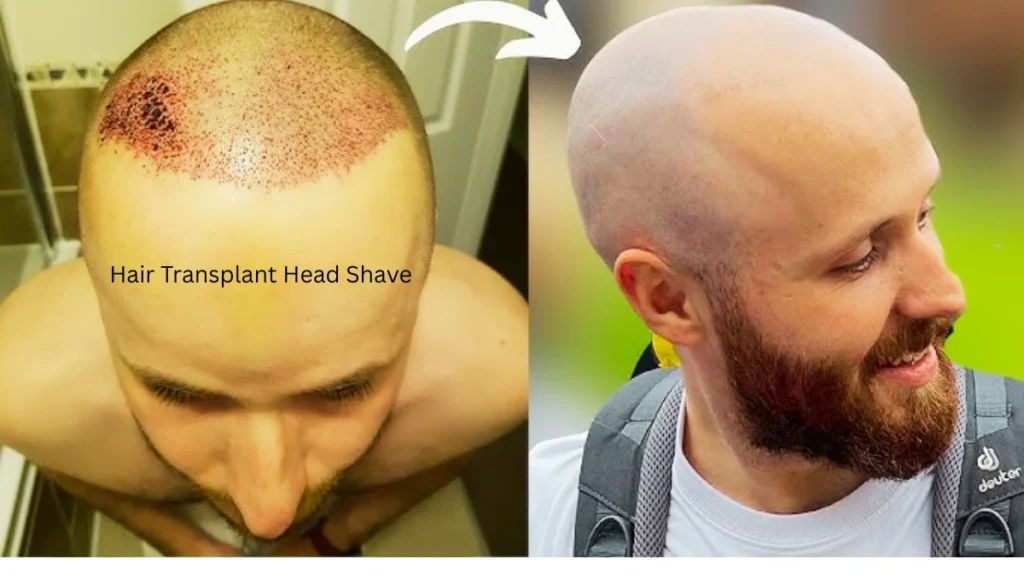
Hair Transplant Head Shave: Hair transplant is a life-changing procedure, but the success of your results depends heavily on proper aftercare. One of the most frequently asked questions by patients is:
“When can I shave my head after a hair transplant?”
Shaving too early can damage newly implanted grafts and affect your final outcome. This complete guide explains the safe timeline, expert precautions, and best practices to follow.
After a hair transplant, your scalp undergoes multiple healing stages:
During this phase, your scalp remains sensitive, so avoiding shaving is essential.
This is the most critical healing phase.
Avoid using a razor, trimmer, or scissors during this period.
By this stage:
You can lightly trim the donor area using scissors or a trimmer. Avoid aggressive trimming on the transplanted area.
At around 4 weeks:
You can use an electric trimmer on a low setting. Do not allow the blade to touch the scalp directly.
After 3 months:
You can safely use a razor and return to your normal grooming routine. Always shave gently without pressure.
Understanding the difference is important:
Donor Area (Back and sides)
Recipient Area (Top scalp)
The timeline may vary depending on:
If symptoms like irritation or numbness continue, delay shaving.
You should consult your doctor if you experience:
Dr. Hanan Dermatology Speciality Clinic offers expert care for skin and hair treatments in Chennai.
The clinic is widely trusted for delivering effective and affordable hair and skin treatments.
1. When can I shave my head after a hair transplant?
You should avoid shaving completely for the first 2 weeks. Light trimming is usually safe after 1 month, while razor shaving is recommended only after 3 months.
2. Can I shave my head after 10–15 days of hair transplant?
No, shaving during this period is not safe. The grafts are still healing and can be easily dislodged.
3. When can I use a trimmer after a hair transplant?
You can use an electric trimmer on a low setting after 3–4 weeks, once scabs have completely fallen off.
4. Is razor shaving safe after a hair transplant?
Yes, but only after 3 months when the scalp has fully healed and grafts are securely rooted.
5. Can I shave the donor area earlier than the recipient area?
Yes, the donor area heals faster and can be trimmed earlier, but still with caution and gentle handling.
6. What happens if I shave too early after a hair transplant?
Shaving too early can damage or dislodge grafts, reduce hair density, and negatively impact the final results.
7. Should I wait until all scabs fall off before shaving?
Yes, you must wait until all scabs fall off naturally before using a trimmer or razor.
8. Can I use a razor if my scalp still feels sensitive?
No, if you experience redness, swelling, or numbness, you should delay shaving until your scalp fully recovers.
9. Does shaving affect hair growth after a transplant?
Shaving at the right time does not affect hair growth. However, shaving too early can harm graft survival.
10. Do I need doctor approval before shaving my head?
Yes, it is always best to consult your doctor before your first shave to ensure your scalp has healed properly.

Dr Hanan Dermatology Speciality clinic a Leading Dermatology, Cosmetology Clinic that provides the Best Affordable Treatment for Skin, Hair & Laser.
Our Contacts
Copyright © 2024 Dr Hanan Dermatology Speciality Clinic is Developed and Maintained by Qualpr | Privacy Policy | Terms and Conditions
Dr Hanan Dermatology Speciality Clinic
Typically replies within minutes
Any questions related to Skin, Hair, and Cosmetic or Looking to book an appointment?
WhatsApp Us
🟢 Online | Privacy policy
WhatsApp us