

How to Choose the Right Shampoo for Your Hair
How to Choose the Right Shampoo for Your Hair – The Complete Guide
Confused about choosing the right shampoo? Discover how to choose the right shampoo for your hair type, scalp, and concerns with expert guidance from Dr. Hanan Clinic

Finding the perfect shampoo isn’t just about picking the bottle that smells the best or is trending online. Your shampoo can make or break your hair health, and yet most people overlook this essential part of their hair care routine. If you’re wondering How to choose the best shampoo for hair loss, you’re not alone — and you’ve come to the right place.
At Dr. Hanan Dermatology Speciality and Trichology Clinic, we treat hundreds of patients who face hair fall, dullness, dryness, dandruff, or thinning hair — often because they’re using the wrong shampoo. This guide will help you understand exactly how to choose the right shampoo for your hair type, scalp condition, and lifestyle.
Why Choosing the Right Shampoo Matters
Your shampoo is the foundation of your hair care routine. Need a good shampoo:
- Clean your scalp and remove excess oil, sweat and buildup
- Nourish and preserve hair shaft
- Keep your scalp pH balance
- Prevent problems like dandruff, itching, or hair fall
On the other hand, the wrong shampoo can:
- Strip your scalp of natural oils
2. Causal irritation or inflammation
3. Worsen existing condition like dandruff or hair thinning
4. Lead to brittle, dried or lifeless hair
So understanding how to choose right shampoo is a must — whether you’re experiencing specific hair issues or simply want healthier locks.
Know Your Scalp Type Before Your Hair Type
Many people buy shampoo based on hair texture – curly, straight, wavy, etc. But shampoos mainly target your scalp, not your varieties. So the first step in choosing the right shampoo is understanding your scalp type.
Oily Scalp
An oily scalp tends to produce excess sebum, making your hair look greasy soon after washing.
What to choose:
- Clarifying or balancing shampoos
- Lightweight, gel-based formulas
- Shampoos with salicylic acid, tea tree oil, or lemon extracts
Avoid:
- Moisturizing or creamy shampoos
- Shampoos with heavy oils or butters
Pro tip: Avoid washing too frequently — it can trigger more oil production.
Dry Scalp
A dry scalp may feel tight, itchy or flashed. It is often confused with dandruff, but is usually caused by lack of moisture.
What to choose:
- Hydrating and moisturizing shampoos
- Formulas with aloe vera, hyaluronic acid, or coconut oil
- Shampoos designed for sensitive skin
Avoid:
- Clarifying shampoos or products with sulfates
- Fragrance-heavy shampoos
Pro tip: Use lukewarm water instead of hot water to retain natural oils.
Normal Scalp
A normal scalp is neither too oily nor too dry — it’s balanced and healthy.
What to choose:
- Gentle, everyday shampoos
- Formulas with mild surfactants and plant-based ingredients
- pH-balanced shampoos
Avoid:
- Overusing clarifying products — even normal scalps can dry out
Pro tip: Even with a normal scalp, seasonal changes can affect oil production.
Understand Your Hair Texture & Density
Once you find out the type of your scalp, it is time to see your hair shaft – its texture, thickness and density. The type of shampoo you need on the basis of these factors will be different.
Fine Hair
Fine hair strands are thinner and more delicate. They’re prone to breakage and can look limp easily.
What to choose:
- Volumizing shampoos
- Lightweight, protein-infused formulas (keratin, biotin)
- Silicone-free products for bounce
Avoid:
- Heavy moisturizing shampoos
- Oils or butter-based formulations
Pro tip: Use a clarifying shampoo once a week to remove buildup.
Thick or Coarse Hair
Thicker hair strands need more moisture to stay manageable and frizz-free.
What to choose:
- Moisturizing shampoos with oils and emollients
- Creamy, nourishing formulations
- Shampoos containing shea butter, argan oil, or coconut milk
Avoid:
- Clarifying shampoos that dry the strands
Pro tip: Pair your shampoo with a deep conditioner for best results.
Curly Hair
What to choose:
- Sulfate-free, hydrating shampoos
- Curl-defining ingredients like flaxseed oil, aloe vera, or honey
- Products labeled “curly hair-friendly” or “low-poo”
Avoid:
- Sulfates, parabens, and alcohols
- Products that strip natural moisture
- Pro tip: Don’t shampoo daily — try co-washing or alternate-day washes.
Choose Shampoo Based on Hair Concerns
Another key to learning how to choose the right shampoo for your hair is matching it with your specific hair issues.
Hair Fall / Thinning Hair
Hair fall can be caused by genetics, hormones, stress, or product misuse.
What to choose:
- Strengthening shampoos with biotin, keratin, niacinamide
- Formulas with DHT blockers (e.g., saw palmetto, caffeine)
- Mild cleansers that don’t strip the scalp
Avoid:
- Harsh cleansers and sulfates
- two-in-1 products
Pro tip: A proper scalp diagnosis at a trichology clinic is the best first step.
Dandruff or Flaky Scalp
Caused by fungal overgrowth or dryness, dandruff requires targeted treatment.
What to choose:
- Medicated shampoos with ketoconazole, zinc pyrithione, or selenium sulfide
- Anti-inflammatory ingredients like tea tree oil
Avoid:
- Regular shampoos that only remove flakes without treating the root cause
Pro tip: Follow the treatment shampoo with a moisturizing conditioner to avoid drying the lengths.
Color-Treated Hair
Dyed or chemically treated hair is fragile and prone to color fading.
What to choose:
- Color-safe, sulfate-free shampoos
- Formulas with UV filters and keratin
- Moisturizing ingredients like silk protein, argan oil
Avoid:
- Sulfates and clarifying shampoos
- Salt-based thickening agents
Pro tip: Limit shampooing to 2–3 times a week to preserve color vibrancy.
Learn to Read Shampoo Ingredients
Product labels can be confusing. Here’s how to simplify your choice:
Good Ingredients:
- Mild surfactants (Cocamidopropyl Betaine, Decyl Glucoside)
- Aloe vera, glycerin, hyaluronic acid
- Plant oils: jojoba, argan, coconut
- Natural proteins: keratin, wheat protein, silk amino acids
Ingredients to Avoid (especially for sensitive scalp):
- Sodium Lauryl Sulfate (SLS)
- Parabens
- Isopropyl alcohol
- Synthetic fragrance in high concentrations
Pro tip: Look for “dermatologically tested” or “clinically approved” on labels for better scalp safety.
Do a Patch Test
Even if a shampoo looks perfect on paper, your scalp may react to certain ingredients.
- Apply a small amount behind your ear or on your inner forearm
- Wait 24 hours for signs of itching, redness, or burning
- If irritation occurs, discontinue use
Pro tip: This is especially important if you have eczema, psoriasis, or allergies.
When in Doubt, Ask a Trichologist
Choosing a shampoo involves multiple layers — scalp type, hair texture, ingredients, and goals. If you’re overwhelmed or facing hair loss, consult a trichologist for a personalized plan.
At Dr. Hanan Dermatology Speciality and Trichology Clinic, we provide:
- Expert scalp and hair analysis
- Customized shampoo and product recommendations
- Treatments for hair fall, dandruff, and scalp conditions
Conclusion
Now that you know how to choose right shampoo and how to match it to your scalp and hair type, you can say goodbye to bad hair days. The right shampoo:
- Reduces hair fall
- Adds shine and softness
- Improves scalp health
- Boosts your confidence
Don’t fall for viral trends — your hair deserves what’s truly right for it. And if you’re unsure, we’re here to help.
Book Your Consultation Today!
For Personalised Treatment visit Dr. Hanan Clinic. Feel confident and proud with our expert care.
Table of Contents
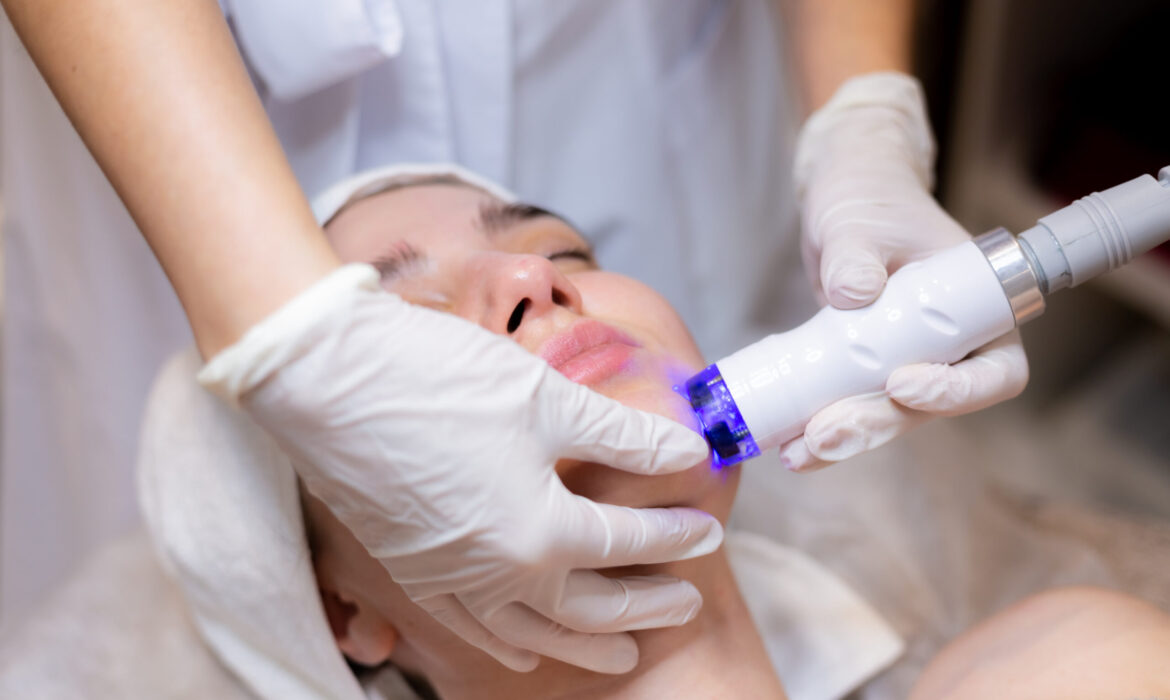
Laser Treatment for Scars: Benefits, Procedure & What to Expect
Laser Treatment for Scars: Benefits, Procedure & What to Expect
Wondering if laser treatment for scars works? Explore its benefits, how it reduces scars, and what to expect during recovery
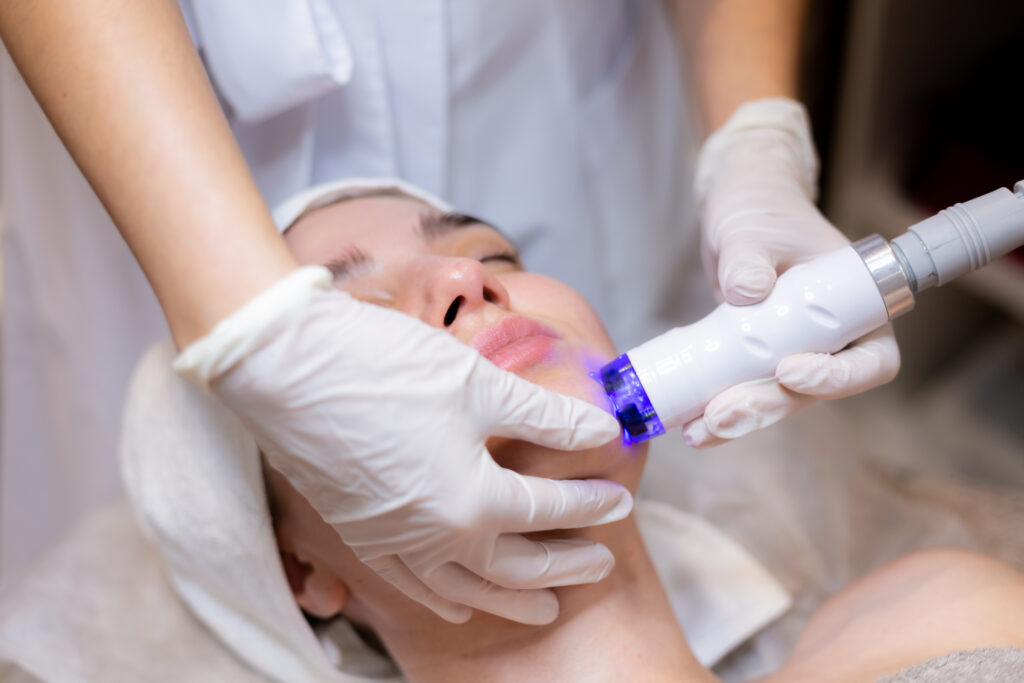
The Emotional Impact of Scars
The scars are a natural part of the skin treatment process, but for many people, they can be a source of emotional crisis and self-consciousness. Whether acne, surgery, irritation, or injuries, scars can affect both appearance and confidence. With advancement in dermatology and laser technology, laser treatment for scars has emerged as a highly effective and safe solution to reduce their appearance and restore smooth, healthy skin.
The results of laser treatment for scars are progressive. Improvements usually appear after a few sessions, with full results appear several months after the final treatment. Patients often report enhanced skin tone, reduced the depth of the scar and smoother texture.
Why Choose Laser Treatment for Scars?
At Dr. Hanan Dermatology Specialty and Trichology Clinic, Laser Scar revision is one of our most sought -demanded procedures. Our dermatologists use advanced techniques to treat all types of scars-from acne scar to hypertrophic and keloid scars-resulting visible, long-term results. This blog examines all things that you need to learn about laser treatment for scars, including how it works, what is involved in this process, the results you can expect, and why it is considered as the gold standard in scar reduction.
Types of Lasers Used for Scar Treatment
Laser therapy for scars is not a size-fit-all solution. There are different types of laser, targeting the type of specific layers and scar tissue of skin. The most common types of lasers used include:
Ablative Lasers
These include CO2 and ER: YAG laser. They work by removing the top layers of damaged skin, allowing new, smoother skin to form.
Non-Ablative Lasers
These include fractional laser and pulsed dye laser. They heat deep layers of the skin without removing the surface, stimulate collagen production and improve the skin texture over time.
Which Scars Respond to Laser Therapy?
The effectiveness of laser treatment depends on various factors, including the type of scar, skin type, scar location, and age of scars.
- Post-acne scars react well to fractional lasers.
- Hypertrophic scars and keloids are benefits by pulsed dye laser.
- Burn scars and post-surgical scars often require combination treatments.
Initial Consultation and Assessment
When you come in for a consultation at Dr. Hanan Dermatology speciality and Trichology clinic, the procedure begins with a detailed skin evaluation. Our dermatologists evaluate the characteristics of the scar – such as depth, shape, color and texture- and select the appropriate laser method. Skin type is also an important consideration, especially for people with dark skin tones.
How Many Sessions Are Needed?
Laser scar removal usually requires several sessions to achieve the best results. Depending on the severity of the scar and laser used, most patients undergo between three to six sessions spaced several weeks apart.
Is Laser Scar Treatment Painful?
One of the most common concerns is whether laser treatment for scars is painful. While some discomfort can be experienced – often described as a flash sensation – it is generally well tolerated. Topical numbing creams are applied before the process.
What Is the Recovery Like?
Laser scars treatment downtime depend on the type of laser used for the treatment.
- Ablative laser: recovery of 5 to 10 days.
- Non-ablative laser: minimal to no downtime.
Post-treatment care includes avoiding sun exposure, using soothing creams and following a skincare routine approved by a dermatologist.
When Will I See Results?
The results of laser treatment for scars are progressive. Improvements usually appear after a few sessions, with full results appear several months after the final treatment. Patients often report enhanced skin tone, reduced the depth of the scar and smoother texture.
Who Is a Suitable Candidate?
Laser scar revision is considered safe for most individuals. However, it cannot be suitable for:
- pregnant women
- People with active skin infections
- Those On medications like isotretinoin
A thorough medical consultation is necessary before treatment.
Are There Any Risks?
While laser treatments are generally safe, some possible side effects include:
- Redness
- Swelling
- Pigment changes
- Rarely, blistering or infection
At Dr. Hanan Clinic, we follow strict security protocols to suit your skin type and sensitivity.
What Makes Laser Therapy So Versatile?
Laser therapy is effective for various scar types:
- acne scars
- Surgical scars
- Burn scar
- Traumatic scars
- Stretch marks
It can be done on different body parts including face, back, chest, arms and legs
Innovations in Laser Technology
Today’s laser, such as fractional CO2, provide better results with less downtime. The combination of laser therapy with PRP or Microneedling with exosomes further increases collagen production and healing.
Ideal for All Ages
Laser treatment is becoming popular among young adults with early acne scars and older individuals with long-standing marks. Early intervention often gives better results, but even older scars can improve with treatment.
Our Holistic Approach at Dr. Hanan Clinic
We emphasize a comprehensive plan:
- Realistic expectations
- Continuous follow-up
- Skin health improvement along with scar reduction
Is Laser Treatment Right for You?
We emphasize a comprehensive plan:
- Realistic expectations
- Continuous follow-up
- Skin health improvement along with scar reduction
Conclusion: Restore Confidence with Clearer Skin
Laser treatment for scars is a scientifically proven method to significantly reduce the appearance. Although it cannot completely erase the scar, it improves the texture and confidence a lot. Personalized care, expert execution, and follow -ups are key to success.
Book Your Consultation Today!
For Personalised Treatment visit Dr. Hanan Clinic. Feel confident and proud with our expert care.
Table of Contents
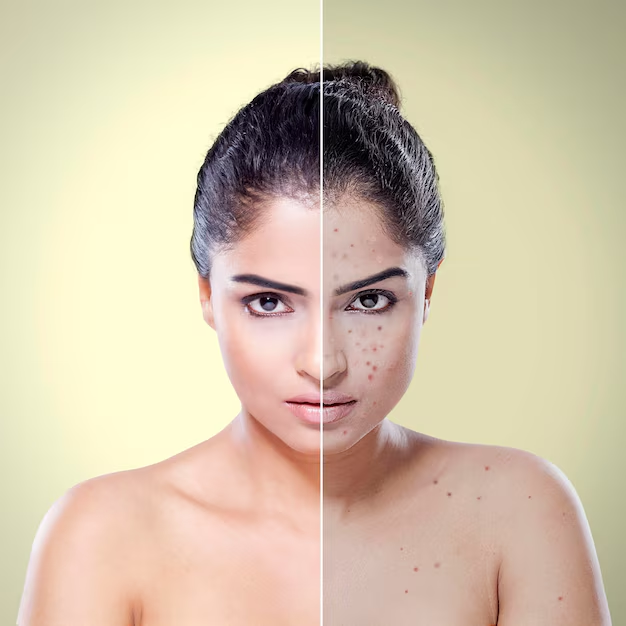
Dark Spot Removal: What Works and What’s Just a Waste of Time
Dark Spot Removal: What Works and What’s Just a Waste of Time
Get expert tips on dark spot removal and prevention from Dr. Hanan Dermatology Clinic, Chennai for brighter, even-toned skin
Dark spots, also called hyperpigmentation, are one of the most common skin concerns we see at Dr. Hanan Dermatology Speciality and Trichology Clinic in Chennai. They appear when melanin production increases in certain areas, leaving behind patches of discoloration.
While there are countless creams, DIY hacks, and viral skincare trends claiming to remove dark spots overnight, the truth is—many of them don’t work or can even make pigmentation worse.
In this blog, we break down what really works for dark spot removal, what’s a waste of time, and how to choose the safest treatment for your skin type.
What Causes Dark Spots?
Before discussing treatments, it’s important to understand why dark spots form. Common causes include:
- Sun exposure – UV rays stimulate excess melanin production.
- Post-inflammatory hyperpigmentation (PIH) – After acne, eczema, or injury.
- Melasma – Often triggered by hormonal changes or pregnancy.
- Aging – Age spots or liver spots appear as the skin’s repair mechanisms slow down.
- Medications or medical conditions – Certain drugs can cause pigmentation changes.
Pro Tip: Identifying the cause is key—treating pigmentation without addressing the root cause often leads to recurrence.
Treatments That Actually Work for Dark Spots
Here’s what dermatologists in Chennai recommend based on science and clinical results.
First Consultation: The Foundation of Success
Chemical peels use controlled exfoliation with ingredients like glycolic acid, salicylic acid, or TCA to remove damaged skin layers and reveal fresher, evenly toned skin.
- Best for: Sun spots, acne marks, and uneven texture.
- Downtime: Minimal to moderate, depending on peel strength.
- Results: Noticeable improvement in 3–6 sessions.
Learn more: Chemical Peels in Chennai: Benefits & Cost
Laser Treatments for Pigmentation
Q-switched Nd:YAG lasers and Fractional CO2 lasers target melanin deposits directly, breaking them into tiny particles that fade naturally over time.
- Best for: Stubborn pigmentation, melasma, age spots.
- Downtime: Minimal; mild redness for 1–2 days.
- Results: Significant fading in 2–4 sessions.
Related treatment: Laser Skin Resurfacing in Chennai
Topical Prescription Creams
Dermatologists may prescribe hydroquinone, azelaic acid, retinoids, or vitamin C serums for gradual pigmentation reduction.
- Best for: Early or mild pigmentation.
- Downtime: None, but results take time (6–12 weeks).
- Caution: Avoid over-the-counter bleaching creams—they can cause irritation or rebound pigmentation.
Microneedling with Exosomes or PRP
Microneedling creates micro-injuries to boost collagen and improve skin turnover. When combined with PRP (Platelet-Rich Plasma) or exosomes, it delivers brightening agents deeper into the skin.
- Best for: PIH, acne scars, uneven skin tone.
- Downtime: 1–3 days of redness.
- Results: Progressive improvement over multiple sessions.
Learn more: Microneedling with PRP in Chennai
Glutathione Skin Brightening
IV glutathione therapy is an antioxidant-based treatment that helps reduce melanin production and promotes overall skin clarity.
- Best for: General skin brightening and pigmentation reduction.
- Downtime: None.
- Results: Noticeable glow in 4–6 weeks with consistent sessions.
Read this: Benefits of Glutathione for Skin & Health
Treatments That Are a Waste of Time (or Risky)
While some at-home remedies can improve mild pigmentation, many are ineffective or harmful.
❌ Lemon Juice & Harsh DIY Remedies
While lemon juice contains vitamin C, it can irritate skin, cause burns, and worsen pigmentation when exposed to sunlight.
❌ Over-the-Counter Bleaching Creams
These often contain unsafe levels of hydroquinone or steroids, which can thin the skin and cause long-term damage.
❌ Unproven Viral Hacks
Social media trends like using toothpaste, baking soda, or raw turmeric pastes for pigmentation lack scientific backing and can cause allergic reactions.
❌ Single-Session Promises
Any product or clinic promising instant dark spot removal without downtime is likely offering false claims. Pigmentation treatment takes time, consistency, and the right approach.
How to Prevent Dark Spots from Returning
Prevention is as important as treatment.
- Daily sunscreen use – Broad-spectrum SPF 30 or higher.
- Avoid excessive sun exposure – Wear hats and sunglasses.
- Follow post-treatment care – As advised by your dermatologist.
- Address skin issues early – Treat acne or inflammation before they leave marks.
When to See a Dermatologist
If your dark spots are spreading, changing in size/shape, or not improving with over-the-counter products, book a consultation. At Dr. Hanan Clinic, we use skin analysis tools to customize your treatment plan and ensure safe, lasting results.
Final Thoughts
Dark spot removal is not about quick fixes—it’s about safe, targeted treatments that address the root cause. At Dr. Hanan Dermatology Speciality and Trichology Clinic, we combine medical expertise with proven technologies to help you achieve clear, even-toned, and radiant skin.
Book Your Consultation Today!
For Personalised Treatment visit Dr. Hanan Clinic. Feel confident and proud with our expert care.
Table of Contents
1 Graft How Many Hair? Hair Transplant Graft vs Hair Explained
1 Graft How Many Hair? Complete Hair Transplant Guide for Patients (2026)
1 Graft How Many Hair is minimal with modern techniques. Learn what to expect during and after the procedure at Dr. Hanan Clinic.
Hair transplant is one of the most effective solutions for hair loss—but many patients still get confused about one simple question: “1 graft how many hair?”
If you’re planning a procedure, understanding the difference between grafts and hair count is essential. It helps you estimate results, compare clinics, and avoid unrealistic expectations.
In this expert-backed guide, you’ll learn everything about hair grafts, how many hairs they contain, and what it means for your final results.
What Is a Hair Graft?
A hair graft, also known as a follicular unit, is a naturally occurring group of hair follicles taken from the donor area (usually the back of your scalp).
Instead of transplanting single hairs, surgeons extract and implant these natural units to maintain a realistic look.
1 Graft Contains How Many Hairs?
Typically, 1 graft contains between 1 and 4 hairs.
- Average: 2 to 3 hairs per graft
- Minimum: 1 hair
- Maximum: 4+ hairs (in some cases)
This variation is completely normal and depends on your natural hair characteristics.
Hair-per-Graft Breakdown Explained
Understanding how grafts are distributed helps you visualize your final hair density.
Single Hair Grafts
- Contain only 1 hair
- Used mainly for the front hairline
- Helps create a soft and natural look
Two to Three Hair Grafts
- Most common type
- Used for overall density and coverage
- Provides balanced and natural results
Three to Four Hair Grafts
- Used in crown and mid-scalp areas
- Helps achieve maximum density
Example Calculations: Grafts vs Total Hair Count
Here’s how graft count translates into actual hair numbers:
- 1,000 grafts ≈ 2,000 to 3,000 hairs
- 2,000 grafts ≈ 4,000 to 6,000 hairs
- 3,000 grafts ≈ 6,000 to 8,000+ hairs
This is why two patients receiving the same number of grafts can have different results.
In the first few days, you can see minor redness, nap, or itching in the transplant area. These symptoms are not painful, but may be a bit annoying. It is important not to scratch or disturb the region as it heals. Within a week to ten days, the most visible signs of the procedure fades, and the discomfort decreases significantly or disappears.
Factors That Affect Hair Count Per Graft
Not every person will have the same number of hairs per graft. Several factors influence this:
Genetics and Hair Type
Some individuals naturally have denser follicular groupings.
Hair Thickness and Texture
Thicker hair gives better visual density, even with fewer hairs.
Donor Area Density
A healthy donor area allows extraction of high-quality grafts.
Scalp Condition
Good scalp health supports better graft survival and growth.
Technique Used (FUE / DHI)
Advanced techniques ensure better placement and natural distribution.
Why Graft Count Matters in Hair Transplant
Understanding graft count is important because:
- Pricing is based on grafts, not individual hairs
- It helps plan coverage and density
- It sets realistic expectations for results
Expert Insight from Dr. Hanan Dermatology Speciality Clinic
At leading clinics like this in Chennai, specialists emphasize a personalized approach rather than a one-size-fits-all graft count.
- Each patient gets a custom hairline design
- Grafts are strategically placed for natural density
- Focus is on long-term results and scalp health
With qualified dermatologists, advanced techniques, and years of clinical experience, such clinics ensure both safety and aesthetic excellence.
Book Your Consultation Today!
For Personalised Treatment visit Dr. Hanan Clinic. Feel confident and proud with our expert care.
Types of Hair Transplant Techniques
FUE (Follicular Unit Extraction)
- Individual grafts are extracted and implanted
- Minimal scarring
- Faster recovery
DHI (Direct Hair Implantation)
- Uses specialized tools for direct implantation
- More precise placement
- Better control over angle and density
Common Myths About Hair Grafts
Myth 1: More grafts = better results
Truth: Technique and placement matter more.
Myth 2: Each graft has the same number of hairs
Truth: It varies from person to person.
Myth 3: Instant full density is possible
Truth: Hair growth takes time (3–12 months).
FAQs
How many hairs are in 1 graft?
A single hair graft typically contains 1 to 4 hairs, with an average of 2 to 3 hairs per graft.
How many hairs are in 1,000 grafts?
On average, 1,000 grafts can produce around 2,000 to 3,000 hairs, depending on your natural hair density.
Is 3,000 grafts enough for full hair coverage?
It depends on your level of hair loss. 3,000 grafts can provide moderate to good coverage, but full density may require more grafts in advanced cases.
Why does hair count per graft vary?
Hair count varies due to genetics, hair thickness, donor area density, and individual scalp condition.
Do all grafts contain the same number of hairs?
No. Each graft is different. Some contain 1 hair, while others may have 2, 3, or 4 hairs.
Which area uses single-hair grafts?
Single-hair grafts are mainly used in the front hairline to create a natural and soft appearance.
Does more grafts mean better results?
Not always. The placement, angle, and design of grafts are more important than just the number.
How do doctors decide how many grafts I need?
Doctors evaluate hair loss pattern, donor area strength, desired density, and scalp condition.
How long does it take to see results after a hair transplant?
Initial growth starts around 3–4 months, with full results visible in 9–12 months.
Is hair transplant permanent?
Yes, transplanted hair is usually permanent, as it comes from genetically resistant donor areas.
Table of Contents
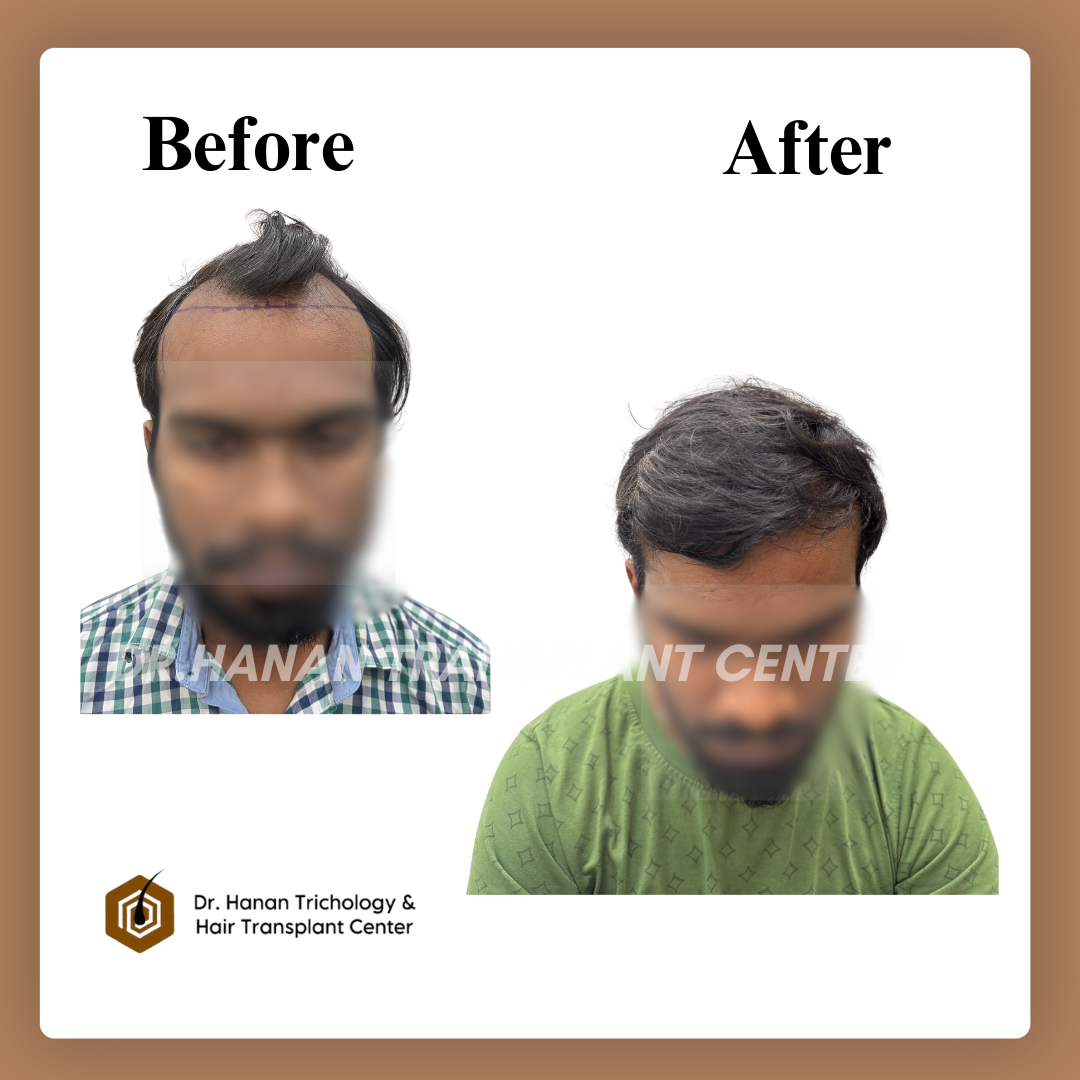
Micro FUE Hair Transplant in Chennai – Advanced, Scar-Free Hair Restoration at Dr. Hanan Dermatology Clinic
Micro FUE Hair Transplant in Chennai – Advanced, Scar-Free Hair Restoration at Dr. Hanan Dermatology Clinic
Micro FUE Hair Transplant in Chennai dermatologists at Dr. Hanan Clinic share expert tips, advanced techniques, and safety-focused guidance to help you achieve natural, healthy hair restoration.
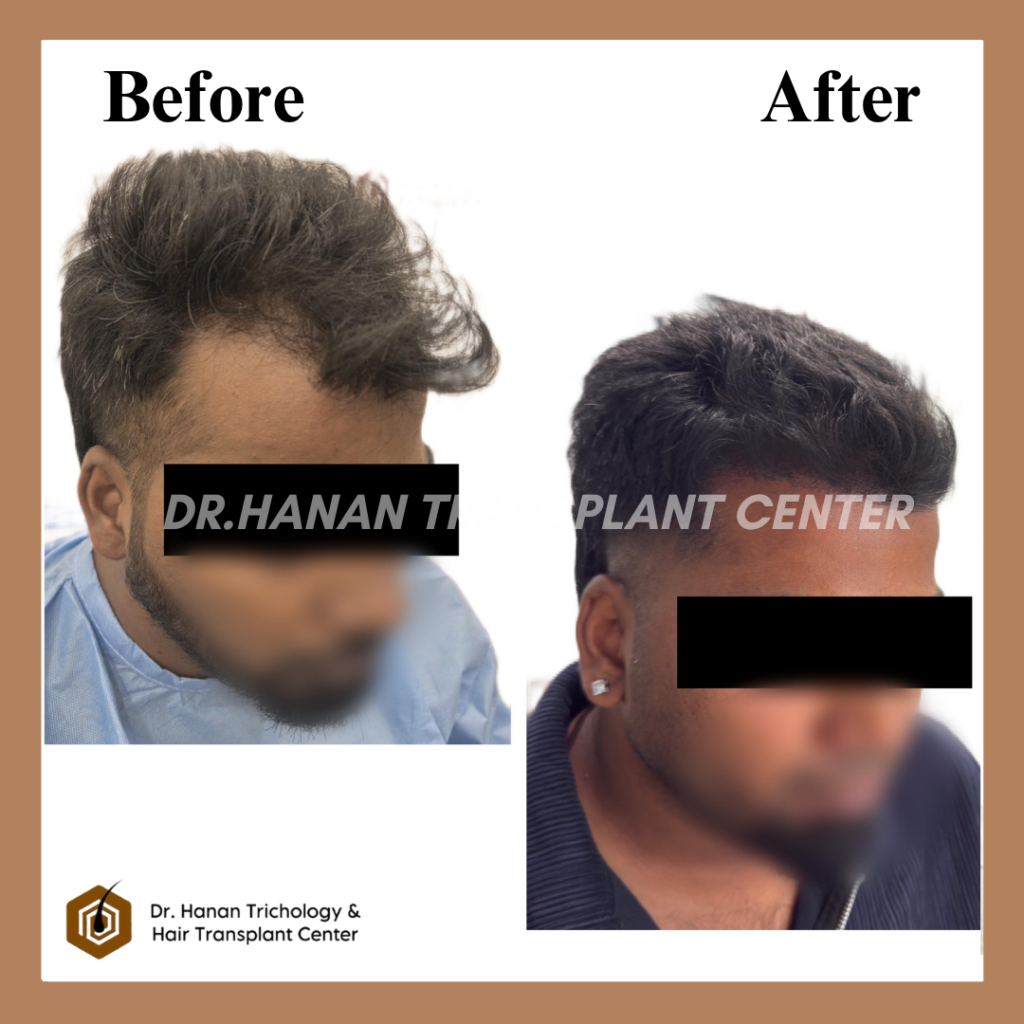
Table of Contents
Micro FUE Hair Transplant in Chennai: Hair loss can deeply affect confidence, personality, and self-image. If you’re looking for a natural-looking, minimally invasive, and advanced hair transplant solution in Chennai, Micro FUE (Follicular Unit Extraction) is one of the most refined options available today.
At Dr. Hanan Dermatology Speciality Clinic, Chennai, we offer cutting-edge Micro FUE hair transplant procedures designed to restore your hairline with precision, safety, and artistic excellence.
What is Micro FUE Hair Transplant?
Micro FUE is an advanced version of traditional FUE. It uses ultra-fine micro punches (0.7 mm – 0.9 mm) to extract individual hair follicles from the donor area and implant them into balding areas.
Because the punches are smaller than conventional FUE tools, the procedure:
Minimizes trauma to the scalp
Leaves almost invisible dot scars
Improves graft survival rate
Ensures faster healing
This technique allows dermatologists to create high-density, natural hairlines that blend seamlessly with existing hair.
Micro FUE vs Traditional FUE vs FUT
| Feature | Micro FUE | Standard FUE | FUT (Strip Method) |
|---|---|---|---|
| Punch Size | <0.7–0.9 mm | 0.9–1 mm | Strip removal |
| Scarring | Almost invisible | Small dot scars | Linear scar |
| Recovery Time | 7–10 days | 10–14 days | 2–3 weeks |
| Pain Level | Minimal | Mild | Moderate |
| Natural Hairline | Highly precise | Good | Depends on technique |
| Graft Survival | High | Moderate-High | High |
Micro FUE offers superior cosmetic results with minimal downtime.
Why Choose Micro FUE Hair Transplant?
Step 1: Consultation & Evaluation
Dr. Hanan evaluates scalp condition, hair density, and donor area strength.
Step 2: Preparation
Donor area is trimmed and numbed with local anesthesia.
Step 3: Extraction
Individual follicles are extracted using micro-motor tools with ultra-fine punches.
Step 4: Implantation
Each graft is placed carefully into balding areas following natural hair growth direction.
Step 5: Healing Phase
Mild redness subsides within 7–14 days. New hair growth starts in 3–4 months.
Healing & Recovery Timeline
Timeline What to Expect Day 1–3 Mild swelling or redness Day 7 Tiny scabs fall off 1 Month Shock loss phase (temporary shedding) 3–4 Months New hair growth begins 8–12 Months Full visible results
Who is the Right Candidate for Micro FUE?
You may be eligible if you:
Have male or female pattern baldness
Have sufficient donor hair at the back of the scalp
Want minimal scarring
Prefer a quicker recovery
Are above 25 years with stable hair loss
A personalized consultation is essential to determine suitability.
Why Choose Dr. Hanan Dermatology Speciality Clinic in Chennai?
✔ Founded by Dr. Hanan Basith MD (DVL), FFAM
✔ Graduate from prestigious Madras Medical College
✔ Fellowship in Facial Aesthetic Medicine (IAFCS)
✔ Life member – IADVL, ACSI, AHRS
✔ Advanced hair restoration techniques
✔ Modern infrastructure & sterile OT setup
✔ 0+ Years of Experience
✔ 0+ Procedures Done
✔ 0+ Happy Patients
Located at:
A Block, Gem Bhoomi & Buildings, Padur, OMR, Chennai – 603103
+91 6381048403
Real Patient Review
“I was losing confidence because of my receding hairline. After researching many clinics in Chennai, I chose Dr. Hanan Dermatology Clinic for Micro FUE. The procedure was almost painless, and within 8 months, my hairline looked completely natural. The team was professional, and recovery was quick. I strongly recommend them for anyone considering hair transplant.”
– Arvind R., Chennai
Micro FUE Hair Transplant Cost in Chennai
The cost depends on:
Number of grafts required
Extent of baldness
Technique used (Micro FUE / Sapphire FUE)
Donor area availability
On average, Micro FUE in Chennai may range between:
₹35,000 – ₹1,50,000+ (based on graft count)
A detailed consultation provides exact pricing.
Benefits:
| Benefit | Micro FUE Advantage |
|---|---|
| Scarring | Nearly invisible |
| Pain | Minimal |
| Downtime | Short |
| Results | Natural & dense |
| Precision | High artistic control |
FAQs
1. What is Micro FUE hair transplant?
Micro FUE (Follicular Unit Extraction) is an advanced hair transplant technique that uses ultra-fine punches (0.7–0.9 mm) to extract and implant individual hair follicles. It minimizes scarring, reduces trauma, and provides more natural-looking results compared to traditional methods.
2. How is Micro FUE different from regular FUE?
Micro FUE uses smaller punch sizes, which means less tissue damage, faster healing, higher graft survival, and a more refined hairline design. Standard FUE typically uses slightly larger punches (0.9–1 mm).
3. Is Micro FUE hair transplant painful?
No. The procedure is performed under local anesthesia. Patients may feel mild discomfort during anesthesia administration, but the transplant itself is generally painless.
4. How long does the Micro FUE procedure take?
The duration depends on the number of grafts required. On average, it takes 6–8 hours for a complete session.
5. How long does it take to recover after Micro FUE?
Most patients recover within 7–10 days. Tiny scabs fall off in about a week, and normal activities can usually be resumed within a few days.
6. When will I see hair growth after Micro FUE?
Temporary shedding may occur in the first month (shock loss). New hair growth starts around 3–4 months. Full visible results appear in 8–12 months.
7. Are the results of Micro FUE permanent?
Yes. The transplanted hair follicles are usually resistant to hair loss and grow permanently, provided proper post-procedure care is followed.
8. Will there be scars after Micro FUE?
Micro FUE leaves tiny dot-like scars that are almost invisible to the naked eye, even with short hairstyles.
9. Who is a suitable candidate for Micro FUE?
You may be suitable if you have male or female pattern baldness, sufficient donor hair, are above 25 years, and have stable hair loss. A dermatologist consultation is necessary for confirmation.
10. What is the cost of Micro FUE hair transplant in Chennai?
The cost depends on the number of grafts and technique used. On average, it ranges between ₹35,000 to ₹1,50,000+. A consultation is required for exact pricing.
11. Is Micro FUE safe?
Yes. When performed by a qualified dermatologist or hair restoration specialist in a certified clinic, Micro FUE is considered safe and minimally invasive.
12. Can women undergo Micro FUE?
Yes. Micro FUE is suitable for both men and women experiencing pattern hair loss or thinning.
Book Your Consultation Today!
For Personalised Treatment visit Dr. Hanan Clinic. Feel confident and proud with our expert care.
Beard Hair Transplant in Chennai
Beard Hair Transplant in Chennai
Beard Hair Transplant in Chennai Learn what top dermatologists in Chennai say about the link between stress and hair fall, types, treatments, and recovery tips.
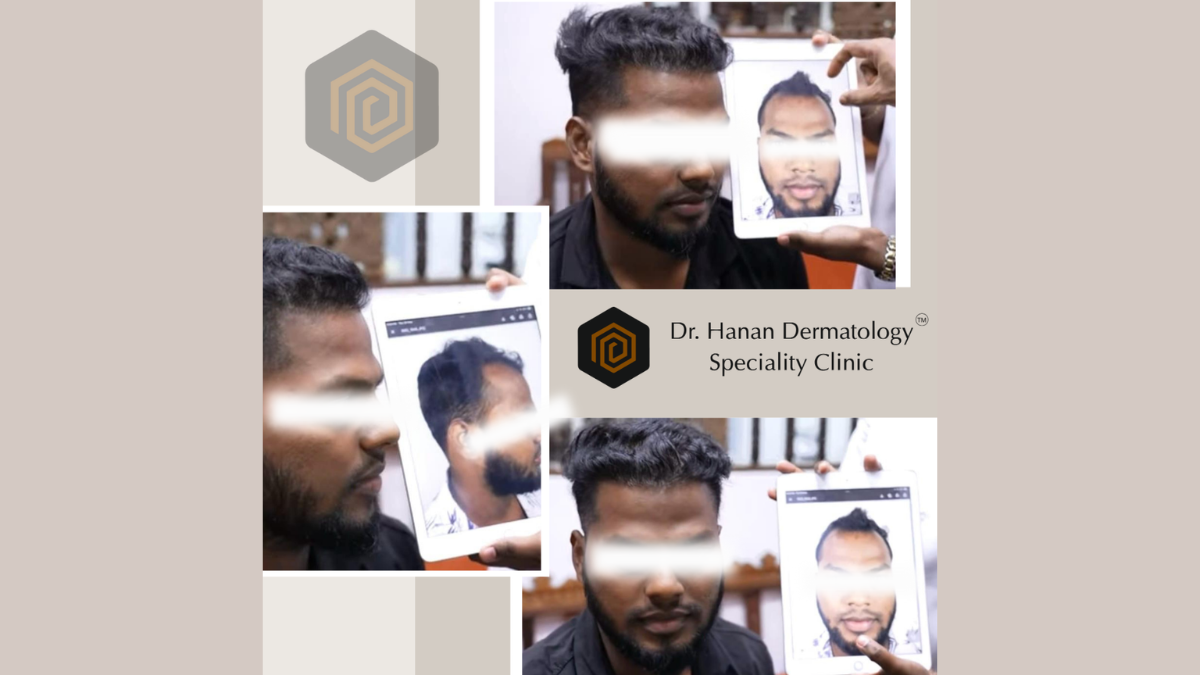
Natural & Permanent Beard Restoration at Dr. Hanan Dermatology Speciality Clinic
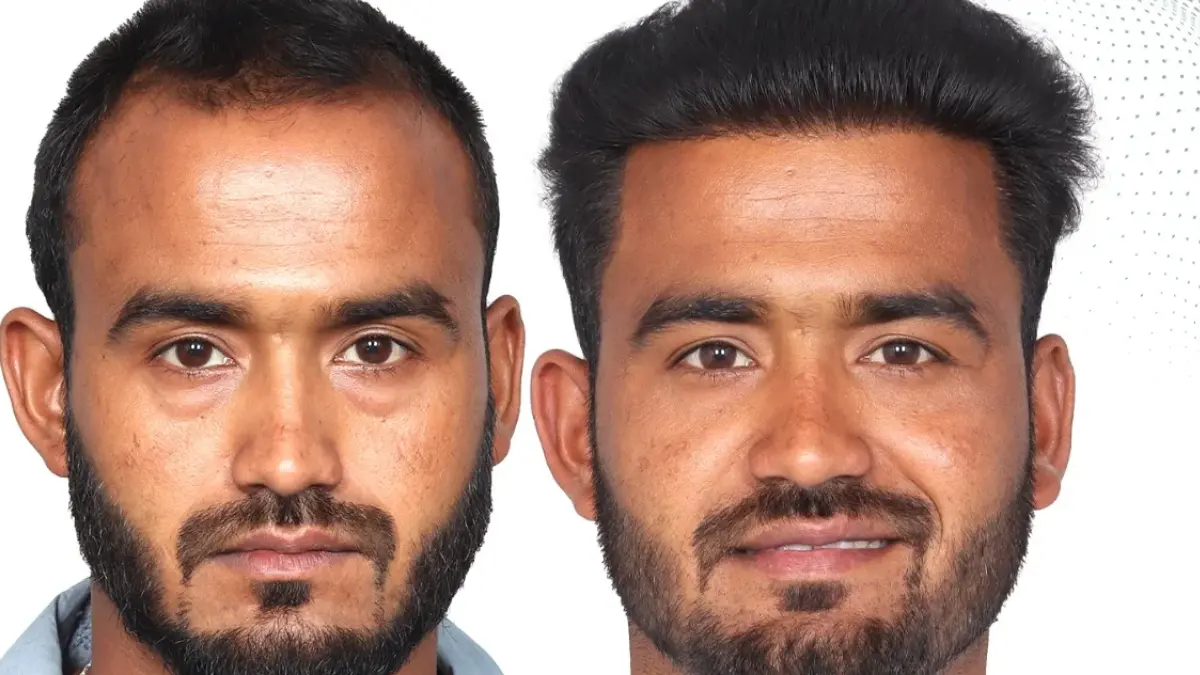
Beard Hair Transplant in Chennai: A well-shaped, dense beard is often associated with confidence and a strong appearance. However, many men struggle with patchy, thin, or uneven beard growth due to genetics, scars, or medical conditions. If you are looking for a safe and permanent solution, a beard hair transplant in Chennai at Dr. Hanan Dermatology Speciality Clinic can help you achieve natural-looking, long-lasting results.
Located at Padur, OMR, Chennai, Dr. Hanan Dermatology Speciality Clinic is a trusted center for advanced hair restoration, offering dermatologist-supervised beard transplants using modern, proven techniques.
What Is a Beard Hair Transplant?
A beard hair transplant is a minimally invasive cosmetic procedure where healthy hair follicles are taken from a donor area—usually the back of the scalp—and carefully implanted into areas of the beard that lack density or have no growth.
The transplanted hair grows naturally, just like your original beard hair, and once established, it becomes permanent. The procedure is customized to match your facial structure, beard pattern, and hair texture for a natural appearance.
Who Is an Ideal Candidate for a Beard Hair Transplant?
You may be a good candidate for a beard transplant if you have:
Patchy or uneven beard growth
No beard growth due to genetics
Beard hair loss from scars, burns, or acne marks
Alopecia areata affecting the beard
Stable overall health and realistic expectations
A detailed consultation at Dr. Hanan Dermatology Speciality Clinic helps determine suitability and expected results.
Common Causes of Poor Beard Growth
Understanding the cause of beard hair loss is important before treatment. Common reasons include:
Genetics: Family history of thin or patchy beard
Hormonal imbalance: Low androgen sensitivity
Skin conditions: Alopecia areata or chronic inflammation
Scarring: Injuries, burns, or acne scars
Past habits: Over-plucking or improper grooming
At Dr. Hanan’s clinic, beard hair loss is evaluated medically to ensure the right treatment approach.
Beard Hair Transplant Procedure at Dr. Hanan Dermatology Speciality Clinic
The clinic follows a precise, dermatologist-led approach for safe and natural outcomes.
Step-by-step process:
Consultation & Beard Design
Facial analysis and beard shape planning based on face structure.Donor Area Selection
Healthy hair follicles are selected from the scalp.Advanced FUE Technique
Individual hair follicles are extracted using minimally invasive methods.Implantation
Grafts are placed at the correct angle and direction to mimic natural beard growth.Post-Procedure Care
Aftercare instructions and follow-ups ensure smooth recovery.
The procedure is usually completed in a single session and does not require hospital admission.
Why Choose Dr. Hanan Dermatology Speciality Clinic for Beard Hair Transplant in Chennai?
Patients trust Dr. Hanan Dermatology Speciality Clinic for beard transplants because of its medical expertise and ethical care.
Key advantages:
Procedure supervised by a qualified MD Dermatologist
Natural beard line and density planning
Advanced FUE technology
High safety and hygiene standards
Affordable and transparent pricing
Personalized treatment for every patient
Beard Hair Transplant Results: What to Expect
Initial shedding may occur in the first few weeks (normal phase)
New beard hair growth starts in 3–4 months
Visible improvement by 6 months
Full, natural beard growth by 9–12 months
The transplanted hair grows permanently and can be shaved, trimmed, and styled like natural beard hair.
Recovery and Aftercare
Recovery after a beard hair transplant is generally smooth.
Aftercare guidelines include:
Mild redness or swelling for a few days
Avoid touching or shaving the beard initially
Follow prescribed medications and skincare routine
Resume normal activities within a few days
Regular follow-ups at the clinic help monitor healing and results.
Beard Hair Transplant Cost in Chennai
The cost of beard hair transplant in Chennai depends on:
Number of grafts required
Area of beard coverage
Technique used
Individual beard design complexity
At Dr. Hanan Dermatology Speciality Clinic, pricing is kept affordable without compromising medical quality. A personalized cost estimate is provided after consultation.
Is Beard Hair Transplant Safe?
Yes. When performed by trained professionals in a certified clinic, beard hair transplant is considered safe.
Safety highlights:
Minimally invasive procedure
Low risk of complications
Permanent and natural results
Dermatologist-supervised care
Patients with certain medical conditions may require additional evaluation before proceeding.
Book Your Consultation Today!
For Personalised Treatment visit Dr. Hanan Clinic. Feel confident and proud with our expert care.
FAQs
1. Is beard hair transplant permanent?
Yes. The transplanted hair follicles are taken from healthy donor areas (usually the scalp) and are permanent. Once they grow, they behave like natural beard hair and can be shaved, trimmed, and styled normally.
2. How long does it take to see results?
Initial hair shedding occurs in the first few weeks, which is normal. New hair growth begins around 3–4 months, with visible results by 6 months. Full beard density and natural appearance are typically achieved by 9–12 months.
3. Does the procedure hurt?
The procedure is performed under local anesthesia, so discomfort is minimal. Most patients report feeling only mild pressure during graft implantation. Post-procedure, any minor swelling or redness usually subsides within a few days.
4. Who is eligible for a beard hair transplant?
Ideal candidates are men with patchy or thin beard growth, scars, burns, or genetic beard hair loss. A consultation at Dr. Hanan Dermatology Speciality Clinic will assess your suitability based on hair density, skin type, and medical history.
5. How long does the procedure take?
A beard hair transplant session typically lasts 4–6 hours, depending on the number of grafts required and the area of beard coverage. Most patients can resume normal daily activities shortly after the procedure.
6. Is beard hair transplant safe?
Yes. When performed by a qualified dermatologist at a certified clinic, beard hair transplant is a safe, minimally invasive procedure. Dr. Hanan Dermatology Speciality Clinic follows strict hygiene protocols and medical standards to ensure safety.
7. Can I shave or style my beard after the transplant?
After complete healing and hair growth, transplanted hair can be shaved, trimmed, or styled like natural beard hair. Patients should follow post-procedure care instructions to ensure optimal growth.
8. How much does a beard hair transplant cost in Chennai?
Cost depends on factors like the number of grafts, area of coverage, and technique used. At Dr. Hanan Dermatology Speciality Clinic, we offer affordable and transparent pricing tailored to your individual needs. A detailed cost estimate is provided after consultation.
9. How long is the recovery period?
Most patients experience mild redness or swelling for 3–5 days. Normal activities can usually resume immediately, but strenuous activity should be avoided for the first week. Full recovery and optimal hair growth occur over several months.
10. Can beard transplants fix scars or burns?
Yes. Beard hair transplant can effectively restore hair in areas affected by scars or burns, giving a natural appearance. The dermatologist carefully designs graft placement to cover scar tissue seamlessly.
Table of Contents
Is a Hair Transplant Permanent and for How Long?
Is a Hair Transplant Permanent and for How Long?
Is a hair transplant permanent? Understand how long results last, what affects longevity, and how to care for your transplanted hair for the best outcome.
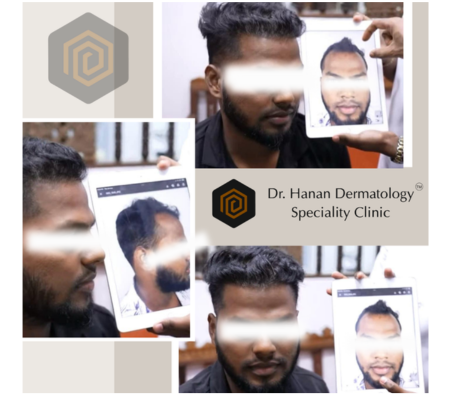
Let’s be honest, if you think of Hair Transplant what’s the first question that comes to your mind? Most people have this question in mind: “Is Hair Transplant permanent?” The answer is absolutely yes!
A hair transplant is designed as a long-term solution for hair loss, using its own natural hair to restore bald or thin areas. The transplanted hair follicle is taken from the donor area – usually the back or sides of your scalp – where hair is resistant to genetically balding. Once these follicles are transplanted into bald spots, they settle, heal, and grow like their natural hair.
What about the healing time? After the procedure, the healing process usually takes about 7 to 10 days, during which there may be minor crusty patches of skin and redness. Within a few weeks, implanted hair can shed – a completely common phase called shock loss – but don’t worry! It makes way for the growth of strong, healthy hair in the next months. From 3 to 6 months, you will start seeing visible regrowth, and in 12 to 18 months, you will enjoy the full, natural looking head of hair.
Two permanent hair transplant techniques used for hair restoration:
1. Follicular Unit Extraction (FUE)
In this method, hair follicles are removed one by one from the donor area using a special tool. These small grafts are then carefully placed in bald spots. Since no major cuts are made, the medical process is fast, and there are no marks. Transplanted hair will grow naturally for a lifetime, giving it a permanent solution to hair loss.
2. Follicular Unit Transplantation (FUT)
This technique involves removing a small strip of skin from the back of the scalp. The strip is then divided into individual hair follicles, which are transplanted into bald areas. Since hair comes from genetically strong areas, it remains permanent and grows like natural hair.
Is a Hair Transplant Permanent?
The simple answer is yes – a hair transplant is a permanent solution to hair loss. The reason for this is that the implanted hair is taken from areas of the scalp which are naturally resistant to balding, which are known as DHT-resistant areas (usually the back of the head and sides). These hair follicles maintain its resistance even after it is transferred to the bald spot, ensuring long – term hair growth.
Factors that ensure long -term success
While a hair transplant is designed to be permanent, many factors contribute to achieving the best and longest lasting results:
A Skilled Surgeon – The proper positioning of hair follicles ensures natural looking results and maximum grafts existence.
Healthy Donor Area – A strong and adequate supply of hair in the donor area affects long -term hair growth.
Proper Aftercare – Following post-transplant instructions, avoiding excessive sunlight, and taking prescribed medications helps maintain results.
Overall Health & Lifestyle – A balanced diet, stress management, and avoiding smoking contribute to hair longevity.
What is expected after the process?
After a hair transplant, the healing and growth process takes place in stages:
Week 1-2: Light redness and scabbing in the transplanted area, which recover in about 7-10 days.
Week 3-6: There is a temporary phase called shock loss, where implanted hair shed-this is completely normal.
Month 3-6: New hair starts growing, and the scalp looks full.
Month 6-12: Hair naturally thickened and continues to mix with existing hair.
12-18 months: Full results appear, with permanent, natural hair growth.
A successful hair transplant does not mean many bald spots, and the results last throughout your lifetime-you get thick, natural looking hair that grows like the rest of the hair of your scalp.
How to Maintain Your Hair Transplant Results for the Long Term:
A hair transplant is a permanent solution, but requires proper care to maintain healthy, long -lasting results. Like natural hair, Transplanted hair requires proper nutrition, scalp care and professional follow -up to stay strong and healthy
Essential Tips for Long-Term Hair Transplant Care
1. Follow a soft hair care routine
- Use a light, sulfate-free shampoo to keep the scalp clean and prevent irritation.
Especially in the early months, avoid scraping or scratching the scalp
You should avoid using rigid chemical remedies such as hair dye, bleaching, or permit for at least 6 months after the procedure.
2. Keep a healthy diet
- Eat a protein – rich diet (eggs, fish, nuts, dairy) to strengthen hair.
- For healthy hair growth, consume vitamins and minerals like biotin, zinc and iron.
- Stay hydrated and reduce additional caffeine and processed foods.
3. Avoid smoking and alcohol
- Smoking reduces hair follicles, which slows growth.
- Excessive alcohol intake can affect the absorption of nutrients, weakening hair.
4. Protect your skull from sunlight
- Wear a hat or use sunscreen on your scalp to protect it from UV damage.
- Avoid exposure to the sun directly for a long time, especially in the first few months.
5. Regular follow – up schedule with a dermatologist
- A professional check-up helps track progress and detect any issue.
- If necessary, your doctor may recommend scalp treatment or medicines.
Role of PRP Therapy and other assistant treatments
PRP (platelet-rich plasma) therapy
PRP therapy is an effective post-transplant treatment that increases hair growth by stimulating hair follicles. This involves drawing a small amount of your blood, processing it to extract growth factors and injecting it into the scalp.
- Strengthens existing and implanted hair
- Gave speed to Healing and Regrowth
- increases hair density and thickness
Other Assistant Treatment
- Minoxidil (topical solution): Helps to encourage growth and maintain results.
- Finasteride (oral medicine): In some cases reduces the hair thinning.
- Scalp massaging: Improve blood circulation and nourish hair follicles.
When to consult a doctor
If you are noticing hair thinning or baldness and considering a hair transplant, the first step you have to do is consult a doctor. A professional assessment helps determine the reason for your hair loss – whether it is genetic, hormonal, or due to lifestyle factors – and whether a transplant is the perfect solution.
Doctors will examine your scalp, They check the healthy donors hair availability, and discuss alternative treatments if necessary.
A doctor consultation also gives you a clear understanding of the procedure, expected results and recovery process. If you have any medical conditions or have medicines that can affect therapy, your doctor will guide you on the required precautions. A quick talk to an expert ensures that you make an informed decision and get the best long – term results for natural hair restoration.
Conclusion:
A hair transplant is a permanent solution to restore natural hair, but success depends on the proper plan, expert execution and aftercare. Understanding the process, treatment process and long -term maintenance ensures the best results, which requires a specialist consultation.
At Dr.Hanan Dermatology Specialty Clinic & Hair Transplant Center, we provide specialist consultation to assess your hair loss and recommend the best treatment for you. Whether you are considering a hair transplant or needs guidance on hair restoration options, our team is here to help.
Book your consultation today and take the first step towards achieving your confidence with a full, and natural looking head of hair.
Ready for Permanent Hair Restoration?
Wondering if a hair transplant is permanent? Book a consultation with our specialists and get personalized guidance for long-lasting results!
Table of Contents
Hair Transplant Cost in India : Guide for 2025
Hair Transplant Cost in India : Guide for 2025
Discuss about Hair transplant cost in India and get tips on budget. Learn more here or contact Dr.hanan Dermatology Speciality Clinic.
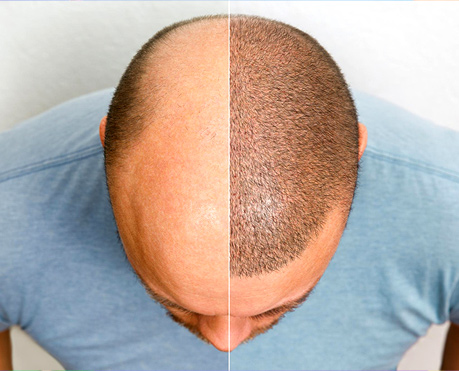
Hair loss is a very common problem affecting men and women of all ages. Fortunately, India has a variety of affordable hair treatments that not only help you hide the issue of hair loss, but also help prevent future recurrences.
In recent years, hair transplants have emerged as a popular solution for individuals who want to deal with hair loss issues. Known for its advanced medical technology and affordable healthcare, India has become a prime destination for those considering hair transplantation.
This article aims to provide an in-depth analysis of hair transplant price in India, to help potential patients make informed decisions about treatment options.
What is a hair transplant?
Hair transplant means move hair from one side of your head it’s called donar area of the head to an blad area with thinning or no hair. It can help your hair look good again. These implants have been practised by doctors in the US. since the 1950s, but techniques have improved dramatically.
Is hair transplant permanent?
Hair transplant treatments are permanent. Once your doctor gives you clearance, you can treat your replacement hair just like your normal healthy hair—wash, shampoo, and shampoo as usual. However, some hair transplants do not survive and a few hairs fall out.
Do you know that Ms Dhoni hair transplant and Virat Kholi did Hair Transplant Surgeries
Types of Hair Transplant Surgeries
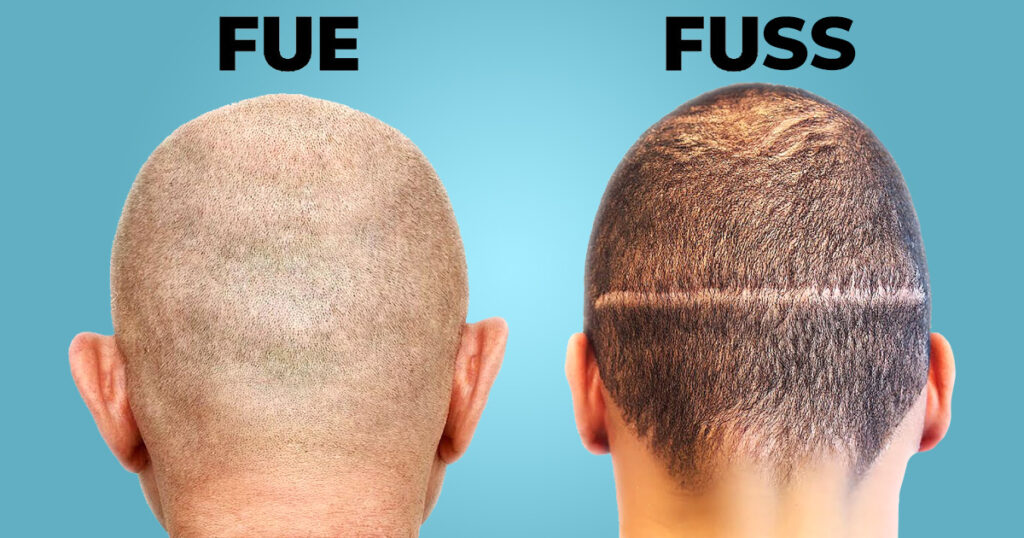
There are two main types of hair transplants, both done in a doctor’s office. First, the surgeon cleans your scalp and numbs the back of your head. Then, they choose between two methods: follicular unit strip surgery (FUSS) or follicular unit extraction (FUE).
1.Follicular Unit Strip Surgery (FUSS)
In FUSS, the surgeon removes a 6- to 10-inch strip of skin from the back of your head or donar area and stitches the area closed. This strip is then cut into 500 to 2,000 tiny grafts, each with a few hairs. These healthy hair grafts are used to fill in thinning areas or bald area. FUSS is also known as follicular unit transplantation (FUT).
2.Follicular Unit Extraction (FUE)
3.FUSS vs. FUE
- Scarring: FUSS leaves a scar where the strip was removed, which may be visible if your hair is short. FUE leaves small, less noticeable scars.
- Time: FUSS typically takes time consuming than FUE.
- Appearance: FUSS doesn’t require shaving the back of your scalp.
- Risk: In FUE, there’s a risk of damaging hair follicles, which might prevent successful transplantation.
- Cost: FUE is generally more expensive than FUSS.
4.Artificial Hair Transplants
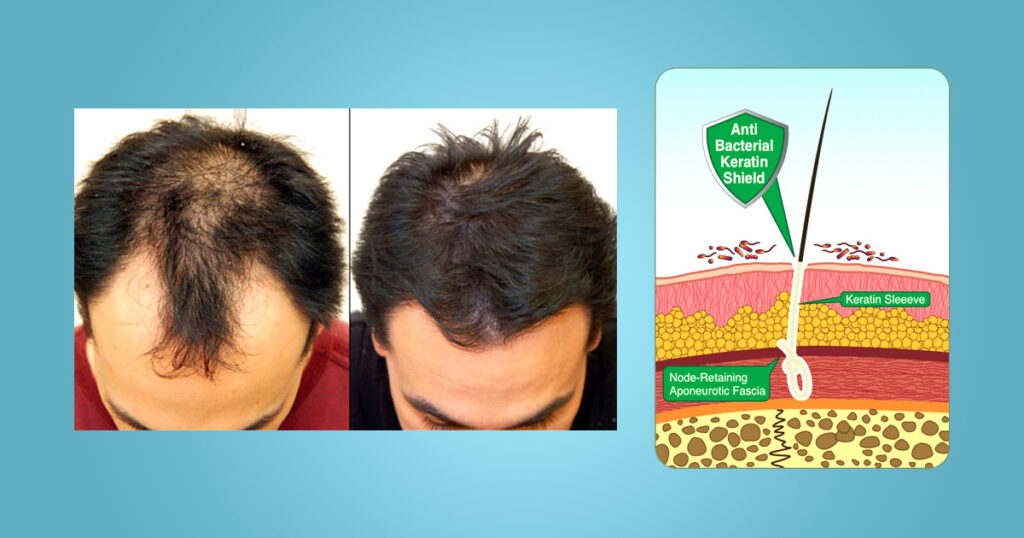
Artificial hair transplants use synthetic fibers to replace lost hair instead of using your own hair. These were created for people who don’t have enough hair for traditional transplants. However, the U.S. FDA banned artificial hair transplants in 1983 due to safety concerns.
Although they might be an option for some, artificial hair transplants can cause side effects because of the foreign materials used. If you’re considering a hair loss treatment, consult a board-certified doctor who specializes in hair loss.
Factors affecting the cost of hair transplantation in India
Many factors influence the cost of hair transplant in India. Knowing these can help you plan your budget better.
Average Hair Transplant Cost in India
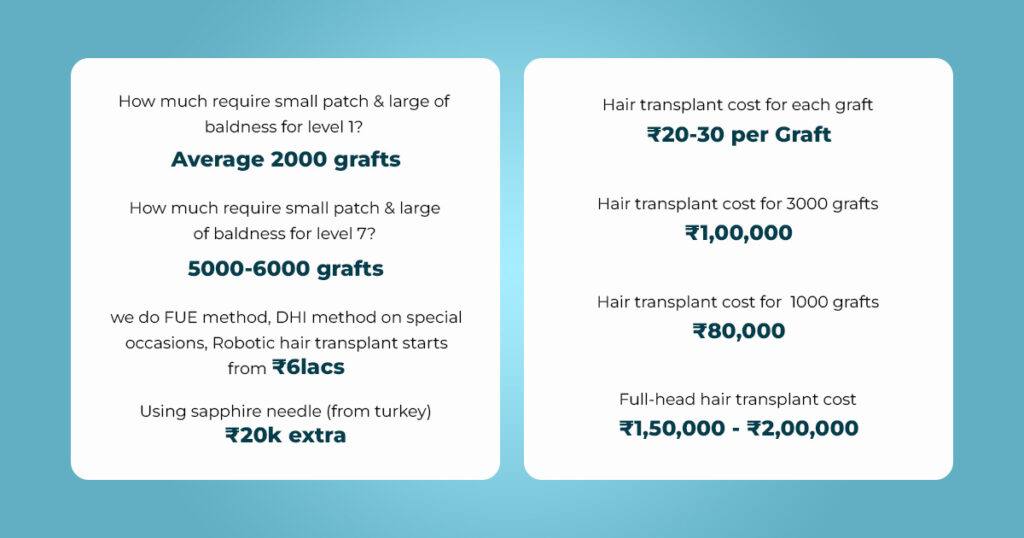
Hair transplant cost per hair in India and trasnplant in chennai varies widely based on the factors mentioned above. On average, the cost per graft ranges from ₹30 to ₹150 ($0.40 to $2) depending on the clinic and technique.
- FUT: Typically costs between ₹40,000 to ₹70,000 ($500 to $900) for 1,000 to 2,000 grafts.
- FUE: Generally costs between ₹60,000 to ₹1,50,000 ($800 to $2,000) for 1,000 to 2,000 grafts.
These prices may fluctuate based on the specific requirements of the patient and the clinic’s pricing policies.
Choosing the Best Clinic for Hair Transplant
Choosing the right hospital and managing costs is key to getting the best results. Here are some tips to help you:
1. Research and Analysis: Find information and read patient reviews about the quality of the hospital. Check online forums, social media, and patient profiles for useful information.
2. Check certificates: Make sure the surgeons at the hospital are qualified and experienced in hair transplantation. Check their credentials and credentials to ensure they are experts.
3. Compare costs: Get quotes from hospitals and compare their prices. Be wary of very low prices, as they may indicate low prices or hidden costs.
4. Consultation: Meet with hospitals to discuss your needs and treatment options. Take this time to tour the hospital facilities and meet the doctors.
Why Choosing Dr. Hanan for Best Hair Transplant Clinic in Chennai
When it comes to hair restoration, Dr. Hanan is renowned as the leading specialist in Chennai. His clinic is recognized for delivering exceptional hair transplant results with expertise, advanced technology, and personalized care. Here’s why Dr. Hanan is the top choice for the best hair transplant clinic in India.
1.Unmatched Expertise and Experience
Highly Qualified Specialist
Dr. Hanan is a board-certified dermatologist with specialized training in hair transplantation. With years of experience, Dr. Hanan delivers expert care and effective results.
Advanced Techniques
Utilizing the latest methods, including Follicular Unit Extraction and Follicular Unit Transplantation , Dr. Hanan provides minimally invasive and precise treatments for optimal hair restoration.
2.Cutting-Edge Facilities
Modern Technology
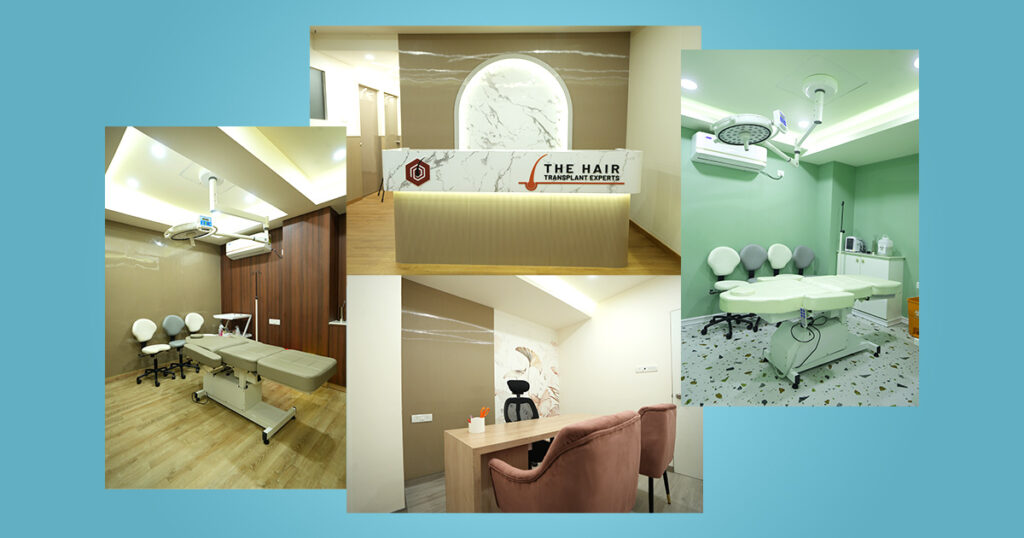
The clinic features state-of-the-art equipment and robotic-assisted systems to ensure precise and effective hair transplant procedure.
Comfortable Environment
Dr. Hanan’s clinic maintains a sterile and modern setting, prioritizing patient comfort and safety during every procedure.
3.Comprehensive Hair Transplant Services
Personalized Treatment
Dr. Hanan offers customized treatment plans tailored to individual needs, ensuring natural-looking results and high patient satisfaction.
Post-Transplant Care
Comprehensive post-transplant care includes detailed aftercare instructions and follow-up support in your recovery time to ensure optimal results.
4.Patient-Centered Approach
Consultative Care
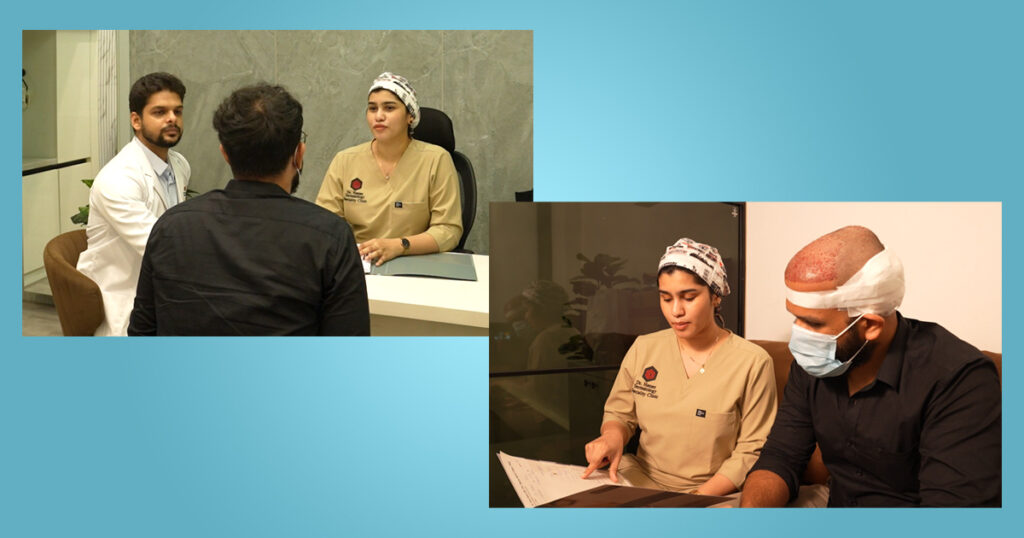
Dr. Hanan takes a personalized approach, listening to patient goals and providing clear, honest information about the process.
Holistic Support
Beyond the transplant, Dr. Hanan offers advice on lifestyle and hair care to maintain and enhance results.
Patient Education
Educating patients is a key aspect of Dr. Hanan’s practice. Dr. Hanan ensures that patients fully understand their diagnoses, treatment options, and preventive measures. This empowers patients to make informed decisions about their skin health and maintain optimal results.
5.Exceptional Patient Reviews and Testimonials
Positive Patient Experiences
Dr. Hanan’s clinic has received numerous positive reviews and testimonials from satisfied patients. These reviews highlight Dr. Hanan’s expertise, compassionate care, and commitment to excellence. The positive feedback is a testament to the high-quality care provided at the clinic.
Success Stories
Dr. Hanan regularly shares success stories and case studies to showcase the effectiveness of treatments and the positive impact on patients’ lives. These stories demonstrate Dr. Hanan’s ability to achieve outstanding results and improve patients’ skin health and confidence.
6.Convenient Location and Flexible Scheduling
Prime Location in OMR
Dr. Hanan’s clinic is conveniently located in the heart of OMR, making it easily accessible for patients from all parts of the city. The central location ensures that patients can reach the clinic without hassle.
Visit Us : Dr. Hanan Dermatology Speciality Clinic, A Block, Gem Bhoomi & Buildings, Padur, OMR, Chennai – 603103
Flexible Appointments
Understanding the busy schedules of patients, Dr. Hanan offers flexible appointment options, including extended hours and weekend appointments. This ensures that patients can receive the care they need at a time that is convenient for them.
For Enquiries / Appointments : +91 6381048403
Conclusion
Hair transplantation surgeries is a transformative procedure for individuals facing hair loss, and India offers affordable and quality options. By understanding the factors that affect grafts hair transplant cost and following research whole you will be able to make an informed decision and get the best results for your hair restoration journey.
FAQ’s
What is the best age for a hair transplant?
There is no “perfect” age for a hair transplant, most surgeons recommend waiting until your late 20s or early 30s when hair loss patterns are more established.
Is hair transplant painful?
The procedure is performed under local anesthesia, so you should not feel pain during the surgery. Some discomfort or soreness may occur afterward, but it can be managed with pain medication.
How long do hair transplant results last?
Hair transplant results are typically permanent, as the transplanted hair follicles are resistant to the effects of DHT, the hormone responsible for hair loss.
Table of Contents
For FUE Hair Transpalnt, the surgeon shaves a section of the back of your area of the scalp and removes hair follicles one by one. The donar area heals with small dots that are covered by your existing hair. After harvesting the hair, FUSS and FUE hair trasnplant procedures are similar: the surgeon prepares the grafts, numbs the area where the hair will be placed, makes tiny holes, and carefully inserts each graft.
The whole process usually takes 4-8 hours. You might need another procedure later if you continue to lose hair or want a fuller look.
1. Clinic Reputation and Location
The clinic’s name and location affect the average cost. Well-known clinics in big cities like Mumbai, Delhi, Chennai, and Bangalore usually charge more because they have advanced facilities and experienced surgeons. Smaller city clinics may offer lower prices.
2.The skill of a surgeon
The surgeon’s experience and knowledge are crucial. Highly skilled and famous hair transplant surgeons may charge more, but their expertise often leads to better results and fewer complications.
3.Technique Used
The technique chosen, FUT or FUE, impacts the cost. FUE is generally more expensive than FUT because it’s less invasive and requires more precision. The cost per graft is higher with FUE due to advanced technology and skill.
4. Number of Grafts Required
The total cost depends on the number of hair grafts required. More severe hair loss needs more grafts, increasing the cost. Clinics usually estimate costs based on graft numbers, ranging from 1,000 to 4,000 or more.
5. Additional Services
Extra services like pre-op treatment, post-op care, medications, and follow-up visits can add to the total cost. Some clinics offer packages that include these services, providing better value for money.

The Role of Diet and Lifestyle in Hair Transplant Success
The Role of Diet and Lifestyle in Hair Transplant Success
Maximize hair transplant success with expert-backed diet and lifestyle tips from Dr. Hanan Clinic, Chennai.
Hair transplant surgery has become one of the most effective solutions for hair loss, especially for those struggling with baldness or thinning hair. But did you know that the long-term success of a hair transplant doesn’t depend only on the surgeon’s skills or the technique used? Your diet and lifestyle choices play a critical role in how well your transplanted hair grows, strengthens, and lasts.
At Dr. Hanan Dermatology Speciality and Trichology Clinic, Chennai, we believe in a holistic approach to hair restoration—combining advanced surgical expertise with proper nutrition and healthy living to maximize results.
Why Diet and Lifestyle Matter After Hair Transplant
A hair transplant involves relocating healthy hair follicles from the donor area (usually the back of the scalp) to thinning or bald spots. Once transplanted, these follicles need a healthy environment, proper blood supply, and essential nutrients to grow strong.
Poor nutrition, lack of rest, stress, smoking, or alcohol consumption can weaken this process, leading to slower recovery and reduced graft survival. On the other hand, following a nutrient-rich diet and balanced lifestyle significantly boosts transplant outcomes.
Essential Nutrients for Hair Growth
Protein – The Building Block of Hair
Hair is primarily made of keratin, a protein. Consuming enough protein supports stronger hair shafts and healthy follicle function.
Foods to include: Eggs, fish, chicken, dairy, lentils, beans, nuts, and seeds.
Iron – For Oxygen Supply to Hair Follicles
Iron deficiency is a leading cause of hair loss. Adequate levels ensure that hair follicles receive enough oxygen through red blood cells.
Foods to include: Spinach, red meat (in moderation), pumpkin seeds, lentils, and fortified cereals.
Omega-3 Fatty Acids – For Scalp Health
Omega-3s help reduce inflammation, nourish hair follicles, and improve scalp circulation.
Foods to include: Salmon, walnuts, flaxseeds, chia seeds, and soybeans.
Vitamins – Fuel for Strong Hair Growth
- Vitamin A: Regulates sebum production.
- Vitamin C: Improves collagen production and iron absorption.
- Vitamin D: Supports follicle regeneration.
Vitamin E: Antioxidant that prevents oxidative stress on follicles.
Foods to include: Citrus fruits, sweet potatoes, nuts, leafy greens, mushrooms, and fortified dairy.
Biotin & Zinc – Hair Strength Boosters
Biotin supports keratin production, while zinc aids in tissue repair and follicle recovery.
Foods to include: Eggs, whole grains, sunflower seeds, oysters, and legumes.
Lifestyle Habits That Support Hair Transplant Success
Your hair transplant results depend not only on the surgery itself but also on the way you care for your body afterward. Adopting the right lifestyle habits helps your new hair follicles heal, grow stronger, and last for years.
Sleep and Rest – The Foundation of Recovery
After a transplant, your scalp needs time to heal and adapt. Sleep is when the body naturally repairs tissues, reduces inflammation, and promotes circulation to the scalp. Aim for 7–8 hours of uninterrupted sleep daily.
Tip: For the first week, sleep with your head slightly elevated using an extra pillow. This minimizes swelling and prevents accidental rubbing of grafts on the pillow.
Stress Management – Protect Your Hair Growth Cycle
High stress levels increase cortisol, which disrupts the natural hair growth cycle and can trigger conditions like telogen effluvium (stress-related shedding). Managing stress ensures transplanted follicles remain strong.
Practical ways to manage stress:
- Daily yoga or stretching
- Meditation apps like Headspace or Calm
- Spending time outdoors for Vitamin D and relaxation
- Limiting excessive screen time before bed
Hydration – Fuel for Follicle Health
Water makes up nearly 25% of the weight of a single hair strand. Staying hydrated ensures nutrients and oxygen are delivered efficiently to the hair follicles.
How much water is enough?
- 2–3 liters daily, more if you sweat heavily or live in hot climates like Chennai
- Include hydrating foods such as cucumbers, watermelon, and citrus fruits
Quit Smoking and Limit Alcohol – Non-Negotiables for Hair Growth
Smoking causes vasoconstriction (narrowing of blood vessels), reducing blood flow to the scalp. This deprives grafts of oxygen and nutrients, lowering their survival rate. Alcohol, on the other hand, dehydrates the body and impairs liver function, limiting nutrient absorption.
Actionable advice:
- Quit smoking at least 2 weeks before and after surgery for best results
- Avoid alcohol for the first 7–10 days post-surgery to minimize complications
- Replace alcohol with healthier alternatives like coconut water, fresh juices, or green tea
Scalp Care Post-Transplant – Protecting Your Investment
Your scalp is most vulnerable in the initial healing phase. Improper care can dislodge grafts or cause infections.
Key scalp care steps:
- Wash only as instructed by your dermatologist (usually after 48–72 hours)
- Use mild, dermatologist-recommended shampoos
- Avoid scratching or picking at scabs—these are part of the healing process
- Protect your scalp from direct sunlight for at least 4 weeks; wear a loose cap if going outside
- Avoid hair oils, dyes, or chemical treatments until your doctor approves
How Long Before Diet and Lifestyle Show Results?
Patients usually begin to see new hair growth 3–4 months post-surgery, with visible density by 9–12 months. Consistently following a balanced diet and healthy lifestyle can improve graft survival rates and ensure your transplanted hair looks natural and long-lasting.
Expert Dermatologist Tips for Healthy Winter Skin
- Avoid harsh scrubs and alcohol-based toners.
- Use a humidifier indoors to maintain moisture.
- Protect hands with gloves when outdoors.
- Schedule regular skin checkups to prevent winter-related flare-ups like eczema.
Final Thoughts
A hair transplant is not just a surgical procedure—it’s a long-term commitment to your scalp and overall health. At Dr. Hanan Dermatology Speciality and Trichology Clinic, Chennai, we guide our patients not only through surgery but also in adopting the right diet and lifestyle habits to ensure their results last a lifetime.
Healthy living means healthy hair—and your transplanted grafts deserve the best care.
Book Your Consultation Today!
For Personalised Treatment visit Dr. Hanan Clinic. Feel confident and proud with our expert care.
Table of Contents

Affordable Hair Transplant Options: How to Choose a Best Clinic in Chennai
Affordable Hair Transplant Options in Chennai
Get affordable hair transplant in Chennai without compromising quality from the best hair transplant clinic in chennai
Affordable Hair Transplant Options: Hair loss is a growing concern for both men and women in India, and Chennai is no exception. Whether it’s due to genetics, stress, hormonal changes, or lifestyle, the demand for affordable hair transplant solutions has been steadily increasing. But the biggest question people ask is: Can I really get a budget-friendly hair transplant without compromising on quality or safety?
The answer is yes—if you choose the right clinic and dermatologist. In this guide, we’ll explain what to look for in an affordable hair transplant, why cost should not be the only deciding factor, and why Dr. Hanan Dermatology Speciality and Trichology Clinic is trusted as one of the best hair transplant clinics in Chennai for long-lasting, natural results.
Why “Affordable Hair Transplant” Doesn’t Mean Cheap Quality
Many people assume that affordable treatments equal low standards. But in reality, affordability simply means:
- Transparent and ethical pricing.
- Customized treatment plans based on your hair loss stage.
- Clinics that avoid unnecessary add-ons or hidden costs.
At Dr. Hanan Dermatology Speciality Clinic, affordability means world-class treatment with fair pricing, ensuring that every patient can access advanced hair restoration without financial stress.
Factors That Decide the Cost of a Hair Transplant in Chennai
When searching for the best affordable hair transplant clinic, keep in mind these factors that influence cost:
Number of Grafts Required
The more advanced your baldness, the more grafts you need. For example:
- 1000–1500 grafts → Early thinning.
- 2000–3000 grafts → Moderate baldness.
- 4000+ grafts → Advanced baldness.
If you’re unsure about your graft requirement, check our detailed guide: How Many Grafts Do You Need for a Successful Hair Transplant?
Type of Technique Used
FUE (Follicular Unit Extraction): Minimally invasive, faster healing, and natural results.
FUT (Follicular Unit Transplantation): Suitable for larger graft counts but involves a linear scar.
Advanced methods (DHI, Sapphire FUE, Robotic): May cost more but provide precision and density.
Experience of the Dermatologist
Choosing an experienced hair transplant surgeon is non-negotiable. At Dr. Hanan Clinic, procedures are performed by dermatologists trained in both dermatology and trichology, ensuring medical accuracy and cosmetic precision.
Clinic Facilities & Safety Standards
Clinics with FDA-approved tools, sterilization protocols, and advanced technologies may cost slightly more, but they guarantee patient safety and better results.
How to Choose the Right Clinic for an Affordable Hair Transplant
When searching for “affordable hair transplant in Chennai,” don’t fall for flashy advertisements or only compare costs. Instead, look for these signs of trust:
- Transparent Pricing Models – A good clinic shares exact costs before the procedure.
- Qualified Dermatologists – Always check if the surgeon is an MD dermatologist or trichologist.
- Before & After Results – Genuine patient photos and success stories build trust.
- Technology Used – Clinics with advanced tools ensure natural results and faster recovery.
- Patient Reviews – At Dr. Hanan Clinic, over 1000 genuine Google reviews prove why patients trust us.
Remember: A poorly done transplant may require corrective surgery—doubling your costs later.
For details on preparing before a procedure, read: Scalp Health Before Hair Transplant: Why Preparation Matters.
How to Choose the Right Clinic for an Affordable Hair Transplant
At Dr. Hanan Dermatology Speciality and Trichology Clinic in Chennai, we specialize in delivering affordable yet high-quality hair transplant solutions tailored to each patient.
Here’s why patients choose us:
- Expert Dermatologists: Every procedure is performed by trained dermatologists specializing in hair restoration.
- Customized Treatment Plans: We analyze scalp health before deciding on graft count or method.
- Advanced Techniques: We use FUE, DHI, and PRP-assisted transplants for maximum graft survival.
- Proven Success: Hundreds of patients have restored their confidence through our treatments.
- Affordability Without Compromise: Transparent pricing with flexible EMI options.
Learn more about our advanced solutions: PRP Treatment for Hair Loss in Chennai.
FAQs
Is an affordable hair transplant in Chennai safe?
Yes, affordability does not mean low quality. A hair transplant is safe when performed by qualified dermatologists using approved techniques and proper sterilization standards, even at an affordable cost.
How much does an affordable hair transplant cost in Chennai?
The cost depends on the number of grafts, technique used (FUE or FUT), and clinic expertise. Chennai offers competitively priced hair transplant options compared to many other cities in India.
How can I identify the best affordable hair transplant clinic in Chennai?
Look for dermatologist-led clinics, transparent pricing, real patient reviews, before-and-after results, and clear consultation processes. Avoid clinics that promise unrealistic results at extremely low prices.
Is FUE more expensive than FUT hair transplant?
Yes, FUE generally costs more than FUT because it is minimally invasive and requires advanced technology. However, many clinics in Chennai offer FUE at affordable and reasonable rates.
Can affordable hair transplant clinics deliver natural results?
Yes, natural results depend on the surgeon’s skill, hairline design, and graft placement—not just cost. Experienced dermatologists can deliver excellent outcomes at affordable prices.
Are there hidden costs in hair transplant procedures?
Reputed clinics clearly explain all costs upfront, including consultation, procedure, and follow-up care. Always ask for a detailed cost breakdown before proceeding.
Is financing or EMI available for hair transplant in Chennai?
Many clinics offer flexible payment options or EMI plans to make hair transplant procedures more affordable for patients.
How long does it take to see results after a hair transplant?
Initial shedding occurs in the first few weeks. New hair growth usually starts in 3–4 months, with visible improvement by 6 months and full results in 9–12 months.
Who is the right candidate for an affordable hair transplant?
Patients with stable hair loss, sufficient donor hair, and good scalp health are ideal candidates. A dermatologist consultation is necessary to confirm suitability.
Why choose a dermatologist-led clinic for an affordable hair transplant?
Dermatologist-led clinics ensure accurate diagnosis, safe surgical practices, ethical pricing, and long-term hair health management, offering better value for money.
At Dr. Hanan Dermatology Speciality and Trichology Clinic, we combine affordability
Book Your Consultation Today!
For Personalised Treatment visit Dr. Hanan Clinic. Feel confident and proud with our expert care.