Explore Chennai’s top 5 dermatologist-approved anti-aging treatments for 2025, including Microneedling, Hydrafacial, HIFU treatments. Dr. Hanan Clinic to make confident, informed hair choices.
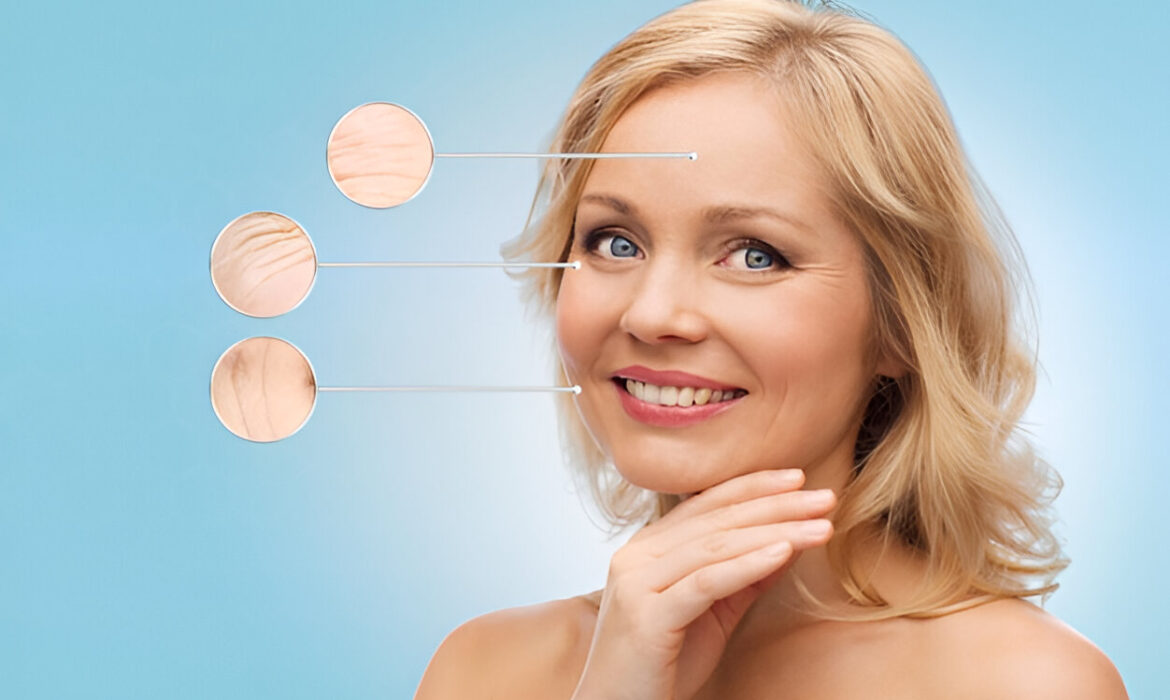
Explore Chennai’s top 5 dermatologist-approved anti-aging treatments for 2025, including Microneedling, Hydrafacial, HIFU treatments. Dr. Hanan Clinic to make confident, informed hair choices.
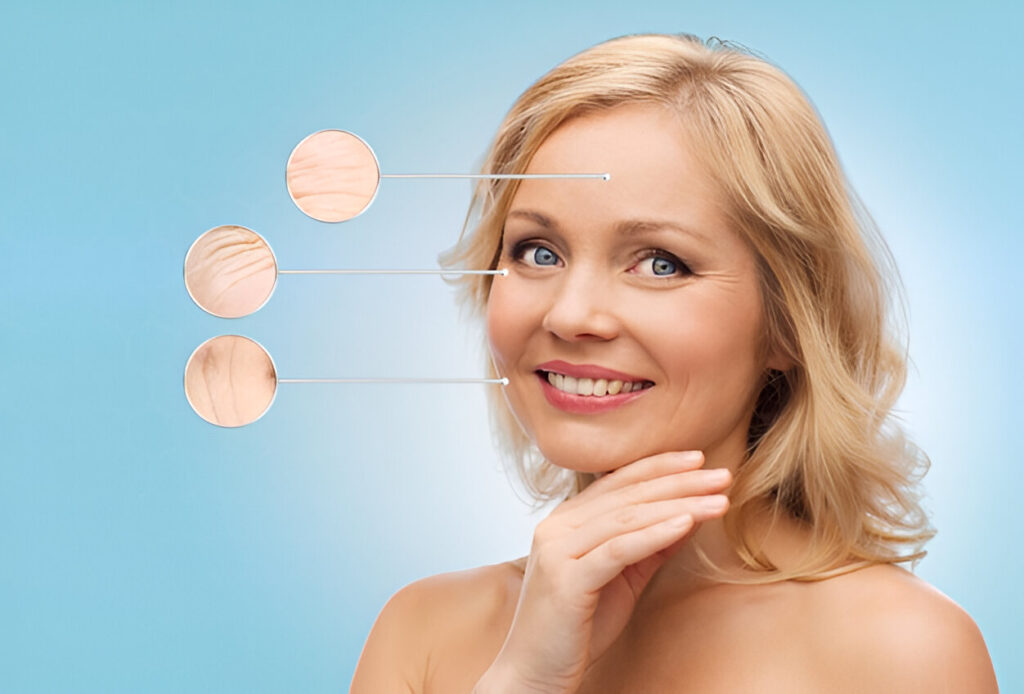
Aging is a natural process, but the desire to look young is timeless. In 2025, progress in dermatology and beauty therapy has brought out more effective and safe anti-aging treatment than ever. If you want to maintain the firm, glow and young looking skin, then the top five anti-aging treatments here are actually working-bounced by experts and science.
Microneedling with exosomes is one of the most advanced anti-aging innovations of 2025. While traditional microneedling boosts collagen by creating micro-injuries, the addition of exosomes—powerful cell-derived messengers—supercharges your skin’s healing and rejuvenation.|
How It Works:
Minimal — 1–2 days of mild redness or sensitivity
HydraFacial has become one of the most popular anti-aging facials due to its ability to combine deep cleaning, exfoliation and hydration in a session. In 2025, new versions of HydraFacial include powerful anti-aging serums such as peptides, antioxidants, and growth factors.
How It Works:
Zero downtime. It’s considered a lunchtime procedure.
Laser resurfacing 2025 has a gold standard to tighten the skin and treat age -related pigmentation and texture issues.
How It Works:
Depends on the laser used—ranges from 3 to 7 days
Neurotoxins like Botox and dermal fillers like hyaluronic acid are still among the most effective non-surgical anti-aging treatments. In 2025, advanced techniques ensure a more natural and subtle look.
How It Works:
Minimal; mild swelling or bruising may last 1–2 days
HIFU (High-Intensity Focused Ultrasound) is a non-invasive treatment that targets deep layers of the skin to stimulate collagen and tighten tissues. It’s a 2025 favorite for patients who want a facelift-like effect—without the pain, cost, or downtime of surgery.
How It Works:
Zero downtime; you can resume activities immediately.
Not all treatments are suitable for everyone. A dermatologist will consider the following factors
1. Age and skin type
2. Skin concerns (wrinkles, sagging, pigmentation)
3. Medical history
4. Lifestyle and budget
Always consult a board-certified dermatologist like those at Dr. Hanan Dermatology Speciality and Trichology and Hair Transplant Center in Chennai for a customized anti-aging plan.
With over 868+ Google reviews and a 4.9/5 rating, Dr. Hanan’s clinic is one of the most trusted names in Chennai for skin and hair treatments. Our expert team uses FDA-approved equipment, personalized treatments, and modern techniques to help you age gracefully.
At Dr. Hanan Dermatology Speciality and Trichology Clinic in Chennai. , we combine medical expertise with personal care. Our hair transplant procedures are:
1. Performed by qualified dermatologist and surgeons
2. Advanced FUE -driven by technology
3. To conform to your unique hairline and facial features
4. Long -term follow -up and supported by support
Whether you are facing the loss of thin or advanced hair at an early stage, we are helping to re-achieve your confidence here-naturally and safely.
2025 brings incredible options for reversing signs of aging. Whether you want to reduce wrinkles, improve skin tone, or simply feel more confident in your skin—modern dermatology offers safe and powerful solutions.
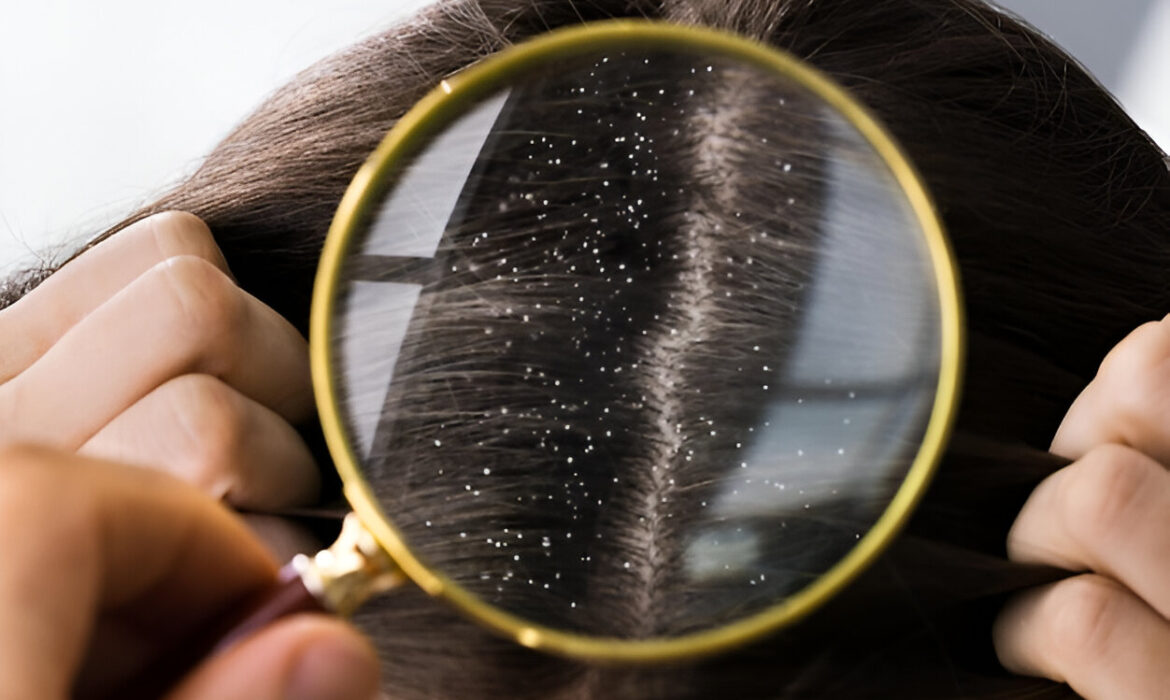
Find the best treatments for dandruff and itchy scalp from Chennai’s expert dermatologists at Dr. Hanan Clinic.
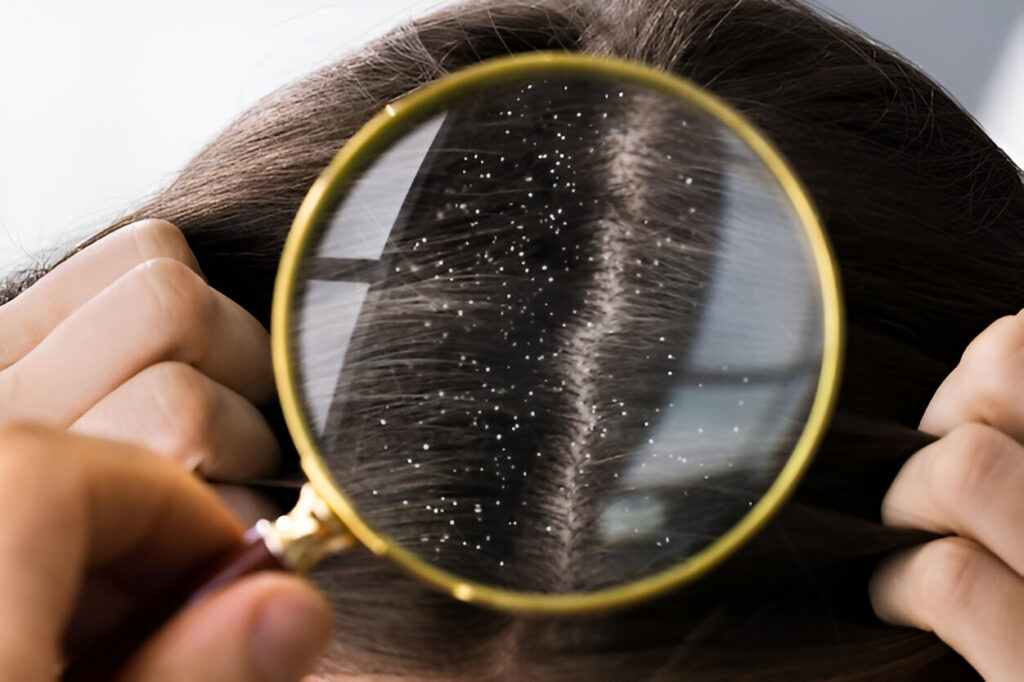
Dandruff and itchy scalp are two of the most common hair and scalp issues, affecting millions of people across all age groups. While they might seem like minor inconveniences, these conditions can lead to embarrassment, discomfort, and even hair loss if left untreated. At Dr. Hanan Dermatology Speciality and Trichology Clinic in Chennai, our dermatologists provide medically approved solutions that address the root cause of scalp problems—not just the symptoms.
This blog explains the best treatments for dandruff and itchy scalp, using a clinical, EEAT-backed approach to ensure you receive trustworthy, expert-backed advice for your hair and scalp health.
Dandruff is typically caused by one or a combination of the following:
At Dr. Hanan Clinic, we believe in customized, evidence-based treatment plans. Depending on your scalp type, the severity of your dandruff, and any underlying skin condition, our dermatologists may recommend:
Prescribed shampoos that contain:
These are often used 2–3 times a week, followed by a mild, hydrating conditioner.
In cases of moderate to severe seborrheic dermatitis or psoriasis, dermatologists may prescribe:
These help reduce inflammation and yeast overgrowth on the scalp.
Professional scalp exfoliation at our clinic can help remove:
This prepares the scalp to absorb treatment products more effectively and restores scalp balance.
For chronic inflammation or itchiness, LLLT can help by:
This is often used alongside medicated shampoos for long-term results.
We use digital trichoscopy to:
There is no “permanent” cure for dandruff, but it can be effectively managed with the right combination of:
Dandruff often recurs when treatment is stopped prematurely or when lifestyle factors are ignored.
Yes, indirectly. Severe dandruff and constant scratching may lead to:
While dandruff doesn’t cause baldness, chronic scalp inflammation can contribute to diffuse hair shedding or thinning, especially in individuals already prone to hair fall.
Some natural remedies offer mild relief, such as:
However, these are best used as supportive care and should not replace dermatologist-prescribed treatments for persistent cases.
Routine scalp checkups at our clinic can help monitor your progress and avoid recurrence.
If you’re struggling with persistent dandruff or scalp irritation, don’t rely on over-the-counter fixes. Consult with our dermatology team at Dr. Hanan Dermatology Speciality and Trichology Clinic for safe and lasting relief.
Healthy scalp. Healthier hair. It starts with expert care.
Reveal your natural glow with advanced skin treatments for glowing skin by the best dermatologist in Chennai. Feel confident in your skin.
Skin Treatments for Glowing Skin: Achieving glowing skin is a common skincare goal, but factors like pollution, stress, poor diet, and aging can make skin look dull and tired. The good news is that various skin treatments can help restore your skin’s natural radiance. Whether you prefer professional dermatological treatments or natural home remedies, this guide will explore the best skin treatments for a long-lasting glow.
For those seeking long-term results, professional dermatological treatments offer scientifically proven methods to enhance skin brightness and improve overall texture.
Chemical peels use acids like glycolic, lactic, or salicylic acid to exfoliate dead skin cells and promote skin renewal. They help in reducing pigmentation, fine lines, and dullness, revealing a brighter complexion.
This treatment involves a minimally invasive exfoliation process that removes dead skin layers, leaving the skin smooth and radiant. It is suitable for treating dull skin, mild acne scars, and sun damage.
Laser treatments such as Fractional CO2 and Intense Pulsed Light (IPL) therapy target deep skin layers to stimulate collagen production, reduce dark spots, and enhance skin tone.
HydraFacial combines cleansing, exfoliation, extraction, hydration and antioxidant protection. This quick, non-invasive treatment is highly effective in achieving an immediate brightness and deep hydration.
This treatment uses various wavelengths of light to treat skin concerns. Red light therapy promotes collagen and reduces inflammation, while blue light therapy helps with acne and oil control.
Mesotherapy involves injecting vitamins and serums in the skin for hydration and brightness. PRP (platelet-rich plasma) therapy, also known as “Vampire Facial”, stimulates skin renewal by using growth factors from the patient’s own blood.
Oxygen facials infuses the skin with pure oxygen and hydrating serum, improve circulation and give the skin an immediate, healthy glow.
Many DIY remedies for those who like natural remedies can improve skin glow without professional intervention.
Massaging the skin with natural oils or using devices like Gua Sha promotes blood circulation and gives a natural glow.
Maintaining a proper skincare routine is essential for glowing skin.
Hydrating materials such as hyaluronic acid and ceramides help to keep the skin thicker and bright.
Applying sunscreen (SPF 30 or higher) daily prevents skin damage and premature aging.
Dry skin: hydrating treatment such as HydraFacial and mesotherapy.
Oily skin: chemical peels and laser resurrection help to control oil and acne.
Combination Skin: A mixture of exfoliation, hydration and safety is ideal.
Sensitive skin: gentle treatment such as LED therapy and oxygen facials..
To achieve glowing skin requires a combination of professional treatment, natural remedies and a consistent skincare routine. Whether you choose dermatological treatment or home-based treatment, taking care of your skin in the right ways will help maintain a young and bright color.
Hair transplant pain is minimal with modern techniques. Learn what to expect during and after the procedure at Dr. Hanan Clinic.

One of the most common worries among people considering hair transplantation is pain. Small incisions and hair follicles can be thought of being extracted or implanted. If you are thinking how painful a hair transplant is really, you are not alone. At Dr. Hanan Dermatology Specialty and Trichology Clinic, we asked this question in almost every consultation. In this blog, we will explain what you can really expect in terms of both hair transplant pain during and later, and why it is more manageable than most people think.
Hair transplant procedures, particularly modern techniques like FUE (Follicular Unit Extraction) and FUT (Follicular Unit Transplantation), are minimally invasive and designed to ensure maximum comfort. Contrary to common fears, hair transplants are not painful, especially when performed by experienced dermatologists using advanced tools and anesthetics.
The process begins with local anesthesia so that both the donor and recipient of the scalp can be numb. Most patients described the injection of the anesthetic as a brief pinch or stinging sensation. Once the anesthesia becomes effective, the scalp becomes completely numb, and you do not feel any pain during the extraction or implantation process. More and more, patients report a mild sensation of pressure or movement, but nothing is sharp or uncomfortable.
During a FUE process, an individual follicle is extracted from the donor area using a small punch tool. Thanks to anesthesia, this process is painless. Similarly, when the graft is transplanted into thin or bald areas, the experience is free from pain. In a FUT procedure, where a strip of skin is removed from the back of the scalp, initial discomfort is still controlled with anesthesia, and the process of stitching is complete without you feeling anything.
After the procedure, anesthesia gradually stops, and you may experience some mild soreness, tightness or feeling of pressure in treated areas. However, this discomfort is usually light and manageable. Most patients describe it as less intense than regular headaches. Over-the-counter or prescribed painkillers are usually sufficient to relieve any post-operative discomfort. At Dr. Hanan Clinic, we provide post-procedure care kits that include pain management medication, soothing spray and instructions that you heal comfortably.
The healing process is also relatively easy. In the first few days, you can see minor redness, nap, or itching in the transplant area. These symptoms are not painful, but may be a bit annoying. It is important not to scratch or disturb the region as it heals. Within a week to ten days, the most visible signs of the procedure fades, and the discomfort decreases significantly or disappears.
An important thing to understand about hair transplant pain is that it varies a bit from person to person. Some people have more pain limit, while others may be more sensitive. However, modern hair transplant techniques are carefully designed to prefer patient comfort. At our Clinic, we also offer additional comfort measures such as numbing sprays, cooling fans and even calming music or entertainment during long sessions.
If you are still worried about the pain, it can help listen to those who have already undergone the process. Most of our patients are surprised by how smooth and comfortable the process is. In fact, many people say that they spend the process of watching movies, browsing their phones or even naps. It is far from the painful operation he had imagined.
Another common anxiety is the recovery phase. Patients often ask whether the scalp will hurt days or weeks after transplantation. The truth is, if you follow the proper aftercare instructions, the pain quickly fades and doesn’t come back. At Dr. Hanan Clinic, our dermatologists make sure that your scalp remains healthy and taken care of through scheduled follow -ups.
In summary, if you are putting off a hair transplant because you are afraid of pain, know that today’s procedures are surprisingly gentle.
Thanks to Local anesthesia, advanced technology and specialist care, the pain levels involved are very low – often comparable to minor dental procedures. Brief, mild discomfort is a small price to pay for the long -term benefits of natural, permanent hair restoration.
Therefore, if you are searching online about hair transplant pain, then be sure that reality is far more comfortable than myths. Consult our experts at Dr. Hanan Dermatology Specialty and Trichology Clinic in Chennai to understand your options and experience an almost painless journey for fuller, thicker hair.
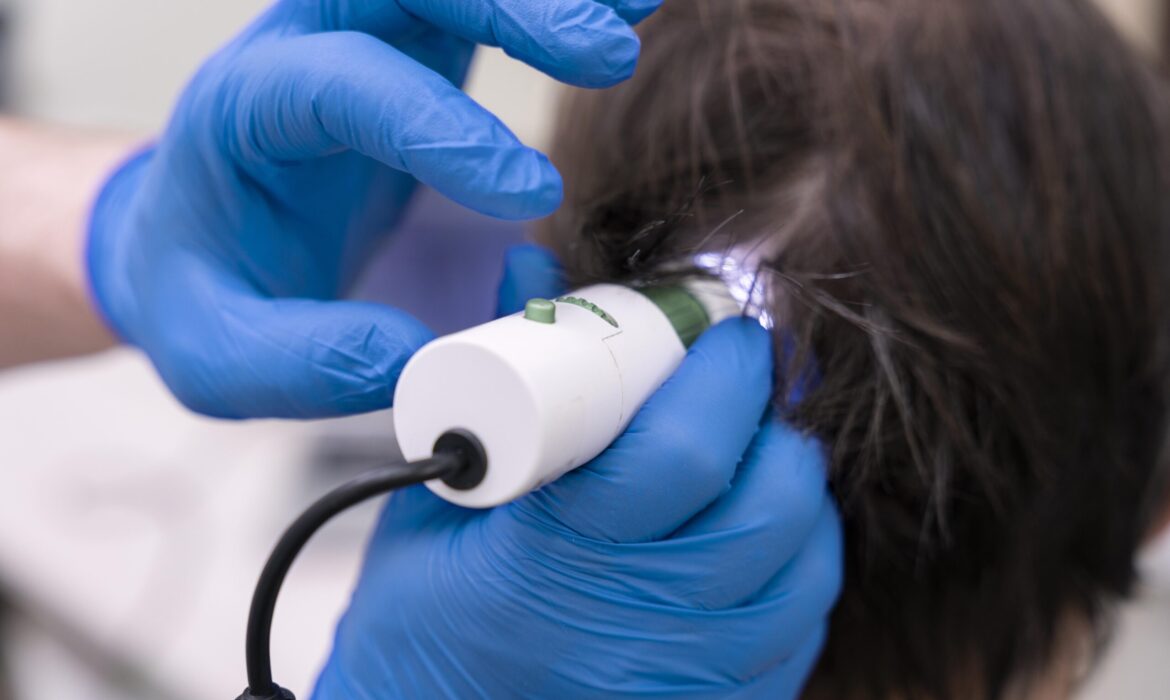
Stem Cell Hair Transplant in Chennai and helps boost hair growth by energizing follicles and reducing scalp inflammation
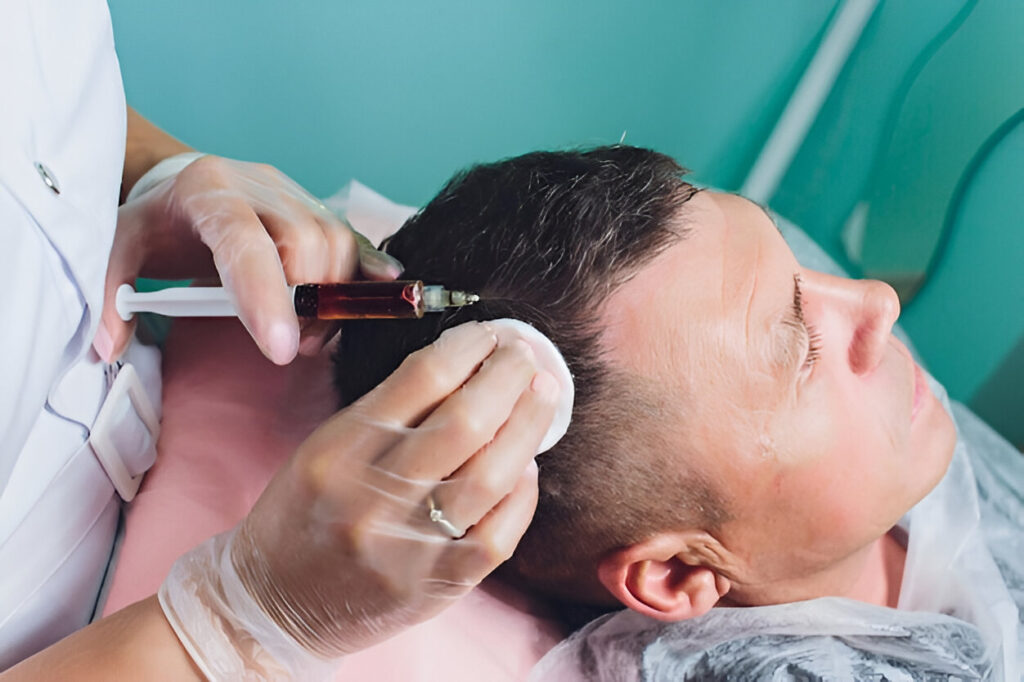
Stem Cell Hair Transplant in Chennai : Hair loss can affect confidence and overall appearance—but modern dermatology now offers advanced, minimally invasive solutions. One of the most innovative treatments gaining attention is the stem cell hair transplant, a regenerative approach designed to restore natural hair growth without traditional surgery.
At Dr. Hanan Dermatology Speciality Clinic, Chennai, patients receive expert-guided, science-backed treatments tailored to their hair concerns. If you’re exploring safe and effective hair restoration options, this guide will help you understand everything about stem cell hair transplant.
A stem cell hair transplant is a cutting-edge hair restoration technique that uses your body’s natural regenerative cells to stimulate hair growth.
Unlike traditional procedures that move hair follicles from one area to another, this method:
The goal is to revive dormant hair follicles and improve hair density naturally.
Note: This treatment is still considered emerging and experimental, and results can vary.
A small biopsy is taken, usually from:
The sample is processed in a specialized lab to:
The prepared solution is injected into:
This process helps stimulate new hair growth and improve thickness.
| Factor | Details |
|---|---|
| Procedure Time | 1–2 hours (may extend in advanced cases) |
| Recovery Time | 2–3 days |
| Pain Level | Minimal |
| Hospital Stay | Not required |
Most patients can return to normal activities within a couple of days.
Consulting a qualified dermatologist is essential before choosing this treatment.
This treatment is best suited for individuals with mild to moderate hair thinning, early-stage hair loss, and those seeking non-invasive options.
It is not recommended for advanced baldness or completely inactive hair follicles.
The cost depends on multiple factors such as clinic expertise, technology, and treatment complexity.
| City | Estimated Cost |
|---|---|
| Chennai | ₹1,50,000 – ₹4,00,000 |
Factors affecting cost include doctor experience, clinic reputation, technology used, and number of sessions required. It is considered a premium regenerative treatment compared to traditional options.
| Feature | Stem Cell | FUE/FUT |
|---|---|---|
| Method | Regenerates follicles | Relocates hair |
| Surgery | No | Yes |
| Recovery | Faster | Moderate |
| Results | Early-stage only | Suitable for all stages |
Traditional hair transplants are still more effective for advanced hair loss.
| Timeline | Results |
|---|---|
| 1–2 Months | Initial shedding phase |
| 3–6 Months | Visible hair growth |
| 6–12 Months | Improved density |
Results vary based on individual hair condition and response.
A stem cell hair transplant is a regenerative hair restoration treatment that uses your body’s stem cells to stimulate natural hair growth and improve hair density.
Yes, stem cell hair transplant is available in select advanced dermatology clinics in Chennai, including specialized hair and skin clinics.
The cost typically ranges from ₹1,50,000 to ₹4,00,000, depending on the clinic, doctor expertise, and treatment complexity.
Results can be long-lasting, but since the treatment is still evolving, long-term permanence is not fully established.
It is ideal for individuals with early to moderate hair loss, thinning hair, or those looking for a non-surgical treatment option.
Not necessarily. Stem cell treatment works best for early hair loss, while FUE hair transplant is more effective for moderate to severe baldness.
Most patients start seeing visible hair growth within 3 to 6 months, with full results appearing in 6 to 12 months.
No, the procedure is minimally invasive and usually performed under local anesthesia, causing minimal discomfort.
Mild redness, swelling, or temporary discomfort may occur, but serious side effects are rare when performed by qualified professionals.
It is generally considered safe when done by experienced dermatologists, but it is still an experimental treatment and should be approached with proper medical consultation.
Most patients need 1 to 2 sessions, but this depends on the severity of hair loss and individual response to treatment.
No, it is not effective for complete baldness, as it works by stimulating existing or dormant hair follicles.
Recovery is quick, and most patients can return to normal activities within 2 to 3 days.
There is minimal downtime, and patients can resume daily activities shortly after the procedure.
Look for a clinic with experien
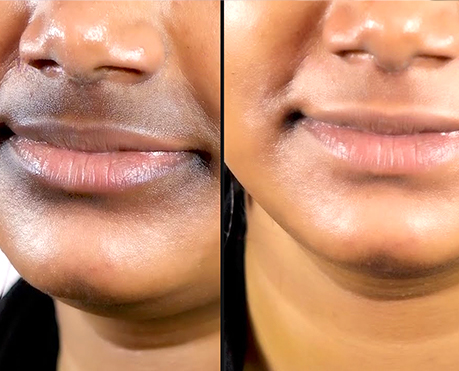
Discover simple and effective ways to reduce pigmentation around the mouth using brightening ingredients and professional treatments.
Dark skin around the face is a common skin problem that can affect people of all skin types and tones. May appear as dark marks. Uneven skin tone or changed skin color This often leads to a lack of confidence. Reducing pigmentation in this area requires skin care.
lifestyle changes and a greater understanding of the underlying causes. In this comprehensive guide We’ll explore ways to reduce pigmentation across the face and restore skin for a more even, glowing appearance.
Dark skin occurs when too much melanin is produced. which is a natural pigment responsible for skin color When there is excess melanin production in certain areas of the skin. will cause black marks which cause dark spots or blemishes. The condition can be more pronounced in sensitive areas such as the face. Because the skin is thinner and more exposed to external factors.
There are many causes of dark skin on the face. And understanding these causes is essential for effective treatment. Some common causes include:
Sun exposure: Ultraviolet (UV) rays from the sun can stimulate melanin production as a protective mechanism. cause dark spots Especially in areas exposed to sunlight.
Hormonal changes: Fluctuations in hormone levels. Especially during pregnancy or birth control. It can lead to a condition called melasma. Which causes dark skin all over the face.
Inflammation: Post-inflammatory hyperpigmentation (PIH) can occur after acne, cuts, or other skin injuries. Resulting in dark spots all over the face.
Lifestyle factors: Smoking, poor diet And dehydration can result in uneven skin tone and skin problems. Allergic reactions: Some skin care products or cosmetics can cause irritation and discoloration of the face if they are not suitable for your skin type.
One of the most effective ways to prevent and reduce pigmentation around the mouth is to protect your skin from the sun. Exposure to UV rays stimulates melanin production, which worsens pigmentation. To minimize sun damage:
a. Use a broad-spectrum sunscreen with at least SPF 30 daily, even on cloudy days. Look for sunscreens that protect against both UVA and UVB rays.
b. Reapply sunscreen every 2 hours when spending time outdoors.
c. Wear a wide-brimmed hat or use an umbrella to reduce direct sun exposure on your face.
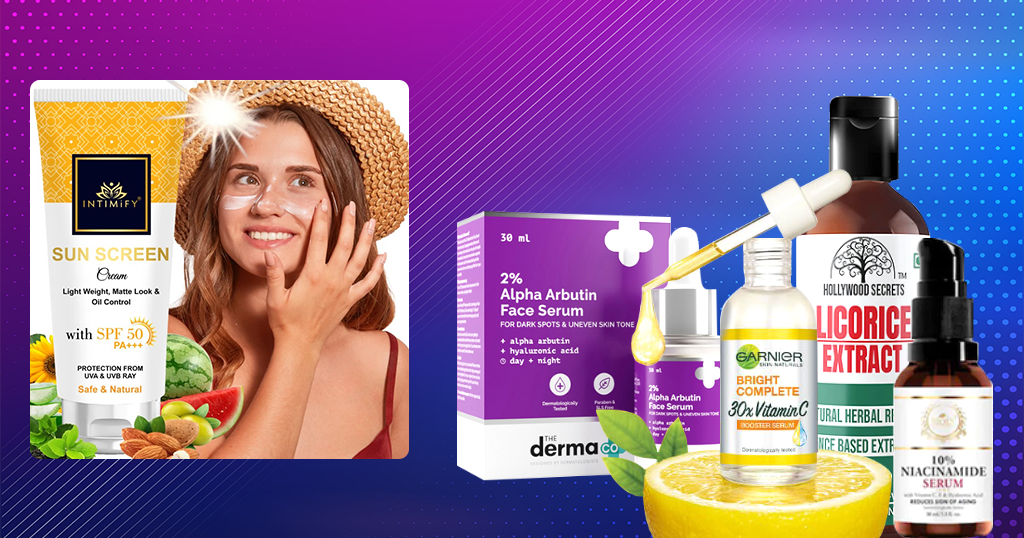
There are several effective skincare ingredients that help fade pigmentation and brighten the skin around the mouth. Some of the most effective ingredients include:
a. Vitamin C: A potent antioxidant, vitamin C can inhibit melanin production, brighten dark spots, and promote collagen production.
b. Niacinamide: This form of vitamin B3 helps to reduce pigmentation by slowing down melanin transfer to the skin’s surface.
c. Alpha Arbutin: A natural extract derived from bearberry plants, alpha arbutin is known for its ability to lighten hyperpigmentation and even out skin tone.
d. Licorice Extract: Contains a compound called glabridin, which inhibits melanin production and helps reduce pigmentation.
e. Retinoids: These vitamin A derivatives increase cell turnover, helping to fade dark spots over time and prevent further pigmentation.
f. Kojic Acid: Derived from fungi, kojic acid reduces pigmentation by inhibiting tyrosinase, an enzyme involved in melanin production. It is effective at brightening dark spots and evening skin tone.
g. Tranexamic Acid: Initially used for treating blood clots, tranexamic acid is now popular in skincare for reducing melanin production. It effectively treats melasma and post-inflammatory hyperpigmentation, making it ideal for addressing pigmentation around the mouth.
Regular exfoliation helps to remove dead skin cells and allows for better absorption of brightening products. Exfoliating also accelerates skin cell turnover, helping to fade pigmentation. Opt for gentle exfoliation methods to avoid irritation:
a. Chemical exfoliants like AHAs (alpha-hydroxy acids) and BHAs (beta-hydroxy acids) are ideal for brightening and improving skin texture without being too abrasive.
b. Physical exfoliants like scrubs should be used with caution to avoid damaging the delicate skin around the mouth.
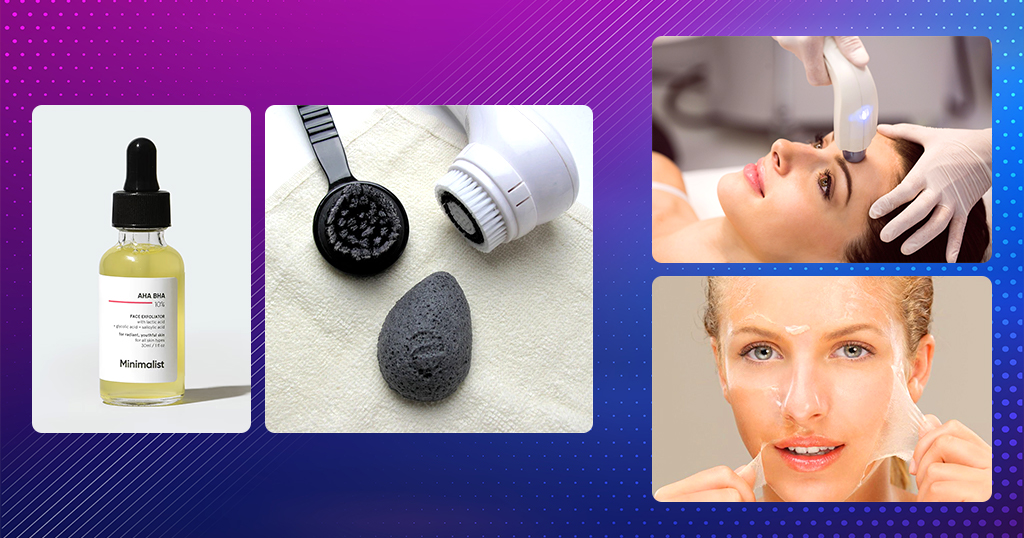
For more stubborn pigmentation, professional treatments like laser therapy and chemical peels can deliver faster, more noticeable results.
a. Laser Therapy: Lasers target and break down melanin in the skin. Treatments like Q-switched lasers or fractional lasers are particularly effective for treating pigmentation around the mouth.
b. Chemical Peels: A professional-grade chemical peel using acids like glycolic acid or salicylic acid can remove the top layer of skin, revealing fresher, more even-toned skin beneath.
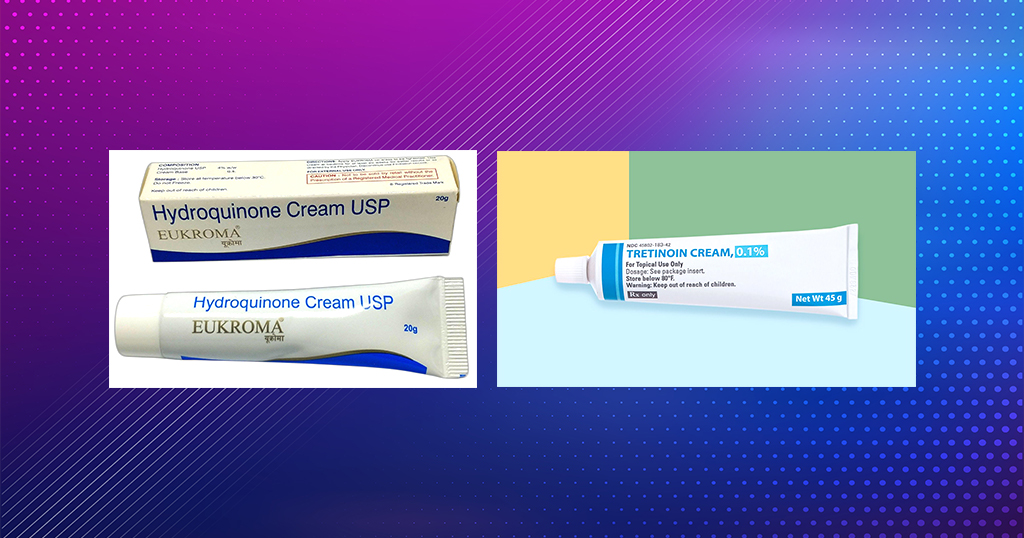
In some cases, your dermatologist may prescribe topical treatments to help reduce pigmentation. These medications often contain stronger concentrations of active ingredients:
a. Hydroquinone: One of the most effective skin-lightening agents, hydroquinone inhibits melanin production and is available in prescription-strength formulas.
b. Tretinoin: A form of retinoid, tretinoin accelerates cell turnover and helps fade hyperpigmentation more quickly.
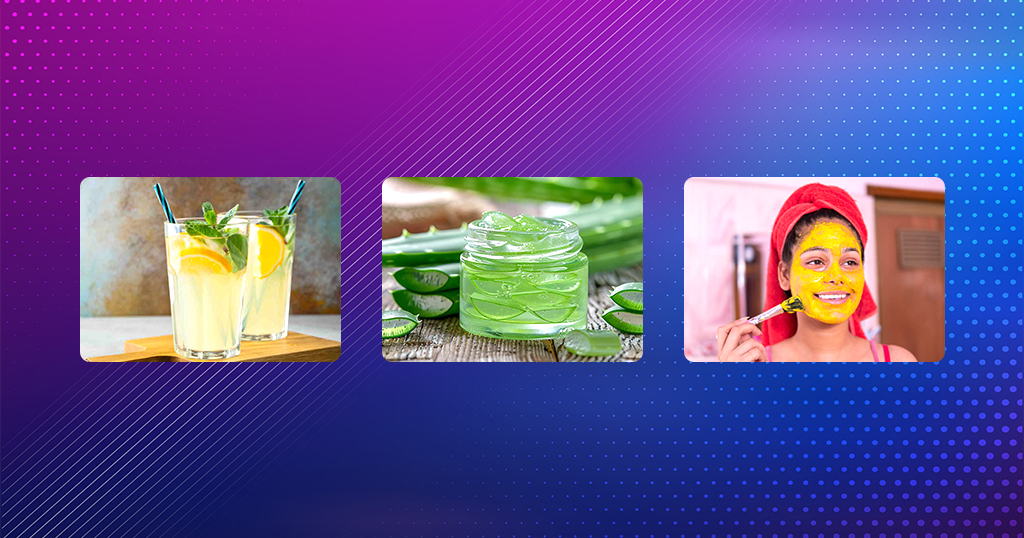
While professional treatments are often the most effective, certain home remedies can help lighten mild pigmentation around the mouth. Some popular remedies include:
a. Lemon Juice: Rich in vitamin C, lemon juice can help brighten the skin and reduce dark spots. Apply diluted lemon juice to the affected area, leave it on for 10 minutes, and rinse off.
b. Aloe Vera Gel: Aloe vera contains compounds like aloesin, which may inhibit melanin production and lighten pigmentation.
c. Turmeric: Turmeric has anti-inflammatory and skin-brightening properties. Mix turmeric with milk or yogurt to create a paste, apply it to the pigmentation, and rinse off after 15 minutes.
A well-rounded lifestyle supports overall skin health, reducing the likelihood of pigmentation:
a. Stay Hydrated: Drinking plenty of water keeps your skin hydrated and promotes a healthy, even complexion.
b. Eat a Balanced Diet: Include foods rich in antioxidants, like fruits and vegetables, which help fight free radicals and prevent skin damage.
c. Avoid Smoking: Smoking depletes oxygen and nutrients from your skin, leading to premature aging and uneven skin tone.

If over-the-counter products and home remedies do not produce the desired results It’s time to consult a dermatologist. They may recommend treatments such as chemical peels.
laser treatment or prescription-strength creams to effectively reduce melanin production, in addition, if dark skin is accompanied by other symptoms such as inflammation or itching. It is necessary to get expert advice to rule out hidden conditions.
1. Special expertise and specialized treatment
Dr. Hanan specializes in skin pigmentation. It provides tailored treatments such as topical medications (Alpha Arbutin, kojic acid and tranexamic acid), laser therapy. and peeling the skin with chemicals To effectively deal with the problem of dark skin on the face.
2. Holistic and patient-centered approach
Focused on immediate results and long-term skin health, Dr. Hanan offers comprehensive skin care advice and preventative measures. This ensures a personalized experience that prioritizes your specific needs.
3. Proven results in a safe environment
Our clinic has a history of satisfied patients. Thankfully, safe and effective treatments are performed in a clean and comfortable atmosphere by the doctors. Because of Hanan’s determination Feel a noticeable improvement in your skin tone and regain your confidence!
For expert treatment of mouth pigmentation, choose Dr. Hanan for her specialized skills and patient-focused care. Schedule your consultation today!
A regular skin care routine to reduce pigmentation all over the face. Sun protection And professional treatment for severe cases may require brightening ingredients.
Exfoliating the skin regularly and considering laser or chemical treatments to make the skin tone more even. Always remember to protect your skin from UV damage. and maintain a healthy lifestyle to support long-term results.
Pigmentation can result from sun exposure, hormonal changes, post-inflammatory hyperpigmentation, and certain medical conditions.
Effective treatments include topical creams with hydroquinone, kojic acid, or tranexamic acid, as well as chemical peels and laser therapy.
Prevent further pigmentation by using a broad-spectrum sunscreen, maintaining a gentle skincare routine, and consulting a dermatologist for personalized advice.
Explore Korean Skin Whitening Treatment tips, ingredients, and routines to achieve radiant, even-toned skin safely and effectively.
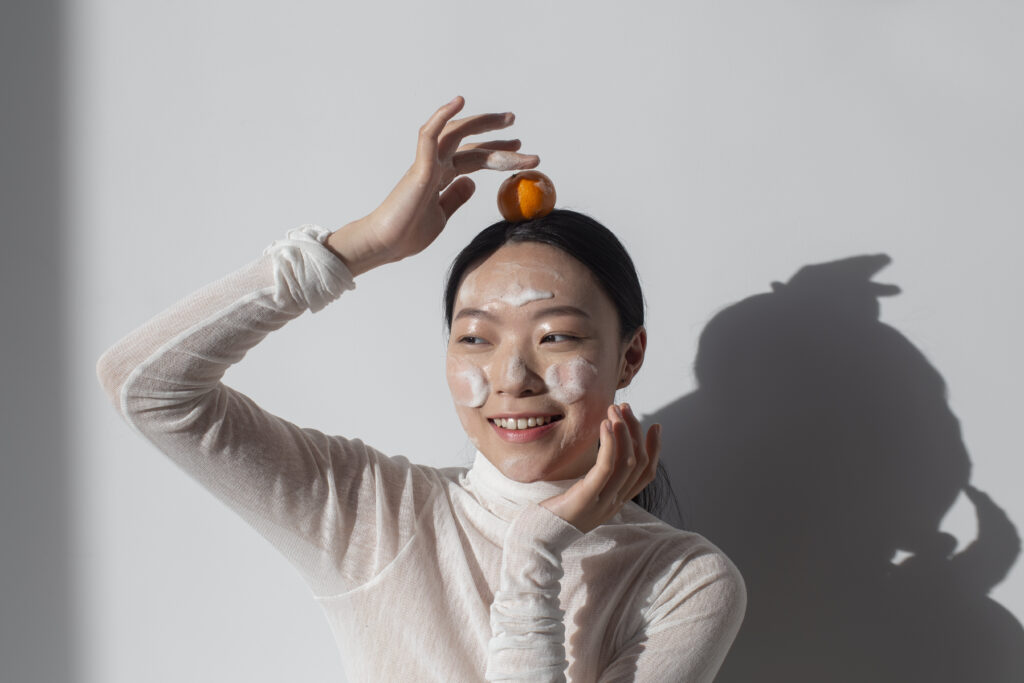
Korean Skin Whitening Treatment: Korean skincare has taken the world by storm, with its emphasis on healthy, radiant skin and its carefully crafted routines that prioritize skin care over quick fixes. One of the most popular skincare goals among Korean beauty enthusiasts is achieving clear, glowing, and even-toned skin. But what exactly is “skin whitening” in Korean beauty, and how can you achieve it safely and effectively?
In this article, we’ll dive into the concept of Korean skin whitening treatments, explore the key ingredients that make them work, and discuss how you can incorporate them into your skincare routine for a brighter, more even complexion. Korean skin brightening routine and Korean beauty tips for glowing skin are gaining popularity for a reason—they focus on long-term skin health and radiance.
Korean skin whitening, often used interchangeably with terms like “brightening” or “evening out skin tone,”which is not about making your skin unnaturally fair, but about achieving a shiny and healthy glow. Unlike skin bleaching, which aims to lighten the skin significantly, skin whitening focuses on reducing pigmentation, dark spots and focus on reducing hyperpigmentation, resulting in a uniform-toned complexion. Korean Skincare is designed with effective ingredients.
In Korean Skincare, emphasis is laid on brightening the skin by addressing underlying issues such as unequal tones, acne marks and sun damage. Instead of changing one’s natural skin tone, healthy, bright skin is the ultimate goal. It aligns with Korean melanin reduction techniques and glass skin treatment approaches.
Many powerful ingredients are usually found in Korean skin white products. These ingredients are known to illuminate, calm and improve the overall appearance of the skin. Here are some important ingredients to see:
1. Niacinamide is a powerful form of vitamin B3 that helps lighten black spots, reduce redness and even skin tones. It works by stopping melanin production, which has a great color over time. It is one of the best Korean products for uneven skin tones.
2. Arbutin is naturally occurred from plants such as a bearberry, arbutin, have skin-lightening properties. It helps to inhibit an enzyme tyrosine which is responsible for melanin production, thus reduces hyperpigmentation. It is generally used in soft skin whitening solutions.
3. Vitamin C is known for its antioxidant properties, vitamin C reduces melanin production and disappears dark spots. It also protects the skin from UV damage, prevents future pigmentation issues. An important part of any shining Korean facials.
4. Licorice Extract are well known for lightening hyperpigmentation in Korean Skincare. It has anti -inflammatory properties that help soothe the skin during brightening, which is ideal for people with sensitive skin. Whitening serum in Korean beauty often features this component.
5. Centella Asiatica is often found in soothing products, Centella Asiatica helps to cure and reproduce the skin by reducing redness and pigmentation. It is particularly beneficial for people with acne marks or uneven skin tones. It supports traditional Korean beauty secrets to calm the skin.
6. Tranexamic Acid is becoming a popular ingredients in Korean Skincare, which is due to the ability to address melasma, dark spots and pigmentation. It works by stopping the production of melanin in the skin.
7. Ginseng is a traditional Korean ingredients, ginseng used for its stimulating properties. It improves circulation and promotes a healthy, radiant glow by brightening the complexion and reducing the fine lines. Often used in brightening essence Korean style.
There are various skincare products that are specially designed to brighten and even out the tone of the skin. Below are some popular categories and types of products that are usually used for skin whitening:
1. Cleanser: oil-based cleanser and soft foaming cleanser help to remove impurities and dead skin cells, prepare your skin for bright, healthy skin. Products with vitamin C or licorice extract can help brighten the skin with every wash
2. Toner: toner hydrate with brightening ingredients such as niacinamide, vitamin C, or licorice extract hydrate, and balance the skin by preparing it for the next stages in its routine. These toner are staples K-beauty in the enhancing routine.
3. Serum and essence: serum and essences are concentrated treatments that address specific skin concerns. For skin whitening, look for serum with niacinamide, vitamin C, or arbutin, which target hyperpigmentation and brighten your complexion. Even skin tone Korean products fall under this category.
4. Sheet masks: A Korean skincare staple, sheet masks infused with brightening ingredients provide a quick boost of radiance. Look for masks containing Vitamin C, green tea, or licorice to help fade dark spots. Korean whitening sheet mask benefits go beyond hydration
5. Moisturizer: that focus on brighting and hydration are essential in a skin -white routine. For both Hydrate, find products with soothing materials such as Centella Asiatica or Niacinamide and promote a similar skin tone.
6. Sunscreen: is an absolute to maintain your bright skin and prevent further pigmentation. Opt for broad spectrum sunscreen that prevents both UVA and UVB rays.
Korean skin whitening products usually work by preventing melanin production in the skin and reducing existing pigmentation. Major ingredients such as niacinamide and vitamin C block tyrosine, an enzyme responsible for melanin production. Over time, it helps reduce dark spots, sun damage and other forms of hyperpigmentation.
In addition to bright agents, these treatments often have a soothing and hydrating material for the skin to be balanced and healthy. Regular use of these products can lead to a bright and even skin tone without compromising the health of the skin.
While skincare routines are effective at home, there are also professional remedies that can speed up the skin process and provide intensive rejuvenation. Korean cosmetic procedures for whitening are also in demand:
1. Laser Treatment PicoSure and fractional lasers target hyperpigmentation and rejuvenate the skin. These procedures break the melanin in the skin, which help to fade black spots and even out the skin tone.
2. A chemical peel, it involves applying an exfoliating solution to remove dead skin cells, which can help brighten the complexity and treat discoloration. These peels often contain alpha-hydroxy acid (AHA) or beta-hydroxy acid (BHA).
3. Whitening Facials: This facials targeted remedies that are often found in the Korean spa. They use brightening masks, serum and LED light therapy to enhance skin glow and treat uneven pigmentation.
For those who prefer natural, home treatment, here are some DIY Korean remedies for shining skin:
1. Rice mask rice has long been used for skin brightening properties and it has been used in Korean beauty. A simple rice flour mask can help exfoliate the skin and promote a glowing complextion.
2. Green tea and honey masks: Green Tea contains antioxidants that protect the skin, while the moisturizing properties of honey help to nourish the skin. Together, they provide a soothing and bright effect.
3. Yogurt and lemon mask: lemon’s citric acid gently helps to exfoliate the skin, while yogurt hydrates and soths. This mask can illuminate the skin with regular use.
There are many myths surrounding skin whitening treatments. It’s important to clarify that achieving brighter, even-toned skin is not about making your skin unnaturally fair but about enhancing your skin’s natural radiance. Misconceptions like “whitening products are harmful” or “you should see results overnight” can lead to disappointment and frustration.
It’s also crucial to focus on the health of your skin, as overuse of harsh treatments can damage the skin barrier and cause irritation.
While Korean skin whitening products can offer great results, it’s important to be cautious. Overuse of whitening ingredients or choosing products that don’t suit your skin type can cause irritation, sensitivity, or even worsen pigmentation issues. Always patch test new products, and consider consulting a dermatologist before starting intense whitening treatments.
To maintain healthy, glowing skin, follow these simple tips:
Korean skin whitening treatments are more about enhancing the skin’s natural radiance than lightening the complexion. With the right ingredients, products, and professional treatments, achieving an even, glowing complexion is possible. However, it’s important to focus on the health of your skin and not just its appearance, ensuring that the path to brighter skin is both safe and effective.
Visit Dr. Hanan Dermatology Speciality Clinic in Chennai
For personalized Korean Skin Whitening Treatment and expert skincare guidance, visit Dr. Hanan Dermatology Speciality Clinic in Padur, Chennai. Our dermatologists specialize in advanced skin-brightening solutions tailored to your skin type. Book your consultation today and start your journey toward radiant, even-toned skin!
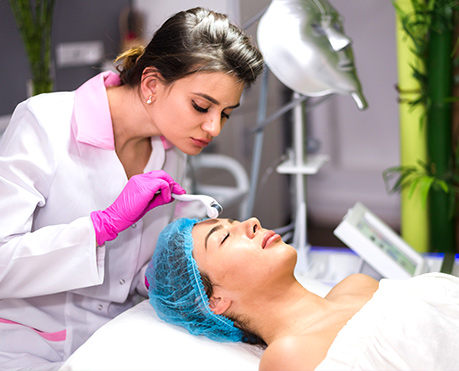
Find the best skin clinic in Chennai with our top 5 picks, offering cutting-edge dermatology treatments for radiant, healthy skin.

Finding good skin care products This can be a challenge in a bustling city like Chennai. Many skin clinics offer a wide range of services, from cosmetic procedures to treatments.
Choosing the right clinic can make a world of difference. Here we have compiled a list of the top 5 skin clinics in Chennai that are known for their state-of-the-art treatments.
1. Health: Healthy skin is a protective barrier, preventing infections and shielding against harmful UV rays. Regular sunscreen use lowers the risk of skin cancer.
2. Appearance: A good skincare routine keeps your skin youthful, promoting clearer, glowing skin by removing dead cells and encouraging regeneration.
3. Prevention: Consistent care prevents signs of aging and manages existing issues like acne or dryness. Skin care is essential for everyone, not just those with sensitive skin.
In short, proper skin care safeguards your health, boosts confidence, and prevents future problems.
Not sure how to pick the best skin clinic near me? Look for hospitals with Best dermatologist offering key services like consultations, medical treatments, and cosmetic procedures.
Your skin needs specialized care, and seeking professional help can address issues like rashes, wrinkles, and more serious conditions like skin cancer.
1. Accurate Diagnosis: Dermatologists provide expert assessments of skin conditions.
2. Healthier Skin: Regular visits lead to clearer, more youthful skin.
3. Exclusive Treatments: Access to high-quality products not available in stores.
4. Customized Care: Personalized treatment plans for every skin type.
1. Check Certifications: Ensure the facility and specialists are licensed.
2. Experience Matters: Opt for seasoned professionals.
3. Read Reviews: Patient feedback provides insight.
4. Cost & Communication: Compare prices and make sure the specialist listens and explains clearly.
Dr. Hanan’s Dermatology Speciality Clinic, located in the heart of Chennai on OMR Road, is a premier destination for advanced skin treatments. The clinic is led by Dr. Hanan, a board-certified dermatologist with years of experience in treating a variety of skin conditions.
What sets Dr. Hanan’s clinic apart is the integration of cutting-edge technology with a compassionate, patient-centric approach. The clinic offers a wide range of services, including:
a. Advanced Acne Treatment: Whether you’re dealing with stubborn acne or scars, this clinic provides tailored solutions, including chemical peels, laser therapy, and topical treatments.
b. Anti-Aging Procedures: For those looking to rejuvenate their skin, Dr. Hanan’s clinic offers Botox, fillers, and laser resurfacing to reduce wrinkles and improve skin texture.
c. Psoriasis & Eczema Care: Specialized treatments for chronic skin conditions like psoriasis and eczema are administered with the latest medications and therapies, ensuring long-lasting relief.
d. Laser Treatments: For pigmentation, unwanted hair, and acne scars, the clinic offers state-of-the-art laser technology to deliver precise results.
The clinic is known for its friendly staff, timely appointments, and personalized care plans that prioritize the patient’s unique needs.

1. Expertise: Led by Dr. Hanan, whose credentials and experience speak for themselves.
2. State-of-the-art equipment: The clinic is equipped with modern tools and machines that ensure precise, effective treatments.
3. Comprehensive Services: From medical to cosmetic dermatology, everything is offered under one roof.
Apollo Cosmetic Clinics is a famous name in the field of healthcare. And their skin care services are top-notch. Situated in different parts of Chennai, this clinic is an option for those looking for beauty and skin solutions.
What makes Apollo Cosmetic Clinics one of the Best of all, it is dedicated to clinical excellence and patient safety.
a. Cosmetic Dermatology: Specializing in Botox dermal fillers Skin tightening treatments and anti-aging treatments To make the patient look youthful
b. Medical Dermatology: From acne and rosacea treatments to comprehensive eczema and psoriasis care, Apollo guarantees effective results for every patient.
c. Laser Treatment: The clinic offers laser treatment for hair removal. pigmentation and reduce scars with top-notch technology Apollo Cosmetic Clinics is for those seeking professional care in luxury and convenience.

1. Trust: Apollo is a trusted name in Indian healthcare. By offering standard treatment methods
2. Experienced Doctors: The clinic has a team of skilled dermatologists and beauty experts.
3. Convenient location: There are many branches all over Chennai. Therefore, it is convenient for patients.
Kaya Skin Clinic is a household name in India. Known for offering customized skin care products as per individual needs, Kaya has several branches in Chennai. and is famous for providing leading skin and beauty health solutions.
a. Personalized Skin Care: The clinic offers treatment for a wide range of acne, pigmentation, and uneven skin tone.
b. Facial rejuvenation: Anti-aging treatments such as dermal fillers, Botox, and radiofrequency therapy are offered. To restore youthful skin Advanced
c. Laser Solutions: Kaya specializes in laser treatments for hair removal. Reduce acne scars And brighten the skin tone using modern technology that has been approved by the FDA.
With experienced dermatologists and therapists, Kaya offers skin care solutions that not only treat but also enhance the natural glow of the skin.

1. Customization: Treatments are designed according to each person’s skin type and needs.
2. Professionalism: The clinic has a team of well-trained dermatologists who are focused on patient satisfaction.
3. Range of Services: Kaya offers a comprehensive range of skin, hair, and beauty solutions.
Render Skin & Hair Clinic is a trusted and fast-growing name in Chennai for advanced skin and hair care. Known for its evidence-based dermatology and patient-focused approach, the clinic has built a strong reputation among individuals seeking effective and medically guided treatments.
a. Overall Approach:
Render Skin & Hair combines clinical dermatology expertise with advanced aesthetic technology to treat conditions such as acne, pigmentation, skin aging, and chronic skin concerns. Each treatment is designed after a detailed skin analysis to ensure precise and reliable results.
b. Safe & Result-Oriented Treatment:
All procedures are dermatologist-supervised, minimally invasive, and scientifically proven, making them suitable for patients looking for safe yet visible improvements without unnecessary risks or over-treatment.
c. Hair and Skin Health:
In addition to skin care, Render Skin & Hair specializes in hair loss management, scalp treatments, and PRP therapy for hair regrowth and strengthening. Treatments are customized based on individual hair type, lifestyle, and medical history.
Render Skin & Hair Clinic is an excellent choice for those seeking modern, long-term solutions for skin and hair concerns backed by professional expertise and advanced technology.
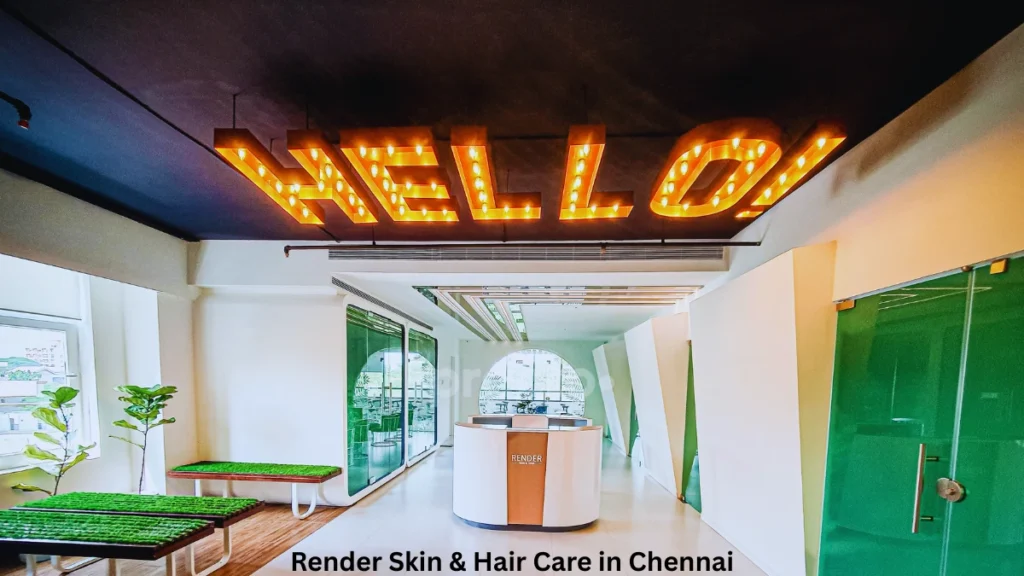
Expert Dermatologists: Certified skin & hair specialists.
Advanced Treatments: PRP, lasers, and anti-aging solutions.
Personalized Care: Customized plans for every patient.
Holistic Approach: Focus on long-term skin & hair health.
Trusted Results: Safe, effective, and visible outcomes.
TamiraLife is a leading clinic in Chennai, known for advanced cosmetic surgery and hair restoration. With a focus on personalized care and evidence-based procedures, the clinic has earned trust among patients seeking safe, effective, and natural-looking results.
a. Overall Approach:
TamiraLife combines skilled surgical expertise with modern technology to perform cosmetic surgeries, hair transplants, and aesthetic procedures. Each treatment is carefully planned after a detailed assessment to ensure precise and reliable outcomes.
b. Safe & Result-Oriented Treatment:
All procedures are performed under expert supervision, minimally invasive where possible, and scientifically validated. The focus is on achieving visible, natural results while minimizing risks and downtime.
c. Hair and Cosmetic Health:
TamiraLife specializes in hair transplantation, scalp treatments, and cosmetic surgeries for facial and body enhancement. Treatments are tailored according to the patient’s goals, medical history, and lifestyle.
TamiraLife is an excellent choice for patients seeking modern, safe

Expert Surgeons & Dermatologists: Skilled professionals with years of experience.
Advanced Technology: Modern cosmetic and hair restoration techniques for safe, effective results.
Personalized Treatment Plans: Customized solutions based on individual needs and goals.
Natural & Lasting Results: Focus on achieving safe, aesthetically pleasing outcomes.
Trusted & Patient-Focused: High patient satisfaction and a reputation for reliable care.
Whether you’re dealing with a stubborn skin condition or simply want to improve your skin’s overall appearance, Chennai offers some of the best skin care clinics in OMR with experienced dermatologists and cutting-edge treatments.
By choosing the right skin doctor in Chennai, you can ensure that your skin receives the care and attention it deserves.
They provide treatments like acne care, scar removal, anti-aging, and skin condition management.
You can book online, by phone, or visit the clinic directly.
Fees vary, but many clinics offer affordable options depending on the dermatologist's expertise.
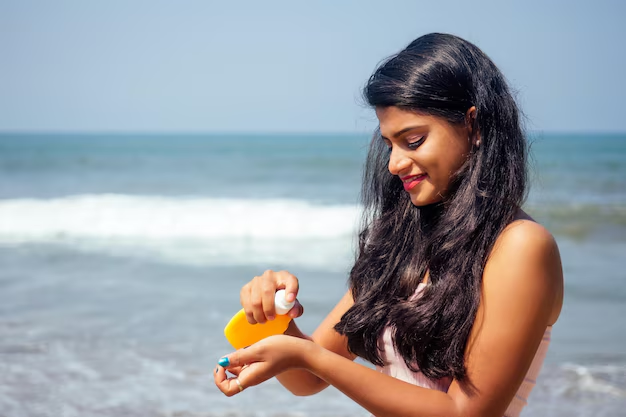
Choosing the right sunscreen in Chennai’s hot, humid climate is key. Learn how SPF, broad-spectrum, and lightweight formulas protect your skin from sun damage with Dr. Hanan Clinic experts.
Living in Chennai means enjoying plenty of sunshine, but it also comes with the challenge of protecting your skin from intense UV rays, high humidity, and year-round heat. Sunscreen is one of the most powerful tools in preventing sun damage, pigmentation, premature aging, and skin cancer. Yet, many people struggle to find the right sunscreen that works for Chennai’s tropical weather—where sweating, oiliness, and stickiness are constant concerns.
At Dr. Hanan Dermatology Speciality and Trichology Clinic in Chennai, we regularly help patients choose sunscreens that are not only effective but also comfortable for daily use in hot and humid conditions. This blog will guide you on everything you need to know before buying your next sunscreen.
Chennai is one of the hottest metropolitan cities in India, with high UV index levels throughout the year. UV rays penetrate deeply into the skin, causing:
Humidity worsens the issue by making traditional sunscreens feel greasy or heavy. That’s why choosing the right formulation is crucial for Chennai’s weather.
In Chennai, where the sun shines intensely almost year-round, it’s not enough to just look at the SPF number on your sunscreen. What really matters is broad-spectrum protection. This ensures your sunscreen shields you from both UVA rays, which penetrate deeply and cause premature aging, melasma, and hyperpigmentation, and UVB rays, which damage the outer layer of skin, causing sunburns and increasing the risk of skin cancer.
Many patients visiting Dr. Hanan Clinic in Chennai struggle with stubborn pigmentation and tanning simply because they were using sunscreens that only protected against UVB. Look for labels like PA+++ or PA++++ (which indicate stronger UVA protection) along with SPF 30 or higher. This combination offers the safest and most reliable coverage in our tropical climate.
The SPF (Sun Protection Factor) tells you how well your sunscreen protects against UVB rays. In Chennai, where the UV index often stays at high or extreme levels, using a stronger SPF is crucial.
One of the biggest complaints we hear at Dr. Hanan Dermatology Clinic is, “Sunscreens feel too sticky in Chennai’s weather.” The high humidity increases sweating, which makes heavy creams uncomfortable and often leads to clogged pores, acne breakouts, and greasy skin.
That’s why we recommend:
Look for sunscreens labeled non-comedogenic, oil-free, or mattifying. These prevent blocked pores and acne flare-ups while still giving strong UV protection. Patients who switched to these formulations often say they finally feel comfortable wearing sunscreen daily.
Choosing sunscreen is not one-size-fits-all—it should be based on your unique skin type.
At Dr. Hanan Clinic, our dermatologists first analyze your skin and lifestyle, then recommend sunscreens tailored to you—because the wrong sunscreen often worsens existing problems like acne, pigmentation, or sensitivity.
In Chennai’s climate, sweat is unavoidable. Whether you’re commuting, exercising, or just stepping outside, your sunscreen can wear off quickly if it isn’t resistant.
Look for sunscreens labeled:
These formulations are especially important for:
Even with water resistance, you still need to reapply, but these sunscreens provide added reliability for longer protection in Chennai’s humidity.
A major misconception is that applying sunscreen once in the morning is enough. But in Chennai’s heat, sunscreen breaks down faster due to sweat, sebum, and sun exposure.
Dermatologists recommend:
At Dr. Hanan Dermatology Speciality and Trichology Clinic in Chennai, we recommend sunscreens tailored to:
We also integrate sunscreen into comprehensive skin care plans for pigmentation, acne scars, and anti-aging.
At Dr. Hanan Dermatology Speciality and Trichology Clinic in Chennai, we recommend sunscreens tailored to:
We also integrate sunscreen into comprehensive skin care plans for pigmentation, acne scars, and anti-aging.
Choosing the right sunscreen for Chennai’s hot and humid climate is not just about comfort—it’s about long-term skin protection. With the right sunscreen, you can prevent pigmentation, tanning, early aging, and serious skin damage while staying fresh and comfortable throughout the day.
At Dr. Hanan Clinic, Chennai, our dermatologists help patients find sunscreens and skin care plans perfectly suited for their lifestyle and skin type.
No, oily skin is not harmful. In fact, it slows down visible aging. However, excess oil can cause acne, clogged pores, and pigmentation if not managed.
Oily skin cannot be “cured” as it is largely genetic and hormonal. But with proper skincare, lifestyle changes, and medical treatments, it can be effectively controlled.
Choose a lightweight, oil-free moisturizer with hyaluronic acid or niacinamide to balance hydration without clogging pores.
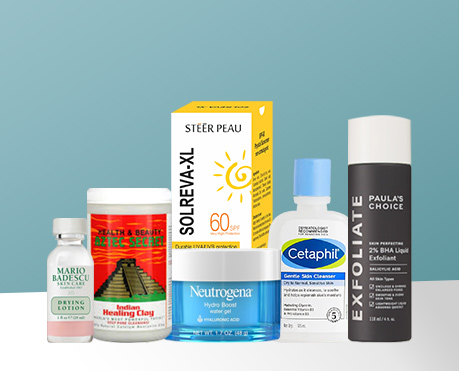
Discover the good skincare products for teens. This easy guide helps teens achieve clear, glowing skin without any hassle. Start now!

Ever had the feeling when you were a teenager that your skin had a mind of its own, and it wasn’t after what you wanted? Adolescence is a time of change with body and skin changes because hormones and growth.
Don’t worry; everyone has tough times. Normal to face challenges and difficulties. You’re not alone in this. Want a little friendly help, we’ve created an expert-curated skincare guide just for you.
Read on as we help navigate teenage skin problems and create your teenage skincare routine and best Skincare Products for Teenagers.
Teenagers have unique skin challenges such as acne, oily skin, and sweating. Important to use the right skin care products to combat these issues and take care of their changing skin.
Proper skin care routine helps teens manage skin problems and develop habits for healthy skin in the future.
It’s important to make good choices and take care of your skin with a routine that will help you in the long run.
Teen skin is different from adult skin because of the changes happening during puberty. Here’s why teenagers need a skincare routine that’s different from adults:
1. Hormonal Changes: During puberty, the body produces more hormones, which increases oil production. This can lead to more acne and oily skin.
2. Increased Oil Production: Teen skin often produces more sebum (oil) than adult skin, making it more prone to acne and shine.
3. Faster Cell Turnover: Teen skin heals more quickly from breakouts, but this can also mean more frequent acne. Products designed for teens help manage this.
4. Sensitivity: Hormonal changes can make teen skin more sensitive. Using products meant for adults might be too harsh and could cause irritation.
Teens should use skincare routines designed for their needs, like managing oil and acne, instead of adult products that may not work for them.
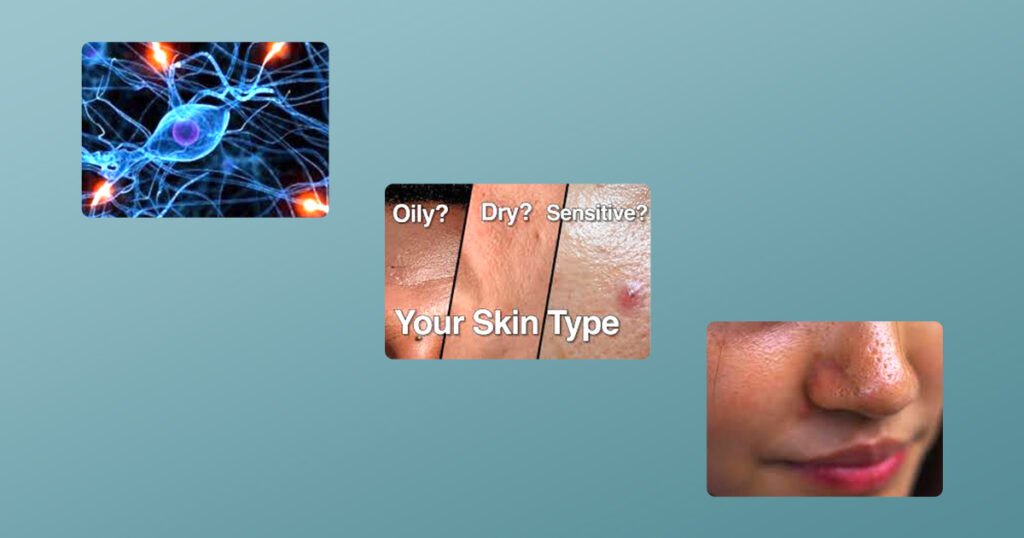
Before diving into recommendations, it’s important to understand why teenage skin is different. During adolescence, the body produces more cholesterol (oil), which can clog pores and cause acne.
Gentle Foaming Cleansers: Clean your face twice a day to remove dirt and oil without drying out your skin.
a. Epirich PE foaming cleanser: Good for normal to oily skin; helps keep skin hydrated.
b. Tabula rasa face cleanser: Contains salicylic acid to fight acne.
Micellar Water: Great for sensitive skin; cleanses without harsh scrubbing.
a. D wash face wash: Gently cleans and soothes skin.

Oil-Free Moisturizers: Even oily skin needs moisture. Choose products that won’t clog pores.
a. Akosma advanced skin repair moisturiser: Controls shine and reduces pores.
b. Raindew moisturiser: Includes SPF 30 for sun protection.
Hydrating Gel-Creams: Light and hydrating for combination or normal skin.
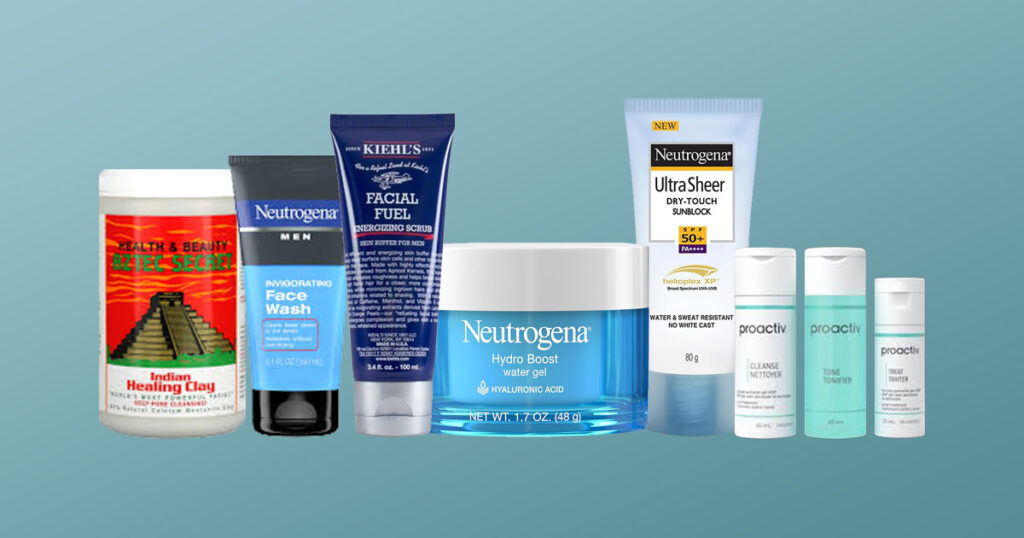
a. Neutrogena Hydro Boost Water Gel: Keeps skin soft and hydrated without feeling greasy.
b. Excela rich moisturiser: Deeply hydrating cream, ideal for very dry skin with nourishing ingredients like hyaluronic acid and ceramides.
Spot Treatments: Target specific pimples without drying out the whole face.
a. Clean & Clear Advantage Acne Spot Treatment: Reduces pimple size quickly.
b. Mario Badescu Drying Lotion: Dries out blemishes overnight.
All-Over Treatments: For more severe acne.
a. Proactiv Solution 3-Step System: Combines cleanser, toner, and treatment.
b. The Ordinary Niacinamide 10% + Zinc 1%: Reduces blemishes and balances oil.
Lightweight Sunscreens: Protect against UV rays and prevent breakouts.
a. Solreva XL sunscreen: Lightweight and good for acne-prone skin.
b. Nubase facial gel: Oil-free and protects against sun damage.
Tinted Sunscreens: Offers sun protection and a bit of coverage.
a. Rivela tinted sunscreen: Provides color and sun protection.
b. Australian Gold Botanical Tinted Face Sunscreen SPF 50: Natural ingredients and matte finish.
Clay Masks: Remove impurities and control oil.
a. Aztec Secret Indian Healing Clay: Deep-cleans with natural clay.
b.Origins Clear Improvement Active Charcoal Mask: Draws out impurities with charcoal.
Hydrating Masks: Add extra moisture and soothe irritated skin.
a. Laneige Water Sleeping Mask: Hydrates while you sleep.
Taking care of your skin as a teenager can be tricky because of the changes in your body. Here’s an easy skincare routine to keep your skin healthy and clear.

Teenage boys often deal with oily skin, acne, and sensitivity due to hormonal changes. Here’s an easy skincare guide to keep your skin clear and healthy.
Tips:
Tips:
Tips:
Tips:
Clay Masks: Use once a week to control oil and clear pores.
Tips:
Dr. Hanan is a Best dermatologist in Chennai, specializing in dermatology, cosmetic procedures. Her clinic offers personalized treatments for acne, anti-aging, pigmentation, and more, using the latest technology. Known for her compassionate care, Dr. Hanan ensures every patient receives tailored treatment.
For top-notch skincare in Chennai, Our Dr. Hanan is the best choice.
The best skincare for teens with acne-prone skin include a gentle cleanser with salicylic acid, an oil-free moisturizer, and a non-comedogenic sunscreen.
Teens generally do not need anti-aging products. Instead, they should focus on sun protection and maintaining a simple skincare routine.
Teens should avoid skincare products with alcohol, fragrances, and harsh chemicals that can irritate sensitive skin.

Dr Hanan Dermatology Speciality clinic a Leading Dermatology, Cosmetology Clinic that provides the Best Affordable Treatment for Skin, Hair & Laser.
Our Contacts
Copyright © 2024 Dr Hanan Dermatology Speciality Clinic is Developed and Maintained by Qualpr | Privacy Policy | Terms and Conditions
Dr Hanan Dermatology Speciality Clinic
Typically replies within minutes
Any questions related to Skin, Hair, and Cosmetic or Looking to book an appointment?
WhatsApp Us
🟢 Online | Privacy policy
WhatsApp us