Struggling with flakes? Learn how to get rid of dandruff with proven treatments, home remedies, and scalp care tips for lasting relief.
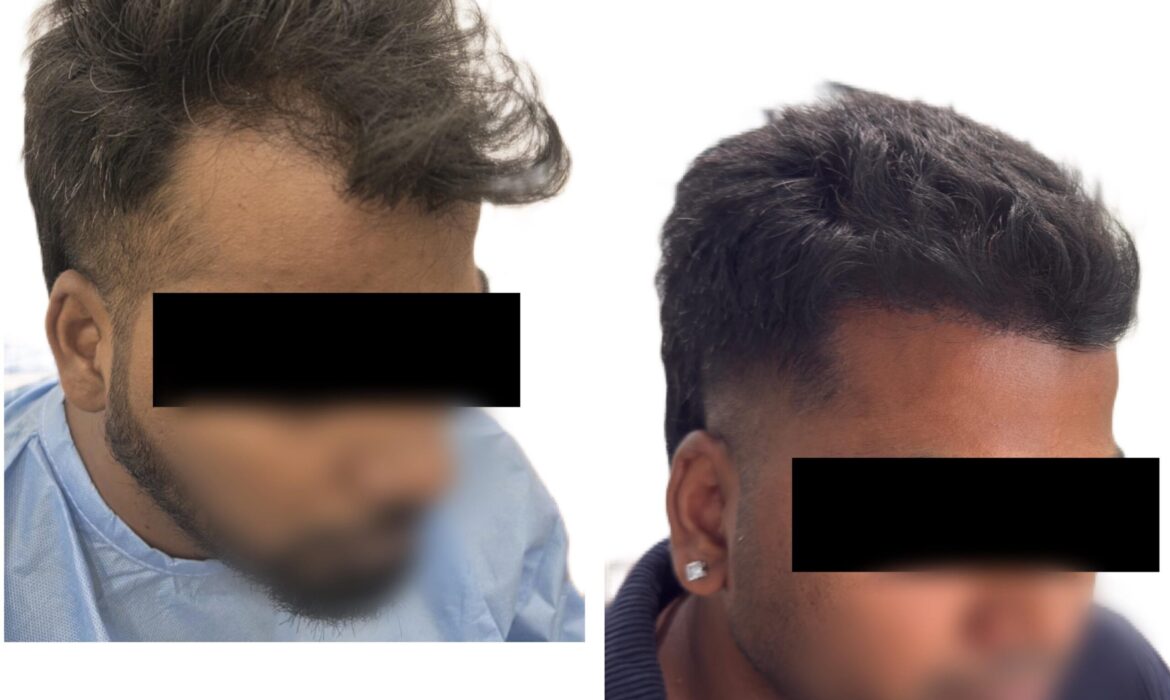
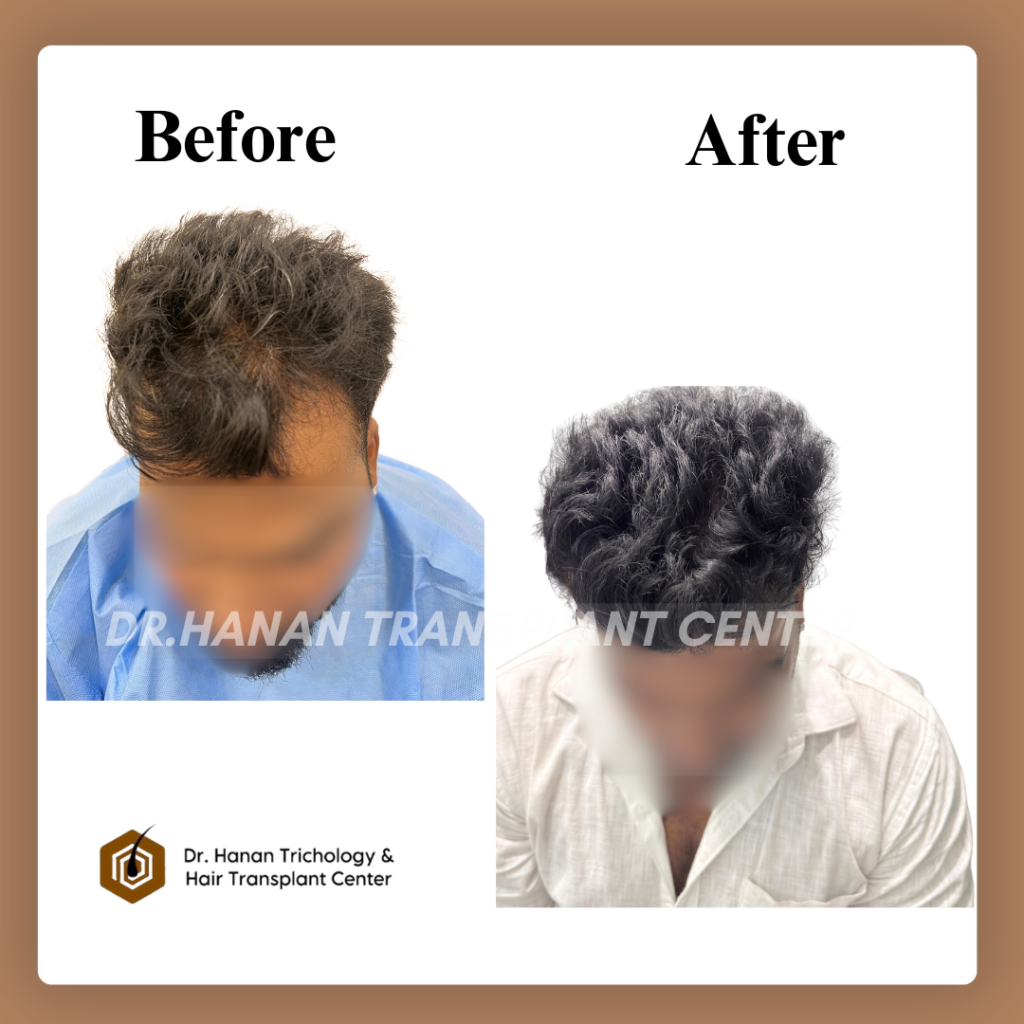
What Happens in Your First Hair Transplant Procedure? Expert Insights
Thinking about your first hair transplant? Learn the complete procedure, recovery tips, and expert insights

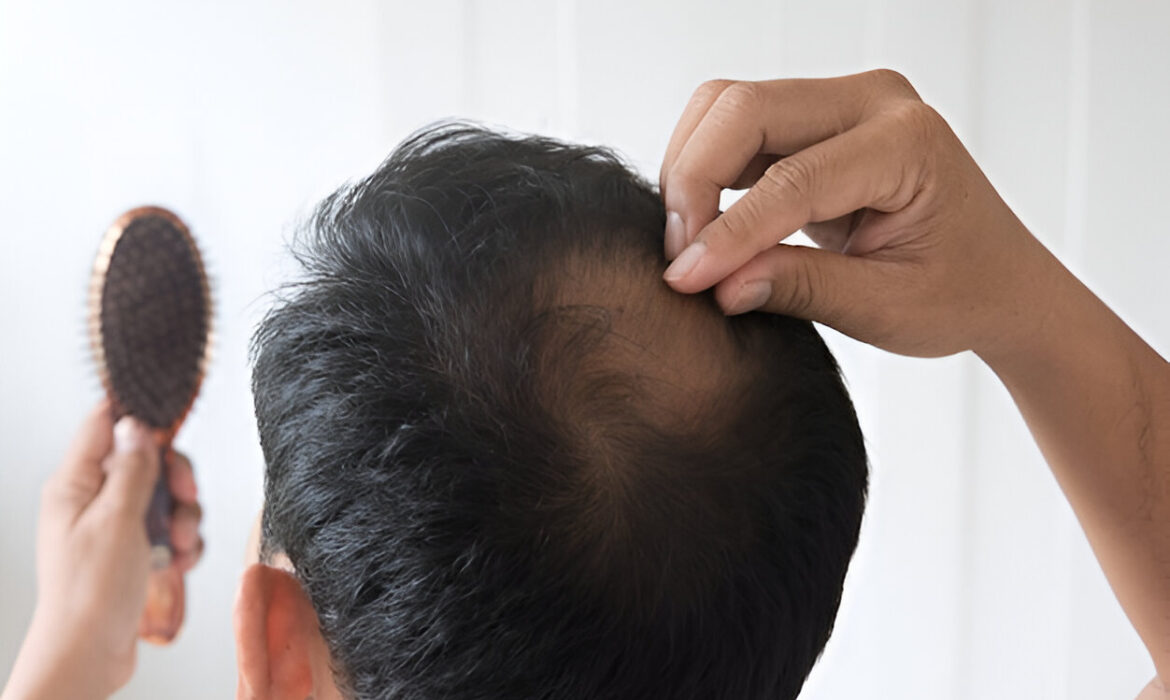
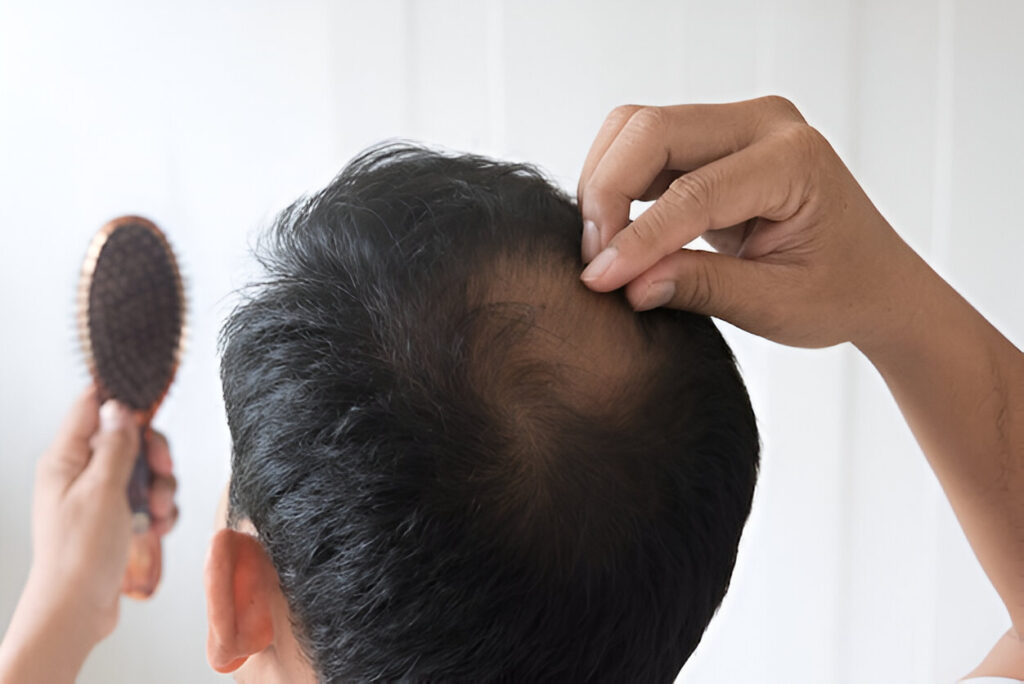
Hair loss is a concern for millions worldwide, and for many, a hair transplant is the most reliable way to restore a fuller head of hair. But if you’re new to this journey, you might be wondering—what happens during the first hair transplant procedure?
At Dr. Hanan Dermatology Speciality and Trichology Clinic in Chennai, we guide our patients through every step of the process, ensuring they understand what to expect before, during, and after their first procedure. This blog will explain the entire process in detail, backed by expert insights and real-world patient experiences.
Understanding Hair Transplant Basics
A hair transplant is a minimally invasive surgical procedure that involves moving healthy hair follicles from a donor area (usually the back or sides of the scalp) to areas affected by hair thinning or baldness.
The goal is to achieve natural-looking, long-lasting results by using your own hair follicles, which continue to grow after being transplanted.
Common hair transplant methods include:
- FUE (Follicular Unit Extraction): Individual hair follicles are extracted and implanted.
- FUT (Follicular Unit Transplantation/Strip Method): A strip of scalp is removed, and hair follicles are dissected for transplantation.
Related Read: Best Hair Transplant Clinic in Chennai
Who is the Right Candidate for a Hair Transplant?
Before the procedure, your dermatologist will assess:
- Age & hair loss stage
- Donor hair availability
- Overall scalp health
- Medical history
You might be an ideal candidate if you have:
- Male or female pattern baldness (androgenetic alopecia)
- Hair loss from injury or burns
- Adequate healthy donor hair
First Consultation: The Foundation of Success
The first step in any hair transplant journey is the initial consultation. At Dr. Hanan Clinic, we:
- Conduct a scalp analysis using trichoscopy
- Evaluate your donor area density
- Discuss your hairline design goals
- Explain expected results & timelines
- Provide a personalized treatment plan
This stage is crucial because it sets realistic expectations and ensures you’re medically fit for the surgery.
Pre-Procedure Preparation
Before your first hair transplant, your dermatologist may recommend:
- Stopping blood-thinning medications (with your doctor’s approval)
- Avoiding alcohol and smoking for at least a week before surgery
- Washing your hair with a mild shampoo on the morning of the procedure
- Wearing loose, comfortable clothing on the day of surgery
Related Read: Hair Transplant Pain: What Should You Expect?
Step-by-Step: Your First Hair Transplant Procedure
Marking and Hairline Design
Before the surgery begins, your surgeon will take high-resolution photos of your scalp to document the baseline and plan the new hairline. The hairline design process is not just about aesthetics—it’s about creating a natural look that will still suit your face as you age. The doctor will factor in:
- Your facial proportions
- The natural direction of your hair growth
- The density achievable in one session
- Long-term hair loss patterns
At Dr. Hanan Clinic, we use a customized hairline template based on international standards, ensuring your results are undetectable to the naked eye. This careful planning is why your first hair transplant is so important—it sets the foundation for all future treatments.
Local Anesthesia
Contrary to popular belief, a hair transplant is not painful because we use advanced local anesthesia techniques. The injections are administered using very fine needles, and in some cases, a numbing cream is applied beforehand for added comfort.
The anesthesia ensures that both the donor and recipient sites remain completely numb during the entire surgery. You may feel some pressure or vibration from the surgical tools, but no sharp pain.
Donor Hair Extraction
The donor area—typically the back of the head—is chosen because it has DHT-resistant hair follicles, meaning they are genetically programmed not to fall out.
- FUE Extraction: Each follicle is carefully removed using a micromotor punch tool (0.7–1 mm in diameter) to minimize scarring.
- FUT Extraction: A narrow strip of scalp is taken, and the wound is sutured using advanced closure techniques for minimal scarring.
At our clinic, we use magnification loupes during extraction to ensure each graft is removed intact and healthy, increasing the survival rate and ensuring optimal results for first-time patients.
Graft Preparation
Once the follicles are extracted, they are placed in a cooling solution enriched with growth-preserving agents to maintain vitality. Trained technicians carefully trim and clean each follicular unit under high-powered microscopes.
Proper handling at this stage is crucial—poor graft preparation is one of the leading causes of failed transplants. That’s why at Dr. Hanan Clinic, we follow strict sterile protocols and maintain grafts at optimal temperatures to ensure the highest survival rate possible.
Recipient Site Creation
Creating the recipient sites (tiny incisions where the grafts will be placed) is a highly skilled process that determines how natural your transplant will look.
The surgeon will match the angle, direction, and density of your existing hair to ensure seamless blending. The number of recipient sites created is based on:
- Hairline density goals
- Available donor grafts
- Scalp elasticity
At our clinic, we use custom blades and slit-making tools to create incisions that are just the right size for the grafts—preventing trauma to the surrounding scalp and ensuring quick healing.
Implantation
The final step is placing each follicular unit into the prepared recipient sites. This is done using forceps or implanter pens to ensure precision placement without damaging the follicles.
We prioritize dense packing in the front hairline for an immediate visual impact while maintaining natural density in other areas for a balanced look.
Each graft is positioned to mimic natural hair growth patterns, meaning no one should be able to tell you’ve had a transplant—even up close.
Related Read: Hair Transplant Aftercare Tips: Ensuring Long-Term Results
How Long Does the First Procedure Take?
The duration depends on:
- Number of grafts (usually 2,000–4,000 for first timers)
- Technique used (FUE may take longer than FUT)
On average, a first hair transplant takes 4–8 hours and is done in a single day.
Recovery Timeline for First-Time Patients
- Day 1–2: Mild swelling or redness in the recipient area
- Day 3–5: Formation of small scabs
- Day 7–10: Scabs start falling off naturally
- 1–3 Months: Shedding of transplanted hair (normal phase)
- 4–6 Months: Visible regrowth starts
- 9–12 Months: Final results become apparent
📌 Related Read: Hair Transplant Aftercare Tips: Ensuring Long-Term Results
Possible Side Effects and How to Avoid Them
While generally safe, your first hair transplant may cause:
- Temporary swelling
- Itching or tightness in the scalp
- Shock loss (temporary shedding of existing hair)
To minimize risks:
- Follow post-op instructions
- Avoid scratching or rubbing the scalp
- Sleep with your head elevated for the first few nights
Cost of First Hair Transplant in Chennai
The price depends on:
- Number of grafts
- Technique (FUE vs FUT)
- Surgeon’s expertise
- Clinic’s facilities
On average, hair transplants in Chennai cost ₹60,000 to ₹1,50,000 for a first procedure.
Long-Term Maintenance After the First Procedure
A single session may not be enough if your hair loss is progressive. Maintenance treatments may include:
- PRP therapy every 3–6 months
- Minoxidil or finasteride
- Balanced nutrition and stress management
📌 Related Read: PRP Treatment for Hair Loss in Chennai
Final Thoughts
Your first hair transplant procedure can be life-changing—restoring not just your hair but also your self-confidence. At Dr. Hanan Dermatology Speciality and Trichology Clinic, we combine medical expertise, advanced technology, and personalized care to ensure your first experience is safe, comfortable, and delivers natural results.
If you’re considering your first hair transplant, schedule a consultation with our dermatology experts today and take the first step toward a fuller, healthier head of hair.
Book Your Consultation Today!
For Personalised Treatment visit Dr. Hanan Clinic. Feel confident and proud with our expert care.
Table of Contents
Stem Cell Hair Treatment Before and After – Real Results, Timeline & Expert Insights in Chennai
Stem Cell Hair Treatment Before and After and helps boost hair growth by energizing follicles and reducing scalp inflammation

Table of Contents
Stem Cell Hair Treatment Before and After: Hair thinning can affect confidence at any age—but thanks to advances in regenerative dermatology, stem cell hair treatment is emerging as a powerful, non-surgical solution. Especially when combined with PRP (Platelet-Rich Plasma), this treatment helps revive dormant hair follicles, resulting in visibly thicker, healthier hair within a few months.
At Dr. Hanan Dermatology Speciality Clinic, patients receive expert-led care tailored to individual hair concerns. This guide explains before and after results, timelines, benefits, and expert insights to help you make an informed decision.
What is Stem Cell Hair Treatment?
Stem cell hair treatment is a regenerative therapy that uses growth factors derived from your own body to stimulate weak or inactive hair follicles.
How It Works:
- Stem cells repair and activate follicles
- PRP enhances blood circulation and growth signals
- The scalp environment becomes healthier for hair regrowth
Before and After Results of Stem Cell Hair Treatment
Key Visible Changes
- ✔ Reduced scalp visibility
- ✔ Increased hair density
- ✔ Improved hair texture and strength
- ✔ Fuller, natural-looking hair
Before vs After Comparison
| Feature | Before Treatment | After Treatment |
|---|---|---|
| Hair Density | Thin, sparse | Thicker, fuller |
| Scalp Visibility | Clearly visible | Reduced significantly |
| Hair Strength | Weak, brittle | Strong and healthy |
| Hair Growth | Slow or stagnant | Improved growth cycle |
Timeline of Hair Regrowth Results
Understanding the timeline helps set realistic expectations:
| Timeframe | Results |
|---|---|
| Week 1 | Mild redness, healing phase |
| Month 1–2 | Reduced hair fall |
| Month 3–4 | Early regrowth visible |
| Month 5–6 | Noticeable thickness & density |
| Month 6+ | Peak results |
Results usually last 12 to 18 months, depending on maintenance and lifestyle.
Real Patient Observations (Clinical Insights)
What Dermatologists Observe:
- Crown Area Improvement: Thinning crown regions show better coverage
- Thickening of Existing Hair: Miniaturized strands become thicker
- Natural Results: Hair looks healthier without artificial appearance
👉 The treatment focuses on quality improvement, not just quantity.
Who is the Best Candidate?
Suitable For:
- Early-stage hair thinning
- Moderate hair loss
- Men and women with active follicles
Not Ideal For:
- Complete baldness
- Long-term inactive follicles
Early intervention gives the best results.
Benefits of Stem Cell Hair Treatment
- ✔ Non-surgical and safe
- ✔ Minimal downtime
- ✔ Natural hair regrowth
- ✔ Improves scalp health
- ✔ Long-lasting results (up to 1.5 years)
Recovery, Side Effects & Aftercare
Recovery:
- Resume daily routine within 24–48 hours
Possible Side Effects:
- Mild redness
- Slight swelling
- Temporary sensitivity
Aftercare Tips:
- Avoid direct sunlight for a few days
- Use gentle hair care products
- Follow your dermatologist’s instructions
Stem Cell Hair Treatment vs Hair Transplant
| eature | Stem Cell Treatment | Hair Transplant |
|---|
| Procedure | Non-surgical | Surgical |
| Results | Thickens existing hair | Creates new hairline |
| Downtime | Minimal | Moderate |
| Best For | Early thinning | Advanced baldness |
FAQs
Book Your Consultation Today!
For Personalised Treatment visit Dr. Hanan Clinic. Feel confident and proud with our expert care.
1. How long does it take to see results after stem cell hair treatment?
Most patients begin to notice visible improvements in 3 to 6 months, with gradual thickening and better scalp coverage.
2. Are the before and after results permanent?
No, the results are not permanent. They typically last 12 to 18 months, and maintenance sessions may be required to sustain hair growth.
3. Does stem cell hair treatment regrow completely lost hair?
No. This treatment works by revitalizing existing hair follicles, not by creating new ones. Completely bald areas may require a hair transplant.
4. Is stem cell hair treatment better than PRP?
Stem cell therapy is often combined with PRP for enhanced results. Both treatments complement each other rather than replace one another.
5. How many sessions are needed for best results?
Typically, 3 to 6 sessions are recommended, depending on the severity of hair loss and individual response to treatment.
6. Is the procedure painful?
The procedure involves minimal discomfort, as numbing techniques are used. Most patients tolerate it well.
7. What is the recovery time after treatment?
Recovery is quick. You can usually return to daily activities within 24 to 48 hours, with minor redness or swelling subsiding within a few days.
8. Who is the ideal candidate for this treatment?
It works best for individuals with early-stage hair thinning, moderate hair loss, and active but weakened hair follicles.
9. Are there any side effects?
Side effects are generally mild and temporary, such as slight redness, mild swelling, and temporary scalp sensitivity.
10. Can women undergo stem cell hair treatment?
Yes, the treatment is safe and effective for both men and women experiencing hair thinning.
11. Can stem cell therapy be combined with other treatments?
Yes, it is commonly combined with PRP therapy, medications (if prescribed), and post-transplant care.
12. Where can I get stem cell hair treatment in Chennai?
You can consult experts at Dr
Dermaroller for Hair Growth: Can It Really Help with Baldness?
Dermaroller for hair growth boosts blood circulation and product absorption, but it can’t regrow hair on bald spots. Learn what really works.

Hair loss is a growing anxiety for both men and women, especially with the increasing levels of stress, pollution and lifestyle imbalance. In recent years, many people have moved to home-utilized devices such as dermarollers in the hope of promoting hair regrowth. But does it actually work to use a dermaroller for hair growth – especially for those who face baldness? In this blog, we will find out what dermarollers are, their actual benefits, and whether they can help in severe hair loss or baldness.
What Is a Dermaroller?
A dermaroller is a hand tool in one hand covered with dozens of small, medical-grade needles. When rolled across the skin or scalp, it creates micro-injuries that stimulate the body’s natural healing reaction. This process is known as microneedling and is widely used in dermatology to improve skin texture, reduce acne scars and stimulate collagen.
When used on the scalp, the purpose of microneedling with a dermaroller is to improve the blood circulation and awaken the inactive hair follicle, and increase the absorption of topical products such as minoxidil. The device is available in separate needle lengths, usually from 0.25 mm to 1.5 mm, and should always be used with proper guidance to avoid injury or infection.
Benefits of Dermaroller for Hair Growth
Using a dermaroller on the scalp brings many possible benefits when it comes to addressing the early stages of hair thinning or shedding of hair:
Stimulates blood circulation: The microneedling process increases blood flow to the scalp, which improves the nutrients and oxygen supply to the hair follicles.
Increases absorption of Product: Topical treatments such as minoxidil or hair serum enters deep and more effectively when applied after dermarolling.
Activates inactive Follicles: For individuals experiencing early-phase hair thinning, microneedling can help “wake up” weak hair follicles and promotes regrowth.
Increases Collagen Production: This may improve scalp elasticity and overall skin health.
Limitations: Can It Reverse Baldness?
While dermarollers can be beneficial for stimulating hair regrowth in areas with thin or weak hair, it is important to understand their boundaries – especially in cases of baldness.
Dermarollers are not a cure for baldness. In advanced stages of hair loss (especially where the scalp is completely bald and hair follicles are no longer active), microneedling can’t restore the dead or lost hair. This is because dermarolling can only stimulate the existing hair follicles. If the follicle is dead or has been scarred due to Androgenetic alopecia or other chronic conditions, they cannot be revived with dermarolling alone.
Comparing Dermaroller vs Hair Transplant
For individuals experiencing baldness, hair transplant is the most reliable and permanent solution. While dermarollers can provide temporary support for hair health or as an addition to other treatments, they do not replace the success of a hair transplantation.
Hair transplant procedures such as FUE (Follicular Unit Extraction) include surgically relocating the healthy hair follicles from a part of the scalp to bald areas. Unlike dermarollers, Hair transplants provide visible and permanent results, especially when performed by experienced dermatologists at Dr. Hanan Dermatology Speciality and specialty and Trichology clinic in Chennai.
Who Should Use a Dermaroller for Hair?
You may consider using a dermaroller if:
- You are in the early stages of hair thinning.
- You want to boost the effects of topical treatments like minoxidil.
- You are not ready for medical or surgical treatments.
- You have realistic expectations.
However, it is always recommended to consult a dermatologist before starting any microneedling routine to ensure it’s appropriate for your scalp condition and hair type.
How to Use a Dermaroller Safely
If you choose to try a dermaroller, keep these safety guidelines in mind:
- Always sanitize the device before and after use.
- Use only on a clean, dry scalp.
- Roll gently in multiple directions—horizontal, vertical, and diagonal.
- Avoid areas with wounds, infections, or severe inflammation.
- Limit use to once or twice a week.
- Follow with a topical product only if advised by a dermatologist.
Incorrect use can lead to infections, scalp irritation, or even hair breakage, so professional guidance is crucial.
Conclusion: Useful But Not a Cure
In short, a dermaroller for hair growth can be a helpful tool for stimulating circulation and increasing product absorption, especially for people dealing with mild to moderate hair thinning. However, it is not an effective treatment for baldness, where the hair follicles are already inactive or absent.
For those seeking a more lasting and permanent solution to baldness, a hair transplant remains the most effective approach. At Dr. Hanan Dermatology Speciality and Trichology Clinic in Chennai, we offer expert consultation, diagnosis, and customized hair restoration plans—including transplants, PRP therapy, and more.
If you’re unsure about whether a dermaroller is right for you, schedule a consultation with our dermatology team. We’ll assess your hair loss stage and recommend a personalized treatment plan that truly works.
Book Your Consultation Today!
For Personalised Treatment visit Dr. Hanan Clinic. Feel confident and proud with our expert care.
Table of Contents
How to Get Rid of Dandruff: Complete Guide to Dandruff Treatment

Dandruff is a scalp issue that affects millions of people worldwide. Whether it is mild flaking or frequent itching, dealing with dandruff can be disappointing. If you are searching to get rid of dandruff, this guide provides you with comprehensive suggestions, proven dandruff treatment, and prevention techniques to prevent conservatives for good.
What is Dandruff?
Dandruff is the shedding of dead skin cells from the scalp, often itching, irritation and layer. Although it is not contagious or severe, it can be upsetting and can affect your self -esteem.
Common Causes of Dandruff
It is important to understand the cause of your dandruff to choose the right treatment. Common reasons include:
Dry scalp – small, white flakes and tightness
Seborrheic dermatitis – A irritated scalp with oily, red, yellow flakes
Fungal overgrowth – (Malassezia) – A natural yeast that multiplies in oily conditions
Sensitivity to hair products (contact dermatitis) – some shampoo or hair colors reaction
Hair washing Infrequently – Produces dead skin and oil
How to Get Rid of Dandruff Effectively
1. Medicated Anti-Dandruff Shampoos
Using the best dandruff shampoo is often the first and most effective step in treating dandruff. See for this type of content:
Ketoconazole – antifungal remedies that deal with Malassezia
Zinc pyrithione – reduces yeast and bacteria
Coal Tar – Slows the shedding of skin cells
Salicylic acid – gently reduces exfoliate flakes and buildups
Selenium sulfide – fights fungi and controls oil production
Pro Tip: Rotate between 2 types of dandruff shampoo for maximum results.
2. Best Home Remedies for Dandruff
If you are looking for natural methods to stop dandruff, then there are some home remedies that you can try:
Coconut oil
Moisturizes dry scalp
Has antifungal properties
Apple cider vinegar
The scalp balances the pH
Reduces fungal growth
Aloe vera
Reduce irritation
Promotes healing and hydration
Lemon juice
Natural astringent
Helps reduce oil and flakes
Apply these 1-2 times per week and monitor the results.
3. Maintain a Scalp-Healthy Hair Care Routine
Wash hair regularly (2-3 times a week) to reduce oil and dead cells
Avoid rigorous chemical products harassing the scalp
Rinse well to prevent shampoo residue buildup
Massage your scalp while washing to promote circulation and remove debris
4. Follow a Dandruff-Fighting Diet
A healthy diet scalp plays a role in health. Include:
Zinc -rich foods: chickpeas, nuts, seeds
Vitamin B-complex: eggs, bananas, whole grains
Omega -3 fatty acids: fish, flaxseeds, walnuts
Probiotics: Curd, fermented Food for gut Health
These nutrients help regulate oil production and reduce inflammation.
5. Lifestyle Changes to Prevent Dandruff
Reduce stress: Stress weakens immunity and worsens dandruff
Stay hydrated: Drink 2-3 liters of water daily
Get enough sleep: Helps regulate hormonal changes
Avoid scratches: It can injure your scalp and worsen the flakes
When to See a Dermatologist for Dandruff Treatment
If your dandruff medicated shampoos and home remedies remain despite using, it is time to consult a specialist. At, Dr. Hanan Dermatology Specialty and Trichology Clinic, we offer:
Personalized dandruff Treatment plans
Scalp analysis using advanced technology
Combination therapy (shampoo, medicine, PRP if necessary)
Long-term solution with expert consulting
Our dermatologists are trained to identify the root cause and recommend the most effective treatments to suit your hair and scalp.
Why Choose Dr. Hanan Dermatology Clinic for Dandruff Treatment in Chennai?
Experienced dermatologists and trichologists
Evidence-based scalp care protocols
Over 800+ positive Google reviews
State-of-the-art treatment technology
Located in Padur, Chennai for easy access
We don’t just treat dandruff—we work toward restoring your scalp’s health permanently.
Final Thoughts
Still, I was thinking how to get rid of dandruff? The secret lies in understanding the root cause and continuously implementing the correct dandruff treatment. Whether it is a mild case or an old issue, there is always a solution. Try medicated shampoo, nourish your scalp with natural remedies, follow a scalp-healthy lifestyle, and if necessary, get expert aid from our clinic in Chennai.
Book Your Consultation Today!
Get the dandruff Treatment in Chennai at Dr. Hanan Clinic. Feel confident and proud with our expert care.
Table of Contents
How to Choose the Right Shampoo for Your Hair
How to Choose the Right Shampoo for Your Hair – The Complete Guide
Confused about choosing the right shampoo? Discover how to choose the right shampoo for your hair type, scalp, and concerns with expert guidance from Dr. Hanan Clinic

Finding the perfect shampoo isn’t just about picking the bottle that smells the best or is trending online. Your shampoo can make or break your hair health, and yet most people overlook this essential part of their hair care routine. If you’re wondering How to choose the best shampoo for hair loss, you’re not alone — and you’ve come to the right place.
At Dr. Hanan Dermatology Speciality and Trichology Clinic, we treat hundreds of patients who face hair fall, dullness, dryness, dandruff, or thinning hair — often because they’re using the wrong shampoo. This guide will help you understand exactly how to choose the right shampoo for your hair type, scalp condition, and lifestyle.
Why Choosing the Right Shampoo Matters
Your shampoo is the foundation of your hair care routine. Need a good shampoo:
- Clean your scalp and remove excess oil, sweat and buildup
- Nourish and preserve hair shaft
- Keep your scalp pH balance
- Prevent problems like dandruff, itching, or hair fall
On the other hand, the wrong shampoo can:
- Strip your scalp of natural oils
2. Causal irritation or inflammation
3. Worsen existing condition like dandruff or hair thinning
4. Lead to brittle, dried or lifeless hair
So understanding how to choose right shampoo is a must — whether you’re experiencing specific hair issues or simply want healthier locks.
Know Your Scalp Type Before Your Hair Type
Many people buy shampoo based on hair texture – curly, straight, wavy, etc. But shampoos mainly target your scalp, not your varieties. So the first step in choosing the right shampoo is understanding your scalp type.
Oily Scalp
An oily scalp tends to produce excess sebum, making your hair look greasy soon after washing.
What to choose:
- Clarifying or balancing shampoos
- Lightweight, gel-based formulas
- Shampoos with salicylic acid, tea tree oil, or lemon extracts
Avoid:
- Moisturizing or creamy shampoos
- Shampoos with heavy oils or butters
Pro tip: Avoid washing too frequently — it can trigger more oil production.
Dry Scalp
A dry scalp may feel tight, itchy or flashed. It is often confused with dandruff, but is usually caused by lack of moisture.
What to choose:
- Hydrating and moisturizing shampoos
- Formulas with aloe vera, hyaluronic acid, or coconut oil
- Shampoos designed for sensitive skin
Avoid:
- Clarifying shampoos or products with sulfates
- Fragrance-heavy shampoos
Pro tip: Use lukewarm water instead of hot water to retain natural oils.
Normal Scalp
A normal scalp is neither too oily nor too dry — it’s balanced and healthy.
What to choose:
- Gentle, everyday shampoos
- Formulas with mild surfactants and plant-based ingredients
- pH-balanced shampoos
Avoid:
- Overusing clarifying products — even normal scalps can dry out
Pro tip: Even with a normal scalp, seasonal changes can affect oil production.
Understand Your Hair Texture & Density
Once you find out the type of your scalp, it is time to see your hair shaft – its texture, thickness and density. The type of shampoo you need on the basis of these factors will be different.
Fine Hair
Fine hair strands are thinner and more delicate. They’re prone to breakage and can look limp easily.
What to choose:
- Volumizing shampoos
- Lightweight, protein-infused formulas (keratin, biotin)
- Silicone-free products for bounce
Avoid:
- Heavy moisturizing shampoos
- Oils or butter-based formulations
Pro tip: Use a clarifying shampoo once a week to remove buildup.
Thick or Coarse Hair
Thicker hair strands need more moisture to stay manageable and frizz-free.
What to choose:
- Moisturizing shampoos with oils and emollients
- Creamy, nourishing formulations
- Shampoos containing shea butter, argan oil, or coconut milk
Avoid:
- Clarifying shampoos that dry the strands
Pro tip: Pair your shampoo with a deep conditioner for best results.
Curly Hair
What to choose:
- Sulfate-free, hydrating shampoos
- Curl-defining ingredients like flaxseed oil, aloe vera, or honey
- Products labeled “curly hair-friendly” or “low-poo”
Avoid:
- Sulfates, parabens, and alcohols
- Products that strip natural moisture
- Pro tip: Don’t shampoo daily — try co-washing or alternate-day washes.
Choose Shampoo Based on Hair Concerns
Another key to learning how to choose the right shampoo for your hair is matching it with your specific hair issues.
Hair Fall / Thinning Hair
Hair fall can be caused by genetics, hormones, stress, or product misuse.
What to choose:
- Strengthening shampoos with biotin, keratin, niacinamide
- Formulas with DHT blockers (e.g., saw palmetto, caffeine)
- Mild cleansers that don’t strip the scalp
Avoid:
- Harsh cleansers and sulfates
- two-in-1 products
Pro tip: A proper scalp diagnosis at a trichology clinic is the best first step.
Dandruff or Flaky Scalp
Caused by fungal overgrowth or dryness, dandruff requires targeted treatment.
What to choose:
- Medicated shampoos with ketoconazole, zinc pyrithione, or selenium sulfide
- Anti-inflammatory ingredients like tea tree oil
Avoid:
- Regular shampoos that only remove flakes without treating the root cause
Pro tip: Follow the treatment shampoo with a moisturizing conditioner to avoid drying the lengths.
Color-Treated Hair
Dyed or chemically treated hair is fragile and prone to color fading.
What to choose:
- Color-safe, sulfate-free shampoos
- Formulas with UV filters and keratin
- Moisturizing ingredients like silk protein, argan oil
Avoid:
- Sulfates and clarifying shampoos
- Salt-based thickening agents
Pro tip: Limit shampooing to 2–3 times a week to preserve color vibrancy.
Learn to Read Shampoo Ingredients
Product labels can be confusing. Here’s how to simplify your choice:
Good Ingredients:
- Mild surfactants (Cocamidopropyl Betaine, Decyl Glucoside)
- Aloe vera, glycerin, hyaluronic acid
- Plant oils: jojoba, argan, coconut
- Natural proteins: keratin, wheat protein, silk amino acids
Ingredients to Avoid (especially for sensitive scalp):
- Sodium Lauryl Sulfate (SLS)
- Parabens
- Isopropyl alcohol
- Synthetic fragrance in high concentrations
Pro tip: Look for “dermatologically tested” or “clinically approved” on labels for better scalp safety.
Do a Patch Test
Even if a shampoo looks perfect on paper, your scalp may react to certain ingredients.
- Apply a small amount behind your ear or on your inner forearm
- Wait 24 hours for signs of itching, redness, or burning
- If irritation occurs, discontinue use
Pro tip: This is especially important if you have eczema, psoriasis, or allergies.
When in Doubt, Ask a Trichologist
Choosing a shampoo involves multiple layers — scalp type, hair texture, ingredients, and goals. If you’re overwhelmed or facing hair loss, consult a trichologist for a personalized plan.
At Dr. Hanan Dermatology Speciality and Trichology Clinic, we provide:
- Expert scalp and hair analysis
- Customized shampoo and product recommendations
- Treatments for hair fall, dandruff, and scalp conditions
Conclusion
Now that you know how to choose right shampoo and how to match it to your scalp and hair type, you can say goodbye to bad hair days. The right shampoo:
- Reduces hair fall
- Adds shine and softness
- Improves scalp health
- Boosts your confidence
Don’t fall for viral trends — your hair deserves what’s truly right for it. And if you’re unsure, we’re here to help.
Book Your Consultation Today!
For Personalised Treatment visit Dr. Hanan Clinic. Feel confident and proud with our expert care.
Table of Contents
Laser Treatment for Scars: Benefits, Procedure & What to Expect
Wondering if laser treatment for scars works? Explore its benefits, how it reduces scars, and what to expect during recovery

The Emotional Impact of Scars
The scars are a natural part of the skin treatment process, but for many people, they can be a source of emotional crisis and self-consciousness. Whether acne, surgery, irritation, or injuries, scars can affect both appearance and confidence. With advancement in dermatology and laser technology, laser treatment for scars has emerged as a highly effective and safe solution to reduce their appearance and restore smooth, healthy skin.
The results of laser treatment for scars are progressive. Improvements usually appear after a few sessions, with full results appear several months after the final treatment. Patients often report enhanced skin tone, reduced the depth of the scar and smoother texture.
Why Choose Laser Treatment for Scars?
At Dr. Hanan Dermatology Specialty and Trichology Clinic, Laser Scar revision is one of our most sought -demanded procedures. Our dermatologists use advanced techniques to treat all types of scars-from acne scar to hypertrophic and keloid scars-resulting visible, long-term results. This blog examines all things that you need to learn about laser treatment for scars, including how it works, what is involved in this process, the results you can expect, and why it is considered as the gold standard in scar reduction.
Types of Lasers Used for Scar Treatment
Laser therapy for scars is not a size-fit-all solution. There are different types of laser, targeting the type of specific layers and scar tissue of skin. The most common types of lasers used include:
Ablative Lasers
These include CO2 and ER: YAG laser. They work by removing the top layers of damaged skin, allowing new, smoother skin to form.
Non-Ablative Lasers
These include fractional laser and pulsed dye laser. They heat deep layers of the skin without removing the surface, stimulate collagen production and improve the skin texture over time.
Which Scars Respond to Laser Therapy?
The effectiveness of laser treatment depends on various factors, including the type of scar, skin type, scar location, and age of scars.
- Post-acne scars react well to fractional lasers.
- Hypertrophic scars and keloids are benefits by pulsed dye laser.
- Burn scars and post-surgical scars often require combination treatments.
Initial Consultation and Assessment
When you come in for a consultation at Dr. Hanan Dermatology speciality and Trichology clinic, the procedure begins with a detailed skin evaluation. Our dermatologists evaluate the characteristics of the scar – such as depth, shape, color and texture- and select the appropriate laser method. Skin type is also an important consideration, especially for people with dark skin tones.
How Many Sessions Are Needed?
Laser scar removal usually requires several sessions to achieve the best results. Depending on the severity of the scar and laser used, most patients undergo between three to six sessions spaced several weeks apart.
Is Laser Scar Treatment Painful?
One of the most common concerns is whether laser treatment for scars is painful. While some discomfort can be experienced – often described as a flash sensation – it is generally well tolerated. Topical numbing creams are applied before the process.
What Is the Recovery Like?
Laser scars treatment downtime depend on the type of laser used for the treatment.
- Ablative laser: recovery of 5 to 10 days.
- Non-ablative laser: minimal to no downtime.
Post-treatment care includes avoiding sun exposure, using soothing creams and following a skincare routine approved by a dermatologist.
When Will I See Results?
The results of laser treatment for scars are progressive. Improvements usually appear after a few sessions, with full results appear several months after the final treatment. Patients often report enhanced skin tone, reduced the depth of the scar and smoother texture.
Who Is a Suitable Candidate?
Laser scar revision is considered safe for most individuals. However, it cannot be suitable for:
- pregnant women
- People with active skin infections
- Those On medications like isotretinoin
A thorough medical consultation is necessary before treatment.
Are There Any Risks?
While laser treatments are generally safe, some possible side effects include:
- Redness
- Swelling
- Pigment changes
- Rarely, blistering or infection
At Dr. Hanan Clinic, we follow strict security protocols to suit your skin type and sensitivity.
What Makes Laser Therapy So Versatile?
Laser therapy is effective for various scar types:
- acne scars
- Surgical scars
- Burn scar
- Traumatic scars
- Stretch marks
It can be done on different body parts including face, back, chest, arms and legs
Innovations in Laser Technology
Today’s laser, such as fractional CO2, provide better results with less downtime. The combination of laser therapy with PRP or Microneedling with exosomes further increases collagen production and healing.
Ideal for All Ages
Laser treatment is becoming popular among young adults with early acne scars and older individuals with long-standing marks. Early intervention often gives better results, but even older scars can improve with treatment.
Our Holistic Approach at Dr. Hanan Clinic
We emphasize a comprehensive plan:
- Realistic expectations
- Continuous follow-up
- Skin health improvement along with scar reduction
Is Laser Treatment Right for You?
We emphasize a comprehensive plan:
- Realistic expectations
- Continuous follow-up
- Skin health improvement along with scar reduction
Conclusion: Restore Confidence with Clearer Skin
Laser treatment for scars is a scientifically proven method to significantly reduce the appearance. Although it cannot completely erase the scar, it improves the texture and confidence a lot. Personalized care, expert execution, and follow -ups are key to success.
Book Your Consultation Today!
For Personalised Treatment visit Dr. Hanan Clinic. Feel confident and proud with our expert care.
Table of Contents
Dark Spot Removal: What Works and What’s Just a Waste of Time
Get expert tips on dark spot removal and prevention from Dr. Hanan Dermatology Clinic, Chennai for brighter, even-toned skin

Dark spots, also called hyperpigmentation, are one of the most common skin concerns we see at Dr. Hanan Dermatology Speciality and Trichology Clinic in Chennai. They appear when melanin production increases in certain areas, leaving behind patches of discoloration.
While there are countless creams, DIY hacks, and viral skincare trends claiming to remove dark spots overnight, the truth is—many of them don’t work or can even make pigmentation worse.
In this blog, we break down what really works for dark spot removal, what’s a waste of time, and how to choose the safest treatment for your skin type.
What Causes Dark Spots?
Before discussing treatments, it’s important to understand why dark spots form. Common causes include:
- Sun exposure – UV rays stimulate excess melanin production.
- Post-inflammatory hyperpigmentation (PIH) – After acne, eczema, or injury.
- Melasma – Often triggered by hormonal changes or pregnancy.
- Aging – Age spots or liver spots appear as the skin’s repair mechanisms slow down.
- Medications or medical conditions – Certain drugs can cause pigmentation changes.
Pro Tip: Identifying the cause is key—treating pigmentation without addressing the root cause often leads to recurrence.
Treatments That Actually Work for Dark Spots
Here’s what dermatologists in Chennai recommend based on science and clinical results.
First Consultation: The Foundation of Success
Chemical peels use controlled exfoliation with ingredients like glycolic acid, salicylic acid, or TCA to remove damaged skin layers and reveal fresher, evenly toned skin.
- Best for: Sun spots, acne marks, and uneven texture.
- Downtime: Minimal to moderate, depending on peel strength.
- Results: Noticeable improvement in 3–6 sessions.
Learn more: Chemical Peels in Chennai: Benefits & Cost
Laser Treatments for Pigmentation
Q-switched Nd:YAG lasers and Fractional CO2 lasers target melanin deposits directly, breaking them into tiny particles that fade naturally over time.
- Best for: Stubborn pigmentation, melasma, age spots.
- Downtime: Minimal; mild redness for 1–2 days.
- Results: Significant fading in 2–4 sessions.
Related treatment: Laser Skin Resurfacing in Chennai
Topical Prescription Creams
Dermatologists may prescribe hydroquinone, azelaic acid, retinoids, or vitamin C serums for gradual pigmentation reduction.
- Best for: Early or mild pigmentation.
- Downtime: None, but results take time (6–12 weeks).
- Caution: Avoid over-the-counter bleaching creams—they can cause irritation or rebound pigmentation.
Microneedling with Exosomes or PRP
Microneedling creates micro-injuries to boost collagen and improve skin turnover. When combined with PRP (Platelet-Rich Plasma) or exosomes, it delivers brightening agents deeper into the skin.
- Best for: PIH, acne scars, uneven skin tone.
- Downtime: 1–3 days of redness.
- Results: Progressive improvement over multiple sessions.
Learn more: Microneedling with PRP in Chennai
Glutathione Skin Brightening
IV glutathione therapy is an antioxidant-based treatment that helps reduce melanin production and promotes overall skin clarity.
- Best for: General skin brightening and pigmentation reduction.
- Downtime: None.
- Results: Noticeable glow in 4–6 weeks with consistent sessions.
Read this: Benefits of Glutathione for Skin & Health
Treatments That Are a Waste of Time (or Risky)
While some at-home remedies can improve mild pigmentation, many are ineffective or harmful.
❌ Lemon Juice & Harsh DIY Remedies
While lemon juice contains vitamin C, it can irritate skin, cause burns, and worsen pigmentation when exposed to sunlight.
❌ Over-the-Counter Bleaching Creams
These often contain unsafe levels of hydroquinone or steroids, which can thin the skin and cause long-term damage.
❌ Unproven Viral Hacks
Social media trends like using toothpaste, baking soda, or raw turmeric pastes for pigmentation lack scientific backing and can cause allergic reactions.
❌ Single-Session Promises
Any product or clinic promising instant dark spot removal without downtime is likely offering false claims. Pigmentation treatment takes time, consistency, and the right approach.
How to Prevent Dark Spots from Returning
Prevention is as important as treatment.
- Daily sunscreen use – Broad-spectrum SPF 30 or higher.
- Avoid excessive sun exposure – Wear hats and sunglasses.
- Follow post-treatment care – As advised by your dermatologist.
- Address skin issues early – Treat acne or inflammation before they leave marks.
When to See a Dermatologist
If your dark spots are spreading, changing in size/shape, or not improving with over-the-counter products, book a consultation. At Dr. Hanan Clinic, we use skin analysis tools to customize your treatment plan and ensure safe, lasting results.
Final Thoughts
Dark spot removal is not about quick fixes—it’s about safe, targeted treatments that address the root cause. At Dr. Hanan Dermatology Speciality and Trichology Clinic, we combine medical expertise with proven technologies to help you achieve clear, even-toned, and radiant skin.
Book Your Consultation Today!
For Personalised Treatment visit Dr. Hanan Clinic. Feel confident and proud with our expert care.
Table of Contents
1 Graft How Many Hair? Hair Transplant Graft vs Hair Explained
1 Graft How Many Hair? Complete Hair Transplant Guide for Patients (2026)
1 Graft How Many Hair is minimal with modern techniques. Learn what to expect during and after the procedure at Dr. Hanan Clinic.

Hair transplant is one of the most effective solutions for hair loss—but many patients still get confused about one simple question: “1 graft how many hair?”
If you’re planning a procedure, understanding the difference between grafts and hair count is essential. It helps you estimate results, compare clinics, and avoid unrealistic expectations.
In this expert-backed guide, you’ll learn everything about hair grafts, how many hairs they contain, and what it means for your final results.
What Is a Hair Graft?
A hair graft, also known as a follicular unit, is a naturally occurring group of hair follicles taken from the donor area (usually the back of your scalp).
Instead of transplanting single hairs, surgeons extract and implant these natural units to maintain a realistic look.
1 Graft Contains How Many Hairs?
Typically, 1 graft contains between 1 and 4 hairs.
- Average: 2 to 3 hairs per graft
- Minimum: 1 hair
- Maximum: 4+ hairs (in some cases)
This variation is completely normal and depends on your natural hair characteristics.
Hair-per-Graft Breakdown Explained
Understanding how grafts are distributed helps you visualize your final hair density.
Single Hair Grafts
- Contain only 1 hair
- Used mainly for the front hairline
- Helps create a soft and natural look
Two to Three Hair Grafts
- Most common type
- Used for overall density and coverage
- Provides balanced and natural results
Three to Four Hair Grafts
- Used in crown and mid-scalp areas
- Helps achieve maximum density
Example Calculations: Grafts vs Total Hair Count
Here’s how graft count translates into actual hair numbers:
- 1,000 grafts ≈ 2,000 to 3,000 hairs
- 2,000 grafts ≈ 4,000 to 6,000 hairs
- 3,000 grafts ≈ 6,000 to 8,000+ hairs
This is why two patients receiving the same number of grafts can have different results.
In the first few days, you can see minor redness, nap, or itching in the transplant area. These symptoms are not painful, but may be a bit annoying. It is important not to scratch or disturb the region as it heals. Within a week to ten days, the most visible signs of the procedure fades, and the discomfort decreases significantly or disappears.
Factors That Affect Hair Count Per Graft
Not every person will have the same number of hairs per graft. Several factors influence this:
Genetics and Hair Type
Some individuals naturally have denser follicular groupings.
Hair Thickness and Texture
Thicker hair gives better visual density, even with fewer hairs.
Donor Area Density
A healthy donor area allows extraction of high-quality grafts.
Scalp Condition
Good scalp health supports better graft survival and growth.
Technique Used (FUE / DHI)
Advanced techniques ensure better placement and natural distribution.
Why Graft Count Matters in Hair Transplant
Understanding graft count is important because:
- Pricing is based on grafts, not individual hairs
- It helps plan coverage and density
- It sets realistic expectations for results
Expert Insight from Dr. Hanan Dermatology Speciality Clinic
At leading clinics like this in Chennai, specialists emphasize a personalized approach rather than a one-size-fits-all graft count.
- Each patient gets a custom hairline design
- Grafts are strategically placed for natural density
- Focus is on long-term results and scalp health
With qualified dermatologists, advanced techniques, and years of clinical experience, such clinics ensure both safety and aesthetic excellence.
Book Your Consultation Today!
For Personalised Treatment visit Dr. Hanan Clinic. Feel confident and proud with our expert care.
Types of Hair Transplant Techniques
FUE (Follicular Unit Extraction)
- Individual grafts are extracted and implanted
- Minimal scarring
- Faster recovery
DHI (Direct Hair Implantation)
- Uses specialized tools for direct implantation
- More precise placement
- Better control over angle and density
Common Myths About Hair Grafts
Myth 1: More grafts = better results
Truth: Technique and placement matter more.
Myth 2: Each graft has the same number of hairs
Truth: It varies from person to person.
Myth 3: Instant full density is possible
Truth: Hair growth takes time (3–12 months).
FAQs
How many hairs are in 1 graft?
A single hair graft typically contains 1 to 4 hairs, with an average of 2 to 3 hairs per graft.
How many hairs are in 1,000 grafts?
On average, 1,000 grafts can produce around 2,000 to 3,000 hairs, depending on your natural hair density.
Is 3,000 grafts enough for full hair coverage?
It depends on your level of hair loss. 3,000 grafts can provide moderate to good coverage, but full density may require more grafts in advanced cases.
Why does hair count per graft vary?
Hair count varies due to genetics, hair thickness, donor area density, and individual scalp condition.
Do all grafts contain the same number of hairs?
No. Each graft is different. Some contain 1 hair, while others may have 2, 3, or 4 hairs.
Which area uses single-hair grafts?
Single-hair grafts are mainly used in the front hairline to create a natural and soft appearance.
Does more grafts mean better results?
Not always. The placement, angle, and design of grafts are more important than just the number.
How do doctors decide how many grafts I need?
Doctors evaluate hair loss pattern, donor area strength, desired density, and scalp condition.
How long does it take to see results after a hair transplant?
Initial growth starts around 3–4 months, with full results visible in 9–12 months.
Is hair transplant permanent?
Yes, transplanted hair is usually permanent, as it comes from genetically resistant donor areas.
Table of Contents
Micro FUE Hair Transplant in Chennai – Advanced, Scar-Free Hair Restoration at Dr. Hanan Dermatology Clinic
Micro FUE Hair Transplant in Chennai dermatologists at Dr. Hanan Clinic share expert tips, advanced techniques, and safety-focused guidance to help you achieve natural, healthy hair restoration.

Table of Contents
Micro FUE Hair Transplant in Chennai: Hair loss can deeply affect confidence, personality, and self-image. If you’re looking for a natural-looking, minimally invasive, and advanced hair transplant solution in Chennai, Micro FUE (Follicular Unit Extraction) is one of the most refined options available today.
At Dr. Hanan Dermatology Speciality Clinic, Chennai, we offer cutting-edge Micro FUE hair transplant procedures designed to restore your hairline with precision, safety, and artistic excellence.
What is Micro FUE Hair Transplant?
Micro FUE is an advanced version of traditional FUE. It uses ultra-fine micro punches (0.7 mm – 0.9 mm) to extract individual hair follicles from the donor area and implant them into balding areas.
Because the punches are smaller than conventional FUE tools, the procedure:
Minimizes trauma to the scalp
Leaves almost invisible dot scars
Improves graft survival rate
Ensures faster healing
This technique allows dermatologists to create high-density, natural hairlines that blend seamlessly with existing hair.
Micro FUE vs Traditional FUE vs FUT
| Feature | Micro FUE | Standard FUE | FUT (Strip Method) |
|---|---|---|---|
| Punch Size | <0.7–0.9 mm | 0.9–1 mm | Strip removal |
| Scarring | Almost invisible | Small dot scars | Linear scar |
| Recovery Time | 7–10 days | 10–14 days | 2–3 weeks |
| Pain Level | Minimal | Mild | Moderate |
| Natural Hairline | Highly precise | Good | Depends on technique |
| Graft Survival | High | Moderate-High | High |
Micro FUE offers superior cosmetic results with minimal downtime.
Why Choose Micro FUE Hair Transplant?
Step 1: Consultation & Evaluation
Dr. Hanan evaluates scalp condition, hair density, and donor area strength.
Step 2: Preparation
Donor area is trimmed and numbed with local anesthesia.
Step 3: Extraction
Individual follicles are extracted using micro-motor tools with ultra-fine punches.
Step 4: Implantation
Each graft is placed carefully into balding areas following natural hair growth direction.
Step 5: Healing Phase
Mild redness subsides within 7–14 days. New hair growth starts in 3–4 months.
Healing & Recovery Timeline
Timeline What to Expect Day 1–3 Mild swelling or redness Day 7 Tiny scabs fall off 1 Month Shock loss phase (temporary shedding) 3–4 Months New hair growth begins 8–12 Months Full visible results
Who is the Right Candidate for Micro FUE?
You may be eligible if you:
Have male or female pattern baldness
Have sufficient donor hair at the back of the scalp
Want minimal scarring
Prefer a quicker recovery
Are above 25 years with stable hair loss
A personalized consultation is essential to determine suitability.
Why Choose Dr. Hanan Dermatology Speciality Clinic in Chennai?
✔ Founded by Dr. Hanan Basith MD (DVL), FFAM
✔ Graduate from prestigious Madras Medical College
✔ Fellowship in Facial Aesthetic Medicine (IAFCS)
✔ Life member – IADVL, ACSI, AHRS
✔ Advanced hair restoration techniques
✔ Modern infrastructure & sterile OT setup
✔ 0+ Years of Experience
✔ 0+ Procedures Done
✔ 0+ Happy Patients
Located at:
A Block, Gem Bhoomi & Buildings, Padur, OMR, Chennai – 603103
+91 6381048403
Real Patient Review
“I was losing confidence because of my receding hairline. After researching many clinics in Chennai, I chose Dr. Hanan Dermatology Clinic for Micro FUE. The procedure was almost painless, and within 8 months, my hairline looked completely natural. The team was professional, and recovery was quick. I strongly recommend them for anyone considering hair transplant.”
– Arvind R., Chennai
Micro FUE Hair Transplant Cost in Chennai
The cost depends on:
Number of grafts required
Extent of baldness
Technique used (Micro FUE / Sapphire FUE)
Donor area availability
On average, Micro FUE in Chennai may range between:
₹35,000 – ₹1,50,000+ (based on graft count)
A detailed consultation provides exact pricing.
Benefits:
| Benefit | Micro FUE Advantage |
|---|---|
| Scarring | Nearly invisible |
| Pain | Minimal |
| Downtime | Short |
| Results | Natural & dense |
| Precision | High artistic control |
FAQs
1. What is Micro FUE hair transplant?
Micro FUE (Follicular Unit Extraction) is an advanced hair transplant technique that uses ultra-fine punches (0.7–0.9 mm) to extract and implant individual hair follicles. It minimizes scarring, reduces trauma, and provides more natural-looking results compared to traditional methods.
2. How is Micro FUE different from regular FUE?
Micro FUE uses smaller punch sizes, which means less tissue damage, faster healing, higher graft survival, and a more refined hairline design. Standard FUE typically uses slightly larger punches (0.9–1 mm).
3. Is Micro FUE hair transplant painful?
No. The procedure is performed under local anesthesia. Patients may feel mild discomfort during anesthesia administration, but the transplant itself is generally painless.
4. How long does the Micro FUE procedure take?
The duration depends on the number of grafts required. On average, it takes 6–8 hours for a complete session.
5. How long does it take to recover after Micro FUE?
Most patients recover within 7–10 days. Tiny scabs fall off in about a week, and normal activities can usually be resumed within a few days.
6. When will I see hair growth after Micro FUE?
Temporary shedding may occur in the first month (shock loss). New hair growth starts around 3–4 months. Full visible results appear in 8–12 months.
7. Are the results of Micro FUE permanent?
Yes. The transplanted hair follicles are usually resistant to hair loss and grow permanently, provided proper post-procedure care is followed.
8. Will there be scars after Micro FUE?
Micro FUE leaves tiny dot-like scars that are almost invisible to the naked eye, even with short hairstyles.
9. Who is a suitable candidate for Micro FUE?
You may be suitable if you have male or female pattern baldness, sufficient donor hair, are above 25 years, and have stable hair loss. A dermatologist consultation is necessary for confirmation.
10. What is the cost of Micro FUE hair transplant in Chennai?
The cost depends on the number of grafts and technique used. On average, it ranges between ₹35,000 to ₹1,50,000+. A consultation is required for exact pricing.
11. Is Micro FUE safe?
Yes. When performed by a qualified dermatologist or hair restoration specialist in a certified clinic, Micro FUE is considered safe and minimally invasive.
12. Can women undergo Micro FUE?
Yes. Micro FUE is suitable for both men and women experiencing pattern hair loss or thinning.
Book Your Consultation Today!
For Personalised Treatment visit Dr. Hanan Clinic. Feel confident and proud with our expert care.
Beard Hair Transplant in Chennai
Beard Hair Transplant in Chennai Learn what top dermatologists in Chennai say about the link between stress and hair fall, types, treatments, and recovery tips.

Natural & Permanent Beard Restoration at Dr. Hanan Dermatology Speciality Clinic
Beard Hair Transplant in Chennai: A well-shaped, dense beard is often associated with confidence and a strong appearance. However, many men struggle with patchy, thin, or uneven beard growth due to genetics, scars, or medical conditions. If you are looking for a safe and permanent solution, a beard hair transplant in Chennai at Dr. Hanan Dermatology Speciality Clinic can help you achieve natural-looking, long-lasting results.
Located at Padur, OMR, Chennai, Dr. Hanan Dermatology Speciality Clinic is a trusted center for advanced hair restoration, offering dermatologist-supervised beard transplants using modern, proven techniques.
What Is a Beard Hair Transplant?
A beard hair transplant is a minimally invasive cosmetic procedure where healthy hair follicles are taken from a donor area—usually the back of the scalp—and carefully implanted into areas of the beard that lack density or have no growth.
The transplanted hair grows naturally, just like your original beard hair, and once established, it becomes permanent. The procedure is customized to match your facial structure, beard pattern, and hair texture for a natural appearance.
Who Is an Ideal Candidate for a Beard Hair Transplant?
You may be a good candidate for a beard transplant if you have:
Patchy or uneven beard growth
No beard growth due to genetics
Beard hair loss from scars, burns, or acne marks
Alopecia areata affecting the beard
Stable overall health and realistic expectations
A detailed consultation at Dr. Hanan Dermatology Speciality Clinic helps determine suitability and expected results.
Common Causes of Poor Beard Growth
Understanding the cause of beard hair loss is important before treatment. Common reasons include:
Genetics: Family history of thin or patchy beard
Hormonal imbalance: Low androgen sensitivity
Skin conditions: Alopecia areata or chronic inflammation
Scarring: Injuries, burns, or acne scars
Past habits: Over-plucking or improper grooming
At Dr. Hanan’s clinic, beard hair loss is evaluated medically to ensure the right treatment approach.
Beard Hair Transplant Procedure at Dr. Hanan Dermatology Speciality Clinic
The clinic follows a precise, dermatologist-led approach for safe and natural outcomes.
Step-by-step process:
Consultation & Beard Design
Facial analysis and beard shape planning based on face structure.Donor Area Selection
Healthy hair follicles are selected from the scalp.Advanced FUE Technique
Individual hair follicles are extracted using minimally invasive methods.Implantation
Grafts are placed at the correct angle and direction to mimic natural beard growth.Post-Procedure Care
Aftercare instructions and follow-ups ensure smooth recovery.
The procedure is usually completed in a single session and does not require hospital admission.
Why Choose Dr. Hanan Dermatology Speciality Clinic for Beard Hair Transplant in Chennai?
Patients trust Dr. Hanan Dermatology Speciality Clinic for beard transplants because of its medical expertise and ethical care.
Key advantages:
Procedure supervised by a qualified MD Dermatologist
Natural beard line and density planning
Advanced FUE technology
High safety and hygiene standards
Affordable and transparent pricing
Personalized treatment for every patient
Beard Hair Transplant Results: What to Expect
Initial shedding may occur in the first few weeks (normal phase)
New beard hair growth starts in 3–4 months
Visible improvement by 6 months
Full, natural beard growth by 9–12 months
The transplanted hair grows permanently and can be shaved, trimmed, and styled like natural beard hair.
Recovery and Aftercare
Recovery after a beard hair transplant is generally smooth.
Aftercare guidelines include:
Mild redness or swelling for a few days
Avoid touching or shaving the beard initially
Follow prescribed medications and skincare routine
Resume normal activities within a few days
Regular follow-ups at the clinic help monitor healing and results.
Beard Hair Transplant Cost in Chennai
The cost of beard hair transplant in Chennai depends on:
Number of grafts required
Area of beard coverage
Technique used
Individual beard design complexity
At Dr. Hanan Dermatology Speciality Clinic, pricing is kept affordable without compromising medical quality. A personalized cost estimate is provided after consultation.
Is Beard Hair Transplant Safe?
Yes. When performed by trained professionals in a certified clinic, beard hair transplant is considered safe.
Safety highlights:
Minimally invasive procedure
Low risk of complications
Permanent and natural results
Dermatologist-supervised care
Patients with certain medical conditions may require additional evaluation before proceeding.
Book Your Consultation Today!
For Personalised Treatment visit Dr. Hanan Clinic. Feel confident and proud with our expert care.
FAQs
1. Is beard hair transplant permanent?
Yes. The transplanted hair follicles are taken from healthy donor areas (usually the scalp) and are permanent. Once they grow, they behave like natural beard hair and can be shaved, trimmed, and styled normally.
2. How long does it take to see results?
Initial hair shedding occurs in the first few weeks, which is normal. New hair growth begins around 3–4 months, with visible results by 6 months. Full beard density and natural appearance are typically achieved by 9–12 months.
3. Does the procedure hurt?
The procedure is performed under local anesthesia, so discomfort is minimal. Most patients report feeling only mild pressure during graft implantation. Post-procedure, any minor swelling or redness usually subsides within a few days.
4. Who is eligible for a beard hair transplant?
Ideal candidates are men with patchy or thin beard growth, scars, burns, or genetic beard hair loss. A consultation at Dr. Hanan Dermatology Speciality Clinic will assess your suitability based on hair density, skin type, and medical history.
5. How long does the procedure take?
A beard hair transplant session typically lasts 4–6 hours, depending on the number of grafts required and the area of beard coverage. Most patients can resume normal daily activities shortly after the procedure.
6. Is beard hair transplant safe?
Yes. When performed by a qualified dermatologist at a certified clinic, beard hair transplant is a safe, minimally invasive procedure. Dr. Hanan Dermatology Speciality Clinic follows strict hygiene protocols and medical standards to ensure safety.
7. Can I shave or style my beard after the transplant?
After complete healing and hair growth, transplanted hair can be shaved, trimmed, or styled like natural beard hair. Patients should follow post-procedure care instructions to ensure optimal growth.
8. How much does a beard hair transplant cost in Chennai?
Cost depends on factors like the number of grafts, area of coverage, and technique used. At Dr. Hanan Dermatology Speciality Clinic, we offer affordable and transparent pricing tailored to your individual needs. A detailed cost estimate is provided after consultation.
9. How long is the recovery period?
Most patients experience mild redness or swelling for 3–5 days. Normal activities can usually resume immediately, but strenuous activity should be avoided for the first week. Full recovery and optimal hair growth occur over several months.
10. Can beard transplants fix scars or burns?
Yes. Beard hair transplant can effectively restore hair in areas affected by scars or burns, giving a natural appearance. The dermatologist carefully designs graft placement to cover scar tissue seamlessly.