
Thread Lift Treatment: Lift and Rejuvenate Your Skin Without Surgery
Thread Lift Treatment
Thread Lift Treatment – Advanced Under Eye Solutions by Dr. Hanan
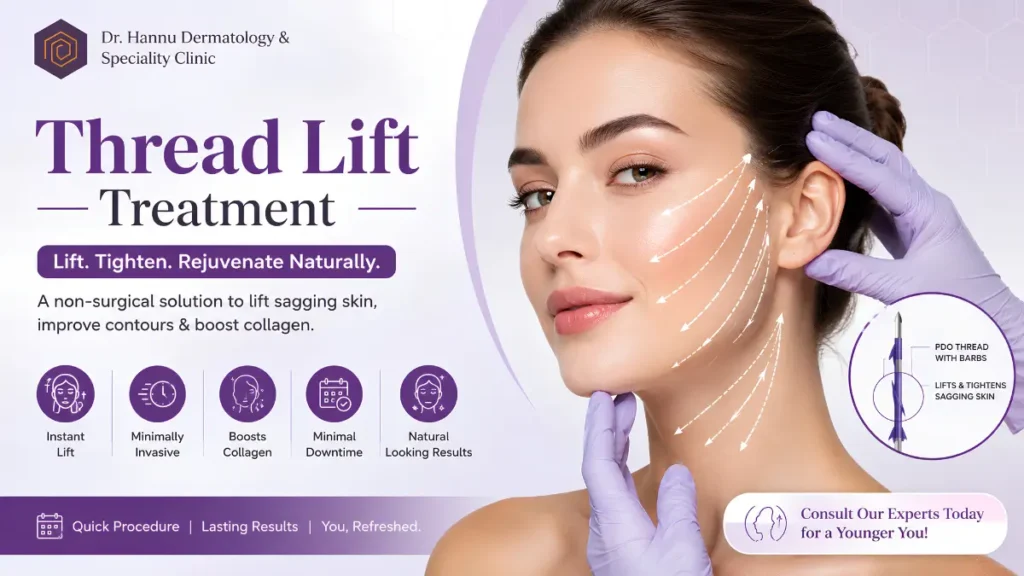
A youthful, well-defined face is often associated with healthy and firm skin. However, as we age, collagen and elastin production decrease, leading to sagging skin, drooping cheeks, jowls, and loss of facial definition. Fortunately, modern aesthetic medicine offers effective non-surgical solutions to address these concerns. One such innovative treatment is the Thread Lift Treatment.
At Hannen Hospital, we provide advanced thread lift procedures that help restore facial contours, improve skin firmness, and deliver natural-looking rejuvenation with minimal downtime.
What Is Thread Lift Treatment?
Thread lift treatment is a minimally invasive cosmetic procedure designed to lift and tighten sagging skin without the need for surgery. During the procedure, dissolvable medical-grade threads are inserted beneath the skin to reposition and support facial tissues.
These specialized threads not only provide an immediate lifting effect but also stimulate the body’s natural collagen production, resulting in firmer and healthier-looking skin over time.
Unlike traditional facelift surgery, thread lifts require no large incisions, general anesthesia, or lengthy recovery periods.
How Do Skin Boosters Work?
Thread lift treatment is a minimally invasive cosmetic procedure designed to lift and tighten sagging skin without the need for surgery. During the procedure, dissolvable medical-grade threads are inserted beneath the skin to reposition and support facial tissues.
These specialized threads not only provide an immediate lifting effect but also stimulate the body’s natural collagen production, resulting in firmer and healthier-looking skin over time.
Unlike traditional facelift surgery, thread lifts require no large incisions, general anesthesia, or lengthy recovery periods.
How Does a Thread Lift Work?
Immediate Lifting Effect
The threads used in the procedure contain tiny barbs or cones that gently grip the underlying tissues. Once inserted, the practitioner carefully adjusts the threads to lift sagging areas and improve facial contours.
Patients often notice an immediate improvement in facial definition following treatment.
Collagen Stimulation
One of the major benefits of thread lift treatment is collagen stimulation. As the threads gradually dissolve, they trigger the body’s natural healing response, encouraging collagen production around the treated areas.
Collagen helps improve skin elasticity, firmness, and texture, providing long-term rejuvenation even after the threads have dissolved.
Book Your Consultation Today!
Areas That Can Be Treated with a Thread Lift
Thread lift treatment is highly versatile and can target multiple areas of the face and neck.
Face
- Sagging cheeks
- Marionette lines
- Nasolabial folds
- Jowls
Eyebrows and Forehead
- Drooping eyebrows
- Brow lifting
- Cat-eye enhancement
Jawline and Chin
- Jawline contouring
- Improved facial definition
- Reduction of mild double chin appearance
Neck
- Tightening loose neck skin
- Improving neck contours
Benefits of Thread Lift Treatment
Thread lifts have become increasingly popular due to their numerous advantages.
Non-Surgical Solution
No surgical incisions or general anesthesia are required.
Minimally Invasive
The procedure involves only small entry points with minimal tissue disruption.
Quick Treatment
Most thread lift procedures can be completed within 30 to 60 minutes.
Minimal Downtime
Patients can usually return to normal activities within a day or two.
Immediate Results
Visible lifting effects are often noticeable immediately after treatment.
Natural-Looking Enhancement
Results are subtle and natural rather than overly dramatic.
Collagen Production
Threads stimulate collagen synthesis, improving skin quality over time.
Long-Lasting Effects
Results typically last between one and three years depending on the type of thread used and individual factors.
Who Is an Ideal Candidate for Thread Lift Treatment?
Thread lift treatment is ideal for individuals experiencing mild to moderate skin laxity who want to improve facial contours without surgery.
You may be a suitable candidate if you:
- Have mild sagging of the cheeks or jawline
- Want natural facial rejuvenation
- Are seeking a non-surgical facelift alternative
- Prefer minimal downtime
- Have realistic expectations about results
The best candidates are usually between 30 and 60 years of age, although suitability depends on skin condition rather than age alone.
Types of Thread Lift Treatments
PDO Thread Lift
PDO (Polydioxanone) threads are among the most commonly used. They provide lifting effects and stimulate collagen production before naturally dissolving.
PLLA Thread Lift
PLLA (Poly-L-Lactic Acid) threads offer longer-lasting collagen stimulation and skin rejuvenation.
PCL Thread Lift
PCL (Polycaprolactone) threads are known for their durability and prolonged collagen-boosting effects.
Cog Threads
Cog threads contain barbs that grip tissue effectively, making them suitable for lifting sagging skin.
Mono Threads
Mono threads are smooth threads primarily used for collagen stimulation and skin tightening.
Thread Lift Procedure: Step-by-Step
Consultation and Assessment
The treatment begins with a detailed consultation to assess facial anatomy, skin condition, and aesthetic goals.
Treatment Planning
A personalized treatment plan is created based on the patient’s needs.
Local Anesthesia
The treatment area is numbed using local anesthesia to ensure comfort.
Thread Insertion
Specialized needles or cannulas are used to place the threads beneath the skin.
Lifting and Adjustment
The practitioner gently adjusts the threads to achieve the desired lifting effect.
Post-Treatment Care
Patients receive detailed aftercare instructions to optimize healing and results.
Recovery After Thread Lift Treatment
Recovery is generally quick and uncomplicated.
Common Side Effects
- Mild swelling
- Bruising
- Tenderness
- Temporary skin dimpling
These effects typically resolve within a few days.
Aftercare Recommendations
- Avoid strenuous exercise for one to two weeks
- Sleep on your back
- Avoid excessive facial movements
- Follow your doctor’s instructions carefully
Most individuals can resume normal activities within 24 to 48 hours.
Results and Longevity
Many patients notice immediate improvements following treatment. Over the next few months, collagen production further enhances skin firmness and texture.
Results generally last between 12 and 36 months depending on:
- Thread type
- Age
- Skin quality
- Lifestyle habits
- Collagen production levels
Maintenance treatments may help prolong results.
Thread Lift vs Other Anti-Aging Treatments
Thread Lift vs Dermal Fillers
Fillers add volume, while thread lifts physically reposition sagging tissues.
Thread Lift vs Botox
Botox relaxes facial muscles to reduce wrinkles, whereas thread lifts improve skin laxity and contour.
Thread Lift vs Surgical Facelift
A surgical facelift offers more dramatic results for severe sagging, while thread lifts are suitable for mild to moderate skin laxity.
Thread Lift vs HIFU
HIFU uses ultrasound energy to tighten skin, while thread lifts provide immediate lifting along with collagen stimulation.
Risks and Side Effects of Thread Lift Treatment
Thread lift treatment is generally considered safe when performed by experienced professionals.
Potential side effects include:
- Temporary swelling
- Bruising
- Mild discomfort
- Skin puckering
- Rare infection
- Minor asymmetry
Choosing a qualified aesthetic specialist significantly reduces the risk of complications.
Thread Lift Treatment Cost
The cost of thread lift treatment varies based on several factors.
Factors Affecting Cost
- Number of threads used
- Treatment area
- Type of threads
- Complexity of treatment
- Doctor’s expertise
- Clinic facilities
Average Cost in India
Thread lift treatment in India generally ranges from ₹30,000 to ₹80,000 or more depending on the treatment plan.
Why Choose Hannen Hospital for Thread Lift Treatment?
At Hannen Hospital, we combine advanced aesthetic technology with personalized patient care to deliver safe and effective thread lift treatments.
Our Advantages
- Experienced aesthetic specialists
- Customized treatment plans
- Advanced thread lift techniques
- Comprehensive patient consultation
- Focus on natural-looking results
- High standards of safety and hygiene
We are committed to helping patients achieve youthful, refreshed appearances without the need for invasive surgery.
Tips to Maintain Thread Lift Results
To maximize the longevity of your results:
- Follow a proper skincare routine
- Use sunscreen daily
- Stay hydrated
- Eat a balanced diet
- Avoid smoking
- Attend recommended follow-up appointments
- Consider complementary skin rejuvenation treatments
FAQs
1. What is a thread lift treatment?
A thread lift is a minimally invasive cosmetic procedure that uses dissolvable medical-grade threads to lift and tighten sagging skin while stimulating natural collagen production.
2. How long does a thread lift procedure take?
Most thread lift treatments take between 30 and 60 minutes, depending on the areas being treated and the number of threads required.
3. Is thread lift treatment painful?
The procedure is generally well tolerated because local anesthesia is used. Patients may experience mild discomfort, tightness, or tenderness for a few days after treatment.
4. How soon will I see results after a thread lift?
You can notice an immediate lifting effect after the procedure. Results continue to improve over the following weeks as collagen production increases.
5. How long do thread lift results last?
Results typically last between 1 and 3 years, depending on the type of threads used, skin condition, age, and lifestyle factors.
6. Who is a good candidate for thread lift treatment?
Individuals with mild to moderate skin sagging, early signs of aging, and those seeking a non-surgical alternative to a facelift are usually good candidates.
7. What areas can be treated with a thread lift?
Thread lifts can be used to treat the cheeks, jawline, jowls, neck, eyebrows, forehead, nasolabial folds, and marionette lines.
8. What is the recovery time after a thread lift?
Most patients can return to normal activities within 24 to 48 hours. Mild swelling or bruising may last for a few days.
9. Are thread lifts safe?
Yes, thread lifts are generally safe when performed by qualified and experienced aesthetic specialists using approved materials and proper techniques.
10. What are the possible side effects of thread lift treatment?
Temporary side effects may include swelling, bruising, tenderness, mild discomfort, and slight skin puckering. Serious complications are rare.
11. Can a thread lift replace a surgical facelift?
A thread lift is ideal for mild to moderate skin laxity. Patients with significant sagging may achieve better results with a surgical facelift.
12. What types of threads are used in thread lift treatments?
Common thread types include PDO (Polydioxanone), PLLA (Poly-L-Lactic Acid), and PCL (Polycaprolactone), each offering unique benefits and longevity.
13. Can thread lifts be combined with other aesthetic treatments?
Yes. Thread lifts are often combined with Botox, dermal fillers, PRP therapy, laser treatments, or HIFU for enhanced facial rejuvenation.
14. How much does thread lift treatment cost in India?
The cost generally ranges from ₹30,000 to ₹80,000 or more, depending on the treatment area, number of threads, and clinic expertise.
Table of Contents
Hair Regrowth Treatments vs Hair Transplant – What Works Best in 2025?
Hair transplant or regrowth treatments? Find out what works best in 2025 with expert tips from Dr. Hanan Clinic, Chennai.

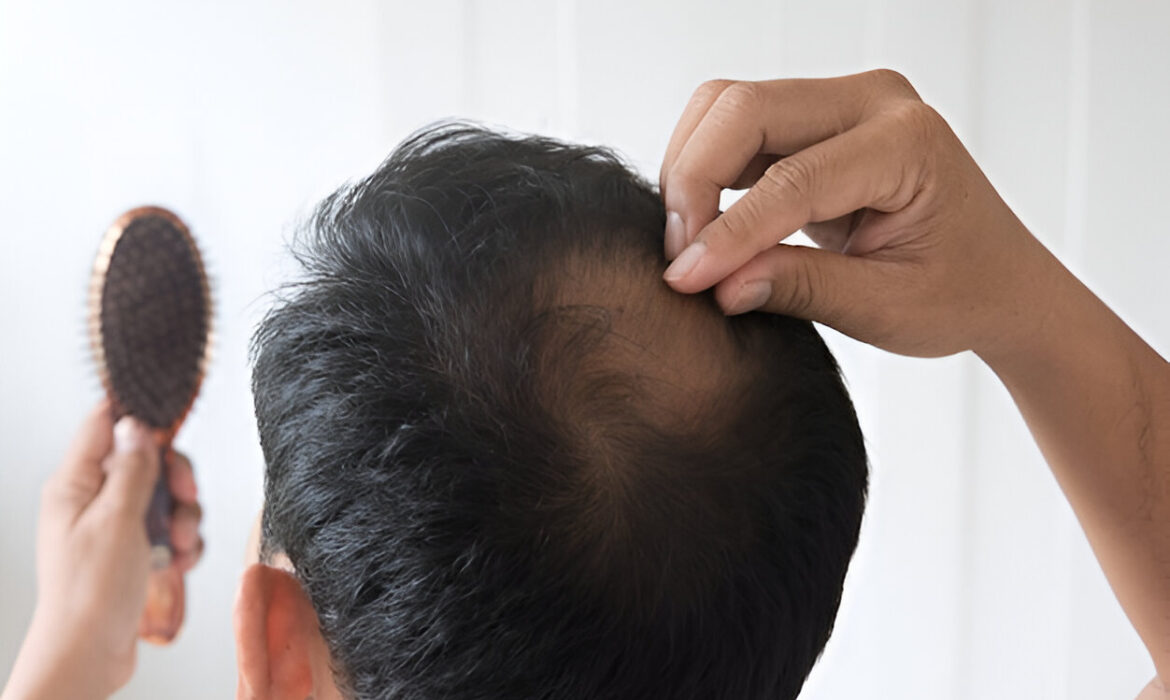
Hair loss is no longer a cosmetic concern-it affects confidence, social life and emotional welfare. With modern progress, 2025 provides several clinically proven options to combat baldness and thin hair. But the question is: Hair Regrowth Treatments vs. Hair Transplant – What does the best work in 2025?
Dr. in Chennai In Hanan Dermatology Specialty and Trichology Clinic, we specialize in both surgical and non-surgical solutions for hair loss. In this blog, we compare two most demanding approaches Non-invasive regrowth treatment and permanent hair transplant surgery-to help you decide which path is right for your skull and your goals.
Understanding the Root of the Problem: Why Hair Loss Happens
Before comparing treatments, it’s important to understand why hair loss occurs:
- Androgenetic Alopecia (pattern baldness)
- Hormonal imbalances (thyroid, PCOS)
- Nutritional deficiencies (iron, biotin, vitamin D)
- Stress & lifestyle factors
- Autoimmune diseases (alopecia areata)
- Medications and treatments (chemotherapy)
Different causes require different treatments—this is why scalp diagnosis is crucial.
What Are Hair Regrowth Treatments?
Hair regrowth treatments are non-surgical methods designed to stimulate dormant hair follicles and slow down further damage. In 2025, these treatments have become more targeted, effective and customized.
1. PRP (Platelet-Rich Plasma) Therapy
PRP is a regenerative treatment that uses components from its own blood to heal and rejuvenate hair follicles. A small amount of your blood is drawn, centrifuged to
Benefits:
- Improves hair density by reactivating dormant follicles
- Minimizes hair shedding and slows hair thinning progression
- Minimal downtime and suitable for most scalp types
Best for:
- Early-stage hair thinning in men and women
- Patients seeking a natural, non-surgical option
- Women with postpartum or hormonal hair loss
Caution:
- Multiple sessions are often required
- Visible results may take 2–3 months
- Should be performed in sterile environments to avoid infections
Microneedling with Exosomes
Microneedling with exosomes combines physical stimulation (microneedling) with the biological power of exosome-cell-retired messengers packed with growth factors and regenerative proteins. The micro injuries created by needles allow exosomes to penetrate and rejuvenate the hair follicle.
Benefits:
- Accelerates hair regrowth faster than PRP
- Improves follicle activity, density, and strand thickness
- Excellent for resistant areas that failed with PRP or medications
Best for:
- Diffuse thinning in both men and women
- Post-transplant scalp stimulation
- Those looking for cutting-edge, regenerative therapy
Caution:
- Requires sterile, controlled application
- Slight redness or sensitivity for 24–48 hours
- Premium cost compared to traditional PRP
Low-Level Laser Therapy (LLLT)
LLLT is a painless, light-based therapy that uses red or close light to stimulate cellular activity in hair follicles. It improves blood circulation and cellular energy, which helps the hair grow thicker and healthy over time.
Benefits:
- Non-invasive and safe for long-term use
- Enhances hair shaft strength and density
- Convenient for home or in-clinic use (helmet or cap-based devices)
Best for:
- Mild to moderate hair thinning
- Post-transplant or post-PRP maintenance
- Individuals with scalp sensitivity to topical treatments
Caution:
- Requires regular use (3–4 times/week)
- Results are gradual over 3–6 months
- Effectiveness varies by device and consistency
Prescription Medications (Minoxidil, Finasteride, Dutasteride)
Prescription medication remains one of the most widely used and medical approved treatments for hair loss in 2025. These drugs work either by increasing the blood circulation to the hair follicles or by reducing the production of dihydrotestosterone (DHT), the hormone that is mainly responsible for Androgenetic alopecia (pattern baldness).
Minoxidil is a topical solution or foam that stimulates hair growth by widening blood vessels and by improving oxygen, nutrients and blood flow. It is effective for both men and women and is available over-the-counter.
Finasteride and dutasteride are oral medications that inhibit the conversion of testosterone to DHT. While Finasteride FDA-approved, Dutasteride is considered more powerful and is often used in India under dermatologist guidance.
Benefits:
- Scientifically proven to reduce hair fall and improve density
- Easy to incorporate into daily routines
- Can be combined with PRP, LLLT, or microneedling for synergistic effects
Best for:
- Men with male pattern hair loss
- Women with hormonal hair thinning (Minoxidil only)
- Patients not ready for surgery or as post-transplant maintenance
Caution:
- Results vary by individual and take 3–6 months of consistent use
- Side effects may include scalp irritation (Minoxidil) or sexual dysfunction (Finasteride/Dutasteride), so ongoing medical supervision is advised
At Dr. Hanan Clinic, we personalize your medication plan based on your scalp type, hair loss pattern, and lifestyle. We also monitor your response with regular follow-ups to ensure safety and effectiveness.
Prescription medications work by targeting the root causes of hair loss—such as DHT sensitivity or poor blood circulation to the follicles. These include both topical and oral medications that are widely used and FDA-approved.
Benefits:
- Affordable and easy to use
- Scientifically proven to slow hair loss and promote regrowth
- Can be combined with PRP or microneedling for better results
Best for:
- Men with male pattern baldness (especially Finasteride and Dutasteride)
- Women with thinning due to hormonal imbalance (Minoxidil)
- Patients not ready for surgical intervention
Note: These medications must be used consistently and under medical supervision to prevent side effects and sustain long-term benefits.
Benefits:
- Affordable
- FDA-approved
Best for:
- Early to moderate pattern baldness
- Those looking for gradual improvement
What Is a Hair Transplant?
Hair transplant is a surgical procedure where hair follicles from a donor area (usually the back of the scalp) are moved to balding areas. It is the most permanent solution available in 2025.
There are two main techniques:
FUE (Follicular Unit Extraction)
Follicles are extracted individually with tiny punches and implanted in recipient zones.
Benefits:
- No linear scar
- Shorter recovery
- Natural-looking results
FUT (Follicular Unit Transplantation)
A strip of scalp is removed and grafts are prepared from it.
Benefits:
- More grafts in one session
- Suitable for larger bald patches
What Is the Best Hair Transplant Technology in 2025?
Great question (and thank you Google’s People Also Ask!).
In 2025, the most advanced techniques include:
- Sapphire FUE: Uses sapphire blades for precision
- Robotic-assisted Hair Transplantation: AI-based graft harvesting
- DHI (Direct Hair Implantation): No channel opening step, more control
At Dr. Hanan Clinic, we combine these advanced tools with dermatologist-level planning for natural hairlines and higher graft survival.
Hair Regrowth Treatments vs Hair Transplant – Key Comparison
Feature | Hair Regrowth Treatments | Hair Transplant |
Type | Non-surgical | Surgical |
Suitability | Early to moderate hair loss | Advanced baldness (Grade 3+) |
Downtime | Minimal to none | 3–7 days recovery |
Cost | Lower per session | One-time higher cost |
Results | Gradual, needs maintenance | Permanent, fuller coverage |
Side Effects | Minimal | Mild swelling, crusting |
Maintenance | Required (every 1–3 months) | PRP or LLLT optional for existing hair |
When to Choose Hair Regrowth Treatments
Choose non-surgical regrowth options if:
- You’re under 35
- Hair loss is recent or mild
- You want a gradual, non-invasive solution
- You are medically unfit for surgery
When to Choose Hair Transplant
Opt for a transplant if:
- You have visible bald patches (Grade 3 and above)
- You want long-lasting, high-density results
- You’ve already tried PRP, meds, or LLLT with limited success
- You have a strong donor area
Our Expert Advice: What We Recommend in 2025
At Dr. Hanan Dermatology Speciality and Trichology Clinic in Chennai, we don’t believe in one-size-fits-all. Our treatment strategy is always:
1. Diagnose First – Using digital scalp mapping and hair density analysis
2. Customize Treatment – PRP, microneedling, medications, transplant – or a combination
3. Track Results – Monthly follow-ups, maintenance planning, lifestyle advice
Our hybrid approach means many patients avoid surgery altogether with the right early intervention.
Why Choose Dr. Hanan Clinic in Chennai?
- 800+ 5-star reviews
- Team of certified dermatologists & trichologists
- Latest in FUE, PRP, Exosome, and Laser technology
- Customized plans for every hair type, age, and stage of hair loss
We are Chennai’s authority in hair restoration, blending medical expertise with the latest innovations.
Conclusion: Which Works Best in 2025?
Hair Regrowth Treatments are ideal if you’re catching the problem early and want to delay or avoid surgery.
Hair Transplant is best for those looking for a permanent fix for visible baldness.
But the ultimate solution? A doctor-designed combination plan customized just for you.
Book Your Consultation Today!
Table of Contents
Best Age for Hair Transplant: Expert Advice from Dermatologists in Chennai
Hair Transplant Cost in India : Guide for 2025
Discuss about Hair transplant cost in India and get tips on budget. Learn more here or contact Dr.hanan Dermatology Speciality Clinic.

Hair loss is a very common problem affecting men and women of all ages. Fortunately, India has a variety of affordable hair treatments that not only help you hide the issue of hair loss, but also help prevent future recurrences.
In recent years, hair transplants have emerged as a popular solution for individuals who want to deal with hair loss issues. Known for its advanced medical technology and affordable healthcare, India has become a prime destination for those considering hair transplantation.
This article aims to provide an in-depth analysis of hair transplant price in India, to help potential patients make informed decisions about treatment options.
What is a hair transplant?
Hair transplant means move hair from one side of your head it’s called donar area of the head to an blad area with thinning or no hair. It can help your hair look good again. These implants have been practised by doctors in the US. since the 1950s, but techniques have improved dramatically.
Is hair transplant permanent?
Hair transplant treatments are permanent. Once your doctor gives you clearance, you can treat your replacement hair just like your normal healthy hair—wash, shampoo, and shampoo as usual. However, some hair transplants do not survive and a few hairs fall out.
Do you know that Ms Dhoni hair transplant and Virat Kholi did Hair Transplant Surgeries
Types of Hair Transplant Surgeries
There are two main types of hair transplants, both done in a doctor’s office. First, the surgeon cleans your scalp and numbs the back of your head. Then, they choose between two methods: follicular unit strip surgery (FUSS) or follicular unit extraction (FUE).
1.Follicular Unit Strip Surgery (FUSS)
In FUSS, the surgeon removes a 6- to 10-inch strip of skin from the back of your head or donar area and stitches the area closed. This strip is then cut into 500 to 2,000 tiny grafts, each with a few hairs. These healthy hair grafts are used to fill in thinning areas or bald area. FUSS is also known as follicular unit transplantation (FUT).
2.Follicular Unit Extraction (FUE)
3.FUSS vs. FUE
- Scarring: FUSS leaves a scar where the strip was removed, which may be visible if your hair is short. FUE leaves small, less noticeable scars.
- Time: FUSS typically takes time consuming than FUE.
- Appearance: FUSS doesn’t require shaving the back of your scalp.
- Risk: In FUE, there’s a risk of damaging hair follicles, which might prevent successful transplantation.
- Cost: FUE is generally more expensive than FUSS.

4.Artificial Hair Transplants
Artificial hair transplants use synthetic fibers to replace lost hair instead of using your own hair. These were created for people who don’t have enough hair for traditional transplants. However, the U.S. FDA banned artificial hair transplants in 1983 due to safety concerns.
Although they might be an option for some, artificial hair transplants can cause side effects because of the foreign materials used. If you’re considering a hair loss treatment, consult a board-certified doctor who specializes in hair loss.

Factors affecting the cost of hair transplantation in India
Many factors influence the cost of hair transplant in India. Knowing these can help you plan your budget better.
Average Hair Transplant Cost in India
Hair transplant cost per hair in India and trasnplant in chennai varies widely based on the factors mentioned above. On average, the cost per graft ranges from ₹30 to ₹150 ($0.40 to $2) depending on the clinic and technique.
- FUT: Typically costs between ₹40,000 to ₹70,000 ($500 to $900) for 1,000 to 2,000 grafts.
- FUE: Generally costs between ₹60,000 to ₹1,50,000 ($800 to $2,000) for 1,000 to 2,000 grafts.
These prices may fluctuate based on the specific requirements of the patient and the clinic’s pricing policies.
Choosing the Best Clinic for Hair Transplant
Choosing the right hospital and managing costs is key to getting the best results. Here are some tips to help you:
1. Research and Analysis: Find information and read patient reviews about the quality of the hospital. Check online forums, social media, and patient profiles for useful information.
2. Check certificates: Make sure the surgeons at the hospital are qualified and experienced in hair transplantation. Check their credentials and credentials to ensure they are experts.
3. Compare costs: Get quotes from hospitals and compare their prices. Be wary of very low prices, as they may indicate low prices or hidden costs.
4. Consultation: Meet with hospitals to discuss your needs and treatment options. Take this time to tour the hospital facilities and meet the doctors.
Why Choosing Dr. Hanan for Best Hair Transplant Clinic in Chennai
When it comes to hair restoration, Dr. Hanan is renowned as the leading specialist in Chennai. His clinic is recognized for delivering exceptional hair transplant results with expertise, advanced technology, and personalized care. Here’s why Dr. Hanan is the top choice for the best hair transplant clinic in India.
1.Unmatched Expertise and Experience
Highly Qualified Specialist
Dr. Hanan is a board-certified dermatologist with specialized training in hair transplantation. With years of experience, Dr. Hanan delivers expert care and effective results.
Advanced Techniques
Utilizing the latest methods, including Follicular Unit Extraction and Follicular Unit Transplantation , Dr. Hanan provides minimally invasive and precise treatments for optimal hair restoration.
2.Cutting-Edge Facilities
Modern Technology
The clinic features state-of-the-art equipment and robotic-assisted systems to ensure precise and effective hair transplant procedure.
Comfortable Environment
Dr. Hanan’s clinic maintains a sterile and modern setting, prioritizing patient comfort and safety during every procedure.

3.Comprehensive Hair Transplant Services
Personalized Treatment
Dr. Hanan offers customized treatment plans tailored to individual needs, ensuring natural-looking results and high patient satisfaction.
Post-Transplant Care
Comprehensive post-transplant care includes detailed aftercare instructions and follow-up support in your recovery time to ensure optimal results.

4.Patient-Centered Approach
Consultative Care
Dr. Hanan takes a personalized approach, listening to patient goals and providing clear, honest information about the process.
Holistic Support
Beyond the transplant, Dr. Hanan offers advice on lifestyle and hair care to maintain and enhance results.
Patient Education
Educating patients is a key aspect of Dr. Hanan’s practice. Dr. Hanan ensures that patients fully understand their diagnoses, treatment options, and preventive measures. This empowers patients to make informed decisions about their skin health and maintain optimal results.
5.Exceptional Patient Reviews and Testimonials
Positive Patient Experiences
Dr. Hanan’s clinic has received numerous positive reviews and testimonials from satisfied patients. These reviews highlight Dr. Hanan’s expertise, compassionate care, and commitment to excellence. The positive feedback is a testament to the high-quality care provided at the clinic.
Success Stories
Dr. Hanan regularly shares success stories and case studies to showcase the effectiveness of treatments and the positive impact on patients’ lives. These stories demonstrate Dr. Hanan’s ability to achieve outstanding results and improve patients’ skin health and confidence.
6.Convenient Location and Flexible Scheduling
Prime Location in OMR
Dr. Hanan’s clinic is conveniently located in the heart of OMR, making it easily accessible for patients from all parts of the city. The central location ensures that patients can reach the clinic without hassle.
Visit Us : Dr. Hanan Dermatology Speciality Clinic, A Block, Gem Bhoomi & Buildings, Padur, OMR, Chennai – 603103
Flexible Appointments
Understanding the busy schedules of patients, Dr. Hanan offers flexible appointment options, including extended hours and weekend appointments. This ensures that patients can receive the care they need at a time that is convenient for them.
For Enquiries / Appointments : +91 6381048403

Conclusion
Hair transplantation surgeries is a transformative procedure for individuals facing hair loss, and India offers affordable and quality options. By understanding the factors that affect grafts hair transplant cost and following research whole you will be able to make an informed decision and get the best results for your hair restoration journey.
FAQ’s
There is no “perfect” age for a hair transplant, most surgeons recommend waiting until your late 20s or early 30s when hair loss patterns are more established.
The procedure is performed under local anesthesia, so you should not feel pain during the surgery. Some discomfort or soreness may occur afterward, but it can be managed with pain medication.
Hair transplant results are typically permanent, as the transplanted hair follicles are resistant to the effects of DHT, the hormone responsible for hair loss.
Table of Contents
For FUE Hair Transpalnt, the surgeon shaves a section of the back of your area of the scalp and removes hair follicles one by one. The donar area heals with small dots that are covered by your existing hair. After harvesting the hair, FUSS and FUE hair trasnplant procedures are similar: the surgeon prepares the grafts, numbs the area where the hair will be placed, makes tiny holes, and carefully inserts each graft.
The whole process usually takes 4-8 hours. You might need another procedure later if you continue to lose hair or want a fuller look.
1. Clinic Reputation and Location
The clinic’s name and location affect the average cost. Well-known clinics in big cities like Mumbai, Delhi, Chennai, and Bangalore usually charge more because they have advanced facilities and experienced surgeons. Smaller city clinics may offer lower prices.
2.The skill of a surgeon
The surgeon’s experience and knowledge are crucial. Highly skilled and famous hair transplant surgeons may charge more, but their expertise often leads to better results and fewer complications.
3.Technique Used
The technique chosen, FUT or FUE, impacts the cost. FUE is generally more expensive than FUT because it’s less invasive and requires more precision. The cost per graft is higher with FUE due to advanced technology and skill.
4. Number of Grafts Required
The total cost depends on the number of hair grafts required. More severe hair loss needs more grafts, increasing the cost. Clinics usually estimate costs based on graft numbers, ranging from 1,000 to 4,000 or more.
5. Additional Services
Extra services like pre-op treatment, post-op care, medications, and follow-up visits can add to the total cost. Some clinics offer packages that include these services, providing better value for money.
Benefits of Hair Transplant: Why It’s the Best Solution for Hair Loss
Learn the key benefits of hair transplant for permanent, natural hair growth. Get expert treatment at Dr. Hanan Dermatology Clinic!

Hair transplant is one of the most effective and permanent solutions for hair loss. Whether you are struggling with male or female pattern baldness or thinning of hair, a hair transplant can restore your confidence and natural hair growth. In this blog, we will find out the top benefits of hair transplantation and Why Dr. Hanan Dermatology Specialty and Trichology Clinic is the best option for this life-changing procedure.
Permanent and Natural Results
The biggest advantage of hair transplant is that it provides long -lasting and natural looking results. Unlike temporary solutions such as wig, hair fiber, or medication, hair transplantation uses your own hair follicle, which ensures a spontaneous mix with your existing hair. Transplanted hair naturally grows, making it impossible to differentiate from the rest of your hair.
Boosts Self-Confidence
Hair loss can lead to a toll on a person’s self -esteem and mental health. A successful hair transplant restores your hair and helps you regain confidence. Many patients experience a better quality of life and feel more comfortable in social and professional settings after the process.
Low Maintenance
Once transplanted hair starts growing, it does not require any special maintenance. You can wash your hair, style and cut as before. Unlike hair extensions or wigs, which require continuous adjustment and special care, a hair transplant is struggle free.
Cost-Effective in the Long Run
While a hair transplant may look expensive initially, this is a one -time investment. Unlike the treatment of hair loss, the cost of medication, PRP therapy, or hair growth products requires the ongoing cost, a hair transplant is permanent, which saves you in long periods.
Safe and Painless Procedure
With Advancement in medical technology, hair transplant is now a safe and minimum invasive process. Modern techniques such as FUE (follicular unit extraction) and FUT (follicular Unit Transplantation) ensure minimal pain and a comfortable experience with a quick recovery. The process is performed under local anesthesia, making it almost painless.
Minimal Downtime and Quick Recovery
A hair transplant requires minimal recovery time, allowing you to return to your daily activities within a few days. Most patients experience minor swelling or redness, which decreases within a week. The proper post-process ensures a smooth and rapid recovery after care.
No Risk of Allergic Reactions
Since a hair transplant uses your own hair follicle, there is no risk of allergic reactions or incompatibility. Unlike synthetic treatment or hair implants, which might cause side effects, a hair transplant is completely natural and biocompatible
Suitable for Both Men and Women
Hair transplantation is not only for men! Women suffering from hair Thinning, Receding hairlines, or bald patches can also benefit from this process. Transplant techniques are optimized based on the pattern of individual hair loss to ensure the best results for both male and female patients
Permanent Solution for Various Types of Hair Loss
Hair transplant processes are effective in treating various types of hair loss, including:
- Male and female pattern baldness (androgenetic alopecia)
2. Hair loss due to trauma (irritation, injury, or surgery scars)
3. Hair loss due to medical conditions such as traction alopecia
4. Restoring eyebrows, beards, and mustaches for those who are with patchy or absent facial hair
Performed by Expert Dermatologists at Dr. Hanan Dermatology Speciality & Trichology Clinic
If you are considering a hair transplant, it is important to choose the right clinic and experienced professionals. Dr. Hanan Dermatology Specialty and Trichology Clinic is a major hair transplant clinic in Chennai, known for it: of expert dermatologist and hair transplant specialist. Proven results with high success rates, Excellent patient care and post-transplant follow-up
Conclusion:
A hair transplant is a life -changing procedure that provides a permanent, natural and effective solution for hair loss. If you are looking for the best hair transplant clinic in Chennai, then Dr. Hanan Dermatology Specialty and Trichology Clinic.
💡 Book your consultation today and take the first step towards restoring your hair and confidence!
Ready for Permanent Hair Restoration?
Table of Contents
New Roots Hair Transplant Cost in Chennai (2026) – Complete Price Guide & Expert Insights
New Roots Hair Transplant Cost in Chennai Guide and Expert

New Roots Hair Transplant Cost in Chennai: Hair loss is no longer just a cosmetic concern—it directly impacts confidence, personality, and even social life. In a fast-growing city like Chennai, more people are now turning to advanced solutions like New Roots Hair Transplant to restore their natural hair and self-esteem.
If you’re planning this treatment, one of the first questions that comes to mind is: “How much does a New Roots hair transplant cost in Chennai?”
This detailed guide answers everything—from pricing and techniques to choosing the right clinic.
What is New Roots Hair Transplant?
The term New Roots Hair Transplant refers to modern hair restoration techniques that recreate natural hair growth by transplanting healthy hair follicles into bald or thinning areas.
Unlike older methods, today’s procedures focus on:
- Natural hairline design
- High-density results
- Minimal scarring
- Long-term growth
Common Techniques Used
- FUE (Follicular Unit Extraction): Individual follicles are extracted and implanted
- FUT (Strip Method): A strip of scalp is used for graft extraction
- DHI (Direct Hair Implantation): Advanced technique with precise implantation
These methods ensure your hair looks completely natural—even up close.
New Roots Hair Transplant Cost in Chennai (2026)
The cost of a hair transplant in Chennai varies depending on multiple factors, but here’s a realistic estimate:
Average Cost Range
- ₹30,000 to ₹1,50,000+ per session
Cost Per Graft
- ₹20 to ₹60 per graft
Estimated Cost Based on Grafts
- 1000 grafts: ₹30,000 – ₹60,000
- 2000 grafts: ₹60,000 – ₹1,20,000
- 3000+ grafts: ₹1,20,000 – ₹1,80,000+
Compared to cities like Mumbai or Bangalore, Chennai offers more affordable yet high-quality treatment options.
Factors Affecting Hair Transplant Cost
The price of a New Roots hair transplant isn’t fixed. It depends on several important factors:
1. Number of Grafts Required
More hair loss = more grafts = higher cost
2. Technique Used
- FUE: Moderate cost
- DHI: Premium pricing due to precision
3. Surgeon’s Expertise
Highly experienced dermatologists may charge more—but ensure better results
4. Clinic Infrastructure
Advanced technology, hygiene, and equipment influence pricing
5. Location in Chennai
Premium areas like OMR or central Chennai may have slightly higher costs
6. Post-Treatment Care
Medications, PRP sessions, and follow-ups may be included or charged separately
Why Choosing the Right Clinic Matters
Hair transplant is a medical procedure—not just a cosmetic service. Choosing a trusted clinic ensures:
- Safe procedures
- Natural-looking results
- Minimal complications
One of the reputed options in Chennai is
Dr. Hanan Dermatology Speciality Clinic
Clinic Highlights
- Advanced hair transplant technology
- Experienced dermatologists and aesthetic experts
- High patient satisfaction and proven results
- Comprehensive skin and hair treatments under one roof
About Dr. Hanan – Expertise You Can Trust
When it comes to hair restoration, expertise plays a crucial role.
Dr. Hanan Basith MD (DVL), FFAM is a highly qualified dermatologist:
- Graduate of Madras Medical College, Chennai
- Fellowship in Facial Aesthetic Medicine (FFAM)
- Member of:
- Indian Association of Dermatologists (IADVL)
- Association of Cutaneous d of India (ACSI)
- Association of Hair Restoration Surgeons of India (AHRS)
Her approach focuses on:
- Patient safety
- Scientific diagnosis
- Natural and long-lasting results
Step-by-Step Hair Transplant Procedure
Understanding the process helps reduce anxiety and sets clear expectations.
1. Consultation
- Scalp analysis
- Hair loss assessment
- Customized treatment plan
2. Hairline Design
- Natural-looking hairline is planned
3. Donor Extraction
- Healthy follicles are extracted from the back of the scalp
4. Graft Implantation
- Hair follicles are implanted into bald areas
5. Recovery
- Mild redness for a few days
- New hair growth starts in 3–4 months
Benefits of New Roots Hair Transplant
- Permanent solution for hair loss
- Natural-looking hair growth
- Boosts confidence and personality
- Minimal downtime
- Safe and clinically proven
Risks & Side Effects
While generally safe, some temporary effects may include:
- Mild swelling
- Redness or itching
- Temporary hair shedding (normal phase)
Choosing an expert clinic significantly reduces these risks.
Before & After Results
Most patients notice:
- Visible improvement in 3–4 months
- Full results in 8–12 months
Clinics often provide:
- Before-after photos
- Patient testimonials
- Real transformation stories
Additional Services Available
Many clinics also offer:
- PRP (Platelet-Rich Plasma) therapy
- Hair fall treatments
- Laser hair reduction
- Acne scar treatment
- Non-surgical face lifting
This ensures complete hair and skin care solutions in one place.
Who is the Right Candidate?
You are a good candidate if:
- You have pattern baldness
- You have a healthy donor area
- You are above 25 years (recommended)
- Your hair loss is stable
Both men and women can undergo this procedure.
Cost vs Value – Is It Worth It?
When compared to temporary solutions like:
- Wigs
- Hair fibers
- Medications
Hair transplant offers a permanent and natural solution.
It’s not just a treatment—it’s an investment in your confidence and long-term appearance.
FAQs
Book Your Consultation Today!
1. What is the average cost of New Roots hair transplant in Chennai?
The average cost ranges between ₹30,000 and ₹1,50,000 depending on the number of grafts, technique used, and clinic expertise.
2. How much does 2000 grafts hair transplant cost in Chennai?
A 2000 grafts hair transplant typically costs around ₹60,000 to ₹1,20,000 based on the clinic, doctor experience, and technology used.
3. What is the cost per graft in Chennai?
The cost per graft usually ranges from ₹20 to ₹60, depending on the method (FUE, FUT, or DHI) and clinic reputation.
4. Is New Roots hair transplant a permanent solution?
Yes, it is considered a permanent solution as the transplanted hair follicles continue to grow naturally for a lifetime.
5. Which technique is best for hair transplant in Chennai?
FUE and DHI are the most advanced and commonly recommended techniques due to minimal scarring and natural results.
6. Is hair transplant painful?
No, the procedure is performed under local anesthesia, so patients experience minimal to no pain during the treatment.
7. How long does it take to see results after hair transplant?
Initial hair growth begins within 3–4 months, while full results are visible after 8–12 months.
8. Who is eligible for a hair transplant?
Individuals with stable hair loss, sufficient donor hair, and good overall health are ideal candidates for the procedure.
9. Are there any side effects of hair transplant?
Some temporary side effects include redness, swelling, and mild discomfort, which usually subside within a few days.
10. How do I choose the best hair transplant clinic in Chennai?
Look for experienced dermatologists, advanced technology, positive patient reviews, and certified clinics like Dr. Hanan Dermatology Speciality Clinic
11. Can women undergo hair transplant?
Yes, women with thinning hair or pattern baldness can also benefit from hair transplant procedures.
12. Is EMI or installment available for hair transplant?
Many clinics in Chennai offer EMI or flexible payment options to make the treatment more affordable.
For those seeking a more lasting and permanent solution to baldness, a hair transplant remains the most effective approach. At Dr. Hanan Dermatology Speciality and Trichology Clinic in Chennai, we offer expert consultation, diagnosis, and customized hair restoration plans—including transplants, PRP therapy, and more.
Table of Contents
Unshaven Hair Transplant Cost in Chennai – Complete Guide
Unshaven Hair Transplant Cost in Chennai – Learn what to ask your doctor to ensure a safe procedure, natural results, and long-term success.
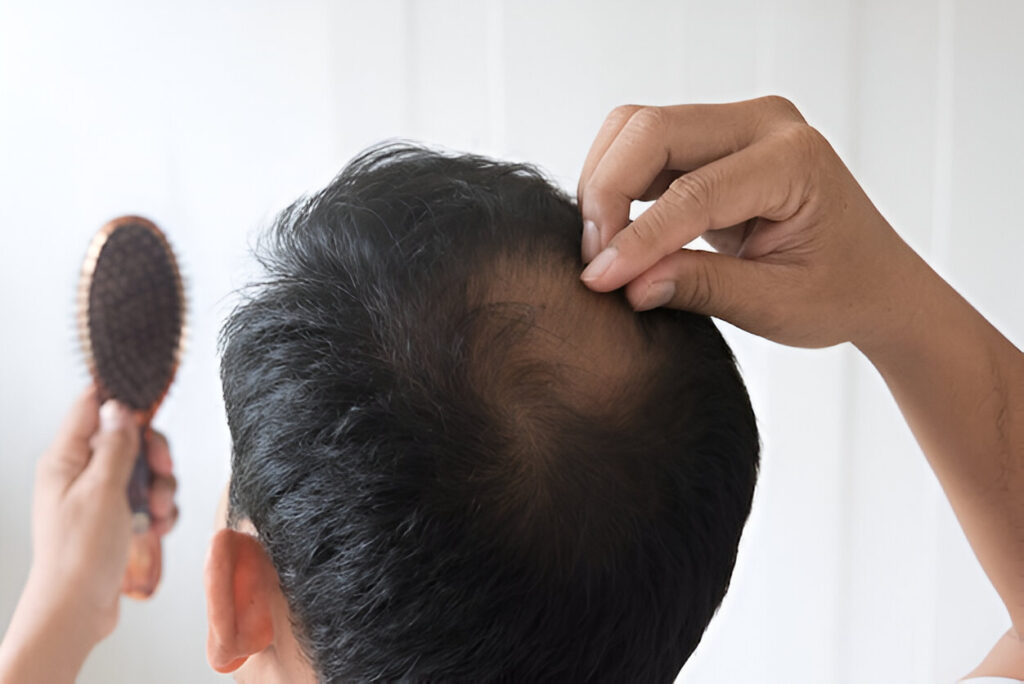
Unshaven hair transplant, also known as no-shave FUE, is a modern solution for individuals who want to restore hair without shaving their head. This technique is gaining popularity in Chennai, especially among professionals and women who prefer a discreet procedure with minimal downtime.
Cost of Unshaven Hair Transplant in Chennai
The cost typically ranges between ₹60,000 to ₹2,50,000+, depending on the number of grafts and clinic expertise. On average, the per graft cost is ₹100–₹150+, making it slightly more expensive than traditional FUE due to the precision and time involved.
Cost Overview
Treatment Type Estimated Cost Basic Procedure ₹60,000+ Moderate Coverage ₹1,00,000 – ₹1,80,000 Advanced Cases ₹2,00,000 – ₹2,50,000+
Why is It More Expensive?
Unshaven hair transplant requires surgeons to work around existing hair, making the process more complex and time-consuming (4–8 hours). It demands high expertise, advanced tools, and careful graft placement to ensure natural-looking results
Benefits
- No visible shaving
- Quick return to work
- Natural hairline results
- Ideal for small or targeted areas
Trusted Clinic in Chennai
For safe and effective results, consider Dr. Hanan Dermatology Speciality Clinic, led by Dr. Hanan Basith. With expertise in dermatology and hair restoration, the clinic offers advanced treatments tailored to individual needs.
Step-by-Step Guide to Safe Head Shaving
- Start with trimming after 1 month
- Use clean and sanitized tools
- Keep trimmer on low setting
- Avoid pressure on the scalp
- Move to razor shaving only after 3 months
- Apply soothing lotion if needed
Tips for Safe Shaving
- Wait until all scabs fall off naturally
- Avoid aggressive shaving
- Always use clean tools
- Keep the scalp hydrated
- Follow your doctor’s advice
About the Clinic – Best Skin & Hair Clinic in Chennai
Dr. Hanan Dermatology Speciality Clinic offers expert care for skin and hair treatments in Chennai.
- Advanced hair transplant techniques
- Experienced dermatologists and aesthetic specialists
- Safe and result-oriented treatments
- Modern laser and cosmetic solutions
About Dr. Hanan Basith
- MD (DVL), FFAM
- Graduate of Madras Medical College, Chennai
- Fellowship in Facial Aesthetic Medicine
- Member of IADVL, ACSI, AHRS
The clinic is widely trusted for delivering effective and affordable hair and skin treatments.
Our Specialized Services
- Hair Transplant
- Laser Hair Reduction
- Acne Scar Treatment
- Non-surgical Face Lifting
- Glutathione Treatment
FAQs
1. What is the cost of unshaven hair transplant in Chennai?
The cost usually ranges from ₹60,000 to ₹2,50,000+, depending on graft count, clinic reputation, and surgeon expertise.
2. Why is unshaven hair transplant more expensive than FUE?
It requires higher precision, more time (4–8 hours), and experienced surgeons, which increases the cost per graft.
3. How many grafts can be done without shaving?
Typically, 1000–2500 grafts can be done in one session. Larger cases may need multiple sessions.
4. Is unshaven hair transplant permanent?
Yes, the results are permanent, similar to traditional FUE, as transplanted hair grows naturally over time.
5. Is the procedure painful?
No, it is performed under local anesthesia, so patients experience minimal discomfort.
6. How long does it take to recover?
Most patients can return to work within 2–5 days, as there is no visible shaving.
7. Who is the best candidate for this procedure?
It is ideal for professionals, women, and individuals who want a discreet hair restoration without shaving.
8. Where can I get the best unshaven hair transplant in Chennai?
You can consult Dr. Hanan Dermatology Speciality Clinic, where experienced specialists provide advanced and personalized hair transplant treatments.
Book Your Consultation Today!
Table of Contents
Female Hair Transplant: A Complete Guide for Women Experiencing Hair Loss
Discover the key benefits of female hair transplant for permanent, natural-looking hair restoration. Get expert, dermatologist-led treatment at Dr. Hanan Dermatology Speciality Clinic, Chennai.

Female Hair Transplant: Hair loss is not just a men’s concern. Millions of women experience thinning hair, widening part lines, receding hairlines, or bald patches due to hormonal changes, genetics, stress, or medical conditions. A female hair transplant is an advanced, dermatologist-approved solution designed specifically for women to restore hair density while maintaining a natural, feminine appearance.
Unlike male hair restoration, female hair transplant procedures require a highly customized approach, making expert evaluation and technique selection crucial for success.
Understanding Hair Loss in Women
Hair loss in women can be temporary or permanent, depending on the cause. Common reasons include:
Hormonal imbalance (PCOS, menopause, post-pregnancy)
Genetic predisposition (female pattern hair loss)
Chronic stress or illness
Thyroid disorders
Nutritional deficiencies
Traction from tight hairstyles or extensions
A proper diagnosis is essential before deciding on a hair transplant, as some types of hair loss respond better to medical treatment than surgery.
Common Female Hair Loss Patterns
Women experience hair loss differently from men. The most common patterns include:
Female Pattern Hair Loss (FPHL): Gradual thinning over the crown and part line
Diffuse Thinning: Overall reduction in hair density
Traction Alopecia: Hair loss caused by tight hairstyles
Alopecia Areata: Patchy hair loss due to autoimmune causes
Scarring Alopecia: Permanent hair loss from injury or inflammation
Each pattern requires a tailored treatment plan to achieve natural results.
What Is a Female Hair Transplant?
A female hair transplant involves relocating healthy hair follicles from a donor area (usually the back or sides of the scalp) to thinning or bald areas. The goal is to restore volume, improve density, and create a natural hairline that blends seamlessly with existing hair.
Common areas treated include:
Frontal hairline
Crown and mid-scalp
Widening part lines
Scarred areas
Eyebrows (in select cases)
Who Is an Ideal Candidate for Female Hair Transplant?
Women may be suitable candidates if they:
Have stable hair loss with visible thinning or bald areas
Possess a healthy donor area with sufficient hair density
Have realistic expectations about results
Have not responded adequately to medical treatments alone
Women with active hair shedding conditions may need medical management before considering surgery.
Hair Transplant Techniques for Women
FUE (Follicular Unit Extraction)
FUE is the most commonly recommended technique for women because it:
Leaves no linear scar
Is ideal for diffuse thinning
Allows flexible donor area selection
Provides natural-looking density
FUT (Strip Method)
FUT may be considered in select cases where a larger number of grafts are needed. However, it involves a linear scar and is less commonly preferred for women.
Donor Area Selection & Hairline Design
Successful female hair transplantation depends heavily on:
Careful donor area selection to prevent visible thinning
Precision graft extraction
Customized hairline and density planning
Matching hair direction, angle, and texture
Expert planning ensures the results look natural and feminine.
Step-by-Step Female Hair Transplant Procedure
Detailed consultation and scalp analysis
Local anesthesia for comfort
Graft extraction from donor area
Careful implantation into thinning regions
Procedure duration: typically 4–8 hours, depending on graft count
The procedure is safe, minimally invasive, and performed as a day-care treatment.
Recovery & Aftercare
Mild scabbing and redness for 7–10 days
Gentle hair washing as advised by the dermatologist
Return to work within a few days
Avoid strenuous exercise for 2–3 weeks
Following aftercare instructions is vital for optimal graft survival.
Hair Growth Timeline & Results
Temporary shedding (shock loss) may occur in the first few weeks
New hair growth begins around 3–4 months
Noticeable density improvement by 6–9 months
Final results visible in 9–12 months
Transplanted hair is generally permanent, provided underlying hair health is maintained.
Female hair transplant is considered safe when performed by experienced dermatologists. Possible mild side effects include:
Temporary swelling or redness
Shock loss
Minimal infection risk
These risks are significantly reduced in certified, medically supervised clinics.
Maintenance & Long-Term Hair Care
To protect existing hair and enhance results, doctors may recommend:
Topical treatments like Minoxidil
PRP (Platelet-Rich Plasma) therapy
Nutritional support and scalp care routines
Ongoing care helps maintain overall hair health and density.
Table of Contents
Hair Transplant Aftercare Tips: Ensuring Long-Term Results
Hair transplant aftercare tips from Dr. Hanan Clinic, Chennai to protect grafts, reduce risks, and boost long-term hair growth.

Hair transplant surgery is a transformative step towards restoring natural hair growth and confidence. But the real success of your transplant doesn’t just depend on the procedure itself – it also depends heavily on how you care for your scalp afterward. At Dr. Hanan Dermatology Speciality and Trichology Clinic in Chennai, we ensure that every patient receives personalized aftercare guidance to promote healing and maximize long-term results.
This blog outlines medically approved, dermatologist-backed aftercare tips for anyone undergoing a hair transplant, with answers to frequently asked questions and practical advice to speed up your recovery. Learn more about our Best Hair Transplant Clinic in Chennai for trusted care.
Why Aftercare Matters in Hair Transplant Recovery
The newly transplanted hair follicles are delicate and require a healing period to anchor themselves into the scalp. Poor aftercare can lead to:
- Graft dislodgment
- Infection or inflammation
- Delayed healing
- Poor hair growth or transplant failure
Proper aftercare improves the success rate, minimizes discomfort, and promotes healthy, long-lasting hair growth.
What Is the Best Treatment for Dandruff According to Dermatologists?
At Dr. Hanan Clinic, we believe in customized, evidence-based treatment plans. Depending on your scalp type, the severity of your dandruff, and any underlying skin condition, our dermatologists may recommend:
The initial 48 hours post-transplant are critical. Here’s what to follow:
- Avoid touching or scratching the scalp.
- Sleep with your head elevated (30-45 degrees) to reduce swelling.
- Use prescribed antibiotic lotion or spray as directed.
- Do not wash your hair unless advised by your dermatologist.
- Avoid direct sunlight, dust, or pollution.
Immediate Aftercare: First 48 Hours
The initial 48 hours post-transplant are critical. Here’s what to follow:
- Avoid touching or scratching the scalp.
- Sleep with your head elevated (30-45 degrees) to reduce swelling.
- Use prescribed antibiotic lotion or spray as directed.
- Do not wash your hair unless advised by your dermatologist.
- Avoid direct sunlight, dust, or pollution.
Tip:
We recommend using a satin or soft pillow cover and avoiding harsh or textured fabrics.
For more insights, read our blog on Hair Transplant Pain: What Should You Expect?
Do's:
- Wash your hair gently with a mild, dermatologist-recommended shampoo after 3–4 days (if advised).
- Pat dry with a soft towel – no rubbing or massaging.
- Continue any oral antibiotics or anti-inflammatory medicines.
Don’ts:
- Avoid hats, helmets, or anything that touches the graft area.
- Do not consume alcohol or smoke.
- Avoid sweating excessively from workouts or outdoor heat.
After Two Weeks: Shedding Phase & Care
At this stage, transplanted hairs may fall out – this is normal. It’s called “shock loss” and is part of the cycle.
- Continue regular gentle cleansing of the scalp.
- Apply any prescribed minoxidil or topical serums. Refer to our Hair Regrowth Treatments in Chennai blog for more info.
- Stay away from chemical products, coloring, or heat tools.
- Attend your first follow-up consultation at Dr. Hanan Clinic.
Long-Term Hair Transplant Care (1-6 Months)
As new hairs begin to grow, it’s important to:
- Maintain scalp hygiene to prevent folliculitis (inflammation).
- Take nutritional supplements if recommended (like biotin, zinc, omega-3s).
- Avoid harsh weather and UV exposure – use caps or SPF sprays.
- Schedule check-ins every 2-3 months to monitor growth.
Consider supporting treatments like PRP Treatment for Hair Loss in Chennai to enhance results.
What Are the Signs of Improper Healing?
You should immediately report any of the following to your dermatologist:
- Excessive pain or pus
- Bleeding beyond 48 hours
- Intense redness or swelling
- Fever or foul smell from the scalp
Early intervention can prevent complications and preserve the integrity of the grafts.
How long does it take to recover from a hair transplant?
Recovery time after a hair transplant varies by individual, but most people are able to return to regular daily activities within 7–10 days. The initial healing of the donor and recipient sites typically takes about a week, while redness and scabbing may last slightly longer.
New hair growth becomes noticeable around 3 months, but the full transformation takes up to 12 months. Patience and consistent aftercare are crucial during this phase.
When can I sleep normally after a hair transplant?
Sleeping posture is critical in the first week post-procedure. You’ll be advised to sleep with your head elevated at a 30-45 degree angle for the first 5–7 nights. This helps minimize swelling and prevents accidental friction or damage to the grafts.
Once the swelling subsides and the scabs begin to fall off (usually after day 7), you can gradually return to your normal sleeping position—though it’s still best to avoid rubbing your scalp directly on pillows for the first two weeks.
Can I apply oil or serum after a hair transplant?
In general, oils should be avoided for at least the first 2–3 weeks after a hair transplant. Applying oil too soon can clog the healing follicles or increase the risk of infection. However, dermatologist-approved serums—especially those containing minoxidil or growth peptides—may be introduced after 3 weeks or based on your doctor’s advice.
Learn more about supportive topical tools in our article on Dermaroller for Hair Growth – Is It Effective?
When will transplanted hair start growing?
Post-transplant, you’ll notice that the newly implanted hairs begin to shed within the first 2–4 weeks. This is completely normal and part of the hair’s growth cycle. After this “shock loss,” hair follicles enter a dormant phase before reactivating.
New hair typically begins growing around the 3-month mark, and significant improvements are visible by the 6th month. Full maturity—density, texture, and length—usually appears between 9 to 12 months, depending on individual growth rate and scalp health.
Explore more helpful questions in Top Questions to Ask Before Getting a Hair Transplant
Final Thoughts: Trust Expert Guidance for Lasting Results
Your hair transplant journey doesn’t end in the operating chair. With careful, evidence-based aftercare, you can ensure the grafts take root and grow into natural, healthy hair. At Dr. Hanan Dermatology Speciality and Trichology Clinic, Chennai, our dermatologists offer continuous support, follow-ups, and individualized aftercare plans to help you maintain results for a lifetime.