
Can I Wear a Hat 1 Month After Hair Transplant?
Can I Wear a Hat 1 Month After Hair Transplant: Hair transplants are a life-changing procedure for many individuals seeking to restore their hairline and confidence. However, the post-surgery period can raise a lot of questions. One common concern is whether it’s safe to wear a hat one month after a hair transplant. Let’s explore this topic in detail and provide the necessary information to ensure you’re taking care of your scalp while sporting a hat.
Book Your Consultation Today
Visit Dr. Hanan Dermatology Specialty Clinic in Padur, OMR, Chennai. Schedule your consultation today and start your journey to fuller, healthier hair.
For more information and to book your appointment, visit our clinic or call us at the clinic’s contact details.

Understanding Hair Transplants
A hair transplant is a procedure in which hair follicles are transferred from a donor area (usually the back of the head) to a thinning or balding area. It is typically done in two main stages: follicular unit extraction (FUE) or follicular unit transplantation (FUT). The recovery process involves careful attention to prevent graft dislodgement and infection during the early healing phase.
In the first month following your hair transplant, your scalp goes through significant healing. While most of the transplanted follicles are still “settling” into place, by the end of the first month, they are typically secure enough to withstand normal activities, including wearing a hat.
When is it Safe to Wear a Hat After a Hair Transplant?
While it’s generally recommended to avoid wearing a hat in the first few weeks, after one month, you can start wearing one again—provided certain precautions are taken.
Typically, hair grafts are stable enough to withstand the pressure of a hat at the one-month mark. However, always consult your surgeon for personalized advice. The grafts will have adhered to the scalp by then, reducing the risk of them being dislodged. It’s important to follow your doctor’s post-surgery instructions, as each case might differ based on your unique healing process.
Choosing the Right Hat
Not all hats are created equal, and when it comes to post-transplant care, choosing the right type of hat is crucial to prevent irritation and promote healing. Here are some hat selection tips:
- Opt for a Loose, Breathable Hat: Choose hats that aren’t too tight around the scalp. A hat that fits loosely will prevent any unnecessary pressure on the grafts, which could interfere with the healing process.
- Soft, Non-Irritating Materials: Go for soft hats made of natural materials such as cotton. These fabrics are gentle on the skin and less likely to cause friction that could irritate the scalp or disrupt the transplanted hair.
- Avoid Tight or Restrictive Hats: Avoid wearing hats that are too tight or made of materials that don’t allow your scalp to breathe. Tight hats can lead to irritation, and pressure on the grafts can cause discomfort or affect their growth.
Scalp Care While Wearing a Hat
Wearing a hat while recovering from a hair transplant requires extra attention to hygiene and scalp care. Here are some important scalp care tips:
- Hygiene: Make sure to keep your hat clean. Dirty hats can harbor bacteria, which increases the risk of infection. Wash your hat regularly to ensure it stays fresh.
- Avoid Excessive Friction: When wearing a hat, try to avoid rubbing the scalp too much. Friction from the hat can damage the delicate healing tissue and grafts.
- Sun Protection: If you plan on going outdoors, protect your scalp from sun exposure. While wearing a hat can shield your scalp from the sun, it’s still important to use sunscreen or wear a hat with a broad brim to avoid any UV damage to the healing scalp.
Signs to Watch for
It’s essential to be cautious and watch for signs of irritation, infection, or other complications. Here’s when you should avoid wearing a hat:
- Signs of Infection or Irritation: If you notice redness, swelling, or irritation, remove the hat immediately and consult your surgeon. Wearing a hat on an inflamed or irritated scalp could exacerbate the condition.
- Scalp Sensitivity: If your scalp is still sensitive or painful at the one-month mark, it might be better to wait a little longer before wearing a hat regularly.
Other Post-Transplant Tips
In addition to wearing a hat, here are a few other post-transplant tips to ensure a successful recovery:
- Avoid Strenuous Physical Activity: After your hair transplant, avoid any heavy exercise or strenuous activities that could cause excessive sweating or strain on the scalp until your surgeon clears you.
- Proper Shampooing: Continue using a mild shampoo to wash your scalp gently, avoiding harsh products that could irritate the transplanted area.
- Patience is Key: Hair transplants take time to fully show results. Be patient and allow your hair to grow naturally without expecting instant results.
Conclusion
Can I Wear a Hat 1 Month After Hair Transplant and Wearing a hat one month after a hair transplant is generally safe, but it’s essential to follow some key guidelines. Choose loose, breathable hats, avoid tight-fitting ones, and maintain proper scalp hygiene. Watch for signs of infection or irritation, and consult your surgeon if you have concerns. The healing process can be slow, but with patience and care, you’ll soon be able to wear your favorite hats without any worries.
Remember, your confidence matters, and post-transplant care plays a crucial role in achieving the best results. If in doubt, always check with your surgeon for advice tailored to your unique situation.
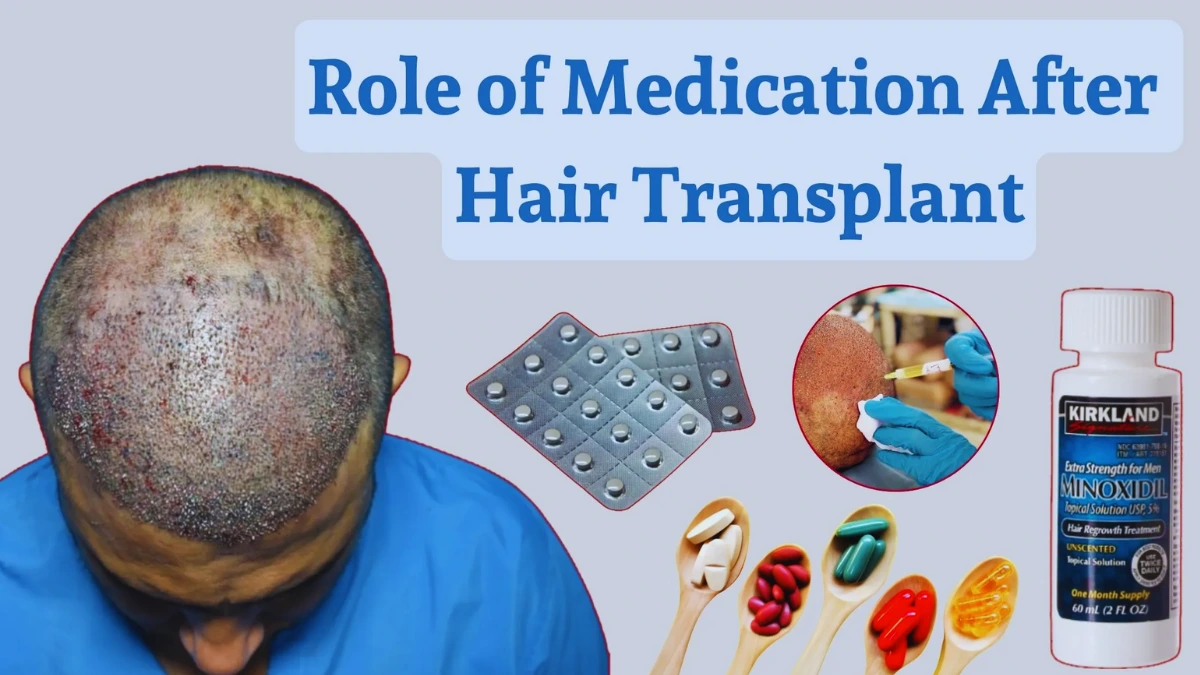
Medicine After Hair Transplant: Essential Post-Operative Care for Optimal Results
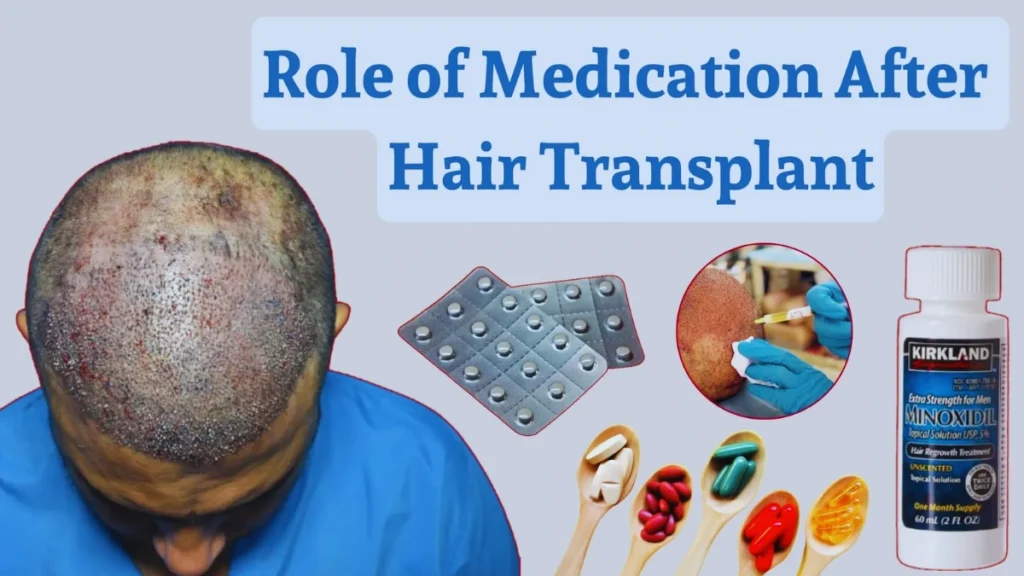
Medicine After Hair Transplant: Hair transplant surgery is a highly effective solution for hair loss and baldness, offering individuals a chance to regain their hair and confidence. However, the success of the procedure largely depends on proper post-operative care, including the use of prescribed medications. This article explores the essential medicines and care required after a hair transplant to ensure optimal healing and results.
Book Your Consultation Today
Visit Dr. Hanan Dermatology Specialty Clinic in Padur, OMR, Chennai. Schedule your consultation today and start your journey to fuller, healthier hair.

For more information and to book your appointment, visit our clinic or call us at the clinic’s contact details.
Understanding Hair Transplant Recovery
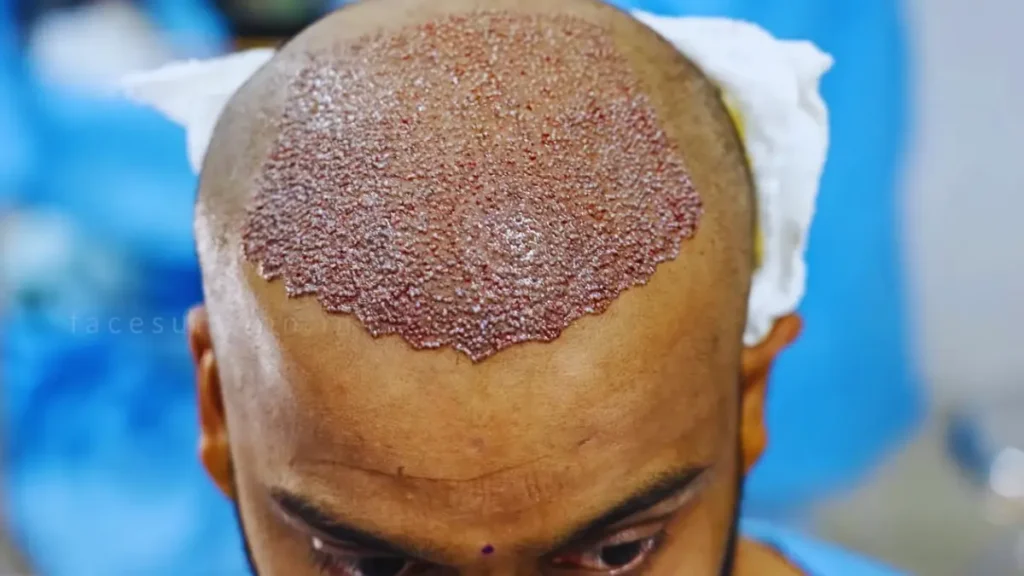
Typical Recovery Timeline
The recovery process after a hair transplant varies from person to person, but most patients can expect to return to normal activities within a week. Full recovery and the appearance of new hair growth can take several months. The typical recovery timeline includes:
- First Few Days: Swelling, redness, and mild discomfort are common.
- First Week: Scabs and crusts form around the transplanted grafts.
- 2-3 Weeks: Shedding of transplanted hair, which is normal.
- 3-6 Months: Noticeable new hair growth begins.
- 6-12 Months: Full results with mature hair growth.
Read more: Hair Follicle Surgery A Complete Guide to Hair Restoration
Common Symptoms and Side Effects Post-Surgery
- Swelling and bruising around the forehead and eyes.
- Mild pain and discomfort in the donor and recipient areas.
- Itching and scabbing on the scalp.
- Temporary hair shedding from the transplanted area.
Importance of Following Medical Advice
Adhering to your surgeon’s post-operative instructions is crucial for a smooth recovery and optimal results. This includes taking prescribed medications, following care routines, and attending follow-up appointments.

Read more: Hair Replacement in Chennai: Top Clinics, Methods & Cost 2025
Medications Prescribed After Hair Transplant
| Medicine Type | Purpose | Examples | Usage Duration |
|---|---|---|---|
| Antibiotics | Prevents infections in the surgical area | Amoxicillin, Ciprofloxacin | Typically 5–7 days |
| Pain Relievers | Alleviates mild to moderate post-operative pain | Paracetamol, Ibuprofen | As needed for 3–5 days |
| Anti-Inflammatory Drugs | Reduces swelling and inflammation | Prednisolone, Methylprednisolone | 3–5 days |
| Antihistamines | Relieves itching caused by healing | Cetirizine, Loratadine | 7–14 days (if required) |
| Hair Growth Medications | Stimulates new hair growth and strengthens roots | Minoxidil, Finasteride | As recommended (long-term) |
| Antiseptic Solutions | Cleans the scalp and prevents infections | Betadine, Chlorhexidine | As directed (during washing) |
| Vitamin Supplements | Boosts recovery and supports hair growth | Biotin, Zinc, Multivitamins | As recommended (long-term) |
Key Notes on Medication Usage
- Antibiotics: Complete the full course to prevent infections, even if no symptoms appear.
- Pain Relievers: Take only when necessary to manage discomfort; avoid exceeding the prescribed dosage.
- Anti-Inflammatories: These help reduce swelling and should be taken exactly as prescribed.
- Hair Growth Medications: Finasteride and Minoxidil may require long-term use to maintain results.
- Avoid Self-Medication: Do not add or substitute any medication without consulting your doctor.
If you have any allergies or pre-existing conditions, inform your surgeon before taking any of these medications.
Painkillers
Painkillers, such as paracetamol or ibuprofen, are often prescribed to manage post-operative pain and discomfort. These medications help keep you comfortable during the initial recovery period.
Anti-Inflammatory Drugs
Anti-inflammatory drugs, like naproxen or diclofenac, are prescribed to reduce swelling and inflammation. These medications help alleviate discomfort and promote faster healing.
Antibiotics
Antibiotics are essential to prevent infections in the donor and recipient areas. Commonly prescribed antibiotics include amoxicillin and cephalexin. It is important to complete the full course of antibiotics as directed.
Hair Growth Stimulants
Medications such as minoxidil and finasteride may be prescribed to stimulate new hair growth and prevent further hair loss. These hair growth stimulants help enhance the overall results of the hair transplant.
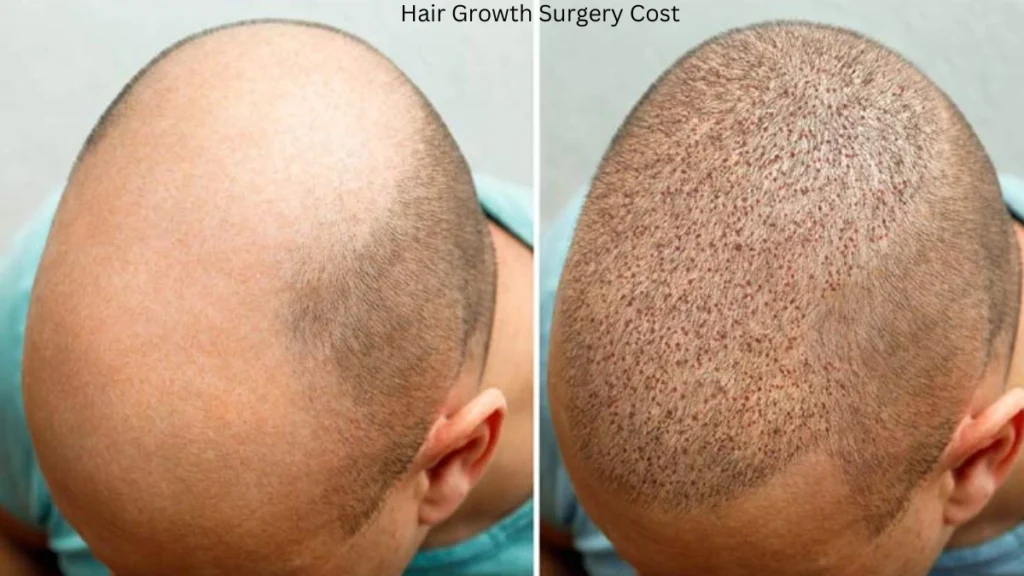
Read more: Hair Growth Surgery Cost
Topical Ointments
Topical ointments, such as those containing antibiotics or hydrocortisone, may be applied to the scalp to control itching, reduce inflammation, and minimize scarring.
Dos and Don’ts After Hair Transplant
Dos
- Apply Sterile Solutions: Use sterile saline solutions to keep the scalp clean and moisturized.
- Keep the Scalp Clean: Gently wash the scalp with a mild shampoo as instructed by your surgeon.
- Sleep with Head Elevated: Elevate your head while sleeping to reduce swelling.
- Take Prescribed Medications: Follow your medication regimen as directed by your surgeon.
Don’ts
- Avoid Harsh Hair Products: Refrain from using hair products containing alcohol or harsh chemicals.
- Don’t Touch or Scratch the Scalp: Avoid touching, scratching, or rubbing the transplanted area.
- Refrain from Alcohol and Smoking: Alcohol and smoking can interfere with the healing process and should be avoided.
- Avoid Strenuous Activities: Refrain from heavy lifting, exercise, and activities that may cause sweating for at least a week.
Tips for Optimal Healing and Results
Hydration and Nutrition
Staying hydrated and maintaining a balanced diet rich in vitamins and minerals can promote faster healing and support new hair growth.
Sun Protection
Protect your scalp from direct sunlight by wearing a hat or using sunscreen. UV rays can damage the healing tissues and affect the transplant results.
Follow-Up Appointments
Attend all scheduled follow-up appointments with your surgeon to monitor your progress and address any concerns.
Managing Expectations
Understand that hair growth is a gradual process. Patience is key, as it can take several months to see the full results of your hair transplant.
Potential Side Effects and How to Manage Them
Swelling and Bruising
Swelling and bruising around the forehead and eyes are common and typically subside within a few days. Applying cold compresses and keeping your head elevated can help reduce swelling.
Pain and Discomfort
Mild pain and discomfort are normal after a hair transplant. If pain persists or worsens, contact your surgeon for advice.
Infection Signs
Signs of infection include increased redness, swelling, pus, and a high fever. If you notice any of these symptoms, seek medical attention immediately.
Long-Term Care and Maintenance
Continued Use of Medications
Continue using hair growth stimulants, such as minoxidil and finasteride, as directed by your surgeon. These medications can help maintain and enhance the results of your hair transplant.
Lifestyle Adjustments
Maintain a healthy lifestyle, including regular exercise, a balanced diet, and avoiding smoking and excessive alcohol consumption, to support overall hair health.
Regular Scalp Care
Practice regular scalp care by keeping the area clean and using gentle hair products. Avoid excessive styling and heat treatments that can damage the hair.
Success Stories and Testimonials
Patient Experiences
Real-life success stories and testimonials from patients who have undergone hair transplant surgery can provide valuable insights into the recovery process and results.
Before and After Photos
Before and after photos of successful hair transplant procedures showcase the transformative effects and help manage expectations.
FAQs
1. Why is Necessary Medicine After Hair Transplant?
Medication is essential to:
- Prevent infections.
- Minimize swelling and discomfort.
- Promote healing and hair regrowth.
2. What are the most commonly prescribed medicines after a hair transplant?
Here’s a list of medications you might be prescribed:
| Medicine Type | Purpose |
|---|---|
| Antibiotics | Prevents infections in the surgical area. |
| Pain Relievers | Alleviates post-operative pain and discomfort. |
| Anti-Inflammatory Drugs | Reduces swelling and promotes healing. |
| Hair Growth Stimulants | Stimulates new hair growth and strengthens roots. |
| Antihistamines | Reduces itching caused by the healing process. |
| Vitamin Supplements | Supports recovery and long-term hair growth. |
3. How long do I need to take Medicine After Hair Transplant?
- Antibiotics: Typically 5–7 days.
- Pain Relievers and Anti-Inflammatory Drugs: 3–5 days or as needed.
- Hair Growth Stimulants and Vitamins: Often prescribed for several months or long-term use.
Always follow your doctor’s recommendations regarding dosage and duration.
4. Are there any side effects of the medications?
Most post-operative medications are safe when taken as prescribed. However, potential side effects may include:
- Mild stomach upset (antibiotics).
- Drowsiness or dizziness (pain relievers and antihistamines).
- Rare allergic reactions.
If you experience unusual symptoms, consult your doctor immediately.
5. Can I stop taking the Medicine After Hair Transplant once I feel better?
No. Even if you feel better, it’s important to complete the full course of antibiotics and other prescribed medications to avoid complications such as infections or delayed healing.
6. Are there any over-the-counter medicines I can take?
It’s best to avoid self-medicating. Stick to the medications prescribed by your surgeon to ensure safety and effectiveness.
7. What should I avoid while taking post-transplant medications?
- Alcohol: Can interfere with healing and the effectiveness of certain drugs.
- Smoking: Slows down the healing process.
- Excessive Sun Exposure: Can irritate the scalp.
- Vigorous Physical Activities: Avoid for at least 2–3 weeks post-surgery.
8. Are hair growth medications like Minoxidil and Finasteride mandatory?
While not mandatory, these medications can significantly enhance the results of your transplant by promoting hair regrowth and preventing further hair loss. Your doctor will assess if these are suitable for you.
9. Can vitamins or supplements improve recovery?
Yes, vitamins like Biotin, Zinc, and Vitamin D support hair health and recovery. However, take only those recommended by your doctor.
10. What should I do if I forget a dose?
If you miss a dose, take it as soon as you remember. However, if it’s close to your next scheduled dose, skip the missed one. Do not double the dose to make up for it.

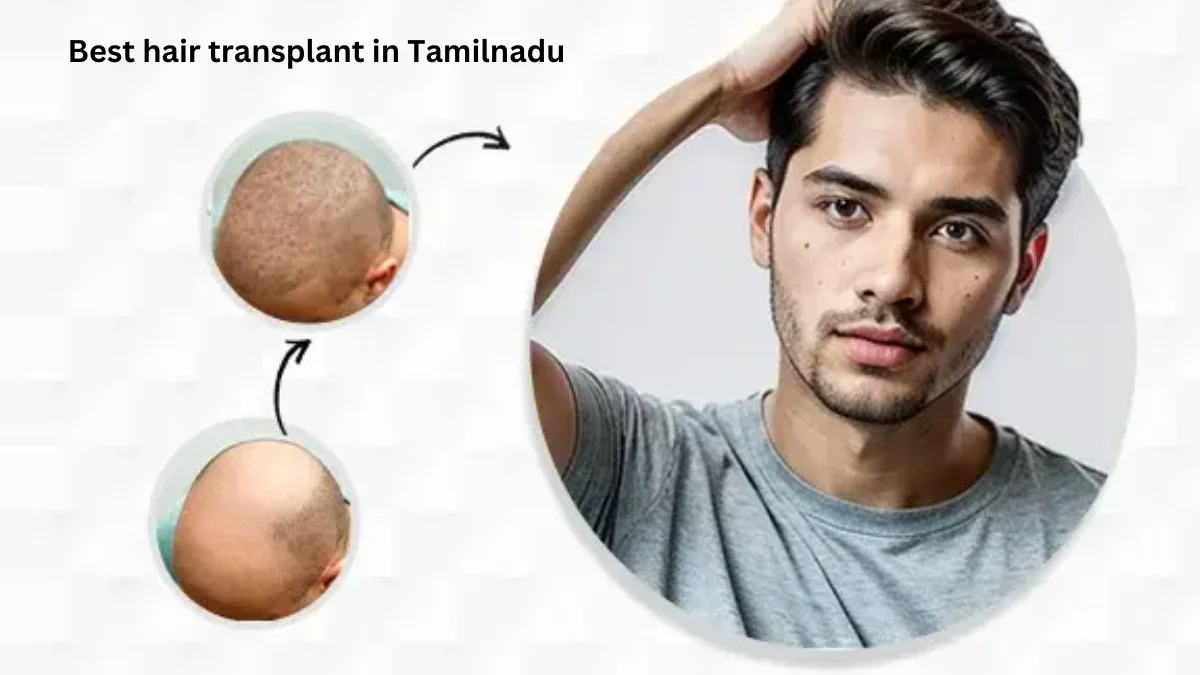
Best Hair Transplant in Tamil Nadu: Top Clinics, Cost & Techniques
Hair transplant procedures have become increasingly popular among individuals experiencing hair loss or baldness. Tamil Nadu, particularly Chennai, is home to some of the best hair transplant clinics in India, offering advanced techniques at competitive prices. Choosing the right clinic and doctor is crucial for a successful and natural-looking hair transplant. This article provides a detailed guide on the best hair transplant options in Tamil Nadu, including top clinics, costs, techniques, and recovery tips.
Book Your Consultation Today
Visit Dr. Hanan Dermatology Specialty Clinic in Padur, OMR, Chennai. Schedule your consultation today and start your journey to fuller, healthier hair.

For more information and to book your appointment, visit our clinic or call us at the clinic’s contact details.
Hair Transplant Techniques
Before selecting a clinic, it is essential to understand the different hair transplant techniques available. Each method has its benefits and is suited for different hair loss conditions.
Follicular Unit Extraction (FUE)
- A minimally invasive method where individual hair follicles are extracted and implanted.
- No visible scarring and a faster recovery period.
- Suitable for patients looking for a natural hairline with minimal downtime.
Follicular Unit Transplantation (FUT)
- Involves removing a strip of skin with hair follicles from the donor area.
- Higher graft survival rate but may leave a linear scar.
- Recommended for patients requiring a large number of grafts.
Direct Hair Implantation (DHI)
- An advanced technique where hair follicles are extracted and implanted simultaneously.
- Offers high precision and density.
- Performed with specialized tools for better results.
Robotic Hair Transplant
- Uses AI-powered robotic technology for precise hair follicle extraction and placement.
- Minimizes human error and speeds up the procedure.
- Best suited for individuals looking for a high-tech, minimally invasive approach.
Factors to Consider When Choosing a Hair Transplant Clinic
Choosing the best hair transplant clinic involves several factors:
- Expertise and Experience – Ensure the clinic has experienced surgeons specializing in hair restoration.
- Success Rate and Reviews – Look for patient testimonials and before-and-after images.
- Advanced Technology – Clinics using the latest equipment ensure better results.
- Cost and Affordability – Compare the price based on the number of grafts required.
- Post-Operative Care – Choose a clinic that provides proper follow-up consultations and care.
Top Hair Transplant Clinics in Tamil Nadu
Here are some of the best hair transplant clinics in Tamil Nadu known for their high-quality procedures:
1. DHI India – Chennai
- Specializes in Direct Hair Implantation (DHI) technique.
- Offers natural results with high graft survival rates.
- Personalized treatment plans for every patient.
2. Eugenix Hair Sciences
- One of the leading hair restoration clinics in India.
- Experienced doctors with high success rates.
- Uses advanced techniques to ensure natural hair growth.
3. Tamira Life Clinic
- Provides both FUE and FUT hair transplants.
- High patient satisfaction with skilled dermatologists.
- Offers affordable packages with post-operative care.
4. Hande Hospital
- Known for cost-effective hair transplant procedures.
- Experienced dermatologists and plastic surgeons.
- Provides customized treatment plans.
5. Advanced Grohair Clinic
- Specializes in FUE hair transplants.
- Offers free consultations and affordable pricing.
- Uses the latest technology for precise graft implantation.
6. Pristyn Care
- Nationwide presence with expert hair transplant surgeons.
- Offers minimally invasive hair transplant procedures.
- Focuses on patient safety and post-op recovery.
Cost of Hair Transplant in Tamil Nadu
The cost of a hair transplant varies based on the clinic, technique used, and number of grafts required. On average:
- FUE Hair Transplant – ₹40,000 to ₹1,50,000
- FUT Hair Transplant – ₹30,000 to ₹1,20,000
- DHI Hair Transplant – ₹80,000 to ₹2,50,000
- Robotic Hair Transplant – ₹1,50,000 to ₹3,00,000
Factors affecting cost:
- Number of grafts needed.
- Experience of the surgeon.
- Clinic reputation and location.
- Post-operative care and medications.
Recovery and Post-Transplant Care
After a hair transplant, proper care is essential for optimal results:
- Immediate Aftercare: Avoid touching the scalp, strenuous activities, and sun exposure for at least two weeks.
- Healing Period: Redness and mild swelling are common but subside within a few days.
- Hair Shedding: Transplanted hair may shed after 2-3 weeks before new growth starts.
- Final Results: Noticeable hair growth occurs after 6-12 months.
Success Stories and Patient Testimonials
Many patients have reported positive experiences with hair transplants in Tamil Nadu. Here are some success stories:
- A 35-year-old IT professional from Chennai underwent an FUE transplant and saw significant hair regrowth within 9 months.
- A businessman from Coimbatore opted for the DHI method and achieved a fuller hairline within 6 months.
Conclusion
Choosing the best hair transplant clinic in Tamil Nadu depends on multiple factors, including the technique, doctor expertise, and cost. Clinics like DHI India, Eugenix Hair Sciences, and Tamira Life Clinic offer top-quality procedures with high success rates. If you are considering a hair transplant, consult with a qualified specialist to determine the best treatment for your needs.
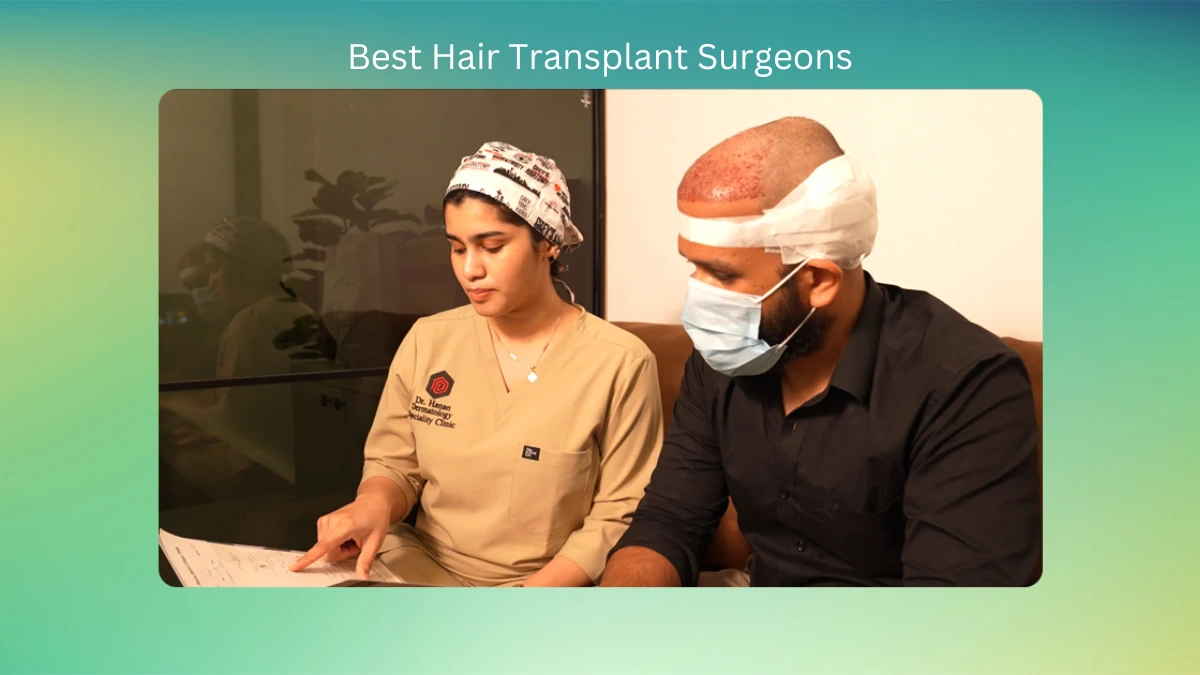
Best Hair Transplant Surgeons: How to Choose the Right Expert for Your Hair Restoration
Hair loss affects millions of individuals worldwide, and for many, hair transplant surgery has become an effective solution for regaining confidence and achieving natural-looking hair. However, choosing the right hair transplant surgeon is essential for ensuring successful results. This guide will explore how to find the best hair transplant surgeon, key factors to consider, and a selection of top surgeons in the field.
Book Your Consultation Today
Visit Dr. Hanan Dermatology Specialty Clinic in Padur, OMR, Chennai. Schedule your consultation today and start your journey to fuller, healthier hair.
For more information and to book your appointment, visit our clinic or call us at the clinic’s contact details.
What is Hair Transplantation?
Hair transplantation is a surgical procedure used to treat hair loss, where hair follicles are moved from areas of the scalp that are dense with hair (usually the back or sides) to areas where hair is thinning or missing. The two main methods of hair transplantation are:
1. FUE (Follicular Unit Extraction)
This method involves removing individual hair follicles and transplanting them into the recipient areas. It’s minimally invasive, leaves no linear scarring, and allows for faster recovery.
2. FUT (Follicular Unit Transplantation)
Also known as the strip method, FUT involves removing a strip of skin from the donor area, which is then dissected into individual follicular units and transplanted. This method may result in a linear scar but is often preferred for larger areas of hair restoration.
Both techniques are highly effective, but your surgeon will recommend the best option based on your hair loss pattern, hair type, and individual needs.
Key Factors to Consider When Choosing the Best Hair Transplant Surgeon
1. Experience and Qualifications
When searching for the best hair transplant surgeon, experience is paramount. Look for a surgeon with extensive experience in hair restoration procedures. Ensure they are board-certified and specialize in dermatology or plastic surgery. Experienced surgeons are familiar with the latest techniques and technologies, ensuring optimal results.
2. Expertise in Different Techniques
The top hair transplant surgeons are well-versed in both FUE and FUT techniques. A skilled surgeon will assess your individual hair loss pattern and suggest the most suitable approach to achieve the best outcome. The ability to choose the right technique based on your unique needs is essential.
3. Before and After Results
Reviewing the surgeon’s before and after photos of previous patients is one of the most effective ways to evaluate their skill. Most reputable surgeons will have galleries of real patient results that demonstrate their ability to restore hair naturally and seamlessly.
4. Consultation and Personalized Care
A top hair transplant surgeon will offer a comprehensive consultation. This should include an in-depth discussion of your hair loss concerns, treatment options, and realistic expectations. Personalized care is crucial in tailoring the treatment to meet your unique needs.
5. Technology and Equipment
The best hair transplant surgeons use the latest state-of-the-art technology and tools. This includes advanced tools for graft extraction, high-quality microscopes for follicle dissection, and robotic systems for more precise and efficient procedures.
6. Reputation and Reviews
Reputation is key when selecting the right surgeon. Be sure to check online patient reviews and testimonials. Positive feedback and word-of-mouth referrals from people who have undergone the procedure at the clinic can give you a sense of the surgeon’s professionalism and skills.
Top Characteristics of the Best Hair Transplant Surgeons
- Compassionate Care: The best surgeons prioritize your well-being and make you feel comfortable throughout the process.
- High Success Rate: Look for surgeons with a proven track record of successful hair restoration surgeries.
- Transparency and Ethical Practices: A great surgeon will be upfront about costs, potential risks, and the recovery process.
- Natural Results: The ideal surgeon ensures that the transplanted hair grows in a natural pattern, with minimal visible scarring.
Top 5 Hair Transplant Surgeons Around the World
Here are some of the leading hair transplant surgeons known for their expertise and impressive results:
1. Dr. John P. Cole (USA)
Dr. John Cole is a pioneer in FUE hair transplant surgery and has performed thousands of procedures worldwide. With over 20 years of experience, he is known for his innovative approach and high success rate in hair restoration.
2. Dr. Alan Bauman (USA)
Dr. Bauman is a well-respected hair restoration specialist known for his personalized care. His expertise includes both surgical and non-surgical treatments for hair loss, and he is highly regarded for delivering natural-looking results.
3. Dr. R. Amin Hanan (India)
Based in Chennai, Dr. R. Amin Hanan is a renowned dermatologist and hair transplant expert. He is celebrated for his proficiency in advanced hair restoration procedures, including FUE and PRP therapy, offering customized treatment options for men and women.
4. Dr. Bisanga (Belgium)
Dr. Bisanga is a highly skilled surgeon who specializes in FUE hair transplants. He is known for his meticulous attention to detail, offering a personalized approach to ensure natural, aesthetically pleasing results.
5. Dr. Raghu Reddy (UK)
Dr. Raghu Reddy is one of the leading hair transplant surgeons in the UK, renowned for his exceptional results and ethical approach to hair restoration. His clinic offers cutting-edge treatments using the latest technologies in the field.
What to Expect During a Hair Transplant Procedure
The hair transplant procedure typically lasts between 4-8 hours, depending on the extent of the transplant. Here’s a step-by-step breakdown:
- Consultation and Preparation: The surgeon evaluates your scalp, discusses your goals, and explains the procedure.
- Anesthesia: Local anesthesia is administered to numb the scalp, ensuring you feel minimal discomfort.
- Graft Extraction: Hair follicles are extracted using either FUE or FUT methods.
- Graft Placement: The extracted follicles are then carefully placed into the thinning or balding areas of your scalp.
- Post-Procedure Care: After the procedure, you will receive specific care instructions for optimal recovery.
How to Prepare for Your Hair Transplant Surgery
- Avoid alcohol and smoking for at least one week before surgery to promote healing.
- Follow your surgeon’s pre-operative instructions carefully to minimize complications.
- Set realistic expectations about the results, as full hair growth may take up to 12 months.
Costs of Hair Transplantation
Hair transplant costs vary widely depending on the technique, the surgeon’s expertise, and the clinic’s location. On average, FUE procedures can range from $4,000 to $15,000. Some clinics offer financing options to make the procedure more affordable.
Common Myths About Hair Transplants
Myth 1: “Hair transplants are only for older people.”
Fact: Hair transplants are effective for both younger and older individuals experiencing hair loss.
Myth 2: “Results are not permanent.”
Fact: Hair transplants provide permanent results when done correctly, with transplanted follicles resistant to future hair loss.
Myth 3: “Hair transplants are painful and require a long recovery.”
Fact: With modern techniques, the procedure is minimally invasive, and recovery is usually quick.
FAQs
1. What is a hair transplant, and how does it work?
A hair transplant is a surgical procedure where hair follicles are moved from areas with healthy hair (usually the back or sides of the scalp) to areas that are thinning or bald. There are two main methods:
- FUE (Follicular Unit Extraction): Hair follicles are extracted and transplanted.
- FUT (Follicular Unit Transplantation): A strip of skin with hair follicles is removed and dissected into grafts for transplantation.
2. Is a hair transplant permanent?
Yes, the results of a hair transplant are generally permanent. The transplanted hair follicles are resistant to the hormones that cause hair loss, ensuring that they will continue to grow for a lifetime. However, natural hair loss may still occur in non-transplanted areas.
3. How long does it take to see results after a hair transplant?
It typically takes 6 to 12 months to see the final results of a hair transplant. The transplanted hair will shed initially, but new growth should appear within a few months. Full, natural-looking hair growth takes up to a year.
4. Are there any side effects or risks associated with hair transplant surgery?
While generally safe, hair transplants come with some risks, such as:
- Infection
- Swelling
- Scarring (especially with FUT)
- Temporary shedding of transplanted hair By following the surgeon’s aftercare instructions, these risks can be minimized.
5. How much does a hair transplant cost?
The cost of a hair transplant varies depending on the technique used, the surgeon’s experience, and the clinic’s location. On average, FUE procedures can range from $4,000 to $15,000. Financing options are available at many clinics to help make the procedure more affordable.
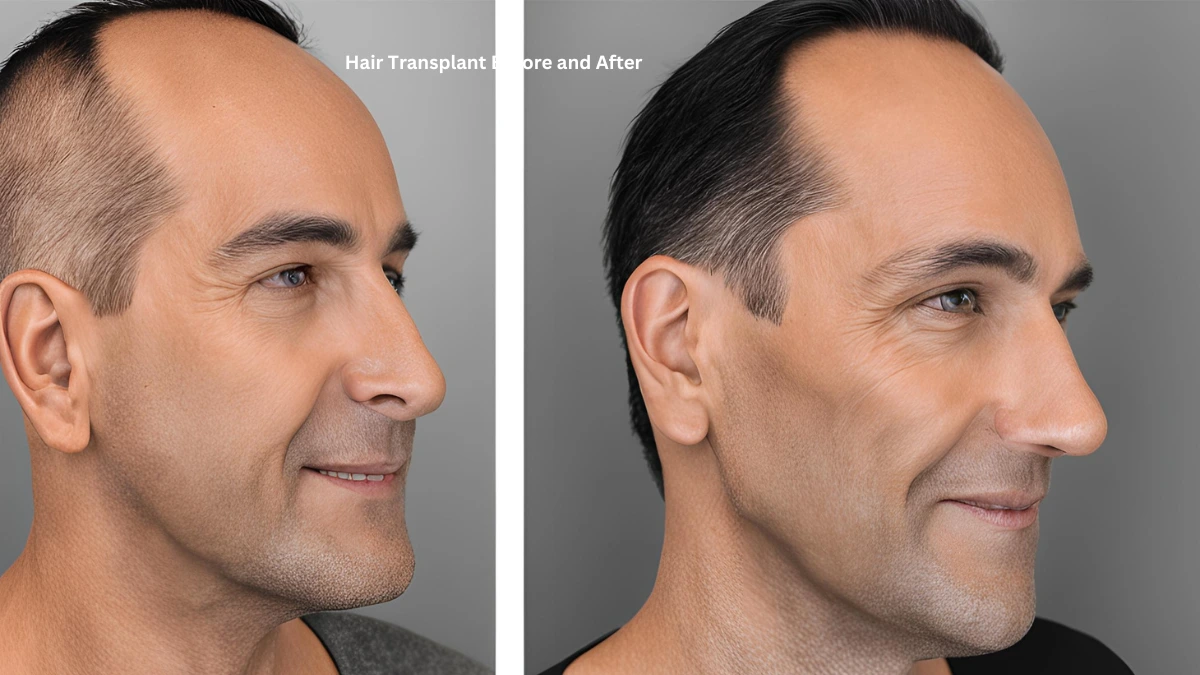
Hair Transplant Before and After: A Guide to Natural Results
Hair loss can be a distressing experience for many, affecting self-confidence and appearance. Fortunately, hair transplants offer a proven solution to restore your hair and confidence. This article provides a comprehensive look at what to expect before and after a hair transplant, helping you understand the process and results.
Book Your Consultation Today
Visit Dr. Hanan Dermatology Specialty Clinic in Padur, OMR, Chennai. Schedule your consultation today and start your journey to fuller, healthier hair.
For more information and to book your appointment, visit our clinic or call us at the clinic’s contact details.
What is a Hair Transplant?
A hair transplant is a surgical procedure where hair follicles are relocated from a donor area (usually the back or sides of the scalp) to areas experiencing thinning or baldness. Popular techniques include:
- FUE (Follicular Unit Extraction): Individual follicles are extracted and implanted.
- FUT (Follicular Unit Transplantation): A strip of hair is removed, and follicles are transplanted.
Both methods aim to create natural-looking, permanent results.
Read more: Hair Growth Surgery Cost: A Complete Guide
The Journey of Hair Transplantation
1. Pre-Procedure Stage
Before undergoing a hair transplant, patients will have:
- Consultation: A thorough scalp assessment by the surgeon to determine suitability.
- Planning: Setting realistic expectations and mapping the treatment area.
- Preparation: Guidelines for pre-procedure care, such as avoiding alcohol and certain medications.
2. The Procedure
The surgery typically involves:
- Donor Area Preparation: Hair follicles are extracted using FUE or FUT.
- Implantation: Follicles are carefully placed in the balding areas.
- Duration: The process can take 4–8 hours, depending on the size of the treatment area.
3. Post-Procedure Stage
Recovery involves:
- Immediate Aftercare: Instructions on cleaning and protecting the scalp.
- Shedding Phase: Transplanted hair may shed initially, making way for new growth.
- Growth Phase: New hair growth begins around 3 months, with full results visible after 12 months.
Before and After: What to Expect
A hair transplant transforms your appearance over time. Here’s what you can expect at different stages:
- First Week: Mild swelling and redness in the treatment area.
- 1–3 Months: Hair shedding phase; new growth starts beneath the surface.
- 3–6 Months: Visible signs of growth begin.
- 12 Months: Full results with a thicker, natural-looking hairline.
Real-Life Transformation Stories
At reputable clinics like Dr. Hanan Dermatology Speciality Clinic, patients have experienced incredible transformations.
- Case Study 1: A 35-year-old male saw a dramatic improvement in hair density within 12 months of FUE treatment.
- Case Study 2: A 40-year-old female regained confidence after FUT restored her thinning hairline.
Factors Influencing Results
Several factors determine the success of a hair transplant:
- Donor Hair Quality: Strong, healthy follicles yield better results.
- Surgeon Expertise: An experienced surgeon ensures precise placement and natural outcomes.
- Post-Procedure Care: Following aftercare instructions enhances recovery and growth.
Common Questions About Hair Transplant Results
Q: Will the transplanted hair look natural?
Yes, when performed by skilled surgeons, the transplanted hair blends seamlessly with existing hair.
Q: How long will the results last?
Hair transplants provide permanent results as the transplanted follicles are resistant to hair loss.
Q: Can everyone achieve the same results?
Results vary based on individual factors like hair type, scalp condition, and the extent of hair loss.
Tips to Maximize Results
- Follow Aftercare Guidelines: Protect the scalp and avoid harsh chemicals during recovery.
- Maintain a Healthy Lifestyle: Proper nutrition and stress management promote hair health.
- Avoid Smoking and Alcohol: These can impede healing and hair growth.
Read more: Best Hair Transplant Clinic Near Me: A Complete Guide to Choosing the Right Clinic
Choosing the Right Clinic for Best Results
Selecting a trusted clinic is vital for achieving desired results. Look for:
- Experienced Surgeons: Check qualifications and expertise.
- Proven Track Record: Request before-and-after portfolios or testimonials.
- Comprehensive Care: Opt for clinics offering personalized consultations and follow-ups.
Dr. Hanan Dermatology Speciality Clinic in Chennai is a leading choice for hair transplants, providing advanced techniques and exceptional care.
Conclusion
A hair transplant is a transformative procedure that restores both hair and confidence. Understanding the journey before and after the transplant ensures realistic expectations and satisfying results.
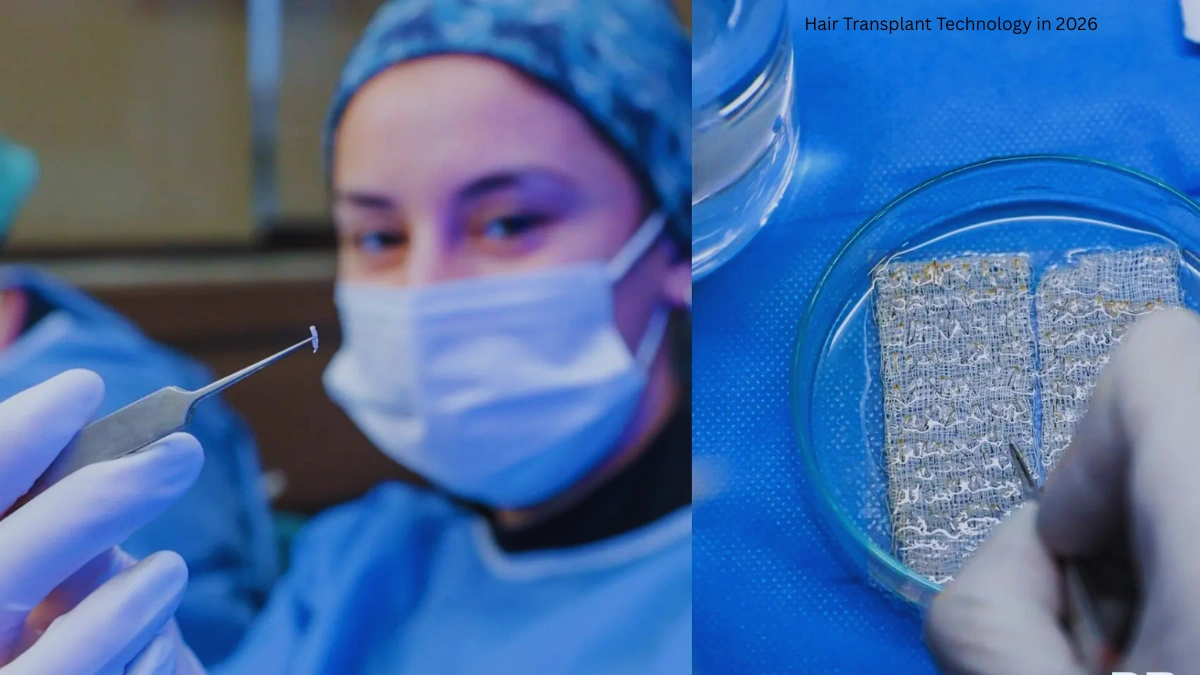
Hair Transplant Technology in 2026: AI, No-Shave FUE & DHT Guide
Hair Transplant Technology in 2026: Hair loss can affect confidence, appearance, and overall self-esteem—but the good news is that hair transplant technology in 2026 has reached a whole new level. Today, procedures are no longer just about regrowing hair; they are focused on delivering natural-looking results, faster recovery, and long-term success.
With innovations like AI-powered robotic FUE, Direct Hair Transplant (DHT), and no-shave techniques, patients now experience safer, more precise, and minimally invasive treatments.
At Dr. Hanan Dermatology Speciality Clinic, advanced dermatology expertise combined with modern technology ensures patients receive personalized and effective hair restoration solutions.
For more information and to book your appointment, visit our clinic or call us at the clinic’s contact details.
Hair Transplant Technology 2026
| Feature | Details |
|---|---|
| Technology | AI + Robotic FUE |
| Techniques | DHT, DHI, No-Shave FUE |
| Recovery Time | 3–7 Days |
| Success Rate | 90–95% |
| Suitable For | Men & Women |
What is Hair Transplant Technology in 2026?
Hair transplant technology in 2026 represents the latest evolution of hair restoration, moving beyond traditional methods like FUT (strip method) to more refined and precise approaches such as FUE and DHT.
The focus today is on:
- Natural hairline design
- High graft survival rate
- Minimal discomfort and downtime
Modern techniques ensure that transplanted hair blends seamlessly with existing hair, making results almost indistinguishable from natural growth.
Latest Hair Transplant Technologies in 2026
1. AI-Powered Robotic FUE
Artificial intelligence has revolutionized hair transplant procedures. Robotic systems assist in identifying the best hair follicles and extracting them with unmatched precision.
Key Benefits:
- Accurate graft selection
- Reduced human error
- Faster procedure time
- Consistent results
This technology significantly improves efficiency and success rates, especially in large graft sessions.
2. Direct Hair Transplant (DHT / DHI)
Direct Hair Transplant uses advanced tools like Choi implanter pens to implant hair follicles immediately after extraction.
Advantages:
- Higher graft survival rate
- Precise control over angle and depth
- Ideal for natural hairline creation
This method is widely preferred for patients who want dense and natural-looking results.
3. No-Shave / Unshaven FUE
One of the most in-demand trends in 2026 is the no-shave hair transplant technique.
Why patients prefer it:
- No need to shave the head
- Discreet procedure with minimal visible signs
- Faster return to daily activities
It is especially beneficial for:
- Working professionals
- Women
- Individuals seeking subtle hairline correction
4. Regenerative Medicine Integration
Hair transplant procedures are now enhanced with regenerative treatments such as:
- PRP (Platelet-Rich Plasma)
- Stem Cell Therapy
- Exosome Therapy
Benefits include:
- Faster healing
- Improved hair thickness
- Stronger follicle growthHair Growth Surgery Cost: A Complete Guide
This combination approach ensures better overall hair quality.
5. Advanced Graft Storage Solutions
New graft preservation technologies keep hair follicles healthy for longer periods outside the body.
Impact:
- Increased graft survival rate (up to 95%)
- Improved density and final results
- Reduced follicle damage
Key Trends in Hair Transplant 2026
- Naturalness over density: Focus on realistic hair growth patterns
- Minimal trauma techniques: Less invasive procedures
- Faster recovery: Resume normal life quickly
- Immediate visual results: Techniques like Long Hair FUE
Benefits of Modern Hair Transplant Techniques
- Natural and permanent results
- High success rate
- Minimal pain and scarring
- Quick recovery time
- Suitable for both men and women
Hair Transplant Cost in Chennai (2026)
| Procedure | Price Range |
|---|---|
| FUE | ₹40,000 – ₹80,000 |
| DHT | ₹80,000 – ₹1,50,000 |
| Robotic FUE | ₹1,50,000 – ₹3,00,000 |
Note: Cost may vary depending on graft count and individual requirements.
Why Choose Dr. Hanan Dermatology Speciality Clinic?
Choosing the right clinic is crucial for successful hair restoration.
Expert Leadership
- Dr. Hanan Basith MD (DVL), FFAM
- Graduate of Madras Medical College
- Specialist in Clinical Dermatology & Aesthetics
Professional Associations
- Indian Association of Dermatologists (IADVL)
- Association of Cutaneous Surgeons of India (ACSI)
- Association of Hair Restoration Surgeons of India (AHRS)
Clinic Strengths
- Advanced hair transplant technologies
- Experienced dermatology team
- Personalized treatment plans
- High patient satisfaction
Our Specialized Hair & Skin Services
- Hair Transplant
- Laser Hair Reduction
- Acne Scar Treatment
- Non-Surgical Face Lifting
- Glutathione Treatment
Who is the Right Candidate for Hair Transplant?
You may be a suitable candidate if you have:
- Hair thinning or bald patches
- Receding hairline
- Pattern baldness
- Hair loss due to medical conditions
Both men and women can benefit from modern techniques.
Step-by-Step Hair Transplant Process
- Consultation with dermatologist
- Hair and scalp analysis
- Graft extraction (FUE/DHT)
- Implantation
- Recovery and follow-up care
Do’s and Don’ts After Hair Transplant
| Do’s | Don’ts |
|---|---|
| Follow medical advice | Touch transplanted area |
| Use prescribed products | Expose scalp to sun |
| Attend follow-ups | Skip medications |
FAQs
What is the latest hair transplant technology in 2026?
In 2026, the latest technologies include AI-powered robotic FUE, Direct Hair Transplant (DHT/DHI), and no-shave FUE. These methods focus on natural results, higher graft survival, and faster recovery.
Is AI-powered hair transplant safe and effective?
Yes, AI-assisted hair transplant procedures are safe when performed by experienced dermatologists. They improve precision, reduce human error, and increase the success rate of graft extraction and implantation.
What is the success rate of hair transplant in 2026?
Modern hair transplant techniques offer a 90–95% graft survival rate, depending on the method used and the expertise of the clinic.
What is a no-shave hair transplant?
No-shave (unshaven) FUE is a technique where hair is transplanted without shaving the donor or recipient area. It is ideal for professionals and women who prefer a discreet procedure.
How long does it take to recover after a hair transplant?
Most patients recover within 3 to 7 days, while full hair growth results can be seen within 6 to 12 months.
Is hair transplant painful?
Hair transplant procedures are minimally invasive and performed under local anesthesia, so pain is very minimal. Mild discomfort may be experienced after the procedure.
Who is the right candidate for a hair transplant?
Anyone experiencing hair thinning, bald patches, or a receding hairline can be a candidate. A consultation at Dr. Hanan Dermatology Speciality Clinic can help determine eligibility.
How much does a hair transplant cost in Chennai in 2026?
The cost typically ranges from ₹40,000 to ₹3,00,000, depending on the technique (FUE, DHT, robotic) and the number of grafts required.
Are hair transplant results permanent?
Yes, transplanted hair is usually permanent because the follicles are taken from areas resistant to hair loss. Proper care ensures long-lasting results.
Can women undergo hair transplant in 2026?
Yes, modern techniques like no-shave FUE make hair transplants suitable and effective for women as well.
What is the difference between FUE and DHT?
FUE involves extracting follicles and then implanting them, while DHT (Direct Hair Transplant) implants follicles immediately using specialized tools, improving survival rates and precision.
How soon can I return to work after a hair transplant?
Most patients can return to work within 2–5 days, especially with no-shave techniques that leave minimal visible signs.

Best Age for Hair Transplant: Expert Guide for Natural and Long-Lasting Results
Best Age for Hair Transplant: Hair loss is a common concern affecting both men and women today. Factors such as genetics, hormonal changes, stress, lifestyle, and medical conditions can lead to thinning hair or bald patches. With the advancement of dermatology and cosmetic treatments, hair transplant surgery has become one of the most effective and permanent solutions for restoring lost hair.
However, many people ask an important question: What is the best age for a hair transplant? Choosing the right age plays a crucial role in achieving natural and long-lasting results. Dermatologists carefully evaluate a patient’s hair loss pattern, scalp condition, and donor hair availability before recommending the procedure.
At Dr. Hanan Dermatology Speciality Clinic in Chennai, patients receive expert evaluation and personalized treatment plans to ensure the best outcomes for hair restoration.
Book Your Consultation Today
Visit Dr. Hanan Dermatology Specialty Clinic in Padur, OMR, Chennai. Schedule your consultation today and start your journey to fuller, healthier hair.
For more information and to book your appointment, visit our clinic or call us at the clinic’s contact details.
Understanding Hair Transplant Surgery
A hair transplant is a cosmetic procedure that involves moving healthy hair follicles from a donor area (usually the back or sides of the scalp) to areas experiencing hair loss or baldness. These transplanted follicles continue to grow naturally, making the treatment a permanent solution for many individuals.
Common Hair Transplant Techniques
| Technique | Procedure | Recovery Time | Scarring | Best For |
|---|---|---|---|---|
| FUE (Follicular Unit Extraction) | Individual hair follicles are extracted and implanted | Faster recovery | Minimal scarring | Early to moderate hair loss |
| FUT (Follicular Unit Transplantation) | A strip of scalp is removed and grafts are implanted | Slightly longer recovery | Linear scar | Larger areas of baldness |
Both techniques are safe and effective when performed by experienced dermatologists.
What Is the Best Age for Hair Transplant?
Dermatologists generally recommend 25 to 40 years as the ideal age range for a hair transplant. During this stage, hair loss patterns become more predictable and stable, allowing doctors to design a natural hairline and plan long-term results.
Hair loss often begins in the early 20s, but performing a transplant too early may lead to unnatural outcomes if hair loss continues to progress.
At Dr. Hanan Dermatology Speciality Clinic, dermatologists assess several factors before suggesting surgery, including:
- Hair loss progression
- Donor hair density
- Overall scalp health
- Family history of baldness
This ensures that the transplant produces long-lasting and natural results.
Hair Transplant Before Age 25: Is It Recommended?
Hair transplant surgery is usually not recommended before the age of 25. In younger individuals, hair loss is often still progressing due to hormonal changes and genetic factors.
Performing the procedure too early may result in:
- Continued hair loss around transplanted areas
- Uneven or unnatural hair patterns
- Need for multiple future surgeries
Instead, dermatologists may recommend non-surgical treatments to control hair loss.
Alternative Treatments for Younger Patients
- PRP (Platelet-Rich Plasma) therapy
- Hair growth medications
- Nutritional support
- Lifestyle modifications
These treatments can help slow down hair loss until the patient becomes an ideal candidate for transplantation.
Hair Transplant in Your Late 20s and 30s
The late 20s and 30s are considered the most suitable age for hair transplant surgery. By this time, the pattern of hair loss becomes clearer and more stable.
Benefits of Hair Transplant at This Age
- Better understanding of hair loss pattern
- Strong donor hair follicles
- Natural hairline design
- Long-term results with minimal additional procedures
Many patients experience the most successful outcomes when the procedure is performed during this age range.
Hair Transplant After Age 40: Is It Safe?
Yes, hair transplant surgery can still be effective after the age of 40, provided the patient has good donor hair and overall scalp health.
Before recommending surgery, dermatologists evaluate several factors.
| Evaluation Factor | Importance |
|---|---|
| Donor hair density | Determines the number of grafts available |
| Scalp condition | Ensures successful implantation |
| Overall health | Important for safe surgery and recovery |
| Hair loss pattern | Helps create natural-looking results |
With proper planning and expert care, many patients in their 40s and 50s achieve excellent hair restoration results.
Factors That Determine the Right Age for Hair Transplant
Age alone does not determine whether someone is a suitable candidate. Dermatologists evaluate multiple factors before recommending the procedure.
Key factors include:
- Genetic hair loss pattern
- Stage of baldness
- Donor hair quality and density
- Overall health condition
- Scalp elasticity and health
- Patient expectations
A detailed consultation helps determine the right timing for the surgery.
Signs You May Be Ready for a Hair Transplant
You may be an ideal candidate for a hair transplant if you notice the following:
- Stable hair loss for several years
- Noticeable thinning or bald patches
- Strong donor hair at the back or sides of the scalp
- Good general health
- Realistic expectations from the procedure
Consulting a qualified dermatologist is essential for proper evaluation and treatment planning.
Benefits of Getting a Hair Transplant at the Right Age
When performed at the appropriate age and stage of hair loss, hair transplant surgery offers several benefits.
- Natural and permanent hair growth
- Improved hair density and coverage
- Enhanced appearance and confidence
- Minimal maintenance compared to other treatments
- Long-lasting results
Choosing the right timing significantly improves the success rate of the procedure.
Why Choose Dr. Hanan Dermatology Speciality Clinic for Hair Transplant in Chennai
When considering hair restoration, selecting an experienced clinic is crucial. Dr. Hanan Dermatology Speciality Clinic is known for providing advanced dermatology and hair restoration treatments in Chennai.
About Dr. Hanan Basith
Dr. Hanan Basith, MD (DVL), FFAM, is a highly qualified dermatologist who graduated from Madras Medical College, Chennai. She has extensive experience in clinical dermatology, dermoscopy, and aesthetic medicine.
She is also a member of several reputed professional organizations, including:
- Indian Association of Dermatologists, Venereologists & Leprologists (IADVL)
- Association of Cutaneous Surgeons of India (ACSI)
- Association of Hair Restoration Surgeons of India (AHRS)
Clinic Highlights
| Clinic Name | Dr. Hanan Dermatology Speciality Clinic |
|---|---|
| Location | Padur, OMR, Chennai – 603103 |
| Experience | 10+ Years |
| Specialized Doctors | Expert dermatology team |
| Procedures Done | Thousands of successful treatments |
| Phone | +91 6381048403 |
Services Offered
- Hair transplant treatment
- PRP hair therapy
- Laser hair reduction
- Acne scar treatment
- Non-surgical face lifting
- Glutathione skin treatment
The clinic uses modern equipment and personalized treatment plans to ensure safe and effective results.
Hair Transplant Procedure at Dr. Hanan Clinic
The hair transplant procedure is carefully planned and performed by experienced specialists.
Step-by-Step Process
- Detailed consultation and scalp analysis
- Hairline design and treatment planning
- Extraction of donor hair follicles
- Implantation of grafts in thinning areas
- Post-procedure care and follow-up
The entire procedure is performed under local anesthesia, ensuring patient comfort.
Hair Transplant Recovery Timeline
| Stage | Timeline |
|---|---|
| Mild swelling or redness | 2–3 days |
| Scabs fall off | 7–10 days |
| Temporary shedding phase | 3–4 weeks |
| New hair growth begins | 3–4 months |
| Visible improvement | 6 months |
| Full results | 9–12 months |
Following proper aftercare instructions helps ensure smooth recovery and optimal hair growth.
Tips to Maintain Hair After Transplant
Maintaining healthy hair after the procedure is essential for long-term results.
Helpful tips include:
- Follow dermatologist instructions carefully
- Avoid touching or scratching the scalp during healing
- Maintain a balanced and nutritious diet
- Manage stress and maintain a healthy lifestyle
- Attend regular follow-up appointments
Proper care helps maximize the success of the transplant.
FAQs
What is the best age for a hair transplant?
The best age for a hair transplant is usually between 25 and 40 years. During this period, hair loss patterns become more stable, allowing dermatologists to design a natural hairline and achieve long-lasting results.
Can a person get a hair transplant before 25?
Hair transplant is generally not recommended before the age of 25 because hair loss may still be progressing. Doctors often suggest medical treatments like PRP therapy or medications to slow down hair loss until the pattern stabilizes.
Is hair transplant effective after the age of 40?
Yes, hair transplant can still be very effective after the age of 40, provided the patient has sufficient donor hair and a healthy scalp. Dermatologists will evaluate hair density and overall health before recommending the procedure.
Is hair transplant permanent?
Yes, hair transplant results are considered permanent because the transplanted hair follicles are taken from areas resistant to hair loss. These follicles continue to grow naturally in the transplanted area.
How long does it take to see results after a hair transplant?
Initial hair growth usually begins 3 to 4 months after the procedure, while visible improvement occurs around 6 months. Full results typically appear within 9 to 12 months.
Is hair transplant painful?
Hair transplant surgery is performed under local anesthesia, so patients usually experience minimal discomfort during the procedure. Mild swelling or soreness may occur for a few days after surgery.
Who is the ideal candidate for a hair transplant?
An ideal candidate for hair transplant is someone who has:
- Stable hair loss pattern
- Healthy donor hair at the back or sides of the scalp
- Good overall health
- Realistic expectations from the procedure
Can women get hair transplants?
Yes, women can also undergo hair transplant procedures if they experience pattern hair loss or thinning hair and have sufficient donor hair for transplantation.