

Top Questions to Ask Before Getting a Hair Transplant in Chennai
Top Questions to Ask Before Getting a Hair Transplant in Chennai
Top Questions to Ask Before Getting a Hair Transplant in Chennai – Learn what to ask your doctor to ensure a safe procedure, natural results, and long-term success.

Hair loss can be emotionally draining, but a hair transplant provides a promising and permanent solution. However, it is important to choose the right clinic and approach – especially in a city like Chennai, where there are more options but not all equal .
Whether you are just starting your research or ready to book a consultation, asking the right question is the key to success. Dr. Hanan Dermatology Specialty and Trichology Clinic helps you highlight the top questions to ask before you get a hair transplant in Chennai – so you invest wisely in your look, confidence and security.
Am I the Right Candidate for a Hair Transplant?
Not every person who experiences hair loss is not a suitable candidate for transplantation. Success depends on hair loss, available donor area and type of underlying health conditions.
Ask Your Doctor:
- What type of hair loss do I have – genetic, autoimmune, hormonal or nutritional?
- Do I have enough donor hair?
- Can my current situation be treated first with medication or PRP?
- Is my hair fall stable or is it still progressing?
Why it matters:Choosing a transplant before understanding your type of hair loss can lead to poor results or wasted money.
Which Technique Will Be Used: FUE or FUT?
Hair transplants are done using two main techniques:
- FUE (Follicular Unit Extraction): Individual follicles are extracted and implanted. Leaves no linear scar.
- FUT (Follicular Unit Transplantation): A strip of skin is removed; typically used when more grafts are needed.
Ask:
- Which method is right for my scalp and hair type?
- How many grafts do I need for natural density?
- Will the scar be visible (if any)?
Why it matters: Each method has pros and cons. Your doctor must tailor the approach to your hair pattern and aesthetic goals.
Who Will Perform the Procedure?
In Chennai, many clinics allow procedures to technicians or unqualified employees, which can compromise your results and safety.
Ask:
- Will a certified dermatologist or trichologist perform the transplant?
- How many years of experience do they have?
- Can I see before-after photos or reviews from previous patients?
Why it matters: You need someone with medical knowledge + aesthetic sense to deliver safe and natural-looking results.
How Much Does a Hair Transplant Cost in Chennai?
Cost is a major concern, but don’t fall for the lowest price tag.
Ask:
- Is the price based on grafts or a flat rate?
- Does the cost include consultation, procedure, anesthesia, medications, and aftercare?
- Are there any hidden fees?
- Is EMI available?
Why it matters: A transparent pricing structure ensures you know exactly what you’re paying for—without surprises.
What Kind of Results Can I Expect?
It’s important to manage your expectations. Some clinics may overpromise density or instant results, which is misleading.
Ask:
- What’s the realistic timeline for hair regrowth?
- Will my hairline look natural?
- How many sessions will I need?
- Can I expect full coverage or partial improvement?
Why it matters: Your hair will grow gradually—usually starting at 3 months, with full results around 9–12 months.
How Safe Is the Procedure?
A hair transplant is generally safe, but only when performed in a sterile, certified environment.
Ask:
- What safety protocols does your clinic follow?
- What are the potential risks or complications?
- Are the tools and instruments single-use and sterilized?
- Do you have an emergency response team?
- ated hair is fragile and prone to color fading.
Why it matters: Complications like infections, scarring, or poor graft survival happen mostly due to poor hygiene or improper technique.
What Is the Recovery Time?
Many patients worry about when they can return to work, travel, or exercise.
Ask:
- When can I resume normal activities?
- What post-care is required?
- When will the scabs fall off?
- Are follow-up visits mandatory?
Why it matters: Understanding the downtime and healing helps you plan your schedule and aftercare correctly.
Will My Transplanted Hair Fall Out?
Yes—but don’t panic! This is a normal part of the hair growth cycle called “shock loss.”
Ask:
- When will the shedding phase happen?
- When will I start seeing permanent growth?
- Will all the transplanted hair grow back?
Why it matters: Many patients worry after seeing hair fall again post-surgery, but informed expectations prevent fear and frustration.
What About My Existing Hair?
A transplant doesn’t prevent further loss of non-transplanted hair. That’s why a combined approach often gives the best results.
Ask:
- Will my natural hair continue thinning?
- Do I need to take Minoxidil or Finasteride after the transplant?
- Is PRP recommended as a follow-up?
Why it matters: Treating the entire scalp—not just the bald spots—ensures long-term results.
How Do I Choose the Right Clinic in Chennai?
Here’s where the decision really counts. Chennai has many clinics offering “discount” transplants. But the right clinic isn’t just about affordability—it’s about credibility, hygiene, and expertise.
Ask:
- Is the clinic certified and dermatology-led?
- What do reviews say? Do they have over 500–800+ Google ratings?
- Are consultations personalized and science-based?
- Do they offer complete support from pre-care to aftercare?
Why it matters: Your choice of clinic affects not just your looks—but your health and safety, too.
Bonus Questions to Consider
If you still have doubts, ask these during your consultation:
- What if I don’t get the results I expected—do you offer a corrective plan?
- Do you document graft survival rates?
- Is there a contact number in case I face post-op issues?
- Will shaving be required for the procedure?
Why Patients in Chennai Choose Dr. Hanan Dermatology Clinic
At Dr. Hanan Dermatology Speciality and Trichology Clinic, Chennai, we answer all these questions—and more—with honesty and clarity
Here’s why we’re among the top-rated hair transplant clinics in Chennai:
- 880+ happy patient reviews
- FUE, PRP, Microneedling & Exosome therapies under one roof
- Transparent pricing & consultation
- Certified dermatologists, not technicians
- Natural-looking hairlines designed to suit your face
- Infection-free procedures in sterile setups
Conclusion
Asking the right questions before your hair transplant in Chennai helps you:
- Understand the procedure
- Set realistic goals
- Choose the right clinic
- Ensure safety and results
So don’t be afraid to ask, compare, and consult more than once. The more informed you are, the more successful your hair restoration journey will be.
Book Your Consultation Today!
For Personalised Treatment visit Dr. Hanan Clinic. Feel confident and proud with our expert care.
Table of Contents
Sex After Hair Transplant: Does It Affect Your Results?
Sex After Hair Transplant: Does It Affect Your Results?
Sex after a hair transplant—does it affect results? Learn when it’s safe and what to avoid from the best hair transplant clinic in Chennai.
A hair transplant is a life -changing process that restores not only hair but also confidence. However, patients often worry about after surgery care, and a common question is: “Can I have sex after a hair transplant?”
While sex is a natural part of life, attachment to it even after a hair transplant can affect the healing process. In this blog, we will discuss how sexual activity can affect your results, when it is safe to resume, and the precautions you should take.
Can You Have Sex After a Hair Transplant?
The brief answer is: It is best to wait for at least 7-10 days.
After a hair transplant, new transplanted hair follicle is delicate. During this treatment period, excessive sweating, increase in heart rate, and can interfere with the physical pressure recovery process on the scalp.
While sex does not directly damage transplanted grafts, some factors related to sexual activity may cause risk
How Does Sex Affect Hair Transplant Recovery?
1. Sweating may increase the risk of infection
Those who have lost hair due to burns, accidents or surgery can qualify for a transplantation, based on their scalp position and the availability of donor hair.
2. Increased blood pressure may cause inflammation
Sexual activity increases blood pressure and heart rate, causing inflammation after surgery on the scalp and forehead. This can expand the time of recovery and cause discomfort.
3. Risk of accidental trauma for scalp
During sex, sudden movements or casual bumps can dislike grafts in the initial treatment phase. Even slight friction can disturb new transplanted follicles.
4. hormonal changes and treatment
Sex triggers the release of hormones such as testosterone and adrenaline. Although this is not necessarily harmful, it can cause temporary changes in the body’s response to treatment, which can lead to comfort in the first few days.
When Can You Resume Sex After a Hair Transplant?
Doctors usually recommend waiting at least 7-10 days before being engaged in sexual activity. However, it depends on individual treatment rates.
Here is a common guideline:
Day 1-5: Avoid sex strictly. Grafts are still critical.
Day 6-10: If healing is well, soft physical activity can be resumed. However, avoid sweating and avoid direct exposure to the skull.
After 10 days: Most patients, including sex, can resume general activities without major concerns.
For the best results, always consult your hair transplant surgeon before starting intensive activities.
Tips for sex after hair transplant
If you decide to resume sexual activity after the recommended waiting period, follow these precautions:
- Avoid excessive sweating: Keep the room cool and avoid long -term sessions.
2. Be conscious of head movements: Avoid posts that put pressure on your scalp.
3. Do not touch or scratch your scalp: Graft may cause damage to casual rubbing.
4. Stay hydrated: Drinking water helps in recovering rapidly.
5. Keep your head high: It reduces inflammation and prevents fluid buildup.
Conclusion:
Sex hair does not ruin your hair transplant, but timing matters. If you follow proper precautions then sex does not affect your results after hair transplant. The key is to allow your scalp to be heal without unnecessary stress.
At Dr. Hanan Dermatology Specialty and Trichology Clinic, we provide specialist guidance to ensure the best post-transplant care. If you worry about recovery, then our experts are here to help!
Book a consultation today and get the best hair transplant in Chennai!
Ready for Permanent Hair Restoration?
Wondering if a hair transplant is permanent? Book a consultation with our specialists and get personalized guidance for long-lasting results!
Table of Contents
How Many Grafts Do You Need for a Successful Hair Transplant?
How Many Grafts Do You Need for a Successful Hair Transplant?
Wondering how many grafts you need for a successful hair transplant? Learn graft requirements, costs, and expert insights
How Many Grafts Do You Need for a Successful Hair Transplant: Hair loss can be emotionally challenging, especially when it starts affecting your confidence and appearance. For many, a hair transplant in Chennai offers a permanent, natural-looking solution. But one of the most common questions patients ask is: “How many grafts do I actually need for a successful hair transplant?”
The answer isn’t one-size-fits-all. It depends on your stage of baldness, hair density goals, and the technique used. At Dr. Hanan Dermatology Speciality and Trichology Clinic, we provide personalized assessments to determine the exact number of grafts required for long-term, natural results.
What Are Hair Grafts?
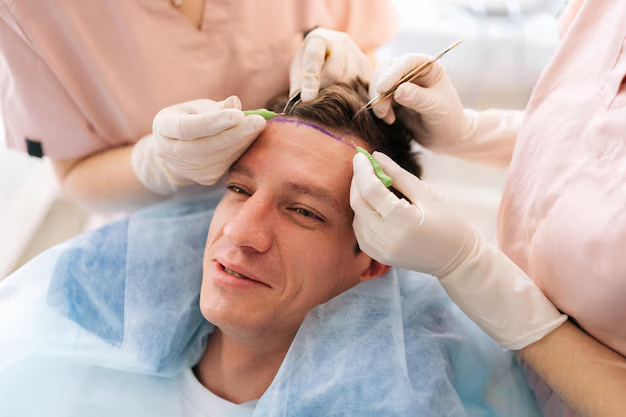
A hair graft is a small piece of skin containing hair follicles. Each graft can contain anywhere from 1 to 4 hair follicles. During a hair transplant, these grafts are extracted from the donor area (usually the back or sides of the scalp) and implanted into thinning or balding areas.
The number of grafts you need directly determines:
- The density of your new hair
- The coverage area (front hairline, crown, or full scalp)
- The cost of the procedure
Factors That Decide How Many Grafts You Need
Stage of Baldness (Norwood Scale)
Dermatologists use the Norwood Scale to classify male pattern baldness.
- Early stages (Norwood 2–3): May need 800–1,500 grafts.
- Moderate baldness (Norwood 4–5): Around 2,000–3,000 grafts.
- Advanced baldness (Norwood 6–7): 3,500–5,000+ grafts may be required.
Desired Hair Density
Some patients want a fuller, denser look, while others are satisfied with moderate coverage. The higher the density goal, the more grafts are needed.
Donor Area Availability
Your donor area (the back and sides of the scalp) must have enough strong, healthy follicles to supply grafts. If the donor area is limited, we plan carefully to balance density and coverage
Hair Characteristics
- Thicker hair → Fewer grafts needed for coverage
- Curlier hair → Appears denser
- Straight, fine hair → Requires more grafts for the same effect
Hair Characteristics
- FUE (Follicular Unit Extraction): Individual grafts are extracted. Best for precision and minimal scarring.
- FUT (Follicular Unit Transplantation): A strip of skin is removed and divided into grafts. Suitable for higher graft numbers in a single session.
Average Grafts Required for Different Areas
- Hairline Restoration: 800–1,200 grafts
- Frontal Zone (forehead area): 1,500–2,000 grafts
- Crown Area (vertex): 1,000–2,500 grafts
- Full Head Coverage: 3,000–5,000+ grafts
Example: A patient with moderate baldness (Norwood 4) may need around 2,500 grafts to restore the hairline and crown area with natural density.
How Many Sessions Will You Need?
Depending on your graft requirement and donor supply:
- Low grafts (1,500 or less): Usually completed in one session.
- High grafts (3,500+): May require two sessions for best results.
At Dr. Hanan Clinic, our dermatologists assess the scalp, donor density, and hair goals before planning the session count.
Does More Grafts Always Mean Better Results?
Not necessarily. While more grafts may give higher density, quality and placement matter more than quantity. Poorly placed or low-survival grafts won’t give natural results, no matter how many are implanted.
That’s why it’s essential to choose an experienced clinic with advanced technology. At Dr. Hanan Dermatology Speciality and Trichology Clinic, we use FDA-approved tools and follow strict protocols to ensure graft survival and natural outcomes.
Cost of Hair Transplant by Graft Count in Chennai
The cost of hair transplant in Chennai is usually calculated per graft:
- ₹30–₹45 per graft (depending on technique and clinic expertise).
So, a 2,000-graft transplant may cost around ₹60,000–₹90,000, while a 4,000-graft transplant could cost ₹1.2–₹1.6 lakhs.
Investing in the right number of grafts ensures not just coverage, but a natural hairline and lasting results.
Final Thoughts
The number of grafts you need for a successful hair transplant depends on baldness level, donor area, and personal goals. More grafts don’t always equal better results – skilled placement, advanced technology, and aftercare matter the most.
At Dr. Hanan Dermatology Speciality and Trichology Clinic, we take a personalized approach, ensuring every graft counts toward natural, lasting hair restoration.
Book Your Consultation Today!
For Personalised Treatment visit Dr. Hanan Clinic. Feel confident and proud with our expert care.
Table of Contents

Scalp Health Before Hair Transplant: Why Preparation Matters
Scalp Health Before Hair Transplant: Why Preparation Matters
Healthy scalp before hair transplant ensures lasting results. At Dr. Hanan Clinic, Chennai, treating scalp issues boosts graft survival and growth.”
Hair transplantation has become one of the most effective and permanent solutions for baldness and thinning hair. However, what many patients don’t realize is that the success of a hair transplant depends heavily on the condition of the scalp before surgery. Preparing your scalp is not just a recommendation—it is a crucial step that influences graft survival, healing, and long-term results.
At Dr. Hanan Dermatology Speciality and Trichology Clinic, Chennai, we emphasize scalp health as the foundation for natural, lasting hair transplant outcomes. In this blog, our dermatologists explain why scalp preparation is important, what steps patients should take, and how to maximize transplant success.
Why Is Scalp Health Important Before a Hair Transplant?
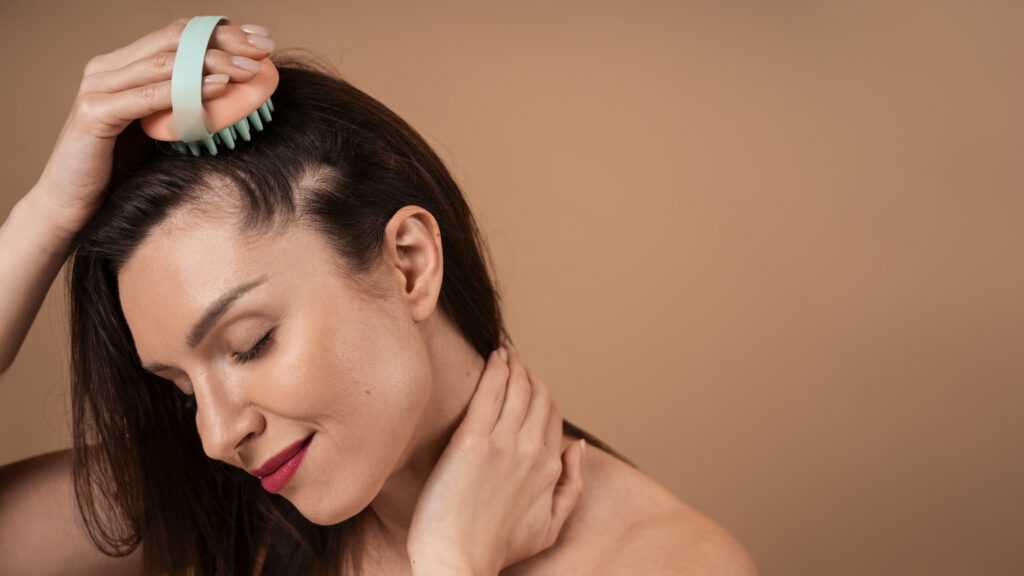
Your scalp is the “soil” where transplanted hair grafts will grow. If the scalp is unhealthy—due to dandruff, infections, poor circulation, or inflammation—the newly transplanted follicles may not survive. A well-prepared scalp ensures:
- Stronger Graft Survival: Healthy scalp tissue provides proper blood supply and nutrients.
- Faster Healing: A clean, hydrated scalp recovers quicker with less post-surgical discomfort.
- Reduced Risk of Infection: Pre-treatment prevents scalp infections or folliculitis.
- Natural Results: A well-conditioned scalp ensures transplanted hair grows seamlessly with existing hair.
Patients often ask, “Does scalp condition really affect transplant success?” The answer is yes. Studies show that poor scalp health can lower graft survival rates by up to 20–30%.
Common Scalp Issues That Must Be Treated Before Transplant
Many patients in Chennai visit us with pre-existing scalp concerns. These must be addressed before the transplant procedure:
- Dandruff & Seborrheic Dermatitis – Flaky, itchy scalp increases inflammation.
- Scalp Infections – Bacterial or fungal infections can interfere with graft healing.
- Psoriasis & Eczema – Chronic skin conditions cause irritation and scarring.
- Oily & Congested Scalp – Excess sebum clogs pores and affects graft anchoring.
- Poor Circulation – Stress and lifestyle factors can reduce blood flow to hair follicles.
Our dermatologists treat these conditions in advance using medicated shampoos, antifungal therapies, and topical solutions before moving forward with surgery.
Steps to Prepare Your Scalp Before a Hair Transplant
Medical Consultation and Scalp Analysis
At Dr. Hanan Clinic, every patient undergoes trichoscopy and scalp analysis before planning surgery. This helps us identify dandruff, scalp infections, or poor skin barrier function. Based on the results, we customize a scalp preparation plan.
Use Dermatologist-Prescribed Shampoos
Patients are advised to use medicated shampoos containing:
- Ketoconazole (for dandruff and fungal issues)
- Zinc pyrithione (for oil control)
- Salicylic acid (for scalp exfoliation)
These shampoos reduce flakes, clean the pores, and create an ideal environment for transplant grafts.
Improve Blood Circulation
A healthy scalp requires good blood flow. We recommend:
- Scalp massage with dermatologist-approved oils to stimulate circulation.
- Low-Level Laser Therapy (LLLT) sessions for patients with poor scalp vascularity.
Lifestyle changes—regular exercise and stress management.
Avoid Smoking and Alcohol
Nicotine and alcohol reduce oxygen flow in the bloodstream, delaying wound healing. Patients must stop smoking and drinking at least 2 weeks before surgery to ensure better graft survival.
Treat Pre-Existing Conditions
If you have scalp psoriasis, eczema, or dermatitis, these must be treated first. At our clinic, we use topical steroids, anti-inflammatory serums, and oral medications when required. Transplantation is only scheduled once the scalp is stable
Maintain Scalp Hygiene
Simple hygiene measures matter:
- Wash hair regularly with mild shampoo.
- Avoid harsh styling products (gels, sprays).
- Do not scratch or pick at the scalp.
Nutrition for Scalp Health
Diet directly affects scalp condition. Patients are encouraged to include:
- Protein-rich foods (fish, eggs, legumes)
- Iron and zinc (green leafy vegetables, nuts)
- Omega-3 fatty acids (flaxseed, walnuts, salmon)
- Vitamin C and antioxidants (citrus fruits, berries)
Supplements may also be prescribed for patients with deficiencies.
Post-Preparation: What to Expect During Surgery
Once your scalp is ready, you’re fit for surgery. At Dr. Hanan Dermatology Speciality and Trichology Clinic, we use advanced methods like FUE (Follicular Unit Extraction) and FUT (Follicular Unit Transplantation). A healthy scalp allows:
- Faster healing of donor areas.
- Better anchoring of transplanted follicles.
- Reduced risk of complications.
Expert Advice from Dr. Hanan Clinic
Our dermatologists emphasize that a hair transplant isn’t just about surgery—it’s about preparation and aftercare. We guide patients at every step:
- Scalp health optimization before surgery.
- Customized aftercare plans.
Follow-up treatments like PRP therapy to boost graft survival.
For more insights, check out:
- Hair Transplant Aftercare Tips: Ensuring Long-Term Results
- Best Hair Transplant Clinic in Chennai
Final Thoughts
The success of your hair transplant doesn’t begin in the operation room—it begins weeks before, with proper scalp preparation. By treating dandruff, infections, and poor circulation in advance, you give your grafts the best possible chance to survive and thrive.
At Dr. Hanan Dermatology Speciality and Trichology Clinic, Chennai, our expert dermatologists ensure every patient is prepared, treated, and supported throughout the journey. Healthy scalp equals healthy results.
Book Your Consultation Today!
For Personalised Treatment visit Dr. Hanan Clinic. Feel confident and proud with our expert care.
Table of Contents
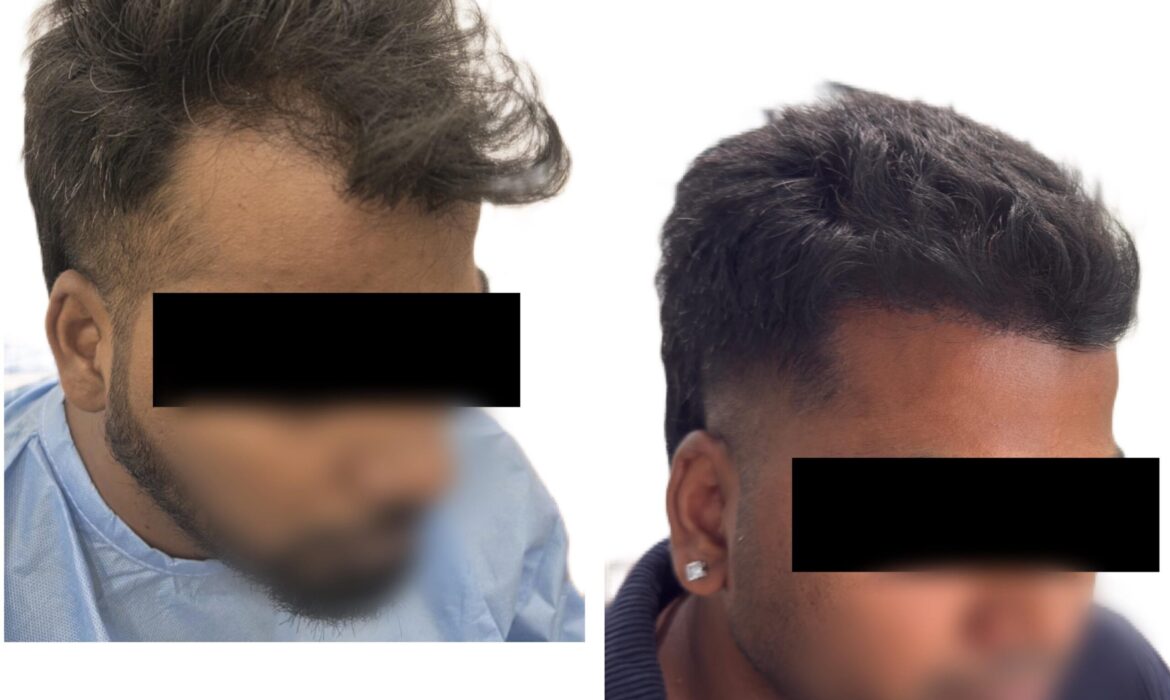
Hair Transplant Procedure Time: How Long Does It Take in Chennai?
Hair Transplant Procedure Time: How Long Does It Take in Chennai?
Thinking about your first Hair Transplant Procedure Time? Learn the complete procedure, recovery tips, and expert insights
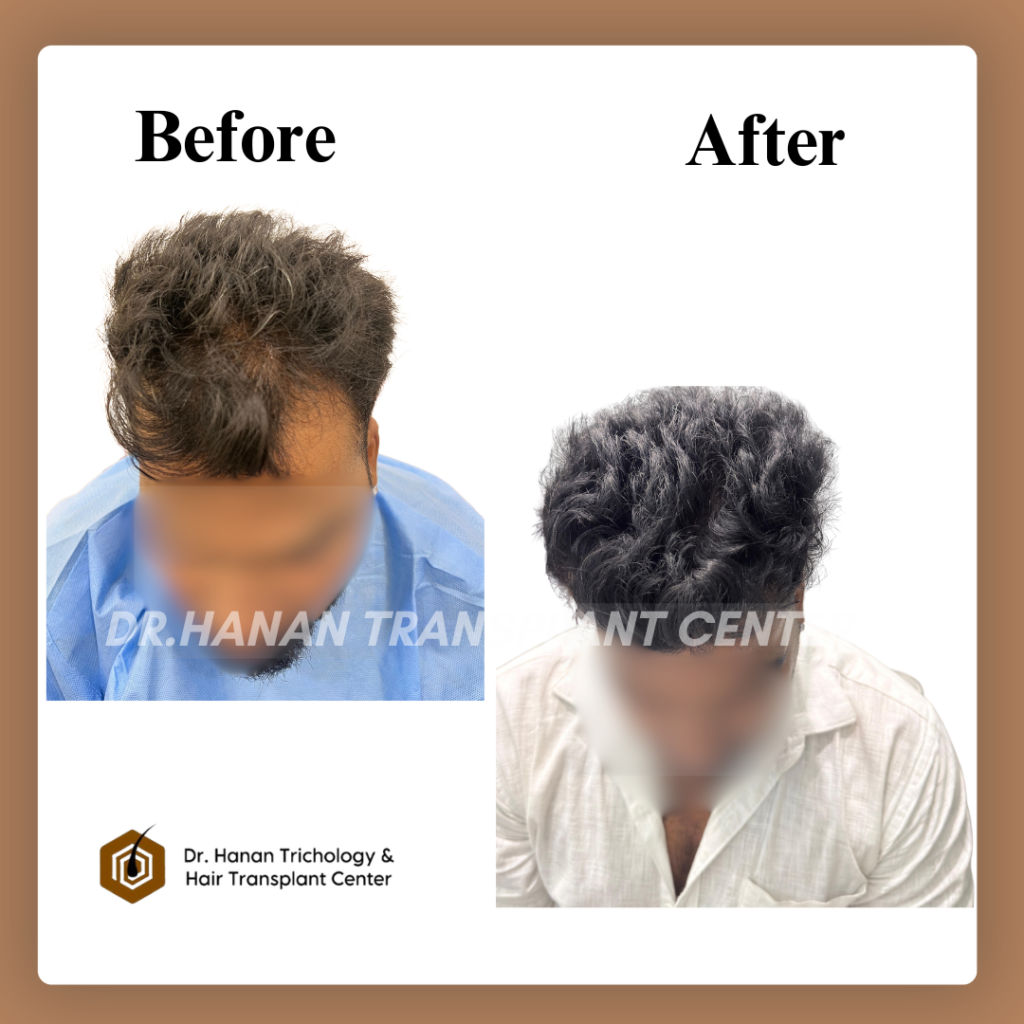
Hair Transplant Procedure Time: Hair loss can affect confidence and self-image, leading many people to consider a permanent solution like a hair transplant. One of the most common questions patients ask is: “How long does a hair transplant procedure take?”
The answer depends on several factors such as the number of grafts, technique used, and individual scalp condition. In this expert guide, we’ll explain everything you need to know about hair transplant procedure time, especially if you’re planning treatment in Chennai.
How Long Does a Hair Transplant Take?
A hair transplant procedure typically takes 4 to 8 hours in a single session.
- Small sessions (1000–1500 grafts): 4–5 hours
- Medium sessions (2000–3000 grafts): 6–8 hours
- Large sessions (3000+ grafts): 8–10 hours or split over 2 days
At leading clinics like Dr. Hanan Dermatology Speciality Clinic, the focus is always on precision, safety, and natural results rather than rushing the process.
Factors That Affect Hair Transplant Procedure Time
Number of Grafts
The number of hair grafts required plays a major role in determining duration. Each graft contains 1–4 hair follicles and must be carefully extracted and implanted.
- 1000–1500 grafts → 4–5 hours
- 2000–3000 grafts → 6–8 hours
- 3000+ grafts → up to 10 hours
Technique Used: FUE vs FUT
FUE (Follicular Unit Extraction)
- Takes 6–9 hours
- Individual follicles are extracted one by one
- Minimally invasive with faster healing
- No visible linear scars
FUT (Follicular Unit Transplantation)
- Takes 4–6 hours
- A strip of scalp is removed and dissected
- Faster procedure but may leave a linear scar
Surgeon Expertise and Team Efficiency
The experience of the dermatologist plays a crucial role. Skilled professionals ensure:
- Faster yet precise graft placement
- Higher graft survival rate
- Natural-looking results
At Dr. Hanan Clinic, procedures are performed by experienced specialists trained in advanced dermatology and aesthetic medicine.
Patient-Specific Factors
Every patient is different. Factors like hair density, donor area strength, and scalp flexibility can influence the overall procedure time.
Step-by-Step Hair Transplant Procedure Timeline
Understanding the timeline helps reduce anxiety before surgery:
- Consultation: 30–60 minutes
- Preparation and anesthesia: 30–45 minutes
- Extraction phase: 2–4 hours
- Graft preparation: done simultaneously
- Implantation phase: 2–4 hours
- Breaks are provided for comfort
Patients remain awake throughout the procedure under local anesthesia.
Is Hair Transplant Painful?
Hair transplant procedures are generally not painful.
- Performed under local anesthesia
- Patients may feel slight pressure
- You can relax during the procedure
Recovery Timeline After Hair Transplant
Recovery happens in stages:
- Day 1–3: mild redness and swelling
- Week 1: scabs form
- 10–14 days: healing completed
- 1–3 months: temporary hair shedding
- 6–12 months: full hair growth visible
Hair Transplant Procedure Time in Chennai
If you’re considering treatment in Chennai, you’ll find advanced dermatology clinics offering modern hair restoration procedures.
Dr. Hanan Dermatology Speciality Clinic is known for:
- Advanced FUE hair transplant techniques
- Personalized treatment plans
- Safe and hygienic environment
- High patient satisfaction
Why Choose Dr. Hanan Dermatology Speciality Clinic?
- Experienced dermatologists and trained staff
- Advanced hair transplant technology
- Customized treatment plans
- Proven results with high patient satisfaction
- Complete skin and hair care solutions
TimeLine
Procedure Type Time Required Small Session 4–5 hours Medium Session 6–8 hours Large Session 8–10 hours FUE Method 6–9 hours FUT Method 4–6 hours
FAQs
1. How long does a hair transplant procedure take?
A hair transplant usually takes between 4 to 8 hours in a single session. Larger procedures involving more grafts may take 8–10 hours or be completed over two days.
2. How long does a 3000 graft hair transplant take?
A 3000 graft hair transplant typically takes around 8 to 10 hours, depending on the technique used and the surgeon’s approach.
3. Why does FUE take longer than FUT?
FUE (Follicular Unit Extraction) takes more time because each hair follicle is removed individually, while FUT involves removing a strip of scalp, making it faster.
4. Can a hair transplant be done in one day?
Yes, most hair transplant procedures are completed in one day. Large sessions may be split into two days for better results.
5. Is a hair transplant a painful procedure?
No, hair transplants are performed under local anesthesia, making the procedure painless. Patients may feel mild pressure.
6. How many hours can a patient sit during a hair transplant?
Patients can comfortably sit for 6–8 hours, with short breaks provided during the procedure.
7. How long does it take to recover after a hair transplant?
Initial recovery takes about 10–14 days, while full hair growth results appear within 6 to 12 months.
8. When can I return to work after a hair transplant?
Most patients can return to work within 3 to 5 days depending on recovery.
9. Does the number of grafts affect procedure time?
Yes, more grafts require more time. For example, 1000 grafts may take 4–5 hours, while 3000+ grafts can take up to 10 hours.
10. Is hair transplant safe in Chennai?
Yes, hair transplant is safe when performed by qualified dermatologists in reputed clinics.
Book Your Consultation Today!
For Personalised Treatment visit Dr. Hanan Clinic. Feel confident and proud with our expert care.
Table of Contents
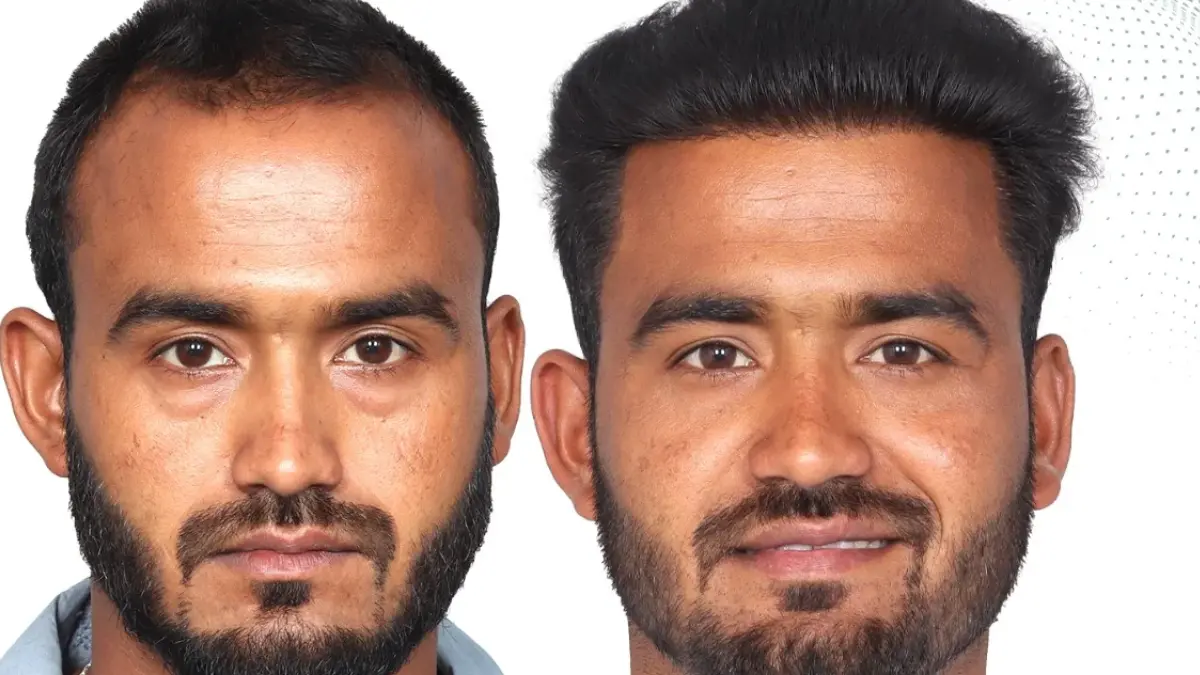
Beard Hair Transplant in Chennai
Beard Hair Transplant in Chennai
Beard Hair Transplant in Chennai Learn what top dermatologists in Chennai say about the link between stress and hair fall, types, treatments, and recovery tips.
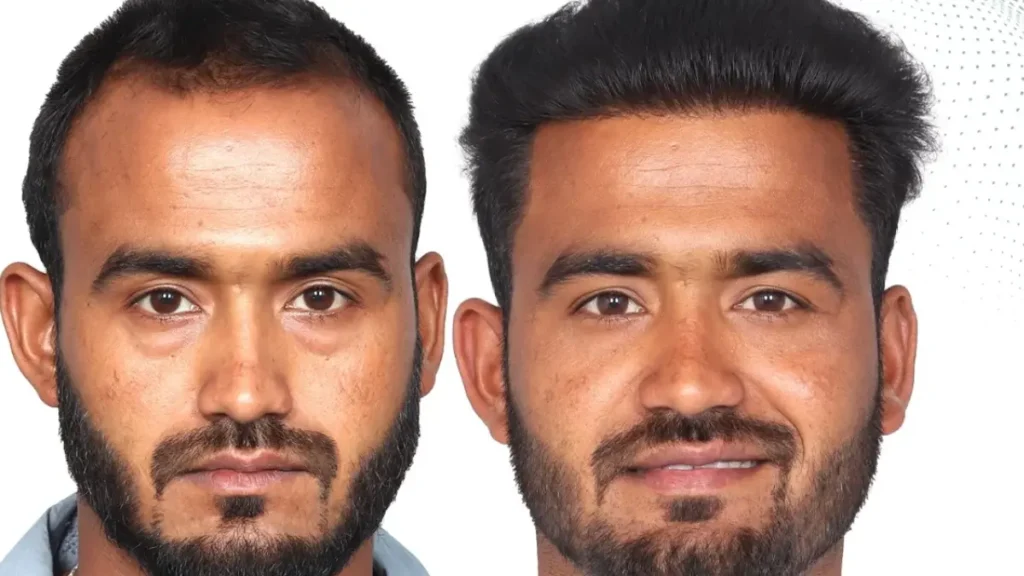
Natural & Permanent Beard Restoration at Dr. Hanan Dermatology Speciality Clinic
Beard Hair Transplant in Chennai: A well-shaped, dense beard is often associated with confidence and a strong appearance. However, many men struggle with patchy, thin, or uneven beard growth due to genetics, scars, or medical conditions. If you are looking for a safe and permanent solution, a beard hair transplant in Chennai at Dr. Hanan Dermatology Speciality Clinic can help you achieve natural-looking, long-lasting results.
Located at Padur, OMR, Chennai, Dr. Hanan Dermatology Speciality Clinic is a trusted center for advanced hair restoration, offering dermatologist-supervised beard transplants using modern, proven techniques.
What Is a Beard Hair Transplant?
A beard hair transplant is a minimally invasive cosmetic procedure where healthy hair follicles are taken from a donor area—usually the back of the scalp—and carefully implanted into areas of the beard that lack density or have no growth.
The transplanted hair grows naturally, just like your original beard hair, and once established, it becomes permanent. The procedure is customized to match your facial structure, beard pattern, and hair texture for a natural appearance.
Who Is an Ideal Candidate for a Beard Hair Transplant?
You may be a good candidate for a beard transplant if you have:
Patchy or uneven beard growth
No beard growth due to genetics
Beard hair loss from scars, burns, or acne marks
Alopecia areata affecting the beard
Stable overall health and realistic expectations
A detailed consultation at Dr. Hanan Dermatology Speciality Clinic helps determine suitability and expected results.
Common Causes of Poor Beard Growth
Understanding the cause of beard hair loss is important before treatment. Common reasons include:
Genetics: Family history of thin or patchy beard
Hormonal imbalance: Low androgen sensitivity
Skin conditions: Alopecia areata or chronic inflammation
Scarring: Injuries, burns, or acne scars
Past habits: Over-plucking or improper grooming
At Dr. Hanan’s clinic, beard hair loss is evaluated medically to ensure the right treatment approach.
Beard Hair Transplant Procedure at Dr. Hanan Dermatology Speciality Clinic
The clinic follows a precise, dermatologist-led approach for safe and natural outcomes.
Step-by-step process:
Consultation & Beard Design
Facial analysis and beard shape planning based on face structure.Donor Area Selection
Healthy hair follicles are selected from the scalp.Advanced FUE Technique
Individual hair follicles are extracted using minimally invasive methods.Implantation
Grafts are placed at the correct angle and direction to mimic natural beard growth.Post-Procedure Care
Aftercare instructions and follow-ups ensure smooth recovery.
The procedure is usually completed in a single session and does not require hospital admission.
Why Choose Dr. Hanan Dermatology Speciality Clinic for Beard Hair Transplant in Chennai?
Patients trust Dr. Hanan Dermatology Speciality Clinic for beard transplants because of its medical expertise and ethical care.
Key advantages:
Procedure supervised by a qualified MD Dermatologist
Natural beard line and density planning
Advanced FUE technology
High safety and hygiene standards
Affordable and transparent pricing
Personalized treatment for every patient
Beard Hair Transplant Results: What to Expect
Initial shedding may occur in the first few weeks (normal phase)
New beard hair growth starts in 3–4 months
Visible improvement by 6 months
Full, natural beard growth by 9–12 months
The transplanted hair grows permanently and can be shaved, trimmed, and styled like natural beard hair.
Recovery and Aftercare
Recovery after a beard hair transplant is generally smooth.
Aftercare guidelines include:
Mild redness or swelling for a few days
Avoid touching or shaving the beard initially
Follow prescribed medications and skincare routine
Resume normal activities within a few days
Regular follow-ups at the clinic help monitor healing and results.
Beard Hair Transplant Cost in Chennai
The cost of beard hair transplant in Chennai depends on:
Number of grafts required
Area of beard coverage
Technique used
Individual beard design complexity
At Dr. Hanan Dermatology Speciality Clinic, pricing is kept affordable without compromising medical quality. A personalized cost estimate is provided after consultation.
Is Beard Hair Transplant Safe?
Yes. When performed by trained professionals in a certified clinic, beard hair transplant is considered safe.
Safety highlights:
Minimally invasive procedure
Low risk of complications
Permanent and natural results
Dermatologist-supervised care
Patients with certain medical conditions may require additional evaluation before proceeding.
Book Your Consultation Today!
For Personalised Treatment visit Dr. Hanan Clinic. Feel confident and proud with our expert care.
FAQs
1. Is beard hair transplant permanent?
Yes. The transplanted hair follicles are taken from healthy donor areas (usually the scalp) and are permanent. Once they grow, they behave like natural beard hair and can be shaved, trimmed, and styled normally.
2. How long does it take to see results?
Initial hair shedding occurs in the first few weeks, which is normal. New hair growth begins around 3–4 months, with visible results by 6 months. Full beard density and natural appearance are typically achieved by 9–12 months.
3. Does the procedure hurt?
The procedure is performed under local anesthesia, so discomfort is minimal. Most patients report feeling only mild pressure during graft implantation. Post-procedure, any minor swelling or redness usually subsides within a few days.
4. Who is eligible for a beard hair transplant?
Ideal candidates are men with patchy or thin beard growth, scars, burns, or genetic beard hair loss. A consultation at Dr. Hanan Dermatology Speciality Clinic will assess your suitability based on hair density, skin type, and medical history.
5. How long does the procedure take?
A beard hair transplant session typically lasts 4–6 hours, depending on the number of grafts required and the area of beard coverage. Most patients can resume normal daily activities shortly after the procedure.
6. Is beard hair transplant safe?
Yes. When performed by a qualified dermatologist at a certified clinic, beard hair transplant is a safe, minimally invasive procedure. Dr. Hanan Dermatology Speciality Clinic follows strict hygiene protocols and medical standards to ensure safety.
7. Can I shave or style my beard after the transplant?
After complete healing and hair growth, transplanted hair can be shaved, trimmed, or styled like natural beard hair. Patients should follow post-procedure care instructions to ensure optimal growth.
8. How much does a beard hair transplant cost in Chennai?
Cost depends on factors like the number of grafts, area of coverage, and technique used. At Dr. Hanan Dermatology Speciality Clinic, we offer affordable and transparent pricing tailored to your individual needs. A detailed cost estimate is provided after consultation.
9. How long is the recovery period?
Most patients experience mild redness or swelling for 3–5 days. Normal activities can usually resume immediately, but strenuous activity should be avoided for the first week. Full recovery and optimal hair growth occur over several months.
10. Can beard transplants fix scars or burns?
Yes. Beard hair transplant can effectively restore hair in areas affected by scars or burns, giving a natural appearance. The dermatologist carefully designs graft placement to cover scar tissue seamlessly.
Table of Contents
Is a Hair Transplant Permanent and for How Long?
Is a Hair Transplant Permanent and for How Long?
Is a hair transplant permanent? Understand how long results last, what affects longevity, and how to care for your transplanted hair for the best outcome.
Let’s be honest, if you think of Hair Transplant what’s the first question that comes to your mind? Most people have this question in mind: “Is Hair Transplant permanent?” The answer is absolutely yes!
A hair transplant is designed as a long-term solution for hair loss, using its own natural hair to restore bald or thin areas. The transplanted hair follicle is taken from the donor area – usually the back or sides of your scalp – where hair is resistant to genetically balding. Once these follicles are transplanted into bald spots, they settle, heal, and grow like their natural hair.
What about the healing time? After the procedure, the healing process usually takes about 7 to 10 days, during which there may be minor crusty patches of skin and redness. Within a few weeks, implanted hair can shed – a completely common phase called shock loss – but don’t worry! It makes way for the growth of strong, healthy hair in the next months. From 3 to 6 months, you will start seeing visible regrowth, and in 12 to 18 months, you will enjoy the full, natural looking head of hair.
Two permanent hair transplant techniques used for hair restoration:
1. Follicular Unit Extraction (FUE)
In this method, hair follicles are removed one by one from the donor area using a special tool. These small grafts are then carefully placed in bald spots. Since no major cuts are made, the medical process is fast, and there are no marks. Transplanted hair will grow naturally for a lifetime, giving it a permanent solution to hair loss.
2. Follicular Unit Transplantation (FUT)
This technique involves removing a small strip of skin from the back of the scalp. The strip is then divided into individual hair follicles, which are transplanted into bald areas. Since hair comes from genetically strong areas, it remains permanent and grows like natural hair.
Is a Hair Transplant Permanent?
The simple answer is yes – a hair transplant is a permanent solution to hair loss. The reason for this is that the implanted hair is taken from areas of the scalp which are naturally resistant to balding, which are known as DHT-resistant areas (usually the back of the head and sides). These hair follicles maintain its resistance even after it is transferred to the bald spot, ensuring long – term hair growth.
Factors that ensure long -term success
While a hair transplant is designed to be permanent, many factors contribute to achieving the best and longest lasting results:
A Skilled Surgeon – The proper positioning of hair follicles ensures natural looking results and maximum grafts existence.
Healthy Donor Area – A strong and adequate supply of hair in the donor area affects long -term hair growth.
Proper Aftercare – Following post-transplant instructions, avoiding excessive sunlight, and taking prescribed medications helps maintain results.
Overall Health & Lifestyle – A balanced diet, stress management, and avoiding smoking contribute to hair longevity.
What is expected after the process?
After a hair transplant, the healing and growth process takes place in stages:
Week 1-2: Light redness and scabbing in the transplanted area, which recover in about 7-10 days.
Week 3-6: There is a temporary phase called shock loss, where implanted hair shed-this is completely normal.
Month 3-6: New hair starts growing, and the scalp looks full.
Month 6-12: Hair naturally thickened and continues to mix with existing hair.
12-18 months: Full results appear, with permanent, natural hair growth.
A successful hair transplant does not mean many bald spots, and the results last throughout your lifetime-you get thick, natural looking hair that grows like the rest of the hair of your scalp.
How to Maintain Your Hair Transplant Results for the Long Term:
A hair transplant is a permanent solution, but requires proper care to maintain healthy, long -lasting results. Like natural hair, Transplanted hair requires proper nutrition, scalp care and professional follow -up to stay strong and healthy
Essential Tips for Long-Term Hair Transplant Care
1. Follow a soft hair care routine
- Use a light, sulfate-free shampoo to keep the scalp clean and prevent irritation.
Especially in the early months, avoid scraping or scratching the scalp
You should avoid using rigid chemical remedies such as hair dye, bleaching, or permit for at least 6 months after the procedure.
2. Keep a healthy diet
- Eat a protein – rich diet (eggs, fish, nuts, dairy) to strengthen hair.
- For healthy hair growth, consume vitamins and minerals like biotin, zinc and iron.
- Stay hydrated and reduce additional caffeine and processed foods.
3. Avoid smoking and alcohol
- Smoking reduces hair follicles, which slows growth.
- Excessive alcohol intake can affect the absorption of nutrients, weakening hair.
4. Protect your skull from sunlight
- Wear a hat or use sunscreen on your scalp to protect it from UV damage.
- Avoid exposure to the sun directly for a long time, especially in the first few months.
5. Regular follow – up schedule with a dermatologist
- A professional check-up helps track progress and detect any issue.
- If necessary, your doctor may recommend scalp treatment or medicines.
Role of PRP Therapy and other assistant treatments
PRP (platelet-rich plasma) therapy
PRP therapy is an effective post-transplant treatment that increases hair growth by stimulating hair follicles. This involves drawing a small amount of your blood, processing it to extract growth factors and injecting it into the scalp.
- Strengthens existing and implanted hair
- Gave speed to Healing and Regrowth
- increases hair density and thickness
Other Assistant Treatment
- Minoxidil (topical solution): Helps to encourage growth and maintain results.
- Finasteride (oral medicine): In some cases reduces the hair thinning.
- Scalp massaging: Improve blood circulation and nourish hair follicles.
When to consult a doctor
If you are noticing hair thinning or baldness and considering a hair transplant, the first step you have to do is consult a doctor. A professional assessment helps determine the reason for your hair loss – whether it is genetic, hormonal, or due to lifestyle factors – and whether a transplant is the perfect solution.
Doctors will examine your scalp, They check the healthy donors hair availability, and discuss alternative treatments if necessary.
A doctor consultation also gives you a clear understanding of the procedure, expected results and recovery process. If you have any medical conditions or have medicines that can affect therapy, your doctor will guide you on the required precautions. A quick talk to an expert ensures that you make an informed decision and get the best long – term results for natural hair restoration.
Conclusion:
A hair transplant is a permanent solution to restore natural hair, but success depends on the proper plan, expert execution and aftercare. Understanding the process, treatment process and long -term maintenance ensures the best results, which requires a specialist consultation.
At Dr.Hanan Dermatology Specialty Clinic & Hair Transplant Center, we provide specialist consultation to assess your hair loss and recommend the best treatment for you. Whether you are considering a hair transplant or needs guidance on hair restoration options, our team is here to help.
Book your consultation today and take the first step towards achieving your confidence with a full, and natural looking head of hair.
Ready for Permanent Hair Restoration?
Wondering if a hair transplant is permanent? Book a consultation with our specialists and get personalized guidance for long-lasting results!
Table of Contents
1 Graft How Many Hair? Hair Transplant Graft vs Hair Explained
1 Graft How Many Hair? Complete Hair Transplant Guide for Patients (2026)
1 Graft How Many Hair is minimal with modern techniques. Learn what to expect during and after the procedure at Dr. Hanan Clinic.
Hair transplant is one of the most effective solutions for hair loss—but many patients still get confused about one simple question: “1 graft how many hair?”
If you’re planning a procedure, understanding the difference between grafts and hair count is essential. It helps you estimate results, compare clinics, and avoid unrealistic expectations.
In this expert-backed guide, you’ll learn everything about hair grafts, how many hairs they contain, and what it means for your final results.
What Is a Hair Graft?
A hair graft, also known as a follicular unit, is a naturally occurring group of hair follicles taken from the donor area (usually the back of your scalp).
Instead of transplanting single hairs, surgeons extract and implant these natural units to maintain a realistic look.
1 Graft Contains How Many Hairs?
Typically, 1 graft contains between 1 and 4 hairs.
- Average: 2 to 3 hairs per graft
- Minimum: 1 hair
- Maximum: 4+ hairs (in some cases)
This variation is completely normal and depends on your natural hair characteristics.
Hair-per-Graft Breakdown Explained
Understanding how grafts are distributed helps you visualize your final hair density.
Single Hair Grafts
- Contain only 1 hair
- Used mainly for the front hairline
- Helps create a soft and natural look
Two to Three Hair Grafts
- Most common type
- Used for overall density and coverage
- Provides balanced and natural results
Three to Four Hair Grafts
- Used in crown and mid-scalp areas
- Helps achieve maximum density
Example Calculations: Grafts vs Total Hair Count
Here’s how graft count translates into actual hair numbers:
- 1,000 grafts ≈ 2,000 to 3,000 hairs
- 2,000 grafts ≈ 4,000 to 6,000 hairs
- 3,000 grafts ≈ 6,000 to 8,000+ hairs
This is why two patients receiving the same number of grafts can have different results.
In the first few days, you can see minor redness, nap, or itching in the transplant area. These symptoms are not painful, but may be a bit annoying. It is important not to scratch or disturb the region as it heals. Within a week to ten days, the most visible signs of the procedure fades, and the discomfort decreases significantly or disappears.
Factors That Affect Hair Count Per Graft
Not every person will have the same number of hairs per graft. Several factors influence this:
Genetics and Hair Type
Some individuals naturally have denser follicular groupings.
Hair Thickness and Texture
Thicker hair gives better visual density, even with fewer hairs.
Donor Area Density
A healthy donor area allows extraction of high-quality grafts.
Scalp Condition
Good scalp health supports better graft survival and growth.
Technique Used (FUE / DHI)
Advanced techniques ensure better placement and natural distribution.
Why Graft Count Matters in Hair Transplant
Understanding graft count is important because:
- Pricing is based on grafts, not individual hairs
- It helps plan coverage and density
- It sets realistic expectations for results
Expert Insight from Dr. Hanan Dermatology Speciality Clinic
At leading clinics like this in Chennai, specialists emphasize a personalized approach rather than a one-size-fits-all graft count.
- Each patient gets a custom hairline design
- Grafts are strategically placed for natural density
- Focus is on long-term results and scalp health
With qualified dermatologists, advanced techniques, and years of clinical experience, such clinics ensure both safety and aesthetic excellence.
Book Your Consultation Today!
For Personalised Treatment visit Dr. Hanan Clinic. Feel confident and proud with our expert care.
Types of Hair Transplant Techniques
FUE (Follicular Unit Extraction)
- Individual grafts are extracted and implanted
- Minimal scarring
- Faster recovery
DHI (Direct Hair Implantation)
- Uses specialized tools for direct implantation
- More precise placement
- Better control over angle and density
Common Myths About Hair Grafts
Myth 1: More grafts = better results
Truth: Technique and placement matter more.
Myth 2: Each graft has the same number of hairs
Truth: It varies from person to person.
Myth 3: Instant full density is possible
Truth: Hair growth takes time (3–12 months).
FAQs
How many hairs are in 1 graft?
A single hair graft typically contains 1 to 4 hairs, with an average of 2 to 3 hairs per graft.
How many hairs are in 1,000 grafts?
On average, 1,000 grafts can produce around 2,000 to 3,000 hairs, depending on your natural hair density.
Is 3,000 grafts enough for full hair coverage?
It depends on your level of hair loss. 3,000 grafts can provide moderate to good coverage, but full density may require more grafts in advanced cases.
Why does hair count per graft vary?
Hair count varies due to genetics, hair thickness, donor area density, and individual scalp condition.
Do all grafts contain the same number of hairs?
No. Each graft is different. Some contain 1 hair, while others may have 2, 3, or 4 hairs.
Which area uses single-hair grafts?
Single-hair grafts are mainly used in the front hairline to create a natural and soft appearance.
Does more grafts mean better results?
Not always. The placement, angle, and design of grafts are more important than just the number.
How do doctors decide how many grafts I need?
Doctors evaluate hair loss pattern, donor area strength, desired density, and scalp condition.
How long does it take to see results after a hair transplant?
Initial growth starts around 3–4 months, with full results visible in 9–12 months.
Is hair transplant permanent?
Yes, transplanted hair is usually permanent, as it comes from genetically resistant donor areas.
Table of Contents
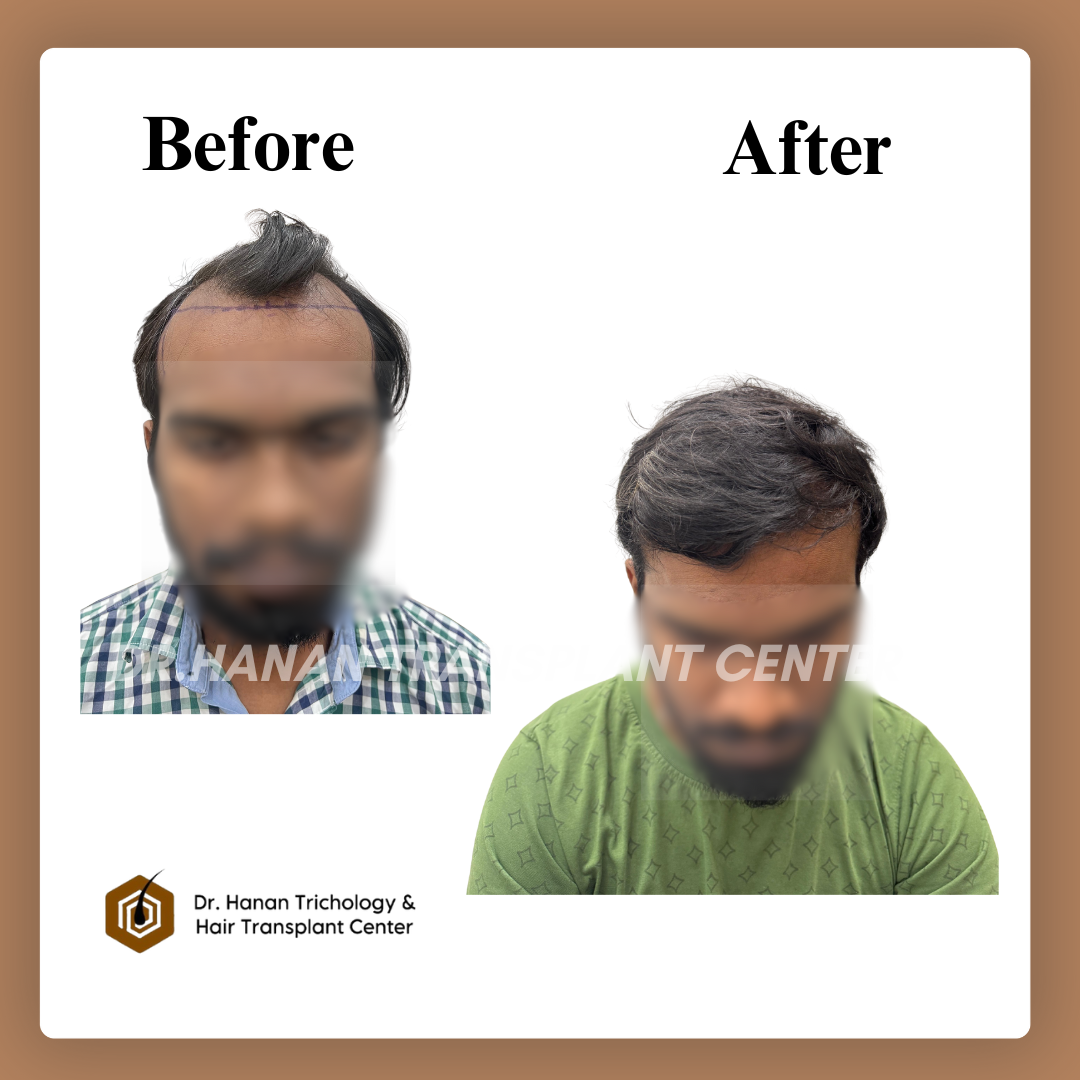
Micro FUE Hair Transplant in Chennai – Advanced, Scar-Free Hair Restoration at Dr. Hanan Dermatology Clinic
Micro FUE Hair Transplant in Chennai – Advanced, Scar-Free Hair Restoration at Dr. Hanan Dermatology Clinic
Micro FUE Hair Transplant in Chennai dermatologists at Dr. Hanan Clinic share expert tips, advanced techniques, and safety-focused guidance to help you achieve natural, healthy hair restoration.
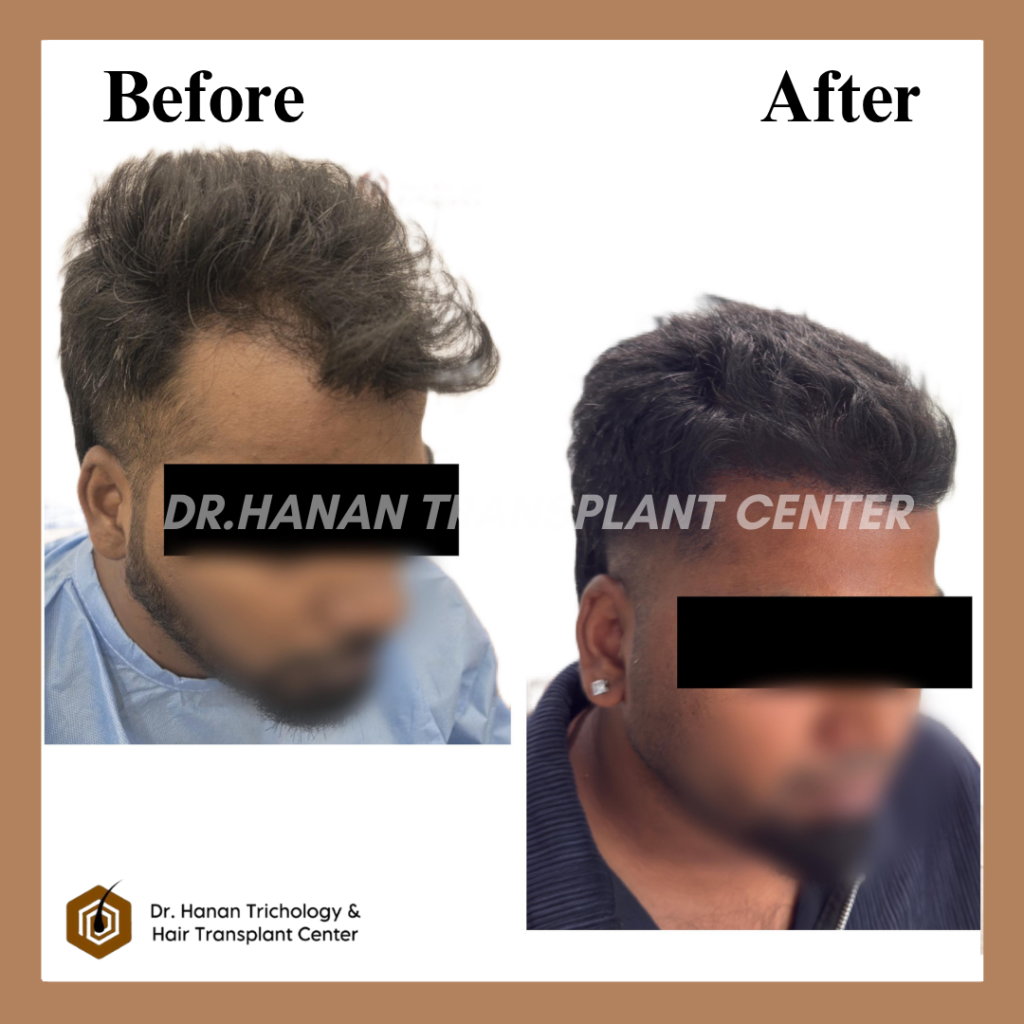
Table of Contents
Micro FUE Hair Transplant in Chennai: Hair loss can deeply affect confidence, personality, and self-image. If you’re looking for a natural-looking, minimally invasive, and advanced hair transplant solution in Chennai, Micro FUE (Follicular Unit Extraction) is one of the most refined options available today.
At Dr. Hanan Dermatology Speciality Clinic, Chennai, we offer cutting-edge Micro FUE hair transplant procedures designed to restore your hairline with precision, safety, and artistic excellence.
What is Micro FUE Hair Transplant?
Micro FUE is an advanced version of traditional FUE. It uses ultra-fine micro punches (0.7 mm – 0.9 mm) to extract individual hair follicles from the donor area and implant them into balding areas.
Because the punches are smaller than conventional FUE tools, the procedure:
Minimizes trauma to the scalp
Leaves almost invisible dot scars
Improves graft survival rate
Ensures faster healing
This technique allows dermatologists to create high-density, natural hairlines that blend seamlessly with existing hair.
Micro FUE vs Traditional FUE vs FUT
| Feature | Micro FUE | Standard FUE | FUT (Strip Method) |
|---|---|---|---|
| Punch Size | <0.7–0.9 mm | 0.9–1 mm | Strip removal |
| Scarring | Almost invisible | Small dot scars | Linear scar |
| Recovery Time | 7–10 days | 10–14 days | 2–3 weeks |
| Pain Level | Minimal | Mild | Moderate |
| Natural Hairline | Highly precise | Good | Depends on technique |
| Graft Survival | High | Moderate-High | High |
Micro FUE offers superior cosmetic results with minimal downtime.
Why Choose Micro FUE Hair Transplant?
Step 1: Consultation & Evaluation
Dr. Hanan evaluates scalp condition, hair density, and donor area strength.
Step 2: Preparation
Donor area is trimmed and numbed with local anesthesia.
Step 3: Extraction
Individual follicles are extracted using micro-motor tools with ultra-fine punches.
Step 4: Implantation
Each graft is placed carefully into balding areas following natural hair growth direction.
Step 5: Healing Phase
Mild redness subsides within 7–14 days. New hair growth starts in 3–4 months.
Healing & Recovery Timeline
Timeline What to Expect Day 1–3 Mild swelling or redness Day 7 Tiny scabs fall off 1 Month Shock loss phase (temporary shedding) 3–4 Months New hair growth begins 8–12 Months Full visible results
Who is the Right Candidate for Micro FUE?
You may be eligible if you:
Have male or female pattern baldness
Have sufficient donor hair at the back of the scalp
Want minimal scarring
Prefer a quicker recovery
Are above 25 years with stable hair loss
A personalized consultation is essential to determine suitability.
Why Choose Dr. Hanan Dermatology Speciality Clinic in Chennai?
✔ Founded by Dr. Hanan Basith MD (DVL), FFAM
✔ Graduate from prestigious Madras Medical College
✔ Fellowship in Facial Aesthetic Medicine (IAFCS)
✔ Life member – IADVL, ACSI, AHRS
✔ Advanced hair restoration techniques
✔ Modern infrastructure & sterile OT setup
✔ 0+ Years of Experience
✔ 0+ Procedures Done
✔ 0+ Happy Patients
Located at:
A Block, Gem Bhoomi & Buildings, Padur, OMR, Chennai – 603103
+91 6381048403
Real Patient Review
“I was losing confidence because of my receding hairline. After researching many clinics in Chennai, I chose Dr. Hanan Dermatology Clinic for Micro FUE. The procedure was almost painless, and within 8 months, my hairline looked completely natural. The team was professional, and recovery was quick. I strongly recommend them for anyone considering hair transplant.”
– Arvind R., Chennai
Micro FUE Hair Transplant Cost in Chennai
The cost depends on:
Number of grafts required
Extent of baldness
Technique used (Micro FUE / Sapphire FUE)
Donor area availability
On average, Micro FUE in Chennai may range between:
₹35,000 – ₹1,50,000+ (based on graft count)
A detailed consultation provides exact pricing.
Benefits:
| Benefit | Micro FUE Advantage |
|---|---|
| Scarring | Nearly invisible |
| Pain | Minimal |
| Downtime | Short |
| Results | Natural & dense |
| Precision | High artistic control |
FAQs
1. What is Micro FUE hair transplant?
Micro FUE (Follicular Unit Extraction) is an advanced hair transplant technique that uses ultra-fine punches (0.7–0.9 mm) to extract and implant individual hair follicles. It minimizes scarring, reduces trauma, and provides more natural-looking results compared to traditional methods.
2. How is Micro FUE different from regular FUE?
Micro FUE uses smaller punch sizes, which means less tissue damage, faster healing, higher graft survival, and a more refined hairline design. Standard FUE typically uses slightly larger punches (0.9–1 mm).
3. Is Micro FUE hair transplant painful?
No. The procedure is performed under local anesthesia. Patients may feel mild discomfort during anesthesia administration, but the transplant itself is generally painless.
4. How long does the Micro FUE procedure take?
The duration depends on the number of grafts required. On average, it takes 6–8 hours for a complete session.
5. How long does it take to recover after Micro FUE?
Most patients recover within 7–10 days. Tiny scabs fall off in about a week, and normal activities can usually be resumed within a few days.
6. When will I see hair growth after Micro FUE?
Temporary shedding may occur in the first month (shock loss). New hair growth starts around 3–4 months. Full visible results appear in 8–12 months.
7. Are the results of Micro FUE permanent?
Yes. The transplanted hair follicles are usually resistant to hair loss and grow permanently, provided proper post-procedure care is followed.
8. Will there be scars after Micro FUE?
Micro FUE leaves tiny dot-like scars that are almost invisible to the naked eye, even with short hairstyles.
9. Who is a suitable candidate for Micro FUE?
You may be suitable if you have male or female pattern baldness, sufficient donor hair, are above 25 years, and have stable hair loss. A dermatologist consultation is necessary for confirmation.
10. What is the cost of Micro FUE hair transplant in Chennai?
The cost depends on the number of grafts and technique used. On average, it ranges between ₹35,000 to ₹1,50,000+. A consultation is required for exact pricing.
11. Is Micro FUE safe?
Yes. When performed by a qualified dermatologist or hair restoration specialist in a certified clinic, Micro FUE is considered safe and minimally invasive.
12. Can women undergo Micro FUE?
Yes. Micro FUE is suitable for both men and women experiencing pattern hair loss or thinning.
Book Your Consultation Today!
For Personalised Treatment visit Dr. Hanan Clinic. Feel confident and proud with our expert care.
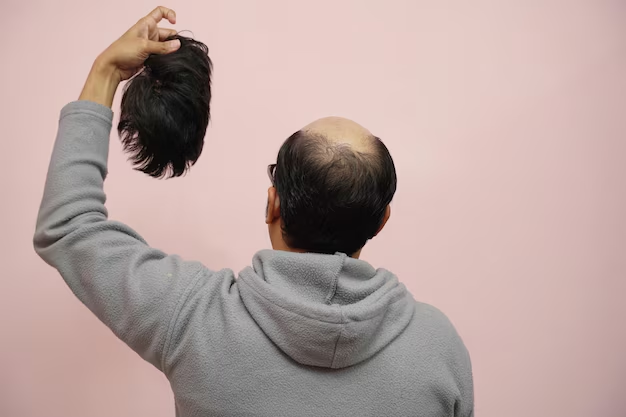
What Happens in Your First Hair Transplant Procedure? Expert Insights
What Happens in Your First Hair Transplant Procedure? Expert Insights
Thinking about your first hair transplant? Learn the complete procedure, recovery tips, and expert insights
Hair loss is a concern for millions worldwide, and for many, a hair transplant is the most reliable way to restore a fuller head of hair. But if you’re new to this journey, you might be wondering—what happens during the first hair transplant procedure?
At Dr. Hanan Dermatology Speciality and Trichology Clinic in Chennai, we guide our patients through every step of the process, ensuring they understand what to expect before, during, and after their first procedure. This blog will explain the entire process in detail, backed by expert insights and real-world patient experiences.
Understanding Hair Transplant Basics
A hair transplant is a minimally invasive surgical procedure that involves moving healthy hair follicles from a donor area (usually the back or sides of the scalp) to areas affected by hair thinning or baldness.
The goal is to achieve natural-looking, long-lasting results by using your own hair follicles, which continue to grow after being transplanted.
Common hair transplant methods include:
- FUE (Follicular Unit Extraction): Individual hair follicles are extracted and implanted.
- FUT (Follicular Unit Transplantation/Strip Method): A strip of scalp is removed, and hair follicles are dissected for transplantation.
Related Read: Best Hair Transplant Clinic in Chennai
Who is the Right Candidate for a Hair Transplant?
Before the procedure, your dermatologist will assess:
- Age & hair loss stage
- Donor hair availability
- Overall scalp health
- Medical history
You might be an ideal candidate if you have:
- Male or female pattern baldness (androgenetic alopecia)
- Hair loss from injury or burns
- Adequate healthy donor hair
First Consultation: The Foundation of Success
The first step in any hair transplant journey is the initial consultation. At Dr. Hanan Clinic, we:
- Conduct a scalp analysis using trichoscopy
- Evaluate your donor area density
- Discuss your hairline design goals
- Explain expected results & timelines
- Provide a personalized treatment plan
This stage is crucial because it sets realistic expectations and ensures you’re medically fit for the surgery.
Pre-Procedure Preparation
Before your first hair transplant, your dermatologist may recommend:
- Stopping blood-thinning medications (with your doctor’s approval)
- Avoiding alcohol and smoking for at least a week before surgery
- Washing your hair with a mild shampoo on the morning of the procedure
- Wearing loose, comfortable clothing on the day of surgery
Related Read: Hair Transplant Pain: What Should You Expect?
Step-by-Step: Your First Hair Transplant Procedure
Marking and Hairline Design
Before the surgery begins, your surgeon will take high-resolution photos of your scalp to document the baseline and plan the new hairline. The hairline design process is not just about aesthetics—it’s about creating a natural look that will still suit your face as you age. The doctor will factor in:
- Your facial proportions
- The natural direction of your hair growth
- The density achievable in one session
- Long-term hair loss patterns
At Dr. Hanan Clinic, we use a customized hairline template based on international standards, ensuring your results are undetectable to the naked eye. This careful planning is why your first hair transplant is so important—it sets the foundation for all future treatments.
Local Anesthesia
Contrary to popular belief, a hair transplant is not painful because we use advanced local anesthesia techniques. The injections are administered using very fine needles, and in some cases, a numbing cream is applied beforehand for added comfort.
The anesthesia ensures that both the donor and recipient sites remain completely numb during the entire surgery. You may feel some pressure or vibration from the surgical tools, but no sharp pain.
Donor Hair Extraction
The donor area—typically the back of the head—is chosen because it has DHT-resistant hair follicles, meaning they are genetically programmed not to fall out.
- FUE Extraction: Each follicle is carefully removed using a micromotor punch tool (0.7–1 mm in diameter) to minimize scarring.
- FUT Extraction: A narrow strip of scalp is taken, and the wound is sutured using advanced closure techniques for minimal scarring.
At our clinic, we use magnification loupes during extraction to ensure each graft is removed intact and healthy, increasing the survival rate and ensuring optimal results for first-time patients.
Graft Preparation
Once the follicles are extracted, they are placed in a cooling solution enriched with growth-preserving agents to maintain vitality. Trained technicians carefully trim and clean each follicular unit under high-powered microscopes.
Proper handling at this stage is crucial—poor graft preparation is one of the leading causes of failed transplants. That’s why at Dr. Hanan Clinic, we follow strict sterile protocols and maintain grafts at optimal temperatures to ensure the highest survival rate possible.
Recipient Site Creation
Creating the recipient sites (tiny incisions where the grafts will be placed) is a highly skilled process that determines how natural your transplant will look.
The surgeon will match the angle, direction, and density of your existing hair to ensure seamless blending. The number of recipient sites created is based on:
- Hairline density goals
- Available donor grafts
- Scalp elasticity
At our clinic, we use custom blades and slit-making tools to create incisions that are just the right size for the grafts—preventing trauma to the surrounding scalp and ensuring quick healing.
Implantation
The final step is placing each follicular unit into the prepared recipient sites. This is done using forceps or implanter pens to ensure precision placement without damaging the follicles.
We prioritize dense packing in the front hairline for an immediate visual impact while maintaining natural density in other areas for a balanced look.
Each graft is positioned to mimic natural hair growth patterns, meaning no one should be able to tell you’ve had a transplant—even up close.
Related Read: Hair Transplant Aftercare Tips: Ensuring Long-Term Results
How Long Does the First Procedure Take?
The duration depends on:
- Number of grafts (usually 2,000–4,000 for first timers)
- Technique used (FUE may take longer than FUT)
On average, a first hair transplant takes 4–8 hours and is done in a single day.
Recovery Timeline for First-Time Patients
- Day 1–2: Mild swelling or redness in the recipient area
- Day 3–5: Formation of small scabs
- Day 7–10: Scabs start falling off naturally
- 1–3 Months: Shedding of transplanted hair (normal phase)
- 4–6 Months: Visible regrowth starts
- 9–12 Months: Final results become apparent
📌 Related Read: Hair Transplant Aftercare Tips: Ensuring Long-Term Results
Possible Side Effects and How to Avoid Them
While generally safe, your first hair transplant may cause:
- Temporary swelling
- Itching or tightness in the scalp
- Shock loss (temporary shedding of existing hair)
To minimize risks:
- Follow post-op instructions
- Avoid scratching or rubbing the scalp
- Sleep with your head elevated for the first few nights
Cost of First Hair Transplant in Chennai
The price depends on:
- Number of grafts
- Technique (FUE vs FUT)
- Surgeon’s expertise
- Clinic’s facilities
On average, hair transplants in Chennai cost ₹60,000 to ₹1,50,000 for a first procedure.
Long-Term Maintenance After the First Procedure
A single session may not be enough if your hair loss is progressive. Maintenance treatments may include:
- PRP therapy every 3–6 months
- Minoxidil or finasteride
- Balanced nutrition and stress management
📌 Related Read: PRP Treatment for Hair Loss in Chennai
Final Thoughts
Your first hair transplant procedure can be life-changing—restoring not just your hair but also your self-confidence. At Dr. Hanan Dermatology Speciality and Trichology Clinic, we combine medical expertise, advanced technology, and personalized care to ensure your first experience is safe, comfortable, and delivers natural results.
If you’re considering your first hair transplant, schedule a consultation with our dermatology experts today and take the first step toward a fuller, healthier head of hair.
Book Your Consultation Today!
For Personalised Treatment visit Dr. Hanan Clinic. Feel confident and proud with our expert care.