
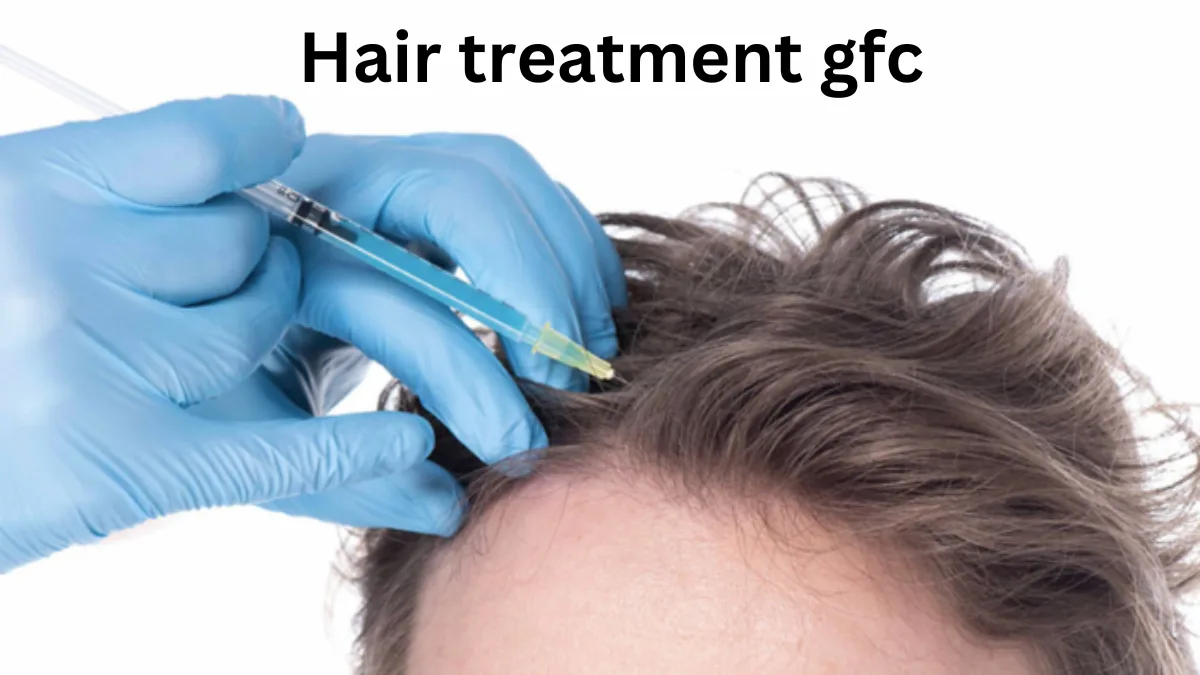
Hair Treatment GFC: A Revolutionary Solution for Hair Regrowth
Hair loss is a common concern for both men and women, with countless individuals seeking effective solutions to restore their hair’s fullness and health. Among the most innovative advancements in hair restoration is GFC (Growth Factor Concentrate), a cutting-edge treatment gaining popularity for its ability to stimulate hair regrowth and improve scalp health. In this article, we’ll explore what GFC hair treatment is, how it works, and why it’s a game-changer in the field of hair restoration.
Book Your Consultation Today
Visit Dr. Hanan Dermatology Specialty Clinic in Padur, OMR, Chennai. Schedule your consultation today and start your journey to fuller, healthier hair.
For more information and to book your appointment, visit our clinic or call us at the clinic’s contact details.

What is GFC Hair Treatment?
GFC, or Growth Factor Concentrate, is a non-surgical hair restoration treatment that uses growth factors to stimulate hair follicles and encourage hair regrowth. These growth factors are naturally occurring proteins that help promote cell growth, healing, and regeneration. GFC is derived from the patient’s own blood, which is processed to concentrate these growth factors and then injected into the scalp to rejuvenate dormant hair follicles and stimulate the growth of new, healthy hair.
This treatment is a breakthrough in the fight against hair loss, offering a natural and effective alternative to more invasive procedures like hair transplants.
The Science Behind GFC Hair Treatment
Growth factors play a crucial role in stimulating hair regrowth. These are naturally occurring proteins in the body that promote the healing of tissue and the growth of new cells. In the context of hair restoration, key growth factors such as VEGF (vascular endothelial growth factor) and PDGF (platelet-derived growth factor) are particularly important. They help to regenerate hair follicles, improve blood circulation to the scalp, and promote hair follicle survival.
The process begins with drawing a small sample of the patient’s blood, which is then processed in a centrifuge to isolate the plasma. This plasma, which contains a high concentration of growth factors, is injected into the scalp in targeted areas where hair thinning or hair loss is most prominent. This stimulation of the scalp promotes the regeneration of hair follicles, leading to stronger, thicker hair growth.
Benefits of GFC Hair Treatment
GFC offers a range of benefits that make it an appealing choice for those looking to combat hair thinning and hair loss:
- Stimulates Hair Growth: GFC directly targets the hair follicles, encouraging dormant follicles to become active again, leading to visible hair regrowth.
- Improves Hair Thickness and Texture: As new hair grows, it is often thicker and healthier, contributing to fuller, more voluminous hair.
- Non-Invasive Procedure: Unlike hair transplant surgery, GFC treatment is minimally invasive, requiring no incisions or stitches.
- Minimal Downtime: Most patients experience only mild discomfort and minimal downtime, allowing them to resume daily activities almost immediately.
- Safe and Natural: Since the treatment uses the patient’s own blood, it is a natural, safe option with a low risk of complications.
Who is an Ideal Candidate for GFC Hair Treatment?
GFC hair treatment is suitable for a wide range of individuals, including:
- People with Androgenic Alopecia (Pattern Baldness): This hereditary condition causes gradual thinning or balding, particularly around the crown and temples.
- Women and Men with Thinning Hair: Those experiencing thinning hair or early-stage hair loss can benefit from GFC’s restorative properties.
- Individuals Seeking Non-Surgical Solutions: GFC is an excellent option for people who are not ready for or are not candidates for hair transplant surgery.
- Those Looking for a Natural Alternative: Because GFC uses the body’s own growth factors, it is a great option for those seeking a natural approach to hair restoration.
The GFC Hair Treatment Procedure
The GFC hair treatment procedure is relatively straightforward and involves the following steps:
- Consultation and Assessment: A thorough consultation with a hair restoration specialist is essential to assess the patient’s hair loss and determine the suitability of GFC treatment.
- Blood Collection and Processing: A small blood sample is drawn from the patient. This sample is then processed using a centrifuge to isolate the growth factor-rich plasma.
- Application of GFC: The concentrated plasma is injected into the scalp at areas where hair thinning or loss has occurred. The injections are typically done with a fine needle to minimize discomfort.
- Post-Treatment Care: After the procedure, patients may experience mild redness or swelling at the injection sites. These effects are temporary, and most patients can return to their normal routines immediately.
What to Expect After GFC Hair Treatment
After undergoing GFC hair treatment, patients may experience:
- Mild Side Effects: Some redness or swelling at the injection site is common but typically subsides within a few hours to a few days.
- Gradual Hair Growth: It takes time for new hair to grow, and results are typically visible within 3-6 months. New hair may initially be fine but gradually thickens and strengthens.
- Ongoing Treatments: To maintain results, some patients may need follow-up sessions. Your hair restoration specialist will provide a personalized treatment plan based on your progress.
GFC Hair Treatment vs. Other Hair Loss Treatments
When comparing GFC to other popular hair treatments, several key differences become apparent:
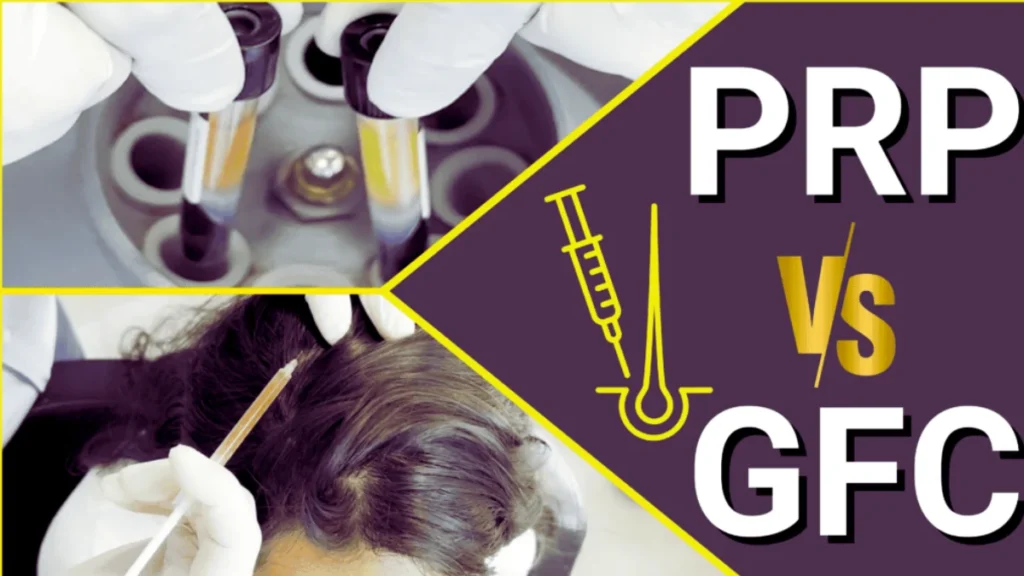
- GFC vs. PRP (Platelet-Rich Plasma): While both GFC and PRP involve the use of the patient’s own blood, GFC typically has a higher concentration of growth factors, making it a more powerful treatment for stimulating hair growth.
- GFC vs. Hair Transplant: Unlike hair transplants, which involve the surgical relocation of hair follicles, GFC is a non-invasive procedure with minimal downtime. It’s a great option for people who want to avoid surgery.
- Cost Comparison: GFC is generally more affordable than hair transplant surgery, making it an attractive option for those looking for a cost-effective solution to hair loss.
Potential Risks and Side Effects
GFC hair treatment is generally safe, but as with any medical procedure, there are potential risks:
- Mild Pain or Swelling: Some patients may experience discomfort at the injection site.
- Temporary Results: The effectiveness of the treatment can vary, and not everyone will experience the same level of hair regrowth.
Success Stories and Case Studies
Many patients have experienced significant improvements in hair regrowth following GFC treatment. Testimonials from individuals who have undergone the procedure often highlight the natural results and improved hair thickness. Before-and-after photos demonstrate how GFC can help restore hair in areas that were once thinning or bald.
Conclusion
GFC hair treatment is an innovative, non-invasive solution for hair loss and thinning. By harnessing the power of growth factors derived from the patient’s own blood, this treatment helps stimulate hair regrowth and improve hair thickness. With minimal downtime and a natural, safe process, GFC is a highly effective alternative to more invasive hair restoration options. If you’re struggling with hair loss and seeking a natural, non-surgical option, GFC might be the treatment you’ve been waiting for.
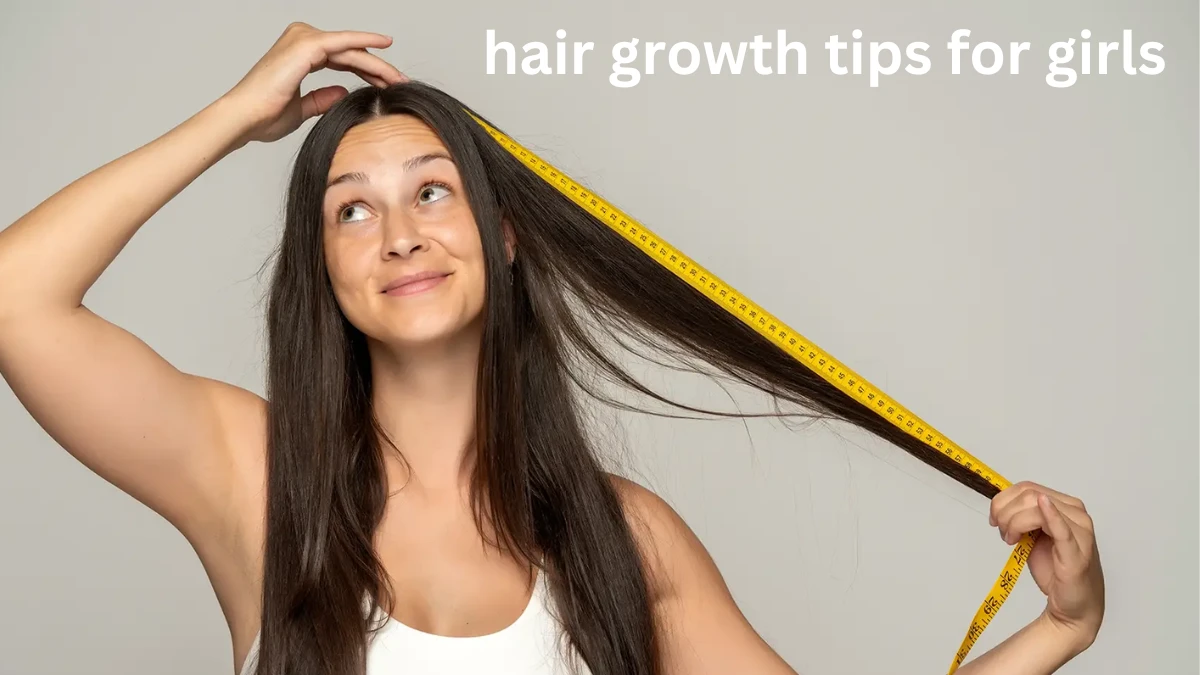
Hair Growth Tips for Girls: How to Achieve Longer, Healthier Hair
Hair Growth Tips for Girls: Achieving long, healthy hair is a common goal for many girls. However, growing your hair requires more than just waiting for it to grow out. It takes a combination of proper care, nutrition, and patience. Whether you’re dealing with slow growth or damaged hair, these proven tips will help you get the long, luscious locks you’ve always wanted.
Book Your Consultation Today
Visit Dr. Hanan Dermatology Specialty Clinic in Padur, OMR, Chennai. Schedule your consultation today and start your journey to fuller, healthier hair.

For more information and to book your appointment, visit our clinic or call us at the clinic’s contact details.
Hair Growth Tips for Girls
Understand Your Hair Type
The first step to growing long, healthy hair is understanding your hair type. Hair growth can vary depending on whether you have straight, wavy, or curly hair. Identifying your hair type will help you select the best products and treatments that suit your hair’s unique needs.
For example, curly hair tends to be more fragile and prone to dryness, so it may require extra moisture. Straight hair, on the other hand, may benefit from lightweight products that don’t weigh it down. Tailoring your hair care routine to your hair type ensures you nourish and protect your hair correctly.
Balanced Diet for Hair Growth
Healthy hair starts from the inside out. Your diet plays a significant role in the quality and growth rate of your hair. Key nutrients such as biotin, iron, vitamin A, vitamin C, and omega-3 fatty acids are vital for strong, healthy hair. Incorporate foods like salmon, eggs, spinach, sweet potatoes, and avocados into your meals to support hair growth.
Remember, a well-balanced diet isn’t just good for your hair—it improves your overall health, too!
Hydration is Key
Just like your skin, your hair needs moisture to stay healthy and grow. Dehydration can lead to brittle hair that breaks easily and slows down the growth process. Drinking plenty of water each day ensures your hair remains hydrated, which in turn helps it grow faster and stronger.
Make it a habit to drink at least 8 cups of water a day to support overall health and encourage healthy hair growth.
Gentle Hair Care Routine
The way you wash and care for your hair can make a big difference in how it grows. Use sulfate-free shampoos and conditioners that are gentle on your hair and scalp. Washing your hair too often can strip it of essential oils, so try to limit hair washing to 2-3 times per week.
Deep conditioning treatments once a week can restore moisture and nutrients, making your hair softer and less prone to breakage.
Scalp Health and Massages
A healthy scalp is the foundation for healthy hair growth. Massaging your scalp stimulates blood circulation, promoting hair follicle health and encouraging faster growth. You can enhance your scalp massage by using essential oils such as rosemary, peppermint, or lavender, which are known to stimulate hair follicles and encourage growth.
Massage your scalp for 5-10 minutes a few times a week to boost circulation and improve hair health.
Avoid Heat Styling and Chemical Damage
Excessive heat styling, including blow-drying, straightening, and curling, can cause irreversible damage to your hair. If you must use heat tools, always apply a heat protectant spray beforehand.
Chemical treatments, such as hair dyes and perms, can also weaken hair, causing it to become brittle and break. Consider avoiding these treatments or opting for more natural alternatives that won’t strip your hair of essential nutrients.
Sleep Care: Protecting Your Hair Overnight
Your hair can get damaged while you sleep due to friction with your pillowcase. Switching to a silk or satin pillowcase can help reduce hair breakage and prevent split ends. Additionally, tying your hair in a loose braid or ponytail can help minimize tangling and snapping during the night.
Trim Regularly to Prevent Split Ends
It may sound counterintuitive, but regular trims are essential for hair growth. Cutting off split ends prevents hair from breaking, which helps it grow longer and healthier. Aim for a trim every 6-8 weeks to keep your hair looking fresh and healthy.
Stress Management for Healthy Hair
Chronic stress can wreak havoc on your hair, slowing down growth or causing hair loss. Finding ways to manage stress is crucial for maintaining healthy hair. Practices like yoga, meditation, and regular exercise can help reduce stress and promote overall health.
Make stress management a part of your daily routine to support healthy hair growth.
Hair Growth Supplements: Do They Work?
Many girls turn to supplements to boost their hair growth. Biotin, collagen, and other hair vitamins can support the natural growth process by providing your hair with the nutrients it needs to thrive. However, supplements work best when combined with a healthy diet and proper hair care routine.
Consult with a healthcare professional before starting any supplement to ensure it’s right for you.
Natural DIY Hair Masks and Treatments
DIY hair masks can be a great way to nourish and strengthen your hair. Ingredients like coconut oil, honey, avocado, and yogurt are packed with vitamins and nutrients that promote hair growth. Apply a homemade mask once a week to provide deep conditioning and repair any damage to your hair.
Protect Your Hair from Environmental Damage
Environmental factors like sun exposure, pollution, and chlorine can damage your hair and hinder growth. Protect your hair by wearing a hat or using UV-protectant hair sprays when spending time outdoors. Additionally, avoid chlorine damage by wearing a swimming cap or rinsing your hair with fresh water before swimming.
Patience and Consistency
Hair growth takes time, and it’s important to remain patient throughout the process. Consistency is key to seeing results, so stick to your hair care routine and give it time. While hair typically grows around half an inch per month, maintaining a healthy lifestyle and following these tips will help you reach your hair goals.
Conclusion
Growing long, healthy hair doesn’t happen overnight, but with the right routine, diet, and care, you’ll see beautiful results. By understanding your hair type, nourishing it with the right nutrients, and protecting it from damage, you can achieve the long, strong hair you’ve always dreamed of. Be patient, stay consistent, and enjoy the hair growth journey!
Cap for Hair Transplant: What You Need to Know
Undergoing a hair transplant can be a life-changing decision, giving you renewed confidence and a fuller head of hair. However, the recovery process is crucial in ensuring the procedure’s success. One question often arises is whether you can wear a cap after a hair transplant and, if so, when and how. In this guide, we’ll discuss everything you need to know about wearing a cap post-hair transplant.
Book Your Consultation Today
Visit Dr. Hanan Dermatology Specialty Clinic in Padur, OMR, Chennai. Schedule your consultation today and start your journey to fuller, healthier hair.
For more information and to book your appointment, visit our clinic or call us at the clinic’s contact details.
Why Caps Are Discussed Post-Hair Transplant
After a hair transplant, your scalp is in a sensitive state. Wearing a cap might seem like a convenient way to protect the scalp or cover any redness and scars. However, improper use of caps can potentially harm the healing process or dislodge the newly implanted grafts. Therefore, understanding the right way to use caps is essential to avoid complications and support recovery.
Can You Wear a Cap After a Hair Transplant?
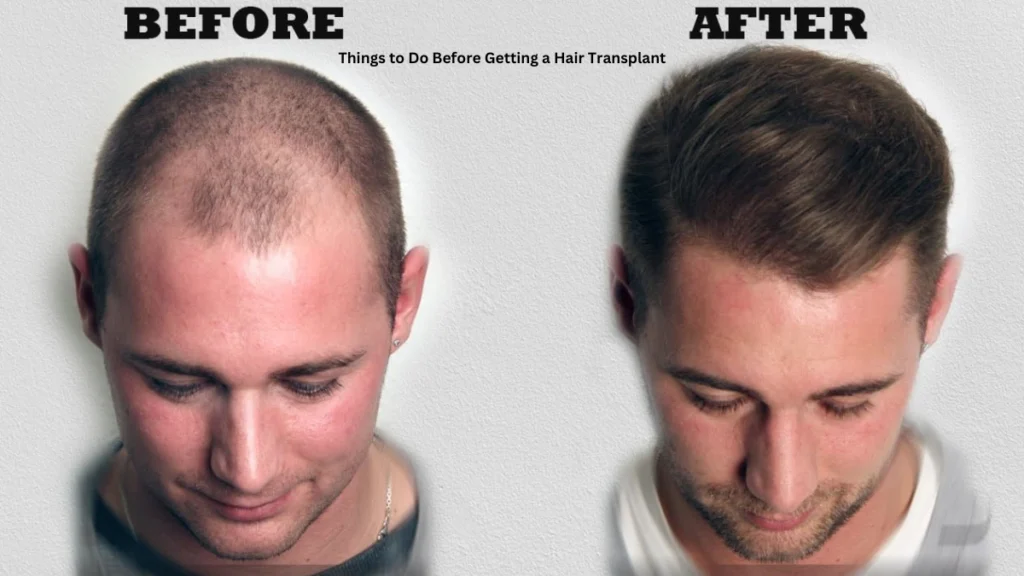
The short answer is yes but with precautions. The timing and type of cap you choose are critical. Following the hair transplant, the scalp needs time to heal, and the grafts must anchor themselves securely. Caps should not be worn immediately after the procedure unless specifically recommended by your surgeon.
Read more: Things to Do Before Getting a Hair Transplant
When Can You Start Wearing a Cap?
Most surgeons advise waiting at least 5–7 days before wearing any kind of cap. During this time, your scalp is healing, and the grafts are particularly vulnerable. Once the initial healing period is over, you can wear a loose-fitting, soft cap that doesn’t exert pressure on the scalp or disturb the grafts.
If you’re unsure, consult your doctor to get personalized advice based on your transplant method—whether it’s Follicular Unit Extraction (FUE) or Follicular Unit Transplantation (FUT).
Caps for the Early Recovery Phase
Best Types of Caps to Use
- Loose-fitting caps: These allow air circulation and prevent rubbing on the scalp.
- Soft, breathable materials: Cotton or lightweight fabrics are ideal to reduce irritation.
A cap that sits gently over the scalp can help protect the grafts from dirt, dust, and sunlight during the early recovery phase.
How Caps Protect Grafts
Caps can act as a shield against external elements such as pollution or accidental bumps. However, they must not interfere with the transplanted area, which is still fragile during this period.
Caps and Graft Safety
Wearing a cap too soon or choosing a tight-fitting one can damage the grafts. Here are some safety measures to keep in mind:
- Avoid pressure: Ensure the cap doesn’t press against the grafts.
- Prevent infection: Clean your cap regularly to reduce the risk of bacteria buildup.
- Don’t rub or disturb the scalp: Use caps only when absolutely necessary, especially in the first two weeks.
Tips for Choosing the Right Cap
When selecting a cap post-transplant, consider the following:
- Material: Opt for soft and breathable materials like cotton.
- Fit: Choose a cap that sits loosely over the scalp without exerting pressure.
- Design: Avoid caps with hard brims or internal stitching that may irritate the skin.
How Caps Can Help with Sun Protection
Direct sunlight can harm the transplanted area and slow the healing process. Caps offer excellent protection by shielding the scalp from harmful UV rays. If wearing a cap isn’t an option, use a hair-friendly sunscreen or stay indoors during peak sun hours.
Common Mistakes When Using Caps Post-Transplant
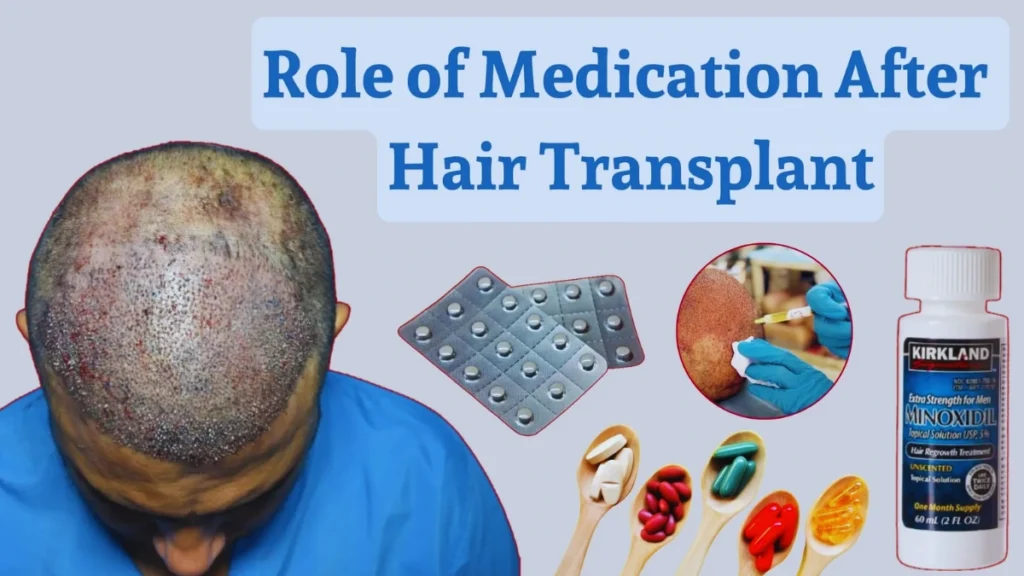
- Wearing caps too soon: This can dislodge the grafts and affect the results.
- Choosing tight caps: These can irritate the scalp and disrupt healing.
- Neglecting hygiene: Dirty caps can introduce bacteria, leading to infections.
Read more: Medicine After Hair Transplant Essential Post-Operative Care for Optimal Results
Hygiene Tips for Caps
- Wash your cap regularly with mild detergent.
- Rotate between multiple caps to ensure cleanliness.
- Avoid wearing the same cap for prolonged periods, especially if it gets sweaty.
Psychological Benefits of Wearing Caps Post-Transplant
Wearing a cap can boost your confidence during the recovery period. It allows you to step outside without worrying about visible redness, swelling, or scabs. This simple accessory can make the recovery phase more comfortable for many individuals.
Alternatives to Wearing Caps
If wearing a cap feels uncomfortable or is not advisable during the initial recovery phase, consider these alternatives:
- Bandanas or scarves: These are soft and less likely to irritate the scalp.
- Hair-friendly sunscreen: Use a mild product to protect against UV rays.
- Staying indoors: Avoid stepping out during peak sunlight hours to minimize exposure.
Long-Term Cap Use After Hair Transplant
Once your scalp has healed completely, you can transition to wearing regular caps. However, avoid tight caps or prolonged use to prevent traction alopecia, which can cause further hair loss over time.
Expert Opinions on Wearing Caps
Leading hair transplant surgeons recommend prioritizing scalp safety and hygiene during the recovery period. While caps are a practical option, they should be used with caution. Always follow your surgeon’s instructions for the best results.
FAQs About Caps for Hair Transplant Recovery
- How soon can I wear a cap after a hair transplant?
- Most surgeons recommend waiting 5–7 days before wearing a loose-fitting cap.
- Will wearing a cap affect my grafts?
- If worn correctly and after the initial healing phase, caps should not harm the grafts.
- What type of cap is best for the first few weeks post-transplant?
- Choose a loose-fitting cap made of soft, breathable fabric.
- Can I wear a cap while exercising?
- Avoid caps during exercise in the early recovery phase as sweat can irritate the scalp.
- How can I clean my cap to avoid infections?
- Wash caps regularly with a mild detergent and rotate between multiple caps.
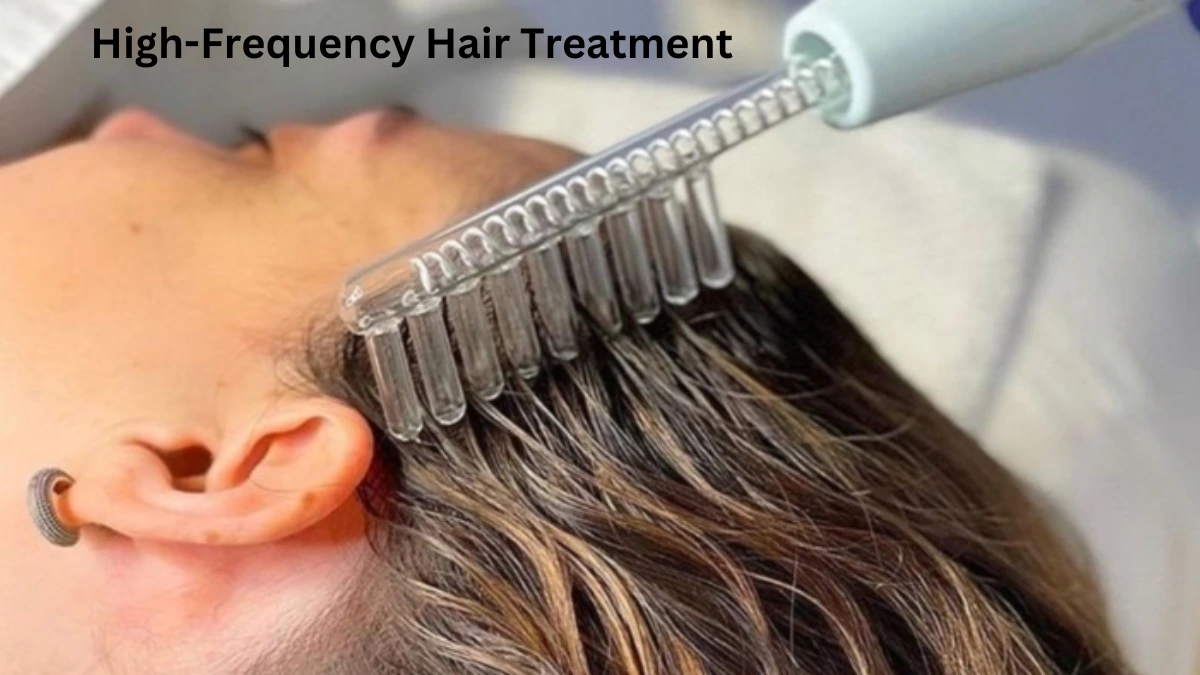
High-Frequency Hair Treatment: Everything You Need to Know
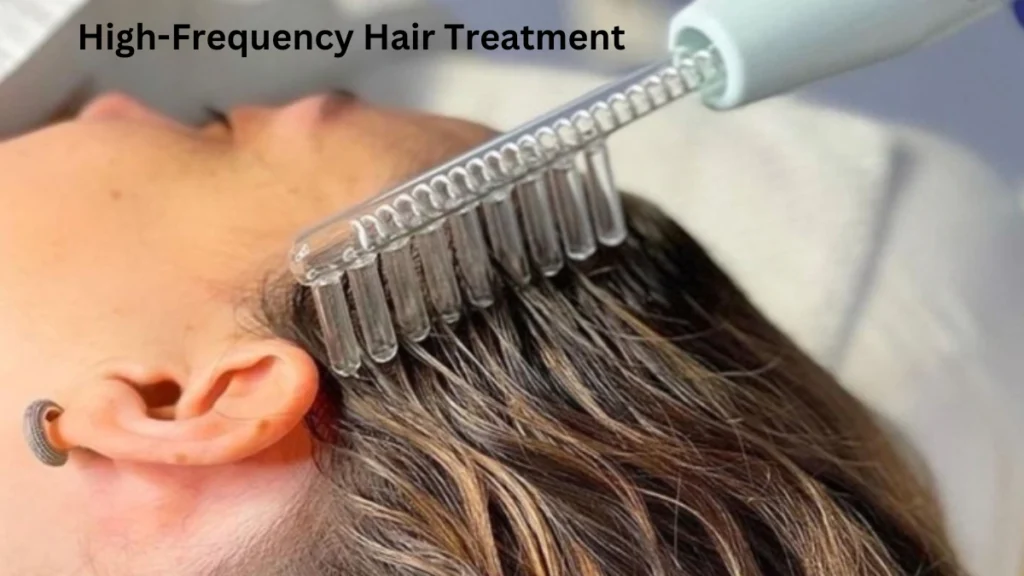
High-frequency hair treatment is a revolutionary scalp therapy designed to address common hair and scalp issues such as hair fall, dandruff, thinning, and even alopecia. This treatment utilizes a transparent, rod-like device equipped with different knobs to deliver electrical stimulation through ultra and infrared rays. By boosting blood circulation, improving nutrient delivery, and encouraging the hair follicle’s cell turnover rate, this therapy promotes a healthier scalp environment, paving the way for consistent and robust hair growth. Often recommended by trichologists, it provides a non-invasive yet effective solution for individuals seeking healthier, more vibrant hair.
Book Your Consultation Today
Visit Dr. Hanan Dermatology Specialty Clinic in Padur, OMR, Chennai. Schedule your consultation today and start your journey to fuller, healthier hair.
For more information and to book your appointment, visit our clinic or call us at the clinic’s contact details.

How High-Frequency Hair Treatment Works
The treatment relies on a specialized transparent rod-like device equipped with interchangeable attachments. These attachments, such as comb-shaped tools and bulbs, emit high-frequency rays to target specific scalp areas. The procedure is grounded in electrical stimulation, which activates the hair follicles and improves scalp health.
Tools and Devices
- Transparent rod: The main device used for treatment.
- Comb attachment: Directly touches the scalp to emit infrared rays.
- Bulb attachment: Emits ultraviolet rays from a safe distance to treat the scalp.
The procedure of High-Frequency Hair Treatment
Here’s what to expect during a session:
- Preparation: Hair is divided into 4–5 sections and detangled.
- Infra Ray Application: A comb attachment emitting rays is used on the scalp for 2–3 minutes.
- Massage and Hair Mask: A thorough oil massage follows for 20 minutes, and a moisturizing hair mask is applied from root to tip, left for 15 minutes.
- Steam and Ultra Ray Treatment: Hair is steamed to open cuticles, then exposed to ultraviolet rays through a bulb for 5–7 minutes.
- Post-Treatment Care: Hair is washed the next morning to complete the process.
Each session lasts about 45 minutes, making it a manageable addition to your hair care routine.
Read more: PRP vs GFC Hair Treatment in Chennai Which is the Best for Hair Regrowth
Frequency and Maintenance
To achieve optimal results, experts recommend at least 10 continuous sessions, spaced 2–3 times a week. Once the desired outcome is achieved, treatments can transition to a maintenance schedule of once every two weeks. This gradual reduction ensures long-lasting benefits.
Benefits of High-Frequency Hair Treatment
This treatment offers numerous advantages for scalp and hair health:
- Improved Blood Circulation: Enhances oxygen and nutrient delivery to hair follicles.
- Stimulation of Hair Follicles: Promotes rapid and consistent hair growth.
- Effective Dandruff Treatment: Reduces flakes and relieves an itchy scalp.
- Gradual Hair Fall Reduction: Strengthens roots over time.
- Enhanced Hair Texture: Leaves hair smooth, shiny, and more manageable.
Limitations and Considerations
While high-frequency therapy has many benefits, some limitations exist:
- Lack of extensive scientific research supporting its efficacy.
- May not suit all hair and scalp conditions.
- Potential for mild irritation during initial sessions.
Expert Opinions and Anecdotal Evidence
Beauty professionals highlight the painless and non-invasive nature of this treatment. Jaishree Shah, a renowned expert, explains that visible results can be seen after eight sessions. Another expert, Bhavna Daniel, emphasizes the dual benefits of infra and ultra rays for stimulating hair follicles and treating scalp issues.
DIY vs. Professional Treatment
- Professional Treatment: Offers expert guidance and advanced equipment for better results.
- At-Home Devices: Available for personal use but require caution to ensure safety and effectiveness.
Cost and Availability
- Cost per session: Prices typically range from $20 to $50, depending on the salon or clinic.
- Availability: Most urban salons and specialized clinics offer this treatment. At-home devices are also widely available online.
FAQs About High-Frequency Hair Treatment
- Is it safe for all hair types? Yes, but individuals with sensitive scalps should consult a professional first.
- How soon can one expect results? Visible improvements typically appear after 5–8 sessions.
- Are there any side effects? Mild irritation during initial sessions may occur but subsides quickly.
- Can it be combined with other hair treatments? Yes, it can complement treatments like deep conditioning or keratin therapy.
Conclusion
High-frequency hair treatment is an effective and innovative solution for addressing common hair and scalp issues. With benefits ranging from enhanced hair growth to dandruff reduction, it’s a treatment worth considering for anyone seeking healthier hair. Consult a professional to determine if this therapy suits your hair needs, and take the first step towards a vibrant, nourished scalp!
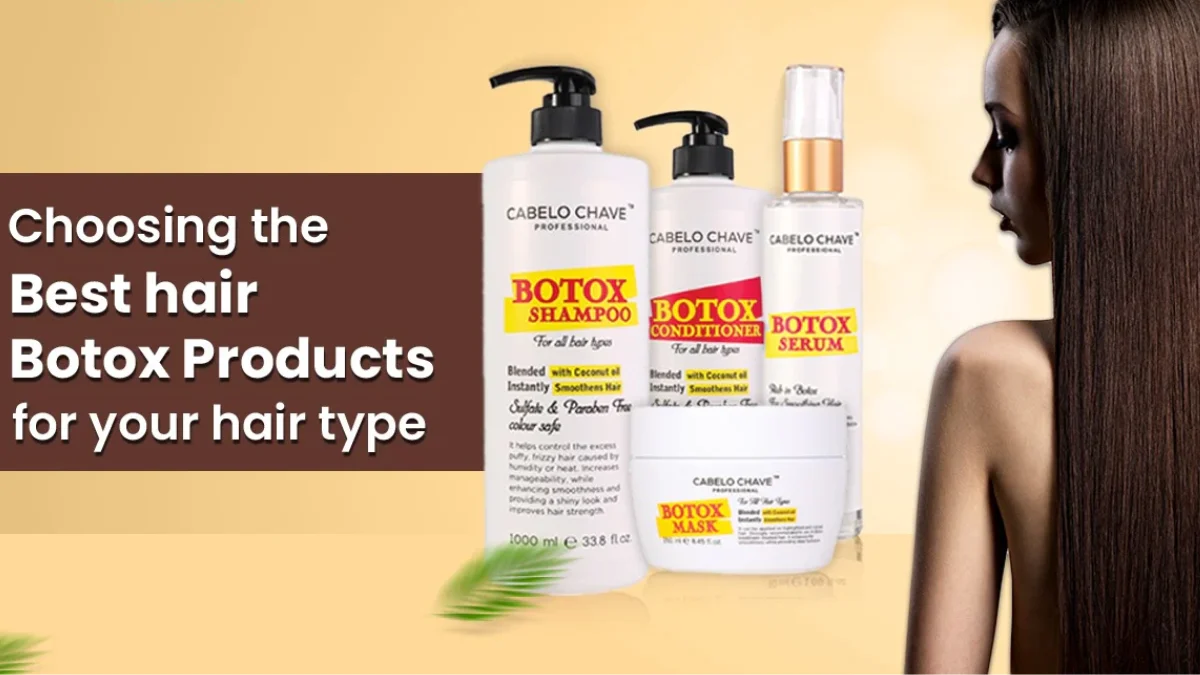
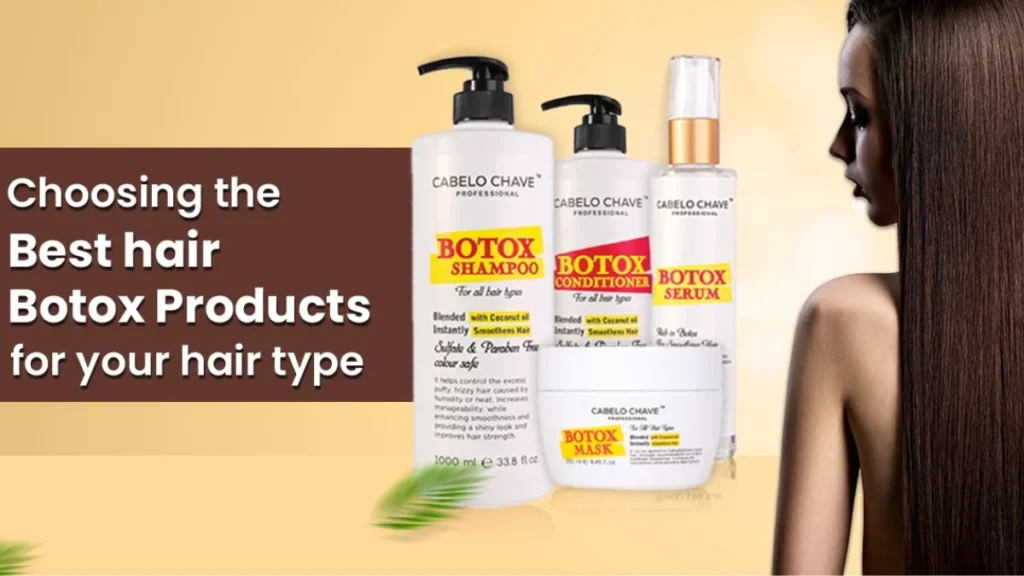
Everything You Need to Know About Hair Botox: Benefits, Process, and Top Products for 2025
Botox hair treatment products: Hair Botox has become one of the most talked-about hair treatments in recent years, offering a deep, rejuvenating solution for damaged and unruly hair. Whether you’re looking to smooth frizz, restore shine, or achieve healthier-looking hair, Hair Botox promises an effective treatment. In this guide, we will dive into everything you need to know about Hair Botox, its benefits, the treatment process, and some of the best products you can try in 2024.
Book Your Consultation Today
Visit Dr. Hanan Dermatology Specialty Clinic in Padur, OMR, Chennai. Schedule your consultation today and start your journey to fuller, healthier hair.
For more information and to book your appointment, visit our clinic or call us at the clinic’s contact details.
What is Hair Botox?
Hair Botox is a non-invasive treatment that uses a blend of natural ingredients, such as vitamins, amino acids, and proteins, to repair and rejuvenate hair. Despite the name, Hair Botox doesn’t involve injections or toxins. Instead, it works by deeply nourishing the hair, filling in damaged areas, and restoring its health and vitality. This treatment is especially beneficial for those with frizzy, dry, or chemically damaged hair.
How Does Hair Botox Work?
The process of Hair Botox involves applying a special formula to the hair that’s designed to penetrate the hair shaft, filling in gaps and smoothing out the hair. The formula typically includes:
- Vitamins and Amino Acids: Help restore hair’s strength and elasticity.
- Keratin: A natural protein that strengthens and smooths the hair.
- Collagen: Adds hydration and helps improve the overall appearance of the hair.
The treatment works by rejuvenating and nourishing each strand, making your hair appear smoother, shinier, and healthier. It also helps reduce frizz and prevent split ends.
Benefits of Hair Botox Treatment
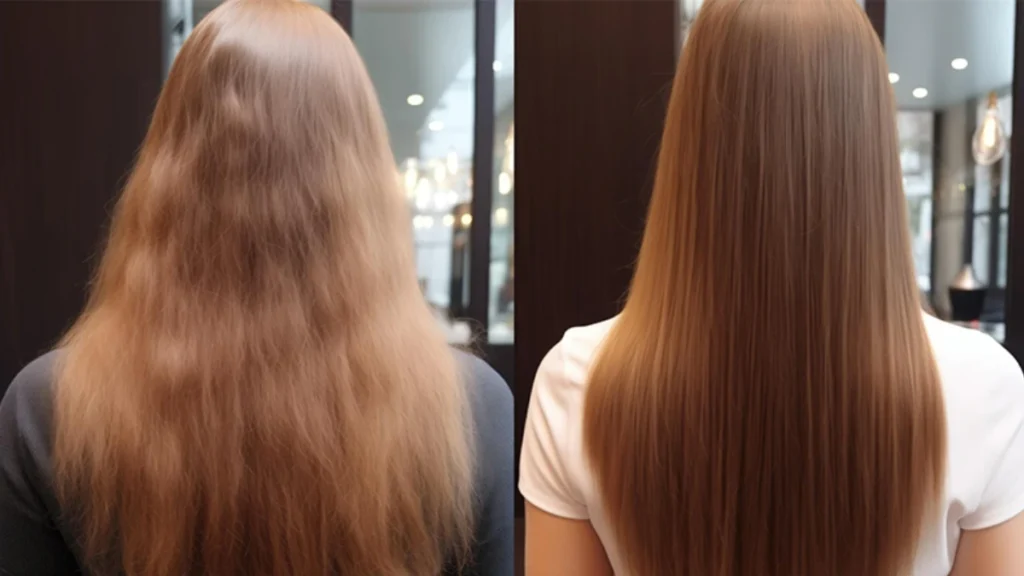
Hair Botox provides numerous benefits that can make a noticeable difference in your hair’s texture and health. Here are some of the key advantages:
- Smoothens Frizzy Hair: Hair Botox works wonders on frizz-prone hair, providing a sleek and manageable look.
- Repairs Damage: It helps restore the health of damaged hair caused by chemicals, heat styling, or environmental factors.
- Hydrates and Nourishes: The treatment deeply moisturizes hair, making it soft and shiny without the greasy feeling.
- Improves Volume and Thickness: Hair Botox can make your hair look thicker and fuller by filling in damaged areas.
- Long-Lasting Effects: Results can last for up to three months, depending on your hair type and maintenance.
Read more: Nanoplastia Hair Treatment
The Hair Botox Treatment Process
While the exact process may vary slightly depending on the salon or brand, here is an overview of the typical Hair Botox treatment:
- Consultation: A professional stylist will assess your hair type and condition before recommending the right Hair Botox treatment.
- Shampooing: Your hair is first washed with a clarifying shampoo to remove any buildup or residues.
- Application of the Botox Formula: The treatment formula is applied evenly throughout your hair, ensuring it’s coated from root to tip.
- Processing Time: The formula is left on for about 30 to 60 minutes, depending on your hair’s condition.
- Rinsing and Styling: After the processing time, the formula is rinsed out, and your hair is blow-dried and styled to perfection.
Top Hair Botox Products for 2025
If you’re looking for effective Hair Botox treatments, here are some top-rated products you can consider in 2024:
- Godrej Professional Botosmooth – Botox Treatment (1000ml)
Price: ₹13,000
Made in Brazil and formaldehyde-free, this product is perfect for smoothing and rejuvenating damaged hair. It provides long-lasting results and enhances hair shine and texture. - KT Professional Home Keratin Fiber BOTOX Maxx Starter Kit
Price: ₹1,319
An affordable option for at-home use, this kit includes everything you need to get started with your own Hair Botox treatment. - Pro-Techs Botox Treatment for Men and Women (1000 ml)
Price: ₹999
A premium-quality Botox treatment that’s easy to apply and provides professional-grade results. It’s ideal for those with frizzy or damaged hair looking for a quick fix. - Global Amazon Secrets Combo of KeraBTX with Brazilian Keratin Treatment (Pack of 2)
Price: ₹2,899
This combo pack is excellent for individuals looking for an all-in-one solution that combines Keratin and Botox for smoother, shinier hair. - Beauty Garage K9 Botoplexx for All Hair Types (1000ml)
Price: ₹14,700
Ideal for all hair types, this treatment promises to smoothen, nourish, and repair your hair with regular use.
Botox hair treatment products vs. Keratin Treatment
While Hair Botox and Keratin treatments are often used interchangeably, they are not the same. Here’s a quick comparison:
- Hair Botox: Focuses on restoring moisture, repairing damage, and adding volume. It is free from harsh chemicals and doesn’t contain formaldehyde.
- Keratin Treatment: Primarily used for straightening and smoothing hair. It works by infusing the hair with a protein (keratin), but often contains formaldehyde or its derivatives.
If you’re looking for a treatment that nourishes, restores, and smooths hair without harsh chemicals, Hair Botox is the ideal choice.
Tips for Maintaining Botox hair treatment products Results

To ensure that your Hair Botox treatment lasts as long as possible, here are some tips for maintenance:
- Avoid Washing Your Hair Too Often: Washing your hair less frequently helps preserve the effects of the treatment.
- Use Sulfate-Free Shampoo: Opt for shampoos that are sulfate-free to avoid stripping your hair of the treatment’s nourishing ingredients.
- Avoid Heat Styling: Limit the use of hair straighteners and curling irons to prevent damage.
- Deep Conditioning: Keep your hair moisturized by using a deep conditioning treatment once a week.
FAQs at Botox hair treatment products
1. What is Hair Botox?
Hair Botox is a deep conditioning treatment that uses natural ingredients like vitamins, amino acids, and proteins to repair and rejuvenate hair. It smoothens frizz, adds shine, and restores moisture to damaged hair without the use of harmful chemicals like formaldehyde.
2. Is Hair Botox the same as Botox for the skin?
No, Hair Botox is not the same as Botox used in skin treatments. It’s a non-invasive hair treatment that nourishes and rejuvenates hair strands, while skin Botox involves injections to reduce wrinkles. Hair Botox does not involve injections or toxins.
3. How long does a Hair Botox treatment last?
The effects of Hair Botox can last anywhere from 2 to 3 months, depending on your hair type, how often you wash your hair, and how well you maintain it.
4. Can Hair Botox be used on all hair types?
Yes, Hair Botox is suitable for all hair types, including curly, straight, and wavy hair. It is particularly beneficial for those with frizz, dryness, or damaged hair due to chemical treatments or heat styling.
5. Is Hair Botox safe for color-treated hair?
Yes, Hair Botox is safe for color-treated hair. It helps enhance the color’s vibrancy and adds shine without causing damage to the hair.
6. How is Hair Botox different from a Keratin treatment? While both treatments help smooth and restore hair, Hair Botox focuses on repairing and rejuvenating hair with natural ingredients, whereas Keratin treatments mainly focus on straightening the hair. Additionally, Hair Botox does not contain formaldehyde, unlike some Keratin treatments.
7. Can I do Hair Botox at home?
Yes, there are at-home Hair Botox kits available that are easy to apply. However, for professional results, it’s recommended to have the treatment done by a trained stylist at a salon.
8. Will Hair Botox make my hair straight?
Hair Botox does not straighten the hair. It smoothens and adds shine, reducing frizz, but it does not alter your natural texture. If you are looking for straightened hair, a Keratin treatment might be more suitable.
9. How often should I do a Hair Botox treatment?
For optimal results, you can get a Hair Botox treatment every 2 to 3 months. Regular treatments help maintain the health and shine of your hair.
10. Can Hair Botox help with split ends?
Hair Botox can help reduce the appearance of split ends by adding moisture and smoothing the hair cuticle, but it doesn’t completely seal split ends. Regular trims are still recommended to prevent further splitting.
11. Is Hair Botox suitable for men?
Yes, Hair Botox is suitable for both men and women. It works on all hair types, whether it’s thick, thin, or coarse, and helps in managing frizz and improving the overall health of the hair.
12. Are there any side effects of Hair Botox?
Hair Botox is generally safe and does not have major side effects. However, some people may experience mild irritation if they have sensitive skin or allergies to specific ingredients. It’s always a good idea to do a patch test before applying the treatment.
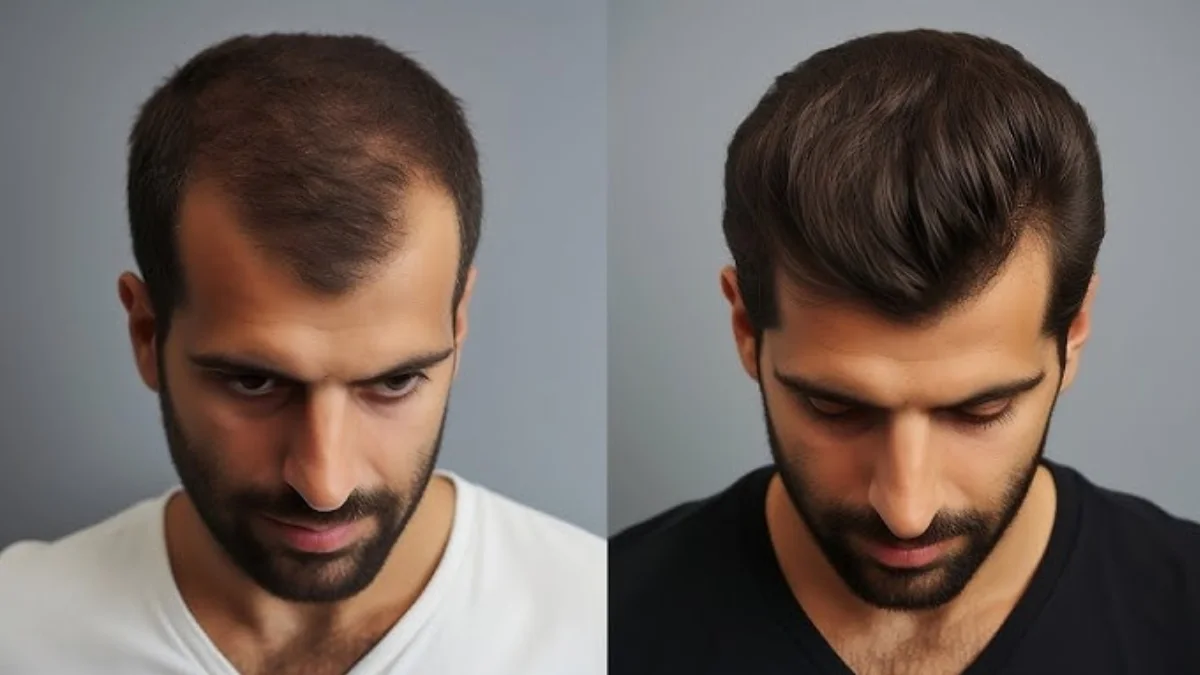
Hair Loss Treatment : Proven Solutions for All Types of Hair Loss
Hair Loss Treatment: Hair loss is a common condition that affects millions of people worldwide, causing emotional distress and impacting self-esteem. Whether you’re experiencing the early signs of male pattern baldness, thinning hair, or sudden hair loss, it’s crucial to address the issue early on. In this guide, we’ll explore various hair loss treatments, from medications to advanced surgical procedures, and provide tips on how to manage and prevent hair loss effectively.
Book Your Consultation Today
Visit Dr. Hanan Dermatology Specialty Clinic in Padur, OMR, Chennai. Schedule your consultation today and start your journey to fuller, healthier hair.
For more information and to book your appointment, visit our clinic or call us at the clinic’s contact details.
What is Hair Loss?
Hair loss, or alopecia, is a condition where an individual sheds more hair than usual, leading to noticeable thinning or bald patches. On average, it’s normal to lose around 50-100 strands of hair per day. However, excessive hair loss occurs when the hair fails to regrow at the same rate, leading to thinning or baldness.
Hair loss can affect anyone, regardless of age or gender. It may occur on the scalp, face, or body, and the causes of hair loss vary from genetics to medical conditions, lifestyle factors, and hormonal changes.
Common Causes of Hair Loss
Understanding the root cause of your hair loss is essential for determining the best treatment option. Some of the most common causes of hair loss include:
- Genetics (Androgenic Alopecia): Hereditary hair loss is one of the most common causes of thinning hair. This condition is often referred to as male or female pattern baldness.
- Hormonal Changes: Pregnancy, childbirth, menopause, and other hormonal shifts can contribute to temporary or permanent hair loss.
- Medical Conditions: Autoimmune diseases, thyroid disorders, and other health issues can lead to hair loss.
- Stress and Lifestyle Factors: Physical or emotional stress can lead to a type of hair loss called telogen effluvium, where hair falls out rapidly after stressful events.
- Medications: Certain treatments, such as chemotherapy, may cause hair loss as a side effect.
Types of Hair Loss
There are several types of hair loss, each with its own underlying causes and treatment options:
- Androgenic Alopecia: This is the most common form of hair loss and can affect both men and women. It typically results in a receding hairline for men and thinning hair all over the head for women.
- Alopecia Areata: This autoimmune condition causes hair to fall out in small, round patches, often on the scalp.
- Telogen Effluvium: This temporary hair loss occurs after physical or emotional stress and is often seen a few months after an event like surgery or significant life changes.
- Anagen Effluvium: This rapid hair loss usually occurs as a side effect of chemotherapy or other medical treatments.
- Scarring Alopecia: Inflammatory conditions cause permanent hair loss by damaging hair follicles and replacing them with scar tissue.
Non-Surgical Hair Loss Treatments
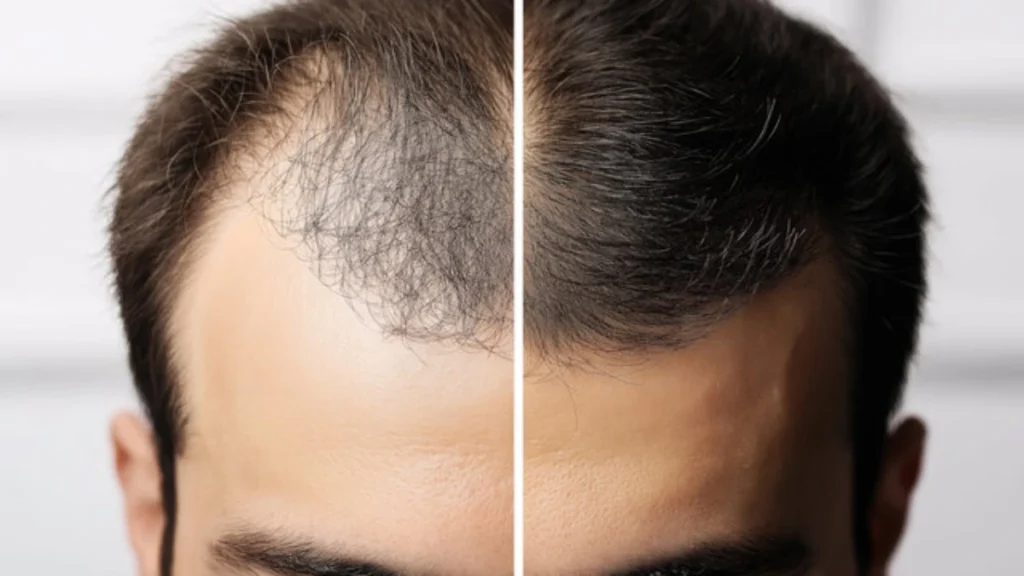
1. Medications
- Minoxidil (Rogaine®): Minoxidil is a topical solution that is widely used to treat androgenic alopecia. It stimulates hair growth and slows the rate of hair loss. Available over the counter, it’s suitable for both men and women.
- Finasteride (Propecia®): This oral medication is commonly prescribed for men with male pattern baldness. It works by blocking the hormone dihydrotestosterone (DHT), which is responsible for hair follicle shrinkage in androgenic alopecia.
2. Platelet-Rich Plasma (PRP) Therapy
- What It Is: PRP therapy involves drawing blood from your body, processing it to concentrate the platelets, and injecting it into your scalp. This method promotes hair growth by stimulating hair follicles.
- Benefits: PRP therapy is beneficial for individuals experiencing early stages of hair loss, and it can help regrow hair and slow down the progression of hair thinning.
3. Low-Level Laser Therapy (LLLT)
- How It Works: LLLT uses light to stimulate hair follicles and improve scalp circulation. Devices like laser combs, helmets, and caps are FDA-approved for treating hair loss.
- Effectiveness: This treatment is non-invasive, safe, and effective for some individuals, especially those in the early stages of hair thinning.
4. Topical Corticosteroids
- Usage: For autoimmune-related hair loss like alopecia areata, corticosteroid creams or injections can be applied to the scalp to reduce inflammation and promote hair regrowth.
Read more: Benefits of Hair Transplant A Permanent Solution for Hair Loss
Surgical Hair Loss Treatments
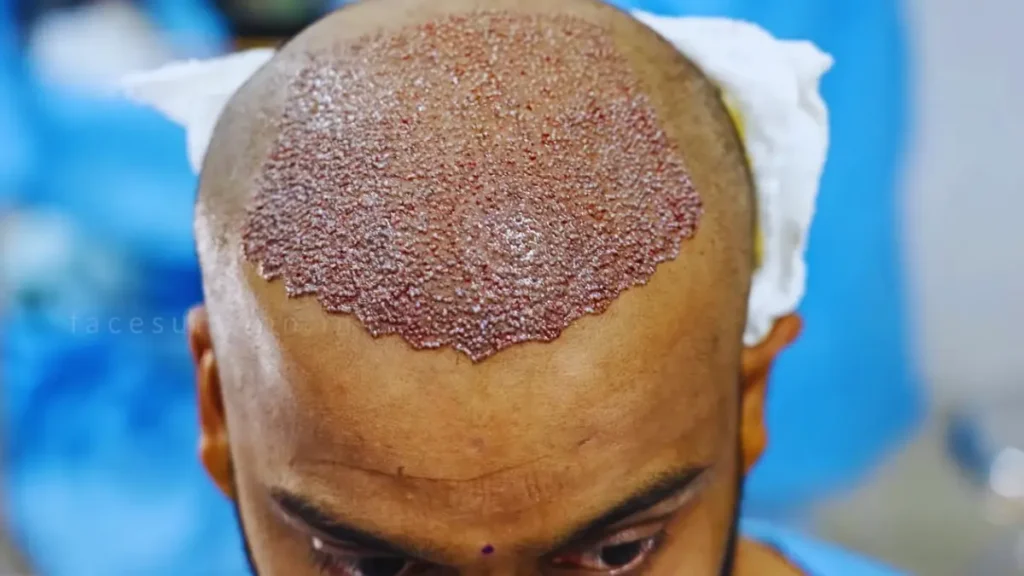
1. Hair Transplant Surgery
- Follicular Unit Extraction (FUE): In FUE, hair follicles are extracted from thicker areas of the scalp and transplanted into thinning or balding areas. The procedure leaves minimal scarring and provides natural results.
- Follicular Unit Transplantation (FUT): FUT involves removing a strip of skin from the donor area and then dividing it into grafts for transplantation. It’s typically more invasive than FUE but can be more suitable for those requiring a large number of grafts.
2. Scalp Reduction Surgery
- What It Is: Scalp reduction involves surgically removing sections of bald skin and pulling the remaining scalp to cover the area. This procedure is used in cases of extensive baldness.
3. Hair Cloning
- Emerging Technology: Hair cloning is a new research area where scientists aim to clone hair follicles to treat hair loss. Though not widely available, it’s a promising future solution.
Read more: Hair Follicle Surgery A Complete Guide to Hair Restoration
Home Remedies and Natural Treatments
For those seeking natural remedies, several options may help promote healthier hair:
- Herbal Oils: Oils like castor oil, rosemary oil, and peppermint oil are believed to improve circulation and promote hair regrowth. While the effectiveness of these oils varies, many people find them helpful for maintaining healthy hair.
- Dietary Supplements: Biotin, iron, vitamin D, and other nutrients are essential for healthy hair. Deficiencies in these nutrients can lead to hair loss, so adding them to your diet can help improve hair health.
- Scalp Massages: Regularly massaging the scalp with essential oils or natural oils can increase blood circulation to hair follicles, which may encourage hair growth.
Read more: Medicine After Hair Transplant Essential Post-Operative Care for Optimal Results
Preventive Measures to Reduce Hair Loss
While some hair loss is inevitable, there are steps you can take to minimize further damage:
- Eat a Healthy Diet: A balanced diet rich in protein, iron, and essential vitamins supports hair health and minimizes hair loss.
- Avoid Tight Hairstyles: Styles that pull on the hair, like braids and tight ponytails, can lead to traction alopecia, a type of hair loss caused by constant tension on the hair.
- Protect Your Hair from Damage: Minimize the use of heat styling tools and harsh chemical treatments. Always use heat protectants when styling.
When to Seek Professional Help
If you’re experiencing excessive hair shedding, patches of baldness, or other unusual symptoms, it’s important to consult a healthcare provider. They may recommend diagnostic tests to identify the underlying cause of your hair loss and suggest the best treatment plan.
The Emotional Impact of Hair Loss
Hair loss can have a significant emotional and psychological impact. It’s essential to seek support from loved ones or professional counselors if you’re struggling with the emotional side effects of hair loss. Additionally, options like wigs, hairpieces, or alternative styling techniques can help boost confidence.
Conclusion
Hair loss treatment varies greatly depending on the cause and severity of the condition. Whether you choose non-invasive options like medications and PRP therapy or more permanent solutions such as hair transplant surgery, there are effective treatments available. It’s essential to consult with a healthcare provider to find the best approach tailored to your specific needs. With the right treatment and care, you can successfully manage hair loss and restore your confidence.

Best Hair Doctor in Chennai: Your Ultimate Guide to Expert Hair Care and Treatment
Choosing the right hair doctor is essential for anyone dealing with hair-related issues. Whether you’re facing hair loss, thinning, scalp conditions, or other concerns, the expertise of a skilled hair doctor can make all the difference. In this guide, we’ll explore what a hair doctor does, why you should choose the best in Chennai, the qualities to look for, and more, to help you make an informed decision for your hair health.
Book Your Consultation Today
Visit Dr. Hanan Dermatology Specialty Clinic in Padur, OMR, Chennai. Schedule your consultation today and start your journey to fuller, healthier hair.
For more information and to book your appointment, visit our clinic or call us at the clinic’s contact details.

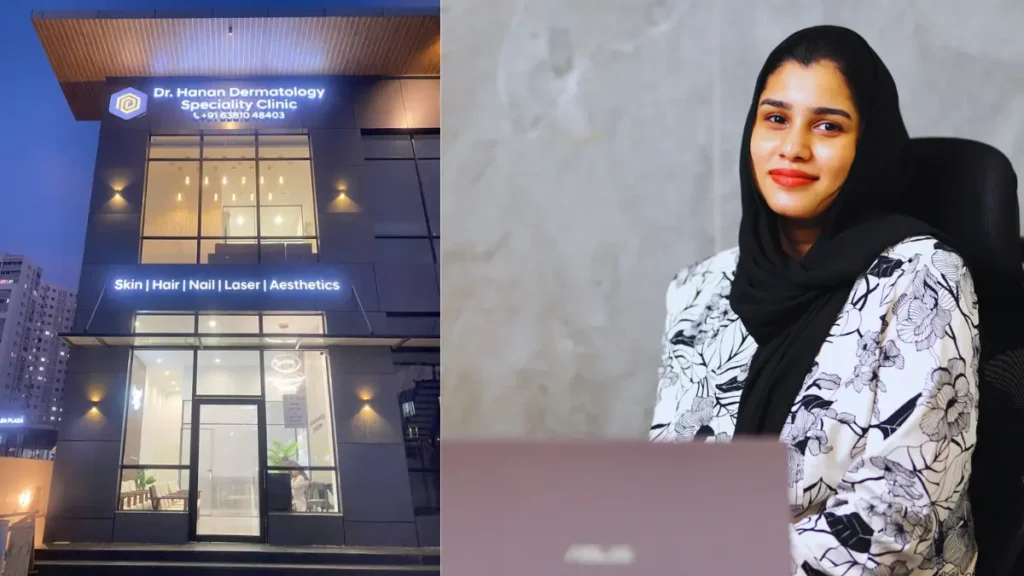
Dr. Hanan Dermatology Speciality Clinic
- Location: A Block, Gem Bhoomi & Buildings, OMR, Padur, Chennai, Tamil Nadu 603103
- Timings:
- Mon – Tue, Thu – Fri: 02:00 PM to 07:00 PM
- Sat – Sun: 10:00 AM to 07:00 PM
- Consultation Fee: ₹600
- Get Directions on map
| Doctor Name | Specialty | Experience | Consultation Fee | Clinic |
|---|---|---|---|---|
| Dr. Col Rajagopal A | Dermatologist | 62 years | ₹1000 | Apollo Children’s Hospitals, Thousand Lights |
| Dr. Ramanan | Dermatologist | 51 years | ₹500 | Apollo Spectra Hospital, Alwarpet |
| Dr. G. Manokaran | Plastic Surgeon | 46 years | ₹2000 | Apollo Spectra Hospital, Alwarpet |
| Dr. R Krishnamoorthy | Plastic Surgeon | 34 years | ₹800 | SIMS Hospital, Vadapalani |
| Dr. Muralidhar Rajagopal | Dermatologist | 34 years | ₹1000 | Apollo Hospitals, Greams Road |
| Dr. V.Purushothaman | Plastic Surgeon | 34 years | ₹500 | MGM Healthcare, Adyar |
| Dr. Ganga Ravikumar | Cosmetologist | 34 years | ₹800 | Dermis Skin & Hair Clinic, Adyar |
| Dr. A.M Jayaraman | Dermatologist | 48 years | ₹1000 | Apollo Cancer Centres, Teynampet |
| Dr. K.Shyamnath Krishna Pandian | Plastic Surgeon | 26 years | ₹800 | SIMS Hospital, Vadapalani |
| Dr. D. Jayashree | Ayurveda | 40 years | ₹1000 | Shree Ayurvedic Multispeciality Hospital, West Mambalam |
What Does a Hair Doctor Do?
A hair doctor, also known as a dermatologist or trichologist, specializes in diagnosing and treating hair and scalp conditions. These experts have the skills and knowledge to address a wide range of hair problems, such as:
- Hair loss (Alopecia): Both male and female pattern baldness, as well as other forms of hair loss.
- Scalp issues: Conditions like dandruff, fungal infections, psoriasis, and more.
- Hair thinning: Treatment for those experiencing thinning or weak hair strands.
- Hair restoration: Offering surgical and non-surgical treatments for hair regrowth.
Hair doctors provide personalized treatment plans tailored to the specific needs of each patient, ensuring effective results.
Why Choose the Best Hair Doctor in Chennai?
Chennai is home to some of the best hair specialists in India, but choosing the right one is key to achieving effective treatment. Here’s why:
- Expert Care: A skilled hair doctor brings years of experience in diagnosing and treating various hair-related conditions.
- Advanced Treatments: The best hair doctors in Chennai use the latest techniques and technologies to provide you with cutting-edge treatments such as hair transplants, PRP therapy, and more.
- Proven Results: Trusted hair doctors have a proven track record of successful patient outcomes, giving you the confidence to trust their expertise.
Top Qualities to Look for in a Hair Doctor
When searching for the best hair doctor in Chennai, consider these important qualities:
- Experience and Specialization: Look for a doctor with extensive experience in treating hair and scalp issues. A specialist in dermatology or trichology will offer tailored care.
- Certifications and Education: Ensure the doctor is qualified with certifications and a strong educational background in dermatology or trichology.
- Modern Treatment Options: The best hair doctors stay updated with the latest advancements in hair treatment technologies and use proven methods.
- Positive Patient Reviews: Check for testimonials and reviews from previous patients, as they provide valuable insight into the doctor’s skills and approach.
- Clear Communication: A good hair doctor takes the time to explain the treatment options, answer questions, and create a personalized plan for your hair care.
Best Hair Doctors in Chennai
Some of the top-rated hair specialists in Chennai include:
- Dr. Hanan Amin (Dr. Hanan Dermatology Speciality Clinic): With years of experience in dermatology and hair care, Dr. Hanan is a trusted name for hair loss treatments, including hair transplants, PRP therapy, and more.
- Dr. Tejaswi Cherukuri (Apollo Speciality Hospitals): Dr. Tejaswi offers a wide range of hair treatments and has a reputation for delivering results in hair regrowth and restoration.
- Dr. Shankari Jeyakumar (H4U Clinic): Known for her expertise in hair loss and scalp conditions, Dr. Shankari provides personalized consultations and advanced treatments.
Common Hair Problems Treated by Experts
Hair doctors in Chennai treat a variety of conditions, including:
- Hair Loss (Alopecia): A common concern for both men and women, often caused by genetics, stress, hormonal imbalances, or nutritional deficiencies.
- Scalp Conditions: Issues such as dandruff, fungal infections, scalp psoriasis, and seborrheic dermatitis.
- Hair Thinning and Balding: Thinning hair or bald patches caused by a range of factors.
- Postpartum Hair Loss: Women may experience hair loss after pregnancy due to hormonal changes.
- Stress-Induced Hair Loss: Hair thinning caused by physical or emotional stress.
Read more: Best Hair Clinic in Chennai OMR Your Ultimate Guide to Expert Hair Care and Treatment
Treatment Options Offered by Top Hair Doctors
Leading hair doctors in Chennai offer a wide range of effective treatments, including:
- Hair Transplants: Techniques like Follicular Unit Extraction (FUE) and Follicular Unit Transplantation (FUT) are highly effective for restoring hair in bald areas.
- Platelet-Rich Plasma (PRP) Therapy: A non-surgical treatment that uses the patient’s own platelets to stimulate hair growth and improve hair health.
- Medications: Drugs such as minoxidil and finasteride can help regrow hair or slow down hair loss.
- Laser Therapy: Low-level laser therapy (LLLT) is a non-invasive treatment used to improve hair thickness and density.
How to Choose the Right Hair Doctor in Chennai
Choosing the best hair doctor requires some research. Here’s how to go about it:
- Look for Expertise: Focus on doctors who specialize in hair restoration and scalp conditions.
- Read Reviews: Online reviews and patient testimonials can provide a glimpse into the doctor’s reputation and success rate.
- Check Qualifications: Ensure the doctor has the appropriate qualifications and certifications in dermatology or trichology.
- Book a Consultation: Meeting the doctor for an initial consultation will give you the chance to ask questions and determine if their approach aligns with your expectations.
Cost of Hair Treatment in Chennai
The cost of hair treatments can vary based on the type of treatment and the doctor’s expertise. Here’s an overview:
- Hair Transplant: ₹50,000 to ₹1,50,000 depending on the number of grafts and the technique used.
- PRP Therapy: ₹10,000 to ₹25,000 per session.
- Medications: Costs can range from ₹500 to ₹3,000 per month, depending on the type of treatment.
Factors such as the clinic’s reputation, the doctor’s experience, and the type of treatment required can influence the final price.
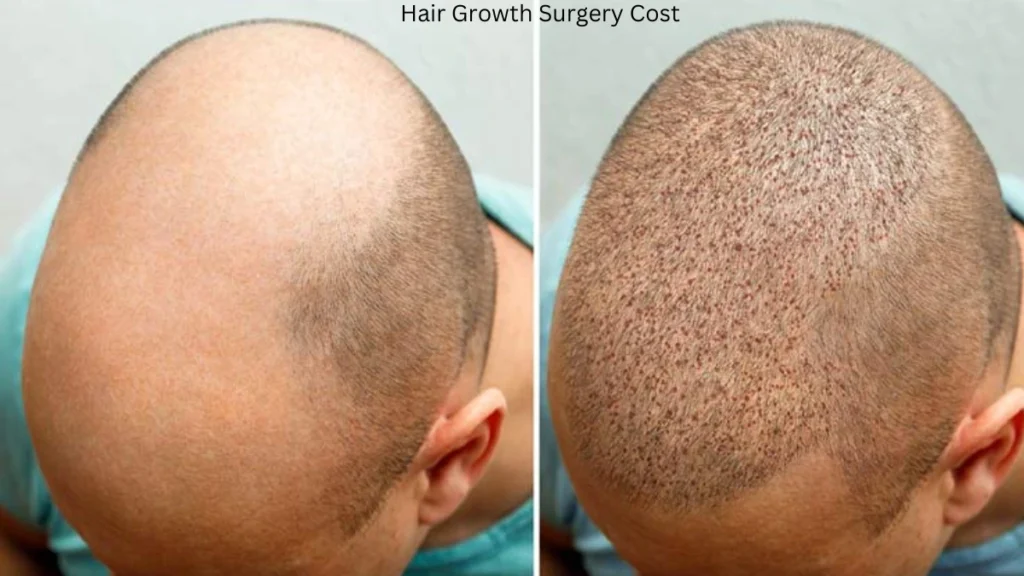
Read more: Hair Growth Surgery Cost
Conclusion
Finding the best hair doctor in Chennai is crucial to addressing hair and scalp concerns effectively. By considering factors like experience, qualifications, and patient reviews, you can make an informed choice. Whether you’re dealing with hair loss, scalp conditions, or seeking a hair transplant, the right specialist can help you restore your hair and confidence.
FAQs
1. How do I know if I need a hair transplant?
- If you’re experiencing significant hair loss or balding areas that don’t respond to other treatments, a hair transplant may be the best option.
2. Are hair treatments safe?
- Yes, treatments like PRP therapy and hair transplants are safe when performed by experienced specialists.
3. How long will it take to see results from a hair transplant?
- Hair transplant results usually begin to show within 3 to 6 months, with full results appearing in about 12 to 18 months.
By following these tips, you can find the best hair doctor in Chennai to address your unique hair care needs and achieve the best possible results.
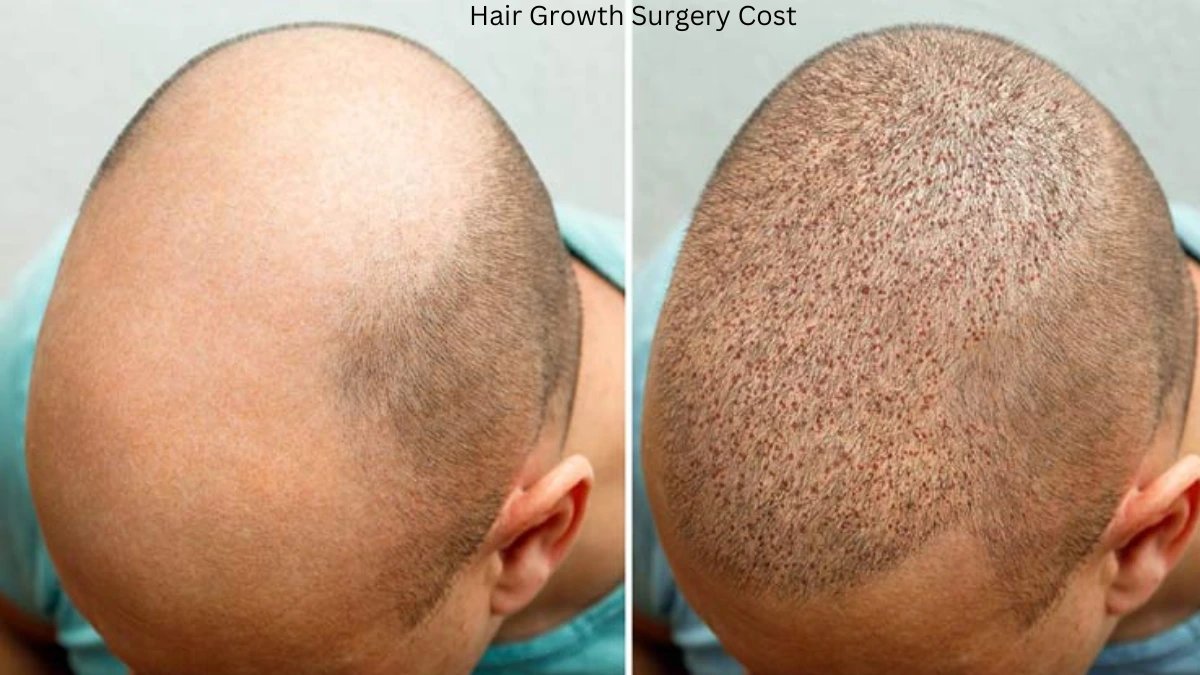
Hair Growth Surgery Cost: A Complete Guide
Hair loss can significantly impact self-esteem, and many people opt for hair growth surgery to restore their natural hairline. If you’re considering undergoing this procedure, understanding the cost is crucial. This article will explore the different types of hair growth surgeries, the factors that influence pricing, and how to manage costs effectively.
Book Your Consultation Today
Visit Dr. Hanan Dermatology Specialty Clinic in Padur, OMR, Chennai. Schedule your consultation today and start your journey to fuller, healthier hair.
For more information and to book your appointment, visit our clinic or call us at the clinic’s contact details.
Hair Growth Surgery Cost: A Complete Guide
1. Types of Hair Growth Surgery
Hair growth surgery encompasses several procedures, each with its unique approach to restoring hair. The most common types are:
- Hair Transplant Surgery: This involves the surgical removal of hair follicles from a part of the scalp with healthy hair (typically the back or sides of the head) and transplanting them into the bald or thinning areas. There are two main types:
- FUT (Follicular Unit Transplantation): Involves removing a strip of scalp to harvest hair follicles.
- FUE (Follicular Unit Extraction): Individual hair follicles are extracted and transplanted into the desired areas.
- PRP (Platelet-Rich Plasma) Therapy: A non-surgical option where the patient’s blood is processed to extract plasma rich in growth factors, which is then injected into the scalp to stimulate hair growth.
- Scalp Micropigmentation: A non-surgical treatment that involves tattooing pigment onto the scalp to mimic the appearance of hair follicles, creating a fuller look.
Read more: Best Hair Transplant Clinic Near Me: A Complete Guide to Choosing the Right Clinic
2. Factors Influencing Hair Growth Surgery Costs
The cost of hair growth surgery can vary widely based on several factors. Understanding these can help you better prepare financially.
- Geographical Location: Hair surgery prices vary depending on where you live. Major cities and international destinations like Istanbul, Turkey, are popular for offering affordable procedures without compromising quality. In India, cities like Chennai, Delhi, and Mumbai may have varying prices for the same procedures due to local economic conditions and clinic reputation.
- Clinic Reputation and Surgeon Expertise: High-quality clinics with experienced surgeons often charge more, as their techniques and outcomes tend to be more reliable. Clinics with well-established reputations and internationally trained surgeons may charge a premium.
- Type of Procedure: The cost of hair transplant surgery depends on the method used. FUE is generally more expensive than FUT due to the precision and advanced technology required. Similarly, non-surgical treatments like PRP can cost less, but they require multiple sessions for effective results.
- Number of Grafts Needed: The more hair follicles required, the higher the cost. Larger treatment areas necessitate a higher number of grafts, and the price is often calculated per graft.
- Technology and Equipment: Clinics that use the latest technology and tools (such as robotic hair transplants) may have higher costs, but these methods can offer superior results and faster recovery times.
3. Average Cost of Hair Growth Surgery
Understanding the average cost of hair growth surgery can give you a better idea of what to expect.
| Treatment/Procedure | Approximate Cost Range | Details |
|---|---|---|
| FUE (Follicular Unit Extraction) | ₹71,250 – ₹1,42,500 for 2000 grafts | Minimally invasive procedure, preferred for precision, often more expensive than FUT. |
| FUT (Follicular Unit Transplantation) | ₹38,000 – ₹76,000 for 2000 grafts | Involves removing a strip of scalp and is generally less expensive than FUE. |
| Body Hair Transplant (BHT) | ₹1,61,500 – ₹1,99,500 for 2000 grafts | Useful for patients with insufficient scalp hair, taking hair from other body areas. |
| PRP Therapy (Platelet Rich Plasma) | ₹2,850 – ₹9,500 per session | Stimulates hair growth, often used alongside hair transplant surgeries. |
| Mesotherapy | ₹14,250 – ₹38,000 per session | Involves injecting nutrients directly into the scalp to enhance hair growth. |
| DHI (Direct Hair Implantation) | ₹1,90,000 – ₹2,85,000 | A method that involves implanting hair follicles directly into the scalp without creating incisions. |
| Robotic Hair Transplant | ₹1,14,000 – ₹2,85,000 for 2000 grafts | A technologically advanced option for more precision but typically twice as expensive as FUE. |
Notes:
- Number of grafts: The cost is often calculated per graft, with larger sessions costing more.
- Clinic and surgeon expertise: Prices can vary based on the clinic’s reputation and the experience of the surgeon.
- Location: Premium clinics or international standards might charge at the higher end of the spectrum.
These costs are approximations and can fluctuate based on the specific requirements and location of the clinic. Always consult a specialist for a personalized estimate and consultation.
- In India:
- Hair Transplant: The cost for FUE and FUT typically ranges from ₹30,000 to ₹2,50,000 depending on the clinic and the number of grafts required. In cities like Chennai, you might expect to pay between ₹60,000 and ₹1,50,000 for a standard procedure. drhanandermatologyclinica ClinicSpots .
- PRP Therapy: Each session of PRP therapy costs around ₹5,000 to ₹15,000, with multiple sessions required for noticeable results. drhanandermatologyclinic- India .
- International Comparison:
- Turkey: Known for affordable hair transplants, with costs starting from ₹50,000 to ₹1,00,000.
- USA: Hair transplant surgery can cost anywhere between $4,000 and $15,000 depending on the procedure and location.
- UK: The price range for hair transplant surgeries in the UK generally falls between £3,000 and £10,000.
4. How to Save on Hair Growth Surgery Costs
While hair surgery can be expensive, there are ways to minimize costs without compromising quality:
- Consultation and Package Deals: Many clinics offer package deals that combine multiple sessions or additional treatments (like PRP and post-surgery care) at discounted rates. Always ask about such offers during consultations.
- Choose Local Clinics: Opting for reputable local clinics can save you money on travel and accommodation, especially if you choose to undergo surgery in popular cities known for affordable hair restoration.
- Look for Financing Options: Some clinics offer EMI (Equated Monthly Installments) or flexible payment plans, which can help you manage the cost over time.
5. Pros and Cons of Investing in Hair Growth Surgery
While the results of hair growth surgery can be transformative, it’s essential to consider both the benefits and the potential downsides.
Pros:
- Permanent Results: Hair transplant surgery offers permanent, natural-looking results.
- Boosted Confidence: Restoring a full head of hair can significantly improve self-esteem.
- Non-Surgical Alternatives: PRP therapy and scalp micropigmentation offer effective alternatives without surgery.
Cons:
- High Upfront Costs: Hair transplant surgery, in particular, can be a significant financial commitment.
- Potential Risks: Although rare, complications like infections or poor graft survival can occur.
- Recovery Time: Some treatments, especially hair transplants, require several weeks of recovery.
FAQs
1. What is the cost of hair transplant surgery in Chennai?
The cost of hair transplant surgery in Chennai generally ranges between ₹75,000 and ₹4,00,000. Factors influencing this cost include the number of grafts required, the type of procedure (e.g., FUE vs. FUT), and the clinic’s reputation. FUE procedures tend to be more expensive than FUT due to the precision and technique involved.
2. How is the cost of a hair transplant determined?
The cost of a hair transplant is mainly determined by:
- Number of grafts: The higher the number of grafts needed, the higher the cost.
- Type of procedure: Procedures like FUE and DHI tend to be more expensive than FUT.
- Clinic and surgeon: The clinic’s location, reputation, and the surgeon’s expertise play a major role in the pricing.
- Additional treatments: PRP therapy or mesotherapy may be recommended alongside a hair transplant, which adds to the overall cost.
3. What is the cost difference between FUE and FUT?
- FUE (Follicular Unit Extraction): Costs range between ₹71,250 and ₹142,500 for around 2000 grafts. It’s a minimally invasive procedure where individual hair follicles are extracted and transplanted.
- FUT (Follicular Unit Transplantation): Costs are typically between ₹38,000 and ₹76,000 for 2000 grafts. This method involves removing a strip of skin from the scalp, which is then divided into individual follicles.
4. Are there any additional costs for hair transplant treatments?
Yes, aside from the primary procedure, additional treatments may be recommended to improve results:
- PRP therapy (Platelet-Rich Plasma): ₹2,850 to ₹9,500 per session.
- Mesotherapy: ₹14,250 to ₹38,000 per session.
- Body Hair Transplant (BHT): ₹1,61,500 to ₹1,99,500 for 2000 grafts. These treatments help in boosting hair growth and improving transplant outcomes, but they can add significantly to the overall cost.
5. Is hair transplant surgery a one-time cost?
In most cases, hair transplant surgery is a one-time cost, with permanent results. However, ongoing treatments such as PRP therapy or medications (like minoxidil) may be needed for maintenance, especially if hair loss continues in untreated areas. Additionally, some patients may choose follow-up sessions or touch-ups to address new areas of thinning hair.
Hair Loss Treatment for Men: Effective Solutions for Hair Regrowth
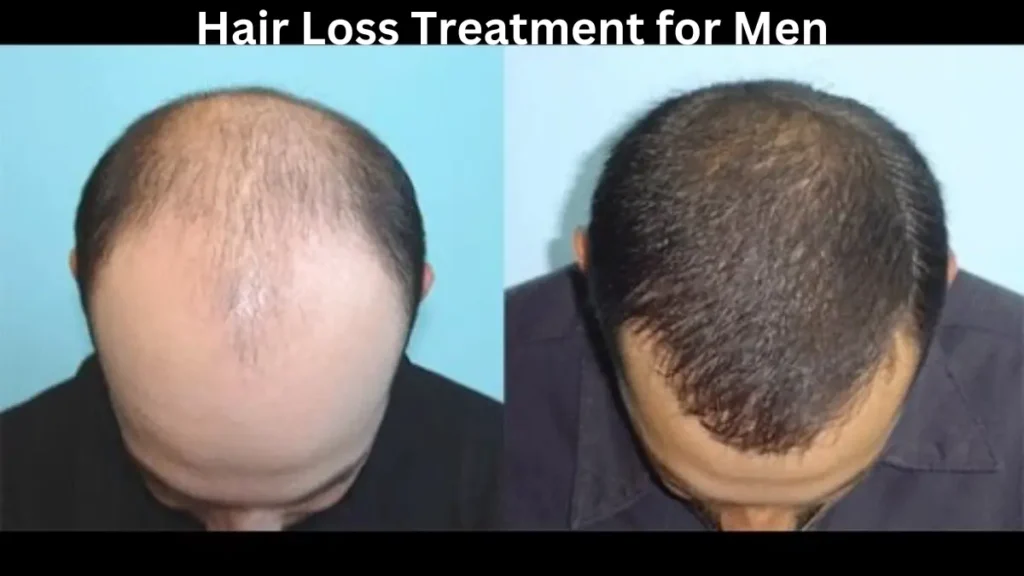
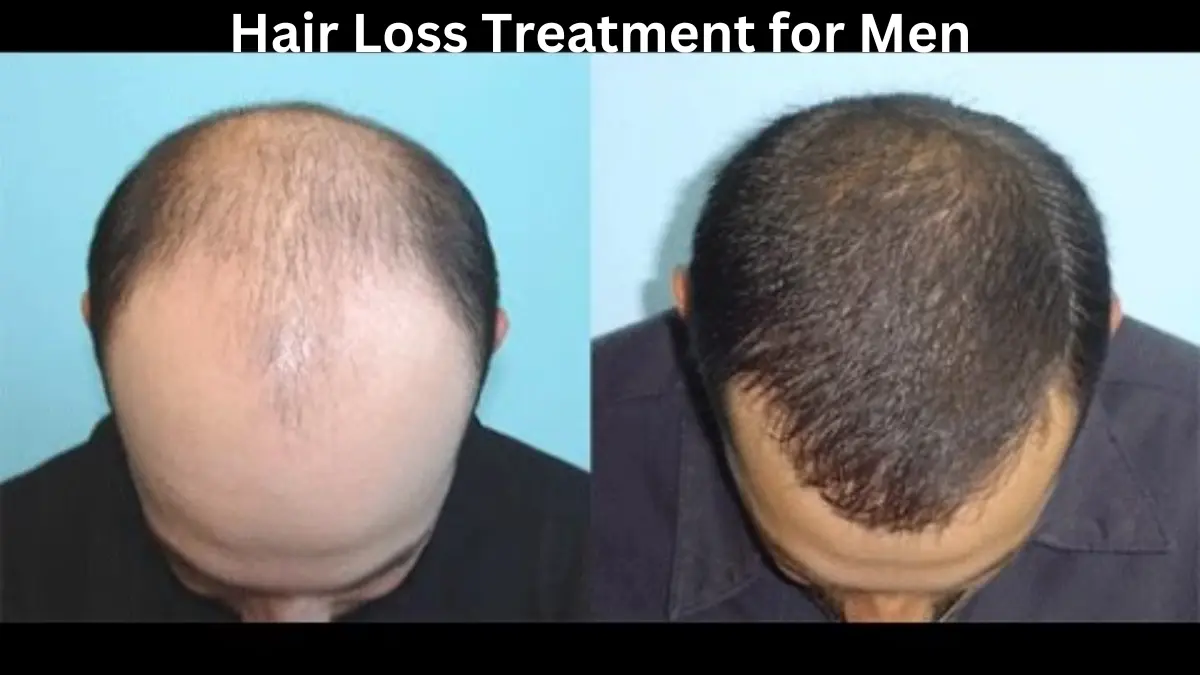
Hair Loss Treatment for Men: Hair loss is a common concern among men, with around 85% of men experiencing noticeable hair thinning by the time they reach 50. This issue can start much earlier, often in their 20s or 30s. While male-pattern baldness (androgenetic alopecia) is the most common cause, other factors such as stress, diet, and medical conditions can contribute to hair loss. Fortunately, there are several effective treatments available to help men regain their confidence and prevent further hair thinning. In this article, we’ll explore the causes of hair loss in men, the best treatment options, and lifestyle changes to help keep your hair healthy.
Book Your Consultation Today
Visit Dr. Hanan Dermatology Specialty Clinic in Padur, OMR, Chennai. Schedule your consultation today and start your journey to fuller, healthier hair.
For more information and to book your appointment, visit our clinic or call us at the clinic’s contact details.
Hair Loss Treatment for Men: Effective Solutions for Hair Regrowth
Understanding Hair Loss in Men
What Causes Hair Loss?
Hair loss in men typically results from male-pattern baldness, a hereditary condition influenced by genetics and hormones. The hormone dihydrotestosterone (DHT) plays a key role in shrinking hair follicles, eventually preventing hair from growing. While male-pattern baldness is inevitable for many men, other causes of hair loss include:
- Hormonal imbalances: Changes in testosterone and other hormones can accelerate hair thinning.
- Stress: Physical or emotional stress can lead to temporary hair shedding known as telogen effluvium.
- Nutritional deficiencies: A lack of essential nutrients like protein, iron, and vitamins can weaken hair.
- Medical conditions: Thyroid issues, alopecia areata, and scalp infections may also contribute to hair loss.
Common Types of Hair Loss
Hair loss can manifest in several ways:
- Receding hairline: A gradual retreat of hair along the temples or forehead.
- Thinning crown: A thinning patch that begins at the top of the scalp and spreads.
- Full bald spots: Larger areas of hair loss, often at the crown or the top of the head.
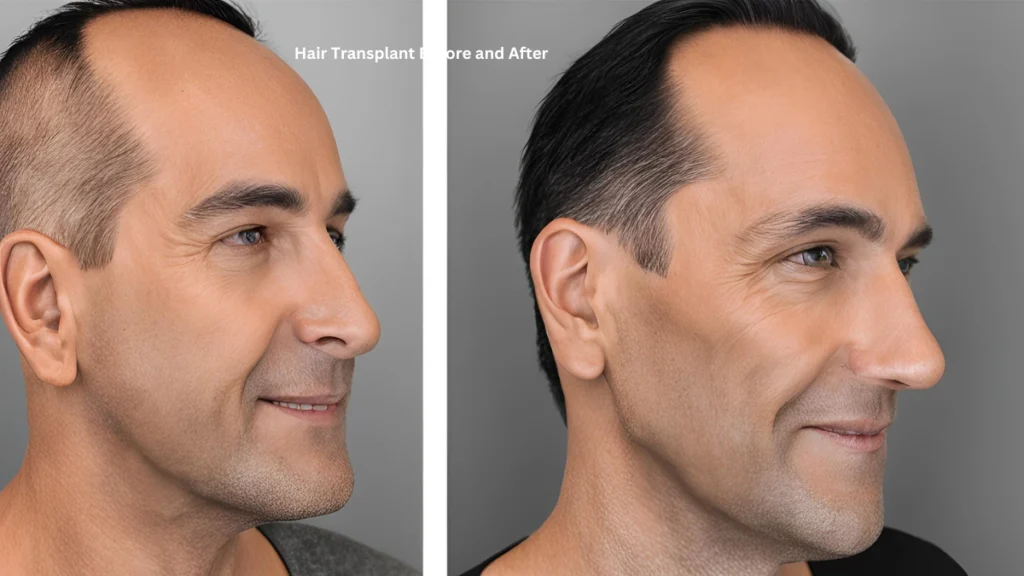
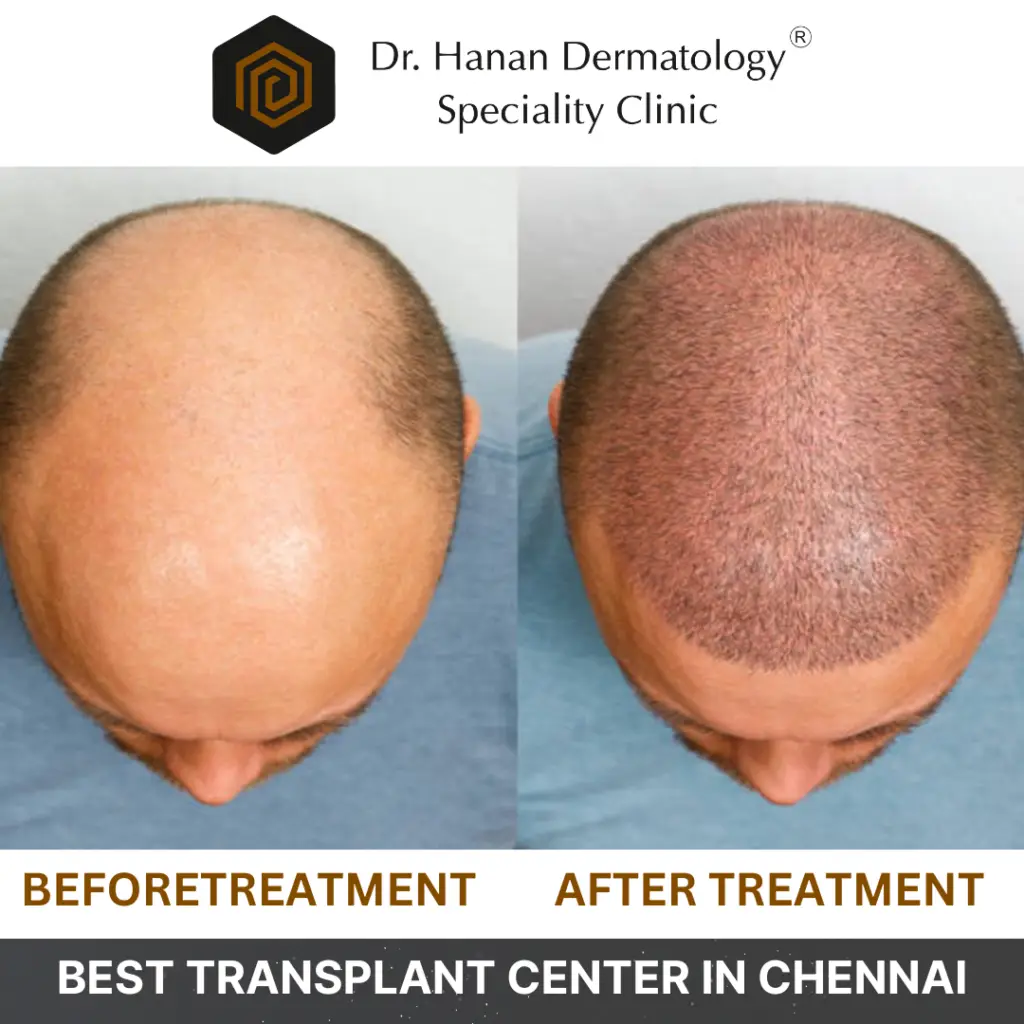
Read more: Hair Transplant Before and After
Non-Surgical Treatments for Hair Loss
1. Medications
For many men, medications offer the best solution to slow down or reverse hair loss.
- Minoxidil (Rogaine): This FDA-approved over-the-counter treatment is applied topically to the scalp. It works by stimulating hair follicles, encouraging new hair growth, and slowing further hair loss. Minoxidil is suitable for men with mild to moderate hair loss. However, it requires ongoing use—discontinuing treatment results in the return of hair loss.
- Finasteride (Propecia): This prescription pill works by inhibiting DHT, the hormone responsible for hair follicle shrinkage. Finasteride can help men regrow hair, particularly at the crown or along the hairline. However, it can have side effects, including a decrease in libido, and is not suitable for women.
2. Platelet-Rich Plasma (PRP) Therapy
PRP therapy involves extracting platelets from your blood and injecting them into the scalp to stimulate hair growth. The growth factors in platelets encourage the regeneration of hair follicles. PRP is a non-invasive treatment that works well for men experiencing hair thinning. Results can take several months to become noticeable, and multiple sessions are often needed.
3. Low-Level Laser Therapy (LLLT)
Laser therapy uses low-level lasers to stimulate hair follicles and increase blood circulation to the scalp. It’s a non-invasive procedure that can be performed at home using laser combs or helmets. LLLT has shown positive results in promoting hair growth, although results can vary from person to person.
4. Hair Growth Shampoos and Conditioners
Specially formulated shampoos and conditioners can add volume to thinning hair. Look for products containing ingredients like biotin, caffeine, or ketoconazole. While these products may not regrow hair, they can help manage thinning hair by improving scalp health and reducing hair breakage.
Read more: Best Hair Transplant Center in Chennai 2024
Surgical Solutions for Hair Loss
1. Hair Transplant Surgery
Hair transplants are a permanent solution for severe hair loss. During the procedure, healthy hair follicles are moved from the back or sides of the scalp to the thinning or balding areas. There are two main types of hair transplants:
- FUT (Follicular Unit Transplantation): A strip of scalp is removed, and hair follicles are transplanted to the balding areas.
- FUE (Follicular Unit Extraction): Individual hair follicles are extracted and transplanted, leaving minimal scarring.
While hair transplants provide long-lasting results, they are expensive and may require multiple sessions.
2. Scalp Micropigmentation
Scalp micropigmentation (SMP) is a non-surgical treatment that involves tattooing tiny dots of pigment onto the scalp to create the appearance of fuller hair. It’s ideal for men with shaved or closely cropped hair. While it doesn’t restore hair, it can help improve the appearance of a receding hairline or thinning crown.
3. Hairpieces and Wigs
For those looking for immediate results, hairpieces and wigs are an option. Advances in hairpiece technology mean that they can look incredibly natural, though they do require regular maintenance and can be costly over time.
Lifestyle Changes to Prevent or Slow Down Hair Loss
1. Diet and Nutrition
A well-balanced diet is essential for maintaining healthy hair. Ensure you’re getting enough of the following nutrients:
- Iron: A deficiency can lead to hair shedding.
- Vitamin D: Crucial for follicle health.
- Biotin: Supports hair growth and strength.
- Omega-3 fatty acids: Help maintain healthy scalp circulation.
Avoid excessive consumption of vitamin A and processed foods, as these can contribute to hair thinning.
2. Stress Management
Chronic stress can lead to hair loss, so it’s important to manage stress through relaxation techniques such as yoga, meditation, or regular exercise. These practices not only benefit your mental health but also promote healthy hair growth.
3. Proper Hair Care Routine
Treat your hair gently to prevent damage. Avoid harsh chemicals, excessive heat styling, and tight hairstyles that can cause breakage. Wash your hair regularly with a gentle shampoo, and use a conditioner to keep it hydrated.
Myths and Misconceptions About Hair Loss Treatments
Many myths surround hair loss and treatments. It’s important to separate fact from fiction:
- Myth: Wearing hats causes hair loss. Fact: Hats do not cause hair loss, though tight-fitting hats may lead to traction alopecia.
- Myth: Hair loss treatments work instantly. Fact: Most treatments require time to show results, and consistency is key.
How to Choose the Right Treatment for You

Selecting the right hair loss treatment depends on various factors such as your age, the stage of hair loss, and your budget. Non-surgical treatments like minoxidil and finasteride are often the first options to explore, while surgical solutions like hair transplants may be considered for more severe cases. Always consult with a dermatologist or hair restoration expert to determine the best course of action based on your individual needs.
Read more: Hair Replacement in Chennai Top Clinics, Methods & Cost 2025
Conclusion
Hair loss is a natural part of aging for many men, but it doesn’t have to mean the end of your hair. With various treatment options available, from medications and therapies to surgical solutions, there’s hope for those looking to regain their hair and confidence. Start early, stay consistent with your treatment plan, and make lifestyle changes to maintain healthy hair for as long as possible.
Remember, whether you choose non-surgical treatments or surgical options, the key is finding a solution that works for you. Hair loss doesn’t define you—take control of your hair health and feel confident at any stage of life.
FAQs
What is the most effective treatment for male-pattern baldness?
The most effective treatments for male-pattern baldness are medications like Minoxidil (Rogaine) and Finasteride (Propecia). Minoxidil is an over-the-counter topical treatment that helps stimulate hair growth, while Finasteride is an FDA-approved oral medication that inhibits DHT (dihydrotestosterone), the hormone responsible for hair follicle shrinkage. Both treatments are most effective when used early, and results can vary from person to person.
How long does it take for hair loss treatments to show results?
Hair loss treatments typically take 3 to 6 months to show visible results. With Minoxidil, it may take up to 4 months to start seeing new hair growth. Finasteride generally requires at least 3 to 6 months to begin slowing hair loss and promoting hair regrowth. Patience and consistent use are crucial for achieving optimal results.
Are hair transplants worth the cost?
Hair transplants can be a permanent solution for severe hair loss, but they are expensive, with costs often ranging from ₹50,000 to ₹1,50,000 or more depending on the procedure type (FUT or FUE) and the number of grafts required. They offer natural-looking results and can provide a long-lasting solution for hair restoration. However, multiple sessions may be needed, and there’s always the risk of complications. It’s essential to consult with a certified hair transplant surgeon to determine if you’re a good candidate.
Do PRP (Platelet-Rich Plasma) injections work for hair regrowth?
PRP therapy has been shown to be effective for many men experiencing hair thinning. It involves injecting your own platelets into the scalp to stimulate hair growth. While it is a non-invasive option with minimal downtime, multiple sessions are often required for noticeable results, and it may not be suitable for everyone. PRP works best for men in the early stages of hair loss or those with thinning hair.
Can lifestyle changes help prevent hair loss?
Yes, adopting a healthy lifestyle can significantly help prevent or slow down hair loss. Key changes include:
- Eating a balanced diet rich in vitamins, iron, and protein to nourish the hair follicles.
- Managing stress through relaxation techniques like yoga or meditation.
- Using gentle hair care products and avoiding excessive heat or tight hairstyles.
Although lifestyle changes may not reverse male-pattern baldness, they can help maintain the health of your hair and slow down further thinning.
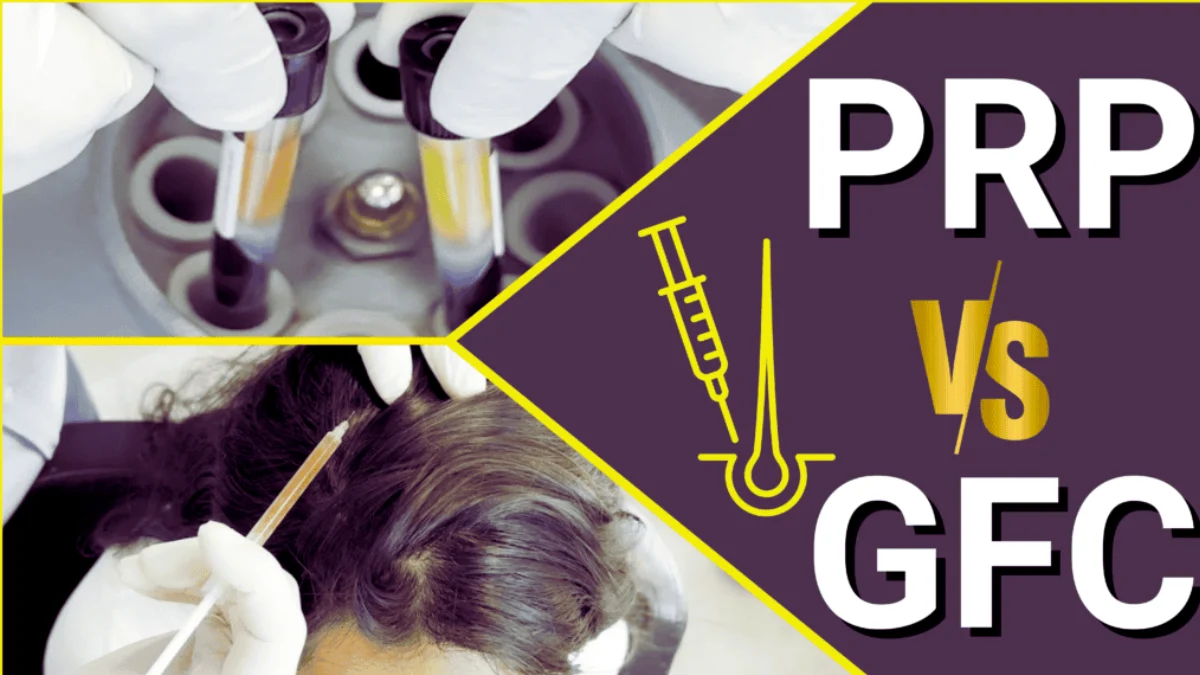
PRP vs GFC Hair Treatment in Chennai: Which is Best for Hair Regrowth?
PRP vs GFC Hair Treatment in Chennai: Hair loss is a common concern that affects millions of people worldwide, and finding an effective solution is crucial. For those considering a hair transplant in Chennai, combining advanced treatments like PRP (Platelet-Rich Plasma) and GFC (Growth Factor Concentrate) has become a popular approach. These treatments can significantly enhance the results of your hair restoration journey by promoting hair regrowth and improving the overall health of your hair follicles. In this guide, we’ll explore how PRP and GFC can boost the success of your hair transplant in Chennai and help you achieve the desired results.
Book Your Consultation Today
Visit Dr. Hanan Dermatology Specialty Clinic in Padur, OMR, Chennai. Schedule your consultation today and start your journey to fuller, healthier hair.
For more information and to book your appointment, visit our clinic or call us at the clinic’s contact details.
PRP vs GFC Hair Treatment in Chennai: Which is Best for Hair Regrowth?
What is a hair transplant?
A hair transplant is a surgical procedure that involves moving hair follicles from one area of the scalp (usually the back or sides) to thinning or balding areas. The two most common types of hair transplant techniques are:
- FUE (Follicular Unit Extraction): A minimally invasive technique where individual hair follicles are extracted and transplanted.
- FUT (Follicular Unit Transplantation): Involves removing a strip of scalp and dissecting it into follicular units for transplantation.
Hair transplants are popular because they offer long-lasting, natural-looking results. When combined with treatments like PRP and GFC, the healing process is accelerated, and the overall effectiveness is enhanced.
PRP and GFC: Tied Plan Overview
When opting for both treatments as part of a tied plan, the idea is to combine the regenerative benefits of both therapies to boost hair growth. Often, clinics offer bundled packages where both PRP and GFC treatments are included in a series of sessions to achieve enhanced results.
Key Points of a Tied Plan for PRP & GFC:
- Combination of Benefits:
- PRP uses your blood’s plasma enriched with platelets to stimulate hair follicles, encouraging hair growth.
- GFC (a more advanced form of PRP) is derived from a more concentrated portion of the blood, specifically the growth factors, which are then injected into the scalp to accelerate hair restoration.
- Session Plan:
- Typically, a tied plan will include multiple sessions of both treatments spaced out over a few months, with follow-up sessions (booster sessions) to maintain results.
- Cost Effectiveness:
- Opting for both therapies in a tied plan can often be more cost-effective than paying for each treatment separately.
Avid Treatment (Post-Treatment Care) and Waiting Period
Avid refers to the aftercare needed post-treatment. This could involve using products that support hair regrowth and maintain the health of the scalp.
- Post-Treatment Care for PRP and GFC:
- Avoid sun exposure: Direct sunlight can irritate the scalp after these treatments.
- No strenuous exercise: Avoid sweating or any activity that might cause scalp irritation in the first few days.
- Avoid hair washing: Typically, patients are advised to avoid washing their hair for at least 24-48 hours after both PRP and GFC treatments.
- Use prescribed shampoos: Your dermatologist may recommend gentle, medicated shampoos for aftercare.
How Many Days to Wait Between PRP and GFC Treatments?
If you plan to undergo both PRP and GFC treatments, here’s the general waiting period between sessions:
- GFC After PRP: You typically have to wait 3 to 4 weeks after a PRP session before starting GFC treatment. This allows your scalp to heal from the initial PRP procedure and gives time for the growth factors to start working.
- PRP After GFC: Similarly, if you start with GFC, it’s recommended to wait around 3 to 4 weeks before undergoing PRP to prevent any potential overlap in recovery time and to maximize the effectiveness of each treatment.
This allows the full benefits of each procedure to manifest before the next one is introduced, ensuring that your hair restoration process is both safe and effective.
In summary, while a combined PRP and GFC treatment plan can provide enhanced results, it’s important to follow the suggested waiting periods and post-treatment care to ensure optimal outcomes. Always consult with your hair restoration specialist for personalized guidance.
| Feature | PRP (Platelet-Rich Plasma) | GFC (Growth Factor Concentrate) |
|---|---|---|
| Source | Uses the patient’s own blood to extract platelets. | Uses the patient’s blood to concentrate growth factors. |
| Concentration | Moderate concentration of platelets and growth factors. | Higher concentration of growth factors compared to PRP. |
| Procedure | Blood is drawn, processed to extract platelets, and injected into the scalp. | Blood is drawn, processed to extract a higher concentration of growth factors, and injected into the scalp. |
| Primary Benefit | Stimulates dormant hair follicles, promotes hair growth. | Accelerates hair follicle regeneration with more potent growth factors. |
| Ideal For | Early stages of hair thinning, hair regeneration. | For faster recovery and more robust hair growth in advanced stages of hair loss. |
| Treatment Duration | Typically requires 3-6 sessions, spaced a few weeks apart. | Generally requires 3-6 sessions, with similar spacing as PRP. |
| Cost | ₹10,000 to ₹20,000 per session | ₹15,000 to ₹30,000 per session |
| Side Effects | Minimal, as it uses the patient’s own blood. | Minimal, also uses the patient’s own blood/cells. |
| Post-Treatment Care | Gentle massage, avoid sun exposure and harsh chemicals. | Similar post-care as PRP, with additional monitoring of progress. |
| Healing Time | Quick recovery, noticeable results within 3-6 months. | Quicker results and slightly faster healing due to the higher concentration of growth factors. |
Understanding PRP (Platelet-Rich Plasma) Treatment
PRP (Platelet-Rich Plasma) treatment is a non-surgical therapy that involves using your own blood to stimulate hair growth. The process includes:
- Blood Drawn: A small amount of blood is drawn from the patient.
- Centrifugation: The blood is processed to extract the platelet-rich plasma.
- Injection: The PRP is then injected into the scalp in areas where hair thinning is occurring.
PRP works by stimulating dormant hair follicles and promoting natural hair regrowth. The growth factors present in platelets accelerate the healing process, making it an effective complement to a hair transplant. This treatment is safe, as it uses the patient’s own blood, reducing the risk of infection or allergic reactions.
Understanding GFC (Growth Factor Concentrate) Treatment
GFC (Growth Factor Concentrate) treatment is similar to PRP but uses a higher concentration of growth factors. The procedure involves drawing the patient’s blood, which is then processed to extract a more potent concentration of growth factors. These growth factors are then injected into the scalp to stimulate hair follicles, improve circulation, and encourage faster, more robust hair growth.
While PRP promotes hair growth by rejuvenating hair follicles, GFC takes it a step further by providing a concentrated dose of healing factors that can lead to quicker recovery and more visible results. The combination of PRP and GFC enhances the effects of a hair transplant, offering a more complete solution to hair loss.
Why Choose PRP and GFC for Hair Restoration in Chennai?
Chennai is home to some of the best hair transplant clinics in India, offering advanced treatments like PRP and GFC. These treatments are highly effective in promoting hair growth after a transplant, making them ideal for those looking for quicker, more natural results.
- PRP and GFC Benefits: Both treatments are minimally invasive, quick, and show noticeable results within a few months. They enhance the success of hair transplants by stimulating hair growth and improving the health of existing follicles.
- Experienced Surgeons: Chennai boasts skilled and experienced surgeons who specialize in both PRP and GFC, ensuring high success rates for hair restoration procedures.
- Affordability: Compared to cities like Delhi and Mumbai, the cost of hair transplants with PRP and GFC in Chennai is more affordable, making it a preferred destination for hair restoration.
Top Clinics for PRP and GFC Hair Transplants in Chennai
Several clinics in Chennai offer exceptional hair transplant services with PRP and GFC treatments. Some of the top clinics include:
- Hair Restoration Clinic Chennai: Known for its cutting-edge techniques in hair restoration and Chennai, this clinic offers both PRP and GFC treatments.
- Clinic 360: A leading clinic offering personalized hair transplant solutions, including PRP and GFC therapies, tailored to individual needs.
- Viva Cosmetic Surgery: With a focus on advanced hair transplant techniques, Viva Cosmetic Surgery is renowned for delivering high-quality results in hair restoration.
When choosing a clinic, ensure they have a strong reputation, experienced doctors, and positive reviews from previous clients. It’s important to consult with a specialist who can assess your specific needs and recommend the best course of action.
The Cost of Hair Transplant in Chennai with PRP and GFC
| Factor | Impact on Cost |
|---|---|
| Number of Sessions | Increases with additional booster sessions. |
| Severity of Hair Loss | Higher severity may require more intense or extended treatment, increasing the cost. |
| Area to be Treated | Larger areas to be treated can increase the cost. |
| Clinic’s Location | Clinics in metro cities like Bangalore tend to be more expensive. |
| Technology and Equipment | Advanced equipment and technology can raise treatment costs. |
The cost of hair transplant surgery with PRP and GFC treatments in Chennai varies based on the extent of the procedure and the clinic’s reputation. On average, you can expect the following price ranges:
- Hair Transplant: ₹40,000 to ₹1,50,000 (depending on the technique and the number of grafts required).
- PRP Treatment: ₹10,000 to ₹20,000 per session.
- GFC Treatment: ₹15,000 to ₹30,000 per session.
| Cost Range | Amount |
|---|---|
| Single Session Cost (Bangalore) | ₹1,000 to ₹15,000 |
| Total Treatment Cost | ₹20,000 to ₹1 lakh or more depending on the factors above. |
Some clinics offer packages that include both PRP or GFC treatments with the hair transplant procedure, which can be a cost-effective option. It’s important to ask about financing options and payment plans, as many clinics offer flexible payment structures.
Read more: Hair Growth Surgery Cost
Post-Operative Care for Hair Transplant with PRP and GFC
After your hair transplant, following proper post-operative care is crucial for optimal results. Here’s what you can expect:
- Medicines: Pain relievers, anti-inflammatory medications, and antibiotics may be prescribed.
- Post-Transplant Care: It’s important to avoid touching or scratching the scalp to prevent infection. You should also avoid direct sun exposure for several weeks after the procedure.
- PRP and GFC Recovery: Both treatments help accelerate healing, promote quicker hair growth, and reduce swelling or scarring. Regular follow-up sessions are usually recommended to monitor progress.
With the added benefit of PRP and GFC, you will experience faster healing and better hair growth results, making the recovery process smoother.
Common FAQs About PRP vs GFC Hair Treatment in Chennai
1. How long does it take for hair transplants to show results?
It typically takes 6 to 12 months to see the full results of a hair transplant, though with PRP or GFC, you may see noticeable improvements in hair density sooner.
2. Are PRP and GFC treatments safe?
Yes, both treatments are safe as they use your own blood (in the case of PRP) or your own cells (in the case of GFC), minimizing the risk of allergic reactions or side effects.
3. How many sessions of PRP or GFC are required?
Usually, 3 to 6 sessions of PRP or GFC are recommended Event, spaced a few weeks apart. The exact number will depend on the individual’s hair restoration goals.
4. Can PRP and GFC be combined with other hair loss treatments?
Yes, PRP and GFC can be used alongside other hair restoration treatments, including medications like minoxidil or finasteride, for enhanced results.
Conclusion
If you’re looking for the best hair transplant options in Chennai, combining PRP and GFC treatments with a hair transplant can significantly improve your results. These advanced treatments not only enhance the healing process but also promote quicker hair regrowth and healthier, denser hair. Consult with a reputable clinic in Chennai to determine the best treatment plan tailored to your needs and start your journey towards fuller, more vibrant hair.