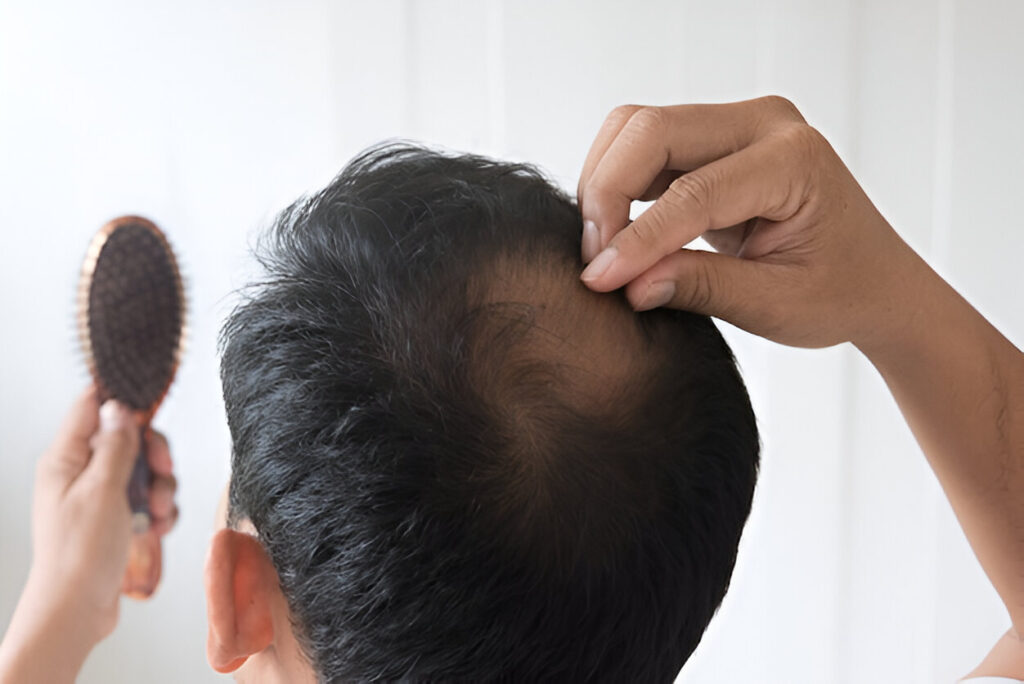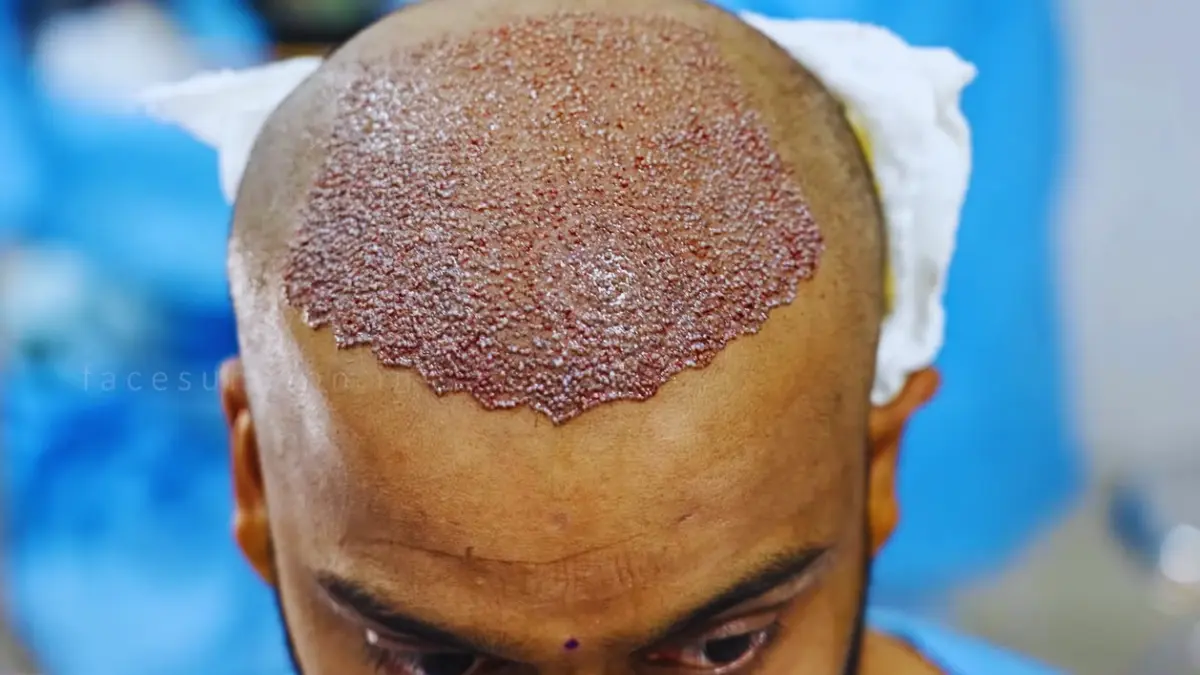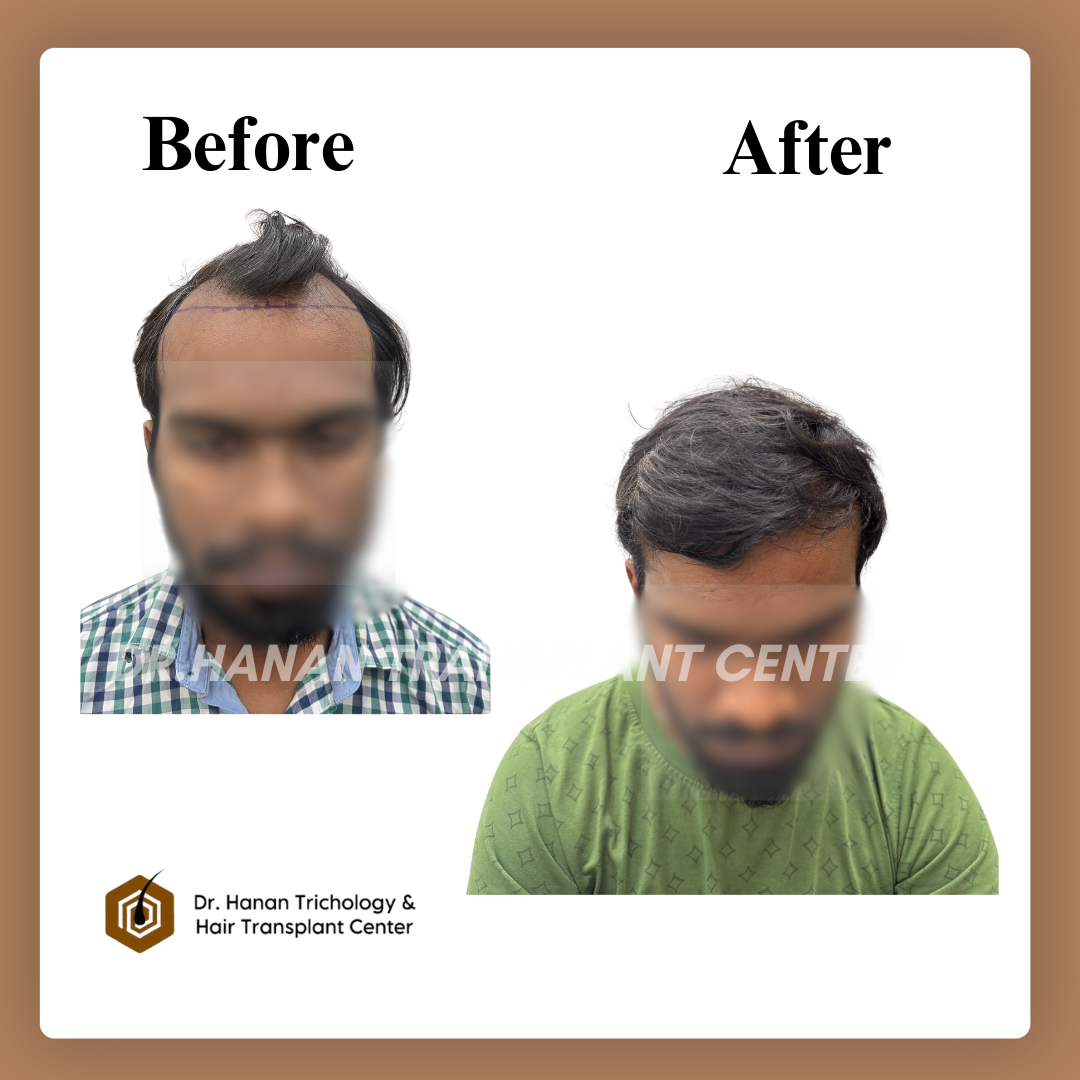
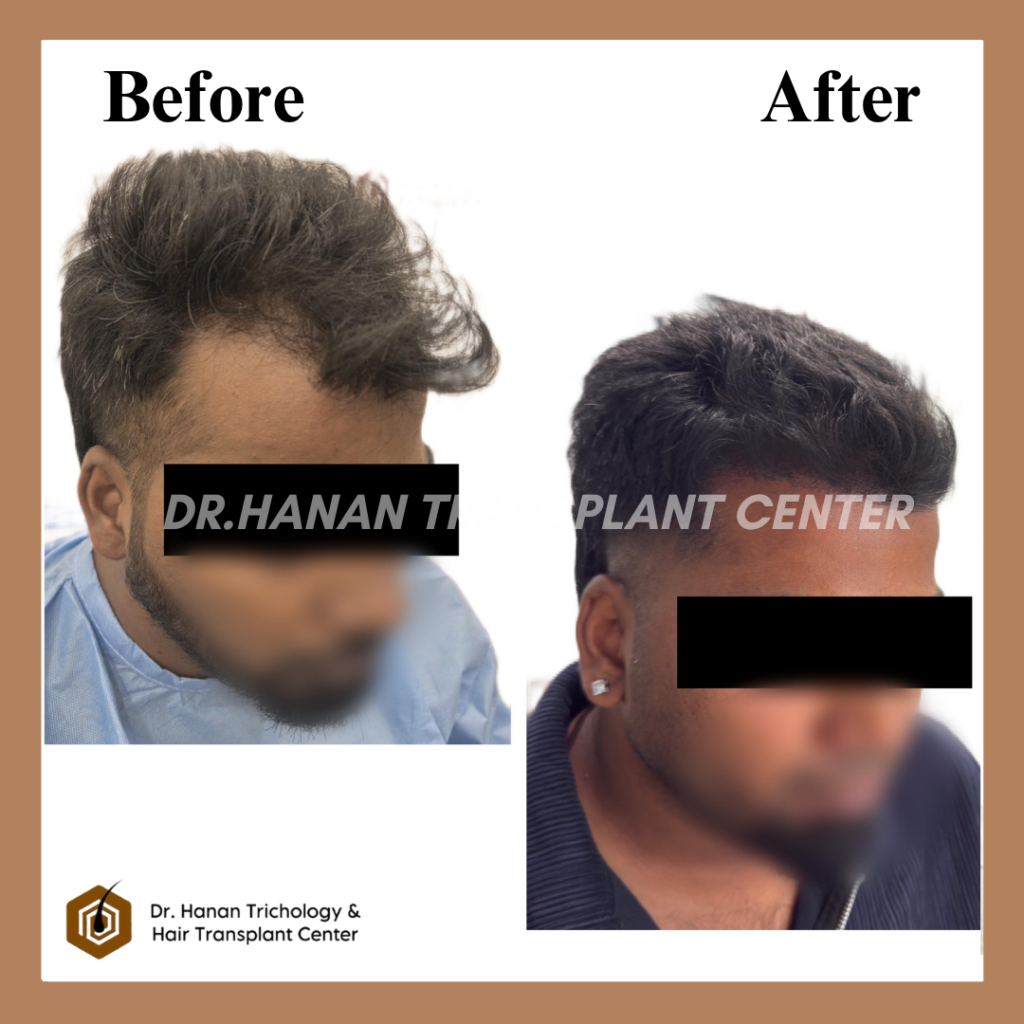

Ideal age for hair transplant? Learn when to get it done for best results from experts at Dr. Hanan Dermatology Clinic in Chennai.

Hair Follicle Surgery: A Complete Guide to Hair Restoration
Hair loss can be a challenging and emotional experience, but modern medical advancements offer various solutions, including Hair Follicle Surgery. Whether you are considering Follicular Unit Extraction (FUE) or Follicular Unit Transplantation (FUT), this comprehensive guide will provide essential information about the procedure, benefits, costs, and recovery process.
Book Your Consultation Today
Visit Dr. Hanan Dermatology Specialty Clinic in Padur, OMR, Chennai. Schedule your consultation today and start your journey to fuller, healthier hair.
For more information and to book your appointment, visit our clinic or call us at the clinic’s contact details.
What is Hair Follicle Surgery?
Hair Follicle Surgery refers to procedures aimed at restoring hair by transplanting hair follicles from one part of the scalp (or body) to another. The most common methods include FUE, FUT, and Direct Hair Implantation (DHI), which use varying techniques to extract and implant hair follicles.
- FUE: Hair follicles are individually extracted from the donor area and implanted in the recipient site. It’s minimally invasive with no linear scars.
- FUT: A strip of skin from the donor area is removed and divided into individual grafts. It typically leaves a linear scar but allows for the transplantation of a large number of grafts in one sitting.
- DHI: A method similar to FUE but uses a specialized pen to implant hair follicles directly into the scalp without the need for incisions.
Who is an Ideal Candidate for Hair Follicle Surgery?
Ideal candidates for hair follicle surgery include individuals with significant hair loss or thinning, particularly those who have not responded well to non-surgical treatments. Other factors influencing candidacy include:
- Age: Generally, candidates are between the ages of 25 and 50.
- Hair Loss Stage: Individuals in the early to moderate stages of baldness may benefit most.
- Health: Patients should be in good overall health to ensure optimal healing and success.
To determine your eligibility, surgeons typically use classification scales such as the Norwood Scale for men and the Ludwig Scale for women, which assess the degree of hair loss.
The Procedure: Step-by-Step
Here’s an overview of what to expect during the hair follicle surgery procedure:
Consultation
Before the surgery, you’ll undergo a consultation with a qualified surgeon who will assess your scalp condition, medical history, and expectations. This step helps determine the type of procedure that’s best suited for your needs.
Preparation
On the day of the surgery, your hair will be trimmed, and local anesthesia will be applied to the donor and recipient areas. Some tests, such as blood work, might be done to ensure you’re healthy enough for the procedure.
Surgical Process
- FUE: Individual follicles are extracted one by one from the donor area and carefully implanted in the recipient site.
- FUT: A strip of scalp is removed from the donor site, and the hair follicles are divided into smaller grafts before being transplanted.
- DHI: This technique involves the use of a specialized pen to directly implant follicles without the need for incisions or stitches.
Duration
Depending on the number of grafts being transplanted, the procedure can last anywhere from 4 to 8 hours.
Benefits of Hair Follicle Surgery
- Natural Results: Since the follicles are taken from your own scalp (or body), the results look completely natural and integrate seamlessly with existing hair.
- Long-Term Solution: Once hair follicles are transplanted, they continue to grow for a lifetime, making it a permanent solution.
- Minimally Invasive: Techniques like FUE and DHI are minimally invasive and involve no large scars, reducing recovery time.
Risks and Side Effects
Like any surgical procedure, hair follicle surgery carries some risks and potential side effects, such as:
- Swelling and Redness: These are common in the first few days post-surgery.
- Infection: While rare, infections can occur if the scalp is not properly cared for.
- Scarring: FUT can leave a linear scar, though FUE and DHI are less likely to cause noticeable scars.
- Shock Loss: Temporary shedding of transplanted hair can occur, but new growth typically resumes after a few months.
Choosing an experienced surgeon minimizes these risks significantly.
Recovery and Aftercare
Post-surgery care is essential for optimal results. Here’s what to expect:
- Immediate Aftercare: Follow your surgeon’s instructions on scalp care. This includes washing your hair gently, avoiding touching the treated area, and refraining from strenuous physical activity for a few days.
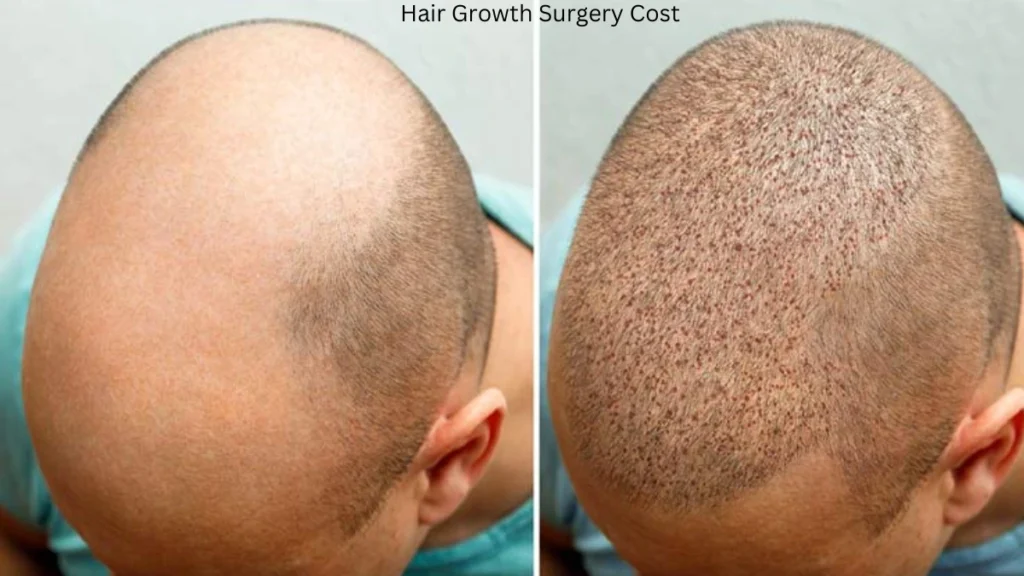
- Growth Timeline: After the procedure, the transplanted hair will shed, but new growth usually begins after 3-6 months. Full results are visible after 12-18 months.
- Medications: You may be prescribed pain relief and antibiotics to prevent infection. Additional treatments like PRP (Platelet-Rich Plasma) therapy may also help promote healing and hair growth.
Cost of Hair Follicle Surgery

The cost of hair follicle surgery can vary greatly based on factors such as the number of grafts, the surgeon’s expertise, and the clinic’s location. Here’s an overview of the approximate costs for various procedures:
| Procedure | Cost Range (For 2000 Grafts) |
|---|---|
| FUE | ₹71,250 – ₹1,42,500 |
| FUT | ₹38,000 – ₹76,000 |
| DHI | ₹1,90,000 – ₹2,85,000 |
| Body Hair Transplant (BHT) | ₹1,61,500 – ₹1,99,500 |
| PRP Therapy | ₹2,850 – ₹9,500 per session |
Read More: Hair Growth Surgery Cost: A Complete Guide
Alternatives to Hair Follicle Surgery
If you’re not ready for surgery, there are alternative non-surgical treatments that may help with hair loss:
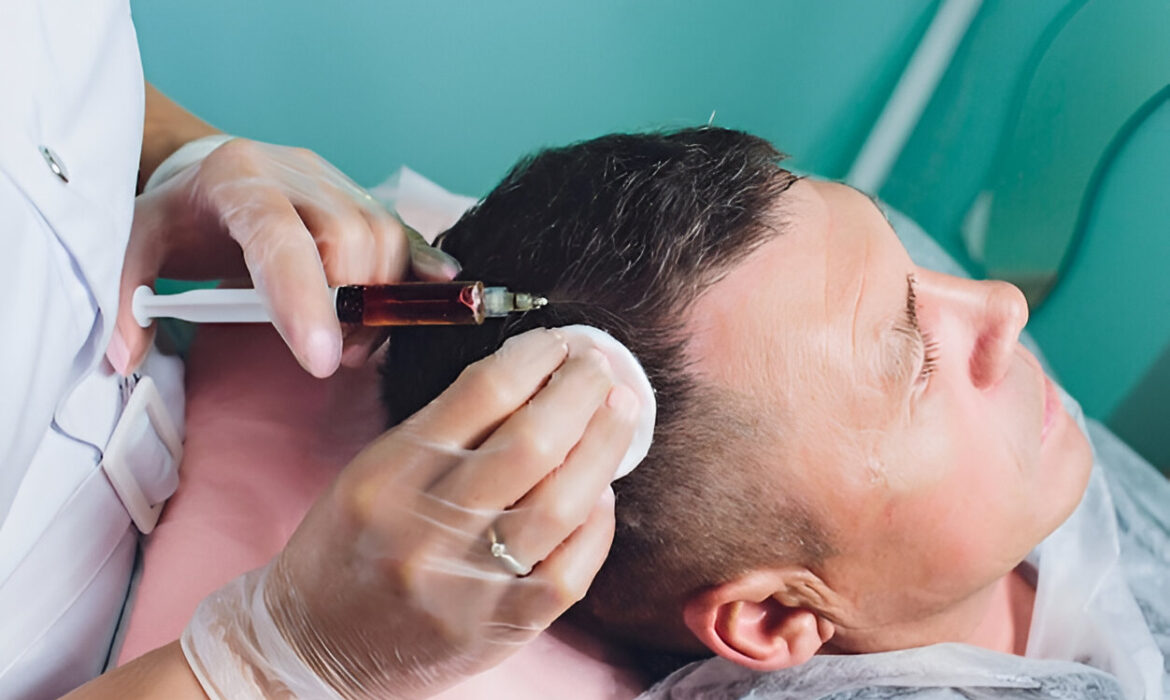
- PRP Therapy: Platelet-rich plasma therapy involves injecting growth factors into the scalp to stimulate hair follicles.
- Minoxidil and Finasteride: These medications can help slow hair loss and promote growth.
- Laser Therapy: Low-level laser light treatments can enhance hair density and quality.
Frequently Asked Questions (FAQ)
- What’s the difference between FUE and FUT?
- FUE involves individual follicle extraction, leaving no linear scar, while FUT involves removing a strip of scalp, leaving a linear scar.
- How many grafts do I need for full coverage?
- The number of grafts depends on the size of the bald area, but typically, around 2000–4000 grafts are needed for full coverage.
- Is hair follicle surgery painful?
- The procedure is generally painless due to local anesthesia, but there may be mild discomfort or swelling during recovery.
- How long will it take for hair to grow?
- New hair growth begins around 3-6 months after surgery, with full results visible in 12-18 months.
Conclusion
Hair follicle surgery offers a permanent and natural-looking solution for those dealing with hair loss. With the right surgeon and proper aftercare, you can achieve remarkable results that restore both your hair and your confidence. Always consult with an experienced professional to ensure the best outcome for your hair restoration journey.
Micro FUE Hair Transplant in Chennai – Advanced, Scar-Free Hair Restoration at Dr. Hanan Dermatology Clinic
Micro FUE Hair Transplant in Chennai dermatologists at Dr. Hanan Clinic share expert tips, advanced techniques, and safety-focused guidance to help you achieve natural, healthy hair restoration.

Table of Contents
Micro FUE Hair Transplant in Chennai: Hair loss can deeply affect confidence, personality, and self-image. If you’re looking for a natural-looking, minimally invasive, and advanced hair transplant solution in Chennai, Micro FUE (Follicular Unit Extraction) is one of the most refined options available today.
At Dr. Hanan Dermatology Speciality Clinic, Chennai, we offer cutting-edge Micro FUE hair transplant procedures designed to restore your hairline with precision, safety, and artistic excellence.
What is Micro FUE Hair Transplant?
Micro FUE is an advanced version of traditional FUE. It uses ultra-fine micro punches (0.7 mm – 0.9 mm) to extract individual hair follicles from the donor area and implant them into balding areas.
Because the punches are smaller than conventional FUE tools, the procedure:
Minimizes trauma to the scalp
Leaves almost invisible dot scars
Improves graft survival rate
Ensures faster healing
This technique allows dermatologists to create high-density, natural hairlines that blend seamlessly with existing hair.
Micro FUE vs Traditional FUE vs FUT
| Feature | Micro FUE | Standard FUE | FUT (Strip Method) |
|---|---|---|---|
| Punch Size | <0.7–0.9 mm | 0.9–1 mm | Strip removal |
| Scarring | Almost invisible | Small dot scars | Linear scar |
| Recovery Time | 7–10 days | 10–14 days | 2–3 weeks |
| Pain Level | Minimal | Mild | Moderate |
| Natural Hairline | Highly precise | Good | Depends on technique |
| Graft Survival | High | Moderate-High | High |
Micro FUE offers superior cosmetic results with minimal downtime.
Why Choose Micro FUE Hair Transplant?
Step 1: Consultation & Evaluation
Dr. Hanan evaluates scalp condition, hair density, and donor area strength.
Step 2: Preparation
Donor area is trimmed and numbed with local anesthesia.
Step 3: Extraction
Individual follicles are extracted using micro-motor tools with ultra-fine punches.
Step 4: Implantation
Each graft is placed carefully into balding areas following natural hair growth direction.
Step 5: Healing Phase
Mild redness subsides within 7–14 days. New hair growth starts in 3–4 months.
Healing & Recovery Timeline
Timeline What to Expect Day 1–3 Mild swelling or redness Day 7 Tiny scabs fall off 1 Month Shock loss phase (temporary shedding) 3–4 Months New hair growth begins 8–12 Months Full visible results
Who is the Right Candidate for Micro FUE?
You may be eligible if you:
Have male or female pattern baldness
Have sufficient donor hair at the back of the scalp
Want minimal scarring
Prefer a quicker recovery
Are above 25 years with stable hair loss
A personalized consultation is essential to determine suitability.
Why Choose Dr. Hanan Dermatology Speciality Clinic in Chennai?
✔ Founded by Dr. Hanan Basith MD (DVL), FFAM
✔ Graduate from prestigious Madras Medical College
✔ Fellowship in Facial Aesthetic Medicine (IAFCS)
✔ Life member – IADVL, ACSI, AHRS
✔ Advanced hair restoration techniques
✔ Modern infrastructure & sterile OT setup
✔ 0+ Years of Experience
✔ 0+ Procedures Done
✔ 0+ Happy Patients
Located at:
A Block, Gem Bhoomi & Buildings, Padur, OMR, Chennai – 603103
+91 6381048403
Real Patient Review
“I was losing confidence because of my receding hairline. After researching many clinics in Chennai, I chose Dr. Hanan Dermatology Clinic for Micro FUE. The procedure was almost painless, and within 8 months, my hairline looked completely natural. The team was professional, and recovery was quick. I strongly recommend them for anyone considering hair transplant.”
– Arvind R., Chennai
Micro FUE Hair Transplant Cost in Chennai
The cost depends on:
Number of grafts required
Extent of baldness
Technique used (Micro FUE / Sapphire FUE)
Donor area availability
On average, Micro FUE in Chennai may range between:
₹35,000 – ₹1,50,000+ (based on graft count)
A detailed consultation provides exact pricing.
Benefits:
| Benefit | Micro FUE Advantage |
|---|---|
| Scarring | Nearly invisible |
| Pain | Minimal |
| Downtime | Short |
| Results | Natural & dense |
| Precision | High artistic control |
FAQs
1. What is Micro FUE hair transplant?
Micro FUE (Follicular Unit Extraction) is an advanced hair transplant technique that uses ultra-fine punches (0.7–0.9 mm) to extract and implant individual hair follicles. It minimizes scarring, reduces trauma, and provides more natural-looking results compared to traditional methods.
2. How is Micro FUE different from regular FUE?
Micro FUE uses smaller punch sizes, which means less tissue damage, faster healing, higher graft survival, and a more refined hairline design. Standard FUE typically uses slightly larger punches (0.9–1 mm).
3. Is Micro FUE hair transplant painful?
No. The procedure is performed under local anesthesia. Patients may feel mild discomfort during anesthesia administration, but the transplant itself is generally painless.
4. How long does the Micro FUE procedure take?
The duration depends on the number of grafts required. On average, it takes 6–8 hours for a complete session.
5. How long does it take to recover after Micro FUE?
Most patients recover within 7–10 days. Tiny scabs fall off in about a week, and normal activities can usually be resumed within a few days.
6. When will I see hair growth after Micro FUE?
Temporary shedding may occur in the first month (shock loss). New hair growth starts around 3–4 months. Full visible results appear in 8–12 months.
7. Are the results of Micro FUE permanent?
Yes. The transplanted hair follicles are usually resistant to hair loss and grow permanently, provided proper post-procedure care is followed.
8. Will there be scars after Micro FUE?
Micro FUE leaves tiny dot-like scars that are almost invisible to the naked eye, even with short hairstyles.
9. Who is a suitable candidate for Micro FUE?
You may be suitable if you have male or female pattern baldness, sufficient donor hair, are above 25 years, and have stable hair loss. A dermatologist consultation is necessary for confirmation.
10. What is the cost of Micro FUE hair transplant in Chennai?
The cost depends on the number of grafts and technique used. On average, it ranges between ₹35,000 to ₹1,50,000+. A consultation is required for exact pricing.
11. Is Micro FUE safe?
Yes. When performed by a qualified dermatologist or hair restoration specialist in a certified clinic, Micro FUE is considered safe and minimally invasive.
12. Can women undergo Micro FUE?
Yes. Micro FUE is suitable for both men and women experiencing pattern hair loss or thinning.
Book Your Consultation Today!
For Personalised Treatment visit Dr. Hanan Clinic. Feel confident and proud with our expert care.
Hair Transplant in OMR – Expert Hair Restoration at Dr. Hanan Dermatology Speciality Clinic
Find the best hair transplant clinic in OMR, Chennai for your needs. Chennai dermatologists at Dr. Hanan Clinic share expert tips, advanced techniques, and safety-focused guidance to help you achieve natural, healthy hair restoration.

Table of Contents
Hair Transplant in OMR: Hair loss can impact confidence, appearance, and overall self-esteem. If you are looking for advanced hair transplant solutions in OMR, Chennai, Dr. Hanan Dermatology Speciality Clinic is your trusted destination. Our dermatologist-led clinic combines medical expertise, advanced technology, and patient-centric care to provide safe, natural-looking, and long-lasting hair restoration.
What is Hair Transplant?
Who Needs a Hair Transplant?
Hair transplant is a surgical procedure that moves healthy hair follicles from a donor area (usually the back of the scalp) to areas affected by hair thinning or baldness. Unlike temporary solutions, hair transplant provides permanent results and restores a natural hairline.
At Dr. Hanan Dermatology Speciality Clinic, we use advanced FUE and FUT techniques to ensure minimal downtime, natural growth, and maximum safety.
Hair transplant is suitable for:
Men with male pattern baldness
Women experiencing hair thinning or diffuse hair loss
Patients with scarring alopecia or traction alopecia
Individuals seeking a permanent solution after trying medical treatments
A dermatologist consultation is essential to determine eligibility and select the most appropriate technique.
- Salicylic Acid – unclogs pores and reduces acne.
- Niacinamide – regulates oil and brightens dull skin.
- Tea Tree Extract – antibacterial and calming.
These cleansers are lightweight, refreshing, and keep your pores clear in Chennai’s humid weather.
Read more: Affordable Hair Transplant Options: How to Choose a Best Clinic in Chennai
Hair Transplant Techniques at Dr. Hanan Clinic
FUE (Follicular Unit Extraction)
Individual follicles are harvested from the donor area
Minimally invasive, no linear scar
Faster recovery and natural hairline design
FUT (Follicular Unit Transplant)
Strip of scalp is taken from the donor area
Suitable for patients needing large grafts
Dense and uniform hair coverage
Our dermatologists assess your scalp, donor hair quality, and aesthetic goals to recommend the best approach.
Choosing the Right Clinic in OMR
Hair transplant is a precision procedure, and the results depend on expertise and technology. Here’s why Dr. Hanan Dermatology Speciality Clinic is the preferred choice:
Dermatologist-led procedures for accurate diagnosis and treatment
Sterile, state-of-the-art operation theatre for safe surgery
Advanced FUE and FUT techniques for natural-looking results
Thousands of successful hair restoration cases and satisfied patients
The Hair Transplant Procedure: Step by Step
Consultation & Scalp Analysis: Our dermatologists evaluate hair loss pattern, donor hair quality, and overall scalp health.
Donor Area Harvesting: Hair follicles are carefully extracted using FUE or FUT technique.
Graft Implantation & Hairline Design: Follicles are implanted in the thinning area, creating a natural hairline.
Post-Procedure Care: Patients receive detailed instructions for proper recovery and hair growth.
Benefits of Hair Transplant at Dr. Hanan Clinic
Permanent hair restoration
Natural hairline design that suits your facial features
Minimal downtime and fast recovery
Boost in confidence and self-esteem
Expert medical supervision throughout the process
Recovery and Aftercare
After the procedure, proper care is crucial:
Avoid direct sun exposure and strenuous activity for the first week
Follow prescribed medications to reduce swelling and infection risk
Regular follow-up appointments to monitor hair growth
Visible hair growth usually starts within 3–6 months, with full results in 9–12 months
Cost of Hair Transplant in OMR, Chennai
The cost varies depending on:
Number of grafts required
Technique chosen (FUE vs FUT)
Clinic reputation and expertise
At Dr. Hanan Dermatology Speciality Clinic, we provide affordable hair transplant packages without compromising on safety or quality. Each plan is customized to meet your hair restoration needs.
Why Choose Dr. Hanan Dermatology Speciality Clinic?
Experienced Dermatologists & Trichologists leading every procedure
Advanced FUE & FUT technology for precise and natural results
Ethical & affordable treatment plans
Thousands of successful hair transplant cases in OMR, Chennai
Patient-focused care ensuring comfort, safety, and satisfaction
FAQs
Is hair transplant safe?
Yes, when performed by experienced dermatologists under sterile conditions.
How long does the procedure take?
Typically, 4–8 hours depending on the number of grafts.
When will I see results?
Hair fall reduction starts within 4–8 weeks; visible hair growth in 3–6 months, full results in 9–12 months.
Who is eligible for a hair transplant?
Patients with stable hair loss, good donor hair, and healthy scalp are ideal candidates.
Does it leave scars?
FUE leaves minimal dot-like scars; FUT leaves a linear scar hidden under existing hair.
Book Your Consultation Today!
For Personalised Treatment visit Dr. Hanan Clinic. Feel confident and proud with our expert care.
The Role of Diet and Lifestyle in Hair Transplant Success
Maximize hair transplant success with expert-backed diet and lifestyle tips from Dr. Hanan Clinic, Chennai.

Hair transplant surgery has become one of the most effective solutions for hair loss, especially for those struggling with baldness or thinning hair. But did you know that the long-term success of a hair transplant doesn’t depend only on the surgeon’s skills or the technique used? Your diet and lifestyle choices play a critical role in how well your transplanted hair grows, strengthens, and lasts.
At Dr. Hanan Dermatology Speciality and Trichology Clinic, Chennai, we believe in a holistic approach to hair restoration—combining advanced surgical expertise with proper nutrition and healthy living to maximize results.
Why Diet and Lifestyle Matter After Hair Transplant
A hair transplant involves relocating healthy hair follicles from the donor area (usually the back of the scalp) to thinning or bald spots. Once transplanted, these follicles need a healthy environment, proper blood supply, and essential nutrients to grow strong.
Poor nutrition, lack of rest, stress, smoking, or alcohol consumption can weaken this process, leading to slower recovery and reduced graft survival. On the other hand, following a nutrient-rich diet and balanced lifestyle significantly boosts transplant outcomes.
Essential Nutrients for Hair Growth
Protein – The Building Block of Hair
Hair is primarily made of keratin, a protein. Consuming enough protein supports stronger hair shafts and healthy follicle function.
Foods to include: Eggs, fish, chicken, dairy, lentils, beans, nuts, and seeds.
Iron – For Oxygen Supply to Hair Follicles
Iron deficiency is a leading cause of hair loss. Adequate levels ensure that hair follicles receive enough oxygen through red blood cells.
Foods to include: Spinach, red meat (in moderation), pumpkin seeds, lentils, and fortified cereals.
Omega-3 Fatty Acids – For Scalp Health
Omega-3s help reduce inflammation, nourish hair follicles, and improve scalp circulation.
Foods to include: Salmon, walnuts, flaxseeds, chia seeds, and soybeans.
Vitamins – Fuel for Strong Hair Growth
- Vitamin A: Regulates sebum production.
- Vitamin C: Improves collagen production and iron absorption.
- Vitamin D: Supports follicle regeneration.
Vitamin E: Antioxidant that prevents oxidative stress on follicles.
Foods to include: Citrus fruits, sweet potatoes, nuts, leafy greens, mushrooms, and fortified dairy.
Biotin & Zinc – Hair Strength Boosters
Biotin supports keratin production, while zinc aids in tissue repair and follicle recovery.
Foods to include: Eggs, whole grains, sunflower seeds, oysters, and legumes.
Lifestyle Habits That Support Hair Transplant Success
Your hair transplant results depend not only on the surgery itself but also on the way you care for your body afterward. Adopting the right lifestyle habits helps your new hair follicles heal, grow stronger, and last for years.
Sleep and Rest – The Foundation of Recovery
After a transplant, your scalp needs time to heal and adapt. Sleep is when the body naturally repairs tissues, reduces inflammation, and promotes circulation to the scalp. Aim for 7–8 hours of uninterrupted sleep daily.
Tip: For the first week, sleep with your head slightly elevated using an extra pillow. This minimizes swelling and prevents accidental rubbing of grafts on the pillow.
Stress Management – Protect Your Hair Growth Cycle
High stress levels increase cortisol, which disrupts the natural hair growth cycle and can trigger conditions like telogen effluvium (stress-related shedding). Managing stress ensures transplanted follicles remain strong.
Practical ways to manage stress:
- Daily yoga or stretching
- Meditation apps like Headspace or Calm
- Spending time outdoors for Vitamin D and relaxation
- Limiting excessive screen time before bed
Hydration – Fuel for Follicle Health
Water makes up nearly 25% of the weight of a single hair strand. Staying hydrated ensures nutrients and oxygen are delivered efficiently to the hair follicles.
How much water is enough?
- 2–3 liters daily, more if you sweat heavily or live in hot climates like Chennai
- Include hydrating foods such as cucumbers, watermelon, and citrus fruits
Quit Smoking and Limit Alcohol – Non-Negotiables for Hair Growth
Smoking causes vasoconstriction (narrowing of blood vessels), reducing blood flow to the scalp. This deprives grafts of oxygen and nutrients, lowering their survival rate. Alcohol, on the other hand, dehydrates the body and impairs liver function, limiting nutrient absorption.
Actionable advice:
- Quit smoking at least 2 weeks before and after surgery for best results
- Avoid alcohol for the first 7–10 days post-surgery to minimize complications
- Replace alcohol with healthier alternatives like coconut water, fresh juices, or green tea
Scalp Care Post-Transplant – Protecting Your Investment
Your scalp is most vulnerable in the initial healing phase. Improper care can dislodge grafts or cause infections.
Key scalp care steps:
- Wash only as instructed by your dermatologist (usually after 48–72 hours)
- Use mild, dermatologist-recommended shampoos
- Avoid scratching or picking at scabs—these are part of the healing process
- Protect your scalp from direct sunlight for at least 4 weeks; wear a loose cap if going outside
- Avoid hair oils, dyes, or chemical treatments until your doctor approves
How Long Before Diet and Lifestyle Show Results?
Patients usually begin to see new hair growth 3–4 months post-surgery, with visible density by 9–12 months. Consistently following a balanced diet and healthy lifestyle can improve graft survival rates and ensure your transplanted hair looks natural and long-lasting.
Expert Dermatologist Tips for Healthy Winter Skin
- Avoid harsh scrubs and alcohol-based toners.
- Use a humidifier indoors to maintain moisture.
- Protect hands with gloves when outdoors.
- Schedule regular skin checkups to prevent winter-related flare-ups like eczema.
Final Thoughts
A hair transplant is not just a surgical procedure—it’s a long-term commitment to your scalp and overall health. At Dr. Hanan Dermatology Speciality and Trichology Clinic, Chennai, we guide our patients not only through surgery but also in adopting the right diet and lifestyle habits to ensure their results last a lifetime.
Healthy living means healthy hair—and your transplanted grafts deserve the best care.
Book Your Consultation Today!
For Personalised Treatment visit Dr. Hanan Clinic. Feel confident and proud with our expert care.
Table of Contents
What Happens in Your First Hair Transplant Procedure? Expert Insights
Thinking about your first hair transplant? Learn the complete procedure, recovery tips, and expert insights

Hair loss is a concern for millions worldwide, and for many, a hair transplant is the most reliable way to restore a fuller head of hair. But if you’re new to this journey, you might be wondering—what happens during the first hair transplant procedure?
At Dr. Hanan Dermatology Speciality and Trichology Clinic in Chennai, we guide our patients through every step of the process, ensuring they understand what to expect before, during, and after their first procedure. This blog will explain the entire process in detail, backed by expert insights and real-world patient experiences.
Understanding Hair Transplant Basics
A hair transplant is a minimally invasive surgical procedure that involves moving healthy hair follicles from a donor area (usually the back or sides of the scalp) to areas affected by hair thinning or baldness.
The goal is to achieve natural-looking, long-lasting results by using your own hair follicles, which continue to grow after being transplanted.
Common hair transplant methods include:
- FUE (Follicular Unit Extraction): Individual hair follicles are extracted and implanted.
- FUT (Follicular Unit Transplantation/Strip Method): A strip of scalp is removed, and hair follicles are dissected for transplantation.
Related Read: Best Hair Transplant Clinic in Chennai
Who is the Right Candidate for a Hair Transplant?
Before the procedure, your dermatologist will assess:
- Age & hair loss stage
- Donor hair availability
- Overall scalp health
- Medical history
You might be an ideal candidate if you have:
- Male or female pattern baldness (androgenetic alopecia)
- Hair loss from injury or burns
- Adequate healthy donor hair
First Consultation: The Foundation of Success
The first step in any hair transplant journey is the initial consultation. At Dr. Hanan Clinic, we:
- Conduct a scalp analysis using trichoscopy
- Evaluate your donor area density
- Discuss your hairline design goals
- Explain expected results & timelines
- Provide a personalized treatment plan
This stage is crucial because it sets realistic expectations and ensures you’re medically fit for the surgery.
Pre-Procedure Preparation
Before your first hair transplant, your dermatologist may recommend:
- Stopping blood-thinning medications (with your doctor’s approval)
- Avoiding alcohol and smoking for at least a week before surgery
- Washing your hair with a mild shampoo on the morning of the procedure
- Wearing loose, comfortable clothing on the day of surgery
Related Read: Hair Transplant Pain: What Should You Expect?
Step-by-Step: Your First Hair Transplant Procedure
Marking and Hairline Design
Before the surgery begins, your surgeon will take high-resolution photos of your scalp to document the baseline and plan the new hairline. The hairline design process is not just about aesthetics—it’s about creating a natural look that will still suit your face as you age. The doctor will factor in:
- Your facial proportions
- The natural direction of your hair growth
- The density achievable in one session
- Long-term hair loss patterns
At Dr. Hanan Clinic, we use a customized hairline template based on international standards, ensuring your results are undetectable to the naked eye. This careful planning is why your first hair transplant is so important—it sets the foundation for all future treatments.
Local Anesthesia
Contrary to popular belief, a hair transplant is not painful because we use advanced local anesthesia techniques. The injections are administered using very fine needles, and in some cases, a numbing cream is applied beforehand for added comfort.
The anesthesia ensures that both the donor and recipient sites remain completely numb during the entire surgery. You may feel some pressure or vibration from the surgical tools, but no sharp pain.
Donor Hair Extraction
The donor area—typically the back of the head—is chosen because it has DHT-resistant hair follicles, meaning they are genetically programmed not to fall out.
- FUE Extraction: Each follicle is carefully removed using a micromotor punch tool (0.7–1 mm in diameter) to minimize scarring.
- FUT Extraction: A narrow strip of scalp is taken, and the wound is sutured using advanced closure techniques for minimal scarring.
At our clinic, we use magnification loupes during extraction to ensure each graft is removed intact and healthy, increasing the survival rate and ensuring optimal results for first-time patients.
Graft Preparation
Once the follicles are extracted, they are placed in a cooling solution enriched with growth-preserving agents to maintain vitality. Trained technicians carefully trim and clean each follicular unit under high-powered microscopes.
Proper handling at this stage is crucial—poor graft preparation is one of the leading causes of failed transplants. That’s why at Dr. Hanan Clinic, we follow strict sterile protocols and maintain grafts at optimal temperatures to ensure the highest survival rate possible.
Recipient Site Creation
Creating the recipient sites (tiny incisions where the grafts will be placed) is a highly skilled process that determines how natural your transplant will look.
The surgeon will match the angle, direction, and density of your existing hair to ensure seamless blending. The number of recipient sites created is based on:
- Hairline density goals
- Available donor grafts
- Scalp elasticity
At our clinic, we use custom blades and slit-making tools to create incisions that are just the right size for the grafts—preventing trauma to the surrounding scalp and ensuring quick healing.
Implantation
The final step is placing each follicular unit into the prepared recipient sites. This is done using forceps or implanter pens to ensure precision placement without damaging the follicles.
We prioritize dense packing in the front hairline for an immediate visual impact while maintaining natural density in other areas for a balanced look.
Each graft is positioned to mimic natural hair growth patterns, meaning no one should be able to tell you’ve had a transplant—even up close.
Related Read: Hair Transplant Aftercare Tips: Ensuring Long-Term Results
How Long Does the First Procedure Take?
The duration depends on:
- Number of grafts (usually 2,000–4,000 for first timers)
- Technique used (FUE may take longer than FUT)
On average, a first hair transplant takes 4–8 hours and is done in a single day.
Recovery Timeline for First-Time Patients
- Day 1–2: Mild swelling or redness in the recipient area
- Day 3–5: Formation of small scabs
- Day 7–10: Scabs start falling off naturally
- 1–3 Months: Shedding of transplanted hair (normal phase)
- 4–6 Months: Visible regrowth starts
- 9–12 Months: Final results become apparent
📌 Related Read: Hair Transplant Aftercare Tips: Ensuring Long-Term Results
Possible Side Effects and How to Avoid Them
While generally safe, your first hair transplant may cause:
- Temporary swelling
- Itching or tightness in the scalp
- Shock loss (temporary shedding of existing hair)
To minimize risks:
- Follow post-op instructions
- Avoid scratching or rubbing the scalp
- Sleep with your head elevated for the first few nights
Cost of First Hair Transplant in Chennai
The price depends on:
- Number of grafts
- Technique (FUE vs FUT)
- Surgeon’s expertise
- Clinic’s facilities
On average, hair transplants in Chennai cost ₹60,000 to ₹1,50,000 for a first procedure.
Long-Term Maintenance After the First Procedure
A single session may not be enough if your hair loss is progressive. Maintenance treatments may include:
- PRP therapy every 3–6 months
- Minoxidil or finasteride
- Balanced nutrition and stress management
📌 Related Read: PRP Treatment for Hair Loss in Chennai
Final Thoughts
Your first hair transplant procedure can be life-changing—restoring not just your hair but also your self-confidence. At Dr. Hanan Dermatology Speciality and Trichology Clinic, we combine medical expertise, advanced technology, and personalized care to ensure your first experience is safe, comfortable, and delivers natural results.
If you’re considering your first hair transplant, schedule a consultation with our dermatology experts today and take the first step toward a fuller, healthier head of hair.
Book Your Consultation Today!
For Personalised Treatment visit Dr. Hanan Clinic. Feel confident and proud with our expert care.
Table of Contents
Hair Transplant Aftercare Tips: Ensuring Long-Term Results
Hair transplant aftercare tips from Dr. Hanan Clinic, Chennai to protect grafts, reduce risks, and boost long-term hair growth.

Hair transplant surgery is a transformative step towards restoring natural hair growth and confidence. But the real success of your transplant doesn’t just depend on the procedure itself – it also depends heavily on how you care for your scalp afterward. At Dr. Hanan Dermatology Speciality and Trichology Clinic in Chennai, we ensure that every patient receives personalized aftercare guidance to promote healing and maximize long-term results.
This blog outlines medically approved, dermatologist-backed aftercare tips for anyone undergoing a hair transplant, with answers to frequently asked questions and practical advice to speed up your recovery. Learn more about our Best Hair Transplant Clinic in Chennai for trusted care.
Why Aftercare Matters in Hair Transplant Recovery
The newly transplanted hair follicles are delicate and require a healing period to anchor themselves into the scalp. Poor aftercare can lead to:
- Graft dislodgment
- Infection or inflammation
- Delayed healing
- Poor hair growth or transplant failure
Proper aftercare improves the success rate, minimizes discomfort, and promotes healthy, long-lasting hair growth.
What Is the Best Treatment for Dandruff According to Dermatologists?
At Dr. Hanan Clinic, we believe in customized, evidence-based treatment plans. Depending on your scalp type, the severity of your dandruff, and any underlying skin condition, our dermatologists may recommend:
The initial 48 hours post-transplant are critical. Here’s what to follow:
- Avoid touching or scratching the scalp.
- Sleep with your head elevated (30-45 degrees) to reduce swelling.
- Use prescribed antibiotic lotion or spray as directed.
- Do not wash your hair unless advised by your dermatologist.
- Avoid direct sunlight, dust, or pollution.
Immediate Aftercare: First 48 Hours
The initial 48 hours post-transplant are critical. Here’s what to follow:
- Avoid touching or scratching the scalp.
- Sleep with your head elevated (30-45 degrees) to reduce swelling.
- Use prescribed antibiotic lotion or spray as directed.
- Do not wash your hair unless advised by your dermatologist.
- Avoid direct sunlight, dust, or pollution.
Tip:
We recommend using a satin or soft pillow cover and avoiding harsh or textured fabrics.
For more insights, read our blog on Hair Transplant Pain: What Should You Expect?
Do's:
- Wash your hair gently with a mild, dermatologist-recommended shampoo after 3–4 days (if advised).
- Pat dry with a soft towel – no rubbing or massaging.
- Continue any oral antibiotics or anti-inflammatory medicines.
Don’ts:
- Avoid hats, helmets, or anything that touches the graft area.
- Do not consume alcohol or smoke.
- Avoid sweating excessively from workouts or outdoor heat.
After Two Weeks: Shedding Phase & Care
At this stage, transplanted hairs may fall out – this is normal. It’s called “shock loss” and is part of the cycle.
- Continue regular gentle cleansing of the scalp.
- Apply any prescribed minoxidil or topical serums. Refer to our Hair Regrowth Treatments in Chennai blog for more info.
- Stay away from chemical products, coloring, or heat tools.
- Attend your first follow-up consultation at Dr. Hanan Clinic.
Long-Term Hair Transplant Care (1-6 Months)
As new hairs begin to grow, it’s important to:
- Maintain scalp hygiene to prevent folliculitis (inflammation).
- Take nutritional supplements if recommended (like biotin, zinc, omega-3s).
- Avoid harsh weather and UV exposure – use caps or SPF sprays.
- Schedule check-ins every 2-3 months to monitor growth.
Consider supporting treatments like PRP Treatment for Hair Loss in Chennai to enhance results.
What Are the Signs of Improper Healing?
You should immediately report any of the following to your dermatologist:
- Excessive pain or pus
- Bleeding beyond 48 hours
- Intense redness or swelling
- Fever or foul smell from the scalp
Early intervention can prevent complications and preserve the integrity of the grafts.
How long does it take to recover from a hair transplant?
Recovery time after a hair transplant varies by individual, but most people are able to return to regular daily activities within 7–10 days. The initial healing of the donor and recipient sites typically takes about a week, while redness and scabbing may last slightly longer.
New hair growth becomes noticeable around 3 months, but the full transformation takes up to 12 months. Patience and consistent aftercare are crucial during this phase.
When can I sleep normally after a hair transplant?
Sleeping posture is critical in the first week post-procedure. You’ll be advised to sleep with your head elevated at a 30-45 degree angle for the first 5–7 nights. This helps minimize swelling and prevents accidental friction or damage to the grafts.
Once the swelling subsides and the scabs begin to fall off (usually after day 7), you can gradually return to your normal sleeping position—though it’s still best to avoid rubbing your scalp directly on pillows for the first two weeks.
Can I apply oil or serum after a hair transplant?
In general, oils should be avoided for at least the first 2–3 weeks after a hair transplant. Applying oil too soon can clog the healing follicles or increase the risk of infection. However, dermatologist-approved serums—especially those containing minoxidil or growth peptides—may be introduced after 3 weeks or based on your doctor’s advice.
Learn more about supportive topical tools in our article on Dermaroller for Hair Growth – Is It Effective?
When will transplanted hair start growing?
Post-transplant, you’ll notice that the newly implanted hairs begin to shed within the first 2–4 weeks. This is completely normal and part of the hair’s growth cycle. After this “shock loss,” hair follicles enter a dormant phase before reactivating.
New hair typically begins growing around the 3-month mark, and significant improvements are visible by the 6th month. Full maturity—density, texture, and length—usually appears between 9 to 12 months, depending on individual growth rate and scalp health.
Explore more helpful questions in Top Questions to Ask Before Getting a Hair Transplant
Final Thoughts: Trust Expert Guidance for Lasting Results
Your hair transplant journey doesn’t end in the operating chair. With careful, evidence-based aftercare, you can ensure the grafts take root and grow into natural, healthy hair. At Dr. Hanan Dermatology Speciality and Trichology Clinic, Chennai, our dermatologists offer continuous support, follow-ups, and individualized aftercare plans to help you maintain results for a lifetime.
Book Your Consultation Today!
For Personalised Treatment visit Dr. Hanan Clinic. Feel confident and proud with our expert care.
Table of Contents
Hair Regrowth Treatments vs Hair Transplant – What Works Best in 2025?
Hair transplant or regrowth treatments? Find out what works best in 2025 with expert tips from Dr. Hanan Clinic, Chennai.

Hair loss is no longer a cosmetic concern-it affects confidence, social life and emotional welfare. With modern progress, 2025 provides several clinically proven options to combat baldness and thin hair. But the question is: Hair Regrowth Treatments vs. Hair Transplant – What does the best work in 2025?
Dr. in Chennai In Hanan Dermatology Specialty and Trichology Clinic, we specialize in both surgical and non-surgical solutions for hair loss. In this blog, we compare two most demanding approaches Non-invasive regrowth treatment and permanent hair transplant surgery-to help you decide which path is right for your skull and your goals.
Understanding the Root of the Problem: Why Hair Loss Happens
Before comparing treatments, it’s important to understand why hair loss occurs:
- Androgenetic Alopecia (pattern baldness)
- Hormonal imbalances (thyroid, PCOS)
- Nutritional deficiencies (iron, biotin, vitamin D)
- Stress & lifestyle factors
- Autoimmune diseases (alopecia areata)
- Medications and treatments (chemotherapy)
Different causes require different treatments—this is why scalp diagnosis is crucial.
What Are Hair Regrowth Treatments?
Hair regrowth treatments are non-surgical methods designed to stimulate dormant hair follicles and slow down further damage. In 2025, these treatments have become more targeted, effective and customized.
1. PRP (Platelet-Rich Plasma) Therapy
PRP is a regenerative treatment that uses components from its own blood to heal and rejuvenate hair follicles. A small amount of your blood is drawn, centrifuged to
Benefits:
- Improves hair density by reactivating dormant follicles
- Minimizes hair shedding and slows hair thinning progression
- Minimal downtime and suitable for most scalp types
Best for:
- Early-stage hair thinning in men and women
- Patients seeking a natural, non-surgical option
- Women with postpartum or hormonal hair loss
Caution:
- Multiple sessions are often required
- Visible results may take 2–3 months
- Should be performed in sterile environments to avoid infections
Microneedling with Exosomes
Microneedling with exosomes combines physical stimulation (microneedling) with the biological power of exosome-cell-retired messengers packed with growth factors and regenerative proteins. The micro injuries created by needles allow exosomes to penetrate and rejuvenate the hair follicle.
Benefits:
- Accelerates hair regrowth faster than PRP
- Improves follicle activity, density, and strand thickness
- Excellent for resistant areas that failed with PRP or medications
Best for:
- Diffuse thinning in both men and women
- Post-transplant scalp stimulation
- Those looking for cutting-edge, regenerative therapy
Caution:
- Requires sterile, controlled application
- Slight redness or sensitivity for 24–48 hours
- Premium cost compared to traditional PRP
Low-Level Laser Therapy (LLLT)
LLLT is a painless, light-based therapy that uses red or close light to stimulate cellular activity in hair follicles. It improves blood circulation and cellular energy, which helps the hair grow thicker and healthy over time.
Benefits:
- Non-invasive and safe for long-term use
- Enhances hair shaft strength and density
- Convenient for home or in-clinic use (helmet or cap-based devices)
Best for:
- Mild to moderate hair thinning
- Post-transplant or post-PRP maintenance
- Individuals with scalp sensitivity to topical treatments
Caution:
- Requires regular use (3–4 times/week)
- Results are gradual over 3–6 months
- Effectiveness varies by device and consistency
Prescription Medications (Minoxidil, Finasteride, Dutasteride)
Prescription medication remains one of the most widely used and medical approved treatments for hair loss in 2025. These drugs work either by increasing the blood circulation to the hair follicles or by reducing the production of dihydrotestosterone (DHT), the hormone that is mainly responsible for Androgenetic alopecia (pattern baldness).
Minoxidil is a topical solution or foam that stimulates hair growth by widening blood vessels and by improving oxygen, nutrients and blood flow. It is effective for both men and women and is available over-the-counter.
Finasteride and dutasteride are oral medications that inhibit the conversion of testosterone to DHT. While Finasteride FDA-approved, Dutasteride is considered more powerful and is often used in India under dermatologist guidance.
Benefits:
- Scientifically proven to reduce hair fall and improve density
- Easy to incorporate into daily routines
- Can be combined with PRP, LLLT, or microneedling for synergistic effects
Best for:
- Men with male pattern hair loss
- Women with hormonal hair thinning (Minoxidil only)
- Patients not ready for surgery or as post-transplant maintenance
Caution:
- Results vary by individual and take 3–6 months of consistent use
- Side effects may include scalp irritation (Minoxidil) or sexual dysfunction (Finasteride/Dutasteride), so ongoing medical supervision is advised
At Dr. Hanan Clinic, we personalize your medication plan based on your scalp type, hair loss pattern, and lifestyle. We also monitor your response with regular follow-ups to ensure safety and effectiveness.
Prescription medications work by targeting the root causes of hair loss—such as DHT sensitivity or poor blood circulation to the follicles. These include both topical and oral medications that are widely used and FDA-approved.
Benefits:
- Affordable and easy to use
- Scientifically proven to slow hair loss and promote regrowth
- Can be combined with PRP or microneedling for better results
Best for:
- Men with male pattern baldness (especially Finasteride and Dutasteride)
- Women with thinning due to hormonal imbalance (Minoxidil)
- Patients not ready for surgical intervention
Note: These medications must be used consistently and under medical supervision to prevent side effects and sustain long-term benefits.
Benefits:
- Affordable
- FDA-approved
Best for:
- Early to moderate pattern baldness
- Those looking for gradual improvement
What Is a Hair Transplant?
Hair transplant is a surgical procedure where hair follicles from a donor area (usually the back of the scalp) are moved to balding areas. It is the most permanent solution available in 2025.
There are two main techniques:
FUE (Follicular Unit Extraction)
Follicles are extracted individually with tiny punches and implanted in recipient zones.
Benefits:
- No linear scar
- Shorter recovery
- Natural-looking results
FUT (Follicular Unit Transplantation)
A strip of scalp is removed and grafts are prepared from it.
Benefits:
- More grafts in one session
- Suitable for larger bald patches
What Is the Best Hair Transplant Technology in 2025?
Great question (and thank you Google’s People Also Ask!).
In 2025, the most advanced techniques include:
- Sapphire FUE: Uses sapphire blades for precision
- Robotic-assisted Hair Transplantation: AI-based graft harvesting
- DHI (Direct Hair Implantation): No channel opening step, more control
At Dr. Hanan Clinic, we combine these advanced tools with dermatologist-level planning for natural hairlines and higher graft survival.
Hair Regrowth Treatments vs Hair Transplant – Key Comparison
Feature | Hair Regrowth Treatments | Hair Transplant |
Type | Non-surgical | Surgical |
Suitability | Early to moderate hair loss | Advanced baldness (Grade 3+) |
Downtime | Minimal to none | 3–7 days recovery |
Cost | Lower per session | One-time higher cost |
Results | Gradual, needs maintenance | Permanent, fuller coverage |
Side Effects | Minimal | Mild swelling, crusting |
Maintenance | Required (every 1–3 months) | PRP or LLLT optional for existing hair |
When to Choose Hair Regrowth Treatments
Choose non-surgical regrowth options if:
- You’re under 35
- Hair loss is recent or mild
- You want a gradual, non-invasive solution
- You are medically unfit for surgery
When to Choose Hair Transplant
Opt for a transplant if:
- You have visible bald patches (Grade 3 and above)
- You want long-lasting, high-density results
- You’ve already tried PRP, meds, or LLLT with limited success
- You have a strong donor area
Our Expert Advice: What We Recommend in 2025
At Dr. Hanan Dermatology Speciality and Trichology Clinic in Chennai, we don’t believe in one-size-fits-all. Our treatment strategy is always:
1. Diagnose First – Using digital scalp mapping and hair density analysis
2. Customize Treatment – PRP, microneedling, medications, transplant – or a combination
3. Track Results – Monthly follow-ups, maintenance planning, lifestyle advice
Our hybrid approach means many patients avoid surgery altogether with the right early intervention.
Why Choose Dr. Hanan Clinic in Chennai?
- 800+ 5-star reviews
- Team of certified dermatologists & trichologists
- Latest in FUE, PRP, Exosome, and Laser technology
- Customized plans for every hair type, age, and stage of hair loss
We are Chennai’s authority in hair restoration, blending medical expertise with the latest innovations.
Conclusion: Which Works Best in 2025?
Hair Regrowth Treatments are ideal if you’re catching the problem early and want to delay or avoid surgery.
Hair Transplant is best for those looking for a permanent fix for visible baldness.
But the ultimate solution? A doctor-designed combination plan customized just for you.
Book Your Consultation Today!
For Personalised Treatment visit Dr. Hanan Clinic. Feel confident and proud with our expert care.
Table of Contents
What is the Ideal age for Hair Transplant?

Hair loss at any age can be disappointing, and many people are confused when the right time is a hair transplant. While hair implants can provide natural and permanent results, choosing an ideal age is important for long -term success. we will discuss the best age for a hair transplant, factors to consider, and expert advice from Dr. Hanan Dermatology Speciality and Trichology Clinic in Chennai
Why Age Matters in Hair Transplant?
Hair loss is often a progressive condition, which means that it continues over time. A transplantation can affect the success and longevity of the result very quickly or too late. The goal is to ensure that new implanted hair is well mixed with future hair growth patterns.
Ideal Age for Hair Transplant
1. Early 20s – Too Early for a Hair Transplant?
If you are in your early 20s and are experiencing hair loss, it may soon be for a hair transplant. here’s why:
- Hair loss is still unstable – very quickly implanting may not be responsible for future hair loss.
2. A better option can be drugs like minoxidil and Finasteride to slow down the hair.
3. A trichologist can assess the pattern of your hair loss before recommending a transplant.
2. 25 to 40 Years – The Best Age Range for Hair Transplant
Most experts consider 25-40 years to be an ideal age for a hair transplant because:
- The patterns of hair loss are more predictable from this age.
2. The donor area is usually stable and healthy.
3. Implanted hair integrates well with existing hair, giving natural looking results.
3. 40 to 50 Years – Still a Good Time for Hair Transplant?
In their 40s, many people experience mature hair loss and are great candidates for a transplant. Benefits include:
- The pattern of hair loss is fully installed
2. If a good donor area is available, the results are long lasting.
3. PRP therapy can be added to increase hair growth after the procedure.
4. 50+ Years – Can You Still Get a Hair Transplant?
Yes, hair transplant can still succeed after 50! However:
- Donor hair quality is important.
2. Health conditions such as diabetes or high blood pressure should be checked before the procedure.
3. Hairline should be designed to match natural age -related changes.
Factors to Consider Before Getting a Hair Transplant
Hair loss phase: Norwood scale (used to classify male pattern baldness) helps determine the hair transplant suitability.
Donor hair availability: A strong donor area ensures better graft survival.
Health status: Pre -existing conditions such as diabetes, high blood pressure, or thyroid issues should be managed before the procedure.
Long -term plan: A skilled trichologist will plan your transplant to look good in future.
Hundreds of patients in Chennai have trusted Dr. Hanan Dermatology Speciality and Trichology Clinic for their hair restoration journey. From receding hairlines to full coverage transformations, our before-and-after results speak volumes.
Book Your Consultation Today!
Get the best hair transplant in Chennai at Dr. Hanan Clinic. Feel confident and proud with our expert care.
Consult an Expert for the Right Decision
If you are wondering if this is the right time for hair transplant in Chennai, then visit Dr. Hanan Dermatology Specialty and Trichology Clinic. Our experienced specialists provide personalised hair restoration solutions based on your age, hair loss phase and long -term goals.
Table of Contents
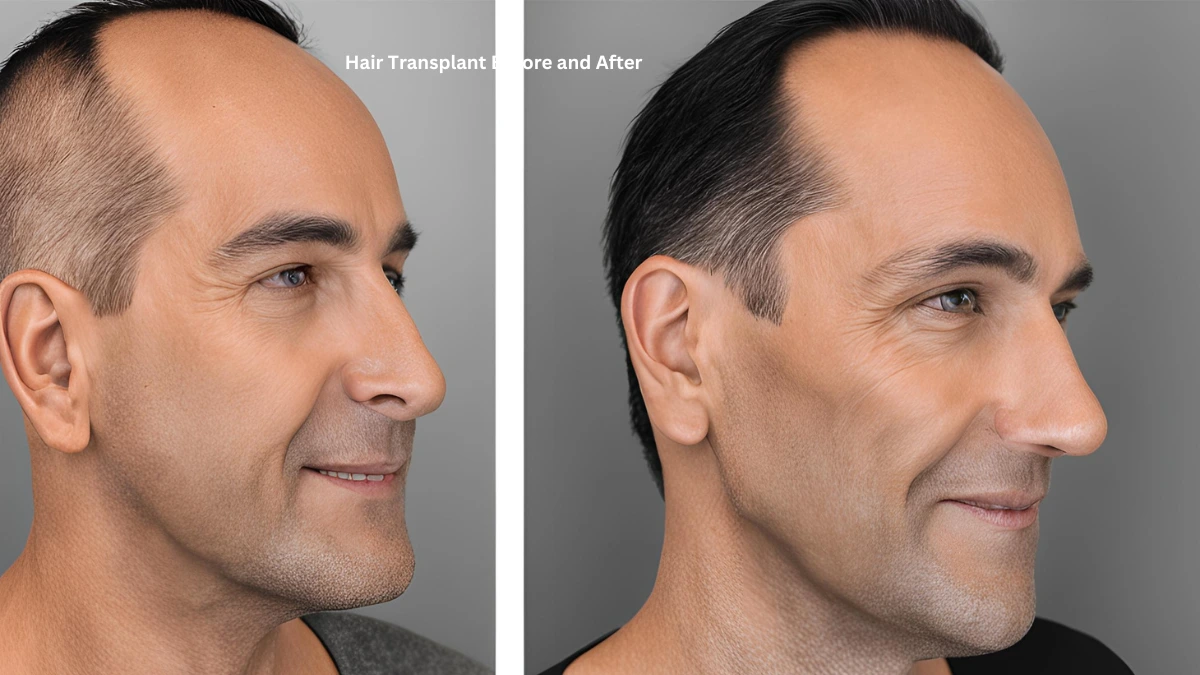
Hair Transplant Before and After: A Guide to Natural Results
Hair loss can be a distressing experience for many, affecting self-confidence and appearance. Fortunately, hair transplants offer a proven solution to restore your hair and confidence. This article provides a comprehensive look at what to expect before and after a hair transplant, helping you understand the process and results.
Book Your Consultation Today
Visit Dr. Hanan Dermatology Specialty Clinic in Padur, OMR, Chennai. Schedule your consultation today and start your journey to fuller, healthier hair.
For more information and to book your appointment, visit our clinic or call us at the clinic’s contact details.
What is a Hair Transplant?
A hair transplant is a surgical procedure where hair follicles are relocated from a donor area (usually the back or sides of the scalp) to areas experiencing thinning or baldness. Popular techniques include:
- FUE (Follicular Unit Extraction): Individual follicles are extracted and implanted.
- FUT (Follicular Unit Transplantation): A strip of hair is removed, and follicles are transplanted.
Both methods aim to create natural-looking, permanent results.

Read more: Hair Growth Surgery Cost: A Complete Guide
The Journey of Hair Transplantation
1. Pre-Procedure Stage
Before undergoing a hair transplant, patients will have:
- Consultation: A thorough scalp assessment by the surgeon to determine suitability.
- Planning: Setting realistic expectations and mapping the treatment area.
- Preparation: Guidelines for pre-procedure care, such as avoiding alcohol and certain medications.
2. The Procedure
The surgery typically involves:
- Donor Area Preparation: Hair follicles are extracted using FUE or FUT.
- Implantation: Follicles are carefully placed in the balding areas.
- Duration: The process can take 4–8 hours, depending on the size of the treatment area.
3. Post-Procedure Stage
Recovery involves:
- Immediate Aftercare: Instructions on cleaning and protecting the scalp.
- Shedding Phase: Transplanted hair may shed initially, making way for new growth.
- Growth Phase: New hair growth begins around 3 months, with full results visible after 12 months.
Before and After: What to Expect
A hair transplant transforms your appearance over time. Here’s what you can expect at different stages:
- First Week: Mild swelling and redness in the treatment area.
- 1–3 Months: Hair shedding phase; new growth starts beneath the surface.
- 3–6 Months: Visible signs of growth begin.
- 12 Months: Full results with a thicker, natural-looking hairline.
Real-Life Transformation Stories
At reputable clinics like Dr. Hanan Dermatology Speciality Clinic, patients have experienced incredible transformations.
- Case Study 1: A 35-year-old male saw a dramatic improvement in hair density within 12 months of FUE treatment.
- Case Study 2: A 40-year-old female regained confidence after FUT restored her thinning hairline.
Factors Influencing Results
Several factors determine the success of a hair transplant:
- Donor Hair Quality: Strong, healthy follicles yield better results.
- Surgeon Expertise: An experienced surgeon ensures precise placement and natural outcomes.
- Post-Procedure Care: Following aftercare instructions enhances recovery and growth.
Common Questions About Hair Transplant Results
Q: Will the transplanted hair look natural?
Yes, when performed by skilled surgeons, the transplanted hair blends seamlessly with existing hair.
Q: How long will the results last?
Hair transplants provide permanent results as the transplanted follicles are resistant to hair loss.
Q: Can everyone achieve the same results?
Results vary based on individual factors like hair type, scalp condition, and the extent of hair loss.
Tips to Maximize Results
- Follow Aftercare Guidelines: Protect the scalp and avoid harsh chemicals during recovery.
- Maintain a Healthy Lifestyle: Proper nutrition and stress management promote hair health.
- Avoid Smoking and Alcohol: These can impede healing and hair growth.
Read more: Best Hair Transplant Clinic Near Me: A Complete Guide to Choosing the Right Clinic
Choosing the Right Clinic for Best Results

Selecting a trusted clinic is vital for achieving desired results. Look for:
- Experienced Surgeons: Check qualifications and expertise.
- Proven Track Record: Request before-and-after portfolios or testimonials.
- Comprehensive Care: Opt for clinics offering personalized consultations and follow-ups.
Dr. Hanan Dermatology Speciality Clinic in Chennai is a leading choice for hair transplants, providing advanced techniques and exceptional care.
Conclusion
A hair transplant is a transformative procedure that restores both hair and confidence. Understanding the journey before and after the transplant ensures realistic expectations and satisfying results.

Best Hair Transplant Surgeon in Chennai: A Comprehensive Guide

Best Hair Transplant Surgeon in Chennai: Hair loss can be a challenging experience for many, affecting not only one’s appearance but also self-confidence. Hair transplant surgery offers a permanent solution, restoring natural hair and confidence alike. Chennai, a thriving metropolitan city in India, has become a leading destination for hair transplant procedures, thanks to its world-class clinics and skilled surgeons. If you’re looking for the best hair transplant surgeon in Chennai, this guide will help you make an informed choice.
Book Your Consultation Today
Visit Dr. Hanan Dermatology Specialty Clinic in Padur, OMR, Chennai. Schedule your consultation today and start your journey to fuller, healthier hair.
For more information and to book your appointment, visit our clinic or call us at the clinic’s contact details.
Factors to Consider When Choosing a Hair Transplant Surgeon
Selecting the right surgeon is crucial for the success of your hair transplant. Here are key factors to consider:
- Qualifications and Certifications
- Ensure the surgeon is board-certified and has specialized training in hair restoration.
- Experience and Expertise
- Look for surgeons with a proven track record and several years of experience.
- Techniques and Technology Used
- Check if the surgeon offers advanced techniques like FUE (Follicular Unit Extraction), FUT (Follicular Unit Transplantation), or DHI (Direct Hair Implantation).
- Patient Reviews and Testimonials
- Research online reviews and seek before-and-after photos to gauge the surgeon’s skills.
- Clinic Facilities and Hygiene Standards
- Choose a clinic that maintains high standards of hygiene and is equipped with modern tools.
Top Hair Transplant Surgeons in Chennai
Chennai is home to some of the most reputed hair transplant surgeons, known for their expertise and success rates. Here are a few renowned names:
| Surgeon Name | Specialty | Clinic Name | Consultation Fee (₹) | Experience (Years) |
|---|---|---|---|---|
| Dr. Sasikumar Muthu | Hair Transplant Surgeon | Pearl Health, Alwarpet | 1,500 | 23 |
| Dr. A. Sivakumar | Plastic Surgeon | VS Hospitals, Kilpauk | 1,000 | 30 |
| Dr. Lakshmi Durga M | Hair Transplant Surgeon | Oliva Skin & Hair Clinic, Anna Nagar | 900 | 19 |
| Dr. Syed Shakeel | Dermatologist | Aesthetic Skin & Hair Clinic, Kilpauk | 500 | 32 |
| Dr. Kutti Sai Swetha | Trichologist | SIA Skin and Hair Clinic, Semmancheri | 500 | 8 |
| Dr. Cordelia Babitha | Dermatologist | Avira Skin and Hair Clinic, Besant Nagar | 800 | 20 |
| Dr. Azra Fatima N | Hair Transplant Surgeon | Oliva Skin & Hair Clinic, Adyar | 900 | 12 |
| Dr. J Pablo Neruda | Plastic Surgeon | Billroth Hospitals, Shenoy Nagar | 500 | 28 |
| Dr. Senthil Sivaprakasam | Dermatologist | Radiance Skin & Hair Care, Kilpauk | 700 | 19 |
| Dr. Meenakshi M | Hair Transplant Surgeon | Oliva Skin & Hair Clinic, Alwarpet | 900 | 12 |
Popular Hair Transplant Techniques in Chennai
The type of technique used significantly influences the outcome of your hair transplant. Some of the popular options include:
- Follicular Unit Extraction (FUE)
- A minimally invasive procedure with quicker recovery time.
- Follicular Unit Transplantation (FUT)
- Ideal for patients requiring a larger number of grafts.
- Direct Hair Implantation (DHI)
- Ensures precise implantation for natural results.
Each technique has its pros and cons, and the surgeon will recommend the most suitable one based on your specific needs.
Cost of Hair Transplant in Chennai

The cost of hair transplant procedures in Chennai varies depending on several factors, including:
- Technique Used: FUE is generally more expensive than FUT due to its precision and lower downtime.
- Number of Grafts: Larger areas of hair loss require more grafts, increasing the cost.
- Clinic and Surgeon’s Reputation: Premium clinics and highly experienced surgeons charge more.
On average, the cost in Chennai ranges from ₹40,000 to ₹1,50,000. This is often more affordable compared to other metro cities or international destinations.
Read more: Hair Growth Surgery Cost
What to Expect During a Hair Transplant Journey
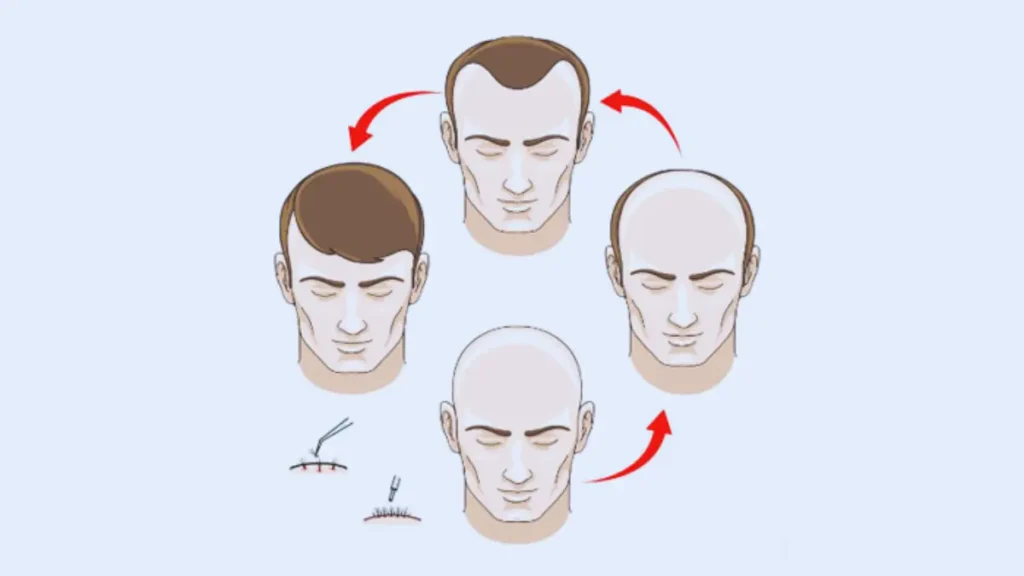
Understanding the hair transplant process can ease your concerns. Here’s what typically happens:
- Initial Consultation
- The surgeon evaluates your hair loss and discusses goals.
- Pre-Surgery Preparation
- You may be asked to avoid certain medications and follow dietary guidelines.
- The Procedure
- The surgery can take 4-8 hours, depending on the number of grafts.
- Post-Surgery Care
- Follow post-operative instructions for a smooth recovery.
- Expect mild swelling and scabs, which subside within 10-14 days.
Benefits of Getting a Hair Transplant in Chennai

Chennai offers several advantages for those seeking hair transplant surgeries:
- Expertise: Access to highly skilled and experienced surgeons.
- Cost-Effective Solutions: Competitive pricing without compromising quality.
- State-of-the-Art Clinics: Equipped with the latest technology for superior results.
- Convenience for International Patients: Many clinics offer tailored packages, including accommodation and travel assistance.
Read more: Hair Transplant Surgery in Chennai Your Ultimate Guide for 2025
FAQs About Hair Transplant Surgeons in Chennai
Q1. How do I verify a surgeon’s credentials?
- Check their certifications and memberships in professional organizations like ISHRS (International Society of Hair Restoration Surgery).
Q2. How long does a hair transplant procedure take?
- Depending on the technique and number of grafts, it can take 4-8 hours.
Q3. Are there any risks involved?
- Hair transplants are generally safe, but minor risks like infection or scarring can occur if post-operative care is not followed.
Q4. What is the success rate of hair transplants in Chennai?
- With experienced surgeons and advanced techniques, the success rate is over 90%.
Conclusion
Choosing the best hair transplant surgeon in Chennai is a crucial step toward regaining your confidence. By considering factors like expertise, patient reviews, and clinic standards, you can ensure a successful and satisfying outcome. Start your journey today by booking a consultation with one of Chennai’s top surgeons and take the first step toward transforming your look