
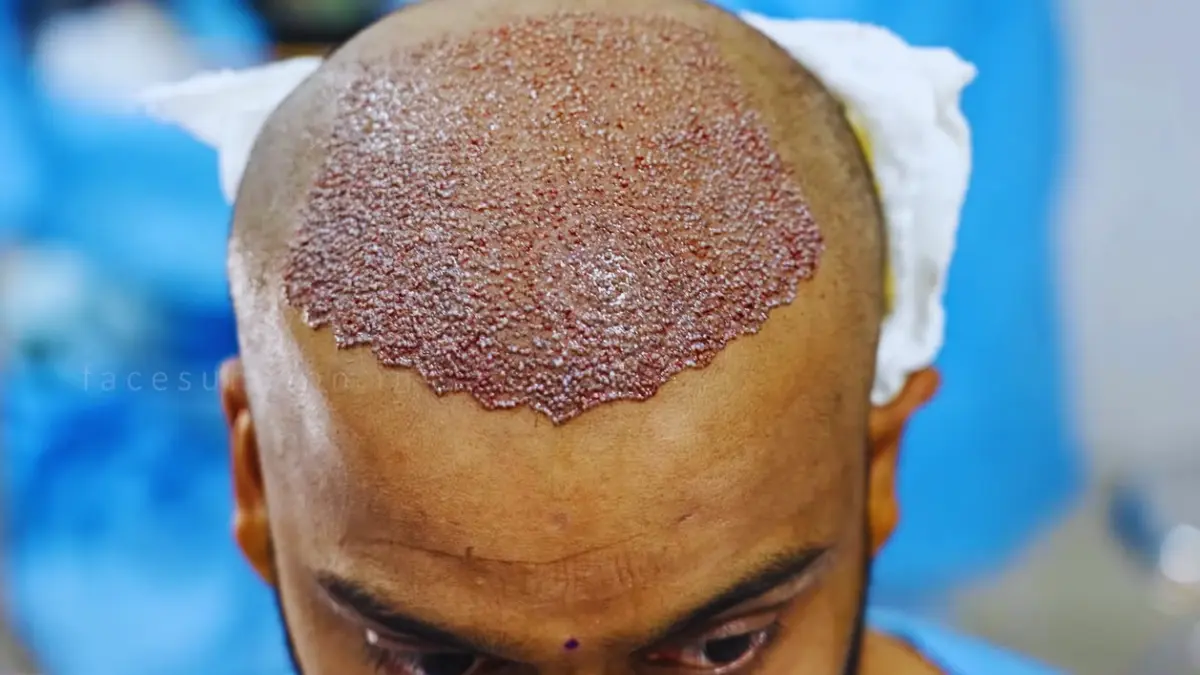
Hair Follicle Surgery: A Complete Guide to Hair Restoration
Hair loss can be a challenging and emotional experience, but modern medical advancements offer various solutions, including Hair Follicle Surgery. Whether you are considering Follicular Unit Extraction (FUE) or Follicular Unit Transplantation (FUT), this comprehensive guide will provide essential information about the procedure, benefits, costs, and recovery process.
Book Your Consultation Today
Visit Dr. Hanan Dermatology Specialty Clinic in Padur, OMR, Chennai. Schedule your consultation today and start your journey to fuller, healthier hair.
For more information and to book your appointment, visit our clinic or call us at the clinic’s contact details.

What is Hair Follicle Surgery?
Hair Follicle Surgery refers to procedures aimed at restoring hair by transplanting hair follicles from one part of the scalp (or body) to another. The most common methods include FUE, FUT, and Direct Hair Implantation (DHI), which use varying techniques to extract and implant hair follicles.
- FUE: Hair follicles are individually extracted from the donor area and implanted in the recipient site. It’s minimally invasive with no linear scars.
- FUT: A strip of skin from the donor area is removed and divided into individual grafts. It typically leaves a linear scar but allows for the transplantation of a large number of grafts in one sitting.
- DHI: A method similar to FUE but uses a specialized pen to implant hair follicles directly into the scalp without the need for incisions.
Who is an Ideal Candidate for Hair Follicle Surgery?
Ideal candidates for hair follicle surgery include individuals with significant hair loss or thinning, particularly those who have not responded well to non-surgical treatments. Other factors influencing candidacy include:
- Age: Generally, candidates are between the ages of 25 and 50.
- Hair Loss Stage: Individuals in the early to moderate stages of baldness may benefit most.
- Health: Patients should be in good overall health to ensure optimal healing and success.
To determine your eligibility, surgeons typically use classification scales such as the Norwood Scale for men and the Ludwig Scale for women, which assess the degree of hair loss.
The Procedure: Step-by-Step
Here’s an overview of what to expect during the hair follicle surgery procedure:
Consultation
Before the surgery, you’ll undergo a consultation with a qualified surgeon who will assess your scalp condition, medical history, and expectations. This step helps determine the type of procedure that’s best suited for your needs.
Preparation
On the day of the surgery, your hair will be trimmed, and local anesthesia will be applied to the donor and recipient areas. Some tests, such as blood work, might be done to ensure you’re healthy enough for the procedure.
Surgical Process
- FUE: Individual follicles are extracted one by one from the donor area and carefully implanted in the recipient site.
- FUT: A strip of scalp is removed from the donor site, and the hair follicles are divided into smaller grafts before being transplanted.
- DHI: This technique involves the use of a specialized pen to directly implant follicles without the need for incisions or stitches.
Duration
Depending on the number of grafts being transplanted, the procedure can last anywhere from 4 to 8 hours.
Benefits of Hair Follicle Surgery
- Natural Results: Since the follicles are taken from your own scalp (or body), the results look completely natural and integrate seamlessly with existing hair.
- Long-Term Solution: Once hair follicles are transplanted, they continue to grow for a lifetime, making it a permanent solution.
- Minimally Invasive: Techniques like FUE and DHI are minimally invasive and involve no large scars, reducing recovery time.
Risks and Side Effects
Like any surgical procedure, hair follicle surgery carries some risks and potential side effects, such as:
- Swelling and Redness: These are common in the first few days post-surgery.
- Infection: While rare, infections can occur if the scalp is not properly cared for.
- Scarring: FUT can leave a linear scar, though FUE and DHI are less likely to cause noticeable scars.
- Shock Loss: Temporary shedding of transplanted hair can occur, but new growth typically resumes after a few months.
Choosing an experienced surgeon minimizes these risks significantly.
Recovery and Aftercare
Post-surgery care is essential for optimal results. Here’s what to expect:
- Immediate Aftercare: Follow your surgeon’s instructions on scalp care. This includes washing your hair gently, avoiding touching the treated area, and refraining from strenuous physical activity for a few days.
- Growth Timeline: After the procedure, the transplanted hair will shed, but new growth usually begins after 3-6 months. Full results are visible after 12-18 months.
- Medications: You may be prescribed pain relief and antibiotics to prevent infection. Additional treatments like PRP (Platelet-Rich Plasma) therapy may also help promote healing and hair growth.
Cost of Hair Follicle Surgery
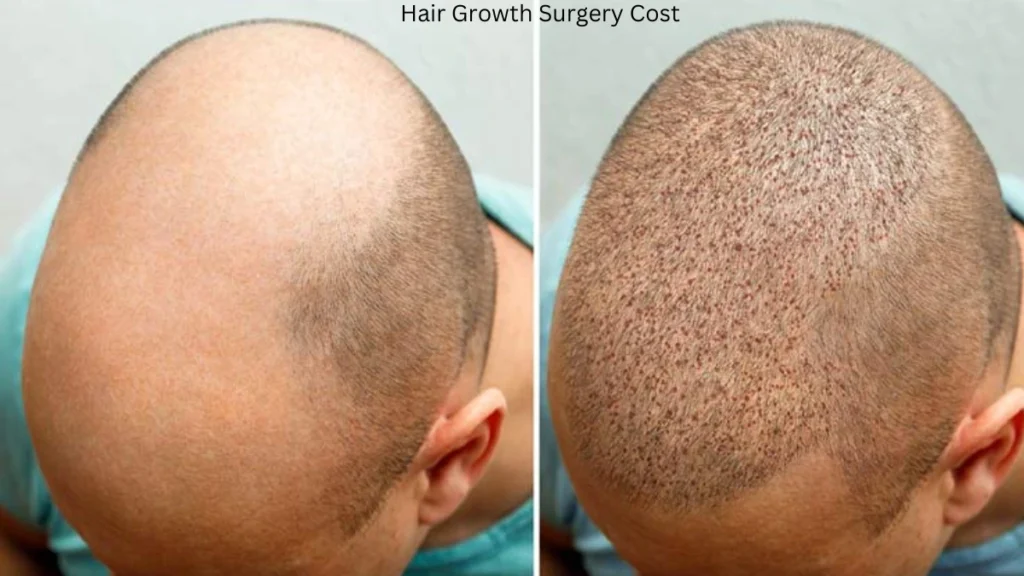
The cost of hair follicle surgery can vary greatly based on factors such as the number of grafts, the surgeon’s expertise, and the clinic’s location. Here’s an overview of the approximate costs for various procedures:
| Procedure | Cost Range (For 2000 Grafts) |
|---|---|
| FUE | ₹71,250 – ₹1,42,500 |
| FUT | ₹38,000 – ₹76,000 |
| DHI | ₹1,90,000 – ₹2,85,000 |
| Body Hair Transplant (BHT) | ₹1,61,500 – ₹1,99,500 |
| PRP Therapy | ₹2,850 – ₹9,500 per session |
Read More: Hair Growth Surgery Cost: A Complete Guide
Alternatives to Hair Follicle Surgery
If you’re not ready for surgery, there are alternative non-surgical treatments that may help with hair loss:
- PRP Therapy: Platelet-rich plasma therapy involves injecting growth factors into the scalp to stimulate hair follicles.
- Minoxidil and Finasteride: These medications can help slow hair loss and promote growth.
- Laser Therapy: Low-level laser light treatments can enhance hair density and quality.
Frequently Asked Questions (FAQ)
- What’s the difference between FUE and FUT?
- FUE involves individual follicle extraction, leaving no linear scar, while FUT involves removing a strip of scalp, leaving a linear scar.
- How many grafts do I need for full coverage?
- The number of grafts depends on the size of the bald area, but typically, around 2000–4000 grafts are needed for full coverage.
- Is hair follicle surgery painful?
- The procedure is generally painless due to local anesthesia, but there may be mild discomfort or swelling during recovery.
- How long will it take for hair to grow?
- New hair growth begins around 3-6 months after surgery, with full results visible in 12-18 months.
Conclusion
Hair follicle surgery offers a permanent and natural-looking solution for those dealing with hair loss. With the right surgeon and proper aftercare, you can achieve remarkable results that restore both your hair and your confidence. Always consult with an experienced professional to ensure the best outcome for your hair restoration journey.
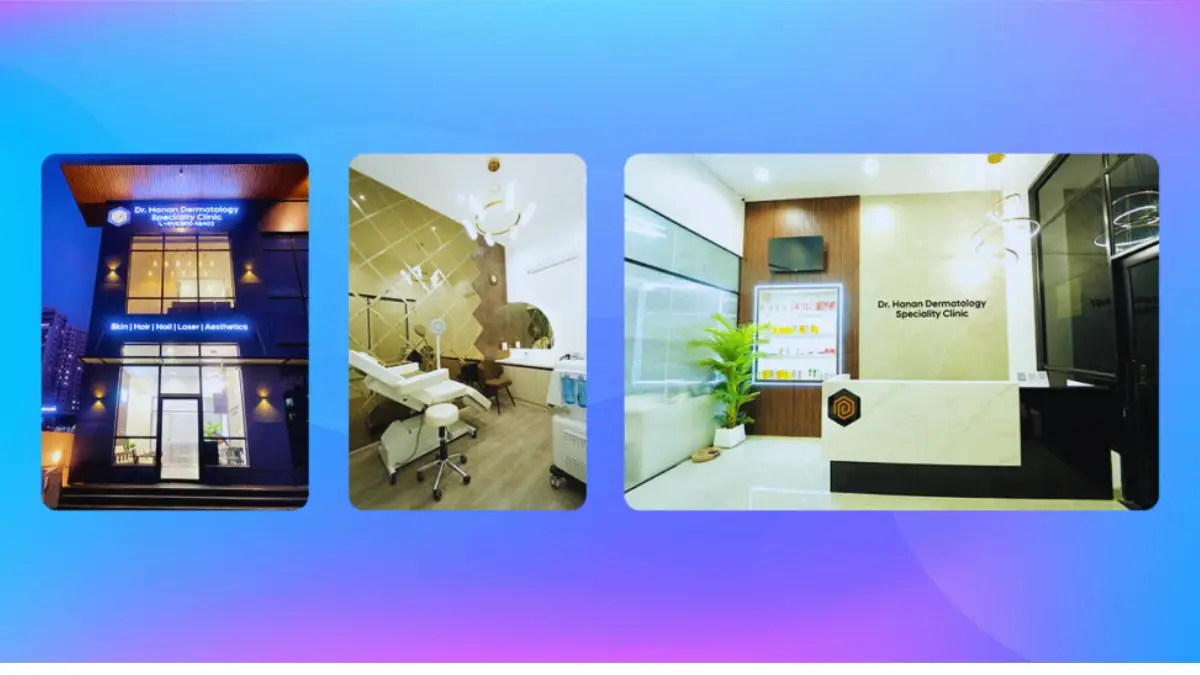
Hair Clinic: Your Path to Healthy, Beautiful Hair
Hair health is not just about aesthetics; it’s an integral part of our overall well-being. Hair clinics play a crucial role in diagnosing and treating a variety of hair and scalp issues, providing specialized care and advanced treatments. This article explores what hair clinics are, the services they offer, and how they can benefit those struggling with hair problems.
What is a hair clinic?
A hair clinic is a specialized medical facility that focuses on diagnosing and treating hair and scalp conditions. These clinics offer a range of services designed to address various hair issues, from hair loss to scalp diseases. Whether you are experiencing thinning hair or scalp conditions, or simply want to enhance the health and appearance of your hair, a hair clinic can provide the expert care you need.
Top Clinic In Chennai:
| Clinic Name | Specialization | Location | Consultation Fees |
|---|---|---|---|
Dr.Hanan Dermatology Speciality Clinic | Hair transplant, FUE, FUT, PRP therapy | Chennai | ₹600 |
| DHI Hair Transplant Clinic | Direct Hair Implantation (DHI), hair restoration | Chennai | ₹3000 |
| VBC Hair Transplant Clinic | Hair transplants, scalp treatments, PRP therapy | Chennai | ₹2000 |
| Dr. Narayanamurthy’s Clinic | Hair restoration, skin care treatments, advanced hair transplant methods | Alwarpet, Chennai | ₹750 |
| Dr. Ganga Ravikumar Aesthetic Dermatology Clinic | Aesthetic dermatology, hair restoration, PRP | Adyar, Chennai | ₹500 |
| Dr. Anand’s Dermatology Clinic | Hair restoration, hair loss treatments, PRP therapy | Chennai | ₹1200 |
| Dr. Hanander Dermatology Clinic | Advanced dermatology, hair restoration, PRP, scalp treatments | Chennai | ₹1000 |
Dr.Hanan Dermatology Speciality Clinic is a reputable option for those seeking high-quality dermatological and hair restoration treatments. With services like PRP therapy and scalp treatments, it is recognized for its professional care and advanced techniques in hair restorationop hair clinics in Chennai.
Clinic Location
Common Hair Issues Addressed by Hair Clinics
Hair Loss and Thinning
Hair loss is a common concern for many individuals. Clinics offer treatments for various types of hair loss, including male and female pattern baldness, alopecia areata, and telogen effluvium.
Scalp Conditions
Scalp conditions such as dandruff, psoriasis, and seborrheic dermatitis can be uncomfortable and unsightly. Hair clinics provide specialized treatments to manage and alleviate these conditions.
Hair Damage
Issues like breakage, split ends, and overall hair damage can result from various factors, including heat styling, chemical treatments, and environmental stressors. Clinics offer treatments to repair and strengthen damaged hair.
Aesthetic Concerns
For those looking to improve the texture, volume, and overall appearance of their hair, clinics offer cosmetic treatments such as hair restoration and extensions.
Treatments and Services Provided
Consultations and Diagnostics
Hair clinics begin with a thorough consultation and diagnostic assessment. This involves understanding your hair and scalp condition, medical history, and lifestyle to create a personalized treatment plan.
Medical Treatments
These include prescription medications, topical treatments, and injections that target specific hair and scalp issues. Examples include minoxidil for hair growth and corticosteroids for inflammatory scalp conditions.
Surgical Treatments
Hair transplant procedures, such as Follicular Unit Extraction (FUE) and Follicular Unit Transplantation (FUT), are offered to individuals with significant hair loss. These procedures transplant hair follicles from one part of the body to the scalp to restore hair growth.
Non-Surgical Treatments
Non-invasive treatments like platelet-rich plasma (PRP) therapy, laser therapy, and microneedling stimulate hair growth and improve scalp health without the need for surgery.
Cosmetic Treatments
For those looking to enhance their hair’s appearance, clinics offer services such as hair restoration, extensions, and professional styling to achieve the desired look.
Benefits of Visiting a Hair Clinic
Expert Diagnosis and Treatment
Hair clinics provide access to experienced dermatologists and trichologists who specialize in hair and scalp health. Their expertise ensures accurate diagnosis and effective treatment plans.
Customized Care Plans
Treatment plans are tailored to meet individual needs, addressing specific hair and scalp conditions for optimal results.
Access to Advanced Technology and Treatments
Hair clinics utilize the latest technology and treatments to ensure the best possible outcomes for their patients.
Improved Hair Health and Appearance
Effective treatments lead to healthier, stronger, and more attractive hair, enhancing overall well-being.
Boost in Confidence and Self-Esteem
Improving hair health can significantly boost one’s confidence and self-esteem, contributing to a better quality of life.
How to Choose the Right Hair Clinic
Researching Clinic Credentials and Reputation
Ensure the clinic has certified professionals and a good reputation. Look for credentials, certifications, and professional affiliations.
Evaluating the Expertise of the Medical Staff
Check the qualifications and experience of the medical staff, including dermatologists, trichologists, and surgeons.
Reviewing Patient Testimonials and Before-and-After Photos
Patient reviews and before-and-after photos provide insights into the clinic’s success rates and patient satisfaction.
Considering the Range of Services Offered
Choose a clinic that offers a comprehensive range of treatments to address your specific needs.
Assessing the Clinic’s Location and Facilities
Ensure the clinic is conveniently located and has modern facilities equipped with the latest technology.
Case Studies and Success Stories
Examples of Successful Hair Treatments and Outcomes
- Patient A: Successfully treated for androgenetic alopecia with a combination of minoxidil and PRP therapy, resulting in significant hair regrowth.
- Patient B: Underwent an FUE hair transplant procedure, achieving natural-looking hair restoration and boosting self-confidence.
Detailed Analysis of Treatment Plans and Results
A thorough analysis of these cases shows how personalized treatment plans and advanced therapies can lead to successful outcomes.
Impact on Patients’ Hair Health and Overall Well-Being
Patients reported improved hair health, increased confidence, and enhanced quality of life following their treatments.
Common Myths and Misconceptions
Debunking Myths About Hair Loss and Treatments
Common myths include the belief that hair loss is solely genetic or that wearing hats causes hair loss. Hair clinics provide evidence-based information to dispel these myths.
Clarifying Misconceptions About Hair Transplants and Other Procedures
Many believe hair transplants result in unnatural looks or are only for men. Clinics educate patients on the natural results achievable with modern techniques and the suitability of these procedures for both men and women.
Understanding the Realities of Hair Care and Maintenance
Maintaining healthy hair requires ongoing care and attention. Clinics offer guidance on proper hair care routines and maintenance to sustain treatment results.
Future Trends in Hair Treatment
Innovations in Hair Transplant Techniques
Emerging techniques, such as robotic hair transplants and advanced FUE methods, are making hair restoration more effective and less invasive.
Advances in Non-Surgical Hair Restoration
New therapies like stem cell treatments and improved PRP formulations are enhancing non-surgical options for hair restoration.
The Role of Genetics and Personalized Medicine
Genetic testing and personalized medicine are playing a growing role in diagnosing and treating hair conditions, allowing for more targeted and effective treatments.
Emerging Technologies and Research in Hair Health
Ongoing research and technological advancements are continually improving the understanding and treatment of hair and scalp conditions.
FAQs
1. Where is the clinic located?
- Address: A Block, Gem Bhoomi & Buildings, OMR, Padur, Chennai, Tamil Nadu 603103.
2. What are the clinic’s operating hours?
- Monday, Tuesday, Thursday, Friday: 2:00 PM to 7:00 PM.
- Saturday and Sunday: 10:00 AM to 7:00 PM.
- Closed on Wednesdays.
3. How can I book an appointment?
- To book an appointment, visit the clinic during working hours or call the clinic directly at the listed contact number.
4. What is the consultation fee?
- The consultation fee is ₹600 per session.
5. What services are offered at the clinic?
- The clinic specializes in dermatological treatments, including:
- Hair loss solutions like PRP therapy and scalp treatments.
- Skin care treatments for acne, pigmentation, and other conditions.
6. Does the clinic accept walk-in appointments?
- Walk-ins may be entertained based on availability, but prior booking is recommended to avoid long wait times.
7. Is parking available at the clinic?
- Yes, parking facilities are available within the Gem Bhoomi & Buildings complex.
8. How can I find directions to the clinic?
- Use Google Maps or any GPS service and search for Dr. Hanan Dermatology Specialty Clinic, OMR, Padur, Chennai, Tamil Nadu 603103.


Hair Replacement in Chennai: Top Clinics, Methods & Cost 2026
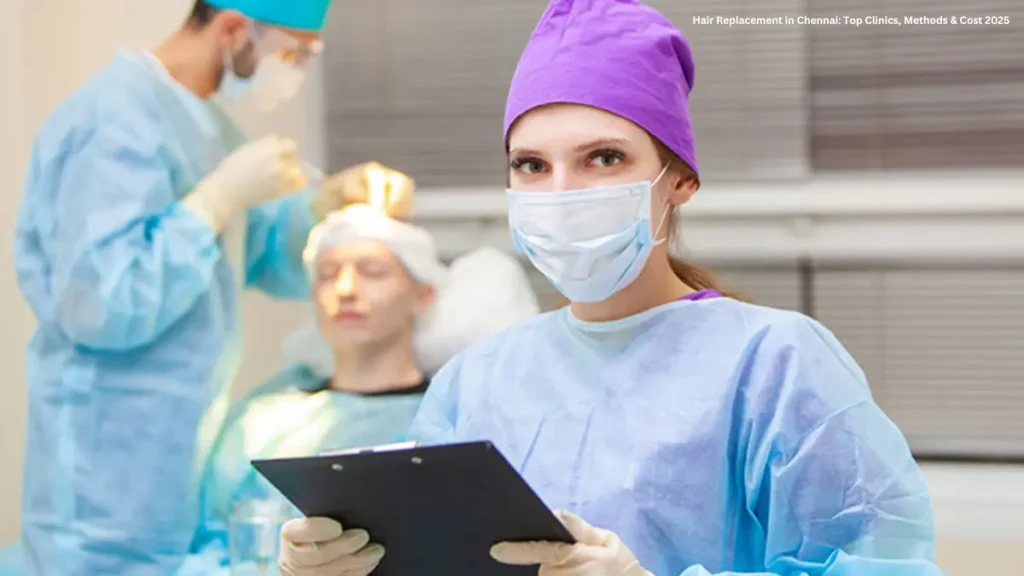
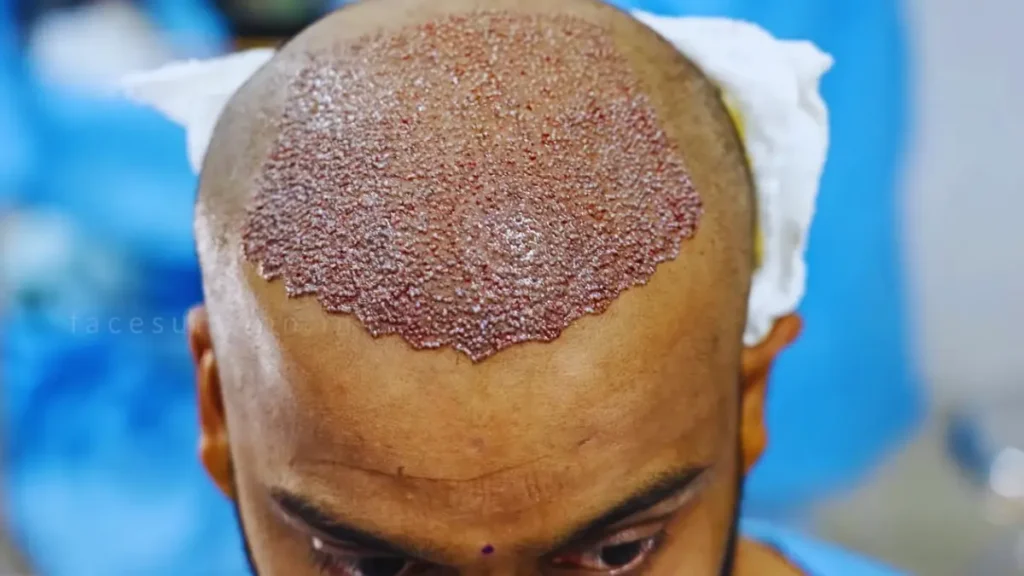
Hair Replacement in Chennai: Hair loss can significantly affect your appearance and self-esteem, leading many individuals to seek effective solutions. Whether it’s thinning hair, bald patches, or complete hair loss, hair replacement offers a promising way to regain your natural look and confidence. Chennai, known for its advanced medical treatments, is home to some of the top clinics offering expert hair replacement services. In this guide, we’ll explore the best hair replacement options available in Chennai, the methods involved, and how to choose the right clinic for your needs.
Book Your Consultation Today
Visit Dr. Hanan Dermatology Specialty Clinic in Padur, OMR, Chennai. Schedule your consultation today and start your journey to fuller, healthier hair.
For more information and to book your appointment, visit our clinic or call us at the clinic’s contact details.

Understanding Hair Loss
Hair loss affects millions of people globally, and it can occur due to various factors. Common causes include:
- Genetics: The most common cause, known as androgenic alopecia, leads to gradual hair thinning.
- Stress: Physical or emotional stress can trigger hair loss, causing temporary shedding.
- Medical Conditions: Conditions like thyroid disorders, anemia, and autoimmune diseases can contribute to hair loss.
- Nutritional Deficiencies: Lack of essential vitamins and minerals can weaken hair follicles and lead to thinning.
Hair loss can be both emotionally and psychologically challenging, which is why many turn to hair replacement solutions for a lasting solution.
Read more: Hair Transplant Cost in India : Guide for 2024
What is hair replacement?
Hair replacement is a non-invasive or minimally invasive procedure that provides a permanent solution for those experiencing hair loss. It differs from hair transplants, which involve transplanting your own hair follicles to the balding areas. Hair replacement techniques are designed to restore a full head of hair, boosting your confidence and appearance.
Difference Between Hair Replacement and Hair Transplant:
- Hair Replacement: Involves the use of wigs, hair systems, or non-surgical methods to cover bald spots.
- Hair Transplant: A surgical procedure where hair follicles are transplanted from one part of the scalp to another.
Top Hair Replacement Methods in Chennai
Chennai offers a variety of hair replacement methods catering to different needs and preferences. The city is home to expert clinics that use the latest technology and techniques to ensure natural-looking results.
1. Hair Transplants
Hair transplants are among the most popular and effective treatments for hair loss. Two main types are:
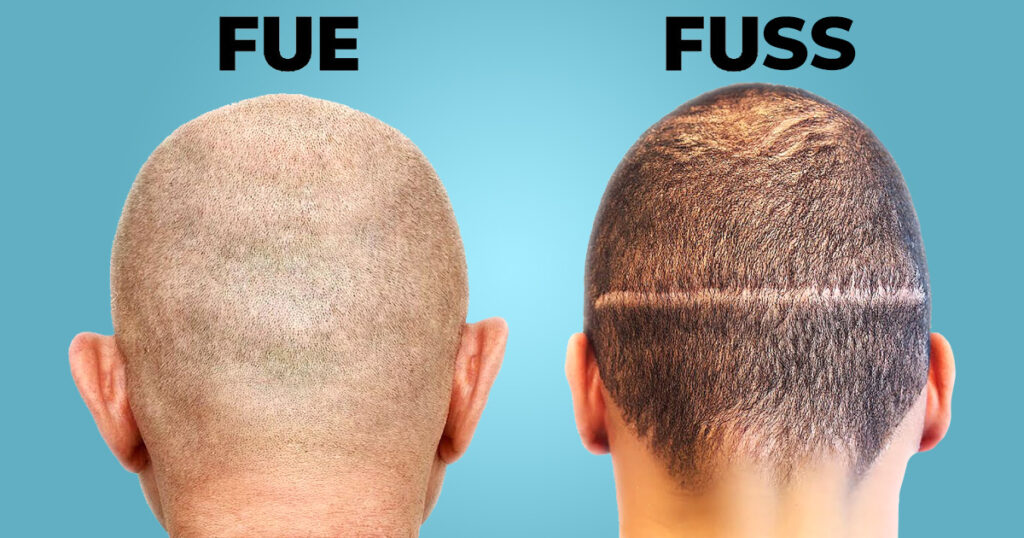
- FUT (Follicular Unit Transplantation): Involves removing a strip of scalp with healthy hair follicles and transplanting them to the balding areas.
- FUE (Follicular Unit Extraction): A more advanced method where individual hair follicles are extracted and implanted one by one.
Both methods are minimally invasive, providing long-lasting, natural results.
2. Non-Surgical Solutions
For those who prefer a non-invasive approach, several options are available:
- Scalp Micropigmentation: A tattoo-like procedure that creates the illusion of a fuller head of hair by applying pigment to the scalp.
- Hair Fibers: Temporary hair fibers are applied to existing hair to add volume and thickness.
- Wigs and Hairpieces: Custom-made wigs and hair systems provide an instant solution for hair loss, offering comfort and a natural appearance.
3. Custom Hair Systems
Custom hairpieces are designed to match your natural hair texture, color, and density. These systems are ideal for individuals who want a non-surgical but highly personalized hair replacement solution.
Choosing the Right Hair Replacement Clinic in Chennai
Selecting the right clinic is crucial for achieving the best results. When choosing a clinic in Chennai, consider the following factors:
- Experience and Reputation: Look for clinics with experienced doctors who specialize in hair replacement.
- Technology and Techniques: Choose clinics that use the latest technologies and up-to-date techniques to ensure optimal results.
- Patient Reviews and Testimonials: Reading reviews from past patients will give you insight into the clinic’s quality and patient care.
- Consultation and Diagnosis: Ensure the clinic offers a thorough consultation process to assess your hair loss and recommend the most suitable treatment.
Some of the top-rated clinics in Chennai for hair replacement include RichFeel Hair and Skin Clinic, Dr. Batra’s Clinic, and Auris Clinic.
Benefits of Hair Replacement
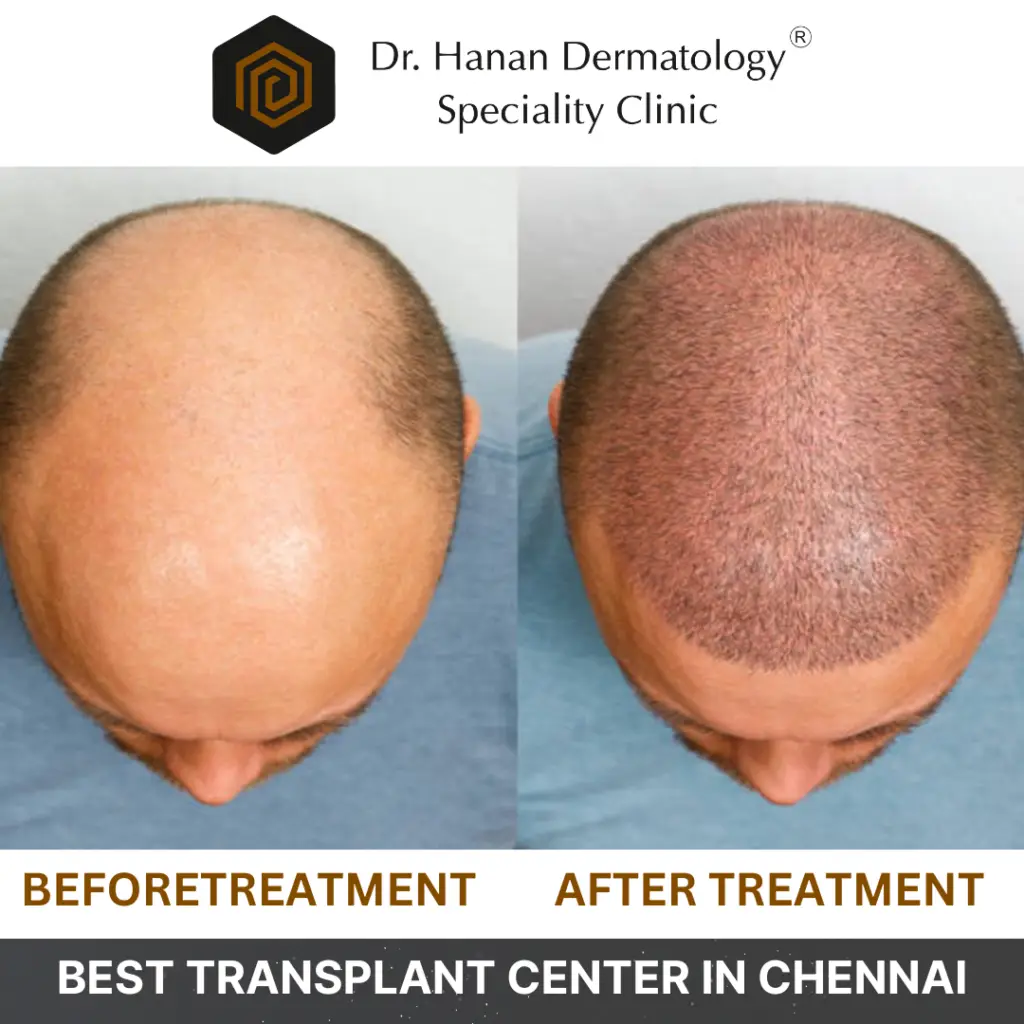
Hair replacement offers numerous benefits that go beyond aesthetic improvements:
- Restored Confidence: Hair loss can impact your self-esteem, and hair replacement can help you feel confident again.
- Natural-Looking Results: Whether you choose a surgical or non-surgical option, the results of hair replacement are natural-looking and effective.
- Minimally Invasive: Many hair replacement options are non-invasive, requiring little to no downtime.
- Long-Lasting Effects: Hair replacement provides long-term results with proper care, particularly surgical methods like hair transplants.
Read more: Best Hair Transplant Center in Chennai 2024
Cost of Hair Replacement in Chennai
The cost of hair replacement in Chennai can vary significantly depending on the method, clinic, and extent of hair loss.
- Hair Transplants: Typically cost between ₹50,000 and ₹1,50,000, depending on the number of grafts required.
- Non-Surgical Solutions: Wigs or hair systems can range from ₹10,000 to ₹50,000, depending on quality and customization.
- Scalp Micropigmentation: This can cost between ₹25,000 and ₹80,000, depending on the area treated.
Many clinics also offer financing options to make the treatments more accessible.
What to Expect During the Hair Replacement Process
- Consultation: Your hair replacement journey begins with a thorough consultation where the doctor assesses your hair loss and recommends the best treatment.
- Procedure: The procedure varies depending on the method chosen. For hair transplants, it involves grafting hair follicles, while non-surgical methods like scalp micropigmentation may take a few hours.
- Recovery: Post-treatment care is essential for optimal results. For surgical methods, expect a recovery period of 7-10 days, while non-surgical methods have minimal downtime.
Risks and Side Effects
While hair replacement treatments are generally safe, there are some risks and side effects to consider:
- Hair Transplants: Temporary swelling, scarring, and infection.
- Non-Surgical Methods: Allergic reactions or discomfort from hairpieces or scalp treatments.
- Aftercare: Following post-procedure care instructions is crucial to prevent complications.
Hair Replacement Aftercare
To ensure the longevity of your new hair, follow these aftercare tips:
- For Hair Transplants: Avoid heavy exercise for a few weeks, and follow your doctor’s instructions for washing and maintaining your hair.
- For Non-Surgical Methods: Regular cleaning and maintenance of wigs, hair systems, and scalp treatments are necessary.
- Diet and Lifestyle: Maintain a healthy diet rich in vitamins and minerals to support hair health.
Conclusion
Hair replacement in Chennai offers an excellent solution for those struggling with hair loss. Whether you choose a surgical transplant or a non-surgical treatment, the city’s top clinics provide advanced options to restore your natural look. The key to successful hair replacement lies in choosing a reputable clinic, understanding the costs, and following proper aftercare.
Start your hair restoration journey today and regain your confidence with the best hair replacement solutions available in Chennai!
FAQs
- Is hair replacement permanent?
- Surgical hair transplants are permanent, while non-surgical options may require maintenance.
- How long does it take to see results?
- Results from hair transplants can take several months to become fully visible, while non-surgical solutions show immediate effects.
- Are there any risks with hair replacement treatments?
- As with any medical procedure, there are some risks, but they are generally minimal if done by a qualified expert.
- How much does a hair transplant cost in Chennai?
- Hair transplant costs in Chennai typically range from ₹50,000 to ₹1,50,000 depending on the number of grafts.
Shedding Phase After Hair Transplant: What to Expect & How to Care for Your Scalp
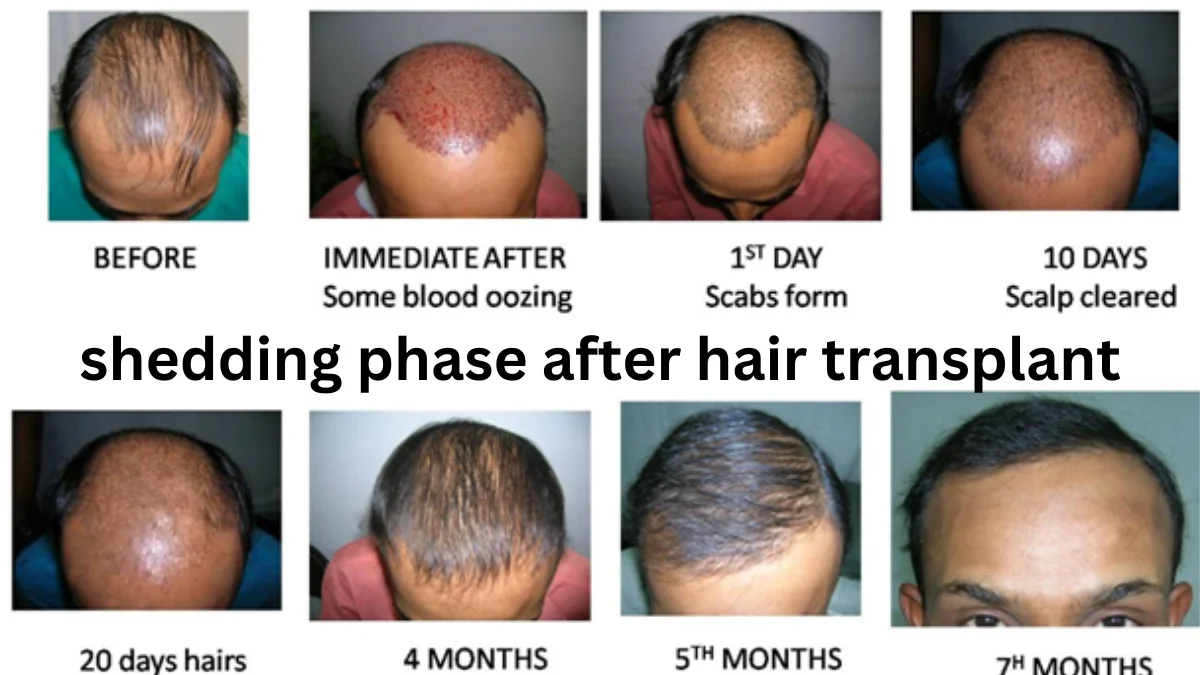
Undergoing a hair transplant is an exciting step toward hair restoration, but many individuals experience the shedding phase shortly after the procedure. This stage, also known as shock loss, is a natural and temporary process. Understanding the shedding phase can help manage expectations and ensure proper scalp care for optimal regrowth.
Book Your Consultation Today
Visit Dr. Hanan Dermatology Specialty Clinic in Padur, OMR, Chennai. Schedule your consultation today and start your journey to fuller, healthier hair.
For more information and to book your appointment, visit our clinic or call us at the clinic’s contact details.
What is the Shedding Phase?
The shedding phase is a temporary period where transplanted hair falls out before new growth begins. This happens because the hair follicles enter the resting phase of the hair growth cycle after being relocated. While shedding may seem concerning, it is a normal and necessary part of the hair restoration journey.
When Does Shedding Occur?
- Shedding typically begins 2–4 weeks after a hair transplant.
- The phase can last for 2–3 months, depending on individual healing factors.
- You may first notice a few hairs falling out, which gradually becomes more noticeable.
Why Does Shedding Happen?
The hair growth cycle consists of three main phases:
- Anagen (Growth Phase): Active hair growth stage.
- Catagen (Transition Phase): Hair stops growing and prepares to shed.
- Telogen (Resting Phase): Hair falls out before new hair grows.
After a transplant, hair follicles enter the telogen phase due to temporary trauma, leading to shedding. However, the follicles remain intact and will soon produce new hair.
What Happens After Shedding?
- 4–12 Months: New hair begins to grow back.
- 12–18 Months: Hair becomes thicker and blends with existing hair.
- The final results depend on individual hair growth rates and adherence to post-transplant care.
How to Care for the Scalp During Shedding
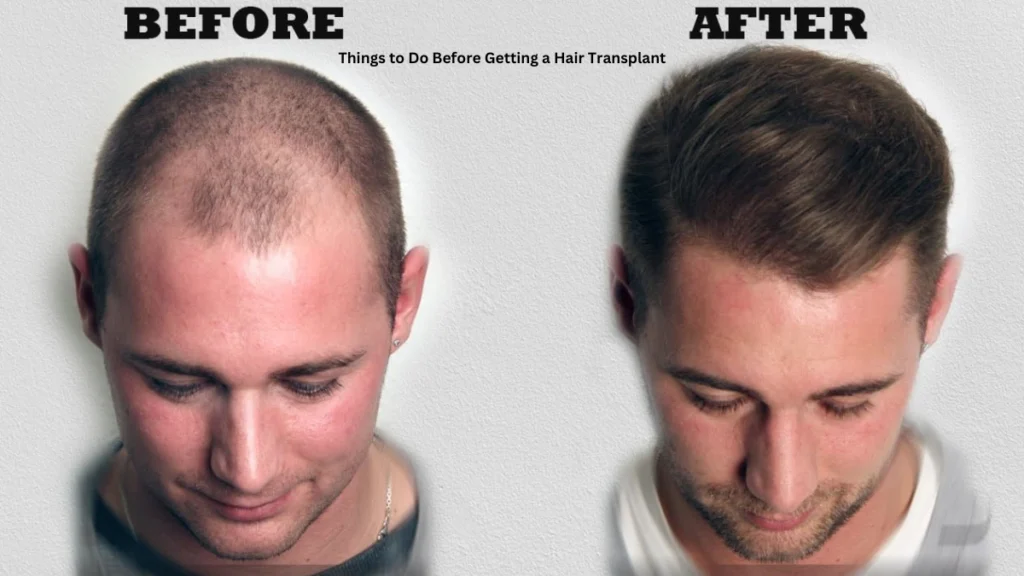
Proper scalp care can promote healing and support new hair growth. Follow these essential tips:
- Use a mild, sulfate-free shampoo to avoid irritation.
- Avoid scratching or rubbing the scalp.
- Pat dry with a soft towel instead of rubbing.
- Keep the scalp hydrated with doctor-recommended products.
- Protect from sun exposure by wearing a hat or using scalp-friendly sunscreen.
Read more: Things to Do Before Getting a Hair Transplant
Can Shedding Be Reduced?
While shedding is unavoidable, certain treatments can help minimize it:
- Platelet-Rich Plasma (PRP) Therapy: PRP injections can boost hair follicle recovery and reduce excessive shedding.
- Medications: Doctors may recommend Minoxidil or Finasteride to support new hair growth and reduce post-transplant shedding.
Common Myths & Misconceptions
Myth 1: Shedding Means the Transplant Failed
Fact: Shedding is a normal part of the hair transplant process, and new hair will grow back stronger.
Myth 2: Shedding is Permanent
Fact: The transplanted hair follicles remain intact, and shedding only affects the hair strands, not the roots.
FAQs
1. Is shedding normal after a hair transplant?
Yes, shedding is a normal part of the healing process. It’s known as shock loss and occurs because the transplanted hair follicles enter the resting phase before new hair growth begins.
2. When does shedding start after a hair transplant?
Shedding typically begins 2–4 weeks after the transplant procedure.
3. How long does the shedding phase last?
The shedding phase can last between 2–3 months, depending on individual healing and hair growth cycles.
4. Does shedding mean my hair transplant has failed?
No, shedding does not mean failure. The hair follicles remain intact, and new hair will begin to grow after the shedding phase.
5. When will new hair start growing after shedding?
New hair usually starts to grow within 4–12 months, with significant thickening by 12–18 months.
6. How can I care for my scalp during the shedding phase?
- Use a mild, sulfate-free shampoo.
- Avoid scratching or rubbing the scalp.
- Keep the scalp moisturized and protected from the sun.
- Follow doctor-recommended post-care instructions.
7. Can I reduce the shedding phase?
Some treatments can help minimize shedding, such as:
- Platelet-Rich Plasma (PRP) Therapy
- Medications like Minoxidil or Finasteride
8. Will all the transplanted hair shed?
Not all transplanted hair will shed, but it is common for a significant amount to fall out before new growth begins.
9. Can I speed up hair regrowth after shedding?
While there’s no way to completely speed up the process, proper scalp care, a healthy diet, and doctor-recommended treatments can support faster regrowth.
10. What if shedding continues beyond three months?
If shedding persists beyond the expected timeline, consult your hair transplant specialist to rule out any underlying issues.
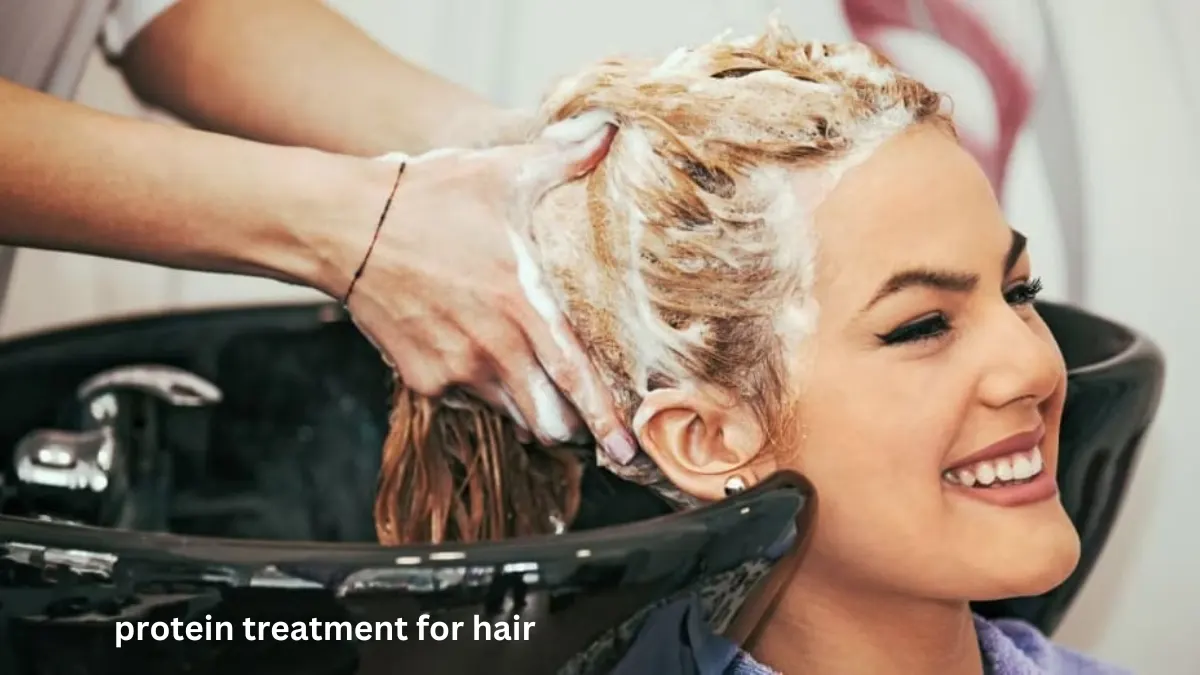
Protein Treatment for Hair: Strengthen & Restore Your Locks
Protein Treatment for Hair: Healthy, shiny, and strong hair is a dream for many, but exposure to heat styling, pollution, chemical treatments, and improper hair care can weaken hair strands. This leads to breakage, frizz, and dryness. Protein treatments for hair help restore and strengthen hair by replenishing lost proteins and nutrients. In this guide, we’ll explore everything about protein treatments, their benefits, and how to choose the best one for your hair type.
Book Your Consultation Today
Visit Dr. Hanan Dermatology Specialty Clinic in Padur, OMR, Chennai. Schedule your consultation today and start your journey to fuller, healthier hair.
For more information and to book your appointment, visit our clinic or call us at the clinic’s contact details.
What is a Protein Treatment?
Protein treatments are hair care solutions formulated with essential proteins like keratin and collagen to repair damaged hair, strengthen the strands, and protect against future damage. These treatments work by penetrating the hair shaft, filling in gaps, and reinforcing the structure of weakened hair fibers.
Why Do You Need a Protein Treatment?
- Excessive heat styling and chemical processing strip hair of natural proteins.
- Pollution and UV exposure weaken hair structure.
- Colored and chemically treated hair is more prone to damage.
- Lack of proper hair care leads to protein loss and hair breakage.
Benefits of Protein Treatments
Using a protein treatment regularly can significantly improve the health and appearance of your hair. The key benefits include:
- Strengthens hair: Reinforces hair structure, reducing breakage.
- Restores moisture balance: Helps retain hydration while preventing excessive dryness.
- Reduces frizz and smooths texture: Makes hair more manageable and silky.
- Enhances shine: Adds a natural, glossy finish to dull hair.
- Protects against damage: Shields hair from heat and environmental stressors.
Types of Protein Treatments
There are different types of protein treatments to cater to various hair needs.
1. Deep Conditioning Protein Masks
- Provides intense repair for extremely damaged hair.
- Ideal for chemically processed and heat-treated hair.
- Recommended use: Once every 2-4 weeks.
2. Protein-Rich Conditioners
- Daily or weekly use to maintain protein levels.
- Helps in reducing minor hair damage.
- Best for regular maintenance of healthy hair.
3. Leave-in Protein Treatments
- Lightweight formulas that provide protection throughout the day.
- Prevents breakage and smooths hair cuticles.
- Suitable for all hair types.
4. DIY Protein Treatments
- Natural ingredients like eggs, yogurt, and coconut oil provide protein nourishment.
- Cost-effective and chemical-free.
- Great for those who prefer organic hair care solutions.
5. Salon Protein Treatments
- Professional keratin and collagen treatments offer long-lasting results.
- Best for those with severely damaged or frizzy hair.
- Requires expert application.
How to Choose the Right Protein Treatment
Choosing the right protein treatment depends on your hair type and level of damage:
- Fine Hair: Use lightweight protein sprays or leave-in conditioners.
- Thick Hair: Deep conditioning protein masks work best.
- Curly Hair: Opt for moisture-rich protein treatments to prevent excessive dryness.
- Color-Treated Hair: Choose protein treatments specifically formulated for colored hair.
Warning: Protein Overload
Excessive protein treatments can lead to stiff, brittle hair. It’s essential to balance protein with moisture to maintain hair health.
Best Protein Treatments for Hair in 2024
Here are the top 5 protein treatments highly recommended by hair experts:
- Hi-Pro-Pac Extremely Intense Protein Treatment – Best for strengthening hair and preventing split ends.
- Elizavecca CER 100 Collagen Coating Hair Protein Treatment – Ideal for chemically treated and damaged hair.
- Luxliss Keratin Protein Replenish Hair Serum – Hydrates hair while reducing dandruff.
- KERAFUTURE Keratin Protein Hair Care Serum – Anti-frizz and heat-protectant formula.
- Ouai Hair Mask Treatment – Perfect for dry, curly, and frizzy hair.
How to Apply a Protein Treatment at Home
Step-by-Step Guide
- Wash your hair with a sulfate-free shampoo to remove buildup.
- Apply the protein treatment evenly throughout damp hair.
- Leave it on for the recommended time (usually 10-30 minutes).
- Rinse thoroughly with lukewarm water.
- Follow up with a deep conditioner to maintain moisture balance.
- Style as usual, avoiding excessive heat styling.
FAQs About Protein Treatments
1. Can protein treatments damage hair?
Yes, overuse can cause protein overload, making hair stiff and brittle. Balance with moisture treatments.
2. How often should I use a protein treatment?
Depending on hair damage, use once a week for severe damage or once a month for maintenance.
3. What’s the difference between protein and keratin treatments?
Keratin treatments smooth and straighten hair, while protein treatments strengthen and repair hair structure.
4. Can I use a protein treatment on colored hair?
Yes, but choose one specifically designed for color-treated hair to prevent fading.
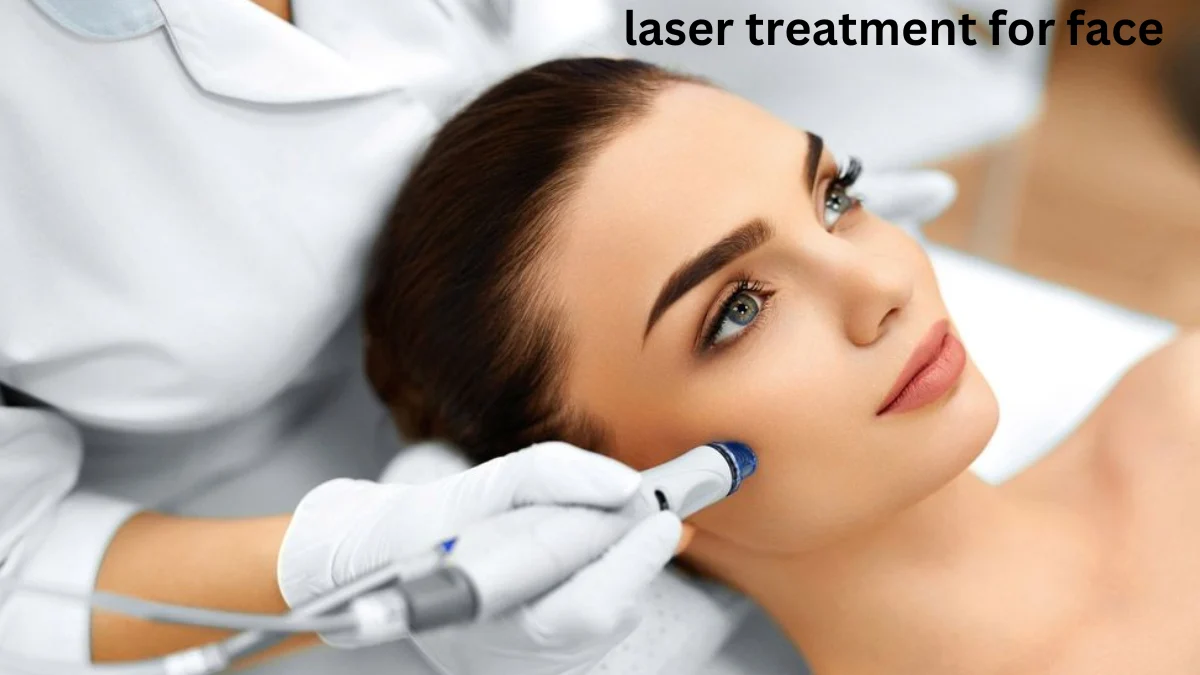
Laser Treatment for Face: Benefits, Types & What to Expect
Laser treatments for the face have revolutionized skincare, offering solutions for various skin concerns such as wrinkles, scars, pigmentation, and hair removal. These advanced procedures use laser technology to improve skin health, texture, and tone, making them a popular choice among individuals seeking youthful and radiant skin. But how do these treatments work, and what should you expect? This guide covers everything you need to know about laser treatment for the face.
Book Your Consultation Today
Visit Dr. Hanan Dermatology Specialty Clinic in Padur, OMR, Chennai. Schedule your consultation today and start your journey to fuller, healthier hair.
For more information and to book your appointment, visit our clinic or call us at the clinic’s contact details.
Types of Laser Treatments
Laser treatments are designed to target specific skin concerns. The most common types include:
1. Laser Skin Resurfacing
This procedure removes damaged skin layers, stimulates collagen production, and helps improve wrinkles, acne scars, and sun damage. It is an effective solution for achieving smoother and younger-looking skin.
2. Laser Hair Removal
For those struggling with unwanted facial hair, laser hair removal offers a long-term solution. It works by targeting hair follicles, reducing hair growth over multiple sessions.
3. Pigmentation and Scar Removal
Lasers can effectively treat hyperpigmentation, dark spots, melasma, and acne scars. They break down excess pigment in the skin, leading to a more even complexion.
4. Laser for Wrinkle Reduction
Laser therapy can tighten the skin, reducing the appearance of fine lines and wrinkles by boosting collagen production and skin elasticity.
How Laser Treatments Work
Laser treatments use focused light energy to penetrate the skin and stimulate natural healing. Here’s how they work:
- The laser removes the outermost layer of skin (epidermis) or heats the underlying layers (dermis) to promote collagen production.
- This results in smoother, firmer, and more even-toned skin over time.
- Different types of lasers (ablative and non-ablative) are used depending on the skin concern and desired results.
Benefits of Laser Treatment for Face
Laser treatments offer several benefits, including:
- Improved Skin Texture & Tone: Reduces roughness, uneven pigmentation, and dullness.
- Reduction of Fine Lines & Wrinkles: Promotes collagen growth for firmer skin.
- Scar & Pigmentation Treatment: Helps fade acne scars, sunspots, and discoloration.
- Minimized Pores: Shrinks enlarged pores and enhances skin smoothness.
- Long-Lasting Results: With proper care, laser treatments provide long-term improvements.
What to Expect During and After Treatment
During Treatment:
- The procedure usually lasts between 30 minutes to an hour, depending on the area being treated.
- Patients may experience mild discomfort, which is often managed with numbing creams.
After Treatment:
- Expect some redness, peeling, and sensitivity for a few days.
- The skin will gradually heal, revealing a fresher and more youthful look.
- Full results become noticeable within a few weeks to months.
- Sun protection is essential to prevent complications and maintain results.
Risks and Considerations
While laser treatments are generally safe, some risks include:
- Temporary redness, swelling, and irritation.
- Hyperpigmentation or hypopigmentation in some cases.
- Rare chances of infection or scarring if not done correctly.
Where to Get Laser Treatment for Face
Choosing a qualified dermatologist or certified laser specialist is crucial for safe and effective results. Some recommended clinics include:
- Sri Ramachandra Medical Centre
- Skinnfintee Cosmetic and Skin Care Clinic
- Kaya Skin Clinic
Conclusion
Laser treatments for the face provide effective solutions for various skin concerns, from wrinkles to pigmentation and hair removal. With advancements in technology, these treatments are safer and more accessible than ever. However, consulting a professional is essential to determine the best laser treatment for your skin type and concerns. For long-lasting results, follow post-treatment care guidelines and maintain a good skincare routine.
Frequently Asked Questions (FAQ)
1. Is laser treatment for the face safe?
Yes, when performed by a certified professional, laser treatments are generally safe. However, minor side effects like redness and swelling may occur.
2. How many sessions are needed for visible results?
The number of sessions depends on the skin concern. Typically, 3-6 sessions are required for optimal results.
3. Does laser treatment hurt?
Some discomfort may be felt, but numbing creams are used to minimize pain. Most patients describe the sensation as a mild stinging.
4. Can laser treatments be done on all skin types?
Yes, but different lasers work better for certain skin types. Consulting a dermatologist will help determine the best option for your skin.
5. How long does recovery take?
Recovery time varies based on the treatment. Non-ablative lasers have minimal downtime, while ablative lasers may require 1-2 weeks of healing.
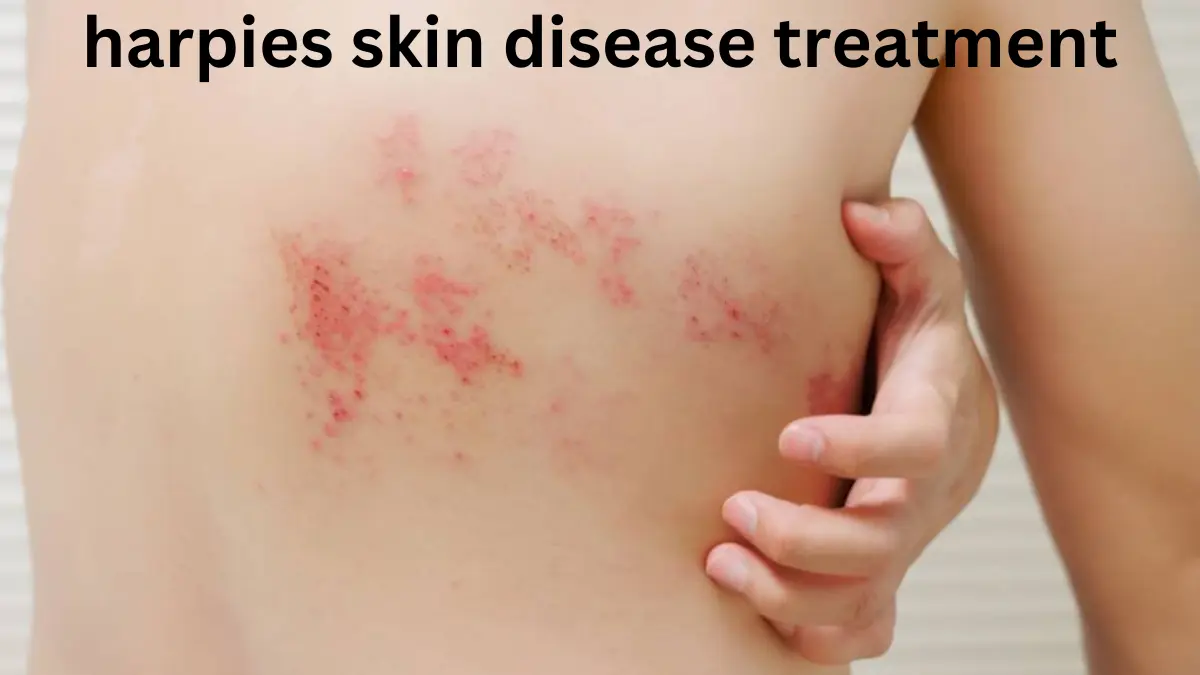
Comprehensive Guide to Harpies Skin Disease Treatment
Harpies skin disease, often caused by the herpes simplex virus (HSV) or varicella-zoster virus (VZV), can be a painful and uncomfortable condition. Understanding the right treatment options, both medical and at-home, is crucial for managing this skin ailment effectively. In this guide, we’ll explore the causes, symptoms, treatment methods, and preventive measures for Harpies skin disease to help you take control of the condition and minimize its impact on your life.
Book Your Consultation Today
Visit Dr. Hanan Dermatology Specialty Clinic in Padur, OMR, Chennai. Schedule your consultation today and start your journey to fuller, healthier hair and Skin.
For more information and to book your appointment, visit our clinic or call us at the clinic’s contact details.
What is Harpies Skin Disease?
Harpies skin disease is commonly associated with herpes simplex virus (HSV), leading to painful sores or blisters on the skin. In some cases, it can also be caused by the varicella-zoster virus, the same virus responsible for chickenpox. The condition primarily affects the skin and mucous membranes, resulting in outbreaks of blisters that can be both painful and visually distressing.
- Causes and Risk Factors: Harpies is triggered by viral infections, most commonly HSV. Factors that increase the risk include a weakened immune system, stress, injury, sun exposure, and close contact with an infected person.
- Symptoms: Painful red sores or blisters, itching, swelling, fever, and burning sensations around the infected area. These lesions often appear on the face, mouth, or genital area.
- Types of Harpies: The two main types of Harpies skin disease are:
- Harpies Simplex: A viral infection causing cold sores or genital herpes.
- Harpies Zoster (Shingles): A reactivation of the chickenpox virus that causes painful rashes and blisters.
Recognizing Harpies Skin Disease
Recognizing Harpies early is essential for effective treatment and preventing the spread of the virus. The initial signs of Harpies skin disease may include itching, a tingling sensation, and redness around the affected area. These symptoms typically progress to form small, fluid-filled blisters, which eventually rupture and form scabs.
If you notice any of these symptoms, it’s crucial to consult a healthcare provider as soon as possible to receive proper treatment. In severe cases, complications such as bacterial infections or viral spread to other parts of the body may occur, so early intervention is key.
Medical Treatments for Harpies Skin Disease
Several medical treatments are available to manage Harpies skin disease, including antiviral medications, pain management strategies, and in some cases, steroid treatments.
- Antiviral Medications:
- Medications such as Acyclovir, Valacyclovir, and Famciclovir are prescribed to reduce the severity and duration of outbreaks. These medications work by inhibiting the virus’s ability to replicate, providing relief from symptoms and promoting faster healing.
- Topical antiviral creams may also be used for localized treatment to reduce discomfort.
- Pain Management:
- Pain relievers like Ibuprofen, Acetaminophen, and Naproxen can help alleviate the pain and inflammation associated with outbreaks.
- Topical creams containing numbing agents (such as 5% lidocaine) may also be applied to reduce localized pain or discomfort.
- Steroid Medications:
- In certain cases, doctors may prescribe corticosteroids to reduce inflammation and prevent severe outbreaks.
- Alternative Treatments:
- For persistent or recurring cases, some people benefit from immunotherapy or treatments that boost the immune system, such as interferons.
Home Remedies and Lifestyle Adjustments
While antiviral medications are essential, home remedies and lifestyle changes can also help manage Harpies skin disease and alleviate discomfort.
- Natural Remedies for Soothing:
- Aloe vera and tea tree oil have soothing and anti-inflammatory properties that may help reduce irritation and promote healing.
- Apply ice packs or cool compresses wrapped in a towel to reduce inflammation and provide relief from pain.
- Self-care Practices:
- Wear loose clothing to avoid friction and irritation in the affected area.
- Ensure the infected area is kept clean and dry to prevent further irritation and potential bacterial infections.
- Avoid sun exposure and stress, as both can trigger or worsen outbreaks.
- Managing Pain at Home:
- Warm sitz baths can help soothe the skin, especially in genital cases. Adding Epsom salt to the bath may provide additional relief.
- Follow a gentle skin care routine, avoiding harsh chemicals or soaps that may worsen the symptoms.
Preventing Recurrence of Harpies Skin Disease
Harpies outbreaks can recur, but there are several steps you can take to prevent them:
- Avoid Triggers: Stress, illness, excessive sun exposure, and even injury can trigger a flare-up. By identifying your triggers, you can avoid or minimize them.
- Strengthen Your Immune System: A healthy immune system is key to managing Harpies. Make sure you get enough rest, eat a balanced diet, and stay physically active.
- Practice Good Hygiene: Wash hands regularly, avoid touching the sores, and clean the affected areas carefully to prevent the spread of the virus.
When to Seek Professional Help
If you experience any of the following, it’s important to seek medical help immediately:
- If the sores do not heal after several weeks or worsen over time.
- If the pain is severe and cannot be controlled by over-the-counter medications.
- If you experience complications such as secondary infections, or if the outbreak spreads to the eyes or other sensitive areas.
- For recurrent outbreaks, antiviral treatments may be prescribed as a preventive measure.
Living with Harpies Skin Disease
While Harpies skin disease can be uncomfortable, many people successfully manage the condition by combining medical treatment with lifestyle adjustments. Coping with the emotional and physical aspects of the disease is important for maintaining quality of life.
- Support Groups: Joining support groups can help you connect with others who understand what you’re going through and offer emotional support.
- Mental Health: The stigma surrounding Harpies can sometimes lead to feelings of isolation. It’s important to talk to a mental health professional if you’re struggling with stress or anxiety related to the condition.
FAQs
- Can Harpies be cured permanently?
Currently, there is no cure for Harpies, but antiviral medications can effectively manage the symptoms and reduce the frequency of outbreaks. - What are the common triggers for a Harpies outbreak?
Stress, illness, sun exposure, and injury are common triggers for Harpies outbreaks. - How long does it take for Harpies skin lesions to heal?
Healing typically takes 7-10 days with proper treatment, but this can vary depending on the severity of the outbreak.
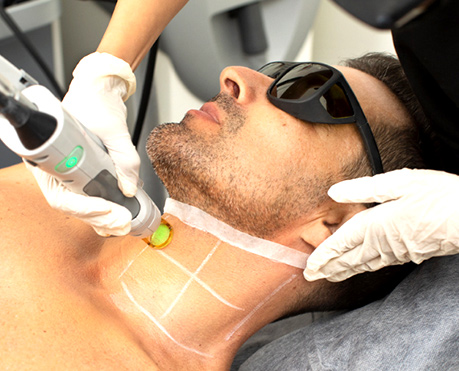
Best Laser Hair Removal in Chennai
Before receiving treatment The clinic will provide a consultation to assess your skin condition, hair color, and thickness. This step is necessary to determine the most appropriate laser technology for your needs.
1. Preparation: The area to be treated will be shaved and cleaned. Avoid waxing or plucking hair in the treated area in the week leading up to your session. This is because the laser must be aimed at the hair follicle.
2. Protective Equipment: You and the technician will wear protective goggles to protect your eyes from the laser’s intense light.
3. Treatment: The technician will use a handheld laser device to target the hair follicles. You may feel a slight stinging or stinging sensation between the laser pulses.
4. Post-Treatment Care: You may have some redness or swelling after your treatment. This usually disappears within a few hours. Using soothing creams and avoiding the sun will help your skin heal faster.
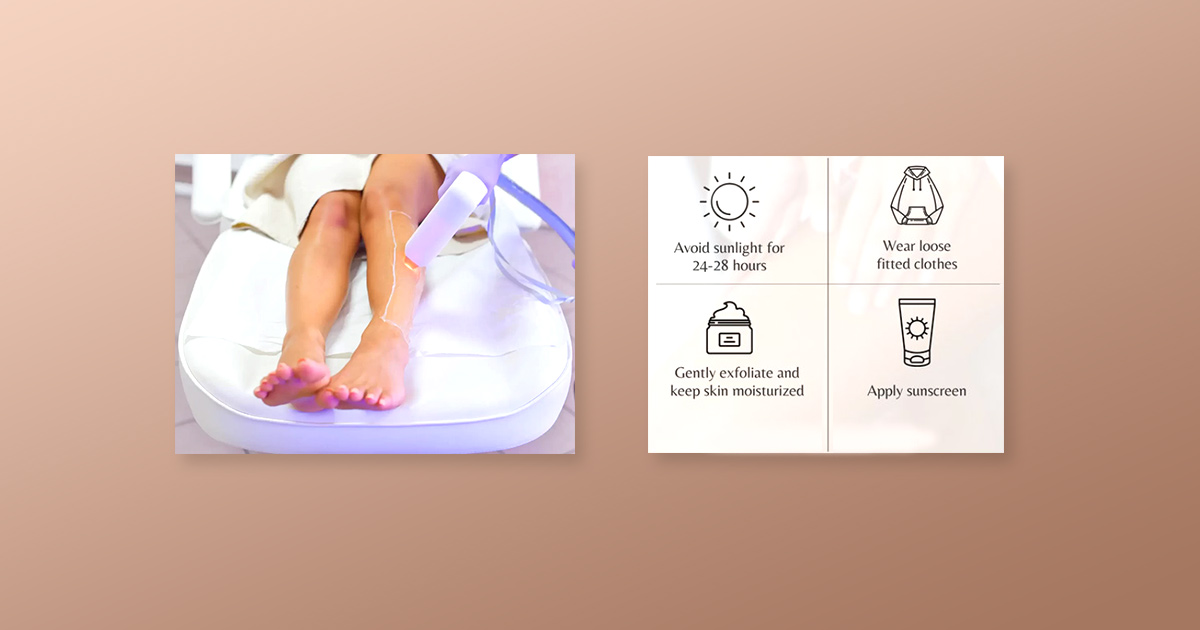
Most individuals require 6 to 8 treatments over approximately 4 to 6 weeks to achieve optimal results. Because the hair will grow long and dizzy, certain areas of the body may need to be touched more frequently. It depends on the nature of hair growth.
1. Dr. Hanan Dermatology Speciality Clinic – Located on OMR Road, this clinic is known for offering advanced laser hair removal treatments tailored to individual skin types and needs. With experienced female dermatologist in chennai and cutting-edge technology, this clinic is a top choice for many seeking permanent hair removal solutions.
2. Oliva Skin & Hair Clinic – One of the leading names in dermatology, Oliva offers customized laser hair removal treatments with a focus on safety and efficacy.
3. Vcare Dermatology Clinic – Known for its affordable pricing and comprehensive dermatology services, Vcare uses the latest laser technology to deliver effective results.