

Best Hair Transplant Surgeon in Chennai: A Comprehensive Guide

Best Hair Transplant Surgeon in Chennai: Hair loss can be a challenging experience for many, affecting not only one’s appearance but also self-confidence. Hair transplant surgery offers a permanent solution, restoring natural hair and confidence alike. Chennai, a thriving metropolitan city in India, has become a leading destination for hair transplant procedures, thanks to its world-class clinics and skilled surgeons. If you’re looking for the best hair transplant surgeon in Chennai, this guide will help you make an informed choice.
Book Your Consultation Today
Visit Dr. Hanan Dermatology Specialty Clinic in Padur, OMR, Chennai. Schedule your consultation today and start your journey to fuller, healthier hair.

For more information and to book your appointment, visit our clinic or call us at the clinic’s contact details.
Factors to Consider When Choosing a Hair Transplant Surgeon
Selecting the right surgeon is crucial for the success of your hair transplant. Here are key factors to consider:
- Qualifications and Certifications
- Ensure the surgeon is board-certified and has specialized training in hair restoration.
- Experience and Expertise
- Look for surgeons with a proven track record and several years of experience.
- Techniques and Technology Used
- Check if the surgeon offers advanced techniques like FUE (Follicular Unit Extraction), FUT (Follicular Unit Transplantation), or DHI (Direct Hair Implantation).
- Patient Reviews and Testimonials
- Research online reviews and seek before-and-after photos to gauge the surgeon’s skills.
- Clinic Facilities and Hygiene Standards
- Choose a clinic that maintains high standards of hygiene and is equipped with modern tools.
Top Hair Transplant Surgeons in Chennai
Chennai is home to some of the most reputed hair transplant surgeons, known for their expertise and success rates. Here are a few renowned names:
| Surgeon Name | Specialty | Clinic Name | Consultation Fee (₹) | Experience (Years) |
|---|---|---|---|---|
| Dr. Sasikumar Muthu | Hair Transplant Surgeon | Pearl Health, Alwarpet | 1,500 | 23 |
| Dr. A. Sivakumar | Plastic Surgeon | VS Hospitals, Kilpauk | 1,000 | 30 |
| Dr. Lakshmi Durga M | Hair Transplant Surgeon | Oliva Skin & Hair Clinic, Anna Nagar | 900 | 19 |
| Dr. Syed Shakeel | Dermatologist | Aesthetic Skin & Hair Clinic, Kilpauk | 500 | 32 |
| Dr. Kutti Sai Swetha | Trichologist | SIA Skin and Hair Clinic, Semmancheri | 500 | 8 |
| Dr. Cordelia Babitha | Dermatologist | Avira Skin and Hair Clinic, Besant Nagar | 800 | 20 |
| Dr. Azra Fatima N | Hair Transplant Surgeon | Oliva Skin & Hair Clinic, Adyar | 900 | 12 |
| Dr. J Pablo Neruda | Plastic Surgeon | Billroth Hospitals, Shenoy Nagar | 500 | 28 |
| Dr. Senthil Sivaprakasam | Dermatologist | Radiance Skin & Hair Care, Kilpauk | 700 | 19 |
| Dr. Meenakshi M | Hair Transplant Surgeon | Oliva Skin & Hair Clinic, Alwarpet | 900 | 12 |
Popular Hair Transplant Techniques in Chennai
The type of technique used significantly influences the outcome of your hair transplant. Some of the popular options include:
- Follicular Unit Extraction (FUE)
- A minimally invasive procedure with quicker recovery time.
- Follicular Unit Transplantation (FUT)
- Ideal for patients requiring a larger number of grafts.
- Direct Hair Implantation (DHI)
- Ensures precise implantation for natural results.
Each technique has its pros and cons, and the surgeon will recommend the most suitable one based on your specific needs.
Cost of Hair Transplant in Chennai
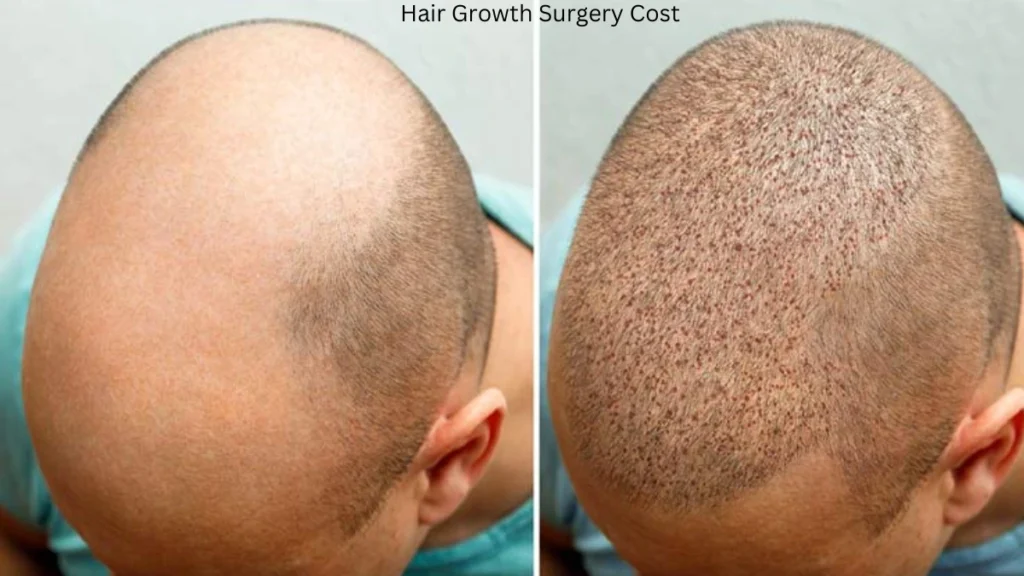
The cost of hair transplant procedures in Chennai varies depending on several factors, including:
- Technique Used: FUE is generally more expensive than FUT due to its precision and lower downtime.
- Number of Grafts: Larger areas of hair loss require more grafts, increasing the cost.
- Clinic and Surgeon’s Reputation: Premium clinics and highly experienced surgeons charge more.
On average, the cost in Chennai ranges from ₹40,000 to ₹1,50,000. This is often more affordable compared to other metro cities or international destinations.
Read more: Hair Growth Surgery Cost
What to Expect During a Hair Transplant Journey
Understanding the hair transplant process can ease your concerns. Here’s what typically happens:
- Initial Consultation
- The surgeon evaluates your hair loss and discusses goals.
- Pre-Surgery Preparation
- You may be asked to avoid certain medications and follow dietary guidelines.
- The Procedure
- The surgery can take 4-8 hours, depending on the number of grafts.
- Post-Surgery Care
- Follow post-operative instructions for a smooth recovery.
- Expect mild swelling and scabs, which subside within 10-14 days.
Benefits of Getting a Hair Transplant in Chennai
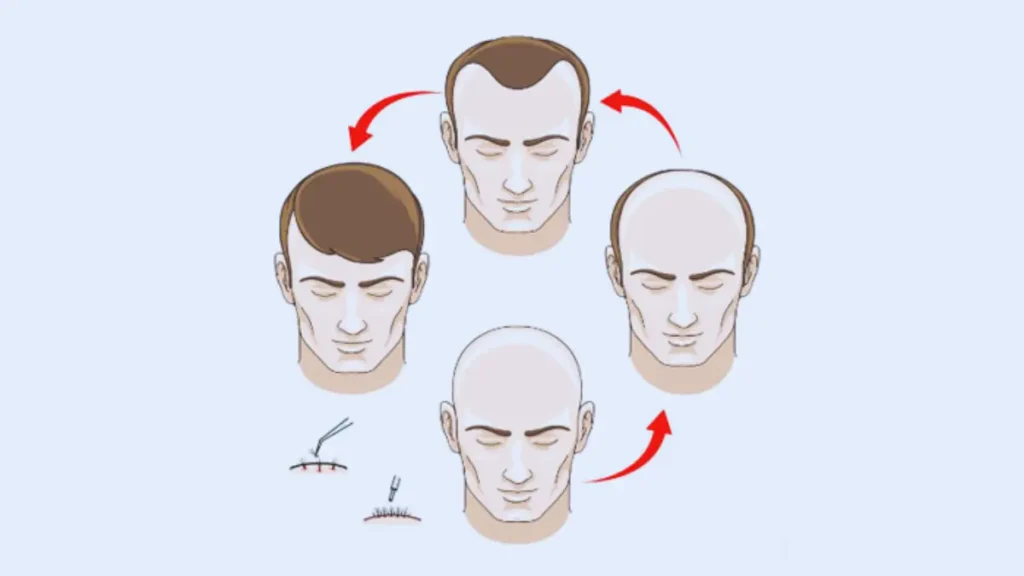
Chennai offers several advantages for those seeking hair transplant surgeries:
- Expertise: Access to highly skilled and experienced surgeons.
- Cost-Effective Solutions: Competitive pricing without compromising quality.
- State-of-the-Art Clinics: Equipped with the latest technology for superior results.
- Convenience for International Patients: Many clinics offer tailored packages, including accommodation and travel assistance.
Read more: Hair Transplant Surgery in Chennai Your Ultimate Guide for 2025
FAQs About Hair Transplant Surgeons in Chennai
Q1. How do I verify a surgeon’s credentials?
- Check their certifications and memberships in professional organizations like ISHRS (International Society of Hair Restoration Surgery).
Q2. How long does a hair transplant procedure take?
- Depending on the technique and number of grafts, it can take 4-8 hours.
Q3. Are there any risks involved?
- Hair transplants are generally safe, but minor risks like infection or scarring can occur if post-operative care is not followed.
Q4. What is the success rate of hair transplants in Chennai?
- With experienced surgeons and advanced techniques, the success rate is over 90%.
Conclusion
Choosing the best hair transplant surgeon in Chennai is a crucial step toward regaining your confidence. By considering factors like expertise, patient reviews, and clinic standards, you can ensure a successful and satisfying outcome. Start your journey today by booking a consultation with one of Chennai’s top surgeons and take the first step toward transforming your look
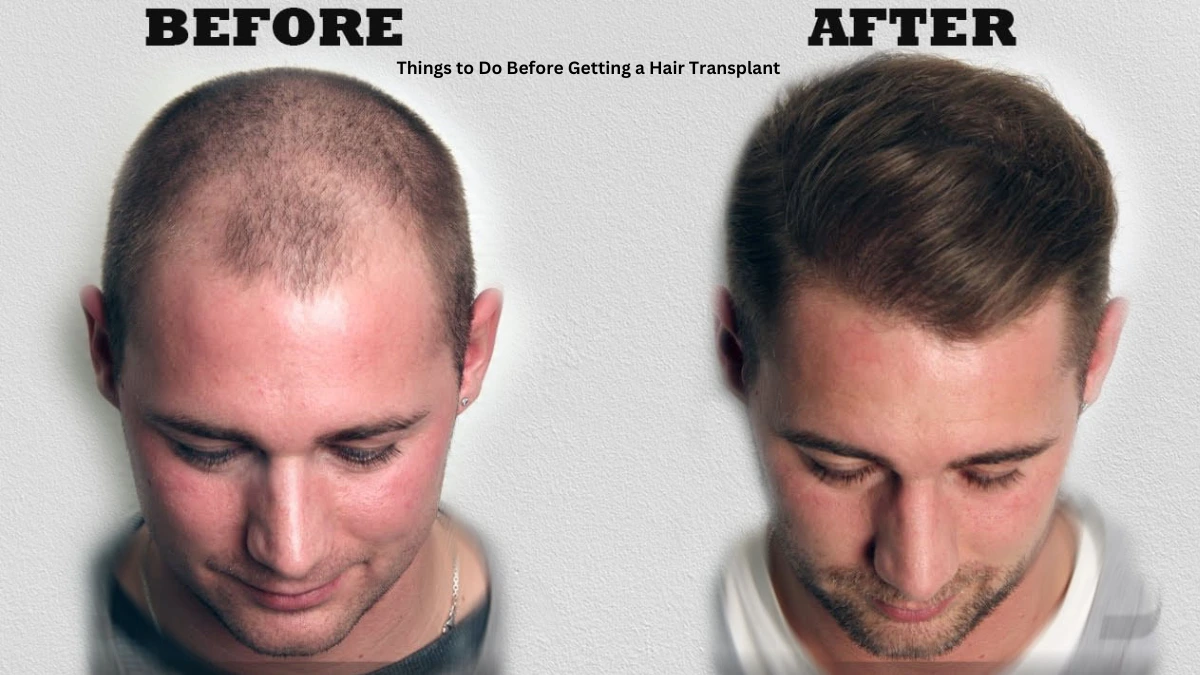
Things to Do Before Getting a Hair Transplant: A Complete Guide for a Successful Procedure
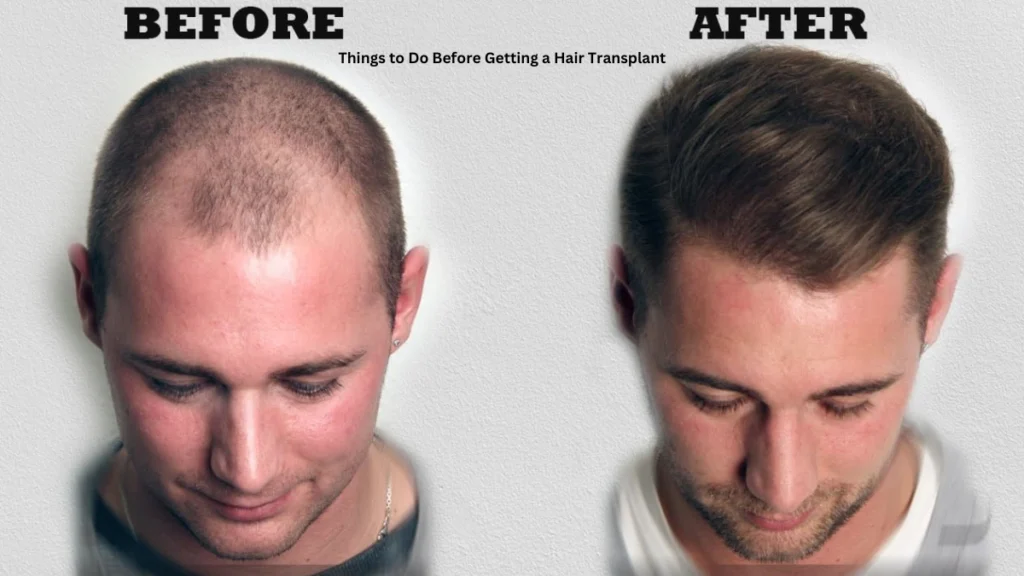
Hair transplants are a popular solution for individuals experiencing hair loss, and proper preparation before undergoing the procedure is crucial for ensuring the best possible outcome. Whether you’re considering a hair transplant for the first time or are familiar with the process, understanding the necessary steps to take before your surgery can significantly influence your recovery and final results.
In this article, we’ll guide you through essential preparations to ensure you’re ready for a successful hair transplant. From consultations with your surgeon to physical preparation, here’s what you need to do before your procedure.
Book Your Consultation Today
Visit Dr. Hanan Dermatology Specialty Clinic in Padur, OMR, Chennai. Schedule your consultation today and start your journey to fuller, healthier hair.
For more information and to book your appointment, visit our clinic or call us at the clinic’s contact details.

Things to Do Before Getting a Hair Transplant
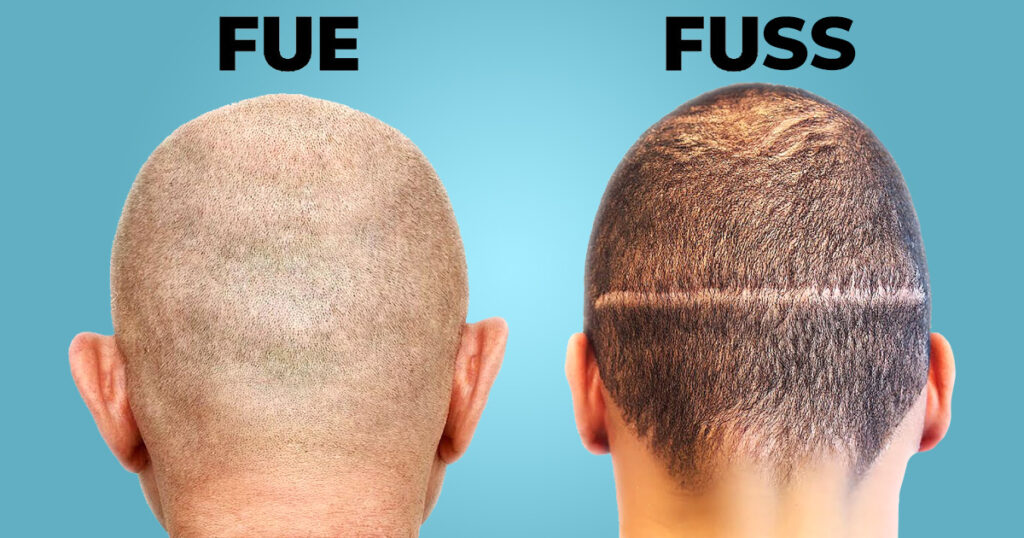
1. Consultation with a Qualified Surgeon
The first step in preparing for a hair transplant is selecting a skilled and experienced hair transplant surgeon. During your initial consultation, your surgeon will assess your hair loss, discuss your medical history, and determine your eligibility for the procedure.
Expect your surgeon to explain various techniques, such as Follicular Unit Extraction (FUE) and Follicular Unit Transplantation (FUT), and suggest the best approach based on your needs. This is also the time to ask any questions you may have about the procedure, expected results, and aftercare.
Read more: how much hair transplant cost in india
2. Understanding the Procedure
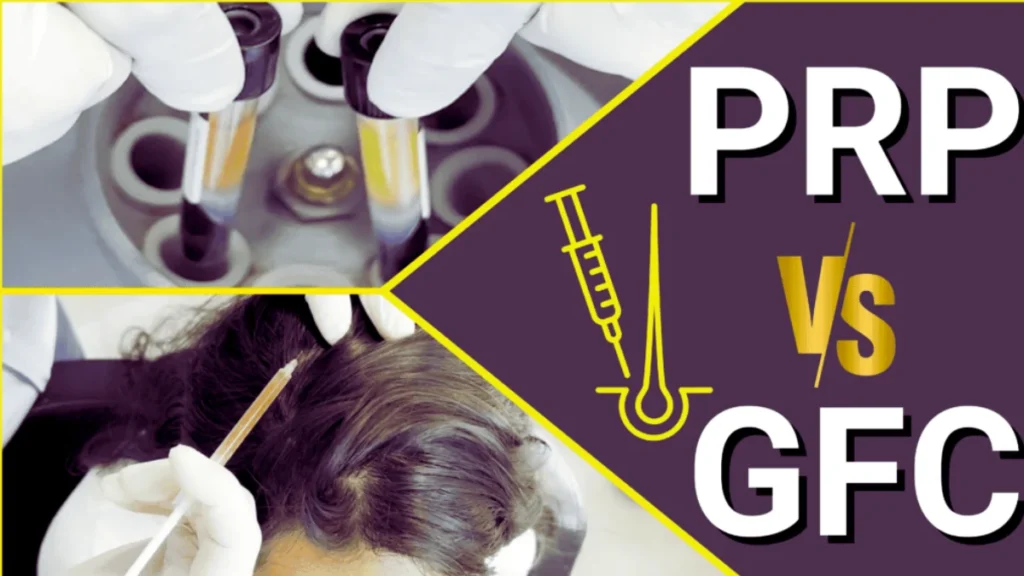
Before undergoing a hair transplant, it’s essential to understand the procedure and what it involves. There are two primary hair transplant techniques:
- Follicular Unit Extraction (FUE): In this technique, individual hair follicles are extracted and transplanted to the thinning or balding areas of the scalp. It’s less invasive and involves minimal scarring.
- Follicular Unit Transplantation (FUT): A strip of scalp is removed, and hair follicles are harvested and transplanted. This technique often results in a more noticeable scar but can be ideal for patients requiring a larger number of grafts.
By understanding these procedures, you can make an informed decision and set realistic expectations for your post-surgery appearance.
Read more: PRP vs GFC Hair Treatment in Chennai Which is the Best for Hair Regrowth
3. Prepare Your Hair
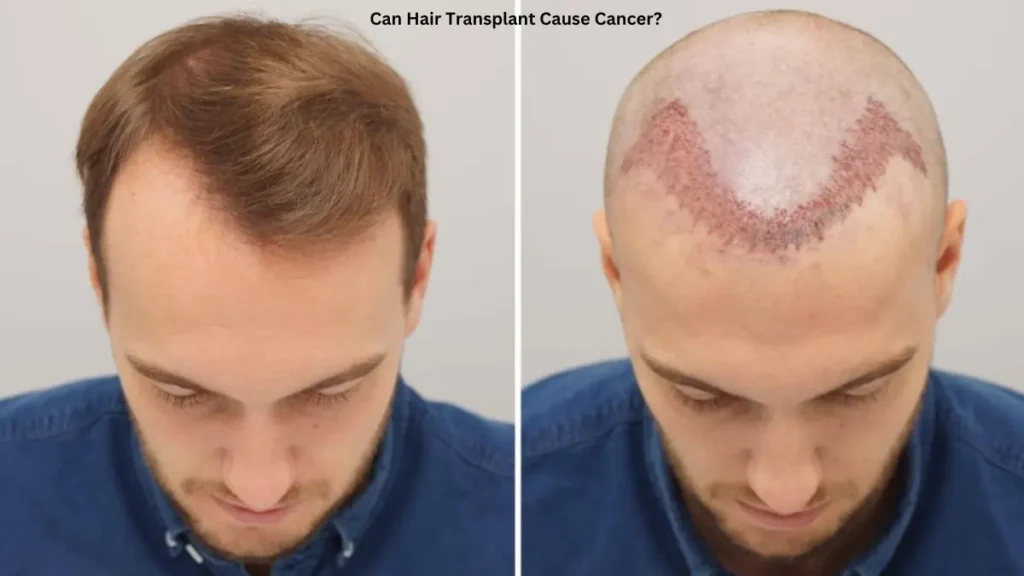
Proper hair care is essential before a hair transplant. Here’s what you should do:
- Wash your hair: Shampoo your hair thoroughly the night before and the morning of the surgery. This helps clean the scalp and removes oils and dirt that may interfere with the procedure.
- Avoid hair products: Refrain from using hair gels, oils, or other styling products before your surgery. These products can leave residues that may affect the grafting process.
- Do not trim, dye, or shave your hair: Unless instructed by your doctor, avoid cutting, coloring, or shaving your hair before the procedure. The surgeon will need to evaluate the natural state of your hair for the transplant.
4. Prepare Your Body
Your body needs to be in optimal condition for the surgery. Follow these steps:
- Get enough sleep: Ensure you’re well-rested before your surgery. A good night’s sleep the night before the procedure will help your body recover faster.
- Eat a light breakfast: Have a nutritious, light meal on the day of your surgery. Avoid heavy, greasy foods or those that may cause discomfort.
- Stay hydrated: Drink plenty of water in the days leading up to the procedure to keep your body hydrated.
- Avoid alcohol and caffeine: These substances can dehydrate you and may interfere with anesthesia or recovery. Avoid them at least 24 hours before the surgery.
- Quit smoking: Nicotine constricts blood vessels and can negatively affect healing. It’s best to stop smoking several weeks before your surgery for optimal results.
5. Medications and Supplements
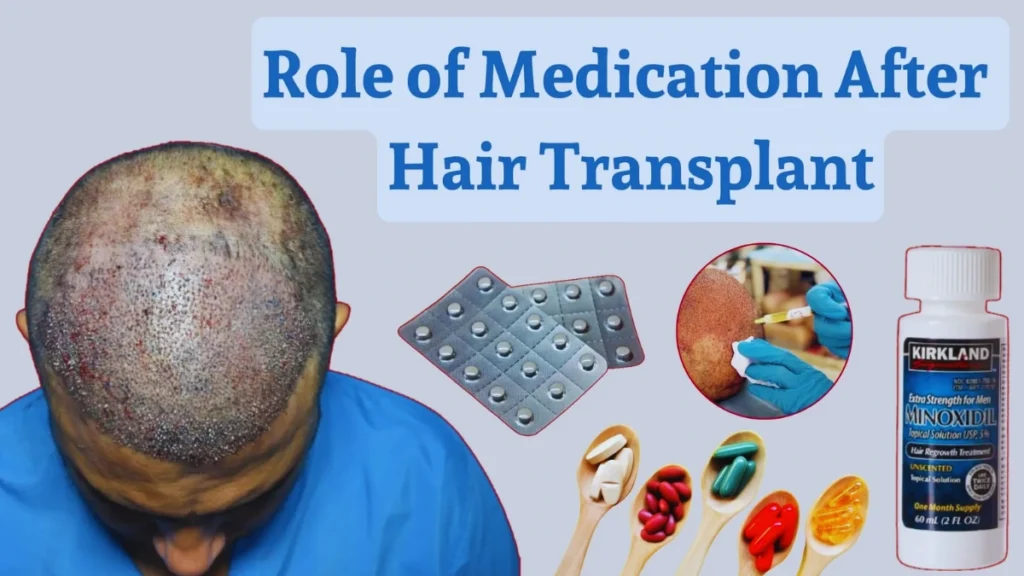
Before your hair transplant, discuss all medications and supplements you’re taking with your doctor. Some medications, such as blood thinners, can increase the risk of bleeding during the procedure. Your surgeon will likely advise you to stop taking certain medications, including:
- Blood thinners: Avoid medications like aspirin and ibuprofen.
- Supplements: Certain supplements, such as vitamin E and fish oil, can thin the blood and may need to be stopped.
- Prescription medications: If you’re on any chronic medications, ask your doctor for guidance.
Make sure to inform your surgeon of any allergies or pre-existing medical conditions to ensure a safe and smooth procedure.
Read more: Medicine After Hair Transplant Essential Post-Operative Care for Optimal Results
6. Avoid Stress and Mental Preparation
Preparing mentally for your hair transplant is just as important as physical preparation. Stress and anxiety can negatively affect your body’s ability to recover. Take time to relax and discuss any concerns with your surgeon. They will help you understand the procedure and what to expect, ensuring you feel confident and at ease.
Set realistic expectations for the results. While hair transplants can produce fantastic outcomes, the process requires patience, as it may take several months for new hair to grow fully.
7. Arrange for Post-Procedure Care
The recovery period after a hair transplant is just as important as the procedure itself. You’ll need someone to drive you home after the surgery, as the anesthesia may leave you groggy. Arrange for a friend or family member to accompany you to the clinic.
Prepare your home environment for a comfortable recovery. Set up a clean, quiet space where you can rest and follow the post-op instructions from your doctor. Make sure to have any prescribed medications on hand for pain management or infection prevention.
8. Prepare Your Wardrobe
On the day of your surgery, wear loose, comfortable clothing that will not need to be pulled over your head. Opt for button-up shirts or easy-to-remove tops, as you may experience discomfort if you try to pull clothing over your head after the procedure.
9. Financial Planning

Ensure you are aware of the total cost of the procedure and what is included. Some hair transplant clinics may offer package deals that cover medications, follow-up visits, and additional treatments. Be prepared for any extra costs that may arise during recovery.
Conclusion
Proper preparation is key to achieving the best results from your hair transplant. From choosing the right surgeon and understanding the procedure to following pre-op care guidelines, each step plays a crucial role in ensuring a smooth process. By taking the time to properly prepare your hair, body, mind, and environment, you’ll be setting yourself up for a successful hair transplant and a fuller, more confident you.
FAQs
1. How should I prepare my hair before the transplant?
You should wash your hair with shampoo the night before and the morning of the surgery. Avoid using any hair products like gel, oil, or styling creams. Do not dye, trim, or shave your hair before the procedure unless specifically instructed by your doctor.
2. Can I drink alcohol before a hair transplant?
No, you should avoid alcohol at least 24 hours before the procedure. Alcohol can dehydrate your body and may interfere with anesthesia and recovery.
3. Should I quit smoking before my hair transplant?
Yes, it’s advisable to quit smoking several weeks before the surgery. Nicotine constricts blood vessels and can hinder proper healing. Avoid smoking for at least two weeks before and after the procedure.
4. Can I take my regular medications before the surgery?
You should discuss all medications, including over-the-counter drugs and supplements, with your surgeon. Some medications, like blood thinners, may need to be stopped before the procedure to minimize bleeding risks. Always follow your doctor’s advice.
5. What should I eat before my hair transplant?
It’s recommended to have a light, healthy breakfast on the day of your surgery. Avoid greasy or heavy foods that may upset your stomach or cause discomfort during the procedure. Staying hydrated is also essential.
6. Can I exercise before my hair transplant?
It’s best to avoid strenuous exercise 24-48 hours before the procedure. Exercise can increase blood flow and may affect the success of the surgery. After the procedure, follow your doctor’s advice regarding physical activity.
7. How should I dress for the surgery?
Wear loose, comfortable clothing that you can easily take off without needing to pull anything over your head. Button-up shirts or zip-up tops are ideal for post-surgery comfort.
8. How soon will I see results after a hair transplant?
While results vary, you can typically expect to see the first signs of new hair growth around 3-4 months after the procedure. Full results may take 9-12 months as hair continues to grow and thicken.
9. Do I need someone to drive me to the clinic?
Yes, it’s recommended to have someone accompany you to the clinic and drive you home after the procedure. The anesthesia used during the transplant may leave you feeling groggy, and you should avoid driving immediately after the surgery.
10. Can I take a shower before the procedure?
Yes, you can take a shower before the procedure, but avoid using any heavy hair products. Make sure to wash your hair thoroughly to remove any dirt, oils, or residues that could affect the procedure.
11. What if I have a medical condition?
If you have any pre-existing medical conditions, inform your surgeon before the procedure. Your doctor will assess your health and may need to make adjustments to the procedure or medication based on your condition.
12. What should I do if I feel nervous about the procedure?
It’s normal to feel anxious before a hair transplant. Discuss any concerns with your surgeon and ask for more details about the procedure. Understanding the process and setting realistic expectations can help ease your nerves.
13. What are the costs involved in a hair transplant?
The cost of a hair transplant varies depending on the technique used, the clinic’s location, and the number of grafts required. Be sure to discuss the costs during your consultation and ask about any additional expenses for medications, follow-up visits, or aftercare.
14. Can I resume normal activities right after the transplant?
No, it’s important to take it easy during the first few days after the procedure. Avoid activities like heavy exercise, bending over, or direct sun exposure until your doctor clears you for regular activities.