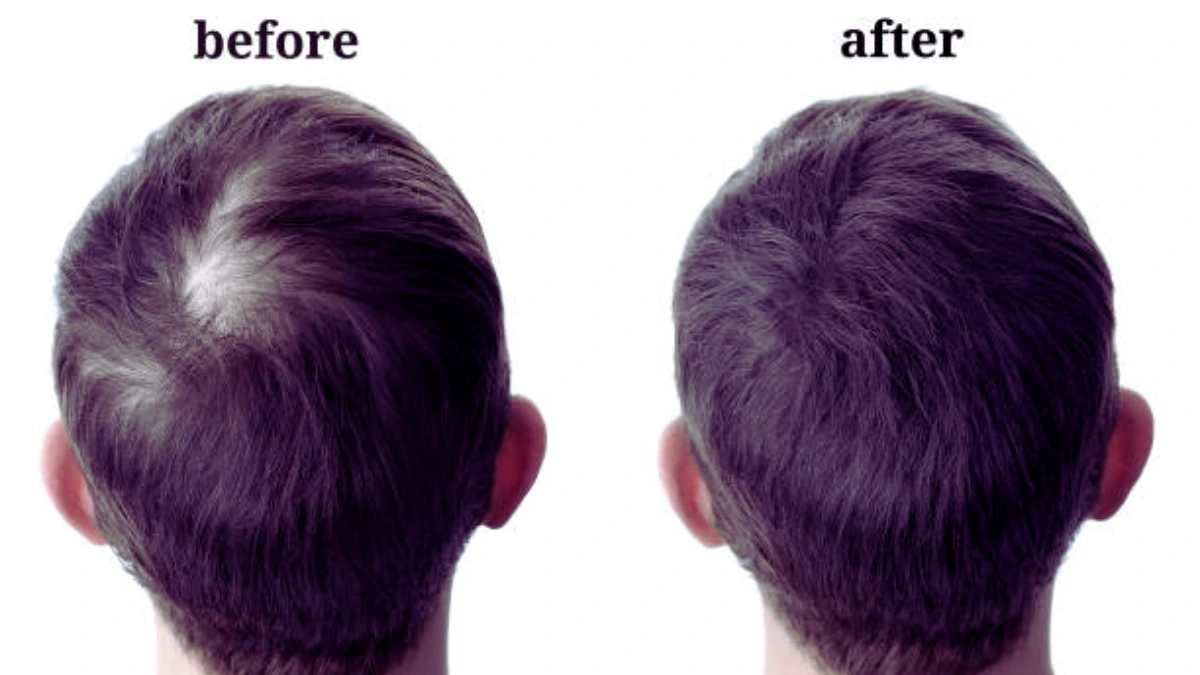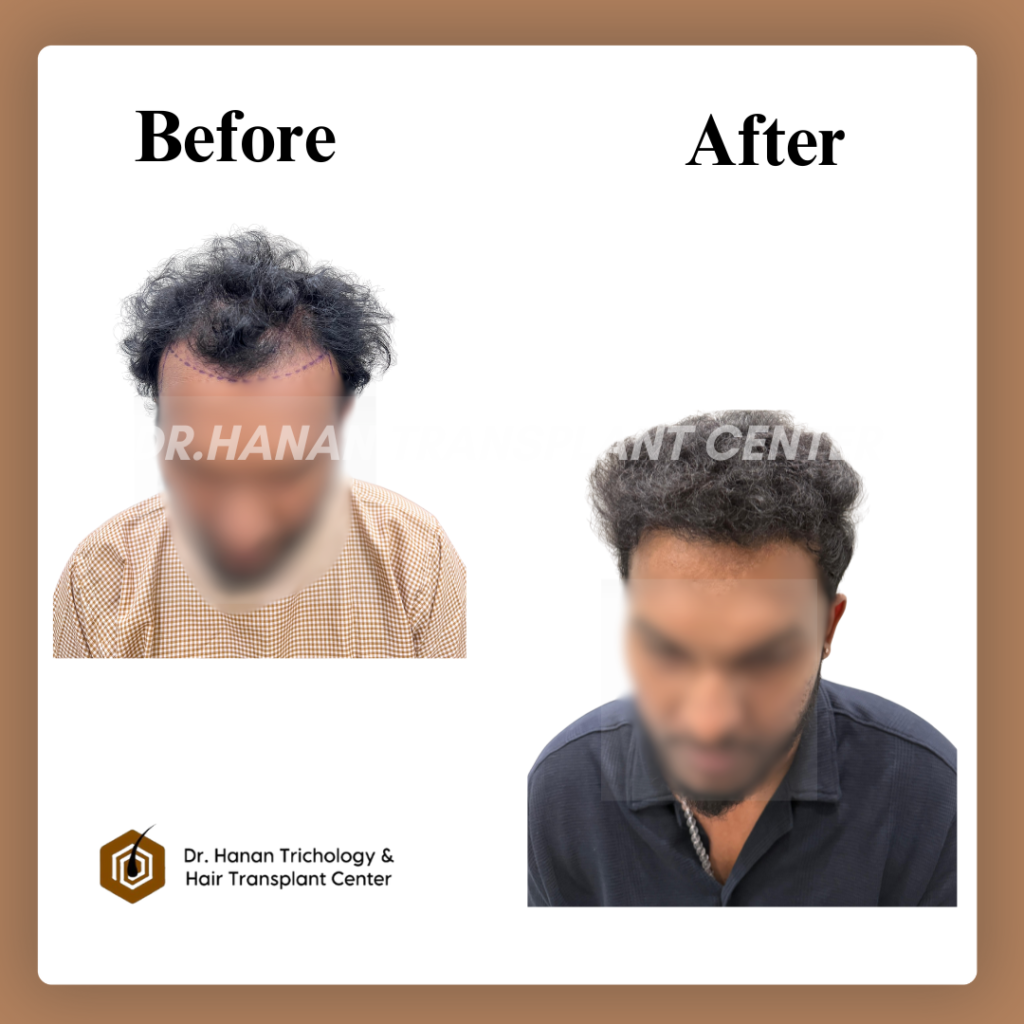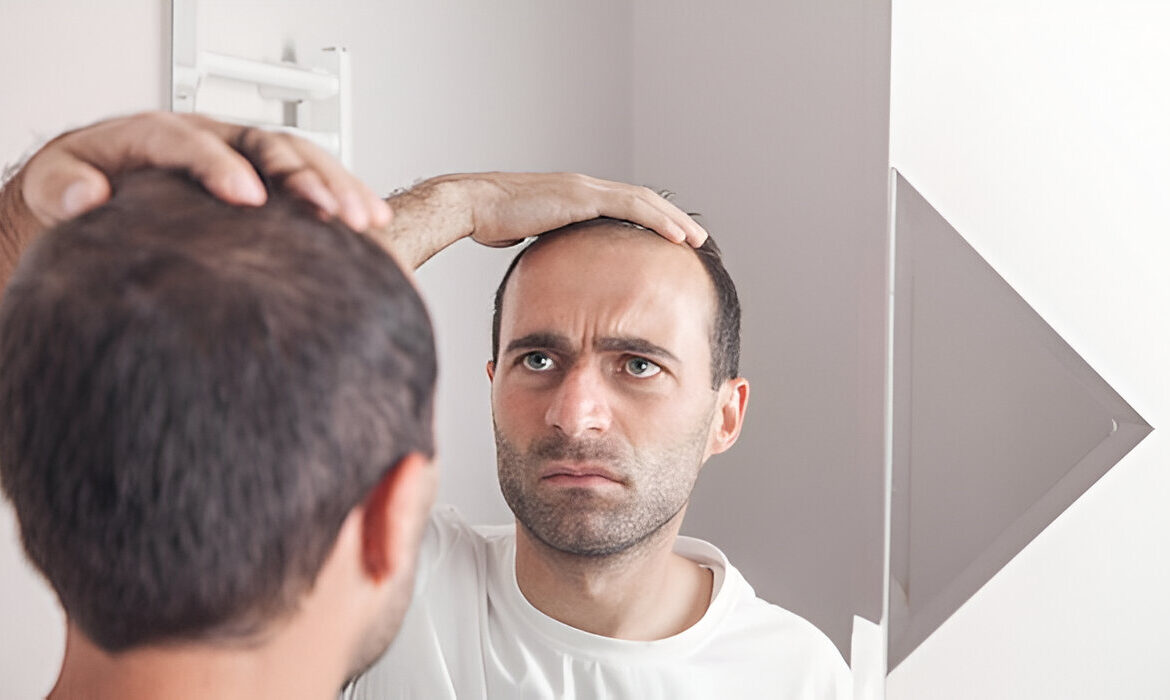
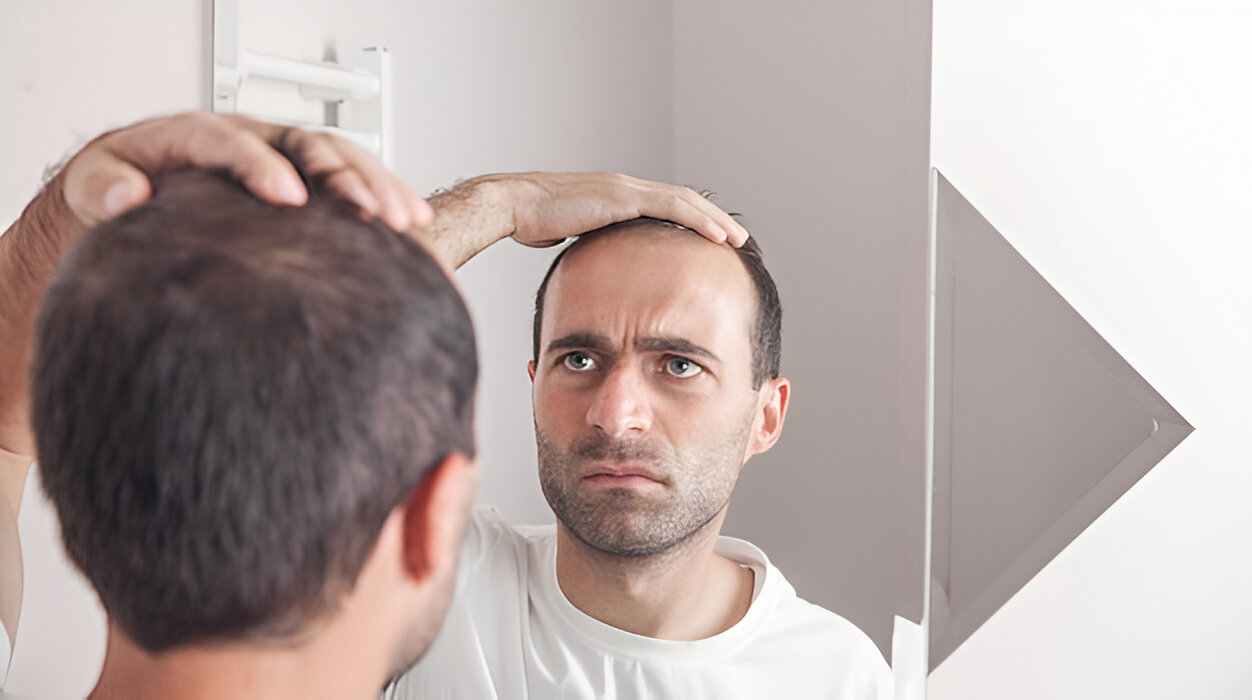
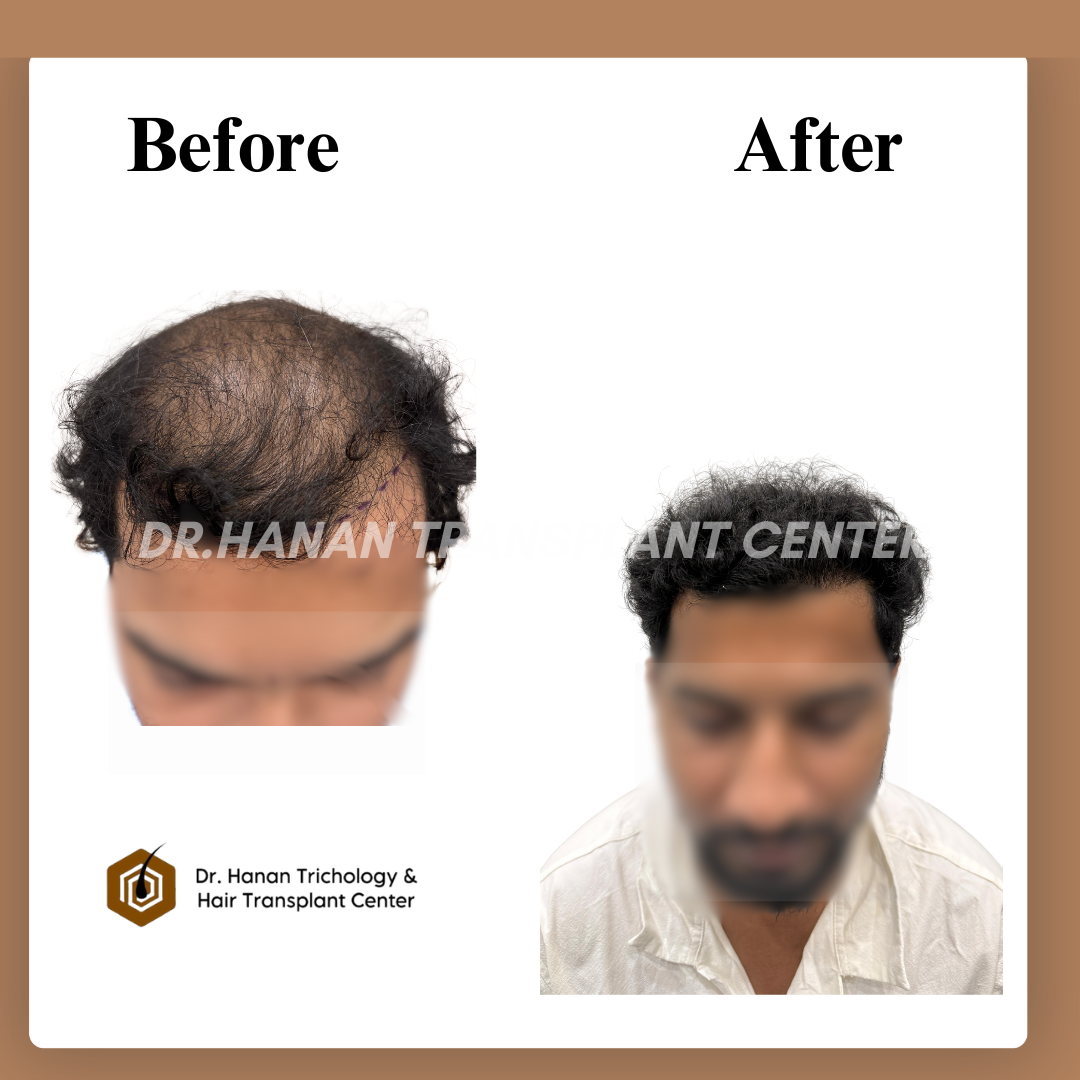
Struggling with hair fall while combing? Learn normal hair loss limits, causes, and expert-backed solutions to reduce breakage patient outcomes in India.
Hair Fall While Combing: Best Ways to Minimize It

Hair fall while combing is a common concern for many individuals. While some hair shedding are natural, excessive hair loss may indicate inherent health issues, poor hair care practices, or environmental factors. In this guide, we will find out how much hair fall per day is normal, due to hair fall while combing, and practical steps to reduce it. Whether you are dealing with hair breakage, hair thinning, thin, or seasonal shedding, understanding the reasons can help you find an effective solution.
How Much Hair Loss Per Day Is Normal?
On average, losing 50 to 100 hair per day is considered normal. The hair grows in cycles – anagen (development), catan (transitional), and telogen (comfort). During the telogen phase, the hair naturally shed the way for new growth. However, if you are seeing clumps of hair while combing or brushing, it may be time to re-think your routine or talk to a specialist.
Causes of Hair Fall While Combing
Many factors contribute to noticeable hair fall during combing or brushing:
1. Weak Hair Strands
Protein or keratin deficiency in the hair shaft can make strands brittle, making them more likely to break during combing.
2. Wet Hair Combing
Hair is its weakest when it is wet. Brushing moist hair increases the chances of breakage and root stress.
3. Tight Hairstyles and Tension
Regularly tying your hair in tight buns, ponytails, or braids puts constant pressure on the roots, causing traction alopecia, a type of hair loss due to stress.
4. Nutritional Deficiencies
Lack of essential nutrients such as iron, biotin, vitamin D, and zinc can weaken the hair follicle and increase hair fall.
Best Ways to Minimize Hair Fall While Combing
1. Use the Right Comb
Use a wide-toothed comb to manage lumps without tugging or breaking the hair. Avoid metal combs or brushes with sharp bristles.
2. Start Detangling from the Ends
Instead of pulling from the root to the tip, start detangling from the ends, working in your own way. This method reduces stress on the roots and minimizes breakage.
3. Avoid Heat and Harsh Chemicals
Heat tools usage (such as straightener or curling iron) and more use of harsh hair products can weaken the hair shaft. Stick to sulfate-free shampoo, natural oil (such as argon or coconut oil), and minimal heat styling.
4. Don't Comb Wet Hair
Wait for your hair to dry at least 80% before brushing. Alternatively, use a microfiber towel to soak excess water and allow it to dry in the air before combing it.
5. Condition Regularly
Using a deep conditioner or leave-in treatment can make the hair cuticle smooth, reduce friction while combing your hair, and prevent the split ends. the air before combing it.
Other Contributing Factors to Hair Fall
Hormonal Changes
Pregnancy, postpartum changes, menopause, and thyroid issues can change hair growth cycles, leading to temporary or long -term hair collapse.
Stress and Lack of Sleep
High stress increases cortisol levels in the body, which can disrupt hair follicle function. Chronic stress is often associated with telogen effects, a condition where hair sheds more than normal.
When to See a Dermatologist
If you notice:
Sudden hair thinning or bald patches
Excessive shedding for over a month
Scalp irritation, redness, or dandruff accompanying hair fall
It is important to consult a dermatologist or trichologist. They can perform scalp assessment, blood tests, and recommend treatments such as PRP therapy, medicated shampoos, or even hair transplant consultation for advanced cases.
Conclusion
While some shedding is natural, frequent hair fall while combing shouldn’t be ignored, soft care and gentle handling and a nutritious diet, you can greatly reduce hair breakage and support healthy hair growth. Dr. Hanan Dermatology Specialty Clinic, we specialize in identifying the root cause of hair fall and providing customized treatment plans. Book your consultation today and take the first step towards restoring strong, beautiful hair.
Book Your Consultation Today!
For Personalised Treatment visit Dr. Hanan Clinic. Feel confident and proud with our expert care.
Table of Contents
PRP Hair Treatment Near Me

Hair loss can be a frustrating and challenging issue, but there’s good news! PRP (Platelet-Rich Plasma) hair treatment is gaining popularity as a revolutionary, natural solution. If you’re searching for “PRP hair treatment near me,” this guide is for you. Let’s explore everything you need to know about this innovative procedure.
Book Your Consultation Today
Visit Dr. Hanan Dermatology Specialty Clinic in Padur, OMR, Chennai. Schedule your consultation today and start your journey to fuller, healthier hair.
For more information and to book your appointment, visit our clinic or call us at the clinic’s contact details.
What Is PRP Hair Treatment?
It involves using your body’s own platelets to stimulate hair growth. Platelets, found in your blood, contain growth factors that promote tissue repair and regeneration. This natural treatment has been proven effective for hair restoration.
How Does PRP Work for Hair Loss?
In PRP treatment, a small amount of your blood is drawn, processed to concentrate platelets, and injected into your scalp. This stimulates hair follicles, improves blood flow, and encourages thicker, healthier hair growth.
Benefits of PRP Hair Treatment
Natural and Non-Surgical Solution
Unlike hair transplants or synthetic treatments, PRP uses your body’s natural resources, minimizing risks and side effects.
Effective for Various Hair Loss Conditions
Whether you’re dealing with thinning hair, bald spots, or alopecia, PRP is versatile enough to address different hair loss issues.
Long-Lasting Results
With proper care and maintenance, the results of PRP treatment can last for years, making it a cost-effective solution over time.
Finding PRP Hair Treatment Near You
Researching Local Clinics
Start by searching online for reputable clinics in your area. Look for clinics that specialize in hair restoration.
Checking Reviews and Testimonials
Patient reviews can give you a clear picture of a clinic’s reliability and effectiveness.
Consulting with Specialists
Book a consultation with a specialist to discuss your hair loss concerns and see if PRP is right for you.
What to Expect During PRP Treatment
Pre-Treatment Preparation
Avoid alcohol and certain medications a few days before your appointment. Hydration is also key.
The PRP Treatment Process
The process is straightforward:
- Blood is drawn.
- Platelets are separated using a centrifuge.
- The platelet-rich plasma is injected into targeted areas of the scalp.
Post-Treatment Care Tips
Avoid washing your hair for 24 hours, and steer clear of direct sunlight. Follow your specialist’s aftercare instructions for the best results.
Cost of PRP Hair Treatment
Factors Affecting Treatment Costs
Costs vary depending on clinic location, specialist experience, and the number of sessions required.
Typical Price Range for PRP Hair Treatments
Expect to pay anywhere between $300 to $1,500 per session, with most patients needing 3–6 sessions.
Is PRP Hair Treatment Worth It?
Many patients report significant improvements, making it a worthwhile investment for those seeking long-term hair restoration.
Tips for Choosing the Right PRP Provider Near You
Verifying Credentials and Experience
Ensure your specialist is licensed and has experience performing PRP hair treatments.
Asking About Equipment and Techniques
Inquire about the equipment used and whether the clinic employs the latest techniques.
Understanding the Clinic’s Aftercare Policies
Good clinics offer detailed aftercare guidance to maximize your results.
Success Stories and Testimonials
Real-Life Experiences of PRP Patients
Many patients share stories of improved hair thickness and confidence after PRP treatment.
Transformational Before-and-After Cases
Before-and-after photos provide a visual testament to PRP’s effectiveness.
PRP Hair Treatment Alternatives
Topical Treatments
Minoxidil and other topical solutions can supplement PRP or serve as alternatives.
Medications Like Minoxidil and Finasteride
These medications are FDA-approved and effective for certain types of hair loss.
Hair Transplant Surgery
For more severe cases, hair transplantation might be a suitable option.
Conclusion
PRP hair treatment is a game-changer for those battling hair loss. By stimulating natural growth and offering long-lasting results, this treatment is a fantastic option to explore. If you’re searching for “PRP hair treatment near me,” don’t hesitate to research clinics, consult specialists, and take the Event first step toward restoring your hair and confidence
FAQs About PRP Hair Treatment Near Me
- How long does a PRP session take?
A typical PRP session lasts about 45–60 minutes. - Are there any side effects of PRP?
Minor side effects like redness or swelling may occur but typically subside within a day. - Can PRP treat all types of hair loss?
PRP is effective for most cases but may not work for complete baldness. - How soon will I see results?
Visible results usually appear within 3–6 months. - Is PRP painful?
The treatment involves minor discomfort, but most patients find it tolerable.
Hair Fall Treatment in India: Comprehensive Guide to Regain Healthy Hair
Hair Fall Treatment in India: Hair fall is a common concern that affects millions of people worldwide, and India is no exception. Whether due to genetic factors, lifestyle, or environmental stressors, excessive hair fall can significantly impact confidence and well-being. Fortunately, India offers a plethora of effective treatments to combat hair loss. In this article, we’ll explore the causes, diagnostic methods, and treatments available in India to help you make an informed decision and regain your crowning glory.
Book Your Hair Fall Treatment in India Consultation Today
Visit Dr. Hanan Dermatology Specialty Clinic in Padur, OMR, Chennai. Schedule your consultation today and start your journey to fuller, healthier hair.
For more information and to book your appointment, visit our clinic or call us at the clinic’s contact details.
Understanding Hair Fall
What is Hair Fall?
Hair fall refers to the shedding of more hair than what is naturally replaced in the hair growth cycle. While it is normal to lose about 50-100 strands daily, excessive hair fall can lead to thinning or bald patches.
Common Causes of Hair Fall
- Genetics: Male and female pattern baldness.
- Stress: Emotional and physical stress can disrupt hair growth.
- Nutritional Deficiencies: Lack of iron, vitamins, and proteins.
- Hormonal Imbalances: Conditions like PCOS, thyroid dysfunction.
- Environmental Factors: Pollution, hard water, and UV exposure.
- Medical Conditions: Alopecia, scalp infections, and chronic illnesses.
Diagnosing Hair Fall
Accurate diagnosis is crucial for effective treatment. Dermatologists and trichologists can identify the root cause through:
- Scalp Examination: To assess hair density and scalp health.
- Blood Tests: To detect deficiencies and hormonal issues.
- Hair Pull Test: Evaluates hair fragility.
- Scalp Biopsy: For severe or unexplained cases.
Types of Hair Fall Treatments in India
Medical Treatments
- Topical Solutions: Minoxidil promotes regrowth by stimulating follicles.
- Oral Medications: Finasteride helps in cases of androgenetic alopecia.
- Medicated Shampoos: Treats dandruff and scalp infections.
- Hormonal Therapies: Corrects imbalances causing hair loss.
Cosmetic and Clinical Procedures
- Hair Transplants: Techniques like FUT and FUE offer permanent solutions.
- PRP Therapy: Platelet-rich plasma injections to stimulate regrowth.
- Mesotherapy: Nutrient-rich injections for better scalp health.
- Low-Level Laser Therapy (LLLT): Stimulates hair follicles non-invasively.
Ayurvedic and Natural Remedies
- Herbs: Bhringraj, Amla, and Shikakai for natural nourishment.
- Ayurvedic Oils: Promote hair growth and improve scalp health.
- Yoga and Meditation: Reduces stress, aiding in hair retention.
Home Remedies
- Coconut Oil: Deeply nourishes and strengthens hair.
- Onion Juice: Rich in sulfur to promote hair growth.
- Aloe Vera: Soothes the scalp and reduces dandruff.
Cost of Hair Fall Treatments in India
Hair fall treatments in India are comparatively affordable. The costs vary based on the procedure, clinic reputation, and city. Here’s an approximate range:
- Topical Treatments: INR 500 – 2,000/month.
- Hair Transplants: INR 40,000 – 2,50,000.
- PRP Therapy: INR 5,000 – 15,000/session.
Choosing the Right Treatment for You
- Identify the Cause: Understanding the underlying reason is key.
- Consult Professionals: Visit certified dermatologists or trichologists.
- Customize Solutions: Choose treatments suitable for your hair type and condition severity.
Preventive Tips for Managing Hair Fall
- Balanced Diet: Include foods rich in iron, biotin, and omega-3.
- Scalp Care: Use mild shampoos and avoid harsh chemicals.
- Lifestyle Changes: Manage stress with yoga and ensure adequate sleep.
- Hydration: Drink plenty of water to keep your scalp hydrated.
Conclusion
Hair fall can be a distressing issue, but with the variety of treatments available in India, you don’t have to suffer in silence. From medical solutions to natural remedies, the right approach can help you achieve healthy and luscious locks. Consult a specialist to identify the best course of action and take the first step towards regaining your confidence.

Which Type of Shampoo Is Good for Hair 2026
Which Type of Shampoo Is Good for Hair 2025
Find which type of shampoo is best for your hair in 2025. Tips for all hair types and needs to keep your locks healthy and vibrant.

Choosing the right shampoo is important for healthy hair. With so many options, it can be difficult to find the best shampoo for your specific hair type and needs.
In this comprehensive guide, we will help you understand which shampoo is good for your hair by breaking down the key factors to consider and explaining the best choices based on different hair types.
Understanding the Importance of Choosing the Right Shampoo
Your shampoo is more than just a conditioner; It plays an important role in overall hair health. The wrong shampoo can strip your hair of its natural oils, cause breakage, or cause problems with your hair.
On the other hand, the right shampoo can condition your hair, strengthen your strands and improve your hair.
1. Fine Hair
Fine hair tends to be thin and lacks volume. The wrong shampoo can weigh it down, making it appear flat and lifeless. Volumizing shampoos are ideal for fine hair, as they are lightweight and help lift the hair from the roots. Look for formulas that are free of heavy silicones and oils, which can further flatten the hair.
2. Curly or Wavy Hair
Curly and wavy hair types are often prone to dryness and frizz because the natural oils from the scalp have a harder time traveling down the twists and turns of the hair shaft. Moisturizing shampoos that contain hydrating ingredients like shea butter, coconut oil, and glycerin are best for curly or wavy hair. Avoid sulfates, as they can strip moisture from the hair.
3. Oily Hair
People with oily hair often struggle with greasiness and buildup. Clarifying shampoos are perfect for oily hair types, as they help to remove excess oil and product buildup from the scalp. Look for ingredients like tea tree oil, which is known for its ability to balance oil production. However, use clarifying shampoos sparingly to avoid over-drying your scalp.

4. Dry or Damaged Hair
Dry or damaged hair requires extra nourishment to restore its health. Repairing or hydrating shampoos enriched with proteins, ceramides, and oils are the best choices for this hair type. Look for shampoos with ingredients like argan oil, keratin, or silk proteins, which help to repair and protect the hair from further damage.
5. Color-Treated Hair
Color-treated hair requires special care to maintain the vibrancy of the color and prevent fading. Color-protecting shampoos are formulated with gentle, sulfate-free cleansers that preserve hair color. Ingredients like UV filters and antioxidants can also help protect the hair from environmental damage that causes color to fade.
In addition to choosing the right shampoo for your hair, it is important to pay attention to the ingredients. Here are some basic things to look for depending on your hair needs:
Key Ingredients to Look for in Shampoos
For hydration: Shea butter, coconut oil, argan oil and glycerin are all great for adding moisture to dry or frizzy hair.
For strength: Proteins such as keratin and silk protein help to strengthen hair, making it ideal for damaged or thinning hair.
For volume: Lightweight ingredients such as panthenol and rice protein help with volume without being thick.
To protect color: UV filters, antioxidants and sulfate-free chemicals protect hair color from fading and environmental damage. For hair health: Tea tree oil, salicylic acid and peppermint oil help keep hair healthy and free of dandruff.

Shampoo Ingredients to Avoid
While it’s important to know what to look for, it’s equally important to know what products can harm your hair. Avoid the following if possible.
Parabens: These preservatives have been linked to potential health risks and can cause scalp irritation.
Silicone: While silicone can make hair look greasy, it builds up over time, making hair less heavy and brittle.
Alcohol: Some alcoholic beverages can dry out your hair, leading to brittle and brittle hair. Look for shampoos that use fatty alcohols like cetyl or stearyl alcohols which are more beneficial for your hair.
Choosing the Right Shampoo Based on Scalp Condition
While your hair type is important, your scalp condition also plays a critical role in determining which shampoo is best for you. Here’s how to choose a shampoo based on common scalp issues:
1. Dry Scalp
A dry scalp can cause itching and flaking, similar to dandruff. For this condition, opt for moisturizing shampoos that contain soothing ingredients like aloe vera, tea tree oil, or oatmeal. Avoid shampoos with harsh sulfates that can further dry out the scalp.
Examples : Hair 4 U, Densita shampoo
2. Oily Scalp
An oily scalp can lead to greasy hair and even scalp acne. Regular sulphated shampoos with ingredients like salicylic acid or peppermint oil can help balance oil production. However, be cautious of over-washing, as it can cause the scalp to produce even more oil.
Examples : Sebamed everyday shampoo, The ordinary hair care
3. Sensitive Scalp
For those with a sensitive scalp, it’s best to choose hypoallergenic shampoos that are free of fragrances, dyes, and harsh chemicals. Look for shampoos labeled as gentle or soothing to minimize irritation.
4. Dandruff
Dandruff is often caused by an overgrowth of yeast on the scalp, which leads to flaking and itching. Anti-dandruff shampoos containing active ingredients like zinc pyrithione, ketoconazole, or selenium sulfide can help control dandruff and soothe the scalp.

Why Choose Dr. Hanan Dermatology Specialty Clinic for Good Hair?
At Dr. Hanan Dermatology Specialty Clinic, we offer expert advice and treatments tailored to your hair type. Our specialized care ensures your hair stays healthy and looks its best.
Choose us for professional, personalized hair care.
Conclusion
Choosing the right shampoo is important to maintain the health and look of your hair.
By understanding hair type, hair condition, and styling products, you can make an informed decision on whether your hair needs moisture, volume, strength, or color protection to look its best each, and there’s a shampoo for every hair type and need .
Remember to avoid harsh products that can damage your hair, and always choose a shampoo that matches your specific hair goals.
FAQ’s
1. Are sulfate-free shampoos better for hair?
Yes, sulfate-free shampoos are gentler on the scalp and hair. They’re ideal if you have sensitive skin or color-treated hair since they prevent dryness and fading.
2. How often should I switch my shampoo?
It's generally fine to stick to one shampoo if it works for you. However, switching up your shampoo occasionally can help address different hair needs, such as hydration or volume.
3. Are natural shampoos better for my hair?
Natural shampoos can be gentler and free from harsh chemicals. If you prefer a more eco-friendly option, choose shampoos with natural ingredients like coconut oil or aloe vera.
Table of Contents
Long Hair Transplant in Chennai
Long Hair Transplant in Chennai Learn what top dermatologists in Chennai say about the link between stress and hair fall, types, treatments, and recovery tips.

Instant Density & Natural Results with Advanced Hair Transplant Techniques
Long Hair Transplant in Chennai: Hair loss can affect confidence, especially when visible thinning or receding hairlines disrupt your appearance. While traditional hair transplants take time to show results, long hair transplant in Chennai offers an advanced solution for those who want immediate cosmetic improvement without shaving their head.
At Dr. Hanan Dermatology Speciality Clinic, long hair transplant procedures are performed under expert dermatologist supervision using advanced techniques to deliver natural-looking, long-lasting results with minimal downtime.
What Is a Long Hair Transplant?
A long hair transplant is an advanced form of hair restoration where hair follicles are transplanted without trimming the hair shaft. Unlike conventional hair transplants, this technique allows patients to see instant visual density immediately after the procedure.
Because the transplanted hairs are already long, they blend naturally with existing hair, making it an ideal option for patients who want quick aesthetic results.
Long Hair Transplant vs Traditional Hair Transplant
| Long Hair Transplant | Traditional Hair Transplant |
|---|---|
| Immediate visible density | Results visible after months |
| No head shaving required | Shaving usually required |
| Ideal for cosmetic appearance | Ideal for standard baldness |
| Popular among women & professionals | Common for advanced baldness |
Who Is an Ideal Candidate for Long Hair Transplant?
You may be a suitable candidate if you:
Prefer not to shave your head
Have thinning hair or mild to moderate hair loss
Are a professional seeking quick cosmetic recovery
Are a woman experiencing hair thinning
Have good donor hair density
A detailed scalp evaluation at Dr. Hanan Dermatology Speciality Clinic determines eligibility and expected outcomes.
Benefits of Long Hair Transplant
Instant cosmetic improvement
No visible shaving or downtime
Natural hair direction and texture
Suitable for both men and women
Faster confidence boost compared to standard methods
Permanent hair restoration solution
Hair Loss Conditions Treated with Long Hair Transplant
Long hair transplant can help manage:
Androgenetic alopecia (male & female pattern hair loss)
Receding hairline
Hair loss due to stress or hormonal changes
Diffuse hair loss in women
Long Hair Transplant Procedure at Dr. Hanan Dermatology Speciality Clinic
The clinic follows a precise, dermatologist-guided protocol to ensure safety and natural results.
Step-by-step process:
Consultation & Scalp Assessment
Hair density, donor area quality, and hair loss pattern are evaluated.Donor Area Selection
Healthy long hair follicles are carefully selected.Advanced FUE Extraction
Individual grafts are extracted without trimming the hair length.Implantation
Grafts are placed at natural angles to blend seamlessly with existing hair.Post-Procedure Care
Detailed aftercare instructions and follow-ups are provided.
The procedure is minimally invasive and usually completed in a single session.
Why Choose Dr. Hanan Dermatology Speciality Clinic for Long Hair Transplant in Chennai?
Patients trust the clinic because of its strong medical foundation and ethical approach.
Key reasons to choose us:
Dermatologist-led hair transplant procedures
Expertise in advanced FUE techniques
Natural hairline and density planning
High safety and hygiene standards
Transparent and affordable pricing
Personalized treatment plans
Long Hair Transplant Results – What to Expect
Immediately after procedure: Visible density due to long grafts
First few weeks: Temporary shedding may occur (normal phase)
3–4 months: New hair growth begins
6–9 months: Noticeable improvement
9–12 months: Final, permanent results
The transplanted hair grows naturally and permanently.
Recovery and Aftercare
Recovery is usually quick and comfortable.
Aftercare includes:
Mild swelling or redness for a few days
Avoid heavy exercise initially
Gentle hair washing as advised
Follow-up visits for progress evaluation
Most patients resume daily activities within a short period.
Book Your Consultation Today!
For Personalised Treatment visit Dr. Hanan Clinic. Feel confident and proud with our expert care.
FAQs
What is a long hair transplant?
A long hair transplant is an advanced hair restoration technique where hair follicles are transplanted without trimming the hair shaft. This allows patients to see immediate cosmetic density after the procedure, unlike traditional hair transplants.
Is long hair transplant permanent?
Yes. The transplanted hair follicles are permanent. After the initial shedding phase, the hair regrows naturally and continues to grow like normal scalp hair.
Is shaving required for a long hair transplant?
No. One of the biggest advantages of a long hair transplant is that shaving the recipient area is not required, making it ideal for professionals and women.
Does long hair transplant give instant results?
Yes, you can see immediate visual density after the procedure because the transplanted hair is already long. However, permanent growth develops gradually over several months.
Will the transplanted long hair fall out?
Temporary shedding may occur within the first few weeks, which is a normal part of the hair growth cycle. New, permanent hair growth typically starts after 3–4 months.
Is the long hair transplant procedure painful?
The procedure is performed under local anesthesia, so pain is minimal. Most patients experience only mild discomfort during and after the procedure.
Who is the best candidate for long hair transplant?
Ideal candidates include individuals with thinning hair, mild to moderate hair loss, women with hair loss, and patients who prefer not to shave their head. A dermatologist consultation is necessary to confirm suitability.
How long does a long hair transplant procedure take?
The procedure usually takes between 4 to 8 hours, depending on the number of grafts and the complexity of the case.
What is the recovery time after a long hair transplant?
Recovery is generally quick. Mild redness or swelling may last a few days. Most patients can return to daily activities within 1–2 days, following proper aftercare instructions.
How much does a long hair transplant cost in Chennai?
The cost depends on factors such as the number of grafts required, hair length, and technique used. A personalized cost estimate is provided after a detailed consultation.
Is long hair transplant safe?
Yes. When performed under dermatologist supervision using advanced techniques, long hair transplant is considered safe with minimal risk of complications.
Can women undergo long hair transplant?
Yes. Long hair transplant is especially popular among women because it restores volume without shaving and blends naturally with existing hair.
Table of Contents
How to Know, Are You the Good Candidate for Hair Transplantation?
Are you the good candidate for hair transplantation? Learn about hair loss types, eligibility, and factors to consider about hair transplant

Hair transplant is a popular and effective solution for hair loss, but not everyone is an ideal candidate for the process. Understanding whether you are a suitable candidate can help you determine realistic expectations and achieve the best results. In this blog, we will discuss major factors that determine whether you are eligible for a hair transplant, including a variety of hair loss and other factors.
Who is a Good Candidate for Hair Transplantation?
A good candidate for hair transplantation usually fulfills the following criteria:
- Enough donor hair: The availability of healthy hair follicles is usually important for a successful transplant, from the back of the scalp or from the back.
- Stable hair loss: hair loss should have been stabilized, as passing through a transplant can cause more balding over time.
- Good overall health: Candidates should not have medical conditions that can interfere with treatment or hair growth.
- Realistic expectations: It is necessary to understand the results and restrictions of a Hair transplantation.
- Scalp conditions: A healthy scalp free from infection, inflammation, or other conditions is ideal for a successful process.
Types of Hair Loss and Suitability for Hair Transplant
Male and female pattern hair loss (Androgenetic alopecia)
It is the most common type of hair loss and is caused by genetics and hormonal changes. It affects both men and women differently:
Male: A receding hairline and are characterized by being thin on the crown.
Women: Usually a result of being overall thinner without a receding hairline.
Individuals who are facing stable hair loss are usually good candidates for a hair transplant, provided they have enough donor hair.
Diffuse Unpatterned hair loss (Dupa)
Unlike pattern hair loss, DUPA is characterized by wider thinning across the scalp, including the donor area. Since there is no stable donor area, people with Dupa cannot be good candidates for hair transplant.
Hair Loss Due to Trauma or Scarring
Those who have lost hair due to burns, accidents or surgery can qualify for a transplantation, based on their scalp position and the availability of donor hair.
Alopecia Areta and autoimmune hair loss
Conditions such as the alopecia Ata cause patchy hair loss due to an autoimmune reaction. Since the immune system attacks the hair follicles, hair transplant is not usually recommended for such situations.
Additional Factors That Influence Eligibility
Age Consideration
While there is no specific age limit for hair transplant, young patients (below 25) are advised that their hair loss pattern is stabilized. Passing through a transplant can quickly lead to an unnatural appearance as hair fall continues.
Hair type and texture
The texture, thickness and color of your hair affect the final appearance of implants. Excessive thick hair often provides better coverage than thin hair.
Scalp Laxity
Scalp laxity refers to looseness of the scalp. People with a flexible scalp have a high success rate for FUT (follicular unit transplantation) procedures, as more grafts can be extracted.
Lifestyle
Unhealthy habits such as smoking, poor diet and excessive alcohol consumption can negatively affect the results of hair transplant. Candidates committed to a healthy lifestyle will have a better success chance.
Consult with a hair transplant specialist
If you are considering a hair transplant, it is crucial to consult a qualified dermatologist. A professional assessment will help determine your character and provide you with a personal treatment plan.
Consultation:
Everyone who experiences hair loss is a good candidate for hair transplant. Factors such as hair loss types, donor hair availability, overall health and lifestyle options play an important role in determining the eligibility. If you are uncertain whether you are a good candidate, then the best hair transplant clinic in Chennai for expert guidance and personal treatment options. Consult with Dr. Hanan Dermatology Specialty and Trichology Clinic.
Ready for Permanent Hair Restoration?
Wondering if a hair transplant is permanent? Book a consultation with our specialists and get personalized guidance for long-lasting results!
Table of Contents
Growth Factor Concentrate for Hair | GFC Hair Treatment Chennai
Discover how Growth Factor Concentrate boosts natural hair growth and restores thinning hair. Safe, effective, and expert-approved.

Hair loss affects millions of people around the world. As a result, there is a demand for effective treatments that deliver real results.
A promising innovation in hair restoration is Growth Factor Concentrate (GFC), a scientifically backed solution designed to combat hair loss and promote healthy regrowth.
GFC offers a revolutionary approach to Hair loss treatment that uses natural growth factors from the patient’s own body. In this article, It offers a non-surgical and minimally invasive option.
We will delve into the science behind Growth Factor Concentrate, and its benefits. and what to expect from treatment.
What is Growth Factor Concentrate (GFC)?
Growth factor concentrate is a potent mixture of growth factors and proteins that play an important role in cell growth. Proliferation and maintenance. These proteins are found in abundance in our blood plasma.
When concentrated, it stimulates the hair follicles and increases the regeneration process. This advanced treatment involves isolating growth factors from a small sample of the patient’s blood.
Focus your attention on the scalp. and injected into the scalp to stimulate hair growth. Unlike traditional hair restoration methods, GFC focuses on natural regeneration.
It provides a holistic solution that works with your body’s biology. It is a highly effective method for those who want to restore their hair without surgery or harsh medications.
How Does Growth Factor Concentrate Work?
The growth factors used in this treatment act as messengers, sending signals to hair follicles to restart their growth cycle. Here’s how it works in three simple steps:
1. Blood Collection: A small amount of the patient’s blood is drawn, typically from the arm.
2. Processing: The blood is processed to isolate and concentrate the growth factors.
3. Injection: The concentrated growth factors are injected into the scalp at targeted areas where hair thinning or hair loss is occurring.

This process enhances the activity of hair follicles in their anagen phase (the growth phase of the hair cycle), encouraging the regeneration of new, thicker, and healthier hair strands.
Benefits of concentrated Growth Factor for hair restoration
Intensive therapy with growth factors stands out because of its unique and natural method of hair restoration. Some of the main benefits of this treatment are as follows.
1. Non-surgical solution
Unlike hair transplants or other invasive procedures, GFC does not require surgery. This makes it the preferred choice for individuals looking for a less invasive method. The treatment is quick. with only slight discomfort and requires little or no downtime. This makes it an ideal choice for busy individuals.
2. Use the body's healing power
A key advantage of GFC is that it uses growth factors from the patient’s own body. This reduces the risk of allergic reactions or side effects often associated with synthetic products or medicines.
3. Stimulates natural hair growth
GFC stimulates dormant hair follicles. and promotes the body’s natural healing process Stimulates hair follicles to create hair. This treatment not only stops hair loss. But it also stimulates the growth of new hair. This causes the patient’s hair to become fuller and denser over time.
4. Safe and proven results
With years of research supporting its effectiveness, Growth Factor Concentrate has been proven to safely treat hair loss. Studies have found significant improvements in hair density, thickness, and volume. After multiple GFC treatments, results may vary from person to person. However, most patients report noticeable changes within a few months of treatment.
5. Adaptive treatment
Each GFC treatment plan will vary based on the patient’s specific needs and hair condition, number of sessions, growth factor concentration, and hair growth factors. The injection site is optimized to ensure the best results.
Who is a Good Candidate for Growth Factor Concentrate?
Growth Factor Concentrate therapy is ideal for individuals experiencing early to moderate hair thinning. It is particularly effective for those with conditions like androgenetic alopecia, also known as male-pattern or female-pattern baldness, which is the most common form of hair loss. However, it may also benefit those who have experienced hair thinning due to stress, illness, or age-related factors.
This treatment is not recommended for individuals with severe hair loss or completely bald areas, as the results may be limited in such cases. It’s best suited for those whose hair follicles are still active, even if they are producing thinner hair.
What to Expect During the Procedure
The GFC treatment is relatively quick and straightforward, with most sessions taking less than an hour. Here’s what you can expect:
1. Consultation: A thorough consultation is conducted to determine the extent of hair loss and whether you’re a suitable candidate for the procedure. This may involve examining the scalp and discussing your medical history.
2. Preparation: On the day of the treatment, a small amount of blood is drawn from your arm, which is then processed to separate the growth factors.
3. Injections: Using a fine needle, the concentrated growth factors are injected into areas of the scalp that require stimulation. The injections are targeted to maximize results, and most patients report only mild discomfort during this stage.
4. Aftercare: There is minimal downtime associated with GFC therapy. Patients can resume normal activities shortly after the procedure. Some may experience mild swelling or redness at the injection sites, but this typically subsides within a few hours.
Results and maintenance
Growth Factor Concentrate is a single use. For best results, Most patients need to have their treatments spaced out a few weeks apart. In general, after 3-4 months the results will start to become noticeable and there will be continued improvement over the next year. Maintenance can be recommended every 6-12 months to maintain hair growth.
The results of GFC treatment depend on several factors, such as the patient’s age. The extent of hair loss and how well they respond to treatment for best results. It is necessary to follow the aftercare instructions given by your specialist and follow all instructions. Session increased
How Does GFC Compare to Other Hair Restoration Treatments?
Compared to other treatments such as PRP (Platelet-Rich Plasma), minoxidil, or hair transplants, Growth Factor Concentrate offers several distinct advantages:
a. Higher Concentration of Growth Factors: GFC isolates and concentrates growth factors to a much higher degree than PRP, offering potentially better results.
b. No Need for Daily Maintenance: Unlike topical solutions like minoxidil, GFC does not require daily application, making it more convenient for patients.
c. Non-Surgical: Unlike hair transplants, GFC is a non-invasive procedure that does not involve surgical removal or implantation of hair follicles.
However, the best treatment plan varies from individual to individual, and combining GFC with other treatments may be recommended for some patients to achieve optimal results.
Who is Dr. R. Amin Hanan ?
Dr. R. Amin Hanan is the best Dermatologist, Cosmetologist & Hair Transplant Surgeon practicing in Chennai with over a decade of experience. She is also a fellowship holder (FFAM) in AESTHETIC MEDICINE, HAIR TRANSPLANT, and is the founder of Hanan Dermatology Speciality Clinic.

For more information on Growth Factor Concentrate Therapy in Chennai, visit Hanan Dermatology Speciality Clinic at OMR or contact us at +91 6381048403 or simply fill in your name and number & one of our team members will get in touch with you soon.
Our team of experts along with Dr. R. Amin Hanan MBBS., MD. (DVL), FFAM– Best Dermatologist, Cosmetologist & Hair Transplant Surgeon, will help you understand your problem and guide you through every stage of your treatment.
Conclusion
Growth Factor Concentrate represents an exciting advancement in the field of hair restoration, offering a safe, natural, and effective way to stimulate hair growth.
By harnessing the power of your own body’s growth factors, GFC provides a non-surgical solution to hair thinning that delivers lasting, visible results.
Whether you are in the early stages of hair loss or looking to enhance the density of your hair, this innovative treatment may be the solution you’ve been searching for.
FAQ’S
1. What is GFC Hair Treatment?
GFC Hair Treatment uses growth factor concentrate to stimulate hair regrowth and improve scalp health.
2. How long does the treatment take?
Each session typically lasts 30-60 minutes, with visible results after 3-4 sessions.
3. Is GFC Hair Treatment safe?
Yes, it’s a non-invasive and safe procedure with minimal side effects.
Table of Contents
Top 10 Hair Care Mistakes You Didn’t Know You Were Making
Avoid hair damage by fixing everyday mistakes! Discover the top 10 hair care mistakes you didn’t know you were making.

Beautiful, healthy hair does not depend only on genetic or salon visits – it begins with how you treat your hair every day. Dr. Hanan Dermatology Specialty and Trichology Clinic, we regularly treat patients dealing with chronic hair fall, dandruff, thinning and scalp conditions – all are often caused by the same thing: simple but avoidable hair care mistakes.
In this blog, we reveal the top 10 hair care mistakes that you did not know that you were making specialized solutions to help create a better routine and re-achieve your hair health..
Washing Your Hair Too Frequently or Too Rarely
Many people believe that washing your hair daily keeps it clean and healthy. In fact, over washing can snatch your scalp of natural oils, which can cause dryness, breakdown, and even increase in oil production. On the other hand, not washing enough can cause product buildup, irritation and dandruff.
What’s the ideal frequency?
Many people believe that washing your hair daily keeps it clean and healthy. In fact, over washing can snatch your scalp of natural oils, which can cause dryness, breakdown, and even increase in oil production. On the other hand, not washing enough can cause product buildup, irritation and dandruff.
1. Oily scalp: Wash every 2–3 days
2. Dry or curly hair: Wash twice a week
3. Active lifestyle (sweat/dust): Consider rinsing with water or using a mild shampoo
Use sulfate-free, pH-balanced shampoos tailored to your hair type.
Using the Wrong Shampoo for Your Scalp Type
Most people choose shampoos based on fragrance, packaging or trends. But each scalp is different-some are dry, some oily, some dandruff-prone-and each requires a specific type of care.
Shampoo types:
Dry scalp: Look for moisturizing and hydrating shampoos with ingredients like glycerin or aloe vera.
Oily scalp: Choose a clarifying or balancing formula with ingredients like salicylic acid.
Dandruff: Use shampoos with zinc pyrithione, ketoconazole, or coal tar.
Remember: Hair type (straight, curly, thin) matters, but scalp type is what decides your shampoo.
Skipping Conditioner or Applying It to the Scalp
Conditioner helps maintain moisture, reduce frizz and prevent tangling – especially important for damaged or dried hair. But many people are afraid of lubrication or accidentally apply it to the scalp, which can clog pores.
Correct Usage:
1. Apply from mid-length to tips
2. Choose a light conditioner if you have fine hair
3. Use deep conditioners or hair masks weekly if you have chemically treated hair
Avoid applying conditioner to the scalp unless it’s a scalp-specific product.
Rough Towel-Drying or Brushing Wet Hair
Your hair is the most fragile when wet. Rubbing with a regular towel, twisting, or brushing it, brushing it, wetting can cause major breakdown and split ends.
Correct Usage:
1. Blot your hair with a microfiber towel or soft cotton T-shirt
2. Detangle with a wide-tooth comb after applying conditioner
3. Let it air-dry naturally without aggressive rubbing
Avoid brushing entirely when your hair is soaking wet—unless it’s with a wide-tooth comb and conditioner applied.
Excessive Heat Styling Without Protection
The blow dryer, straightener, and curling iron are often used without any heat protection, which damages the hair cuticle, reduces elasticity, and leads to dryness and breakdown
Best Practices:
1. Always apply a heat-protectant spray before using any tool
2. Keep tools on medium heat settings
3. Limit styling to 1–2 times a week
4. Let your hair air-dry naturally whenever possible
A single session of high-heat straightening can cause lasting protein loss in the hair shaft.
Wearing Tight Hairstyles Too Often
Braids, ponytails, or buns that are tightly pulled back can look clean, but they stress your hair follicles, causing traction alopecia, a form of hair loss that can be permanent.
How to fix it:
1. Wear loose hairstyles often
2. Avoid tight elastics or rubber bands
3. Let your scalp rest between tight styles
4. Switch up your parting occasionally
Signs of early damage include scalp tenderness and short, broken hair near your hairline.
Neglecting Your Scalp Health
Your scalp is like a soil where your hair grows – if it is not healthy, your hair will not be either. Nevertheless, most hair routines focus only on strands, ignoring the scalp.
Common scalp issues:
Build-up from products and oils
Fungal infections or dandruff
Clogged hair follicles due to pollution and sweat
Solutions:
1. Exfoliate the scalp using scrubs or salicylic acid shampoos once a week
2. Use a mild clarifying shampoo monthly
3. Treat dandruff or itching early with dermatologist-recommended products
Visit a trichologist if scalp issues persist.
Using DIY Hair Remedies Without Research
DIY masks made from kitchen ingredients such as lemon juice, baking soda, onion juice, or eggs can look natural and harmless. But some of these can disrupt the pH of the scalp, cause irritation, or even damage the hair shaft.
Risky DIY ingredients:
1. Lemon juice: Too acidic; can irritate and dry scalp
2. Baking soda: Abrasive; strips natural oils
3. Egg masks: Can clog pores and cause bad odor if not rinsed properly
Better alternatives:
1. Use dermatologist-approved products
2. Choose masks with biotin, keratin, or niacinamide
3. Consult before trying new DIY solutions, especially if you have sensitive skin
Avoiding Haircuts to Grow Hair Longer
Many people delay trimming their hair so that it grows rapidly. But not cutting the split loops causes them to travel upwards, resulting in frizz, breakage and a thin appearance over time.
Hair health routine:
1. Trim every 6–8 weeks to prevent split ends
2. Use split-end sealing serums in between visits
3. Avoid excessive brushing or pulling
Hair growth starts at the scalp—but maintaining healthy ends is key to visible length.
Overusing Styling Products
Serum, spray, mousse, dry shampoo, hair oils – using many of these can prevent hair follicles, increase residue buildup, and block natural growth.
Simplify your routine:
1. Use only 1–2 leave-in products daily
2. Wash hair regularly if using dry shampoo
3. Avoid alcohol-based sprays that dry out hair
Choose non-comedogenic, lightweight formulations
Bonus Tip: Stress, Diet, and Lifestyle Matter Too
Hair health is influenced by internal health. If you’re following a good hair routine but still facing issues, look at:
1. Nutritional Deficiencies (iron, biotin, zinc)
2. Thyroid Imbalances or PCOS
3. High Stress Levels or poor sleep
Include a balanced diet, adequate hydration, and regular exercise to support hair growth from within.
When Should You See a Dermatologist or Trichologist?
If you’re experiencing:
1. Sudden or excessive hair fall
2. Bald patches or thinning hair
3. Chronic dandruff or itchy scalp
4. No results despite following a good routine
it’s time to consult an expert. Early diagnosis and the right treatment plan can prevent long-term hair loss.
Conclusion:
Hair care does not need to be complicated. Just avoiding these 10 normal hair care mistakes, you can improve your hair quality, strength and glow over time.
Every strand matters – and healthy hair starts with a healthy routine. If you are constantly struggling with hair issues, then we are here to help.
Book Your Consultation Today!
For Personalised Treatment visit Dr. Hanan Clinic. Feel confident and proud with our expert care.
Table of Contents
Hair Treatment List: Find the Perfect Solution for Your Hair Needs
Looking for the best hair treatment list? Explore expert-recommended solutions for hair fall, dryness, frizz & more.

Your hair deserves a best care, but with so many treatments available, Finding the right one for you may feel overwhelming. Whether you are struggling with frizz, dryness, or hair loss, is a treatment designed to restore and rejuvenate your locks. In this guide, we will detect a comprehensive list of hair remedies to help achieve healthy, shinier, and more manageable hair
Understanding the importance of hair care can be your first step towards long -lasting results. Consistent treatment to your specific requirements not only improves appearance, but also supports overall scalp and hair health. This detailed hair treatment list is your Go-To resource to restore the natural beauty of your hair.
Common Hair Problems and Why Treatments Are Essential
Before diving in treatment, identify some common hair issues:
Frizz and dryness: overexposure to heat, lack of moisture and chemicals.
Hair loss and thin: often associated with stress, hormonal imbalance, or poor nutrition.
dandruff and scalp: as a result of buildup, oil, or skin conditions.
Lack of glow and texture: a sign of damage or poor hair health
Each of these problems requires a tailored solution, and the right treatment can work wonders.
Comprehensive Hair Treatment List
1. Moisture Treatments
Suitable for: dried and brittle hair.
Benefits: Hydrate and smooth hair, prevents breakdown.
Key option: Hydration mask, leave-in conditioner.
Recommended even after heat style or color treatment.
2. Keratin Treatments
Suitable for: frizzy and curly hair.
Benefits: Gets smooth and adds glow when taming frizz.
Duration: Results last up to 3 months.
Ideal for those who want manageable, low maintenance styles.
3. Protein Treatments
Suitable for: weak and damaged hair.
Benefits: Restore strength, reduces breakage, and repair hair.
Application Time: Quick, with different result duration.
Great for people with chemically treated or more styled hairs.
4. Hair Botox
Suitable for all hair types.
Benefits: Reduces frizz, enhances shine, and reduces repair damage.
Duration: up to 4 months.
Non-invasive, formaldehyde-free solution for smooth texture.
5. Hot Oil Treatments
Suitable for: dried, brittle hair.
Benefits: Increases hydration, reduces hair loss, and adds glow.
Key oils: coconut, argan, and castor oil.
The best applied for deep penetration in the hair shaft.
6. Deep Conditioning Treatments
Suitable for: Colorful or chemically treated hair.
Benefits: Improves the texture and hydrates deeply.
Duration: Results last up to 3 weeks.
Helps to maintain color vibrancy and reduces split ends.
7. Scalp Treatments
Suitable for: Dandruff, itching and hair loss.
Benefits: detoxes the scalp and stimulates blood flow.
Option: Salon Exfoliation or at overnight home Treatments .
Oil or serum can be combined for the best results.
8. Hair Glossing Treatments
Suitable for: Dull or lackluster hair.
Benefits: Adds a radiant shine and increases color.
Duration: Temporary, ideal or special occasions.
Available in clear or tinted versions to suit hair goals.
9. Low-Level Laser Therapy
Suitable for: hair loss and thinning.
Benefits: Stimulates hair growth with advanced technology.
Effectiveness: For Visual results require consistent sessions.
Safe, FDA-innovative and non-invasive solution for alopecia.
10. Detox Treatments
Suitable for: Product Buildup or Oily Scalps.
Benefits: Reset the hair and scalp for optimal health.
Application: Special shampoo or salon can be done with services.
The best for those individuals who use regular styling products.
DIY vs. Salon Hair Treatments
Professional treatment: Ideal for long -lasting results and advanced solutions such as keratin or laser therapy.
DIY option: Affordable and convenient for regular maintenance (eg, hot oil or deep conditioning treatment).
Decision Tip: choose based on your hair needs, budget and time constraints.
Salon visits offer customization and higher strength products, while DIY can be great for maintenance.
How to Choose the Right Hair Treatment
Identify your hair concerns: What is your biggest issue – dryness, damage, or dandruff?
Assess your budget and time: some remedies, such as protein therapy, are quick, while others require more commitment.
Consult a professional: For serious issues, a stylist or trichologist may recommend the best solution.
Note how your hair responds post treatment and adjusts accordingly.
Aftercare Tips for Long-Lasting Results
Use sulfate-free shampoo and conditioner.
Avoid excessive heat style.
Follow your stylist’s recommendations for maintenance.
Include nutritious oil and masks in your routine.
Consider protective hairstyles and regular trims.
Conclusion
Hair treatment list your hair and is an important part of your identity, and it is worthy of it to give care that can change both its health and appearance. From keratin to scalp detox treatment, every hair type and a solution to anxiety. Explore these options, consult a professional if necessary, and unlock the way for healthy, more beautiful hair!
Still You’re confused about which treatment is right for you? Dr. Hanan Dermatology Specialty and Trichology Clinic guide experts to a personal hair care trip that provides real results.
Book Your Consultation Today!
For Personalised Treatment visit Dr. Hanan Clinic. Feel confident and proud with our expert care.
FAQ
1. What are the different types of hair treatments available?
There are various hair treatments for different concerns, including hair restoration, color correction, and nourishment. Popular options include hair transplants, keratin treatments, PRP (Platelet-Rich Plasma), and scalp treatments designed to strengthen hair and promote growth.
2. How do I know which hair treatment is right for me?
Choosing the right hair treatment depends on your specific concerns, whether it's hair loss, thinning, or damaged hair. It’s best to consult a dermatologist or hair specialist who can assess your condition and recommend a personalized treatment plan.
3. Are hair treatments safe for everyone?
Most hair treatments are safe when performed by trained professionals. However, individuals with specific allergies or skin sensitivities should consult a dermatologist before undergoing any treatments to ensure they’re safe for their skin and hair type.
Table of Contents
7 Days Glowing Skin Challenge: Your Ultimate Guide to Radiant Skin
Everyone desires healthy, glowing skin, but achieving it requires more than just applying skincare products. A combination of a proper skincare routine, hydration, a healthy diet, and self-care practices can transform your skin. This 7 Days Glowing Skin Challenge is designed to enhance your natural glow with simple yet effective steps. Follow this plan to achieve clear, radiant skin in just one week.
Book Your Consultation Today
Visit Dr. Hanan Dermatology Specialty Clinic in Padur, OMR, Chennai. Schedule your consultation today and start your journey to fuller, healthier hair.
For more information and to book your appointment, visit our clinic or call us at the clinic’s contact details.
Why Skincare Matters
Our skin reflects our internal health and external care. Factors like pollution, stress, poor diet, and lack of hydration can dull our complexion. A structured skincare routine ensures:
- Proper cleansing and hydration
- Removal of dead skin cells
- Skin nourishment with essential nutrients
- Protection from environmental damage
By following this challenge, you’ll learn how to nurture your skin inside and out for long-term results
7-Day Glowing Skin Routine
Day 1: Double Cleanse Your Face
- Start with an oil-based cleanser to remove makeup and dirt.
- Follow with a gentle foaming or gel-based cleanser.
- Rinse with lukewarm water and pat dry.
- Apply a hydrating toner to prep your skin for the next steps.
Day 2: Follow a Separate Evening Routine
- Morning skincare: Use a mild cleanser, vitamin C serum, moisturizer, and sunscreen.
- Night routine: Cleanse, apply a hydrating serum, use retinol (if suitable), and finish with a night cream.
- Night skincare helps repair the skin while you sleep.
Day 3: Exfoliate Your Face and Body
- Use a gentle scrub or chemical exfoliant (AHA/BHA) to remove dead skin cells.
- Exfoliate no more than twice a week to avoid irritation.
- Follow up with a soothing moisturizer.
Day 4: Hydrate – Inside and Out
- Drink at least 8 glasses of water to keep skin plump and hydrated.
- Use a hyaluronic acid serum to lock in moisture.
- Apply a thick layer of moisturizer to prevent water loss.
Day 5: Steam and Facial Massage
- Steaming opens pores and removes toxins.
- Massage your face using a facial oil to improve circulation and lymphatic drainage.
- A simple 5-minute massage can enhance your skin’s elasticity and glow.
Day 6: Eat Skin-Boosting Fruits
- Vitamin C-rich fruits (oranges, strawberries, kiwi) boost collagen production.
- Avocados and nuts provide healthy fats for skin elasticity.
- Leafy greens help detoxify and reduce inflammation.
Day 7: Prioritize Sleep and Rest
- Aim for 7-9 hours of quality sleep to allow skin to regenerate.
- Sleep deprivation can lead to dark circles, dull skin, and premature aging.
- Try a silk pillowcase to reduce skin friction and retain moisture.
Additional Skincare Tips for Lasting Results
- Use Skin Serums: Vitamin C, hyaluronic acid, and retinol can enhance your glow.
- Protect from UV Rays: Always wear sunscreen (SPF 30+), even on cloudy days.
- Eat Healthy: Consume antioxidants, omega-3 fatty acids, and hydration-rich foods.
- Manage Stress: Practice meditation, yoga, or deep breathing to prevent breakouts.
- Try Home Remedies: Use aloe vera, honey, yogurt, or cucumber for natural skin nourishment.
The Role of Diet in Achieving Glowing Skin
Your diet plays a crucial role in your skin’s appearance. A healthy skin diet includes:
- Anti-inflammatory foods: Leafy greens, nuts, seeds, and fatty fish.
- Hydration: Water, green tea, and fresh juices.
- Collagen-boosting foods: Berries, citrus fruits, and bone broth.
- Avoid processed foods: Sugar, fried items, and artificial additives can trigger breakouts.
Conclusion
This 7 Days Glowing Skin Challenge is a simple yet powerful way to achieve naturally radiant skin. By following these daily steps, nourishing your body with the right foods, and staying consistent, you’ll see visible improvements in your skin’s health. Keep up these habits beyond the challenge for long-lasting, beautiful skin.