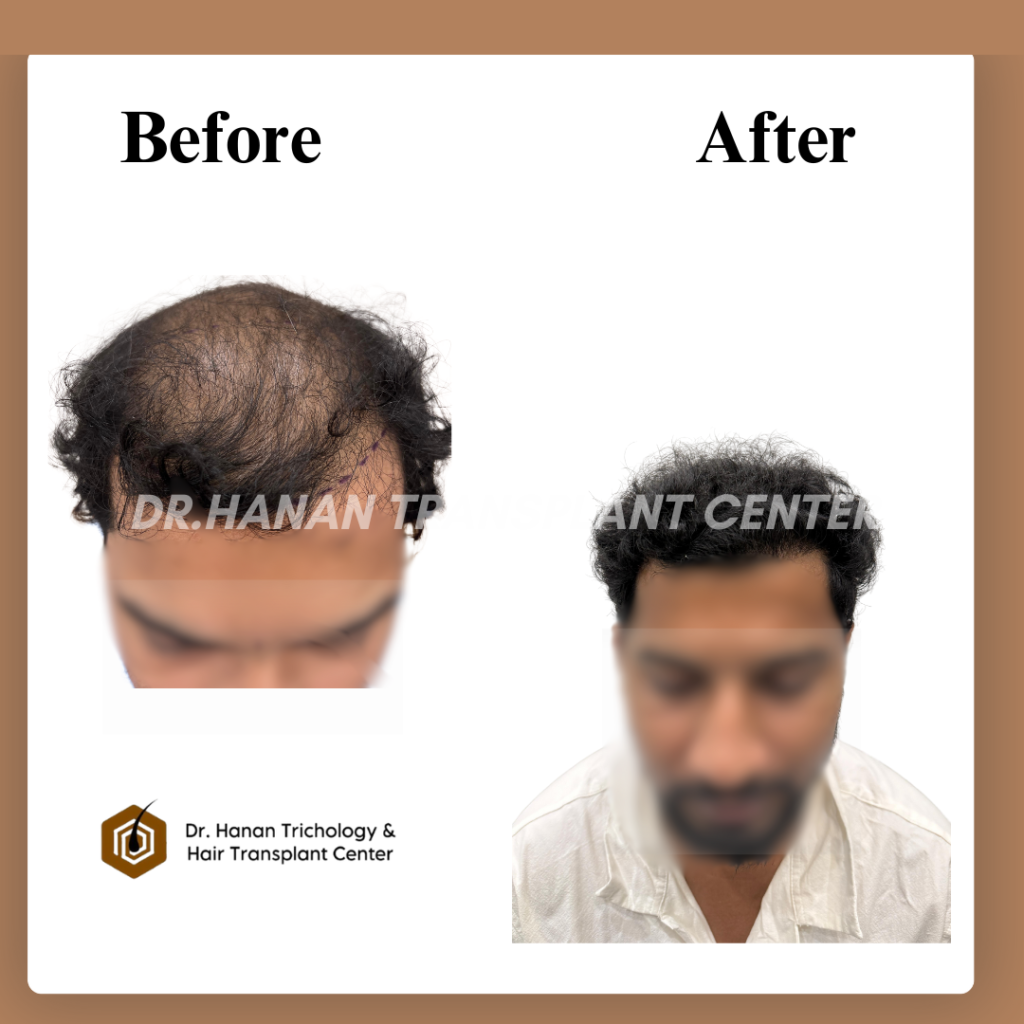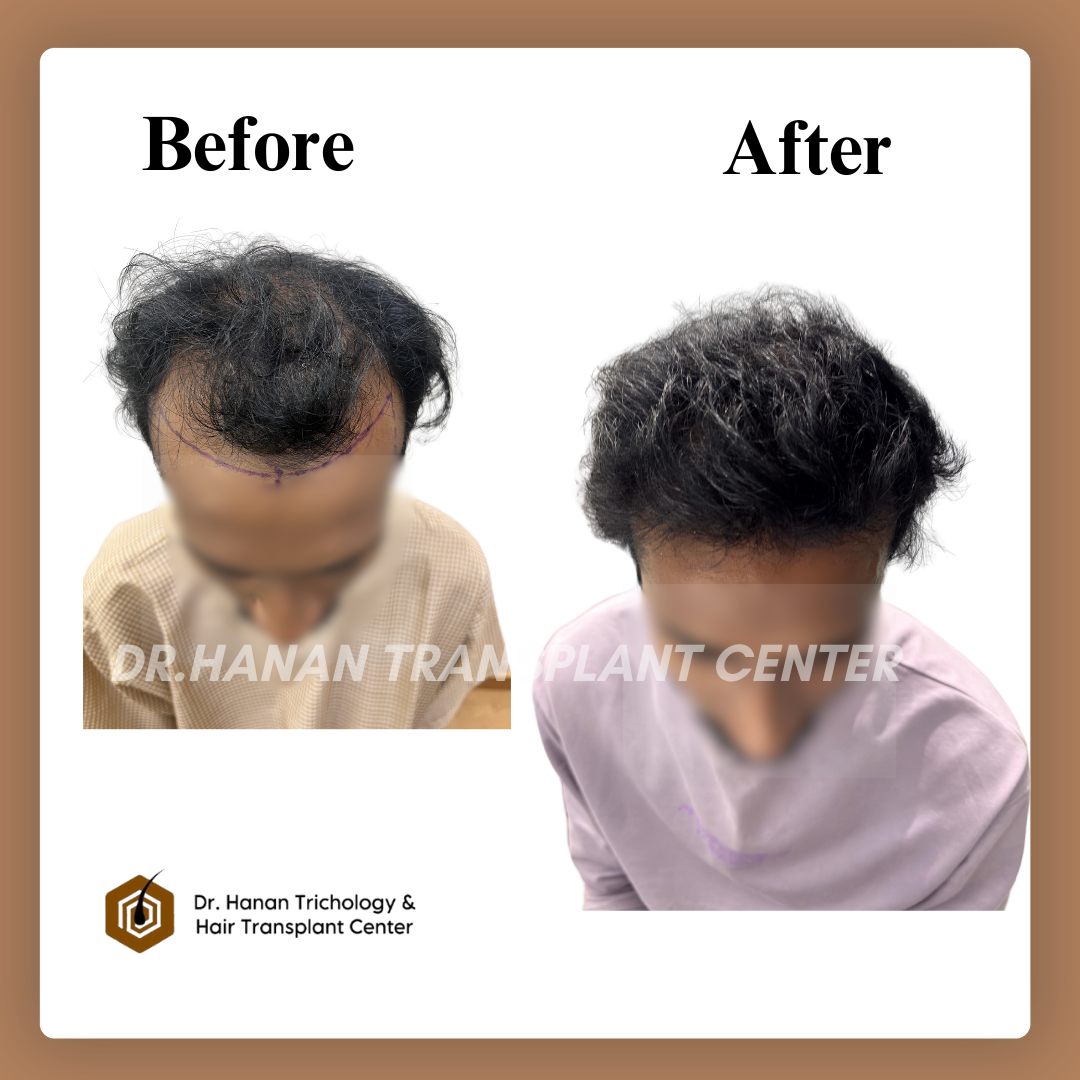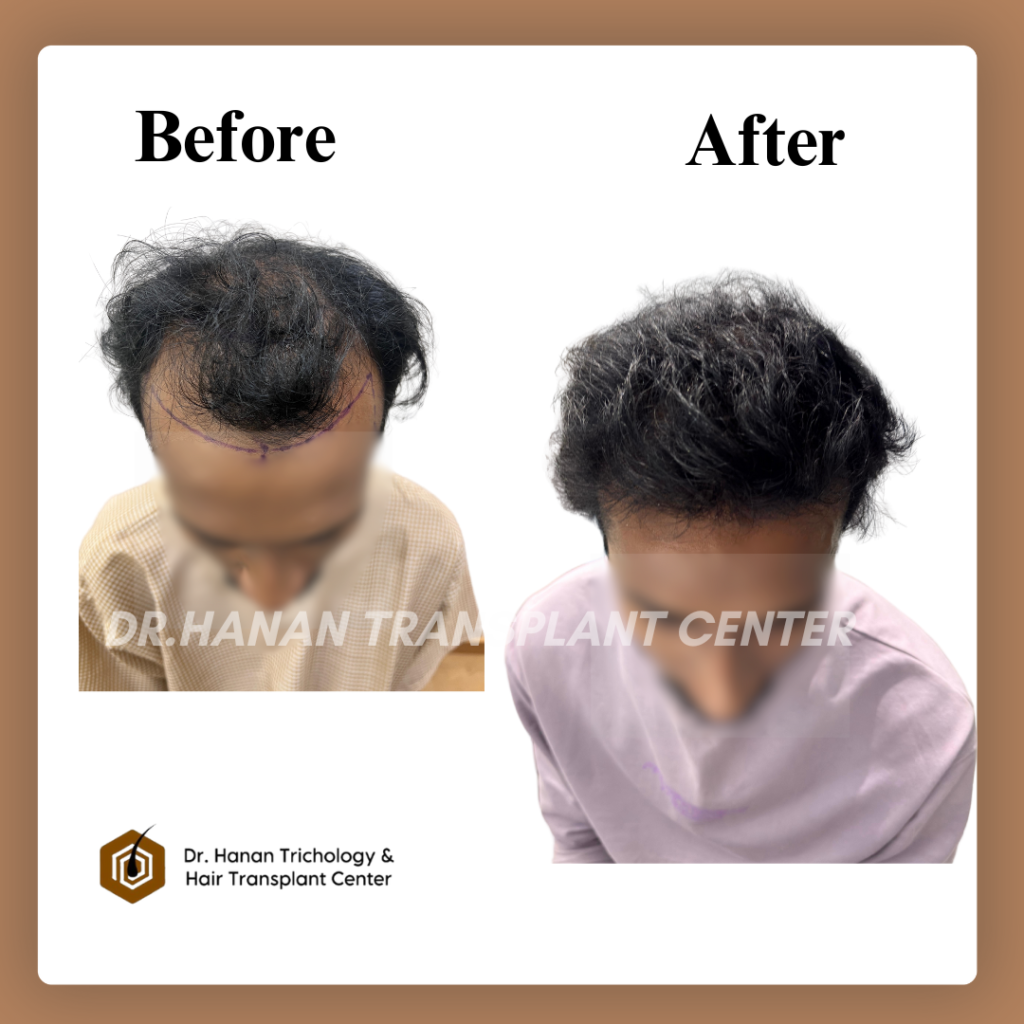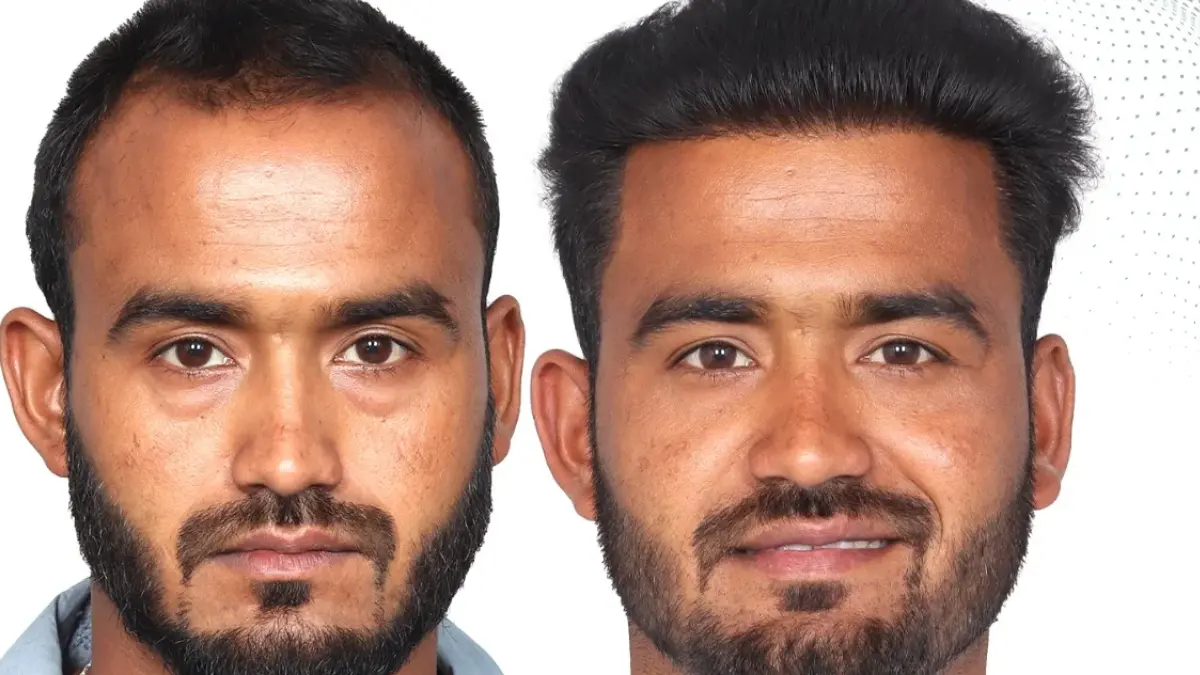
Expert tips to choose the Best Hair Transplant Clinic with qualified surgeons, advanced techniques, and trusted patient outcomes in India.

Shedding Phase After Hair Transplant Duration – Dr. Hanan Dermatology Speciality Clinic, Chennai

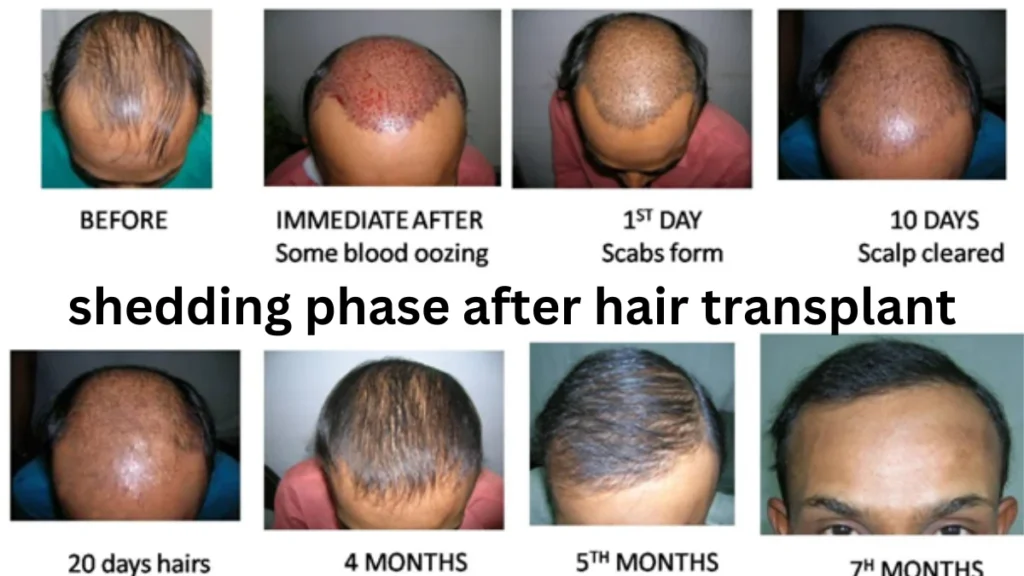
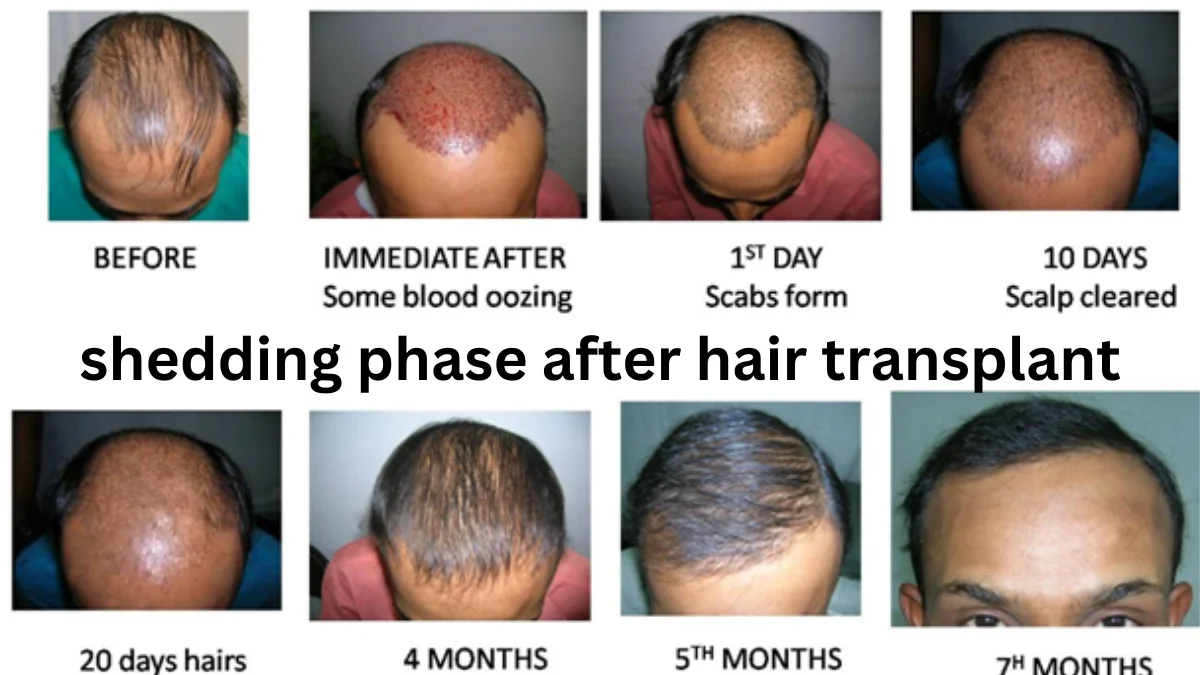
Shedding Phase After Hair Transplant Duration: Undergoing a hair transplant is an exciting step towards restoring your hair and confidence. However, many patients notice that transplanted hair falls out within a few weeks after the procedure. This is known as the shedding phase, a normal part of the hair growth cycle. Understanding this phase is crucial to stay calm and ensure long-term success. At Dr. Hanan Dermatology Speciality Clinic, Chennai, we guide our patients through every stage, ensuring safe and effective hair restoration.
What is the Shedding Phase After Hair Transplant?
Understanding the timeline helps patients set realistic expectations:
| Weeks After Transplant | What to Expect |
|---|---|
| 1–2 Weeks | Initial shedding of transplanted hair begins |
| 3–4 Weeks | Most grafts enter resting (telogen) phase |
| 5–8 Weeks | Gradual shedding continues, scalp heals fully |
| 3–6 Months | New hair starts emerging from transplanted follicles |
| 9–12 Months | Full hair growth and natural density achieved |
Patience is key. The shedding phase is temporary, and visible results usually appear within 3–6 months, with full results in 9–12 months.
Causes of Shedding After Hair Transplant
Several factors contribute to post-transplant shedding:
Natural Hair Growth Cycle: Transplanted follicles temporarily enter the telogen (resting) phase.
Minor Scalp Trauma: Extraction and implantation cause slight trauma to hair follicles.
Individual Factors: Age, hair density, and genetics influence shedding intensity.
Lifestyle Factors: Stress, poor nutrition, and inadequate post-operative care may affect shedding.
Tip: Following the dermatologist’s instructions minimizes shedding-related stress.
What to Expect During the Shedding Phase
During this phase, it’s normal to see clumps of hair falling out. Key things to remember:
Shedding does not harm the transplanted follicles.
Avoid panicking, as hair will regrow naturally.
Maintain gentle hair care as advised by your dermatologist.
At Dr. Hanan Clinic, we educate patients on what to expect during this phase to reduce anxiety and ensure adherence to post-operative care.
How to Manage Shedding After Hair Transplant
Proper care can help manage shedding and promote healthy hair growth:
Use gentle, sulfate-free shampoos
Avoid scratching, combing aggressively, or using chemical treatments
Ensure nutritional support with protein, vitamins, and minerals
Follow dermatologist instructions for PRP therapy or post-transplant medications
Adhering to post-transplant care improves follicle survival and speeds up hair growth.
When to Consult Your Dermatologist
While shedding is normal, consult your dermatologist if you notice:
Excessive shedding beyond 8–10 weeks
Redness, swelling, or infection at the transplant site
Patchy or uneven hair loss
Dr. Hanan Clinic provides personalized follow-ups to ensure every patient achieves natural and lasting results.
Benefits of Understanding the Shedding Phase
Knowing about the shedding phase helps patients:
Reduce anxiety and unrealistic expectations
Follow post-transplant care instructions carefully
Prepare for the timeline of new hair growth
Understanding the process ensures a smoother recovery and better satisfaction with final results.
FAQs
Q1. How long does the shedding phase last after a hair transplant?
A: The shedding phase typically lasts 2–8 weeks. During this time, transplanted hair may fall out before new growth begins.
Q2. Is shedding normal after FUE or DHI hair transplant?
A: Yes. Shedding is a natural and expected part of the hair growth cycle and occurs in both FUE and DHI procedures.
Q3. Will my hair grow back after shedding?
A: Absolutely. The hair follicles remain healthy and enter a new growth phase, producing permanent hair after the resting period.
Q4. Can shedding affect my final results?
A: No. Shedding is temporary and does not impact the long-term success of the hair transplant.
Q5. How can I reduce shedding after hair transplant?
A: Follow gentle hair care, avoid harsh chemicals, maintain a healthy diet, and adhere to post-operative care instructions provided by your dermatologist.
Q6. When should I consult my dermatologist about shedding?
A: If shedding continues beyond 8–10 weeks, or if you notice redness, swelling, infection, or patchy hair loss, consult your dermatologist immediately.
Q7. Is shedding painful or harmful?
A: No. The shedding phase is not painful, and it is a normal part of the healing process.
Q8. How soon will new hair growth be visible after shedding?
A: New hair usually starts growing around 3–6 months, with full results visible in 9–12 months
Book Your Consultation Today!
For Personalised Treatment visit Dr. Hanan Clinic. Feel confident and proud with our expert care.
Table of Contents
Medicine After Hair Transplant: Essential Post-Operative Care for Optimal Results

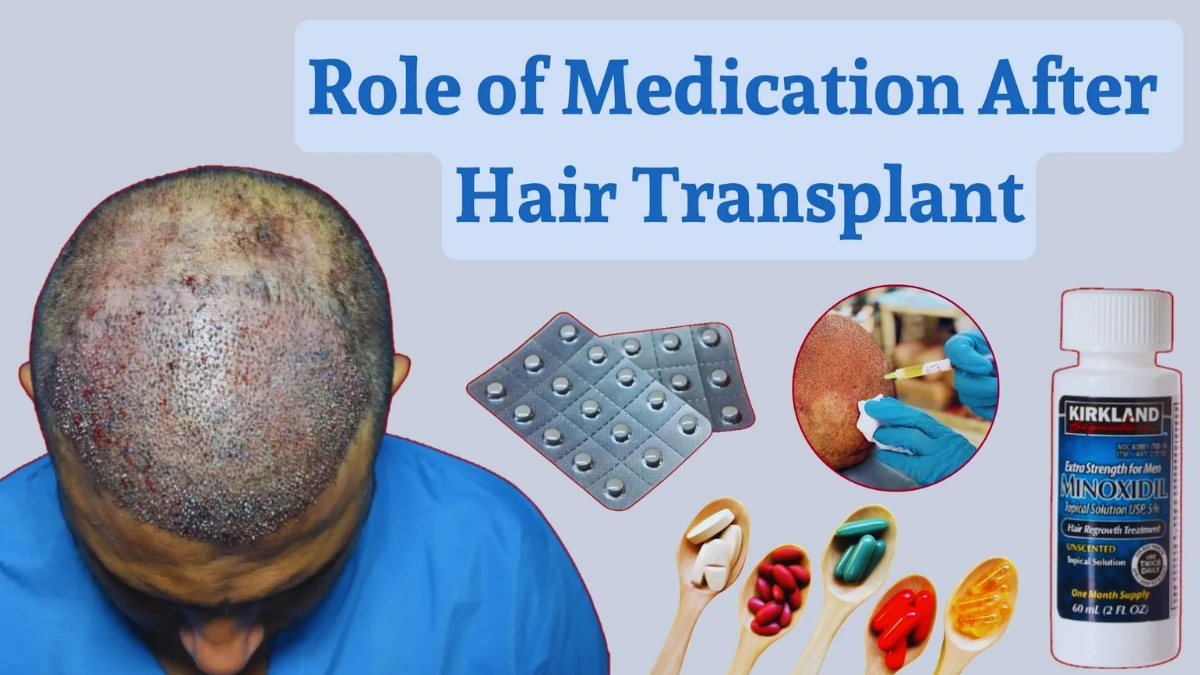
Medicine After Hair Transplant: Hair transplant surgery is a highly effective solution for hair loss and baldness, offering individuals a chance to regain their hair and confidence. However, the success of the procedure largely depends on proper post-operative care, including the use of prescribed medications. This article explores the essential medicines and care required after a hair transplant to ensure optimal healing and results.
Book Your Consultation Today
Visit Dr. Hanan Dermatology Specialty Clinic in Padur, OMR, Chennai. Schedule your consultation today and start your journey to fuller, healthier hair.
For more information and to book your appointment, visit our clinic or call us at the clinic’s contact details.
Understanding Hair Transplant Recovery

Typical Recovery Timeline
The recovery process after a hair transplant varies from person to person, but most patients can expect to return to normal activities within a week. Full recovery and the appearance of new hair growth can take several months. The typical recovery timeline includes:
- First Few Days: Swelling, redness, and mild discomfort are common.
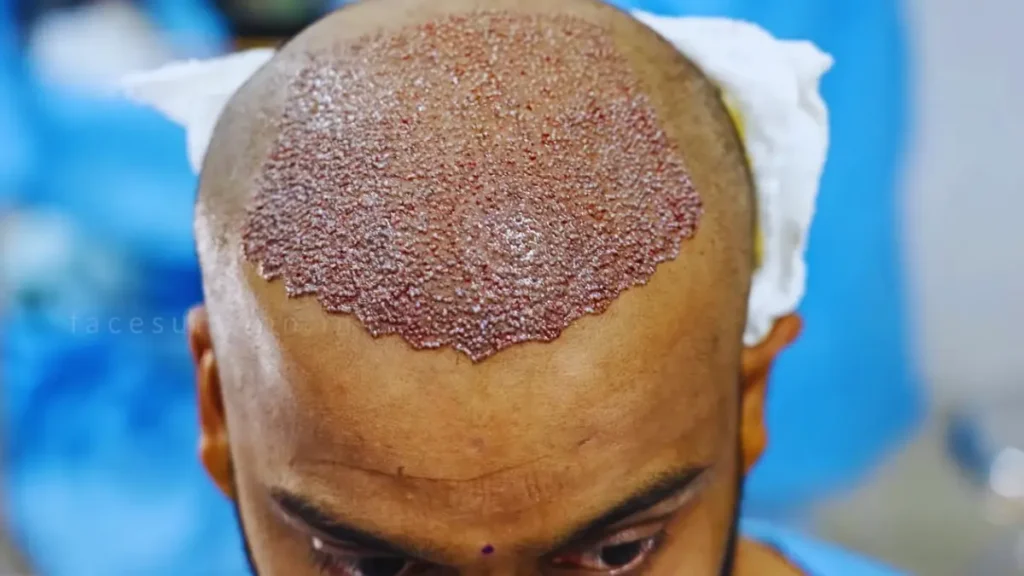
- First Week: Scabs and crusts form around the transplanted grafts.
- 2-3 Weeks: Shedding of transplanted hair, which is normal.
- 3-6 Months: Noticeable new hair growth begins.
- 6-12 Months: Full results with mature hair growth.
Read more: Hair Follicle Surgery A Complete Guide to Hair Restoration
Common Symptoms and Side Effects Post-Surgery
- Swelling and bruising around the forehead and eyes.
- Mild pain and discomfort in the donor and recipient areas.
- Itching and scabbing on the scalp.
- Temporary hair shedding from the transplanted area.
Importance of Following Medical Advice
Adhering to your surgeon’s post-operative instructions is crucial for a smooth recovery and optimal results. This includes taking prescribed medications, following care routines, and attending follow-up appointments.

Read more: Hair Replacement in Chennai: Top Clinics, Methods & Cost 2025
Medications Prescribed After Hair Transplant
| Medicine Type | Purpose | Examples | Usage Duration |
|---|---|---|---|
| Antibiotics | Prevents infections in the surgical area | Amoxicillin, Ciprofloxacin | Typically 5–7 days |
| Pain Relievers | Alleviates mild to moderate post-operative pain | Paracetamol, Ibuprofen | As needed for 3–5 days |
| Anti-Inflammatory Drugs | Reduces swelling and inflammation | Prednisolone, Methylprednisolone | 3–5 days |
| Antihistamines | Relieves itching caused by healing | Cetirizine, Loratadine | 7–14 days (if required) |
| Hair Growth Medications | Stimulates new hair growth and strengthens roots | Minoxidil, Finasteride | As recommended (long-term) |
| Antiseptic Solutions | Cleans the scalp and prevents infections | Betadine, Chlorhexidine | As directed (during washing) |
| Vitamin Supplements | Boosts recovery and supports hair growth | Biotin, Zinc, Multivitamins | As recommended (long-term) |
Key Notes on Medication Usage
- Antibiotics: Complete the full course to prevent infections, even if no symptoms appear.
- Pain Relievers: Take only when necessary to manage discomfort; avoid exceeding the prescribed dosage.
- Anti-Inflammatories: These help reduce swelling and should be taken exactly as prescribed.
- Hair Growth Medications: Finasteride and Minoxidil may require long-term use to maintain results.
- Avoid Self-Medication: Do not add or substitute any medication without consulting your doctor.
If you have any allergies or pre-existing conditions, inform your surgeon before taking any of these medications.
Painkillers
Painkillers, such as paracetamol or ibuprofen, are often prescribed to manage post-operative pain and discomfort. These medications help keep you comfortable during the initial recovery period.
Anti-Inflammatory Drugs
Anti-inflammatory drugs, like naproxen or diclofenac, are prescribed to reduce swelling and inflammation. These medications help alleviate discomfort and promote faster healing.
Antibiotics
Antibiotics are essential to prevent infections in the donor and recipient areas. Commonly prescribed antibiotics include amoxicillin and cephalexin. It is important to complete the full course of antibiotics as directed.
Hair Growth Stimulants
Medications such as minoxidil and finasteride may be prescribed to stimulate new hair growth and prevent further hair loss. These hair growth stimulants help enhance the overall results of the hair transplant.
Read more: Hair Growth Surgery Cost
Topical Ointments
Topical ointments, such as those containing antibiotics or hydrocortisone, may be applied to the scalp to control itching, reduce inflammation, and minimize scarring.
Dos and Don’ts After Hair Transplant
Dos
- Apply Sterile Solutions: Use sterile saline solutions to keep the scalp clean and moisturized.
- Keep the Scalp Clean: Gently wash the scalp with a mild shampoo as instructed by your surgeon.
- Sleep with Head Elevated: Elevate your head while sleeping to reduce swelling.
- Take Prescribed Medications: Follow your medication regimen as directed by your surgeon.
Don’ts
- Avoid Harsh Hair Products: Refrain from using hair products containing alcohol or harsh chemicals.
- Don’t Touch or Scratch the Scalp: Avoid touching, scratching, or rubbing the transplanted area.
- Refrain from Alcohol and Smoking: Alcohol and smoking can interfere with the healing process and should be avoided.
- Avoid Strenuous Activities: Refrain from heavy lifting, exercise, and activities that may cause sweating for at least a week.
Tips for Optimal Healing and Results
Hydration and Nutrition
Staying hydrated and maintaining a balanced diet rich in vitamins and minerals can promote faster healing and support new hair growth.
Sun Protection
Protect your scalp from direct sunlight by wearing a hat or using sunscreen. UV rays can damage the healing tissues and affect the transplant results.
Follow-Up Appointments
Attend all scheduled follow-up appointments with your surgeon to monitor your progress and address any concerns.
Managing Expectations
Understand that hair growth is a gradual process. Patience is key, as it can take several months to see the full results of your hair transplant.
Potential Side Effects and How to Manage Them
Swelling and Bruising
Swelling and bruising around the forehead and eyes are common and typically subside within a few days. Applying cold compresses and keeping your head elevated can help reduce swelling.
Pain and Discomfort
Mild pain and discomfort are normal after a hair transplant. If pain persists or worsens, contact your surgeon for advice.
Infection Signs
Signs of infection include increased redness, swelling, pus, and a high fever. If you notice any of these symptoms, seek medical attention immediately.
Long-Term Care and Maintenance
Continued Use of Medications
Continue using hair growth stimulants, such as minoxidil and finasteride, as directed by your surgeon. These medications can help maintain and enhance the results of your hair transplant.
Lifestyle Adjustments
Maintain a healthy lifestyle, including regular exercise, a balanced diet, and avoiding smoking and excessive alcohol consumption, to support overall hair health.
Regular Scalp Care
Practice regular scalp care by keeping the area clean and using gentle hair products. Avoid excessive styling and heat treatments that can damage the hair.
Success Stories and Testimonials
Patient Experiences
Real-life success stories and testimonials from patients who have undergone hair transplant surgery can provide valuable insights into the recovery process and results.
Before and After Photos
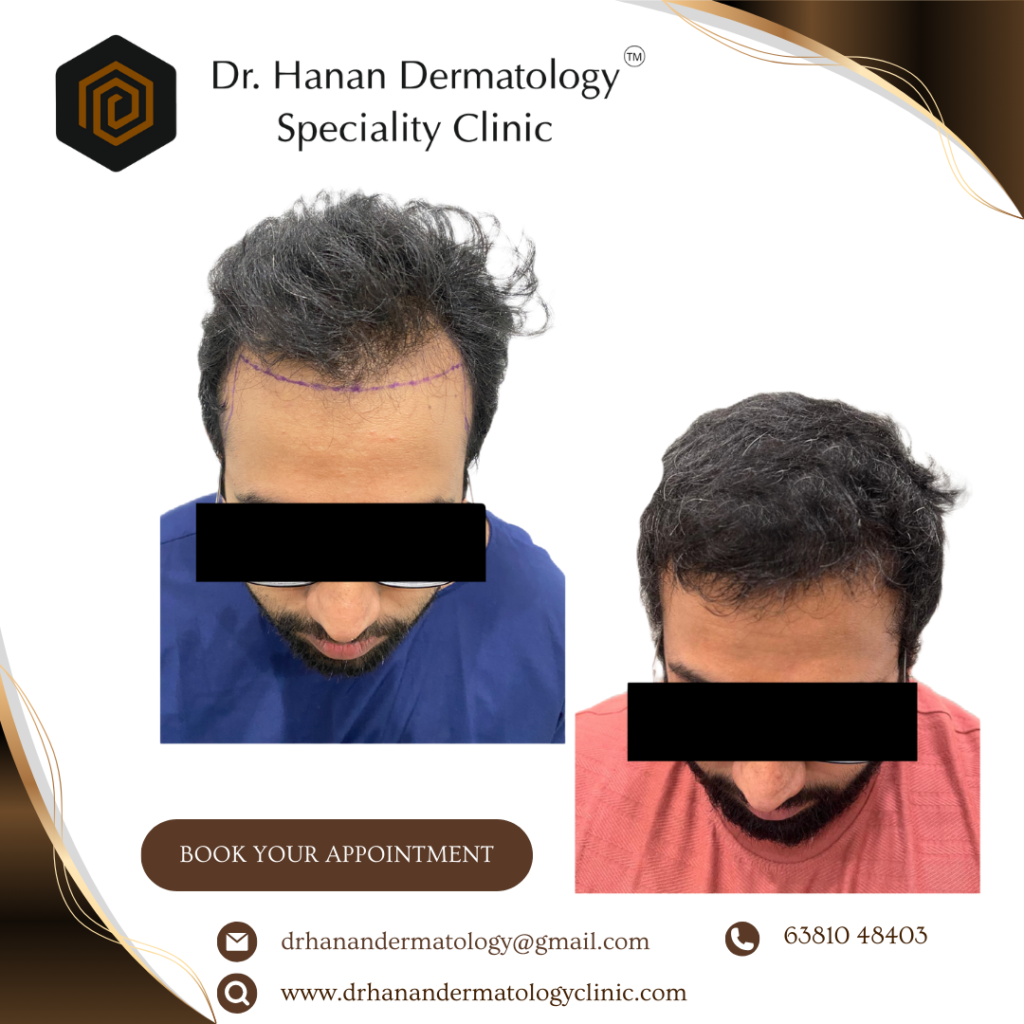
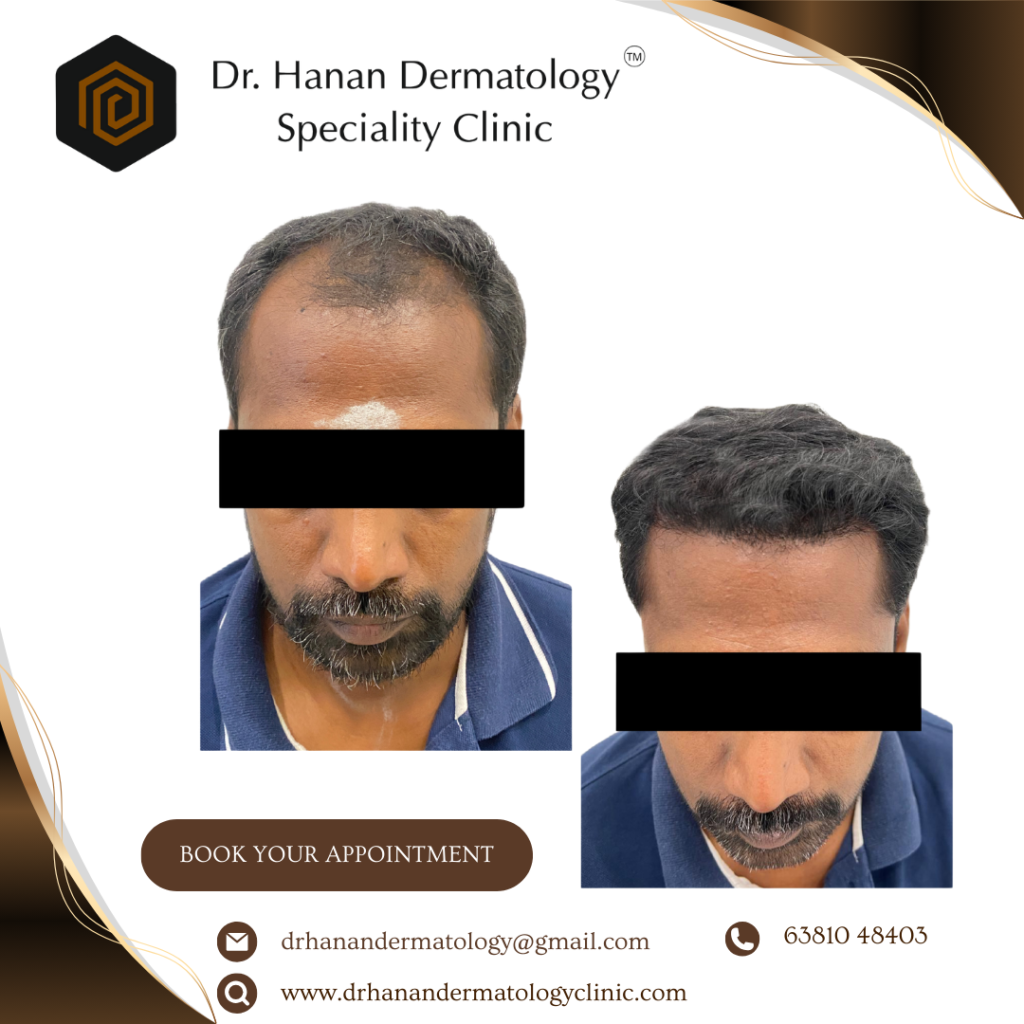
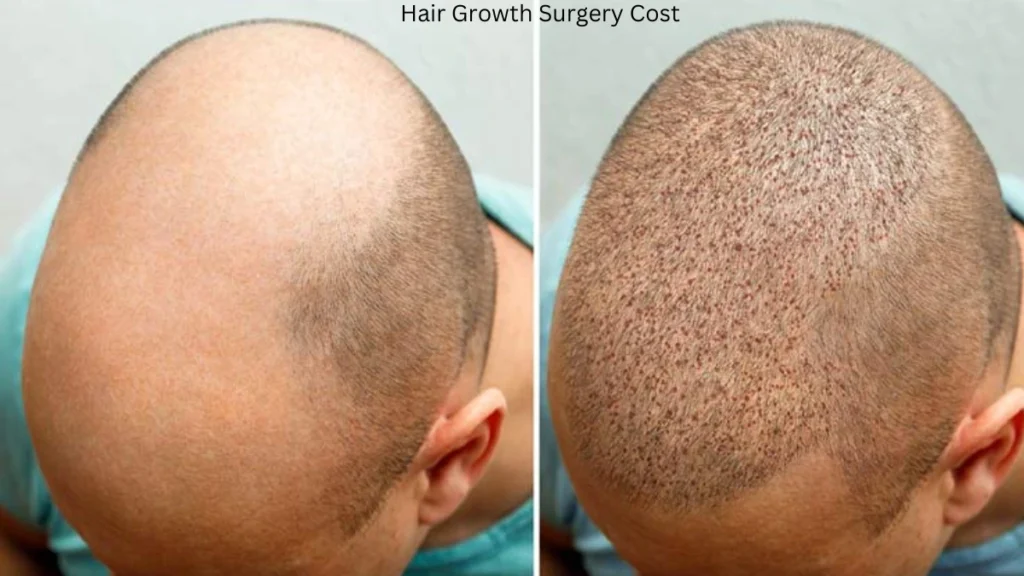
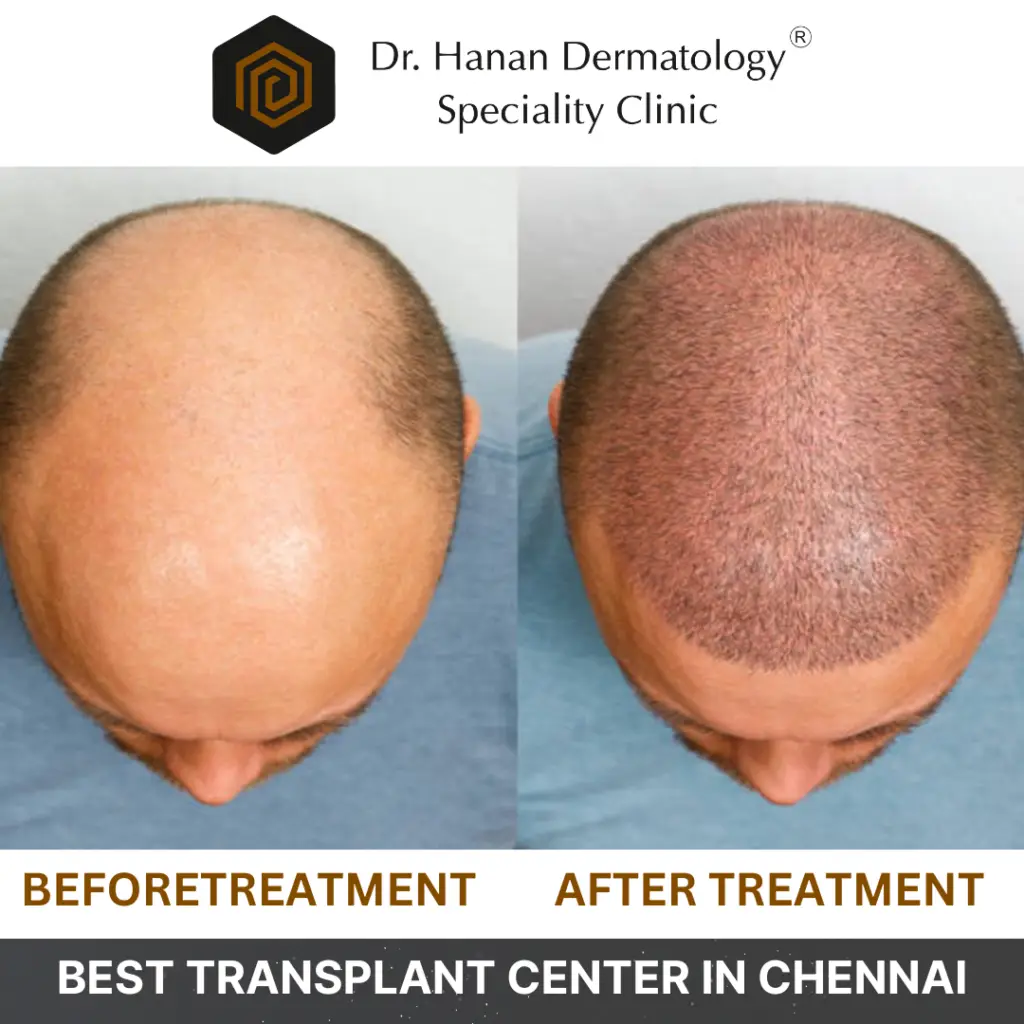
Before and after photos of successful hair transplant procedures showcase the transformative effects and help manage expectations.
FAQs
1. Why is Necessary Medicine After Hair Transplant?
Medication is essential to:
- Prevent infections.
- Minimize swelling and discomfort.
- Promote healing and hair regrowth.
2. What are the most commonly prescribed medicines after a hair transplant?
Here’s a list of medications you might be prescribed:
| Medicine Type | Purpose |
|---|---|
| Antibiotics | Prevents infections in the surgical area. |
| Pain Relievers | Alleviates post-operative pain and discomfort. |
| Anti-Inflammatory Drugs | Reduces swelling and promotes healing. |
| Hair Growth Stimulants | Stimulates new hair growth and strengthens roots. |
| Antihistamines | Reduces itching caused by the healing process. |
| Vitamin Supplements | Supports recovery and long-term hair growth. |
3. How long do I need to take Medicine After Hair Transplant?
- Antibiotics: Typically 5–7 days.
- Pain Relievers and Anti-Inflammatory Drugs: 3–5 days or as needed.
- Hair Growth Stimulants and Vitamins: Often prescribed for several months or long-term use.
Always follow your doctor’s recommendations regarding dosage and duration.
4. Are there any side effects of the medications?
Most post-operative medications are safe when taken as prescribed. However, potential side effects may include:
- Mild stomach upset (antibiotics).
- Drowsiness or dizziness (pain relievers and antihistamines).
- Rare allergic reactions.
If you experience unusual symptoms, consult your doctor immediately.
5. Can I stop taking the Medicine After Hair Transplant once I feel better?
No. Even if you feel better, it’s important to complete the full course of antibiotics and other prescribed medications to avoid complications such as infections or delayed healing.
6. Are there any over-the-counter medicines I can take?
It’s best to avoid self-medicating. Stick to the medications prescribed by your surgeon to ensure safety and effectiveness.
7. What should I avoid while taking post-transplant medications?
- Alcohol: Can interfere with healing and the effectiveness of certain drugs.
- Smoking: Slows down the healing process.
- Excessive Sun Exposure: Can irritate the scalp.
- Vigorous Physical Activities: Avoid for at least 2–3 weeks post-surgery.
8. Are hair growth medications like Minoxidil and Finasteride mandatory?
While not mandatory, these medications can significantly enhance the results of your transplant by promoting hair regrowth and preventing further hair loss. Your doctor will assess if these are suitable for you.
9. Can vitamins or supplements improve recovery?
Yes, vitamins like Biotin, Zinc, and Vitamin D support hair health and recovery. However, take only those recommended by your doctor.
10. What should I do if I forget a dose?
If you miss a dose, take it as soon as you remember. However, if it’s close to your next scheduled dose, skip the missed one. Do not double the dose to make up for it.

Hair Transplant in Chennai
Get the best hair transplant in Chennai at Dr. Hanan Clinic. Natural results with FUE, FUT & PRP. Book your free consultation today

Are you struggling with hair loss and looking for a permanent solution in Chennai? There may be a hair transplant answer. In Dr. Hanan Dermatology Specialty and Trichology Clinic, we provide advance technology for hair restoration treatment that correspond to safe, effective and your unique hair goals.
Why Choose Hair Transplant in Chennai?
Hair loss can affect your confidence, presence and even your emotional good. Chennai, a medical hub in South India, is home to some of the best dermatology clinics, and Dr. Hanan’s clinic stands with its expertise, technology and personal approach.
Benefits of Hair Transplant:
Permanent solution
Natural looking results with your own hair follicle
Increases self -esteem and confidence
Minimum invasive procedure with quick recovery
About Dr. Hanan Dermatology Speciality and Trichology Clinic
Located in Padur, Chennai, Dr. Hanan’s clinic is a major destination for dermatology and hair care. With 801+ Google reviews and a rising reputation, the clinic hair transplant specializes in surgery, PRP therapy, dermatological treatment and beauty processes.
What makes us the best hair transplant clinic in Chennai?
Expert trichologist: led by experienced professionals with a passion for results.
Advanced Technology: We use the latest devices such as FUE (follicular unit extraction) for accurate and natural results.
Personal Consultation: We evaluate your scalp and suggest the most effective transplant Plan.
Safe and clean environment: Our clinic follows strict sterilization and safety protocols.
Transparent pricing: no hidden fee. Everything is clearly explained before the procedure.
Types of Hair Transplant Procedures We Offer
At Dr. Hanan Dermatology Speciality and Trichology Clinic, we provide a wide range of hair restoration techniques to suit every individual’s hair loss condition. Our treatments are scientifically backed, minimally invasive, and deliver long-lasting, natural results.
1. FUE – Follicular Unit Extraction
FUE is one of the most advanced and popular hair transplant methods. In this technique, individual hair follicles are extracted from the donor area (usually behind the skull) and transplanted into bald or hair thinning areas.
Benefits:
No stitches or visible scarring
Quick recovery
Ideal for both men and women
Natural-looking hairline
2. FUT – Follicular Unit Transplantation
Also known as the strip method, FUT involves removing a small strip of tissue from the donor area and dissecting it in individual follicular units for transplantation.
Benefits:
Cost-effective for large bald areas
Higher follicle survival rate
Recommended for patients with advanced hair loss
3. PRP – Platelet-Rich Plasma Therapy
PRP therapy is a non-surgical hair restoration method that involves injecting your own platelet-rich plasma in the scalp to encourage hair growth and improve hair thickness.
Benefits:
No surgery or downtime
Enhances results after hair transplant
Reduces hair fall
Boosts scalp health
4. Beard and Mustache Transplants
Dealing with uneven or sparse facial hair? Our advanced hair transplant techniques can restore a thicker, natural-looking beard and mustache.
Benefits:
Natural growth patterns
Improves density and symmetry
Suitable for scar coverage
5. Eyebrow Hair Transplant
For patients with thin or overplucked eyebrows, we offer eyebrow hair implants that restore the volume and shape using their own hair
Benefits:
Fuller, natural brows
Permanent solution
Artistic shaping to suit your face
6.Sapphire Pen Hair Transplant
This advanced method uses sapphire blades instead of metal ones to create recipient sites, reduce trauma and ensure rapid healing process.
Benefits:
Low tissue damage and minimum scars
Rapid recovery
High graft survival rate
More natural looking hair density
7. DHI – Direct Hair Implantation
DHI is a revolutionary hair transplant method that involves transplanting hair in the scalp directly without the need for incisions or channel creation.
Benefits:
High graft survival rate
No stitches or marks
Rapid recovery time
Accurate control over hair placement and direction
Real Results, Real Stories
Hundreds of patients in Chennai have trusted Dr. Hanan Dermatology Speciality and Trichology Clinic for their hair restoration journey. From receding hairlines to full coverage transformations, our before-and-after results speak volumes.


What to Expect – Your Hair Transplant Journey
Initial Consultation
Our experts analyze your scalp and medical history to make a customized plan.
Procedure Day
You will undergo a painless, outpatient surgery using advanced equipment.
Recovery Phase
Quick recovery with minimal downtime. Our team offers guidance after fully care.
Hair Growth Timeline
Visual results begin in 3-4 months. Full hair growth is seen within 9–12 months.
Book Your Consultation Today!
Get the best hair transplant in Chennai at Dr. Hanan Clinic. Feel confident and proud with our expert care.
Conclusion:
Hair transplant is no longer a luxury – this is necessary to deal with hair loss. Expert care, personal solutions, and with advanced techniques, Dr. in Chennai. Hanan Dermatology Specialty and Trichology Clinic is your place for reliable, natural looking hair restoration.
Table of Contents
Hair Transplant Results – What to Expect Before and After Treatment
Expert Tips to Choose the Best Hair Transplant result in Chennai

Hair Transplant Results: When considering hair restoration, one of the most common questions patients ask is about hair transplant results. Understanding what results look like, how long they take, and what factors influence success helps set realistic expectations and builds confidence in the treatment.
At Dr. Hanan Dermatology Speciality Clinic, patients receive personalized care focused on achieving natural, long-lasting hair transplant results.
What Are Hair Transplant Results?
Hair transplant results refer to the visible improvement in hair density, hairline shape, and overall scalp coverage after the transplanted hair follicles begin to grow naturally. Since the procedure uses your own hair, the results blend seamlessly with existing hair and look completely natural.
Hair Transplant Results Timeline
Hair growth after a transplant happens gradually:
First Week: Healing of the scalp and graft settling
1–2 Months: Temporary shedding of transplanted hair (normal phase)
3–4 Months: New hair growth begins
6 Months: Noticeable improvement in density
9–12 Months: Final, full hair transplant results
Patience is key, as hair grows in cycles.
Before and After Hair Transplant Results
Patients often notice:
Improved hairline definition
Better coverage in thinning or bald areas
Increased confidence and appearance
Results may vary between men and women depending on hair loss patterns and donor hair quality.
Factors That Affect Hair Transplant Results
Several factors influence the final outcome:
Doctor’s experience and technique
Quality and strength of donor hair
Chosen method (FUE or DHI)
Proper post-procedure care
Advanced Techniques That Improve Results
Modern techniques such as FUE (Follicular Unit Extraction) and DHI (Direct Hair Implantation) allow precise graft placement, minimal scarring, and faster healing—leading to more natural results.
Realistic Expectations vs Common Myths
Hair transplants do not give instant results, and full density takes time. Transplanted hair does not fall permanently once growth is established. Natural density depends on donor hair availability and scalp condition.
Hair Transplant Results at Dr. Hanan Dermatology Speciality Clinic
Dr. Hanan Dermatology Speciality Clinic focuses on:
Customized treatment plans
Natural hairline design
Ethical medical guidance
Long-term patient satisfaction
FAQs
When will I start seeing hair transplant results?
Most patients begin to notice new hair growth around 3 to 4 months after the procedure. Visible improvement in density is usually seen by 6 months, with final results appearing between 9 and 12 months.
Are hair transplant results permanent?
Yes, hair transplant results are permanent. The transplanted hair follicles are resistant to hair loss and continue to grow naturally for a lifetime.
Is it normal for transplanted hair to fall out initially?
Yes, temporary shedding during the first 1–2 months is normal. This is known as the shedding phase, and new hair growth follows afterward.
Do hair transplant results look natural?
When performed by experienced dermatologists using advanced techniques like FUE or DHI, the results look completely natural in direction, density, and hairline design.
Can hair transplant results vary from person to person?
Yes, results depend on factors such as donor hair quality, hair type, age, scalp condition, and post-procedure care.
Are hair transplant results different for men and women?
The results are equally effective for men and women, but treatment planning differs based on hair loss patterns and density needs.
How can I maintain my hair transplant results?
Following post-procedure care instructions, using prescribed medications, maintaining a healthy lifestyle, and attending follow-up appointments help ensure long-lasting results.
Is one hair transplant enough for good results?
For many patients, one session is sufficient. In some cases, additional sessions may be recommended for increased density or progressive hair loss.
Book Your Consultation Today!
For Personalised Treatment visit Dr. Hanan Clinic. Feel confident and proud with our expert care.
Table of Contents
Long Hair Transplant in Chennai
Long Hair Transplant in Chennai Learn what top dermatologists in Chennai say about the link between stress and hair fall, types, treatments, and recovery tips.

Instant Density & Natural Results with Advanced Hair Transplant Techniques
Long Hair Transplant in Chennai: Hair loss can affect confidence, especially when visible thinning or receding hairlines disrupt your appearance. While traditional hair transplants take time to show results, long hair transplant in Chennai offers an advanced solution for those who want immediate cosmetic improvement without shaving their head.
At Dr. Hanan Dermatology Speciality Clinic, long hair transplant procedures are performed under expert dermatologist supervision using advanced techniques to deliver natural-looking, long-lasting results with minimal downtime.
What Is a Long Hair Transplant?
A long hair transplant is an advanced form of hair restoration where hair follicles are transplanted without trimming the hair shaft. Unlike conventional hair transplants, this technique allows patients to see instant visual density immediately after the procedure.
Because the transplanted hairs are already long, they blend naturally with existing hair, making it an ideal option for patients who want quick aesthetic results.
Long Hair Transplant vs Traditional Hair Transplant
| Long Hair Transplant | Traditional Hair Transplant |
|---|---|
| Immediate visible density | Results visible after months |
| No head shaving required | Shaving usually required |
| Ideal for cosmetic appearance | Ideal for standard baldness |
| Popular among women & professionals | Common for advanced baldness |
Who Is an Ideal Candidate for Long Hair Transplant?
You may be a suitable candidate if you:
Prefer not to shave your head
Have thinning hair or mild to moderate hair loss
Are a professional seeking quick cosmetic recovery
Are a woman experiencing hair thinning
Have good donor hair density
A detailed scalp evaluation at Dr. Hanan Dermatology Speciality Clinic determines eligibility and expected outcomes.
Benefits of Long Hair Transplant
Instant cosmetic improvement
No visible shaving or downtime
Natural hair direction and texture
Suitable for both men and women
Faster confidence boost compared to standard methods
Permanent hair restoration solution
Hair Loss Conditions Treated with Long Hair Transplant
Long hair transplant can help manage:
Androgenetic alopecia (male & female pattern hair loss)
Receding hairline
Hair loss due to stress or hormonal changes
Diffuse hair loss in women
Long Hair Transplant Procedure at Dr. Hanan Dermatology Speciality Clinic
The clinic follows a precise, dermatologist-guided protocol to ensure safety and natural results.
Step-by-step process:
Consultation & Scalp Assessment
Hair density, donor area quality, and hair loss pattern are evaluated.Donor Area Selection
Healthy long hair follicles are carefully selected.Advanced FUE Extraction
Individual grafts are extracted without trimming the hair length.Implantation
Grafts are placed at natural angles to blend seamlessly with existing hair.Post-Procedure Care
Detailed aftercare instructions and follow-ups are provided.
The procedure is minimally invasive and usually completed in a single session.
Why Choose Dr. Hanan Dermatology Speciality Clinic for Long Hair Transplant in Chennai?
Patients trust the clinic because of its strong medical foundation and ethical approach.
Key reasons to choose us:
Dermatologist-led hair transplant procedures
Expertise in advanced FUE techniques
Natural hairline and density planning
High safety and hygiene standards
Transparent and affordable pricing
Personalized treatment plans
Long Hair Transplant Results – What to Expect
Immediately after procedure: Visible density due to long grafts
First few weeks: Temporary shedding may occur (normal phase)
3–4 months: New hair growth begins
6–9 months: Noticeable improvement
9–12 months: Final, permanent results
The transplanted hair grows naturally and permanently.
Recovery and Aftercare
Recovery is usually quick and comfortable.
Aftercare includes:
Mild swelling or redness for a few days
Avoid heavy exercise initially
Gentle hair washing as advised
Follow-up visits for progress evaluation
Most patients resume daily activities within a short period.
Book Your Consultation Today!
For Personalised Treatment visit Dr. Hanan Clinic. Feel confident and proud with our expert care.
FAQs
What is a long hair transplant?
A long hair transplant is an advanced hair restoration technique where hair follicles are transplanted without trimming the hair shaft. This allows patients to see immediate cosmetic density after the procedure, unlike traditional hair transplants.
Is long hair transplant permanent?
Yes. The transplanted hair follicles are permanent. After the initial shedding phase, the hair regrows naturally and continues to grow like normal scalp hair.
Is shaving required for a long hair transplant?
No. One of the biggest advantages of a long hair transplant is that shaving the recipient area is not required, making it ideal for professionals and women.
Does long hair transplant give instant results?
Yes, you can see immediate visual density after the procedure because the transplanted hair is already long. However, permanent growth develops gradually over several months.
Will the transplanted long hair fall out?
Temporary shedding may occur within the first few weeks, which is a normal part of the hair growth cycle. New, permanent hair growth typically starts after 3–4 months.
Is the long hair transplant procedure painful?
The procedure is performed under local anesthesia, so pain is minimal. Most patients experience only mild discomfort during and after the procedure.
Who is the best candidate for long hair transplant?
Ideal candidates include individuals with thinning hair, mild to moderate hair loss, women with hair loss, and patients who prefer not to shave their head. A dermatologist consultation is necessary to confirm suitability.
How long does a long hair transplant procedure take?
The procedure usually takes between 4 to 8 hours, depending on the number of grafts and the complexity of the case.
What is the recovery time after a long hair transplant?
Recovery is generally quick. Mild redness or swelling may last a few days. Most patients can return to daily activities within 1–2 days, following proper aftercare instructions.
How much does a long hair transplant cost in Chennai?
The cost depends on factors such as the number of grafts required, hair length, and technique used. A personalized cost estimate is provided after a detailed consultation.
Is long hair transplant safe?
Yes. When performed under dermatologist supervision using advanced techniques, long hair transplant is considered safe with minimal risk of complications.
Can women undergo long hair transplant?
Yes. Long hair transplant is especially popular among women because it restores volume without shaving and blends naturally with existing hair.
Table of Contents
Beard Hair Transplant in Chennai
Beard Hair Transplant in Chennai Learn what top dermatologists in Chennai say about the link between stress and hair fall, types, treatments, and recovery tips.

Natural & Permanent Beard Restoration at Dr. Hanan Dermatology Speciality Clinic
Beard Hair Transplant in Chennai: A well-shaped, dense beard is often associated with confidence and a strong appearance. However, many men struggle with patchy, thin, or uneven beard growth due to genetics, scars, or medical conditions. If you are looking for a safe and permanent solution, a beard hair transplant in Chennai at Dr. Hanan Dermatology Speciality Clinic can help you achieve natural-looking, long-lasting results.
Located at Padur, OMR, Chennai, Dr. Hanan Dermatology Speciality Clinic is a trusted center for advanced hair restoration, offering dermatologist-supervised beard transplants using modern, proven techniques.
What Is a Beard Hair Transplant?
A beard hair transplant is a minimally invasive cosmetic procedure where healthy hair follicles are taken from a donor area—usually the back of the scalp—and carefully implanted into areas of the beard that lack density or have no growth.
The transplanted hair grows naturally, just like your original beard hair, and once established, it becomes permanent. The procedure is customized to match your facial structure, beard pattern, and hair texture for a natural appearance.
Who Is an Ideal Candidate for a Beard Hair Transplant?
You may be a good candidate for a beard transplant if you have:
Patchy or uneven beard growth
No beard growth due to genetics
Beard hair loss from scars, burns, or acne marks
Alopecia areata affecting the beard
Stable overall health and realistic expectations
A detailed consultation at Dr. Hanan Dermatology Speciality Clinic helps determine suitability and expected results.
Common Causes of Poor Beard Growth
Understanding the cause of beard hair loss is important before treatment. Common reasons include:
Genetics: Family history of thin or patchy beard
Hormonal imbalance: Low androgen sensitivity
Skin conditions: Alopecia areata or chronic inflammation
Scarring: Injuries, burns, or acne scars
Past habits: Over-plucking or improper grooming
At Dr. Hanan’s clinic, beard hair loss is evaluated medically to ensure the right treatment approach.
Beard Hair Transplant Procedure at Dr. Hanan Dermatology Speciality Clinic
The clinic follows a precise, dermatologist-led approach for safe and natural outcomes.
Step-by-step process:
Consultation & Beard Design
Facial analysis and beard shape planning based on face structure.Donor Area Selection
Healthy hair follicles are selected from the scalp.Advanced FUE Technique
Individual hair follicles are extracted using minimally invasive methods.Implantation
Grafts are placed at the correct angle and direction to mimic natural beard growth.Post-Procedure Care
Aftercare instructions and follow-ups ensure smooth recovery.
The procedure is usually completed in a single session and does not require hospital admission.
Why Choose Dr. Hanan Dermatology Speciality Clinic for Beard Hair Transplant in Chennai?
Patients trust Dr. Hanan Dermatology Speciality Clinic for beard transplants because of its medical expertise and ethical care.
Key advantages:
Procedure supervised by a qualified MD Dermatologist
Natural beard line and density planning
Advanced FUE technology
High safety and hygiene standards
Affordable and transparent pricing
Personalized treatment for every patient
Beard Hair Transplant Results: What to Expect
Initial shedding may occur in the first few weeks (normal phase)
New beard hair growth starts in 3–4 months
Visible improvement by 6 months
Full, natural beard growth by 9–12 months
The transplanted hair grows permanently and can be shaved, trimmed, and styled like natural beard hair.
Recovery and Aftercare
Recovery after a beard hair transplant is generally smooth.
Aftercare guidelines include:
Mild redness or swelling for a few days
Avoid touching or shaving the beard initially
Follow prescribed medications and skincare routine
Resume normal activities within a few days
Regular follow-ups at the clinic help monitor healing and results.
Beard Hair Transplant Cost in Chennai
The cost of beard hair transplant in Chennai depends on:
Number of grafts required
Area of beard coverage
Technique used
Individual beard design complexity
At Dr. Hanan Dermatology Speciality Clinic, pricing is kept affordable without compromising medical quality. A personalized cost estimate is provided after consultation.
Is Beard Hair Transplant Safe?
Yes. When performed by trained professionals in a certified clinic, beard hair transplant is considered safe.
Safety highlights:
Minimally invasive procedure
Low risk of complications
Permanent and natural results
Dermatologist-supervised care
Patients with certain medical conditions may require additional evaluation before proceeding.
Book Your Consultation Today!
For Personalised Treatment visit Dr. Hanan Clinic. Feel confident and proud with our expert care.
FAQs
1. Is beard hair transplant permanent?
Yes. The transplanted hair follicles are taken from healthy donor areas (usually the scalp) and are permanent. Once they grow, they behave like natural beard hair and can be shaved, trimmed, and styled normally.
2. How long does it take to see results?
Initial hair shedding occurs in the first few weeks, which is normal. New hair growth begins around 3–4 months, with visible results by 6 months. Full beard density and natural appearance are typically achieved by 9–12 months.
3. Does the procedure hurt?
The procedure is performed under local anesthesia, so discomfort is minimal. Most patients report feeling only mild pressure during graft implantation. Post-procedure, any minor swelling or redness usually subsides within a few days.
4. Who is eligible for a beard hair transplant?
Ideal candidates are men with patchy or thin beard growth, scars, burns, or genetic beard hair loss. A consultation at Dr. Hanan Dermatology Speciality Clinic will assess your suitability based on hair density, skin type, and medical history.
5. How long does the procedure take?
A beard hair transplant session typically lasts 4–6 hours, depending on the number of grafts required and the area of beard coverage. Most patients can resume normal daily activities shortly after the procedure.
6. Is beard hair transplant safe?
Yes. When performed by a qualified dermatologist at a certified clinic, beard hair transplant is a safe, minimally invasive procedure. Dr. Hanan Dermatology Speciality Clinic follows strict hygiene protocols and medical standards to ensure safety.
7. Can I shave or style my beard after the transplant?
After complete healing and hair growth, transplanted hair can be shaved, trimmed, or styled like natural beard hair. Patients should follow post-procedure care instructions to ensure optimal growth.
8. How much does a beard hair transplant cost in Chennai?
Cost depends on factors like the number of grafts, area of coverage, and technique used. At Dr. Hanan Dermatology Speciality Clinic, we offer affordable and transparent pricing tailored to your individual needs. A detailed cost estimate is provided after consultation.
9. How long is the recovery period?
Most patients experience mild redness or swelling for 3–5 days. Normal activities can usually resume immediately, but strenuous activity should be avoided for the first week. Full recovery and optimal hair growth occur over several months.
10. Can beard transplants fix scars or burns?
Yes. Beard hair transplant can effectively restore hair in areas affected by scars or burns, giving a natural appearance. The dermatologist carefully designs graft placement to cover scar tissue seamlessly.
Table of Contents
Hair Replacement in Chennai: Top Clinics, Methods & Cost 2026

Hair Replacement in Chennai: Hair loss can significantly affect your appearance and self-esteem, leading many individuals to seek effective solutions. Whether it’s thinning hair, bald patches, or complete hair loss, hair replacement offers a promising way to regain your natural look and confidence. Chennai, known for its advanced medical treatments, is home to some of the top clinics offering expert hair replacement services. In this guide, we’ll explore the best hair replacement options available in Chennai, the methods involved, and how to choose the right clinic for your needs.

Book Your Consultation Today
Visit Dr. Hanan Dermatology Specialty Clinic in Padur, OMR, Chennai. Schedule your consultation today and start your journey to fuller, healthier hair.
For more information and to book your appointment, visit our clinic or call us at the clinic’s contact details.
Understanding Hair Loss
Hair loss affects millions of people globally, and it can occur due to various factors. Common causes include:
- Genetics: The most common cause, known as androgenic alopecia, leads to gradual hair thinning.
- Stress: Physical or emotional stress can trigger hair loss, causing temporary shedding.
- Medical Conditions: Conditions like thyroid disorders, anemia, and autoimmune diseases can contribute to hair loss.
- Nutritional Deficiencies: Lack of essential vitamins and minerals can weaken hair follicles and lead to thinning.
Hair loss can be both emotionally and psychologically challenging, which is why many turn to hair replacement solutions for a lasting solution.
Read more: Hair Transplant Cost in India : Guide for 2024
What is hair replacement?
Hair replacement is a non-invasive or minimally invasive procedure that provides a permanent solution for those experiencing hair loss. It differs from hair transplants, which involve transplanting your own hair follicles to the balding areas. Hair replacement techniques are designed to restore a full head of hair, boosting your confidence and appearance.
Difference Between Hair Replacement and Hair Transplant:
- Hair Replacement: Involves the use of wigs, hair systems, or non-surgical methods to cover bald spots.
- Hair Transplant: A surgical procedure where hair follicles are transplanted from one part of the scalp to another.
Top Hair Replacement Methods in Chennai
Chennai offers a variety of hair replacement methods catering to different needs and preferences. The city is home to expert clinics that use the latest technology and techniques to ensure natural-looking results.
1. Hair Transplants
Hair transplants are among the most popular and effective treatments for hair loss. Two main types are:
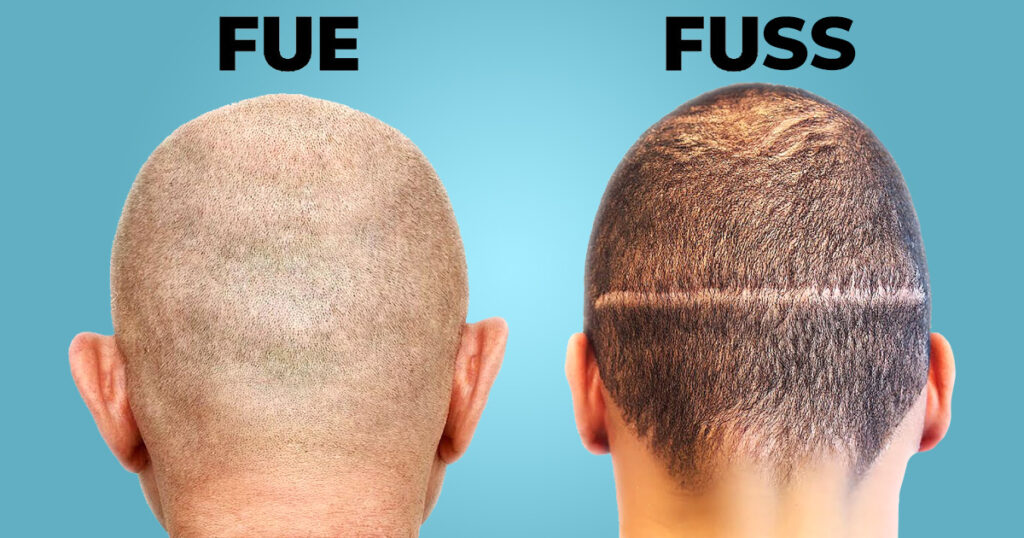
- FUT (Follicular Unit Transplantation): Involves removing a strip of scalp with healthy hair follicles and transplanting them to the balding areas.
- FUE (Follicular Unit Extraction): A more advanced method where individual hair follicles are extracted and implanted one by one.
Both methods are minimally invasive, providing long-lasting, natural results.
2. Non-Surgical Solutions
For those who prefer a non-invasive approach, several options are available:
- Scalp Micropigmentation: A tattoo-like procedure that creates the illusion of a fuller head of hair by applying pigment to the scalp.
- Hair Fibers: Temporary hair fibers are applied to existing hair to add volume and thickness.
- Wigs and Hairpieces: Custom-made wigs and hair systems provide an instant solution for hair loss, offering comfort and a natural appearance.
3. Custom Hair Systems
Custom hairpieces are designed to match your natural hair texture, color, and density. These systems are ideal for individuals who want a non-surgical but highly personalized hair replacement solution.
Choosing the Right Hair Replacement Clinic in Chennai
Selecting the right clinic is crucial for achieving the best results. When choosing a clinic in Chennai, consider the following factors:
- Experience and Reputation: Look for clinics with experienced doctors who specialize in hair replacement.
- Technology and Techniques: Choose clinics that use the latest technologies and up-to-date techniques to ensure optimal results.
- Patient Reviews and Testimonials: Reading reviews from past patients will give you insight into the clinic’s quality and patient care.
- Consultation and Diagnosis: Ensure the clinic offers a thorough consultation process to assess your hair loss and recommend the most suitable treatment.
Some of the top-rated clinics in Chennai for hair replacement include RichFeel Hair and Skin Clinic, Dr. Batra’s Clinic, and Auris Clinic.
Benefits of Hair Replacement

Hair replacement offers numerous benefits that go beyond aesthetic improvements:
- Restored Confidence: Hair loss can impact your self-esteem, and hair replacement can help you feel confident again.
- Natural-Looking Results: Whether you choose a surgical or non-surgical option, the results of hair replacement are natural-looking and effective.
- Minimally Invasive: Many hair replacement options are non-invasive, requiring little to no downtime.
- Long-Lasting Effects: Hair replacement provides long-term results with proper care, particularly surgical methods like hair transplants.
Read more: Best Hair Transplant Center in Chennai 2024
Cost of Hair Replacement in Chennai
The cost of hair replacement in Chennai can vary significantly depending on the method, clinic, and extent of hair loss.
- Hair Transplants: Typically cost between ₹50,000 and ₹1,50,000, depending on the number of grafts required.
- Non-Surgical Solutions: Wigs or hair systems can range from ₹10,000 to ₹50,000, depending on quality and customization.
- Scalp Micropigmentation: This can cost between ₹25,000 and ₹80,000, depending on the area treated.
Many clinics also offer financing options to make the treatments more accessible.
What to Expect During the Hair Replacement Process
- Consultation: Your hair replacement journey begins with a thorough consultation where the doctor assesses your hair loss and recommends the best treatment.
- Procedure: The procedure varies depending on the method chosen. For hair transplants, it involves grafting hair follicles, while non-surgical methods like scalp micropigmentation may take a few hours.
- Recovery: Post-treatment care is essential for optimal results. For surgical methods, expect a recovery period of 7-10 days, while non-surgical methods have minimal downtime.
Risks and Side Effects
While hair replacement treatments are generally safe, there are some risks and side effects to consider:
- Hair Transplants: Temporary swelling, scarring, and infection.
- Non-Surgical Methods: Allergic reactions or discomfort from hairpieces or scalp treatments.
- Aftercare: Following post-procedure care instructions is crucial to prevent complications.
Hair Replacement Aftercare
To ensure the longevity of your new hair, follow these aftercare tips:
- For Hair Transplants: Avoid heavy exercise for a few weeks, and follow your doctor’s instructions for washing and maintaining your hair.
- For Non-Surgical Methods: Regular cleaning and maintenance of wigs, hair systems, and scalp treatments are necessary.
- Diet and Lifestyle: Maintain a healthy diet rich in vitamins and minerals to support hair health.
Conclusion
Hair replacement in Chennai offers an excellent solution for those struggling with hair loss. Whether you choose a surgical transplant or a non-surgical treatment, the city’s top clinics provide advanced options to restore your natural look. The key to successful hair replacement lies in choosing a reputable clinic, understanding the costs, and following proper aftercare.
Start your hair restoration journey today and regain your confidence with the best hair replacement solutions available in Chennai!

FAQs
- Is hair replacement permanent?
- Surgical hair transplants are permanent, while non-surgical options may require maintenance.
- How long does it take to see results?
- Results from hair transplants can take several months to become fully visible, while non-surgical solutions show immediate effects.
- Are there any risks with hair replacement treatments?
- As with any medical procedure, there are some risks, but they are generally minimal if done by a qualified expert.
- How much does a hair transplant cost in Chennai?
- Hair transplant costs in Chennai typically range from ₹50,000 to ₹1,50,000 depending on the number of grafts.
Hair Transplant Cost : Latest Prices, Techniques & What You Should Know (2026 Guide)
Learn about hair transplant cost in India, including FUE, DHI, and robotic methods. Get expert guidance, affordable pricing, and personalized treatment options.

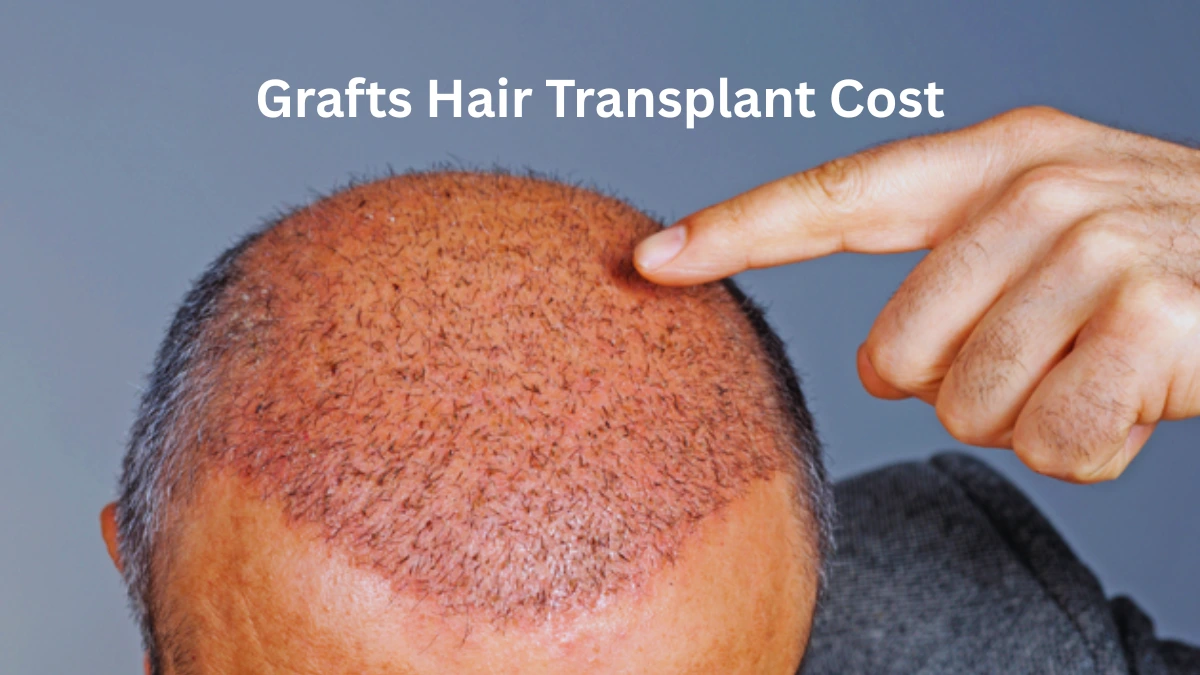
Hair loss can deeply impact confidence, and for many people, a hair transplant offers a long-term, natural solution. One of the most common questions patients ask is: “How much does a hair transplant cost in India?”
The answer depends on multiple factors—number of grafts, technique used, surgeon’s expertise, and clinic location. This guide breaks down realistic hair transplant costs in India, explains pricing by method, and helps you understand what you’re paying for—so you can make an informed decision.
Average Hair Transplant Cost in India
Hair transplant costs in India generally range from ₹30,000 to over ₹3,00,000, making India one of the most affordable yet advanced destinations for hair restoration.
Quick Cost Overview
Total Cost (Standard Procedures): ₹40,000 – ₹2,00,000
Cost Per Graft: ₹25 – ₹40 (basic clinics)
Premium / Advanced Techniques: ₹100 – ₹180 per graft
A standard 2,000-graft hair transplant usually costs between ₹55,000 and ₹1,50,000, depending on the clinic and technique.
Read more: Female Hair Transplant Cost
Hair Transplant Cost by Number of Grafts
| Number of Grafts | Estimated Cost Range |
|---|---|
| Up to 1,000 grafts | ₹30,000 – ₹50,000 |
| 1,000 – 1,500 grafts | ₹40,000 – ₹60,000 |
| 1,500 – 2,000 grafts | ₹55,000 – ₹80,000 |
| 2,000 – 2,500 grafts | ₹73,000 – ₹1,00,000+ |
Patients with advanced hair loss (Norwood Grade 5–7) may require 3,000–5,000+ grafts, which significantly increases the total cost.


Hair Transplant Cost by Technique
1. FUE (Follicular Unit Extraction)
Cost Range: ₹40,000 – ₹1,40,000+
Most commonly performed method
Minimal scarring and faster recovery
Suitable for most hair loss patterns
2. DHI (Direct Hair Implantation)
Cost Range: ₹55,000 – ₹2,25,000+
More precision and higher graft survival
Ideal for high-density and hairline design
Requires highly trained surgeons
3. Robotic Hair Transplant
Cost Per Graft: ₹60 – ₹100
AI-assisted precision
Higher cost due to technology and equipment
Factors That Influence Hair Transplant Cost in India
Number of Grafts Required
The most important factor. More baldness = more grafts = higher cost.
City & Clinic Location
Metro cities like Chennai, Mumbai, Delhi, and Bangalore often have slightly higher prices due to advanced infrastructure and experienced surgeons.
Surgeon’s Experience
Highly skilled dermatologists and hair restoration specialists charge more—but deliver natural hairlines, better density, and safer outcomes.
Technique & Technology Used
DHI, robotic systems, and high-density transplants cost more than standard FUE.
Additional Charges
Some clinics charge separately for:
GST
Medications
PRP therapy
Follow-up sessions
Post-operative care kits
Always ask for a transparent, all-inclusive quote.
Is Hair Transplant in India Worth the Cost?
Yes—when done by a qualified specialist. India offers:
International-standard technology
Experienced dermatologists
Affordable pricing compared to the US, UK, and UAE
Long-term, permanent results
The key is choosing the right clinic, not just the lowest price.
Expert-Led Hair Transplant Care in Chennai
For those seeking safe, ethical, and expert hair transplant treatment in Chennai, Dr. Hanan Dermatology Speciality Clinic stands out for its patient-first approach and dermatologist-led procedures.
About Dr. Hanan Basith, MD (DVL), FFAM
Graduate of Madras Medical College, Chennai
Fellowship in Facial Aesthetic Medicine (IAFCS & ISFPRS)
Life member of IADVL, AHRS, ACSI
Expertise in clinical dermatology, dermoscopy & hair restoration
Every hair transplant is carefully planned after detailed scalp analysis, ensuring natural-looking, long-lasting results.
Why Choose a Dermatologist-Led Hair Transplant?
Medical diagnosis of hair loss cause
Ethical graft planning (no overharvesting)
Natural hairline design
Lower risk of complications
Better long-term hair survival
Who is Dr. R. Amin Hanan ?
Dr. R. Amin Hanan is the best Dermatologist, Cosmetologist & Hair Transplant Surgeon practicing in Chennai with over a decade of experience. She is also a fellowship holder (FFAM) in AESTHETIC MEDICINE, HAIR TRANSPLANT, and is the founder of Hanan Dermatology Speciality Clinic.

For more information on Growth Factor Concentrate Therapy in Chennai, visit Hanan Dermatology Speciality Clinic at OMR or contact us at +91 6381048403 or simply fill in your name and number & one of our team members will get in touch with you soon.
Our team of experts along with Dr. R. Amin Hanan MBBS., MD. (DVL), FFAM– Best Dermatologist, Cosmetologist & Hair Transplant Surgeon, will help you understand your problem and guide you through every stage of your treatment.
Final Advice: Get a Personalized Consultation
Hair transplant costs vary because no two patients are the same. The best way to know your exact cost is through a one-to-one consultation with a qualified dermatologist, who can assess:
Hair loss stage
Donor area strength
Grafts required
Best technique for you
A well-planned hair transplant is not an expense—it’s a long-term investment in confidence.
FAQ’S
1. How much does a hair transplant cost in India?
Hair transplant costs in India typically range from ₹30,000 to ₹3,00,000, depending on the number of grafts, technique (FUE, DHI, or robotic), surgeon experience, and city. Standard procedures for 2,000 grafts usually cost between ₹55,000 – ₹1,50,000.
2. What is the cost per graft in India?
Standard FUE: ₹25 – ₹40 per graft
DHI (premium technique): ₹50 – ₹100 per graft
Robotic hair transplant: ₹60 – ₹100+ per graft
The cost can increase for high-density or specialized procedures.
3. Which hair transplant method is better: FUE or DHI?
FUE is less invasive, more affordable, and ideal for most hair loss patterns.
DHI allows precise implantation and higher graft survival, suitable for dense hairlines or scar repair.
Your surgeon will recommend the best method based on your scalp and goals.
4. Does city location affect hair transplant cost?
Yes. Metro cities like Delhi, Mumbai, Bangalore, and Chennai often have higher rates due to advanced clinics, modern technology, and experienced dermatologists.
5. How does the number of grafts affect the price?
The total cost is largely determined by the number of grafts. Patients with extensive hair loss may require 2,000–5,000+ grafts, increasing the overall cost.
6. Are there hidden charges in hair transplant procedures?
Some clinics may charge extra for:
Medications and post-op care
PRP therapy
Follow-up consultations
Always request a transparent, all-inclusive quote before booking.
7. Can I get a hair transplant if I have severe baldness?
Yes, even advanced hair loss can be treated. However, the number of grafts required will increase, and your surgeon may suggest a combination of techniques for optimal results.
8. How long does it take to see results?
Initial hair growth appears 3–4 months after surgery
Noticeable improvement occurs around 6–9 months
Full results are usually visible by 12 months
9. Is a hair transplant permanent?
Yes. Transplanted hair is permanent because it comes from donor areas that are genetically resistant to hair loss. Proper care and regular check-ups ensure long-term success.
10. How do I choose the right clinic in India?
Look for:
Experienced dermatologists and hair restoration specialists
Transparent pricing
Modern techniques (FUE, DHI, or robotic)
Positive patient testimonials
Safe and hygienic facilities
Table of Contents
Hair transplant costs vary because no two patients are the same. The best way to know your exact cost is through a one-to-one consultation with a qualified dermatologist, who can assess:
Hair loss stage
Donor area strength
Grafts required
Best technique for you
A well-planned hair transplant is not an expense—it’s a long-term investment in confidence.