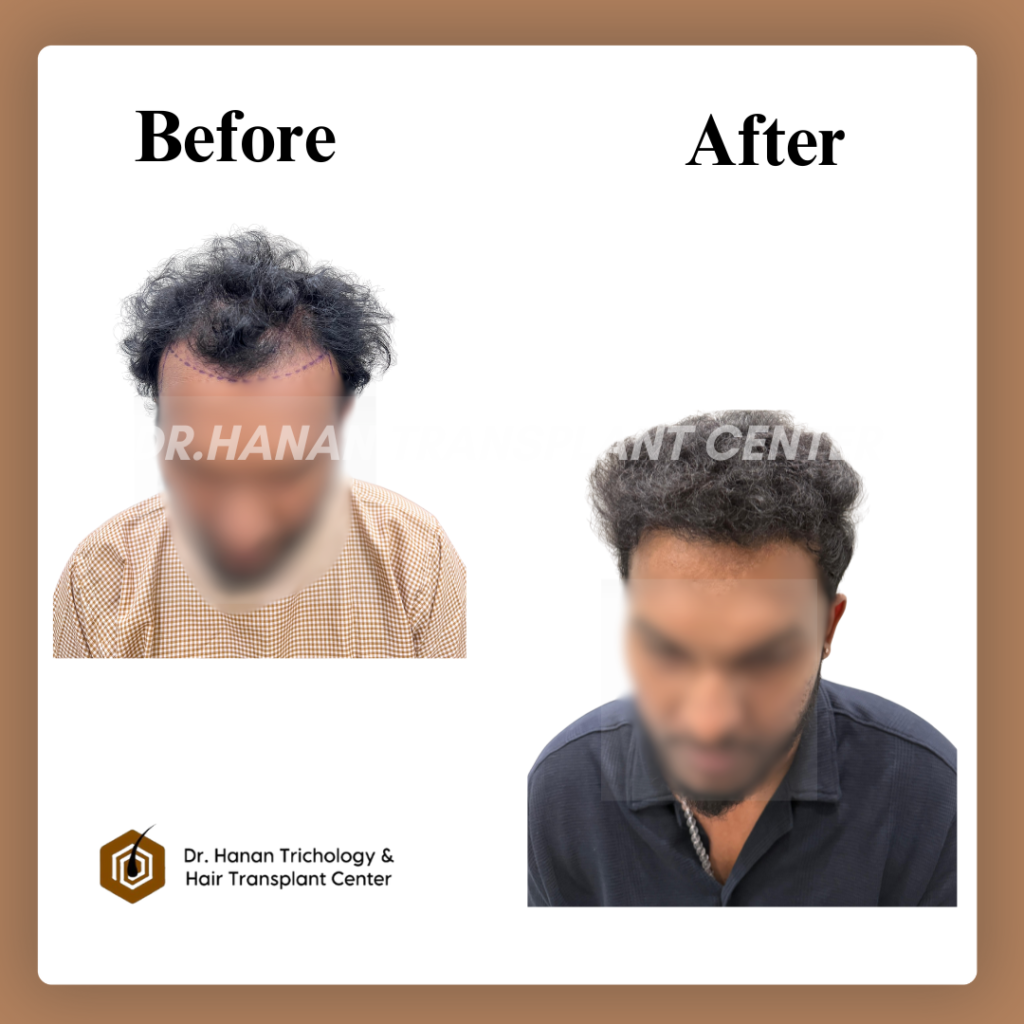




Explore Virat Kohli hair transplant journey, expert insights, FUE technique, graft estimates & before-after results. Learn from a celebrity case study.

Dermatologists recommended shampoo in India for dry and frizzy hair
Dermatologists recommended shampoo in India for dry and frizzy hair [2025]
Find the best dermatologist-approved shampoo in India to nourish dry and frizzy hair. Achieve smoother, healthier hair with expert-recommended care.

Dermatologists recommended shampoo in India for dry and frizzy hair – Dry, frizzy hair is a common problem for many people in India. This is often due to unique challenges posed by weather, pollution, and other environmental factors. Choosing the right shampoo can make a significant difference in managing these hair problems.
Dermatologists recommend topical shampoos that contain nourishing ingredients that moisturize and smooth the hair and reduce hair loss.
This guide explores the best dermatologist-recommended shampoos for dry, frizzy hair in India. and offers tips on maintaining healthy hair
Understanding the Needs of Dry and Frizzy Hair
Dry, frizzy hair lacks moisture. For many people, it causes hair to become breakable, rough, and lack shine. This information covers:
1. Environmental stressors: Pollution, sunlight, and hard water can strip essential oils from your hair.
2. Heat styling: Regular use of heat tools can dehydrate the hair and cause long-term damage.
3. Chemical treatment: hair dyeing, re-synthesis, and other treatments It tends to strip the hair of its natural moisture.
For dry, frizzy hair A shampoo that focuses on moisturizing, smoothing, and nourishing the hair from root to tip is important. Below are some effective options recommended by dermatologists in India.
Top Dermatologist Recommended Shampoos for Dry and Frizzy Hair [2025]
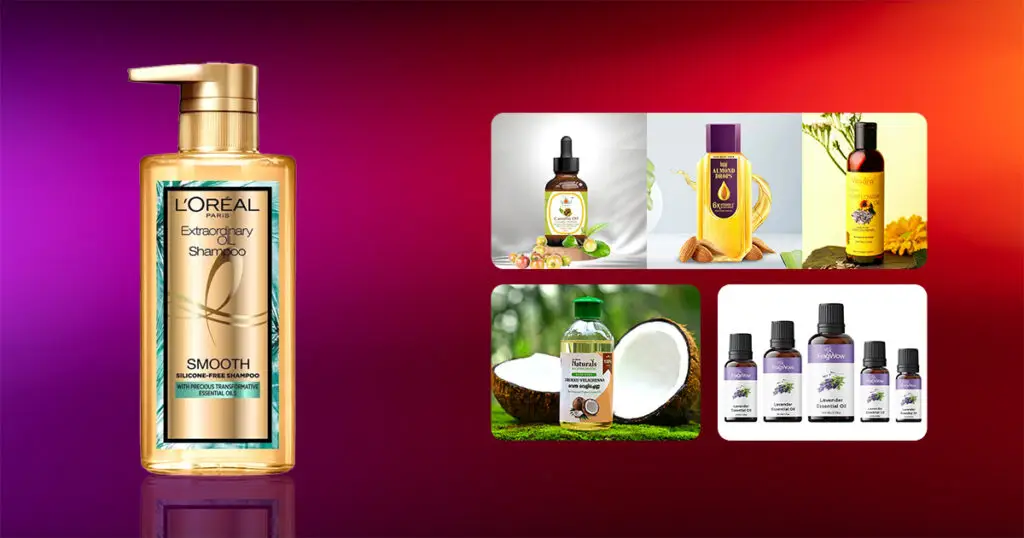
1. L’Oréal Paris Extraordinary Oil Smooth Shampoo
Formulated with a blend of six precious oils, this shampoo from L’Oréal Paris deeply nourishes dry and frizzy hair. It provides a salon-like smoothness, making hair feel soft and manageable. The lightweight formula ensures that hair does not feel greasy while addressing frizz and flyaways.
Key Ingredients:
a. Camellia Oil, Almond Oil, and Sunflower Oil: Known for their nourishing properties.
b. Coconut Oil: Adds moisture without weighing hair down.
c. Soothing Lavender Oil: Helps in reducing scalp irritation, promoting a healthier scalp.

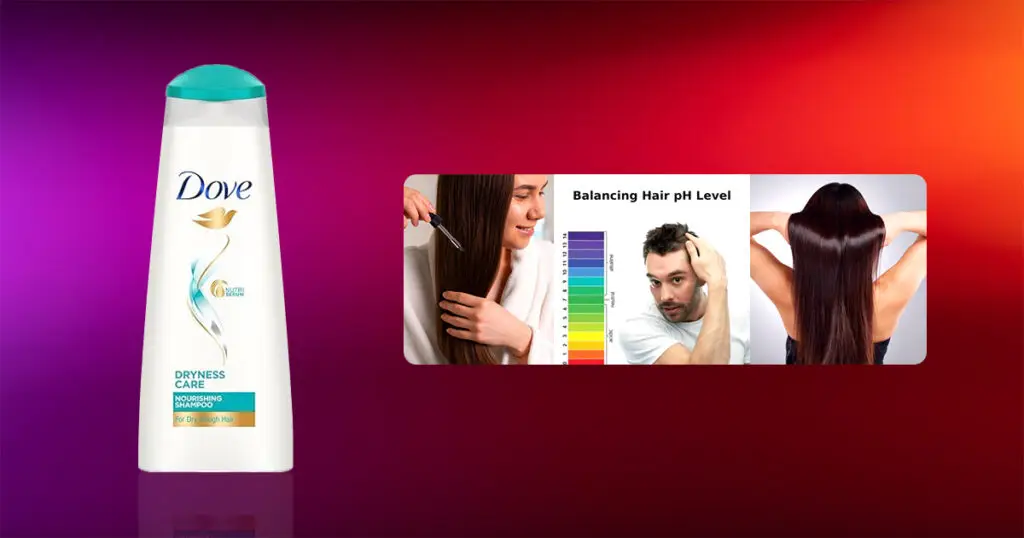
2. Dove Dryness Care Shampoo
Dove Dryness Care Shampoo is specifically designed for those dealing with hair dryness. The unique Pro-Moisture Complex in this shampoo works to replenish and retain moisture, restoring softness to the hair without making it feel heavy or oily.
Benefits:
a. Moisture Retention: Helps hair lock in hydration, preventing it from drying.
b. Gentle on Hair: Suitable for daily use due to its mild, pH-balanced formula.
c. Visible Smoothing: Reduces frizz and enhances shine, making hair look smoother.

3. St.Botanica Moroccan Argan Oil Shampoo
Moroccan Argan Oil has long been celebrated for its hydrating and restorative properties. This shampoo from StBotanica is rich in natural oils and extracts that deeply nourish hair. It’s free from sulfates and parabens, which helps maintain the hair’s natural balance.
Key Ingredients:
a. Argan Oil: Deeply moisturizes and protects hair from damage.
b. Vitamin E: Provides antioxidant support, reducing oxidative stress.
c. Almond Oil and Rosemary Extract: Improve scalp health and hair strength.

4. Himalaya Herbals Damage Repair Protein Shampoo
Dermatologists recommended shampoo in India for dry and frizzy hair
Himalaya’s Damage Repair Protein Shampoo is a highly effective formula for dry, damaged hair. Enriched with natural proteins, it repairs hair and prevents further damage, leaving it soft, smooth, and manageable.
Ingredients and Benefits:
a. Chickpea Protein: Fortifies and nourishes hair.
b. Aloe Vera and Licorice: Provide soothing effects to the scalp, reducing dryness.
c. No Harsh Chemicals: Free from parabens and SLS, which helps maintain hair health.

5. WOW Skin Science Apple Cider Vinegar Shampoo
This gentle, detoxifying shampoo from WOW Skin Science is formulated with raw apple cider vinegar, which helps restore the scalp’s pH balance. It’s ideal for those dealing with frizz due to excess oil or product buildup.
Main Benefits:
a. Apple Cider Vinegar: Naturally clarifies and removes build-up.
b. Almond Oil and Argan Oil: Deeply moisturize and smooth hair.
c. Paraben and Sulfate-Free: A gentle formula that doesn’t strip natural oils.

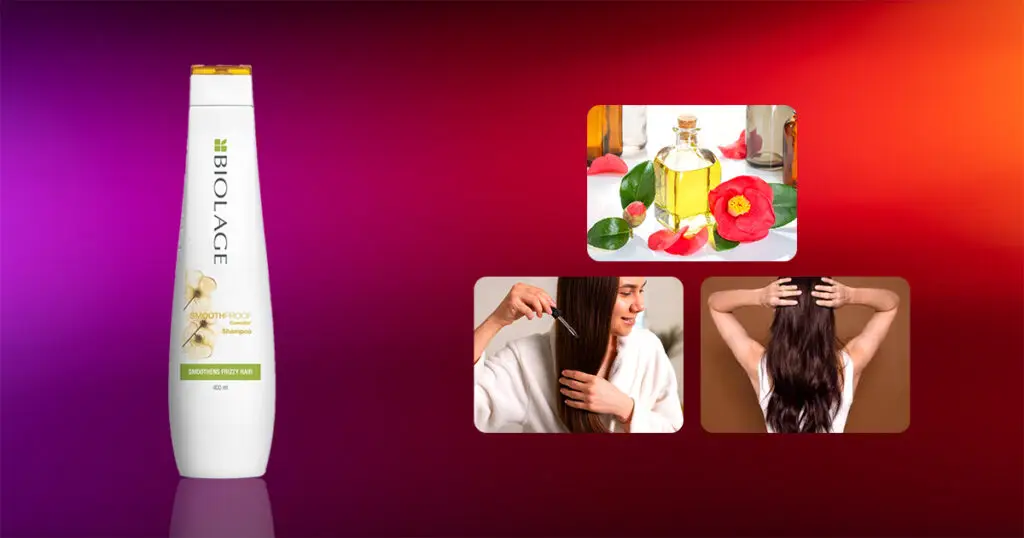
6. Matrix Biolage SmoothProof Shampoo
Matrix Biolage SmoothProof Shampoo is known for its frizz-control formula that works well in humid conditions. Inspired by the moisture-retaining properties of camellia, this shampoo provides smoothness, helping keep hair frizz-free all day.
Active Ingredients:
a. Camellia Flower Extract: Known for adding a protective layer to hair, preventing moisture loss.
b. Mild Cleanser: Gently cleanses without causing further dryness.
c. Humidity Defense: Keeps frizz in check even in humid weather.

Tips for Choosing the Right Shampoo for Dry and Frizzy Hair
When choosing shampoo Look for the following features that help manage dry, frizzy hair.
1. Moisturizing ingredients: Choose products that contain ingredients like coconut oil. Argan oil, shea butter, or glycerin attracts and retains moisture.
2. Gentle cleanser: Avoid shampoos that contain high levels of sulfates. which can strip the hair of its natural oils This will make the hair more dry.
3. Silicone-free: Although silicone provides temporary smoothness to hair, it can build up over time. It makes hair feel less heavy and dull.
4. pH balanced formula: Hair health is affected by pH; pH-balanced products prevent irritation and dryness of the scalp.
Additional Tips for Managing Dry and Frizzy Hair
1. Normalization
Using conditioner after washing your hair will add another layer of moisture. Look for a conditioner that has keratin, protein, and moisturizing oils. To help keep hair frizzy and moisturized.
2. Limit heat styling
Reduce the use of heat styling devices such as straighteners and curling irons. This is because these things can cause the skin to become more dry. When heat styling is necessary Use a heat protection spray to minimize damage.
3. Deep Conditioning Treatments
A weekly deep conditioning mask can restore moisture and prevent frizz. Choose a mask that contains natural oils or proteins for maximum benefits. Argan oil and olive oil masks are extremely effective in restoring softness and radiance.
4. Protect your hair from environmental stress
In Indian weather conditions Pollution and harsh sunlight can weaken your hair. Using a scarf or hat can provide physical protection. And using a leave-in conditioner can protect your hair from UV rays.
5. Regular Trimming
Dry, frizzy hair tends to split ends. Regular trimming helps prevent split ends from reaching the hair shaft. Makes hair look healthy.
Why Choose Dr. Hanan Dermatologist Recommended Shampoo for Dry & Frizzy Hair India
Dr. Hanan’s Dermatologist Recommended Shampoo is specially formulated to treat dry and frizzy hair, making it ideal for those looking for expert-approved hair care. Here’s why it’s the right choice:
1. Nourishing Ingredients: The shampoo is crafted with dermatologist-selected ingredients that deeply hydrate dry hair, restoring its natural moisture balance.
2. Frizz Control: Designed to tame frizz, it smooths hair strands, leaving them soft and manageable without weighing them down.
3. Gentle and Safe: Free from harsh chemicals, it’s safe for regular use and suitable for sensitive scalps.
4. Proven Results: Trusted by Dr. Hanan, a leading dermatologist, this shampoo provides lasting results and a healthy shine.
Choose Dr. Hanan’s shampoo for effective, dermatologist-backed care that keeps hair nourished, smooth, and frizz-free!
Conclusion
Managing dry, frizzy hair in India can be done with the right combination of dermatologist recommended shampoos and a regular hair care routine.
The shampoo in this article has been specially designed to fight dryness and frizz in the Indian climate with moisturizing ingredients that provide hydration. Smoothing and nourishing benefits.
FAQ’S
1. What ingredients should I look for?
Look for argan oil, glycerin, and hyaluronic acid to lock in moisture and reduce frizz.
2. How often should I use it?
Use 2-3 times a week to avoid stripping natural oils. Follow with conditioner.
3. Is it safe for color-treated hair?
Yes, choose sulfate-free shampoos to keep both moisture and color intact.
Table of Contents
Virat Kohli Hair Transplant: Expert Analysis

Virat Kohli is not only a cricket icon, but also a style inspiration for millions of people. The changes that have been decorated over the years have given rise to many conversations, especially about his hair. In this blog, we dive deeply in the discussion around Virat Kohli Hair Transplant, checking facts, experts and techniques that may have contributed to his hair makeover.
Who is Virat Kohli?
Virat Kohli is one of the most successful and recognized cricketers in the world. Kohli, a former captain of the Indian national team, is known for his aggressive batting style, unmatched stability, and charismatic appearance and both. Beyond cricket, he admits to develop his fitness, fashion sense and personal style – including his hair.
Virat Kohli’s Hair Loss Journey
Like many men in his 20 and 30s, Kohli allegedly experienced male pattern baldness, mainly affecting their hairline and temples. Fans saw a change in the density of their hair, speculation about the hair being thin. Despite this, Kohli maintained a well -designed appearance with a hairstyle, which cleverly disrupts thin areas.ohli, a former captain of the Indian national team, is known for his aggressive batting style, unmatched stability, and charismatic appearance and both. Beyond cricket, he admits to develop his fitness, fashion sense and personal style – including his hair.
Did He Really Get a Hair Transplant?
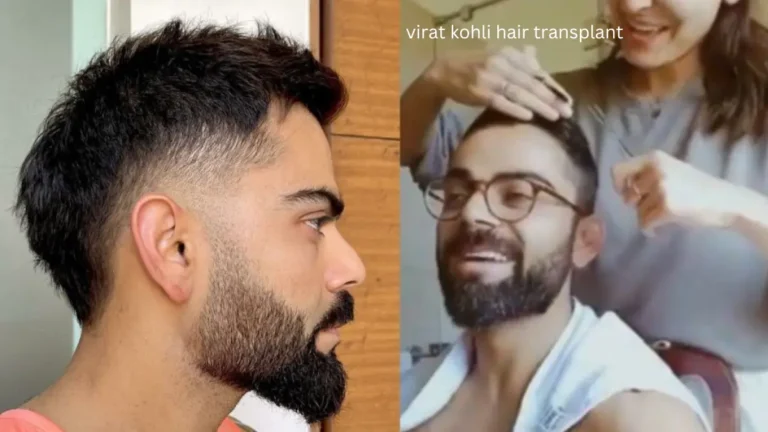
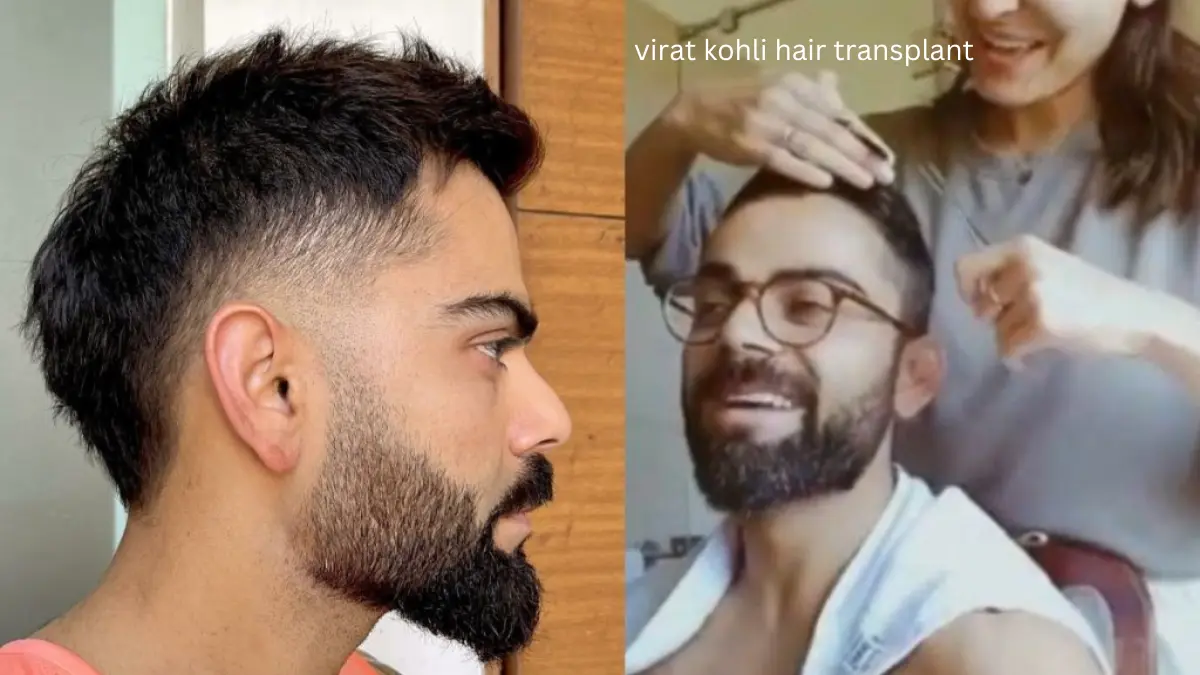
While there is no official confirmation, experts and supervisors strongly believe that Virat Kohli did a hair transplant. Their attention is to be noted, which includes a more defined hairline and full crown, indicating a well -executed process. Hair transplants are common among famous celebrities, and Kohli’s case is widely considered a successful example.
Which Hair Transplant Method Did He Choose?
Based on expert analysis, it is likely that Kohli chose for the Fue (follicular unit extraction) method. This modern technology involves extracting separate hair follicles from a donor area (usually behind the skull) and transplanting them into thin or balding areas. Fue is favored by its minimal scarring, natural looking results and low recovery time-it is making a favorite option among celebrities.
How Many Grafts Were Transplanted?
While there is no official confirmation from Virat Kohli or his team about the specifics of the process, hair transplant experts estimate that they will have received around 2,000 to 3,000 grafts. This estimate is based on noticeable improvement in their frontal hairline and overall hair density.
Typically, a graft has 1 to 4 hair follicles. For a person like Kohli – who needs moderate improvements mainly in frontal and temple zones – this range of grafts would be sufficient to achieve a natural, full look, which is seen in its recent public appearances.
Cost of Virat Kohli’s Hair Transplant
While the accurate cost of Kohli’s hair transplant is unknown, based on similar high-end processes in India, the number of grafts and the reputation of the clinic, may range from 2,00,000 to ₹ 5,00,000 or more. Given their position and the quality of the result, it is likely that Kohli chose a premium hair restoration center.
Celebrity Hair Transplants: A Growing Trend
Virat Kohli is included in the list of celebrities like Salman Khan, Akshay Kumar, and others who have allegedly done hair transplants. These changes highlight how accessible and effective modern hair restoration techniques have become – not only for celebrities, but also to gain confidence for anyone.
Expert Opinion: Why FUE Works
The FUE method remains one of the most recommended options by dermatologists and trichologists. It does not leave no linear scars, a quick recovery time, and allows for accurate, natural looking results. For public figure like Kohli, these benefits are important.
Before and After: Virat Kohli’s Hair Transformation
For the recent appearance compared to photos from early 2010, there is a clear difference between Virat’s hair density and line-up. Their current hairstyle looks natural, well mixed, and adds their sharp appearance to a testament for skills behind the process.
Final Thoughts
Virat Kohli’s transformation is not just about looks – it is about confidence and grooming. Whether you are a fan or a child transplant options, their journey provides valuable insight into modern hair restorations.
If you are considering a hair transplant and want professional guidance and natural looking results, visit Dr. Hanan Dermatology Specialty and Trichology Clinic-Your Reliable Destination for Specialist Hair Restoration Solutions.
Table of Contents
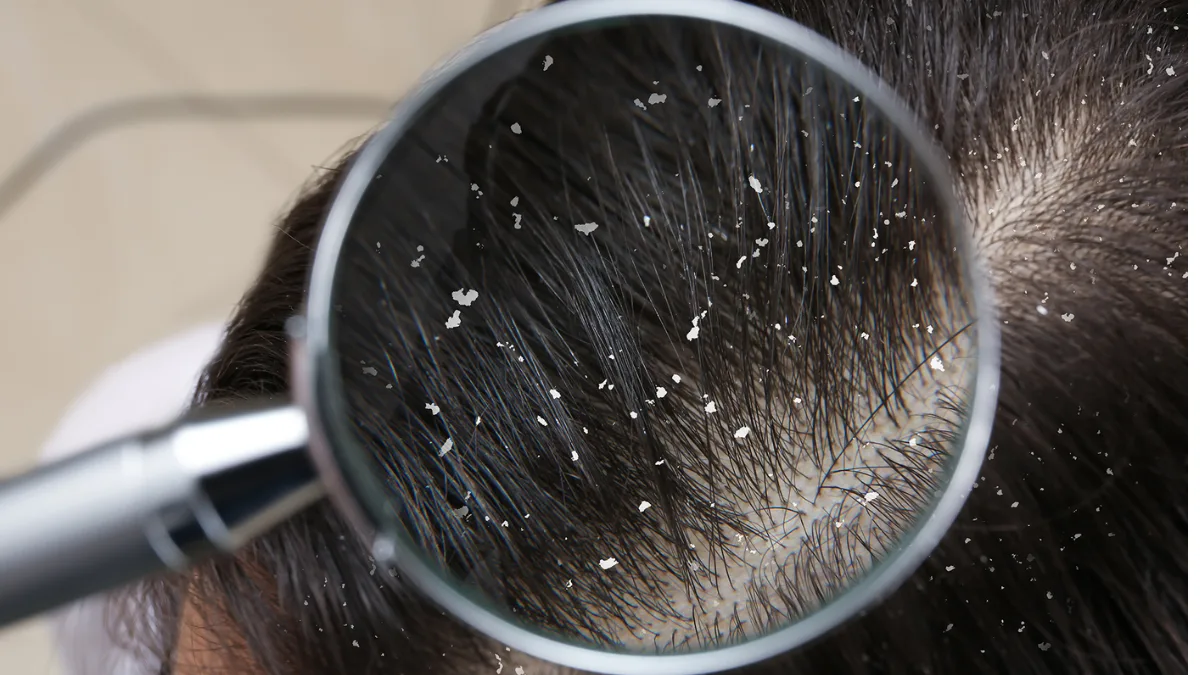
Best Homeopathic Medicine for Dandruff and Hair Fall: Natural Remedies for Healthier Hair

Best Homeopathic Medicine for Dandruff and Hair Fall: Hair problems like dandruff and hair fall affect millions of people around the world. While conventional treatments can be effective, many individuals are turning to homeopathic remedies for a more natural and personalized approach to their hair care routine. Homeopathy offers gentle, holistic treatments that target the root causes of hair issues, promoting overall scalp health and hair growth. In this article, we explore the best homeopathic medicines for dandruff and hair fall, their benefits, and how they can help you achieve healthier, fuller hair.
Book Your Consultation Today
Visit Dr. Hanan Dermatology Specialty Clinic in Padur, OMR, Chennai. Schedule your consultation today and start your journey to fuller, healthier hair.
For more information and to book your appointment, visit our clinic or call us at the clinic’s contact details.
Understanding Dandruff and Hair Fall
Before diving into the homeopathic treatments, it’s important to understand what dandruff and hair fall are and how they impact your hair.
What is Dandruff?
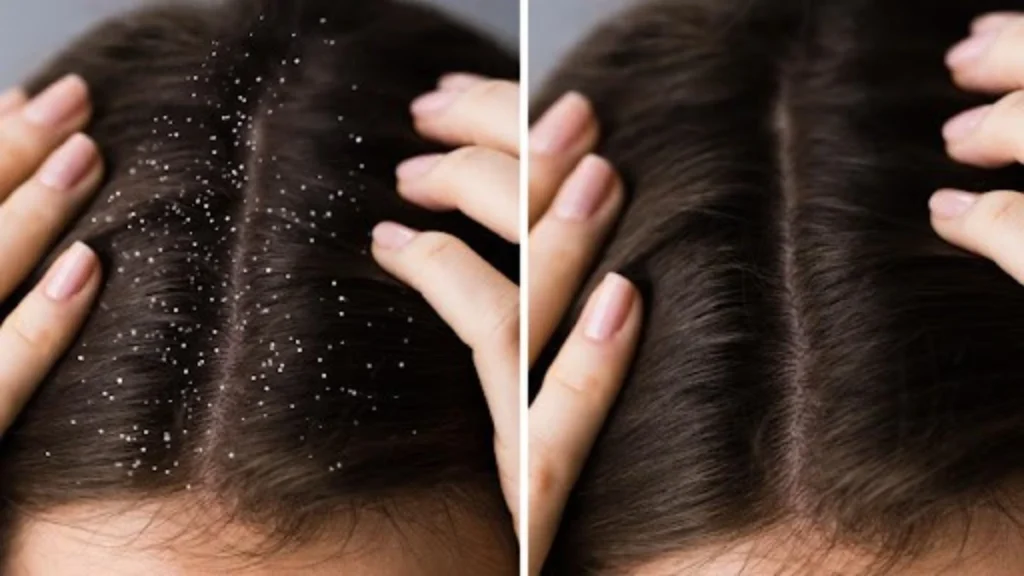
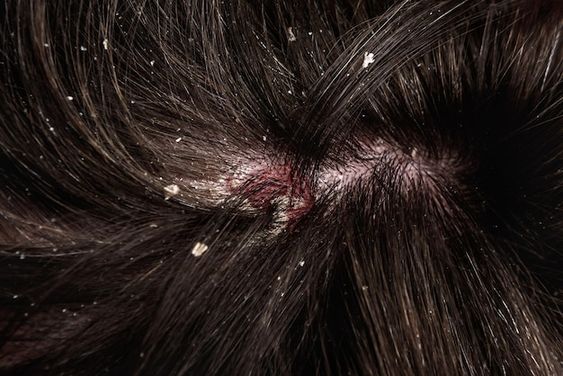
Dandruff is a common scalp condition characterized by flaky, itchy skin. It can result from various factors, including:
- Dry Scalp: Lack of moisture can lead to peeling and flakes.
- Fungal Infections: Yeast-like fungi (Malassezia) can trigger dandruff.
- Oily Scalp: Excess oil can mix with dead skin cells, leading to flakes.
What is Hair Fall?
Hair fall occurs when hair shedding exceeds hair growth, leading to thinning or baldness. Common causes include:
- Genetics: Hereditary hair loss can contribute to thinning.
- Stress: Physical or emotional stress can disrupt hair growth.
- Nutritional Deficiencies: Lack of essential vitamins can result in weakened hair.
- Hormonal Imbalances: Conditions like thyroid issues or pregnancy can affect hair growth.
Benefits of Homeopathy for Dandruff and Hair Fall

Homeopathy is known for its holistic approach, treating the individual as a whole rather than just focusing on symptoms. When it comes to dandruff and hair fall, homeopathic remedies work by addressing the root causes and stimulating the body’s natural healing abilities. Here are some key benefits:
- Natural Treatment: Homeopathic medicines use natural ingredients that are gentle on the scalp and hair.
- Personalized Care: Remedies are tailored to the specific symptoms of the individual.
- Long-Term Results: Homeopathic treatments aim to address underlying imbalances, providing long-term relief.
Read more: Dandruff Treatment A Complete Guide to a Healthier Scalp
Best Homeopathic Medicines for Dandruff

Homeopathy offers several remedies that can effectively treat dandruff. Here are some of the most effective medicines for dandruff:
1. Thuja Occidentalis
Thuja is a popular remedy for dandruff caused by fungal infections. It helps balance the scalp’s oil production and promotes healthy hair growth. Thuja is often used for itchy, flaky scalps and can relieve discomfort caused by dandruff.
2. Natrum Muriaticum
This remedy is particularly effective for dry, flaky dandruff that often occurs in winter. If you experience dandruff due to dehydration or environmental factors, Natrum Muriaticum can help restore moisture to the scalp and reduce dryness.
3. Graphites
Graphites is ideal for individuals who experience eczema-like dandruff, where the scalp becomes crusted or greasy. It helps soothe scalp irritation, reduce inflammation, and alleviate flakes.
4. Kali Sulphuricum
For individuals dealing with oily dandruff, Kali Sulphuricum works to balance the scalp’s oil production. It helps treat greasy flakes and helps with scalp inflammation that often accompanies oily dandruff.
Read more: Best Dandruff Treatment in Chennai
Best Homeopathic Medicines for Hair Fall
When it comes to hair fall, homeopathy offers several remedies that can strengthen the hair follicles and promote hair growth. Some of the most effective treatments include:
1. Phosphorus
Phosphorus is known for its ability to treat hair thinning caused by stress or hormonal imbalances. It helps restore vitality to the hair follicles, encouraging hair regrowth. Phosphorus can also be effective for those who experience excessive hair shedding after stressful events.
2. Lycopodium Clavatum
Lycopodium is commonly used for pattern baldness, particularly in individuals who experience hair loss in the crown or front of the scalp. It helps with premature graying and encourages healthy hair growth.
3. Silicea
Silicea is a powerful remedy for individuals suffering from hair fall due to weak hair roots. It helps strengthen the hair follicles, improves scalp health, and reduces excessive hair shedding. It is especially beneficial for people with fragile, brittle hair.
4. Arsenicum Album
For those who experience hair loss related to poor circulation or overall health, Arsenicum Album can be a useful treatment. It helps improve scalp circulation and reduces the shedding of hair, especially if the scalp is inflamed or irritated.
How to Use Homeopathic Remedies for Dandruff and Hair Fall
Homeopathic medicines come in various forms, including liquids, pellets, and tablets. The correct dosage and treatment plan depend on your individual symptoms, so it’s crucial to consult a professional homeopath for personalized advice. Here are some general guidelines for using homeopathic remedies:
Tips for Supporting Hair Health
In addition to homeopathic remedies, there are several lifestyle changes you can make to promote healthy hair:
- Scalp Hygiene: Wash your hair regularly with a gentle shampoo to remove excess oil and dandruff flakes.
- Balanced Diet: Ensure you are getting enough vitamins and minerals like iron, zinc, and biotin to support hair health.
- Avoid Harmful Treatments: Minimize the use of harsh chemicals, heat styling, and other treatments that can damage your hair.
- Stress Management: Practice relaxation techniques like meditation or yoga to reduce stress, which can contribute to hair loss.
Conclusion
Homeopathic remedies offer a natural and effective solution for dandruff and hair fall. Whether you’re dealing with dry scalp, oily flakes, or hair thinning, there are homeopathic treatments that can help address the root causes and promote healthy hair growth. Remember to consult a professional homeopath for personalized advice and treatment plans, and be patient as you give these remedies time to work. Embrace the natural path to healthier, fuller hair with homeopathy.
FAQs at Best Homeopathic Medicine for Dandruff and Hair Fall
1. Are homeopathic remedies safe for dandruff and hair fall? Yes, homeopathic remedies are made from natural ingredients and are safe when used as directed. Always consult a professional for proper guidance.
2. How long does it take to see results with homeopathic treatments for hair fall?
Results can vary depending on the individual, but most people start seeing noticeable improvements after a few weeks to a few months of consistent use.
3. Can homeopathy treat all types of hair loss?
Homeopathy can help with various types of hair loss, including stress-related hair fall, pattern baldness, and hair loss due to poor scalp health.
4. Should I combine homeopathic remedies with other treatments?
It’s best to consult a homeopath before combining treatments. Sometimes, homeopathy works well alongside other natural remedies or lifestyle changes.
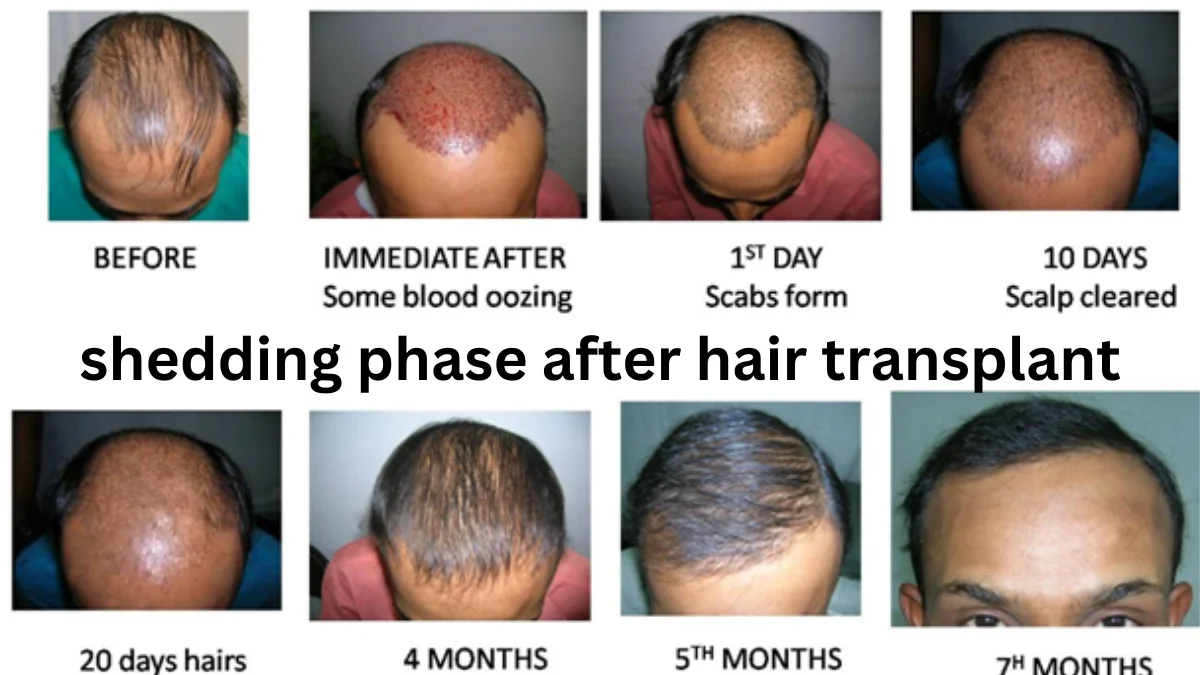
Shedding Phase After Hair Transplant: What to Expect & How to Care for Your Scalp
Undergoing a hair transplant is an exciting step toward hair restoration, but many individuals experience the shedding phase shortly after the procedure. This stage, also known as shock loss, is a natural and temporary process. Understanding the shedding phase can help manage expectations and ensure proper scalp care for optimal regrowth.
Book Your Consultation Today
Visit Dr. Hanan Dermatology Specialty Clinic in Padur, OMR, Chennai. Schedule your consultation today and start your journey to fuller, healthier hair.
For more information and to book your appointment, visit our clinic or call us at the clinic’s contact details.
What is the Shedding Phase?
The shedding phase is a temporary period where transplanted hair falls out before new growth begins. This happens because the hair follicles enter the resting phase of the hair growth cycle after being relocated. While shedding may seem concerning, it is a normal and necessary part of the hair restoration journey.
When Does Shedding Occur?
- Shedding typically begins 2–4 weeks after a hair transplant.
- The phase can last for 2–3 months, depending on individual healing factors.
- You may first notice a few hairs falling out, which gradually becomes more noticeable.
Why Does Shedding Happen?
The hair growth cycle consists of three main phases:
- Anagen (Growth Phase): Active hair growth stage.
- Catagen (Transition Phase): Hair stops growing and prepares to shed.
- Telogen (Resting Phase): Hair falls out before new hair grows.
After a transplant, hair follicles enter the telogen phase due to temporary trauma, leading to shedding. However, the follicles remain intact and will soon produce new hair.
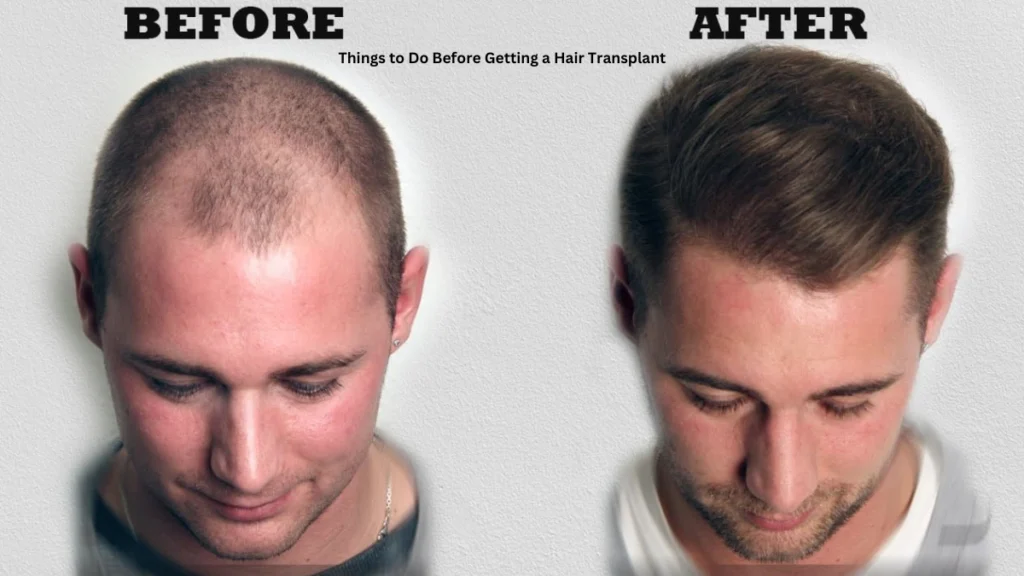
What Happens After Shedding?
- 4–12 Months: New hair begins to grow back.
- 12–18 Months: Hair becomes thicker and blends with existing hair.
- The final results depend on individual hair growth rates and adherence to post-transplant care.
How to Care for the Scalp During Shedding

Proper scalp care can promote healing and support new hair growth. Follow these essential tips:
- Use a mild, sulfate-free shampoo to avoid irritation.
- Avoid scratching or rubbing the scalp.
- Pat dry with a soft towel instead of rubbing.
- Keep the scalp hydrated with doctor-recommended products.
- Protect from sun exposure by wearing a hat or using scalp-friendly sunscreen.
Read more: Things to Do Before Getting a Hair Transplant
Can Shedding Be Reduced?
While shedding is unavoidable, certain treatments can help minimize it:
- Platelet-Rich Plasma (PRP) Therapy: PRP injections can boost hair follicle recovery and reduce excessive shedding.
- Medications: Doctors may recommend Minoxidil or Finasteride to support new hair growth and reduce post-transplant shedding.
Common Myths & Misconceptions
Myth 1: Shedding Means the Transplant Failed
Fact: Shedding is a normal part of the hair transplant process, and new hair will grow back stronger.
Myth 2: Shedding is Permanent
Fact: The transplanted hair follicles remain intact, and shedding only affects the hair strands, not the roots.
FAQs
1. Is shedding normal after a hair transplant?
Yes, shedding is a normal part of the healing process. It’s known as shock loss and occurs because the transplanted hair follicles enter the resting phase before new hair growth begins.
2. When does shedding start after a hair transplant?
Shedding typically begins 2–4 weeks after the transplant procedure.
3. How long does the shedding phase last?
The shedding phase can last between 2–3 months, depending on individual healing and hair growth cycles.
4. Does shedding mean my hair transplant has failed?
No, shedding does not mean failure. The hair follicles remain intact, and new hair will begin to grow after the shedding phase.
5. When will new hair start growing after shedding?
New hair usually starts to grow within 4–12 months, with significant thickening by 12–18 months.
6. How can I care for my scalp during the shedding phase?
- Use a mild, sulfate-free shampoo.
- Avoid scratching or rubbing the scalp.
- Keep the scalp moisturized and protected from the sun.
- Follow doctor-recommended post-care instructions.
7. Can I reduce the shedding phase?
Some treatments can help minimize shedding, such as:
- Platelet-Rich Plasma (PRP) Therapy
- Medications like Minoxidil or Finasteride
8. Will all the transplanted hair shed?
Not all transplanted hair will shed, but it is common for a significant amount to fall out before new growth begins.
9. Can I speed up hair regrowth after shedding?
While there’s no way to completely speed up the process, proper scalp care, a healthy diet, and doctor-recommended treatments can support faster regrowth.
10. What if shedding continues beyond three months?
If shedding persists beyond the expected timeline, consult your hair transplant specialist to rule out any underlying issues.

10 Days After Hair Transplant: What to Expect, Care Tips & Healing Timeline
Expert Tips to Choose the Best Hair Transplant Clinic – 10 Days After Hair Transplant

10 Days After Hair Transplant: Undergoing a hair transplant is a life-changing decision, and the recovery journey plays a crucial role in achieving natural, long-lasting results. Ten days after a hair transplant, most patients experience visible healing, reduced discomfort, and an important biological phase known as shock loss.
At Dr. Hanan Dermatology Speciality Clinic, Chennai, patients are carefully guided through each recovery milestone to ensure graft safety and optimal hair regrowth.
Why the 10-Day Mark Is Important After a Hair Transplant
Day 10 marks a critical transition phase in hair transplant recovery:
Hair grafts begin to anchor securely into the scalp
The risk of accidental graft dislodgement significantly reduces
Most post-operative swelling and redness subside
The scalp prepares for the shedding (shock loss) phase, which is normal
While healing is well underway, the scalp still needs gentle care and medical supervision.
What to Expect 10 Days After Hair Transplant
Scalp Appearance
Most tiny scabs fall off naturally
Redness reduces considerably, though mild pinkness may persist
No active bleeding or swelling should be present
This is a healthy sign that the micro-incisions are healing properly.
How the Scalp Feels
Mild tenderness or tightness is common
Occasional itching as nerves regenerate
Grafts feel secure but should not be scratched or rubbed
According to dermatologists, this sensitivity usually resolves over the next 1–2 weeks.
Hair Shedding (Shock Loss)
One of the most common concerns at this stage is hair shedding, also called shock loss.
Transplanted hair shafts may fall out
Hair follicles remain alive and intact beneath the scalp
This process does not affect final hair growth
New hair growth typically begins around 3–4 months post-transplant.
Is Hair Fall Normal 10 Days After Hair Transplant?
Yes. Hair fall at this stage is expected and temporary.
Normal:
Shedding of transplanted hair
No pain or bleeding
Not Normal:
Excessive redness with pus
Severe pain or swelling
Sudden bald patches with inflammation
If any abnormal symptoms appear, immediate consultation is recommended.
Hair Washing Routine at Day 10
Patients can now begin gentle washing:
Use a mild, dermatologist-recommended shampoo
Apply using fingertips (no nails)
Rinse with lukewarm water
Pat dry with a soft towel — do not rub
At Dr. Hanan Dermatology Speciality Clinic, patients receive personalized washing instructions based on their scalp type and transplant technique.
Activities You Can Resume After 10 Days
You may safely resume:
Office work and daily routines
Light walking
Normal sleeping with a soft pillow
Activities to Still Avoid
Heavy workouts or sweating
Swimming and steam baths
Direct sun exposure
Smoking and alcohol
Hair styling products or oil massage
These can delay healing and affect graft survival.
Do’s and Don’ts 10 Days After Hair Transplant
Do’s
Follow your dermatologist’s aftercare plan
Stay hydrated and eat protein-rich foods
Use prescribed medications only
Protect the scalp from dust and pollution
Don’ts
Scratch or pick scabs
Massage the scalp
Wear tight helmets or caps
Skip follow-up appointments
Warning Signs to Watch After Day 10
Contact your dermatologist immediately if you notice:
Persistent redness or swelling
Pus or foul discharge
Fever or severe pain
Sudden bleeding
Early medical attention prevents complications.
Hair Growth Timeline After This Stage
| Time After Transplant | What Happens |
|---|---|
| 2–4 weeks | Shock loss phase |
| 3–4 months | New baby hair starts growing |
| 6 months | Visible density improvement |
| 9–12 months | Final, natural results |
Patience and proper care are key to success.
Expert Dermatologist Advice for Faster Healing
Dr. Hanan Basith, MD (DVL), FFAM, Founder of Dr. Hanan Dermatology Speciality Clinic, emphasizes:
Regular follow-ups improve outcomes
Nutrition and scalp hygiene matter
Avoid self-medication or online remedies
Choose experienced dermatologists for long-term success
Dr. Hanan is a graduate of Madras Medical College, Chennai, a fellow in facial aesthetic medicine, and a life member of IADVL, ACSI, and AHRS, ensuring international-standard care.
Book Your Consultation Today!
For Personalised Treatment visit Dr. Hanan Clinic. Feel confident and proud with our expert care.
FAQs
Is it normal for hair to fall out 10 days after a hair transplant?
Yes. Hair fall at this stage is completely normal and is known as shock loss. Only the hair shafts shed, while the transplanted follicles remain healthy beneath the scalp and will regrow new hair in the coming months.
Can grafts fall out after 10 days?
No. By Day 10, the grafts are usually securely anchored in the scalp. Normal washing or gentle touch will not dislodge them if aftercare instructions are followed properly.
Is redness or pinkness still normal after 10 days?
Mild redness or pinkness is normal, especially in fair or sensitive skin types. It typically fades over the next few weeks. Severe redness, pain, or pus should be evaluated by a dermatologist.
Can I wash my hair normally 10 days after a hair transplant?
You can gently wash your hair using a mild, dermatologist-recommended shampoo. Avoid rubbing, scratching, or using strong water pressure. Always pat dry with a soft towel.
Can I resume work and daily activities after 10 days?
Yes. Most patients can return to office work, walking, and light daily activities. Heavy exercise, sweating, swimming, and gym workouts should still be avoided.
Is itching normal 10 days after a hair transplant?
Yes. Mild itching is a sign of healing and nerve regeneration. Do not scratch the scalp. If itching becomes severe, consult your dermatologist for soothing medications.
Can I apply oil or hair products at this stage?
No. Hair oils, gels, sprays, and styling products should be avoided for at least 3–4 weeks or until your doctor advises otherwise.
When will new hair start growing after shock loss?
New hair growth usually begins around 3 to 4 months after the transplant. Visible density improves by 6 months, with final results seen between 9–12 months.
Can I wear a helmet or cap after 10 days?
Loose-fitting caps may be allowed, but tight helmets or caps should be avoided as they can irritate the scalp and affect healing.
When should I contact my doctor after Day 10?
Contact your dermatologist if you notice increasing pain, swelling, pus, persistent redness, fever, or unusual bleeding.
Why choose Dr. Hanan Dermatology Speciality Clinic for hair transplant care?
Dr. Hanan Dermatology Speciality Clinic in Chennai offers advanced hair transplant techniques, experienced dermatologists, personalized post-procedure care, and affordable, ethical treatment focused on long-term results.
Table of Contents
Hair Replacement in Chennai: Top Clinics, Methods & Cost 2026

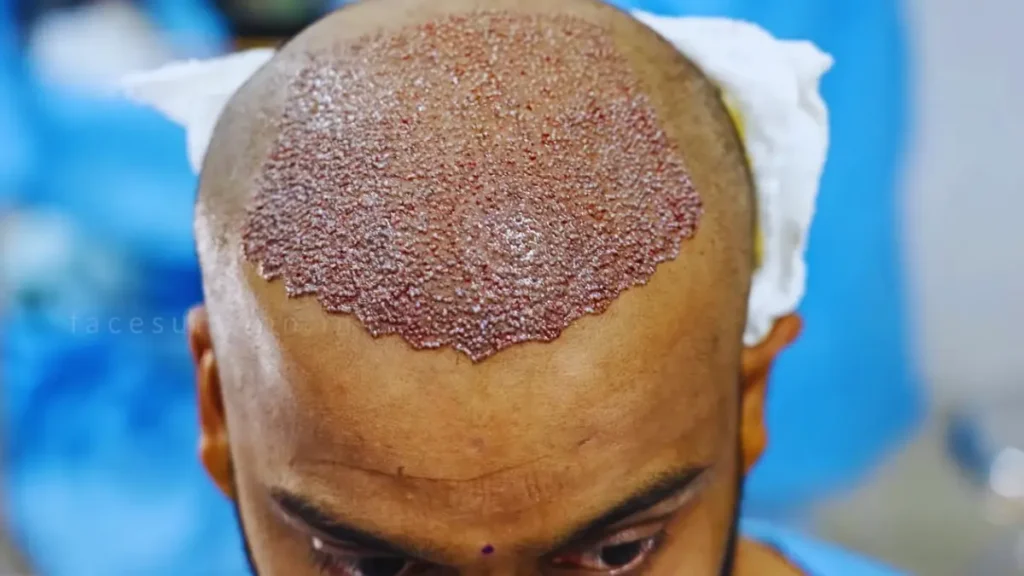
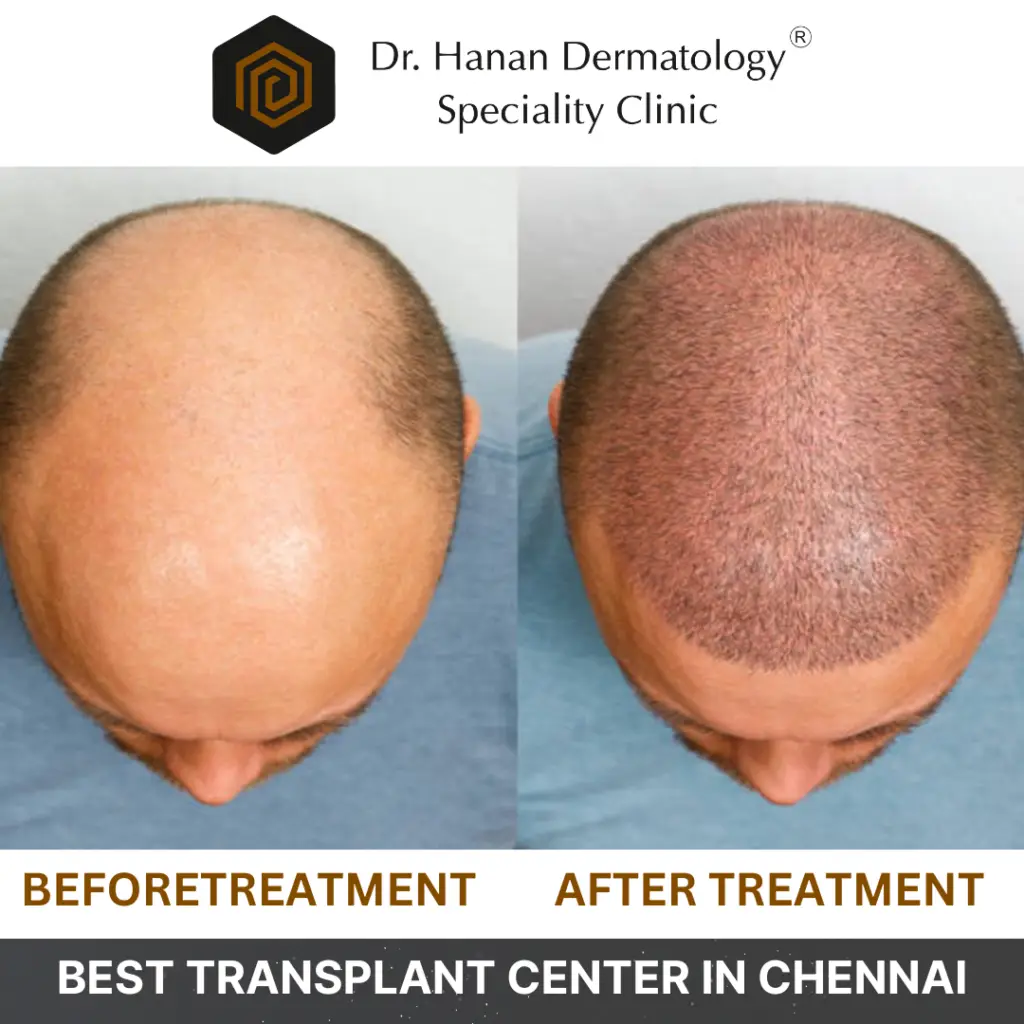
Hair Replacement in Chennai: Hair loss can significantly affect your appearance and self-esteem, leading many individuals to seek effective solutions. Whether it’s thinning hair, bald patches, or complete hair loss, hair replacement offers a promising way to regain your natural look and confidence. Chennai, known for its advanced medical treatments, is home to some of the top clinics offering expert hair replacement services. In this guide, we’ll explore the best hair replacement options available in Chennai, the methods involved, and how to choose the right clinic for your needs.
Book Your Consultation Today
Visit Dr. Hanan Dermatology Specialty Clinic in Padur, OMR, Chennai. Schedule your consultation today and start your journey to fuller, healthier hair.
For more information and to book your appointment, visit our clinic or call us at the clinic’s contact details.
Understanding Hair Loss
Hair loss affects millions of people globally, and it can occur due to various factors. Common causes include:
- Genetics: The most common cause, known as androgenic alopecia, leads to gradual hair thinning.
- Stress: Physical or emotional stress can trigger hair loss, causing temporary shedding.
- Medical Conditions: Conditions like thyroid disorders, anemia, and autoimmune diseases can contribute to hair loss.
- Nutritional Deficiencies: Lack of essential vitamins and minerals can weaken hair follicles and lead to thinning.
Hair loss can be both emotionally and psychologically challenging, which is why many turn to hair replacement solutions for a lasting solution.
Read more: Hair Transplant Cost in India : Guide for 2024
What is hair replacement?
Hair replacement is a non-invasive or minimally invasive procedure that provides a permanent solution for those experiencing hair loss. It differs from hair transplants, which involve transplanting your own hair follicles to the balding areas. Hair replacement techniques are designed to restore a full head of hair, boosting your confidence and appearance.
Difference Between Hair Replacement and Hair Transplant:
- Hair Replacement: Involves the use of wigs, hair systems, or non-surgical methods to cover bald spots.
- Hair Transplant: A surgical procedure where hair follicles are transplanted from one part of the scalp to another.
Top Hair Replacement Methods in Chennai
Chennai offers a variety of hair replacement methods catering to different needs and preferences. The city is home to expert clinics that use the latest technology and techniques to ensure natural-looking results.
1. Hair Transplants
Hair transplants are among the most popular and effective treatments for hair loss. Two main types are:
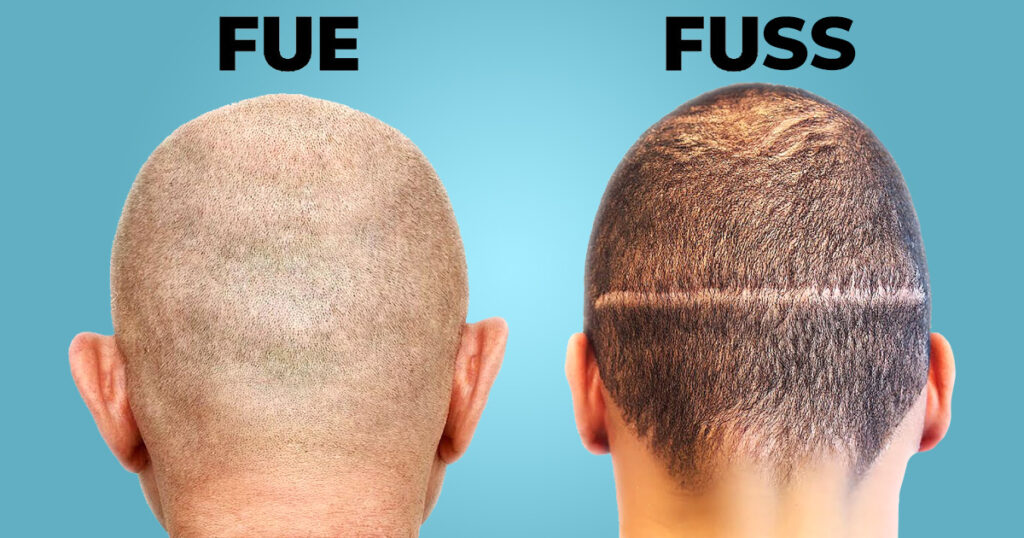
- FUT (Follicular Unit Transplantation): Involves removing a strip of scalp with healthy hair follicles and transplanting them to the balding areas.
- FUE (Follicular Unit Extraction): A more advanced method where individual hair follicles are extracted and implanted one by one.
Both methods are minimally invasive, providing long-lasting, natural results.
2. Non-Surgical Solutions
For those who prefer a non-invasive approach, several options are available:
- Scalp Micropigmentation: A tattoo-like procedure that creates the illusion of a fuller head of hair by applying pigment to the scalp.
- Hair Fibers: Temporary hair fibers are applied to existing hair to add volume and thickness.
- Wigs and Hairpieces: Custom-made wigs and hair systems provide an instant solution for hair loss, offering comfort and a natural appearance.
3. Custom Hair Systems
Custom hairpieces are designed to match your natural hair texture, color, and density. These systems are ideal for individuals who want a non-surgical but highly personalized hair replacement solution.
Choosing the Right Hair Replacement Clinic in Chennai
Selecting the right clinic is crucial for achieving the best results. When choosing a clinic in Chennai, consider the following factors:
- Experience and Reputation: Look for clinics with experienced doctors who specialize in hair replacement.
- Technology and Techniques: Choose clinics that use the latest technologies and up-to-date techniques to ensure optimal results.
- Patient Reviews and Testimonials: Reading reviews from past patients will give you insight into the clinic’s quality and patient care.
- Consultation and Diagnosis: Ensure the clinic offers a thorough consultation process to assess your hair loss and recommend the most suitable treatment.
Some of the top-rated clinics in Chennai for hair replacement include RichFeel Hair and Skin Clinic, Dr. Batra’s Clinic, and Auris Clinic.
Benefits of Hair Replacement

Hair replacement offers numerous benefits that go beyond aesthetic improvements:
- Restored Confidence: Hair loss can impact your self-esteem, and hair replacement can help you feel confident again.
- Natural-Looking Results: Whether you choose a surgical or non-surgical option, the results of hair replacement are natural-looking and effective.
- Minimally Invasive: Many hair replacement options are non-invasive, requiring little to no downtime.
- Long-Lasting Effects: Hair replacement provides long-term results with proper care, particularly surgical methods like hair transplants.
Read more: Best Hair Transplant Center in Chennai 2024
Cost of Hair Replacement in Chennai
The cost of hair replacement in Chennai can vary significantly depending on the method, clinic, and extent of hair loss.
- Hair Transplants: Typically cost between ₹50,000 and ₹1,50,000, depending on the number of grafts required.
- Non-Surgical Solutions: Wigs or hair systems can range from ₹10,000 to ₹50,000, depending on quality and customization.
- Scalp Micropigmentation: This can cost between ₹25,000 and ₹80,000, depending on the area treated.
Many clinics also offer financing options to make the treatments more accessible.
What to Expect During the Hair Replacement Process
- Consultation: Your hair replacement journey begins with a thorough consultation where the doctor assesses your hair loss and recommends the best treatment.
- Procedure: The procedure varies depending on the method chosen. For hair transplants, it involves grafting hair follicles, while non-surgical methods like scalp micropigmentation may take a few hours.
- Recovery: Post-treatment care is essential for optimal results. For surgical methods, expect a recovery period of 7-10 days, while non-surgical methods have minimal downtime.
Risks and Side Effects
While hair replacement treatments are generally safe, there are some risks and side effects to consider:
- Hair Transplants: Temporary swelling, scarring, and infection.
- Non-Surgical Methods: Allergic reactions or discomfort from hairpieces or scalp treatments.
- Aftercare: Following post-procedure care instructions is crucial to prevent complications.
Hair Replacement Aftercare
To ensure the longevity of your new hair, follow these aftercare tips:
- For Hair Transplants: Avoid heavy exercise for a few weeks, and follow your doctor’s instructions for washing and maintaining your hair.
- For Non-Surgical Methods: Regular cleaning and maintenance of wigs, hair systems, and scalp treatments are necessary.
- Diet and Lifestyle: Maintain a healthy diet rich in vitamins and minerals to support hair health.
Conclusion
Hair replacement in Chennai offers an excellent solution for those struggling with hair loss. Whether you choose a surgical transplant or a non-surgical treatment, the city’s top clinics provide advanced options to restore your natural look. The key to successful hair replacement lies in choosing a reputable clinic, understanding the costs, and following proper aftercare.
Start your hair restoration journey today and regain your confidence with the best hair replacement solutions available in Chennai!

FAQs
- Is hair replacement permanent?
- Surgical hair transplants are permanent, while non-surgical options may require maintenance.
- How long does it take to see results?
- Results from hair transplants can take several months to become fully visible, while non-surgical solutions show immediate effects.
- Are there any risks with hair replacement treatments?
- As with any medical procedure, there are some risks, but they are generally minimal if done by a qualified expert.
- How much does a hair transplant cost in Chennai?
- Hair transplant costs in Chennai typically range from ₹50,000 to ₹1,50,000 depending on the number of grafts.
Dark Underarms: Causes, Prevention, and Effective Treatments
Discover what causes dark underarms, how to prevent them, and the best treatments for smooth, even-toned skin. Say goodbye to dark patches!

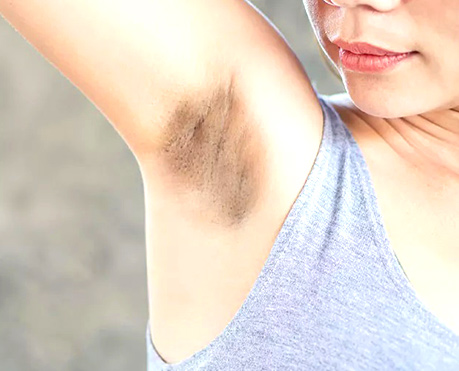
Dark underarms can be a source of discomfort and insecurity for many people, which often puts people off from wearing sleeveless shirts. Although this condition is normal and harmless, it can also have a significant impact on your confidence and self-esteem.
Understanding the causes of dark underarms and learning about effective treatments is important for anyone wanting to manage or prevent the condition.
In this guide, we’ll dive into the causes of dark underarms. intensive Find ways to prevent it. and provides effective treatments that can restore the skin’s glow.
What Causes Dark Underarms?
Dark underarms can be the result of many factors. Each factor contributes to color change or pigmentation in different ways. Here are the main reasons:
1. Hyperpigmentation
Hyperpigmentation is a common condition in which the skin’s surface is darker than the surrounding area. This is due to the production of too much melanin, which makes the skin-colored. It can be caused by genetics, sunlight, or inflammation.
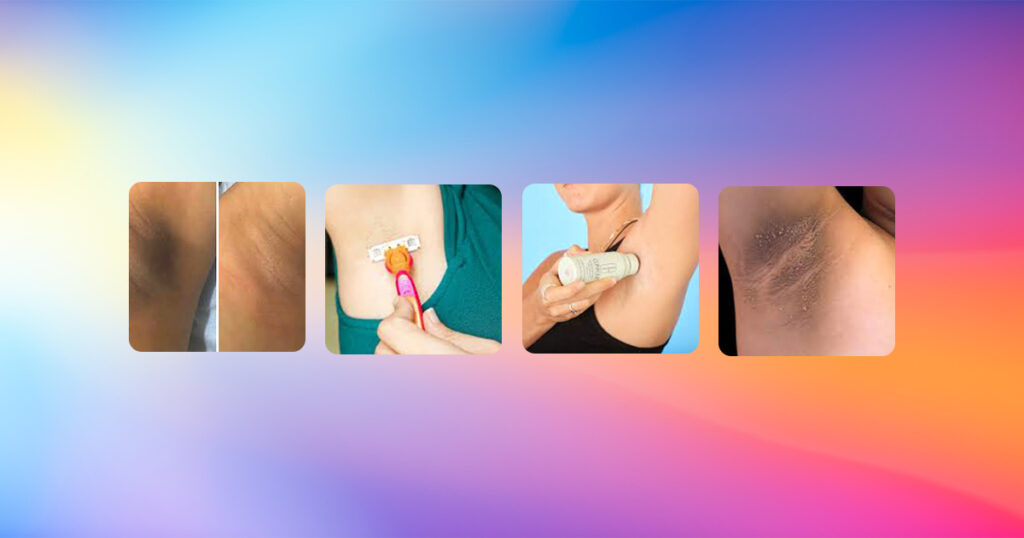
2. How to shave and remove hair
Frequent shaving can cause your underarms to darken due to friction and irritation. Shaving does not remove the follicles at the root. This can leave a shadow under the skin. In addition, repeated shaving causes the skin to thicken over time. Resulting in dark skin Other hair removal methods, such as waxing, can injure the skin and may cause it to darken.
3. Rubbing from clothes
Tight clothing made from synthetic materials can irritate the delicate skin on your arms. This results in dark marks over time. Constant rubbing, especially from tight clothing, thickens the skin and makes it appear darker.
4. Chemical stimulants in deodorant and antiperspirant products
Some deodorants and antiperspirants contain harsh chemicals and fragrances that can cause irritation or allergic reactions. Resulting in blindness Products containing alcohol and aluminum are especially irritating to sensitive skin.
5. Acanthosis nigrican
This skin condition causes thick, dark patches. It is often associated with insulin resistance, obesity, and hormonal abnormalities. or endocrine disease. Acanthosis nigricans is often found in areas with folded skin, such as the armpits, and may require medical help.

How to Prevent Dark Underarms
Prevention plays a crucial role in managing dark underarms. Here are some strategies to minimize the risk:
1. Use Gentle Hair Removal Techniques
Opt for gentler hair removal methods, such as waxing or laser hair removal. Waxing removes hair from the root, reducing the shadow effect, while laser hair removal can help permanently reduce hair growth in the area, decreasing the need for regular shaving.
2. Choose Hypoallergenic Deodorants
Select deodorants that are free from alcohol, fragrances, and aluminum. These ingredients can be irritating to sensitive underarm skin, leading to darkening. Hypoallergenic or natural deodorants are gentler and can prevent chemical reactions.
3. Wear Loose, Breathable Clothing
Clothing that is too tight or made from synthetic materials can trap moisture and increase friction. Choosing breathable, natural fabrics like cotton can reduce irritation and help the skin stay cool and dry, minimizing the likelihood of pigmentation.
4. Practice Good Hygiene
Regularly exfoliating the underarm area with a gentle scrub can remove dead skin cells and reduce the risk of discoloration. However, it is important to use mild exfoliants specifically designed for sensitive skin to avoid further irritation.
Effective Treatments for Dark Underarms
If dark underarms have already developed, there are several effective treatment options available. These treatments vary in intensity, so it’s essential to choose one based on skin type and the severity of pigmentation.
1. Skin Lightening Creams
Over-the-counter creams: Creams containing ingredients like kojic acid, arbutin, glycolic acid, and vitamin C can help lighten dark underarms over time. These ingredients work by inhibiting melanin production or exfoliating the outer layer of the skin.
Prescription creams: Dermatologists may recommend prescription-strength creams containing hydroquinone or tretinoin for more severe pigmentation. These treatments must be used under professional supervision due to the potential for skin irritation.
2. Chemical Peels
Chemical peels can effectively remove dark patches by exfoliating the top layer of skin, revealing a brighter layer underneath. Peels containing lactic acid, salicylic acid, or glycolic acid are effective for mild to moderate pigmentation. Professional treatments, such as TCA peels, may be recommended for more stubborn cases.
3. Laser Treatments
Laser treatments, particularly those using Q-switched lasers or fractional lasers, are highly effective for dark underarms caused by hyperpigmentation. This treatment targets melanin in the skin, breaking it down and encouraging natural skin tone restoration. However, laser treatments should only be administered by a licensed professional.
4. Microdermabrasion
Microdermabrasion is a minimally invasive procedure that gently exfoliates the skin, helping to reduce pigmentation. By removing the outer layer of dead skin cells, it can improve skin texture and tone, making it appear lighter and smoother. Regular sessions are often recommended for optimal results.
5. Natural Remedies
For those seeking natural solutions, several home remedies may help lighten underarm skin, although results can vary and may take longer than professional treatments.
Lemon juice: Known for its natural bleaching properties, lemon juice can lighten skin when applied directly to the area. However, it is essential to rinse it off after a few minutes and moisturize, as lemon can be drying and may cause sensitivity.
Aloe vera gel: Aloe vera has soothing and lightening properties, which can help to reduce pigmentation over time. It can be applied directly to the underarm area and left on for about 10 minutes before rinsing off.
Potato slices: Potatoes contain catecholase, an enzyme that may lighten dark spots. Gently rubbing a slice of raw potato on the underarms can help with gradual lightening when done consistently.

When to Seek Professional Help for Dark Underarms
Dark underarms are usually harmless. However persistent or severe pigmentation may indicate a medical condition, such as acanthosis nigricans, which requires professional treatment. And if home or over-the-counter treatments don’t work after several months? A dermatologist should be consulted. Signs that may warrant medical evaluation include:
a. The skin quickly turns black.
b. Thickening of theskin in the affected area
c. The dark mark extended beyond his lower arm.
d. Itching, pain, odor, and other symptoms related
Why Choose Dr. Hanan for Dark Underarm Treatment
Dr. Hanan’s expertise in dermatology and personalized care make him an excellent choice for treating dark underarms. Here’s why:
1. Expertise in Skin Pigmentation: With extensive experience in pigmentation treatments, Dr. Hanan tailors solutions to your skin type for optimal results.
2. Advanced Treatment Options: Equipped with state-of-the-art technology, Dr. Hanan offers proven methods like laser therapy, chemical peels, and microdermabrasion to effectively reduce darkening.
3. Safe and Effective Care: Dr. Hanan uses only dermatologist-approved techniques, prioritizing patient safety with each treatment plan.
4. Patient-Centered Support: Known for his compassionate approach, Dr. Hanan and his team provide thorough support to ensure comfort and confidence in your treatment journey.
Trust Dr. Hanan for effective, safe dark underarm treatment and achieve smoother, more even-toned skin tailored to your unique needs.
Final Thoughts
Dark underarms, while often benign, can be managed effectively with preventive measures, over-the-counter products, and professional treatments. A combination of good hygiene practices, gentle hair removal, and skin-friendly products can go a long way in preventing and reducing underarm pigmentation. However, for those seeking faster and more reliable results, consulting a dermatologist to explore treatments like chemical peels, lasers, or microdermabrasion is advisable.
Taking proactive steps to care for underarm skin can lead to a smoother, more even skin tone, helping you feel more confident and comfortable in any outfit.
FAQ’S
1. What causes dark underarms?
Dark underarms can result from shaving, friction, dead skin build-up, certain deodorants, and conditions like hyperpigmentation.
2. How can I prevent dark underarms?
Prevent darkening by avoiding shaving, wearing loose clothing, exfoliating, and using natural deodorants.
3. What are effective treatments?
Treatments include topical creams (kojic acid, niacinamide), chemical peels, and laser therapy. A dermatologist can recommend the best option.
Table of Contents
How to Remove Dark Circles Under Eyes Permanently Naturally
Discover How to Remove Dark Circles Under Eyes Permanently Naturally and look refreshed! Simple steps to restore your skin’s glow.

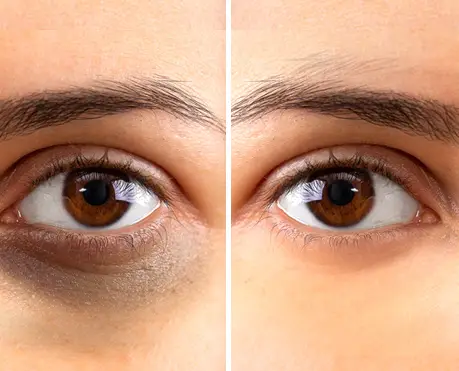
Dark circles under the eyes can affect our appearance. It makes us look tired, stressed, or older. In this article, we’ll introduce an effective method to remove dark circles under your eyes permanently.
Our solutions include natural and advanced treatments. This allows you to choose the best method for long-lasting results.
Understanding the Causes of Dark Circles
Before exploring remedies, it’s important to understand what causes dark circles. Common reasons include:
1. Genetics – Some people inherit a predisposition to dark circles.
2. Aging – Thinning skin and losing fat and collagen can make blood vessels more visible.
3. Fatigue and Lack of Sleep – Poor rest affects circulation, causing blood to pool under the eyes.
4. Allergies – Allergic reactions can lead to swelling and puffiness, exacerbating dark circles.
5. Sun Exposure – Overexposure to the sun increases melanin production, darkening under-eye skin.
Knowing the underlying cause can help you choose a more targeted solution.
How to Remove Dark Circles Under Eyes Naturally
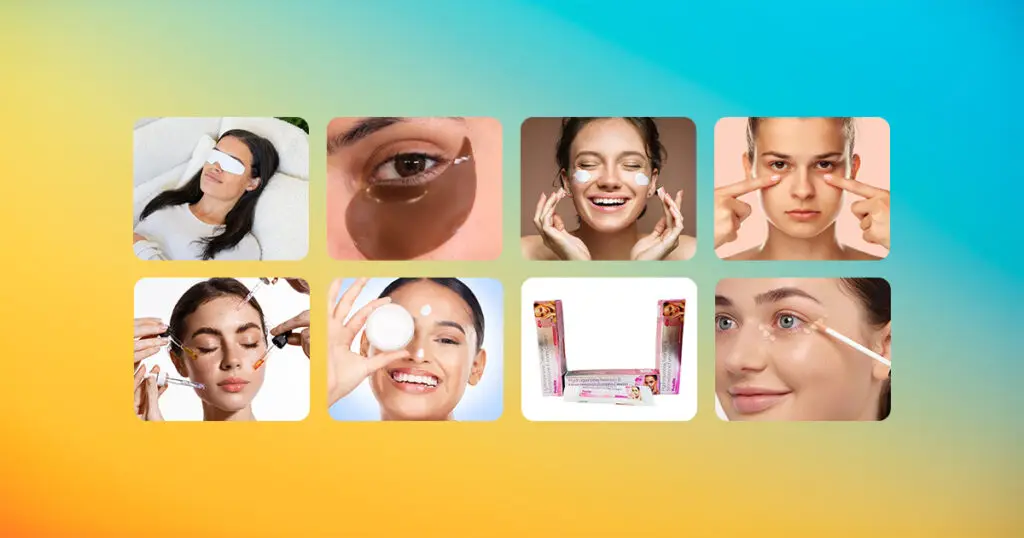
1. Use a cold compress
Applying a cold compress to the eyes can reduce swelling and constrict blood vessels. Can help reduce dark circles.
How to use:
a. Wrap the ice in a cloth and press gently on the under-eye area for 10 minutes.
b. store two tablespoons in the refrigerator overnight and apply around your eyes in the morning.
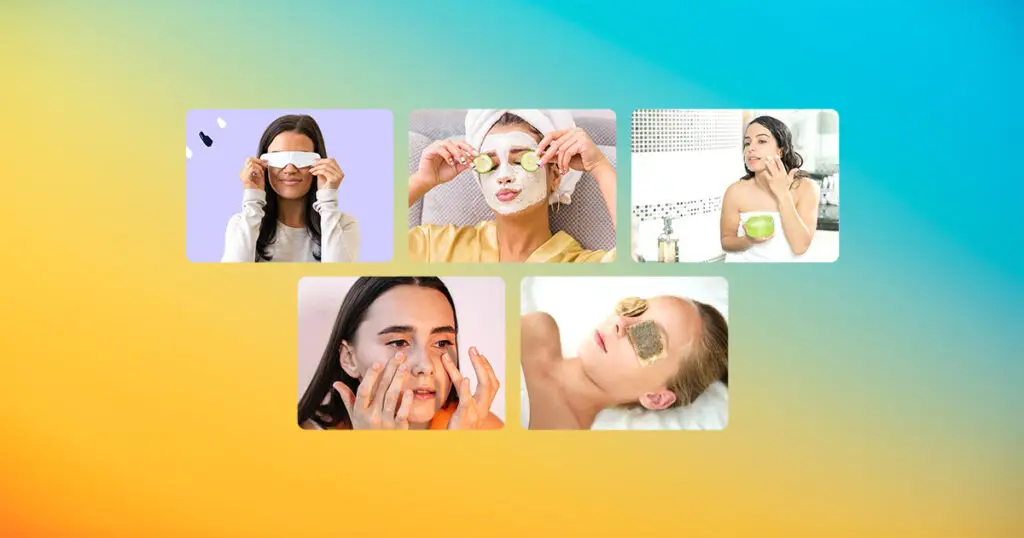
2. Try cucumber slices
Cucumbers contain antioxidants and are known for their cooling properties. This makes cucumbers popular in treating dark circles.
How to use:
a. Slice the cucumber and chill in the refrigerator for 30 minutes.
b. Place the piece on your closed eyelid for 10-15 minutes.
3. Use aloe vera gel
Aloe vera has moisturizing properties that help hydrate and soothe the skin. which can reduce puffiness and dark circles under the eyes
How to use:
a. Apply a thin layer of aloe vera gel.
b. Apply under the eyes before going to bed.
c. Leave it overnight and wash off with cold water in the morning.
4. Almond oil, vitamin E
Almond oil is rich in vitamin E. which helps nourish and revitalize the skin and makes dark spots fade over time.
How to use:
a. Mix 2-3 drops of almond oil with a vitamin E capsule.
b. Before going to bed, gently massage the skin under your eyes.
5. Tea bags are antioxidants
Tea, especially green tea contains antioxidants and caffeine To improve blood circulation and reduce swelling
How to use:
a. Put two tea bags in hot water. Then chill in the refrigerator.
b. Keep the tea bags cool with your eyes closed for 10-15 minutes.

Lifestyle Changes to Prevent Dark Circles
1. Prioritize quality sleep.
Lack of sleep is one of the leading causes of dark circles. Aim for at least 7-8 hours of quality sleep every night so your skin can rebuild.
2. Maintain moisture
Dehydration makes the skin look dull and makes blood vessels more visible. Drinking 8-10 glasses of water every day can plump the skin and reduce dark circles.
3. Protect your skin from sunlight
Use sunscreen around your eyes every day to protect against UV rays that can cause dark skin. Wearing sunglasses also helps protect this sensitive area from the sun.
4. Maintain a balanced diet
Eat foods rich in vitamin C, iron, and antioxidants. These nutrients support healthy skin and improve circulation. Prevent and reduce dark circles

Can Dark Circles Be Permanently Removed?
In certain cases, it might be possible to remove dark circles under the eyes permanently, but this largely depends on the underlying cause. Dark circles often have multiple contributing factors, some of which may be temporary while others are more persistent.
Temporary dark circles may diminish with lifestyle changes, but in other cases, they can be more enduring. Regardless, dark circles are usually harmless and not necessarily an indication of fatigue or poor health. For those who wish to reduce them for cosmetic reasons, here are some strategies that may help:
1. Getting Adequate Sleep
Though often associated with a lack of sleep, dark circles can be more noticeable when sleep-deprived rather than being directly caused by it. A 2021 study suggests that people experiencing sleep deprivation may perceive their dark circles as darker. Developing a sleep routine can benefit overall well-being and skin appearance. For persistent sleep issues, consider consulting a doctor.
2. Applying Cold Compresses
Dark circles can be caused by widened or visible blood vessels beneath the skin. Cold compresses or cooling massage tools may help by temporarily constricting blood vessels and reducing the appearance of dark circles. Cold compresses may also reduce puffiness, which can cast shadows that make dark circles appear worse.
3. Using Caffeine
Like cold therapy, caffeine can constrict blood vessels. Some eye creams contain caffeine for this purpose. A 2024 study found that a 3% caffeine eye cream reduced melanin levels around the eyes in a small group of participants, suggesting it may lighten dark circles. Larger studies are needed to confirm these findings.
4. Minimizing Sun Exposure
Hyperpigmentation, often due to UV exposure, can cause dark circles. Protecting the eye area from the sun with sunscreen, sunglasses, and hats may prevent darkening and reduce signs of aging.
5. Treating Allergies
Allergies are linked to dark circles, as they can lead to inflammation and rubbing of the eyes, resulting in hyperpigmentation. Treating underlying allergies can help reduce rubbing and improve skin health.
6. Using Vitamin C
A 2009 clinical trial found that a 10% vitamin C product increased skin thickness beneath the eyes, reducing dark circle visibility by stimulating collagen production. However, more research is needed to confirm the benefits and safety of long-term vitamin C use around the eyes.
7. Applying Vitamin K
According to a 2021 review, vitamin K may help reduce the appearance of dilated blood vessels and improve skin elasticity. This suggests potential benefits for treating dark circles, though more research is needed.
8. Using Hydroquinone, Kojic Acid, or Arbutin Creams
Skin-lightening creams containing hydroquinone, kojic acid, or arbutin may reduce pigmentation-based dark circles. These compounds decrease melanin production, though they may cause side effects. A doctor’s supervision is recommended, as some products may contain harmful ingredients.
9. Concealers and Makeup
Although not a permanent fix, concealers, and makeup can effectively hide dark circles. Many brands offer products designed for the under-eye area.
Retinoids and Dark Circles
Retinoids, like retinol, are generally not recommended for use around the eyes. Oral retinoids can increase the risk of dry eye disease, an irreversible condition. While some eye products include retinoids, it’s best to avoid them until more is known about their safety.

Advanced Treatments for Permanent Removal of Dark Circles
Advanced tanning treatments are available for those who want a faster or more permanent solution.
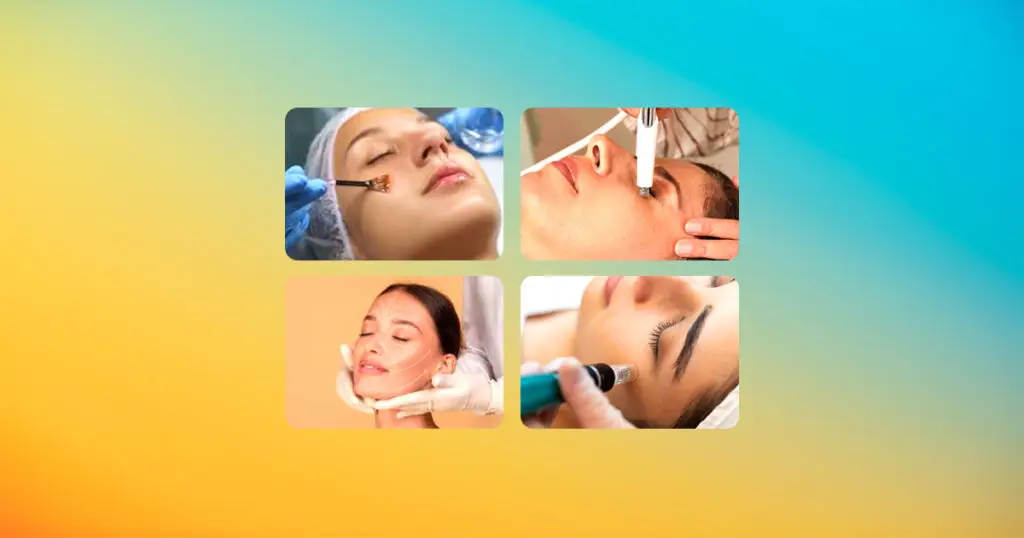
1. Chemical peeling
Chemical peels contain an acidic solution to exfoliate and revitalize the skin. It focuses on dark skin and dark circles.
What to expect:
a. A dermatologist will choose the right peel based on your skin type and the severity of the dark circles.
b. The treatment takes approximately 10-15 minutes, with minor redness or peeling as a side effect.
2. Laser treatment
Laser treatment targets melanin in the skin and reduces under-eye pigmentation.
What to expect:
a. Dermatologists use a laser device to focus light energy on dark areas.
b. To stimulate collagen production, patients may require several sessions to achieve the best results.
3. Dermal filler
Dermal fillers are injectable treatments that can make the under-eye area appear plumper. Helps reduce the appearance of dark circles due to volume loss.
What to expect:
a. Inject hyaluronic acid filler into the under-eye area to instantly add volume and reduce shadows.
b. Results may last up to a year. and should be performed by a trained medical professional.
4. Microneedling
Microneedling Fine needles are used to create micro-trauma in the skin. which promotes collagen production and improves the appearance of dark circles.
What to expect:
a. The treatment involves numbing the under-eye area, and then gently puncturing it with a microneedling device.
b. Patients may experience redness, but this fades within a day or two.

Choosing the Right Treatment for You
Whether you opt for natural remedies or advanced treatments, it’s essential to select a solution that aligns with your skin type, budget, and goals. For best results, consult with a dermatologist who can guide you based on the cause of your dark circles and help you achieve permanent results.
Why Choose Dr. Hanan for Dark Circle Treatment?
Dr. Hanan combines expertise in cosmetic dermatology with advanced treatments like laser therapy and chemical peels to address dark circles effectively.
Customized care, natural-looking results, and thorough aftercare ensure a refreshed appearance and high patient satisfaction. For brighter, rejuvenated eyes, Dr. Hanan is a trusted choice.
Conclusion
Dark circles under the eyes are common, even in children, and can be due to genetics or thin skin. If they appear suddenly, worsen, or are accompanied by symptoms like dehydration or allergies, they may indicate an underlying condition. For circles in one eye or with other concerning symptoms, consult a doctor.
FAQ’S
1. Can dark circles be removed permanently with natural remedies?
Natural remedies can reduce dark circles but may not offer permanent results. Consistent care can help improve their appearance.
2. What are the best natural remedies for dark circles?
Remedies like chilled cucumber slices, aloe vera, almond oil, and tea bags can soothe and lighten dark circles.
3. How long to see results from natural treatments?
Results can take a few weeks with consistent use, depending on your lifestyle and skin type.
Table of Contents
What is PRP Hair Treatment and the Benefits of PRP Treatment
PRP Hair Treatment and the Benefits of PRP Treatment
PRP, or Platelet-Rich Plasma, hair treatment has gained immense popularity as a non-invasive solution to hair loss and thinning.
Gem Bhoomi & Buildings, OMR, A Block, Padur, Chennai, Tamil Nadu 603103
Phone: 063810 48403

Introduction to PRP Hair Treatment
PRP, or Platelet-Rich Plasma, hair treatment has gained immense popularity as a non-invasive solution to hair loss and thinning. Leveraging the body’s natural healing properties, PRP therapy offers a promising alternative to traditional hair restoration methods. But what makes this treatment so effective? Let’s delve into the science, process, and benefits of PRP hair treatment.
What is PRP Hair Treatment?
Before exploring remedies, it’s important to understand what causes dark circles. Common reasons include:
PRP hair treatment uses the patient’s blood to extract platelets, which are then injected into the scalp to stimulate hair follicles. Platelets contain growth factors that encourage tissue regeneration and repair, making them ideal for addressing hair thinning and loss.
1. Aging – Thinning skin and losing fat and collagen can make blood vessels more visible.
2. Fatigue and Lack of Sleep – Poor rest affects circulation, causing blood to pool under the eyes.
3. Allergies – Allergic reactions can lead to swelling and puffiness, exacerbating dark circles.
4. Sun Exposure – Overexposure to the sun increases melanin production, darkening under-eye skin.
Knowing the underlying cause can help you choose a more targeted solution.
How PRP Hair Treatment Works
The treatment begins with drawing a small amount of blood from the patient, which is processed in a centrifuge to separate platelets from other blood components. These concentrated platelets are then injected into the scalp, targeting areas of hair loss.
The Science Behind PRP Therapy
Platelets release bioactive proteins that enhance cell proliferation and angiogenesis, effectively rejuvenating hair follicles. Clinical studies have shown increased hair density and diameter in patients undergoing PRP therapy.
Benefits of PRP Hair Treatment
Hair Restoration and Growth Stimulation
PRP treatment encourages dormant hair follicles to enter the growth phase, leading to thicker, healthier hair.
Minimally Invasive Procedure
Unlike surgical methods, PRP involves simple injections without incisions or downtime.Long-Term Results and Low Maintenance
Many patients report sustained improvements with minimal follow-up treatments.
Ideal Candidates for PRP Hair Treatment
PRP therapy is best suited for individuals experiencing early-stage hair thinning. It is effective for both men and women and can address conditions like androgenetic alopecia and traction alopecia.
The PRP Treatment Process
Pre-Treatment Consultation and Preparation
Patients undergo a thorough scalp examination and are advised to avoid certain medications.The Procedure Step-by-Step
From blood draw to platelet injection, each step is carefully executed in a clinical setting.Post-Treatment Care and Recovery
Patients are typically advised to avoid vigorous scalp manipulation and follow a prescribed care regimen.
Potential Side Effects and Risks
Though generally safe, PRP therapy may cause mild redness or swelling at the injection site. Rare complications include infection or temporary shedding.
Comparing PRP with Other Hair Restoration Methods
PRP vs Hair Transplants
While transplants involve surgical grafting, PRP rejuvenates existing follicles non-invasively.PRP vs Medications
Medications like Minoxidil require daily use, whereas PRP offers periodic treatment for lasting results.
Costs and Accessibility of PRP Hair Treatment
The average cost of PRP therapy ranges from $500 to $1,500 per session. Many clinics offer financing options to make the treatment accessible.
FAQ’S
1.Is PRP Treatment Painful?
Most patients report minimal discomfort due to the use of numbing agents.
2.How Many Sessions Are Needed?
A typical regimen involves 3–4 sessions spaced a month apart, with maintenance treatments every 6–12 months.
3.Can PRP Be Combined with Other Treatments?
Yes, PRP can complement medications and other therapies for enhanced results.
4.Are There Alternatives for Severe Hair Loss?
In advanced cases, hair transplants or combined therapies may be recommended.
5.How Soon Can Results Be Seen?
Visible improvements often occur within 3–6 months of treatment.
Table of Contents
Hair Clinic: Your Path to Healthy, Beautiful Hair
Hair health is not just about aesthetics; it’s an integral part of our overall well-being. Hair clinics play a crucial role in diagnosing and treating a variety of hair and scalp issues, providing specialized care and advanced treatments. This article explores what hair clinics are, the services they offer, and how they can benefit those struggling with hair problems.
What is a hair clinic?
A hair clinic is a specialized medical facility that focuses on diagnosing and treating hair and scalp conditions. These clinics offer a range of services designed to address various hair issues, from hair loss to scalp diseases. Whether you are experiencing thinning hair or scalp conditions, or simply want to enhance the health and appearance of your hair, a hair clinic can provide the expert care you need.
Top Clinic In Chennai:
| Clinic Name | Specialization | Location | Consultation Fees |
|---|---|---|---|
Dr.Hanan Dermatology Speciality Clinic | Hair transplant, FUE, FUT, PRP therapy | Chennai | ₹600 |
| DHI Hair Transplant Clinic | Direct Hair Implantation (DHI), hair restoration | Chennai | ₹3000 |
| VBC Hair Transplant Clinic | Hair transplants, scalp treatments, PRP therapy | Chennai | ₹2000 |
| Dr. Narayanamurthy’s Clinic | Hair restoration, skin care treatments, advanced hair transplant methods | Alwarpet, Chennai | ₹750 |
| Dr. Ganga Ravikumar Aesthetic Dermatology Clinic | Aesthetic dermatology, hair restoration, PRP | Adyar, Chennai | ₹500 |
| Dr. Anand’s Dermatology Clinic | Hair restoration, hair loss treatments, PRP therapy | Chennai | ₹1200 |
| Dr. Hanander Dermatology Clinic | Advanced dermatology, hair restoration, PRP, scalp treatments | Chennai | ₹1000 |
Dr.Hanan Dermatology Speciality Clinic is a reputable option for those seeking high-quality dermatological and hair restoration treatments. With services like PRP therapy and scalp treatments, it is recognized for its professional care and advanced techniques in hair restorationop hair clinics in Chennai.
Clinic Location
Common Hair Issues Addressed by Hair Clinics
Hair Loss and Thinning
Hair loss is a common concern for many individuals. Clinics offer treatments for various types of hair loss, including male and female pattern baldness, alopecia areata, and telogen effluvium.
Scalp Conditions
Scalp conditions such as dandruff, psoriasis, and seborrheic dermatitis can be uncomfortable and unsightly. Hair clinics provide specialized treatments to manage and alleviate these conditions.
Hair Damage
Issues like breakage, split ends, and overall hair damage can result from various factors, including heat styling, chemical treatments, and environmental stressors. Clinics offer treatments to repair and strengthen damaged hair.
Aesthetic Concerns
For those looking to improve the texture, volume, and overall appearance of their hair, clinics offer cosmetic treatments such as hair restoration and extensions.
Treatments and Services Provided
Consultations and Diagnostics
Hair clinics begin with a thorough consultation and diagnostic assessment. This involves understanding your hair and scalp condition, medical history, and lifestyle to create a personalized treatment plan.
Medical Treatments
These include prescription medications, topical treatments, and injections that target specific hair and scalp issues. Examples include minoxidil for hair growth and corticosteroids for inflammatory scalp conditions.
Surgical Treatments
Hair transplant procedures, such as Follicular Unit Extraction (FUE) and Follicular Unit Transplantation (FUT), are offered to individuals with significant hair loss. These procedures transplant hair follicles from one part of the body to the scalp to restore hair growth.
Non-Surgical Treatments
Non-invasive treatments like platelet-rich plasma (PRP) therapy, laser therapy, and microneedling stimulate hair growth and improve scalp health without the need for surgery.
Cosmetic Treatments
For those looking to enhance their hair’s appearance, clinics offer services such as hair restoration, extensions, and professional styling to achieve the desired look.
Benefits of Visiting a Hair Clinic
Expert Diagnosis and Treatment
Hair clinics provide access to experienced dermatologists and trichologists who specialize in hair and scalp health. Their expertise ensures accurate diagnosis and effective treatment plans.
Customized Care Plans
Treatment plans are tailored to meet individual needs, addressing specific hair and scalp conditions for optimal results.
Access to Advanced Technology and Treatments
Hair clinics utilize the latest technology and treatments to ensure the best possible outcomes for their patients.
Improved Hair Health and Appearance
Effective treatments lead to healthier, stronger, and more attractive hair, enhancing overall well-being.
Boost in Confidence and Self-Esteem
Improving hair health can significantly boost one’s confidence and self-esteem, contributing to a better quality of life.
How to Choose the Right Hair Clinic
Researching Clinic Credentials and Reputation
Ensure the clinic has certified professionals and a good reputation. Look for credentials, certifications, and professional affiliations.
Evaluating the Expertise of the Medical Staff
Check the qualifications and experience of the medical staff, including dermatologists, trichologists, and surgeons.
Reviewing Patient Testimonials and Before-and-After Photos
Patient reviews and before-and-after photos provide insights into the clinic’s success rates and patient satisfaction.
Considering the Range of Services Offered
Choose a clinic that offers a comprehensive range of treatments to address your specific needs.
Assessing the Clinic’s Location and Facilities
Ensure the clinic is conveniently located and has modern facilities equipped with the latest technology.
Case Studies and Success Stories
Examples of Successful Hair Treatments and Outcomes
- Patient A: Successfully treated for androgenetic alopecia with a combination of minoxidil and PRP therapy, resulting in significant hair regrowth.
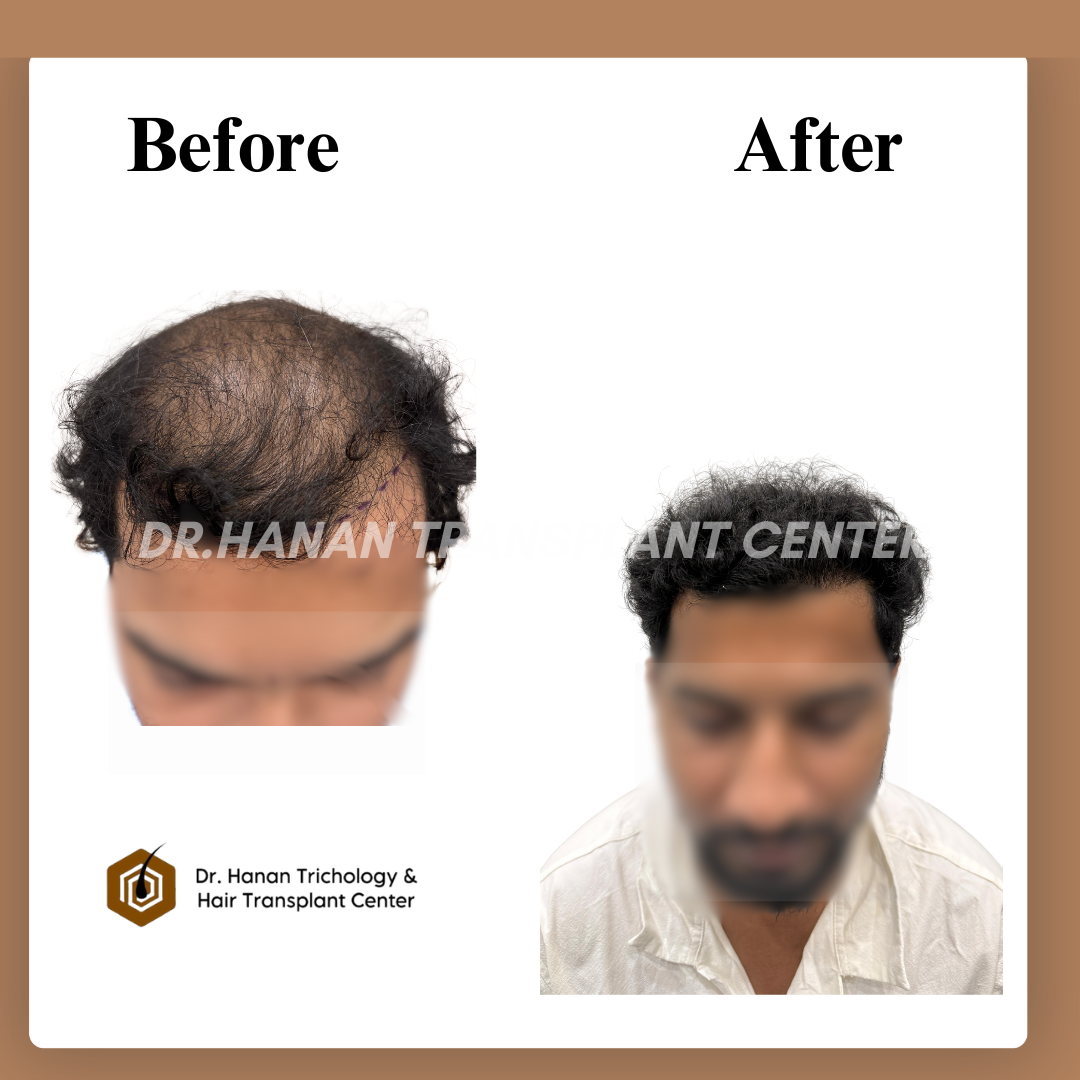
- Patient B: Underwent an FUE hair transplant procedure, achieving natural-looking hair restoration and boosting self-confidence.
Detailed Analysis of Treatment Plans and Results
A thorough analysis of these cases shows how personalized treatment plans and advanced therapies can lead to successful outcomes.
Impact on Patients’ Hair Health and Overall Well-Being
Patients reported improved hair health, increased confidence, and enhanced quality of life following their treatments.
Common Myths and Misconceptions
Debunking Myths About Hair Loss and Treatments
Common myths include the belief that hair loss is solely genetic or that wearing hats causes hair loss. Hair clinics provide evidence-based information to dispel these myths.
Clarifying Misconceptions About Hair Transplants and Other Procedures
Many believe hair transplants result in unnatural looks or are only for men. Clinics educate patients on the natural results achievable with modern techniques and the suitability of these procedures for both men and women.
Understanding the Realities of Hair Care and Maintenance
Maintaining healthy hair requires ongoing care and attention. Clinics offer guidance on proper hair care routines and maintenance to sustain treatment results.
Future Trends in Hair Treatment
Innovations in Hair Transplant Techniques
Emerging techniques, such as robotic hair transplants and advanced FUE methods, are making hair restoration more effective and less invasive.
Advances in Non-Surgical Hair Restoration
New therapies like stem cell treatments and improved PRP formulations are enhancing non-surgical options for hair restoration.
The Role of Genetics and Personalized Medicine
Genetic testing and personalized medicine are playing a growing role in diagnosing and treating hair conditions, allowing for more targeted and effective treatments.
Emerging Technologies and Research in Hair Health
Ongoing research and technological advancements are continually improving the understanding and treatment of hair and scalp conditions.
FAQs
1. Where is the clinic located?
- Address: A Block, Gem Bhoomi & Buildings, OMR, Padur, Chennai, Tamil Nadu 603103.
2. What are the clinic’s operating hours?
- Monday, Tuesday, Thursday, Friday: 2:00 PM to 7:00 PM.
- Saturday and Sunday: 10:00 AM to 7:00 PM.
- Closed on Wednesdays.
3. How can I book an appointment?
- To book an appointment, visit the clinic during working hours or call the clinic directly at the listed contact number.
4. What is the consultation fee?
- The consultation fee is ₹600 per session.
5. What services are offered at the clinic?
- The clinic specializes in dermatological treatments, including:
- Hair loss solutions like PRP therapy and scalp treatments.
- Skin care treatments for acne, pigmentation, and other conditions.
6. Does the clinic accept walk-in appointments?
- Walk-ins may be entertained based on availability, but prior booking is recommended to avoid long wait times.
7. Is parking available at the clinic?
- Yes, parking facilities are available within the Gem Bhoomi & Buildings complex.
8. How can I find directions to the clinic?

- Use Google Maps or any GPS service and search for Dr. Hanan Dermatology Specialty Clinic, OMR, Padur, Chennai, Tamil Nadu 603103.