Confused about shampoo? Learn how to choose the right shampoo for your hair type with expert tips from Dr. Hanan Dermatology Clinic, Chennai.

With 1,000 genuine reviews, Dr. Hanan Clinic is Chennai’s best dermatology clinic in chennai & hair transplant center.
Choosing the best dermatologist in Chennai is a crucial step in achieving healthy, glowing skin and strong, natural-looking hair. In today’s digital age, patients rely on Google reviews and real experiences to guide them—and at Dr. Hanan Dermatology Speciality and Trichology Clinic, we’re proud to have earned the trust of over 1,000 genuine patients.
With a 4.9-star rating and 1,000+ reviews, our clinic stands as one of the most trusted dermatology and hair transplant clinics in Chennai. But reviews alone don’t tell the full story—our success comes from a combination of expertise, advanced technology, personalized care, and real results.
Our dermatologists treat a wide range of conditions from acne and pigmentation to advanced hair loss. Patients seeking acne scar solutions can explore our detailed blog on Best Acne Scar Treatments in Chennai, where we break down treatment options like chemical peels and lasers.
We provide a complete suite of skin and hair services. For instance:
Patients with hair loss often come to us after reading our detailed posts like Hair Transplant Pain: What Should You Expect?, which debunks myths about discomfort during and after procedures.
Our clinic uses FDA-approved treatments like Q-Switched and Fractional CO2 Lasers. You can learn more in our blog on Laser Skin Resurfacing vs Chemical Peels – Which Is Right for You?, which compares two of our most popular treatments for skin rejuvenation.
When treating hair loss, our specialists often recommend PRP or a hair transplant depending on the severity. If you’re confused about treatment options, our guide on Hair Transplant Myths and Facts explains what’s real and what’s not in hair restoration.
At Dr. Hanan Dermatology Speciality and Trichology Clinic, crossing the milestone of 1,000 genuine reviews proves why patients call us the best dermatology clinic in Chennai.
If you are searching for the best dermatologist in Chennai for acne, pigmentation, or anti-aging—or the best hair transplant clinic in Chennai for baldness and hair restoration—you can trust our clinic to deliver excellence.
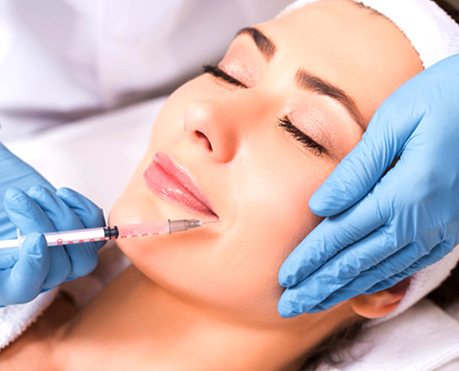
Discover how Glutathione IV treatments enhance your skin’s health and glow. Unlock a radiant complexion naturally with this powerful antioxidant!
Healthy, glowing skin is not only the ideal of beauty. But it also reflects our overall well-being. In the past few years, IV glutathione therapy has received a great deal of attention. Because it is an effective and natural way to enhance skin health and achieve a radiant glow.
By delivering this powerful antioxidant directly into the bloodstream, Glutathione IV provides faster and more effective results compared to oral supplements. But what makes this treatment a true game-changer?
In this comprehensive guide, We’ll explore everything you need to know about Glutathione IV, its benefits, how it works, and why it’s the secret to glowing, healthier skin.
Glutathione is a naturally occurring antioxidant found in every cell of the human body. Made from three amino acids: glutamine, cysteine, and glycine, its main function is to neutralize free radicals. Protects cells from oxidative damage. and detoxify the body Our body produces glutathione itself.
But factors such as aging, pollution, stress, poor diet, and too much alcohol can weaken the body. Leads to dull skin, inflammation, and a weakened immune system.
One of the reasons glutathione is so popular in skin care is its ability to brighten and even out skin tone. It works by inhibiting melanin production. This is the pigment that causes dark spots, hyperpigmentation, and uneven skin tone.
This makes it a great choice for individuals who want a fresher, more youthful appearance. Additionally, glutathione’s antioxidant properties help protect the skin from environmental damage. Reduce signs of aging such as wrinkles and fine lines.
IV glutathione therapy involves administering intravenous glutathione directly into the bloodstream. Unlike oral supplements, which must pass through the digestive system and may lose potency during digestion, IV administration ensures that glutathione is immediately and efficiently absorbed by the body. and provide faster and more noticeable results.
The process is very simple: A health professional administers a sterile glutathione solution through an IV drip, which helps the antioxidant circulate throughout the body. Fights oxidative stress and supports the creation of new cells.
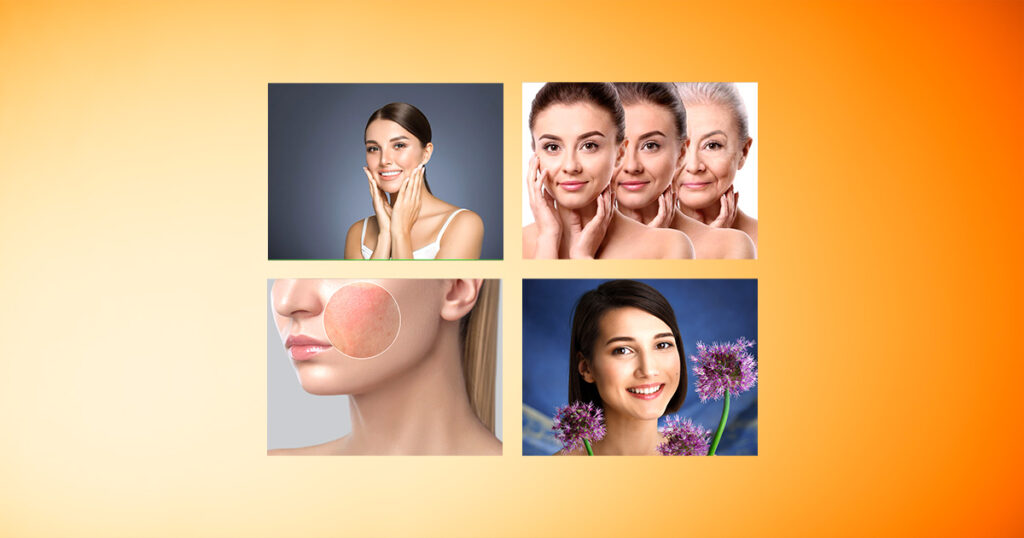
1. Skin Brightening and Lightening:
One of the most popular uses of Glutathione IV is for skin brightening. It reduces melanin production, giving the skin a lighter and more even tone. Over time, this can help eliminate hyperpigmentation, acne scars, and age spots.
2. Anti-Aging Properties:
Glutathione helps combat free radicals, which are responsible for causing oxidative stress and accelerating skin aging. Regular IV therapy can reduce the appearance of wrinkles, fine lines, and sagging skin, making you look youthful and refreshed.
3. Detoxification and Reduced Inflammation:
Glutathione is a powerful detoxifying agent, helping to cleanse the liver and remove harmful toxins from the body. By reducing inflammation and improving liver function, this antioxidant plays a crucial role in maintaining clear, vibrant skin.
4. Enhanced Radiance:
By neutralizing free radicals, Glutathione enhances skin radiance and overall glow. It promotes healthy cell regeneration, which leads to smoother, softer, and more luminous skin.
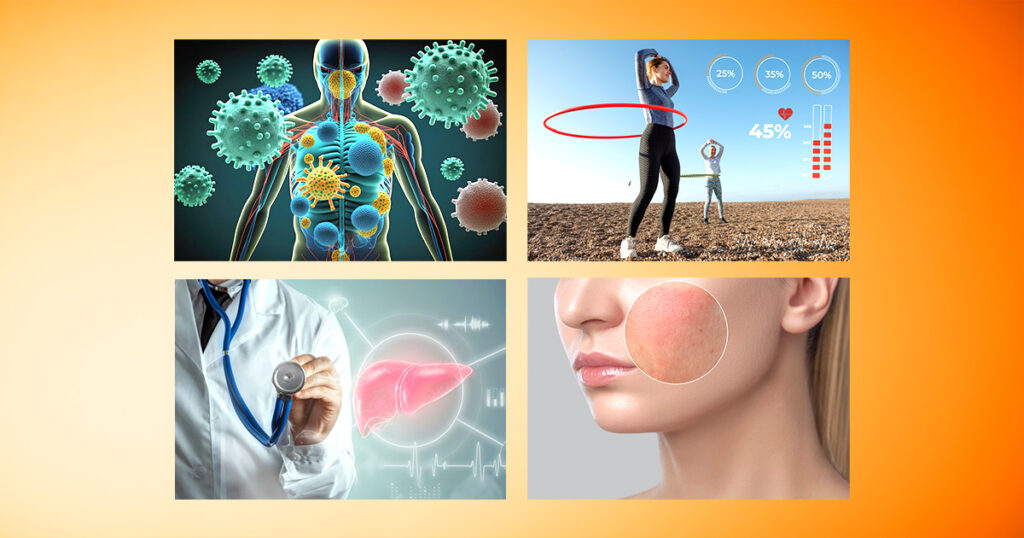
1. Boosts Immune System:
Beyond skin benefits, glutathione is essential for maintaining a strong immune system. By supporting the production of white blood cells and neutralizing harmful substances in the body, Glutathione IV therapy helps protect against illnesses and infections.
2. Increased Energy Levels:
Many individuals report feeling more energized after Glutathione IV therapy. This is because glutathione enhances mitochondrial function—the energy powerhouse of cells. Improved energy levels can lead to better physical performance and mental clarity.
3. Supports Liver Health:
Glutathione is crucial for liver detoxification. By promoting the removal of heavy metals, toxins, and free radicals, it improves liver function and reduces the risk of liver-related issues, including fatty liver disease.
4. Reduces Inflammation:
Chronic inflammation is at the root of many health problems, including skin conditions, joint pain, and cardiovascular diseases. Glutathione works as an anti-inflammatory agent, helping to reduce swelling and discomfort in the body.
Glutathione 4 therapy is suitable for a wide range of individuals. Especially those who want to improve the appearance of their skin and overall health. Generally recommended for:
1. People who have dark spots
2. People who want to reduce signs of aging
3. Chronic skin conditions such as acne or eczema
4. Persons exposed to environmental pollutants and toxins
5. People with low energy levels or chronic fatigue
6. Anyone who wants to boost their immune system and general well-being.
Glutathione IV therapy is a safe and minimally invasive procedure. A typical session lasts anywhere between 30 to 60 minutes. During this time, you’ll be comfortably seated while the IV drip administers the solution into your bloodstream. There’s no downtime after the treatment, allowing you to return to your daily activities immediately.
Many patients notice improvements in their skin tone and overall health after just a few sessions, though the frequency and number of treatments may vary based on individual goals and health conditions. It’s essential to consult a healthcare professional for a personalized treatment plan.
Glutathione IV therapy is generally considered safe with minimal side effects. However, some individuals may experience mild discomfort at the injection site, dizziness, or nausea, which typically subside shortly after the treatment. It’s crucial to have your therapy administered by a licensed professional to minimize risks and ensure proper dosage.
At Dr. Hanan Dermatology Specialty Clinic, we provide top-notch Glutathione IV therapy to enhance your skin’s glow and overall health. Here are five reasons to choose us:
1. Expert Dermatologist: Dr. Hanan’s expertise ensures safe and effective treatments with visible results.
2. Personalized Care: We tailor each treatment plan to your unique skin and health needs.
3. Safety First: Our clinic follows strict safety and hygiene protocols for all procedures.
4. Quick Results: Notice brighter, healthier skin after just a few sessions.
5. Affordable & Convenient: We offer competitive pricing and flexible appointments to fit your schedule.
Trust Dr. Hanan for glowing, radiant skin!
If you are looking for a natural and effective way to improve skin health. radiance and your overall appearance Glutathione IV therapy may be the solution you are looking for. Popular with individuals who aim for its beauty and health benefits for its ability to whiten the skin. Reduce wrinkles of age Detoxify the body and increase immunity Make your choice now.
Before starting any new treatment It is important to consult with your healthcare provider to make sure Glutathione IV is the right choice for you.
Glutathione IV therapy delivers a powerful antioxidant directly into the bloodstream, helping detoxify the body, reduce melanin production, and enhance the skin’s natural glow and health.
Glutathione IV therapy is generally safe when administered by a professional. Side effects are rare but may include mild irritation or temporary dizziness.
Results vary, but many individuals notice improvements in skin radiance and clarity after a few sessions, with lasting effects seen over time with regular treatments.
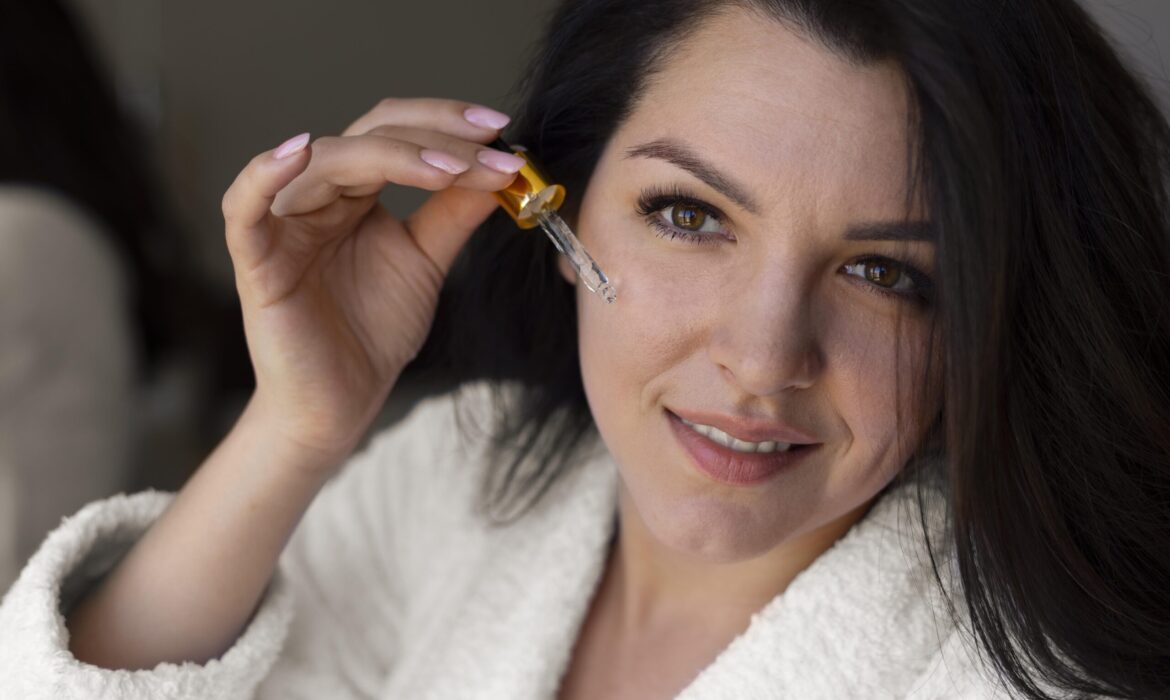
Learn dermatologist-approved benefits of Vitamin C for glowing, even-toned skin. Discover how to use it safely, when to apply, and what to avoid.
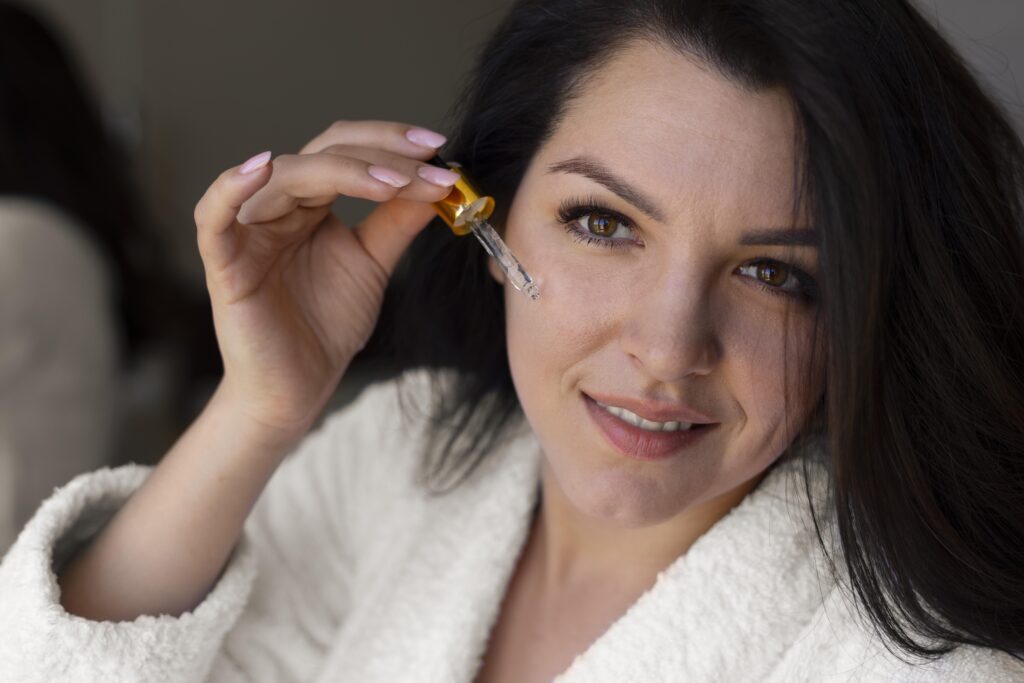
Vitamin C is one of the most talked-about skincare ingredients — and for good reason. From brightening dull skin to fading pigmentation, the benefits of Vitamin C extend far beyond basic skincare. Dermatologists at Dr. Hanan Clinic, Chennai often recommend Vitamin C as a daily essential for those seeking radiant, youthful skin.
In this guide, you’ll learn how Vitamin C works, how to use it safely, and when it’s most effective — along with its pros and cons from a dermatologist’s perspective.
Vitamin C (ascorbic acid) is a powerful antioxidant that helps protect the skin from free radicals caused by sun exposure, pollution, and stress. It supports collagen production, reduces pigmentation, and helps your skin maintain a healthy glow.
At Dr. Hanan Dermatology Speciality Clinic, we emphasize that using Vitamin C topically provides faster and more targeted results than oral supplements for most skin concerns.
Semantic Keywords: Vitamin C serum for skin, antioxidant skincare, collagen-boosting vitamin, dermatologists in Chennai, best Vitamin C treatments
Vitamin C inhibits melanin production, reducing dark spots and evening out skin tone. Regular use gives the skin a visible radiance within weeks.
Collagen keeps your skin firm and youthful. Vitamin C helps stimulate collagen synthesis, reducing fine lines and sagging.
For patients struggling with melasma or post-inflammatory pigmentation, Vitamin C is a dermatologist-approved brightening ingredient.
Learn more about pigmentation management in our blog Top Skin Brightening Treatments in Chennai.
Vitamin C neutralizes free radicals generated by UV rays and pollution, preventing premature aging and oxidative stress.
It assists in repairing damaged skin and reducing redness or irritation after dermatological procedures such as chemical peels or laser therapy.
Start with a gentle cleanser suitable for your skin type to remove oil, makeup, and impurities.
If you have oily or acne-prone skin, check our guide on Oily Skincare in Chennai.
Nighttime is the ideal period for Vitamin C application because your skin naturally repairs and regenerates while you sleep. Applying Vitamin C before bed enhances collagen production and brightens dull skin overnight. Use 2–3 drops on clean, dry skin before moisturizer.
Follow with a hydrating, non-comedogenic moisturizer to seal in the serum and prevent transepidermal water loss during the night.
The next morning, always apply sunscreen (SPF 30 or higher) to protect your skin from UV rays and maintain the brightening benefits achieved overnight.
Using Vitamin C at night reduces oxidation from sunlight and pollution, giving more consistent results for dullness, pigmentation, and fine lines.
Remember: Over-layering Vitamin C with acids or retinol can cause irritation. Space them out between morning and night routines.
Pros | Cons |
Brightens skin tone and fades pigmentation | Can irritate sensitive skin if overused |
Boosts collagen production | Oxidizes quickly if exposed to air or light |
Reduces sun and pollution damage | May cause stinging when combined with exfoliants |
Enhances sun protection when used with SPF | Requires consistent use for visible results |
At Dr. Hanan Clinic, our dermatologists balance Vitamin C usage with your specific skin type — ensuring the benefits outweigh any potential side effects.
Our dermatologists combine Vitamin C-based skincare with in-clinic treatments like:
Each plan is customized after a detailed skin analysis to ensure visible, lasting results.
Visit Dr. Hanan Dermatology Speciality and Trichology Clinic in Padur, OMR, Chennai for personalized Vitamin C treatments and dermatologist-guided skincare plans.
The benefits of Vitamin C go far beyond glow — it’s one of the few clinically proven ingredients that fights aging, pigmentation, and dullness simultaneously. However, knowing how and when to use it is key.
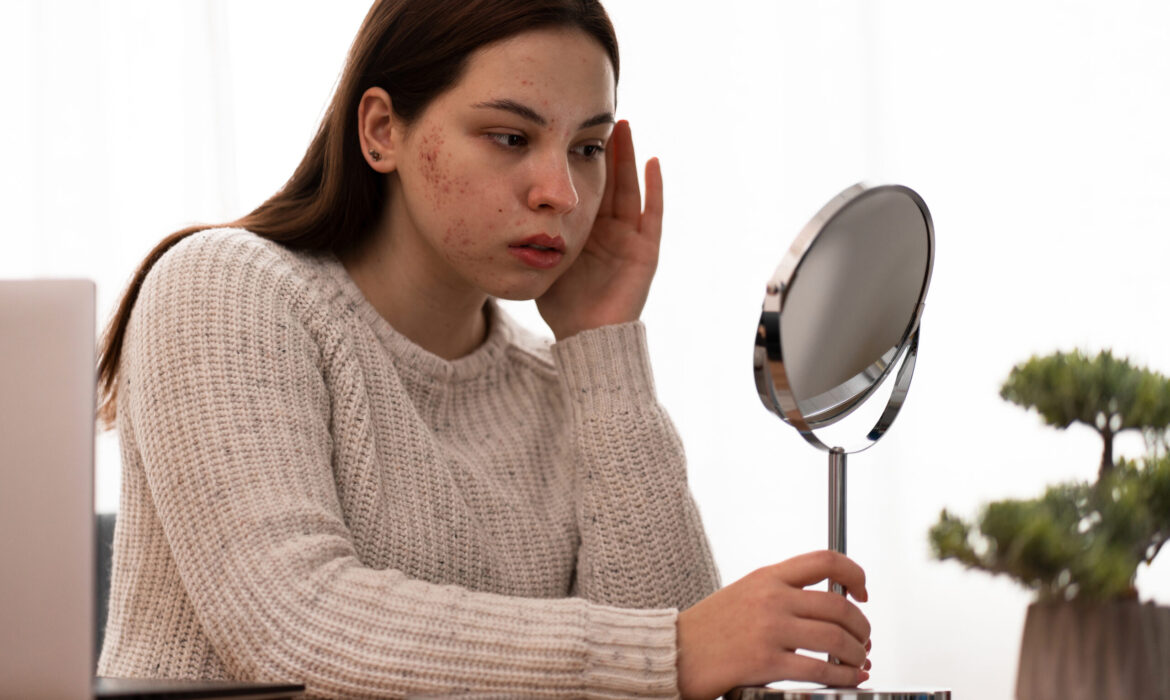
Learn how stress affects your skin, causing acne, dullness, and aging. Get dermatologist-approved solutions
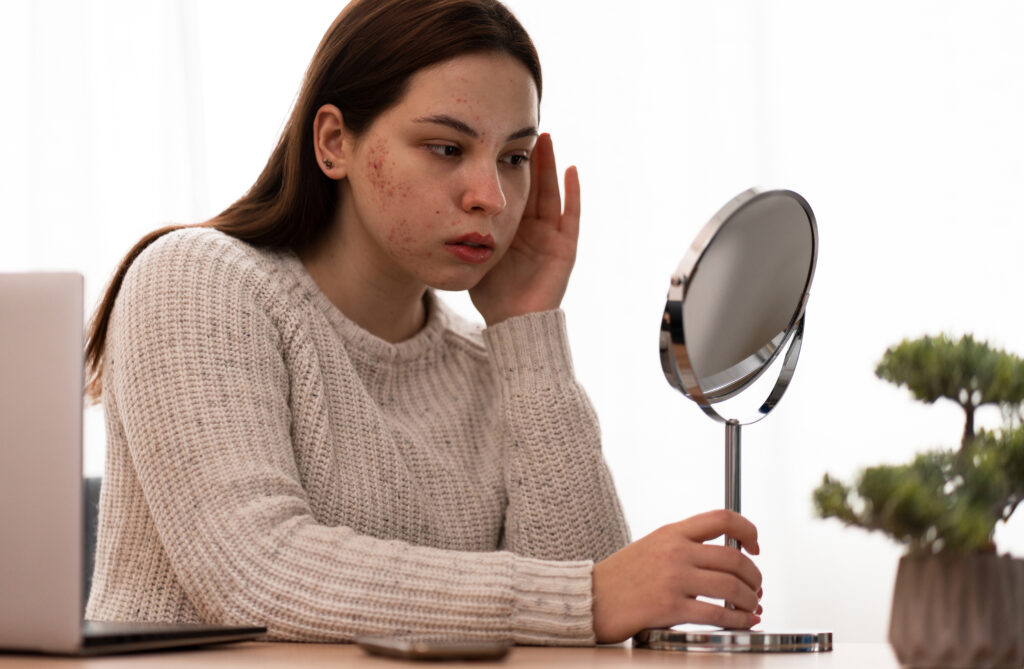
Have you ever noticed that your skin breaks out or looks dull right when life feels most chaotic? You’re not imagining it. Stress doesn’t just live in your mind — it shows up on your skin too.
At Dr. Hanan Dermatology Speciality and Trichology Clinic in Chennai, our dermatologists often meet patients who are worried about acne, hair fall, or dull skin — and when we dig deeper, stress is usually part of the story. Understanding how stress affects your skin is the first step toward healing it from the inside out.
When you feel stressed, your body releases a hormone called cortisol — often called the “stress hormone.” Cortisol helps you deal with short-term pressure, but when it stays high for too long, it affects your skin’s natural balance.
Here’s what happens:
“Many people assume their skin suddenly changed, but it’s actually their stress levels disrupting the normal rhythm of their skin,” says Dr. Hanan, leading dermatologist at Dr. Hanan Clinic.
Cortisol fuels oil production, which clogs pores and causes inflammation — a perfect recipe for acne. Stress acne usually appears around the forehead, jawline, and cheeks.
💡 Expert tip: Use gentle cleansers with salicylic acid and non-comedogenic moisturizers. Avoid over-washing — it worsens oil imbalance.
When stressed, blood flow shifts away from the skin to vital organs. Your skin ends up looking pale, dry, or lifeless.
💡 Dermatologist tip: Add Hydrafacial or Medi-Fusion Glow Therapy to your routine. They boost hydration and instantly revive tired skin.
👉 Learn more about Hydrafacial Treatment in Chennai.
Chronic stress accelerates collagen breakdown, leading to wrinkles, sagging, and fine lines earlier than expected.
💡 Treatment option: Rejuvenation therapies like Laser Skin Resurfacing and Chemical Peels at our clinic help renew and tighten skin for a youthful glow.
Stress can trigger or worsen conditions such as:
💡 Dr. Hanan’s advice: “Managing stress is just as important as treating the skin itself. We often combine medical treatment with relaxation practices for lasting relief.”
Stress can also affect your scalp health, leading to hair thinning, excessive shedding, or slow growth.
Our clinic offers proven treatments such as:
These therapies restore scalp circulation and stimulate natural hair growth.
Stick to simple, dermatologist-approved skincare: a gentle cleanser, a hydrating serum, and sunscreen. Avoid experimenting with too many new products during stressful times.
When you don’t get enough rest, your skin doesn’t have time to repair. Aim for 7–8 hours of sleep to allow your skin to rejuvenate overnight.
Stress eating often leads to inflammation. Choose foods rich in omega-3s, antioxidants, and vitamin C — these protect your skin barrier and reduce breakouts.
Exercise and yoga release endorphins that lower cortisol and improve blood flow to your skin. Even 20 minutes a day can make a visible difference.
If stress is causing persistent skin or scalp problems, it’s time to consult a dermatologist. At Dr. Hanan Clinic, we treat the root cause — not just the surface symptoms.
Our team combines dermatology expertise with the latest technology to repair stress-damaged skin and hair:
Each treatment plan is personalized after a detailed skin and scalp analysis.
You should consult a skin specialist if you experience:
Our dermatologists at Dr. Hanan Dermatology Speciality and Trichology Clinic, Chennai use diagnostic tools like dermoscopy and trichoscopy to identify early signs of stress-related damage and recommend the most effective treatments.
Stress is an invisible enemy for your skin. It silently weakens your barrier, slows cell renewal, and triggers breakouts. But the good news? With the right care and expert guidance, your skin can bounce back stronger than ever.
At Dr. Hanan Clinic, Chennai, our approach combines science, technology, and care — helping your skin heal both inside and out. Whether you’re dealing with acne, pigmentation, or dullness, we’ll create a plan tailored to your needs.
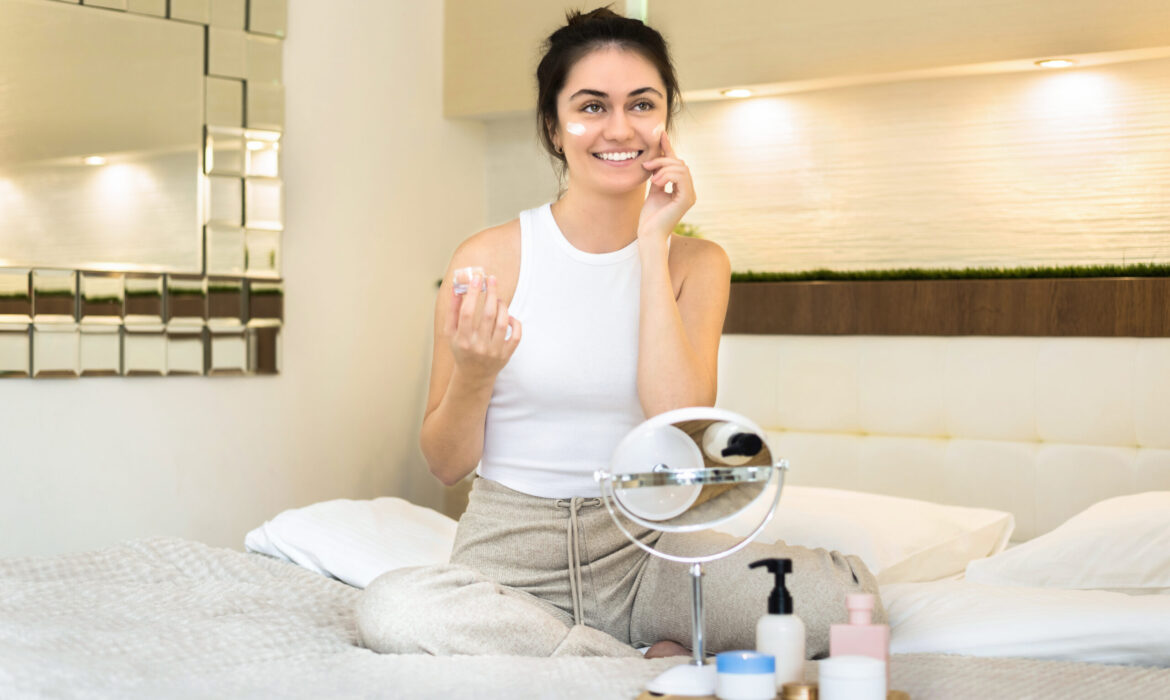
Get glowing skin with dermatologist-approved celebrities skin care routine and treatments at Dr. Hanan Clinic, Chennai.
When we look at celebrities walking the red carpet or posting makeup-free selfies, one thing is common—their skin looks flawless, radiant, and youthful. Many people wonder if it’s only genetics or expensive products that give them that glow. The truth? A celebrities skin care routine is usually a combination of dermatologist-approved habits, professional treatments, and consistency.
At Dr. Hanan Dermatology Speciality and Trichology Clinic, Chennai, we see many patients asking for “celebrity-like glowing skin.” The good news is that with the right skincare practices and medical treatments, you too can achieve healthy, radiant skin without following unrealistic fads.
Contrary to popular belief, most celebrities don’t rely solely on luxury creams. Instead, they:
Celebrities’ skin looks perfect because they treat skin as an investment—not just an afterthought.
Here’s what most dermatologist-approved celebrity routines look like:
Cleansing is the foundation of every skincare routine. Celebrities use gentle, sulfate-free cleansers that remove dirt, oil, and makeup without stripping natural oils. For those in Chennai’s humid climate, gel-based cleansers are ideal.
Tip from dermatologists: Choose a cleanser based on your skin type—oily, dry, or sensitive. Read more about choosing products in our blog on How to Choose the Right Shampoo for Your Hair Type.
Glowing skin is well-hydrated skin. Most celebrity skincare routines include hyaluronic acid serums and lightweight moisturizers that lock in moisture without clogging pores.
At Dr. Hanan Clinic, we often recommend medical facials like Hydrafacial for patients seeking instant hydration and brightness.
Ask any celebrity dermatologist, and they’ll confirm: sunscreen is non-negotiable. Whether it’s filming under bright lights or walking outdoors, celebrities always protect their skin from harmful UV rays.
For Chennai’s weather, we suggest gel-based or matte sunscreens with SPF 50+. Skipping sunscreen is a red flag habit we warn against in our blog on Dermatologist-Approved Haircare Habits.
To maintain smooth texture and even tone, celebrities opt for:
Celebrities swear by nighttime skincare. They use retinol, peptides, or nourishing creams to repair the skin barrier overnight. Retinol in particular is widely praised for its anti-aging benefits, but it should always be used under dermatologist guidance.
We offer customized anti-aging treatments in Chennai for patients who want to fight wrinkles and maintain youthful skin like celebrities.
Beyond home care, celebrities invest in dermatology treatments to maintain skin health. Some of the most popular include:
These treatments are safe, evidence-based, and dermatologist-supervised, unlike the DIY facials or viral skincare hacks you see online.
At Dr. Hanan Dermatology Speciality and Trichology Clinic, Chennai, we specialize in:
Whether you want a glow-up before your wedding or a long-term anti-aging plan, we provide the same dermatologist-level care that celebrities rely on.
The truth is, celebrities skin care routine is not a mystery. With dermatologist guidance, consistency, and the right treatments, anyone can achieve radiant, healthy skin. At Dr. Hanan Clinic, we bring celebrity-level skin expertise to Chennai—making flawless skin more accessible than ever.
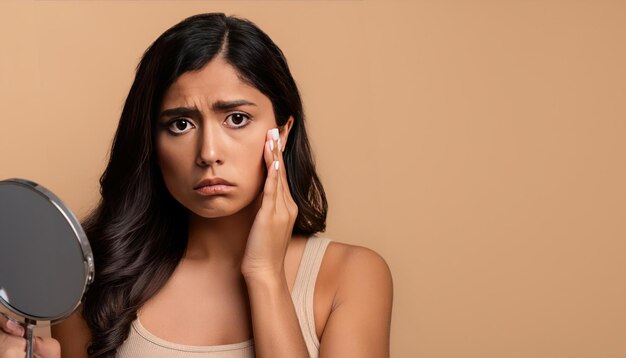
Are you making these skincare mistakes without knowing? Discover expert fixes from Chennai’s trusted dermatologists at Dr. Hanan Clinic.
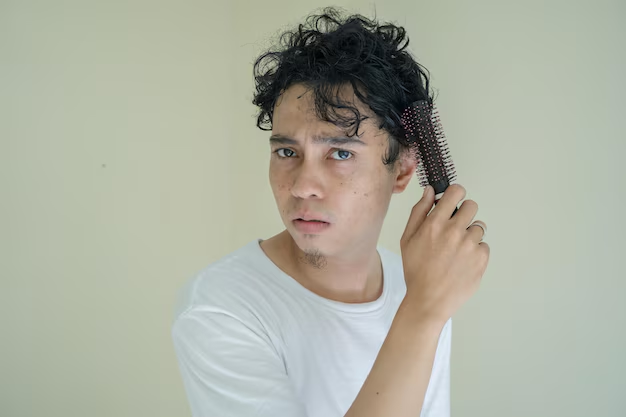
Skincare myths abound—and following them can do more harm than good. Even a diligent routine can backfire if you’re unknowingly making mistakes. At Dr. Hanan Dermatology Speciality & Trichology Clinic in Chennai, our dermatologists guide patients through evidence-based skincare practices that promote skin health.
This blog debunks 10 hidden skincare mistakes—helping you protect your skin barrier, prevent pigmentation, and enjoy real glow.
Why it matters: A cleanser that’s too drying strips the natural oil barrier; one that’s too rich can clog pores.
Fix:
Related Link: Learn more about Types of Hair Loss and Their Treatments
Recognizing the early signs of hair thinning is essential for timely treatment.
Yes—most types of hair thinning in teenagers can be reversed if treated early and correctly. The approach may include medical treatment, lifestyle changes, and professional care under a dermatologist.
Symptoms: Patchy hair loss, broken hairs, and thinning. Most common in adolescents and young adults.
Management: Behavioral therapy, psychological support, and dermatological care.
At Dr. Hanan Clinic, we customize hair loss treatment based on the patient’s age, diagnosis, severity, and medical history.
1. Topical Treatments
Mild topical solutions like minoxidil (in low strength) may be used under medical supervision to stimulate hair follicles and improve density.
2. Nutritional Therapy
We prescribe supplements containing biotin, iron, zinc, and amino acids to restore internal imbalances. Diet counseling is often part of the treatment.
3. PRP Therapy for Teens
Platelet-Rich Plasma (PRP) therapy is a safe, non-surgical treatment that uses your own blood’s growth factors to stimulate hair regrowth. It’s becoming a popular option even for young patients with early signs of androgenetic alopecia.
4. Low-Level Laser Therapy (LLLT)
This painless treatment boosts blood circulation in the scalp and revitalizes weak hair follicles.
5. Microneedling
For early-stage thinning, microneedling combined with hair serums can help increase scalp absorption and rejuvenate follicles.
Visit a specialist if:
At Dr. Hanan Dermatology Speciality and Trichology Clinic, our dermatologists use trichoscopy, blood tests, and clinical evaluation to diagnose the exact reason for your hair thinning. This enables us to design a personalized, teen-friendly treatment plan.
Explore Treatments: Hair Regrowth Treatments in Chennai
While hair thinning in teenage years can feel overwhelming, the good news is that it’s usually reversible with timely care. Whether the root cause is stress, poor nutrition, or hormonal changes, you don’t have to face it alone.
Our team at Dr. Hanan Clinic in Chennai has helped hundreds of teens regain confidence and fuller, healthier hair. Early consultation and a customized plan are the keys to long-term hair wellness.
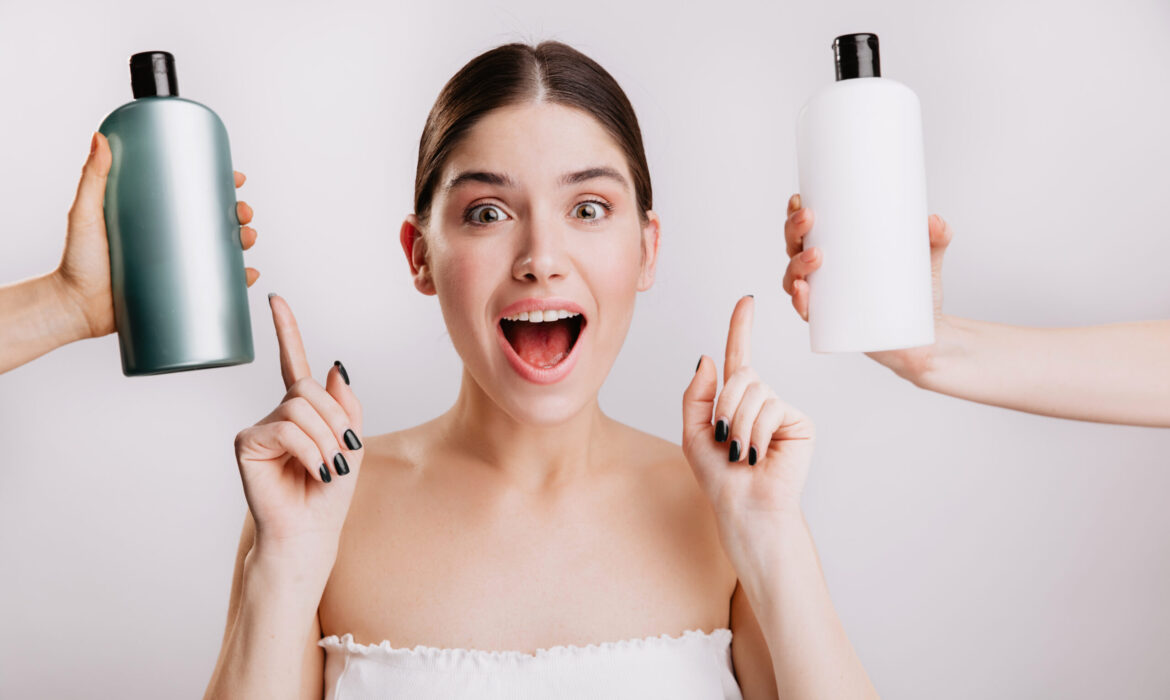
Confused about shampoo? Learn how to choose the right shampoo for your hair type with expert tips from Dr. Hanan Dermatology Clinic, Chennai.
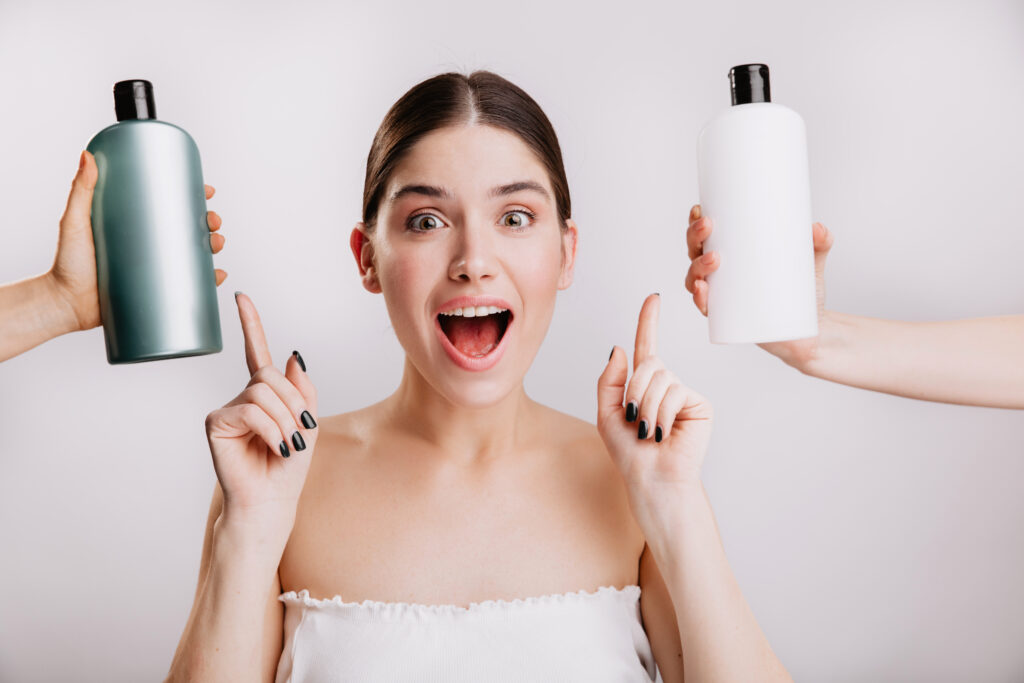
Choosing the right shampoo might seem like a small decision, but it plays a big role in your hair health. With endless options on the shelves—hydrating, clarifying, volumizing, anti-dandruff—it’s easy to feel confused. The truth is, using the wrong shampoo can lead to dryness, hair fall, dandruff, and an irritated scalp.
At Dr. Hanan Dermatology Speciality and Trichology Clinic in Chennai, we guide our patients in making personalized hair care choices, starting with the right shampoo for their unique hair and scalp type. In this blog, let’s decode how to pick the perfect shampoo that actually works for you.
Your shampoo is more than just one cleanser – this is the foundation of your hair care routine. The right one supports the health of your scalp, strengthens your hair roots, and keeps your strands shiny and manageable. Wrong one, however, can spoil your scalp condition and cause issues like:
Before shopping for a shampoo, determine your hair type:
Quickly looks smooth or flat. A clear or balancing shampoo is required that removes excess oil without drying the scalp.
Often feel brittle, rough or frizzy. A moisturizing or hydrating shampoo with ingredients such as shea butter, argan oil, or coconut oil.
Not very oily or dry. You can choose a mild, sulfate-free shampoo that maintains the natural balance of your scalp.
Oily on the roots and dry at the ends. Choose a balancing formula or apply shampoo to the scalp only when conditioning the ends.
A healthy scalp equals healthy hair. Match your shampoo to your scalp needs, not just your hair strands.
Sensitive or itchy scalp: Use fragrance-free, dermatologist-tested shampoos that are soft and hypoallergenic.
Choose a shampoo that targets your specific hair concern:
Hair Concern | Ideal Shampoo Type |
Hair fall | Strengthening or anti-hair fall shampoo with keratin or biotin |
Dandruff | Anti-dandruff shampoo with zinc pyrithione, ketoconazole, or salicylic acid |
Frizz | Smoothing shampoo with argan oil or keratin |
Color-treated hair | Color-protect shampoo that’s sulfate-free |
Heat-damaged hair | Repairing shampoo with protein and amino acids |
When choosing a shampoo, always read the label. Avoid these ingredients that can damage your hair over time:
Artificial fragrance or color – May trigger sensitivity or allergies
If you’re unsure whether a shampoo will suit your hair:
If irritation, hair fall, or excess dryness occurs, discontinue use and consult a dermatologist.
Every scalp and hair type are different. This is why Dr. Hanan Dermatology Specialty and Trichology Clinic in Chennai, we provide individual hair care guidance after a detailed scalp analysis. Whether you are struggling with hair loss, dandruff, or dryness, our team will help you take the right shampoo and treatment to restore hair health.
Shampoo your scalp, not only hair length
Rinse well to avoid buildup
Use lukewarm or cold water, not hot
Follow with conditioner suitable for your hair type
Do not over wash – For most people the ideal wash is 2-3 times.
Your shampoo can either protect your hair or be the silent criminal behind damage. Choosing the right shampoo for your hair type makes your hair healthy, vibrant and strong. If you are uncertain from where to start, then book a consultation with our hair experts at Dr. Hanan Dermatology and Trichology Clinic – we are here to guide you at every step.
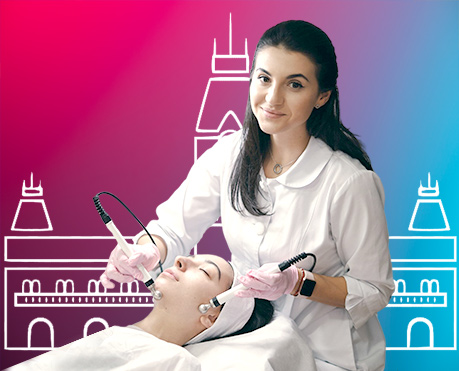
Discover Top 10 Dermatologist in Chennai for top-notch skin care and treatments. Get expert advice and quality service.
In a bustling city like Chennai, it is important to find a qualified and consult a dermatologist who will give you a healthy glowing skin. Whether you are dealing with chronic skin conditions, want to achieve a healthy skin tone or just want regular skin care, Chennai welcomes the best dermatologist in India.
Here we are the top 10 dermatologists in Chennai known for their expertise, patient care and innovative treatments.
Dr. R. Amin Hanan is a renowned dermatologist and trichologist with a focus on skin hair and nail disorders. Founder of Dr.Hanan Dermatology Speciality Clinic is best skin and hair clinic in chennai
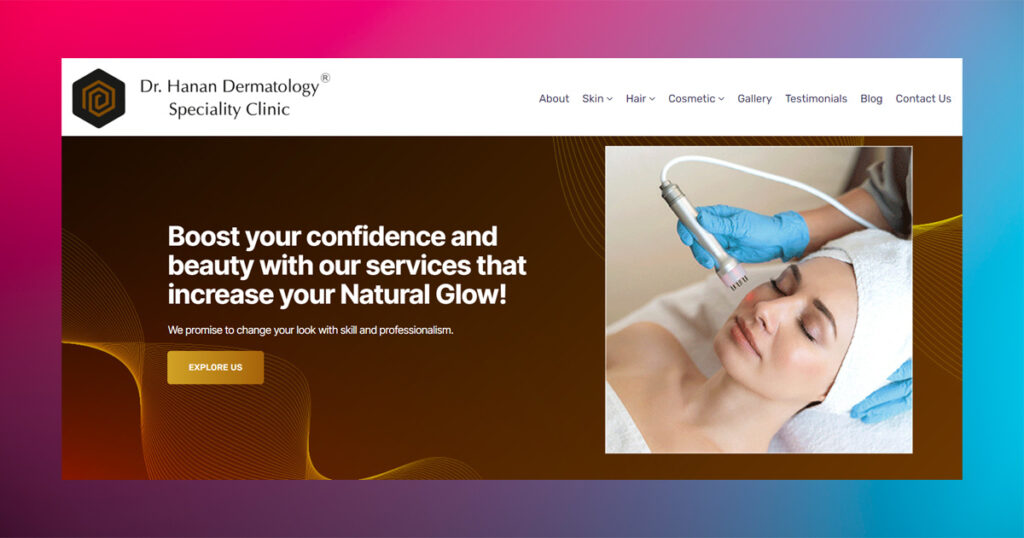
Dr.Hanan patients value his expert care and personalized treatment plans.
Dr. S. Murugusundram, the founder of the Chennai Skin Foundation and Yesudian Research Institute, has over two decades of experience in dermatology. He is widely recognized for his specialization in hair and skin treatments.He is one of the best skin doctor in chennai.
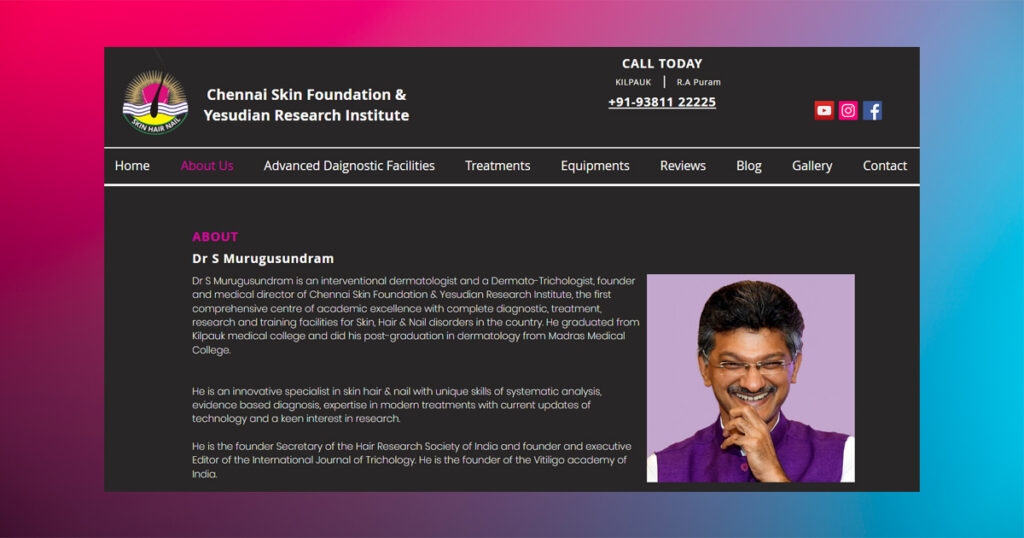
Dr. Murugusundram is praised for his patient-centric approach, ensuring personalized and effective treatment plans.
Dr. Maya Vedamurthy, director of RSV Skin Clinic and senior consultant at Apollo Hospital, Chennai, has over 30 years of experience. She excels in clinical dermatology, cosmetic dermatology, and dermatologic surgery. Dr maya is the best skin specialist in chennai.
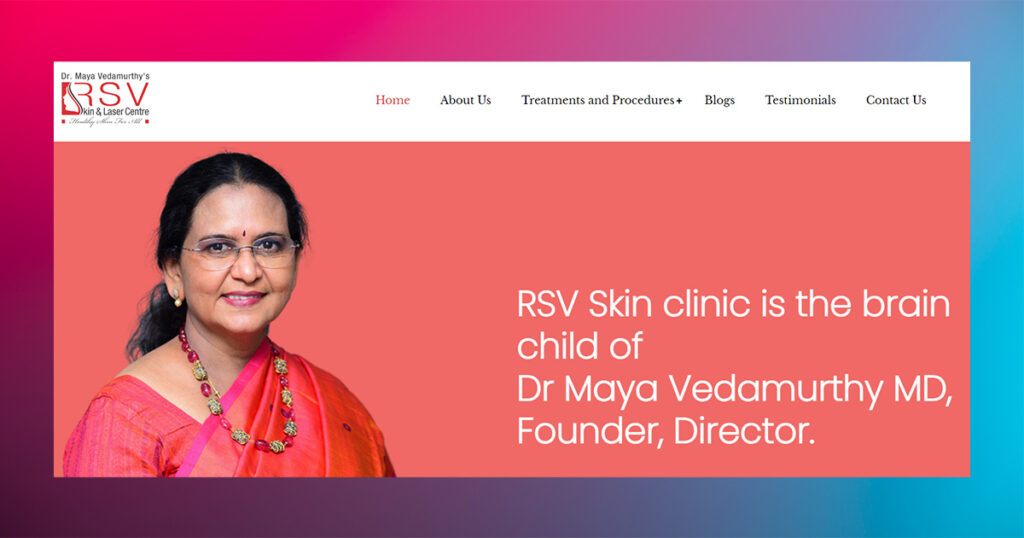
Dr. Vedamurthy’s compassionate care and thorough treatments are highly appreciated by her patients.
Dr. Sasikumar Muthu, founder of Pearl Skin and Hair Clinic, is known for his expertise in both medical and cosmetic. He is the best dermatologist in chennai. His clinic offers high standards of care with cutting-edge treatments.
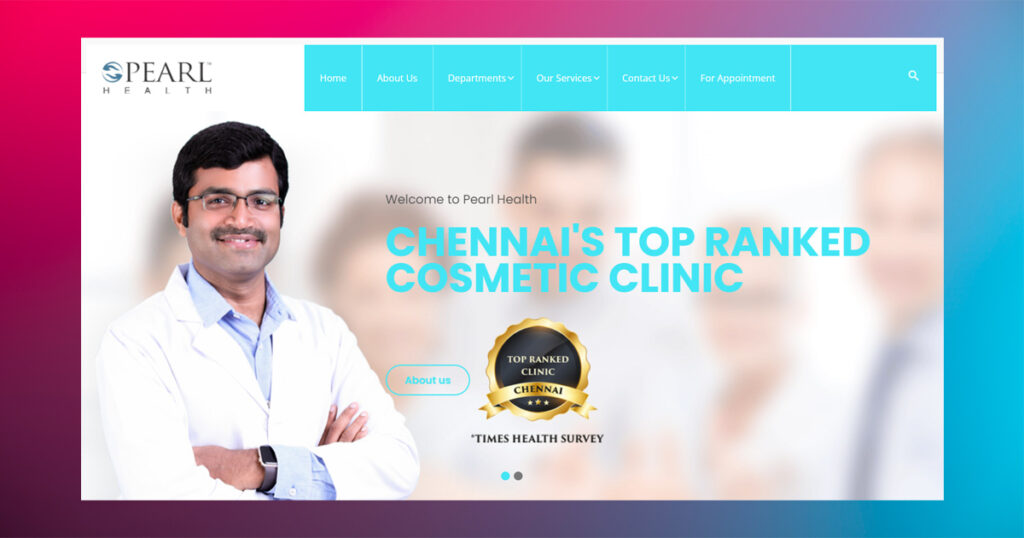
Dr. Sasikumar Muthu detailed consultations and effective treatment plans set him apart.
Dr. Karthik Gopal, practicing at Apollo Hospitals, Chennai, has significant experience in treating complex skin disorders and performing aesthetic procedures.
Dr. Gopal is known for his personalized and attentive approach to patient care.
Dr. Renita Rajan, chief consultant at Render Skin and Hair, is an expert in aesthetic dermatology. dr renita rajan is known for her innovative approach to skin and hair care.
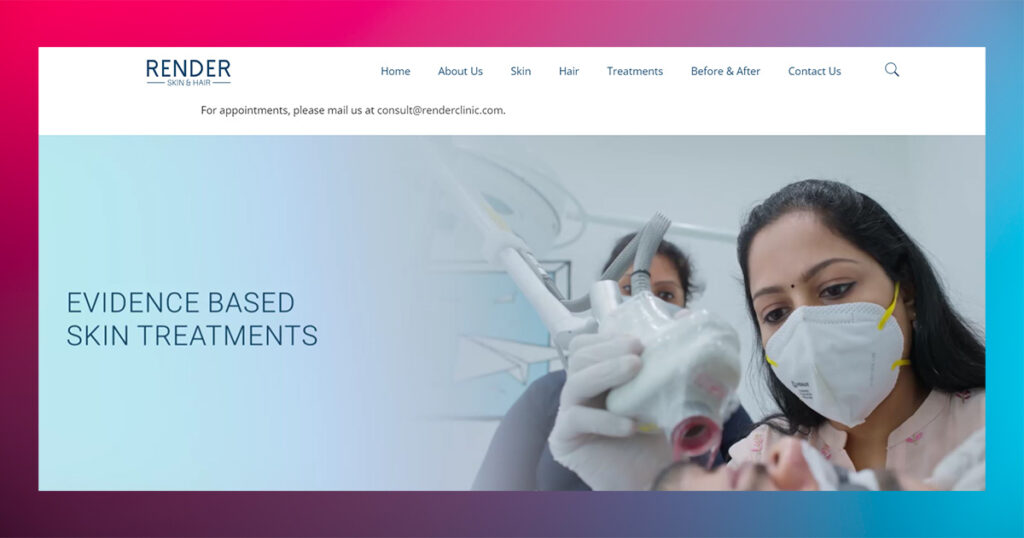
Dr. Rajan’s meticulous care and serene clinic environment are highly valued by her patients. She is the top skin doctor in chennai
Dr. A. Ariganesh Chandrasegaran, founder of DermaClinix, is known for his expertise in hair transplantation and cosmetic dermatology.
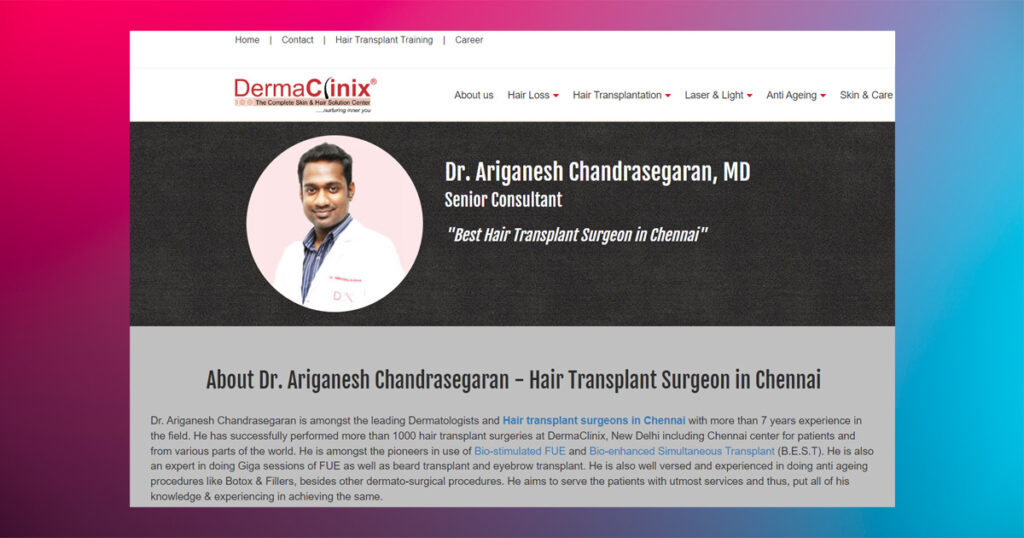
Dr. Ariganesh’s patient-focused approach ensures customized care and excellent results.
Dr. Nirmala Subramanian is a senior consultant cosmetic dermatologist with extensive experience in clinical and cosmetic dermatology.
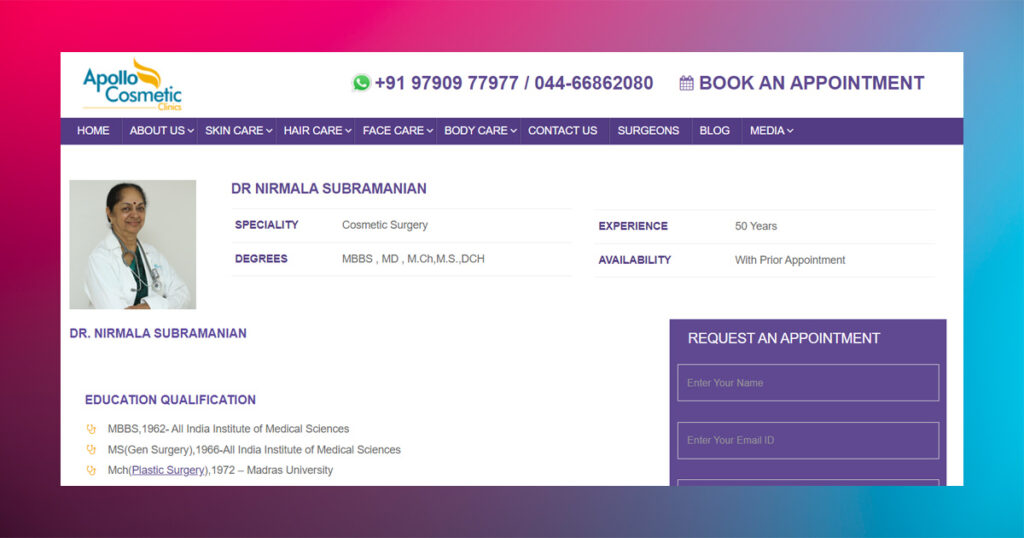
Dr. Subramanian is known for her empathetic and effective treatment strategies.
Dr. R. Krishnamoorthy, join director & senior consultant at SIMS, has vast experience in treating various skin disorders and performing dermatologic procedures.
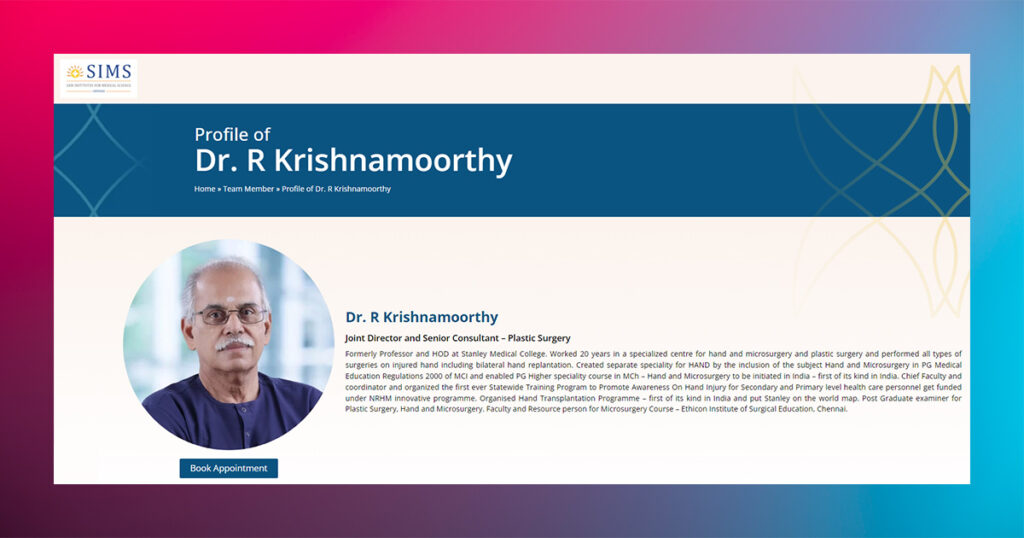
Dr. Krishnamoorthy’s patients appreciate his detailed consultations and effective treatments.
Dr. G. Ravichandran is a seasoned dermatologist with a focus on clinical and aesthetic dermatology. He practices at Apollo Hospital.
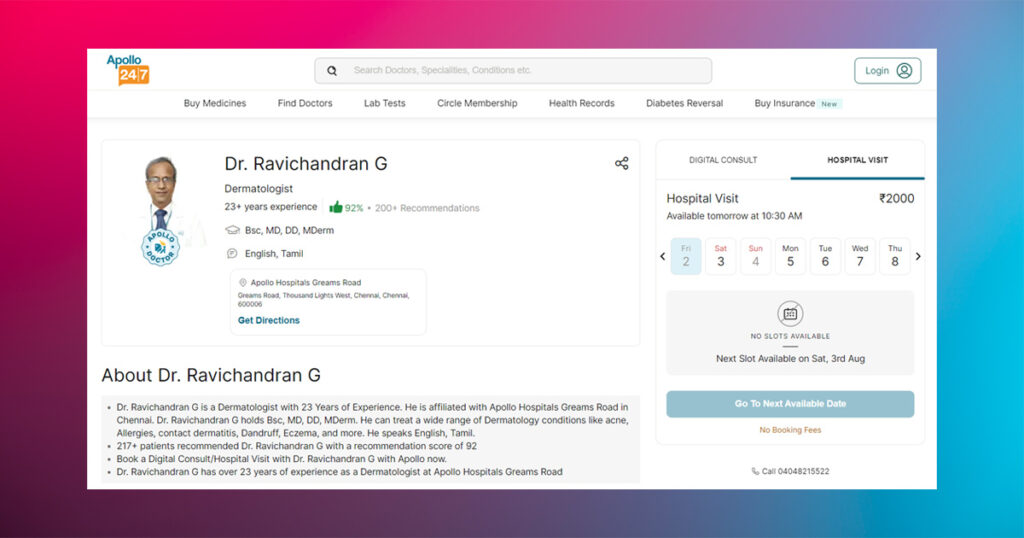
Dr. G. Ravichandran is praised for his thorough and patient-centered approach.
The dermatologists listed above are the top dermatologists in Chennai. They have a lot of experience and work at well-known healthcare places.
If you need help with your skin, consider seeing Dr. Hanan is the best female dermatologist in chennai. She offers free advice on skin care and listens to patients about their skin problems.
Visit Our Dr.Hanan Dermatology Clinic located on omr road, padur, Chennai – 603103.
They specialize in a variety of treatments including acne management, eczema treatment, psoriasis care, hair loss solutions, skin allergy treatment, pigmentation correction, and cosmetic procedures like chemical peels, laser therapy, and Botox injections.
Yes, many top dermatologists in Chennai offer online consultations through their websites or telemedicine platforms, making it convenient for patients who cannot visit the clinic in person.
Appointments can usually be booked online through the dermatologist's official website, by calling the clinic directly, or via healthcare platforms like Practo and Lybrate.
Hair transplant or regrowth treatments? Find out what works best in 2025 with expert tips from Dr. Hanan Clinic, Chennai.
Hair loss is no longer a cosmetic concern-it affects confidence, social life and emotional welfare. With modern progress, 2025 provides several clinically proven options to combat baldness and thin hair. But the question is: Hair Regrowth Treatments vs. Hair Transplant – What does the best work in 2025?
Dr. in Chennai In Hanan Dermatology Specialty and Trichology Clinic, we specialize in both surgical and non-surgical solutions for hair loss. In this blog, we compare two most demanding approaches Non-invasive regrowth treatment and permanent hair transplant surgery-to help you decide which path is right for your skull and your goals.
Before comparing treatments, it’s important to understand why hair loss occurs:
Different causes require different treatments—this is why scalp diagnosis is crucial.
Hair regrowth treatments are non-surgical methods designed to stimulate dormant hair follicles and slow down further damage. In 2025, these treatments have become more targeted, effective and customized.
PRP is a regenerative treatment that uses components from its own blood to heal and rejuvenate hair follicles. A small amount of your blood is drawn, centrifuged to
Benefits:
Best for:
Caution:
Microneedling with exosomes combines physical stimulation (microneedling) with the biological power of exosome-cell-retired messengers packed with growth factors and regenerative proteins. The micro injuries created by needles allow exosomes to penetrate and rejuvenate the hair follicle.
Benefits:
Best for:
Caution:
LLLT is a painless, light-based therapy that uses red or close light to stimulate cellular activity in hair follicles. It improves blood circulation and cellular energy, which helps the hair grow thicker and healthy over time.
Benefits:
Best for:
Caution:
Prescription medication remains one of the most widely used and medical approved treatments for hair loss in 2025. These drugs work either by increasing the blood circulation to the hair follicles or by reducing the production of dihydrotestosterone (DHT), the hormone that is mainly responsible for Androgenetic alopecia (pattern baldness).
Minoxidil is a topical solution or foam that stimulates hair growth by widening blood vessels and by improving oxygen, nutrients and blood flow. It is effective for both men and women and is available over-the-counter.
Finasteride and dutasteride are oral medications that inhibit the conversion of testosterone to DHT. While Finasteride FDA-approved, Dutasteride is considered more powerful and is often used in India under dermatologist guidance.
Benefits:
Best for:
Caution:
At Dr. Hanan Clinic, we personalize your medication plan based on your scalp type, hair loss pattern, and lifestyle. We also monitor your response with regular follow-ups to ensure safety and effectiveness.
Prescription medications work by targeting the root causes of hair loss—such as DHT sensitivity or poor blood circulation to the follicles. These include both topical and oral medications that are widely used and FDA-approved.
Benefits:
Best for:
Note: These medications must be used consistently and under medical supervision to prevent side effects and sustain long-term benefits.
Benefits:
Best for:
Hair transplant is a surgical procedure where hair follicles from a donor area (usually the back of the scalp) are moved to balding areas. It is the most permanent solution available in 2025.
There are two main techniques:
Follicles are extracted individually with tiny punches and implanted in recipient zones.
Benefits:
A strip of scalp is removed and grafts are prepared from it.
Benefits:
Great question (and thank you Google’s People Also Ask!).
In 2025, the most advanced techniques include:
At Dr. Hanan Clinic, we combine these advanced tools with dermatologist-level planning for natural hairlines and higher graft survival.
Feature | Hair Regrowth Treatments | Hair Transplant |
Type | Non-surgical | Surgical |
Suitability | Early to moderate hair loss | Advanced baldness (Grade 3+) |
Downtime | Minimal to none | 3–7 days recovery |
Cost | Lower per session | One-time higher cost |
Results | Gradual, needs maintenance | Permanent, fuller coverage |
Side Effects | Minimal | Mild swelling, crusting |
Maintenance | Required (every 1–3 months) | PRP or LLLT optional for existing hair |
Choose non-surgical regrowth options if:
Opt for a transplant if:
At Dr. Hanan Dermatology Speciality and Trichology Clinic in Chennai, we don’t believe in one-size-fits-all. Our treatment strategy is always:
1. Diagnose First – Using digital scalp mapping and hair density analysis
2. Customize Treatment – PRP, microneedling, medications, transplant – or a combination
3. Track Results – Monthly follow-ups, maintenance planning, lifestyle advice
Our hybrid approach means many patients avoid surgery altogether with the right early intervention.
We are Chennai’s authority in hair restoration, blending medical expertise with the latest innovations.
Hair Regrowth Treatments are ideal if you’re catching the problem early and want to delay or avoid surgery.
Hair Transplant is best for those looking for a permanent fix for visible baldness.
But the ultimate solution? A doctor-designed combination plan customized just for you.
Expert oily skincare in Chennai – dermatologist tips to control shine, prevent acne, and keep your skin clear at Dr. Hanan Clinic
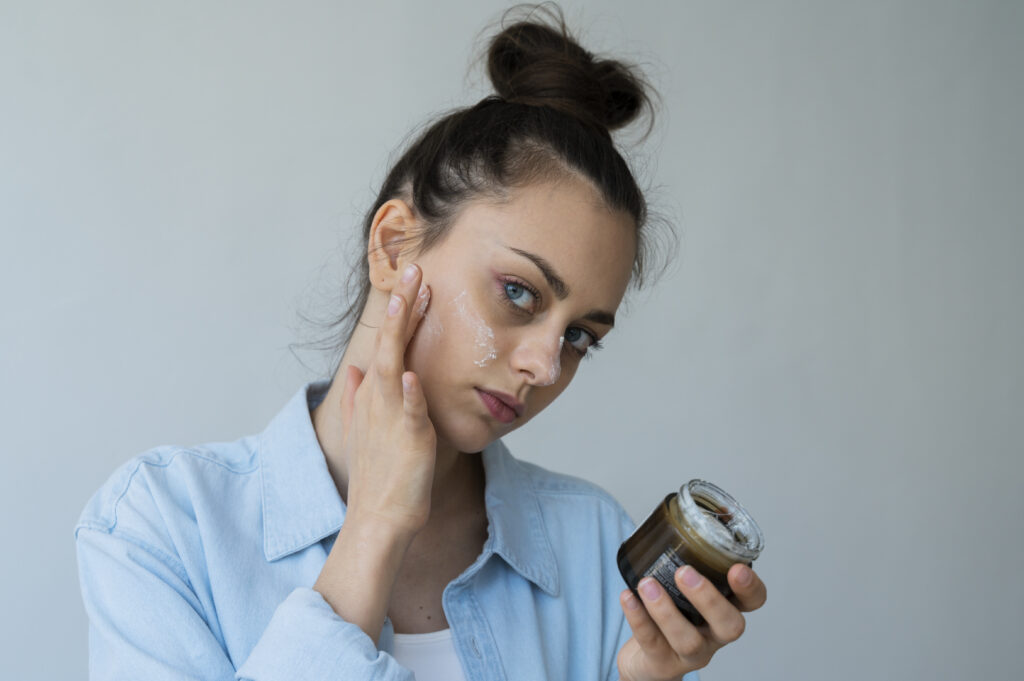
Oily skin is one of the most common skin concerns faced by people in Chennai. The city’s hot, humid, and tropical climate often worsens sebum (oil) production, leading to acne, clogged pores, dullness, and an overall greasy appearance. While oily skin is not entirely bad—since it helps keep your skin naturally moisturized—it does require special care and dermatologist-recommended routines to keep it healthy, balanced, and blemish-free.
At Dr. Hanan Dermatology Speciality and Trichology Clinic in Chennai, we regularly treat patients struggling with oily skin, acne breakouts, and related concerns. In this blog, we’ll break down the science behind oily skin, practical care tips, and advanced treatments available at our clinic.
Chennai’s weather plays a big role in skin health. High humidity and heat increase sweating and sebum secretion. Combined with pollution, dust, and sun exposure, this creates the perfect environment for:
You may have oily skin if you notice:
If this sounds familiar, your skin needs oil-control skincare and professional dermatology support.
Managing oily skin is not about stripping away all the oil but balancing sebum production while keeping your skin healthy and hydrated. Here’s a detailed routine recommended by dermatologists at Dr. Hanan Dermatology Speciality and Trichology Clinic, Chennai:
One of the biggest mistakes people with oily skin make is over-washing. Harsh cleansing removes natural oils completely, which forces your sebaceous glands to produce even more oil, making the skin greasier.
Instead, use a mild foaming or gel-based cleanser formulated for oily or acne-prone skin. Look for ingredients such as:
Tip from dermatologists: Wash your face only twice a day—once in the morning and once before bed. Midday oiliness can be managed with blotting papers instead of repeated washing.
Exfoliation is crucial for oily skin because dead skin cells mix with excess sebum and cause clogged pores and acne. But scrubbing too aggressively can damage your skin barrier.
Dermatologists recommend chemical exfoliation over physical scrubs. Options include:
Many people assume oily skin doesn’t need moisturizer. That’s a myth. In reality, skipping moisturizer dehydrates the skin, signaling your sebaceous glands to produce more oil to compensate.
Choose a lightweight, non-comedogenic moisturizer with:
Dermatologist tip: Go for gel-based moisturizers instead of creams. They provide hydration while leaving a matte finish, perfect for Chennai’s humid climate.
Sunscreen is non-negotiable—even for oily skin. Without protection, UV rays trigger pigmentation, tanning, acne scars, and premature aging.
For oily skin types, avoid heavy lotions. Instead, use:
Oily skin isn’t just about topical care—your diet and lifestyle play a huge role. Foods high in refined sugar, fried oils, and dairy can increase inflammation and worsen breakouts.
Include more of:
Tip: Reduce intake of carbonated drinks, spicy fast food, and chocolate, as they can aggravate oily skin and acne.
Home remedies like lemon juice, Multani Mitti (Fuller’s Earth), or aloe vera are popular but must be used with caution. They may provide temporary relief but can irritate sensitive skin or worsen breakouts. Always consult a dermatologist before trying DIY methods.
When home care isn’t enough, advanced treatments can transform oily skin. At Dr. Hanan Dermatology Speciality and Trichology Clinic in Chennai, we provide safe and effective options such as:
These dermatologist-supervised treatments ensure long-term skin balance and visible improvement.
Oily skin in Chennai can feel like a never-ending struggle, but with the right skincare routine and professional treatments, it is possible to achieve healthy, clear, and radiant skin. At Dr. Hanan Dermatology Speciality and Trichology Clinic, our dermatologists customize solutions based on your skin type, lifestyle, and concerns to deliver long-lasting results.
No, oily skin is not harmful. In fact, it slows down visible aging. However, excess oil can cause acne, clogged pores, and pigmentation if not managed.
Oily skin cannot be “cured” as it is largely genetic and hormonal. But with proper skincare, lifestyle changes, and medical treatments, it can be effectively controlled.
Choose a lightweight, oil-free moisturizer with hyaluronic acid or niacinamide to balance hydration without clogging pores.

Dr Hanan Dermatology Speciality clinic a Leading Dermatology, Cosmetology Clinic that provides the Best Affordable Treatment for Skin, Hair & Laser.
Our Contacts
Copyright © 2024 Dr Hanan Dermatology Speciality Clinic is Developed and Maintained by Qualpr | Privacy Policy | Terms and Conditions
Dr Hanan Dermatology Speciality Clinic
Typically replies within minutes
Any questions related to Skin, Hair, and Cosmetic or Looking to book an appointment?
WhatsApp Us
🟢 Online | Privacy policy
WhatsApp us