Discover how to hydrate skin effectively with proven tips, expert ingredients, and daily habits for lasting moisture and glowing skin.

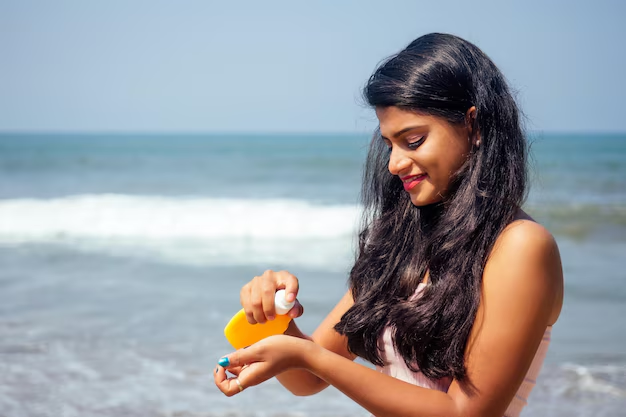
Choosing the right sunscreen in Chennai’s hot, humid climate is key. Learn how SPF, broad-spectrum, and lightweight formulas protect your skin from sun damage with Dr. Hanan Clinic experts.
Living in Chennai means enjoying plenty of sunshine, but it also comes with the challenge of protecting your skin from intense UV rays, high humidity, and year-round heat. Sunscreen is one of the most powerful tools in preventing sun damage, pigmentation, premature aging, and skin cancer. Yet, many people struggle to find the right sunscreen that works for Chennai’s tropical weather—where sweating, oiliness, and stickiness are constant concerns.
At Dr. Hanan Dermatology Speciality and Trichology Clinic in Chennai, we regularly help patients choose sunscreens that are not only effective but also comfortable for daily use in hot and humid conditions. This blog will guide you on everything you need to know before buying your next sunscreen.
Chennai is one of the hottest metropolitan cities in India, with high UV index levels throughout the year. UV rays penetrate deeply into the skin, causing:
Humidity worsens the issue by making traditional sunscreens feel greasy or heavy. That’s why choosing the right formulation is crucial for Chennai’s weather.
In Chennai, where the sun shines intensely almost year-round, it’s not enough to just look at the SPF number on your sunscreen. What really matters is broad-spectrum protection. This ensures your sunscreen shields you from both UVA rays, which penetrate deeply and cause premature aging, melasma, and hyperpigmentation, and UVB rays, which damage the outer layer of skin, causing sunburns and increasing the risk of skin cancer.
Many patients visiting Dr. Hanan Clinic in Chennai struggle with stubborn pigmentation and tanning simply because they were using sunscreens that only protected against UVB. Look for labels like PA+++ or PA++++ (which indicate stronger UVA protection) along with SPF 30 or higher. This combination offers the safest and most reliable coverage in our tropical climate.
The SPF (Sun Protection Factor) tells you how well your sunscreen protects against UVB rays. In Chennai, where the UV index often stays at high or extreme levels, using a stronger SPF is crucial.
One of the biggest complaints we hear at Dr. Hanan Dermatology Clinic is, “Sunscreens feel too sticky in Chennai’s weather.” The high humidity increases sweating, which makes heavy creams uncomfortable and often leads to clogged pores, acne breakouts, and greasy skin.
That’s why we recommend:
Look for sunscreens labeled non-comedogenic, oil-free, or mattifying. These prevent blocked pores and acne flare-ups while still giving strong UV protection. Patients who switched to these formulations often say they finally feel comfortable wearing sunscreen daily.
Choosing sunscreen is not one-size-fits-all—it should be based on your unique skin type.
At Dr. Hanan Clinic, our dermatologists first analyze your skin and lifestyle, then recommend sunscreens tailored to you—because the wrong sunscreen often worsens existing problems like acne, pigmentation, or sensitivity.
In Chennai’s climate, sweat is unavoidable. Whether you’re commuting, exercising, or just stepping outside, your sunscreen can wear off quickly if it isn’t resistant.
Look for sunscreens labeled:
These formulations are especially important for:
Even with water resistance, you still need to reapply, but these sunscreens provide added reliability for longer protection in Chennai’s humidity.
A major misconception is that applying sunscreen once in the morning is enough. But in Chennai’s heat, sunscreen breaks down faster due to sweat, sebum, and sun exposure.
Dermatologists recommend:
At Dr. Hanan Dermatology Speciality and Trichology Clinic in Chennai, we recommend sunscreens tailored to:
We also integrate sunscreen into comprehensive skin care plans for pigmentation, acne scars, and anti-aging.
At Dr. Hanan Dermatology Speciality and Trichology Clinic in Chennai, we recommend sunscreens tailored to:
We also integrate sunscreen into comprehensive skin care plans for pigmentation, acne scars, and anti-aging.
Choosing the right sunscreen for Chennai’s hot and humid climate is not just about comfort—it’s about long-term skin protection. With the right sunscreen, you can prevent pigmentation, tanning, early aging, and serious skin damage while staying fresh and comfortable throughout the day.
At Dr. Hanan Clinic, Chennai, our dermatologists help patients find sunscreens and skin care plans perfectly suited for their lifestyle and skin type.
No, oily skin is not harmful. In fact, it slows down visible aging. However, excess oil can cause acne, clogged pores, and pigmentation if not managed.
Oily skin cannot be “cured” as it is largely genetic and hormonal. But with proper skincare, lifestyle changes, and medical treatments, it can be effectively controlled.
Choose a lightweight, oil-free moisturizer with hyaluronic acid or niacinamide to balance hydration without clogging pores.
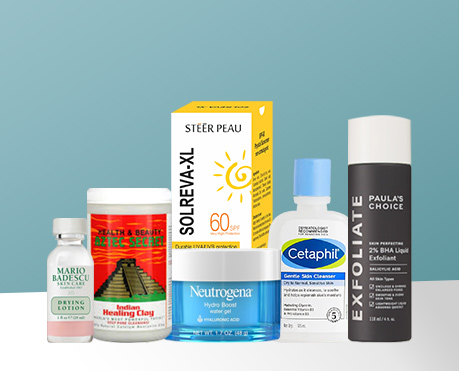
Discover the good skincare products for teens. This easy guide helps teens achieve clear, glowing skin without any hassle. Start now!

Ever had the feeling when you were a teenager that your skin had a mind of its own, and it wasn’t after what you wanted? Adolescence is a time of change with body and skin changes because hormones and growth.
Don’t worry; everyone has tough times. Normal to face challenges and difficulties. You’re not alone in this. Want a little friendly help, we’ve created an expert-curated skincare guide just for you.
Read on as we help navigate teenage skin problems and create your teenage skincare routine and best Skincare Products for Teenagers.
Teenagers have unique skin challenges such as acne, oily skin, and sweating. Important to use the right skin care products to combat these issues and take care of their changing skin.
Proper skin care routine helps teens manage skin problems and develop habits for healthy skin in the future.
It’s important to make good choices and take care of your skin with a routine that will help you in the long run.
Teen skin is different from adult skin because of the changes happening during puberty. Here’s why teenagers need a skincare routine that’s different from adults:
1. Hormonal Changes: During puberty, the body produces more hormones, which increases oil production. This can lead to more acne and oily skin.
2. Increased Oil Production: Teen skin often produces more sebum (oil) than adult skin, making it more prone to acne and shine.
3. Faster Cell Turnover: Teen skin heals more quickly from breakouts, but this can also mean more frequent acne. Products designed for teens help manage this.
4. Sensitivity: Hormonal changes can make teen skin more sensitive. Using products meant for adults might be too harsh and could cause irritation.
Teens should use skincare routines designed for their needs, like managing oil and acne, instead of adult products that may not work for them.
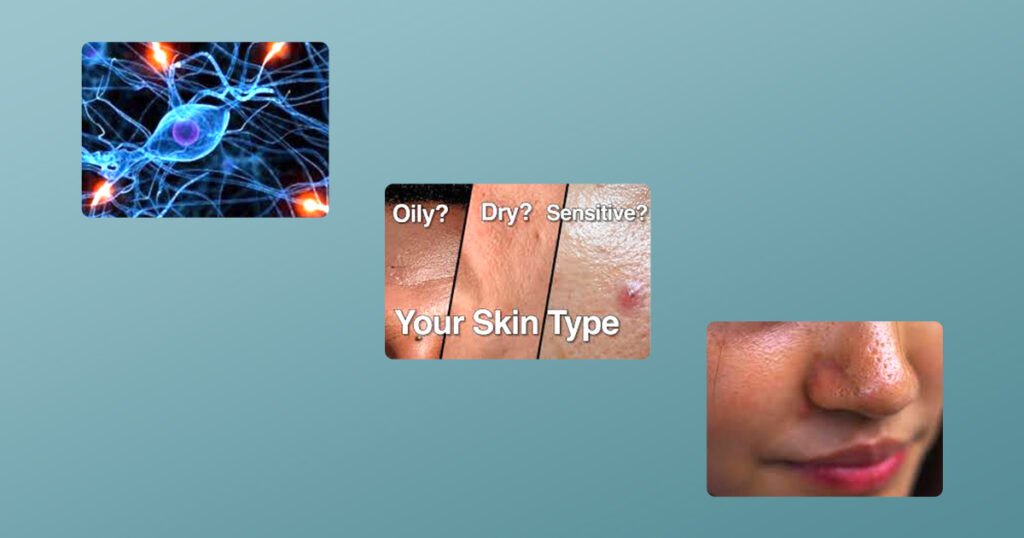
Before diving into recommendations, it’s important to understand why teenage skin is different. During adolescence, the body produces more cholesterol (oil), which can clog pores and cause acne.
Gentle Foaming Cleansers: Clean your face twice a day to remove dirt and oil without drying out your skin.
a. Epirich PE foaming cleanser: Good for normal to oily skin; helps keep skin hydrated.
b. Tabula rasa face cleanser: Contains salicylic acid to fight acne.
Micellar Water: Great for sensitive skin; cleanses without harsh scrubbing.
a. D wash face wash: Gently cleans and soothes skin.

Oil-Free Moisturizers: Even oily skin needs moisture. Choose products that won’t clog pores.
a. Akosma advanced skin repair moisturiser: Controls shine and reduces pores.
b. Raindew moisturiser: Includes SPF 30 for sun protection.
Hydrating Gel-Creams: Light and hydrating for combination or normal skin.
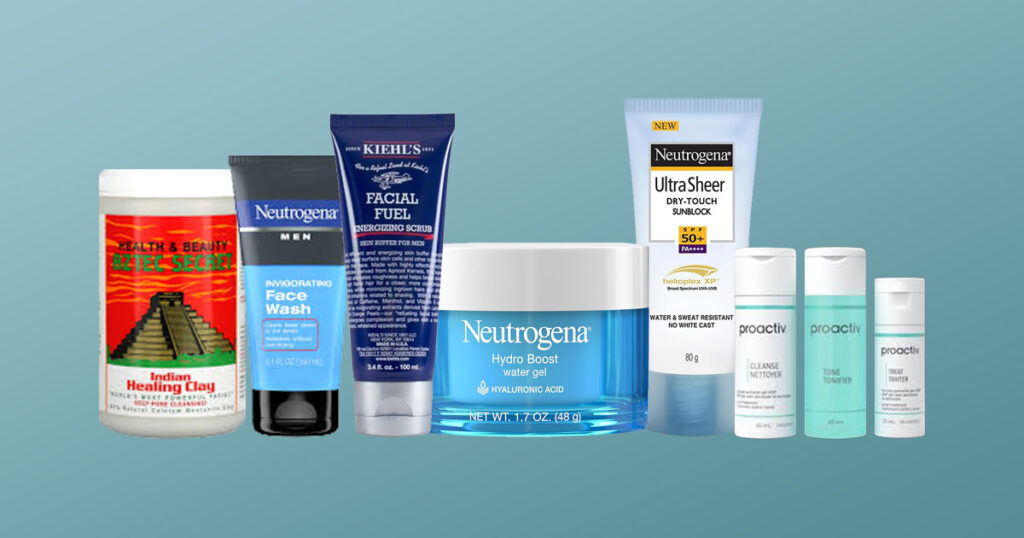
a. Neutrogena Hydro Boost Water Gel: Keeps skin soft and hydrated without feeling greasy.
b. Excela rich moisturiser: Deeply hydrating cream, ideal for very dry skin with nourishing ingredients like hyaluronic acid and ceramides.
Spot Treatments: Target specific pimples without drying out the whole face.
a. Clean & Clear Advantage Acne Spot Treatment: Reduces pimple size quickly.
b. Mario Badescu Drying Lotion: Dries out blemishes overnight.
All-Over Treatments: For more severe acne.
a. Proactiv Solution 3-Step System: Combines cleanser, toner, and treatment.
b. The Ordinary Niacinamide 10% + Zinc 1%: Reduces blemishes and balances oil.
Lightweight Sunscreens: Protect against UV rays and prevent breakouts.
a. Solreva XL sunscreen: Lightweight and good for acne-prone skin.
b. Nubase facial gel: Oil-free and protects against sun damage.
Tinted Sunscreens: Offers sun protection and a bit of coverage.
a. Rivela tinted sunscreen: Provides color and sun protection.
b. Australian Gold Botanical Tinted Face Sunscreen SPF 50: Natural ingredients and matte finish.
Clay Masks: Remove impurities and control oil.
a. Aztec Secret Indian Healing Clay: Deep-cleans with natural clay.
b.Origins Clear Improvement Active Charcoal Mask: Draws out impurities with charcoal.
Hydrating Masks: Add extra moisture and soothe irritated skin.
a. Laneige Water Sleeping Mask: Hydrates while you sleep.
Taking care of your skin as a teenager can be tricky because of the changes in your body. Here’s an easy skincare routine to keep your skin healthy and clear.

Teenage boys often deal with oily skin, acne, and sensitivity due to hormonal changes. Here’s an easy skincare guide to keep your skin clear and healthy.
Tips:
Tips:
Tips:
Tips:
Clay Masks: Use once a week to control oil and clear pores.
Tips:
Dr. Hanan is a Best dermatologist in Chennai, specializing in dermatology, cosmetic procedures. Her clinic offers personalized treatments for acne, anti-aging, pigmentation, and more, using the latest technology. Known for her compassionate care, Dr. Hanan ensures every patient receives tailored treatment.
For top-notch skincare in Chennai, Our Dr. Hanan is the best choice.
The best skincare for teens with acne-prone skin include a gentle cleanser with salicylic acid, an oil-free moisturizer, and a non-comedogenic sunscreen.
Teens generally do not need anti-aging products. Instead, they should focus on sun protection and maintaining a simple skincare routine.
Teens should avoid skincare products with alcohol, fragrances, and harsh chemicals that can irritate sensitive skin.
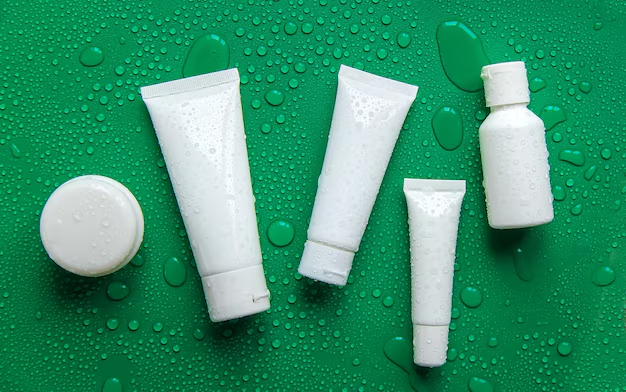
Find the best face wash for glowing skin based on your type. Chennai dermatologists at Dr. Hanan Clinic share expert tips and ingredients for radiant, healthy skin.
Finding the best face wash for glowing skin isn’t just about picking the most popular product on the shelf. With so many cleansers – foaming, gel, cream, and exfoliating – it’s easy to get lost in the marketing. But your skin’s glow depends not on trends, but on science and skin type.
At Dr. Hanan Dermatology Speciality and Trichology Clinic, Chennai, our dermatologists guide patients daily on how to build an effective cleansing routine for radiant, healthy skin. Whether you have oily, dry, or sensitive skin, using the right dermatologist-recommended face wash can make a remarkable difference.
A face wash is more than a cleansing step — it’s the foundation of your glowing skin routine. Using the wrong type can strip your skin of its natural oils, trigger breakouts, or dull your complexion.
Your skin’s pH balance, hydration, and barrier integrity all depend on how you cleanse it. That’s why dermatologists at Dr. Hanan Clinic Chennai recommend using cleansers with gentle surfactants, hydrating ingredients, and antioxidants suited for your skin type.
A dermatologist-recommended face wash doesn’t just remove dirt and makeup — it supports your skin’s microbiome, regulates oil, and prepares your skin to absorb nutrients from serums and moisturizers.
The first step in finding the best face wash for glowing skin is identifying your skin type. Here’s what dermatologists recommend:
If you have oily skin, your face tends to feel greasy and shiny within hours of cleansing. The key is to balance oil production without over-drying. Choose a gel-based face wash for oily skin with:
These cleansers are lightweight, refreshing, and keep your pores clear in Chennai’s humid weather.
For dry, flaky skin, avoid harsh foaming cleansers. Instead, go for cream-based or hydrating face washes enriched with:
A gentle cleanser ensures your skin feels supple and smooth instead of tight after washing.
If your T-zone is oily and cheeks are dry, you have combination skin. The best option is a pH-balanced, non-stripping face wash with mild surfactants and hydrating ingredients.
Choose a fragrance-free, sulfate-free cleanser with ingredients like Centella Asiatica or Panthenol. Avoid scrubbing or exfoliating cleansers that can irritate your skin barrier.
Dermatologist Tip: Avoid using bar soaps or alcohol-based cleansers — they can disrupt your skin’s microbiome and lead to dryness or breakouts.
To achieve luminous, healthy skin, focus on face washes that brighten and hydrate, rather than those that promise “instant glow” with harsh chemicals.
Here are dermatologist-approved ingredients that actually work:
Pro Tip from Dr. Hanan Clinic: Avoid alcohol, parabens, and artificial fragrances that can cause irritation – especially in Chennai’s hot and humid weather.
A proper cleansing routine plays a vital role in achieving glowing skin.
Start your day with a mild brightening cleanser to remove overnight oil and prepare your skin for sunscreen and makeup. If your skin is oily, use a gel-based cleanser with niacinamide or tea tree extract.
Cleansing at night is non-negotiable — it removes dirt, oil, sweat, and pollutants accumulated throughout the day. Dermatologists recommend double cleansing:
Even the best cleanser can fail if used incorrectly. Here are red flags our dermatologists often see:
Green Flag: Use lukewarm water and follow every cleanse with a hydrating serum or moisturizer to lock in moisture.
Read our full post on 10 Skincare Mistakes You Don’t Know You’re Making.
At Dr. Hanan Clinic, we often combine at-home skincare with advanced Hydrafacial or Medi-Fusion Glow Therapy treatments for long-lasting glow and hydration.
Skin Type | Recommended Type | Key Ingredients |
Oily / Acne-Prone | Gel-based foaming cleanser | Salicylic acid, tea tree, niacinamide |
Dry | Cream-based or hydrating | Hyaluronic acid, ceramides, aloe vera |
Combination | Gentle pH-balanced | Green tea, Vitamin E |
Sensitive | Fragrance-free & mild | Centella Asiatica, panthenol |
Dermatologist Note: At Dr. Hanan Dermatology Clinic, we perform a detailed skin analysis before suggesting any cleanser — because what works for one person may not work for another.
At Dr. Hanan Dermatology Speciality and Trichology Clinic, we go beyond over-the-counter recommendations. Our dermatologists customize skincare plans for:
We offer medical-grade facial cleansers and in-clinic skin rejuvenation therapies like:
Each plan is designed based on your skin condition, weather, and daily exposure in Chennai.
The best face wash for glowing skin isn’t about expensive products — it’s about balance, consistency, and professional advice. A dermatologist-approved face wash gently removes impurities while maintaining hydration and radiance.
If you’re unsure which cleanser suits your skin, consult our dermatologists at Dr. Hanan Clinic Chennai for a personalized skincare plan that ensures your glow is here to stay.
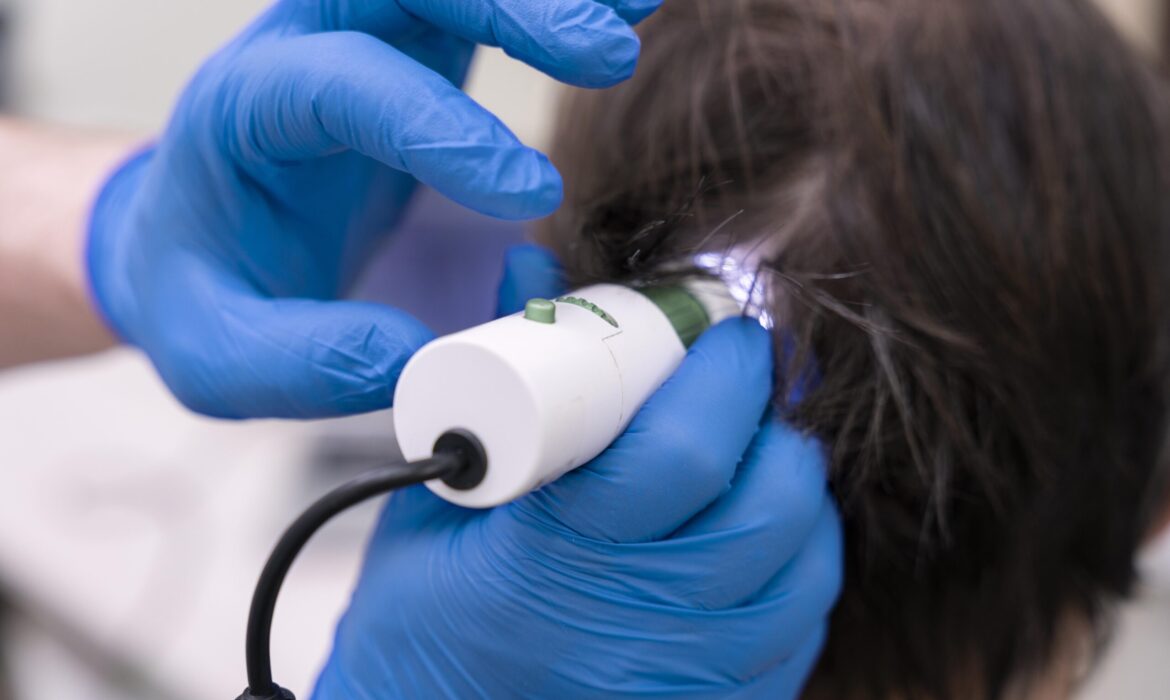
Understand how LED Light Therapy helps boost hair growth by energizing follicles and reducing scalp inflammation
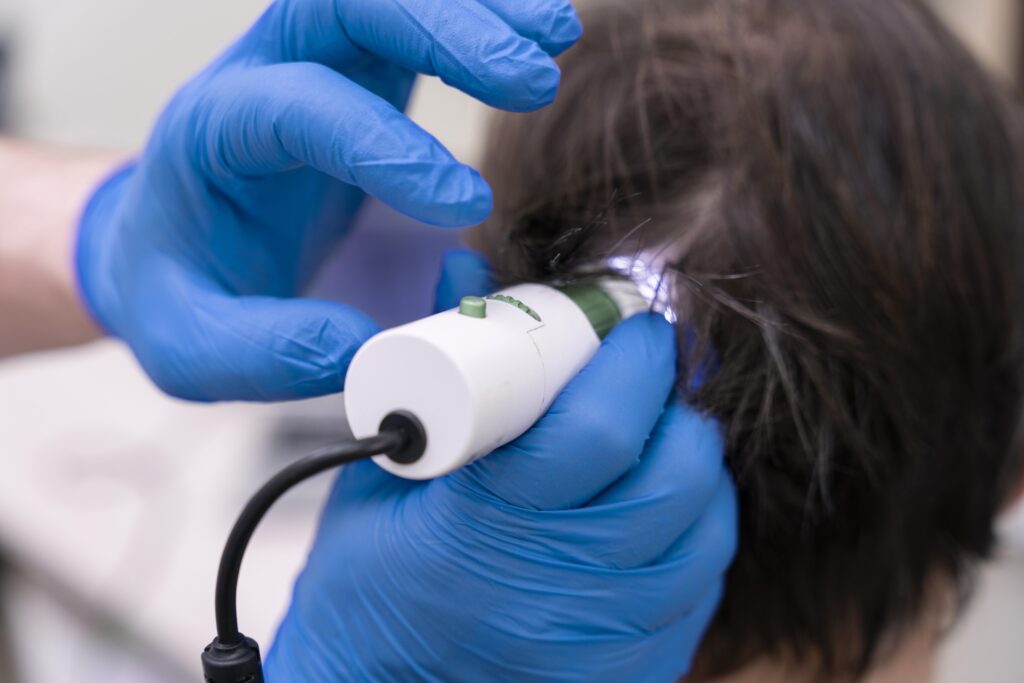
Hair loss is one of the most common concerns for both men and women today. From stress and hormonal imbalances to genetics and poor scalp health, many factors can contribute to thinning hair. While treatments like PRP therapy and hair transplantation are well-known, there’s another innovative, non-invasive solution that’s gaining popularity — LED Light Therapy.
LED Light Therapy (also called Low-Level Laser Therapy or LLLT) uses specific wavelengths of light — particularly red and near-infrared light — to stimulate hair follicles and promote hair growth.
Unlike surgical procedures, LED therapy is completely non-invasive, painless, and has no downtime. It works at a cellular level, improving blood circulation in the scalp and enhancing the activity of hair follicle cells.
The light energy penetrates the scalp tissue and stimulates mitochondria (the cell’s powerhouse), improving energy production and nutrient absorption. This helps weakened hair follicles become active again, resulting in stronger, thicker hair strands.
LED therapy works through a process called photobiomodulation — where light energy interacts with the scalp’s cells to trigger biological reactions. Here’s what happens:
LED Light Therapy offers numerous benefits for those dealing with early or moderate hair loss:
LED Light Therapy is ideal for:
The procedure is simple, relaxing, and takes only 20–30 minutes per session:
Yes ✅
Multiple studies published in peer-reviewed dermatology journals have shown that Low-Level Laser Therapy (LLLT) effectively promotes hair growth by stimulating cellular energy and increasing blood flow.
Dermatologists worldwide recommend it as part of a comprehensive hair restoration plan, especially when combined with treatments like PRP, microneedling, or minoxidil therapy.
At Dr. Hanan Dermatology Speciality and Trichology Clinic, we combine science, experience, and technology to deliver real results.
We’re known as one of the best hair transplant clinics in Chennai, and our LED Light Therapy is a key part of our non-surgical treatment success.
So, does LED Light Therapy really work for hair growth?
Yes — when performed under dermatologist supervision using medical-grade devices, it’s a scientifically backed, effective, and safe treatment for stimulating natural hair regrowth.
At Dr. Hanan Clinic, we help you reclaim your confidence with advanced technologies like LED Light Therapy, PRP, and Hair Transplantation, all tailored to your needs.

Can stress cause hair loss? Learn what top dermatologists in Chennai say about the link between stress and hair fall, types, treatments, and recovery tips.
Hair loss is a concern that affects millions globally, and one common but often overlooked cause is stress. In a city like Chennai, where fast-paced lifestyles, work pressure, and environmental changes are constant, stress-related hair fall is becoming increasingly common. At Dr. Hanan Dermatology Speciality and Trichology Clinic, our dermatologists frequently treat patients whose hair loss is directly or indirectly triggered by stress.
In this blog, we’ll explore the scientific link between stress and hair loss, the different types of hair fall caused by stress, symptoms to watch out for, and expert treatment options available in Chennai.
Stress affects the body in multiple ways—and your scalp and hair follicles aren’t spared. When the body undergoes emotional or physical stress, it can disrupt the normal hair growth cycle. This disruption leads to excessive shedding, thinning, or even hair loss in patches.
Chronic stress can trigger hormonal imbalances, reduce blood flow to the scalp, and elevate levels of cortisol (the stress hormone), all of which negatively affect hair health. Inflammation caused by stress can also damage the hair follicles and slow down hair production.
Studies have shown that stress can impact the anagen (growth) phase of the hair cycle, causing more hairs to shift into the telogen (resting) phase prematurely. This leads to a noticeable increase in hair fall within a few months of the stressful event.
There are three main types of hair loss that are scientifically linked to stress:
This is the most common form of stress-induced hair loss. During Telogen Effluvium, a large number of hair follicles prematurely enter the resting phase (telogen), causing increased shedding.
Symptoms: Noticeable hair fall while combing, washing, or on your pillow.
Triggers: Sudden illness, high fever, emotional trauma, childbirth, or crash diets.
Recovery: Usually resolves in 3–6 months once the stressor is removed.
This is an autoimmune condition where the immune system attacks hair follicles, often triggered by extreme stress.
Symptoms: Sudden hair loss in round patches, usually on the scalp. In some cases, it may affect eyebrows or beard.
Triggers: Emotional stress, family history, autoimmune disorders.
Treatment: Corticosteroids, immunotherapy, and stress management.
This is a psychological condition where a person feels the urge to pull out their hair due to anxiety or emotional distress.
Symptoms: Patchy hair loss, broken hairs, and thinning. Most common in adolescents and young adults.
Management: Behavioral therapy, psychological support, and dermatological care.
At Dr. Hanan Dermatology Speciality and Trichology Clinic, we offer specialized diagnostics and treatment plans for stress-induced hair loss:
We believe in combining internal wellness with external treatment for holistic hair recovery.
Practice Regular Relaxation Techniques: Yoga, meditation, and breathing exercises have been shown to lower cortisol levels.
Sleep Well: Aim for 7–8 hours of sleep every night to help the body repair and regenerate.
Maintain a Balanced Diet: Include foods rich in iron, protein, omega-3 fatty acids, and antioxidants.
Avoid Over-Styling and Harsh Products: Reduce the use of flat irons, harsh dyes, and chemical treatments.
Stay Hydrated: Water supports scalp health and nutrient delivery to follicles.
If you’re experiencing sudden, excessive hair loss or patchy bald spots, don’t wait. The earlier the diagnosis, the more effective the treatment. At Dr. Hanan Clinic, we perform detailed scalp analysis, trichoscopy, and blood tests to identify the root cause.
Our dermatologists then customize a treatment plan to not only stop the hair loss but also encourage healthy regrowth.
Stress-related hair loss is more common than most people realize, especially in a high-stress environment like Chennai. The good news? With expert guidance and timely treatment, most people can fully recover and enjoy healthy hair once again.
If you’re concerned about hair thinning or sudden shedding, visit Dr. Hanan Dermatology Speciality and Trichology Clinic. We’ll help you identify the cause, relieve your stress, and restore your confidence—one strand at a time.
Yes. In most cases, once the stressor is removed and the body returns to a balanced state, hair often begins to regrow. Treatments like PRP and topical solutions can accelerate this recovery. Learn more about PRP Treatment for Hair Loss in Chennai.
Depending on the type and severity, stress-related hair loss may last from 3–6 months. Recovery depends on early intervention and proper treatment. Find solutions through our Hair Regrowth Treatments in Chennai.
Sudden, diffuse hair shedding after a stressful event (like illness, surgery, or emotional trauma) is a strong indicator. A dermatologist can confirm this through scalp examination and history. Consider reading Hair Fall While Combing: Best Ways to Minimize It.
In most cases, stress-related hair loss is temporary. However, chronic stress or delayed treatment can worsen underlying conditions and prolong recovery. For further understanding, see Hair Transplant Pain: What Should You Expect?.
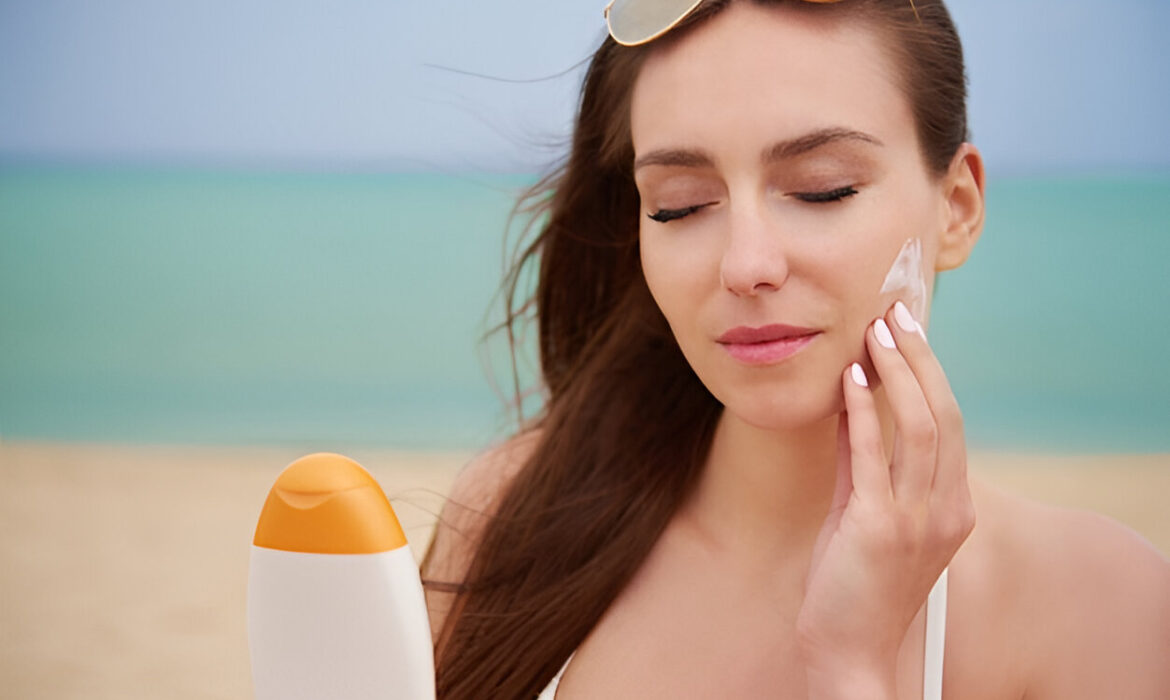
Follow the best summer skin care routine for all skin types to stay glowing, fresh, and protected all season long.
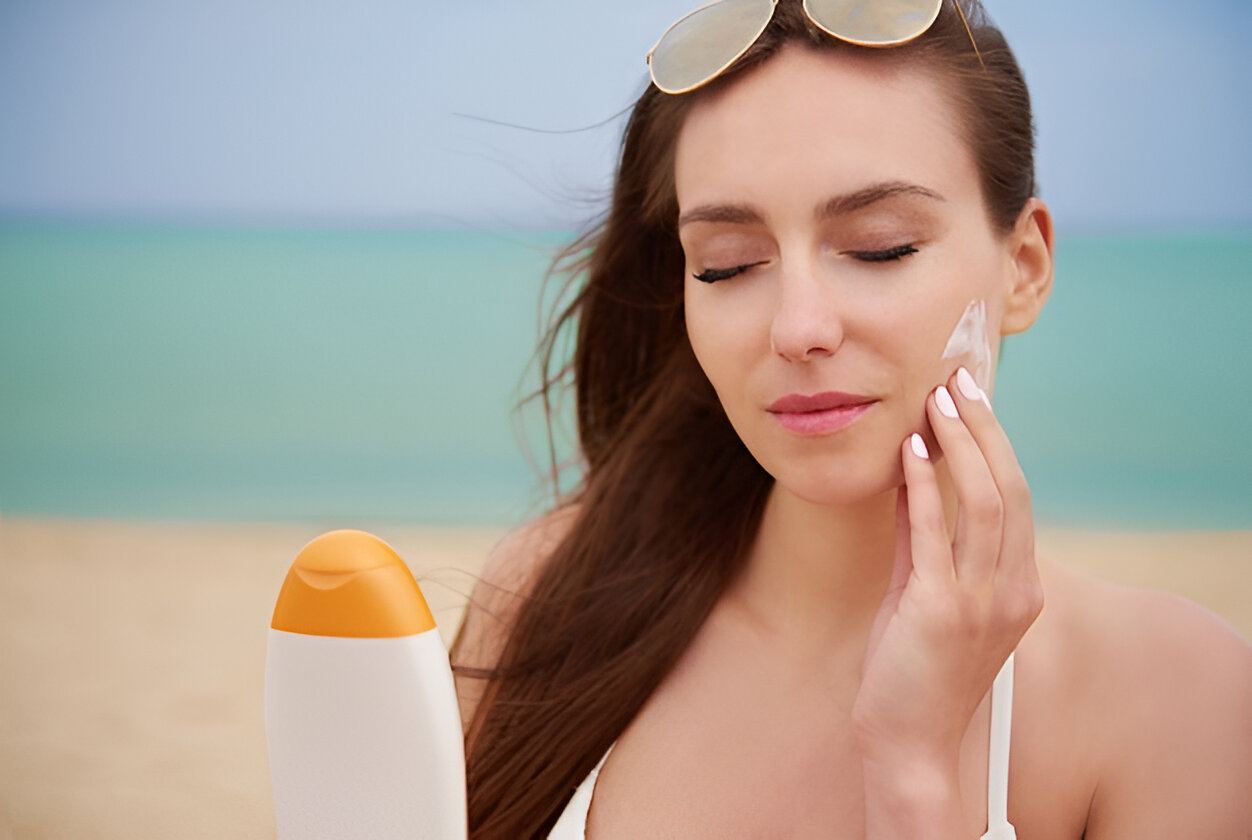
Summer is the season of sunshine, beach trips and vibrant energy – but it can also be harsh on your skin. With an increase in contact with UV rays, heat, sweat and pollution, your skin needs additional attention during these warm months. Whether you have oily, dry, sensitive, or combination skin, a tailored skin care routine for summer can help you maintain a healthy, glowing skin.
In this blog, we break the routine of the right summer skin care routine for all types of skin, packed with dermatologist-approved tips to defeat heat and prevent breakouts, pigmentation and dullness.
The intense heat and humidity in summer can lead to:
1. Excess sebum (oil) production
2. Clogged pores and acne
3. Sunburn and tanning
4. Dehydration and dullness
5. Uneven skin tone and pigmentation
Adopting the right summer skin care routine helps protect your skin barrier, keeps you hydrated, and boosts your natural glow while preventing long-term sun damage.
Oily skin can be greasier in summer, causing frequent breakouts. Here is how to manage it:
1. Use a sulfate-free, oil-control cleanser twice a soft foaming cleanser day.
2. Choose oil free moisturizer-pelted, gel-based moisturizer, Ingredients such as hyaluronic acid and niacinamide.
3. non-comedogenic sunscreen: Use a matte-finish SPF 50 sunscreen to prevent oil build-up and tanning.
4. Blotting papers and clay masks – Use once a week to absorb excess oil and detoxify pores.
Pro Tip: Avoid over-washing your face. It can trigger more oil production!
Dry skin gets dehydrated even faster in summer. Stay supple with this regimen:
1. Cream-Based Cleanser – Avoid foaming cleansers that strip your skin of natural oils.
2. Hydrating Toner – Look for rose water or glycerin-based toners to prep your skin.
3. Deep Moisturizer – Choose moisturizers with ceramides, shea butter, or squalene.
4. SPF with Moisturizing Base – Go for sunscreen that doubles as a moisturizer.
Pro Tip: Use a humidifier at night to keep your skin moist while you sleep.
Sensitive skin requires a gentle, minimalistic approach during summer:
1. Fragrance-Free Cleanser – Use hypoallergenic products that won’t trigger irritation.
2. Aloe Vera Gel or Thermal Water Spray – Instantly soothes inflammation or redness.
3. Minimal Ingredients Moisturizer – Avoid alcohol and synthetic additives.
4. Mineral Sunscreen (Zinc Oxide) – Offers broad-spectrum UV protection without irritation.
Pro Tip: Always do a patch test before trying any new product.
Combination skin can be tricky—oily in the T-zone and dry elsewhere. Here’s how to balance it:
1. Balancing Cleanser – Use a gentle foaming cleanser to target oily areas.
2. Dual Moisturizers – Apply gel-based moisturizers to the T-zone and creamier ones to dry areas.
4. Lightweight Sunscreen – Choose a water-based, non-greasy SPF 30+.
5. Weekly Exfoliation – Use a mild AHA or BHA exfoliant to unclog pores and even out texture.
Pro Tip: Multimasking (using different masks on different areas) works wonders.
1. Drink at least 2.5–3 liters of water daily
2. Eat seasonal fruits like watermelon, berries, and cucumber
3. Avoid heavy makeup—opt for a tinted sunscreen or BB cream
4. Don’t forget your lips and under-eye area—use SPF lip balm and hydrating eye cream
5. Reapply sunscreen every 2–3 hours if you’re outdoors
If you are struggling with acne, sunspot, or pigmentation, do not ignore it. At Dr. Hanan Dermatology Specialty and Trichology Clinic, our experts provide personal summer skin care treatment:
1. Hydrafacials for hydration and deep cleansing
2. Chemical peels to remove tan and dead skin cells
3. Laser treatments for pigmentation and dullness
4. Custom summer skin care plans for all skin types
A proper skin care routine for summer is the best protection of your skin against heat, pollution and sun. By following the above tips based on your skin type and making healthy lifestyle changes, you can keep your skin fresh, bright and problem-free in summer.
For personal advice and advanced treatments. Book a consultation at Dr. Hanan Dermatology Specialty and Trichology Clinic, your reliable destination for all-season skin care.
Discover how to hydrate skin effectively with proven tips, expert ingredients, and daily habits for lasting moisture and glowing skin.
Skin hydration is more than just a discussion – It’s an important skincare routine. If your skin often feels dry, tight, flaky or dull, you can deal with dehydration. Whether you have dry, oily, or combination skin, learning to effectively hydrate the skin, can help restore its brightness, improve elasticity, and prevent signs of aging.
In this guide, we dive into practical, science -backed tips to deeply hydrate your skin and maintain moisture from both inside and outside.
Many people confuse hydration and moisturization, but they serve various purposes. Hydration is to increase your skin water content, while moisturization helps in that hydration seal.
If your skin feels rough, dull, or tight, it is possibly dehydrated. On the other hand, if it sounds dry and flaky, you may need more moisture.
Your skincare routine starts with cleanliness. But using hard, sulfate-rich face washes can remove the natural oils of your skin. Choose a soft, hydrating cleanser that does not disrupt the moisture balance of your skin.
Want to do your skincare better? Apply it while your skin is still slightly moist. When you apply hydrating serum and moisturizer after washing your face, your skin absorbs active ingredients more effectively.
This method also reduces Transepidermal water loss (TWEL), which helps your skin to maintain moisture.
Hydrating serum contains humectants, materials that draw water in the skin. The most effective ones include:
Pro tip: Pair hyaluronic acid with a good moisturizer to lock in the hydration it attracts.
After hydrating, seal it in with a rich but non-comedogenic moisturizer. Choose products based on your skin type:
Dry skin: Ceramides, shea butter, squalane
Oily skin: Gel-based moisturizers with aloe or panthenol
Sensitive skin: Fragrance-free creams with oat extract or niacinamide
Applying moisturizer twice a day strengthens your skin’s lipid barrier and prevents water loss.
Yes, drinking water is important. But only drinking water is not enough to instantly hydrate your skin unless your entire body is hydrated. Intake water with water rich fruits and vegetables like:
Also, avoid dehydrating drinks like alcohol and caffeinated beverages if your skin feels tight or flaky.
Environmental factors play a major role in skin hydration. Dry indoor air, especially air conditioner and heater, can calm your skin moisture. Running a humidifier at night replenishes the moisture in the air, which helps your skin to stay hydrated while sleeping.
Night time occurs when your skin goes into repair mode. A consistent evening routine supports deep hydration:
You can also use occlusive agents like petroleum jelly (slugging) at night to trap hydration and reduce water loss.
Exfoliation is essential for skin renewal, but overdoing. It can damage your skin barrier, leading to lack of moisture. Limit exfoliating 1-2 times a week using light AHA or BHA.
Avoid ingredients causing excessive dryness:
The sun exposure dehydrates the skin and weakens its ability to maintain moisture. Always use a broad-spectrum sunscreen with SPF 30 or higher. See for double sunscreen moisturizing in the form of skincare.
If your skin is extremely dehydrated or you’re not seeing improvement from your skincare routine, professional dermatological treatments may help:
Book a consultation with Dr. Hanan Dermatology Speciality Clinic to explore personalized hydration treatments tailored to your skin type.
Understanding how to hydrate skin is about building a daily habit — not just applying a product when your skin feels dry. Hydration works best when combined: internal nourishment, topical hydration, and environmental care.
Keep your routine simple, stay consistent, and protect your skin’s barrier. With time, you’ll notice smoother, brighter, and more resilient skin.
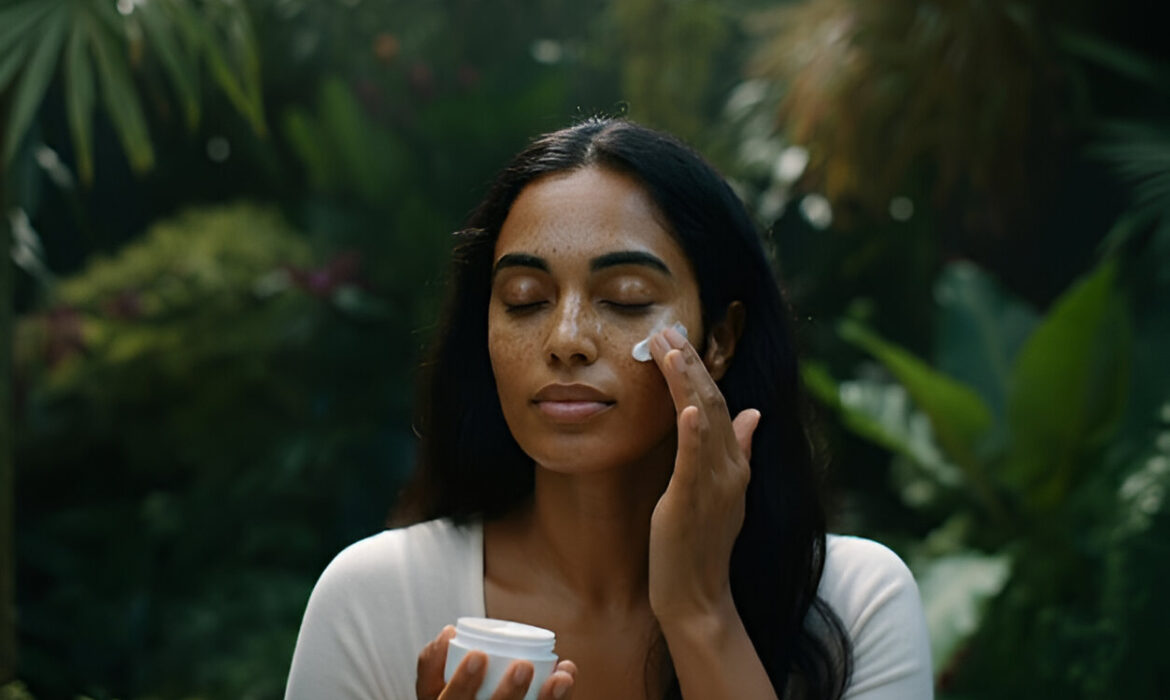
Protect your skin this rainy season with dermatologist-approved monsoon skincare tips. Learn how to prevent breakouts, dryness & infections.
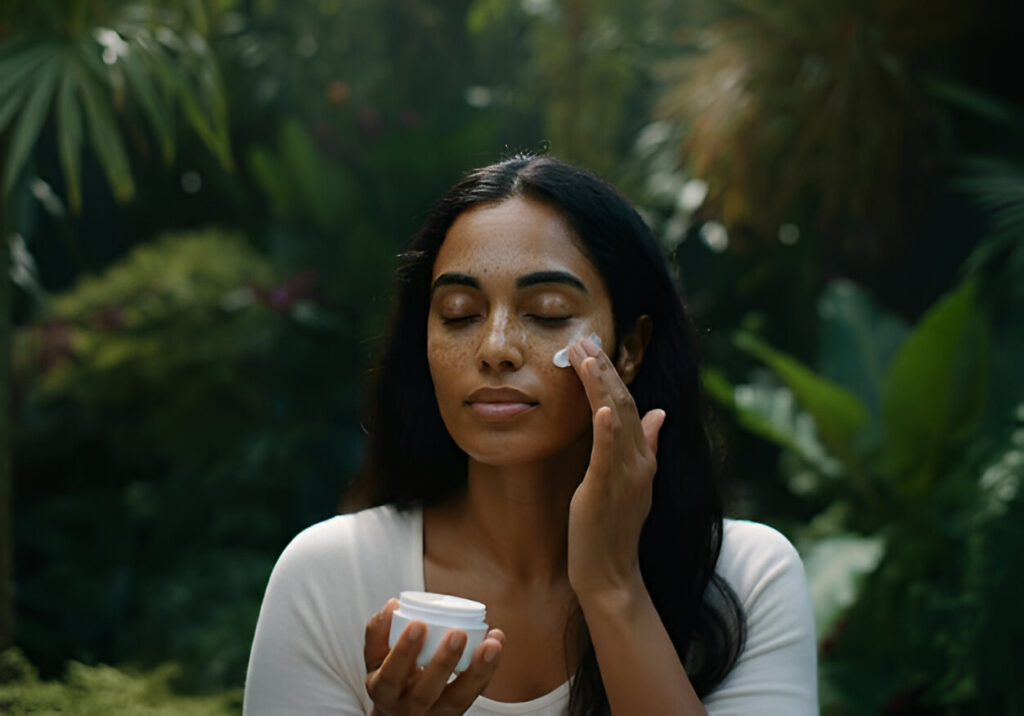
The monsoon season brings welcome relief from scorching heat – but a new set of skin concerns with cool showers. A range of skin issues such as increased humidity, ups and downs, and a series of skin issues such as breakouts, fungal infections, excessive oils, or unexpected dryness in a moist environment can be triggered. It is necessary to update your skincare routine during this season. In this blog, we will explore monsoon skincare tips approved by a dermatologist to keep your skin healthy, glow and balanced in all seasons.
During the monsoon, the skin is exposed to a humid environment that can disrupt its natural barrier. Excess moisture in the air increases oil secretion in some skin types and increases the clog pores, causing acne or fungal infections. For others, sudden temperature shifts and indoor air conditioning can remove moisture, causing dry, flaky skin. The skin also attracts more dirt, sweat and pollutants during this season.
To maintain the glow and health of your skin, it is important to follow a skincare routine customized to monsoon-specific challenges.
Humidity and pollution can prevent your pores during the monsoon season. Switch to a gentle, pH-balanced cleanser that removes sweat, dirt and excess oil without snatching the required moisture skin. For oily or acne-prone skin, gel-based cleanser work well with salicylic acid or tea tree oil. If your skin is towards drying, choose a mild foaming or creamy cleanser.
Toner is your best friend during monsoon, especially if you have oily or combination skin. Use alcohol-free toner with natural astringents such as witch hazel, rose water, or green tea. Toning helps in reducing increased pores, controlling sebum production and preventing bacteria growth.
Just because it is not humid, it means that you can leave moisturizing. The skin still needs hydration to stay balanced. Choose a light, non-comedogenic moisturizer that hydrates your skin without being greasy. See for materials such as hyaluronic acid, aloe vera, or glycerin.
Even if it is cloudy outside, UV rays can enter and damage your skin. Use a broad spectrum sunscreen with at least SPF 30 daily. Opt to water-resistant, gel-based, or matte-finish sunscreen to avoid that sticky spirit.
One of the most common concerns is whether laser treatment for scars is painful. While some discomfort can be experienced – often described as a flash sensation – it is generally well tolerated. Topical numbing creams are applied before the process.
Dead skin cells and additional sebum can be build-up rapidly during the monsoon. Gentle exfoliation helps unclog the pores once or twice a week and improves the texture of the skin. Use light scrub or chemical exfoliants such as lactic acid or fruit enzyme-based peel. Avoid over-examination as it can disturb the skin.
Healthy skin starts from within. Drink plenty of water throughout the day to maintain hydration. Include antioxidant -rich foods such as fruits, leafy greens, nuts and seeds. Avoid fried, sugar foods that can spoil acne or cause inflammation.
If you wear makeup during the monsoon, go for light, breathable formulas such as BB Creams or Matte Foundation. Avoid heavy, oil-based products that can melt and close the pores. Always remove makeup completely before bedtime and clean your brush and sponge regularly to avoid bacterial buildup.
High humidity can trigger fungal infections, especially around the neck, back, underarms, and feet. Keep these areas dry and clean. Use antifungal powders if you’re prone to infections, and avoid sharing towels or razors.
Your skin comes in contact with these items daily. During monsoon season, change them more frequently to avoid the accumulation of bacteria, oil, and sweat that could lead to breakouts or rashes.
If you notice recurring acne, eczema, or fungal infections during the monsoon season, it’s best to consult a dermatologist. At Dr. Hanan Dermatology Speciality and Trichology Clinic in Chennai, we provide personalized skincare guidance and treatments tailored for seasonal skin concerns.
Monsoon skin care is all about balancing oil, moisture, and cleanliness. With the right daily routine and a few simple lifestyle habits, you can keep your skin clear, fresh, and glowing even in the most unpredictable weather. The key is consistency and listening to your skin’s changing needs.
Stay radiant this monsoon-rain or shine!

Learn the truth behind common skincare myths with expert tips for healthy, glowing skin from dermatologists.
When it comes to skincare, misinformation is everywhere. From social media trends to age-old advice passed down through generations, it’s easy to fall for skincare tips that sound helpful but can actually do more harm than good. As dermatologists at Dr. Hanan Dermatology Speciality and Trichology Clinic, we frequently correct these misconceptions during our consultations.
In this blog, we’ll expose the most common skincare myths you’ve likely heard—and explain the real science behind them.
Many believe that moisturizing oily skin will make it oil. Truth? Lagging moisturizer can actually increase oil production as skin tries to compensate for a lack of hydration. The key is to use a mild, non-comedogenic moisturizer that hydrates without pores. Moisturizers help maintain the natural obstruction of the skin, reduce inflammation and protect against environmental damage. Even oily skin requires balance – and it comes from proper hydration.
UV rays can penetrate clouds and glass, which means that you are exposed even on overcast days or when sitting near window. Daily use of a broad-spectrum sunscreen with SPF 30 or higher is required-induce or out. Regular use of sunscreen helps premature aging, pigmentation and even skin cancer. This should be the final stage in your morning routine – even if you are staying at home or it is raining outside.
It’s natural that doesn’t mean it’s safe. Lemon juice, toothpaste, or baking soda can be natural, but can damage the skin obstruction, cause irritation, or spoil pigmentation. Many DIY remedies are highly acidic or abrasive, which disrupt the pH of your skin. Professional skincare products undergo clinical testing to ensure safety and effectiveness, while DIY treatments often lack any scientific support. Always consult a dermatologist before trying home remedies.
Over-scrubbing can irritate your skin and worsen breakouts. While exfoliation helps remove dead skin cells, harsh physical scrubs can cause microtears. These tears can lead to inflammation, bacterial entry, and worsening acne. Instead, use gentle exfoliants like AHAs or BHAs 1–2 times a week, which penetrate pores and clean them from within without damaging the skin’s surface.
Acne can affect people at any age – especially due to hormonal changes, stress or skincare products. Adult acne is very common, especially in women during its 20, 30s and even 40s. Factors such as PCOS, pregnancy and work tension can trigger breakouts. Adult acne is also more inflammatory and resistant to treatment, which is why professional guidance is necessary.
The price doesn’t always reflect effectiveness. Many affordable skincare brands have clinically proven ingredients such as niacinamide, salicylic acid and retinol that provide results. Some expensive products may have fragrance or filler materials that provide very little benefits. What exactly means to understand your skin’s needs and choose products with scientifically supported active ingredients
While staying hydrated is important for overall health, drinking water alone won’t fix dry skin. Topical moisturizers with ingredients like glycerin, ceramides, or hyaluronic acid are required to trap moisture in the skin barrier. Skin hydration is a combination of internal and external care—what you drink helps, but it won’t replace what you apply topically.
Skincare is a process, not magic. Most active ingredients take 4–8 weeks or more to show visible changes. Expecting overnight results can lead to product-hopping or overuse, which harms the skin. Consistency, patience, and the right ingredients for your skin type are the foundation of effective skincare.
Even overnight, your skin accumulates oil, sweat, and bacteria. Gently cleansing your face in the morning helps start your skincare routine with a clean base and improves the effectiveness of your morning products. It also preps your skin to better absorb ingredients from serums and moisturizers applied afterward.
Makeup itself doesn’t necessarily cause acne—improper removal or using comedogenic products can. Look for labels like “non-comedogenic,” “oil-free,” or “dermatologist-tested.” Always cleanse your face thoroughly at night, and avoid sleeping with makeup on. Regularly cleaning your brushes and sponges also reduces the chance of bacterial transfer.
Your skin is unique. What works for one person may not work for another. Instead of relying on viral trends or outdated advice, speak to a qualified dermatologist. At Dr. Hanan Dermatology Speciality and Trichology Clinic in Chennai, we provide evidence-based treatments and personalized skincare plans for your needs.
Break free from skincare myths—and give your skin the care it actually needs.
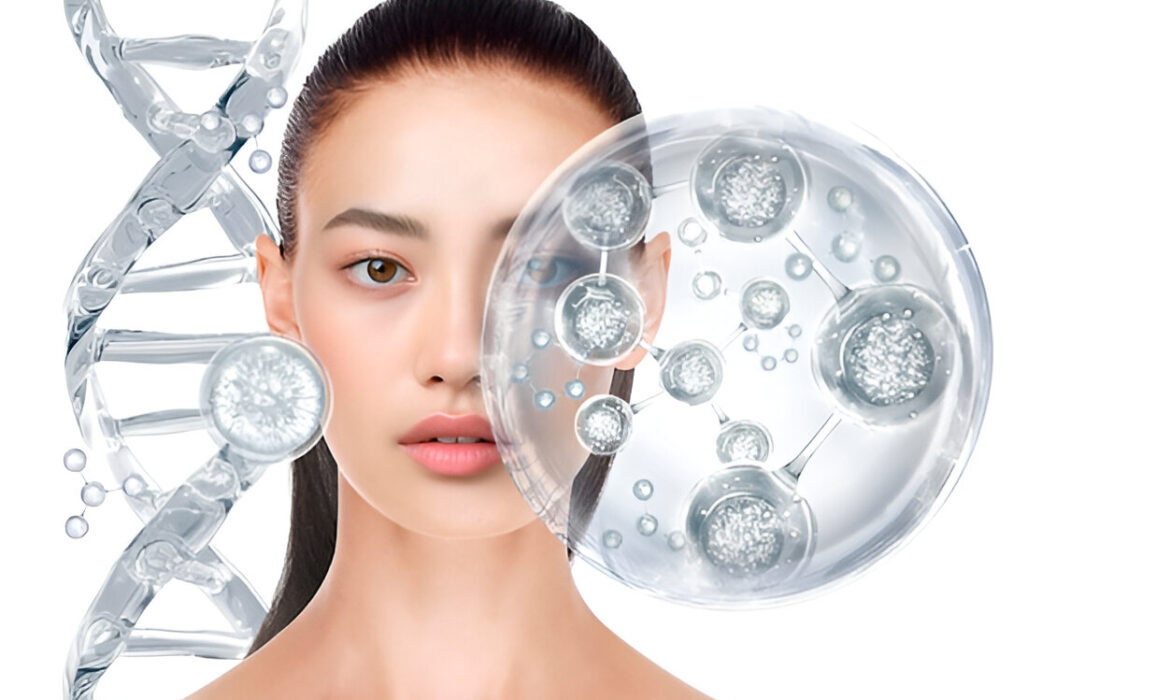
From glowing skin to liver detox, explore the real benefits of glutathione-clinically backed treatments now available at Dr. Hanan Clinic, Chennai.

Glutathione is often referred to as the “master antioxidant” for its powerful ability to protect cells from oxidative stress, detoxify the body, and support immune function. In the world of skincare and wellness, glutathione is gaining immense popularity for its skin-brightening effects and overall health benefits. But how effective is it really? Is it safe to take every day? And how do you know if it’s working?
In this blog, guided by EEAT (Experience, Expertise, Authority, and Trust), we break down the science-backed benefits of glutathione, answer commonly asked questions, and help you decide whether it’s the right supplement for your health or skin goals.
Glutathione is a naturally occurring antioxidant produced by the liver and found in every cell in the human body. Supplementing glutathione—either orally, intravenously, or via topical or sublingual forms—can offer a wide range of benefits:
At Dr. Hanan Dermatology Speciality and Trichology Clinic in Chennai, we’ve seen patients benefit from customized glutathione protocols—especially those dealing with pigmentation, dull skin, and fatigue.
Taking glutathione daily can support ongoing detoxification and antioxidant protection. Most oral or IV glutathione protocols are safe when used in recommended doses under the guidance of a medical professional. Here’s what regular supplementation may lead to:
However, high doses or unregulated use of glutathione supplements may affect natural production or interact with certain medications. This is why it’s essential to consult a qualified dermatologist or physician.
Results from glutathione depend on the individual’s skin type, dosage, form (IV, oral, or topical), and lifestyle. Most patients begin noticing subtle but consistent improvements within 3 to 6 weeks. Signs that it’s working include:
To ensure that glutathione is working effectively, you must maintain proper hydration, follow a healthy diet, and avoid habits like smoking and alcohol that counteract its benefits. Follow-up skin assessments and blood work can also track internal progress.
Yes, glutathione plays an important role in achieving clearer, brighter skin. Its antioxidant properties reduce oxidative stress that leads to acne and inflammation. Additionally, by lowering melanin production, it supports a more even, spotless complexion.
At our clinic, we often recommend glutathione as part of a combination treatment plan that may include vitamin C, niacinamide, and sunscreen. This synergy enhances its absorption and boosts its skin-clearing potential.
It’s important to set realistic expectations. Glutathione works gradually, and results may vary. It’s more effective when combined with clinical treatments like chemical peels, laser therapy, and dermatologist-prescribed skincare routines.
If you’re looking to improve your skin tone, energy levels, or detoxification, glutathione may be worth considering. When used under medical guidance, it’s a powerful supplement with wide-ranging health and cosmetic benefits.
At Dr. Hanan Dermatology Speciality and Trichology Clinic in Chennai, we tailor every skin-brightening plan based on individual goals, lifestyle, and clinical history. If you’re curious whether glutathione is right for you, our dermatologists are here to help.

Dr Hanan Dermatology Speciality clinic a Leading Dermatology, Cosmetology Clinic that provides the Best Affordable Treatment for Skin, Hair & Laser.
Our Contacts
Copyright © 2024 Dr Hanan Dermatology Speciality Clinic is Developed and Maintained by Qualpr | Privacy Policy | Terms and Conditions
Dr Hanan Dermatology Speciality Clinic
Typically replies within minutes
Any questions related to Skin, Hair, and Cosmetic or Looking to book an appointment?
WhatsApp Us
🟢 Online | Privacy policy
WhatsApp us