Reveal your natural glow with advanced skin treatments for glowing skin by the best dermatologist in Chennai. Feel confident in your skin.
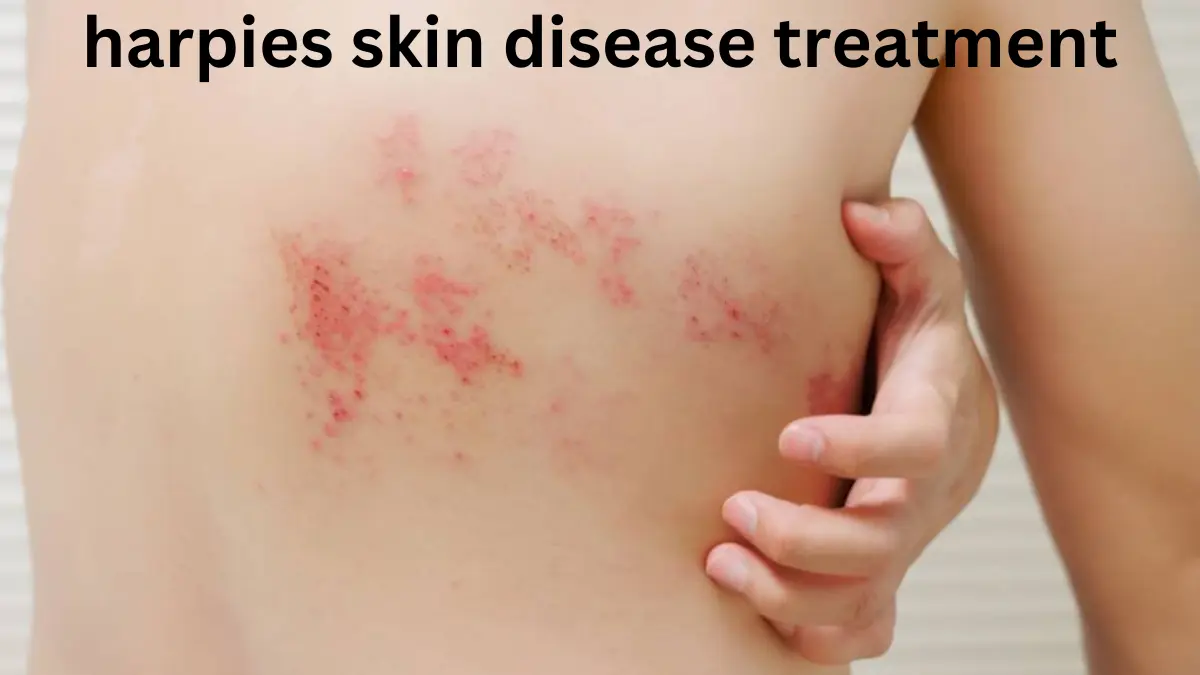
Harpies skin disease, often caused by the herpes simplex virus (HSV) or varicella-zoster virus (VZV), can be a painful and uncomfortable condition. Understanding the right treatment options, both medical and at-home, is crucial for managing this skin ailment effectively. In this guide, we’ll explore the causes, symptoms, treatment methods, and preventive measures for Harpies skin disease to help you take control of the condition and minimize its impact on your life.
Visit Dr. Hanan Dermatology Specialty Clinic in Padur, OMR, Chennai. Schedule your consultation today and start your journey to fuller, healthier hair and Skin.

For more information and to book your appointment, visit our clinic or call us at the clinic’s contact details.
Harpies skin disease is commonly associated with herpes simplex virus (HSV), leading to painful sores or blisters on the skin. In some cases, it can also be caused by the varicella-zoster virus, the same virus responsible for chickenpox. The condition primarily affects the skin and mucous membranes, resulting in outbreaks of blisters that can be both painful and visually distressing.
Recognizing Harpies early is essential for effective treatment and preventing the spread of the virus. The initial signs of Harpies skin disease may include itching, a tingling sensation, and redness around the affected area. These symptoms typically progress to form small, fluid-filled blisters, which eventually rupture and form scabs.
If you notice any of these symptoms, it’s crucial to consult a healthcare provider as soon as possible to receive proper treatment. In severe cases, complications such as bacterial infections or viral spread to other parts of the body may occur, so early intervention is key.
Several medical treatments are available to manage Harpies skin disease, including antiviral medications, pain management strategies, and in some cases, steroid treatments.
While antiviral medications are essential, home remedies and lifestyle changes can also help manage Harpies skin disease and alleviate discomfort.
Harpies outbreaks can recur, but there are several steps you can take to prevent them:
If you experience any of the following, it’s important to seek medical help immediately:
While Harpies skin disease can be uncomfortable, many people successfully manage the condition by combining medical treatment with lifestyle adjustments. Coping with the emotional and physical aspects of the disease is important for maintaining quality of life.
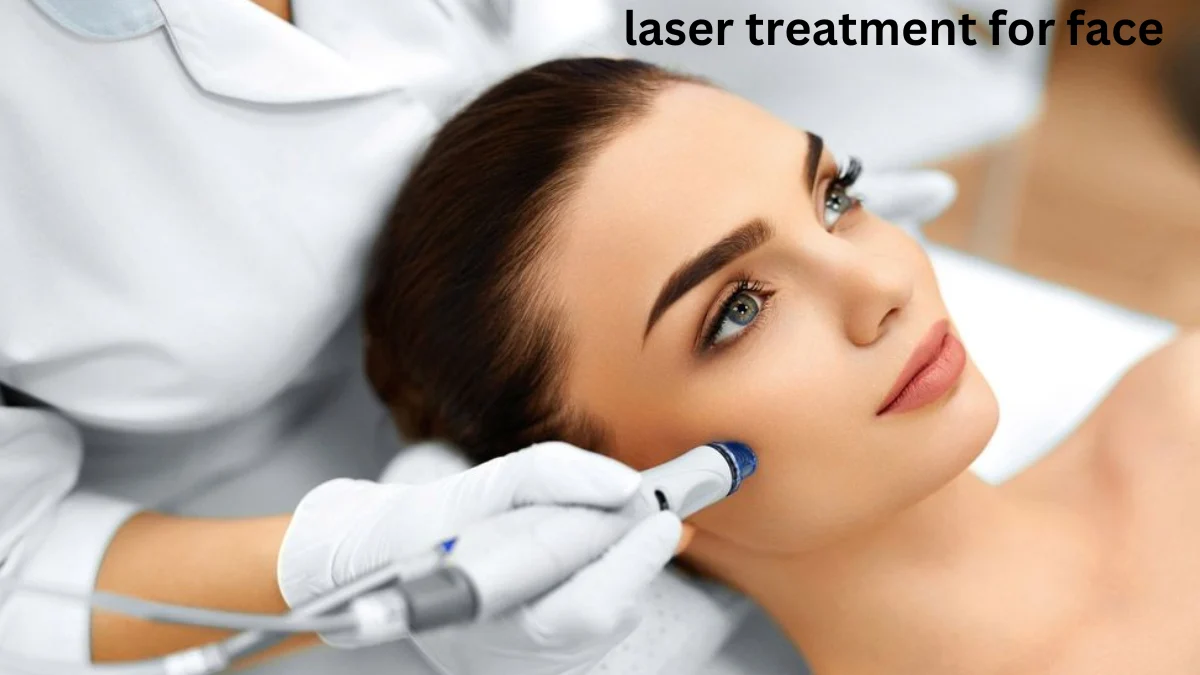
Laser treatments for the face have revolutionized skincare, offering solutions for various skin concerns such as wrinkles, scars, pigmentation, and hair removal. These advanced procedures use laser technology to improve skin health, texture, and tone, making them a popular choice among individuals seeking youthful and radiant skin. But how do these treatments work, and what should you expect? This guide covers everything you need to know about laser treatment for the face.
Visit Dr. Hanan Dermatology Specialty Clinic in Padur, OMR, Chennai. Schedule your consultation today and start your journey to fuller, healthier hair.
For more information and to book your appointment, visit our clinic or call us at the clinic’s contact details.
Laser treatments are designed to target specific skin concerns. The most common types include:
This procedure removes damaged skin layers, stimulates collagen production, and helps improve wrinkles, acne scars, and sun damage. It is an effective solution for achieving smoother and younger-looking skin.
For those struggling with unwanted facial hair, laser hair removal offers a long-term solution. It works by targeting hair follicles, reducing hair growth over multiple sessions.
Lasers can effectively treat hyperpigmentation, dark spots, melasma, and acne scars. They break down excess pigment in the skin, leading to a more even complexion.
Laser therapy can tighten the skin, reducing the appearance of fine lines and wrinkles by boosting collagen production and skin elasticity.
Laser treatments use focused light energy to penetrate the skin and stimulate natural healing. Here’s how they work:
Laser treatments offer several benefits, including:
While laser treatments are generally safe, some risks include:
Choosing a qualified dermatologist or certified laser specialist is crucial for safe and effective results. Some recommended clinics include:
Laser treatments for the face provide effective solutions for various skin concerns, from wrinkles to pigmentation and hair removal. With advancements in technology, these treatments are safer and more accessible than ever. However, consulting a professional is essential to determine the best laser treatment for your skin type and concerns. For long-lasting results, follow post-treatment care guidelines and maintain a good skincare routine.
Yes, when performed by a certified professional, laser treatments are generally safe. However, minor side effects like redness and swelling may occur.
The number of sessions depends on the skin concern. Typically, 3-6 sessions are required for optimal results.
Some discomfort may be felt, but numbing creams are used to minimize pain. Most patients describe the sensation as a mild stinging.
Yes, but different lasers work better for certain skin types. Consulting a dermatologist will help determine the best option for your skin.
Recovery time varies based on the treatment. Non-ablative lasers have minimal downtime, while ablative lasers may require 1-2 weeks of healing.
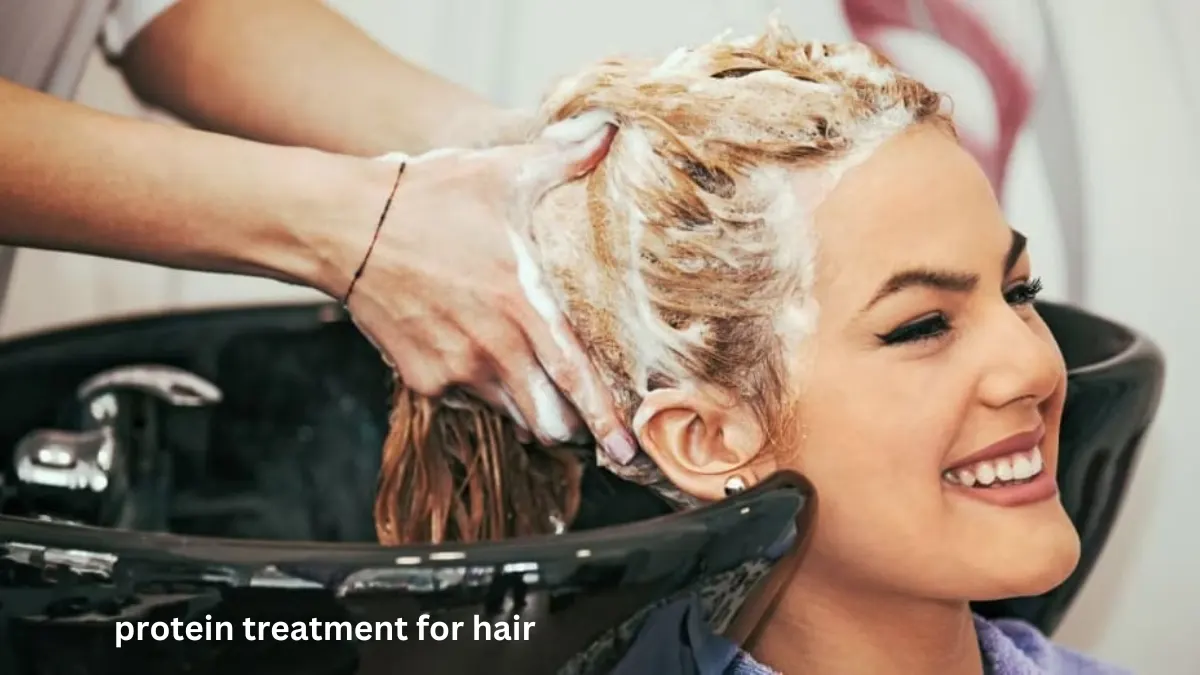
Protein Treatment for Hair: Healthy, shiny, and strong hair is a dream for many, but exposure to heat styling, pollution, chemical treatments, and improper hair care can weaken hair strands. This leads to breakage, frizz, and dryness. Protein treatments for hair help restore and strengthen hair by replenishing lost proteins and nutrients. In this guide, we’ll explore everything about protein treatments, their benefits, and how to choose the best one for your hair type.
Visit Dr. Hanan Dermatology Specialty Clinic in Padur, OMR, Chennai. Schedule your consultation today and start your journey to fuller, healthier hair.
For more information and to book your appointment, visit our clinic or call us at the clinic’s contact details.
Protein treatments are hair care solutions formulated with essential proteins like keratin and collagen to repair damaged hair, strengthen the strands, and protect against future damage. These treatments work by penetrating the hair shaft, filling in gaps, and reinforcing the structure of weakened hair fibers.
Using a protein treatment regularly can significantly improve the health and appearance of your hair. The key benefits include:
There are different types of protein treatments to cater to various hair needs.
Choosing the right protein treatment depends on your hair type and level of damage:
Excessive protein treatments can lead to stiff, brittle hair. It’s essential to balance protein with moisture to maintain hair health.
Here are the top 5 protein treatments highly recommended by hair experts:
Yes, overuse can cause protein overload, making hair stiff and brittle. Balance with moisture treatments.
Depending on hair damage, use once a week for severe damage or once a month for maintenance.
Keratin treatments smooth and straighten hair, while protein treatments strengthen and repair hair structure.
Yes, but choose one specifically designed for color-treated hair to prevent fading.

White Patches on Skin Treatment: White patches on the skin can be a cause of concern for many individuals. These patches may appear due to various medical conditions and can impact self-confidence. While some cases are temporary, others may require long-term treatment. Early diagnosis and proper treatment are crucial for managing and restoring skin pigmentation. In this article, we will discuss the causes, medical treatments, home remedies, and preventive measures for white patches on the skin.
Visit Dr. Hanan Dermatology Specialty Clinic in Padur, OMR, Chennai. Schedule your consultation today and start your journey to fuller, healthier hair.
For more information and to book your appointment, visit our clinic or call us at the clinic’s contact details.
White patches can result from different conditions, including:
Vitiligo is an autoimmune condition where the body’s immune system attacks melanocytes, the cells responsible for producing skin pigment. This leads to the loss of skin color in patches.
A common skin condition in children, pityriasis alba causes dry, scaly white patches on the face and arms. It is usually associated with eczema and resolves over time.
A yeast infection on the skin can cause small, discolored patches that may appear white, pink, or brown. These patches often become more noticeable in humid climates.
A lack of essential nutrients, such as Vitamin B12, Vitamin D, copper, and iron, can lead to hypopigmentation.
Post-inflammatory hypopigmentation can occur after skin injuries, burns, or chemical exposure, causing temporary or permanent white patches.
Certain conditions like psoriasis, eczema, and leprosy can also cause white patches as a symptom.
If you notice persistent white patches on your skin, consult a dermatologist. Diagnosis may involve:
For widespread vitiligo, depigmenting the remaining skin to achieve an even tone may be an option.
Chemical peels can exfoliate the top layers of skin and stimulate new pigment production.
Consuming foods rich in vitamins and minerals, such as leafy greens, nuts, and dairy, can support skin health.
Using sunscreen with SPF 30 or higher helps protect depigmented skin from sun damage and prevents further discoloration.
White patches on the skin can be caused by various conditions, from autoimmune disorders to fungal infections. While medical treatments, topical applications, and light therapy can restore pigmentation, natural remedies and preventive care also play a role in managing these patches. If you notice persistent white patches, consulting a dermatologist for a proper diagnosis and treatment plan is essential. With the right approach, skin pigmentation can often be restored, helping you regain confidence in your skin’s appearance.
Everyone desires healthy, glowing skin, but achieving it requires more than just applying skincare products. A combination of a proper skincare routine, hydration, a healthy diet, and self-care practices can transform your skin. This 7 Days Glowing Skin Challenge is designed to enhance your natural glow with simple yet effective steps. Follow this plan to achieve clear, radiant skin in just one week.
Visit Dr. Hanan Dermatology Specialty Clinic in Padur, OMR, Chennai. Schedule your consultation today and start your journey to fuller, healthier hair.
For more information and to book your appointment, visit our clinic or call us at the clinic’s contact details.
Our skin reflects our internal health and external care. Factors like pollution, stress, poor diet, and lack of hydration can dull our complexion. A structured skincare routine ensures:
By following this challenge, you’ll learn how to nurture your skin inside and out for long-term results
Your diet plays a crucial role in your skin’s appearance. A healthy skin diet includes:
This 7 Days Glowing Skin Challenge is a simple yet powerful way to achieve naturally radiant skin. By following these daily steps, nourishing your body with the right foods, and staying consistent, you’ll see visible improvements in your skin’s health. Keep up these habits beyond the challenge for long-lasting, beautiful skin.
How to Grow Hair Faster in 1 Week: Many people desire longer, healthier hair, and while hair growth is a natural process, certain habits and remedies can help stimulate it faster. While it’s impossible to grow several inches in just a week, you can enhance hair health and create an environment that promotes faster growth. This guide covers practical steps to improve hair growth naturally.
Visit Dr. Hanan Dermatology Specialty Clinic in Padur, OMR, Chennai. Schedule your consultation today and start your journey to fuller, healthier hair.
For more information and to book your appointment, visit our clinic or call us at the clinic’s contact details.
A scalp massage increases blood circulation, delivering oxygen and nutrients to hair follicles. Using essential oils such as castor oil, coconut oil, or rosemary oil can further stimulate growth.
Overwashing can strip natural oils, while infrequent washing may lead to buildup.
A deep conditioning treatment can strengthen hair and reduce split ends.
Hair is primarily made of keratin, a protein. Eating protein-rich foods supports hair health.
Drinking 8-10 glasses of water daily keeps the scalp hydrated, reducing dryness and breakage.
Onion juice is rich in sulfur, which stimulates collagen production and hair growth.
Aloe vera has enzymes that promote hair growth and reduce dandruff.
Rice water contains amino acids that strengthen hair and improve elasticity.
Stress can trigger hair loss. Engage in stress-relieving activities like yoga, meditation, or exercise.
Adequate sleep is essential for cell regeneration and hair follicle health. Aim for 7-8 hours per night.
Excessive use of heat tools can weaken hair. Opt for heat-free styling methods and always use a heat protectant.
How to Grow Hair Faster in 1 Week and Trimming split ends every 6-8 weeks prevents breakage and keeps hair healthy.
Using a gentle scalp scrub once a week removes dead skin cells and enhances follicle function.
Opt for sulfate-free, paraben-free, and alcohol-free products to maintain hair moisture and prevent damage.
Growing hair faster in one week requires a combination of proper hair care, a nutrient-rich diet, home remedies, and healthy lifestyle choices. While you may not see inches of growth instantly, following these tips will create the best conditions for stronger, healthier hair over time. Be patient, stay consistent, and your hair will thank you!
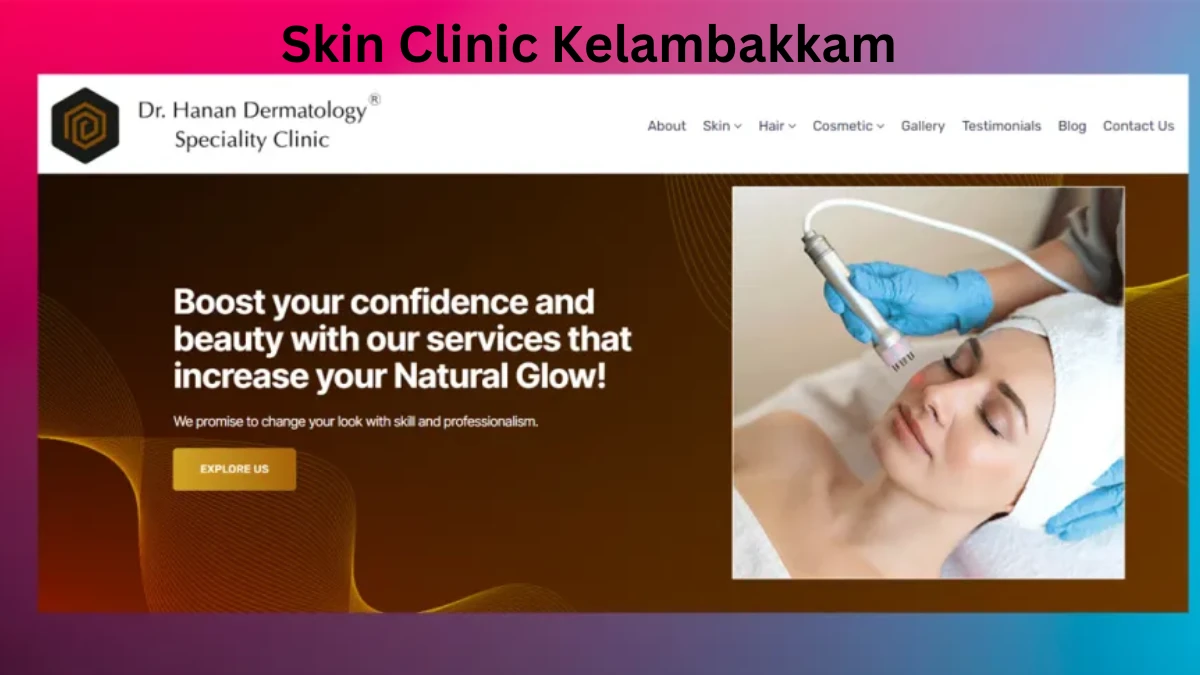
Kelambakkam, located in the heart of Chennai, is home to several top-notch healthcare facilities, including specialized skin clinics. Whether you’re struggling with acne, pigmentation, or hair loss, finding a reliable skin clinic in Kelambakkam is crucial for restoring your skin health. With expert dermatologists, advanced treatments, and a comfortable environment, these clinics provide a one-stop solution for all your skin care needs.
Visit Dr. Hanan Dermatology Specialty Clinic in Padur, OMR, Chennai. Schedule your consultation today and start your journey to fuller, healthier hair.
For more information and to book your appointment, visit our clinic or call us at the clinic’s contact details.
A trusted skin clinic in Kelambakkam offers a wide range of treatments to address various skin and hair concerns. Here are some of the most popular services provided:
Acne can be frustrating at any age. Skin clinics in Kelambakkam offer advanced acne treatments using a combination of medication, laser treatments, and facials tailored to reduce breakouts and minimize scarring.
Say goodbye to fine lines, wrinkles, and sagging skin with anti-aging treatments like Botox, dermal fillers, and skin rejuvenation therapies. These procedures help restore youthful radiance by boosting collagen production and smoothing the skin.
For those struggling with dark spots, melasma, or sun damage, skin clinics in Kelambakkam provide treatments like chemical peels, laser therapy, and topical treatments designed to even out skin tone and restore a glowing complexion.
Whether it’s acne scars or stretch marks, advanced laser therapies and topical treatments available in Kelambakkam clinics help reduce their appearance and improve skin texture.
Many skin clinics in Kelambakkam offer hair loss solutions such as PRP therapy, hair restoration treatments, and medications designed to promote hair regrowth and combat thinning hair.
From rashes to infections, dermatologists in Kelambakkam can accurately diagnose and treat skin infections, allergic reactions, and other dermatological concerns to help you get clear, healthy skin.
Skin clinics in Kelambakkam boast a team of qualified and experienced dermatologists. Their expertise in diagnosing and treating a wide range of skin conditions makes them the go-to professionals for all your skin needs.
These clinics are equipped with the latest dermatological technologies, ensuring that you receive the best and most effective treatments available.
A skin clinic in Kelambakkam will provide a treatment plan tailored to your unique skin type, concerns, and goals, ensuring that you get optimal results.
Many skin clinics in Kelambakkam offer transparent pricing with no hidden charges. Whether you need a consultation, ongoing treatment, or cosmetic procedures, you can expect fair and affordable rates.
Here are some of the top-rated skin clinics in Kelambakkam, Chennai:
These clinics are known for their high-quality services and satisfied patients. Always check the reviews and ratings before booking your consultation to ensure you’re getting the best care possible.
When choosing a skin clinic in Kelambakkam, consider the following factors:
During your first consultation at a skin clinic, the dermatologist will analyze your skin condition and discuss your concerns. Based on this, they will provide a customized treatment plan, explain the procedures, and discuss any potential risks or side effects. You will also have the opportunity to ask any questions about aftercare and expected results.
Complement your clinic treatments with these simple tips for maintaining healthy skin at home:
1. How much does a consultation cost at a skin clinic in Kelambakkam?
2. Are treatments at skin clinics in Kelambakkam safe?
3. How long does it take to see results from skin treatments?
4. Can I walk-in for a consultation or should I make an appointment?
Choosing the right skin clinic in Kelambakkam can significantly impact the health and appearance of your skin. With a wide range of services offered, from acne treatment to hair loss solutions, you can find the perfect treatment plan tailored to your skin’s needs. Don’t wait – book a consultation with a reputable clinic today to take the first step toward healthier, more beautiful skin!
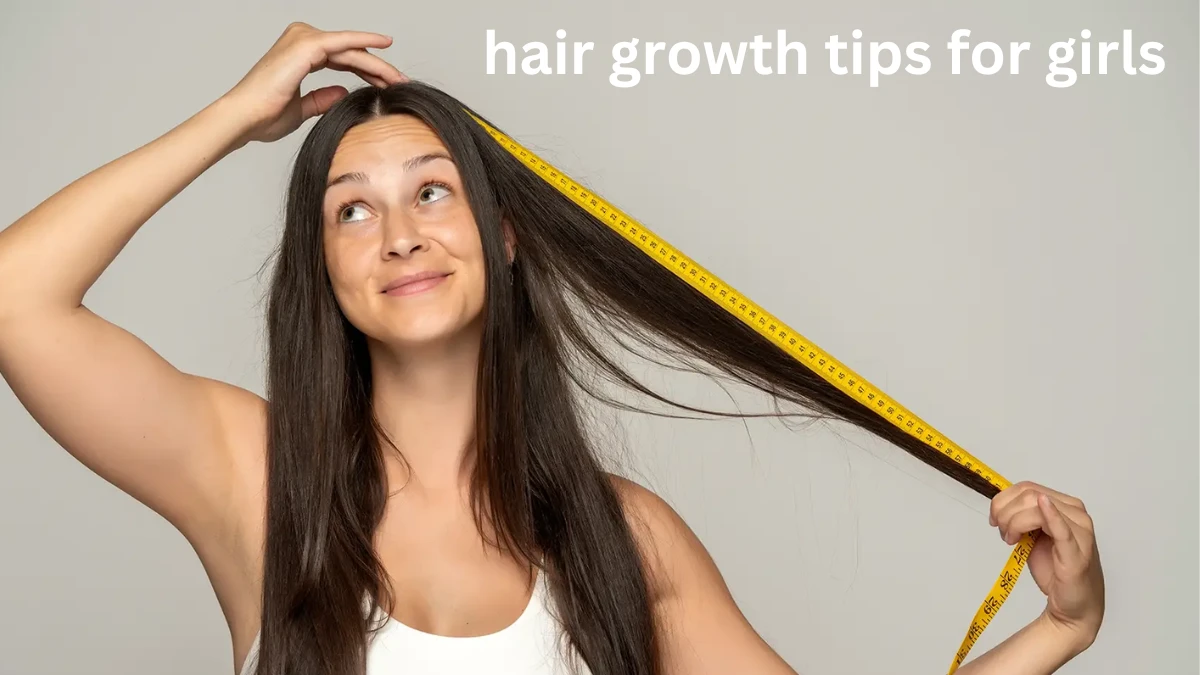
Hair Growth Tips for Girls: Achieving long, healthy hair is a common goal for many girls. However, growing your hair requires more than just waiting for it to grow out. It takes a combination of proper care, nutrition, and patience. Whether you’re dealing with slow growth or damaged hair, these proven tips will help you get the long, luscious locks you’ve always wanted.
Visit Dr. Hanan Dermatology Specialty Clinic in Padur, OMR, Chennai. Schedule your consultation today and start your journey to fuller, healthier hair.

For more information and to book your appointment, visit our clinic or call us at the clinic’s contact details.
The first step to growing long, healthy hair is understanding your hair type. Hair growth can vary depending on whether you have straight, wavy, or curly hair. Identifying your hair type will help you select the best products and treatments that suit your hair’s unique needs.
For example, curly hair tends to be more fragile and prone to dryness, so it may require extra moisture. Straight hair, on the other hand, may benefit from lightweight products that don’t weigh it down. Tailoring your hair care routine to your hair type ensures you nourish and protect your hair correctly.
Healthy hair starts from the inside out. Your diet plays a significant role in the quality and growth rate of your hair. Key nutrients such as biotin, iron, vitamin A, vitamin C, and omega-3 fatty acids are vital for strong, healthy hair. Incorporate foods like salmon, eggs, spinach, sweet potatoes, and avocados into your meals to support hair growth.
Remember, a well-balanced diet isn’t just good for your hair—it improves your overall health, too!
Just like your skin, your hair needs moisture to stay healthy and grow. Dehydration can lead to brittle hair that breaks easily and slows down the growth process. Drinking plenty of water each day ensures your hair remains hydrated, which in turn helps it grow faster and stronger.
Make it a habit to drink at least 8 cups of water a day to support overall health and encourage healthy hair growth.
The way you wash and care for your hair can make a big difference in how it grows. Use sulfate-free shampoos and conditioners that are gentle on your hair and scalp. Washing your hair too often can strip it of essential oils, so try to limit hair washing to 2-3 times per week.
Deep conditioning treatments once a week can restore moisture and nutrients, making your hair softer and less prone to breakage.
A healthy scalp is the foundation for healthy hair growth. Massaging your scalp stimulates blood circulation, promoting hair follicle health and encouraging faster growth. You can enhance your scalp massage by using essential oils such as rosemary, peppermint, or lavender, which are known to stimulate hair follicles and encourage growth.
Massage your scalp for 5-10 minutes a few times a week to boost circulation and improve hair health.
Excessive heat styling, including blow-drying, straightening, and curling, can cause irreversible damage to your hair. If you must use heat tools, always apply a heat protectant spray beforehand.
Chemical treatments, such as hair dyes and perms, can also weaken hair, causing it to become brittle and break. Consider avoiding these treatments or opting for more natural alternatives that won’t strip your hair of essential nutrients.
Your hair can get damaged while you sleep due to friction with your pillowcase. Switching to a silk or satin pillowcase can help reduce hair breakage and prevent split ends. Additionally, tying your hair in a loose braid or ponytail can help minimize tangling and snapping during the night.
It may sound counterintuitive, but regular trims are essential for hair growth. Cutting off split ends prevents hair from breaking, which helps it grow longer and healthier. Aim for a trim every 6-8 weeks to keep your hair looking fresh and healthy.
Chronic stress can wreak havoc on your hair, slowing down growth or causing hair loss. Finding ways to manage stress is crucial for maintaining healthy hair. Practices like yoga, meditation, and regular exercise can help reduce stress and promote overall health.
Make stress management a part of your daily routine to support healthy hair growth.
Many girls turn to supplements to boost their hair growth. Biotin, collagen, and other hair vitamins can support the natural growth process by providing your hair with the nutrients it needs to thrive. However, supplements work best when combined with a healthy diet and proper hair care routine.
Consult with a healthcare professional before starting any supplement to ensure it’s right for you.
DIY hair masks can be a great way to nourish and strengthen your hair. Ingredients like coconut oil, honey, avocado, and yogurt are packed with vitamins and nutrients that promote hair growth. Apply a homemade mask once a week to provide deep conditioning and repair any damage to your hair.
Environmental factors like sun exposure, pollution, and chlorine can damage your hair and hinder growth. Protect your hair by wearing a hat or using UV-protectant hair sprays when spending time outdoors. Additionally, avoid chlorine damage by wearing a swimming cap or rinsing your hair with fresh water before swimming.
Hair growth takes time, and it’s important to remain patient throughout the process. Consistency is key to seeing results, so stick to your hair care routine and give it time. While hair typically grows around half an inch per month, maintaining a healthy lifestyle and following these tips will help you reach your hair goals.
Growing long, healthy hair doesn’t happen overnight, but with the right routine, diet, and care, you’ll see beautiful results. By understanding your hair type, nourishing it with the right nutrients, and protecting it from damage, you can achieve the long, strong hair you’ve always dreamed of. Be patient, stay consistent, and enjoy the hair growth journey!
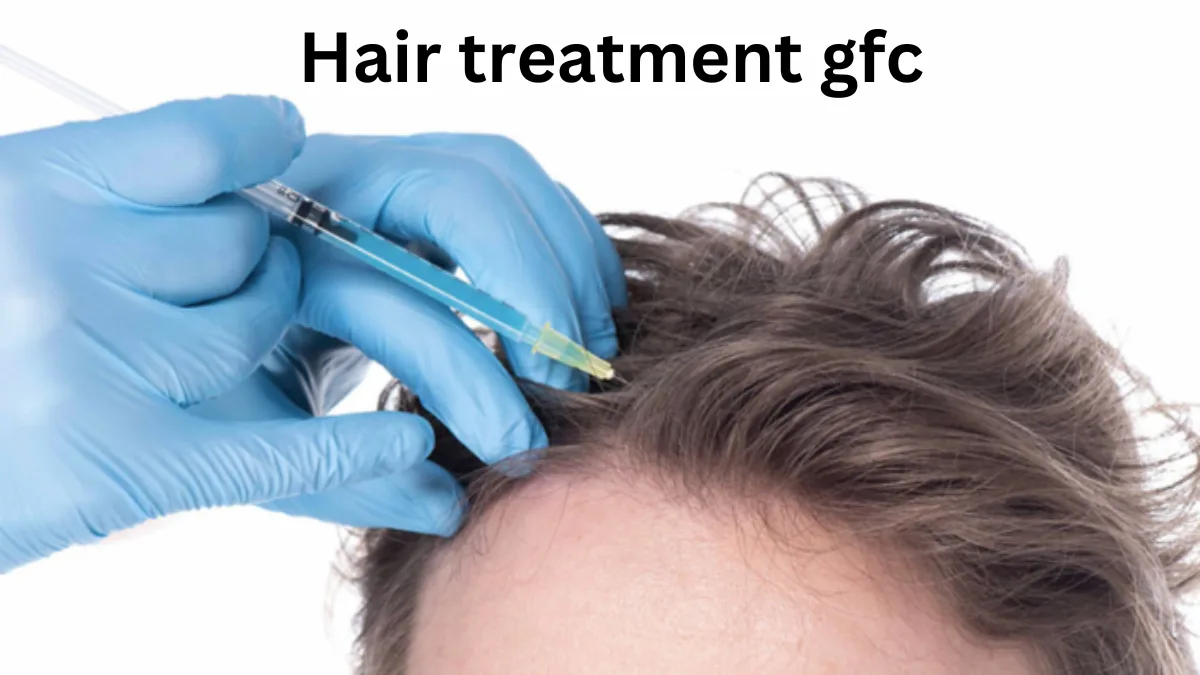
Hair loss is a common concern for both men and women, with countless individuals seeking effective solutions to restore their hair’s fullness and health. Among the most innovative advancements in hair restoration is GFC (Growth Factor Concentrate), a cutting-edge treatment gaining popularity for its ability to stimulate hair regrowth and improve scalp health. In this article, we’ll explore what GFC hair treatment is, how it works, and why it’s a game-changer in the field of hair restoration.
Visit Dr. Hanan Dermatology Specialty Clinic in Padur, OMR, Chennai. Schedule your consultation today and start your journey to fuller, healthier hair.
For more information and to book your appointment, visit our clinic or call us at the clinic’s contact details.

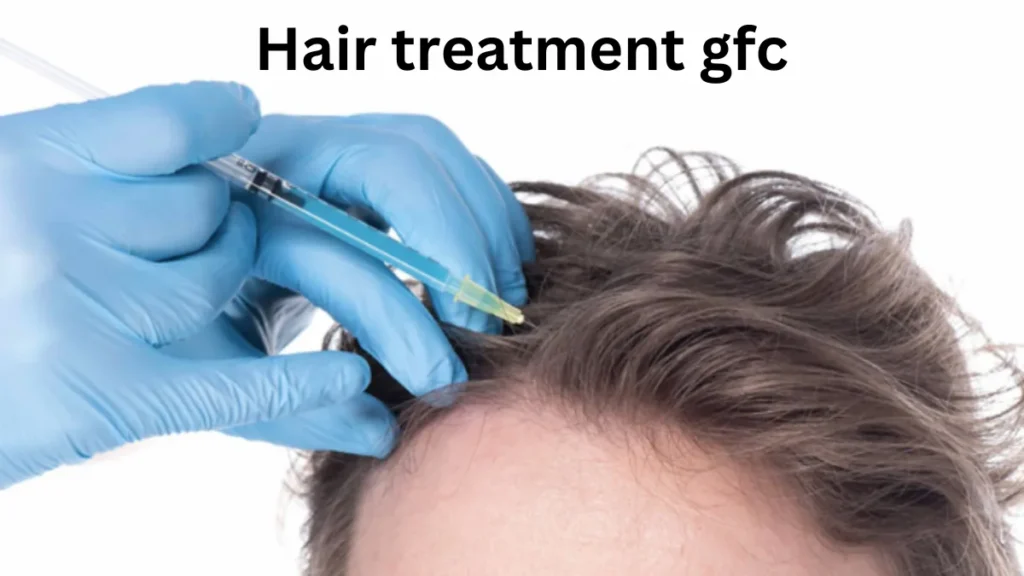
GFC, or Growth Factor Concentrate, is a non-surgical hair restoration treatment that uses growth factors to stimulate hair follicles and encourage hair regrowth. These growth factors are naturally occurring proteins that help promote cell growth, healing, and regeneration. GFC is derived from the patient’s own blood, which is processed to concentrate these growth factors and then injected into the scalp to rejuvenate dormant hair follicles and stimulate the growth of new, healthy hair.
This treatment is a breakthrough in the fight against hair loss, offering a natural and effective alternative to more invasive procedures like hair transplants.
Growth factors play a crucial role in stimulating hair regrowth. These are naturally occurring proteins in the body that promote the healing of tissue and the growth of new cells. In the context of hair restoration, key growth factors such as VEGF (vascular endothelial growth factor) and PDGF (platelet-derived growth factor) are particularly important. They help to regenerate hair follicles, improve blood circulation to the scalp, and promote hair follicle survival.
The process begins with drawing a small sample of the patient’s blood, which is then processed in a centrifuge to isolate the plasma. This plasma, which contains a high concentration of growth factors, is injected into the scalp in targeted areas where hair thinning or hair loss is most prominent. This stimulation of the scalp promotes the regeneration of hair follicles, leading to stronger, thicker hair growth.
GFC offers a range of benefits that make it an appealing choice for those looking to combat hair thinning and hair loss:
GFC hair treatment is suitable for a wide range of individuals, including:
The GFC hair treatment procedure is relatively straightforward and involves the following steps:
After undergoing GFC hair treatment, patients may experience:
When comparing GFC to other popular hair treatments, several key differences become apparent:
GFC hair treatment is generally safe, but as with any medical procedure, there are potential risks:
Many patients have experienced significant improvements in hair regrowth following GFC treatment. Testimonials from individuals who have undergone the procedure often highlight the natural results and improved hair thickness. Before-and-after photos demonstrate how GFC can help restore hair in areas that were once thinning or bald.
GFC hair treatment is an innovative, non-invasive solution for hair loss and thinning. By harnessing the power of growth factors derived from the patient’s own blood, this treatment helps stimulate hair regrowth and improve hair thickness. With minimal downtime and a natural, safe process, GFC is a highly effective alternative to more invasive hair restoration options. If you’re struggling with hair loss and seeking a natural, non-surgical option, GFC might be the treatment you’ve been waiting for.