Expert Tips to Choose the Best Hair Transplant Clinic – 10 Days After Hair Transplant

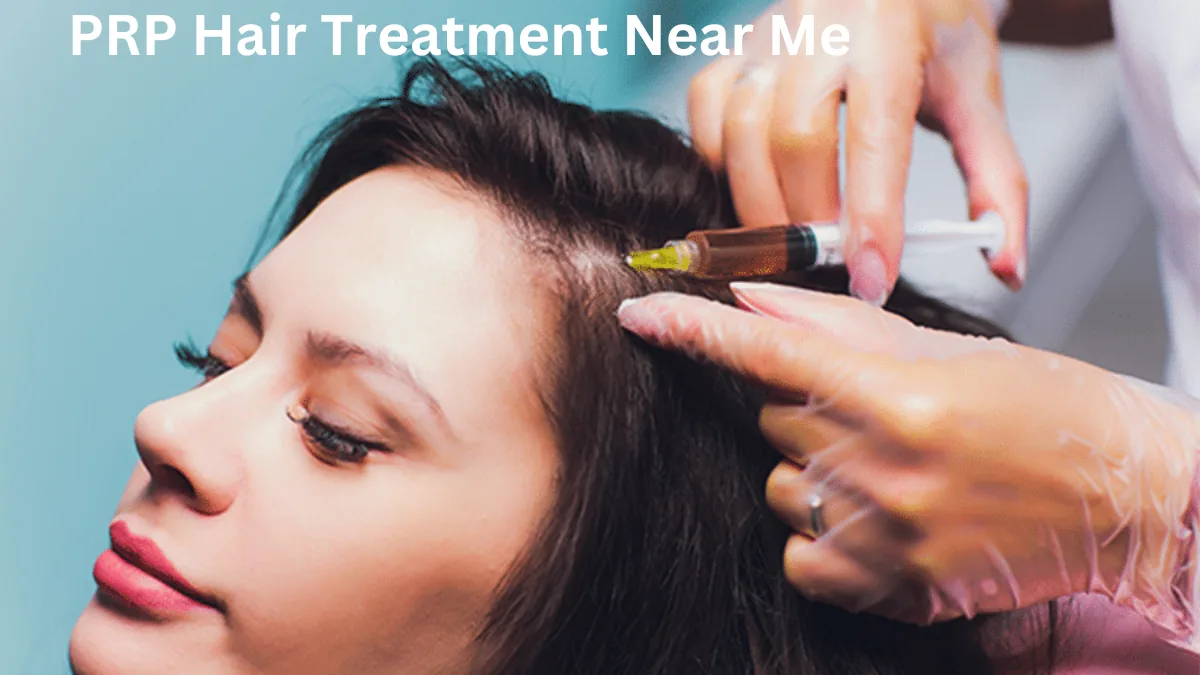
Hair loss can be a frustrating and challenging issue, but there’s good news! PRP (Platelet-Rich Plasma) hair treatment is gaining popularity as a revolutionary, natural solution. If you’re searching for “PRP hair treatment near me,” this guide is for you. Let’s explore everything you need to know about this innovative procedure.
Visit Dr. Hanan Dermatology Specialty Clinic in Padur, OMR, Chennai. Schedule your consultation today and start your journey to fuller, healthier hair.
For more information and to book your appointment, visit our clinic or call us at the clinic’s contact details.
It involves using your body’s own platelets to stimulate hair growth. Platelets, found in your blood, contain growth factors that promote tissue repair and regeneration. This natural treatment has been proven effective for hair restoration.
In PRP treatment, a small amount of your blood is drawn, processed to concentrate platelets, and injected into your scalp. This stimulates hair follicles, improves blood flow, and encourages thicker, healthier hair growth.
Natural and Non-Surgical Solution
Unlike hair transplants or synthetic treatments, PRP uses your body’s natural resources, minimizing risks and side effects.
Effective for Various Hair Loss Conditions
Whether you’re dealing with thinning hair, bald spots, or alopecia, PRP is versatile enough to address different hair loss issues.
Long-Lasting Results
With proper care and maintenance, the results of PRP treatment can last for years, making it a cost-effective solution over time.
Finding PRP Hair Treatment Near You
Researching Local Clinics
Start by searching online for reputable clinics in your area. Look for clinics that specialize in hair restoration.
Checking Reviews and Testimonials
Patient reviews can give you a clear picture of a clinic’s reliability and effectiveness.
Consulting with Specialists
Book a consultation with a specialist to discuss your hair loss concerns and see if PRP is right for you.
Pre-Treatment Preparation
Avoid alcohol and certain medications a few days before your appointment. Hydration is also key.
The PRP Treatment Process
The process is straightforward:
Post-Treatment Care Tips
Avoid washing your hair for 24 hours, and steer clear of direct sunlight. Follow your specialist’s aftercare instructions for the best results.
Factors Affecting Treatment Costs
Costs vary depending on clinic location, specialist experience, and the number of sessions required.
Typical Price Range for PRP Hair Treatments
Expect to pay anywhere between $300 to $1,500 per session, with most patients needing 3–6 sessions.
Is PRP Hair Treatment Worth It?
Many patients report significant improvements, making it a worthwhile investment for those seeking long-term hair restoration.
Verifying Credentials and Experience
Ensure your specialist is licensed and has experience performing PRP hair treatments.
Asking About Equipment and Techniques
Inquire about the equipment used and whether the clinic employs the latest techniques.
Understanding the Clinic’s Aftercare Policies
Good clinics offer detailed aftercare guidance to maximize your results.
Success Stories and Testimonials
Real-Life Experiences of PRP Patients
Many patients share stories of improved hair thickness and confidence after PRP treatment.
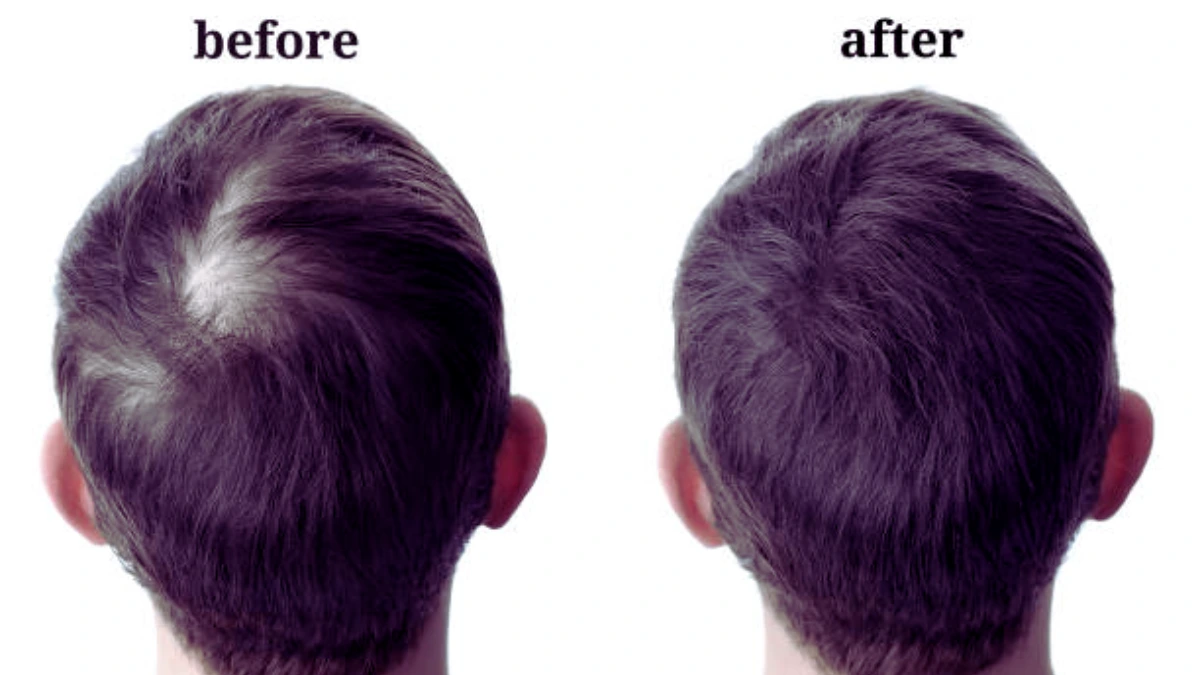
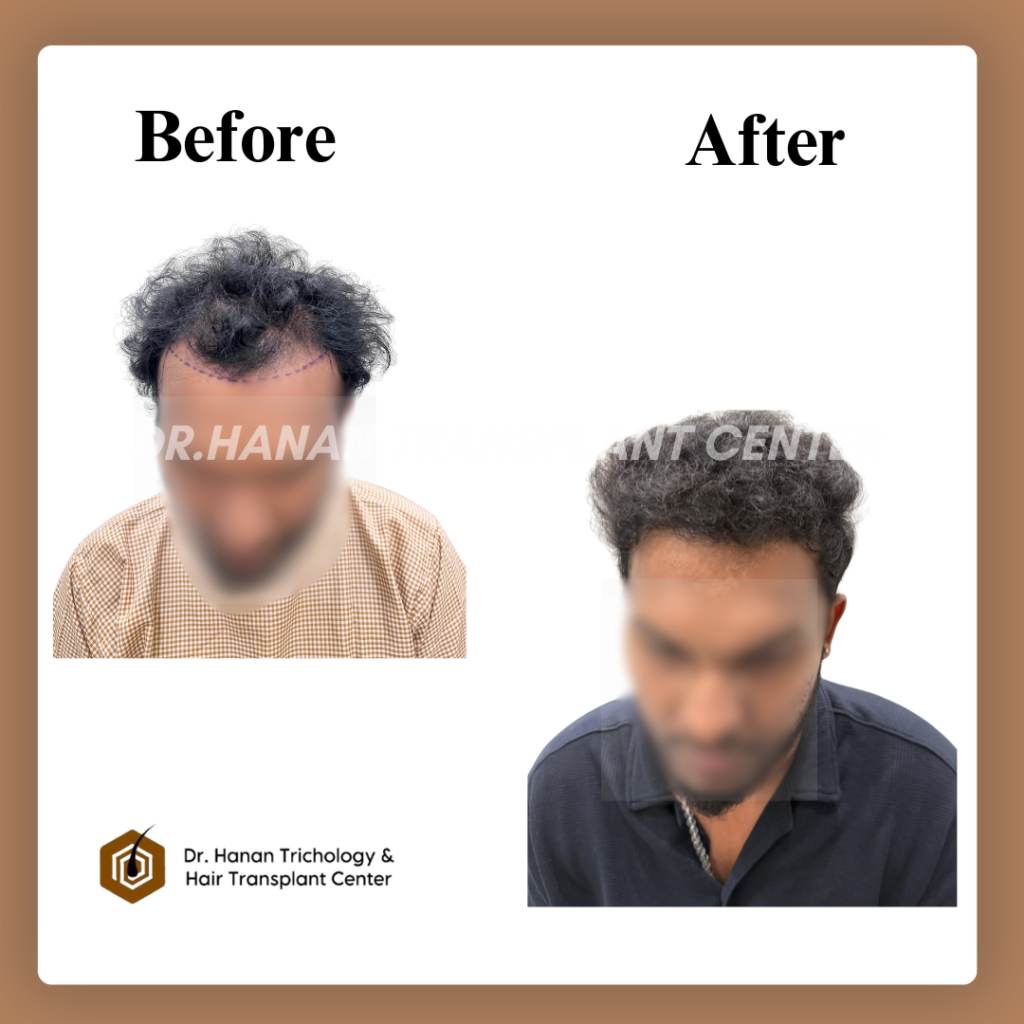
Transformational Before-and-After Cases
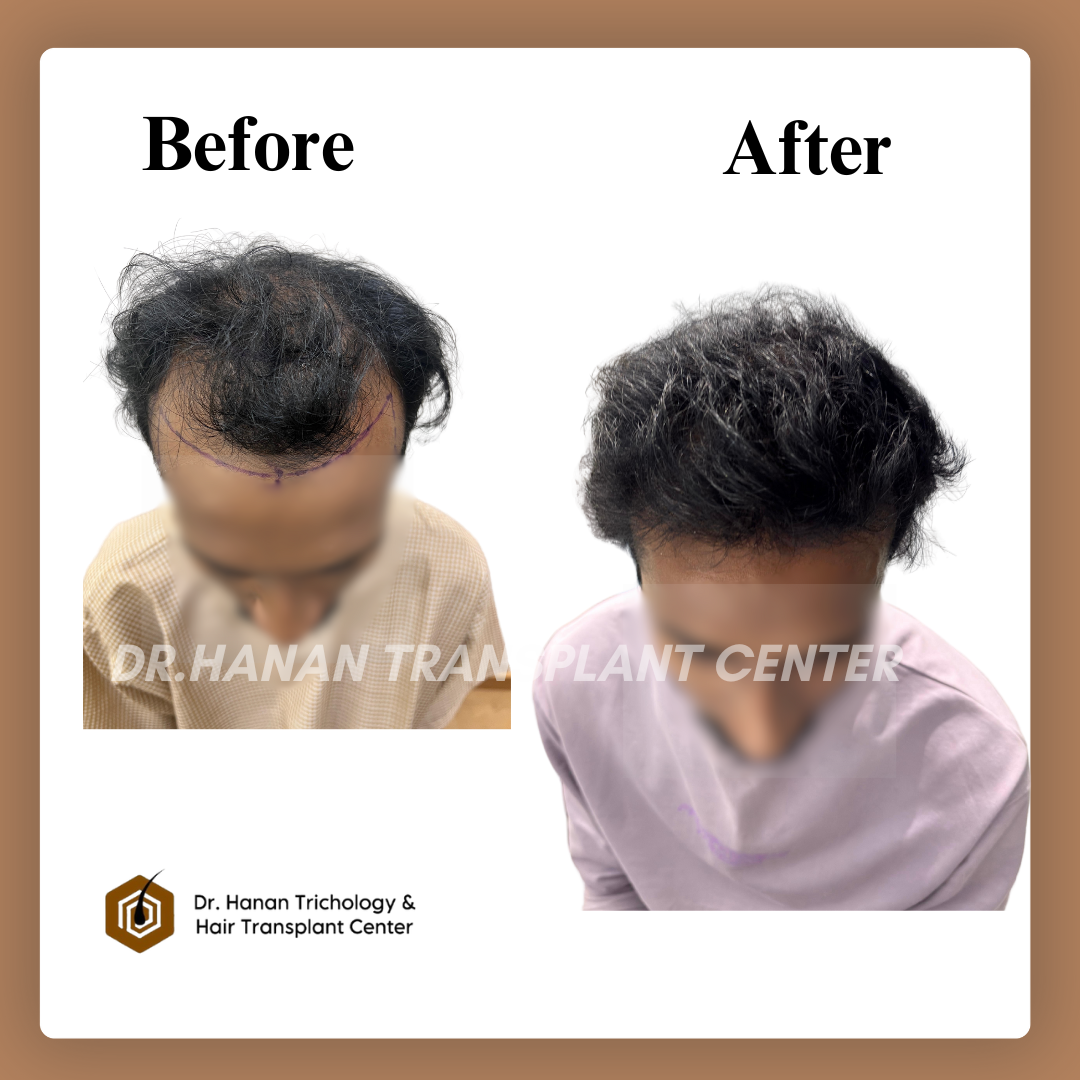
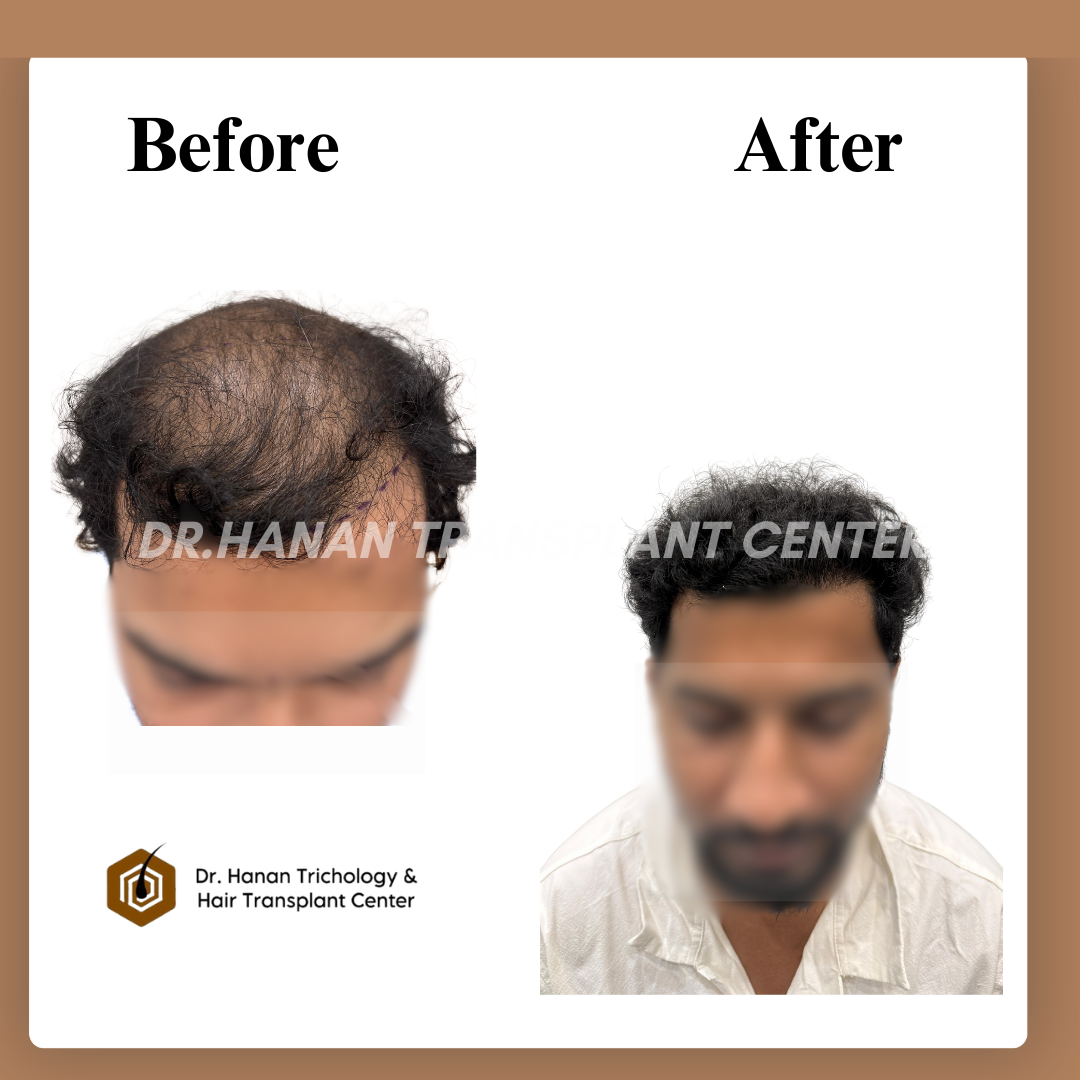
Before-and-after photos provide a visual testament to PRP’s effectiveness.
PRP Hair Treatment Alternatives
Topical Treatments
Minoxidil and other topical solutions can supplement PRP or serve as alternatives.
Medications Like Minoxidil and Finasteride
These medications are FDA-approved and effective for certain types of hair loss.
Hair Transplant Surgery
For more severe cases, hair transplantation might be a suitable option.
Conclusion
PRP hair treatment is a game-changer for those battling hair loss. By stimulating natural growth and offering long-lasting results, this treatment is a fantastic option to explore. If you’re searching for “PRP hair treatment near me,” don’t hesitate to research clinics, consult specialists, and take the Event first step toward restoring your hair and confidence
Hair Fall Treatment in India: Hair fall is a common concern that affects millions of people worldwide, and India is no exception. Whether due to genetic factors, lifestyle, or environmental stressors, excessive hair fall can significantly impact confidence and well-being. Fortunately, India offers a plethora of effective treatments to combat hair loss. In this article, we’ll explore the causes, diagnostic methods, and treatments available in India to help you make an informed decision and regain your crowning glory.
Visit Dr. Hanan Dermatology Specialty Clinic in Padur, OMR, Chennai. Schedule your consultation today and start your journey to fuller, healthier hair.
For more information and to book your appointment, visit our clinic or call us at the clinic’s contact details.
Hair fall refers to the shedding of more hair than what is naturally replaced in the hair growth cycle. While it is normal to lose about 50-100 strands daily, excessive hair fall can lead to thinning or bald patches.
Accurate diagnosis is crucial for effective treatment. Dermatologists and trichologists can identify the root cause through:
Hair fall treatments in India are comparatively affordable. The costs vary based on the procedure, clinic reputation, and city. Here’s an approximate range:
Hair fall can be a distressing issue, but with the variety of treatments available in India, you don’t have to suffer in silence. From medical solutions to natural remedies, the right approach can help you achieve healthy and luscious locks. Consult a specialist to identify the best course of action and take the first step towards regaining your confidence.
Find which type of shampoo is best for your hair in 2025. Tips for all hair types and needs to keep your locks healthy and vibrant.

Choosing the right shampoo is important for healthy hair. With so many options, it can be difficult to find the best shampoo for your specific hair type and needs.
In this comprehensive guide, we will help you understand which shampoo is good for your hair by breaking down the key factors to consider and explaining the best choices based on different hair types.
Your shampoo is more than just a conditioner; It plays an important role in overall hair health. The wrong shampoo can strip your hair of its natural oils, cause breakage, or cause problems with your hair.
On the other hand, the right shampoo can condition your hair, strengthen your strands and improve your hair.
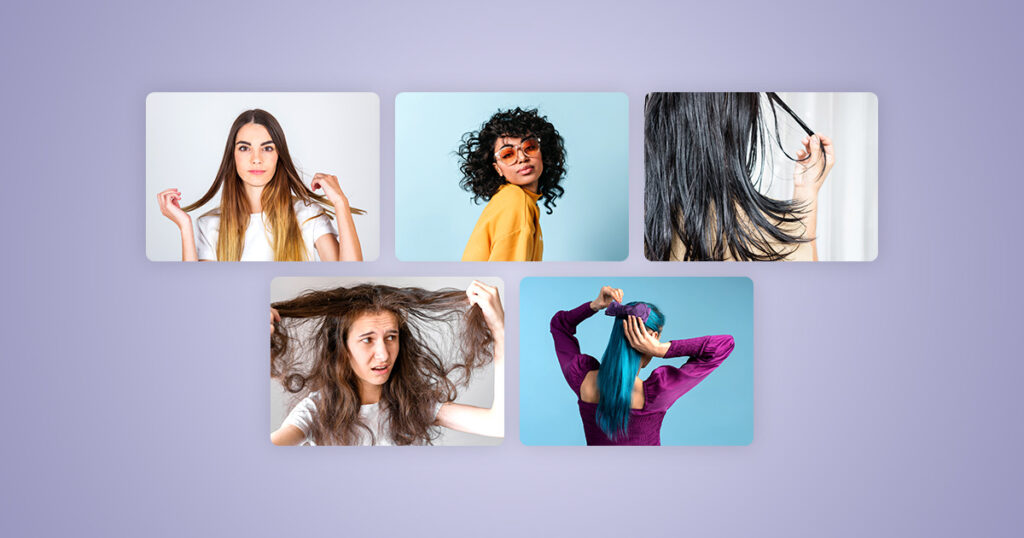
Fine hair tends to be thin and lacks volume. The wrong shampoo can weigh it down, making it appear flat and lifeless. Volumizing shampoos are ideal for fine hair, as they are lightweight and help lift the hair from the roots. Look for formulas that are free of heavy silicones and oils, which can further flatten the hair.
Curly and wavy hair types are often prone to dryness and frizz because the natural oils from the scalp have a harder time traveling down the twists and turns of the hair shaft. Moisturizing shampoos that contain hydrating ingredients like shea butter, coconut oil, and glycerin are best for curly or wavy hair. Avoid sulfates, as they can strip moisture from the hair.
People with oily hair often struggle with greasiness and buildup. Clarifying shampoos are perfect for oily hair types, as they help to remove excess oil and product buildup from the scalp. Look for ingredients like tea tree oil, which is known for its ability to balance oil production. However, use clarifying shampoos sparingly to avoid over-drying your scalp.

Dry or damaged hair requires extra nourishment to restore its health. Repairing or hydrating shampoos enriched with proteins, ceramides, and oils are the best choices for this hair type. Look for shampoos with ingredients like argan oil, keratin, or silk proteins, which help to repair and protect the hair from further damage.
Color-treated hair requires special care to maintain the vibrancy of the color and prevent fading. Color-protecting shampoos are formulated with gentle, sulfate-free cleansers that preserve hair color. Ingredients like UV filters and antioxidants can also help protect the hair from environmental damage that causes color to fade.
In addition to choosing the right shampoo for your hair, it is important to pay attention to the ingredients. Here are some basic things to look for depending on your hair needs:
For hydration: Shea butter, coconut oil, argan oil and glycerin are all great for adding moisture to dry or frizzy hair.
For strength: Proteins such as keratin and silk protein help to strengthen hair, making it ideal for damaged or thinning hair.
For volume: Lightweight ingredients such as panthenol and rice protein help with volume without being thick.
To protect color: UV filters, antioxidants and sulfate-free chemicals protect hair color from fading and environmental damage. For hair health: Tea tree oil, salicylic acid and peppermint oil help keep hair healthy and free of dandruff.

While it’s important to know what to look for, it’s equally important to know what products can harm your hair. Avoid the following if possible.
Parabens: These preservatives have been linked to potential health risks and can cause scalp irritation.
Silicone: While silicone can make hair look greasy, it builds up over time, making hair less heavy and brittle.
Alcohol: Some alcoholic beverages can dry out your hair, leading to brittle and brittle hair. Look for shampoos that use fatty alcohols like cetyl or stearyl alcohols which are more beneficial for your hair.
While your hair type is important, your scalp condition also plays a critical role in determining which shampoo is best for you. Here’s how to choose a shampoo based on common scalp issues:
A dry scalp can cause itching and flaking, similar to dandruff. For this condition, opt for moisturizing shampoos that contain soothing ingredients like aloe vera, tea tree oil, or oatmeal. Avoid shampoos with harsh sulfates that can further dry out the scalp.
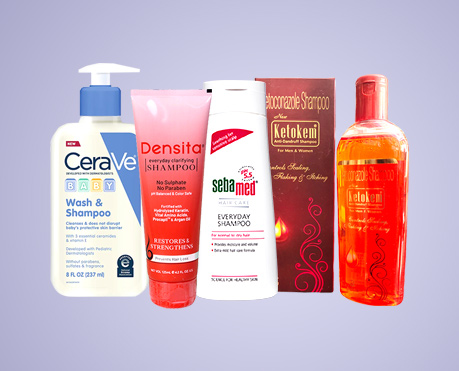
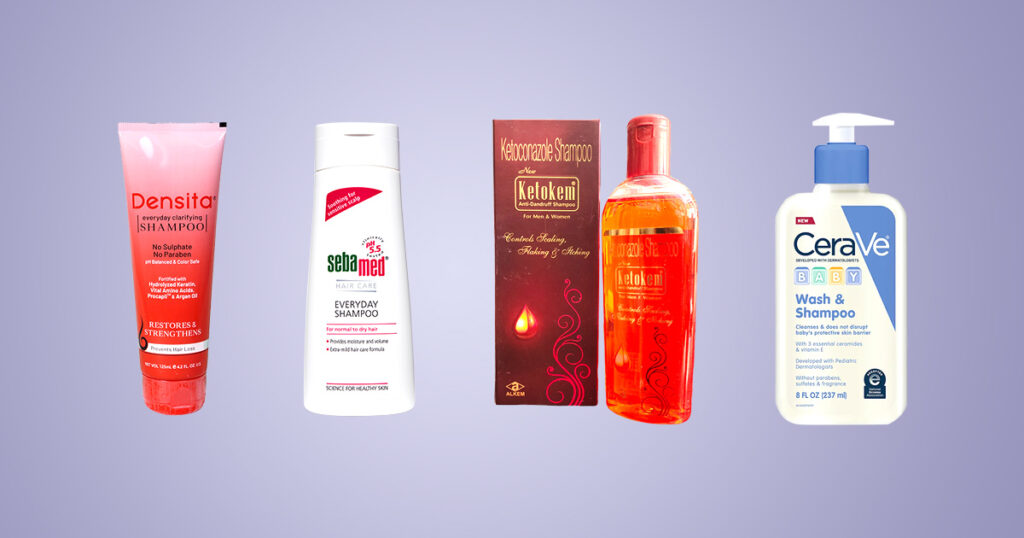
Examples : Hair 4 U, Densita shampoo
An oily scalp can lead to greasy hair and even scalp acne. Regular sulphated shampoos with ingredients like salicylic acid or peppermint oil can help balance oil production. However, be cautious of over-washing, as it can cause the scalp to produce even more oil.
Examples : Sebamed everyday shampoo, The ordinary hair care
For those with a sensitive scalp, it’s best to choose hypoallergenic shampoos that are free of fragrances, dyes, and harsh chemicals. Look for shampoos labeled as gentle or soothing to minimize irritation.
Dandruff is often caused by an overgrowth of yeast on the scalp, which leads to flaking and itching. Anti-dandruff shampoos containing active ingredients like zinc pyrithione, ketoconazole, or selenium sulfide can help control dandruff and soothe the scalp.

At Dr. Hanan Dermatology Specialty Clinic, we offer expert advice and treatments tailored to your hair type. Our specialized care ensures your hair stays healthy and looks its best.
Choose us for professional, personalized hair care.
Choosing the right shampoo is important to maintain the health and look of your hair.
By understanding hair type, hair condition, and styling products, you can make an informed decision on whether your hair needs moisture, volume, strength, or color protection to look its best each, and there’s a shampoo for every hair type and need .
Remember to avoid harsh products that can damage your hair, and always choose a shampoo that matches your specific hair goals.
Yes, sulfate-free shampoos are gentler on the scalp and hair. They’re ideal if you have sensitive skin or color-treated hair since they prevent dryness and fading.
It's generally fine to stick to one shampoo if it works for you. However, switching up your shampoo occasionally can help address different hair needs, such as hydration or volume.
Natural shampoos can be gentler and free from harsh chemicals. If you prefer a more eco-friendly option, choose shampoos with natural ingredients like coconut oil or aloe vera.
Long Hair Transplant in Chennai Learn what top dermatologists in Chennai say about the link between stress and hair fall, types, treatments, and recovery tips.

Long Hair Transplant in Chennai: Hair loss can affect confidence, especially when visible thinning or receding hairlines disrupt your appearance. While traditional hair transplants take time to show results, long hair transplant in Chennai offers an advanced solution for those who want immediate cosmetic improvement without shaving their head.
At Dr. Hanan Dermatology Speciality Clinic, long hair transplant procedures are performed under expert dermatologist supervision using advanced techniques to deliver natural-looking, long-lasting results with minimal downtime.
A long hair transplant is an advanced form of hair restoration where hair follicles are transplanted without trimming the hair shaft. Unlike conventional hair transplants, this technique allows patients to see instant visual density immediately after the procedure.
Because the transplanted hairs are already long, they blend naturally with existing hair, making it an ideal option for patients who want quick aesthetic results.
| Long Hair Transplant | Traditional Hair Transplant |
|---|---|
| Immediate visible density | Results visible after months |
| No head shaving required | Shaving usually required |
| Ideal for cosmetic appearance | Ideal for standard baldness |
| Popular among women & professionals | Common for advanced baldness |
You may be a suitable candidate if you:
Prefer not to shave your head
Have thinning hair or mild to moderate hair loss
Are a professional seeking quick cosmetic recovery
Are a woman experiencing hair thinning
Have good donor hair density
A detailed scalp evaluation at Dr. Hanan Dermatology Speciality Clinic determines eligibility and expected outcomes.
Instant cosmetic improvement
No visible shaving or downtime
Natural hair direction and texture
Suitable for both men and women
Faster confidence boost compared to standard methods
Permanent hair restoration solution
Long hair transplant can help manage:
Androgenetic alopecia (male & female pattern hair loss)
Receding hairline
Hair loss due to stress or hormonal changes
Diffuse hair loss in women
The clinic follows a precise, dermatologist-guided protocol to ensure safety and natural results.
Consultation & Scalp Assessment
Hair density, donor area quality, and hair loss pattern are evaluated.
Donor Area Selection
Healthy long hair follicles are carefully selected.
Advanced FUE Extraction
Individual grafts are extracted without trimming the hair length.
Implantation
Grafts are placed at natural angles to blend seamlessly with existing hair.
Post-Procedure Care
Detailed aftercare instructions and follow-ups are provided.
The procedure is minimally invasive and usually completed in a single session.
Patients trust the clinic because of its strong medical foundation and ethical approach.
Key reasons to choose us:
Dermatologist-led hair transplant procedures
Expertise in advanced FUE techniques
Natural hairline and density planning
High safety and hygiene standards
Transparent and affordable pricing
Personalized treatment plans
Immediately after procedure: Visible density due to long grafts
First few weeks: Temporary shedding may occur (normal phase)
3–4 months: New hair growth begins
6–9 months: Noticeable improvement
9–12 months: Final, permanent results
The transplanted hair grows naturally and permanently.
Recovery is usually quick and comfortable.
Aftercare includes:
Mild swelling or redness for a few days
Avoid heavy exercise initially
Gentle hair washing as advised
Follow-up visits for progress evaluation
Most patients resume daily activities within a short period.
What is a long hair transplant?
A long hair transplant is an advanced hair restoration technique where hair follicles are transplanted without trimming the hair shaft. This allows patients to see immediate cosmetic density after the procedure, unlike traditional hair transplants.
Is long hair transplant permanent?
Yes. The transplanted hair follicles are permanent. After the initial shedding phase, the hair regrows naturally and continues to grow like normal scalp hair.
Is shaving required for a long hair transplant?
No. One of the biggest advantages of a long hair transplant is that shaving the recipient area is not required, making it ideal for professionals and women.
Does long hair transplant give instant results?
Yes, you can see immediate visual density after the procedure because the transplanted hair is already long. However, permanent growth develops gradually over several months.
Will the transplanted long hair fall out?
Temporary shedding may occur within the first few weeks, which is a normal part of the hair growth cycle. New, permanent hair growth typically starts after 3–4 months.
Is the long hair transplant procedure painful?
The procedure is performed under local anesthesia, so pain is minimal. Most patients experience only mild discomfort during and after the procedure.
Who is the best candidate for long hair transplant?
Ideal candidates include individuals with thinning hair, mild to moderate hair loss, women with hair loss, and patients who prefer not to shave their head. A dermatologist consultation is necessary to confirm suitability.
How long does a long hair transplant procedure take?
The procedure usually takes between 4 to 8 hours, depending on the number of grafts and the complexity of the case.
What is the recovery time after a long hair transplant?
Recovery is generally quick. Mild redness or swelling may last a few days. Most patients can return to daily activities within 1–2 days, following proper aftercare instructions.
How much does a long hair transplant cost in Chennai?
The cost depends on factors such as the number of grafts required, hair length, and technique used. A personalized cost estimate is provided after a detailed consultation.
Is long hair transplant safe?
Yes. When performed under dermatologist supervision using advanced techniques, long hair transplant is considered safe with minimal risk of complications.
Can women undergo long hair transplant?
Yes. Long hair transplant is especially popular among women because it restores volume without shaving and blends naturally with existing hair.
Are you the good candidate for hair transplantation? Learn about hair loss types, eligibility, and factors to consider about hair transplant

Hair transplant is a popular and effective solution for hair loss, but not everyone is an ideal candidate for the process. Understanding whether you are a suitable candidate can help you determine realistic expectations and achieve the best results. In this blog, we will discuss major factors that determine whether you are eligible for a hair transplant, including a variety of hair loss and other factors.
A good candidate for hair transplantation usually fulfills the following criteria:
It is the most common type of hair loss and is caused by genetics and hormonal changes. It affects both men and women differently:
Male: A receding hairline and are characterized by being thin on the crown.
Women: Usually a result of being overall thinner without a receding hairline.
Individuals who are facing stable hair loss are usually good candidates for a hair transplant, provided they have enough donor hair.
Unlike pattern hair loss, DUPA is characterized by wider thinning across the scalp, including the donor area. Since there is no stable donor area, people with Dupa cannot be good candidates for hair transplant.
Those who have lost hair due to burns, accidents or surgery can qualify for a transplantation, based on their scalp position and the availability of donor hair.
Conditions such as the alopecia Ata cause patchy hair loss due to an autoimmune reaction. Since the immune system attacks the hair follicles, hair transplant is not usually recommended for such situations.
While there is no specific age limit for hair transplant, young patients (below 25) are advised that their hair loss pattern is stabilized. Passing through a transplant can quickly lead to an unnatural appearance as hair fall continues.
The texture, thickness and color of your hair affect the final appearance of implants. Excessive thick hair often provides better coverage than thin hair.
Scalp laxity refers to looseness of the scalp. People with a flexible scalp have a high success rate for FUT (follicular unit transplantation) procedures, as more grafts can be extracted.
Unhealthy habits such as smoking, poor diet and excessive alcohol consumption can negatively affect the results of hair transplant. Candidates committed to a healthy lifestyle will have a better success chance.
If you are considering a hair transplant, it is crucial to consult a qualified dermatologist. A professional assessment will help determine your character and provide you with a personal treatment plan.
Everyone who experiences hair loss is a good candidate for hair transplant. Factors such as hair loss types, donor hair availability, overall health and lifestyle options play an important role in determining the eligibility. If you are uncertain whether you are a good candidate, then the best hair transplant clinic in Chennai for expert guidance and personal treatment options. Consult with Dr. Hanan Dermatology Specialty and Trichology Clinic.
Expert Tips to Choose the Best Hair Transplant Clinic – 10 Days After Hair Transplant

10 Days After Hair Transplant: Undergoing a hair transplant is a life-changing decision, and the recovery journey plays a crucial role in achieving natural, long-lasting results. Ten days after a hair transplant, most patients experience visible healing, reduced discomfort, and an important biological phase known as shock loss.
At Dr. Hanan Dermatology Speciality Clinic, Chennai, patients are carefully guided through each recovery milestone to ensure graft safety and optimal hair regrowth.
Day 10 marks a critical transition phase in hair transplant recovery:
Hair grafts begin to anchor securely into the scalp
The risk of accidental graft dislodgement significantly reduces
Most post-operative swelling and redness subside
The scalp prepares for the shedding (shock loss) phase, which is normal
While healing is well underway, the scalp still needs gentle care and medical supervision.
Most tiny scabs fall off naturally
Redness reduces considerably, though mild pinkness may persist
No active bleeding or swelling should be present
This is a healthy sign that the micro-incisions are healing properly.
Mild tenderness or tightness is common
Occasional itching as nerves regenerate
Grafts feel secure but should not be scratched or rubbed
According to dermatologists, this sensitivity usually resolves over the next 1–2 weeks.
One of the most common concerns at this stage is hair shedding, also called shock loss.
Transplanted hair shafts may fall out
Hair follicles remain alive and intact beneath the scalp
This process does not affect final hair growth
New hair growth typically begins around 3–4 months post-transplant.
Yes. Hair fall at this stage is expected and temporary.
Normal:
Shedding of transplanted hair
No pain or bleeding
Not Normal:
Excessive redness with pus
Severe pain or swelling
Sudden bald patches with inflammation
If any abnormal symptoms appear, immediate consultation is recommended.
Patients can now begin gentle washing:
Use a mild, dermatologist-recommended shampoo
Apply using fingertips (no nails)
Rinse with lukewarm water
Pat dry with a soft towel — do not rub
At Dr. Hanan Dermatology Speciality Clinic, patients receive personalized washing instructions based on their scalp type and transplant technique.
You may safely resume:
Office work and daily routines
Light walking
Normal sleeping with a soft pillow
Heavy workouts or sweating
Swimming and steam baths
Direct sun exposure
Smoking and alcohol
Hair styling products or oil massage
These can delay healing and affect graft survival.
Follow your dermatologist’s aftercare plan
Stay hydrated and eat protein-rich foods
Use prescribed medications only
Protect the scalp from dust and pollution
Scratch or pick scabs
Massage the scalp
Wear tight helmets or caps
Skip follow-up appointments
Contact your dermatologist immediately if you notice:
Persistent redness or swelling
Pus or foul discharge
Fever or severe pain
Sudden bleeding
Early medical attention prevents complications.
| Time After Transplant | What Happens |
|---|---|
| 2–4 weeks | Shock loss phase |
| 3–4 months | New baby hair starts growing |
| 6 months | Visible density improvement |
| 9–12 months | Final, natural results |
Patience and proper care are key to success.
Dr. Hanan Basith, MD (DVL), FFAM, Founder of Dr. Hanan Dermatology Speciality Clinic, emphasizes:
Regular follow-ups improve outcomes
Nutrition and scalp hygiene matter
Avoid self-medication or online remedies
Choose experienced dermatologists for long-term success
Dr. Hanan is a graduate of Madras Medical College, Chennai, a fellow in facial aesthetic medicine, and a life member of IADVL, ACSI, and AHRS, ensuring international-standard care.
Is it normal for hair to fall out 10 days after a hair transplant?
Yes. Hair fall at this stage is completely normal and is known as shock loss. Only the hair shafts shed, while the transplanted follicles remain healthy beneath the scalp and will regrow new hair in the coming months.
Can grafts fall out after 10 days?
No. By Day 10, the grafts are usually securely anchored in the scalp. Normal washing or gentle touch will not dislodge them if aftercare instructions are followed properly.
Is redness or pinkness still normal after 10 days?
Mild redness or pinkness is normal, especially in fair or sensitive skin types. It typically fades over the next few weeks. Severe redness, pain, or pus should be evaluated by a dermatologist.
Can I wash my hair normally 10 days after a hair transplant?
You can gently wash your hair using a mild, dermatologist-recommended shampoo. Avoid rubbing, scratching, or using strong water pressure. Always pat dry with a soft towel.
Can I resume work and daily activities after 10 days?
Yes. Most patients can return to office work, walking, and light daily activities. Heavy exercise, sweating, swimming, and gym workouts should still be avoided.
Is itching normal 10 days after a hair transplant?
Yes. Mild itching is a sign of healing and nerve regeneration. Do not scratch the scalp. If itching becomes severe, consult your dermatologist for soothing medications.
Can I apply oil or hair products at this stage?
No. Hair oils, gels, sprays, and styling products should be avoided for at least 3–4 weeks or until your doctor advises otherwise.
When will new hair start growing after shock loss?
New hair growth usually begins around 3 to 4 months after the transplant. Visible density improves by 6 months, with final results seen between 9–12 months.
Can I wear a helmet or cap after 10 days?
Loose-fitting caps may be allowed, but tight helmets or caps should be avoided as they can irritate the scalp and affect healing.
When should I contact my doctor after Day 10?
Contact your dermatologist if you notice increasing pain, swelling, pus, persistent redness, fever, or unusual bleeding.
Why choose Dr. Hanan Dermatology Speciality Clinic for hair transplant care?
Dr. Hanan Dermatology Speciality Clinic in Chennai offers advanced hair transplant techniques, experienced dermatologists, personalized post-procedure care, and affordable, ethical treatment focused on long-term results.
PRP, or Platelet-Rich Plasma, hair treatment has gained immense popularity as a non-invasive solution to hair loss and thinning.

PRP, or Platelet-Rich Plasma, hair treatment has gained immense popularity as a non-invasive solution to hair loss and thinning. Leveraging the body’s natural healing properties, PRP therapy offers a promising alternative to traditional hair restoration methods. But what makes this treatment so effective? Let’s delve into the science, process, and benefits of PRP hair treatment.
Before exploring remedies, it’s important to understand what causes dark circles. Common reasons include:
PRP hair treatment uses the patient’s blood to extract platelets, which are then injected into the scalp to stimulate hair follicles. Platelets contain growth factors that encourage tissue regeneration and repair, making them ideal for addressing hair thinning and loss.
1. Aging – Thinning skin and losing fat and collagen can make blood vessels more visible.
2. Fatigue and Lack of Sleep – Poor rest affects circulation, causing blood to pool under the eyes.
3. Allergies – Allergic reactions can lead to swelling and puffiness, exacerbating dark circles.
4. Sun Exposure – Overexposure to the sun increases melanin production, darkening under-eye skin.
Knowing the underlying cause can help you choose a more targeted solution.
The treatment begins with drawing a small amount of blood from the patient, which is processed in a centrifuge to separate platelets from other blood components. These concentrated platelets are then injected into the scalp, targeting areas of hair loss.
Platelets release bioactive proteins that enhance cell proliferation and angiogenesis, effectively rejuvenating hair follicles. Clinical studies have shown increased hair density and diameter in patients undergoing PRP therapy.
PRP treatment encourages dormant hair follicles to enter the growth phase, leading to thicker, healthier hair.
Minimally Invasive Procedure
Unlike surgical methods, PRP involves simple injections without incisions or downtime.
Long-Term Results and Low Maintenance
Many patients report sustained improvements with minimal follow-up treatments.
PRP therapy is best suited for individuals experiencing early-stage hair thinning. It is effective for both men and women and can address conditions like androgenetic alopecia and traction alopecia.
Pre-Treatment Consultation and Preparation
Patients undergo a thorough scalp examination and are advised to avoid certain medications.
The Procedure Step-by-Step
From blood draw to platelet injection, each step is carefully executed in a clinical setting.
Post-Treatment Care and Recovery
Patients are typically advised to avoid vigorous scalp manipulation and follow a prescribed care regimen.
Though generally safe, PRP therapy may cause mild redness or swelling at the injection site. Rare complications include infection or temporary shedding.
PRP vs Hair Transplants
While transplants involve surgical grafting, PRP rejuvenates existing follicles non-invasively.
PRP vs Medications
Medications like Minoxidil require daily use, whereas PRP offers periodic treatment for lasting results.
The average cost of PRP therapy ranges from $500 to $1,500 per session. Many clinics offer financing options to make the treatment accessible.
Most patients report minimal discomfort due to the use of numbing agents.
A typical regimen involves 3–4 sessions spaced a month apart, with maintenance treatments every 6–12 months.
Yes, PRP can complement medications and other therapies for enhanced results.
In advanced cases, hair transplants or combined therapies may be recommended.
Visible improvements often occur within 3–6 months of treatment.

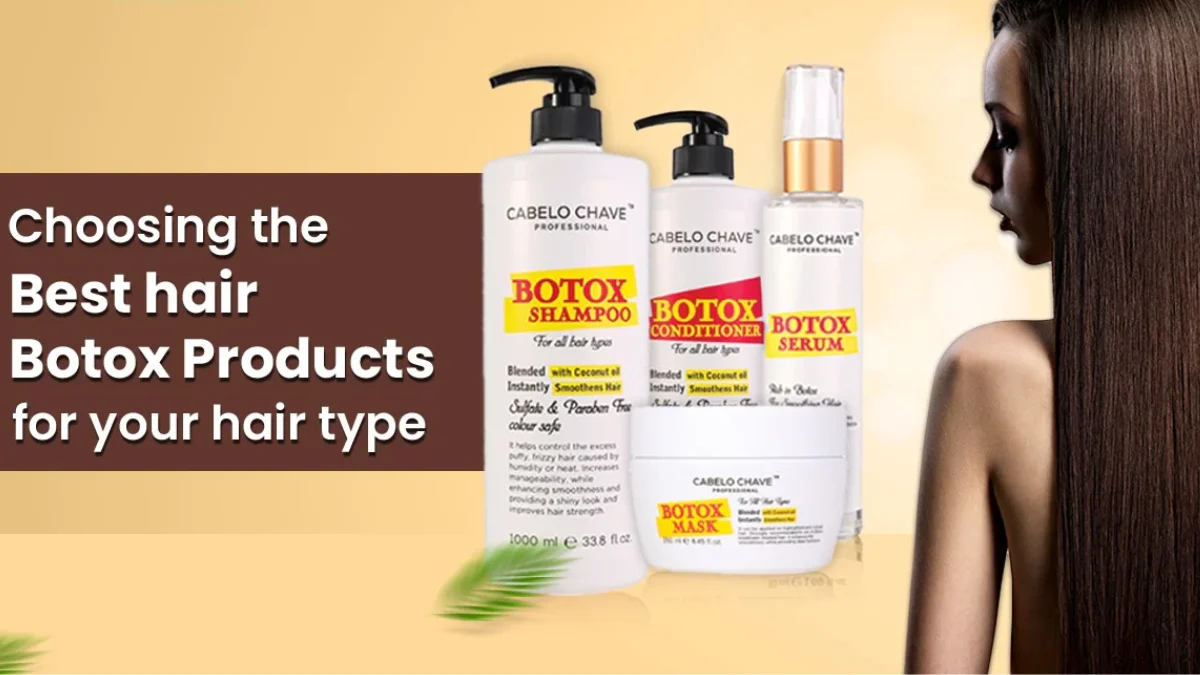
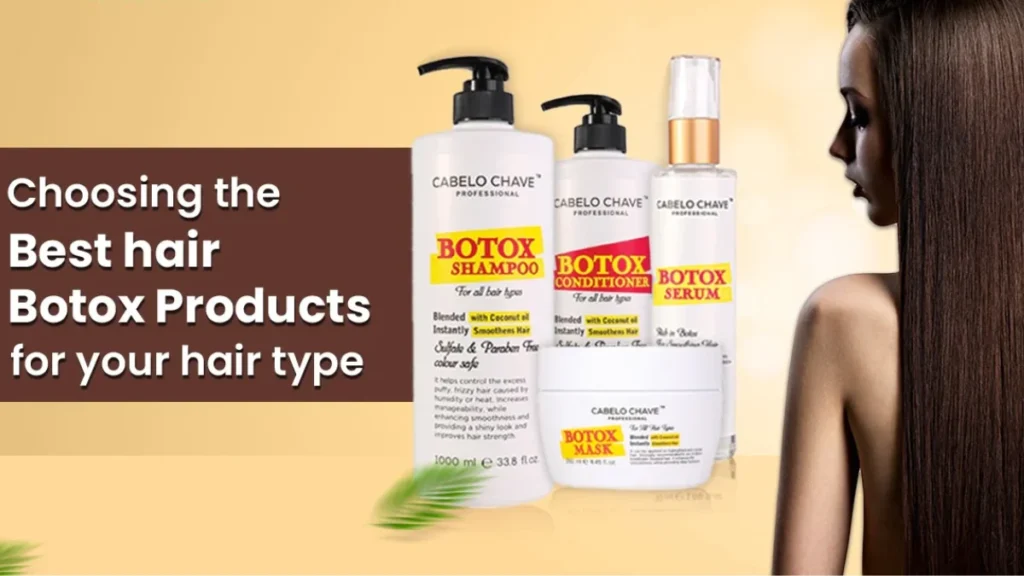
Botox hair treatment products: Hair Botox has become one of the most talked-about hair treatments in recent years, offering a deep, rejuvenating solution for damaged and unruly hair. Whether you’re looking to smooth frizz, restore shine, or achieve healthier-looking hair, Hair Botox promises an effective treatment. In this guide, we will dive into everything you need to know about Hair Botox, its benefits, the treatment process, and some of the best products you can try in 2024.
Visit Dr. Hanan Dermatology Specialty Clinic in Padur, OMR, Chennai. Schedule your consultation today and start your journey to fuller, healthier hair.
For more information and to book your appointment, visit our clinic or call us at the clinic’s contact details.
Hair Botox is a non-invasive treatment that uses a blend of natural ingredients, such as vitamins, amino acids, and proteins, to repair and rejuvenate hair. Despite the name, Hair Botox doesn’t involve injections or toxins. Instead, it works by deeply nourishing the hair, filling in damaged areas, and restoring its health and vitality. This treatment is especially beneficial for those with frizzy, dry, or chemically damaged hair.
The process of Hair Botox involves applying a special formula to the hair that’s designed to penetrate the hair shaft, filling in gaps and smoothing out the hair. The formula typically includes:
The treatment works by rejuvenating and nourishing each strand, making your hair appear smoother, shinier, and healthier. It also helps reduce frizz and prevent split ends.
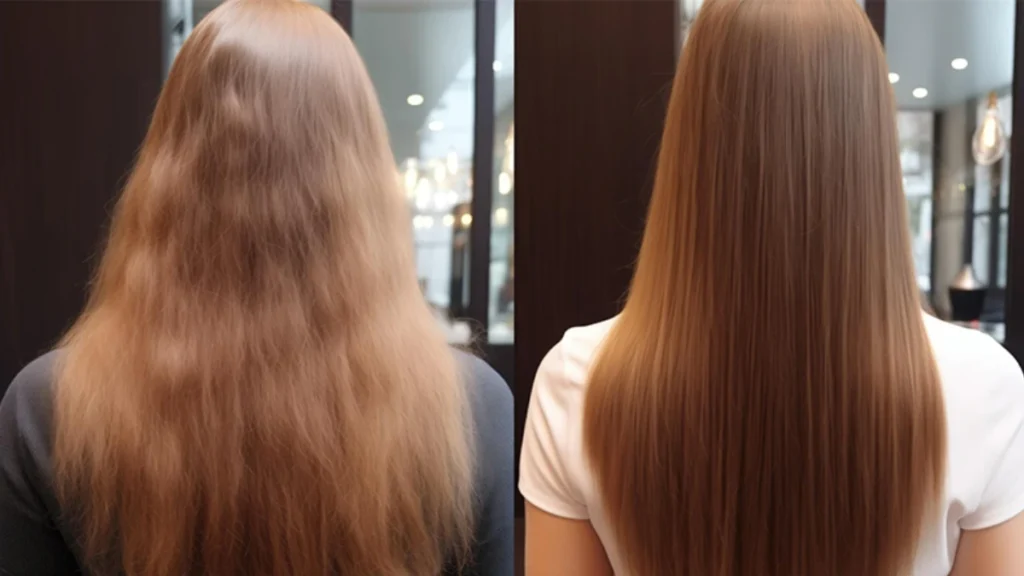
Hair Botox provides numerous benefits that can make a noticeable difference in your hair’s texture and health. Here are some of the key advantages:
Read more: Nanoplastia Hair Treatment
While the exact process may vary slightly depending on the salon or brand, here is an overview of the typical Hair Botox treatment:
If you’re looking for effective Hair Botox treatments, here are some top-rated products you can consider in 2024:
While Hair Botox and Keratin treatments are often used interchangeably, they are not the same. Here’s a quick comparison:
If you’re looking for a treatment that nourishes, restores, and smooths hair without harsh chemicals, Hair Botox is the ideal choice.

To ensure that your Hair Botox treatment lasts as long as possible, here are some tips for maintenance:
1. What is Hair Botox?
Hair Botox is a deep conditioning treatment that uses natural ingredients like vitamins, amino acids, and proteins to repair and rejuvenate hair. It smoothens frizz, adds shine, and restores moisture to damaged hair without the use of harmful chemicals like formaldehyde.
2. Is Hair Botox the same as Botox for the skin?
No, Hair Botox is not the same as Botox used in skin treatments. It’s a non-invasive hair treatment that nourishes and rejuvenates hair strands, while skin Botox involves injections to reduce wrinkles. Hair Botox does not involve injections or toxins.
3. How long does a Hair Botox treatment last?
The effects of Hair Botox can last anywhere from 2 to 3 months, depending on your hair type, how often you wash your hair, and how well you maintain it.
4. Can Hair Botox be used on all hair types?
Yes, Hair Botox is suitable for all hair types, including curly, straight, and wavy hair. It is particularly beneficial for those with frizz, dryness, or damaged hair due to chemical treatments or heat styling.
5. Is Hair Botox safe for color-treated hair?
Yes, Hair Botox is safe for color-treated hair. It helps enhance the color’s vibrancy and adds shine without causing damage to the hair.
6. How is Hair Botox different from a Keratin treatment? While both treatments help smooth and restore hair, Hair Botox focuses on repairing and rejuvenating hair with natural ingredients, whereas Keratin treatments mainly focus on straightening the hair. Additionally, Hair Botox does not contain formaldehyde, unlike some Keratin treatments.
7. Can I do Hair Botox at home?
Yes, there are at-home Hair Botox kits available that are easy to apply. However, for professional results, it’s recommended to have the treatment done by a trained stylist at a salon.
8. Will Hair Botox make my hair straight?
Hair Botox does not straighten the hair. It smoothens and adds shine, reducing frizz, but it does not alter your natural texture. If you are looking for straightened hair, a Keratin treatment might be more suitable.
9. How often should I do a Hair Botox treatment?
For optimal results, you can get a Hair Botox treatment every 2 to 3 months. Regular treatments help maintain the health and shine of your hair.
10. Can Hair Botox help with split ends?
Hair Botox can help reduce the appearance of split ends by adding moisture and smoothing the hair cuticle, but it doesn’t completely seal split ends. Regular trims are still recommended to prevent further splitting.
11. Is Hair Botox suitable for men?
Yes, Hair Botox is suitable for both men and women. It works on all hair types, whether it’s thick, thin, or coarse, and helps in managing frizz and improving the overall health of the hair.
12. Are there any side effects of Hair Botox?
Hair Botox is generally safe and does not have major side effects. However, some people may experience mild irritation if they have sensitive skin or allergies to specific ingredients. It’s always a good idea to do a patch test before applying the treatment.

Dr Hanan Dermatology Speciality clinic a Leading Dermatology, Cosmetology Clinic that provides the Best Affordable Treatment for Skin, Hair & Laser.
Our Contacts
Copyright © 2024 Dr Hanan Dermatology Speciality Clinic is Developed and Maintained by Qualpr | Privacy Policy | Terms and Conditions
Dr Hanan Dermatology Speciality Clinic
Typically replies within minutes
Any questions related to Skin, Hair, and Cosmetic or Looking to book an appointment?
WhatsApp Us
🟢 Online | Privacy policy
WhatsApp us