Boost Natural Immunity to Reduce Hair Loss for your hair type with expert tips from Dr. Hanan Dermatology Clinic, Chennai.

Benefits of Vitamin C: How to Use, When to Use, Pros and Cons
Learn dermatologist-approved benefits of Vitamin C for glowing, even-toned skin. Discover how to use it safely, when to apply, and what to avoid.

Table of Contents
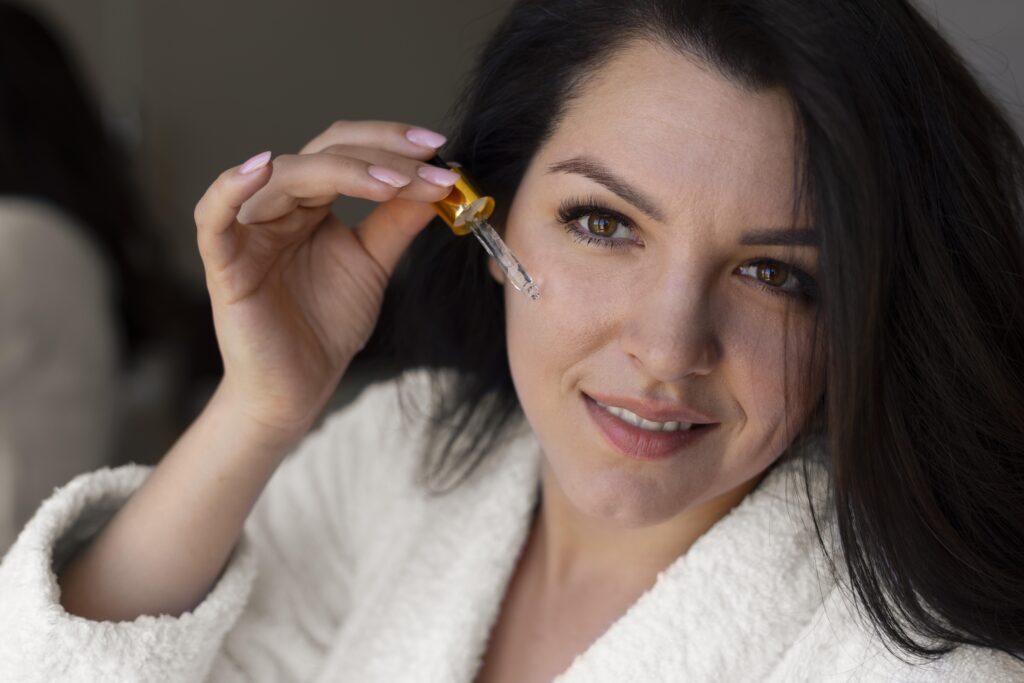
Vitamin C is one of the most talked-about skincare ingredients — and for good reason. From brightening dull skin to fading pigmentation, the benefits of Vitamin C extend far beyond basic skincare. Dermatologists at Dr. Hanan Clinic, Chennai often recommend Vitamin C as a daily essential for those seeking radiant, youthful skin.
In this guide, you’ll learn how Vitamin C works, how to use it safely, and when it’s most effective — along with its pros and cons from a dermatologist’s perspective.
What Is Vitamin C and Why It Matters for Skin
Vitamin C (ascorbic acid) is a powerful antioxidant that helps protect the skin from free radicals caused by sun exposure, pollution, and stress. It supports collagen production, reduces pigmentation, and helps your skin maintain a healthy glow.
At Dr. Hanan Dermatology Speciality Clinic, we emphasize that using Vitamin C topically provides faster and more targeted results than oral supplements for most skin concerns.
Semantic Keywords: Vitamin C serum for skin, antioxidant skincare, collagen-boosting vitamin, dermatologists in Chennai, best Vitamin C treatments
Benefits of Vitamin C for Skin
Brightens Dull Complexion
Vitamin C inhibits melanin production, reducing dark spots and evening out skin tone. Regular use gives the skin a visible radiance within weeks.
Boosts Collagen and Elasticity
Collagen keeps your skin firm and youthful. Vitamin C helps stimulate collagen synthesis, reducing fine lines and sagging.
Reduces Hyperpigmentation and Melasma
For patients struggling with melasma or post-inflammatory pigmentation, Vitamin C is a dermatologist-approved brightening ingredient.
Learn more about pigmentation management in our blog Top Skin Brightening Treatments in Chennai.
Protects Against Sun and Pollution Damage
Vitamin C neutralizes free radicals generated by UV rays and pollution, preventing premature aging and oxidative stress.
Speeds Up Healing
It assists in repairing damaged skin and reducing redness or irritation after dermatological procedures such as chemical peels or laser therapy.
How to Use Vitamin C in Your Skincare Routine
Cleanse First
Start with a gentle cleanser suitable for your skin type to remove oil, makeup, and impurities.
If you have oily or acne-prone skin, check our guide on Oily Skincare in Chennai.
Apply Vitamin C Serum at Night
Nighttime is the ideal period for Vitamin C application because your skin naturally repairs and regenerates while you sleep. Applying Vitamin C before bed enhances collagen production and brightens dull skin overnight. Use 2–3 drops on clean, dry skin before moisturizer.
Lock in Moisture
Follow with a hydrating, non-comedogenic moisturizer to seal in the serum and prevent transepidermal water loss during the night.
Morning Routine Tip
The next morning, always apply sunscreen (SPF 30 or higher) to protect your skin from UV rays and maintain the brightening benefits achieved overnight.
Dermatologist Insight from Dr. Hanan Clinic:
Using Vitamin C at night reduces oxidation from sunlight and pollution, giving more consistent results for dullness, pigmentation, and fine lines.
When to Use Vitamin C
- Morning: Best for daily antioxidant protection.
- Evening: Helps recovery after exfoliation or dermatological treatments.
- Post-Treatment: Vitamin C can be added after procedures like microneedling or laser resurfacing (once approved by your dermatologist).
Remember: Over-layering Vitamin C with acids or retinol can cause irritation. Space them out between morning and night routines.
Pros and Cons of Vitamin C
Pros | Cons |
Brightens skin tone and fades pigmentation | Can irritate sensitive skin if overused |
Boosts collagen production | Oxidizes quickly if exposed to air or light |
Reduces sun and pollution damage | May cause stinging when combined with exfoliants |
Enhances sun protection when used with SPF | Requires consistent use for visible results |
At Dr. Hanan Clinic, our dermatologists balance Vitamin C usage with your specific skin type — ensuring the benefits outweigh any potential side effects.
Expert Dermatologist Insight from Dr. Hanan Clinic, Chennai
Our dermatologists combine Vitamin C-based skincare with in-clinic treatments like:
- Medi-Fusion Glow Therapy – for instant brightness and hydration.
- Hydrafacial with Antioxidant Serum – boosts Vitamin C absorption.
- Microneedling with Exosomes – enhances collagen formation and glow.
Each plan is customized after a detailed skin analysis to ensure visible, lasting results.
Visit Dr. Hanan Dermatology Speciality and Trichology Clinic in Padur, OMR, Chennai for personalized Vitamin C treatments and dermatologist-guided skincare plans.
Final Thoughts
The benefits of Vitamin C go far beyond glow — it’s one of the few clinically proven ingredients that fights aging, pigmentation, and dullness simultaneously. However, knowing how and when to use it is key.
Book Your Consultation Today!
For Personalised Treatment visit Dr. Hanan Clinic. Feel confident and proud with our expert care.
How Stress Affects Your Skin
Learn how stress affects your skin, causing acne, dullness, and aging. Get dermatologist-approved solutions

Table of Contents
Have you ever noticed that your skin breaks out or looks dull right when life feels most chaotic? You’re not imagining it. Stress doesn’t just live in your mind — it shows up on your skin too.
At Dr. Hanan Dermatology Speciality and Trichology Clinic in Chennai, our dermatologists often meet patients who are worried about acne, hair fall, or dull skin — and when we dig deeper, stress is usually part of the story. Understanding how stress affects your skin is the first step toward healing it from the inside out.
What Happens to Your Skin When You’re Stressed?
When you feel stressed, your body releases a hormone called cortisol — often called the “stress hormone.” Cortisol helps you deal with short-term pressure, but when it stays high for too long, it affects your skin’s natural balance.
Here’s what happens:
- Your oil glands go into overdrive, producing more sebum (oil).
- The skin barrier weakens, losing moisture and protection.
- Inflammation increases, leading to breakouts, sensitivity, or redness.
“Many people assume their skin suddenly changed, but it’s actually their stress levels disrupting the normal rhythm of their skin,” says Dr. Hanan, leading dermatologist at Dr. Hanan Clinic.
Common Skin Problems Triggered by Stress
1. Acne and Breakouts
Cortisol fuels oil production, which clogs pores and causes inflammation — a perfect recipe for acne. Stress acne usually appears around the forehead, jawline, and cheeks.
💡 Expert tip: Use gentle cleansers with salicylic acid and non-comedogenic moisturizers. Avoid over-washing — it worsens oil imbalance.
2. Dull and Dehydrated Skin
When stressed, blood flow shifts away from the skin to vital organs. Your skin ends up looking pale, dry, or lifeless.
💡 Dermatologist tip: Add Hydrafacial or Medi-Fusion Glow Therapy to your routine. They boost hydration and instantly revive tired skin.
👉 Learn more about Hydrafacial Treatment in Chennai.
3. Premature Aging
Chronic stress accelerates collagen breakdown, leading to wrinkles, sagging, and fine lines earlier than expected.
💡 Treatment option: Rejuvenation therapies like Laser Skin Resurfacing and Chemical Peels at our clinic help renew and tighten skin for a youthful glow.
4. Flare-Ups of Skin Conditions
Stress can trigger or worsen conditions such as:
- Eczema – causes dryness, redness, and itching.
- Psoriasis – leads to thick, scaly patches.
- Rosacea – increases redness and sensitivity.
💡 Dr. Hanan’s advice: “Managing stress is just as important as treating the skin itself. We often combine medical treatment with relaxation practices for lasting relief.”
5. Hair and Scalp Concerns
Stress can also affect your scalp health, leading to hair thinning, excessive shedding, or slow growth.
Our clinic offers proven treatments such as:
These therapies restore scalp circulation and stimulate natural hair growth.
How to Protect Your Skin During Stress
1. Build a Calm Skincare Routine
Stick to simple, dermatologist-approved skincare: a gentle cleanser, a hydrating serum, and sunscreen. Avoid experimenting with too many new products during stressful times.
2. Sleep Your Way to Better Skin
When you don’t get enough rest, your skin doesn’t have time to repair. Aim for 7–8 hours of sleep to allow your skin to rejuvenate overnight.
3. Eat Skin-Friendly Foods
Stress eating often leads to inflammation. Choose foods rich in omega-3s, antioxidants, and vitamin C — these protect your skin barrier and reduce breakouts.
4. Move and Meditate
Exercise and yoga release endorphins that lower cortisol and improve blood flow to your skin. Even 20 minutes a day can make a visible difference.
5. Seek Expert Help
If stress is causing persistent skin or scalp problems, it’s time to consult a dermatologist. At Dr. Hanan Clinic, we treat the root cause — not just the surface symptoms.
Expert-Recommended Treatments at Dr. Hanan Clinic
Our team combines dermatology expertise with the latest technology to repair stress-damaged skin and hair:
- Hydrafacial / Medi-Fusion Therapy – Deep hydration and detox for dull skin.
- PRP Therapy – Promotes collagen and hair follicle regeneration.
- Chemical Peels – Removes dead cells and reduces stress-induced pigmentation.
- LED Light Therapy – Calms inflammation and revives tired skin.
- Laser Treatments – Smoothens wrinkles and restores youthful radiance.
Each treatment plan is personalized after a detailed skin and scalp analysis.
When to Visit a Dermatologist
You should consult a skin specialist if you experience:
- Sudden acne breakouts after stress or lack of sleep
- Skin irritation or eczema flare-ups
- Excessive hair shedding or thinning
- Dull, dehydrated skin despite skincare
Our dermatologists at Dr. Hanan Dermatology Speciality and Trichology Clinic, Chennai use diagnostic tools like dermoscopy and trichoscopy to identify early signs of stress-related damage and recommend the most effective treatments.
Final Thoughts
Stress is an invisible enemy for your skin. It silently weakens your barrier, slows cell renewal, and triggers breakouts. But the good news? With the right care and expert guidance, your skin can bounce back stronger than ever.
At Dr. Hanan Clinic, Chennai, our approach combines science, technology, and care — helping your skin heal both inside and out. Whether you’re dealing with acne, pigmentation, or dullness, we’ll create a plan tailored to your needs.
Book Your Consultation Today!
For Personalised Treatment visit Dr. Hanan Clinic. Feel confident and proud with our expert care.
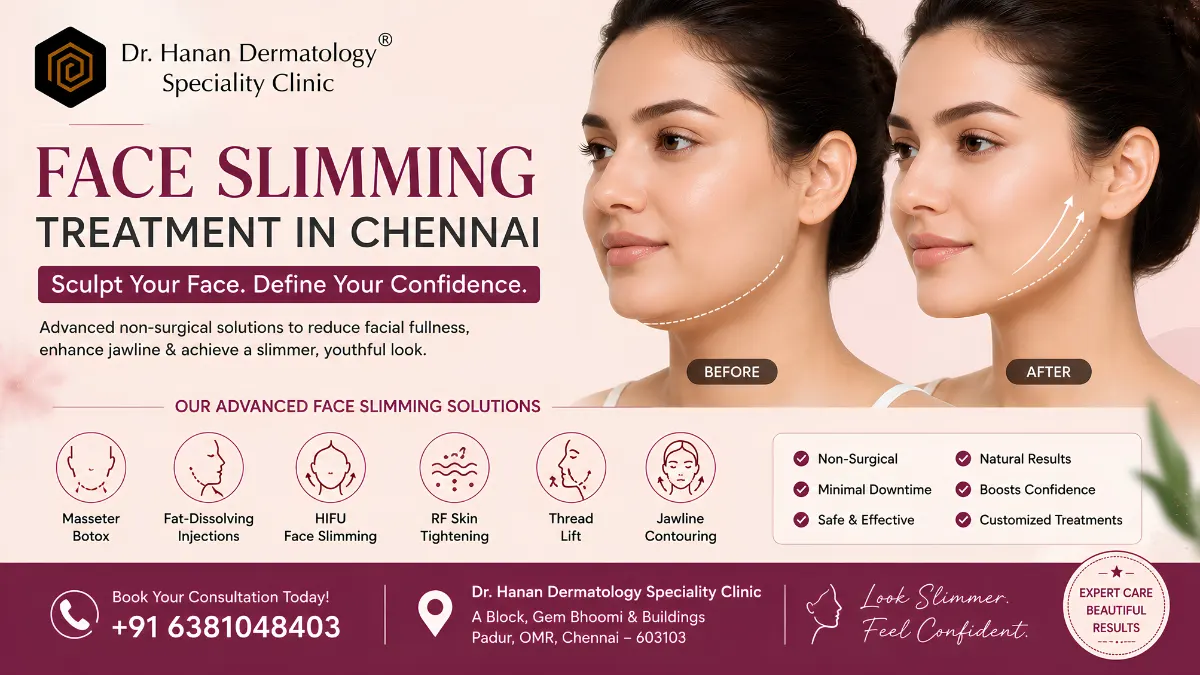
Face Slimming Treatment in Chennai
Face Slimming Treatment in Chennai . Get expert, dermatologist-led care at Dr. Hanan Dermatology Speciality Clinic.

Face Slimming Treatment in Chennai: A well-defined face with a sculpted jawline is often associated with beauty, confidence, and a youthful appearance. However, genetics, weight gain, enlarged jaw muscles, aging, and water retention can make the face appear rounder or fuller. If you’re looking for a safe and effective way to achieve a slimmer facial profile, Face Slimming Treatment in Chennai offers advanced non-surgical solutions tailored to your needs.
At Dr. Hanan Dermatology Speciality Clinic, we provide personalized face slimming treatments using the latest cosmetic dermatology techniques. Our experienced dermatologists focus on enhancing your natural facial contours while maintaining balanced and natural-looking results.
What is Face Slimming Treatment?
Face slimming is a cosmetic procedure designed to reduce facial fullness, improve jawline definition, and create a slimmer, more contoured appearance. Depending on the underlying cause of facial fullness, treatment may involve muscle relaxation, fat reduction, or skin tightening.
Unlike weight loss alone, face slimming treatments target specific areas of the face to achieve better facial harmony and definition.
What Causes a Full or Round Face?
Understanding the cause of facial fullness helps determine the most suitable treatment.
Genetics
Some individuals naturally have a round or broad facial structure due to inherited bone structure and facial fat distribution.
Enlarged Masseter Muscles
Overactive chewing muscles (masseter muscles) can create a square or wide jawline.
Excess Facial Fat
Weight gain may increase fat deposits in the cheeks and under the chin.
Double Chin
Submental fat beneath the chin can reduce jawline definition.
Water Retention
High sodium intake, dehydration, alcohol consumption, and lack of sleep can cause temporary facial puffiness.
Aging
Loss of collagen and skin elasticity may result in sagging around the jawline and neck.
Benefits of Face Slimming Treatment
Face slimming treatments offer numerous cosmetic and confidence-enhancing benefits.
Creates a Slimmer Facial Profile
Reduces facial fullness while enhancing facial contours.
Improves Jawline Definition
Provides a sharper and more sculpted jawline.
Enhances Facial Symmetry
Balances facial proportions for a harmonious appearance.
Non-Surgical Solution
Most treatments require no surgery and minimal downtime.
Natural-Looking Results
Customized treatment plans ensure subtle and aesthetically pleasing outcomes.
Boosts Confidence
A well-contoured face often improves self-confidence and overall appearance.
Who is an Ideal Candidate for Face Slimming?
Face slimming may be suitable for individuals who have:
- A round or chubby face
- Enlarged jaw muscles
- Double chin
- Mild facial fat
- Loose skin around the jawline
- Desire for a slimmer facial appearance
- Good overall health with realistic expectations
A consultation at Dr. Hanan Dermatology Speciality Clinic will help determine the most appropriate treatment plan.
Face Slimming Treatments Available at Dr. Hanan Dermatology Speciality Clinic
Our clinic offers advanced non-surgical face slimming solutions based on individual facial anatomy and cosmetic goals.
Masseter Botox
Masseter Botox relaxes enlarged jaw muscles, creating a slimmer lower face and softer facial contours.
Benefits:
- Slimmer jawline
- Reduced teeth grinding
- Non-surgical treatment
- Natural facial contouring
Fat-Dissolving Injections
Fat-dissolving injections target stubborn fat beneath the chin and around the jawline, helping improve facial definition.
Benefits:
- Permanent fat cell reduction
- Improved jawline visibility
- Reduced double chin
- Minimal downtime
Radiofrequency (RF) Skin Tightening
RF technology stimulates collagen production while tightening loose skin around the face and neck.
Benefits:
- Firmer skin
- Better facial contours
- Reduced skin laxity
- Non-invasive procedure
HIFU Face Slimming
High-Intensity Focused Ultrasound (HIFU) uses ultrasound energy to lift and tighten deeper layers of the skin.
Benefits:
- Skin tightening
- Facial lifting
- Improved jawline definition
- Long-lasting collagen stimulation
Thread Lift
Thread Lift provides immediate lifting of sagging skin while encouraging natural collagen production.
Benefits:
- Instant lifting effect
- Sharper jawline
- Improved facial contours
- Youthful appearance
Dermal Fillers for Facial Balance
Dermal fillers can improve facial harmony by enhancing the chin, jawline, and cheeks.
Lifestyle Tips to Support Face Slimming Results
Maintaining healthy habits can enhance and prolong treatment outcomes.
Maintain a Healthy Weight
Overall body fat reduction may contribute to a slimmer facial appearance.
Drink Plenty of Water
Proper hydration helps minimize facial puffiness caused by water retention.
Reduce Salt Intake
Limiting sodium helps reduce bloating and facial swelling.
Limit Alcohol Consumption
Alcohol may increase dehydration and facial puffiness.
Exercise Regularly
Regular physical activity supports healthy weight management.
Follow a Balanced Diet
Nutrient-rich foods contribute to healthier skin and improved facial appearance.
Face Slimming Procedure at Dr. Hanan Clinic
Consultation
Our dermatologists discuss your concerns and evaluate your facial anatomy.
Facial Assessment
A detailed examination identifies the cause of facial fullness.
Customized Treatment Plan
Each treatment plan is designed according to your facial structure and cosmetic goals.
Procedure
The selected treatment is performed using advanced dermatology equipment and techniques.
Recovery & Follow-Up
Most patients return to normal activities shortly after treatment with minimal downtime.
Face Slimming Before and After Results
Many patients notice gradual improvements after treatment.
Common results include:
- Slimmer face
- Better jawline definition
- Reduced facial fullness
- Improved facial proportions
- More youthful appearance
Results vary depending on the treatment selected and individual response.
Face Slimming vs Face Contouring
| Feature | Face Slimming | Face Contouring |
|---|
| Primary Goal | Reduce facial fullness | Improve facial definition |
| Suitable For | Round or fuller face | Facial balance and sculpting |
| Common Treatments | Masseter Botox, Fat Dissolving, RF | Fillers, Thread Lift, HIFU |
| Result | Slimmer appearance | Enhanced facial structure |
Face Slimming vs Buccal Fat Removal
| Feature | Non-Surgical Face Slimming | Buccal Fat Removal |
| Procedure | Non-invasive | Surgical |
| Downtime | Minimal | Longer |
| Recovery | Quick | Several weeks |
| Results | Gradual | Permanent |
Why Choose Dr. Hanan Dermatology Speciality Clinic?
Dr. Hanan Dermatology Speciality Clinic is one of the most trusted destinations for skin, hair, laser, and cosmetic treatments in Chennai.
Our Specialized Services
- Skin Treatments
- Hair Treatments
- Hair Transplant
- Cosmetic Dermatology
- Laser Treatments
- Acne Scar Treatment
- Permanent Hair Removal
- Non-Surgical Face Lifting
- Glutathione Therapy
Meet Dr. Hanan Basith MD (DVL), FFAM
Dr. Hanan Basith graduated from the prestigious Madras Medical College and is widely recognized for her expertise in Clinical Dermatology, Dermoscopy, and Aesthetic Medicine.
She has been awarded a Fellowship in Facial Aesthetic Medicine (FFAM) by the International Academy of Facial Cosmetic Surgery (IAFCS) and the Indian Society of Facial Plastic and Reconstructive Surgery.
She is also a member of:
- Indian Association of Dermatologists, Venereologists & Leprologists (IADVL)
- Association of Cutaneous Surgeons of India (ACSI)
- Association of Hair Restoration Surgeons of India (AHRS)
- Indian Association for the Study of Sexually Transmitted Diseases (IASTD)
FAQs
1. What is face slimming treatment?
Face slimming treatment is a cosmetic procedure designed to reduce facial fullness, enhance jawline definition, and create a slimmer, more contoured appearance using non-surgical techniques such as Masseter Botox, HIFU, RF skin tightening, thread lifts, and dermal fillers.
2. Who is an ideal candidate for face slimming treatment?
Face slimming is suitable for individuals who have:
- A round or chubby face
- Enlarged jaw muscles
- Double chin
- Mild facial fat
- Loose skin around the jawline
- A desire for a more defined facial profile
3. What causes a round or full face?
A fuller face may result from:
- Genetics
- Excess body fat
- Enlarged masseter muscles
- Water retention
- Aging and skin laxity
- Double chin (submental fat)
4. Is face slimming treatment permanent?
The longevity of results depends on the treatment. Procedures like Masseter Botox typically last 4–6 months, while collagen-stimulating treatments such as HIFU and RF skin tightening can provide longer-lasting improvements with maintenance sessions.
5. Is face slimming treatment painful?
Most face slimming treatments involve minimal discomfort. Topical numbing cream may be used to ensure a comfortable experience during the procedure.
6. How long does a face slimming procedure take?
Most non-surgical face slimming treatments take approximately 30 to 60 minutes, depending on the procedure and treatment areas.
7. Is there any downtime after face slimming treatment?
Most treatments require little to no downtime. Mild swelling, redness, or bruising may occur but usually resolves within a few days.
8. Can face slimming reduce a double chin?
Yes. Fat-dissolving injections, HIFU, RF skin tightening, and other contouring procedures can help reduce the appearance of a double chin and improve jawline definition.
9. What is Masseter Botox, and how does it slim the face?
Masseter Botox relaxes the enlarged jaw muscles responsible for a wide or square jawline. Over time, the muscles become smaller, creating a slimmer and softer facial appearance.
10. What is the difference between face slimming and face contouring?
Face slimming focuses on reducing facial fullness and creating a narrower appearance, while face contouring enhances facial definition, symmetry, and structure by improving areas such as the cheeks, chin, and jawline.
11. How soon will I see results after face slimming?
Some treatments provide noticeable improvements within a few days, while others, such as HIFU or Masseter Botox, show gradual results over 4 to 8 weeks as the treatment takes effect.
12. Can face slimming treatments be combined with other cosmetic procedures?
Yes. Depending on your facial anatomy and goals, face slimming can be combined with dermal fillers, thread lifts, laser treatments, or skin rejuvenation procedures for more comprehensive facial enhancement.
13. How much does face slimming treatment cost in Chennai?
The cost depends on the type of treatment, the number of sessions required, and your individual aesthetic goals. A consultation with our dermatologists will provide a personalized treatment plan and cost estimate.
14. Why choose Dr. Hanan Dermatology Speciality Clinic for face slimming treatment in Chennai?
At Dr. Hanan Dermatology Speciality Clinic, you benefit from:
- Experienced dermatologists and aesthetic specialists
- Personalized face slimming treatment plans
- Advanced, FDA-approved technologies
- Safe and minimally invasive procedures
- Natural-looking, long-lasting results
- Comprehensive skin, hair, and cosmetic care under one roof
Ready for Permanent Hair Restoration?
Wondering if a hair transplant is permanent? Book a consultation with our specialists and get personalized guidance for long-lasting results!
Table of Contents
Ultimate Guide to Skin Tightening Treatments: Types, Benefits, and Aftercare
As we age, our skin loses elasticity due to decreased collagen and elastin production. This results in sagging skin, fine lines, and wrinkles. Thankfully, modern skin tightening treatments can help restore firmness and rejuvenate the skin without surgery. This article explores different skin tightening treatments, their benefits, and essential aftercare tips.
Book Your Consultation Today
Visit Dr. Hanan Dermatology Specialty Clinic in Padur, OMR, Chennai. Schedule your consultation today and start your journey to fuller, healthier hair.
For more information and to book your appointment, visit our clinic or call us at the clinic’s contact details.
How Skin Tightening Treatments Work
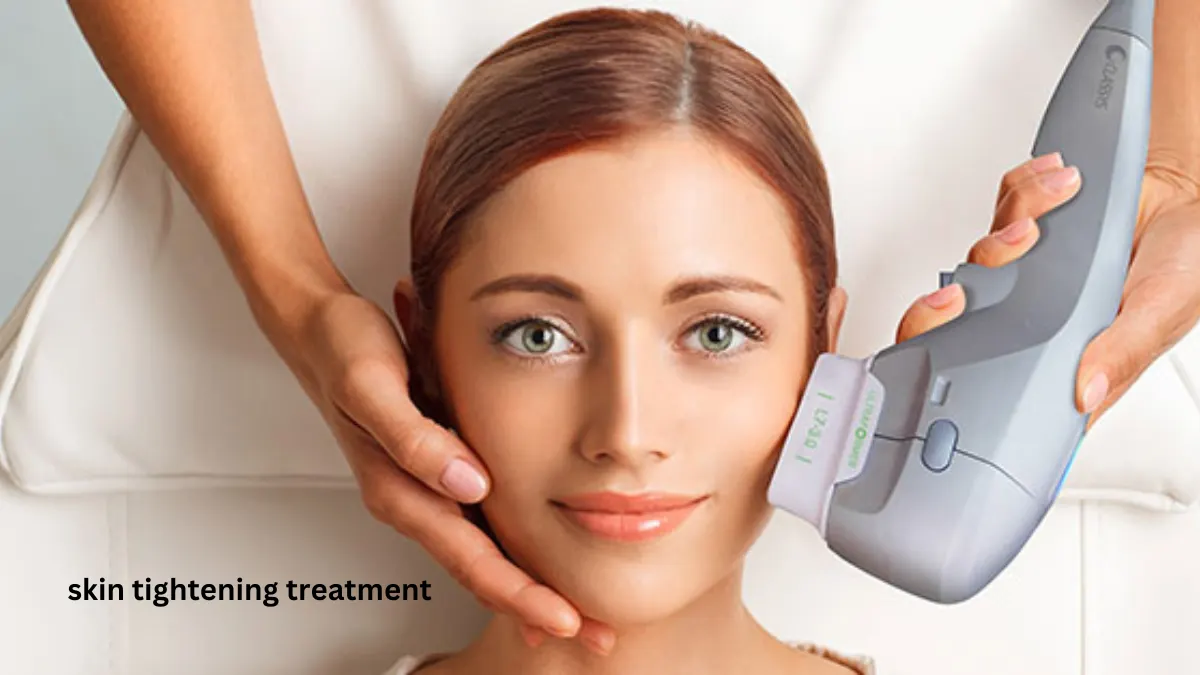
Skin tightening treatments stimulate collagen and elastin production using various technologies such as heat, ultrasound, and microneedling. These treatments improve skin texture, elasticity, and firmness, giving a more youthful appearance.
Types of Skin Tightening Treatments
1. Laser Skin Tightening
Laser treatments use targeted light energy to penetrate deep into the skin, stimulating collagen production. This method is particularly effective for tightening skin on the face, belly, and upper arms.
2. Radiofrequency (RF) Skin Tightening
RF treatments use radiofrequency energy to heat the skin’s deeper layers, triggering collagen and elastin production. Popular RF treatments include:
- Thermage®: Ideal for facial and body contouring.
- Morpheus8®: Combines RF with microneedling for deeper skin remodeling.
- Exilis®: A non-invasive treatment for tightening loose skin and reducing fat.
3. Microneedling
This treatment involves tiny needles that create micro-injuries, stimulating the skin’s natural healing process and boosting collagen production. It is often combined with RF for enhanced results.
4. Ultherapy (Ultrasound Therapy)
Ultherapy uses ultrasound waves to penetrate deep into the skin and stimulate collagen production. It is commonly used as a non-surgical alternative to facelifts.
5. High-Intensity Focused Ultrasound (HIFU)
HIFU uses focused ultrasonic energy to promote collagen production. It is a popular treatment for non-invasive skin lifting and tightening.
Benefits of Skin Tightening Treatments
- Improved skin elasticity and firmness
- Reduction of fine lines and wrinkles
- Non-invasive with minimal downtime
- Natural-looking and long-lasting results
Potential Side Effects and Risks
While skin tightening treatments are generally safe, some individuals may experience:
- Temporary redness, swelling, or mild discomfort
- Rare side effects such as burns, pigmentation changes, or scarring Choosing a qualified and experienced practitioner minimizes these risks.
Aftercare Tips for Best Results
To ensure optimal results and smooth recovery, follow these aftercare tips:
- Stay hydrated: Drink plenty of water before and after treatment.
- Avoid alcohol: Refrain from consuming alcohol for 24-72 hours post-treatment.
- Skip hot showers: Avoid hot showers or baths for at least 24 hours.
- Use gentle skincare: Avoid harsh ingredients like retinol and acids until your skin heals.
- Wear sunscreen: Protect treated areas from sun exposure to maintain results.
Who is a Good Candidate for Skin Tightening?
Skin tightening treatments are suitable for individuals experiencing mild to moderate skin laxity. Ideal candidates include:
- People in their 30s to 60s with sagging skin
- Those looking for non-surgical anti-aging solutions
- Individuals in good overall health Pregnant women and individuals with certain medical conditions should consult a dermatologist before undergoing treatment.
Cost of Skin Tightening Treatments
The cost of skin tightening treatments varies based on the type of procedure, clinic location, and number of sessions required. Approximate price ranges:
- Laser Skin Tightening: ₹50,000 – ₹2,00,000 per session
- RF Skin Tightening: ₹40,000 – ₹1,50,000 per session
- Microneedling: ₹30,000 – ₹1,00,000 per session
- Ultherapy/HIFU: ₹80,000 – ₹2,50,000 per session
Comparing Skin Tightening Treatments: Which One is Best for You?
| Treatment | Technology | Best For | Downtime |
|---|---|---|---|
| Laser | Light energy | Face, arms, belly | Minimal |
| RF | Radiofrequency waves | Face, body contouring | Minimal |
| Microneedling | Needles creating micro-injuries | Fine lines, texture improvement | 1-3 days |
| Ultherapy | Ultrasound waves | Non-surgical facelift | None |
| HIFU | High-intensity ultrasound | Deep skin tightening | None |
Choosing the right treatment depends on your skin type, concerns, and desired results. A consultation with a skincare professional can help determine the best option for you.
Conclusion
Skin tightening treatments offer a non-invasive way to restore youthful, firm skin by stimulating collagen production. With various options available, from laser and RF to microneedling and ultrasound therapies, you can find a treatment that suits your needs. Ensure proper aftercare and consult a professional for the best results.
Ready to rejuvenate your skin? Schedule a consultation with a dermatologist today!
Boost Natural Immunity to Reduce Hair Loss

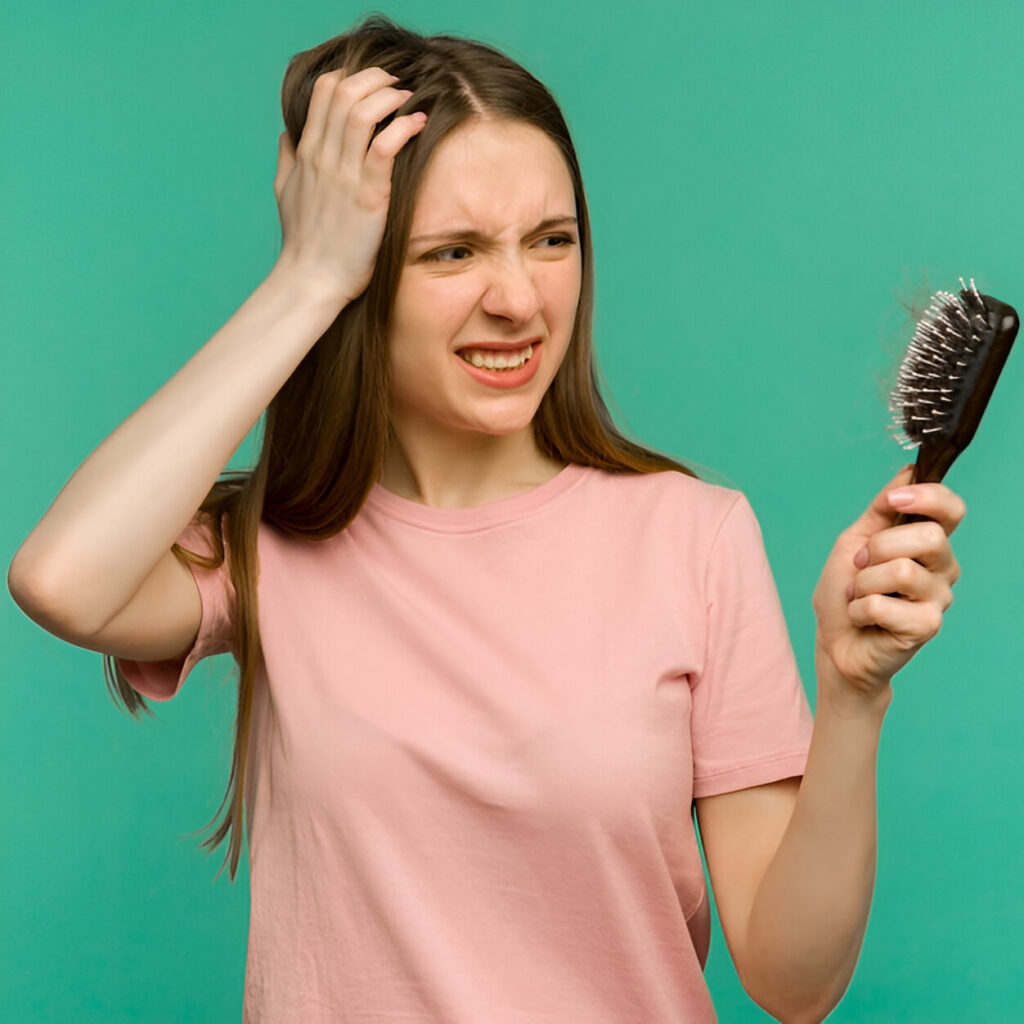
Boost Natural Immunity to Reduce Hair Loss: Hair loss has become a common concern among both men and women due to stress, unhealthy eating habits, hormonal imbalance, pollution, and weakened immunity. While many people focus only on shampoos and hair products, maintaining a strong immune system plays a major role in improving hair health naturally.
At Dr. Hanan Dermatology Speciality Clinic, experienced dermatologists and hair specialists provide advanced treatments and expert guidance to help patients reduce hair fall and restore healthy hair growth safely.
Understanding the Connection Between Immunity and Hair Loss
Your immune system protects the body from infections, inflammation, and cellular damage. When immunity becomes weak or imbalanced, hair follicles can become inflamed and damaged, leading to excessive hair shedding.
Conditions such as chronic stress, nutritional deficiencies, poor gut health, and autoimmune disorders can directly affect the scalp and weaken hair roots. Strengthening immunity naturally helps create a healthy environment for hair follicles to grow stronger and healthier.
How Weak Immunity Can Trigger Hair Loss
A weakened immune system can contribute to several hair-related problems, including:
- Increased scalp inflammation
- Poor nutrient absorption
- Reduced blood circulation to follicles
- Premature hair shedding
- Slower hair growth cycles
- Autoimmune-related hair loss conditions
People experiencing sudden hair fall, thinning, or patchy hair loss should seek professional diagnosis from experienced dermatologists.
Best Foods to Boost Immunity and Reduce Hair Loss
Increase Protein Intake for Strong Hair
Hair is made of keratin, a structural protein essential for healthy growth. Lack of protein can weaken hair strands and increase breakage.
Protein-rich foods include:
- Eggs
- Fish
- Chicken
- Lentils
- Paneer
- Nuts and seeds
A balanced protein-rich diet supports stronger roots and improves overall hair texture.
Iron-Rich Foods Help Prevent Hair Thinning
Iron deficiency is one of the leading causes of hair loss, especially among women.
Foods rich in iron include:
- Spinach
- Beetroot
- Lentils
- Beans
- Pumpkin seeds
Iron helps deliver oxygen to hair follicles, improving scalp nourishment and growth.
Vitamin C Improves Hair Health
Vitamin C supports collagen production and improves iron absorption in the body.
Best sources include:
- Oranges
- Lemons
- Amla
- Bell peppers
- Strawberries
Regular intake helps maintain stronger hair follicles and healthier skin.
Omega-3 Fatty Acids Reduce Scalp Inflammation
Healthy fats improve scalp hydration and reduce inflammation that can damage follicles.
Omega-3-rich foods include:
- Salmon
- Flaxseeds
- Walnuts
- Chia seeds
These nutrients may improve hair density and scalp health naturally.
Zinc and Biotin for Hair Growth
Biotin and zinc are important nutrients for healthy hair growth and immune support.
Foods rich in biotin and zinc:
- Eggs
- Whole grains
- Almonds
- Pumpkin seeds
- Cashews
Deficiency in these nutrients can lead to thinning hair and scalp issues.
Step 4: Avoid Harmful Ingredients
When choosing a shampoo, always read the label. Avoid these ingredients that can damage your hair over time:
- Sulfates (SLS, SLES) – Can strip natural oils and irritate the scalp
- Parabens – Preservatives linked to hormone disruption
- Alcohol – Can be drying (except for fatty alcohols like cetyl or stearyl)
Artificial fragrance or color – May trigger sensitivity or allergies
Step 5: Try Before You Commit
If you’re unsure whether a shampoo will suit your hair:
- Start with a small bottle or travel size
- Use it for at least 2–3 washes
- Watch how your scalp and strands respond
If irritation, hair fall, or excess dryness occurs, discontinue use and consult a dermatologist.
Lifestyle Changes to Improve Immunity Naturally
Manage Stress Effectively
Chronic stress increases cortisol levels, which may trigger excessive hair shedding known as telogen effluvium.
Helpful stress management techniques include:
- Meditation
- Yoga
- Deep breathing exercises
- Regular walking
- Relaxation therapy
Managing stress improves both immune balance and hair health.
Prioritize Quality Sleep
Sleep is essential for tissue repair, hormone balance, and healthy hair follicle regeneration.
Experts recommend:
- 7–9 hours of quality sleep daily
- Maintaining a regular sleep routine
- Limiting screen exposure before bedtime
Good sleep supports stronger immunity and better scalp recovery.
Exercise Regularly
Regular physical activity improves blood circulation and delivers oxygen and nutrients to the scalp.
Best activities include:
- Walking
- Cycling
- Yoga
- Strength training
Exercise also helps reduce inflammation and stress-related hair loss.
Natural Scalp Care Tips for Healthier Hair
Scalp Massage Improves Blood Flow
Gentle scalp massage stimulates circulation and helps relax the scalp muscles.
Natural oils commonly used include:
- Coconut oil
- Almond oil
- Rosemary oil
- Castor oil
Massaging the scalp several times weekly may improve hair strength naturally.
Rosemary Oil for Hair Growth
Studies suggest rosemary oil may help improve hair growth by reducing inflammation and enhancing blood circulation to follicles.
When used consistently, rosemary oil may support thicker and healthier hair.
Avoid Harsh Chemical Treatments
Frequent coloring, bleaching, heat styling, and chemical treatments can damage hair shafts and weaken follicles.
Protect your hair by:
- Using mild shampoos
- Avoiding excessive heat
- Limiting harsh salon procedures
- Choosing dermatologist-approved hair care products
Important Vitamins for Immunity and Hair Health
Vitamin D
Vitamin D supports immune regulation and healthy hair follicle cycling.
Sources include:
- Morning sunlight
- Fortified dairy products
- Eggs
- Fatty fish
Low Vitamin D levels are commonly linked to hair thinning.
Zinc
Zinc supports tissue repair and immune function while helping reduce hair fall caused by scalp inflammation.
Why Choose Dr. Hanan Dermatology Speciality Clinic?
14+ Years of Experience
65,000+ Happy Patients
41,000+ Procedures Completed
Advanced Hair and Skin Technologies
Experienced Dermatologists and Specialists
Personalized Treatment Plans
The clinic is recognized for delivering safe, advanced, and result-oriented dermatology and trichology treatments.
FAQs
Can low immunity lead to hair loss?
Yes, a weak immune system can contribute to hair loss by increasing inflammation, reducing nutrient absorption, and affecting hair follicle health. Conditions like autoimmune disorders may also trigger patchy hair loss.
What foods help improve hair growth naturally?
Protein-rich foods, iron-rich vegetables, omega-3 fatty acids, nuts, seeds, eggs, fish, and Vitamin C-rich fruits can support healthier hair growth naturally.
Which vitamin deficiency is most commonly linked to hair fall?
Deficiencies in Vitamin D, iron, zinc, and biotin are commonly associated with excessive hair shedding and thinning.
Does stress weaken immunity and cause hair loss?
Yes, chronic stress increases cortisol levels, which can weaken immunity and push hair follicles into the resting phase, leading to increased hair fall.
Can improving gut health reduce hair loss?
A healthy gut supports nutrient absorption and immune balance. Probiotics and a balanced diet may help improve scalp and hair health over time.
Is rosemary oil good for hair growth?
Rosemary oil may help improve blood circulation to the scalp and reduce inflammation, which can support healthier hair growth when used regularly.
How much sleep is necessary for healthy hair?
Experts recommend 7–9 hours of quality sleep daily to support tissue repair, hormonal balance, and healthy hair follicle regeneration.
Can exercise improve hair health?
Yes, regular exercise improves blood circulation, reduces stress, and helps deliver nutrients and oxygen to hair follicles.
When should I consult a dermatologist for hair loss?
You should consult a dermatologist if you experience sudden hair shedding, bald patches, persistent thinning, scalp irritation, or excessive hair fall lasting several months.
Does Dr. Hanan Dermatology Speciality Clinic provide hair loss treatments in Chennai?
Yes, Dr. Hanan Dermatology Speciality Clinic offers advanced hair loss treatments, scalp therapies, PRP treatment, and hair transplant procedures with personalized care.
Book Your Consultation Today!
For Personalised Treatment visit Dr. Hanan Clinic. Feel confident and proud with our expert care.
Table of Contents
HIFU Treatment in Chennai – Advanced Non-Surgical Face Lift & Skin Tightening
HIFU Treatment in Chennai . Get expert, dermatologist-led care at Dr. Hanan Dermatology Speciality Clinic.

HIFU Treatment in Chennai: A youthful appearance is often associated with firm, smooth, and radiant skin. However, as we age, the natural production of collagen and elastin declines, leading to wrinkles, sagging skin, and reduced facial definition. While surgical facelifts have traditionally been the go-to solution, many people today prefer treatments that deliver noticeable results without surgery or lengthy recovery periods.
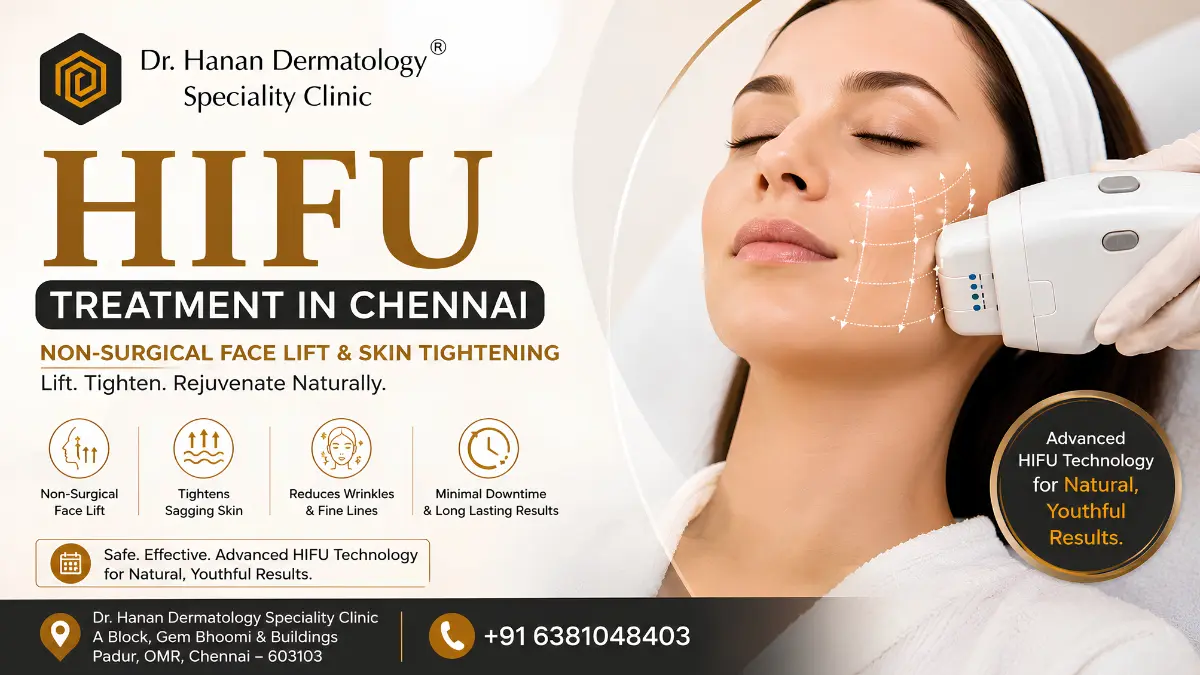
High-Intensity Focused Ultrasound (HIFU) is one of the most advanced non-surgical skin tightening treatments available today. Using focused ultrasound energy, HIFU stimulates the body’s natural collagen production deep within the skin, helping lift and tighten the face, neck, and other areas without incisions or downtime.
If you’re looking for HIFU treatment in Chennai, Dr. Hanan Dermatology Speciality Clinic offers advanced HIFU procedures performed by experienced dermatologists using modern technology. Every treatment is tailored to your skin type, age, and aesthetic goals to achieve natural-looking, long-lasting results.
Whether you want to reduce wrinkles, lift sagging cheeks, define your jawline, or rejuvenate aging skin, HIFU provides a safe, effective, and minimally invasive solution.
What is HIFU Treatment?
HIFU (High-Intensity Focused Ultrasound) is an FDA-cleared, non-invasive cosmetic procedure that uses concentrated ultrasound energy to tighten and lift the skin naturally. Unlike lasers or radiofrequency treatments that primarily target the skin’s surface, HIFU delivers focused energy into the deeper structural layers of the skin, including the Superficial Musculoaponeurotic System (SMAS)—the same layer addressed during a surgical facelift.
The ultrasound energy creates controlled thermal points beneath the skin, triggering the body’s natural healing response. This stimulates new collagen and elastin production over the following weeks and months, resulting in firmer, smoother, and more youthful-looking skin.
One of the biggest advantages of HIFU is that it improves the skin naturally from within. Since collagen regeneration takes time, the results appear gradually, creating a subtle and refreshed appearance rather than an overdone look.
At Dr. Hanan Dermatology Speciality Clinic, every HIFU treatment begins with a detailed skin assessment to determine whether the procedure is suitable for your concerns. The treatment plan is then customized based on your skin condition and desired outcome.
How Does HIFU Work?
HIFU uses high-frequency ultrasound waves to deliver controlled heat at precise depths beneath the skin without damaging the outer surface.
The treatment works through three main stages:
1. Deep Ultrasound Energy Delivery
Focused ultrasound energy penetrates specific layers beneath the skin while leaving the epidermis unaffected.
2. Collagen Stimulation
The controlled heat activates fibroblast cells responsible for producing collagen and elastin, two proteins that maintain skin firmness and elasticity.
3. Natural Skin Tightening
Over the next two to three months, new collagen forms, gradually tightening loose skin, reducing wrinkles, and improving facial contours.
Unlike treatments that offer only temporary improvements, HIFU encourages your body to naturally rebuild collagen, providing results that can last for a year or longer, depending on individual skin conditions and lifestyle.
Benefits of HIFU Treatment
HIFU has become one of the most sought-after anti-aging treatments because it offers noticeable improvements without surgery.
Some of the major benefits include:
Non-Surgical Face Lift
HIFU provides lifting and tightening effects without incisions, stitches, or scars, making it an excellent alternative for individuals not ready for cosmetic surgery.
Natural Collagen Production
Instead of artificially filling wrinkles, HIFU stimulates your body’s own collagen production, resulting in gradual and natural-looking improvements.
Tightens Loose Skin
The treatment effectively improves mild to moderate skin laxity on the face and neck.
Reduces Fine Lines and Wrinkles
By improving collagen density, HIFU softens forehead lines, crow’s feet, smile lines, and other signs of aging.
Defines Jawline
Many patients choose HIFU to improve jawline definition and reduce early jowls, creating a more sculpted facial profile.
Lifts Sagging Cheeks
As collagen rebuilds, cheeks appear firmer and more youthful without adding unnecessary volume.
Improves Double Chin Appearance
HIFU can help tighten skin beneath the chin, enhancing the overall contour of the lower face.
Neck Tightening
Loose neck skin and horizontal neck lines can become visibly smoother after treatment.
Brow Lift
HIFU can gently lift drooping eyebrows, making the eyes appear more open and refreshed.
No Surgery
Patients avoid general anesthesia, surgical scars, and lengthy recovery associated with traditional facelifts.
Minimal Downtime
Most individuals return to work and daily activities immediately after the procedure.
Long-Lasting Results
With proper skincare and maintenance, HIFU results may last between 12 and 18 months, depending on individual factors such as age and skin condition.
Safe for Most Skin Types
HIFU is suitable for various skin tones because ultrasound energy bypasses the skin’s surface, reducing the risk of pigmentation changes commonly associated with some laser treatments.
Areas That Can Be Treated with HIFU
One of HIFU’s greatest advantages is its versatility. It can address multiple areas affected by skin laxity and aging.
HIFU for the Face
Forehead
Reduces forehead wrinkles while providing a subtle lifting effect.
Eyebrows
Helps lift drooping brows, giving the eyes a brighter and more youthful appearance.
Around the Eyes
Improves fine lines, crow’s feet, and mild skin laxity around the eyes.
Cheeks
Tightens sagging cheeks and restores a firmer facial contour.
Nasolabial Folds
Softens smile lines by improving skin firmness around the cheeks.
Jawline
Creates better jawline definition by tightening loose skin and reducing jowls.
Chin
Improves skin firmness beneath the chin and helps contour the lower face.
HIFU for the Neck
The neck is one of the earliest areas to show signs of aging. HIFU effectively tightens loose neck skin, improves horizontal neck lines, and enhances the transition between the face and neck.
HIFU for the Décolletage
The upper chest often develops fine wrinkles due to aging and sun exposure. HIFU helps improve skin texture, firmness, and elasticity in this delicate area.
HIFU for the Body
Advanced HIFU devices may also be used for skin tightening on selected body areas, including:
- Upper arms
- Abdomen
- Inner thighs
- Above the knees
- Flanks (love handles)
Body HIFU is generally recommended for mild skin laxity rather than significant fat reduction or weight loss.
Who is an Ideal Candidate for HIFU Treatment?
HIFU is most effective for individuals experiencing early to moderate signs of skin aging who want noticeable improvements without surgery.
You may be an ideal candidate if you:
- Are between 30 and 60 years of age
- Notice mild to moderate skin laxity
- Have loose skin around the cheeks or jawline
- Want a sharper facial contour
- Have fine lines and wrinkles
- Wish to reduce early jowls
- Have mild neck sagging
- Prefer non-surgical cosmetic procedures
- Want little or no downtime
- Have realistic expectations regarding gradual, natural-looking results
Patients with severe skin laxity or excessive sagging may benefit more from surgical facelift procedures. During your consultation at Dr. Hanan Dermatology Speciality Clinic, our dermatologists will carefully evaluate your skin and recommend the most appropriate treatment plan based on your individual needs.
Why Choose Dr. Hanan Dermatology Speciality Clinic for HIFU Treatment in Chennai?
At Dr. Hanan Dermatology Speciality Clinic, we believe every patient deserves personalized care and evidence-based treatments. Our team combines advanced HIFU technology with expert dermatological assessment to help achieve natural facial rejuvenation safely and effectively.
Our clinic offers:
- Experienced dermatologists specializing in aesthetic skin treatments
- Advanced HIFU technology for precise collagen stimulation
- Customized treatment plans based on skin analysis
- High standards of hygiene and patient safety
- Transparent guidance on expected results and aftercare
- Comprehensive support from consultation through follow-up
Whether your goal is to lift sagging skin, improve jawline definition, or reduce wrinkles, we are committed to helping you achieve refreshed, youthful-looking skin with personalized care.
FAQs
1. What is HIFU treatment?
HIFU (High-Intensity Focused Ultrasound) is a non-surgical cosmetic treatment that uses focused ultrasound energy to stimulate collagen production deep within the skin. It helps tighten sagging skin, reduce wrinkles, and improve facial contours without surgery.
2. Is HIFU treatment painful?
Most patients experience only mild discomfort during the procedure. You may feel a slight tingling or warm sensation as the ultrasound energy is delivered. The treatment is generally well tolerated, and any discomfort is temporary.
3. How many HIFU sessions are required?
Many patients achieve noticeable results after a single session. However, the number of sessions depends on your skin condition, age, and treatment goals. Your dermatologist will recommend a personalized treatment plan.
4. When will I see results after HIFU treatment?
Some patients notice mild skin tightening immediately after the procedure. The most visible improvements develop gradually over the next 2 to 3 months as new collagen forms.
5. How long do HIFU results last?
Results typically last between 12 and 18 months, depending on factors such as age, skin quality, lifestyle, and skincare routine. Periodic maintenance sessions may help prolong the results.
6. Is HIFU treatment safe?
Yes. HIFU is considered a safe and effective treatment when performed by a qualified dermatologist using approved technology. A thorough consultation helps ensure the treatment is suitable for your skin and medical history.
7. Is there any downtime after HIFU treatment?
HIFU requires minimal to no downtime. Most patients can return to work and their regular daily activities immediately after the procedure. Mild redness or slight swelling may occur but usually subsides within a few hours.
8. What areas can be treated with HIFU?
HIFU can be used to treat several areas, including the forehead, eyebrows, around the eyes, cheeks, jawline, chin, neck, décolletage, and selected body areas with mild skin laxity.
9. Who is an ideal candidate for HIFU treatment?
HIFU is suitable for adults with mild to moderate skin laxity, early signs of aging, fine lines, wrinkles, or a loss of facial firmness who want a non-surgical skin tightening solution.
10. Can HIFU replace a surgical facelift?
HIFU is an excellent option for people with mild to moderate skin laxity who prefer to avoid surgery. However, individuals with significant skin sagging may achieve better results with a surgical facelift.
11. What is the cost of HIFU treatment in Chennai?
The cost varies depending on the treatment area, the number of ultrasound shots required, the technology used, and the dermatologist’s expertise. A consultation at Dr. Hanan Dermatology Speciality Clinic can provide an accurate treatment estimate.
12. Are there any side effects of HIFU?
Side effects are usually mild and temporary. Some patients may experience slight redness, swelling, tenderness, or tingling, which generally resolves within a few hours to a few days.
13. Can HIFU be combined with other cosmetic treatments?
Yes. HIFU can often be combined with treatments such as Botox®, dermal fillers, PRP, or skin rejuvenation procedures for comprehensive facial rejuvenation. Your dermatologist will advise the best treatment combination for your needs.
14. What should I do after HIFU treatment?
After HIFU, use sunscreen daily, keep your skin hydrated, follow a gentle skincare routine, and avoid excessive heat exposure or harsh skin treatments for a few days. Following your dermatologist’s aftercare instructions helps optimize your results.
15. Why choose Dr. Hanan Dermatology Speciality Clinic for HIFU treatment in Chennai?
Dr. Hanan Dermatology Speciality Clinic offers advanced HIFU technology, experienced dermatologists, personalized treatment plans, strict hygiene standards, and comprehensive aftercare to help patients achieve safe, natural-looking skin tightening and facial rejuvenation results.
Ready for Permanent Hair Restoration?
Wondering if a hair transplant is permanent? Book a consultation with our specialists and get personalized guidance for long-lasting results!
Table of Contents
Hair Lice Treatment: Effective Remedies & Prevention Tips
Hair Lice Treatment: Hair lice are tiny, wingless parasites that infest the scalp and feed on human blood. They spread easily through direct head-to-head contact, making them common among children and families. Contrary to popular belief, lice infestations are not caused by poor hygiene. If you or your child is experiencing persistent itching and discomfort, it’s essential to take immediate action with the right treatment methods.
Book Your Consultation Today
Visit Dr. Hanan Dermatology Specialty Clinic in Padur, OMR, Chennai. Schedule your consultation today and start your journey to fuller, healthier hair.
For more information and to book your appointment, visit our clinic or call us at the clinic’s contact details.
Signs and Symptoms of Hair Lice
- Persistent Itching: The most common symptom due to an allergic reaction to lice bites.
- Visible Nits (Eggs): Tiny white or yellowish eggs attached to the base of hair strands.
- Lice Crawling on the Scalp: Adult lice are small (about the size of a sesame seed) and move quickly.
- Red Bumps or Sores: Scratching can lead to irritation and infection.
Causes and Risk Factors
- Direct Head-to-Head Contact: Common among children at school or daycare.
- Sharing Personal Items: Hats, combs, hairbrushes, and pillows can harbor lice.
- Lack of Preventive Measures: Regular hair checks and proper hygiene help reduce infestation risks.
Effective Hair Lice Treatments
1. Over-the-Counter (OTC) Treatments
- Medicated Shampoos: Products containing permethrin or pyrethrin are effective at killing lice.
- Application Tips: Follow instructions carefully, leaving the shampoo on for the recommended time before rinsing.
- Repeat Treatment: A second application is often necessary after 7–10 days to kill newly hatched lice.
2. Prescription Treatments
- Stronger Medications: Spinosad, ivermectin, and malathion are prescribed for resistant lice.
- Doctor Consultation: If OTC treatments fail, consult a healthcare provider for a more effective solution.
3. Natural Remedies for Lice Removal
- Tea Tree Oil & Neem Oil: Have natural insecticidal properties.
- Coconut Oil & Olive Oil: Smother lice and make combing easier.
- Vinegar Rinse: Helps loosen nits from hair strands.
- Application Method: Apply the chosen remedy to dry hair, leave for several hours, then comb through with a fine-tooth lice comb.
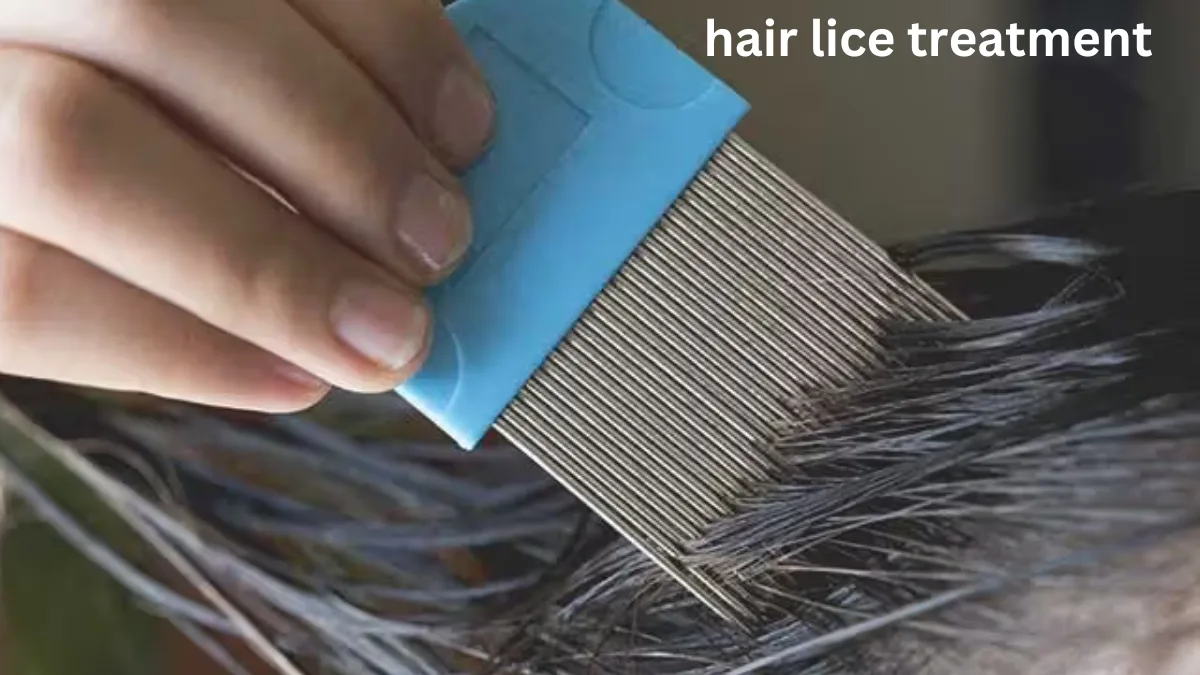
4. Combing & Manual Removal
- Lice Comb: A fine-toothed metal comb helps remove lice and nits effectively.
- Wet Combing: Use conditioner to ease combing and repeat every few days.
- Lighting & Magnification: Bright light and a magnifying glass can help spot lice.
Preventing Hair Lice Infestation
- Avoid Head-to-Head Contact: Educate children about the risks of sharing hats and brushes.
- Regular Hair Checks: Especially in school-going children.
- Clean Personal Belongings: Wash bedding, hats, and clothing in hot water.
- Use Preventive Sprays: Essential oil-based sprays may deter lice.
When to See a Doctor
- If lice persist after multiple treatments.
- If scratching leads to scalp infections.
- If OTC solutions cause skin irritation or allergic reactions.
FAQs on Hair Lice Treatment
1. What are hair lice?
Hair lice are tiny, wingless parasites that live on the scalp and feed on human blood. They are highly contagious and can spread through direct head-to-head contact.
2. What are the common symptoms of hair lice?
Common symptoms include intense itching, a tickling sensation on the scalp, visible lice or nits (eggs) on hair strands, and red bumps on the scalp, neck, or shoulders.
3. How do lice spread?
Lice spread primarily through direct head-to-head contact but can also transfer via shared personal items such as combs, hats, pillows, and towels.
4. Can lice jump or fly?
No, lice cannot jump or fly. They move by crawling from one head to another.
5. What are the best treatments for hair lice?
Effective treatments include:
- Over-the-counter (OTC) lice shampoos containing permethrin or pyrethrin.
- Prescription treatments such as ivermectin or malathion for severe infestations.
- Home remedies like wet combing, essential oils, or vinegar rinses.
6. How do I remove nits (lice eggs) from my hair?
Use a fine-toothed lice comb on damp hair after applying a conditioner. Repeat the process daily for at least a week.
7. Can hair lice survive on furniture or bedding?
Lice can live off the scalp for up to 48 hours. Washing bedding, hats, and clothes in hot water and vacuuming furniture can help prevent reinfestation.
8. How long does it take to get rid of lice?
It typically takes 1–2 weeks with proper treatment and regular nit combing.
9. Can lice infestations happen to clean hair?
Yes, lice do not discriminate between clean or dirty hair. They only need human blood to survive.
10. Do I need to shave my head to remove lice?
No, shaving is unnecessary. Proper treatment and consistent lice combing are effective in removing lice.
11. Are lice shampoos safe for children?
Most OTC lice treatments are safe for children, but it’s best to consult a doctor before use, especially for kids under 2 years old.
12. Can lice cause serious health issues?
Lice are annoying but do not carry diseases. However, excessive scratching can cause scalp infections.
13. How can I prevent lice infestations?
Avoid sharing personal items, tie long hair in braids or ponytails, and perform regular lice checks, especially for school-going children.
14. Is it possible to get lice from pets?
No, human lice only live on human scalps and do not infest pets.
15. When should I see a doctor for lice treatment?
If OTC treatments fail, if the infestation persists, or if there are signs of an allergic reaction or skin infection, consult a doctor for stronger treatment options.
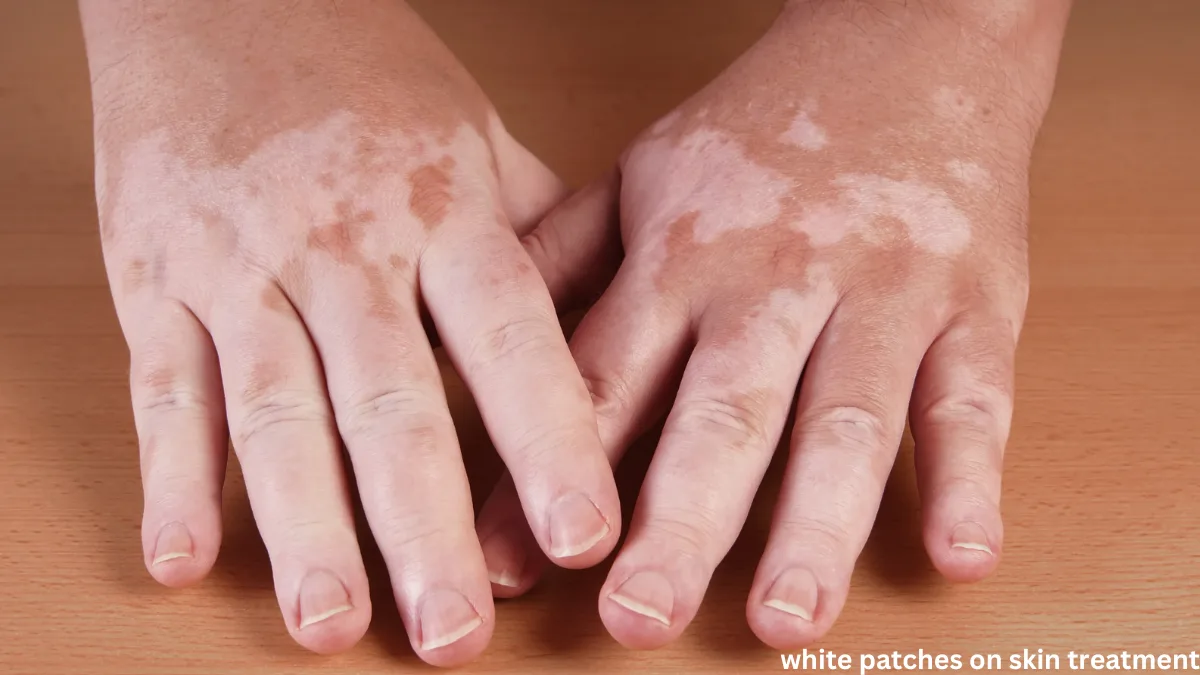
White Patches on Skin Treatment: Causes, Remedies, and Solutions
White Patches on Skin Treatment: White patches on the skin can be a cause of concern for many individuals. These patches may appear due to various medical conditions and can impact self-confidence. While some cases are temporary, others may require long-term treatment. Early diagnosis and proper treatment are crucial for managing and restoring skin pigmentation. In this article, we will discuss the causes, medical treatments, home remedies, and preventive measures for white patches on the skin.
Book Your Consultation Today
Visit Dr. Hanan Dermatology Specialty Clinic in Padur, OMR, Chennai. Schedule your consultation today and start your journey to fuller, healthier hair.
For more information and to book your appointment, visit our clinic or call us at the clinic’s contact details.
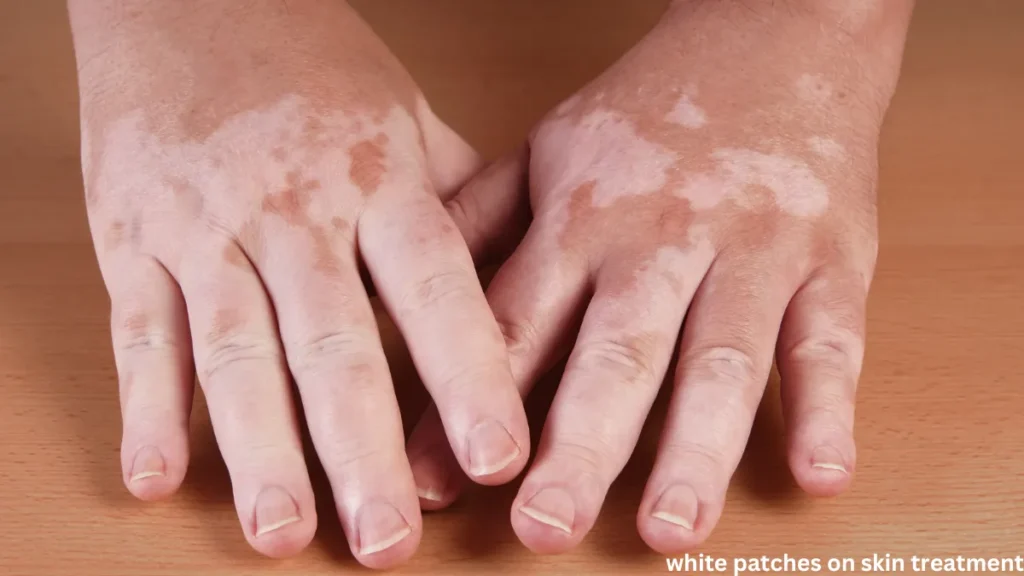
Causes of White Patches on Skin

White patches can result from different conditions, including:
1. Vitiligo
Vitiligo is an autoimmune condition where the body’s immune system attacks melanocytes, the cells responsible for producing skin pigment. This leads to the loss of skin color in patches.
2. Pityriasis Alba
A common skin condition in children, pityriasis alba causes dry, scaly white patches on the face and arms. It is usually associated with eczema and resolves over time.
3. Fungal Infections (Tinea Versicolor)
A yeast infection on the skin can cause small, discolored patches that may appear white, pink, or brown. These patches often become more noticeable in humid climates.
4. Nutritional Deficiencies
A lack of essential nutrients, such as Vitamin B12, Vitamin D, copper, and iron, can lead to hypopigmentation.
5. Skin Trauma or Burns
Post-inflammatory hypopigmentation can occur after skin injuries, burns, or chemical exposure, causing temporary or permanent white patches.
6. Other Medical Conditions
Certain conditions like psoriasis, eczema, and leprosy can also cause white patches as a symptom.
Diagnosis and When to See a Doctor
If you notice persistent white patches on your skin, consult a dermatologist. Diagnosis may involve:
- Physical Examination – Observing the patches and skin condition.
- Wood’s Lamp Test – Using UV light to examine pigmentation changes.
- Skin Biopsy – A small skin sample may be taken for analysis.
- Blood Tests – Checking for autoimmune disorders or nutritional deficiencies.
Medical Treatments for White Patches
1. Topical Treatments
- Corticosteroids – These creams can help restore skin color, especially if applied early.
- Topical Calcineurin Inhibitors (Tacrolimus, Pimecrolimus) – Used for small patches to stimulate pigment production.
- Janus Kinase (JAK) Inhibitors – Help restore pigmentation by reducing inflammation.
2. Light Therapy
- Photochemotherapy (PUVA) – Involves applying medication to the skin before exposure to UVA light.
- Narrow-Band UVB Therapy – Direct UVB exposure can stimulate melanocytes and restore skin color.
3. Depigmentation Therapy
For widespread vitiligo, depigmenting the remaining skin to achieve an even tone may be an option.
4. Medical-Grade Skin Peels
Chemical peels can exfoliate the top layers of skin and stimulate new pigment production.
Cosmetic and Camouflage Solutions
- Skin Camouflage Creams – Specially formulated concealers can temporarily cover white patches.
- Tattooing (Micropigmentation) – Permanent cosmetic tattooing can help blend white patches with surrounding skin.
Home Remedies and Lifestyle Management
1. Natural Remedies
- Coconut Oil – Moisturizes and soothes the skin, promoting healing.
- Aloe Vera Gel – Known for its anti-inflammatory and healing properties.
- Honey – Helps hydrate the skin and has antimicrobial benefits.
2. Dietary Changes
Consuming foods rich in vitamins and minerals, such as leafy greens, nuts, and dairy, can support skin health.
3. Sun Protection
Using sunscreen with SPF 30 or higher helps protect depigmented skin from sun damage and prevents further discoloration.
Preventive Measures
- Maintain good skin hygiene to prevent infections.
- Avoid harsh chemicals and skin irritants.
- Strengthen immunity through a balanced diet and hydration.
Conclusion
White Patches on Skin Treatment and White patches on the skin can be caused by various conditions, from autoimmune disorders to fungal infections. While medical treatments, topical applications, and light therapy can restore pigmentation, natural remedies and preventive care also play a role in managing these patches. If you notice persistent white patches, consulting a dermatologist for a proper diagnosis and treatment plan is essential. With the right approach, skin pigmentation can often be restored, helping you regain confidence in your skin’s appearance.
10 Best Dry Scalp Treatments: Causes, Powerful Remedies & Prevention Tips
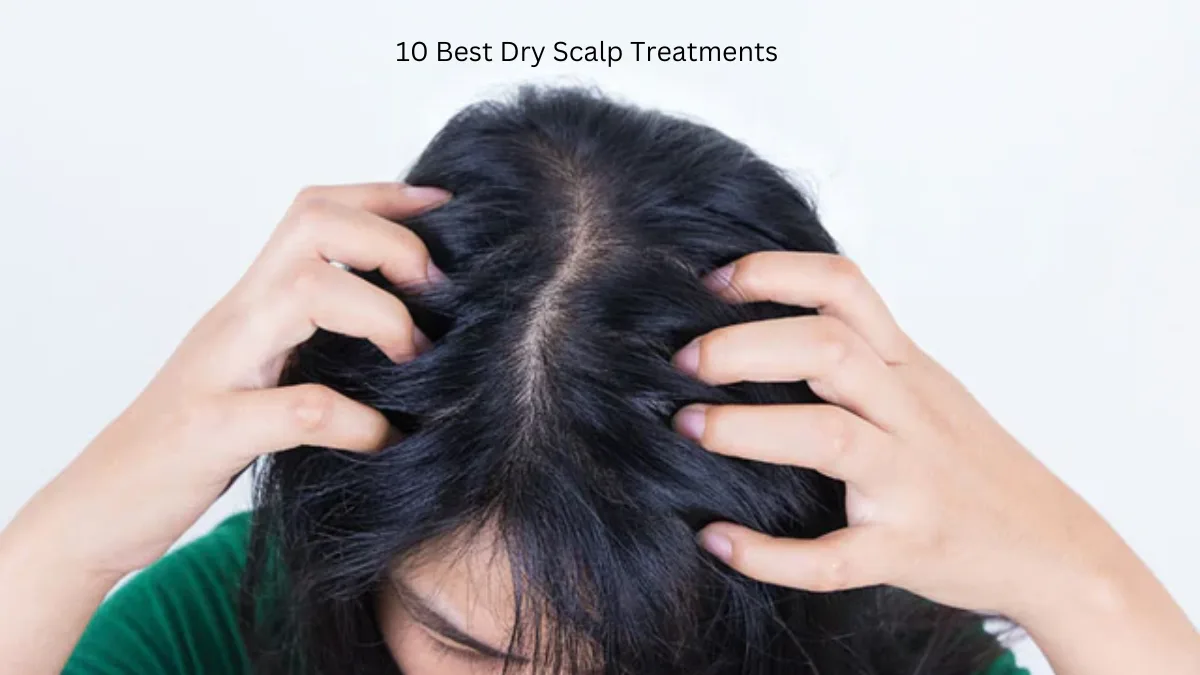
10 Best Dry Scalp Treatments: A dry scalp can be uncomfortable, causing itchiness, flaking, and irritation. Many people mistake dry scalp for dandruff, but the two are different conditions requiring different treatments. Dry scalp occurs when the skin lacks moisture, leading to dryness and peeling. Understanding the causes and effective treatments can help restore scalp health and prevent further discomfort.
Book Your Consultation Today
Visit Dr. Hanan Dermatology Specialty Clinic in Padur, OMR, Chennai. Schedule your consultation today and start your journey to fuller, healthier hair.
For more information and to book your appointment, visit our clinic or call us at the clinic’s contact details.
Causes of Dry Scalp
Several factors contribute to a dry scalp, including environmental, lifestyle, and medical conditions. Some of the most common causes include:
1. Lack of Moisture
A dehydrated scalp is a primary cause of dryness. Without enough natural oils, the scalp becomes flaky and irritated.
2. Harsh Hair Care Products
Shampoos and conditioners containing sulfates, alcohol, or artificial fragrances can strip the scalp of essential oils, leading to dryness.
3. Weather Conditions
Cold, dry air in winter or excessive heat exposure in summer can rob the scalp of moisture, making it prone to flaking.
4. Aging & Hormonal Changes
As we age, oil production in the scalp decreases, leading to drier skin. Hormonal imbalances can also contribute to scalp dryness.
5. Skin Conditions
Certain dermatological conditions like psoriasis, seborrheic dermatitis, and eczema can cause persistent scalp dryness and irritation.
6. Poor Diet & Hydration
A lack of essential nutrients, such as omega-3 fatty acids, zinc, and vitamins A & E, can affect scalp health. Insufficient water intake also contributes to dryness.
Dry Scalp vs. Dandruff: Key Differences
Many people confuse dry scalp with dandruff, but they are different conditions:
| Feature | Dry Scalp | Dandruff |
|---|---|---|
| Cause | Lack of moisture | Excess oil production |
| Flakes | Small, white, and dry flakes | Larger, yellowish, oily flakes |
| Scalp Condition | Dry and tight | Oily and red |
| Treatment | Hydration and moisture-based care | Anti-fungal and oil-control treatments |
Understanding these differences can help you choose the right treatment for your condition.
Effective Treatments for Dry Scalp
The right treatment depends on the severity of your condition. Here are some of the best ways to treat dry scalp:
1. Use a Moisturizing Shampoo & Conditioner
Look for shampoos containing coconut oil, aloe vera, glycerin, shea butter, or argan oil. Avoid sulfates and harsh chemicals that strip the scalp of moisture.
2. Apply Scalp Oils & Serums
Oiling the scalp helps restore moisture and prevent dryness. Some of the best oils for dry scalp include:
- Jojoba Oil: Mimics the scalp’s natural sebum
- Tea Tree Oil: Soothes irritation and has antibacterial properties
- Argan Oil: Deeply hydrates and nourishes the scalp
3. Try Natural Home Remedies
For a chemical-free treatment, try these DIY remedies:
- Coconut Oil Massage: Warm coconut oil and gently massage it into your scalp before washing.
- Apple Cider Vinegar Rinse: Mix equal parts apple cider vinegar and water to balance scalp pH.
- Aloe Vera Gel: Apply fresh aloe vera to soothe and hydrate the scalp.
- Honey & Yogurt Mask: Mix honey with yogurt and apply it as a scalp mask for deep nourishment.
4. Medical Treatments for Severe Cases
If home remedies and over-the-counter treatments don’t work, consult a dermatologist. Prescription treatments may include:
- Medicated Shampoos: Containing ketoconazole, selenium sulfide, or zinc pyrithione
- Topical Corticosteroids: To reduce inflammation and itching
- Vitamin D-Based Medications: Such as calcipotriene to control skin cell production
Best Hair Care Routine for Dry Scalp
Follow these hair care tips to keep your scalp healthy and hydrated:
- Use Sulfate-Free Shampoo: Wash your hair with a gentle, moisturizing shampoo.
- Wash Hair Less Frequently: Overwashing can strip natural oils, so wash only 2-3 times a week.
- Avoid Heat Styling: Reduce the use of hair dryers, straighteners, and curling irons.
- Stay Hydrated: Drink plenty of water and eat a nutrient-rich diet.
- Avoid Harsh Chemical Treatments: Limit bleaching, coloring, and perming treatments.
Prevention Tips for Dry Scalp Treatment
Preventing dry scalp is easier than treating it. Here are some useful prevention tips:
- Moisturize Your Scalp Regularly: Apply a lightweight oil or leave-in conditioner.
- Use a Humidifier: Especially during winter to maintain moisture levels in the air.
- Protect Your Scalp from the Sun: Wear a hat or use SPF hair sprays.
- Manage Stress Levels: High stress can trigger scalp conditions, so practice relaxation techniques.
- Quit Smoking: Smoking reduces blood flow to the scalp, making it drier and less healthy.
When to See a Doctor
If your dry scalp persists despite home treatments, consult a dermatologist, especially if you experience:
- Severe itching or irritation
- Redness, swelling, or tenderness
- Thick, scaly patches
- Hair loss along with dryness
A doctor can diagnose underlying conditions and provide targeted treatments.
Dry Scalp Treatment at FAQs
1. What is the best treatment for a dry scalp?
The best treatment depends on the cause. Moisturizing shampoos, natural oils like coconut or jojoba oil, and hydrating hair masks can help. If the condition persists, consult a dermatologist for medicated treatments.
2. How can I permanently get rid of a dry scalp?
Maintaining a healthy scalp care routine is key. Use sulfate-free shampoos, keep your scalp moisturized, drink plenty of water, and protect your hair from harsh weather. If an underlying condition is causing dryness, medical treatment may be necessary.
3. Can dry scalp cause hair loss?
Yes, a severely dry scalp can lead to itching, inflammation, and flaking, which may weaken hair follicles and cause temporary hair loss. Treating scalp dryness early can help prevent this issue.
4. How often should I oil my dry scalp?
You can oil your scalp 1-2 times a week with lightweight oils like argan or jojoba oil. Avoid heavy oils that may clog pores. Always wash off excess oil to prevent buildup.
5. Is dandruff the same as dry scalp?
No, dandruff is caused by excess oil, while a dry scalp is caused by lack of moisture. Dandruff flakes are larger and oily, while dry scalp flakes are smaller and dry.
6. What foods help with a dry scalp?
Eating foods rich in omega-3 fatty acids, vitamin E, zinc, and biotin can improve scalp health. Include nuts, fish, avocados, and leafy greens in your diet.
7. Does drinking water help with a dry scalp?
Yes, staying hydrated helps maintain overall skin and scalp moisture. Aim for at least 8 glasses of water per day.
8. Can stress cause a dry scalp?
Yes, high-stress levels can trigger scalp issues, including dryness and irritation. Managing stress through exercise, meditation, or relaxation techniques can help.
9. Are there any home remedies for dry scalp?
Yes, natural remedies like coconut oil, aloe vera, apple cider vinegar, and honey masks can help restore moisture and soothe irritation.
10. When should I see a doctor for my dry scalp?
If you experience severe itching, redness, swelling, persistent flaking, or hair loss, consult a dermatologist to check for underlying conditions like psoriasis or fungal infections.
Bluetox Hair Treatment Price: Cost, Benefits & Best Deals
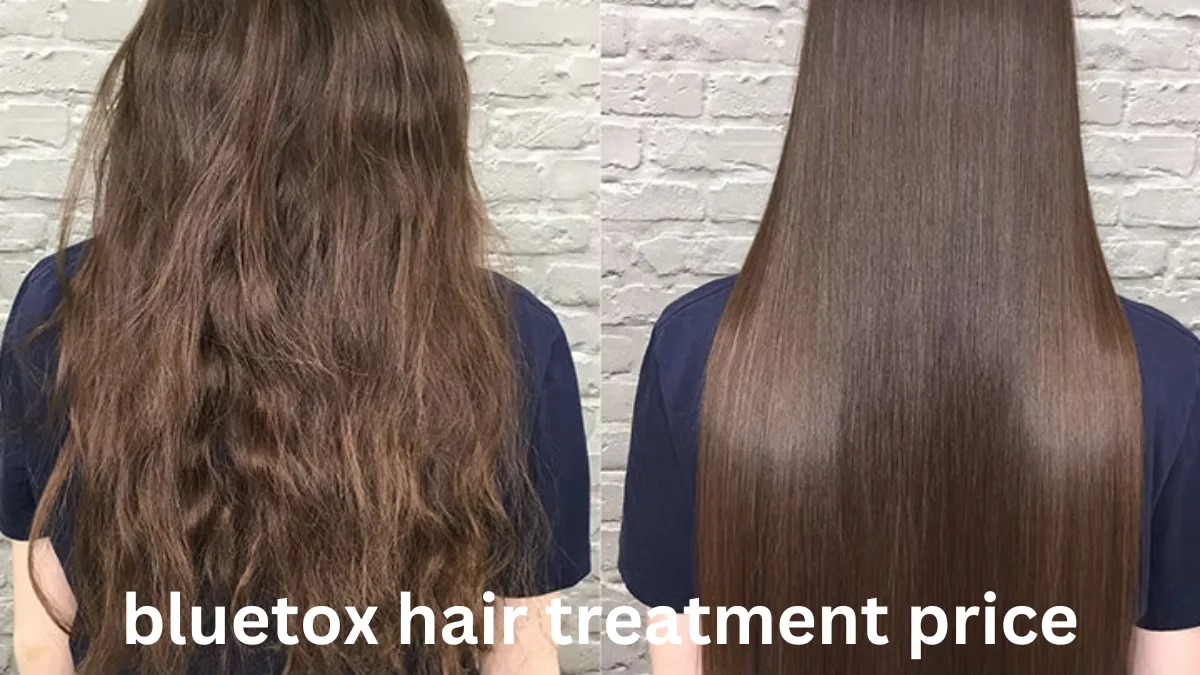
Bluetox hair treatment is becoming a popular choice for those looking to restore damaged hair, reduce frizz, and enhance shine. This deep-conditioning treatment infuses essential nutrients, proteins, and antioxidants into the hair, improving its overall health and appearance. However, many people wonder about the Bluetox hair treatment price and whether it is worth the investment.
Book Your Consultation Today
Visit Dr. Hanan Dermatology Specialty Clinic in Padur, OMR, Chennai. Schedule your consultation today and start your journey to fuller, healthier hair.
For more information and to book your appointment, visit our clinic or call us at the clinic’s contact details.
What is Bluetox Hair Treatment?
Bluetox is an advanced hair treatment designed to repair damaged hair, restore hydration, and protect against environmental stressors. It works similarly to a keratin or botox treatment but focuses more on nourishing the hair rather than restructuring its bonds.
Key Benefits:
- Deeply nourishes and hydrates hair
- Reduces frizz and enhances shine
- Strengthens hair fibers and prevents breakage
- Suitable for all hair types, including chemically treated hair
- Long-lasting results with minimal maintenance
Factors Affecting Bluetox Hair Treatment Price
The cost of Bluetox hair treatment can vary depending on several factors:
- Salon Location & Reputation
High-end salons in metropolitan cities charge more than smaller local salons. - Hair Length & Thickness
Longer and thicker hair requires more product and time, increasing the cost. - Brand of Products Used
Some salons use premium-quality Bluetox formulas, which may be more expensive. - Expertise of the Stylist
Experienced stylists with a good reputation often charge higher fees. - Additional Services Included
Some salons offer add-ons like scalp massages, deep conditioning, or a haircut, which can raise the total price.
Average Cost of Bluetox Hair Treatment
The Bluetox hair treatment price varies depending on location and salon type. Here’s an estimated price range:
Budget Salons – ₹1,500 – ₹3,000
Mid-range Salons – ₹3,500 – ₹6,000
Luxury Salons – ₹6,500 – ₹12,000+
Many salons offer discounts on Bluetox treatments during festive seasons or membership plans.
Is Bluetox Hair Treatment Worth the Price?
Many people who have tried Bluetox hair treatment report smoother, shinier, and healthier hair for several weeks to months, depending on hair care practices.
Pros:
- Long-lasting hydration and frizz control
- Reduces hair breakage and split ends
- Suitable for all hair types, including colored and chemically treated hair
Cons:
- Requires touch-ups every 2-3 months
- Can be expensive in high-end salons
If you’re looking for a hair treatment that nourishes your hair without damaging it with harsh chemicals, Bluetox is a great investment.
Where to Get Bluetox Hair Treatment at the Best Price?
If you’re searching for affordable Bluetox hair treatment, here are some ways to save money:
- Look for salon discounts – Many salons offer first-time customer discounts.
- Compare prices online – Check salon websites and customer reviews before booking.
- Opt for package deals – Some salons provide multiple sessions at a reduced price.
- Try home kits – If salon visits are too expensive, consider Bluetox home treatment kits for a budget-friendly option.
Conclusion
The Bluetox hair treatment price depends on various factors, including the salon, hair length, and additional services. While it can be costly, the benefits of this treatment—smooth, hydrated, and frizz-free hair—make it worth considering.
To get the best value for your money, research salons, compare prices, and keep an eye out for deals. If professional treatments are out of budget, home Bluetox kits are a great alternative.
Thinking about getting Bluetox hair treatment? Compare prices and book your appointment today for healthier, shinier hair!