

Can Stress Cause Hair Loss? Dermatologists Tips
Can Stress Cause Hair Loss? Dermatologists Tips
Can stress cause hair loss? Learn what top dermatologists in Chennai say about the link between stress and hair fall, types, treatments, and recovery tips.
Why Seasonal Skin Care Matters in Chennai
Hair loss is a concern that affects millions globally, and one common but often overlooked cause is stress. In a city like Chennai, where fast-paced lifestyles, work pressure, and environmental changes are constant, stress-related hair fall is becoming increasingly common. At Dr. Hanan Dermatology Speciality and Trichology Clinic, our dermatologists frequently treat patients whose hair loss is directly or indirectly triggered by stress.
In this blog, we’ll explore the scientific link between stress and hair loss, the different types of hair fall caused by stress, symptoms to watch out for, and expert treatment options available in Chennai.
How Does Stress Cause Hair Loss?
Stress affects the body in multiple ways—and your scalp and hair follicles aren’t spared. When the body undergoes emotional or physical stress, it can disrupt the normal hair growth cycle. This disruption leads to excessive shedding, thinning, or even hair loss in patches.
Chronic stress can trigger hormonal imbalances, reduce blood flow to the scalp, and elevate levels of cortisol (the stress hormone), all of which negatively affect hair health. Inflammation caused by stress can also damage the hair follicles and slow down hair production.
Studies have shown that stress can impact the anagen (growth) phase of the hair cycle, causing more hairs to shift into the telogen (resting) phase prematurely. This leads to a noticeable increase in hair fall within a few months of the stressful event.
Types of Stress-Related Hair Loss
There are three main types of hair loss that are scientifically linked to stress:
Telogen Effluvium
This is the most common form of stress-induced hair loss. During Telogen Effluvium, a large number of hair follicles prematurely enter the resting phase (telogen), causing increased shedding.
Symptoms: Noticeable hair fall while combing, washing, or on your pillow.
Triggers: Sudden illness, high fever, emotional trauma, childbirth, or crash diets.
Recovery: Usually resolves in 3–6 months once the stressor is removed.
Alopecia Areata
This is an autoimmune condition where the immune system attacks hair follicles, often triggered by extreme stress.
Symptoms: Sudden hair loss in round patches, usually on the scalp. In some cases, it may affect eyebrows or beard.
Triggers: Emotional stress, family history, autoimmune disorders.
Treatment: Corticosteroids, immunotherapy, and stress management.
Trichotillomania
This is a psychological condition where a person feels the urge to pull out their hair due to anxiety or emotional distress.
Symptoms: Patchy hair loss, broken hairs, and thinning. Most common in adolescents and young adults.
Management: Behavioral therapy, psychological support, and dermatological care.
Expert-Backed Treatments in Chennai
At Dr. Hanan Dermatology Speciality and Trichology Clinic, we offer specialized diagnostics and treatment plans for stress-induced hair loss:
- PRP (Platelet-Rich Plasma) Therapy: Promotes growth by stimulating hair follicles and increasing scalp health.
- Minoxidil and Topical Serums: Helps prolong the growth phase of hair and reduce shedding.
- Hair Regrowth Supplements: Targets internal deficiencies caused by stress, including biotin, zinc, and vitamin D.
- Laser Therapy for Scalp: Improves blood circulation and strengthens follicles.
- Counseling and Stress Management Referrals: For cases linked with anxiety or depression, we refer you to our in-house mental health experts.
We believe in combining internal wellness with external treatment for holistic hair recovery.
How to Prevent Stress-Related Hair Loss
Practice Regular Relaxation Techniques: Yoga, meditation, and breathing exercises have been shown to lower cortisol levels.
Sleep Well: Aim for 7–8 hours of sleep every night to help the body repair and regenerate.
Maintain a Balanced Diet: Include foods rich in iron, protein, omega-3 fatty acids, and antioxidants.
Avoid Over-Styling and Harsh Products: Reduce the use of flat irons, harsh dyes, and chemical treatments.
Stay Hydrated: Water supports scalp health and nutrient delivery to follicles.
When to See a Dermatologist
If you’re experiencing sudden, excessive hair loss or patchy bald spots, don’t wait. The earlier the diagnosis, the more effective the treatment. At Dr. Hanan Clinic, we perform detailed scalp analysis, trichoscopy, and blood tests to identify the root cause.
Our dermatologists then customize a treatment plan to not only stop the hair loss but also encourage healthy regrowth.
When to See a Dermatologist
Stress-related hair loss is more common than most people realize, especially in a high-stress environment like Chennai. The good news? With expert guidance and timely treatment, most people can fully recover and enjoy healthy hair once again.
If you’re concerned about hair thinning or sudden shedding, visit Dr. Hanan Dermatology Speciality and Trichology Clinic. We’ll help you identify the cause, relieve your stress, and restore your confidence—one strand at a time.
Frequently asked Questions
Yes. In most cases, once the stressor is removed and the body returns to a balanced state, hair often begins to regrow. Treatments like PRP and topical solutions can accelerate this recovery. Learn more about PRP Treatment for Hair Loss in Chennai.
Depending on the type and severity, stress-related hair loss may last from 3–6 months. Recovery depends on early intervention and proper treatment. Find solutions through our Hair Regrowth Treatments in Chennai.
Sudden, diffuse hair shedding after a stressful event (like illness, surgery, or emotional trauma) is a strong indicator. A dermatologist can confirm this through scalp examination and history. Consider reading Hair Fall While Combing: Best Ways to Minimize It.
In most cases, stress-related hair loss is temporary. However, chronic stress or delayed treatment can worsen underlying conditions and prolong recovery. For further understanding, see Hair Transplant Pain: What Should You Expect?.
Book Your Consultation Today!
For Personalised Treatment visit Dr. Hanan Clinic. Feel confident and proud with our expert care.
Table of Contents
Face Contouring Treatment in Chennai – Achieve a Sculpted & Youthful Appearance at Dr. Hanan Dermatology Speciality Clinic
Face Contouring Treatment in Chennai | Dr. Hanan Clinic
Face Contouring Treatment in Chennai . Get expert, dermatologist-led care at Dr. Hanan Dermatology Speciality Clinic.
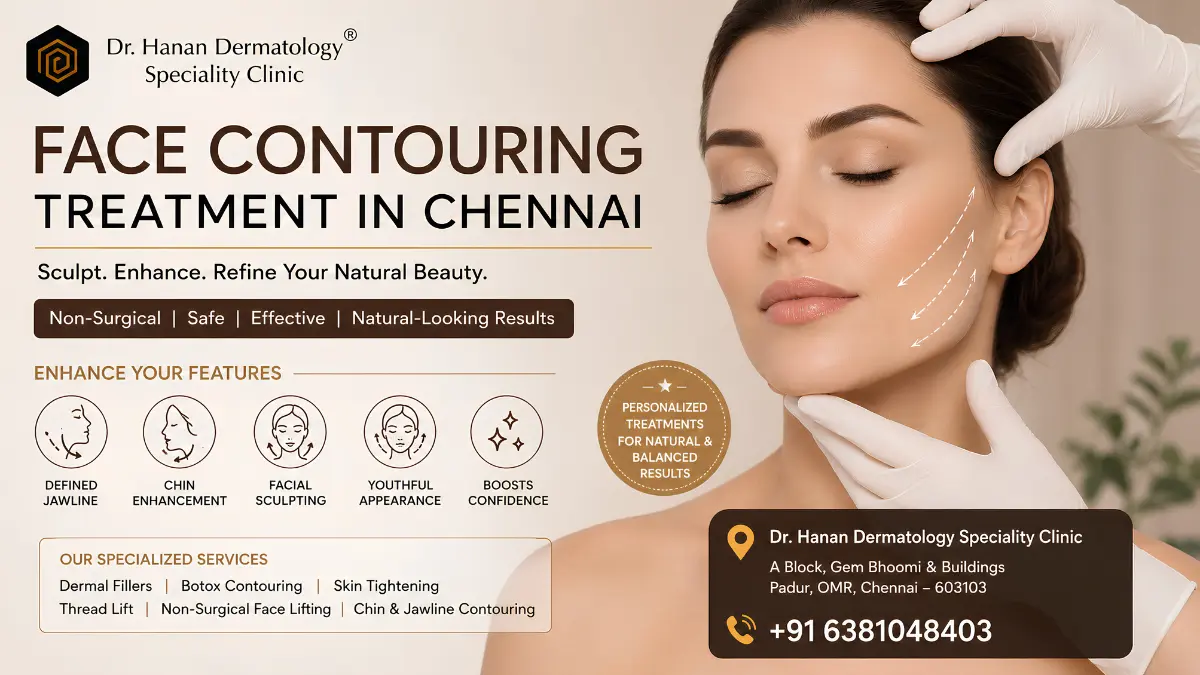
Face Contouring Treatment in Chennai: associated with beauty and confidence. However, aging, genetics, weight fluctuations, and loss of collagen can affect facial structure over time. If you’re looking for a non-surgical way to enhance your facial appearance, Face Contouring Treatment in Chennai can help create a more sculpted and harmonious look.
At Dr. Hanan Dermatology Speciality Clinic, we offer advanced face contouring treatments designed to enhance facial definition, improve symmetry, and restore youthful proportions. As one of the best skin and hair clinics in Chennai, our team combines dermatology expertise with modern aesthetic technologies to deliver natural-looking results.
What is Face Contouring?
Face contouring is a cosmetic treatment that enhances facial shape, definition, and symmetry. The procedure can improve areas such as the jawline, chin, cheeks, and neck to create a more balanced and youthful appearance.
Unlike invasive surgical procedures, modern face contouring techniques often use non-surgical methods such as dermal fillers, Botox, thread lifts, and skin-tightening treatments to achieve noticeable yet natural results.
Benefits of Face Contouring
Face contouring offers several aesthetic and confidence-boosting benefits.
Improved Jawline Definition
Create a sharper and more defined jawline that enhances facial structure.
Enhanced Facial Symmetry
Correct minor facial imbalances and improve overall harmony.
Youthful Appearance
Restore lost facial volume and reduce signs of aging.
Better Facial Proportions
Improve the balance between the cheeks, chin, and jawline.
Increased Confidence
Feel more confident with a refreshed and sculpted appearance.
Who is an Ideal Candidate for Face Contouring?
You may benefit from face contouring if you have:
- A weak or undefined jawline
- Double chin concerns
- Facial volume loss
- Mild skin sagging
- Uneven facial proportions
- Early signs of aging
- Desire for enhanced facial definition
A consultation with our specialists can determine the most suitable treatment approach for your goals.
Types of Face Contouring Treatments
Non-Surgical Face Contouring
Modern aesthetic treatments provide excellent results without surgery or lengthy recovery periods.
Dermal Fillers
Dermal fillers can be used to:
- Enhance jawline definition
- Improve chin projection
- Restore cheek volume
- Create facial balance
Botox for Facial Contouring
Botox can slim the lower face by relaxing enlarged jaw muscles and improving facial proportions.
Skin Tightening Treatments
Advanced technologies help improve skin firmness and contour.
These include:
- Radiofrequency (RF)
- High-Intensity Focused Ultrasound (HIFU)
- Laser Skin Tightening
Thread Lift
Thread lift treatments provide subtle lifting and contour enhancement while stimulating collagen production.
Surgical Face Contouring
For more significant structural changes, surgical procedures may be considered.
These include:
- Chin augmentation surgery
- Jawline surgery
- Facial implants
- Double chin liposuction
Our specialists can help determine the most appropriate option based on individual needs.
Areas Treated with Face Contouring
Jawline
Improve jaw definition and create a sharper profile.
Chin
Enhance chin projection and facial balance.
Cheeks
Restore youthful volume and contour.
Neck
Reduce sagging and improve definition.
Under-Chin Area
Address double chin concerns and improve jawline visibility.
Mid-Face Region
Enhance facial harmony and support.
Face Contouring Procedure: Step-by-Step
Consultation
A detailed discussion about your concerns, expectations, and treatment goals.
Facial Assessment
Our specialists analyze facial proportions and identify areas for improvement.
Customized Treatment Plan
Every face is unique, so treatments are tailored to achieve natural-looking results.
Procedure
Depending on the selected treatment, the procedure may involve fillers, Botox, thread lifts, or skin-tightening technologies.
Recovery and Follow-Up
Most non-surgical procedures require minimal downtime and allow patients to return to daily activities quickly.
Face Contouring Before and After Results
Patients often notice:
- Improved facial definition
- Better jawline visibility
- Enhanced facial balance
- Youthful contours
- More refined profile
Results vary depending on the treatment used and individual facial anatomy.
Face Contouring vs Jawline Contouring
Feature Face Contouring Jawline Contouring Treatment Area Entire Face Jawline Only Goal Facial Harmony Jaw Definition Areas Addressed Cheeks, Chin, Jawline Jawline Focused Result Balanced Appearance Sharper Jawline
Face Contouring vs Dermal Fillers
| Feature | Face Contouring | Dermal Fillers Alone |
| Approach | Comprehensive Facial Sculpting | Localized Enhancement |
| Treatment Areas | Multiple Facial Zones | Specific Areas |
| Objective | Facial Balance | Volume Restoration |
| Customization | High | Moderate |
Benefits of Non-Surgical Face Contouring
Minimal Downtime
Most treatments require little to no recovery time.
Natural-Looking Results
Enhances facial features without an overdone appearance.
Quick Procedures
Many treatments can be completed within an hour.
Customized Solutions
Treatment plans are tailored to individual facial structures.
Long-Lasting Improvements
Results can last several months or longer depending on the procedure.
Why Choose Dr. Hanan Dermatology Speciality Clinic?
Dr. Hanan Dermatology Speciality Clinic is one of the most trusted destinations for skin, hair, laser, and cosmetic treatments in Chennai.
Our Specialized Services
- Skin Treatments
- Hair Treatments
- Hair Transplant
- Cosmetic Dermatology
- Laser Treatments
- Acne Scar Treatment
- Permanent Hair Removal
- Non-Surgical Face Lifting
- Glutathione Therapy
Meet Dr. Hanan Basith MD (DVL), FFAM
Dr. Hanan Basith graduated from the prestigious Madras Medical College and is widely recognized for her expertise in Clinical Dermatology, Dermoscopy, and Aesthetic Medicine.
She has been awarded a Fellowship in Facial Aesthetic Medicine (FFAM) by the International Academy of Facial Cosmetic Surgery (IAFCS) and the Indian Society of Facial Plastic and Reconstructive Surgery.
She is also a member of:
- Indian Association of Dermatologists, Venereologists & Leprologists (IADVL)
- Association of Cutaneous Surgeons of India (ACSI)
- Association of Hair Restoration Surgeons of India (AHRS)
- Indian Association for the Study of Sexually Transmitted Diseases (IASTD)
FAQs
1. What is face contouring treatment?
Face contouring is a cosmetic procedure that enhances facial shape, definition, and symmetry. It can improve the jawline, chin, cheeks, and overall facial balance using non-surgical or surgical techniques.
2. Is face contouring surgery necessary?
No. Many patients achieve excellent results through non-surgical treatments such as dermal fillers, Botox, thread lifts, HIFU, and skin-tightening procedures without undergoing surgery.
3. How long do face contouring results last?
The longevity of results depends on the treatment used. Dermal fillers may last 6–18 months, while skin-tightening and collagen-stimulating treatments can provide longer-lasting improvements.
4. Is face contouring painful?
Most non-surgical face contouring procedures involve minimal discomfort. Topical numbing creams and advanced techniques help ensure patient comfort during treatment.
5. What areas can be improved with face contouring?
Face contouring can enhance:
- Jawline
- Chin
- Cheeks
- Neck
- Under-chin area
- Mid-face region
6. Can face contouring reduce a double chin?
Yes. Certain face contouring treatments can improve jawline definition and reduce the appearance of a double chin through skin tightening and facial sculpting procedures.
7. Who is an ideal candidate for face contouring?
Individuals with facial volume loss, weak jawlines, mild skin laxity, facial asymmetry, or those seeking enhanced facial definition may be suitable candidates.
8. How long does a face contouring procedure take?
Most non-surgical face contouring treatments can be completed within 30 to 60 minutes, depending on the treatment plan.
9. When will I see results after face contouring?
Some treatments, such as dermal fillers, provide immediate improvements, while collagen-stimulating procedures like HIFU and thread lifts may show gradual results over several weeks.
10. Is there any downtime after face contouring?
Most non-surgical procedures involve minimal downtime. Mild swelling, redness, or bruising may occur but usually resolves within a few days.
11. What is the difference between face contouring and jawline contouring?
Face contouring improves overall facial balance by addressing multiple areas, while jawline contouring focuses specifically on enhancing jawline definition and structure.
12. Can face contouring help with aging signs?
Yes. Face contouring can improve skin laxity, restore lost volume, reduce sagging, and create a more youthful appearance.
13. How much does face contouring treatment cost in Chennai?
The cost varies depending on the treatment method, areas treated, and number of sessions required. A personalized consultation is recommended for an accurate estimate.
14. Why choose Dr. Hanan Dermatology Speciality Clinic for face contouring?
Dr. Hanan Dermatology Speciality Clinic offers:
- Experienced cosmetic dermatology specialists
- Advanced facial sculpting treatments
- Personalized treatment plans
- Modern technology and equipment
- Natural-looking results
- Comprehensive skin, hair, and cosmetic care
Ready for Permanent Hair Restoration?
Wondering if a hair transplant is permanent? Book a consultation with our specialists and get personalized guidance for long-lasting results!
Table of Contents
Double Chin Reduction in Chennai: Effective Treatments, Exercises, and Expert Solutions in Chennai
Double Chin Reduction in Chennai | Dr. Hanan Clinic
Double Chin Reduction . Get expert, dermatologist-led care at Dr. Hanan Dermatology Speciality Clinic.
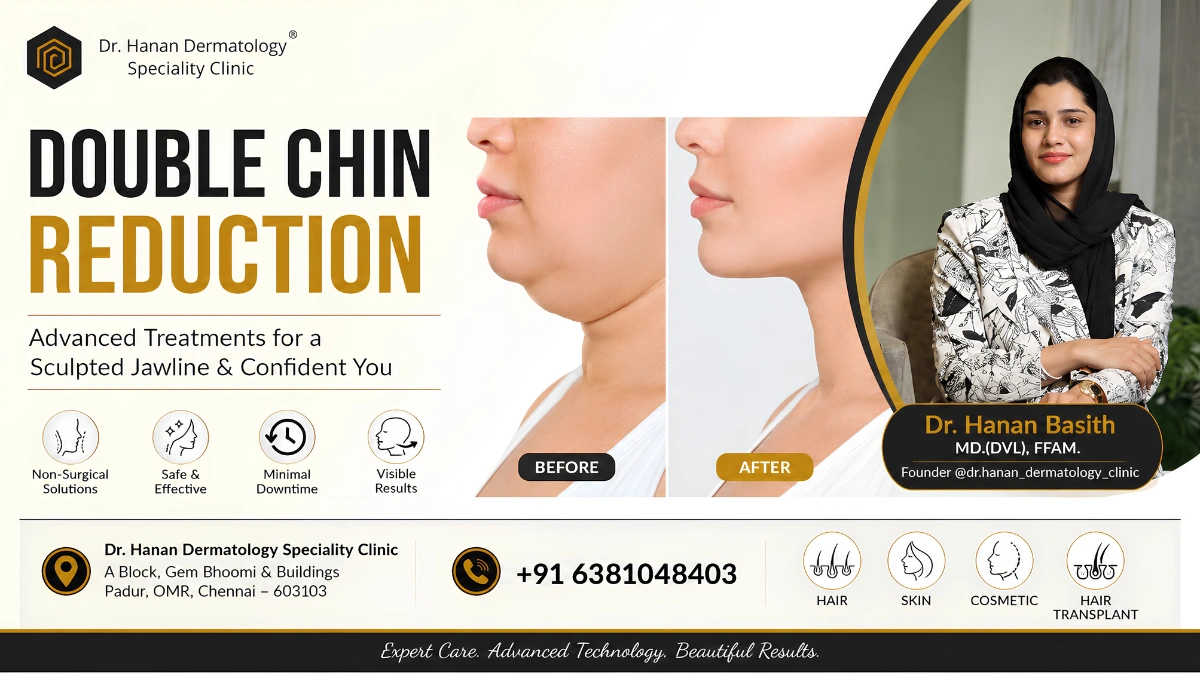
Double Chin Reduction: A well-defined jawline is often associated with a youthful and attractive appearance. However, excess fat beneath the chin, commonly known as a double chin, can affect facial contours and self-confidence. While a double chin is often linked to weight gain, it can also result from genetics, aging, and skin laxity.
Fortunately, modern dermatology and aesthetic medicine offer several effective solutions for double chin reduction. From lifestyle modifications and facial exercises to advanced non-surgical treatments, individuals now have multiple options to achieve a more sculpted jawline.
At Dr. Hanan Dermatology Speciality Clinic, Chennai, patients receive personalized treatment plans designed to address the underlying causes of a double chin and improve overall facial definition safely and effectively.
What Is a Double Chin?
A double chin, medically known as submental fullness, occurs when a layer of fat develops beneath the chin. This can create the appearance of an additional fold of skin and fat, reducing jawline definition.
Although often associated with excess body weight, people of all body types can develop a double chin due to various factors.
Understanding Submental Fat
Submental fat accumulates beneath the chin and around the upper neck region. When this fat layer becomes prominent, it creates the appearance of a fuller lower face.
Signs of a Double Chin
- Excess fat beneath the jawline
- Reduced chin and neck definition
- Sagging appearance under the chin
- Fuller facial profile in photographs
- Loss of a youthful jaw contour
What Causes a Double Chin?
Understanding the cause is essential before selecting a treatment approach.
Weight Gain and Excess Body Fat
When overall body fat increases, fat can accumulate in the chin and neck area, contributing to a double chin.
Genetics and Family History
Some individuals inherit facial structures or fat distribution patterns that make them more likely to develop a double chin, even at a healthy weight.
Aging and Skin Laxity
As collagen and elastin production decline with age, skin loses firmness and begins to sag, making a double chin more noticeable.
Poor Posture
Constantly looking down at mobile phones or computers can weaken neck muscles over time, affecting the appearance of the jawline.
Natural Facial Structure
Certain facial anatomies naturally have less jawline projection, which can create the appearance of a double chin.
Can a Double Chin Be Reduced Naturally?
In many cases, natural methods can help improve the appearance of a double chin, especially when excess fat is the primary cause.
Weight Loss and Fat Reduction
A combination of regular exercise and healthy eating can help reduce overall body fat, including fat beneath the chin.
Importance of a Healthy Diet
A nutrient-rich diet supports healthy weight management and skin health.
Focus on:
- Lean proteins
- Fresh vegetables
- Fruits
- Whole grains
- Healthy fats
Hydration and Lifestyle Habits
Proper hydration helps reduce bloating and supports healthy skin elasticity.
Benefits of Regular Exercise
Cardiovascular activities such as walking, cycling, swimming, and jogging can contribute to overall fat loss and improved facial contours.
Best Exercises for Double Chin Reduction
While exercises cannot directly eliminate fat, they may strengthen underlying muscles and improve the appearance of the neck and jaw area.
Chin Tucks
This exercise helps strengthen neck muscles.
Steps:
- Sit upright.
- Pull your chin backward.
- Hold for 10 seconds.
- Repeat 10 times.
Jaw Jut Exercise
This movement stretches the jaw and neck muscles.
Steps:
- Tilt your head backward.
- Push the lower jaw forward.
- Hold for 5 seconds.
- Repeat 10–15 times.
Neck Stretch Exercise
Gentle neck stretches help improve flexibility and posture.
Tongue Press Exercise
Press the tongue against the roof of the mouth while tilting the head back.
Kiss the Ceiling Exercise
Pucker your lips toward the ceiling while looking upward and hold for several seconds.
Tips for Maximum Results
- Practice daily
- Combine with healthy eating
- Maintain proper posture
- Stay consistent
Double Chin Reduction Diet Plan
Diet plays a crucial role in reducing excess body fat.
Foods to Include
- Lean proteins
- Fish
- Eggs
- Leafy vegetables
- Fresh fruits
- Whole grains
- Nuts and seeds
Foods to Avoid
- Sugary drinks
- Processed foods
- Excessive salt
- Fried foods
- High-calorie snacks
Non-Surgical Double Chin Reduction Treatments
Modern aesthetic dermatology offers several non-invasive solutions for reducing a double chin.
Injectable Fat-Dissolving Treatments
These treatments target and break down stubborn fat cells beneath the chin, helping improve jawline definition over time.
Radiofrequency Skin Tightening
Radiofrequency technology stimulates collagen production, improving skin firmness and reducing sagging.
Ultrasound-Based Treatments (HIFU)
High-Intensity Focused Ultrasound (HIFU) tightens deeper layers of the skin and promotes collagen remodeling without surgery.
Advanced Skin Tightening Procedures
Combination treatments may be recommended to address both fat reduction and skin laxity.
At Dr. Hanan Dermatology Speciality Clinic, treatment plans are customized after a thorough assessment of facial structure, skin quality, and patient goals.
Surgical Double Chin Reduction Options
For patients with significant fat accumulation or loose skin, surgical procedures may offer more dramatic results.
Chin Liposuction
This procedure removes excess fat from beneath the chin through small incisions, creating a more sculpted appearance.
Neck Lift Surgery
A neck lift tightens loose skin and underlying tissues to restore a youthful neck contour.
Combination Procedures
In some cases, combining liposuction with skin-tightening treatments may achieve optimal outcomes.
Benefits and Considerations
- More noticeable results
- Improved jawline definition
- Long-lasting outcomes
- Requires recovery time
How Long Does It Take to See Results?
Natural Methods Timeline
Lifestyle changes may show visible improvements within several weeks to months, depending on individual factors.
Non-Surgical Treatment Results
Most patients begin noticing gradual improvements within a few weeks following treatment.
Surgical Treatment Recovery and Results
Surgical procedures typically provide faster and more dramatic contouring results after recovery.
Double Chin Reduction Before and After Results
Results vary depending on:
- Age
- Skin elasticity
- Amount of submental fat
- Treatment method selected
- Lifestyle habits
Maintaining a healthy weight and proper skincare routine can help preserve results long-term.
Who Is an Ideal Candidate for Double Chin Reduction?
You may be a suitable candidate if you:
- Have excess fat beneath the chin
- Want improved jawline definition
- Have mild to moderate skin laxity
- Are in good overall health
- Prefer surgical or non-surgical solutions
Benefits of Double Chin Reduction
Improved Facial Contours
A slimmer chin profile enhances overall facial balance.
Enhanced Jawline Definition
A sharper jawline contributes to a more youthful appearance.
Increased Confidence
Many individuals feel more confident after improving their facial profile.
More Youthful Appearance
Reducing submental fullness often creates a fresher and rejuvenated look.
Risks and Side Effects of Double Chin Treatments
Depending on the procedure, temporary side effects may include:
Temporary Swelling and Bruising
Common after injectable or surgical treatments.
Mild Discomfort
Usually resolves within a few days.
Rare Complications
Selecting an experienced dermatologist significantly minimizes risks.
Importance of Choosing an Experienced Specialist
Professional assessment ensures safe treatment and realistic expectations.
Why Patients Trust Dr. Hanan Dermatology Speciality Clinic
- Experienced dermatology and aesthetic team
- Personalized treatment plans
- Advanced skin-tightening technologies
- Evidence-based cosmetic procedures
- Focus on patient safety and natural-looking results
The clinic is led by Dr. Hanan Basith MD (DVL), FFAM, a highly respected dermatologist who graduated from Madras Medical College and holds fellowship training in facial aesthetic medicine. Her expertise in clinical dermatology, dermoscopy, and aesthetic procedures enables patients to receive comprehensive and effective care.
FAQs
1. What is a double chin?
A double chin, also known as submental fat, is the accumulation of excess fat or loose skin beneath the chin that creates a fuller appearance in the lower face and neck area.
2. What causes a double chin?
A double chin can develop due to several factors, including weight gain, genetics, aging, poor posture, and reduced skin elasticity.
3. Can a double chin be reduced naturally?
Yes. A healthy diet, regular exercise, weight management, facial exercises, and proper posture may help reduce the appearance of a double chin in some individuals.
4. Which exercises are best for double chin reduction?
Popular exercises include chin tucks, jaw jut exercises, tongue presses, neck stretches, and the “kiss the ceiling” exercise. These movements help strengthen and tone the neck and jaw muscles.
5. How long does it take to see results from double chin exercises?
Results vary from person to person. Consistent practice combined with a healthy lifestyle may show visible improvements within a few weeks to several months.
6. What are the best non-surgical treatments for double chin reduction?
Common non-surgical treatments include fat-dissolving injections, HIFU (High-Intensity Focused Ultrasound), radiofrequency skin tightening, and other advanced contouring procedures.
7. Is double chin reduction treatment painful?
Most non-surgical treatments involve minimal discomfort. Any mild swelling, redness, or tenderness usually subsides within a few days.
8. Who is an ideal candidate for double chin reduction?
Individuals with excess fat beneath the chin, mild skin laxity, or poor jawline definition who are in good overall health are often suitable candidates.
9. Can genetics cause a double chin?
Yes. Genetics can influence fat distribution, facial structure, and skin elasticity, making some people more likely to develop a double chin regardless of their weight.
10. Are double chin reduction results permanent?
The results can be long-lasting, especially when combined with a healthy diet, regular exercise, and proper weight management.
11. How much does double chin reduction cost in Chennai?
The cost depends on the treatment type, number of sessions required, and the individual’s condition. A consultation with a dermatologist is the best way to receive an accurate estimate.
Ready for Permanent Hair Restoration?
Wondering if a hair transplant is permanent? Book a consultation with our specialists and get personalized guidance for long-lasting results!
Table of Contents
Profhilo Treatment in Chennai – Advanced Skin Hydration & Anti-Aging Solutions by Dr. Hanan
Profhilo Treatment in Chennai – Advanced Skin Hydration & Anti-Aging Solutions
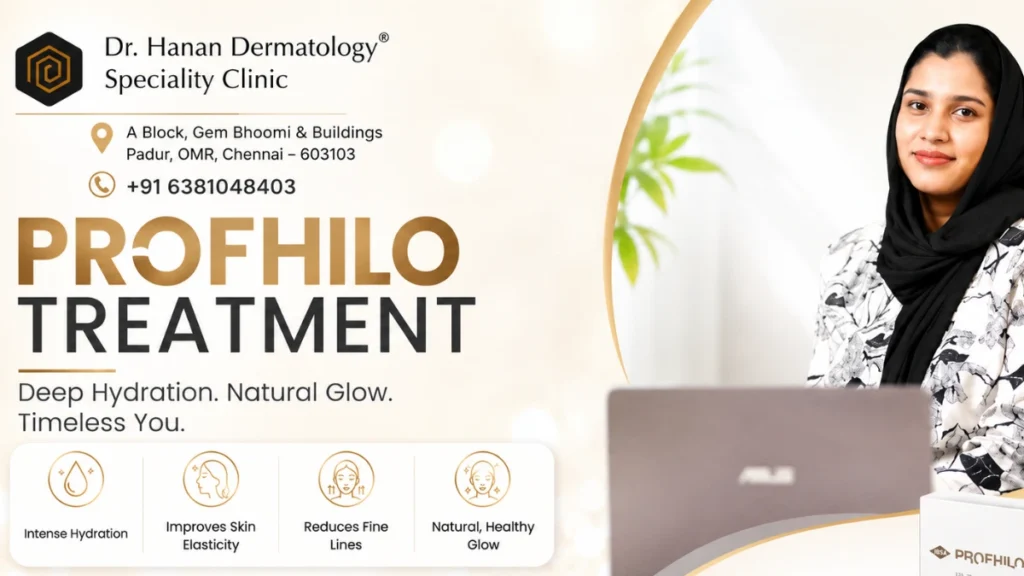
Aging, environmental stress, sun exposure, and lifestyle factors can gradually reduce the skin’s natural collagen and elastin levels, resulting in fine lines, wrinkles, dullness, and loss of firmness. If you’re looking for a non-surgical solution to restore youthful, glowing skin, Profhilo Treatment in Chennai is one of the most advanced aesthetic treatments available today.
At Dr. Hanan Dermatology Speciality Clinic, we offer personalized Profhilo treatments to improve skin hydration, elasticity, and overall skin quality. This revolutionary injectable treatment helps rejuvenate the skin from within, providing natural-looking results with minimal downtime.
What is Profhilo Treatment?
Profhilo is an innovative injectable skin remodeling treatment that contains a high concentration of pure hyaluronic acid. Unlike traditional dermal fillers that add volume to specific facial areas, Profhilo spreads evenly beneath the skin to stimulate collagen and elastin production while deeply hydrating the tissues.
The treatment works as a bio-remodeling solution, helping improve skin texture, firmness, and radiance without altering facial expressions or contours.
How Does Profhilo Work?
Profhilo uses advanced NAHYCO® technology, which combines high and low molecular weight hyaluronic acid through a unique thermal manufacturing process.
Bio-Remodeling Action
The product spreads smoothly under the skin and stimulates natural tissue regeneration.
Collagen and Elastin Stimulation
Profhilo activates fibroblast cells responsible for producing collagen and elastin, which help maintain youthful skin.
Intense Hydration
The hyaluronic acid attracts and retains moisture, resulting in plumper and healthier-looking skin.
Skin Tightening and Rejuvenation
Over time, patients experience firmer skin, improved elasticity, and a noticeable glow.
Benefits of Profhilo Treatment
Profhilo offers several benefits for patients seeking non-invasive anti-aging solutions.
Deep Skin Hydration
Provides long-lasting hydration from within, making the skin appear healthier and more radiant.
Improved Skin Elasticity
Enhances firmness and reduces mild skin laxity.
Reduction of Fine Lines and Wrinkles
Smoothens the appearance of early signs of aging.
Natural-Looking Results
Improves skin quality without creating an artificial or overfilled appearance.
Enhanced Skin Texture
Promotes smoother and softer skin with improved tone.
Minimal Downtime
Most patients can resume daily activities immediately after treatment.
Book Your Consultation Today!
Get the best hair transplant in Chennai at Dr. Hanan Clinic. Feel confident and proud with our expert care.
Who is an Ideal Candidate for Profhilo?
Profhilo may be suitable for individuals who experience:
- Dull or tired-looking skin
- Fine lines and wrinkles
- Mild skin sagging
- Dehydrated skin
- Loss of firmness
- Uneven skin texture
Both men and women can benefit from this treatment.
Areas That Can Be Treated with Profhilo
Face
Improves hydration, texture, and skin firmness.
Neck
Reduces crepey skin and improves elasticity.
Décolletage
Enhances skin quality in the chest area.
Hands
Restores hydration and youthful appearance.
Arms
Improves skin laxity and texture.
Abdomen
Can help improve mild skin looseness.
Knees and Thighs
Enhances firmness and skin quality in aging areas.
Profhilo Treatment Procedure
Consultation
Our dermatology specialists evaluate your skin concerns and determine whether Profhilo is suitable for you.
Skin Assessment
A comprehensive examination helps create a customized treatment plan.
Injection Session
Profhilo is injected into specific Bio-Aesthetic Points (BAP) that allow optimal diffusion of the product.
Follow-Up Treatment
A second session is generally performed four weeks after the first treatment.
Maintenance
Periodic maintenance sessions help preserve long-term results.
What to Expect During the Procedure?
The treatment typically takes 20 to 30 minutes.
Patients may experience:
- Mild redness
- Temporary swelling
- Minor tenderness
These effects usually resolve quickly.
Profhilo Before and After Results
Many patients notice improvements in skin hydration and glow within a few weeks.
After completing the recommended treatment protocol, benefits may include:
- Firmer skin
- Better elasticity
- Reduced fine lines
- Improved skin texture
- Brighter complexion
- Youthful appearance
Results continue to improve as collagen production increases.
How Many Sessions Are Required?
The standard Profhilo treatment protocol includes:
| Session | Timeline |
|---|---|
| First Session | Initial Treatment |
| Second Session | After 4 Weeks |
| Maintenance Session | Every 6–9 Months |
The exact schedule may vary depending on individual skin concerns.
Profhilo vs Dermal Fillers
| Feature | Profhilo | Dermal Fillers |
| Purpose | Skin Remodeling | Volume Enhancement |
| Hydration | Excellent | Moderate |
| Natural Glow | Yes | Limited |
| Facial Contouring | No | Yes |
| Skin Quality Improvement | Excellent | Moderate |
Profhilo vs Botox
Feature Profhilo Botox Improves Skin Quality Yes Limited Hydration Effect Yes No Reduces Dynamic Wrinkles Mild Excellent Natural Skin Glow Yes No
FAQs
1. What is Profhilo treatment?
Profhilo is an advanced injectable skin rejuvenation treatment that uses highly concentrated hyaluronic acid to improve skin hydration, elasticity, and firmness while stimulating natural collagen and elastin production.
2. How is Profhilo different from dermal fillers?
Unlike dermal fillers that add volume to specific areas, Profhilo spreads beneath the skin to improve overall skin quality, hydration, and texture without changing facial contours.
3. Is Profhilo treatment safe?
Yes. Profhilo is considered a safe and clinically proven treatment when administered by qualified dermatologists. It contains pure hyaluronic acid and is highly biocompatible.
4. Who is a suitable candidate for Profhilo?
Profhilo is ideal for men and women experiencing:
- Fine lines and wrinkles
- Dull or dehydrated skin
- Mild skin laxity
- Loss of skin firmness
- Early signs of aging
5. What areas can be treated with Profhilo?
Profhilo can be used on:
- Face
- Neck
- Décolletage
- Hands
- Arms
- Abdomen
- Knees and thighs
6. How many Profhilo sessions are required?
Most patients require two treatment sessions spaced four weeks apart. Maintenance treatments may be recommended every 6 to 9 months.
7. Is Profhilo treatment painful?
The procedure involves a few small injections and is generally well tolerated. Most patients experience only mild discomfort during treatment.
8. How long does a Profhilo session take?
A typical Profhilo treatment session takes approximately 20 to 30 minutes, making it a convenient lunchtime procedure.
9. When will I see results after Profhilo treatment?
Many patients notice improved skin hydration and radiance within a few weeks. Full results typically become more visible after the second session.
10. How long do Profhilo results last?
Results usually last between 6 and 9 months, depending on individual skin condition, lifestyle, and aging factors.
11. Is there any downtime after Profhilo treatment?
Profhilo requires minimal downtime. Mild redness or swelling at the injection sites may occur but generally resolves within 24 to 48 hours.
12. Can Profhilo help reduce wrinkles?
Yes. Profhilo helps improve skin elasticity and hydration, which can soften fine lines and reduce the appearance of wrinkles.
13. Can Profhilo be combined with other treatments?
Yes. Profhilo can often be combined with treatments such as Botox, dermal fillers, laser treatments, and chemical peels based on your dermatologist’s recommendations.
14. How much does Profhilo treatment cost in Chennai?
The cost varies depending on the treatment area, number of sessions required, and individual skin concerns. A consultation can provide a personalized treatment estimate.
15. Why choose Dr. Hanan Dermatology Speciality Clinic for Profhilo treatment in Chennai?
Dr. Hanan Dermatology Speciality Clinic offers:
- Experienced dermatology specialists
- Advanced aesthetic treatments
- Personalized treatment plans
- Modern technology and techniques
- Comprehensive skin and anti-aging solutions
- Patient-focused care and support
Table of Contents
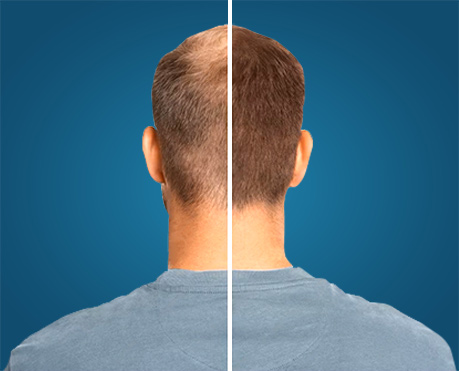
How to Stop Hair Loss: Treatments & Natural Remedies
In this guide, we look at the best ways to stop hair loss immediately with help from science and experts.

What Is Psoriasis and How to Get Rid of It
What Is Psoriasis and How to Get Rid of It
Learn what psoriasis is and discover simple tips on how to manage and reduce symptoms for smoother skin. Read now for relief!
Psoriasis is a long-term skin condition that affects many people worldwide. It’s an autoimmune disease that causes skin cells to grow too quickly, forming thick, scaly patches.
These patches, or plaques, can be red, inflamed, and painful. They often appear on the wrists, knees, scalp, and lower back but can be anywhere on the body.
This article explains what psoriasis is and looks at treatments to help manage its symptoms.
What causes psoriasis?
Psoriasis occurs when the immune system mistakenly attacks healthy skin cells, causing new skin cells to form quickly.
Normally, skin cells grow and shed every 28 to 30 days, but in psoriasis this process can take only 3 to 4 days. The wrinkles are formed by the rapid accumulation of skin cells.
Although the exact causes of psoriasis are not fully understood, several factors can trigger or exacerbate the condition:
- Heredity: Psoriasis tends to run in families. If one or both of your parents have psoriasis, you are more likely to develop it.
- Immune system dysfunction: Since psoriasis is an autoimmune disease, the immune system plays an important role. Abnormal immune responses lead to inflammation and rapid skin cell turnover.
- Environmental triggers: Stress, skin injuries, infections (such as strep throat), and certain medications can cause flare-ups.
- Lifestyle factors: Smoking, excessive alcohol consumption and obesity can aggravate symptoms.

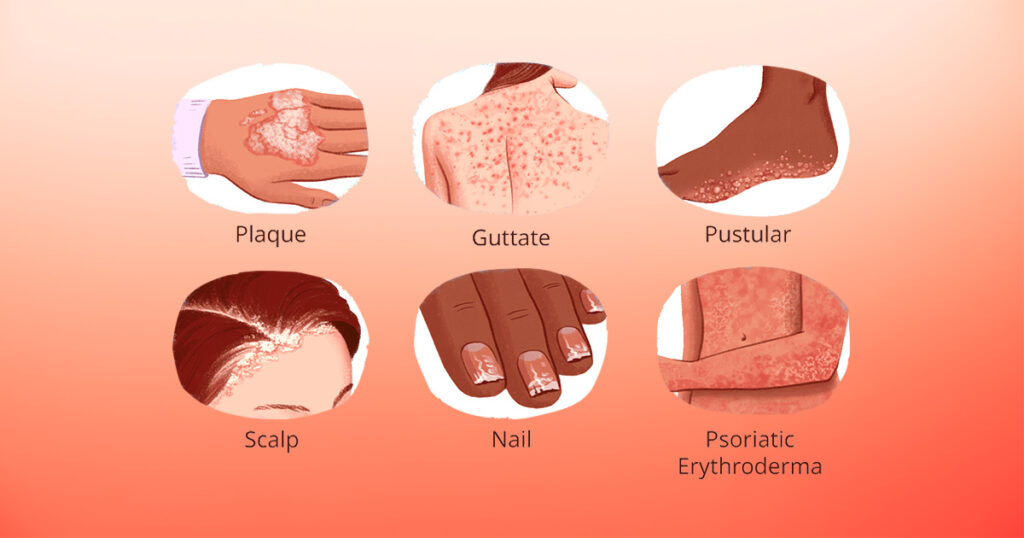
Types of Psoriasis
There are several types of psoriasis, each with its own characteristics:
1. Plaque Psoriasis: The most common form, characterized by raised, red patches covered with silvery scales. These plaques can appear anywhere on the body.
2. Guttate Psoriasis: This type appears as small, dot-like lesions, usually triggered by bacterial infections like strep throat.
3. Inverse Psoriasis: Found in body folds such as the armpits, groin, and under the breasts, this type appears as smooth, red patches that worsen with friction and sweating.
4. Pustular Psoriasis: Characterized by white pustules (blisters of non-infectious pus) surrounded by red skin. It can appear on specific areas, such as the hands and feet, or cover the entire body.
5. Erythrodermic Psoriasis: A rare but severe form of psoriasis that causes widespread redness, scaling, and pain across the body. It requires immediate medical attention.
Symptoms of psoriasis
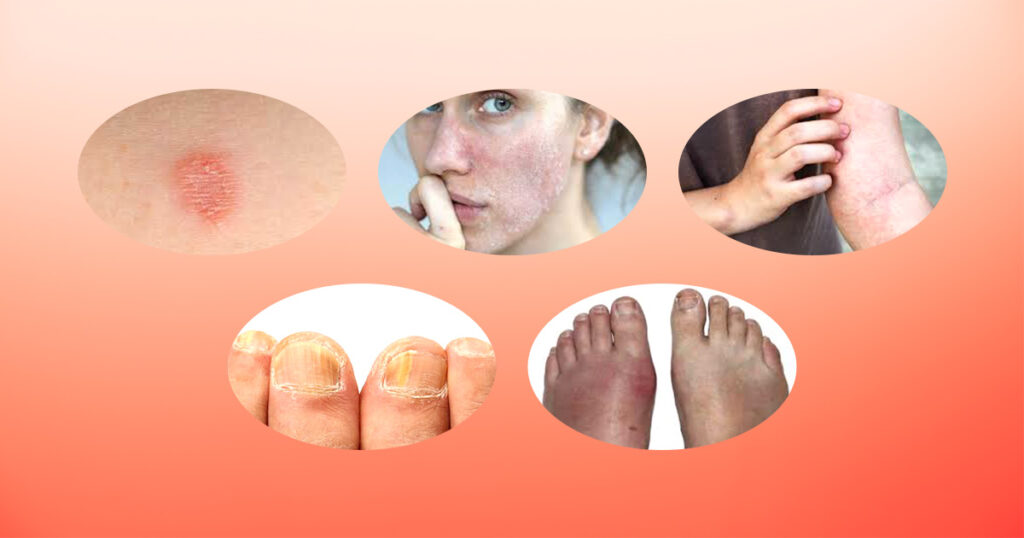
Psoriasis symptoms can vary depending on the type and severity. Common symptoms include:
- Red patches of skin covered with thick silver scales
- Dry and cracked skin that can cause bleeding
- Itching, burning, or soreness
- Thickened or ridged nails
- Stiff and swollen joints (in cases of psoriatic arthritis)
Symptoms range from mild, affecting only a small area of the skin, to severe, involving large areas, and significantly affecting quality of life.
How to Get Rid of Psoriasis: Treatment Options
Several treatments are available to help manage the symptoms and reduce flare-ups. Treatment typically depends on the type and severity of the condition, and it may involve a combination of therapies.
1. Topical treatment
Topical treatments are often the first line of defense against mild to moderate psoriasis. These products are applied directly to the skin and can help reduce inflammation and slow the growth of skin cells.
- Corticosteroids: These anti-inflammatory medications and ointments are commonly used to treat mild forms of psoriasis. They reduce redness and inflammation and help relieve pain.
- Vitamin D analogs: These synthetic forms of vitamin D, such as calcipotriene, help slow the growth of skin cells.
- Retinoids: Topical retinoids, such as whole wheat germ, help exfoliate dead skin cells and reduce inflammation.
- Charcoal tar: This treatment helps reduce grease, pain and inflammation. It is also available in shampoos, creams and oils.
- Moisturizer: While not really a cure, it is essential by keeping the skin well moisturized to prevent dryness and cracking.
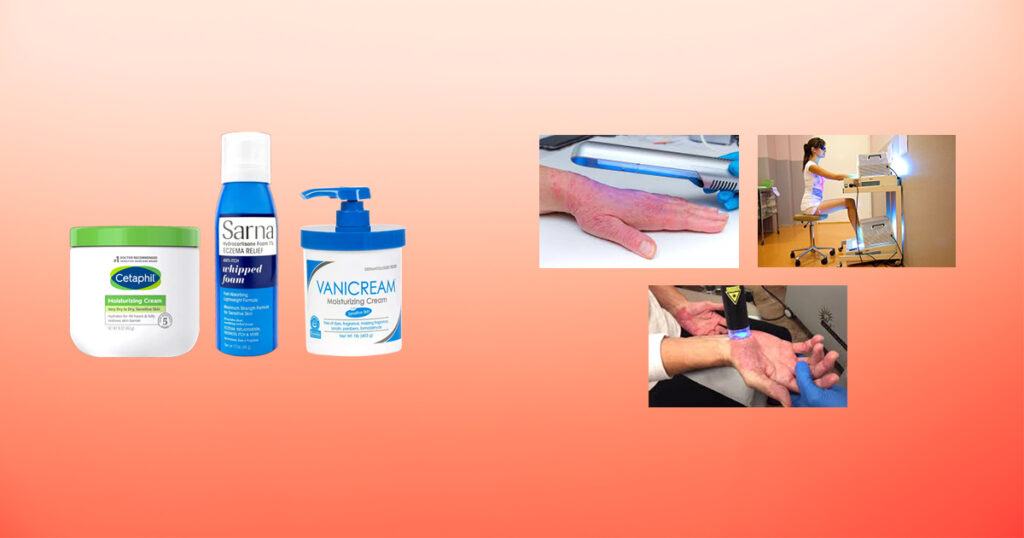
2. Phototherapy (Light Therapy)
Phototherapy involves exposing the skin to controlled amounts of ultraviolet (UV) light. This treatment can help slow the growth of skin cells and reduce inflammation.
- UVB Phototherapy: This is the most common form of light therapy, using UVB light to treat affected areas. It can be administered in a doctor’s office or with a home phototherapy unit.
- PUVA Therapy: This involves combining a medication called psoralen with UVA light. The psoralen makes the skin more sensitive to light, enhancing the effectiveness of the treatment.
- Excimer Laser: This laser treatment delivers high-intensity UVB light to specific areas of the skin, targeting plaques without affecting surrounding healthy skin.
3. Systemic Medications
For moderate to severe psoriasis, systemic medications may be prescribed when other treatments are ineffective. These can be taken orally or injected and work throughout the body.
- Biologics: These drugs, such as adalimumab, etanercept and infliximab, target specific aspects of the immune system to reduce inflammation and slow the progression of psoriasis
- Methotrexate: This drug suppresses the immune system and reduces skin cell production and inflammation.
- Cyclosporine: Another immunomodulatory drug, cyclosporine, can be effective in severe cases but is often used for short periods of time because of possible side effects
- Oral retinoids: These are related to vitamin A and can help reduce skin cell production. Acitretin is commonly used in severe psoriasis.
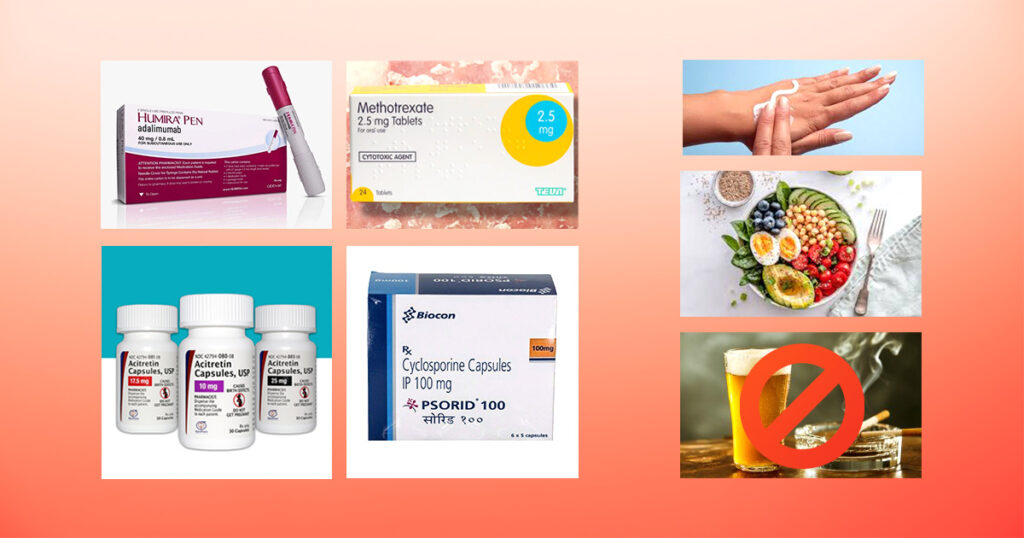
4. Lifestyle and home remedies
In addition to medication, lifestyle changes and home remedies play an important role in the management of psoriasis:
- Moisturize Regularly: Fresh water can dehydrate your skin and cause dry, itchy skin.
- Manage stress: Stress is a well-known trigger for psoriasis flares, so incorporating relaxation techniques such as meditation, yoga and deep breathing can be beneficial
- A healthy diet: Eating a well-balanced diet rich in antioxidant foods like fruits, vegetables and omega-3 fatty acids can help reduce inflammation
- Avoid Triggers: Identify and avoid specific triggers that can worsen your symptoms, such as smoking, alcohol abuse, and certain foods.
Why Choose Dr. Hanan Dermatology Specialty Clinic for Best Psoriasis Treatment in Chennai ?
Expertise and Experience
Dr. Hanan is a Best skin doctor in Chennai with years of experience treating psoriasis. Her team is skilled in handling complex cases and improving patients’ quality of life with personalized care.
Cutting-Edge Treatments
We offer the latest psoriasis treatments, including:
- Topical Treatments: Corticosteroids, vitamin D analogues, and retinoids.
- Phototherapy: Excimer laser treatments.
- Systemic Medications: Oral or injectable drugs for severe cases.
- Biologic Therapies: Advanced treatments targeting the immune system.
Personalized Treatment Plans
We create custom treatment plans based on your specific needs, considering the severity of your condition and overall health.
Holistic Approach
We focus on treating the whole person, including lifestyle changes, nutrition, and stress management, to help manage and control psoriasis effectively.
The Psoriasis Treatment Process
1. Comprehensive Consultation: We assess your medical history, symptoms, and previous treatments.
2. Customized Treatment Plan: Tailored to alleviate symptoms and prevent flare-ups.
3. Ongoing Monitoring and Support: Continuous care to ensure effective management and improvement.
Patient Success Stories
Our patients have experienced significant improvements. Many have shared how our advanced treatments and personalized care have transformed their lives.
Schedule Your Consultation Today
For the best psoriasis treatment in Chennai, visit Dr. Hanan Dermatology Specialty Clinic. Schedule your consultation now and start your journey towards clearer, more comfortable skin.
Conclusion
Psoriasis is a complex and often frustrating condition, but with the right treatment plan and lifestyle adjustments, it can be managed effectively.
Whether through topical treatments, phototherapy, systemic medications, or home remedies, there are many ways to reduce the symptoms of psoriasis and improve your quality of life.
FAQ’s
1. How long does psoriasis like?
The most common form of plaque psoriasis produces raised patchy areas of skin. The color of the lines depends on your skin tone and can be yellow, gray or yellow. The movement appears as white, silver or gray.
2. Does psoriasis go away?
Psoriasis is a long-term condition that doesn't have a cure, but treatment can help reduce your symptoms.
3. How long does a psoriasis flare-up last?
Flare-ups can last anywhere from a few weeks to a few months. Treatment can help you recover faster. When your symptoms disappear, your psoriasis is in remission. Remission can last for months or even years.
Table of Contents
Hydrafacial vs. Regular Facial: Which is Better for Your Skin?
Hydrafacial vs. Regular Facial: Which is Better for Your Skin?
Confused between Hydrafacial and salon facials? Discover how Hydrafacial offers deeper cleansing, hydration, and glow—with expert care from Dr. Hanan Clinic in Chennai.
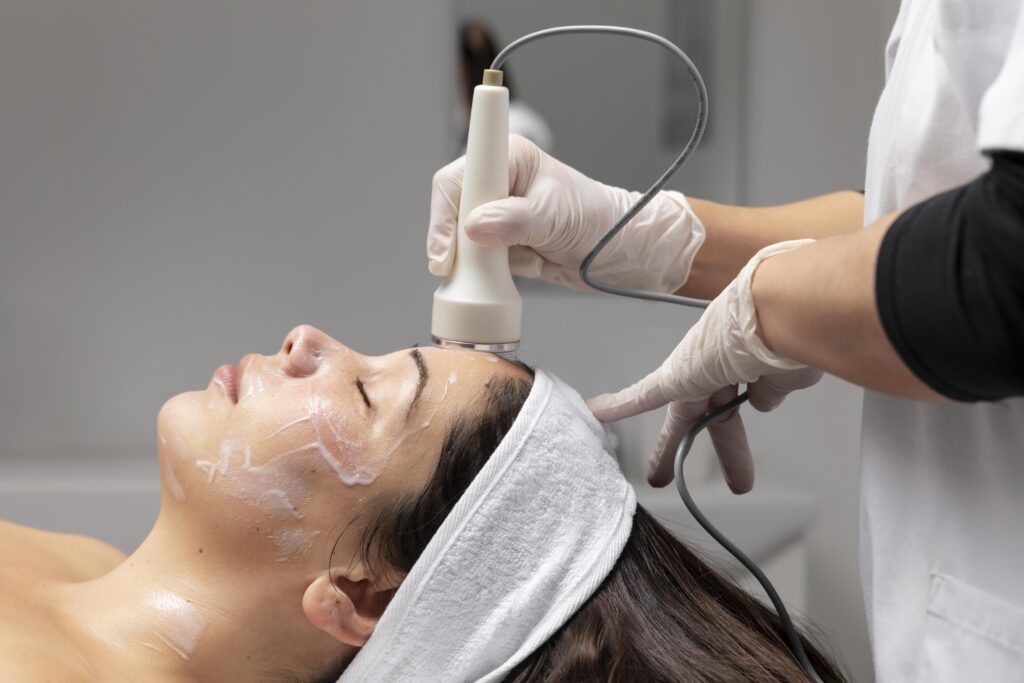
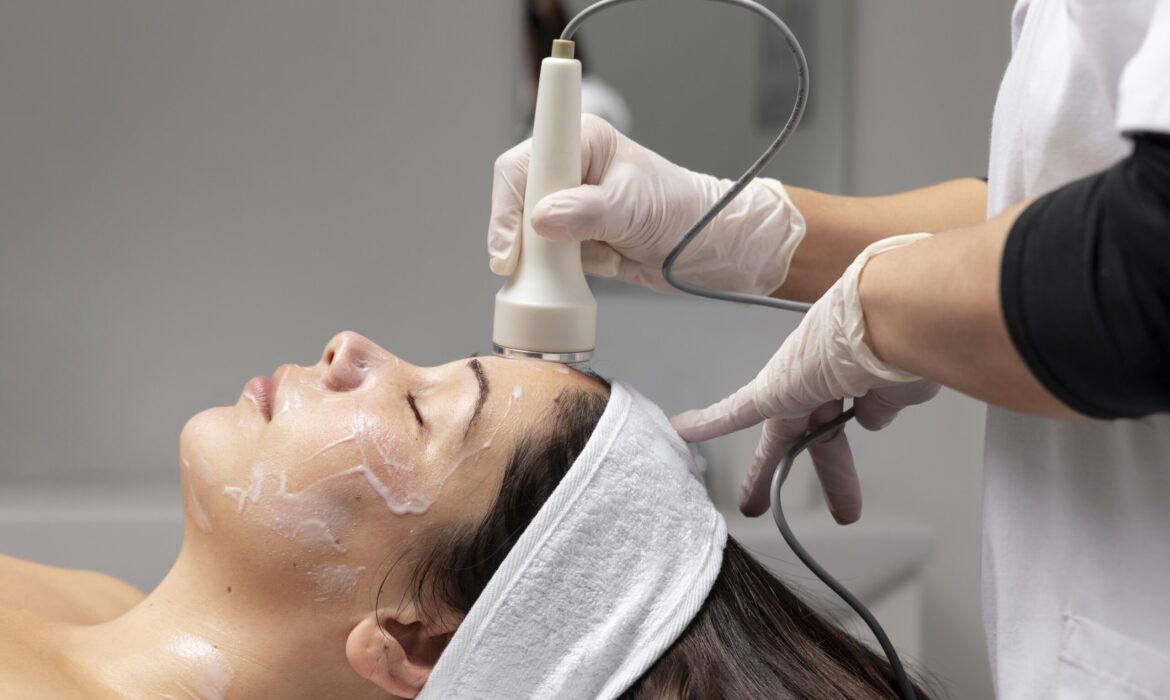
When it comes to skincare, facials are a go-to choice for cleansing, hydration, and instant glow. But not all facials are created equal. While regular salon facials offer temporary benefits, Hydrafacial treatments—now available at Dr. Hanan Dermatology Speciality and Trichology Clinic in Chennai—are designed for long-term skin health, powered by medical-grade technology.
If you’re wondering which one is better for your skin type and concern, this blog breaks down the key differences, benefits, and outcomes of Hydrafacial vs. Regular facial, so you can make an informed choice.
What Is a Regular Facial?
A regular facial usually involves manual cleansing, steaming, exfoliation, mask application, and moisturization. It’s performed by a beautician or skincare therapist and typically follows a generic routine.
Common Benefits:
- Removes surface dirt and oil
- Provides temporary glow
- Relaxes the facial muscles
- Hydrates and refreshes the skin
Limitations:
- Limited penetration of products
- May not suit sensitive or acne-prone skin
- Uses comedogenic creams or perfumes in some cases
- Results last only a few days
What Is a Hydrafacial?
Hydrafacial is a dermatologist-supervised, non-invasive treatment that combines cleansing, exfoliation, extraction, hydration, and antioxidant infusion in a single session. It uses patented vortex-fusion technology for deep skin purification without irritation.
At Dr. Hanan Clinic, we use FDA-approved Hydrafacial machines and tailor the solution serums to your skin type and concern.
Key Benefits:
- Deep pore cleansing without harsh extractions
- Gentle exfoliation with no redness
- Infusion of hydrating serums like hyaluronic acid
- Boosts collagen production
- Safe for all skin types—including sensitive and acne-prone skin
How Long Do the Results Last?
Regular Facial:
Lasts about 3–5 days before the effects fade. It doesn’t impact underlying skin health.
Hydrafacial:
Provides visible improvement for 5–10 days or more, and improves long-term skin texture, tone, and clarity with repeated sessions.
Which Facial Is Better for Acne-Prone Skin?
Hydrafacial is the clear winner. It clears clogged pores, controls oil production, and hydrates the skin—all without harsh manual extraction. The treatment is designed to calm inflammation, making it ideal for:
- Acne-prone skin
- Oily T-zones
- Cystic breakouts
Regular facials, on the other hand, may irritate active acne and use comedogenic products that worsen breakouts.
Which Is Better for Dry and Dull Skin?
Hydrafacial delivers instant hydration using active ingredients like hyaluronic acid, peptides, and antioxidants. It also improves skin tone and texture over time.
If your concern is dullness, dryness, or uneven skin, Hydrafacial is a superior solution over traditional facials, which only offer surface-level moisturization.
Book Your Consultation Today!
For Personalised Treatment visit Dr. Hanan Clinic. Feel confident and proud with our expert care.
Table of Contents
Laser Skin Resurfacing vs Chemical Peels: Which Is Right for You?
Laser Skin Resurfacing vs Chemical Peels: Which Is Right for You?
Confused between laser skin resurfacing vs chemical peels? Discover the best treatment for your skin goals at Dr. Hanan Clinic, Chennai.
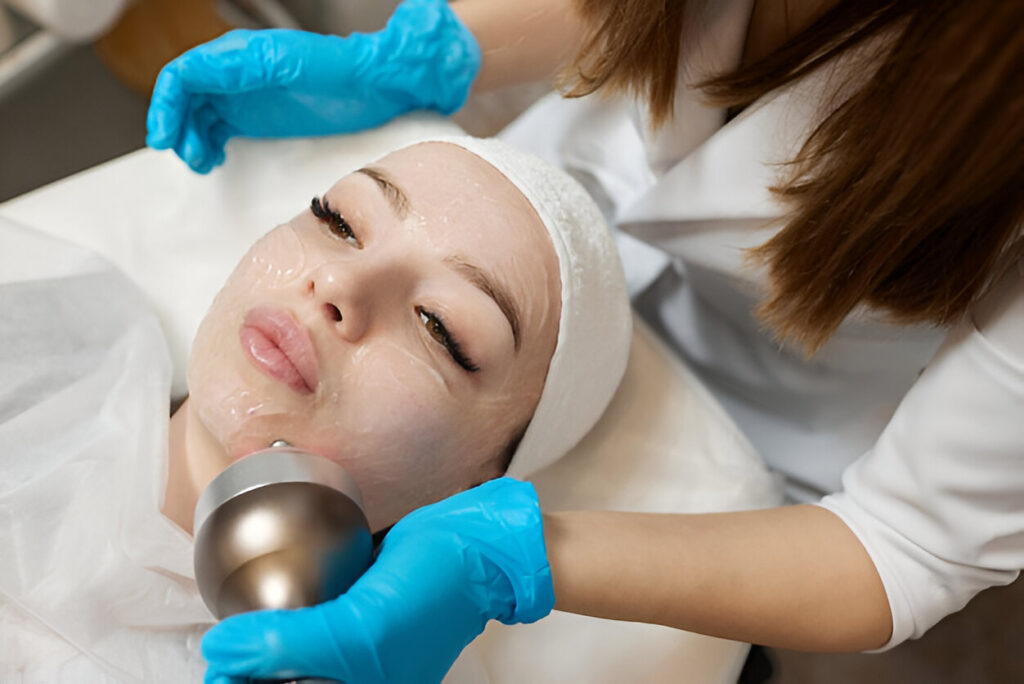
When it comes to rejuvenating your skin, two popular treatments often stand out: laser skin resurrection and chemical peels. Both are designed to reduce pigmentation, fine lines, acne marks and dullness -but they work differently, have different downtime, and suits for different types of skin.
In Dr. Hanan Dermatology Specialty and Trichology Clinic, we provide both these treatments to suit your unique skin needs. This guide will help you understand the difference between laser treatment and chemical peels, and which may be right for your skin goals.
What Is Laser Skin Resurfacing?
The laser skin resurfacing uses the focused beams of light to remove the outer layers of the damaged skin and stimulate collagen production. It is highly effective in addressing deep wrinkles, acne marks and uneven skin tones.
Types of Laser Resurfacing:
- Ablative Lasers (e.g., CO2, Er:YAG): Remove the top layer of skin.
- Non-Ablative Lasers (e.g., Nd:YAG, Fraxel): Heat deeper layers without removing the skin.
Benefits:
- Reduces deep lines and scars
- Tightens loose skin
- Evens out skin tone and texture
- Stimulates collagen and elastin
Ideal For:
- Moderate to severe acne scars
- Deep wrinkles and sun damage
- Uneven texture or tone
Downtime:
- Varies based on laser type
- Typically 5–10 days of redness and peeling for ablative lasers
What Are Chemical Peels?
Chemical peels involve applying an acid-based solution to exfoliate the skin and trigger regeneration. They can use light (superficial) to deep, which depends on the strength and type of use.
Types of Chemical Peels:
- Superficial Peels: Alpha-hydroxy acids (AHAs) or salicylic acid – minimal downtime
- Medium Peels: Trichloroacetic acid (TCA) – 5–7 days recovery
- Deep Peels: Phenol – more intensive treatment and downtime
Benefits:
- Improves skin tone, clarity, and glow
- Reduces mild acne scars and fine lines
- Treats melasma and pigmentation
- Unclogs pores and reduces oiliness
Ideal For:
- Dull or uneven skin
- Pigmentation and sun spots
- Mild to moderate acne or scarring
Downtime:
1–7 days depending on the peel strength
Laser vs Chemical Peel – Key Comparison
Feature | Laser Skin Resurfacing | Chemical Peels |
|---|---|---|
Method | Light-based | Acid-based |
Depth | Deeper penetration | Surface to mid-depth |
Best For | Deep wrinkles, scars | Pigmentation, dullness |
Downtime | 3–10 days | 1–7 days |
Number of Sessions | 1–3 (spaced months apart) | 3–6 (spaced weeks apart) |
Skin Tone Caution | Can cause pigmentation in darker tones if not managed well | Safer for all tones with proper peel selection |
Which Treatment Is Right for You?
Both treatments are highly effective – but selection between them depends on your skin type, anxiety, lifestyle and downtime tolerance.
Choose Laser Resurfacing if you:
- Have deep acne scars or wrinkles
- Want dramatic, longer-lasting results
- Can take 5–10 days off for healing
Choose Chemical Peels if you:
- Want a gentle, gradual improvement
- Have pigmentation or melasma
- Prefer minimal downtime
- Are new to advanced skincare treatments
Safety First: Always Consult a Dermatologist
Whether you choose laser or peel, your results – and protection of the skin – depend on the diagnosis and technique. At Dr. Hanan Dermatology Clinic, We:
- Assess your skin type and concern
- Recommend the ideal treatment (or a combo plan)
- Monitor your progress and aftercare
We also offer combination protocols like Laser + Peel or Peel + PRP for even better results.
Final Thoughts: Glow Your Way
There is no one size-fit-all answer. The best treatment is one that fits your skin type, lifestyle and long -term goals.
For deep changes: laser resurfacing
For subtle clarity and glow: chemical peels
Still not sure? We are here to help.
Visit Dr. Hanan Dermatology Clinic – Chennai’s Expert in Skin Rejuvenation
Book Your Consultation Today!
For Personalised Treatment visit Dr. Hanan Clinic. Feel confident and proud with our expert care.
Table of Contents

Why 1,000 Patients Trust Us as the Best Dermatology Clinic in Chennai
Why 1,000 Patients Trust Us as the Best Dermatology Clinic in Chennai
With 1,000 genuine reviews, Dr. Hanan Clinic is Chennai’s best dermatology clinic in chennai & hair transplant center.
Choosing the best dermatologist in Chennai is a crucial step in achieving healthy, glowing skin and strong, natural-looking hair. In today’s digital age, patients rely on Google reviews and real experiences to guide them—and at Dr. Hanan Dermatology Speciality and Trichology Clinic, we’re proud to have earned the trust of over 1,000 genuine patients.
With a 4.9-star rating and 1,000+ reviews, our clinic stands as one of the most trusted dermatology and hair transplant clinics in Chennai. But reviews alone don’t tell the full story—our success comes from a combination of expertise, advanced technology, personalized care, and real results.
Why Patients Trust Dr. Hanan Dermatology Speciality and Trichology Clinic
Expert Dermatologists and Trichologists
Our dermatologists treat a wide range of conditions from acne and pigmentation to advanced hair loss. Patients seeking acne scar solutions can explore our detailed blog on Best Acne Scar Treatments in Chennai, where we break down treatment options like chemical peels and lasers.
Comprehensive Range of Services
We provide a complete suite of skin and hair services. For instance:
- Acne and pigmentation concerns are covered in our blog on Hair Fall While Combing: Best Ways to Minimize It.
- Patients exploring skin brightening can read our blog on Top Skin Brightening Treatments in Chennai.
- For those considering advanced technology, our article on Laser Treatment for Scars highlights how laser solutions transform skin texture.
1,000 Genuine Reviews: A Trust Milestone
Patients with hair loss often come to us after reading our detailed posts like Hair Transplant Pain: What Should You Expect?, which debunks myths about discomfort during and after procedures.
Advanced Technology & Global Standards
Our clinic uses FDA-approved treatments like Q-Switched and Fractional CO2 Lasers. You can learn more in our blog on Laser Skin Resurfacing vs Chemical Peels – Which Is Right for You?, which compares two of our most popular treatments for skin rejuvenation.
Personalized and Transparent Care
When treating hair loss, our specialists often recommend PRP or a hair transplant depending on the severity. If you’re confused about treatment options, our guide on Hair Transplant Myths and Facts explains what’s real and what’s not in hair restoration.
Our Specialities in Dermatology and Trichology
- Acne and Acne Scar Treatments – Read our in-depth blog: 10 Skincare Mistakes You Don’t Know You’re Making, where dermatologists highlight habits that worsen acne.
- Pigmentation & Melasma Treatment – We’ve covered this extensively in Melasma Treatment: Expert Solutions for Clear, Even-Toned Skin.
- Hair Loss and Hair Transplant – For those preparing for a procedure, our blog Hair Transplant Aftercare Tips: Ensuring Long-Term Results outlines steps to protect grafts and encourage growth.
Final Thoughts
At Dr. Hanan Dermatology Speciality and Trichology Clinic, crossing the milestone of 1,000 genuine reviews proves why patients call us the best dermatology clinic in Chennai.
If you are searching for the best dermatologist in Chennai for acne, pigmentation, or anti-aging—or the best hair transplant clinic in Chennai for baldness and hair restoration—you can trust our clinic to deliver excellence.
Book Your Consultation Today!
For Personalised Treatment visit Dr. Hanan Clinic. Feel confident and proud with our expert care.
Table of Contents
Glutathione IV: Boost Your Skin’s Glow and Health Naturally
Glutathione IV: Boost Your Skin's Glow and Health Naturally
Discover how Glutathione IV treatments enhance your skin’s health and glow. Unlock a radiant complexion naturally with this powerful antioxidant!
Healthy, glowing skin is not only the ideal of beauty. But it also reflects our overall well-being. In the past few years, IV glutathione therapy has received a great deal of attention. Because it is an effective and natural way to enhance skin health and achieve a radiant glow.
By delivering this powerful antioxidant directly into the bloodstream, Glutathione IV provides faster and more effective results compared to oral supplements. But what makes this treatment a true game-changer?
In this comprehensive guide, We’ll explore everything you need to know about Glutathione IV, its benefits, how it works, and why it’s the secret to glowing, healthier skin.
What is Glutathione IV?
Glutathione is a naturally occurring antioxidant found in every cell of the human body. Made from three amino acids: glutamine, cysteine, and glycine, its main function is to neutralize free radicals. Protects cells from oxidative damage. and detoxify the body Our body produces glutathione itself.
But factors such as aging, pollution, stress, poor diet, and too much alcohol can weaken the body. Leads to dull skin, inflammation, and a weakened immune system.
Why is Glutathione Important for Skin Health?
One of the reasons glutathione is so popular in skin care is its ability to brighten and even out skin tone. It works by inhibiting melanin production. This is the pigment that causes dark spots, hyperpigmentation, and uneven skin tone.
This makes it a great choice for individuals who want a fresher, more youthful appearance. Additionally, glutathione’s antioxidant properties help protect the skin from environmental damage. Reduce signs of aging such as wrinkles and fine lines.
How Does Glutathione IV Therapy Work?
IV glutathione therapy involves administering intravenous glutathione directly into the bloodstream. Unlike oral supplements, which must pass through the digestive system and may lose potency during digestion, IV administration ensures that glutathione is immediately and efficiently absorbed by the body. and provide faster and more noticeable results.
The process is very simple: A health professional administers a sterile glutathione solution through an IV drip, which helps the antioxidant circulate throughout the body. Fights oxidative stress and supports the creation of new cells.
Benefits of Glutathione IV for Skin
1. Skin Brightening and Lightening:
One of the most popular uses of Glutathione IV is for skin brightening. It reduces melanin production, giving the skin a lighter and more even tone. Over time, this can help eliminate hyperpigmentation, acne scars, and age spots.
2. Anti-Aging Properties:
Glutathione helps combat free radicals, which are responsible for causing oxidative stress and accelerating skin aging. Regular IV therapy can reduce the appearance of wrinkles, fine lines, and sagging skin, making you look youthful and refreshed.
3. Detoxification and Reduced Inflammation:
Glutathione is a powerful detoxifying agent, helping to cleanse the liver and remove harmful toxins from the body. By reducing inflammation and improving liver function, this antioxidant plays a crucial role in maintaining clear, vibrant skin.
4. Enhanced Radiance:
By neutralizing free radicals, Glutathione enhances skin radiance and overall glow. It promotes healthy cell regeneration, which leads to smoother, softer, and more luminous skin.
Additional Health Benefits of Glutathione IV
1. Boosts Immune System:
Beyond skin benefits, glutathione is essential for maintaining a strong immune system. By supporting the production of white blood cells and neutralizing harmful substances in the body, Glutathione IV therapy helps protect against illnesses and infections.
2. Increased Energy Levels:
Many individuals report feeling more energized after Glutathione IV therapy. This is because glutathione enhances mitochondrial function—the energy powerhouse of cells. Improved energy levels can lead to better physical performance and mental clarity.
3. Supports Liver Health:
Glutathione is crucial for liver detoxification. By promoting the removal of heavy metals, toxins, and free radicals, it improves liver function and reduces the risk of liver-related issues, including fatty liver disease.
4. Reduces Inflammation:
Chronic inflammation is at the root of many health problems, including skin conditions, joint pain, and cardiovascular diseases. Glutathione works as an anti-inflammatory agent, helping to reduce swelling and discomfort in the body.
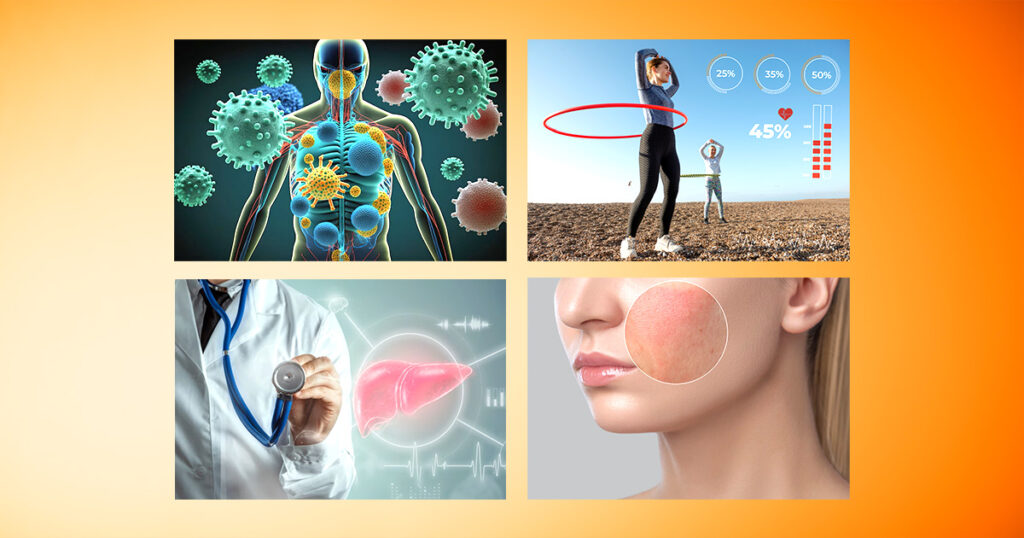
Who Can Benefit from Glutathione IV Therapy?
Glutathione 4 therapy is suitable for a wide range of individuals. Especially those who want to improve the appearance of their skin and overall health. Generally recommended for:
1. People who have dark spots
2. People who want to reduce signs of aging
3. Chronic skin conditions such as acne or eczema
4. Persons exposed to environmental pollutants and toxins
5. People with low energy levels or chronic fatigue
6. Anyone who wants to boost their immune system and general well-being.
What to Expect During a Glutathione IV Treatment
Glutathione IV therapy is a safe and minimally invasive procedure. A typical session lasts anywhere between 30 to 60 minutes. During this time, you’ll be comfortably seated while the IV drip administers the solution into your bloodstream. There’s no downtime after the treatment, allowing you to return to your daily activities immediately.
Many patients notice improvements in their skin tone and overall health after just a few sessions, though the frequency and number of treatments may vary based on individual goals and health conditions. It’s essential to consult a healthcare professional for a personalized treatment plan.
Glutathione IV therapy is generally considered safe with minimal side effects. However, some individuals may experience mild discomfort at the injection site, dizziness, or nausea, which typically subside shortly after the treatment. It’s crucial to have your therapy administered by a licensed professional to minimize risks and ensure proper dosage.
Why Choose Dr. Hanan for Glutathione IV Treatment?
At Dr. Hanan Dermatology Specialty Clinic, we provide top-notch Glutathione IV therapy to enhance your skin’s glow and overall health. Here are five reasons to choose us:
1. Expert Dermatologist: Dr. Hanan’s expertise ensures safe and effective treatments with visible results.
2. Personalized Care: We tailor each treatment plan to your unique skin and health needs.
3. Safety First: Our clinic follows strict safety and hygiene protocols for all procedures.
4. Quick Results: Notice brighter, healthier skin after just a few sessions.
5. Affordable & Convenient: We offer competitive pricing and flexible appointments to fit your schedule.
Trust Dr. Hanan for glowing, radiant skin!
Final Thoughts: Is Glutathione IV Right for You?
If you are looking for a natural and effective way to improve skin health. radiance and your overall appearance Glutathione IV therapy may be the solution you are looking for. Popular with individuals who aim for its beauty and health benefits for its ability to whiten the skin. Reduce wrinkles of age Detoxify the body and increase immunity Make your choice now.
Before starting any new treatment It is important to consult with your healthcare provider to make sure Glutathione IV is the right choice for you.
FAQ’S
1. What is Glutathione IV therapy, and how does it work?
Glutathione IV therapy delivers a powerful antioxidant directly into the bloodstream, helping detoxify the body, reduce melanin production, and enhance the skin’s natural glow and health.
2. Is Glutathione IV therapy safe, and are there any side effects?
Glutathione IV therapy is generally safe when administered by a professional. Side effects are rare but may include mild irritation or temporary dizziness.
3. How long does it take to see results from Glutathione IV therapy?
Results vary, but many individuals notice improvements in skin radiance and clarity after a few sessions, with lasting effects seen over time with regular treatments.