
Latest Hair Transplant Technology in India (2026 Guide)
Latest Hair Transplant Technology in India (2026) – DHI, FUE, Cost & Results
Maximize hair transplant success with expert-backed diet and lifestyle tips from Dr. Hanan Clinic, Chennai.
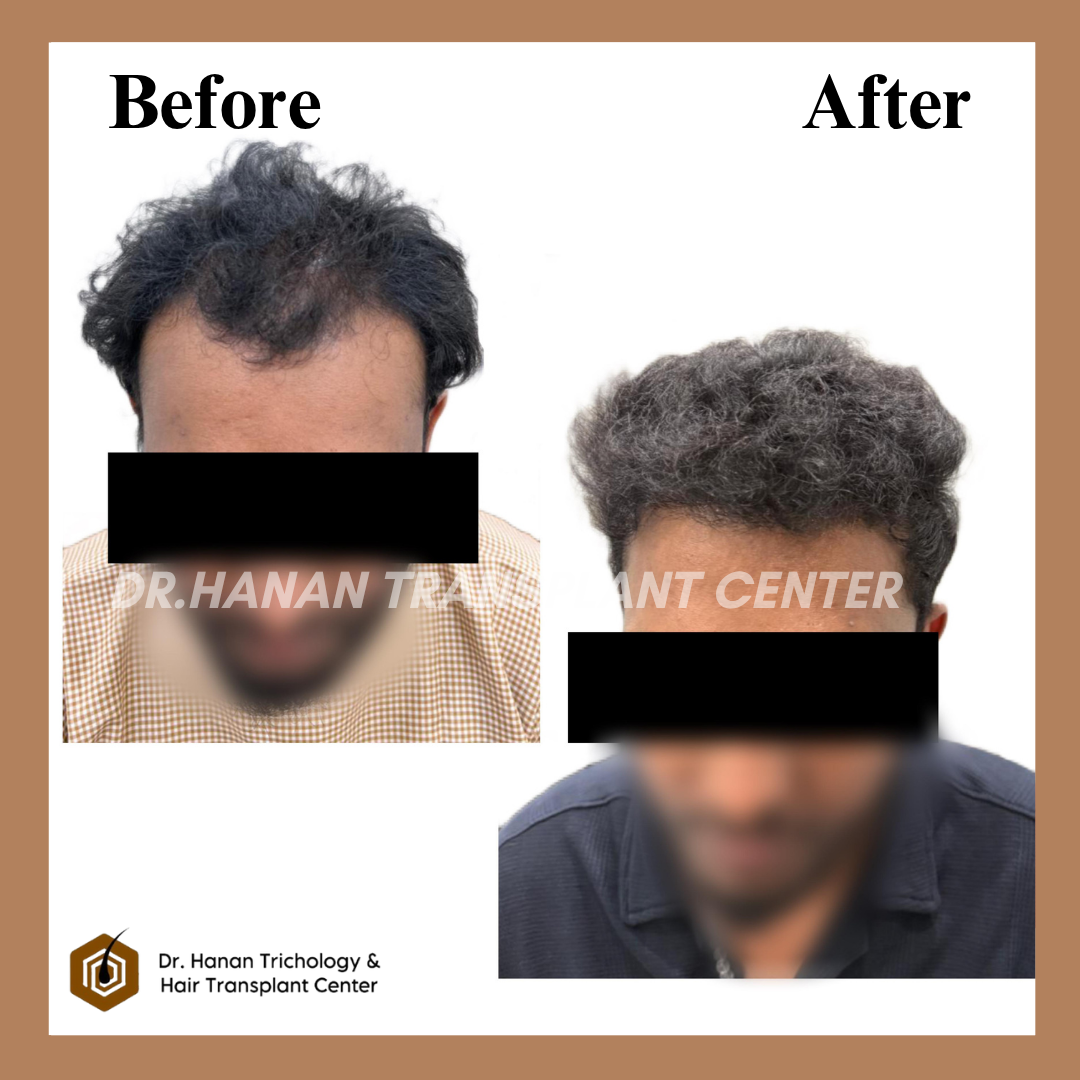
Hair loss is no longer a permanent concern thanks to rapid advancements in hair transplant technology in India. Modern techniques now focus on natural-looking results, maximum graft survival, minimal downtime, and scar-free procedures. Whether you’re experiencing early thinning or advanced baldness, India offers some of the most affordable and advanced hair restoration solutions in the world.
This expert-backed guide covers the latest hair transplant technologies in India, their benefits, costs, and how to choose the right option.
At Dr. Hanan Dermatology Speciality and Trichology Clinic, Chennai, we believe in a holistic approach to hair restoration—combining advanced surgical expertise with proper nutrition and healthy living to maximize results.
Evolution of Hair Transplant Techniques in India
Hair transplant procedures have evolved significantly over the past decade.
- Traditional Method (FUT): Involved strip removal, stitches, and visible scars
- Modern Method (FUE): Introduced individual follicle extraction
- Advanced Techniques (DHI, Robotic, UHDHT): Focus on precision and natural density
Today, the industry prioritizes high graft survival rates, minimal scalp trauma, faster recovery, and natural hairline design.
Top Latest Hair Transplant Technologies in India
Direct Hair Implantation (DHI)
Direct Hair Implantation (DHI) is considered the gold standard in hair transplant procedures.
How It Works
Hair follicles are extracted individually and implanted directly using a specialized implanter pen, eliminating the need for channel creation.
Benefits
- Natural hairline with precise angle and direction
- No scars or stitches
- Minimal bleeding
- Faster healing
Best for: Hairline correction and dense packing
Advanced FUE (Trivellini System)
The Trivellini System is an upgraded version of FUE that improves extraction precision.
Key Features
- Advanced punch technology
- Reduced follicle damage
- Faster extraction process
Benefits
- Higher graft survival
- Less trauma to scalp
- Ideal for large bald areas
Best for: Full scalp restoration
Robotic Hair Transplant (AI-Based)
Robotic systems like ARTAS use artificial intelligence to assist surgeons in graft selection and extraction.
Advantages
- High precision
- Consistent results
- Reduced human error
Limitations
- Expensive
- Not suitable for all hair types
Best for: Patients seeking high-tech precision
Ultra-High Density Hair Transplant (UHDHT)
UHDHT is designed to achieve maximum density for a fuller appearance.
Technologies Used
- Ultra-Fast Micro Extraction (UFME)
- Direct Selective Hair Implantation (DSHI)
Benefits
- Thick and dense hair results
- High graft survival
- Advanced density control
Best for: Advanced baldness cases
Direct Hair Extraction (DHX) – Latest Innovation
DHX focuses on preserving the donor area for long-term sustainability.
Benefits
- Maintains donor health
- Allows multiple sessions
- Improves density planning
Often combined with DHI for optimal results.
Laser-Assisted Hairline Design
Modern clinics use laser technology to create precise and natural hairlines.
Advantages
- Customized design based on facial structure
- Symmetrical and natural results
- Improved aesthetic outcomes
Regenerative Hair Treatments (Non-Surgical Innovations)
Activa Regenera Therapy
Activa Regenera is a non-surgical treatment that uses growth factors from your scalp.
Benefits
- Stimulates natural hair growth
- Suitable for early hair loss
- No surgery or downtime
PRP Therapy (Supportive Treatment)
Platelet-Rich Plasma (PRP) therapy enhances healing and improves transplant success when combined with surgical procedures.
Key Advantages of Latest Hair Transplant Technologies
- No scars or stitches
- High graft survival rate
- Natural-looking results
- Quick recovery (1–3 days)
- Minimal discomfort
Cost of Latest Hair Transplant in India
| Technique | Cost per Graft | Total Cost |
|---|---|---|
| DHI | ₹50 – ₹120 | ₹80,000 – ₹3,00,000 |
| FUE (Trivellini) | ₹40 – ₹100 | ₹70,000 – ₹2,50,000 |
| Robotic | ₹100 – ₹200 | ₹1,50,000 – ₹5,00,000 |
| UHDHT | ₹80 – ₹150 | ₹1,20,000 – ₹4,00,000 |
| Regenera | ₹20,000 – ₹60,000/session | — |
Best Cities for Hair Transplant in India
Top cities offering advanced hair transplant technologies include Chennai, Hyderabad, Mumbai, and Delhi. These locations are known for experienced surgeons and modern clinics.
How to Choose the Right Hair Transplant Technique
Consider the following factors
- Stage of hair loss
- Budget
- Desired hair density
- Donor hair quality
For example
- Early hair loss: Regenerative treatments
- Hairline correction: DHI
- Large bald areas: FUE
Risks and Safety Considerations
- Temporary swelling or redness
- Initial hair shedding phase
- Importance of choosing certified clinics
Always consult a qualified specialist before undergoing treatment.
Results Timeline – What to Expect
- Verify surgeon qualifications
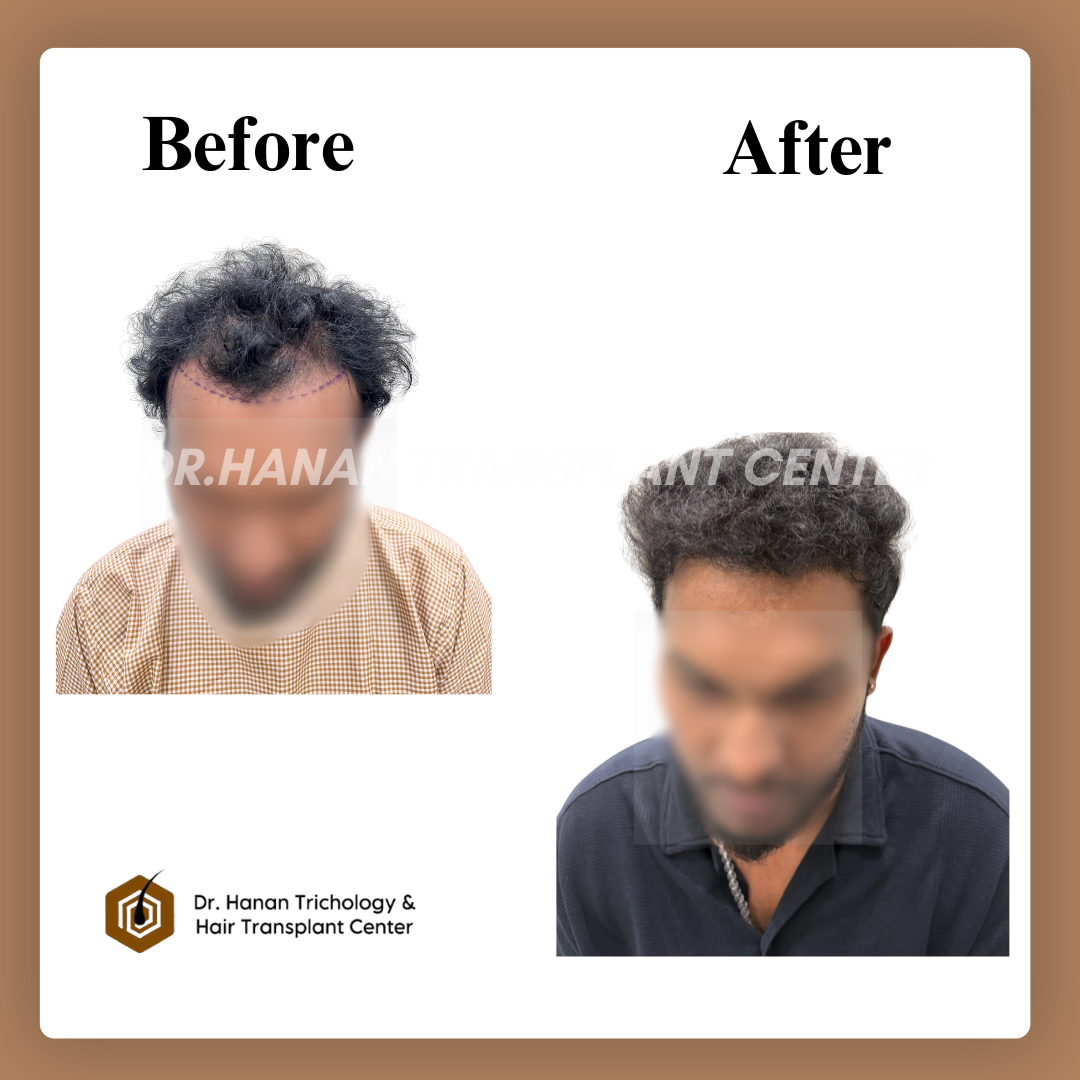
- Review before-and-after results
- Avoid extremely low-cost clinics
- Set realistic expectations
FAQs
1. Which is the most advanced hair transplant technique in India?
Direct Hair Implantation (DHI) and advanced FUE (like the Trivellini system) are currently the most advanced techniques, offering high precision and natural results.2. Is DHI better than FUE?
DHI offers better control and natural hairline results, while FUE is more suitable for covering larger bald areas. The best option depends on your hair loss condition.3. What is the success rate of modern hair transplants?
With advanced techniques, the success rate is around 90–95% when performed by experienced surgeons.4. Is hair transplant permanent?
Yes, transplanted hair is usually permanent because it is taken from genetically resistant donor areas.5. How long does a hair transplant procedure take?
The procedure typically takes 4 to 8 hours depending on the number of grafts required.6. Is the hair transplant procedure painful?
No, it is performed under local anesthesia, so you may feel only mild discomfort during and after the procedure.7. What is the recovery time after a hair transplant?
Most patients recover within 1–3 days and can return to normal activities quickly.8. When will I see full results after a hair transplant?
Initial growth starts in 3–4 months, and full results are usually visible within 9–12 months.9. Are there any side effects or risks?
Temporary swelling, redness, and shedding are common. Serious complications are rare when done at a certified clinic.10. How much does the latest hair transplant cost in India?
Costs vary based on technique and grafts, typically ranging from ₹70,000 to ₹5,00,000 depending on the procedure and clinic.
Book Your Consultation Today!
For Personalised Treatment visit Dr. Hanan Clinic. Feel confident and proud with our expert care.
Table of Contents
Hair Regrowth Treatments vs Hair Transplant – What Works Best in 2025?
Hair Regrowth Treatments vs Hair Transplant – What Works Best in 2025?
Hair transplant or regrowth treatments? Find out what works best in 2025 with expert tips from Dr. Hanan Clinic, Chennai.
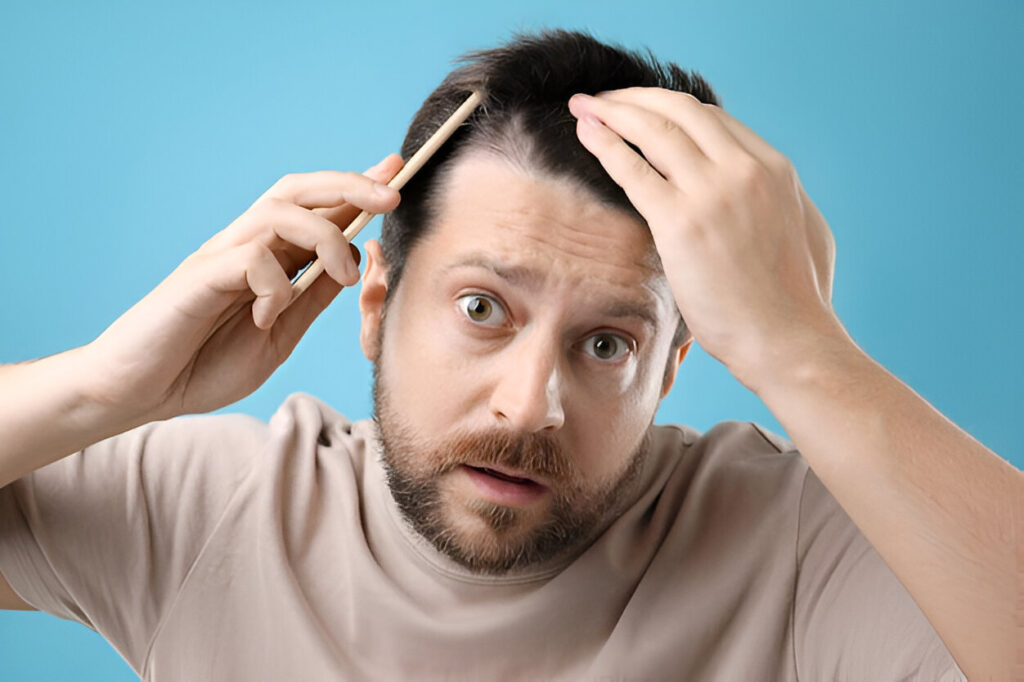
Hair loss is no longer a cosmetic concern-it affects confidence, social life and emotional welfare. With modern progress, 2025 provides several clinically proven options to combat baldness and thin hair. But the question is: Hair Regrowth Treatments vs. Hair Transplant – What does the best work in 2025?
Dr. in Chennai In Hanan Dermatology Specialty and Trichology Clinic, we specialize in both surgical and non-surgical solutions for hair loss. In this blog, we compare two most demanding approaches Non-invasive regrowth treatment and permanent hair transplant surgery-to help you decide which path is right for your skull and your goals.
Understanding the Root of the Problem: Why Hair Loss Happens
Before comparing treatments, it’s important to understand why hair loss occurs:
- Androgenetic Alopecia (pattern baldness)
- Hormonal imbalances (thyroid, PCOS)
- Nutritional deficiencies (iron, biotin, vitamin D)
- Stress & lifestyle factors
- Autoimmune diseases (alopecia areata)
- Medications and treatments (chemotherapy)
Different causes require different treatments—this is why scalp diagnosis is crucial.
What Are Hair Regrowth Treatments?
Hair regrowth treatments are non-surgical methods designed to stimulate dormant hair follicles and slow down further damage. In 2025, these treatments have become more targeted, effective and customized.
1. PRP (Platelet-Rich Plasma) Therapy
PRP is a regenerative treatment that uses components from its own blood to heal and rejuvenate hair follicles. A small amount of your blood is drawn, centrifuged to
Benefits:
- Improves hair density by reactivating dormant follicles
- Minimizes hair shedding and slows hair thinning progression
- Minimal downtime and suitable for most scalp types
Best for:
- Early-stage hair thinning in men and women
- Patients seeking a natural, non-surgical option
- Women with postpartum or hormonal hair loss
Caution:
- Multiple sessions are often required
- Visible results may take 2–3 months
- Should be performed in sterile environments to avoid infections
Microneedling with Exosomes
Microneedling with exosomes combines physical stimulation (microneedling) with the biological power of exosome-cell-retired messengers packed with growth factors and regenerative proteins. The micro injuries created by needles allow exosomes to penetrate and rejuvenate the hair follicle.
Benefits:
- Accelerates hair regrowth faster than PRP
- Improves follicle activity, density, and strand thickness
- Excellent for resistant areas that failed with PRP or medications
Best for:
- Diffuse thinning in both men and women
- Post-transplant scalp stimulation
- Those looking for cutting-edge, regenerative therapy
Caution:
- Requires sterile, controlled application
- Slight redness or sensitivity for 24–48 hours
- Premium cost compared to traditional PRP
Low-Level Laser Therapy (LLLT)
LLLT is a painless, light-based therapy that uses red or close light to stimulate cellular activity in hair follicles. It improves blood circulation and cellular energy, which helps the hair grow thicker and healthy over time.
Benefits:
- Non-invasive and safe for long-term use
- Enhances hair shaft strength and density
- Convenient for home or in-clinic use (helmet or cap-based devices)
Best for:
- Mild to moderate hair thinning
- Post-transplant or post-PRP maintenance
- Individuals with scalp sensitivity to topical treatments
Caution:
- Requires regular use (3–4 times/week)
- Results are gradual over 3–6 months
- Effectiveness varies by device and consistency
Prescription Medications (Minoxidil, Finasteride, Dutasteride)
Prescription medication remains one of the most widely used and medical approved treatments for hair loss in 2025. These drugs work either by increasing the blood circulation to the hair follicles or by reducing the production of dihydrotestosterone (DHT), the hormone that is mainly responsible for Androgenetic alopecia (pattern baldness).
Minoxidil is a topical solution or foam that stimulates hair growth by widening blood vessels and by improving oxygen, nutrients and blood flow. It is effective for both men and women and is available over-the-counter.
Finasteride and dutasteride are oral medications that inhibit the conversion of testosterone to DHT. While Finasteride FDA-approved, Dutasteride is considered more powerful and is often used in India under dermatologist guidance.
Benefits:
- Scientifically proven to reduce hair fall and improve density
- Easy to incorporate into daily routines
- Can be combined with PRP, LLLT, or microneedling for synergistic effects
Best for:
- Men with male pattern hair loss
- Women with hormonal hair thinning (Minoxidil only)
- Patients not ready for surgery or as post-transplant maintenance
Caution:
- Results vary by individual and take 3–6 months of consistent use
- Side effects may include scalp irritation (Minoxidil) or sexual dysfunction (Finasteride/Dutasteride), so ongoing medical supervision is advised
At Dr. Hanan Clinic, we personalize your medication plan based on your scalp type, hair loss pattern, and lifestyle. We also monitor your response with regular follow-ups to ensure safety and effectiveness.
Prescription medications work by targeting the root causes of hair loss—such as DHT sensitivity or poor blood circulation to the follicles. These include both topical and oral medications that are widely used and FDA-approved.
Benefits:
- Affordable and easy to use
- Scientifically proven to slow hair loss and promote regrowth
- Can be combined with PRP or microneedling for better results
Best for:
- Men with male pattern baldness (especially Finasteride and Dutasteride)
- Women with thinning due to hormonal imbalance (Minoxidil)
- Patients not ready for surgical intervention
Note: These medications must be used consistently and under medical supervision to prevent side effects and sustain long-term benefits.
Benefits:
- Affordable
- FDA-approved
Best for:
- Early to moderate pattern baldness
- Those looking for gradual improvement
What Is a Hair Transplant?
Hair transplant is a surgical procedure where hair follicles from a donor area (usually the back of the scalp) are moved to balding areas. It is the most permanent solution available in 2025.
There are two main techniques:
FUE (Follicular Unit Extraction)
Follicles are extracted individually with tiny punches and implanted in recipient zones.
Benefits:
- No linear scar
- Shorter recovery
- Natural-looking results
FUT (Follicular Unit Transplantation)
A strip of scalp is removed and grafts are prepared from it.
Benefits:
- More grafts in one session
- Suitable for larger bald patches
What Is the Best Hair Transplant Technology in 2025?
Great question (and thank you Google’s People Also Ask!).
In 2025, the most advanced techniques include:
- Sapphire FUE: Uses sapphire blades for precision
- Robotic-assisted Hair Transplantation: AI-based graft harvesting
- DHI (Direct Hair Implantation): No channel opening step, more control
At Dr. Hanan Clinic, we combine these advanced tools with dermatologist-level planning for natural hairlines and higher graft survival.
Hair Regrowth Treatments vs Hair Transplant – Key Comparison
Feature | Hair Regrowth Treatments | Hair Transplant |
Type | Non-surgical | Surgical |
Suitability | Early to moderate hair loss | Advanced baldness (Grade 3+) |
Downtime | Minimal to none | 3–7 days recovery |
Cost | Lower per session | One-time higher cost |
Results | Gradual, needs maintenance | Permanent, fuller coverage |
Side Effects | Minimal | Mild swelling, crusting |
Maintenance | Required (every 1–3 months) | PRP or LLLT optional for existing hair |
When to Choose Hair Regrowth Treatments
Choose non-surgical regrowth options if:
- You’re under 35
- Hair loss is recent or mild
- You want a gradual, non-invasive solution
- You are medically unfit for surgery
When to Choose Hair Transplant
Opt for a transplant if:
- You have visible bald patches (Grade 3 and above)
- You want long-lasting, high-density results
- You’ve already tried PRP, meds, or LLLT with limited success
- You have a strong donor area
Our Expert Advice: What We Recommend in 2025
At Dr. Hanan Dermatology Speciality and Trichology Clinic in Chennai, we don’t believe in one-size-fits-all. Our treatment strategy is always:
1. Diagnose First – Using digital scalp mapping and hair density analysis
2. Customize Treatment – PRP, microneedling, medications, transplant – or a combination
3. Track Results – Monthly follow-ups, maintenance planning, lifestyle advice
Our hybrid approach means many patients avoid surgery altogether with the right early intervention.
Why Choose Dr. Hanan Clinic in Chennai?
- 800+ 5-star reviews
- Team of certified dermatologists & trichologists
- Latest in FUE, PRP, Exosome, and Laser technology
- Customized plans for every hair type, age, and stage of hair loss
We are Chennai’s authority in hair restoration, blending medical expertise with the latest innovations.
Conclusion: Which Works Best in 2025?
Hair Regrowth Treatments are ideal if you’re catching the problem early and want to delay or avoid surgery.
Hair Transplant is best for those looking for a permanent fix for visible baldness.
But the ultimate solution? A doctor-designed combination plan customized just for you.
Book Your Consultation Today!
For Personalised Treatment visit Dr. Hanan Clinic. Feel confident and proud with our expert care.
Table of Contents
Best Age for Hair Transplant: Expert Advice from Dermatologists in Chennai
Hair Transplant Cost in India : Guide for 2025
Discuss about Hair transplant cost in India and get tips on budget. Learn more here or contact Dr.hanan Dermatology Speciality Clinic.
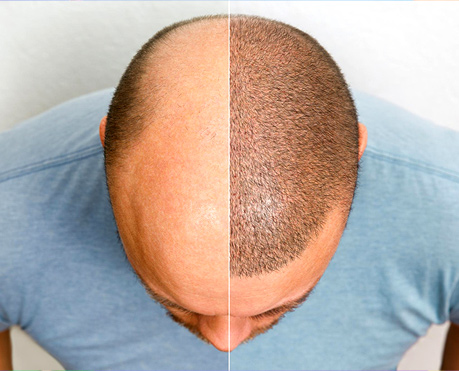
Hair loss is a very common problem affecting men and women of all ages. Fortunately, India has a variety of affordable hair treatments that not only help you hide the issue of hair loss, but also help prevent future recurrences.
In recent years, hair transplants have emerged as a popular solution for individuals who want to deal with hair loss issues. Known for its advanced medical technology and affordable healthcare, India has become a prime destination for those considering hair transplantation.
This article aims to provide an in-depth analysis of hair transplant price in India, to help potential patients make informed decisions about treatment options.
What is a hair transplant?
Hair transplant means move hair from one side of your head it’s called donar area of the head to an blad area with thinning or no hair. It can help your hair look good again. These implants have been practised by doctors in the US. since the 1950s, but techniques have improved dramatically.
Is hair transplant permanent?
Hair transplant treatments are permanent. Once your doctor gives you clearance, you can treat your replacement hair just like your normal healthy hair—wash, shampoo, and shampoo as usual. However, some hair transplants do not survive and a few hairs fall out.
Do you know that Ms Dhoni hair transplant and Virat Kholi did Hair Transplant Surgeries
Types of Hair Transplant Surgeries
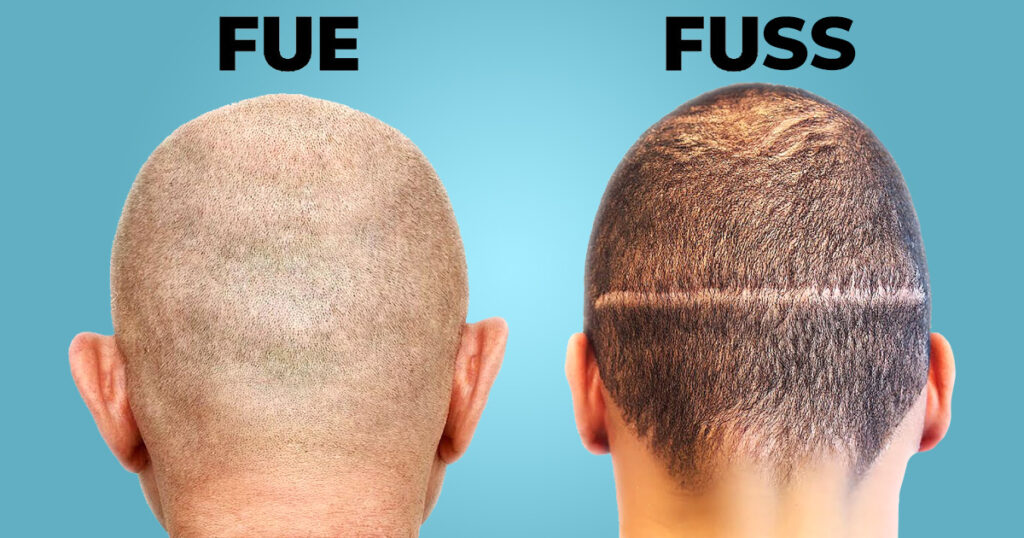
There are two main types of hair transplants, both done in a doctor’s office. First, the surgeon cleans your scalp and numbs the back of your head. Then, they choose between two methods: follicular unit strip surgery (FUSS) or follicular unit extraction (FUE).
1.Follicular Unit Strip Surgery (FUSS)
In FUSS, the surgeon removes a 6- to 10-inch strip of skin from the back of your head or donar area and stitches the area closed. This strip is then cut into 500 to 2,000 tiny grafts, each with a few hairs. These healthy hair grafts are used to fill in thinning areas or bald area. FUSS is also known as follicular unit transplantation (FUT).
2.Follicular Unit Extraction (FUE)
3.FUSS vs. FUE
- Scarring: FUSS leaves a scar where the strip was removed, which may be visible if your hair is short. FUE leaves small, less noticeable scars.
- Time: FUSS typically takes time consuming than FUE.
- Appearance: FUSS doesn’t require shaving the back of your scalp.
- Risk: In FUE, there’s a risk of damaging hair follicles, which might prevent successful transplantation.
- Cost: FUE is generally more expensive than FUSS.
4.Artificial Hair Transplants
Artificial hair transplants use synthetic fibers to replace lost hair instead of using your own hair. These were created for people who don’t have enough hair for traditional transplants. However, the U.S. FDA banned artificial hair transplants in 1983 due to safety concerns.
Although they might be an option for some, artificial hair transplants can cause side effects because of the foreign materials used. If you’re considering a hair loss treatment, consult a board-certified doctor who specializes in hair loss.
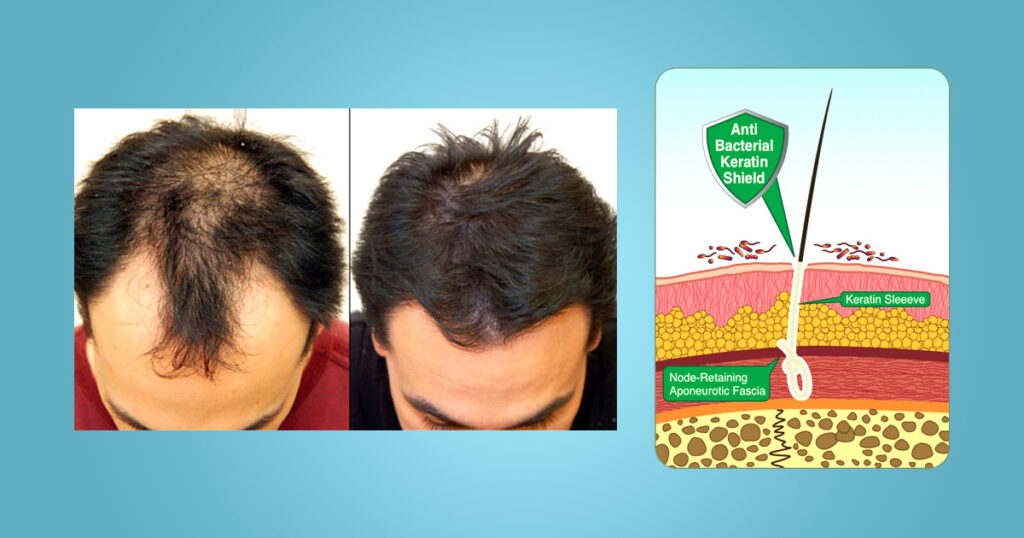
Factors affecting the cost of hair transplantation in India
Many factors influence the cost of hair transplant in India. Knowing these can help you plan your budget better.
Average Hair Transplant Cost in India
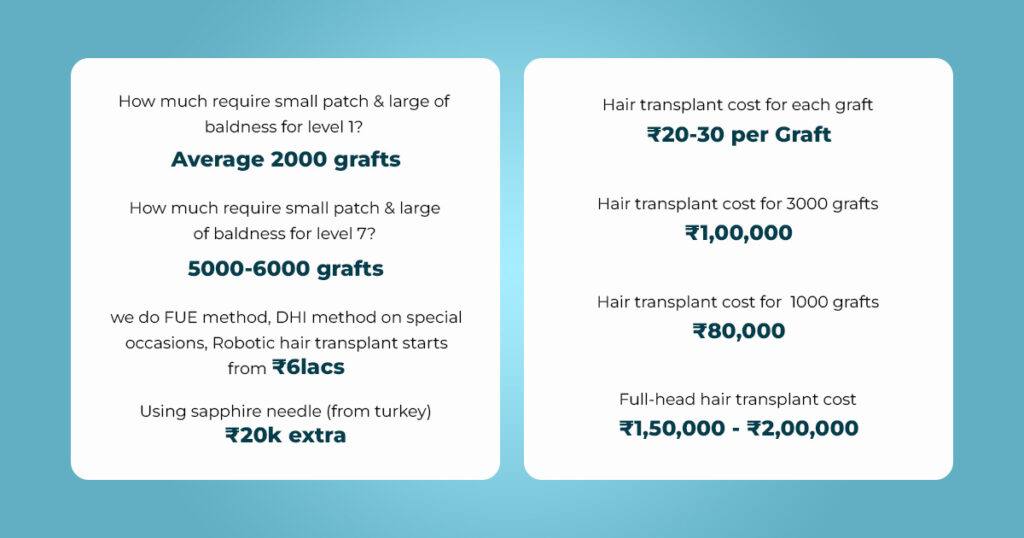
Hair transplant cost per hair in India and trasnplant in chennai varies widely based on the factors mentioned above. On average, the cost per graft ranges from ₹30 to ₹150 ($0.40 to $2) depending on the clinic and technique.
- FUT: Typically costs between ₹40,000 to ₹70,000 ($500 to $900) for 1,000 to 2,000 grafts.
- FUE: Generally costs between ₹60,000 to ₹1,50,000 ($800 to $2,000) for 1,000 to 2,000 grafts.
These prices may fluctuate based on the specific requirements of the patient and the clinic’s pricing policies.
Choosing the Best Clinic for Hair Transplant
Choosing the right hospital and managing costs is key to getting the best results. Here are some tips to help you:
1. Research and Analysis: Find information and read patient reviews about the quality of the hospital. Check online forums, social media, and patient profiles for useful information.
2. Check certificates: Make sure the surgeons at the hospital are qualified and experienced in hair transplantation. Check their credentials and credentials to ensure they are experts.
3. Compare costs: Get quotes from hospitals and compare their prices. Be wary of very low prices, as they may indicate low prices or hidden costs.
4. Consultation: Meet with hospitals to discuss your needs and treatment options. Take this time to tour the hospital facilities and meet the doctors.
Why Choosing Dr. Hanan for Best Hair Transplant Clinic in Chennai
When it comes to hair restoration, Dr. Hanan is renowned as the leading specialist in Chennai. His clinic is recognized for delivering exceptional hair transplant results with expertise, advanced technology, and personalized care. Here’s why Dr. Hanan is the top choice for the best hair transplant clinic in India.
1.Unmatched Expertise and Experience
Highly Qualified Specialist
Dr. Hanan is a board-certified dermatologist with specialized training in hair transplantation. With years of experience, Dr. Hanan delivers expert care and effective results.
Advanced Techniques
Utilizing the latest methods, including Follicular Unit Extraction and Follicular Unit Transplantation , Dr. Hanan provides minimally invasive and precise treatments for optimal hair restoration.
2.Cutting-Edge Facilities
Modern Technology
The clinic features state-of-the-art equipment and robotic-assisted systems to ensure precise and effective hair transplant procedure.
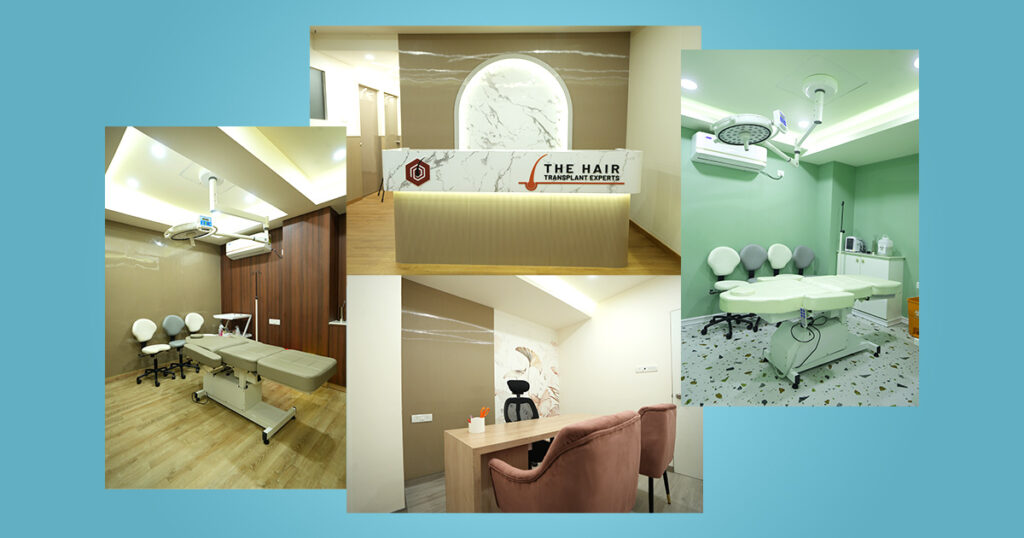
Comfortable Environment
Dr. Hanan’s clinic maintains a sterile and modern setting, prioritizing patient comfort and safety during every procedure.
3.Comprehensive Hair Transplant Services
Personalized Treatment
Dr. Hanan offers customized treatment plans tailored to individual needs, ensuring natural-looking results and high patient satisfaction.
Post-Transplant Care
Comprehensive post-transplant care includes detailed aftercare instructions and follow-up support in your recovery time to ensure optimal results.
4.Patient-Centered Approach
Consultative Care
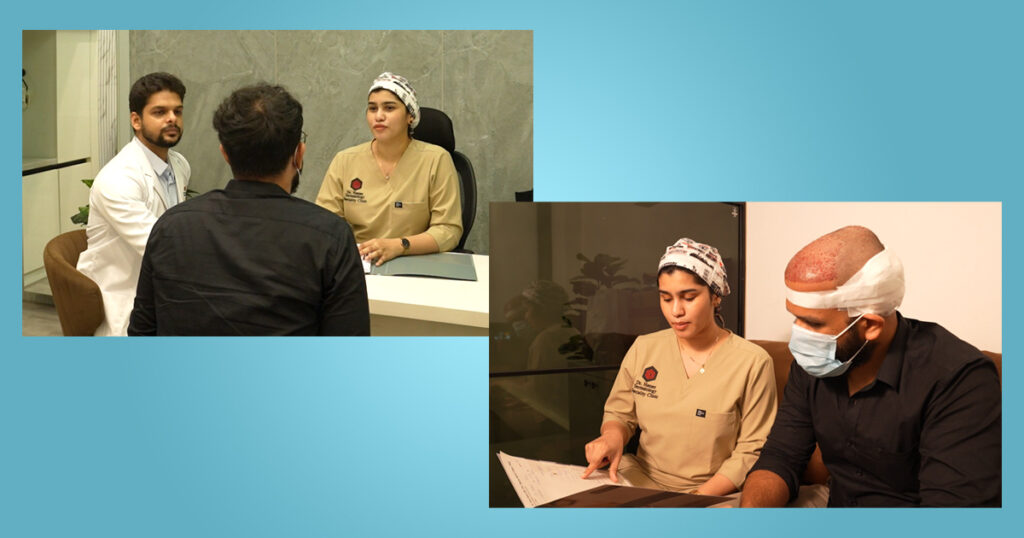
Dr. Hanan takes a personalized approach, listening to patient goals and providing clear, honest information about the process.
Holistic Support
Beyond the transplant, Dr. Hanan offers advice on lifestyle and hair care to maintain and enhance results.
Patient Education
Educating patients is a key aspect of Dr. Hanan’s practice. Dr. Hanan ensures that patients fully understand their diagnoses, treatment options, and preventive measures. This empowers patients to make informed decisions about their skin health and maintain optimal results.
5.Exceptional Patient Reviews and Testimonials
Positive Patient Experiences
Dr. Hanan’s clinic has received numerous positive reviews and testimonials from satisfied patients. These reviews highlight Dr. Hanan’s expertise, compassionate care, and commitment to excellence. The positive feedback is a testament to the high-quality care provided at the clinic.
Success Stories
Dr. Hanan regularly shares success stories and case studies to showcase the effectiveness of treatments and the positive impact on patients’ lives. These stories demonstrate Dr. Hanan’s ability to achieve outstanding results and improve patients’ skin health and confidence.
6.Convenient Location and Flexible Scheduling
Prime Location in OMR
Dr. Hanan’s clinic is conveniently located in the heart of OMR, making it easily accessible for patients from all parts of the city. The central location ensures that patients can reach the clinic without hassle.
Visit Us : Dr. Hanan Dermatology Speciality Clinic, A Block, Gem Bhoomi & Buildings, Padur, OMR, Chennai – 603103
Flexible Appointments
Understanding the busy schedules of patients, Dr. Hanan offers flexible appointment options, including extended hours and weekend appointments. This ensures that patients can receive the care they need at a time that is convenient for them.
For Enquiries / Appointments : +91 6381048403
Conclusion
Hair transplantation surgeries is a transformative procedure for individuals facing hair loss, and India offers affordable and quality options. By understanding the factors that affect grafts hair transplant cost and following research whole you will be able to make an informed decision and get the best results for your hair restoration journey.
FAQ’s
What is the best age for a hair transplant?
There is no “perfect” age for a hair transplant, most surgeons recommend waiting until your late 20s or early 30s when hair loss patterns are more established.
Is hair transplant painful?
The procedure is performed under local anesthesia, so you should not feel pain during the surgery. Some discomfort or soreness may occur afterward, but it can be managed with pain medication.
How long do hair transplant results last?
Hair transplant results are typically permanent, as the transplanted hair follicles are resistant to the effects of DHT, the hormone responsible for hair loss.
Table of Contents
For FUE Hair Transpalnt, the surgeon shaves a section of the back of your area of the scalp and removes hair follicles one by one. The donar area heals with small dots that are covered by your existing hair. After harvesting the hair, FUSS and FUE hair trasnplant procedures are similar: the surgeon prepares the grafts, numbs the area where the hair will be placed, makes tiny holes, and carefully inserts each graft.
The whole process usually takes 4-8 hours. You might need another procedure later if you continue to lose hair or want a fuller look.
1. Clinic Reputation and Location
The clinic’s name and location affect the average cost. Well-known clinics in big cities like Mumbai, Delhi, Chennai, and Bangalore usually charge more because they have advanced facilities and experienced surgeons. Smaller city clinics may offer lower prices.
2.The skill of a surgeon
The surgeon’s experience and knowledge are crucial. Highly skilled and famous hair transplant surgeons may charge more, but their expertise often leads to better results and fewer complications.
3.Technique Used
The technique chosen, FUT or FUE, impacts the cost. FUE is generally more expensive than FUT because it’s less invasive and requires more precision. The cost per graft is higher with FUE due to advanced technology and skill.
4. Number of Grafts Required
The total cost depends on the number of hair grafts required. More severe hair loss needs more grafts, increasing the cost. Clinics usually estimate costs based on graft numbers, ranging from 1,000 to 4,000 or more.
5. Additional Services
Extra services like pre-op treatment, post-op care, medications, and follow-up visits can add to the total cost. Some clinics offer packages that include these services, providing better value for money.