Reveal your natural glow with advanced skin treatments for glowing skin by the best dermatologist in Chennai. Feel confident in your skin.

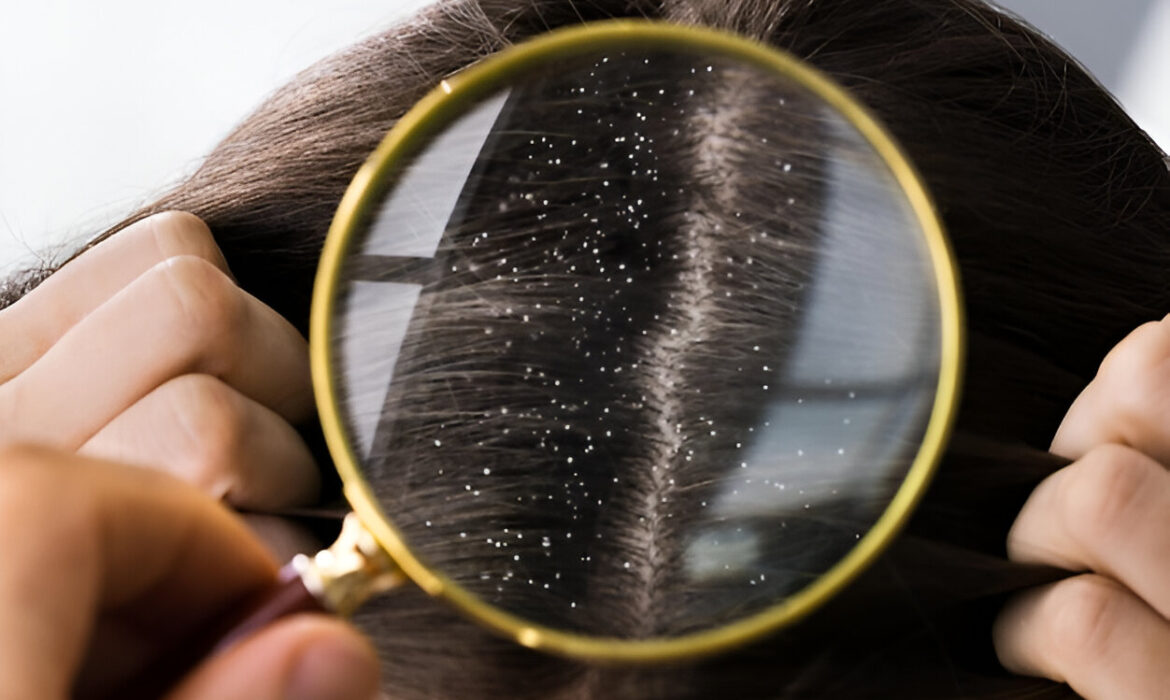
Find the best treatments for dandruff and itchy scalp from Chennai’s expert dermatologists at Dr. Hanan Clinic.
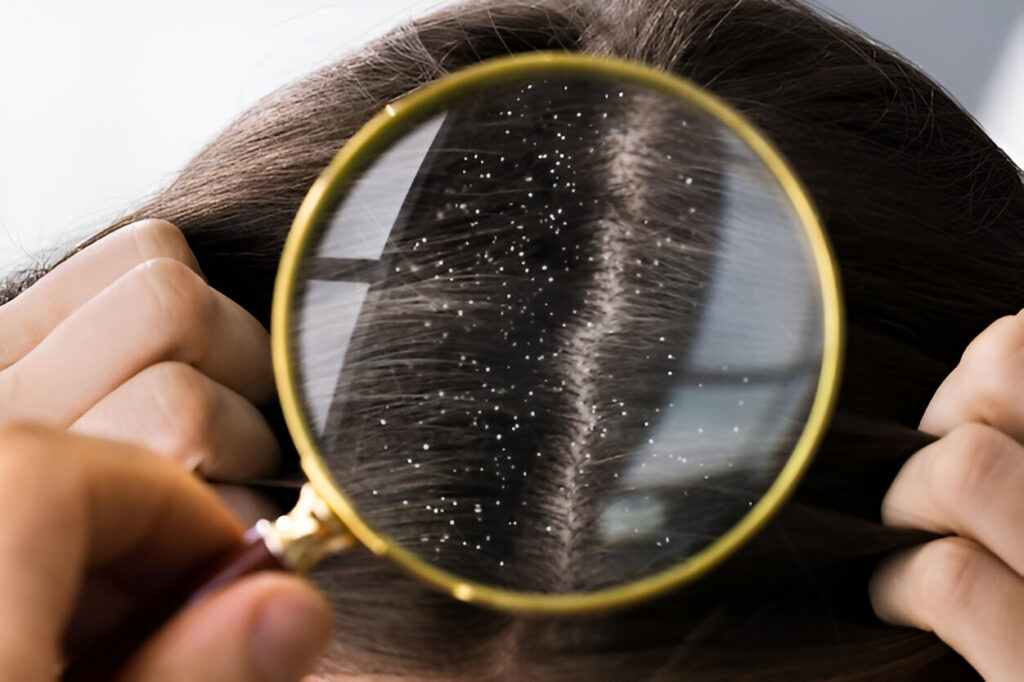
Dandruff and itchy scalp are two of the most common hair and scalp issues, affecting millions of people across all age groups. While they might seem like minor inconveniences, these conditions can lead to embarrassment, discomfort, and even hair loss if left untreated. At Dr. Hanan Dermatology Speciality and Trichology Clinic in Chennai, our dermatologists provide medically approved solutions that address the root cause of scalp problems—not just the symptoms.
This blog explains the best treatments for dandruff and itchy scalp, using a clinical, EEAT-backed approach to ensure you receive trustworthy, expert-backed advice for your hair and scalp health.
Dandruff is typically caused by one or a combination of the following:
At Dr. Hanan Clinic, we believe in customized, evidence-based treatment plans. Depending on your scalp type, the severity of your dandruff, and any underlying skin condition, our dermatologists may recommend:
Prescribed shampoos that contain:
These are often used 2–3 times a week, followed by a mild, hydrating conditioner.
In cases of moderate to severe seborrheic dermatitis or psoriasis, dermatologists may prescribe:
These help reduce inflammation and yeast overgrowth on the scalp.
Professional scalp exfoliation at our clinic can help remove:
This prepares the scalp to absorb treatment products more effectively and restores scalp balance.
For chronic inflammation or itchiness, LLLT can help by:
This is often used alongside medicated shampoos for long-term results.
We use digital trichoscopy to:
There is no “permanent” cure for dandruff, but it can be effectively managed with the right combination of:
Dandruff often recurs when treatment is stopped prematurely or when lifestyle factors are ignored.
Yes, indirectly. Severe dandruff and constant scratching may lead to:
While dandruff doesn’t cause baldness, chronic scalp inflammation can contribute to diffuse hair shedding or thinning, especially in individuals already prone to hair fall.
Some natural remedies offer mild relief, such as:
However, these are best used as supportive care and should not replace dermatologist-prescribed treatments for persistent cases.
Routine scalp checkups at our clinic can help monitor your progress and avoid recurrence.
If you’re struggling with persistent dandruff or scalp irritation, don’t rely on over-the-counter fixes. Consult with our dermatology team at Dr. Hanan Dermatology Speciality and Trichology Clinic for safe and lasting relief.
Healthy scalp. Healthier hair. It starts with expert care.
Reveal your natural glow with advanced skin treatments for glowing skin by the best dermatologist in Chennai. Feel confident in your skin.
Skin Treatments for Glowing Skin: Achieving glowing skin is a common skincare goal, but factors like pollution, stress, poor diet, and aging can make skin look dull and tired. The good news is that various skin treatments can help restore your skin’s natural radiance. Whether you prefer professional dermatological treatments or natural home remedies, this guide will explore the best skin treatments for a long-lasting glow.
For those seeking long-term results, professional dermatological treatments offer scientifically proven methods to enhance skin brightness and improve overall texture.
Chemical peels use acids like glycolic, lactic, or salicylic acid to exfoliate dead skin cells and promote skin renewal. They help in reducing pigmentation, fine lines, and dullness, revealing a brighter complexion.
This treatment involves a minimally invasive exfoliation process that removes dead skin layers, leaving the skin smooth and radiant. It is suitable for treating dull skin, mild acne scars, and sun damage.
Laser treatments such as Fractional CO2 and Intense Pulsed Light (IPL) therapy target deep skin layers to stimulate collagen production, reduce dark spots, and enhance skin tone.
HydraFacial combines cleansing, exfoliation, extraction, hydration and antioxidant protection. This quick, non-invasive treatment is highly effective in achieving an immediate brightness and deep hydration.
This treatment uses various wavelengths of light to treat skin concerns. Red light therapy promotes collagen and reduces inflammation, while blue light therapy helps with acne and oil control.
Mesotherapy involves injecting vitamins and serums in the skin for hydration and brightness. PRP (platelet-rich plasma) therapy, also known as “Vampire Facial”, stimulates skin renewal by using growth factors from the patient’s own blood.
Oxygen facials infuses the skin with pure oxygen and hydrating serum, improve circulation and give the skin an immediate, healthy glow.
Many DIY remedies for those who like natural remedies can improve skin glow without professional intervention.
Massaging the skin with natural oils or using devices like Gua Sha promotes blood circulation and gives a natural glow.
Maintaining a proper skincare routine is essential for glowing skin.
Hydrating materials such as hyaluronic acid and ceramides help to keep the skin thicker and bright.
Applying sunscreen (SPF 30 or higher) daily prevents skin damage and premature aging.
Dry skin: hydrating treatment such as HydraFacial and mesotherapy.
Oily skin: chemical peels and laser resurrection help to control oil and acne.
Combination Skin: A mixture of exfoliation, hydration and safety is ideal.
Sensitive skin: gentle treatment such as LED therapy and oxygen facials..
To achieve glowing skin requires a combination of professional treatment, natural remedies and a consistent skincare routine. Whether you choose dermatological treatment or home-based treatment, taking care of your skin in the right ways will help maintain a young and bright color.
Hair transplant pain is minimal with modern techniques. Learn what to expect during and after the procedure at Dr. Hanan Clinic.
One of the most common worries among people considering hair transplantation is pain. Small incisions and hair follicles can be thought of being extracted or implanted. If you are thinking how painful a hair transplant is really, you are not alone. At Dr. Hanan Dermatology Specialty and Trichology Clinic, we asked this question in almost every consultation. In this blog, we will explain what you can really expect in terms of both hair transplant pain during and later, and why it is more manageable than most people think.
Hair transplant procedures, particularly modern techniques like FUE (Follicular Unit Extraction) and FUT (Follicular Unit Transplantation), are minimally invasive and designed to ensure maximum comfort. Contrary to common fears, hair transplants are not painful, especially when performed by experienced dermatologists using advanced tools and anesthetics.
The process begins with local anesthesia so that both the donor and recipient of the scalp can be numb. Most patients described the injection of the anesthetic as a brief pinch or stinging sensation. Once the anesthesia becomes effective, the scalp becomes completely numb, and you do not feel any pain during the extraction or implantation process. More and more, patients report a mild sensation of pressure or movement, but nothing is sharp or uncomfortable.
During a FUE process, an individual follicle is extracted from the donor area using a small punch tool. Thanks to anesthesia, this process is painless. Similarly, when the graft is transplanted into thin or bald areas, the experience is free from pain. In a FUT procedure, where a strip of skin is removed from the back of the scalp, initial discomfort is still controlled with anesthesia, and the process of stitching is complete without you feeling anything.
After the procedure, anesthesia gradually stops, and you may experience some mild soreness, tightness or feeling of pressure in treated areas. However, this discomfort is usually light and manageable. Most patients describe it as less intense than regular headaches. Over-the-counter or prescribed painkillers are usually sufficient to relieve any post-operative discomfort. At Dr. Hanan Clinic, we provide post-procedure care kits that include pain management medication, soothing spray and instructions that you heal comfortably.
The healing process is also relatively easy. In the first few days, you can see minor redness, nap, or itching in the transplant area. These symptoms are not painful, but may be a bit annoying. It is important not to scratch or disturb the region as it heals. Within a week to ten days, the most visible signs of the procedure fades, and the discomfort decreases significantly or disappears.
An important thing to understand about hair transplant pain is that it varies a bit from person to person. Some people have more pain limit, while others may be more sensitive. However, modern hair transplant techniques are carefully designed to prefer patient comfort. At our Clinic, we also offer additional comfort measures such as numbing sprays, cooling fans and even calming music or entertainment during long sessions.
If you are still worried about the pain, it can help listen to those who have already undergone the process. Most of our patients are surprised by how smooth and comfortable the process is. In fact, many people say that they spend the process of watching movies, browsing their phones or even naps. It is far from the painful operation he had imagined.
Another common anxiety is the recovery phase. Patients often ask whether the scalp will hurt days or weeks after transplantation. The truth is, if you follow the proper aftercare instructions, the pain quickly fades and doesn’t come back. At Dr. Hanan Clinic, our dermatologists make sure that your scalp remains healthy and taken care of through scheduled follow -ups.
In summary, if you are putting off a hair transplant because you are afraid of pain, know that today’s procedures are surprisingly gentle.
Thanks to Local anesthesia, advanced technology and specialist care, the pain levels involved are very low – often comparable to minor dental procedures. Brief, mild discomfort is a small price to pay for the long -term benefits of natural, permanent hair restoration.
Therefore, if you are searching online about hair transplant pain, then be sure that reality is far more comfortable than myths. Consult our experts at Dr. Hanan Dermatology Specialty and Trichology Clinic in Chennai to understand your options and experience an almost painless journey for fuller, thicker hair.
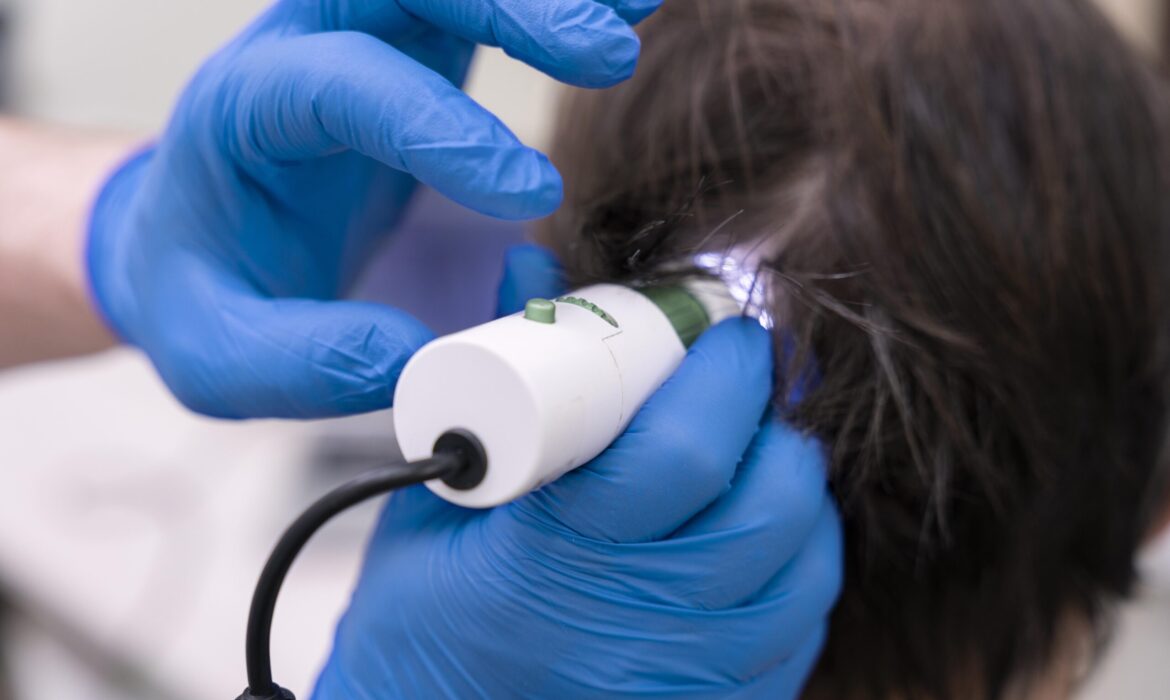
Stem Cell Hair Transplant in Chennai and helps boost hair growth by energizing follicles and reducing scalp inflammation
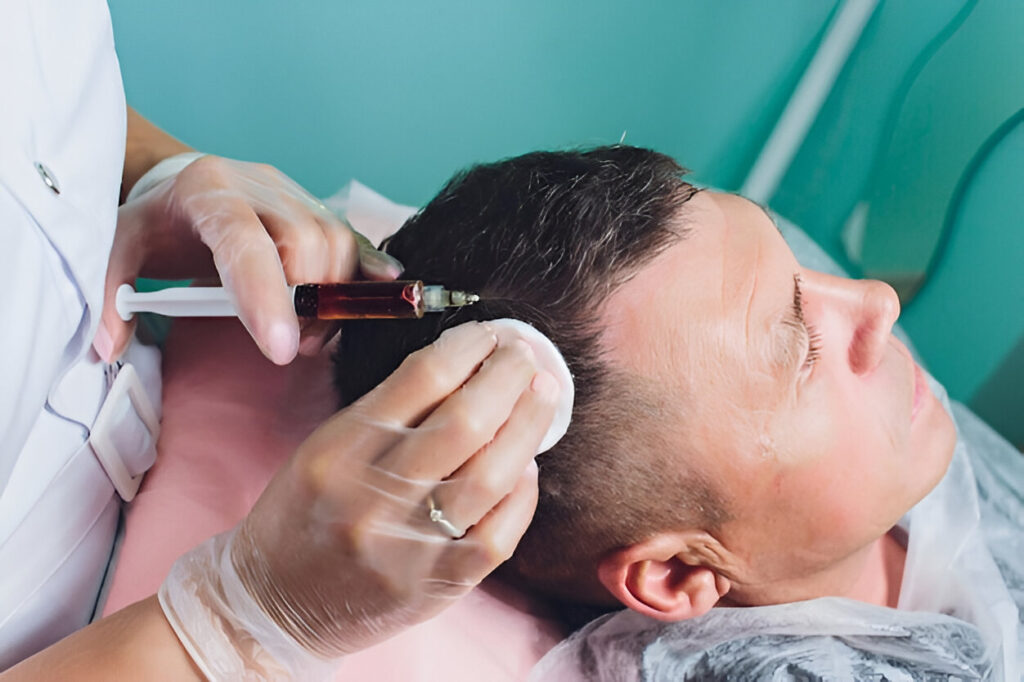
Stem Cell Hair Transplant in Chennai : Hair loss can affect confidence and overall appearance—but modern dermatology now offers advanced, minimally invasive solutions. One of the most innovative treatments gaining attention is the stem cell hair transplant, a regenerative approach designed to restore natural hair growth without traditional surgery.
At Dr. Hanan Dermatology Speciality Clinic, Chennai, patients receive expert-guided, science-backed treatments tailored to their hair concerns. If you’re exploring safe and effective hair restoration options, this guide will help you understand everything about stem cell hair transplant.
A stem cell hair transplant is a cutting-edge hair restoration technique that uses your body’s natural regenerative cells to stimulate hair growth.
Unlike traditional procedures that move hair follicles from one area to another, this method:
The goal is to revive dormant hair follicles and improve hair density naturally.
Note: This treatment is still considered emerging and experimental, and results can vary.
A small biopsy is taken, usually from:
The sample is processed in a specialized lab to:
The prepared solution is injected into:
This process helps stimulate new hair growth and improve thickness.
| Factor | Details |
|---|---|
| Procedure Time | 1–2 hours (may extend in advanced cases) |
| Recovery Time | 2–3 days |
| Pain Level | Minimal |
| Hospital Stay | Not required |
Most patients can return to normal activities within a couple of days.
Consulting a qualified dermatologist is essential before choosing this treatment.
This treatment is best suited for individuals with mild to moderate hair thinning, early-stage hair loss, and those seeking non-invasive options.
It is not recommended for advanced baldness or completely inactive hair follicles.
The cost depends on multiple factors such as clinic expertise, technology, and treatment complexity.
| City | Estimated Cost |
|---|---|
| Chennai | ₹1,50,000 – ₹4,00,000 |
Factors affecting cost include doctor experience, clinic reputation, technology used, and number of sessions required. It is considered a premium regenerative treatment compared to traditional options.
| Feature | Stem Cell | FUE/FUT |
|---|---|---|
| Method | Regenerates follicles | Relocates hair |
| Surgery | No | Yes |
| Recovery | Faster | Moderate |
| Results | Early-stage only | Suitable for all stages |
Traditional hair transplants are still more effective for advanced hair loss.
| Timeline | Results |
|---|---|
| 1–2 Months | Initial shedding phase |
| 3–6 Months | Visible hair growth |
| 6–12 Months | Improved density |
Results vary based on individual hair condition and response.
A stem cell hair transplant is a regenerative hair restoration treatment that uses your body’s stem cells to stimulate natural hair growth and improve hair density.
Yes, stem cell hair transplant is available in select advanced dermatology clinics in Chennai, including specialized hair and skin clinics.
The cost typically ranges from ₹1,50,000 to ₹4,00,000, depending on the clinic, doctor expertise, and treatment complexity.
Results can be long-lasting, but since the treatment is still evolving, long-term permanence is not fully established.
It is ideal for individuals with early to moderate hair loss, thinning hair, or those looking for a non-surgical treatment option.
Not necessarily. Stem cell treatment works best for early hair loss, while FUE hair transplant is more effective for moderate to severe baldness.
Most patients start seeing visible hair growth within 3 to 6 months, with full results appearing in 6 to 12 months.
No, the procedure is minimally invasive and usually performed under local anesthesia, causing minimal discomfort.
Mild redness, swelling, or temporary discomfort may occur, but serious side effects are rare when performed by qualified professionals.
It is generally considered safe when done by experienced dermatologists, but it is still an experimental treatment and should be approached with proper medical consultation.
Most patients need 1 to 2 sessions, but this depends on the severity of hair loss and individual response to treatment.
No, it is not effective for complete baldness, as it works by stimulating existing or dormant hair follicles.
Recovery is quick, and most patients can return to normal activities within 2 to 3 days.
There is minimal downtime, and patients can resume daily activities shortly after the procedure.
Look for a clinic with experien

Dr Hanan Dermatology Speciality clinic a Leading Dermatology, Cosmetology Clinic that provides the Best Affordable Treatment for Skin, Hair & Laser.
Our Contacts
Copyright © 2024 Dr Hanan Dermatology Speciality Clinic is Developed and Maintained by Qualpr | Privacy Policy | Terms and Conditions
Dr Hanan Dermatology Speciality Clinic
Typically replies within minutes
Any questions related to Skin, Hair, and Cosmetic or Looking to book an appointment?
WhatsApp Us
🟢 Online | Privacy policy
WhatsApp us