




Hair Clinic: Your Path to Healthy, Beautiful Hair
Hair health is not just about aesthetics; it’s an integral part of our overall well-being. Hair clinics play a crucial role in diagnosing and treating a variety of hair and scalp issues, providing specialized care and advanced treatments. This article explores what hair clinics are, the services they offer, and how they can benefit those struggling with hair problems.

What is a hair clinic?
A hair clinic is a specialized medical facility that focuses on diagnosing and treating hair and scalp conditions. These clinics offer a range of services designed to address various hair issues, from hair loss to scalp diseases. Whether you are experiencing thinning hair or scalp conditions, or simply want to enhance the health and appearance of your hair, a hair clinic can provide the expert care you need.
Top Clinic In Chennai:
| Clinic Name | Specialization | Location | Consultation Fees |
|---|---|---|---|
Dr.Hanan Dermatology Speciality Clinic | Hair transplant, FUE, FUT, PRP therapy | Chennai | ₹600 |
| DHI Hair Transplant Clinic | Direct Hair Implantation (DHI), hair restoration | Chennai | ₹3000 |
| VBC Hair Transplant Clinic | Hair transplants, scalp treatments, PRP therapy | Chennai | ₹2000 |
| Dr. Narayanamurthy’s Clinic | Hair restoration, skin care treatments, advanced hair transplant methods | Alwarpet, Chennai | ₹750 |
| Dr. Ganga Ravikumar Aesthetic Dermatology Clinic | Aesthetic dermatology, hair restoration, PRP | Adyar, Chennai | ₹500 |
| Dr. Anand’s Dermatology Clinic | Hair restoration, hair loss treatments, PRP therapy | Chennai | ₹1200 |
| Dr. Hanander Dermatology Clinic | Advanced dermatology, hair restoration, PRP, scalp treatments | Chennai | ₹1000 |
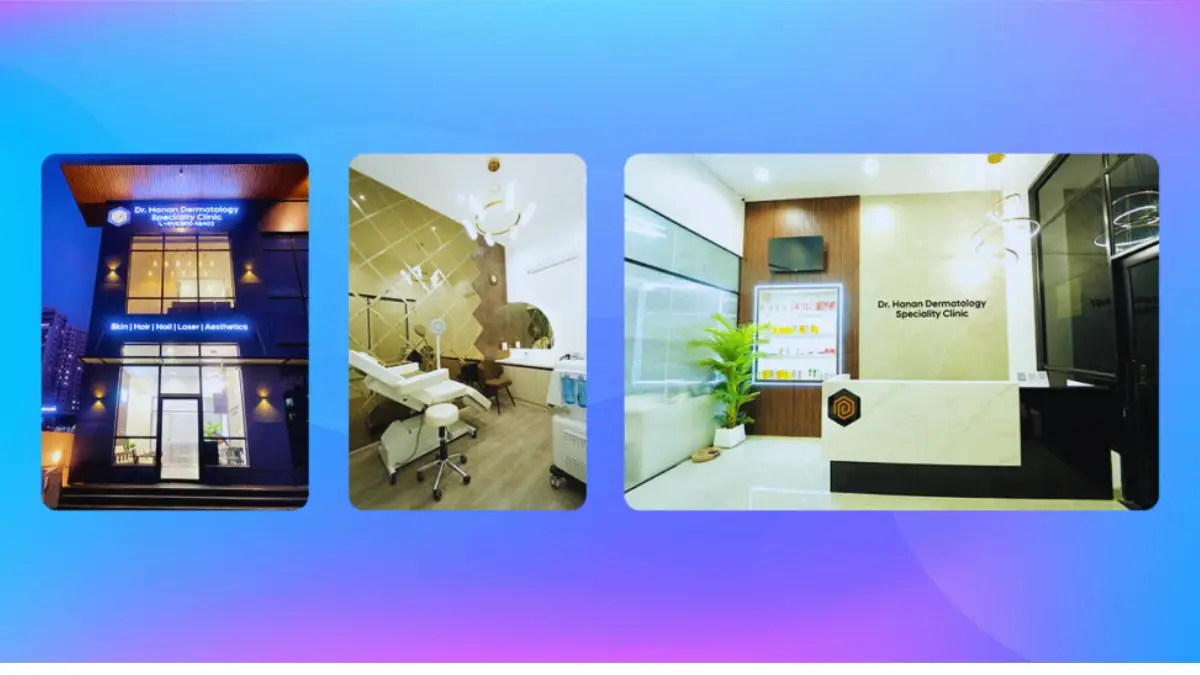
Dr.Hanan Dermatology Speciality Clinic is a reputable option for those seeking high-quality dermatological and hair restoration treatments. With services like PRP therapy and scalp treatments, it is recognized for its professional care and advanced techniques in hair restorationop hair clinics in Chennai.
Clinic Location
Common Hair Issues Addressed by Hair Clinics
Hair Loss and Thinning
Hair loss is a common concern for many individuals. Clinics offer treatments for various types of hair loss, including male and female pattern baldness, alopecia areata, and telogen effluvium.
Scalp Conditions
Scalp conditions such as dandruff, psoriasis, and seborrheic dermatitis can be uncomfortable and unsightly. Hair clinics provide specialized treatments to manage and alleviate these conditions.
Hair Damage
Issues like breakage, split ends, and overall hair damage can result from various factors, including heat styling, chemical treatments, and environmental stressors. Clinics offer treatments to repair and strengthen damaged hair.
Aesthetic Concerns
For those looking to improve the texture, volume, and overall appearance of their hair, clinics offer cosmetic treatments such as hair restoration and extensions.
Treatments and Services Provided
Consultations and Diagnostics
Hair clinics begin with a thorough consultation and diagnostic assessment. This involves understanding your hair and scalp condition, medical history, and lifestyle to create a personalized treatment plan.
Medical Treatments
These include prescription medications, topical treatments, and injections that target specific hair and scalp issues. Examples include minoxidil for hair growth and corticosteroids for inflammatory scalp conditions.
Surgical Treatments
Hair transplant procedures, such as Follicular Unit Extraction (FUE) and Follicular Unit Transplantation (FUT), are offered to individuals with significant hair loss. These procedures transplant hair follicles from one part of the body to the scalp to restore hair growth.
Non-Surgical Treatments
Non-invasive treatments like platelet-rich plasma (PRP) therapy, laser therapy, and microneedling stimulate hair growth and improve scalp health without the need for surgery.
Cosmetic Treatments
For those looking to enhance their hair’s appearance, clinics offer services such as hair restoration, extensions, and professional styling to achieve the desired look.
Benefits of Visiting a Hair Clinic
Expert Diagnosis and Treatment
Hair clinics provide access to experienced dermatologists and trichologists who specialize in hair and scalp health. Their expertise ensures accurate diagnosis and effective treatment plans.
Customized Care Plans
Treatment plans are tailored to meet individual needs, addressing specific hair and scalp conditions for optimal results.
Access to Advanced Technology and Treatments
Hair clinics utilize the latest technology and treatments to ensure the best possible outcomes for their patients.
Improved Hair Health and Appearance
Effective treatments lead to healthier, stronger, and more attractive hair, enhancing overall well-being.
Boost in Confidence and Self-Esteem
Improving hair health can significantly boost one’s confidence and self-esteem, contributing to a better quality of life.
How to Choose the Right Hair Clinic
Researching Clinic Credentials and Reputation
Ensure the clinic has certified professionals and a good reputation. Look for credentials, certifications, and professional affiliations.
Evaluating the Expertise of the Medical Staff
Check the qualifications and experience of the medical staff, including dermatologists, trichologists, and surgeons.
Reviewing Patient Testimonials and Before-and-After Photos
Patient reviews and before-and-after photos provide insights into the clinic’s success rates and patient satisfaction.
Considering the Range of Services Offered
Choose a clinic that offers a comprehensive range of treatments to address your specific needs.
Assessing the Clinic’s Location and Facilities
Ensure the clinic is conveniently located and has modern facilities equipped with the latest technology.
Case Studies and Success Stories
Examples of Successful Hair Treatments and Outcomes
- Patient A: Successfully treated for androgenetic alopecia with a combination of minoxidil and PRP therapy, resulting in significant hair regrowth.
- Patient B: Underwent an FUE hair transplant procedure, achieving natural-looking hair restoration and boosting self-confidence.
Detailed Analysis of Treatment Plans and Results
A thorough analysis of these cases shows how personalized treatment plans and advanced therapies can lead to successful outcomes.
Impact on Patients’ Hair Health and Overall Well-Being
Patients reported improved hair health, increased confidence, and enhanced quality of life following their treatments.
Common Myths and Misconceptions
Debunking Myths About Hair Loss and Treatments
Common myths include the belief that hair loss is solely genetic or that wearing hats causes hair loss. Hair clinics provide evidence-based information to dispel these myths.
Clarifying Misconceptions About Hair Transplants and Other Procedures
Many believe hair transplants result in unnatural looks or are only for men. Clinics educate patients on the natural results achievable with modern techniques and the suitability of these procedures for both men and women.
Understanding the Realities of Hair Care and Maintenance
Maintaining healthy hair requires ongoing care and attention. Clinics offer guidance on proper hair care routines and maintenance to sustain treatment results.
Future Trends in Hair Treatment
Innovations in Hair Transplant Techniques
Emerging techniques, such as robotic hair transplants and advanced FUE methods, are making hair restoration more effective and less invasive.
Advances in Non-Surgical Hair Restoration
New therapies like stem cell treatments and improved PRP formulations are enhancing non-surgical options for hair restoration.
The Role of Genetics and Personalized Medicine
Genetic testing and personalized medicine are playing a growing role in diagnosing and treating hair conditions, allowing for more targeted and effective treatments.
Emerging Technologies and Research in Hair Health
Ongoing research and technological advancements are continually improving the understanding and treatment of hair and scalp conditions.
FAQs
1. Where is the clinic located?
- Address: A Block, Gem Bhoomi & Buildings, OMR, Padur, Chennai, Tamil Nadu 603103.
2. What are the clinic’s operating hours?
- Monday, Tuesday, Thursday, Friday: 2:00 PM to 7:00 PM.
- Saturday and Sunday: 10:00 AM to 7:00 PM.
- Closed on Wednesdays.
3. How can I book an appointment?
- To book an appointment, visit the clinic during working hours or call the clinic directly at the listed contact number.
4. What is the consultation fee?
- The consultation fee is ₹600 per session.
5. What services are offered at the clinic?
- The clinic specializes in dermatological treatments, including:
- Hair loss solutions like PRP therapy and scalp treatments.
- Skin care treatments for acne, pigmentation, and other conditions.
6. Does the clinic accept walk-in appointments?
- Walk-ins may be entertained based on availability, but prior booking is recommended to avoid long wait times.
7. Is parking available at the clinic?
- Yes, parking facilities are available within the Gem Bhoomi & Buildings complex.
8. How can I find directions to the clinic?
- Use Google Maps or any GPS service and search for Dr. Hanan Dermatology Specialty Clinic, OMR, Padur, Chennai, Tamil Nadu 603103.
Hair Clinic Near Me: Your Ultimate Guide to Finding the Best Treatment for Hair Loss
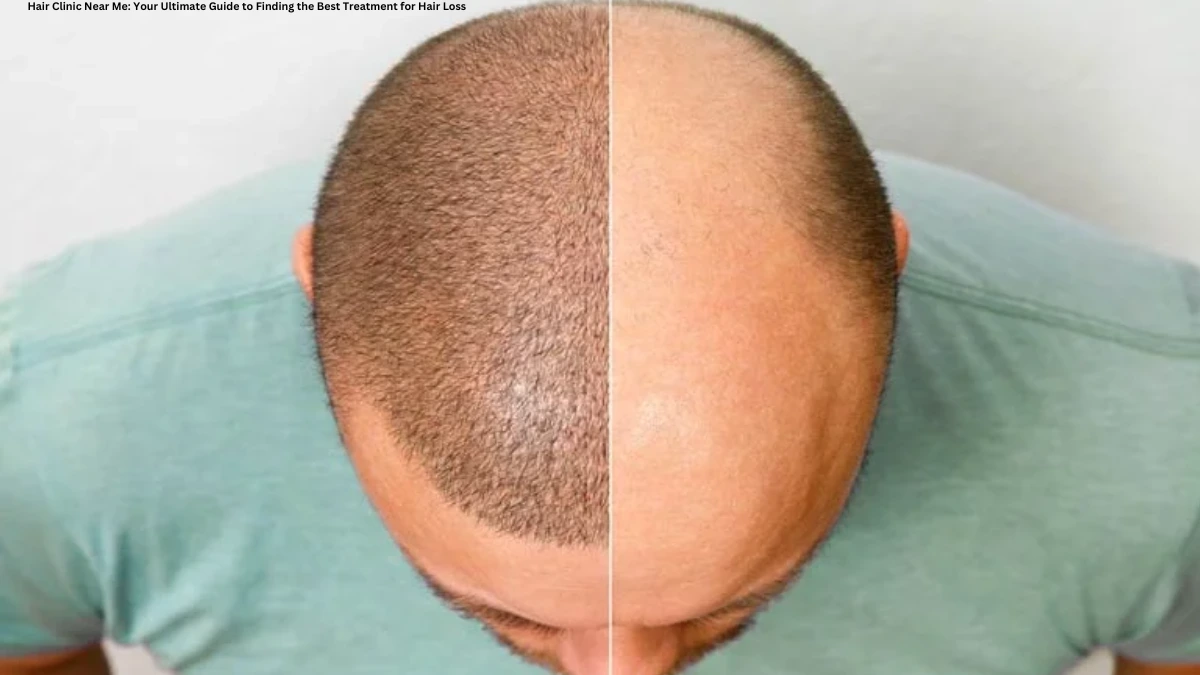
Finding the right hair clinic near you can make all the difference when it comes to addressing hair loss or other scalp concerns. Whether you’re dealing with thinning hair, hair fall, or other conditions like alopecia, it’s important to choose a clinic that offers professional care and personalized treatment. In this guide, we’ll walk you through what to look for in a hair clinic, the benefits of choosing one nearby, and how to find the best options in your area.
| Clinic Name | Dr. Hanan Dermatology Speciality Clinic |
| Location | A Block, Gem Bhoomi & Buildings, Padur, OMR, Chennai – 603103 |
| Specialties | Dermatology, Cosmetology, Hair, Laser Treatments |
| Services Offered | – Cosmetic Treatments – Hair Treatments – Laser Treatments |
| Consultation Fee | ₹600 |
| Timings | Mon-Tue, Thu-Fri: 02:00 PM – 07:00 PM Sat-Sun: 10:00 AM – 07:00 PM |
| Get Directions | Click here for Directions |
What to Look for in a Hair Clinic
When searching for a “hair clinic near me,” it’s crucial to find a place that meets your needs and expectations. Here are some key factors to consider:
1. Expertise and Certifications
The clinic you choose should have certified dermatologists or trichologists who specialize in hair and scalp treatments. Ensure that the professionals are qualified and experienced in diagnosing and treating various hair conditions.
2. Services Offered
A good hair clinic should offer a wide range of services tailored to your specific hair needs. Common treatments include:
- Hair Transplants: Methods like FUE (Follicular Unit Extraction) and FUT (Follicular Unit Transplantation) are popular options for permanent hair restoration.
- PRP Therapy: Platelet-rich plasma therapy involves using your own blood to stimulate hair growth.
- Scalp Treatments: Treatments for dandruff, scalp inflammation, and thinning hair.
- Laser Hair Therapy: Low-level laser treatments for improving hair health and promoting growth.
3. Reputation and Reviews
Checking the clinic’s reputation through reviews and testimonials from previous clients can give you valuable insight into the quality of services provided. Look for reviews on Google, Facebook, and other trusted review platforms.
4. State-of-the-Art Equipment
Hair treatments, especially advanced ones like hair transplants and laser therapy, require modern technology. Ensure the clinic uses the latest equipment for effective, safe, and long-lasting results.
5. Consultation and Personalized Care
A reliable clinic should offer an initial consultation to assess your condition. During this session, the dermatologist or specialist should provide a personalized treatment plan based on your specific hair concerns.
Benefits of Choosing a Hair Clinic Near Me
There are several advantages to opting for a nearby clinic rather than traveling long distances for hair treatments:
1. Convenience
Choosing a hair clinic near you offers convenience when it comes to scheduling appointments. You won’t have to spend extra time traveling, making it easier to attend follow-up visits and get consistent care.
2. Local Reputation
By choosing a clinic close to home, you can easily ask around and hear what people in your community have to say about it. Local recommendations often lead to finding reputable clinics.
3. Familiarity with Local Conditions
Local dermatologists understand the regional environmental factors that could affect hair health, such as pollution, water quality, or climate, which can make your treatment more effective.
Popular Hair Treatment Services Offered at Nearby Clinics
| Clinic Name | Doctors | Consultation Fee (INR) | Location |
| Dr. Hanan Dermatology Speciality Clinic | 1 Doctor | 600 | Chennai, Tamil Nadu |
| Saraswathi Dental Clinic | 1 Doctor | 300 | Chennai, Tamil Nadu |
| Santosham Chest Hospital | 1 Doctor | 500 | Chennai, Tamil Nadu |
| Dr. Kamakshi Memorial Hospital | 1 Doctor | 250 | Chennai, Tamil Nadu |
| Ayanavaram 24 Hours Hospital | 1 Doctor | 300 | Chennai, Tamil Nadu |
| Annaii Medical College | 1 Doctor | 500 | Chennai, Tamil Nadu |
| Hale Homoeo Clinic | 1 Doctor | 200 | Chennai, Tamil Nadu |
| S.R. Clinic | 1 Doctor | N/A | Chennai, Tamil Nadu |
| Rema ECR Ayurveda (Kottakkal Arya Vaidya Sala) | 1 Doctor | 250 | Chennai, Tamil Nadu |
| Wings Dental And Multispecialty Clinic | 1 Doctor | N/A | Chennai, Tamil Nadu |
| Siddha 365 Health Care Clinic | 1 Doctor | 250 | Chennai, Tamil Nadu |
When looking for a hair clinic, you’ll find that many offer a variety of services tailored to specific hair concerns. Here are some popular treatments:
Hair Transplants
Hair transplants are one of the most effective and permanent solutions for hair loss. Clinics may offer different methods, including:
- FUE: Follicular Unit Extraction is a minimally invasive method where individual hair follicles are transplanted to thinning areas.
- FUT: Follicular Unit Transplantation involves removing a strip of hair from the scalp and transplanting it to bald spots.
PRP Therapy
Platelet-Rich Plasma (PRP) therapy uses your own blood to promote hair growth. The blood is processed to extract platelets, which are then injected into the scalp to stimulate dormant hair follicles.
Laser Hair Therapy
Low-level laser therapy (LLLT) is a non-invasive procedure that uses laser light to stimulate hair growth and improve scalp health.
Scalp Micropigmentation
This technique is perfect for those with extensive hair loss. Scalp micropigmentation involves applying tiny pigment deposits to the scalp, simulating the appearance of hair follicles.
Mesotherapy
Mesotherapy involves injecting vitamins, minerals, and amino acids into the scalp to nourish and stimulate hair growth. It’s especially effective for thinning hair.
How to Find a Reliable Hair Clinic Near Me
Here are a few ways you can find a trusted hair clinic near your location:
1. Online Searches
Use search engines to find hair clinics nearby by using keywords like “best hair clinic near me” or “top-rated hair clinic in [your city].”
2. Use Maps and Listings
Google Maps and local directories are great tools for finding hair clinics and reading reviews. You can quickly compare options and get directions to the clinic.
3. Referrals and Word of Mouth
Ask friends, family, or colleagues for recommendations. Personal referrals can provide reliable information on a clinic’s services and treatment outcomes.
4. Booking a Consultation
Once you’ve shortlisted a few options, contact the clinics to book an initial consultation. This is your opportunity to assess their services and decide if the clinic is the right fit for you.
What to Expect During Your First Visit
Your first visit to a hair clinic is important as it sets the stage for your treatment journey. Here’s what you can expect:
- Initial Consultation: The doctor will assess your hair health and ask about your medical history.
- Diagnosis: The doctor will diagnose your hair condition and suggest a personalized treatment plan.
- Cost Estimate: You’ll be provided with an estimate of the treatment costs and payment options.
Factors to Consider Before Making Your Final Decision
Before choosing a clinic, here are a few things to consider:
- Cost of Treatment: Ensure the clinic provides clear pricing and discuss any available payment plans.
- Clinic Ambience: The clinic should have a clean and welcoming environment.
- Aftercare Support: A good clinic should offer guidance on how to care for your hair after treatment.
Conclusion
Finding the right hair clinic near you is essential for addressing your hair concerns effectively. Consider the clinic’s expertise, services offered, reputation, and convenience before making a decision. Don’t hesitate to schedule consultations to discuss your treatment options and choose the one that best suits your needs.
Hair Follicle Surgery: A Complete Guide to Hair Restoration
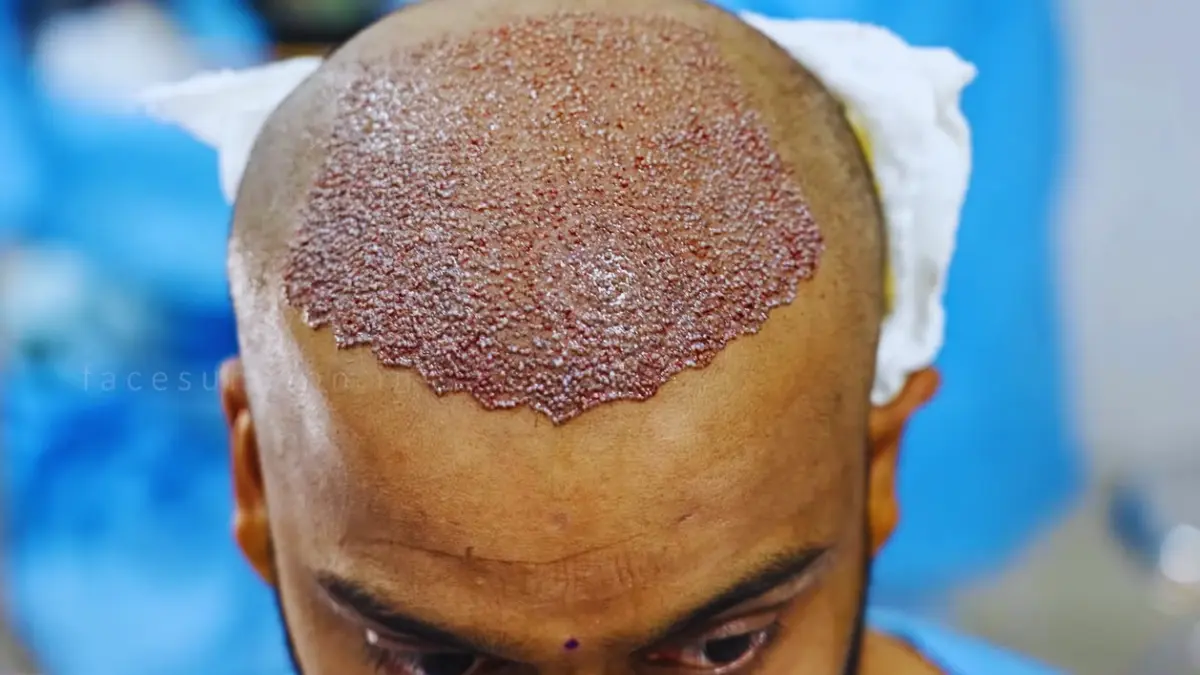
Hair loss can be a challenging and emotional experience, but modern medical advancements offer various solutions, including Hair Follicle Surgery. Whether you are considering Follicular Unit Extraction (FUE) or Follicular Unit Transplantation (FUT), this comprehensive guide will provide essential information about the procedure, benefits, costs, and recovery process.
Book Your Consultation Today
Visit Dr. Hanan Dermatology Specialty Clinic in Padur, OMR, Chennai. Schedule your consultation today and start your journey to fuller, healthier hair.
For more information and to book your appointment, visit our clinic or call us at the clinic’s contact details.
What is Hair Follicle Surgery?
Hair Follicle Surgery refers to procedures aimed at restoring hair by transplanting hair follicles from one part of the scalp (or body) to another. The most common methods include FUE, FUT, and Direct Hair Implantation (DHI), which use varying techniques to extract and implant hair follicles.
- FUE: Hair follicles are individually extracted from the donor area and implanted in the recipient site. It’s minimally invasive with no linear scars.
- FUT: A strip of skin from the donor area is removed and divided into individual grafts. It typically leaves a linear scar but allows for the transplantation of a large number of grafts in one sitting.
- DHI: A method similar to FUE but uses a specialized pen to implant hair follicles directly into the scalp without the need for incisions.
Who is an Ideal Candidate for Hair Follicle Surgery?
Ideal candidates for hair follicle surgery include individuals with significant hair loss or thinning, particularly those who have not responded well to non-surgical treatments. Other factors influencing candidacy include:
- Age: Generally, candidates are between the ages of 25 and 50.
- Hair Loss Stage: Individuals in the early to moderate stages of baldness may benefit most.
- Health: Patients should be in good overall health to ensure optimal healing and success.
To determine your eligibility, surgeons typically use classification scales such as the Norwood Scale for men and the Ludwig Scale for women, which assess the degree of hair loss.
The Procedure: Step-by-Step
Here’s an overview of what to expect during the hair follicle surgery procedure:
Consultation
Before the surgery, you’ll undergo a consultation with a qualified surgeon who will assess your scalp condition, medical history, and expectations. This step helps determine the type of procedure that’s best suited for your needs.
Preparation
On the day of the surgery, your hair will be trimmed, and local anesthesia will be applied to the donor and recipient areas. Some tests, such as blood work, might be done to ensure you’re healthy enough for the procedure.
Surgical Process
- FUE: Individual follicles are extracted one by one from the donor area and carefully implanted in the recipient site.
- FUT: A strip of scalp is removed from the donor site, and the hair follicles are divided into smaller grafts before being transplanted.
- DHI: This technique involves the use of a specialized pen to directly implant follicles without the need for incisions or stitches.
Duration
Depending on the number of grafts being transplanted, the procedure can last anywhere from 4 to 8 hours.
Benefits of Hair Follicle Surgery
- Natural Results: Since the follicles are taken from your own scalp (or body), the results look completely natural and integrate seamlessly with existing hair.
- Long-Term Solution: Once hair follicles are transplanted, they continue to grow for a lifetime, making it a permanent solution.
- Minimally Invasive: Techniques like FUE and DHI are minimally invasive and involve no large scars, reducing recovery time.
Risks and Side Effects
Like any surgical procedure, hair follicle surgery carries some risks and potential side effects, such as:
- Swelling and Redness: These are common in the first few days post-surgery.
- Infection: While rare, infections can occur if the scalp is not properly cared for.
- Scarring: FUT can leave a linear scar, though FUE and DHI are less likely to cause noticeable scars.
- Shock Loss: Temporary shedding of transplanted hair can occur, but new growth typically resumes after a few months.
Choosing an experienced surgeon minimizes these risks significantly.
Recovery and Aftercare
Post-surgery care is essential for optimal results. Here’s what to expect:
- Immediate Aftercare: Follow your surgeon’s instructions on scalp care. This includes washing your hair gently, avoiding touching the treated area, and refraining from strenuous physical activity for a few days.
- Growth Timeline: After the procedure, the transplanted hair will shed, but new growth usually begins after 3-6 months. Full results are visible after 12-18 months.
- Medications: You may be prescribed pain relief and antibiotics to prevent infection. Additional treatments like PRP (Platelet-Rich Plasma) therapy may also help promote healing and hair growth.
Cost of Hair Follicle Surgery
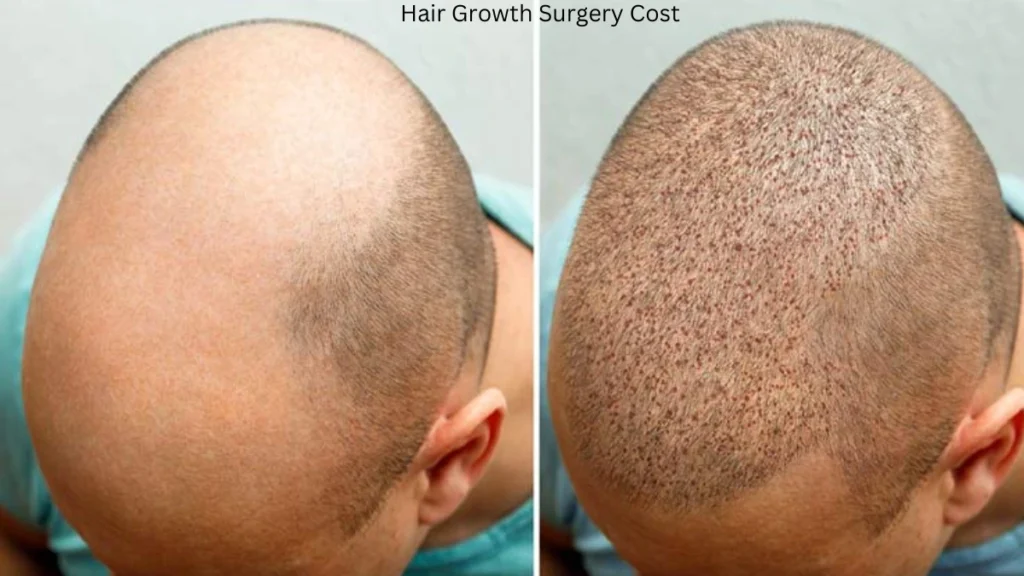
The cost of hair follicle surgery can vary greatly based on factors such as the number of grafts, the surgeon’s expertise, and the clinic’s location. Here’s an overview of the approximate costs for various procedures:
| Procedure | Cost Range (For 2000 Grafts) |
|---|---|
| FUE | ₹71,250 – ₹1,42,500 |
| FUT | ₹38,000 – ₹76,000 |
| DHI | ₹1,90,000 – ₹2,85,000 |
| Body Hair Transplant (BHT) | ₹1,61,500 – ₹1,99,500 |
| PRP Therapy | ₹2,850 – ₹9,500 per session |
Read More: Hair Growth Surgery Cost: A Complete Guide
Alternatives to Hair Follicle Surgery
If you’re not ready for surgery, there are alternative non-surgical treatments that may help with hair loss:
- PRP Therapy: Platelet-rich plasma therapy involves injecting growth factors into the scalp to stimulate hair follicles.
- Minoxidil and Finasteride: These medications can help slow hair loss and promote growth.
- Laser Therapy: Low-level laser light treatments can enhance hair density and quality.
Frequently Asked Questions (FAQ)
- What’s the difference between FUE and FUT?
- FUE involves individual follicle extraction, leaving no linear scar, while FUT involves removing a strip of scalp, leaving a linear scar.
- How many grafts do I need for full coverage?
- The number of grafts depends on the size of the bald area, but typically, around 2000–4000 grafts are needed for full coverage.
- Is hair follicle surgery painful?
- The procedure is generally painless due to local anesthesia, but there may be mild discomfort or swelling during recovery.
- How long will it take for hair to grow?
- New hair growth begins around 3-6 months after surgery, with full results visible in 12-18 months.
Conclusion
Hair follicle surgery offers a permanent and natural-looking solution for those dealing with hair loss. With the right surgeon and proper aftercare, you can achieve remarkable results that restore both your hair and your confidence. Always consult with an experienced professional to ensure the best outcome for your hair restoration journey.