
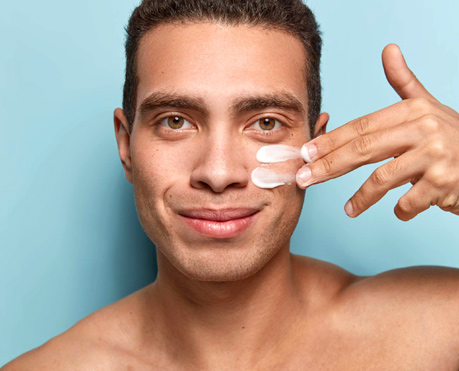
Skincare Routine for Men: A Guide to Healthy Skin
Skincare Routine for Men: A Guide to Healthy Skin
Discover an easy-to-follow skincare routine for men that ensures clear, healthy skin. Get tips for cleansing, moisturizing, and more.
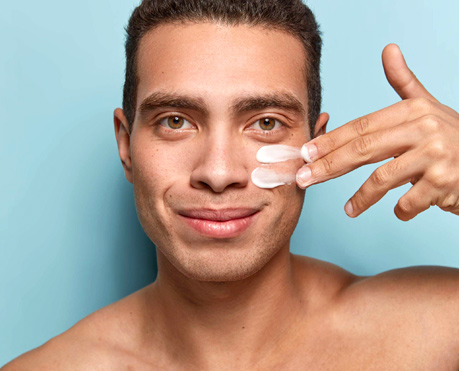
When it comes to maintaining a fresh and youthful appearance, skincare should be a priority for everyone, regardless of gender. However, men’s skincare often takes a backseat, leading to premature aging, dryness, and other skin concerns.
Men’s skin, due to its unique characteristics—thicker texture, larger pores, and increased oil production—requires a customized routine that addresses specific issues.
In this article, we’ll break down the essential steps in a skincare routine tailored specifically for men, ensuring that your skin looks its best.
Why Men Need a Skincare Routine
Men’s skin is biologically different from women’s and requires special care. This is due to higher testosterone levels, Men tend to produce more oil and have thicker skin and more clogged pores.
So, a proper skincare routine not only prevents breakouts and irritation. But it also helps fight signs of aging. Including wrinkles and fine lines. Investing time in skin care will lead to radiant skin, smoother, and increased confidence.
Step 1: Cleansing – The Foundation of Any Routine
Cleansing is the cornerstone of any good skin care plan. Men have larger pores. This allows more dirt and oil to accumulate.
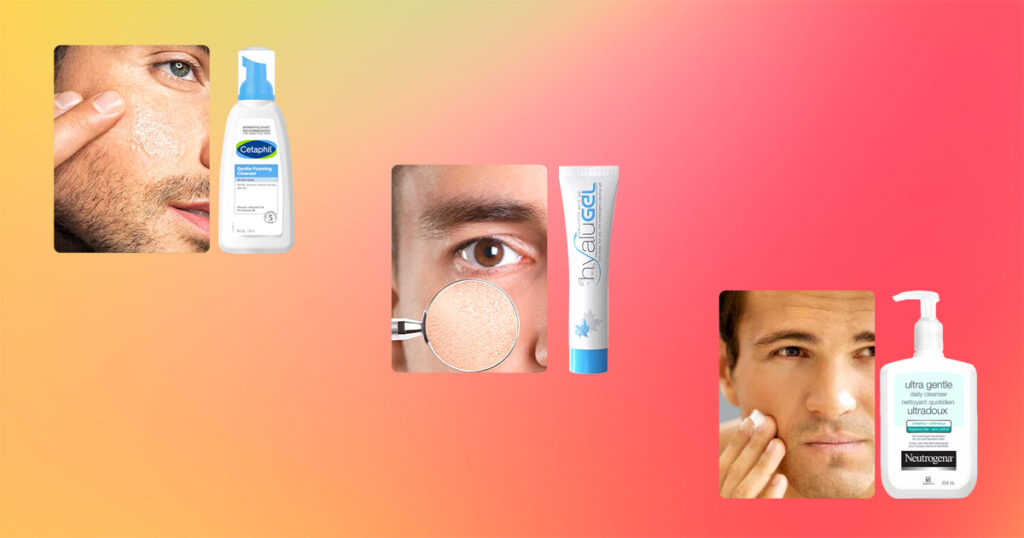
It’s important to use a gentle facial cleanser to remove impurities without stripping essential oils from the skin. Choose the right cleanser for your skin type:
a. Oily skin: Choose a foam or gel cleanser that controls excess oil.
b. Dry skin: Moisturizing cleansers with ingredients like hyaluronic acid or glycerin are best.
c. Sensitive Skin: Use a gentle, fragrance-free formula that won’t irritate.
Cleaning twice a day Morning and before bed is the key to removing dirt, sweat, and sebum that accumulates throughout the day.
Step 2: Exfoliation – Remove Dead Skin Cells
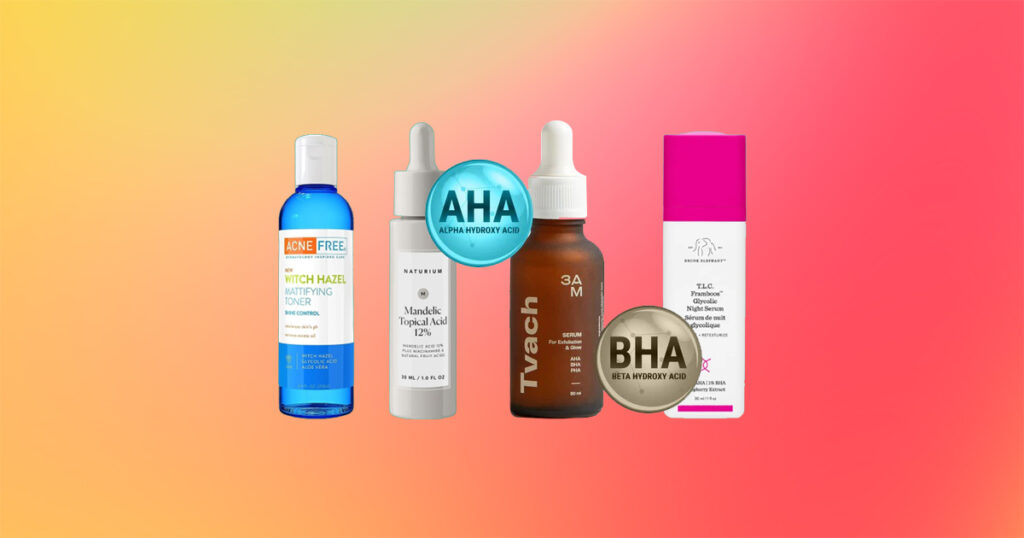
Exfoliating helps remove dead skin cells. Helps new skin reveal the skin. Makes your skin smooth and radiant. Men will benefit from regular shaving as it prevents ingrown hairs and keeps hair follicles from falling out. However, over-shaving can cause irritation. Therefore, water should be exfoliated 2-3 times a week.
Use a gentle scrub or chemical exfoliator that contains ingredients like salicylic acid or alpha hydroxy acids (AHA). These ingredients penetrate deep into the skin to unclog pores. Shrink pores, prevent acne and remove dead cells. Focus on your T-zone, which tends to have the highest oil production.
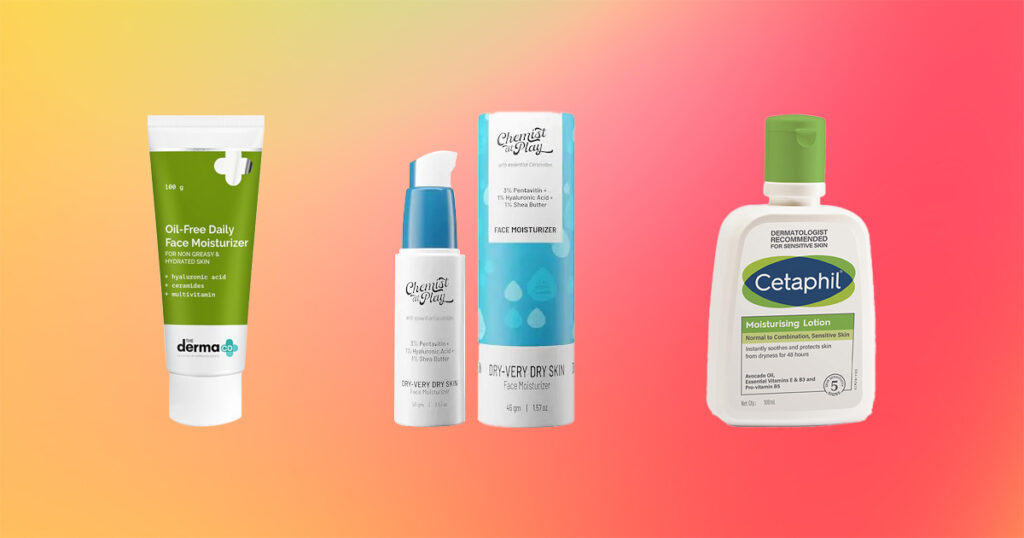
Step 3: Moisturizing – Lock in Hydration
After cleaning the skin It is important to exfoliate and rehydrate the skin. Moisturizers will disturb the skin. Retain moisture and make your skin smooth and healthy. Choosing the right moisturizer for men depends on their skin type:
a. Oily skin: Choose a non-oil or gel moisturizer that hydrates without adding shine.
b. Dry Skin: Enriched with ingredients like ceramides and shea butter. The creamy formula nourishes and repairs dry and flaky skin.
c. Normal/combination skin: A light lotion or cream will balance this without being too greasy.
Use moisturizer twice a day to maintain skin elasticity and reduce the appearance of wrinkles.
Step 4: Sun Protection – Shield from Harmful UV Rays
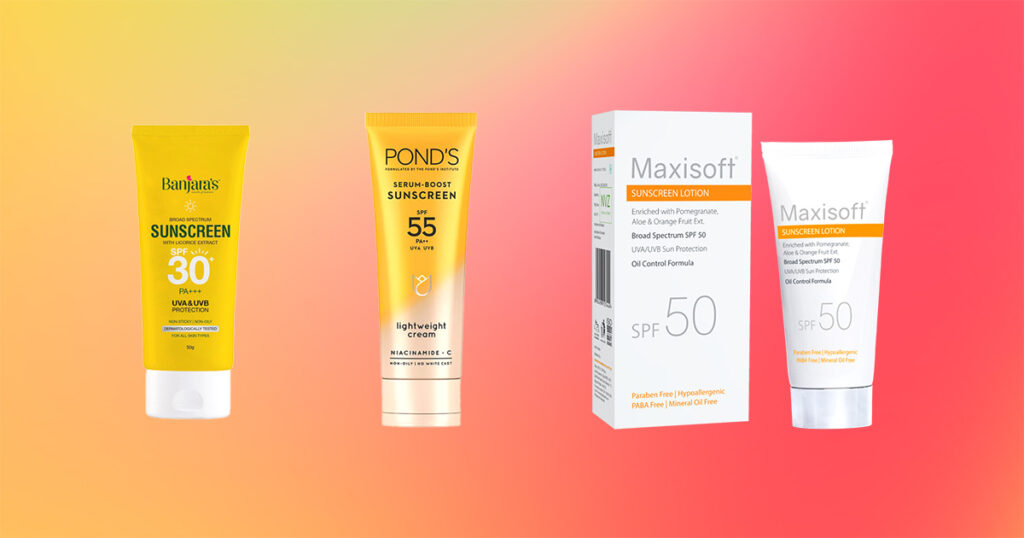
One of the most important, yet often neglected, steps in any skincare routine is sun protection. UV rays are a leading cause of premature aging, dark spots, and even skin cancer. Applying a broad-spectrum sunscreen with an SPF of at least 30 should be a non-negotiable step in your morning routine. Even on cloudy days or during winter, UV rays can penetrate the skin, leading to long-term damage.
Choose a lightweight sunscreen that won’t clog your pores or leave a greasy residue. For those with oily or acne-prone skin, opt for an oil-free formula. Many moisturizers come with built-in SPF, making it easy to incorporate into your routine.
Step 5: Targeted Treatments – Address Specific Skin Concerns
Everyone’s skin is unique. And sometimes your skin needs extra care. Whether you’re battling acne, hyperpigmentation, or wrinkles, integrating targeted treatments into your daily routine can dramatically improve your skin’s health.
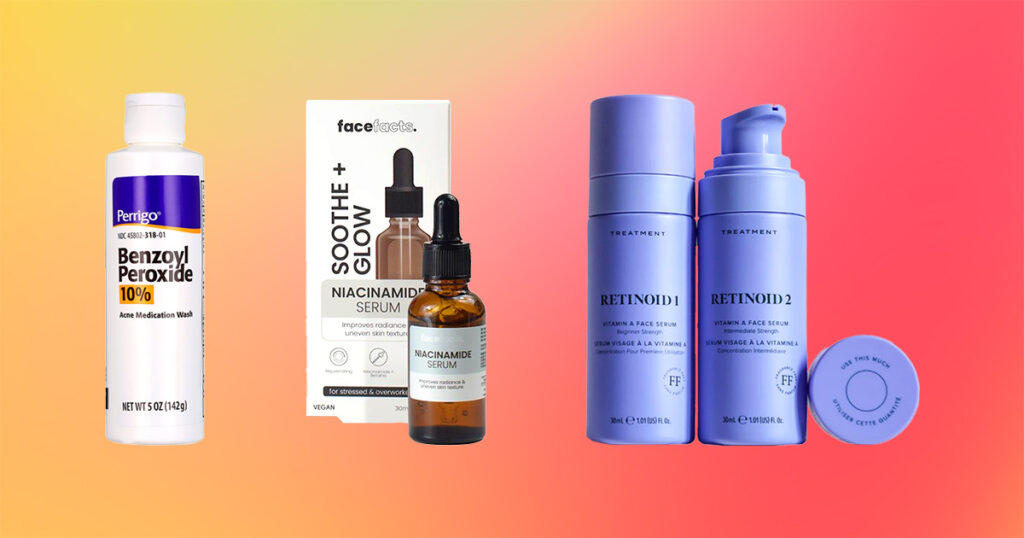
a. For acne: Products containing benzoyl peroxide or salicylic acid help clear scars and prevent future breakouts.
b. For hyperpigmentation: Look for treatments that contain vitamin C, niacinamide, or retinol to reduce dark spots and even out skin tone.
c. For anti-aging: Products containing retinoids, peptides, or collagen can be used to reduce the appearance of fine lines and wrinkles, making the skin look younger.
Use these treatments after cleansing and before moisturizing. so that the active ingredients can be fully absorbed into your skin
Step 6: Eye Cream – Tackle Dark Circles and Puffiness
The skin around the eyes is delicate and often shows signs of aging, such as dark circles, puffiness, and wrinkles. A good eye cream targets these concerns. Providing hydrating and firming benefits, ingredients such as caffeine, hyaluronic acid, and peptides are especially effective at brightening the under-eye area and reducing puffiness.
Use your ring finger to apply a small amount of eye cream, patting gently around the bone to avoid pulling on the delicate skin.

Step 7: Night-Time Routine – Repair While You Sleep
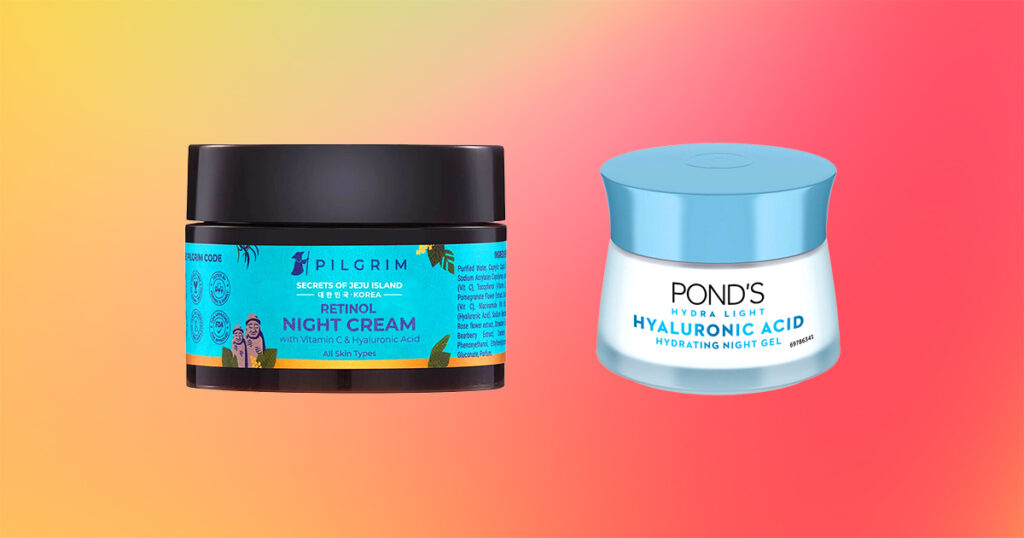
At night, your skin goes into repair mode, making it the perfect time to apply more potent treatments. After cleansing and moisturizing, consider incorporating a night cream or overnight mask that’s richer and more nourishing than your daytime products.
Products containing retinol or hyaluronic acid can help repair damaged skin and boost collagen production, leaving you with smoother, firmer skin by morning.
Why Choose Dr. Hanan for the Best Skincare Routine for Men
When it comes to developing an effective skincare routine for men, Dr. Hanan stands out as a trusted expert. Here’s why you should choose Dr. Hanan for your skincare needs:
1. Specialized Expertise
Dr. Hanan understands that men’s skin has unique characteristics, such as increased oiliness and thicker texture. With extensive experience in male skincare, Dr. Hanan tailors treatments to address issues like acne, oil control, and aging.
2. Customized Solutions
Recognizing that every man’s skin is different, Dr. Hanan offers personalized skincare regimens tailored to your specific skin type and concerns, ensuring effective results.
3. Advanced Technology
Utilizing the latest skincare technology and medical-grade products, Dr. Hanan incorporates innovative solutions, including chemical peels and laser therapies, for optimal skin health.
4. Comprehensive Care
From managing acne to reducing hyperpigmentation, Dr. Hanan provides a wide range of treatments, ensuring every aspect of your skincare routine is covered.
5. Holistic Approach
Dr. Hanan promotes a holistic approach to skincare, offering advice on lifestyle habits, diet, and sun protection to enhance your skin’s health.
6. Trusted by Male Clients
With a solid reputation and numerous satisfied clients, Dr. Hanan is recognized for delivering exceptional, tailored care for men’s skincare needs.
For men seeking effective skincare, Dr. Hanan offers expert guidance and personalized treatments to help you achieve your best skin.
Additional Tips for Men’s Skincare
1. Shaving with Care: Use a sharp razor and shaving cream to avoid irritation and ingrown hairs. Always follow up with a soothing aftershave or balm to calm the skin.
2. Hydration: Drinking plenty of water helps keep your skin hydrated from the inside out.
3. Diet: A diet rich in antioxidants, vitamins, and healthy fats can improve skin quality. Foods like leafy greens, nuts, and fatty fish are great for boosting skin health.
Conclusion
Skincare doesn’t have to be complicated. Following this comprehensive skincare routine Men can enjoy brighter, smoother, and healthier skin. With the right products and regular care, you will notice less acne. less irritation and look more youthful. Make these steps a part of your daily diet. And your skin will thank you in the long run.
FAQ’S
1. What is the best skincare routine for men?
A simple routine includes cleansing, moisturizing, and applying sunscreen daily.
2. How often should men exfoliate?
Exfoliate 2-3 times a week to remove dead skin cells and prevent clogged pores.
3. Do men need sunscreen every day?
Yes, using sunscreen daily protects the skin from sun damage and aging.
Table of Contents
How to Regrow Hair on Bald Spots Fast | Proven Tips & Tricks
How to Regrow Hair on Bald Spots Fast | Proven Tips & Tricks
Discover effective methods to regrow hair on bald spots quickly. Follow these simple steps for faster results and fuller hair.
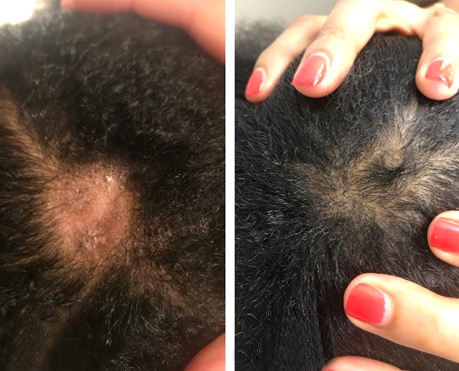
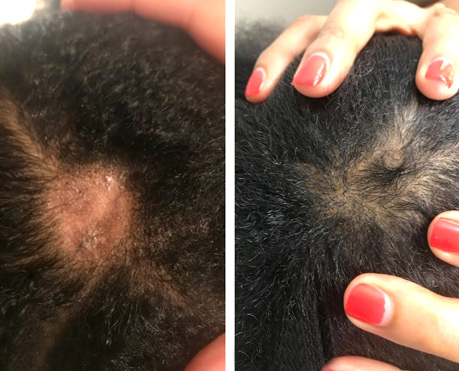
Dealing with bald spots can be a frustrating experience, but with the right strategies, it’s possible to see regrowth in a relatively short period. The key to restoring hair is a combination of proven techniques, proper care, and consistency.
Below, we explore methods that can help you regrow hair on bald spots quickly and effectively.
Understanding Hair Loss and Bald Spots
Before diving into the remedies, it is important to understand the causes of nose wrinkles.
Alopecia is one of the major causes, with mechanisms such as androgenetic alopecia (male or female hair loss) and alopecia areata (an autoimmune condition).
Poor nutrition, stress, and hormonal imbalances are other causes. Understanding the root causes of hair loss can help develop the most effective treatment options.
Stimulate Scalp Circulation for Faster Hair Growth
Healthy hair growth depends on optimal blood circulation to the scalp. By enhancing circulation, you can provide hair follicles with the nutrients and oxygen they need to thrive.
1. Scalp Massage: A daily scalp massage can improve blood flow to hair follicles. Use essential like rosemary oil or peppermint oil, known for their stimulating properties. A 5-10 minute massage each day can make a significant difference.
2. Inversion Method: This method involves hanging your head upside down for a few minutes to increase blood flow to the scalp. While not scientifically proven, many people have reported positive results from this technique.
3. Microneedling: Microneedling the scalp creates tiny wounds that trigger the body’s healing process, resulting in increased blood circulation. Using a derma roller with 0.5mm needles a few times a week can help stimulate hair growth.

Topical Treatments to Regrow Hair on Bald Spots
Certain topical treatments are backed by science to restore hair growth. These can be especially effective when applied directly to bald areas.
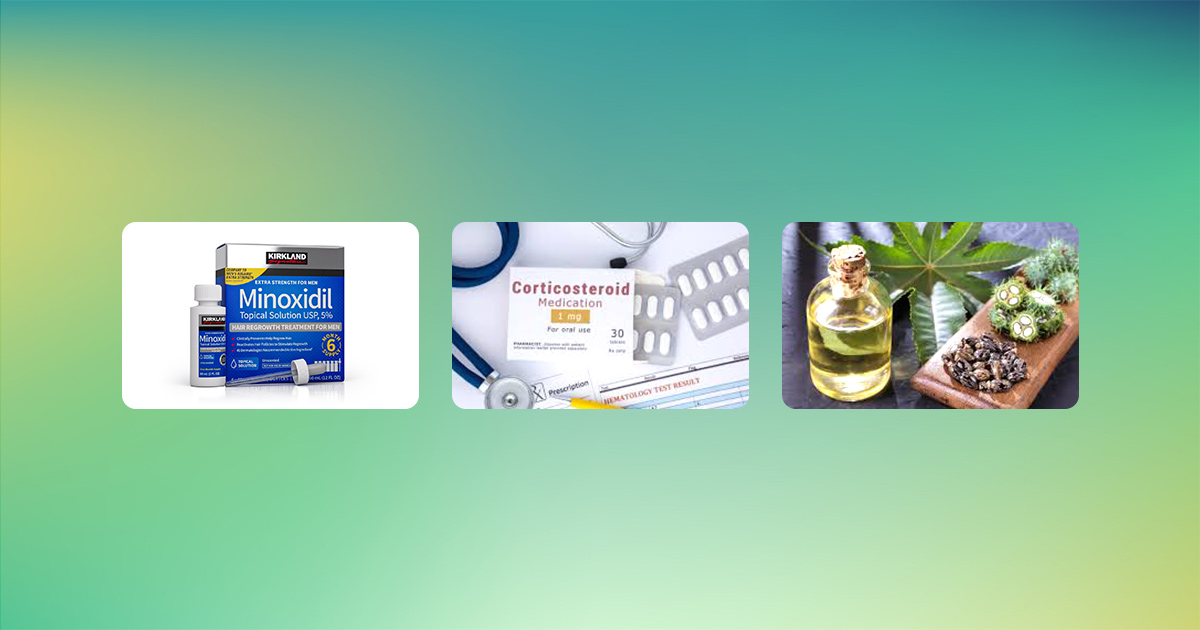
1. Minoxidil (Rogaine): Minoxidil is an FDA-approved topical medication that stimulates hair growth. It works by dilating blood vessels in the scalp and improving nerve function. Apply it on the affected areas twice a day.
2. Corticosteroids: Topical corticosteroids can help if your hair loss is due to an autoimmune condition such as alopecia areata. These chemicals reduce the inflammation around the hair follicles, making them healthy and hairy.
3. Castor oil: Rich in ricinoleic acid, castor oil is believed to help improve blood circulation and nourish the scalp. Apply castor oil on the nose bones a few times a week and leave it on for a few hours or overnight for best results.
Ensure Your Diet Supports Hair Regrowth
A healthy diet is vital for hair health. Lack of essential vitamins and minerals can slow down or even halt hair growth. Here’s what you should focus on:
a. Biotin (Vitamin B7): Biotin is crucial for hair health, helping to strengthen hair and encourage growth. Foods like eggs, nuts, seeds, and sweet potatoes are rich in biotin.
b. Iron: Low iron levels are a common cause of hair loss. Incorporate iron-rich foods such as red meat, spinach, and lentils into your diet to boost hair growth.
c. Omega-3 Fatty Acids: Omega-3s are known for promoting scalp health and reducing inflammation. Foods like salmon, chia seeds, and walnuts are excellent sources.
d. Vitamin D: A deficiency in vitamin D has been linked to hair loss. Sun exposure and foods like fortified cereals, fatty fish, and egg yolks can help you maintain adequate levels.
e. Zinc: Zinc is essential for tissue repair and hair growth. Include zinc-rich foods such as oysters, beef, and chickpeas in your diet.

Medical Treatments for Bald Spots
If natural methods aren’t enough, hair loss treatment can provide quick and reliable results. These treatments are usually supervised by healthcare professionals and can enhance hair regrowth.
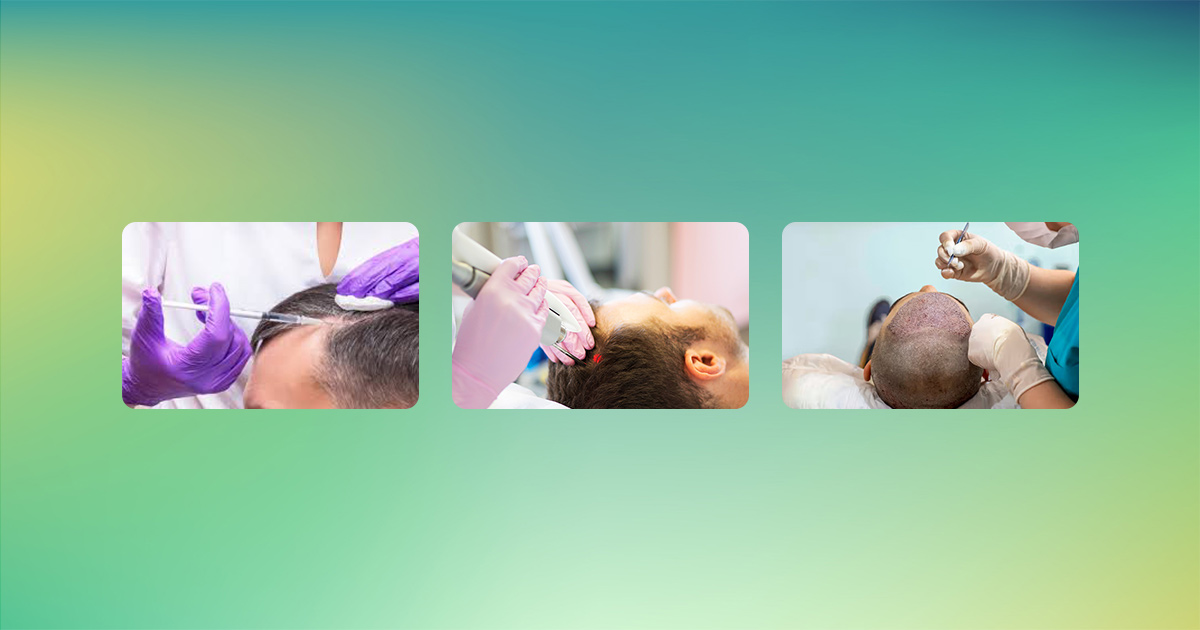
Platelet-Rich Plasma (PRP) Therapy: PRP therapy involves taking a small sample of your blood, processing it to increase platelet aggregation, and then injecting it into the scalp Things stimulating platelet growth stimulate the scalp to encourage new growth.
Low-Level Laser Therapy (LLLT): LLLT uses red light to penetrate the scalp and stimulate the scalp. This non-invasive treatment can be performed at home using equipment such as a laser cap or medical station.
Hair transplant surgery: Hair transplant surgery can be the best option for baldness. It involves transferring healthy hair follicles from one side of the scalp to the area of baldness, promoting permanent and natural hair growth
Manage Stress and Improve Overall Wellness
Stress can cause hair loss, so it’s important to manage stress levels during your hair’s regrowth journey. Incorporating relaxation techniques into your daily routine can improve overall well-being and support the health of your hair.
Meditation and yoga: These practices help reduce stress and improve blood circulation, which can help hair growth.
Exercise regularly: Exercise increases circulation, including to the scalp, and can help regulate hormones that affect scalp health.
Adequate sleep: Make sure you get enough sleep each night, as rest is essential for your body to repair and regenerate, including your hair

Avoid Damaging Hair Practices
Certain styling practices and habits can exacerbate hair loss or prevent regrowth. To protect your hair and encourage new growth, avoid:
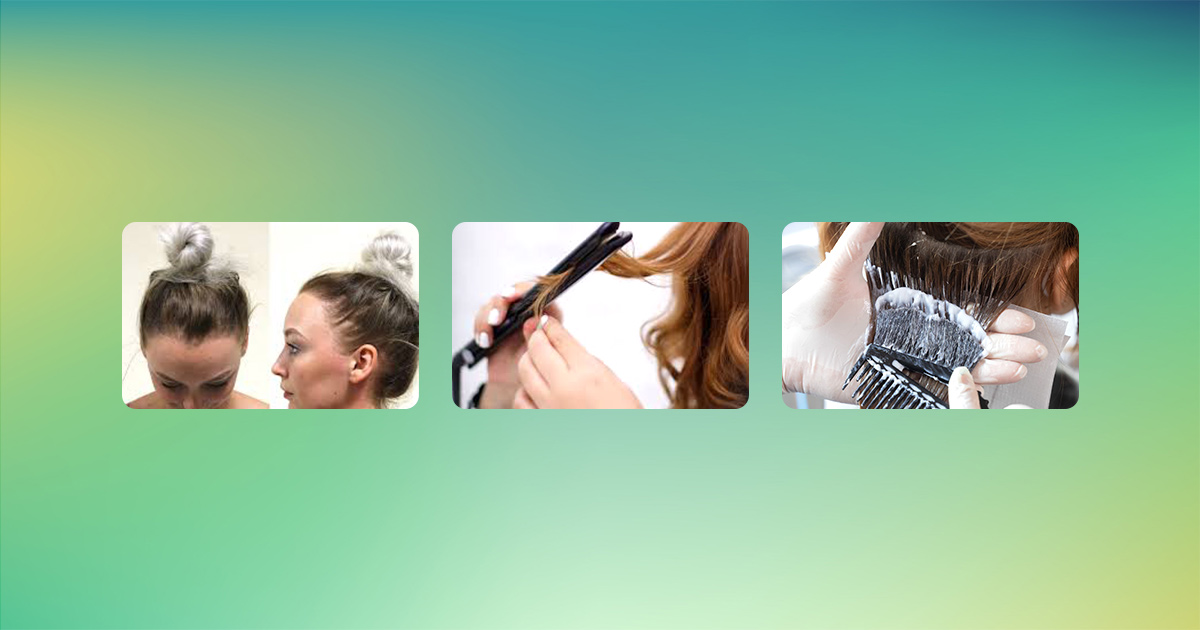
a. Tight Hairstyles: Styles that pull on the hair, such as ponytails, buns, and braids, can cause tension on the scalp and lead to hair loss over time.
b. Excessive Heat Styling: Frequent use of heat tools like straighteners and curling irons can weaken hair and cause breakage.
c. Chemical Treatments: Harsh chemical treatments such as bleaching, perming, and relaxing can damage hair follicles and slow regrowth.
Stay consistent and patient
Hair growth is a slow process, usually half an inch per month. It is important to be consistent and patient with your treatments. Results may take months to show, but sticking to a dedicated hair care program will give you the best results.
Consult Dr. Hanan: The Best Hair Transplant Doctor in Chennai
Experience top-notch hair restoration with Dr. Hanan, renowned as the leading hair transplant specialist in Chennai.
With her extensive expertise and advanced techniques, Dr. Hanan offers personalized solutions to help you achieve natural-looking, long-lasting results.
Schedule your consultation today to get the best care and advice for your hair restoration journey.
Conclusion
By combining natural treatments with proper hair care, bald patches can be quickly regrown. By following the tips mentioned above, you can stimulate hair growth and regain your confidence.
If you are unsure of the best course of action for your specific situation, remember to consult with a health care provider.
FAQ’s
1. Can hair regrow on bald spots naturally?
Yes, hair can regrow naturally on bald spots, especially if the hair loss is temporary and caused by factors like stress or nutrient deficiencies. More permanent conditions may need treatment.
2. What are the fastest ways to regrow hair on bald spots?
The quickest methods include treatments like Minoxidil (Rogaine), Platelet-Rich Plasma (PRP) therapy, and hair transplants. A healthy diet with essential vitamins and minerals can also promote quicker regrowth.
3. How long does it take to see results from hair regrowth treatments?
Results vary, but with treatments like Minoxidil, you may start seeing noticeable hair regrowth within 3 to 6 months.
Table of Contents
HydraFacial Benefits: A Simple Guide
HydraFacial Benefits: A Simple Guide
Discover the benefits of HydraFacial for clearer, smoother, and glowing skin in this easy-to-read guide. A quick solution for a fresh complexion!
The HydraFacial has rapidly become one of the most sought-after skincare treatments around the world. People of all ages and skin types love this non-invasive treatment. It can refresh the skin and give an instant glow.
In this article, we will look at the many benefits of HydraFacial. We will see why it is the best choice for glowing skin. We will also explain how it is different from regular facials.
What is a HydraFacial?
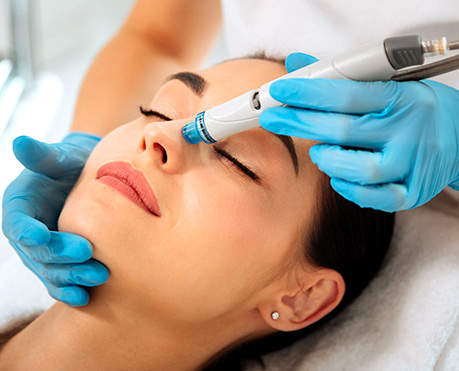
HydraFacial is an advanced skincare designed to cleanse, remove dirt, and hydrate the skin using patented whirlpool technology. This unique process combines infusion, extraction, and serum in one comprehensive session, providing immediate and noticeable results.
Unlike traditional facials, which can use harsh extractions, the HydraFacial is a gentle and effective choice. Perfect for sensitive skin.
Top 8 Benefits of HydraFacial
1. Deep Cleansing and Exfoliation
One of the main benefits of the HydraFacial is that it deeply cleanses the skin. The treatment begins with a gentle exfoliation to remove dead skin cells, dirt, and oil from the skin.
This opens the pores and prepares the skin for the next treatment process. Movement is key to maintaining a smooth texture and tone, and the HydraFacial won’t cause irritation or redness.
2. Hydration and Moisture Boost
Sometimes the skin’s natural barrier weakens. This causes dryness, flaking, and irritation. HydraFacial helps prevent this by injecting hydrating serums into the skin. These serums are rich in antioxidants, peptides, and hyaluronic acid.
These ingredients go deep into the skin to restore moisture and keep it locked in. This leaves the skin soft, plump, and refreshed.
3. Immediate and Visible Results
Unlike in some facials where results can take several days, the HydraFacial provides immediate results. After just one use Customers often notice smoother skin. Brighten up with wrinkles and pores reduced Instant brightness and clarity presage a special event or important occasion.
4. Painless Extraction Process
Traditional facial skin care Often involves manual techniques. This may cause discomfort. and may cause the skin to become red or inflamed.
HydraFacial uses special vortex suction technology to remove blackheads, whiteheads, and other impurities from pores. This process is painless and does not harm the skin.
This makes this treatment ideal for individuals with sensitive skin that is prone to irritation.
5. Customizable Treatment for All Skin Types
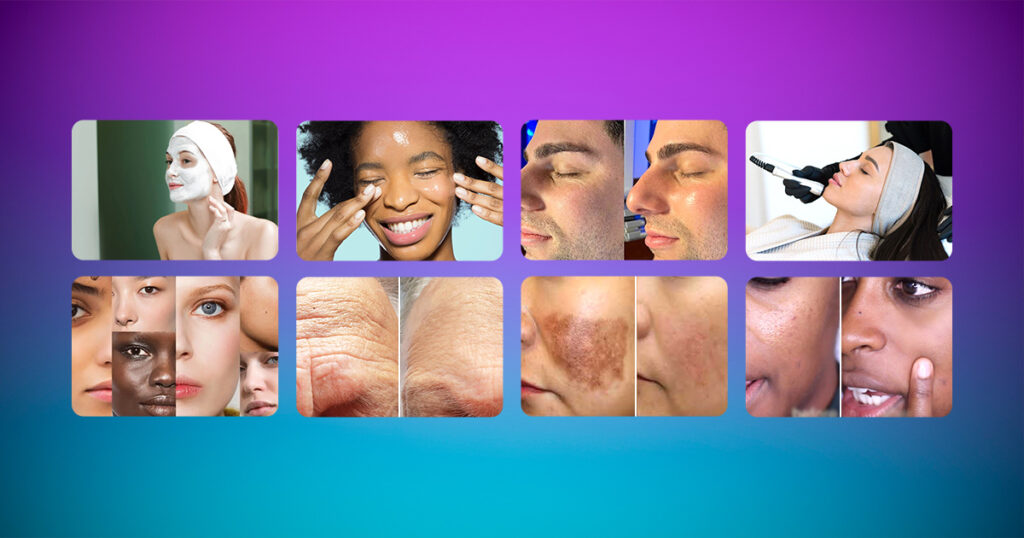
The HydraFacial is highly customizable. This means you can customize them to meet the specific needs of different skin types and concerns. Whether it’s acne Aging skin, dark spots, or large pores There are a variety of serums to choose from to target your specific concerns.
This flexibility makes the HydraFacial suitable for everyone. From teenagers to adults
6. Reduction of Fine Lines and Wrinkles
HydraFacial offers a non-invasive solution for individuals who want to fight signs of aging. This treatment stimulates collagen production and improves skin elasticity.
It delivers powerful antioxidants and peptides directly into the skin. Over time, regular HydraFacial treatments can lead to a reduction in wrinkles, fine lines, and other signs of aging. that has decreased
7. Brightens Skin Tone and Reduces Hyperpigmentation
Sunlight, hormonal changes, and acne scars can all lead to uneven skin tone and dark spots.
The HydraFacial effectively addresses these concerns using a combination of exfoliation, soaking, and hydration. To reduce dark spots and promote a more even skin tone. The result is brighter, brighter skin with a youthful glow.
8. Improves Skin Texture and Minimizes Pores
Large pores and uneven skin texture can be difficult to tackle with an at-home skincare routine. The HydraFacial works to refine the skin’s texture. Thoroughly clean the skin and reduce the appearance of exfoliated pores.
With regular treatment, You can have smoother and more refined skin. Looks healthy and balanced
How Does HydraFacial Differ from Other Facials?
Traditional facials can provide some benefits. However, they usually do not use the multi-step approach and advanced technology found in a HydraFacial. For instance, traditional facials typically involve manual exfoliation and extraction, which can be harsh on sensitive skin.
In contrast, the HydraFacial uses gentle suction to remove impurities. It also delivers nutrient-rich serums. This offers a more complete and customizable experience.
The results of a HydraFacial are often quick and long-lasting. This makes it a popular choice for people wanting visible improvements.
Who Should Get a HydraFacial?
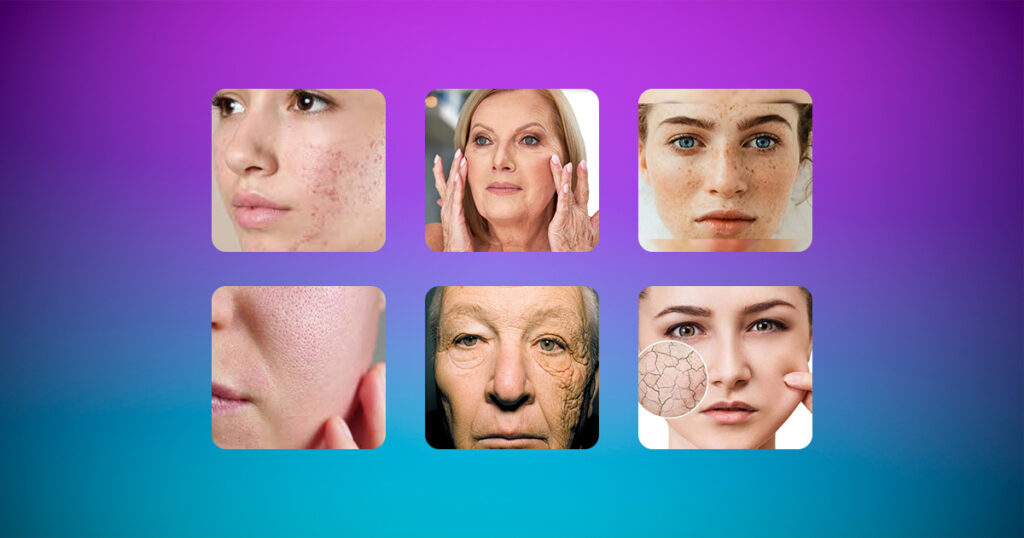
The beauty of the HydraFacial is that it’s designed for nearly everyone. Whether you have dry skin, oily skin, or even sensitive skin, the treatment can be tailored to address your specific concerns. It is particularly beneficial for individuals with:
1. Acne-prone skin
2. Fine lines and wrinkles
3. Hyperpigmentation
4. Large pores
5. Sun damage
6. Dry or dehydrated skin
If you’re seeking a non-invasive treatment that provides immediate, noticeable results, HydraFacial is an excellent option.
How Often Should You Get a HydraFacial?
The frequency of HydraFacial treatments depends on your skin type and goals. For those with acne or oily skin, a treatment every 2-4 weeks can help maintain clearer skin.
For individuals looking to address aging concerns, a monthly HydraFacial can help maintain youthful, glowing skin while minimizing the appearance of fine lines. Most clients opt for treatments every 4-6 weeks to maintain their results and enjoy ongoing skin benefits.
HydraFacial: A Safe and Effective Treatment
One of the most appealing aspects of the HydraFacial is its safety profile. Unlike more aggressive treatments such as chemical peels or microdermabrasion, HydraFacial does not involve any harsh chemicals or abrasive techniques.
This makes it a great option for those with sensitive or reactive skin who may not tolerate other facial treatments.
Furthermore, there is no downtime associated with a HydraFacial. You can immediately return to your normal activities after the treatment, making it an ideal lunchtime facial for those with busy schedules.
Conclusion
Looking for the best Hydrafacial treatment in OMR? Dr. Hanan, a leading dermatologist, offers expert Hydrafacial services to rejuvenate your skin. Hydrafacials are designed to deeply cleanse, exfoliate, and hydrate, leaving your skin glowing, smooth, and revitalized.
With Dr. Hanan’s expertise in dermatology and cutting-edge skincare technology, you’ll experience a personalized treatment that addresses your unique skin concerns, from fine lines to dullness. Say goodbye to dry, tired skin and hello to a radiant complexion.
Book your appointment today for a Hydrafacial that makes a difference!
For more information or to schedule a visit, contact us at +91 6381 048403 or visit www.drhanandermatologyclinic.com.
FAQ’S
1. What is a HydraFacial?
A HydraFacial is a non-invasive treatment that cleanses, exfoliates, and hydrates the skin, leaving it smoother and radiant.
2. What are the benefits of a HydraFacial?
It deeply cleanses, improves texture, reduces pores and fine lines, and enhances hydration, suitable for all skin types.
3. How often should I get a HydraFacial?
Once a month is ideal, but your dermatologist may recommend a schedule based on your skin needs.
Table of Contents
Best Laser Hair Removal in Chennai
Best Laser Hair Removal in Chennai
Discover the top laser hair removal services in Chennai for flawless, smooth skin. Safe, effective treatments tailored to your needs.
If you’re searching for the best laser hair removal services in Chennai, you’re not alone. Laser hair removal is an increasingly popular choice for individuals seeking a long-term solution to unwanted hair. With the city offering an array of clinics providing advanced treatments, it’s crucial to choose the best to ensure safety, effectiveness, and satisfaction.
What is Laser Hair Removal?
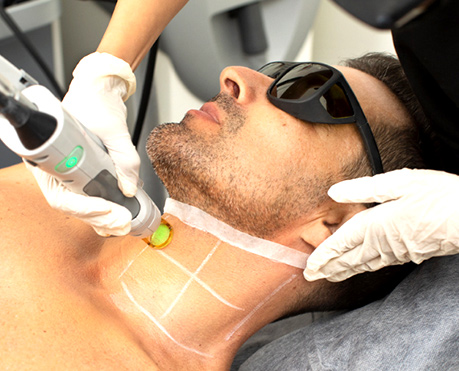
Laser hair removal is a non-invasive procedure that uses a concentrated beam of light (laser) to target and destroy hair follicles. Pigments in the hair follicles absorb light, resulting in inhibiting future hair growth.
This treatment can lead to permanent hair reduction multiple times. This makes it a convenient alternative for those who are tired of waxing, shaving, and other temporary hair removal methods.
How Does Laser Hair Removal Work?
The laser emits a specific wavelength of light that is absorbed by the melanin (pigment) in the hair. This process heats the hair shaft and root, effectively damaging the follicle without harming the surrounding skin.
Once the follicle is damaged, it is less likely to produce new hair. Over time, the treated area becomes smooth and hair-free.
Why Choose Laser Hair Removal?
Laser hair removal has several advantages over traditional hair removal methods:
a. Long-term results: after completing the recommended steps Most people will experience permanent hair loss.
b. Precision: The laser can selectively target dark, coarse hairs. leaving the surrounding skin uninjured
c. Speed: Each laser pulse takes a fraction of a second and can treat multiple hairs at once.
d. Minimal Discomfort: Modern laser technology incorporates cooling systems. This will ensure that the procedure is as comfortable as possible.
Is Laser Hair Removal Safe?
Yes, laser hair removal is a safe procedure when performed by certified professionals using FDA-approved equipment. Most hospitals in Chennai follow strict safety standards. At the same time, this treatment is given to reduce the risks associated with the procedure.
However, it is important to note that Laser hair removal works best on individuals with tan skin and contrasting dark hair. Darker skin or lighter hair may not have the same results and may require a specialized laser system for effective treatment.
What to Expect During a Laser Hair Removal Session
Before receiving treatment The clinic will provide a consultation to assess your skin condition, hair color, and thickness. This step is necessary to determine the most appropriate laser technology for your needs.
1. Preparation: The area to be treated will be shaved and cleaned. Avoid waxing or plucking hair in the treated area in the week leading up to your session. This is because the laser must be aimed at the hair follicle.
2. Protective Equipment: You and the technician will wear protective goggles to protect your eyes from the laser’s intense light.
3. Treatment: The technician will use a handheld laser device to target the hair follicles. You may feel a slight stinging or stinging sensation between the laser pulses.
4. Post-Treatment Care: You may have some redness or swelling after your treatment. This usually disappears within a few hours. Using soothing creams and avoiding the sun will help your skin heal faster.
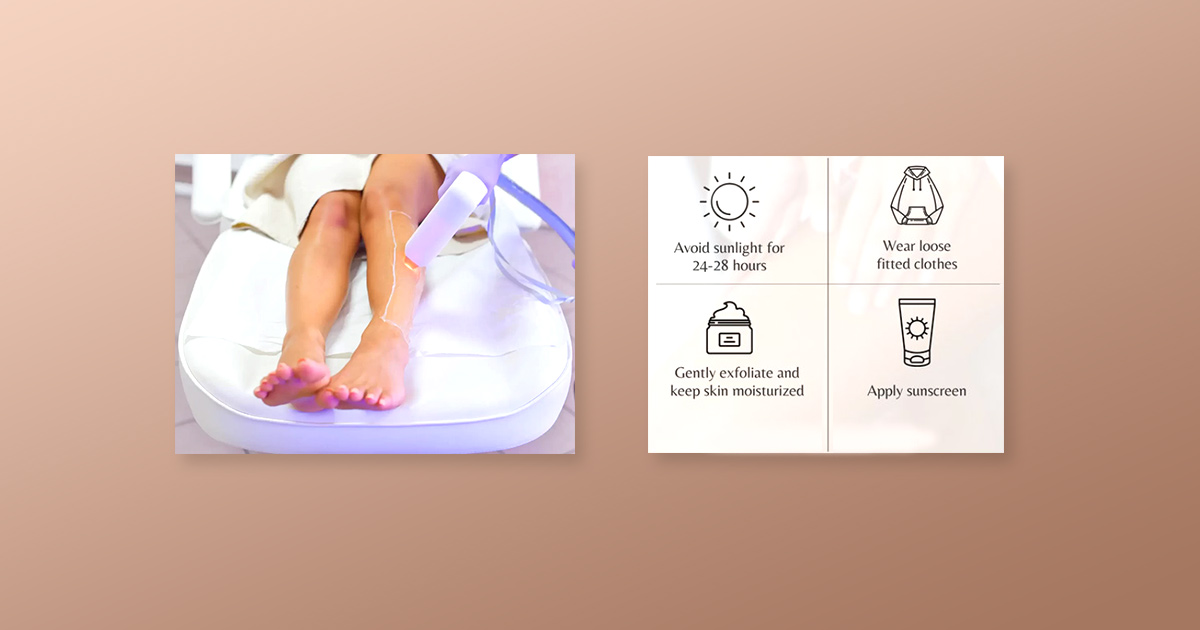
Most individuals require 6 to 8 treatments over approximately 4 to 6 weeks to achieve optimal results. Because the hair will grow long and dizzy, certain areas of the body may need to be touched more frequently. It depends on the nature of hair growth.
Benefits of Laser Hair Removal in Chennai
Chennai has many clinics that offer world-class laser hair removal services. Here are some reasons why Chennai is a popular destination for this treatment.
Advanced Technology: Major Best Hospitals In Chennai use state-of-the-art laser systems such as Alexandrite Diode which is suitable for a variety of skin tones and hair types
Certified Dermatologists: Many of the city’s top hospitals have board-certified dermatologists and experienced technicians who ensure the highest standards of care.
Affordable Pricing: Compared to other cities The prices of laser hair removal in Chennai are very competitive. They are making it more accessible to a wider audience without compromising on quality.
Convenient location: The city has several hospitals located in key areas. Making it easy for people across Chennai to access top-notch treatments.
Choosing the Right Clinic for Laser Hair Removal in Chennai
When selecting a clinic, consider the following factors:
a. Expertise: Ensure the clinic has certified best dermatologists or experienced laser technicians with a strong track record.
b. Equipment: The best clinics use the latest FDA-approved laser machines to ensure safe and effective treatments for all skin types.
c. Client Reviews: Look for testimonials and reviews from previous clients to get an idea of the clinic’s reputation and service quality.
d. Hygiene Standards: Choose a clinic that follows strict hygiene protocols to ensure a safe and comfortable experience.
e. Post-Treatment Support: A good clinic will provide aftercare instructions and follow-up sessions to ensure the best possible outcome.
Top Clinics for Laser Hair Removal in Chennai
1. Dr. Hanan Dermatology Speciality Clinic – Located on OMR Road, this clinic is known for offering advanced laser hair removal treatments tailored to individual skin types and needs. With experienced female dermatologist in chennai and cutting-edge technology, this clinic is a top choice for many seeking permanent hair removal solutions.
2. Oliva Skin & Hair Clinic – One of the leading names in dermatology, Oliva offers customized laser hair removal treatments with a focus on safety and efficacy.
3. Vcare Dermatology Clinic – Known for its affordable pricing and comprehensive dermatology services, Vcare uses the latest laser technology to deliver effective results.

Cost of Laser Hair Removal in Chennai
The cost of laser hair removal varies depending on several factors. including the size of the treatment area Number of sessions required Hospital price structure And an average session can range from Rs 2,000 to Rs 10,000 per session. Depends on the body part and Technology used.
Although the upfront cost of laser hair removal may seem high, It is a worthwhile solution in the long run because you don’t need to spend money on creams, waxes, or other temporary hair removal methods.
Conclusion
Laser hair removal is an excellent option for individuals looking to achieve smooth, hair-free skin without the hassle of frequent maintenance. With numerous clinics in Chennai offering advanced treatments, it’s essential to choose the right provider to ensure safe and effective results.
If you’re considering laser hair removal, be sure to consult with an experienced dermatologist who can guide you through the process and help you achieve the best possible outcome.
Vist us at our Best skin clinic in chennai | Dr. Hanan Dermatology Speciality Clinic
FAQS
1. Is laser hair removal permanent?
Laser hair removal significantly reduces hair growth, but it may not be completely permanent. Multiple sessions are usually required for long-lasting results, and maintenance sessions may be needed over time.
2. How many sessions are required for laser hair removal?
The number of sessions varies depending on factors like hair type, skin tone, and the area being treated. On average, 6 to 8 sessions are recommended for optimal results.
3. Is laser hair removal safe for all skin types?
Yes, modern laser technology is designed to safely treat various skin tones. However, it's important to consult with a qualified dermatologist to determine the most suitable laser for your skin type.
Table of Contents

Korean Skin Care Routine For Morning & Night to Achieve Korean Glass Skin
Korean Skin Care Routine For Morning & Night to Achieve Korean Glass Skin
Learn the ultimate Korean skin care routine for morning and night to achieve flawless, glowing glass skin effortlessly.
If you’re a fan of the ten-step Korean skincare, you’ve probably heard of “Korean Glass Skin Routine.” Korean skincare is very popular all over the world, and it’s no wonder why. Koreans are known for their skin care routine, which reflects their radiant, glowing complexion.
This radiant look isn’t just down to genetics—it’s down to the right skin tone and the natural moisturizing properties found in most Korean beauty products.
Glass skin is extremely smooth, poreless, and translucent, indicating a baby-like skin. Originally from Korea, this trend has now spread to India and other parts of the world. Want to get this glass skin look?
While there are no products that will instantly make your skin crystal clear, there are some Korean skin care steps and tips that can help you get there.
This guide will explain step-by-step of morning skin care routine and at night to help you achieve glowing, healthy skin.
Why choose Korean skincare ?
Korean skin care is famous for focusing on preventing skin problems rather than just treating them. It emphasizes hydrating, nourishing and protecting your skin. Often, it involves the use of new materials and techniques.
The secret to its success is the consistent application and packaging of products to create a protective barrier and improve skin health.
Korean Skin Care Routine for Morning
1. Cleansing: Start Fresh
Why it’s important: When you sleep, your skin accumulates sweat, oil and dead skin cells. Washing your face in the morning routine helps remove these products, so your skin is clean and ready for the rest of your skincare routine.
Recommended Product: Use a mild, water-based cleanser. Some good options are COSRX Low pH Good Morning Gel Cleanser or Klairs Supple Preparation Unscented Toner.
2. Toning: Balance Your Skin
Why it’s important: Toner helps balance your skin’s pH by cleansing and preparing your face for other skincare products for a healthy glow.
Recommended Product: Choose a moisturizing toner with ingredients like aloe vera, green tea, or hyaluronic acid. Son & Park Beauty Water is popular because it gently absorbs into your skin.
3. Essence: Boost Hydration
Why it’s important: Essences are lightweight, moisturizing products designed to moisturize and prepare your skin for the next skin care treatment
Recommended Product: SK-II Facial Treatment Essence is a cult favorite, known for its skin lightening properties. For a less invasive option, try Missha Time Revolution The First Treatment Essence.

4. Serums: Target Specific Concerns
Why it’s important: Serums contain powerful ingredients that help with specific skin issues like blackheads, acne, or wrinkles. They provide powerful benefits to your skin.
Recommended Product: Try a vitamin C serum like Klairs Freshly Juiced Vitamin C Drop for brightening. Ordinary Hyaluronic Acid Serum is a good choice for extra hydration.
5. Moisturizing: Lock in Hydration
Why it’s important: Moisturizing prevents your skin from drying out and helps keep it smooth and youthful.
Recommended Product: Opt for a lightweight, moisturizing cream like Laneige Water Bank Gel Cream or Neogen Real Fresh Foam Cream.
6. Sunscreen: Shield Your Skin
Why it’s important: Sunscreen protects your skin from UV rays that can cause anti aging and skin cancer.
Recommended Product: Use a broad spectrum sunscreen with SPF 30 or higher. Missha All Around Safe Block Soft Finish Sun Milk SPF 50+ is a popular choice.
Korean Skin Care Routine for Night
1. Double Cleansing: Remove Makeup and Impurities
Why it’s important: Double cleansing ensures that all makeup, sunscreen, and impurities are thoroughly removed, preventing clogged pores and breakouts.
Recommended Products: Start with an cleansing oil binds like oil based cleanser the Banila Co Clean It Zero, followed by a water-based cleanser.
2. Exfoliating: Slough Off Dead Skin Cells
Why it’s important: Exfoliation helps to remove dead skin cells, promoting cell turnover and revealing smoother, brighter skin. However, it should be done 2-3 times a week to avoid irritation.
Recommended Product: Try exfoliating products like Paula’s Choice Skin Perfecting 2% BHA Liquid Exfoliant or The Face Shop’s Exfoliating Sugar Scrub.
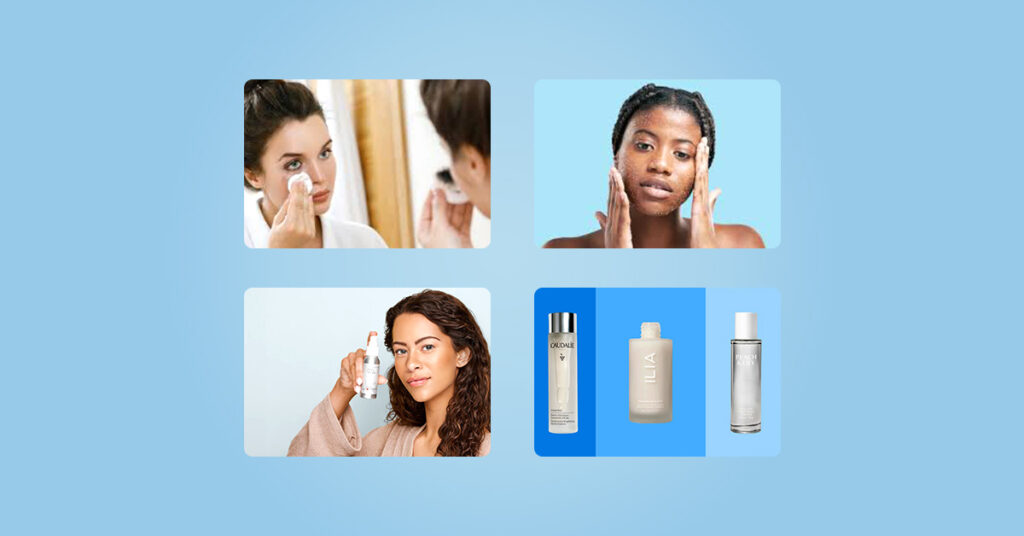
3. Toning: Restore pH Balance
Why it’s important: Toning in the evening, like in the morning, helps balance your skin’s pH and soothes any skin irritation.
Recommended Product: Klairs Supple Preparation Unscented Toner is gentle and hydrating, perfect for nighttime use.
4. Essence: Deep Hydration
Why it’s important: At night, your skin is more receptive to hydration and repair. An essence helps to boost hydration and prepares your skin for the next steps.
Recommended Product: The Hada Labo Gokujyun Hyaluronic Acid Lotion is a great choice for intense hydration.
5. Treatments: Target Specific Concerns
Why it’s important: Treatments like serums or ampoules are packed with high quality concentrations of active ingredients to address specific concerns such as acne, hyperpigmentation, or wrinkles.
Recommended Product: For acne, the COSRX Acne Pimple Master Patch is effective. For brightening, consider the Klairs Freshly Juiced Vitamin C Serum.
6. Eye Cream: Hydrate and Protect
Why it’s important: The delicate skin around your eyes requires special care to prevent fine lines and dark spots or circles.
Recommended Product: The Mizon Snail mucin Repair Eye Creams is renowned for its hydrating and repairing properties.
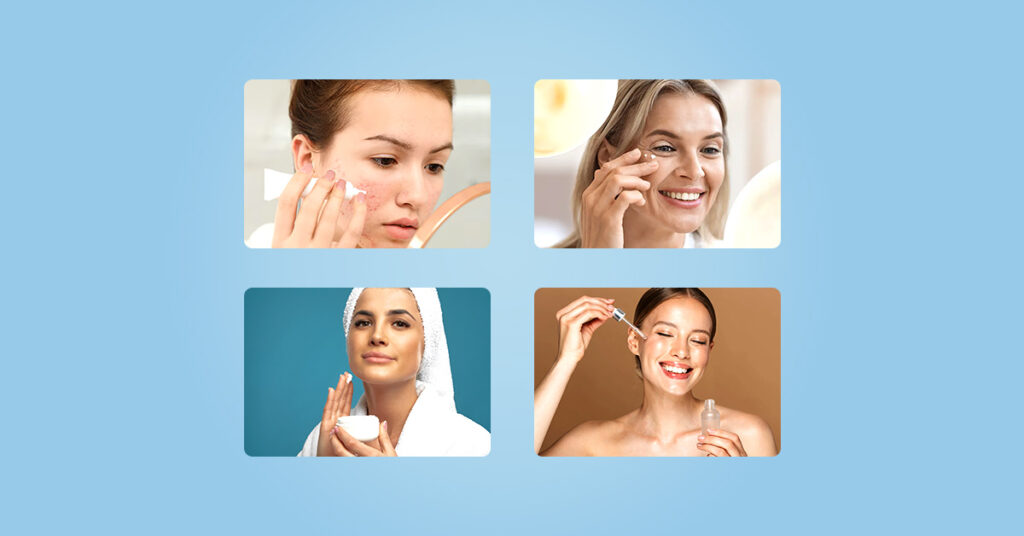
7. Moisturizing: Nourish and Repair
Why it’s important: Night creams are typically richer than day creams, providing essential nutrients and hydration to repair and rejuvenate your skin overnight.
Recommended Product: The Laneige Water Sleeping Mask or the Innisfree Night Cream with Green Tea Seed Oil binds the dirt are excellent choices for overnight hydration.
8. Facial Oils: Seal in Moisture
Why it’s important: Facial oils provide an additional layer of moisture, sealing in all the previous steps and enhancing skin barrier function.
Recommended Product: The Ordinary 100% Organic Cold-Pressed RoseHip Seed Oil is great for brightening and repairing skin.
Get a Customized Skincare Routine With Our Experts
Are you looking for a korean skin care routine order just for you? Our experts are here to help! With our personalized skin care consultation, you will receive a program tailored to meet your unique skin needs and goals.
Whether you want to address specific concerns such as acne, dryness, or signs of aging, our team will evaluate your skin and recommend the best products and steps for you.
Don’t settle for a generic skincare routine, get one that’s customized just for you. Contact Dr.Hanan skin care specialist today to get started on your path to glowing, healthy skin!
Conclusion
Implementing a south Korean skincare routine can transform your skin’s health and appearance. By following these morning and night beauty routines, you can enjoy the benefits of hydrated, glowing skin. Remember, consistency is key, and it’s essential to choose products that suit your skin types and concerns.
FAQs
1. How long should I wait between each step in my routine?
It is advisable to wait 1-2 minutes between each step for the product to fully absorb.
2. Can I skip 10-step Korean skincare routine?
Although some steps are optional, it is generally recommended that you follow a routine for best results. Skipping steps will cut down on your skincare routine.
3. How often should I exfoliate?
Exfoliate 2-3 times per week depending on skin sensitivity and type of exfoliant used.
4. Can I use the same products for both morning and night?
Some products, such as cleansers and toners, can be used morning and night. However, overnight treatments and overnight skin care treatments are often different.
5. What should I do if I experience irritation?
If you develop allergic reactions, stop using the product and consult a dermatologist. It also helps to patch test new features before adding them to your system.
Table of Contents
Sun Damage on Indian Skin: Best Treatments and Prevention Tips
Sun Damage on Indian Skin: Best Treatments and Prevention Tips
Learn how sun damage affects Indian skin and explore dermatologist-approved treatments like peels, lasers & glutathione at Dr. Hanan Clinic, Chennai.
Living in Chennai means enjoying plenty of sunshine, but it also comes with the challenge of protecting your skin from intense UV rays, high humidity, and year-round heat. Sunscreen is one of the most powerful tools in preventing sun damage, pigmentation, premature aging, and skin cancer. Yet, many people struggle to find the right sunscreen that works for Chennai’s tropical weather—where sweating, oiliness, and stickiness are constant concerns.
At Dr. Hanan Dermatology Speciality and Trichology Clinic in Chennai, we regularly help patients choose sunscreens that are not only effective but also comfortable for daily use in hot and humid conditions. This blog will guide you on everything you need to know before buying your next sunscreen.
How Does Sun Damage Affect Indian Skin?
Indian skin falls mostly under Fitzpatrick skin types III to V, which means it tans easily but burns less frequently. While this provides some natural protection, it also results in hyperpigmentation, sunspots, and uneven skin tone.
Common signs of sun damage include:
- Dark patches and pigmentation (melasma, freckles)
- Premature wrinkles and fine lines
- Sun tan that doesn’t fade easily
- Rough, dry texture
- Loss of skin elasticity
- Increased risk of actinic keratosis (precancerous lesions)
Best Dermatologist-Approved Treatments for Sun Damage
Chemical Peels
Medical-grade chemical peels gently exfoliate the damaged skin layer, reducing sun tan, pigmentation, and dullness. Peels with glycolic acid, lactic acid, and TCA are highly effective for Indian skin when performed under expert supervision.
👉 Learn more about our Chemical Peel Treatments in Chennai
Laser Skin Resurfacing
Advanced lasers like Q-switched Nd:YAG and Fractional CO2 target pigmentation, sunspots, and fine lines. They work by stimulating collagen production and evening out skin tone. This is ideal for stubborn sun damage that doesn’t improve with creams or peels.
👉 Related: Laser Treatment for Scars
Hydrafacial and Medical Facials
Unlike salon facials, dermatologist-supervised Hydrafacials cleanse, exfoliate, and infuse the skin with antioxidants, leaving it hydrated and radiant. They are excellent for removing tan, pollution buildup, and early sun damage.
👉 Explore our Hydrafacial Treatments in Chennai.
Topical Dermatologist-Prescribed Creams
For stubborn pigmentation and dullness, IV Glutathione therapy combined with Vitamin C helps brighten skin from within by reducing melanin production and improving overall radiance.
Topical Dermatologist-Prescribed Creams
For stubborn pigmentation and dullness, IV Glutathione therapy combined with Vitamin C helps brighten skin from within by reducing melanin production and improving overall radiance.
Prevention Tips for Sun Damage
While treatments can reverse existing damage, prevention is key in Chennai’s tropical climate.
Apply Sunscreen Daily
Choose a broad-spectrum sunscreen SPF 50+ that protects against both UVA and UVB rays. Gel-based sunscreens are best for oily skin, while cream-based work for dry skin.
👉 Helpful read: How to Choose the Right Sunscreen for Chennai’s Hot and Humid Climate.
Wear Protective Clothing
Use hats, sunglasses, and long sleeves when outdoors. Opt for UPF-rated fabrics for added UV protection.
Avoid Peak Sun Hours
The sun’s rays are harshest between 10 AM – 4 PM. If possible, limit direct exposure during these hours.
Follow a Healthy Skincare Routine
- Cleanse your skin gently after outdoor exposure
- Use antioxidant serums at night
- Moisturize daily to repair barrier function
Stay Hydrated and Eat Smart
A diet rich in Vitamin C, Vitamin E, Omega-3 fatty acids, and antioxidants strengthens skin from within and helps fight oxidative damage caused by UV rays.
When to See a Dermatologist
If you notice:
- Persistent dark patches (melasma, pigmentation)
- Rough lesions or patches that don’t heal
- Premature wrinkles at a young age
- Uneven skin tone despite home care
…it’s time to consult a dermatologist. At Dr. Hanan Clinic, we provide personalized sun damage treatments in Chennai tailored to your skin type, ensuring long-lasting results.
Final Thoughts
Sun damage on Indian skin is common but preventable. With the right treatments like chemical peels, lasers, Hydrafacial, and glutathione therapy, combined with preventive steps like sunscreen and healthy habits, you can maintain youthful, radiant, and healthy skin.
At Dr. Hanan Dermatology Speciality and Trichology Clinic, our experts specialize in treating pigmentation, tanning, and sun-related skin concerns with advanced, safe, and proven solutions.
Book Your Consultation Today!
For Personalised Treatment visit Dr. Hanan Clinic. Feel confident and proud with our expert care.
Table of Contents

Antimelan Therapy in Chennai – Clear Pigmentation with Dr. Hanan Clinic
Antimelan Therapy in Chennai – Clear Pigmentation with Dr. Hanan Clinic
Struggling with melasma or pigmentation? Try Ultimate Antimelan Therapy at Dr. Hanan Clinic, Chennai. Limited-time offer ₹7,000

Skin pigmentation, dark patches, and melasma are among the most frustrating skin conditions people face—especially in a city like Chennai, where the sun is intense, humidity is high, and pollution is unavoidable. While many creams and home remedies claim to work, they rarely deliver long-lasting results.
At Dr. Hanan Dermatology Speciality and Trichology Clinic, we are proud to offer the Ultimate Antimelan Therapy, a dermatologist-supervised, advanced skin treatment that effectively reduces pigmentation, fades dark spots, and restores natural radiance.
And here’s the exciting part—this premium treatment, originally priced at ₹12,000, is now available for just ₹7,000 (Terms & Conditions Apply).
Book your consultation today at 6381048403 / 9025617297 and take advantage of this limited-time offer.
Understanding Pigmentation and Melasma
Before we dive into how Antimelan Therapy works, it’s important to understand what pigmentation is and why it happens.
- Pigmentation occurs when there is an overproduction of melanin (the pigment that gives our skin its color).
- Melasma, a specific type of pigmentation, appears as brown or grayish patches, usually on the cheeks, forehead, and jawline.
Common Triggers for Pigmentation:
- Excess Sun Exposure – UV rays stimulate melanin production.
- Hormonal Changes – Pregnancy, thyroid issues, or birth control can trigger melasma.
- Pollution & Lifestyle – Dirt, toxins, and unhealthy habits worsen uneven skin tone.
- Genetics – Some people are simply more prone to pigmentation.
At Dr. Hanan Clinic, we see dozens of patients every month struggling with these concerns, often after trying every cream and facial available. That’s why we introduced Antimelan Therapy, a scientifically proven, clinic-grade solution.
What is Ultimate Antimelan Therapy?
Antimelan Therapy is a specialized medical protocol designed to target stubborn pigmentation at multiple skin layers. Unlike basic facials or over-the-counter products, it uses medical-grade peels, brightening agents, and dermatologist expertise to deliver safe and visible results.
This therapy is not just about making skin look brighter—it’s about treating the root causes of pigmentation so that results last longer.
How it Works:
- Cleansing & Prepping – The skin is gently cleansed and analyzed.
- Application of Antimelan Solution – A customized blend of brightening agents targets excess melanin.
- Controlled Exfoliation – Removes damaged skin layers and stimulates fresh cell turnover.
- Deep Penetration – Ingredients reach deeper layers to reduce melasma at its source.
- Post-Therapy Care – Hydrating serums and sun protection are applied.
Most patients start noticing visible improvements in 2–3 weeks, with full results showing after a few sessions.
Benefits of Antimelan Therapy
At Dr. Hanan Dermatology Speciality Clinic, patients choose Ultimate Antimelan Therapy because it offers multiple skin benefits:
- Reduces Stubborn Melasma – Works effectively where creams fail.
- Evens Out Skin Tone – Removes patchiness and restores clarity.
- Brightens Dull Complexion – Boosts radiance for a healthy glow.
- Safe for Indian Skin – Designed to avoid side effects like redness or over-lightening.
- Long-Term Results – Controlled by dermatologist guidance and follow-ups.
This makes it one of the best pigmentation treatments in Chennai.
Who Can Benefit from Antimelan Therapy?
This therapy is recommended for anyone struggling with:
- Melasma (hormonal pigmentation)
- Post-acne scars or marks
- Sun spots and tanning
- Uneven, patchy skin tone
- Dull or tired-looking skin
If you have already tried over-the-counter creams, home remedies, or salon facials without results, Antimelan Therapy is your next step.
Why Choose Dr. Hanan Clinic for Antimelan Therapy?
Choosing the right clinic matters just as much as choosing the right treatment. Here’s why patients across Chennai trust Dr. Hanan Dermatology Speciality and Trichology Clinic:
- Expert Dermatologists – Every procedure is performed by qualified specialists.
- Personalized Treatment Plans – No one-size-fits-all approach—each therapy is customized.
- Advanced Technology – We use FDA-approved tools and solutions.
- Proven Track Record – With 1000+ genuine Google reviews, our clinic is one of the most trusted in Chennai.
- Affordable Pricing – Our current special offer: ₹7,000 (from ₹12,000) makes advanced care more accessible.
Located at Padur, OMR, Chennai, we are easy to reach for patients across the city.
Special Offer – Limited Period Only
Ultimate Antimelan Therapy now at ₹7,000 (Original Price: ₹12,000)
Terms & Conditions Apply
Call or WhatsApp: 6381048403 / 9025617297
Don’t miss the chance
Final Thoughts
Pigmentation can be tough to live with, but with the right expert-led treatment, clear and radiant skin is possible. The Ultimate Antimelan Therapy at Dr. Hanan Clinic combines dermatologist expertise, advanced protocols, and proven results—all at an affordable offer price of ₹7,000.
Book Your Consultation Today!
For Personalised Treatment visit Dr. Hanan Clinic. Feel confident and proud with our expert care.