Explore Chennai’s top 5 dermatologist-approved anti-aging treatments for 2025, including Microneedling, Hydrafacial, HIFU treatments. Dr. Hanan Clinic to make confident, informed hair choices.


Explore Chennai’s top 5 dermatologist-approved anti-aging treatments for 2025, including Microneedling, Hydrafacial, HIFU treatments. Dr. Hanan Clinic to make confident, informed hair choices.

Aging is a natural process, but the desire to look young is timeless. In 2025, progress in dermatology and beauty therapy has brought out more effective and safe anti-aging treatment than ever. If you want to maintain the firm, glow and young looking skin, then the top five anti-aging treatments here are actually working-bounced by experts and science.
Microneedling with exosomes is one of the most advanced anti-aging innovations of 2025. While traditional microneedling boosts collagen by creating micro-injuries, the addition of exosomes—powerful cell-derived messengers—supercharges your skin’s healing and rejuvenation.|
How It Works:
Minimal — 1–2 days of mild redness or sensitivity
HydraFacial has become one of the most popular anti-aging facials due to its ability to combine deep cleaning, exfoliation and hydration in a session. In 2025, new versions of HydraFacial include powerful anti-aging serums such as peptides, antioxidants, and growth factors.
How It Works:
Zero downtime. It’s considered a lunchtime procedure.
Laser resurfacing 2025 has a gold standard to tighten the skin and treat age -related pigmentation and texture issues.
How It Works:
Depends on the laser used—ranges from 3 to 7 days
Neurotoxins like Botox and dermal fillers like hyaluronic acid are still among the most effective non-surgical anti-aging treatments. In 2025, advanced techniques ensure a more natural and subtle look.
How It Works:
Minimal; mild swelling or bruising may last 1–2 days
HIFU (High-Intensity Focused Ultrasound) is a non-invasive treatment that targets deep layers of the skin to stimulate collagen and tighten tissues. It’s a 2025 favorite for patients who want a facelift-like effect—without the pain, cost, or downtime of surgery.
How It Works:
Zero downtime; you can resume activities immediately.
Not all treatments are suitable for everyone. A dermatologist will consider the following factors
1. Age and skin type
2. Skin concerns (wrinkles, sagging, pigmentation)
3. Medical history
4. Lifestyle and budget
Always consult a board-certified dermatologist like those at Dr. Hanan Dermatology Speciality and Trichology and Hair Transplant Center in Chennai for a customized anti-aging plan.
With over 868+ Google reviews and a 4.9/5 rating, Dr. Hanan’s clinic is one of the most trusted names in Chennai for skin and hair treatments. Our expert team uses FDA-approved equipment, personalized treatments, and modern techniques to help you age gracefully.
At Dr. Hanan Dermatology Speciality and Trichology Clinic in Chennai. , we combine medical expertise with personal care. Our hair transplant procedures are:
1. Performed by qualified dermatologist and surgeons
2. Advanced FUE -driven by technology
3. To conform to your unique hairline and facial features
4. Long -term follow -up and supported by support
Whether you are facing the loss of thin or advanced hair at an early stage, we are helping to re-achieve your confidence here-naturally and safely.
2025 brings incredible options for reversing signs of aging. Whether you want to reduce wrinkles, improve skin tone, or simply feel more confident in your skin—modern dermatology offers safe and powerful solutions.
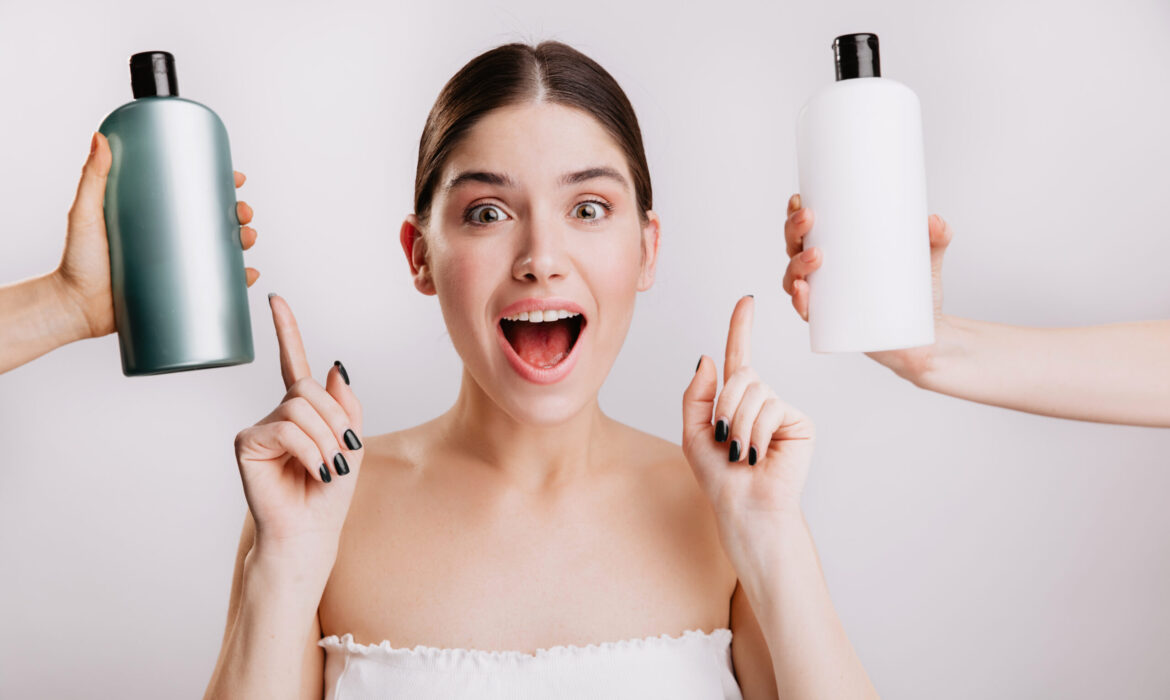
Confused about shampoo? Learn how to choose the right shampoo for your hair type with expert tips from Dr. Hanan Dermatology Clinic, Chennai.
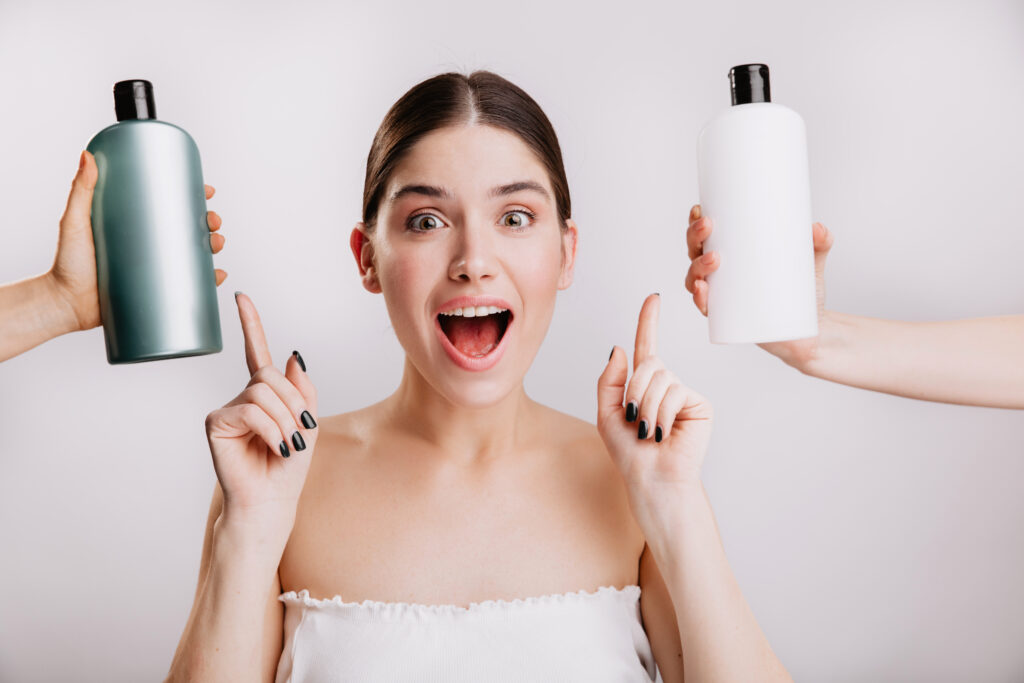
Choosing the right shampoo might seem like a small decision, but it plays a big role in your hair health. With endless options on the shelves—hydrating, clarifying, volumizing, anti-dandruff—it’s easy to feel confused. The truth is, using the wrong shampoo can lead to dryness, hair fall, dandruff, and an irritated scalp.
At Dr. Hanan Dermatology Speciality and Trichology Clinic in Chennai, we guide our patients in making personalized hair care choices, starting with the right shampoo for their unique hair and scalp type. In this blog, let’s decode how to pick the perfect shampoo that actually works for you.
Your shampoo is more than just one cleanser – this is the foundation of your hair care routine. The right one supports the health of your scalp, strengthens your hair roots, and keeps your strands shiny and manageable. Wrong one, however, can spoil your scalp condition and cause issues like:
Before shopping for a shampoo, determine your hair type:
Quickly looks smooth or flat. A clear or balancing shampoo is required that removes excess oil without drying the scalp.
Often feel brittle, rough or frizzy. A moisturizing or hydrating shampoo with ingredients such as shea butter, argan oil, or coconut oil.
Not very oily or dry. You can choose a mild, sulfate-free shampoo that maintains the natural balance of your scalp.
Oily on the roots and dry at the ends. Choose a balancing formula or apply shampoo to the scalp only when conditioning the ends.
A healthy scalp equals healthy hair. Match your shampoo to your scalp needs, not just your hair strands.
Sensitive or itchy scalp: Use fragrance-free, dermatologist-tested shampoos that are soft and hypoallergenic.
Choose a shampoo that targets your specific hair concern:
Hair Concern | Ideal Shampoo Type |
Hair fall | Strengthening or anti-hair fall shampoo with keratin or biotin |
Dandruff | Anti-dandruff shampoo with zinc pyrithione, ketoconazole, or salicylic acid |
Frizz | Smoothing shampoo with argan oil or keratin |
Color-treated hair | Color-protect shampoo that’s sulfate-free |
Heat-damaged hair | Repairing shampoo with protein and amino acids |
When choosing a shampoo, always read the label. Avoid these ingredients that can damage your hair over time:
Artificial fragrance or color – May trigger sensitivity or allergies
If you’re unsure whether a shampoo will suit your hair:
If irritation, hair fall, or excess dryness occurs, discontinue use and consult a dermatologist.
Every scalp and hair type are different. This is why Dr. Hanan Dermatology Specialty and Trichology Clinic in Chennai, we provide individual hair care guidance after a detailed scalp analysis. Whether you are struggling with hair loss, dandruff, or dryness, our team will help you take the right shampoo and treatment to restore hair health.
Shampoo your scalp, not only hair length
Rinse well to avoid buildup
Use lukewarm or cold water, not hot
Follow with conditioner suitable for your hair type
Do not over wash – For most people the ideal wash is 2-3 times.
Your shampoo can either protect your hair or be the silent criminal behind damage. Choosing the right shampoo for your hair type makes your hair healthy, vibrant and strong. If you are uncertain from where to start, then book a consultation with our hair experts at Dr. Hanan Dermatology and Trichology Clinic – we are here to guide you at every step.
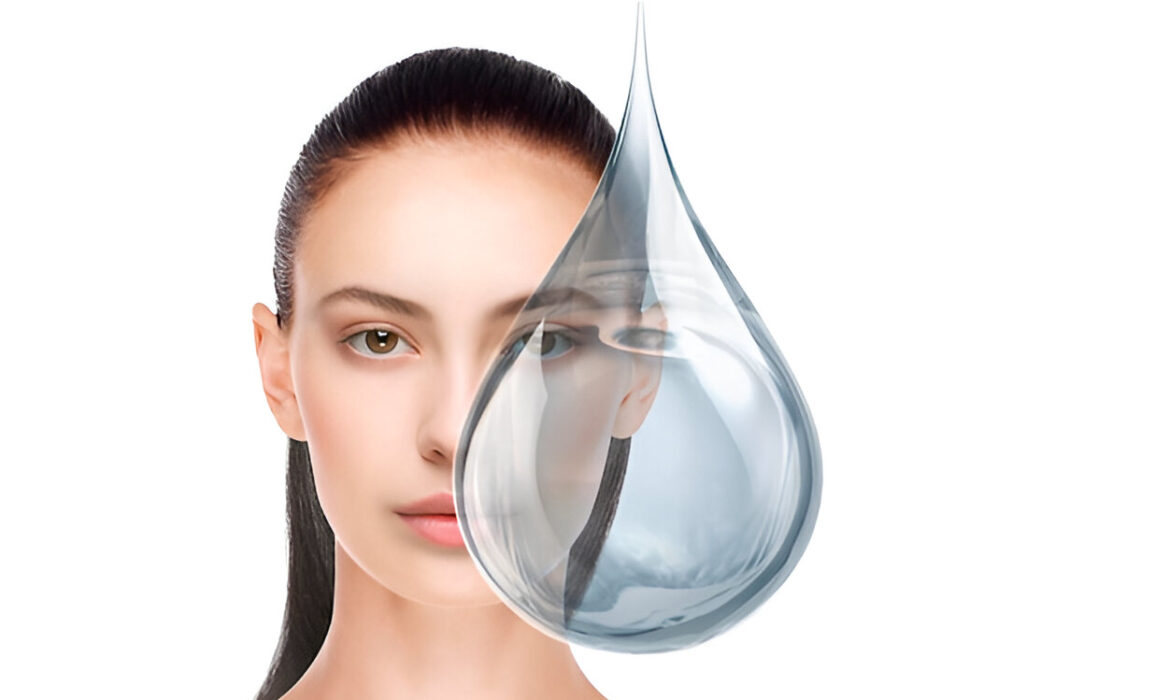
Discover how to hydrate skin effectively with proven tips, expert ingredients, and daily habits for lasting moisture and glowing skin.
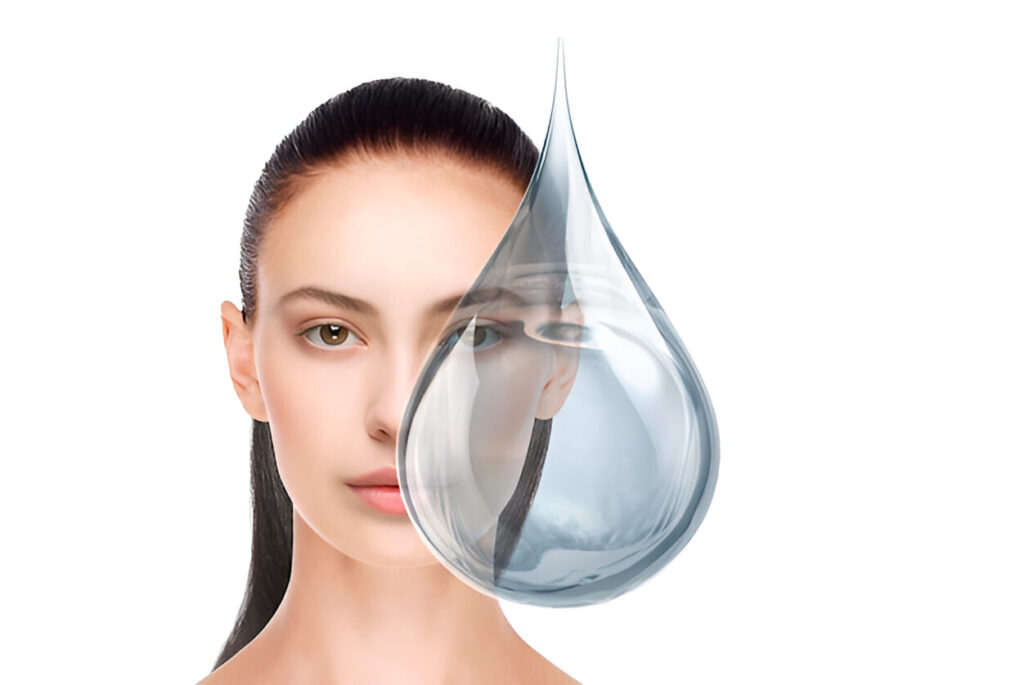
Skin hydration is more than just a discussion – It’s an important skincare routine. If your skin often feels dry, tight, flaky or dull, you can deal with dehydration. Whether you have dry, oily, or combination skin, learning to effectively hydrate the skin, can help restore its brightness, improve elasticity, and prevent signs of aging.
In this guide, we dive into practical, science -backed tips to deeply hydrate your skin and maintain moisture from both inside and outside.
Many people confuse hydration and moisturization, but they serve various purposes. Hydration is to increase your skin water content, while moisturization helps in that hydration seal.
If your skin feels rough, dull, or tight, it is possibly dehydrated. On the other hand, if it sounds dry and flaky, you may need more moisture.
Your skincare routine starts with cleanliness. But using hard, sulfate-rich face washes can remove the natural oils of your skin. Choose a soft, hydrating cleanser that does not disrupt the moisture balance of your skin.
Want to do your skincare better? Apply it while your skin is still slightly moist. When you apply hydrating serum and moisturizer after washing your face, your skin absorbs active ingredients more effectively.
This method also reduces Transepidermal water loss (TWEL), which helps your skin to maintain moisture.
Hydrating serum contains humectants, materials that draw water in the skin. The most effective ones include:
Pro tip: Pair hyaluronic acid with a good moisturizer to lock in the hydration it attracts.
After hydrating, seal it in with a rich but non-comedogenic moisturizer. Choose products based on your skin type:
Dry skin: Ceramides, shea butter, squalane
Oily skin: Gel-based moisturizers with aloe or panthenol
Sensitive skin: Fragrance-free creams with oat extract or niacinamide
Applying moisturizer twice a day strengthens your skin’s lipid barrier and prevents water loss.
Yes, drinking water is important. But only drinking water is not enough to instantly hydrate your skin unless your entire body is hydrated. Intake water with water rich fruits and vegetables like:
Also, avoid dehydrating drinks like alcohol and caffeinated beverages if your skin feels tight or flaky.
Environmental factors play a major role in skin hydration. Dry indoor air, especially air conditioner and heater, can calm your skin moisture. Running a humidifier at night replenishes the moisture in the air, which helps your skin to stay hydrated while sleeping.
Night time occurs when your skin goes into repair mode. A consistent evening routine supports deep hydration:
You can also use occlusive agents like petroleum jelly (slugging) at night to trap hydration and reduce water loss.
Exfoliation is essential for skin renewal, but overdoing. It can damage your skin barrier, leading to lack of moisture. Limit exfoliating 1-2 times a week using light AHA or BHA.
Avoid ingredients causing excessive dryness:
The sun exposure dehydrates the skin and weakens its ability to maintain moisture. Always use a broad-spectrum sunscreen with SPF 30 or higher. See for double sunscreen moisturizing in the form of skincare.
If your skin is extremely dehydrated or you’re not seeing improvement from your skincare routine, professional dermatological treatments may help:
Book a consultation with Dr. Hanan Dermatology Speciality Clinic to explore personalized hydration treatments tailored to your skin type.
Understanding how to hydrate skin is about building a daily habit — not just applying a product when your skin feels dry. Hydration works best when combined: internal nourishment, topical hydration, and environmental care.
Keep your routine simple, stay consistent, and protect your skin’s barrier. With time, you’ll notice smoother, brighter, and more resilient skin.

How to get clear skin with expert tips on cleansing, exfoliating, and targeted care for glowing, blemish-free skin.

Achieving clear skin isn’t just about following trends or chasing influencer-endorsed routines — it’s about establishing a lifestyle that prioritizes skin health. If you’ve ever wondered how to get clear skin, know that it’s the result of consistent care, evidence-based skincare practices, and making the right choices every day. Whether you’re tackling breakouts, dullness, or uneven skin tone, the journey starts with understanding what your skin truly needs.
Let’s dive into the best practices to help you achieve a naturally glowing, blemish-free complexion.
Cleansing is the cornerstone of any skincare regimen. A clean face ensures that other skincare products can be absorbed properly. Wash your face twice daily – to remove sweat and oil overnight in the morning, and to get rid of dirt, pollutants and makeup at night. Use a gentle, pH-balanced cleanser that suits the type of your skin-oily, dry, or combination.
Over-cleansing or using harsh soaps can damage the skin barrier, leading to irritation and dryness, which can actually trigger more breakouts. Stick with a cleanser that contains skin -friendly ingredients such as ceramides or aloe vera.
Extra Tip: For acne-prone skin, ingredients like salicylic acid, benzoyl peroxide, or tea tree oil can help reduce inflammation and unclog pores.
Exfoliation helps to remove dead skin cells that can stop pores and can make your skin look dull. By exfoliating 2-3 times a week, you stimulate the cell turnover, promoting a smooth and more-toned complexion. However, more isn’t always better — over-exfoliating can lead to micro-tears and sensitivity.
Chemical exfoliants such as glycolic acid (AHA) and salicylic acid (BHA) are particularly effective for all types of all types. They enter deeply than physical scrub and are less likely to cause irritation when used properly.
Many people skip the moisturizer thinking that it will spoil the oil or cause acne. In fact, skipping of moisturizer can lead to dehydration, causing more than oil to compensate for your skin. The key is using a non-comedogenic, light moisturizer that hydrates without closing the pores.
Look for formulations with hyaluronic acid, glycerin, or niacinamide – these elements not only lock the moisture, but also improve the skin texture and tone over time.
Pro Tip: Apply moisturizer immediately after cleansing while your skin is still slightly damp. This helps seal in hydration effectively.
If you want clear skin that stays youthful, sunscreen is non-negotiable. Unprotected exposure to the sun can lead to hyperpigmentation, uneven skin tone, sunburn, and premature aging — all of which can hinder your skin goals.
Choose a broad-spectrum sunscreen with at least SPF 30 and reapply every two hours, especially if you’re sweating or outdoors for extended periods. Mineral sunscreens with zinc oxide or titanium dioxide are great for sensitive or acne-prone skin.
Your hands face countless surfaces throughout the day, raising bacteria, oil and other impurities. Each time you touch your face, you risk transferring that grime directly into your skin, which increases the chances of clogged pores and acne.
Always be aware that you keep your hands away from your face unless you’re cleansing or applying skincare. In addition, clean the screen of your phone regularly and change your pillow weekly – small hygiene habits that make a big difference.
Pro Tip: If you’re a frequent face-toucher, keep a reminder on your desk or phone screen to break the habit.
Your skin reflects your internal health. Consuming a diet rich in dense foods of nutrients can improve your skin texture, clarity and flexibility. Antioxidants from berries, leafy greens, nuts, and seeds help in combating oxidative stress, while omega -3 are found in fish such as fatty acids, such as salmon reduce inflammation and support a healthy lipid barrier.
Limit the intake of Processed foods, dairy (if you are sensitive), refined sugars – which can spike all insulin and contribute to a breakout. And of course, drink enough water – ideally 8–10 glasses daily to keep your skin plump, clear and well-hydrated from within.
Night time is the natural repair time of your skin. Having a structured evening skincare routine can increase recovery and help in dealing with specific skin concerns at bedtime.
Start with a soft cleanser to remove makeup and buildup. To prepare the skin, follow with a toner or essence, then apply serum like niacinamide, retinol, or vitamin C on your base
Bonus Tip: Use a silk or satin pillowcase to reduce friction and keep skin smoother overnight.
Sleep and stress are two underrated yet powerful contributors to skin health. Lack of sleep disrupts hormonal balance and skin regeneration, causing dull, puffiness and acne. Chronic stress increases the level of cortisol, which triggers oil production and inflammation.
Target for a comfortable sleep of at least 7-9 hours. Include stress-reducing activities in your daily life-it should be a journey, a nature walk, meditation
When dealing with stubborn issues such as acne, dark spots, or fine lines, over-the-counter treatment can offer powerful support-but only when used wisely. Look for products with active ingredients:
Always start with a patch test and introduce one active product at a time to avoid overwhelming your skin.
Pro Tip: Consulting a dermatologist can help you choose the right actives for your unique skin concerns.
Understanding how to get clear skin means knowing that consistency, patience, and the right guidance are key. There’s no one-size-fits-all miracle product, but by establishing a balanced skincare routine, making healthy lifestyle choices, and staying informed, you can achieve the radiant, blemish-free complexion you deserve.
Still struggling with persistent skin issues or confused about what products suit your skin? Visit Dr. Hanan Dermatology Speciality Clinic for personalized consultations, expert-guided treatments, and tailored skin solutions that truly work. Our team is here to support you every step of your clear skin journey.
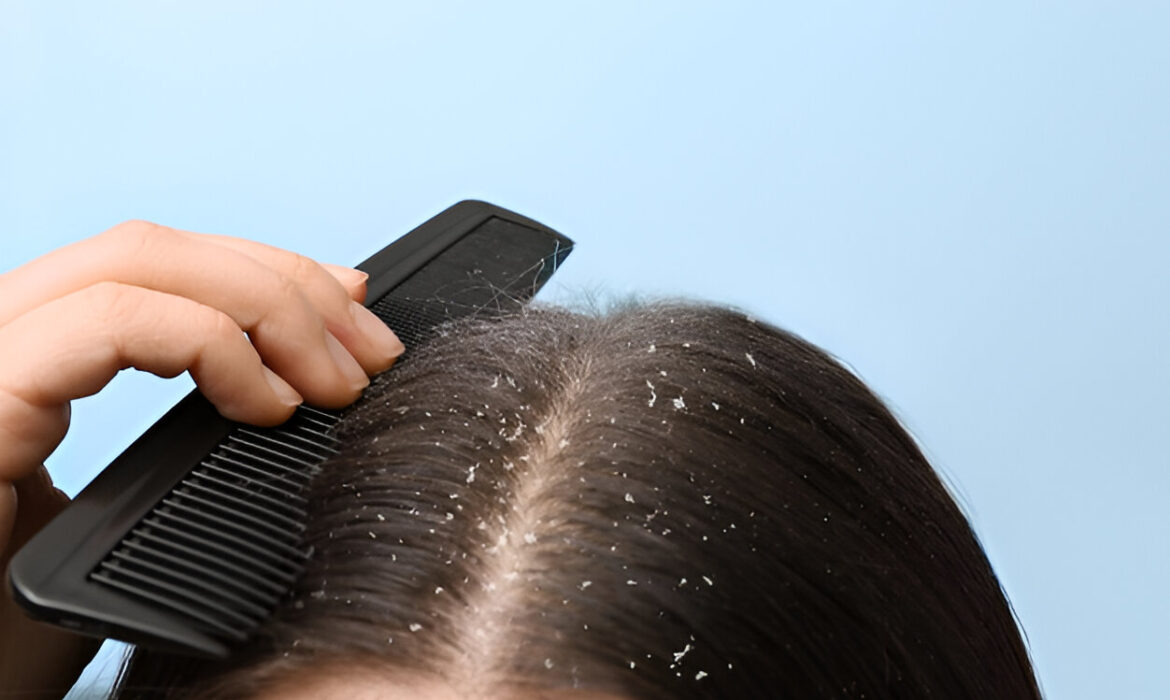
Struggling with flakes? Learn how to get rid of dandruff with proven treatments, home remedies, and scalp care tips for lasting relief.
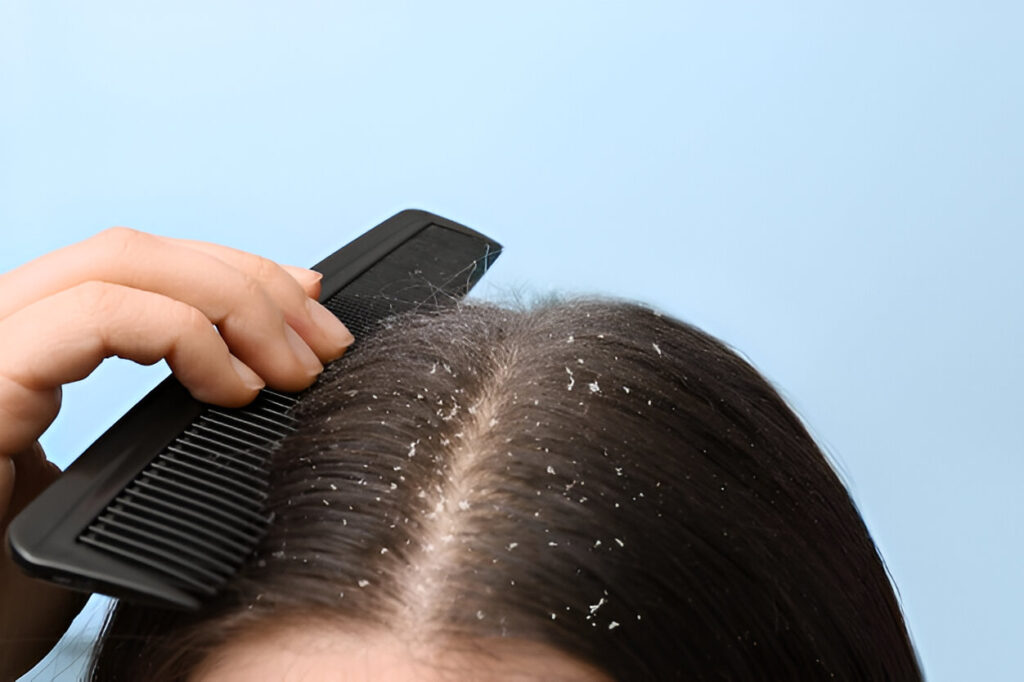
Dandruff is a scalp issue that affects millions of people worldwide. Whether it is mild flaking or frequent itching, dealing with dandruff can be disappointing. If you are searching to get rid of dandruff, this guide provides you with comprehensive suggestions, proven dandruff treatment, and prevention techniques to prevent conservatives for good.
Dandruff is the shedding of dead skin cells from the scalp, often itching, irritation and layer. Although it is not contagious or severe, it can be upsetting and can affect your self -esteem.
It is important to understand the cause of your dandruff to choose the right treatment. Common reasons include:
Dry scalp – small, white flakes and tightness
Seborrheic dermatitis – A irritated scalp with oily, red, yellow flakes
Fungal overgrowth – (Malassezia) – A natural yeast that multiplies in oily conditions
Sensitivity to hair products (contact dermatitis) – some shampoo or hair colors reaction
Hair washing Infrequently – Produces dead skin and oil
Using the best dandruff shampoo is often the first and most effective step in treating dandruff. See for this type of content:
Ketoconazole – antifungal remedies that deal with Malassezia
Zinc pyrithione – reduces yeast and bacteria
Coal Tar – Slows the shedding of skin cells
Salicylic acid – gently reduces exfoliate flakes and buildups
Selenium sulfide – fights fungi and controls oil production
Pro Tip: Rotate between 2 types of dandruff shampoo for maximum results.
If you are looking for natural methods to stop dandruff, then there are some home remedies that you can try:
Coconut oil
Moisturizes dry scalp
Has antifungal properties
Apple cider vinegar
The scalp balances the pH
Reduces fungal growth
Aloe vera
Reduce irritation
Promotes healing and hydration
Lemon juice
Natural astringent
Helps reduce oil and flakes
Apply these 1-2 times per week and monitor the results.
Wash hair regularly (2-3 times a week) to reduce oil and dead cells
Avoid rigorous chemical products harassing the scalp
Rinse well to prevent shampoo residue buildup
Massage your scalp while washing to promote circulation and remove debris
A healthy diet scalp plays a role in health. Include:
Zinc -rich foods: chickpeas, nuts, seeds
Vitamin B-complex: eggs, bananas, whole grains
Omega -3 fatty acids: fish, flaxseeds, walnuts
Probiotics: Curd, fermented Food for gut Health
These nutrients help regulate oil production and reduce inflammation.
Reduce stress: Stress weakens immunity and worsens dandruff
Stay hydrated: Drink 2-3 liters of water daily
Get enough sleep: Helps regulate hormonal changes
Avoid scratches: It can injure your scalp and worsen the flakes
If your dandruff medicated shampoos and home remedies remain despite using, it is time to consult a specialist. At, Dr. Hanan Dermatology Specialty and Trichology Clinic, we offer:
Personalized dandruff Treatment plans
Scalp analysis using advanced technology
Combination therapy (shampoo, medicine, PRP if necessary)
Long-term solution with expert consulting
Our dermatologists are trained to identify the root cause and recommend the most effective treatments to suit your hair and scalp.
Experienced dermatologists and trichologists
Evidence-based scalp care protocols
Over 800+ positive Google reviews
State-of-the-art treatment technology
Located in Padur, Chennai for easy access
We don’t just treat dandruff—we work toward restoring your scalp’s health permanently.
Still, I was thinking how to get rid of dandruff? The secret lies in understanding the root cause and continuously implementing the correct dandruff treatment. Whether it is a mild case or an old issue, there is always a solution. Try medicated shampoo, nourish your scalp with natural remedies, follow a scalp-healthy lifestyle, and if necessary, get expert aid from our clinic in Chennai.
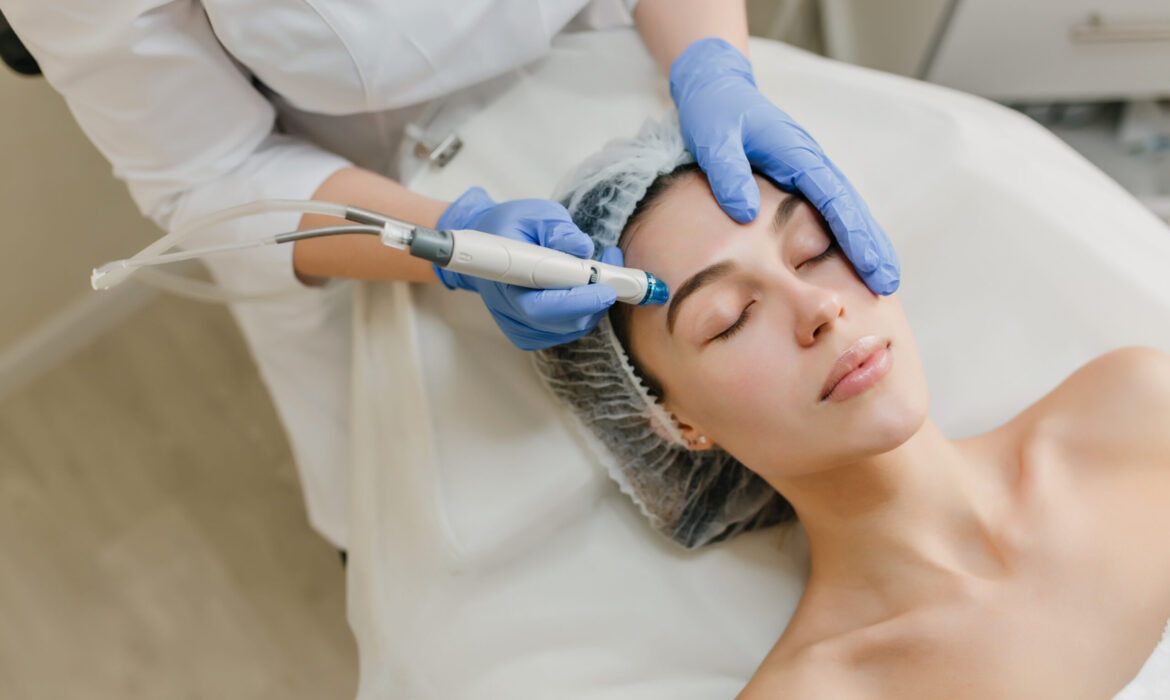
Get the best Hydrafacial in Chennai at Dr. Hanan Dermatology Speciality Clinic. Achieve glowing, hydrated skin with our advanced treatment
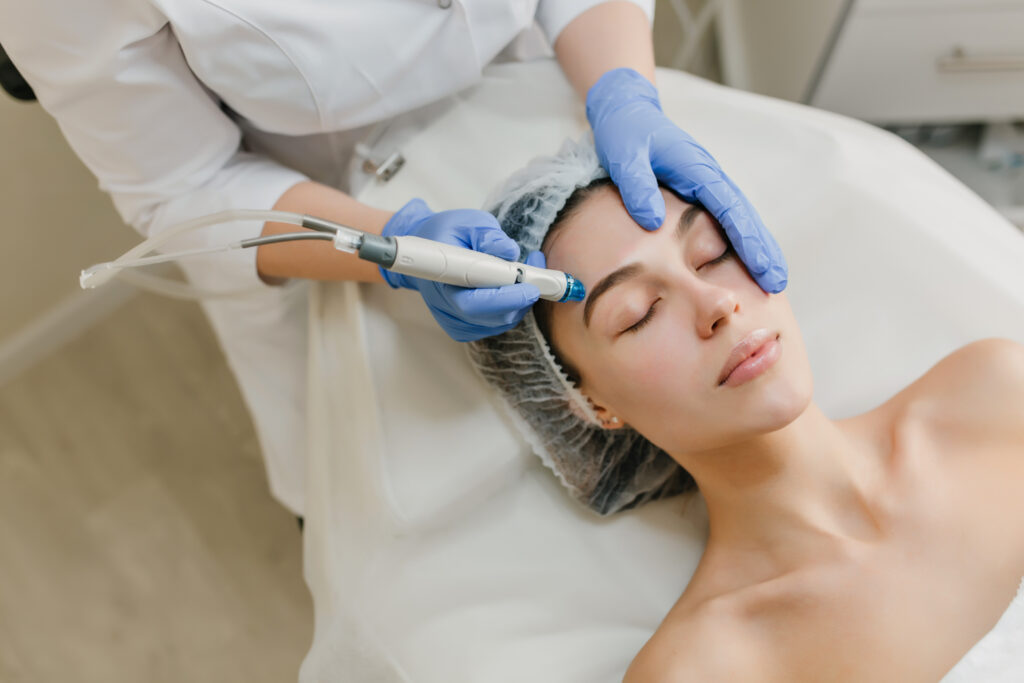
Are you looking for a safe, effective and non-invasive way to achieve glow and young skin? Hydrafacial in Chennai is the perfect solution for all types of skin, which offers deep cleaning, hydration and skin rejuvenation in the same session. This advanced facial treatment is gaining immense popularity for its immediate and long -lasting results.
Hydrafacial is a multi-step facial treatment designed to clean the skin, remove and hydrate the skin using advanced vortex techniques. Unlike traditional facials, which rely on manual extracts, using a special machine to distribute a hydrafacial dirt, oil and dead skin cells to distribute the nutritious serum deeply into the skin.
Chennai’s climate, combined with pollution and daily tension can take a toll on your skin, causing dull, acne, and premature aging.
HydraFacial in Chennai is the go-to solution for:
Deep cleansing – removes excess oil, dirt and impurities, prevents breakouts and clogged pores.
Hydration boost – infuses skin with the required serum that restores moisture and improves texture.
Anti-aging benefits-reduces the damage to fine lines, wrinkles and sun for young glow.
Pore refinement – shrinks enlarged pores and removes skin tone.
Instant glow – provides immediate brightness without downtime.
One of the major benefits of HydraFacial is the ability to deepen the skin by removing impurities and dead skin cells. This step enhances the natural glow of the skin and ensures a smooth texture
Treatment infuses the skin with antioxidants, peptides, and hyaluronic acid, ensuring deep hydration. Well -hydrated skin plumper appears soft and more young.
Hydrafacial help reduce the appearance of fine lines and wrinkles over time, by stimulating collagen production and distributing active anti-aging ingredients.
For people struggling with acne and excessive oil production, HydraFacial effectively cleanses closed pores and reduces breakouts by controlling sebum production.
Uneven skin tones, dark spots and sun damage can be improved with HydraFacial. Treatment gently removes dead skin cells and encourages the renewal of the skin.
HydraFacial is suitable for all skin types, including sensitive skin. Whether you have dry, oily, combination, or acne-prone skin, this treatment can be adapted to address your specific concerns.
A HydraFacial is a quick and painless process that usually takes 30 to 45 minutes. The process includes:
1. Cleansing and exfoliation-Removes dead skin cells and surface-level impurities.
2. Acid Peel – A light glycolic and salicylic acid solution is applied to dissolve the debris and brighten the color.
3. Extraction – Painless suction is used to remove blackheads, whiteheads and congestion.
4. Hydration and serum infusion – The skin is infected with antioxidants, peptides and hyaluronic acid for deep moisturizing effects.
5. Protection – A hydrating serum and SPF are applied to protect the skin.
Unlike traditional facials that include manual extracts and can cause redness or irritation, the HydraFacial uses a vacuum-based suction system that is soft and highly effective. It provides immediate results without any downtime.
For the best results, it is recommended to undergo a HydraFacial once a month. However, depending on your skin type and worries, your dermatologist may suggest a customized treatment plan.
In Dr. Hanan Dermatology Specialty and Trichology Clinic, we offer state-of-the-art HydraFacial in Chennai, which corresponds to your unique skin needs. Our Expert dermatologists use advanced techniques to ensure optimal results with every session.
HydraFacial is a perfect skin rejuvenation treatment for anyone who is looking for glowing, young skin, with no downtime. Whether you have acne, aging signs, or dull skin, HydraFacial in Chennai, Dr. Hanan Dermatology Specialty and Trichology Clinic is your best Choice in Chennai. Contact us today and unveil the best version of your skin!
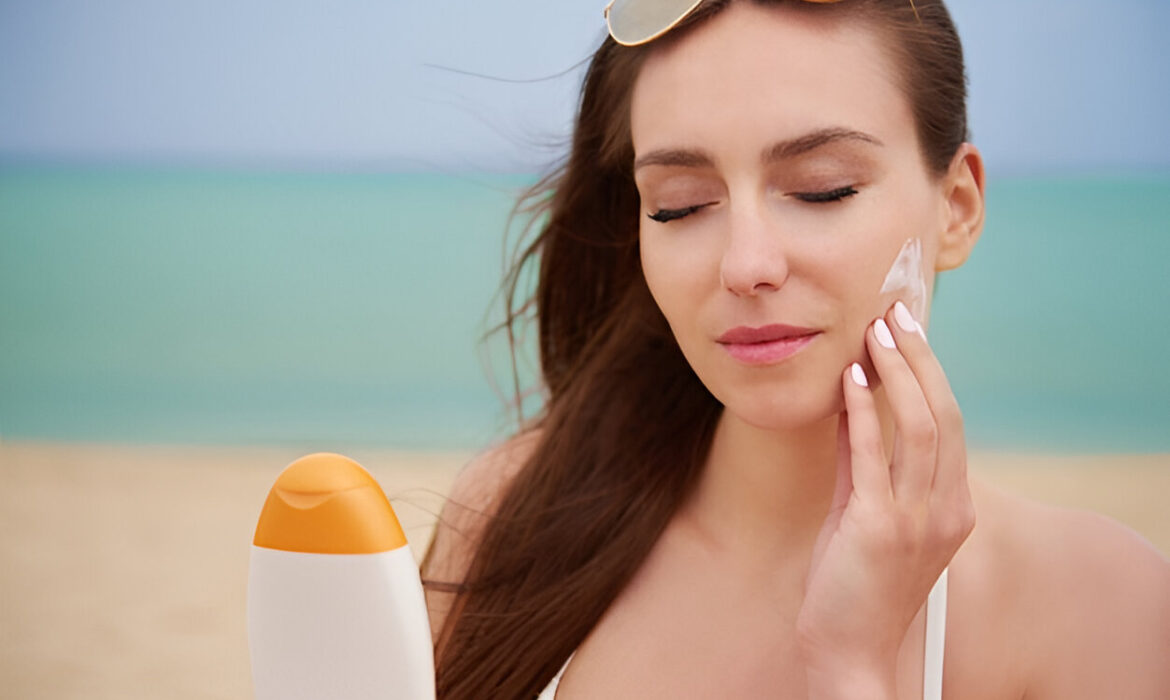
Follow the best summer skin care routine for all skin types to stay glowing, fresh, and protected all season long.
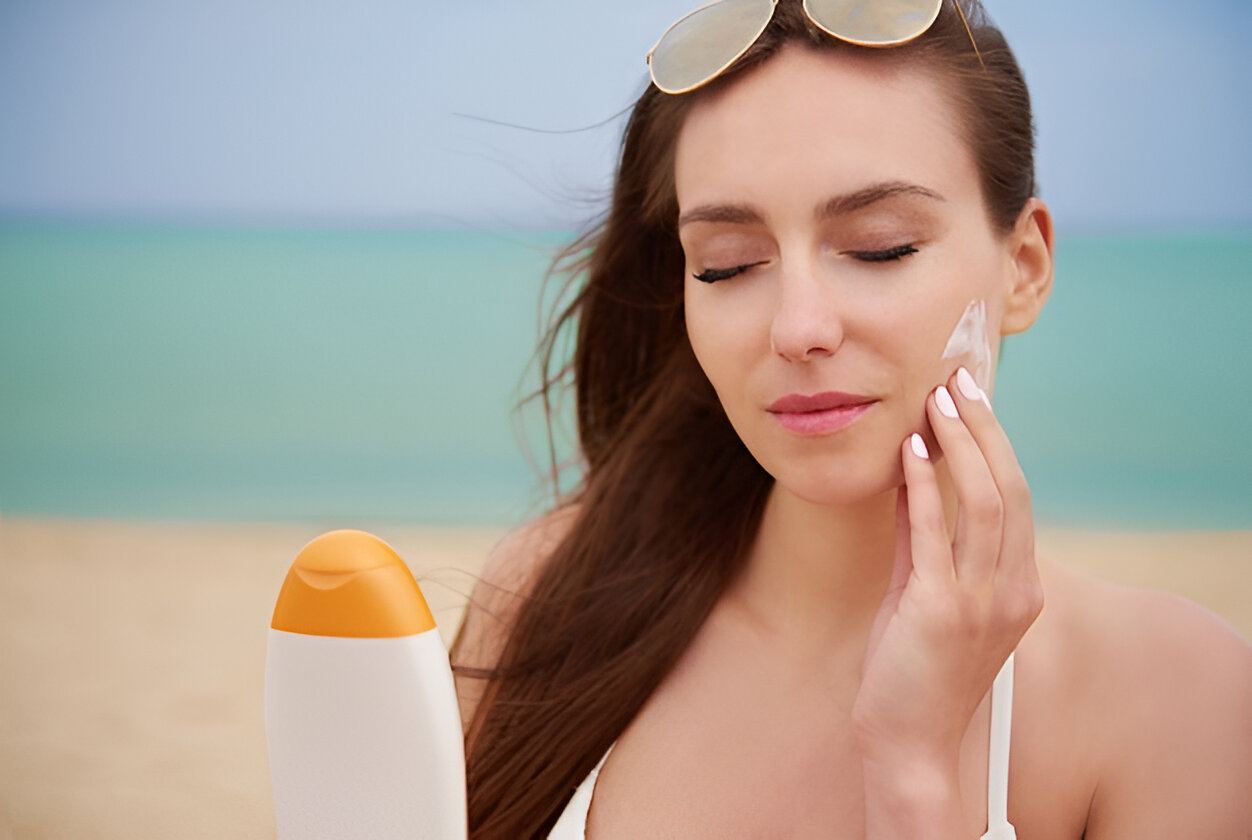
Summer is the season of sunshine, beach trips and vibrant energy – but it can also be harsh on your skin. With an increase in contact with UV rays, heat, sweat and pollution, your skin needs additional attention during these warm months. Whether you have oily, dry, sensitive, or combination skin, a tailored skin care routine for summer can help you maintain a healthy, glowing skin.
In this blog, we break the routine of the right summer skin care routine for all types of skin, packed with dermatologist-approved tips to defeat heat and prevent breakouts, pigmentation and dullness.
The intense heat and humidity in summer can lead to:
1. Excess sebum (oil) production
2. Clogged pores and acne
3. Sunburn and tanning
4. Dehydration and dullness
5. Uneven skin tone and pigmentation
Adopting the right summer skin care routine helps protect your skin barrier, keeps you hydrated, and boosts your natural glow while preventing long-term sun damage.
Oily skin can be greasier in summer, causing frequent breakouts. Here is how to manage it:
1. Use a sulfate-free, oil-control cleanser twice a soft foaming cleanser day.
2. Choose oil free moisturizer-pelted, gel-based moisturizer, Ingredients such as hyaluronic acid and niacinamide.
3. non-comedogenic sunscreen: Use a matte-finish SPF 50 sunscreen to prevent oil build-up and tanning.
4. Blotting papers and clay masks – Use once a week to absorb excess oil and detoxify pores.
Pro Tip: Avoid over-washing your face. It can trigger more oil production!
Dry skin gets dehydrated even faster in summer. Stay supple with this regimen:
1. Cream-Based Cleanser – Avoid foaming cleansers that strip your skin of natural oils.
2. Hydrating Toner – Look for rose water or glycerin-based toners to prep your skin.
3. Deep Moisturizer – Choose moisturizers with ceramides, shea butter, or squalene.
4. SPF with Moisturizing Base – Go for sunscreen that doubles as a moisturizer.
Pro Tip: Use a humidifier at night to keep your skin moist while you sleep.
Sensitive skin requires a gentle, minimalistic approach during summer:
1. Fragrance-Free Cleanser – Use hypoallergenic products that won’t trigger irritation.
2. Aloe Vera Gel or Thermal Water Spray – Instantly soothes inflammation or redness.
3. Minimal Ingredients Moisturizer – Avoid alcohol and synthetic additives.
4. Mineral Sunscreen (Zinc Oxide) – Offers broad-spectrum UV protection without irritation.
Pro Tip: Always do a patch test before trying any new product.
Combination skin can be tricky—oily in the T-zone and dry elsewhere. Here’s how to balance it:
1. Balancing Cleanser – Use a gentle foaming cleanser to target oily areas.
2. Dual Moisturizers – Apply gel-based moisturizers to the T-zone and creamier ones to dry areas.
4. Lightweight Sunscreen – Choose a water-based, non-greasy SPF 30+.
5. Weekly Exfoliation – Use a mild AHA or BHA exfoliant to unclog pores and even out texture.
Pro Tip: Multimasking (using different masks on different areas) works wonders.
1. Drink at least 2.5–3 liters of water daily
2. Eat seasonal fruits like watermelon, berries, and cucumber
3. Avoid heavy makeup—opt for a tinted sunscreen or BB cream
4. Don’t forget your lips and under-eye area—use SPF lip balm and hydrating eye cream
5. Reapply sunscreen every 2–3 hours if you’re outdoors
If you are struggling with acne, sunspot, or pigmentation, do not ignore it. At Dr. Hanan Dermatology Specialty and Trichology Clinic, our experts provide personal summer skin care treatment:
1. Hydrafacials for hydration and deep cleansing
2. Chemical peels to remove tan and dead skin cells
3. Laser treatments for pigmentation and dullness
4. Custom summer skin care plans for all skin types
A proper skin care routine for summer is the best protection of your skin against heat, pollution and sun. By following the above tips based on your skin type and making healthy lifestyle changes, you can keep your skin fresh, bright and problem-free in summer.
For personal advice and advanced treatments. Book a consultation at Dr. Hanan Dermatology Specialty and Trichology Clinic, your reliable destination for all-season skin care.

Dr Hanan Dermatology Speciality clinic a Leading Dermatology, Cosmetology Clinic that provides the Best Affordable Treatment for Skin, Hair & Laser.
Our Contacts
Copyright © 2024 Dr Hanan Dermatology Speciality Clinic is Developed and Maintained by Qualpr | Privacy Policy | Terms and Conditions
Dr Hanan Dermatology Speciality Clinic
Typically replies within minutes
Any questions related to Skin, Hair, and Cosmetic or Looking to book an appointment?
WhatsApp Us
🟢 Online | Privacy policy
WhatsApp us