Learn how to protect hair from sun damage with easy tips, best products, and expert advice for healthy, shiny hair all summer long.


Learn how to use dermaroller for hair growth effectively. Explore types, techniques, benefits, and expert tips for your hair health.
Derma rollers are a popular tool you can use at home as an alternative to microneedling, which is usually done by professionals. It is used on the scalp for hair growth.
Hair loss is a widespread issue, affecting two-thirds of men over the age of 35 years. But it’s not just a male problem—about 40 percent of people with hair loss are women.
While there are many treatments for hair loss, they can be expensive and often require a visit to a specialist. Derma rollers offer an affordable, at-home option that focuses people on the potential benefits of promoting hair growth.
In this blog we will explain how to use a derma roller for your hair. We’ll give you tips, step-by-step instructions, and show you how this works best.
A Derma roller is a handheld device with tiny needles that allows microscopic portions of the skin. These small incisions stimulate the body’s natural healing processes and encourage collagen production, which can help regrow hair when used on the scalp.
According to the FDA, derma rollers are special tools that need to be approved by them. Even though you can buy and use them at home now, it’s safest to use a derma roller with the help of a dermatologist.
Using a derma roller on the scalp can increased blood flow, increase nutrient absorption and stimulate hair growth follicles. Understanding its importance can help those struggling with hair loss or hair loss find potentially effective treatments.
The skin roller works by making small cuts in the skin with its tiny needles. This process, called microneedling, stimulates the body’s natural healing response.
Minor injuries produce collagen and elastin, which are important proteins that help keep skin firm and firm.
Consequently, this method can help reduce the appearance of fine lines, wrinkles, pimples and smooth the appearance of the skin.
1. Micro Needling Derma Rollers: Typically used for sensitive areas and less invasive treatments.
2. Titanium Derma Rollers: Known for their durability and effectiveness in penetrating the skin.
3. Stainless Steel Derma Rollers: Common for their balance between efficacy and cost.

1. 0.2mm: Primarily used for enhancing topical hair product absorption.
2. 0.5mm: Ideal for stimulating hair growth and treating mild hair thinning.
3. 1.0mm: Used for more significant hair restoration efforts and improving scalp texture.
4. 1.5mm: Suitable for severe hair loss and deep scar treatment.
One of the main advantages of using a derma roller is its ability to keep the skin looking smooth and smooth. Regular use of the product aids in collagen production, resulting in an even skin tone. It is beneficial for individuals who deal with uneven skin tone, large pores and fine lines.
A good massage with a fine scrub can reduce fine lines and wrinkles. As skin heals from micro-trauma, it becomes stronger and more resilient. This procedure helps to smooth fine lines and reduce deep wrinkles, helping to give you a youthful appearance.
For those struggling with acne, a skin roller can be a game changer. The microneedling technique encourages skin repair and regeneration, and can help fade scarring and improve overall skin tone. This treatment is especially effective for roll out drying acne scars.
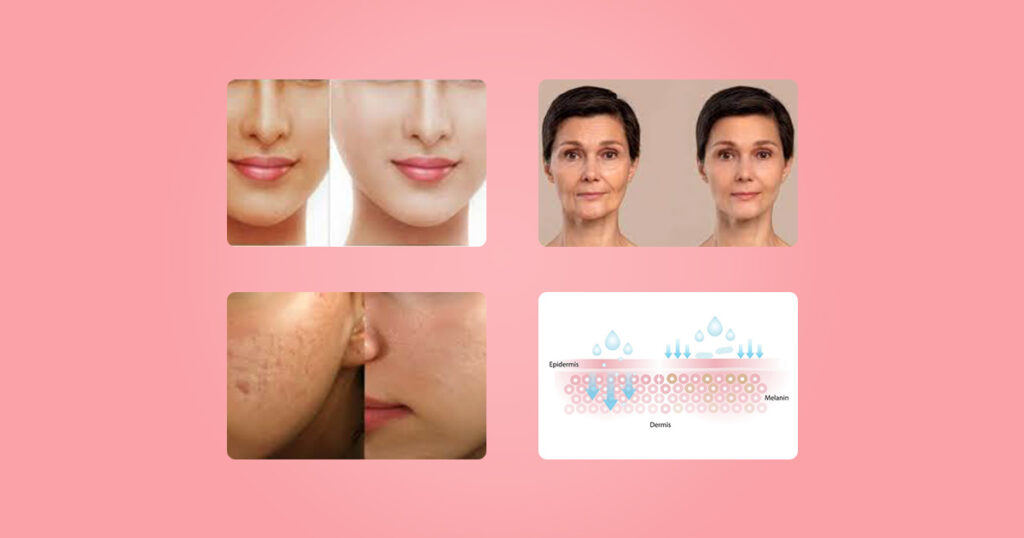
Microneedling creates microchannels in the skin, allowing for better absorption of topically applied skin care products. Applying a serum or cream after using a derma roller can be more effective as these products penetrate deeper into the skin. This increased absorption can increase the benefits of your skin care routine.
Unlike surgery, microneedling with a skin roller is a noninvasive procedure. It can be done at home or professionally, providing a cheaper and less intimidating option for those looking to improve their skin.
While tanning needles are generally safe, there is a risk of skin irritation, especially if the needle is not used properly. Overuse or improper use can cause redness, swelling and sensitivity. It’s important to follow the instructions carefully and avoid rubbing on irritated or broken skin.
If skin is not cleaned properly, it can be a breeding ground for bacteria. This can increase the risk of developing skin infections or aggravate existing skin infections. It is important to clean the machine before and after each use to prevent any potential problems.
Microneedling can cause some discomfort during surgery. Although the sensation is usually tolerable, individuals with sensitive skin can have more trouble. Using anesthesia prior to surgery can help reduce this discomfort.

The effectiveness of a derma roller can vary from person to person. Growth factors such as skin tone, severity of skin issues and regular use can affect the optimal results. Setting realistic expectations and patience are also important, as it may take several iterations to see significant improvement.
Individuals with eczema, psoriasis, active acne or a skin disorder should avoid using skin rollers. The procedure can make these conditions worse or worse. Those with sensitive or problematic skin should consult a dermatologist before microneedling.
Personal Health Conditions: Everyone’s skin and scalp are different, and existing health conditions can affect how well you respond to a derma roller.
Conditions like eczema, psoriasis, or severe acne might be aggravated by using a derma roller. A doctor can provide personalized advice based on your health history.
Correct Usage: Your doctor can recommend the right needle length size and frequency of use for your specific needs. This helps avoid potential side effects and ensures you’re using the derma roller correctly.
Avoiding Risks: Although derma rolling is generally safe, there are risks like infections or increased sensitivity.
Consulting with a healthcare professional helps you understand how to minimize these risks and ensure your skin or scalp is healthy enough for the treatment.
Tailored Aftercare: Proper aftercare is crucial for achieving the best results and avoiding complications. Your doctor can give you tailored advice on how to care for your skin or scalp after using the derma roller.
Overall Treatment Plan: If you’re using a derma roller as part of a broader treatment for hair loss or skin issues,
Our Dr.Hanan dermatology specialist can help integrate it into your overall treatment plan, ensuring it complements other therapies or medications you might be using.Visit Our Dr.Hanan Dermatology Speciality Clinic Located in OMR, Chennai to get the best consultation with our experts.
In summary, derma rollers can help with hair regrowth, but you should use them with caution. Your hair can be improved, but you may experience some short-term side effects such as redness, swelling, or pain.
It is really important to take good care of your hair after using the derma roller to avoid infections and get the best results. It’s important to talk to a healthcare professional before you start, especially if you have any health conditions.
Derma rollers can be a useful part of your hair growth routine, but knowing how to use them properly and what to expect is the key to success.
The frequency of use depends on the needle length. For shorter needles (0.25-0.5mm), you can use the derma roller 2-3 times a week. For longer needles (1.0mm or more), it is recommended to use it once a week or every two weeks to allow the scalp to heal.
The benefits of using a derma roller for hair growth include improved blood circulation to the scalp, enhanced absorption of topical treatments like minoxidil, stimulation of hair follicles, and increased collagen production, which can strengthen the hair.
When using a derma roller on your scalp, ensure that the device is clean and sanitized to avoid infections. Apply gentle pressure to avoid damaging the scalp, and do not use the derma roller on infected, inflamed, or broken skin. Additionally, avoid using it too frequently to prevent excessive irritation.
Are you making these skincare mistakes without knowing? Discover expert fixes from Chennai’s trusted dermatologists at Dr. Hanan Clinic.
Skincare myths abound—and following them can do more harm than good. Even a diligent routine can backfire if you’re unknowingly making mistakes. At Dr. Hanan Dermatology Speciality & Trichology Clinic in Chennai, our dermatologists guide patients through evidence-based skincare practices that promote skin health.
This blog debunks 10 hidden skincare mistakes—helping you protect your skin barrier, prevent pigmentation, and enjoy real glow.
Why it matters: A cleanser that’s too drying strips the natural oil barrier; one that’s too rich can clog pores.
Fix:
Related Link: Learn more about Types of Hair Loss and Their Treatments
Recognizing the early signs of hair thinning is essential for timely treatment.
Yes—most types of hair thinning in teenagers can be reversed if treated early and correctly. The approach may include medical treatment, lifestyle changes, and professional care under a dermatologist.
Symptoms: Patchy hair loss, broken hairs, and thinning. Most common in adolescents and young adults.
Management: Behavioral therapy, psychological support, and dermatological care.
At Dr. Hanan Clinic, we customize hair loss treatment based on the patient’s age, diagnosis, severity, and medical history.
1. Topical Treatments
Mild topical solutions like minoxidil (in low strength) may be used under medical supervision to stimulate hair follicles and improve density.
2. Nutritional Therapy
We prescribe supplements containing biotin, iron, zinc, and amino acids to restore internal imbalances. Diet counseling is often part of the treatment.
3. PRP Therapy for Teens
Platelet-Rich Plasma (PRP) therapy is a safe, non-surgical treatment that uses your own blood’s growth factors to stimulate hair regrowth. It’s becoming a popular option even for young patients with early signs of androgenetic alopecia.
4. Low-Level Laser Therapy (LLLT)
This painless treatment boosts blood circulation in the scalp and revitalizes weak hair follicles.
5. Microneedling
For early-stage thinning, microneedling combined with hair serums can help increase scalp absorption and rejuvenate follicles.
Visit a specialist if:
At Dr. Hanan Dermatology Speciality and Trichology Clinic, our dermatologists use trichoscopy, blood tests, and clinical evaluation to diagnose the exact reason for your hair thinning. This enables us to design a personalized, teen-friendly treatment plan.
Explore Treatments: Hair Regrowth Treatments in Chennai
While hair thinning in teenage years can feel overwhelming, the good news is that it’s usually reversible with timely care. Whether the root cause is stress, poor nutrition, or hormonal changes, you don’t have to face it alone.
Our team at Dr. Hanan Clinic in Chennai has helped hundreds of teens regain confidence and fuller, healthier hair. Early consultation and a customized plan are the keys to long-term hair wellness.
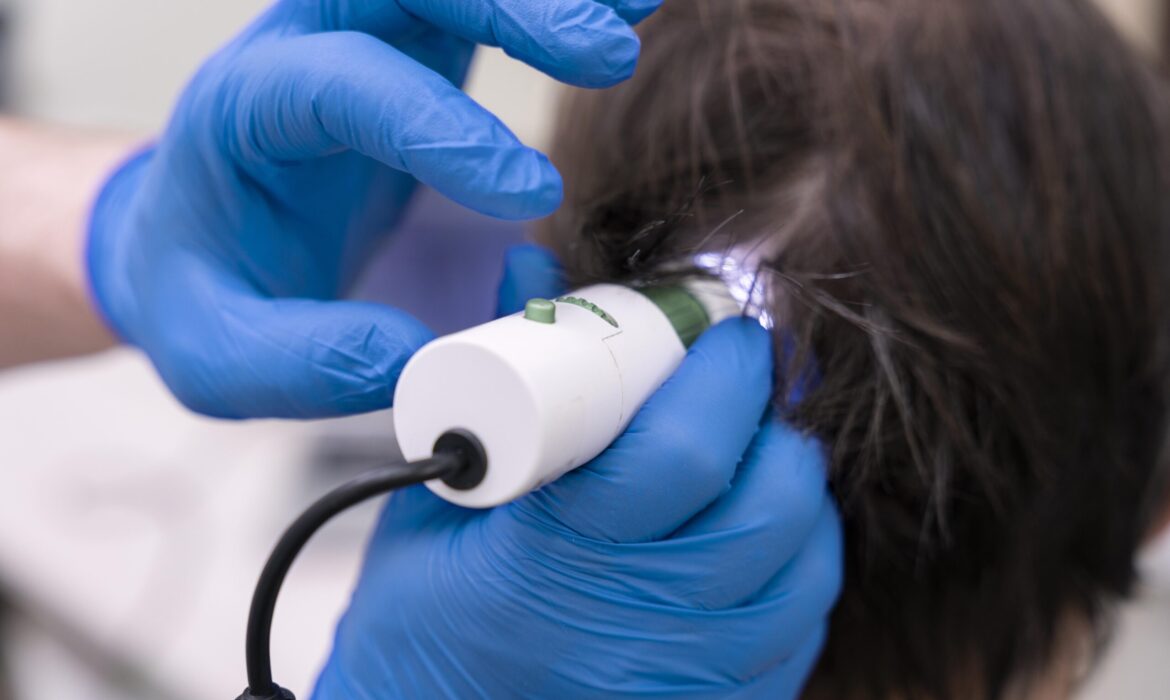
Understand how LED Light Therapy helps boost hair growth by energizing follicles and reducing scalp inflammation
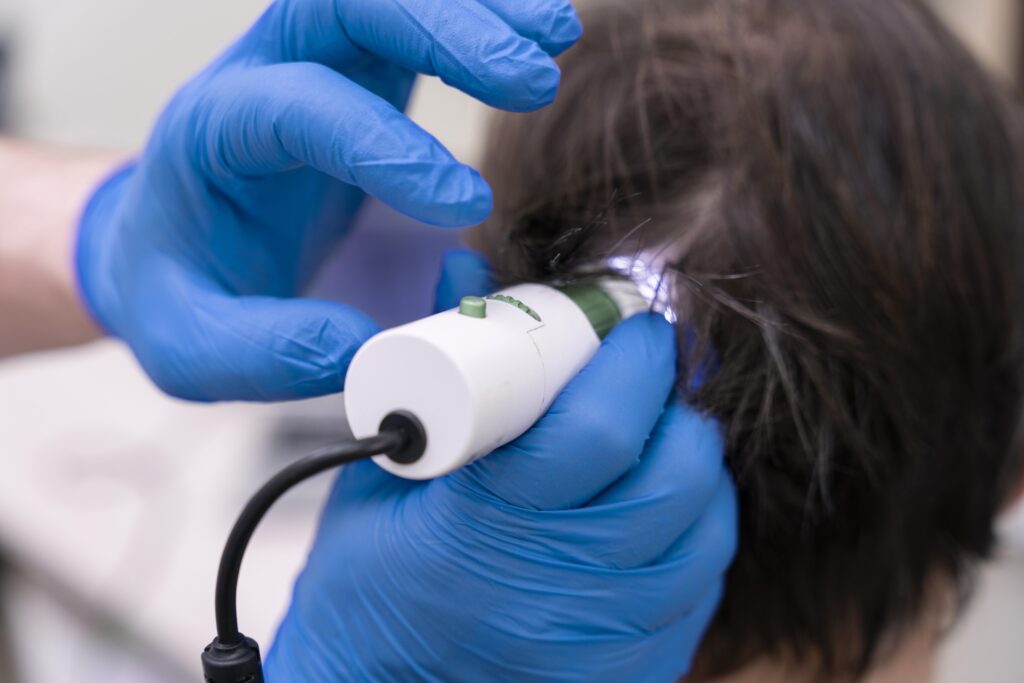
Hair loss is one of the most common concerns for both men and women today. From stress and hormonal imbalances to genetics and poor scalp health, many factors can contribute to thinning hair. While treatments like PRP therapy and hair transplantation are well-known, there’s another innovative, non-invasive solution that’s gaining popularity — LED Light Therapy.
LED Light Therapy (also called Low-Level Laser Therapy or LLLT) uses specific wavelengths of light — particularly red and near-infrared light — to stimulate hair follicles and promote hair growth.
Unlike surgical procedures, LED therapy is completely non-invasive, painless, and has no downtime. It works at a cellular level, improving blood circulation in the scalp and enhancing the activity of hair follicle cells.
The light energy penetrates the scalp tissue and stimulates mitochondria (the cell’s powerhouse), improving energy production and nutrient absorption. This helps weakened hair follicles become active again, resulting in stronger, thicker hair strands.
LED therapy works through a process called photobiomodulation — where light energy interacts with the scalp’s cells to trigger biological reactions. Here’s what happens:
LED Light Therapy offers numerous benefits for those dealing with early or moderate hair loss:
LED Light Therapy is ideal for:
The procedure is simple, relaxing, and takes only 20–30 minutes per session:
Yes ✅
Multiple studies published in peer-reviewed dermatology journals have shown that Low-Level Laser Therapy (LLLT) effectively promotes hair growth by stimulating cellular energy and increasing blood flow.
Dermatologists worldwide recommend it as part of a comprehensive hair restoration plan, especially when combined with treatments like PRP, microneedling, or minoxidil therapy.
At Dr. Hanan Dermatology Speciality and Trichology Clinic, we combine science, experience, and technology to deliver real results.
We’re known as one of the best hair transplant clinics in Chennai, and our LED Light Therapy is a key part of our non-surgical treatment success.
So, does LED Light Therapy really work for hair growth?
Yes — when performed under dermatologist supervision using medical-grade devices, it’s a scientifically backed, effective, and safe treatment for stimulating natural hair regrowth.
At Dr. Hanan Clinic, we help you reclaim your confidence with advanced technologies like LED Light Therapy, PRP, and Hair Transplantation, all tailored to your needs.
Get glowing skin with dermatologist-approved celebrities skin care routine and treatments at Dr. Hanan Clinic, Chennai.
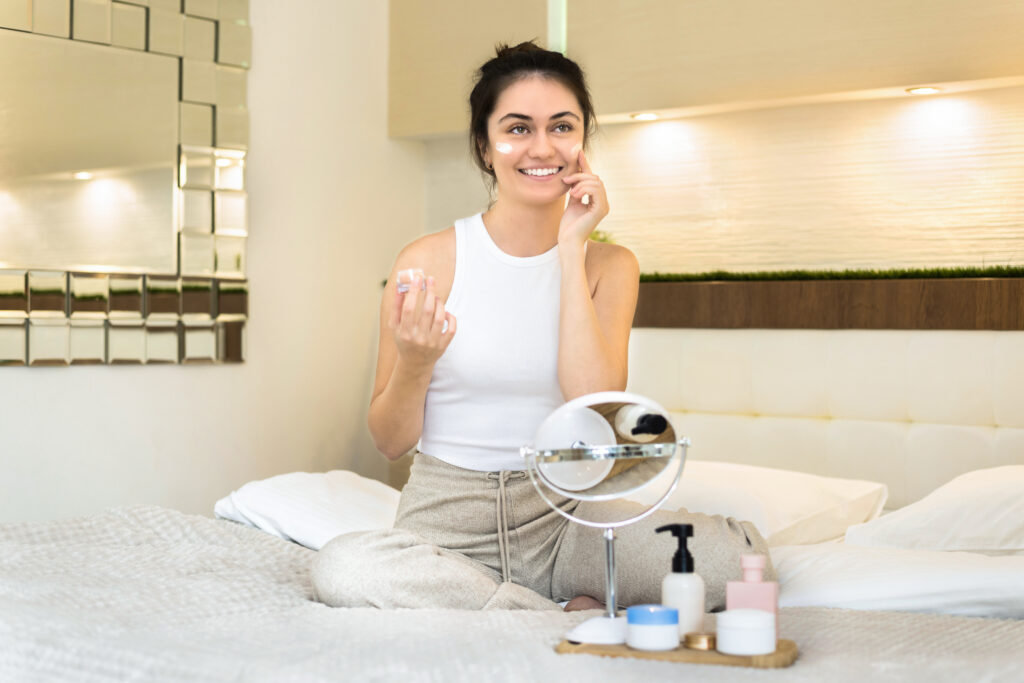
When we look at celebrities walking the red carpet or posting makeup-free selfies, one thing is common—their skin looks flawless, radiant, and youthful. Many people wonder if it’s only genetics or expensive products that give them that glow. The truth? A celebrities skin care routine is usually a combination of dermatologist-approved habits, professional treatments, and consistency.
At Dr. Hanan Dermatology Speciality and Trichology Clinic, Chennai, we see many patients asking for “celebrity-like glowing skin.” The good news is that with the right skincare practices and medical treatments, you too can achieve healthy, radiant skin without following unrealistic fads.
Contrary to popular belief, most celebrities don’t rely solely on luxury creams. Instead, they:
Celebrities’ skin looks perfect because they treat skin as an investment—not just an afterthought.
Here’s what most dermatologist-approved celebrity routines look like:
Cleansing is the foundation of every skincare routine. Celebrities use gentle, sulfate-free cleansers that remove dirt, oil, and makeup without stripping natural oils. For those in Chennai’s humid climate, gel-based cleansers are ideal.
Tip from dermatologists: Choose a cleanser based on your skin type—oily, dry, or sensitive. Read more about choosing products in our blog on How to Choose the Right Shampoo for Your Hair Type.
Glowing skin is well-hydrated skin. Most celebrity skincare routines include hyaluronic acid serums and lightweight moisturizers that lock in moisture without clogging pores.
At Dr. Hanan Clinic, we often recommend medical facials like Hydrafacial for patients seeking instant hydration and brightness.
Ask any celebrity dermatologist, and they’ll confirm: sunscreen is non-negotiable. Whether it’s filming under bright lights or walking outdoors, celebrities always protect their skin from harmful UV rays.
For Chennai’s weather, we suggest gel-based or matte sunscreens with SPF 50+. Skipping sunscreen is a red flag habit we warn against in our blog on Dermatologist-Approved Haircare Habits.
To maintain smooth texture and even tone, celebrities opt for:
Celebrities swear by nighttime skincare. They use retinol, peptides, or nourishing creams to repair the skin barrier overnight. Retinol in particular is widely praised for its anti-aging benefits, but it should always be used under dermatologist guidance.
We offer customized anti-aging treatments in Chennai for patients who want to fight wrinkles and maintain youthful skin like celebrities.
Beyond home care, celebrities invest in dermatology treatments to maintain skin health. Some of the most popular include:
These treatments are safe, evidence-based, and dermatologist-supervised, unlike the DIY facials or viral skincare hacks you see online.
At Dr. Hanan Dermatology Speciality and Trichology Clinic, Chennai, we specialize in:
Whether you want a glow-up before your wedding or a long-term anti-aging plan, we provide the same dermatologist-level care that celebrities rely on.
The truth is, celebrities skin care routine is not a mystery. With dermatologist guidance, consistency, and the right treatments, anyone can achieve radiant, healthy skin. At Dr. Hanan Clinic, we bring celebrity-level skin expertise to Chennai—making flawless skin more accessible than ever.
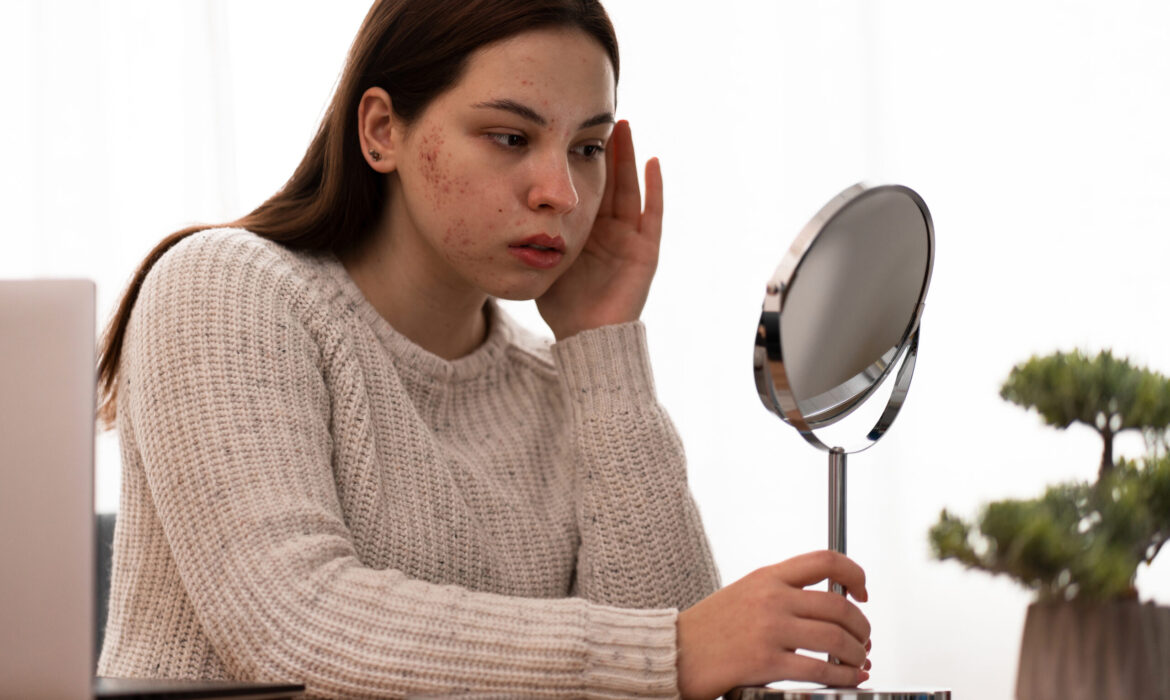
Learn how stress affects your skin, causing acne, dullness, and aging. Get dermatologist-approved solutions
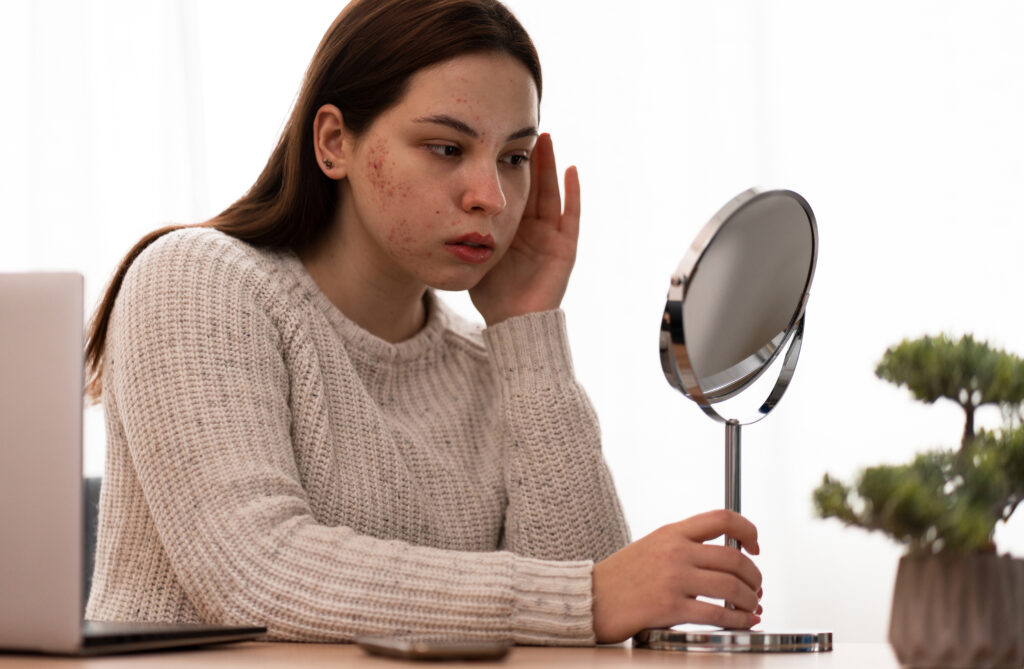
Have you ever noticed that your skin breaks out or looks dull right when life feels most chaotic? You’re not imagining it. Stress doesn’t just live in your mind — it shows up on your skin too.
At Dr. Hanan Dermatology Speciality and Trichology Clinic in Chennai, our dermatologists often meet patients who are worried about acne, hair fall, or dull skin — and when we dig deeper, stress is usually part of the story. Understanding how stress affects your skin is the first step toward healing it from the inside out.
When you feel stressed, your body releases a hormone called cortisol — often called the “stress hormone.” Cortisol helps you deal with short-term pressure, but when it stays high for too long, it affects your skin’s natural balance.
Here’s what happens:
“Many people assume their skin suddenly changed, but it’s actually their stress levels disrupting the normal rhythm of their skin,” says Dr. Hanan, leading dermatologist at Dr. Hanan Clinic.
Cortisol fuels oil production, which clogs pores and causes inflammation — a perfect recipe for acne. Stress acne usually appears around the forehead, jawline, and cheeks.
💡 Expert tip: Use gentle cleansers with salicylic acid and non-comedogenic moisturizers. Avoid over-washing — it worsens oil imbalance.
When stressed, blood flow shifts away from the skin to vital organs. Your skin ends up looking pale, dry, or lifeless.
💡 Dermatologist tip: Add Hydrafacial or Medi-Fusion Glow Therapy to your routine. They boost hydration and instantly revive tired skin.
👉 Learn more about Hydrafacial Treatment in Chennai.
Chronic stress accelerates collagen breakdown, leading to wrinkles, sagging, and fine lines earlier than expected.
💡 Treatment option: Rejuvenation therapies like Laser Skin Resurfacing and Chemical Peels at our clinic help renew and tighten skin for a youthful glow.
Stress can trigger or worsen conditions such as:
💡 Dr. Hanan’s advice: “Managing stress is just as important as treating the skin itself. We often combine medical treatment with relaxation practices for lasting relief.”
Stress can also affect your scalp health, leading to hair thinning, excessive shedding, or slow growth.
Our clinic offers proven treatments such as:
These therapies restore scalp circulation and stimulate natural hair growth.
Stick to simple, dermatologist-approved skincare: a gentle cleanser, a hydrating serum, and sunscreen. Avoid experimenting with too many new products during stressful times.
When you don’t get enough rest, your skin doesn’t have time to repair. Aim for 7–8 hours of sleep to allow your skin to rejuvenate overnight.
Stress eating often leads to inflammation. Choose foods rich in omega-3s, antioxidants, and vitamin C — these protect your skin barrier and reduce breakouts.
Exercise and yoga release endorphins that lower cortisol and improve blood flow to your skin. Even 20 minutes a day can make a visible difference.
If stress is causing persistent skin or scalp problems, it’s time to consult a dermatologist. At Dr. Hanan Clinic, we treat the root cause — not just the surface symptoms.
Our team combines dermatology expertise with the latest technology to repair stress-damaged skin and hair:
Each treatment plan is personalized after a detailed skin and scalp analysis.
You should consult a skin specialist if you experience:
Our dermatologists at Dr. Hanan Dermatology Speciality and Trichology Clinic, Chennai use diagnostic tools like dermoscopy and trichoscopy to identify early signs of stress-related damage and recommend the most effective treatments.
Stress is an invisible enemy for your skin. It silently weakens your barrier, slows cell renewal, and triggers breakouts. But the good news? With the right care and expert guidance, your skin can bounce back stronger than ever.
At Dr. Hanan Clinic, Chennai, our approach combines science, technology, and care — helping your skin heal both inside and out. Whether you’re dealing with acne, pigmentation, or dullness, we’ll create a plan tailored to your needs.
Learn dermatologist-approved benefits of Vitamin C for glowing, even-toned skin. Discover how to use it safely, when to apply, and what to avoid.
Vitamin C is one of the most talked-about skincare ingredients — and for good reason. From brightening dull skin to fading pigmentation, the benefits of Vitamin C extend far beyond basic skincare. Dermatologists at Dr. Hanan Clinic, Chennai often recommend Vitamin C as a daily essential for those seeking radiant, youthful skin.
In this guide, you’ll learn how Vitamin C works, how to use it safely, and when it’s most effective — along with its pros and cons from a dermatologist’s perspective.
Vitamin C (ascorbic acid) is a powerful antioxidant that helps protect the skin from free radicals caused by sun exposure, pollution, and stress. It supports collagen production, reduces pigmentation, and helps your skin maintain a healthy glow.
At Dr. Hanan Dermatology Speciality Clinic, we emphasize that using Vitamin C topically provides faster and more targeted results than oral supplements for most skin concerns.
Semantic Keywords: Vitamin C serum for skin, antioxidant skincare, collagen-boosting vitamin, dermatologists in Chennai, best Vitamin C treatments
Vitamin C inhibits melanin production, reducing dark spots and evening out skin tone. Regular use gives the skin a visible radiance within weeks.
Collagen keeps your skin firm and youthful. Vitamin C helps stimulate collagen synthesis, reducing fine lines and sagging.
For patients struggling with melasma or post-inflammatory pigmentation, Vitamin C is a dermatologist-approved brightening ingredient.
Learn more about pigmentation management in our blog Top Skin Brightening Treatments in Chennai.
Vitamin C neutralizes free radicals generated by UV rays and pollution, preventing premature aging and oxidative stress.
It assists in repairing damaged skin and reducing redness or irritation after dermatological procedures such as chemical peels or laser therapy.
Start with a gentle cleanser suitable for your skin type to remove oil, makeup, and impurities.
If you have oily or acne-prone skin, check our guide on Oily Skincare in Chennai.
Nighttime is the ideal period for Vitamin C application because your skin naturally repairs and regenerates while you sleep. Applying Vitamin C before bed enhances collagen production and brightens dull skin overnight. Use 2–3 drops on clean, dry skin before moisturizer.
Follow with a hydrating, non-comedogenic moisturizer to seal in the serum and prevent transepidermal water loss during the night.
The next morning, always apply sunscreen (SPF 30 or higher) to protect your skin from UV rays and maintain the brightening benefits achieved overnight.
Using Vitamin C at night reduces oxidation from sunlight and pollution, giving more consistent results for dullness, pigmentation, and fine lines.
Remember: Over-layering Vitamin C with acids or retinol can cause irritation. Space them out between morning and night routines.
Pros | Cons |
Brightens skin tone and fades pigmentation | Can irritate sensitive skin if overused |
Boosts collagen production | Oxidizes quickly if exposed to air or light |
Reduces sun and pollution damage | May cause stinging when combined with exfoliants |
Enhances sun protection when used with SPF | Requires consistent use for visible results |
At Dr. Hanan Clinic, our dermatologists balance Vitamin C usage with your specific skin type — ensuring the benefits outweigh any potential side effects.
Our dermatologists combine Vitamin C-based skincare with in-clinic treatments like:
Each plan is customized after a detailed skin analysis to ensure visible, lasting results.
Visit Dr. Hanan Dermatology Speciality and Trichology Clinic in Padur, OMR, Chennai for personalized Vitamin C treatments and dermatologist-guided skincare plans.
The benefits of Vitamin C go far beyond glow — it’s one of the few clinically proven ingredients that fights aging, pigmentation, and dullness simultaneously. However, knowing how and when to use it is key.
Find the best face wash for glowing skin based on your type. Chennai dermatologists at Dr. Hanan Clinic share expert tips and ingredients for radiant, healthy skin.
Finding the best face wash for glowing skin isn’t just about picking the most popular product on the shelf. With so many cleansers – foaming, gel, cream, and exfoliating – it’s easy to get lost in the marketing. But your skin’s glow depends not on trends, but on science and skin type.
At Dr. Hanan Dermatology Speciality and Trichology Clinic, Chennai, our dermatologists guide patients daily on how to build an effective cleansing routine for radiant, healthy skin. Whether you have oily, dry, or sensitive skin, using the right dermatologist-recommended face wash can make a remarkable difference.
A face wash is more than a cleansing step — it’s the foundation of your glowing skin routine. Using the wrong type can strip your skin of its natural oils, trigger breakouts, or dull your complexion.
Your skin’s pH balance, hydration, and barrier integrity all depend on how you cleanse it. That’s why dermatologists at Dr. Hanan Clinic Chennai recommend using cleansers with gentle surfactants, hydrating ingredients, and antioxidants suited for your skin type.
A dermatologist-recommended face wash doesn’t just remove dirt and makeup — it supports your skin’s microbiome, regulates oil, and prepares your skin to absorb nutrients from serums and moisturizers.
The first step in finding the best face wash for glowing skin is identifying your skin type. Here’s what dermatologists recommend:
If you have oily skin, your face tends to feel greasy and shiny within hours of cleansing. The key is to balance oil production without over-drying. Choose a gel-based face wash for oily skin with:
These cleansers are lightweight, refreshing, and keep your pores clear in Chennai’s humid weather.
For dry, flaky skin, avoid harsh foaming cleansers. Instead, go for cream-based or hydrating face washes enriched with:
A gentle cleanser ensures your skin feels supple and smooth instead of tight after washing.
If your T-zone is oily and cheeks are dry, you have combination skin. The best option is a pH-balanced, non-stripping face wash with mild surfactants and hydrating ingredients.
Choose a fragrance-free, sulfate-free cleanser with ingredients like Centella Asiatica or Panthenol. Avoid scrubbing or exfoliating cleansers that can irritate your skin barrier.
Dermatologist Tip: Avoid using bar soaps or alcohol-based cleansers — they can disrupt your skin’s microbiome and lead to dryness or breakouts.
To achieve luminous, healthy skin, focus on face washes that brighten and hydrate, rather than those that promise “instant glow” with harsh chemicals.
Here are dermatologist-approved ingredients that actually work:
Pro Tip from Dr. Hanan Clinic: Avoid alcohol, parabens, and artificial fragrances that can cause irritation – especially in Chennai’s hot and humid weather.
A proper cleansing routine plays a vital role in achieving glowing skin.
Start your day with a mild brightening cleanser to remove overnight oil and prepare your skin for sunscreen and makeup. If your skin is oily, use a gel-based cleanser with niacinamide or tea tree extract.
Cleansing at night is non-negotiable — it removes dirt, oil, sweat, and pollutants accumulated throughout the day. Dermatologists recommend double cleansing:
Even the best cleanser can fail if used incorrectly. Here are red flags our dermatologists often see:
Green Flag: Use lukewarm water and follow every cleanse with a hydrating serum or moisturizer to lock in moisture.
Read our full post on 10 Skincare Mistakes You Don’t Know You’re Making.
At Dr. Hanan Clinic, we often combine at-home skincare with advanced Hydrafacial or Medi-Fusion Glow Therapy treatments for long-lasting glow and hydration.
Skin Type | Recommended Type | Key Ingredients |
Oily / Acne-Prone | Gel-based foaming cleanser | Salicylic acid, tea tree, niacinamide |
Dry | Cream-based or hydrating | Hyaluronic acid, ceramides, aloe vera |
Combination | Gentle pH-balanced | Green tea, Vitamin E |
Sensitive | Fragrance-free & mild | Centella Asiatica, panthenol |
Dermatologist Note: At Dr. Hanan Dermatology Clinic, we perform a detailed skin analysis before suggesting any cleanser — because what works for one person may not work for another.
At Dr. Hanan Dermatology Speciality and Trichology Clinic, we go beyond over-the-counter recommendations. Our dermatologists customize skincare plans for:
We offer medical-grade facial cleansers and in-clinic skin rejuvenation therapies like:
Each plan is designed based on your skin condition, weather, and daily exposure in Chennai.
The best face wash for glowing skin isn’t about expensive products — it’s about balance, consistency, and professional advice. A dermatologist-approved face wash gently removes impurities while maintaining hydration and radiance.
If you’re unsure which cleanser suits your skin, consult our dermatologists at Dr. Hanan Clinic Chennai for a personalized skincare plan that ensures your glow is here to stay.
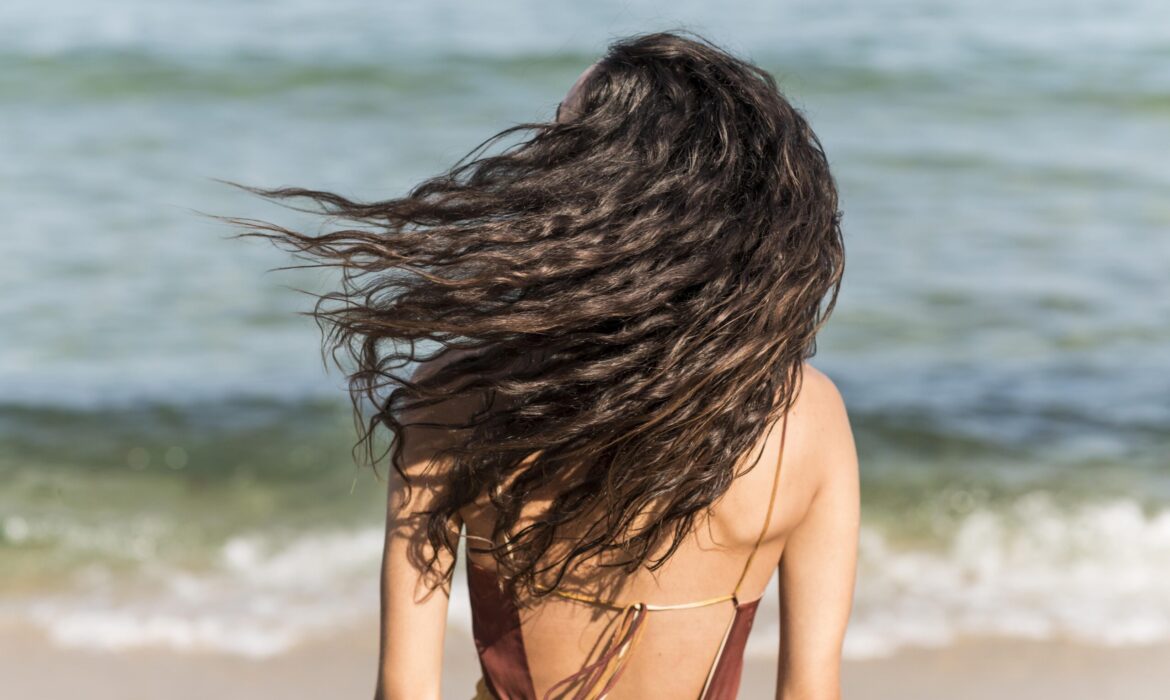
Learn how to protect hair from sun damage with easy tips, best products, and expert advice for healthy, shiny hair all summer long.

Your hair requires the protection of the sun like your skin. Prolonged contact for harmful UV rays may disappear in dryness, rupture and even hair color. In this blog, we will guide you through practical, dermatologist-discomfort tips on how to protect hair from sun damage, while also maintain a healthy, shiny mane all summer long
Like your skin, your hair and scalp are unsafe for the hard effects of the sun. There can be many types of hair issues in prolonged contact for UV radiation, especially during the summer months.
The sun’s UV rays degrade the keratin, makes the structural protein in the hair, weakened, brittle, and more prone to rupture.
Excessive sun exposure strips natural oils with its scalp and hair, causing dry, frizzy and unmanageable hair. This effect become worst when combined with humidity and saltwater or chlorinated pool.
Both natural and colorful hair can fade or replace the tone under the sun. UV rays oxidizes the hair pigment, leaving it dull and discolored especially in dyed or obtained hair.
Due to sun damage, the outer cutting layer weakens and lifts, resulting in rough texture, touch and divided ends.
If your hair is thin or participate in areas, your scalp is directly exposed to UV rays. It can cause redness, irritation, flaking, or even painful sunburn.3
A wide brimd hat or scarf serves as a physical barrier against UV rays. For the best results, choose tightly woven fabrics or UV-protection material.
Like sunscreen for your skin, certain leave-in conditioners and hair sprays provide UV protection for hair. Look for labels mentioning UV filters or SPF.
Hydration is important to fight the sun damage. Use a deep conditioning treatment or hair mask once a week to recover lost moisture and restore hair health.
Sun exposure plus heat styling tools can severely dry your hair. Reduce the use of blow dryers, curling iron and straighteners during the summer months.
Chlorine from the pool and salt water from the sea can increase the sun damage. Rinse your hair with clean water immediately after swimming to prevent buildup.
Drink lots of water and eat biotin, omega -3 fatty acids and antioxidants. It supports the growth of healthy hair and reduces damage from within.
1. Coconut Oil: creates a protective barrier and adds moisture. Apply a small amount before stepping into the sun.
2. Aloe Vera Gel:Soothes the scalp and repairs UV-induced dryness.
3. Green Tea Spray: Acts as a natural antioxidant-rich mist to protect your strands.
1. People with color-treated or chemically processed hair
2. Those with thin or fine hair
3. Anyone spending extended time outdoors (beachgoers, athletes, travelers)
4. Individuals with Scalp sensitivity or previous sunburn
1. Schedule regular trims to remove damaged loops
2. Option for loose hairstyles to prevent scalp exposure
3. Use satin or silk hair accessories to reduce friction and breakage
Sun exposure can seriously damage your hair, leading to dryness, breakage, and color fading. Simple steps like using UV-protectant products, wearing hats, and maintaining a healthy hair care routine can go a long way in keeping your hair strong and vibrant.
If you’re experiencing sun damage or want personalized hair care advice, visit Dr. Hanan Dermatology Speciality Clinic.
Our experts are here to help you restore and protect your hair with customized treatments. Book your appointment today!
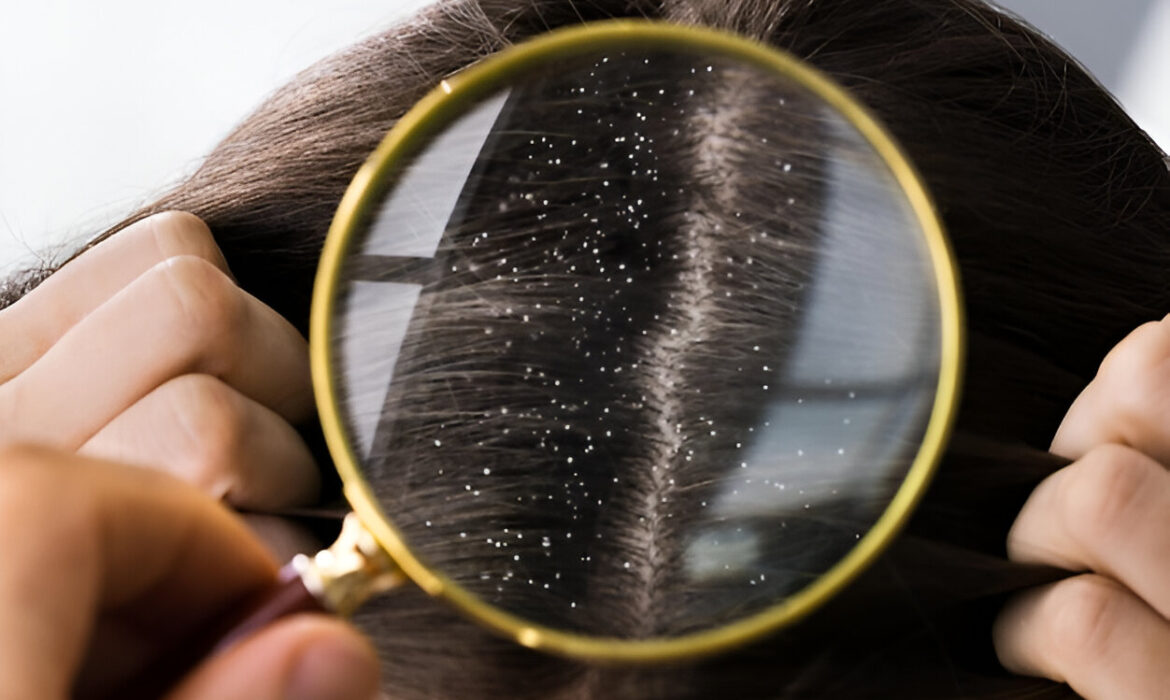
Find the best treatments for dandruff and itchy scalp from Chennai’s expert dermatologists at Dr. Hanan Clinic.
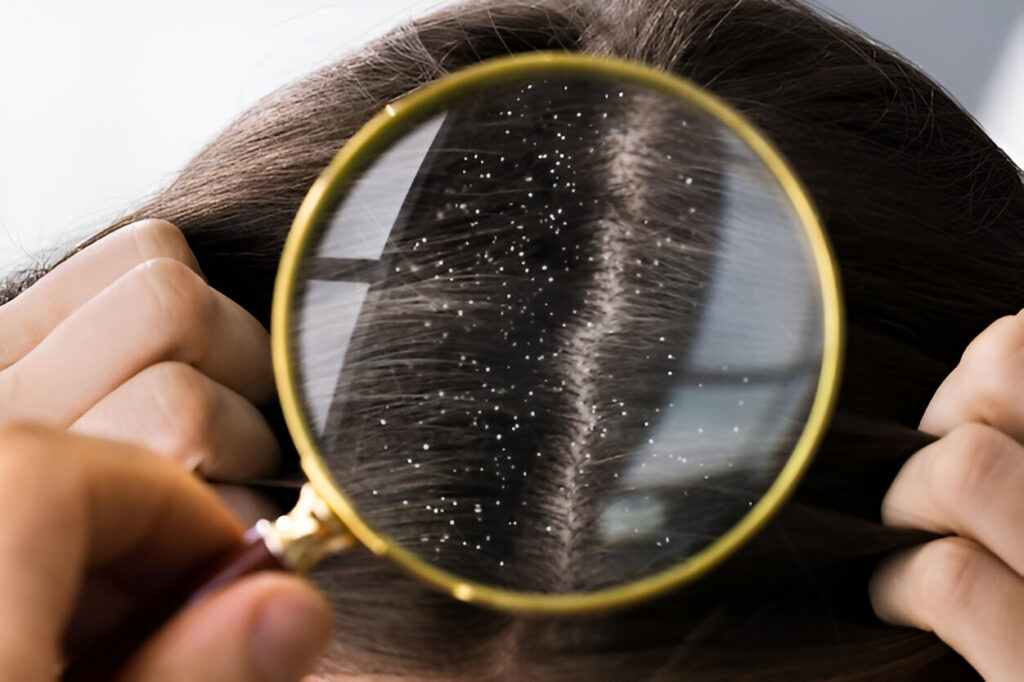
Dandruff and itchy scalp are two of the most common hair and scalp issues, affecting millions of people across all age groups. While they might seem like minor inconveniences, these conditions can lead to embarrassment, discomfort, and even hair loss if left untreated. At Dr. Hanan Dermatology Speciality and Trichology Clinic in Chennai, our dermatologists provide medically approved solutions that address the root cause of scalp problems—not just the symptoms.
This blog explains the best treatments for dandruff and itchy scalp, using a clinical, EEAT-backed approach to ensure you receive trustworthy, expert-backed advice for your hair and scalp health.
Dandruff is typically caused by one or a combination of the following:
At Dr. Hanan Clinic, we believe in customized, evidence-based treatment plans. Depending on your scalp type, the severity of your dandruff, and any underlying skin condition, our dermatologists may recommend:
Prescribed shampoos that contain:
These are often used 2–3 times a week, followed by a mild, hydrating conditioner.
In cases of moderate to severe seborrheic dermatitis or psoriasis, dermatologists may prescribe:
These help reduce inflammation and yeast overgrowth on the scalp.
Professional scalp exfoliation at our clinic can help remove:
This prepares the scalp to absorb treatment products more effectively and restores scalp balance.
For chronic inflammation or itchiness, LLLT can help by:
This is often used alongside medicated shampoos for long-term results.
We use digital trichoscopy to:
There is no “permanent” cure for dandruff, but it can be effectively managed with the right combination of:
Dandruff often recurs when treatment is stopped prematurely or when lifestyle factors are ignored.
Yes, indirectly. Severe dandruff and constant scratching may lead to:
While dandruff doesn’t cause baldness, chronic scalp inflammation can contribute to diffuse hair shedding or thinning, especially in individuals already prone to hair fall.
Some natural remedies offer mild relief, such as:
However, these are best used as supportive care and should not replace dermatologist-prescribed treatments for persistent cases.
Routine scalp checkups at our clinic can help monitor your progress and avoid recurrence.
If you’re struggling with persistent dandruff or scalp irritation, don’t rely on over-the-counter fixes. Consult with our dermatology team at Dr. Hanan Dermatology Speciality and Trichology Clinic for safe and lasting relief.
Healthy scalp. Healthier hair. It starts with expert care.
Struggling with hair thinning in teenage years? Get expert tips and treatments from Chennai’s trusted dermatologists at Dr. Hanan Clinic.
Hair thinning in teenage years is becoming increasingly common, especially due to modern lifestyle habits, nutritional gaps, stress, and hormonal changes. While it’s natural to lose a few strands daily, excessive hair fall or visible thinning at a young age can be distressing. At Dr. Hanan Dermatology Speciality and Trichology Clinic, Chennai, we see many teens facing this issue and provide tailored treatment plans based on in-depth diagnosis.
In this blog, we’ll explore the causes of teenage hair thinning, how to spot early signs, effective treatments, and expert tips to regain hair health safely.
In this blog, we’ll explore the causes of teenage hair thinning
Hair thinning during adolescence can be due to several reasons—some reversible, some needing long-term management. The key is early diagnosis.
Related Link: Learn more about Types of Hair Loss and Their Treatments
Recognizing the early signs of hair thinning is essential for timely treatment.
Yes—most types of hair thinning in teenagers can be reversed if treated early and correctly. The approach may include medical treatment, lifestyle changes, and professional care under a dermatologist.
Symptoms: Patchy hair loss, broken hairs, and thinning. Most common in adolescents and young adults.
Management: Behavioral therapy, psychological support, and dermatological care.
At Dr. Hanan Clinic, we customize hair loss treatment based on the patient’s age, diagnosis, severity, and medical history.
1. Topical Treatments
Mild topical solutions like minoxidil (in low strength) may be used under medical supervision to stimulate hair follicles and improve density.
2. Nutritional Therapy
We prescribe supplements containing biotin, iron, zinc, and amino acids to restore internal imbalances. Diet counseling is often part of the treatment.
3. PRP Therapy for Teens
Platelet-Rich Plasma (PRP) therapy is a safe, non-surgical treatment that uses your own blood’s growth factors to stimulate hair regrowth. It’s becoming a popular option even for young patients with early signs of androgenetic alopecia.
4. Low-Level Laser Therapy (LLLT)
This painless treatment boosts blood circulation in the scalp and revitalizes weak hair follicles.
5. Microneedling
For early-stage thinning, microneedling combined with hair serums can help increase scalp absorption and rejuvenate follicles.
Visit a specialist if:
At Dr. Hanan Dermatology Speciality and Trichology Clinic, our dermatologists use trichoscopy, blood tests, and clinical evaluation to diagnose the exact reason for your hair thinning. This enables us to design a personalized, teen-friendly treatment plan.
Explore Treatments: Hair Regrowth Treatments in Chennai
While hair thinning in teenage years can feel overwhelming, the good news is that it’s usually reversible with timely care. Whether the root cause is stress, poor nutrition, or hormonal changes, you don’t have to face it alone.
Our team at Dr. Hanan Clinic in Chennai has helped hundreds of teens regain confidence and fuller, healthier hair. Early consultation and a customized plan are the keys to long-term hair wellness.

Dr Hanan Dermatology Speciality clinic a Leading Dermatology, Cosmetology Clinic that provides the Best Affordable Treatment for Skin, Hair & Laser.
Our Contacts
Copyright © 2024 Dr Hanan Dermatology Speciality Clinic is Developed and Maintained by Qualpr | Privacy Policy | Terms and Conditions
Dr Hanan Dermatology Speciality Clinic
Typically replies within minutes
Any questions related to Skin, Hair, and Cosmetic or Looking to book an appointment?
WhatsApp Us
🟢 Online | Privacy policy
WhatsApp us