Looking for the best hair fall treatment for women? Discover expert solutions, causes, and remedies from Dr. Hanan Dermatology Clinic.

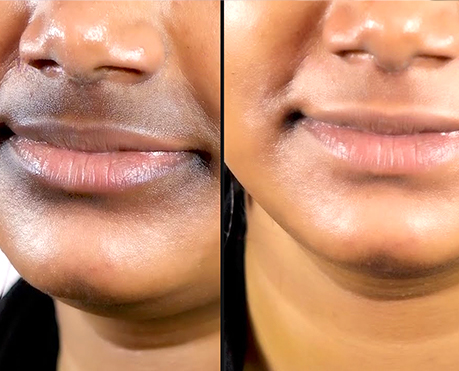
Discover simple and effective ways to reduce pigmentation around the mouth using brightening ingredients and professional treatments.
Dark skin around the face is a common skin problem that can affect people of all skin types and tones. May appear as dark marks. Uneven skin tone or changed skin color This often leads to a lack of confidence. Reducing pigmentation in this area requires skin care.
lifestyle changes and a greater understanding of the underlying causes. In this comprehensive guide We’ll explore ways to reduce pigmentation across the face and restore skin for a more even, glowing appearance.
Dark skin occurs when too much melanin is produced. which is a natural pigment responsible for skin color When there is excess melanin production in certain areas of the skin. will cause black marks which cause dark spots or blemishes. The condition can be more pronounced in sensitive areas such as the face. Because the skin is thinner and more exposed to external factors.
There are many causes of dark skin on the face. And understanding these causes is essential for effective treatment. Some common causes include:
Sun exposure: Ultraviolet (UV) rays from the sun can stimulate melanin production as a protective mechanism. cause dark spots Especially in areas exposed to sunlight.
Hormonal changes: Fluctuations in hormone levels. Especially during pregnancy or birth control. It can lead to a condition called melasma. Which causes dark skin all over the face.
Inflammation: Post-inflammatory hyperpigmentation (PIH) can occur after acne, cuts, or other skin injuries. Resulting in dark spots all over the face.
Lifestyle factors: Smoking, poor diet And dehydration can result in uneven skin tone and skin problems. Allergic reactions: Some skin care products or cosmetics can cause irritation and discoloration of the face if they are not suitable for your skin type.
One of the most effective ways to prevent and reduce pigmentation around the mouth is to protect your skin from the sun. Exposure to UV rays stimulates melanin production, which worsens pigmentation. To minimize sun damage:
a. Use a broad-spectrum sunscreen with at least SPF 30 daily, even on cloudy days. Look for sunscreens that protect against both UVA and UVB rays.
b. Reapply sunscreen every 2 hours when spending time outdoors.
c. Wear a wide-brimmed hat or use an umbrella to reduce direct sun exposure on your face.
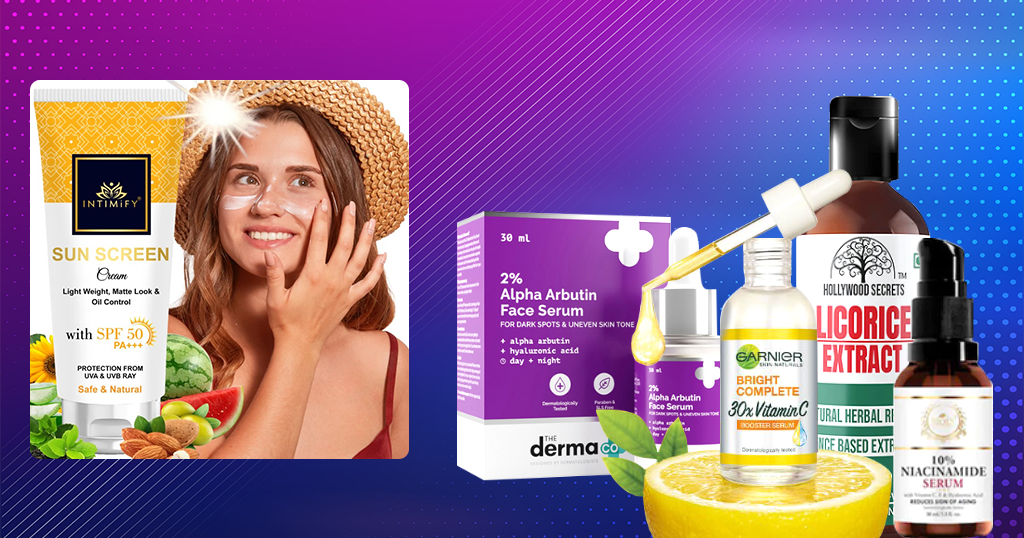
There are several effective skincare ingredients that help fade pigmentation and brighten the skin around the mouth. Some of the most effective ingredients include:
a. Vitamin C: A potent antioxidant, vitamin C can inhibit melanin production, brighten dark spots, and promote collagen production.
b. Niacinamide: This form of vitamin B3 helps to reduce pigmentation by slowing down melanin transfer to the skin’s surface.
c. Alpha Arbutin: A natural extract derived from bearberry plants, alpha arbutin is known for its ability to lighten hyperpigmentation and even out skin tone.
d. Licorice Extract: Contains a compound called glabridin, which inhibits melanin production and helps reduce pigmentation.
e. Retinoids: These vitamin A derivatives increase cell turnover, helping to fade dark spots over time and prevent further pigmentation.
f. Kojic Acid: Derived from fungi, kojic acid reduces pigmentation by inhibiting tyrosinase, an enzyme involved in melanin production. It is effective at brightening dark spots and evening skin tone.
g. Tranexamic Acid: Initially used for treating blood clots, tranexamic acid is now popular in skincare for reducing melanin production. It effectively treats melasma and post-inflammatory hyperpigmentation, making it ideal for addressing pigmentation around the mouth.
Regular exfoliation helps to remove dead skin cells and allows for better absorption of brightening products. Exfoliating also accelerates skin cell turnover, helping to fade pigmentation. Opt for gentle exfoliation methods to avoid irritation:
a. Chemical exfoliants like AHAs (alpha-hydroxy acids) and BHAs (beta-hydroxy acids) are ideal for brightening and improving skin texture without being too abrasive.
b. Physical exfoliants like scrubs should be used with caution to avoid damaging the delicate skin around the mouth.
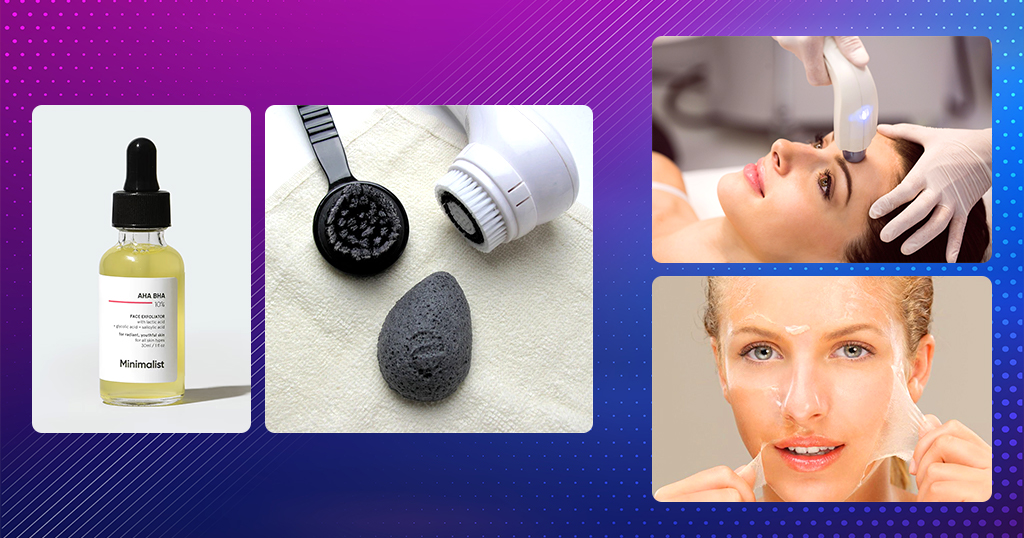
For more stubborn pigmentation, professional treatments like laser therapy and chemical peels can deliver faster, more noticeable results.
a. Laser Therapy: Lasers target and break down melanin in the skin. Treatments like Q-switched lasers or fractional lasers are particularly effective for treating pigmentation around the mouth.
b. Chemical Peels: A professional-grade chemical peel using acids like glycolic acid or salicylic acid can remove the top layer of skin, revealing fresher, more even-toned skin beneath.
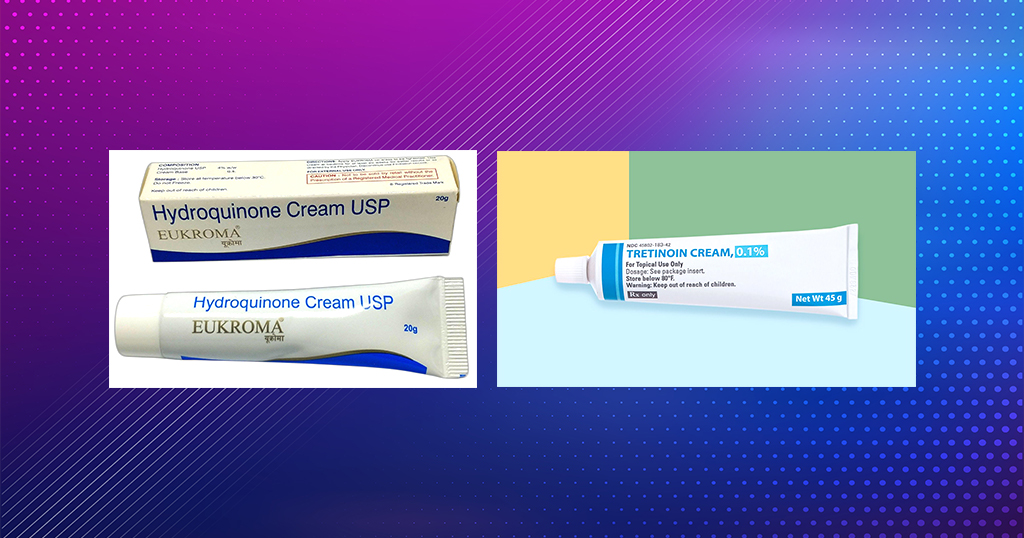
In some cases, your dermatologist may prescribe topical treatments to help reduce pigmentation. These medications often contain stronger concentrations of active ingredients:
a. Hydroquinone: One of the most effective skin-lightening agents, hydroquinone inhibits melanin production and is available in prescription-strength formulas.
b. Tretinoin: A form of retinoid, tretinoin accelerates cell turnover and helps fade hyperpigmentation more quickly.
While professional treatments are often the most effective, certain home remedies can help lighten mild pigmentation around the mouth. Some popular remedies include:
a. Lemon Juice: Rich in vitamin C, lemon juice can help brighten the skin and reduce dark spots. Apply diluted lemon juice to the affected area, leave it on for 10 minutes, and rinse off.
b. Aloe Vera Gel: Aloe vera contains compounds like aloesin, which may inhibit melanin production and lighten pigmentation.
c. Turmeric: Turmeric has anti-inflammatory and skin-brightening properties. Mix turmeric with milk or yogurt to create a paste, apply it to the pigmentation, and rinse off after 15 minutes.

A well-rounded lifestyle supports overall skin health, reducing the likelihood of pigmentation:
a. Stay Hydrated: Drinking plenty of water keeps your skin hydrated and promotes a healthy, even complexion.
b. Eat a Balanced Diet: Include foods rich in antioxidants, like fruits and vegetables, which help fight free radicals and prevent skin damage.
c. Avoid Smoking: Smoking depletes oxygen and nutrients from your skin, leading to premature aging and uneven skin tone.

If over-the-counter products and home remedies do not produce the desired results It’s time to consult a dermatologist. They may recommend treatments such as chemical peels.
laser treatment or prescription-strength creams to effectively reduce melanin production, in addition, if dark skin is accompanied by other symptoms such as inflammation or itching. It is necessary to get expert advice to rule out hidden conditions.
1. Special expertise and specialized treatment
Dr. Hanan specializes in skin pigmentation. It provides tailored treatments such as topical medications (Alpha Arbutin, kojic acid and tranexamic acid), laser therapy. and peeling the skin with chemicals To effectively deal with the problem of dark skin on the face.
2. Holistic and patient-centered approach
Focused on immediate results and long-term skin health, Dr. Hanan offers comprehensive skin care advice and preventative measures. This ensures a personalized experience that prioritizes your specific needs.
3. Proven results in a safe environment
Our clinic has a history of satisfied patients. Thankfully, safe and effective treatments are performed in a clean and comfortable atmosphere by the doctors. Because of Hanan’s determination Feel a noticeable improvement in your skin tone and regain your confidence!
For expert treatment of mouth pigmentation, choose Dr. Hanan for her specialized skills and patient-focused care. Schedule your consultation today!
A regular skin care routine to reduce pigmentation all over the face. Sun protection And professional treatment for severe cases may require brightening ingredients.
Exfoliating the skin regularly and considering laser or chemical treatments to make the skin tone more even. Always remember to protect your skin from UV damage. and maintain a healthy lifestyle to support long-term results.
Pigmentation can result from sun exposure, hormonal changes, post-inflammatory hyperpigmentation, and certain medical conditions.
Effective treatments include topical creams with hydroquinone, kojic acid, or tranexamic acid, as well as chemical peels and laser therapy.
Prevent further pigmentation by using a broad-spectrum sunscreen, maintaining a gentle skincare routine, and consulting a dermatologist for personalized advice.
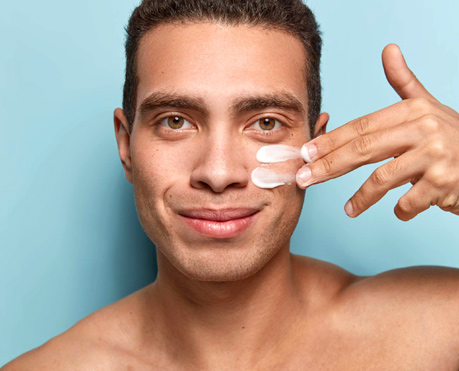
Discover an easy-to-follow skincare routine for men that ensures clear, healthy skin. Get tips for cleansing, moisturizing, and more.
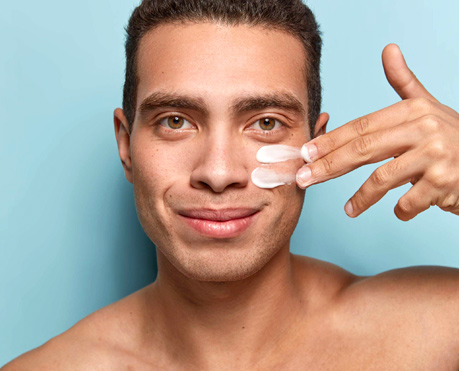
When it comes to maintaining a fresh and youthful appearance, skincare should be a priority for everyone, regardless of gender. However, men’s skincare often takes a backseat, leading to premature aging, dryness, and other skin concerns.
Men’s skin, due to its unique characteristics—thicker texture, larger pores, and increased oil production—requires a customized routine that addresses specific issues.
In this article, we’ll break down the essential steps in a skincare routine tailored specifically for men, ensuring that your skin looks its best.
Men’s skin is biologically different from women’s and requires special care. This is due to higher testosterone levels, Men tend to produce more oil and have thicker skin and more clogged pores.
So, a proper skincare routine not only prevents breakouts and irritation. But it also helps fight signs of aging. Including wrinkles and fine lines. Investing time in skin care will lead to radiant skin, smoother, and increased confidence.
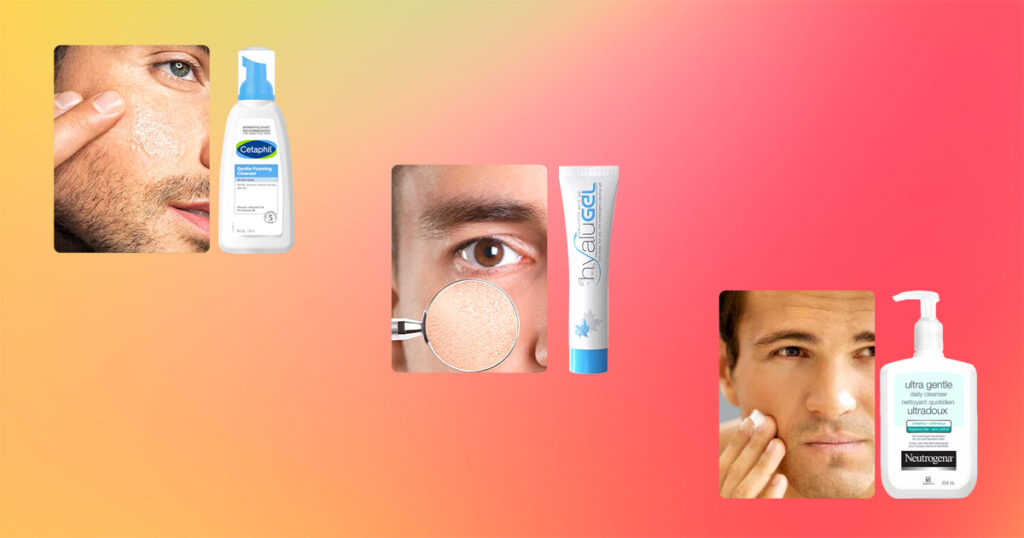
Cleansing is the cornerstone of any good skin care plan. Men have larger pores. This allows more dirt and oil to accumulate.
It’s important to use a gentle facial cleanser to remove impurities without stripping essential oils from the skin. Choose the right cleanser for your skin type:
a. Oily skin: Choose a foam or gel cleanser that controls excess oil.
b. Dry skin: Moisturizing cleansers with ingredients like hyaluronic acid or glycerin are best.
c. Sensitive Skin: Use a gentle, fragrance-free formula that won’t irritate.
Cleaning twice a day Morning and before bed is the key to removing dirt, sweat, and sebum that accumulates throughout the day.
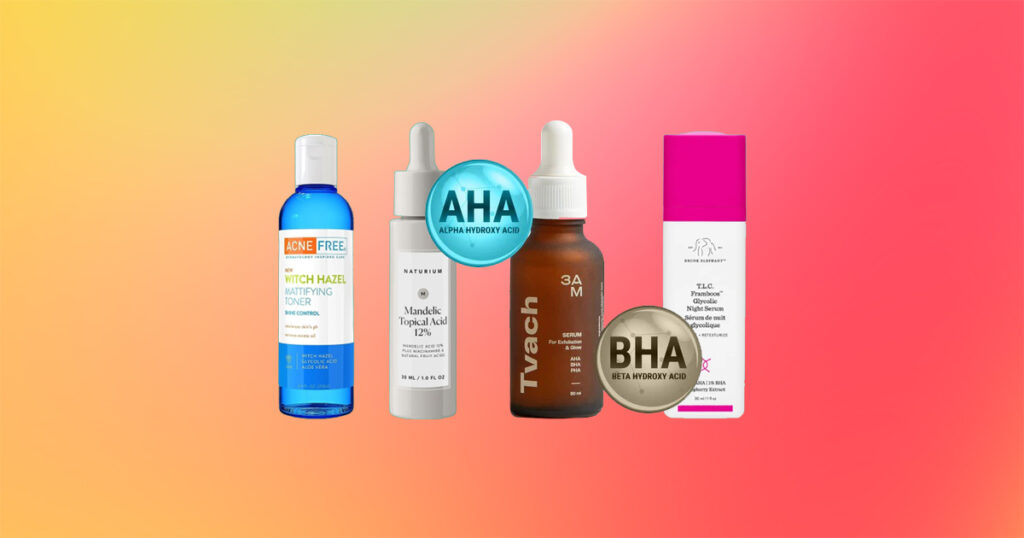
Exfoliating helps remove dead skin cells. Helps new skin reveal the skin. Makes your skin smooth and radiant. Men will benefit from regular shaving as it prevents ingrown hairs and keeps hair follicles from falling out. However, over-shaving can cause irritation. Therefore, water should be exfoliated 2-3 times a week.
Use a gentle scrub or chemical exfoliator that contains ingredients like salicylic acid or alpha hydroxy acids (AHA). These ingredients penetrate deep into the skin to unclog pores. Shrink pores, prevent acne and remove dead cells. Focus on your T-zone, which tends to have the highest oil production.
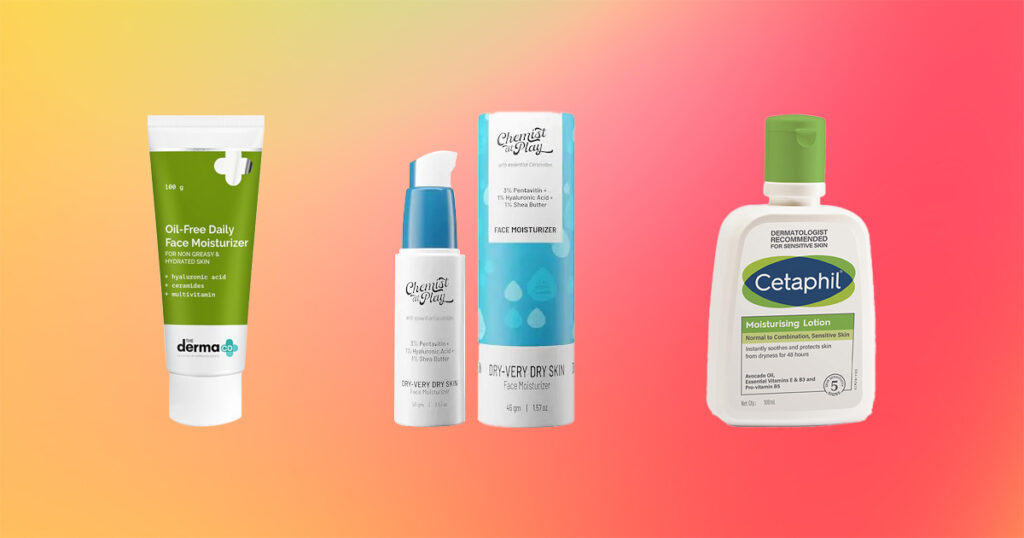
After cleaning the skin It is important to exfoliate and rehydrate the skin. Moisturizers will disturb the skin. Retain moisture and make your skin smooth and healthy. Choosing the right moisturizer for men depends on their skin type:
a. Oily skin: Choose a non-oil or gel moisturizer that hydrates without adding shine.
b. Dry Skin: Enriched with ingredients like ceramides and shea butter. The creamy formula nourishes and repairs dry and flaky skin.
c. Normal/combination skin: A light lotion or cream will balance this without being too greasy.
Use moisturizer twice a day to maintain skin elasticity and reduce the appearance of wrinkles.
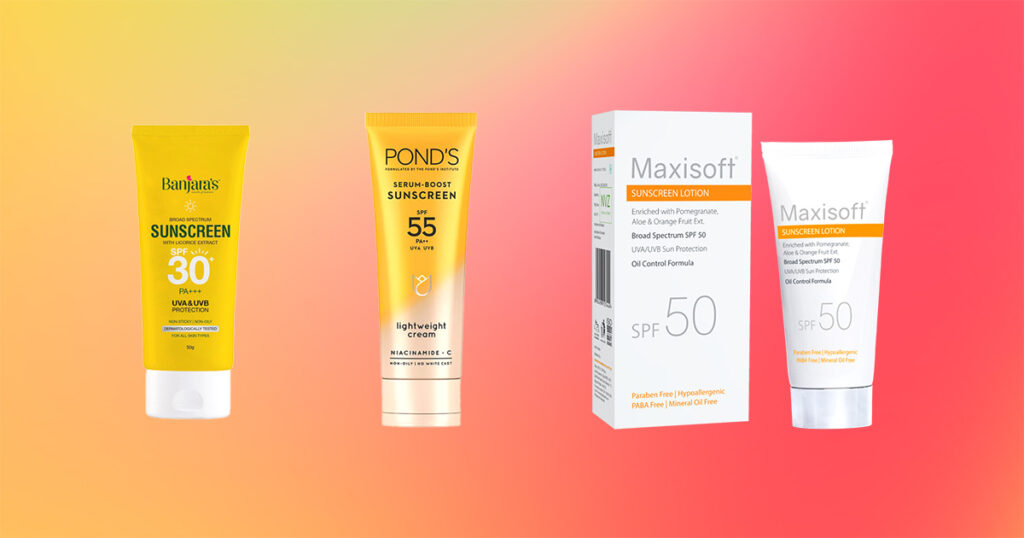
One of the most important, yet often neglected, steps in any skincare routine is sun protection. UV rays are a leading cause of premature aging, dark spots, and even skin cancer. Applying a broad-spectrum sunscreen with an SPF of at least 30 should be a non-negotiable step in your morning routine. Even on cloudy days or during winter, UV rays can penetrate the skin, leading to long-term damage.
Choose a lightweight sunscreen that won’t clog your pores or leave a greasy residue. For those with oily or acne-prone skin, opt for an oil-free formula. Many moisturizers come with built-in SPF, making it easy to incorporate into your routine.
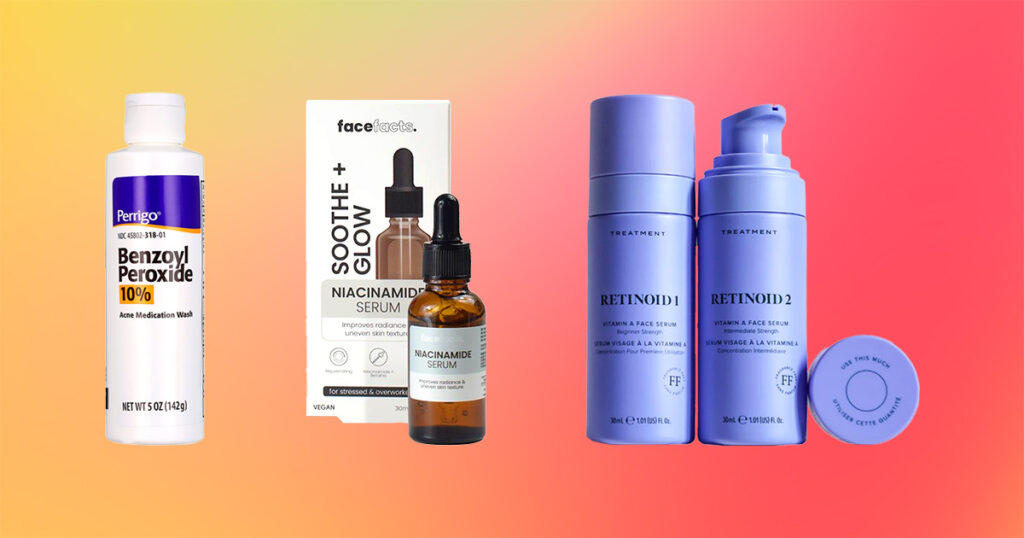
Everyone’s skin is unique. And sometimes your skin needs extra care. Whether you’re battling acne, hyperpigmentation, or wrinkles, integrating targeted treatments into your daily routine can dramatically improve your skin’s health.
a. For acne: Products containing benzoyl peroxide or salicylic acid help clear scars and prevent future breakouts.
b. For hyperpigmentation: Look for treatments that contain vitamin C, niacinamide, or retinol to reduce dark spots and even out skin tone.
c. For anti-aging: Products containing retinoids, peptides, or collagen can be used to reduce the appearance of fine lines and wrinkles, making the skin look younger.
Use these treatments after cleansing and before moisturizing. so that the active ingredients can be fully absorbed into your skin
The skin around the eyes is delicate and often shows signs of aging, such as dark circles, puffiness, and wrinkles. A good eye cream targets these concerns. Providing hydrating and firming benefits, ingredients such as caffeine, hyaluronic acid, and peptides are especially effective at brightening the under-eye area and reducing puffiness.
Use your ring finger to apply a small amount of eye cream, patting gently around the bone to avoid pulling on the delicate skin.

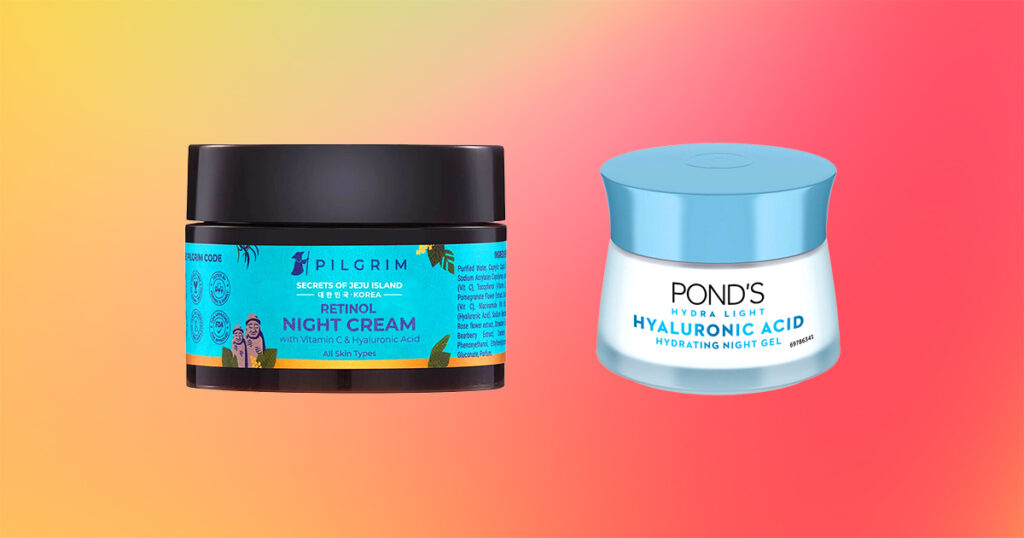
At night, your skin goes into repair mode, making it the perfect time to apply more potent treatments. After cleansing and moisturizing, consider incorporating a night cream or overnight mask that’s richer and more nourishing than your daytime products.
Products containing retinol or hyaluronic acid can help repair damaged skin and boost collagen production, leaving you with smoother, firmer skin by morning.
When it comes to developing an effective skincare routine for men, Dr. Hanan stands out as a trusted expert. Here’s why you should choose Dr. Hanan for your skincare needs:
1. Specialized Expertise
Dr. Hanan understands that men’s skin has unique characteristics, such as increased oiliness and thicker texture. With extensive experience in male skincare, Dr. Hanan tailors treatments to address issues like acne, oil control, and aging.
2. Customized Solutions
Recognizing that every man’s skin is different, Dr. Hanan offers personalized skincare regimens tailored to your specific skin type and concerns, ensuring effective results.
3. Advanced Technology
Utilizing the latest skincare technology and medical-grade products, Dr. Hanan incorporates innovative solutions, including chemical peels and laser therapies, for optimal skin health.
4. Comprehensive Care
From managing acne to reducing hyperpigmentation, Dr. Hanan provides a wide range of treatments, ensuring every aspect of your skincare routine is covered.
5. Holistic Approach
Dr. Hanan promotes a holistic approach to skincare, offering advice on lifestyle habits, diet, and sun protection to enhance your skin’s health.
6. Trusted by Male Clients
With a solid reputation and numerous satisfied clients, Dr. Hanan is recognized for delivering exceptional, tailored care for men’s skincare needs.
For men seeking effective skincare, Dr. Hanan offers expert guidance and personalized treatments to help you achieve your best skin.
1. Shaving with Care: Use a sharp razor and shaving cream to avoid irritation and ingrown hairs. Always follow up with a soothing aftershave or balm to calm the skin.
2. Hydration: Drinking plenty of water helps keep your skin hydrated from the inside out.
3. Diet: A diet rich in antioxidants, vitamins, and healthy fats can improve skin quality. Foods like leafy greens, nuts, and fatty fish are great for boosting skin health.
Skincare doesn’t have to be complicated. Following this comprehensive skincare routine Men can enjoy brighter, smoother, and healthier skin. With the right products and regular care, you will notice less acne. less irritation and look more youthful. Make these steps a part of your daily diet. And your skin will thank you in the long run.
A simple routine includes cleansing, moisturizing, and applying sunscreen daily.
Exfoliate 2-3 times a week to remove dead skin cells and prevent clogged pores.
Yes, using sunscreen daily protects the skin from sun damage and aging.
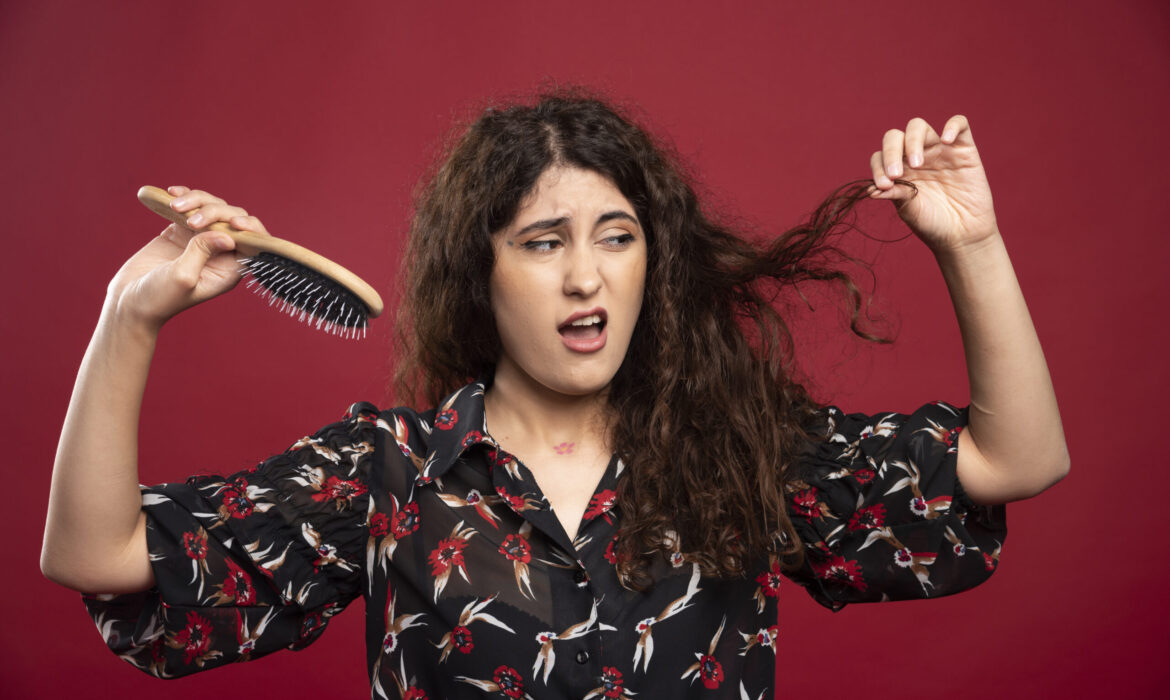
Looking for the best hair fall treatment for women? Discover expert solutions, causes, and remedies from Dr. Hanan Dermatology Clinic.
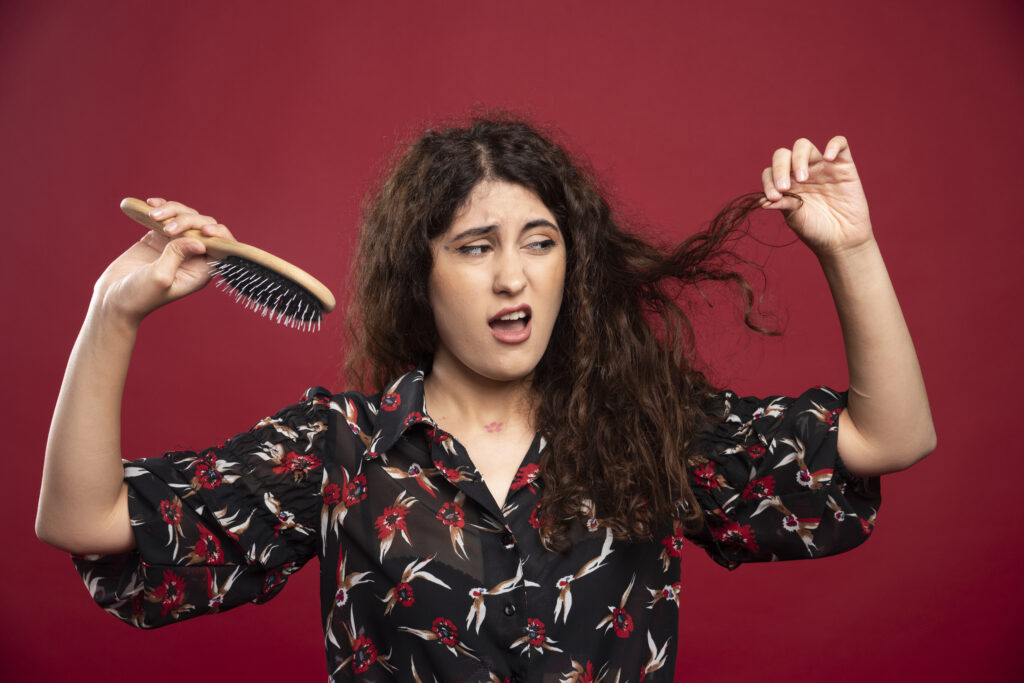
Hair is an essential part of a woman’s identity and confidence. But when the hair falls, it can cause anxiety, low self -esteem and emotional distress. Dr. Hanan Dermatology Specialty and Trichology Clinic, we understand the emotional and physical effects of female hair loss – and we are here to help you find a real solution.
In this comprehensive guide, you will learn the causes of hair fall in women, how to identify early signals, and the most effective hair fall for women – from home remedies to clinical intervention.
Hair collapse, or hair loss in women is medically known as female pattern hair loss (FPHL) or Androgenic Alopecia. This male pattern differs from baldness and often presents as a normal thin on the crown rather than a recurrent hairline.
Most women shed between 50–100 strands per day, which is normal. However, when hair shedding exceeds this rate or you notice to be visible, it is time to take action.
Understanding the root cause of hair loss is crucial for effective treatment. Here are some of the most common culprits:
Hormones regulate hair growth cycles, and imbalances can lead to shedding or thinning.
High stress levels can trigger telogen effluvium due to work pressure, anxiety or trauma, a condition where hair enters the resting phase and falls out.
Scalp Infections – Fungal infections like ringworm can lead to localized hair loss.
If your mother or grandmother experienced hair thinning, you may be genetically predisposed to female pattern hair loss.
Recognizing the early signs helps prevent further damage:
At Dr. Hanan Dermatology Clinic, we offer customized treatment plans based on your hair type, scalp condition, and lifestyle. Here are the best hair fall treatments we recommend:
Minoxidil 2% or 5%: FDA-approved treatment for women. Encourages hair growth by widening blood vessels and extending the growth phase.
PRP uses your own blood platelets to stimulate dormant hair follicles. It’s a non-surgical, advanced method that promotes natural hair growth.
Laser caps and in-clinic laser treatments improve scalp circulation and hair density.
A non-invasive treatment involving micro-injections of vitamins, enzymes, and plant extracts directly into the scalp to stimulate follicles and strengthen hair.
While clinical treatment is effective, integrating home remedies into your routine can complement professional care:
Scalp exfoliation once a week to remove dead skin and stimulate follicles.
Limit heat styling and chemical treatments that weaken the hair shaft.
Located in Padur, Chennai, our clinic is known for:
Experienced Dermatologists & Trichologists
Advanced Technology (PRP, Mesotherapy, LLLT)
Personalized Hair Restoration Plans
High Success Rate & Client Satisfaction
Whether you’re experiencing seasonal shedding or long-term hair thinning, our specialists will work with you to diagnose the cause and craft a treatment plan that delivers visible results
Don’t let hair loss affect your confidence. Get professional care from the leading hair fall treatment clinic in Chennai. Contact us today to schedule a scalp analysis and consultation.
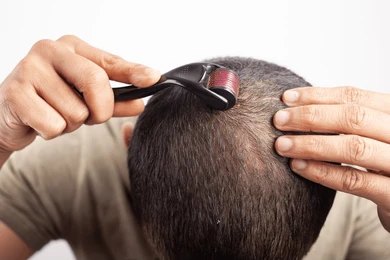
Dermaroller for hair growth boosts blood circulation and product absorption, but it can’t regrow hair on bald spots. Learn what really works.
Hair loss is a growing anxiety for both men and women, especially with the increasing levels of stress, pollution and lifestyle imbalance. In recent years, many people have moved to home-utilized devices such as dermarollers in the hope of promoting hair regrowth. But does it actually work to use a dermaroller for hair growth – especially for those who face baldness? In this blog, we will find out what dermarollers are, their actual benefits, and whether they can help in severe hair loss or baldness.
A dermaroller is a hand tool in one hand covered with dozens of small, medical-grade needles. When rolled across the skin or scalp, it creates micro-injuries that stimulate the body’s natural healing reaction. This process is known as microneedling and is widely used in dermatology to improve skin texture, reduce acne scars and stimulate collagen.
When used on the scalp, the purpose of microneedling with a dermaroller is to improve the blood circulation and awaken the inactive hair follicle, and increase the absorption of topical products such as minoxidil. The device is available in separate needle lengths, usually from 0.25 mm to 1.5 mm, and should always be used with proper guidance to avoid injury or infection.
Using a dermaroller on the scalp brings many possible benefits when it comes to addressing the early stages of hair thinning or shedding of hair:
Stimulates blood circulation: The microneedling process increases blood flow to the scalp, which improves the nutrients and oxygen supply to the hair follicles.
Increases absorption of Product: Topical treatments such as minoxidil or hair serum enters deep and more effectively when applied after dermarolling.
Activates inactive Follicles: For individuals experiencing early-phase hair thinning, microneedling can help “wake up” weak hair follicles and promotes regrowth.
Increases Collagen Production: This may improve scalp elasticity and overall skin health.
While dermarollers can be beneficial for stimulating hair regrowth in areas with thin or weak hair, it is important to understand their boundaries – especially in cases of baldness.
Dermarollers are not a cure for baldness. In advanced stages of hair loss (especially where the scalp is completely bald and hair follicles are no longer active), microneedling can’t restore the dead or lost hair. This is because dermarolling can only stimulate the existing hair follicles. If the follicle is dead or has been scarred due to Androgenetic alopecia or other chronic conditions, they cannot be revived with dermarolling alone.
For individuals experiencing baldness, hair transplant is the most reliable and permanent solution. While dermarollers can provide temporary support for hair health or as an addition to other treatments, they do not replace the success of a hair transplantation.
Hair transplant procedures such as FUE (Follicular Unit Extraction) include surgically relocating the healthy hair follicles from a part of the scalp to bald areas. Unlike dermarollers, Hair transplants provide visible and permanent results, especially when performed by experienced dermatologists at Dr. Hanan Dermatology Speciality and specialty and Trichology clinic in Chennai.
You may consider using a dermaroller if:
If you choose to try a dermaroller, keep these safety guidelines in mind:
In short, a dermaroller for hair growth can be a helpful tool for stimulating circulation and increasing product absorption, especially for people dealing with mild to moderate hair thinning. However, it is not an effective treatment for baldness, where the hair follicles are already inactive or absent.
For those seeking a more lasting and permanent solution to baldness, a hair transplant remains the most effective approach. At Dr. Hanan Dermatology Speciality and Trichology Clinic in Chennai, we offer expert consultation, diagnosis, and customized hair restoration plans—including transplants, PRP therapy, and more.
If you’re unsure about whether a dermaroller is right for you, schedule a consultation with our dermatology team. We’ll assess your hair loss stage and recommend a personalized treatment plan that truly works.
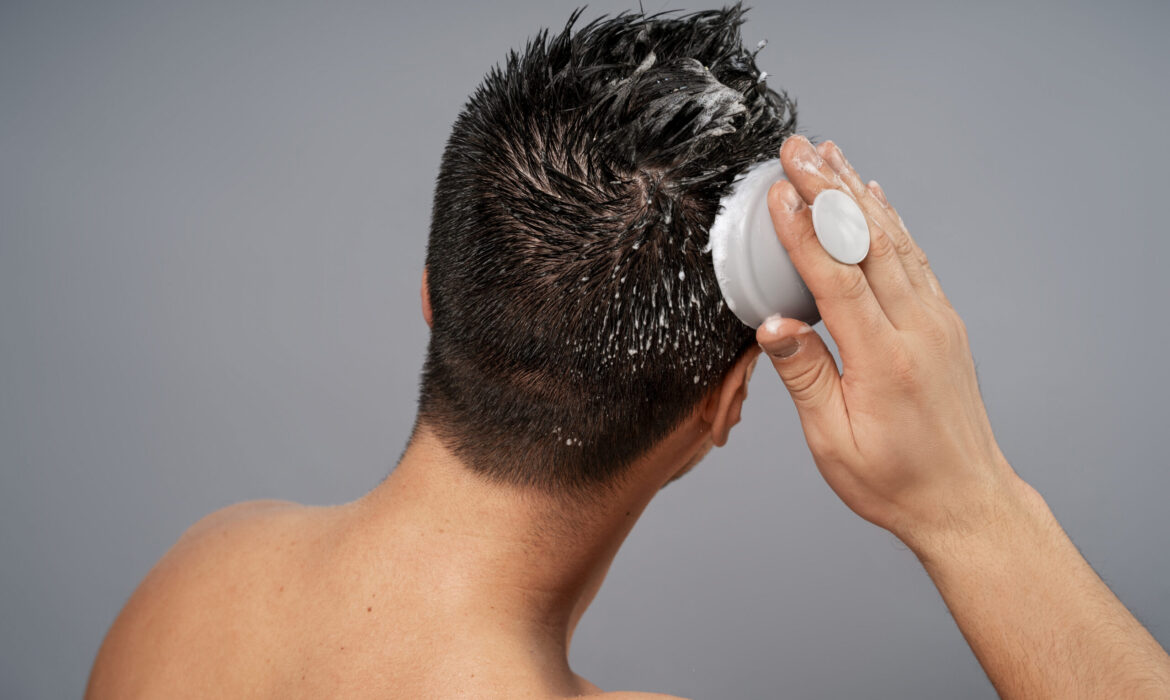
Build the Best Hair Care Routine for Men with expert grooming tips, hair fall control advice, and healthy habits for stronger hair.
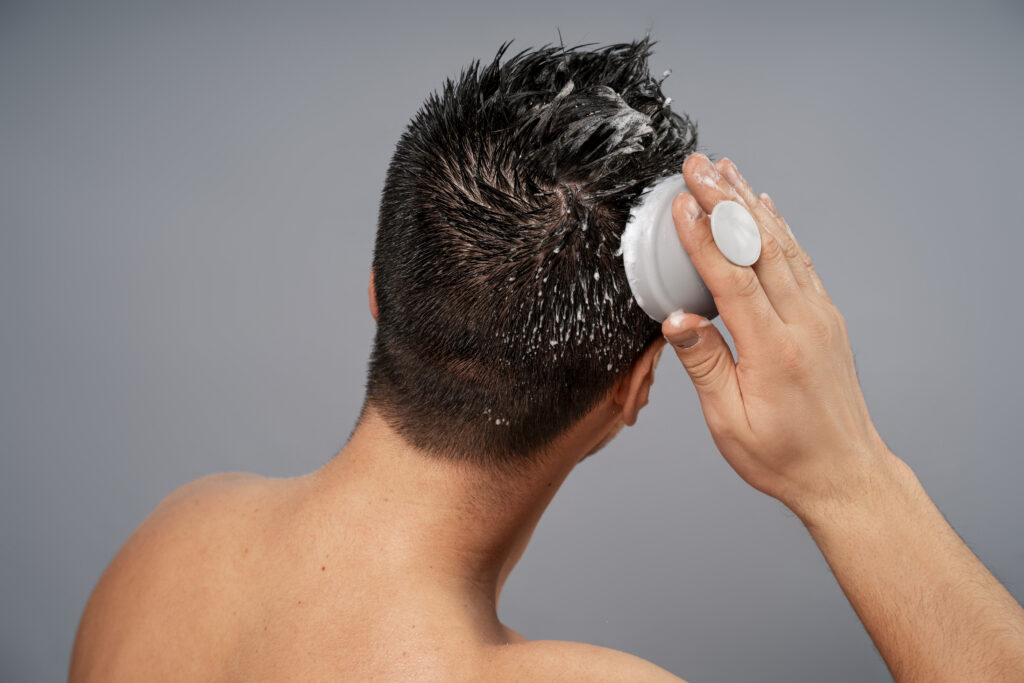
Having a strong, healthy head of hair does not occur by coincidence – it takes dedication, correct products and good habits. In this guide, we will run through the best hair care routine for men, provide practical suggestions and insight to help maintain a clean, healthy scalp and strong hair. Whether you are struggling with dandruff, experiencing hair thin, or just want to level your grooming game, this guide is for you.
It is important to understand your hair type before you start building your routine. Men’s hair can be straight, wavy, curly or coily, and each type has specific requirements. Straight hair can be rapidly oily and requires more frequent washing, while curly or coily hair is dry and has benefits from deep hydration. Knowing the type of your hair will help you choose the right products and will set the expectations of realistic grooming.
Conditioning is not optional – especially if you want soft, managable hair. After each washing, apply a conditioner to repay the moisture and repair any damage. Leave it for at least 2-3 minutes before rinsing well. A good conditioner helps to reduce the frizz, prevent breakdown, and gives your hair a smooth texture.
A balanced diet and proper hydration are often underestimated by reducing hair care. Your hair is made of protein, so protein -rich diets, omega -3 fatty acids, and vitamins such as biotin, B12 and E help in promoting hair growth and strength. Drinking enough water keeps your scalp hydrated and free from dryness or irritation, supporting your hair care routine from the inside out.
Excessive use of hair gel, wax and spray can lead to product buildups, clogged follicles and even hair loss time. Stick to light, non-comedogenic products and always wash out styling products before bed. If you are using the heat tool, apply a heat protector to prevent damage.
Experienced dermatologists and trichologists
Evidence-based scalp care protocols
Over 800+ positive Google reviews
State-of-the-art treatment technology
Located in Padur, Chennai for easy access
We don’t just treat dandruff—we work toward restoring your scalp’s health permanently.
Even if you’re growing your hair out, trimming every 4–6 weeks helps remove split ends and keeps your hairstyle looking sharp. Regular haircuts promote healthy growth and prevent your hair from looking messy or unwanted.
Healthy hair begins with a healthy scalp. To remove dead skin and improve blood circulation, exfoliate your scalp once a week using a scalp scrub or clarify the shampoo. Massage your scalp regularly to stimulate hair follicles and increase growth. It is one of the most underrated men’s hair care tips, but also one of the most effective.
Use products that correspond to your hair type and needs. Men with thin or fine hair may benefit from volumizing shampoos, while people with curly or thick hair require more hydrating and curl-enhancing formulas. Always check the ingredient label – avoid harsh sulfates, parabens and alcohol.
Hair fall is common in men due to stress, genetics and environmental factors. To control this, use anti-hair fall shampoos, include essential oils such as henna or peppermint, and consider medical remedies such as minoxidil under the guidance of a dermatologist. Do not ignore natural remedies – onion juice and aloe vera have shown promising results for some users.
Pollution, UV rays and hard water can wreak havoc on your hair. Wear a hat directly in the sun, use a leave-in conditioner with SPF, and rinse the hair after swimming to remove chlorine or salt. Installing shower filters can also help reduce harm from hard water.
The key to obtaining long -term results is stability. Do not expect miracles overnight – whether you are facing hair fall or dullness, ensure gradual but permanent improvement every day after a structured routine.
What is the best daily hair care routine for men?
A good daily hair care routine for men includes gentle cleansing with a suitable shampoo, regular scalp massage, proper conditioning, and avoiding excessive heat or harsh styling products.
How often should men wash their hair?
Most men should wash their hair 2–3 times a week. Those with oily scalp may need more frequent washing, while dry or curly hair types benefit from fewer washes.
Which shampoo is best for men’s hair?
The best shampoo depends on hair type and scalp condition. Men with hair fall, dandruff, or oily scalp should choose dermatologist-recommended shampoos with mild, sulfate-free formulas.
Is oiling necessary for men’s hair care?
Oiling helps nourish the scalp and improve hair texture, but it should be done in moderation. Over-oiling or leaving oil overnight can clog pores and worsen dandruff.
How can men prevent hair fall naturally?
Maintaining a balanced diet, managing stress, exercising regularly, and following a consistent hair care routine can help reduce hair fall. Medical advice is recommended if hair loss is excessive.
Does using hair gel or wax damage hair?
Frequent use of hair styling products can cause scalp buildup and dryness if not washed properly. Use them sparingly and clean the scalp regularly.
What role does diet play in men’s hair health?
Protein, iron, vitamins, and minerals are essential for healthy hair growth. Poor nutrition can lead to weak, thinning hair over time.
Can men with dandruff follow the same hair care routine?
Men with dandruff need a specialized routine that includes anti-dandruff shampoos and proper scalp care. Regular products may not effectively treat dandruff.
When should men consult a dermatologist for hair problems?
If hair fall is sudden, excessive, or accompanied by scalp itching or thinning, consulting a dermatologist is recommended for early diagnosis and treatment.
Does a proper hair care routine help prevent baldness?
A good hair care routine supports scalp health and slows damage, but genetic baldness requires medical or advanced treatment for effective control.
Hair transplant pain is minimal with modern techniques. Learn what to expect during and after the procedure at Dr. Hanan Clinic.
One of the most common worries among people considering hair transplantation is pain. Small incisions and hair follicles can be thought of being extracted or implanted. If you are thinking how painful a hair transplant is really, you are not alone. At Dr. Hanan Dermatology Specialty and Trichology Clinic, we asked this question in almost every consultation. In this blog, we will explain what you can really expect in terms of both hair transplant pain during and later, and why it is more manageable than most people think.
Hair transplant procedures, particularly modern techniques like FUE (Follicular Unit Extraction) and FUT (Follicular Unit Transplantation), are minimally invasive and designed to ensure maximum comfort. Contrary to common fears, hair transplants are not painful, especially when performed by experienced dermatologists using advanced tools and anesthetics.
The process begins with local anesthesia so that both the donor and recipient of the scalp can be numb. Most patients described the injection of the anesthetic as a brief pinch or stinging sensation. Once the anesthesia becomes effective, the scalp becomes completely numb, and you do not feel any pain during the extraction or implantation process. More and more, patients report a mild sensation of pressure or movement, but nothing is sharp or uncomfortable.
During a FUE process, an individual follicle is extracted from the donor area using a small punch tool. Thanks to anesthesia, this process is painless. Similarly, when the graft is transplanted into thin or bald areas, the experience is free from pain. In a FUT procedure, where a strip of skin is removed from the back of the scalp, initial discomfort is still controlled with anesthesia, and the process of stitching is complete without you feeling anything.
After the procedure, anesthesia gradually stops, and you may experience some mild soreness, tightness or feeling of pressure in treated areas. However, this discomfort is usually light and manageable. Most patients describe it as less intense than regular headaches. Over-the-counter or prescribed painkillers are usually sufficient to relieve any post-operative discomfort. At Dr. Hanan Clinic, we provide post-procedure care kits that include pain management medication, soothing spray and instructions that you heal comfortably.
The healing process is also relatively easy. In the first few days, you can see minor redness, nap, or itching in the transplant area. These symptoms are not painful, but may be a bit annoying. It is important not to scratch or disturb the region as it heals. Within a week to ten days, the most visible signs of the procedure fades, and the discomfort decreases significantly or disappears.
An important thing to understand about hair transplant pain is that it varies a bit from person to person. Some people have more pain limit, while others may be more sensitive. However, modern hair transplant techniques are carefully designed to prefer patient comfort. At our Clinic, we also offer additional comfort measures such as numbing sprays, cooling fans and even calming music or entertainment during long sessions.
If you are still worried about the pain, it can help listen to those who have already undergone the process. Most of our patients are surprised by how smooth and comfortable the process is. In fact, many people say that they spend the process of watching movies, browsing their phones or even naps. It is far from the painful operation he had imagined.
Another common anxiety is the recovery phase. Patients often ask whether the scalp will hurt days or weeks after transplantation. The truth is, if you follow the proper aftercare instructions, the pain quickly fades and doesn’t come back. At Dr. Hanan Clinic, our dermatologists make sure that your scalp remains healthy and taken care of through scheduled follow -ups.
In summary, if you are putting off a hair transplant because you are afraid of pain, know that today’s procedures are surprisingly gentle.
Thanks to Local anesthesia, advanced technology and specialist care, the pain levels involved are very low – often comparable to minor dental procedures. Brief, mild discomfort is a small price to pay for the long -term benefits of natural, permanent hair restoration.
Therefore, if you are searching online about hair transplant pain, then be sure that reality is far more comfortable than myths. Consult our experts at Dr. Hanan Dermatology Specialty and Trichology Clinic in Chennai to understand your options and experience an almost painless journey for fuller, thicker hair.
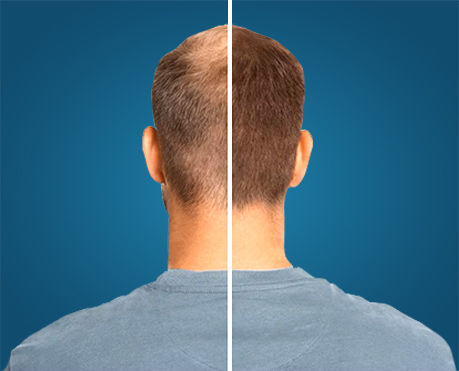
In this guide, we look at the best ways to stop hair loss immediately with help from science and experts.

Can stress cause hair loss? Learn what top dermatologists in Chennai say about the link between stress and hair fall, types, treatments, and recovery tips.
Hair loss is a concern that affects millions globally, and one common but often overlooked cause is stress. In a city like Chennai, where fast-paced lifestyles, work pressure, and environmental changes are constant, stress-related hair fall is becoming increasingly common. At Dr. Hanan Dermatology Speciality and Trichology Clinic, our dermatologists frequently treat patients whose hair loss is directly or indirectly triggered by stress.
In this blog, we’ll explore the scientific link between stress and hair loss, the different types of hair fall caused by stress, symptoms to watch out for, and expert treatment options available in Chennai.
Stress affects the body in multiple ways—and your scalp and hair follicles aren’t spared. When the body undergoes emotional or physical stress, it can disrupt the normal hair growth cycle. This disruption leads to excessive shedding, thinning, or even hair loss in patches.
Chronic stress can trigger hormonal imbalances, reduce blood flow to the scalp, and elevate levels of cortisol (the stress hormone), all of which negatively affect hair health. Inflammation caused by stress can also damage the hair follicles and slow down hair production.
Studies have shown that stress can impact the anagen (growth) phase of the hair cycle, causing more hairs to shift into the telogen (resting) phase prematurely. This leads to a noticeable increase in hair fall within a few months of the stressful event.
There are three main types of hair loss that are scientifically linked to stress:
This is the most common form of stress-induced hair loss. During Telogen Effluvium, a large number of hair follicles prematurely enter the resting phase (telogen), causing increased shedding.
Symptoms: Noticeable hair fall while combing, washing, or on your pillow.
Triggers: Sudden illness, high fever, emotional trauma, childbirth, or crash diets.
Recovery: Usually resolves in 3–6 months once the stressor is removed.
This is an autoimmune condition where the immune system attacks hair follicles, often triggered by extreme stress.
Symptoms: Sudden hair loss in round patches, usually on the scalp. In some cases, it may affect eyebrows or beard.
Triggers: Emotional stress, family history, autoimmune disorders.
Treatment: Corticosteroids, immunotherapy, and stress management.
This is a psychological condition where a person feels the urge to pull out their hair due to anxiety or emotional distress.
Symptoms: Patchy hair loss, broken hairs, and thinning. Most common in adolescents and young adults.
Management: Behavioral therapy, psychological support, and dermatological care.
At Dr. Hanan Dermatology Speciality and Trichology Clinic, we offer specialized diagnostics and treatment plans for stress-induced hair loss:
We believe in combining internal wellness with external treatment for holistic hair recovery.
Practice Regular Relaxation Techniques: Yoga, meditation, and breathing exercises have been shown to lower cortisol levels.
Sleep Well: Aim for 7–8 hours of sleep every night to help the body repair and regenerate.
Maintain a Balanced Diet: Include foods rich in iron, protein, omega-3 fatty acids, and antioxidants.
Avoid Over-Styling and Harsh Products: Reduce the use of flat irons, harsh dyes, and chemical treatments.
Stay Hydrated: Water supports scalp health and nutrient delivery to follicles.
If you’re experiencing sudden, excessive hair loss or patchy bald spots, don’t wait. The earlier the diagnosis, the more effective the treatment. At Dr. Hanan Clinic, we perform detailed scalp analysis, trichoscopy, and blood tests to identify the root cause.
Our dermatologists then customize a treatment plan to not only stop the hair loss but also encourage healthy regrowth.
Stress-related hair loss is more common than most people realize, especially in a high-stress environment like Chennai. The good news? With expert guidance and timely treatment, most people can fully recover and enjoy healthy hair once again.
If you’re concerned about hair thinning or sudden shedding, visit Dr. Hanan Dermatology Speciality and Trichology Clinic. We’ll help you identify the cause, relieve your stress, and restore your confidence—one strand at a time.
Yes. In most cases, once the stressor is removed and the body returns to a balanced state, hair often begins to regrow. Treatments like PRP and topical solutions can accelerate this recovery. Learn more about PRP Treatment for Hair Loss in Chennai.
Depending on the type and severity, stress-related hair loss may last from 3–6 months. Recovery depends on early intervention and proper treatment. Find solutions through our Hair Regrowth Treatments in Chennai.
Sudden, diffuse hair shedding after a stressful event (like illness, surgery, or emotional trauma) is a strong indicator. A dermatologist can confirm this through scalp examination and history. Consider reading Hair Fall While Combing: Best Ways to Minimize It.
In most cases, stress-related hair loss is temporary. However, chronic stress or delayed treatment can worsen underlying conditions and prolong recovery. For further understanding, see Hair Transplant Pain: What Should You Expect?.

Healthy scalp before hair transplant ensures lasting results. At Dr. Hanan Clinic, Chennai, treating scalp issues boosts graft survival and growth.”
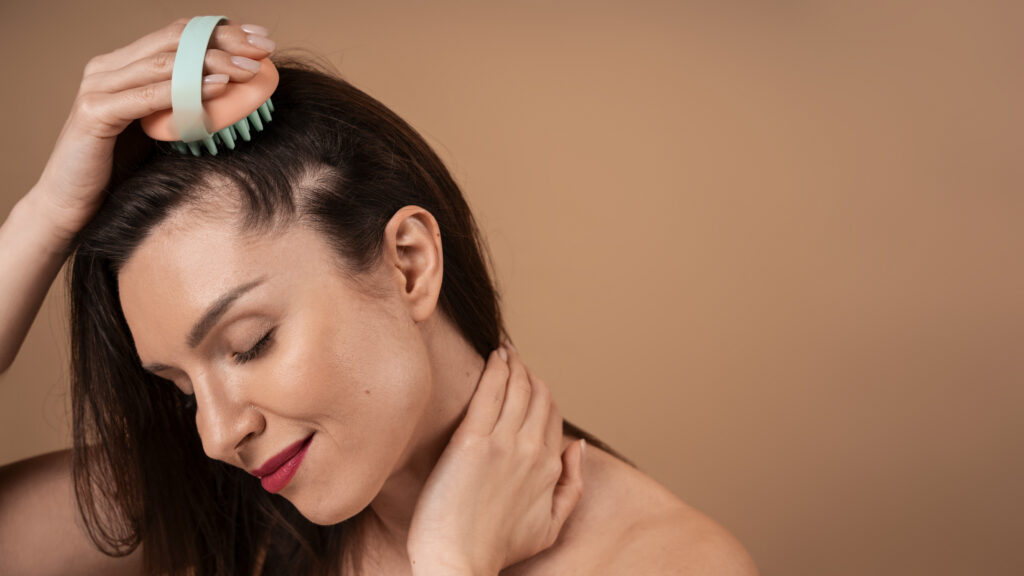
Hair transplantation has become one of the most effective and permanent solutions for baldness and thinning hair. However, what many patients don’t realize is that the success of a hair transplant depends heavily on the condition of the scalp before surgery. Preparing your scalp is not just a recommendation—it is a crucial step that influences graft survival, healing, and long-term results.
At Dr. Hanan Dermatology Speciality and Trichology Clinic, Chennai, we emphasize scalp health as the foundation for natural, lasting hair transplant outcomes. In this blog, our dermatologists explain why scalp preparation is important, what steps patients should take, and how to maximize transplant success.
Your scalp is the “soil” where transplanted hair grafts will grow. If the scalp is unhealthy—due to dandruff, infections, poor circulation, or inflammation—the newly transplanted follicles may not survive. A well-prepared scalp ensures:
Patients often ask, “Does scalp condition really affect transplant success?” The answer is yes. Studies show that poor scalp health can lower graft survival rates by up to 20–30%.
Many patients in Chennai visit us with pre-existing scalp concerns. These must be addressed before the transplant procedure:
Our dermatologists treat these conditions in advance using medicated shampoos, antifungal therapies, and topical solutions before moving forward with surgery.
At Dr. Hanan Clinic, every patient undergoes trichoscopy and scalp analysis before planning surgery. This helps us identify dandruff, scalp infections, or poor skin barrier function. Based on the results, we customize a scalp preparation plan.
Patients are advised to use medicated shampoos containing:
These shampoos reduce flakes, clean the pores, and create an ideal environment for transplant grafts.
A healthy scalp requires good blood flow. We recommend:
Lifestyle changes—regular exercise and stress management.
Nicotine and alcohol reduce oxygen flow in the bloodstream, delaying wound healing. Patients must stop smoking and drinking at least 2 weeks before surgery to ensure better graft survival.
If you have scalp psoriasis, eczema, or dermatitis, these must be treated first. At our clinic, we use topical steroids, anti-inflammatory serums, and oral medications when required. Transplantation is only scheduled once the scalp is stable
Simple hygiene measures matter:
Diet directly affects scalp condition. Patients are encouraged to include:
Supplements may also be prescribed for patients with deficiencies.
Once your scalp is ready, you’re fit for surgery. At Dr. Hanan Dermatology Speciality and Trichology Clinic, we use advanced methods like FUE (Follicular Unit Extraction) and FUT (Follicular Unit Transplantation). A healthy scalp allows:
Our dermatologists emphasize that a hair transplant isn’t just about surgery—it’s about preparation and aftercare. We guide patients at every step:
Follow-up treatments like PRP therapy to boost graft survival.
For more insights, check out:
The success of your hair transplant doesn’t begin in the operation room—it begins weeks before, with proper scalp preparation. By treating dandruff, infections, and poor circulation in advance, you give your grafts the best possible chance to survive and thrive.
At Dr. Hanan Dermatology Speciality and Trichology Clinic, Chennai, our expert dermatologists ensure every patient is prepared, treated, and supported throughout the journey. Healthy scalp equals healthy results.
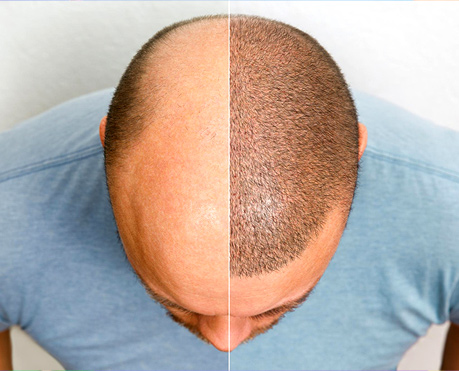
Discuss about Hair transplant cost in India and get tips on budget. Learn more here or contact Dr.hanan Dermatology Speciality Clinic.
Hair loss is a very common problem affecting men and women of all ages. Fortunately, India has a variety of affordable hair treatments that not only help you hide the issue of hair loss, but also help prevent future recurrences.
In recent years, hair transplants have emerged as a popular solution for individuals who want to deal with hair loss issues. Known for its advanced medical technology and affordable healthcare, India has become a prime destination for those considering hair transplantation.
This article aims to provide an in-depth analysis of hair transplant price in India, to help potential patients make informed decisions about treatment options.
Hair transplant means move hair from one side of your head it’s called donar area of the head to an blad area with thinning or no hair. It can help your hair look good again. These implants have been practised by doctors in the US. since the 1950s, but techniques have improved dramatically.
Hair transplant treatments are permanent. Once your doctor gives you clearance, you can treat your replacement hair just like your normal healthy hair—wash, shampoo, and shampoo as usual. However, some hair transplants do not survive and a few hairs fall out.
Do you know that Ms Dhoni hair transplant and Virat Kholi did Hair Transplant Surgeries
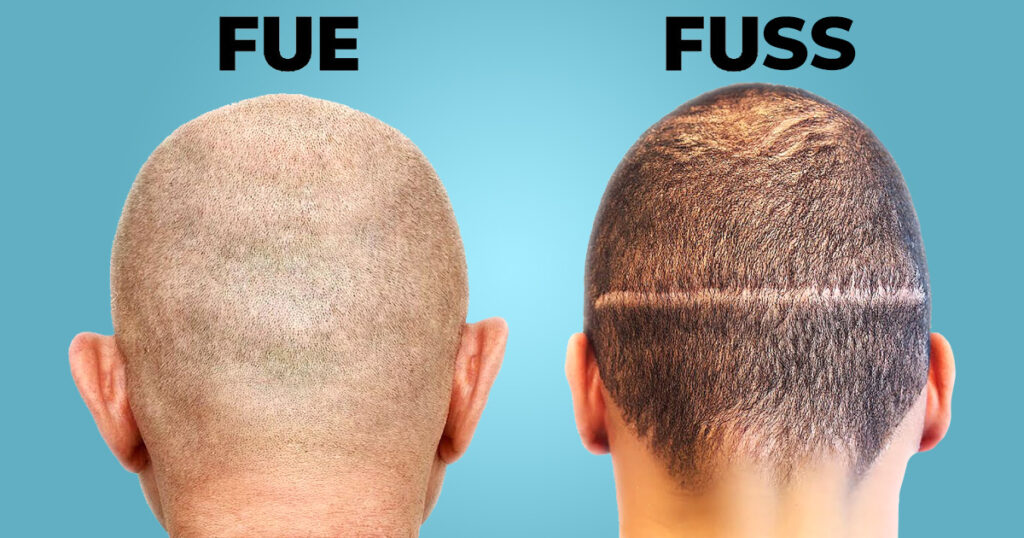
There are two main types of hair transplants, both done in a doctor’s office. First, the surgeon cleans your scalp and numbs the back of your head. Then, they choose between two methods: follicular unit strip surgery (FUSS) or follicular unit extraction (FUE).
In FUSS, the surgeon removes a 6- to 10-inch strip of skin from the back of your head or donar area and stitches the area closed. This strip is then cut into 500 to 2,000 tiny grafts, each with a few hairs. These healthy hair grafts are used to fill in thinning areas or bald area. FUSS is also known as follicular unit transplantation (FUT).
Artificial hair transplants use synthetic fibers to replace lost hair instead of using your own hair. These were created for people who don’t have enough hair for traditional transplants. However, the U.S. FDA banned artificial hair transplants in 1983 due to safety concerns.
Although they might be an option for some, artificial hair transplants can cause side effects because of the foreign materials used. If you’re considering a hair loss treatment, consult a board-certified doctor who specializes in hair loss.
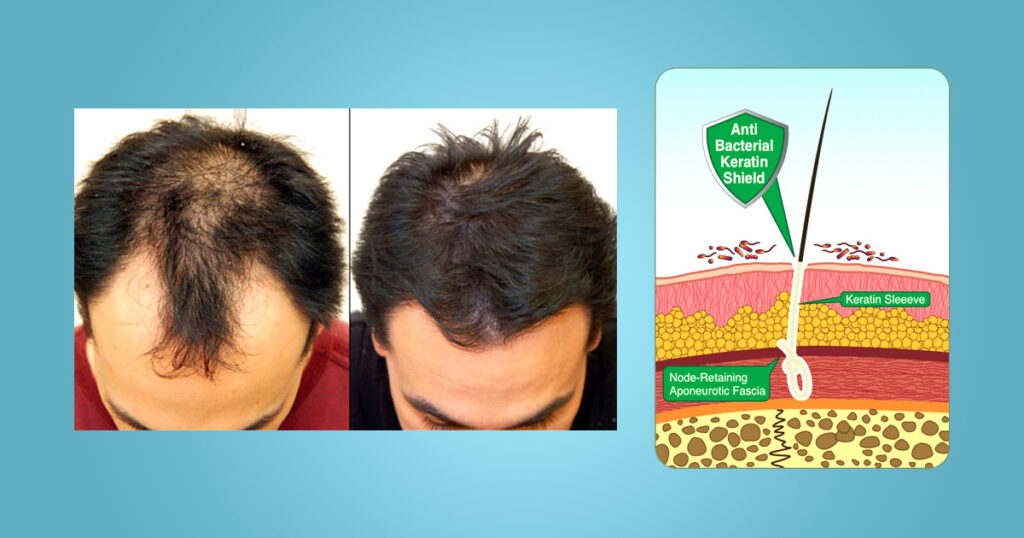
Many factors influence the cost of hair transplant in India. Knowing these can help you plan your budget better.
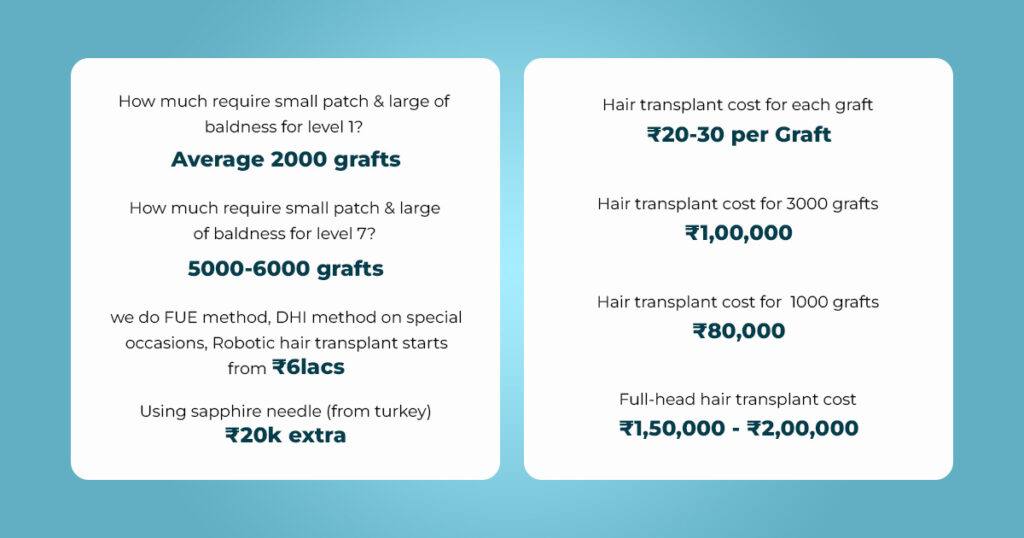
Hair transplant cost per hair in India and trasnplant in chennai varies widely based on the factors mentioned above. On average, the cost per graft ranges from ₹30 to ₹150 ($0.40 to $2) depending on the clinic and technique.
These prices may fluctuate based on the specific requirements of the patient and the clinic’s pricing policies.
Choosing the right hospital and managing costs is key to getting the best results. Here are some tips to help you:
1. Research and Analysis: Find information and read patient reviews about the quality of the hospital. Check online forums, social media, and patient profiles for useful information.
2. Check certificates: Make sure the surgeons at the hospital are qualified and experienced in hair transplantation. Check their credentials and credentials to ensure they are experts.
3. Compare costs: Get quotes from hospitals and compare their prices. Be wary of very low prices, as they may indicate low prices or hidden costs.
4. Consultation: Meet with hospitals to discuss your needs and treatment options. Take this time to tour the hospital facilities and meet the doctors.
When it comes to hair restoration, Dr. Hanan is renowned as the leading specialist in Chennai. His clinic is recognized for delivering exceptional hair transplant results with expertise, advanced technology, and personalized care. Here’s why Dr. Hanan is the top choice for the best hair transplant clinic in India.
Highly Qualified Specialist
Dr. Hanan is a board-certified dermatologist with specialized training in hair transplantation. With years of experience, Dr. Hanan delivers expert care and effective results.
Advanced Techniques
Utilizing the latest methods, including Follicular Unit Extraction and Follicular Unit Transplantation , Dr. Hanan provides minimally invasive and precise treatments for optimal hair restoration.
Modern Technology
The clinic features state-of-the-art equipment and robotic-assisted systems to ensure precise and effective hair transplant procedure.
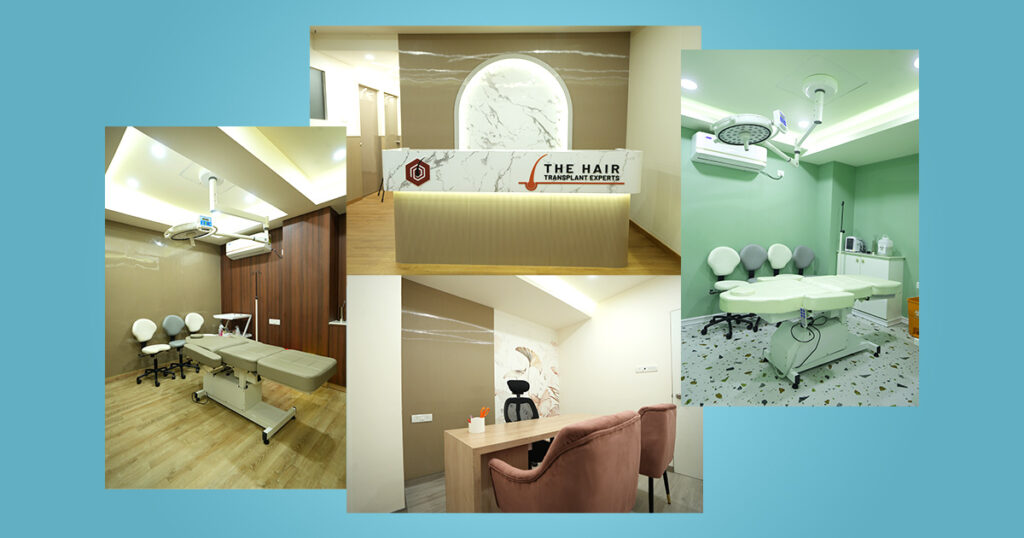
Comfortable Environment
Dr. Hanan’s clinic maintains a sterile and modern setting, prioritizing patient comfort and safety during every procedure.
Personalized Treatment
Dr. Hanan offers customized treatment plans tailored to individual needs, ensuring natural-looking results and high patient satisfaction.
Post-Transplant Care
Comprehensive post-transplant care includes detailed aftercare instructions and follow-up support in your recovery time to ensure optimal results.
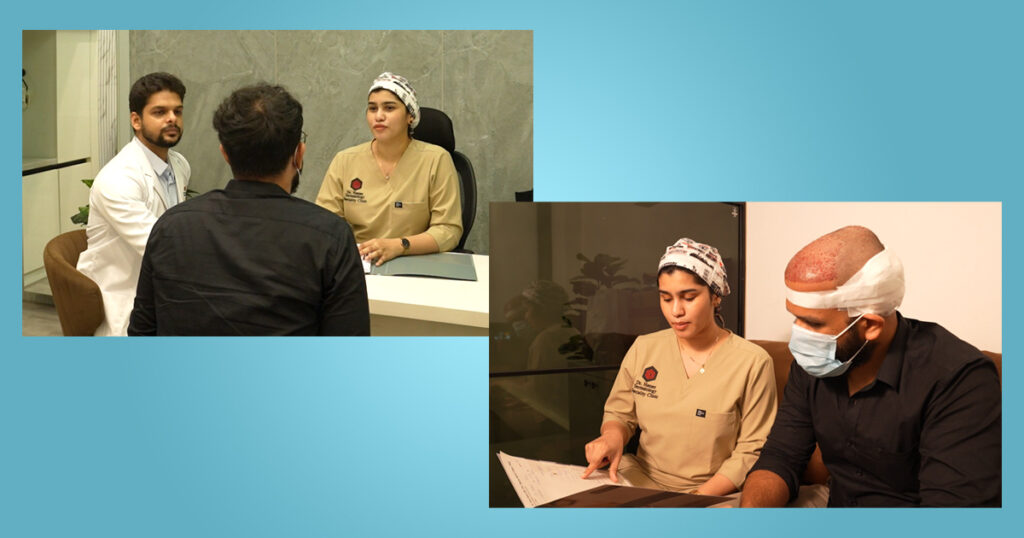
Consultative Care
Dr. Hanan takes a personalized approach, listening to patient goals and providing clear, honest information about the process.
Holistic Support
Beyond the transplant, Dr. Hanan offers advice on lifestyle and hair care to maintain and enhance results.
Patient Education
Educating patients is a key aspect of Dr. Hanan’s practice. Dr. Hanan ensures that patients fully understand their diagnoses, treatment options, and preventive measures. This empowers patients to make informed decisions about their skin health and maintain optimal results.
Positive Patient Experiences
Dr. Hanan’s clinic has received numerous positive reviews and testimonials from satisfied patients. These reviews highlight Dr. Hanan’s expertise, compassionate care, and commitment to excellence. The positive feedback is a testament to the high-quality care provided at the clinic.
Success Stories
Dr. Hanan regularly shares success stories and case studies to showcase the effectiveness of treatments and the positive impact on patients’ lives. These stories demonstrate Dr. Hanan’s ability to achieve outstanding results and improve patients’ skin health and confidence.
Prime Location in OMR
Dr. Hanan’s clinic is conveniently located in the heart of OMR, making it easily accessible for patients from all parts of the city. The central location ensures that patients can reach the clinic without hassle.
Visit Us : Dr. Hanan Dermatology Speciality Clinic, A Block, Gem Bhoomi & Buildings, Padur, OMR, Chennai – 603103
Flexible Appointments
Understanding the busy schedules of patients, Dr. Hanan offers flexible appointment options, including extended hours and weekend appointments. This ensures that patients can receive the care they need at a time that is convenient for them.
For Enquiries / Appointments : +91 6381048403
Hair transplantation surgeries is a transformative procedure for individuals facing hair loss, and India offers affordable and quality options. By understanding the factors that affect grafts hair transplant cost and following research whole you will be able to make an informed decision and get the best results for your hair restoration journey.
There is no “perfect” age for a hair transplant, most surgeons recommend waiting until your late 20s or early 30s when hair loss patterns are more established.
The procedure is performed under local anesthesia, so you should not feel pain during the surgery. Some discomfort or soreness may occur afterward, but it can be managed with pain medication.
Hair transplant results are typically permanent, as the transplanted hair follicles are resistant to the effects of DHT, the hormone responsible for hair loss.
For FUE Hair Transpalnt, the surgeon shaves a section of the back of your area of the scalp and removes hair follicles one by one. The donar area heals with small dots that are covered by your existing hair. After harvesting the hair, FUSS and FUE hair trasnplant procedures are similar: the surgeon prepares the grafts, numbs the area where the hair will be placed, makes tiny holes, and carefully inserts each graft.
The whole process usually takes 4-8 hours. You might need another procedure later if you continue to lose hair or want a fuller look.
1. Clinic Reputation and Location
The clinic’s name and location affect the average cost. Well-known clinics in big cities like Mumbai, Delhi, Chennai, and Bangalore usually charge more because they have advanced facilities and experienced surgeons. Smaller city clinics may offer lower prices.
2.The skill of a surgeon
The surgeon’s experience and knowledge are crucial. Highly skilled and famous hair transplant surgeons may charge more, but their expertise often leads to better results and fewer complications.
3.Technique Used
The technique chosen, FUT or FUE, impacts the cost. FUE is generally more expensive than FUT because it’s less invasive and requires more precision. The cost per graft is higher with FUE due to advanced technology and skill.
4. Number of Grafts Required
The total cost depends on the number of hair grafts required. More severe hair loss needs more grafts, increasing the cost. Clinics usually estimate costs based on graft numbers, ranging from 1,000 to 4,000 or more.
5. Additional Services
Extra services like pre-op treatment, post-op care, medications, and follow-up visits can add to the total cost. Some clinics offer packages that include these services, providing better value for money.

Dr Hanan Dermatology Speciality clinic a Leading Dermatology, Cosmetology Clinic that provides the Best Affordable Treatment for Skin, Hair & Laser.
Our Contacts
Copyright © 2024 Dr Hanan Dermatology Speciality Clinic is Developed and Maintained by Qualpr | Privacy Policy | Terms and Conditions
Dr Hanan Dermatology Speciality Clinic
Typically replies within minutes
Any questions related to Skin, Hair, and Cosmetic or Looking to book an appointment?
WhatsApp Us
🟢 Online | Privacy policy
WhatsApp us