
Latest Hair Transplant Technology in India (2026) – DHI, FUE, Cost & Results
Maximize hair transplant success with expert-backed diet and lifestyle tips from Dr. Hanan Clinic, Chennai.
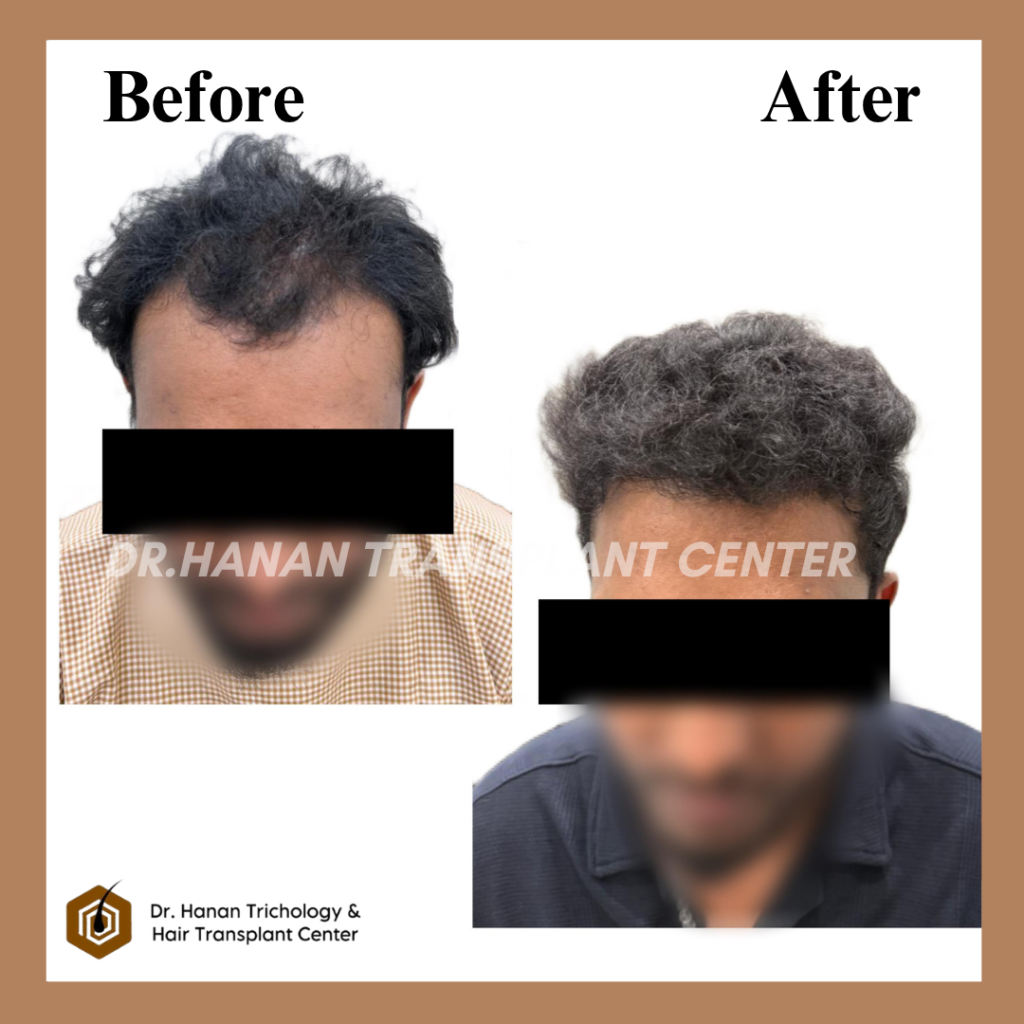
Hair loss is no longer a permanent concern thanks to rapid advancements in hair transplant technology in India. Modern techniques now focus on natural-looking results, maximum graft survival, minimal downtime, and scar-free procedures. Whether you’re experiencing early thinning or advanced baldness, India offers some of the most affordable and advanced hair restoration solutions in the world.
This expert-backed guide covers the latest hair transplant technologies in India, their benefits, costs, and how to choose the right option.
At Dr. Hanan Dermatology Speciality and Trichology Clinic, Chennai, we believe in a holistic approach to hair restoration—combining advanced surgical expertise with proper nutrition and healthy living to maximize results.
Evolution of Hair Transplant Techniques in India
Hair transplant procedures have evolved significantly over the past decade.
- Traditional Method (FUT): Involved strip removal, stitches, and visible scars
- Modern Method (FUE): Introduced individual follicle extraction
- Advanced Techniques (DHI, Robotic, UHDHT): Focus on precision and natural density
Today, the industry prioritizes high graft survival rates, minimal scalp trauma, faster recovery, and natural hairline design.
Top Latest Hair Transplant Technologies in India
Direct Hair Implantation (DHI)
Direct Hair Implantation (DHI) is considered the gold standard in hair transplant procedures.
How It Works
Hair follicles are extracted individually and implanted directly using a specialized implanter pen, eliminating the need for channel creation.
Benefits
- Natural hairline with precise angle and direction
- No scars or stitches
- Minimal bleeding
- Faster healing
Best for: Hairline correction and dense packing
Advanced FUE (Trivellini System)
The Trivellini System is an upgraded version of FUE that improves extraction precision.
Key Features
- Advanced punch technology
- Reduced follicle damage
- Faster extraction process
Benefits
- Higher graft survival
- Less trauma to scalp
- Ideal for large bald areas
Best for: Full scalp restoration
Robotic Hair Transplant (AI-Based)
Robotic systems like ARTAS use artificial intelligence to assist surgeons in graft selection and extraction.
Advantages
- High precision
- Consistent results
- Reduced human error
Limitations
- Expensive
- Not suitable for all hair types
Best for: Patients seeking high-tech precision
Ultra-High Density Hair Transplant (UHDHT)
UHDHT is designed to achieve maximum density for a fuller appearance.
Technologies Used
- Ultra-Fast Micro Extraction (UFME)
- Direct Selective Hair Implantation (DSHI)
Benefits
- Thick and dense hair results
- High graft survival
- Advanced density control
Best for: Advanced baldness cases
Direct Hair Extraction (DHX) – Latest Innovation
DHX focuses on preserving the donor area for long-term sustainability.
Benefits
- Maintains donor health
- Allows multiple sessions
- Improves density planning
Often combined with DHI for optimal results.
Laser-Assisted Hairline Design
Modern clinics use laser technology to create precise and natural hairlines.
Advantages
- Customized design based on facial structure
- Symmetrical and natural results
- Improved aesthetic outcomes
Regenerative Hair Treatments (Non-Surgical Innovations)
Activa Regenera Therapy
Activa Regenera is a non-surgical treatment that uses growth factors from your scalp.
Benefits
- Stimulates natural hair growth
- Suitable for early hair loss
- No surgery or downtime
PRP Therapy (Supportive Treatment)
Platelet-Rich Plasma (PRP) therapy enhances healing and improves transplant success when combined with surgical procedures.
Key Advantages of Latest Hair Transplant Technologies
- No scars or stitches
- High graft survival rate
- Natural-looking results
- Quick recovery (1–3 days)
- Minimal discomfort
Cost of Latest Hair Transplant in India
| Technique | Cost per Graft | Total Cost |
|---|---|---|
| DHI | ₹50 – ₹120 | ₹80,000 – ₹3,00,000 |
| FUE (Trivellini) | ₹40 – ₹100 | ₹70,000 – ₹2,50,000 |
| Robotic | ₹100 – ₹200 | ₹1,50,000 – ₹5,00,000 |
| UHDHT | ₹80 – ₹150 | ₹1,20,000 – ₹4,00,000 |
| Regenera | ₹20,000 – ₹60,000/session | — |
Best Cities for Hair Transplant in India
Top cities offering advanced hair transplant technologies include Chennai, Hyderabad, Mumbai, and Delhi. These locations are known for experienced surgeons and modern clinics.
How to Choose the Right Hair Transplant Technique
Consider the following factors
- Stage of hair loss
- Budget
- Desired hair density
- Donor hair quality
For example
- Early hair loss: Regenerative treatments
- Hairline correction: DHI
- Large bald areas: FUE
Risks and Safety Considerations
- Temporary swelling or redness
- Initial hair shedding phase
- Importance of choosing certified clinics
Always consult a qualified specialist before undergoing treatment.
Results Timeline – What to Expect
- Verify surgeon qualifications
- Review before-and-after results
- Avoid extremely low-cost clinics
- Set realistic expectations
FAQs
1. Which is the most advanced hair transplant technique in India?
Direct Hair Implantation (DHI) and advanced FUE (like the Trivellini system) are currently the most advanced techniques, offering high precision and natural results.2. Is DHI better than FUE?
DHI offers better control and natural hairline results, while FUE is more suitable for covering larger bald areas. The best option depends on your hair loss condition.3. What is the success rate of modern hair transplants?
With advanced techniques, the success rate is around 90–95% when performed by experienced surgeons.4. Is hair transplant permanent?
Yes, transplanted hair is usually permanent because it is taken from genetically resistant donor areas.5. How long does a hair transplant procedure take?
The procedure typically takes 4 to 8 hours depending on the number of grafts required.6. Is the hair transplant procedure painful?
No, it is performed under local anesthesia, so you may feel only mild discomfort during and after the procedure.7. What is the recovery time after a hair transplant?
Most patients recover within 1–3 days and can return to normal activities quickly.8. When will I see full results after a hair transplant?
Initial growth starts in 3–4 months, and full results are usually visible within 9–12 months.9. Are there any side effects or risks?
Temporary swelling, redness, and shedding are common. Serious complications are rare when done at a certified clinic.10. How much does the latest hair transplant cost in India?
Costs vary based on technique and grafts, typically ranging from ₹70,000 to ₹5,00,000 depending on the procedure and clinic.
Book Your Consultation Today!
For Personalised Treatment visit Dr. Hanan Clinic. Feel confident and proud with our expert care.