





Explore Korean Skin Whitening Treatment tips, ingredients, and routines to achieve radiant, even-toned skin safely and effectively.

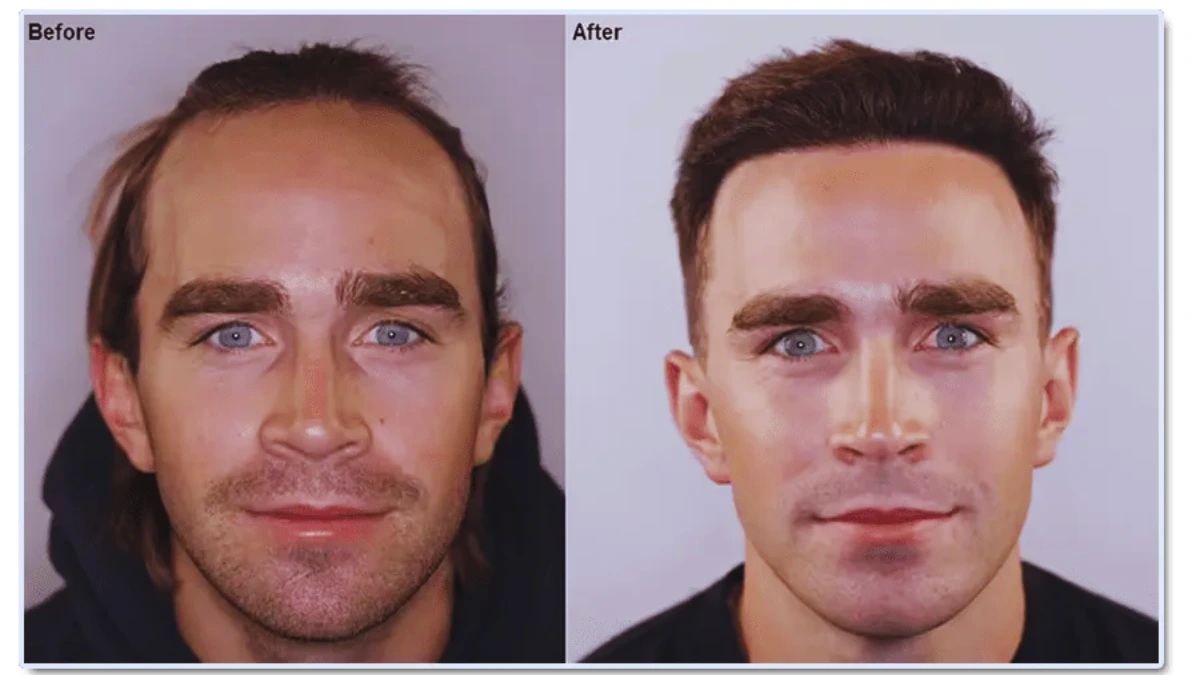
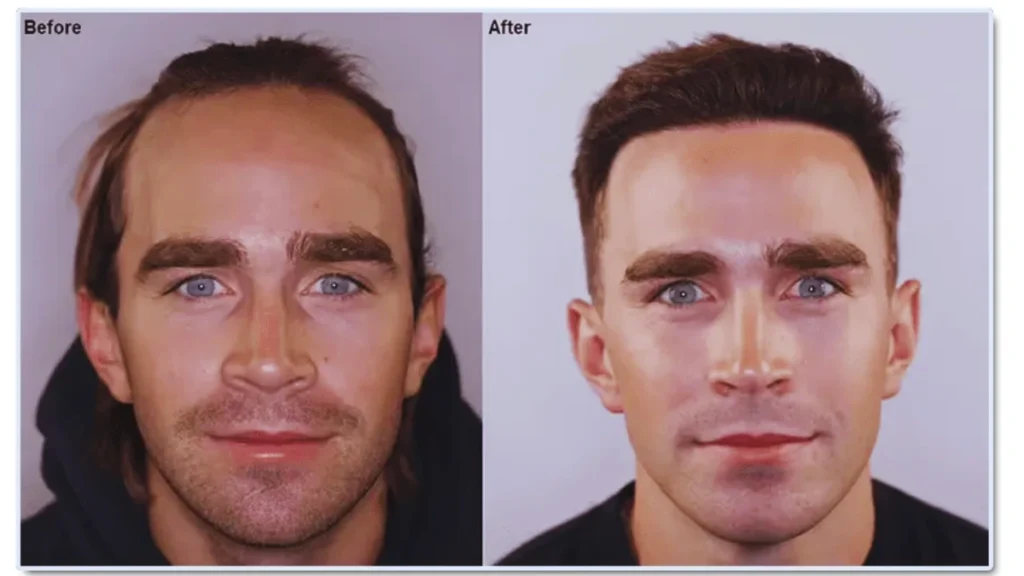
Best and Cheap Hair Transplant in Chennai: Hair loss is a common concern that many people face as they age, leading them to search for effective solutions. For those considering a hair transplant, Chennai offers a range of affordable and high-quality options. The city is known for its medical expertise and skilled surgeons, making it an attractive destination for individuals looking to restore their hair without breaking the bank. In this article, we’ll explore the best and cheapest hair transplant options in Chennai, helping you make an informed decision about your hair restoration journey.
Visit Dr. Hanan Dermatology Specialty Clinic in Padur, OMR, Chennai. Schedule your consultation today and start your journey to fuller, healthier hair.
For more information and to book your appointment, visit our clinic or call us at the clinic’s contact details.

Chennai is known for its medical tourism, especially in the field of dermatology and hair restoration. The city combines advanced technology, experienced surgeons, and affordable pricing, making it an attractive option for those seeking quality hair transplant services. The availability of skilled professionals and modern techniques ensures that patients receive top-notch care at competitive prices.
Moreover, Chennai has a large number of internationally recognized clinics that offer a variety of hair restoration services, ensuring that people from both domestic and international locations can access affordable and quality treatment. Whether you’re looking for FUE, FUT, or DHI techniques, Chennai’s medical facilities can cater to your needs.
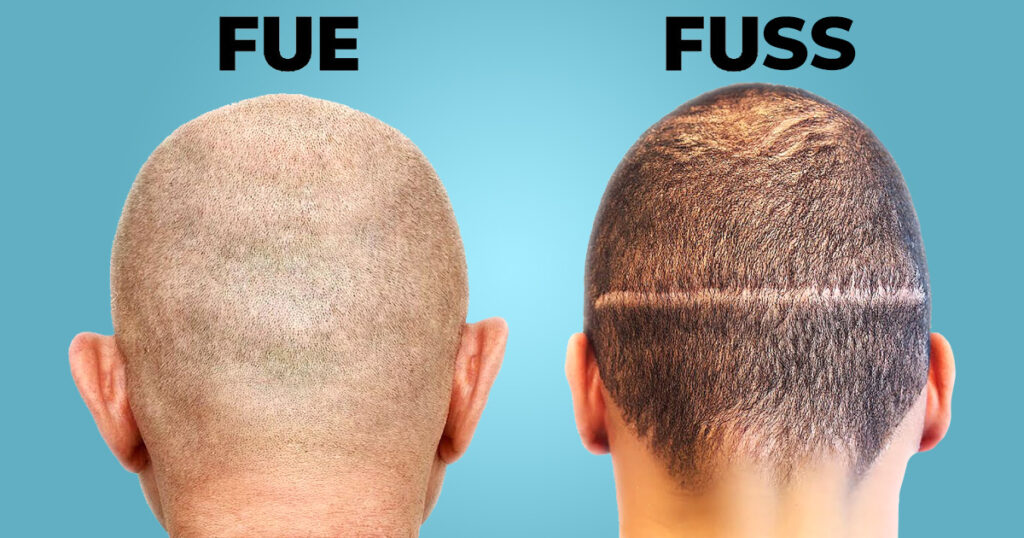
There are several techniques available for hair transplantation, each with its unique benefits and cost structure:
Read more: how much hair transplant cost in india
| Clinic/Service | Specialization | Offer |
|---|---|---|
| Dr. Hanan Amin | Dermatology & Hair Transplant | 50% Off on Permanent Hair Transplant |
| Vcare Trichology | Hair Transplant & Regrowth Solutions | Voluminous and Natural Hair Growth – Book Now |
| DHI India | Trusted Hair Restoration Clinic | 50% Off on Consultation Fees |
| Adgro Hair Chennai | Professional Hair Care & Transplantation | Affordable Hair Transplant |
| R3 Studioz | Expert Hair Fixing & Restoration | No Surgery Needed – Natural Results |
| Unique Hair Gro Clinic | Hair Transplant & Restoration | Affordable & Smooth Process |
| Tamira Plastic Surgery | Hair Transplant, Liposuction, Gynecomastia | Hair Transplant Services |
| Ultra Bio Hair Transplant Clinic | Hair Transplant & PRP Treatments | Best Hair Plant Clinic at Nominal Price |
| Pristyn Care | Hair Transplant Surgery & Consultations | Free Initial Consultation |
| Medispa India | Hair Transplant (FUT+FUE Method) | Advanced Hair Transplant Techniques at A |
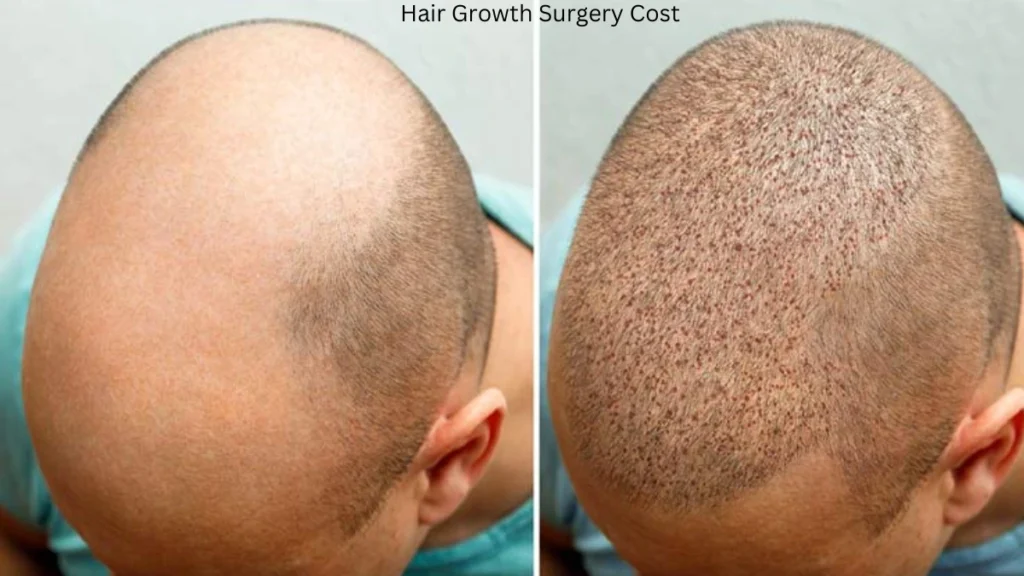
The cost of hair transplants in Chennai can vary depending on several factors:
While hair transplants are an investment in your appearance and confidence, it’s important to research and find a clinic that offers a balance of affordability and quality.
Read more: Hair Growth Surgery Cost
When selecting a clinic for your hair transplant, there are a few factors to consider:
Many clinics in Chennai offer financing options to make hair transplants more accessible. Some clinics provide easy EMI (Equated Monthly Installment) schemes, allowing patients to pay for their treatment in installments. Additionally, medical loans and third-party financing services are available for those who need financial assistance.
While hair transplants are generally safe, they come with some risks, including infection, scarring, and uneven hair growth. It’s important to choose a reputable clinic with experienced surgeons to minimize these risks. Additionally, remember that results may take a few months to fully develop, and you may need follow-up procedures for the best outcome.
The cost of a hair transplant in Chennai can vary depending on the clinic, the type of procedure (FUE, FUT, DHI, etc.), and the number of grafts required. On average, the price can range from ₹40,000 to ₹2,50,000. Some clinics also offer consultations at discounted rates or free initial consultations.
The number of grafts required for a successful hair transplant depends on the extent of hair loss. On average, 1,000 to 3,000 grafts are required for the procedure. However, this can vary from person to person based on the size of the bald area.
A hair transplant procedure usually takes between 4 to 8 hours, depending on the number of grafts being implanted. It may require multiple sessions for larger areas of hair loss.
Results from a hair transplant are typically visible within 6 to 9 months, with full results appearing after 12 to 18 months. Initially, the transplanted hair may shed before growing back thicker and fuller.
Most patients can return to their normal activities within 1 to 2 days after the procedure. However, it’s advisable to avoid strenuous physical activity for at least a week and follow the post-operative care instructions provided by your surgeon.
While hair transplants are generally safe, some potential side effects include swelling, infection, scarring, and temporary hair shedding (shock loss). Following the post-operative care instructions reduces these risks significantly.
Yes, hair transplants can be performed on individuals with medical conditions like diabetes or high blood pressure, provided the conditions are under control. It is essential to consult with your doctor and the hair transplant surgeon to assess the risks before proceeding.
To choose the best clinic, consider factors such as:
It is normal for transplanted hair to shed within 2 to 4 weeks after the procedure. This is a temporary phase known as “shock loss.” New hair growth will begin within 3 to 4 months, and you will notice thicker and healthier hair over time.
Yes, hair transplants are considered a permanent solution for hair loss. The transplanted hair is resistant to the hormone DHT, which is responsible for male and female pattern baldness. However, some individuals may need additional procedures in the future as their hair loss continues naturally.
Many clinics in Chennai offer financing options or payment plans for hair transplant procedures. It’s best to inquire with the clinic about available payment options and any financing partners they work with.
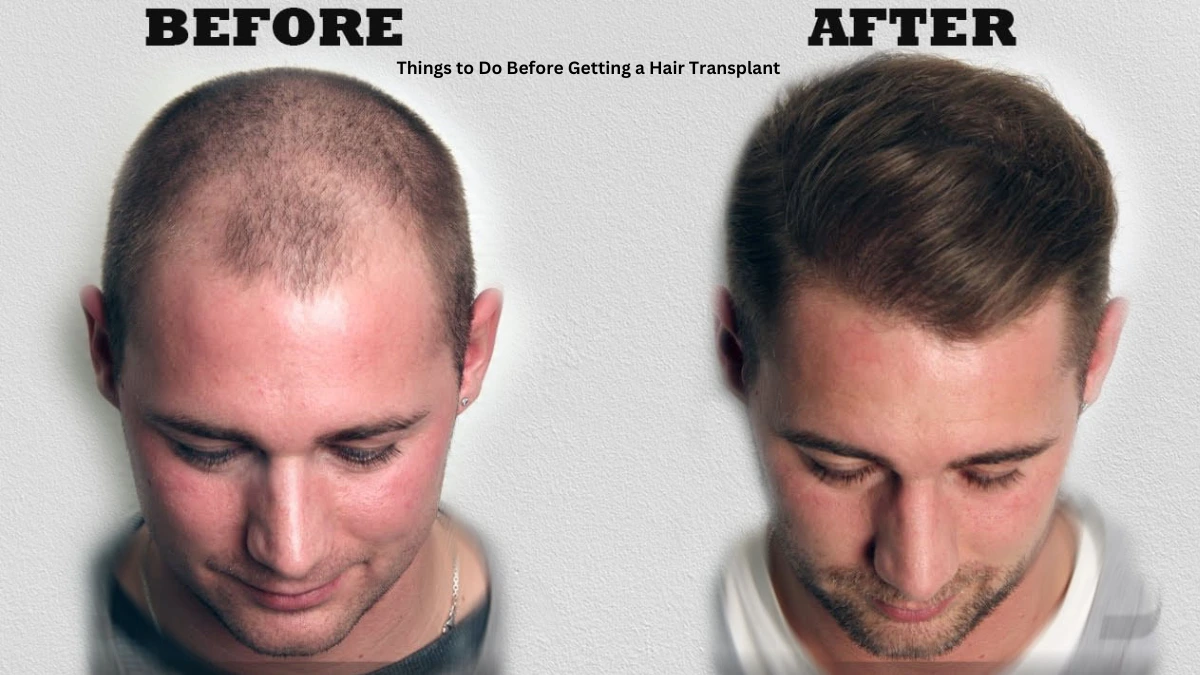
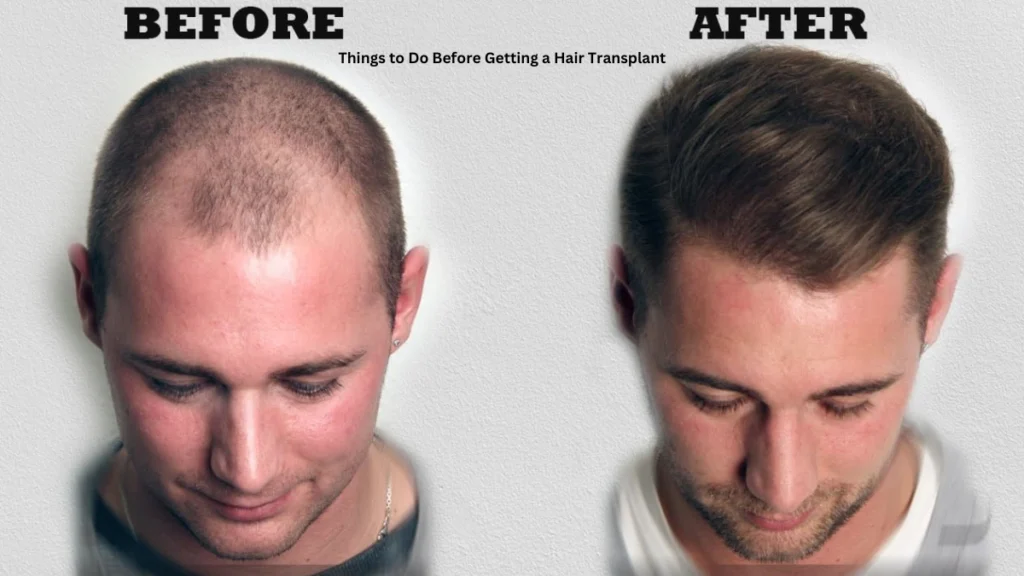
Hair transplants are a popular solution for individuals experiencing hair loss, and proper preparation before undergoing the procedure is crucial for ensuring the best possible outcome. Whether you’re considering a hair transplant for the first time or are familiar with the process, understanding the necessary steps to take before your surgery can significantly influence your recovery and final results.
In this article, we’ll guide you through essential preparations to ensure you’re ready for a successful hair transplant. From consultations with your surgeon to physical preparation, here’s what you need to do before your procedure.
Visit Dr. Hanan Dermatology Specialty Clinic in Padur, OMR, Chennai. Schedule your consultation today and start your journey to fuller, healthier hair.
For more information and to book your appointment, visit our clinic or call us at the clinic’s contact details.
The first step in preparing for a hair transplant is selecting a skilled and experienced hair transplant surgeon. During your initial consultation, your surgeon will assess your hair loss, discuss your medical history, and determine your eligibility for the procedure.
Expect your surgeon to explain various techniques, such as Follicular Unit Extraction (FUE) and Follicular Unit Transplantation (FUT), and suggest the best approach based on your needs. This is also the time to ask any questions you may have about the procedure, expected results, and aftercare.
Read more: how much hair transplant cost in india
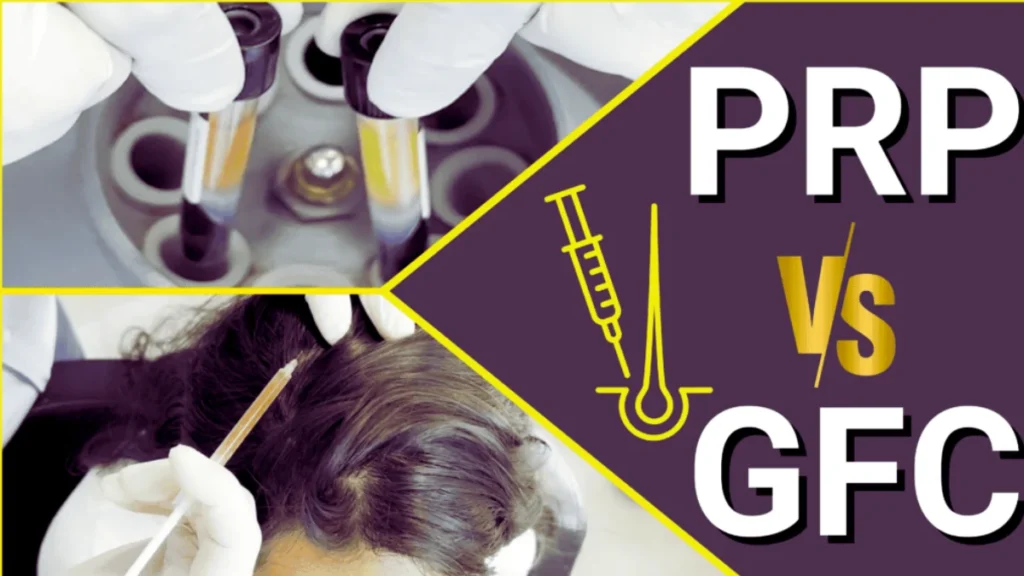
Before undergoing a hair transplant, it’s essential to understand the procedure and what it involves. There are two primary hair transplant techniques:
By understanding these procedures, you can make an informed decision and set realistic expectations for your post-surgery appearance.
Read more: PRP vs GFC Hair Treatment in Chennai Which is the Best for Hair Regrowth
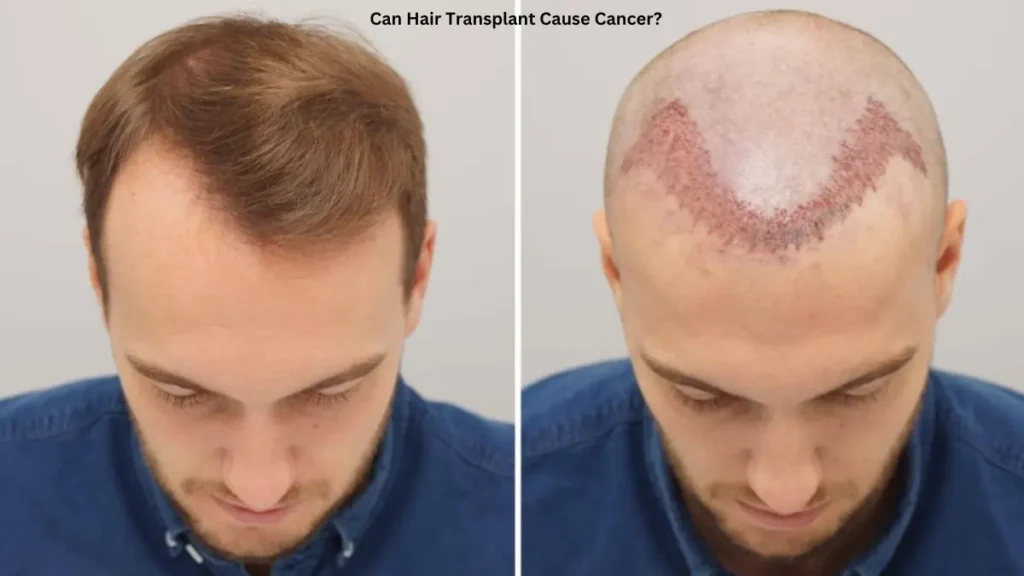
Proper hair care is essential before a hair transplant. Here’s what you should do:
Your body needs to be in optimal condition for the surgery. Follow these steps:
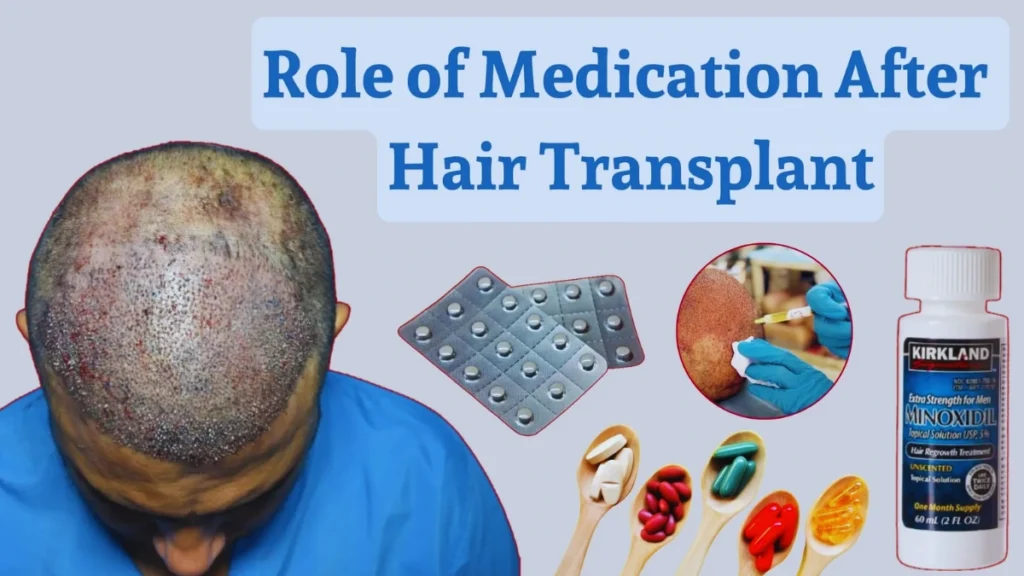
Before your hair transplant, discuss all medications and supplements you’re taking with your doctor. Some medications, such as blood thinners, can increase the risk of bleeding during the procedure. Your surgeon will likely advise you to stop taking certain medications, including:
Make sure to inform your surgeon of any allergies or pre-existing medical conditions to ensure a safe and smooth procedure.
Read more: Medicine After Hair Transplant Essential Post-Operative Care for Optimal Results
Preparing mentally for your hair transplant is just as important as physical preparation. Stress and anxiety can negatively affect your body’s ability to recover. Take time to relax and discuss any concerns with your surgeon. They will help you understand the procedure and what to expect, ensuring you feel confident and at ease.
Set realistic expectations for the results. While hair transplants can produce fantastic outcomes, the process requires patience, as it may take several months for new hair to grow fully.
The recovery period after a hair transplant is just as important as the procedure itself. You’ll need someone to drive you home after the surgery, as the anesthesia may leave you groggy. Arrange for a friend or family member to accompany you to the clinic.
Prepare your home environment for a comfortable recovery. Set up a clean, quiet space where you can rest and follow the post-op instructions from your doctor. Make sure to have any prescribed medications on hand for pain management or infection prevention.
On the day of your surgery, wear loose, comfortable clothing that will not need to be pulled over your head. Opt for button-up shirts or easy-to-remove tops, as you may experience discomfort if you try to pull clothing over your head after the procedure.
Ensure you are aware of the total cost of the procedure and what is included. Some hair transplant clinics may offer package deals that cover medications, follow-up visits, and additional treatments. Be prepared for any extra costs that may arise during recovery.
Proper preparation is key to achieving the best results from your hair transplant. From choosing the right surgeon and understanding the procedure to following pre-op care guidelines, each step plays a crucial role in ensuring a smooth process. By taking the time to properly prepare your hair, body, mind, and environment, you’ll be setting yourself up for a successful hair transplant and a fuller, more confident you.
1. How should I prepare my hair before the transplant?
You should wash your hair with shampoo the night before and the morning of the surgery. Avoid using any hair products like gel, oil, or styling creams. Do not dye, trim, or shave your hair before the procedure unless specifically instructed by your doctor.
2. Can I drink alcohol before a hair transplant?
No, you should avoid alcohol at least 24 hours before the procedure. Alcohol can dehydrate your body and may interfere with anesthesia and recovery.
3. Should I quit smoking before my hair transplant?
Yes, it’s advisable to quit smoking several weeks before the surgery. Nicotine constricts blood vessels and can hinder proper healing. Avoid smoking for at least two weeks before and after the procedure.
4. Can I take my regular medications before the surgery?
You should discuss all medications, including over-the-counter drugs and supplements, with your surgeon. Some medications, like blood thinners, may need to be stopped before the procedure to minimize bleeding risks. Always follow your doctor’s advice.
5. What should I eat before my hair transplant?
It’s recommended to have a light, healthy breakfast on the day of your surgery. Avoid greasy or heavy foods that may upset your stomach or cause discomfort during the procedure. Staying hydrated is also essential.
6. Can I exercise before my hair transplant?
It’s best to avoid strenuous exercise 24-48 hours before the procedure. Exercise can increase blood flow and may affect the success of the surgery. After the procedure, follow your doctor’s advice regarding physical activity.
7. How should I dress for the surgery?
Wear loose, comfortable clothing that you can easily take off without needing to pull anything over your head. Button-up shirts or zip-up tops are ideal for post-surgery comfort.
8. How soon will I see results after a hair transplant?
While results vary, you can typically expect to see the first signs of new hair growth around 3-4 months after the procedure. Full results may take 9-12 months as hair continues to grow and thicken.
9. Do I need someone to drive me to the clinic?
Yes, it’s recommended to have someone accompany you to the clinic and drive you home after the procedure. The anesthesia used during the transplant may leave you feeling groggy, and you should avoid driving immediately after the surgery.
10. Can I take a shower before the procedure?
Yes, you can take a shower before the procedure, but avoid using any heavy hair products. Make sure to wash your hair thoroughly to remove any dirt, oils, or residues that could affect the procedure.
11. What if I have a medical condition?
If you have any pre-existing medical conditions, inform your surgeon before the procedure. Your doctor will assess your health and may need to make adjustments to the procedure or medication based on your condition.
12. What should I do if I feel nervous about the procedure?
It’s normal to feel anxious before a hair transplant. Discuss any concerns with your surgeon and ask for more details about the procedure. Understanding the process and setting realistic expectations can help ease your nerves.
13. What are the costs involved in a hair transplant?
The cost of a hair transplant varies depending on the technique used, the clinic’s location, and the number of grafts required. Be sure to discuss the costs during your consultation and ask about any additional expenses for medications, follow-up visits, or aftercare.
14. Can I resume normal activities right after the transplant?
No, it’s important to take it easy during the first few days after the procedure. Avoid activities like heavy exercise, bending over, or direct sun exposure until your doctor clears you for regular activities.
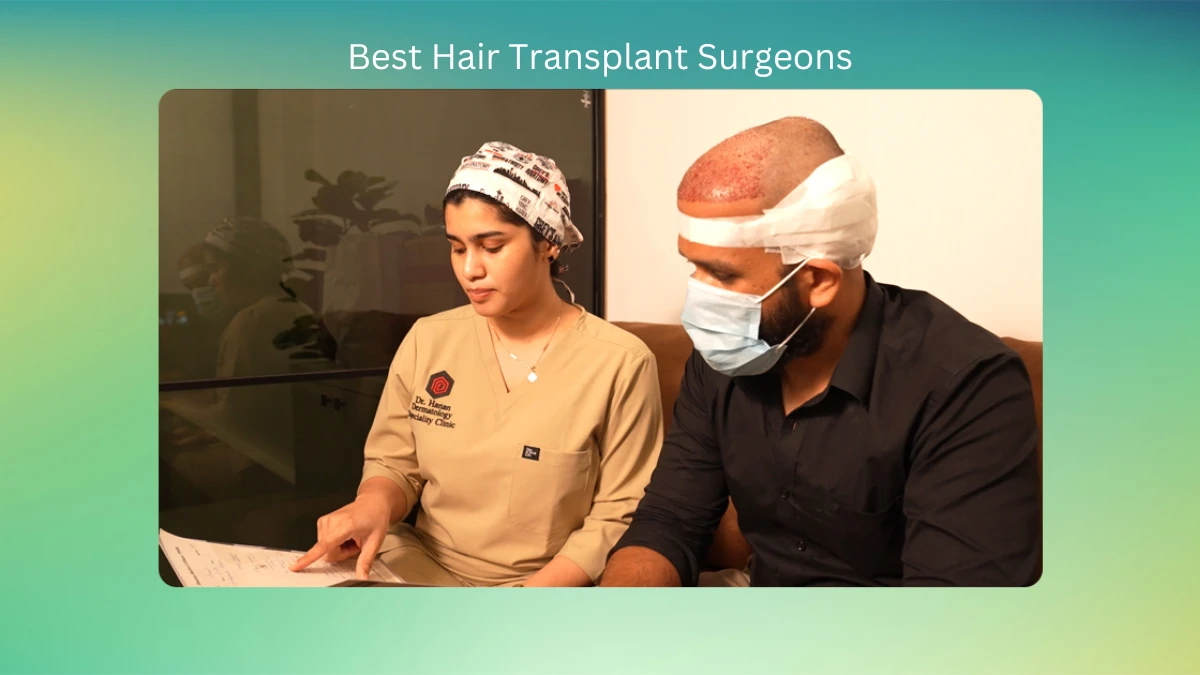
Hair loss affects millions of individuals worldwide, and for many, hair transplant surgery has become an effective solution for regaining confidence and achieving natural-looking hair. However, choosing the right hair transplant surgeon is essential for ensuring successful results. This guide will explore how to find the best hair transplant surgeon, key factors to consider, and a selection of top surgeons in the field.
Visit Dr. Hanan Dermatology Specialty Clinic in Padur, OMR, Chennai. Schedule your consultation today and start your journey to fuller, healthier hair.
For more information and to book your appointment, visit our clinic or call us at the clinic’s contact details.

Hair transplantation is a surgical procedure used to treat hair loss, where hair follicles are moved from areas of the scalp that are dense with hair (usually the back or sides) to areas where hair is thinning or missing. The two main methods of hair transplantation are:
This method involves removing individual hair follicles and transplanting them into the recipient areas. It’s minimally invasive, leaves no linear scarring, and allows for faster recovery.
Also known as the strip method, FUT involves removing a strip of skin from the donor area, which is then dissected into individual follicular units and transplanted. This method may result in a linear scar but is often preferred for larger areas of hair restoration.
Both techniques are highly effective, but your surgeon will recommend the best option based on your hair loss pattern, hair type, and individual needs.
When searching for the best hair transplant surgeon, experience is paramount. Look for a surgeon with extensive experience in hair restoration procedures. Ensure they are board-certified and specialize in dermatology or plastic surgery. Experienced surgeons are familiar with the latest techniques and technologies, ensuring optimal results.
The top hair transplant surgeons are well-versed in both FUE and FUT techniques. A skilled surgeon will assess your individual hair loss pattern and suggest the most suitable approach to achieve the best outcome. The ability to choose the right technique based on your unique needs is essential.
Reviewing the surgeon’s before and after photos of previous patients is one of the most effective ways to evaluate their skill. Most reputable surgeons will have galleries of real patient results that demonstrate their ability to restore hair naturally and seamlessly.
A top hair transplant surgeon will offer a comprehensive consultation. This should include an in-depth discussion of your hair loss concerns, treatment options, and realistic expectations. Personalized care is crucial in tailoring the treatment to meet your unique needs.
The best hair transplant surgeons use the latest state-of-the-art technology and tools. This includes advanced tools for graft extraction, high-quality microscopes for follicle dissection, and robotic systems for more precise and efficient procedures.
Reputation is key when selecting the right surgeon. Be sure to check online patient reviews and testimonials. Positive feedback and word-of-mouth referrals from people who have undergone the procedure at the clinic can give you a sense of the surgeon’s professionalism and skills.
Here are some of the leading hair transplant surgeons known for their expertise and impressive results:
Dr. John Cole is a pioneer in FUE hair transplant surgery and has performed thousands of procedures worldwide. With over 20 years of experience, he is known for his innovative approach and high success rate in hair restoration.
Dr. Bauman is a well-respected hair restoration specialist known for his personalized care. His expertise includes both surgical and non-surgical treatments for hair loss, and he is highly regarded for delivering natural-looking results.
Based in Chennai, Dr. R. Amin Hanan is a renowned dermatologist and hair transplant expert. He is celebrated for his proficiency in advanced hair restoration procedures, including FUE and PRP therapy, offering customized treatment options for men and women.
Dr. Bisanga is a highly skilled surgeon who specializes in FUE hair transplants. He is known for his meticulous attention to detail, offering a personalized approach to ensure natural, aesthetically pleasing results.
Dr. Raghu Reddy is one of the leading hair transplant surgeons in the UK, renowned for his exceptional results and ethical approach to hair restoration. His clinic offers cutting-edge treatments using the latest technologies in the field.
The hair transplant procedure typically lasts between 4-8 hours, depending on the extent of the transplant. Here’s a step-by-step breakdown:
Hair transplant costs vary widely depending on the technique, the surgeon’s expertise, and the clinic’s location. On average, FUE procedures can range from $4,000 to $15,000. Some clinics offer financing options to make the procedure more affordable.
Fact: Hair transplants are effective for both younger and older individuals experiencing hair loss.
Fact: Hair transplants provide permanent results when done correctly, with transplanted follicles resistant to future hair loss.
Fact: With modern techniques, the procedure is minimally invasive, and recovery is usually quick.
1. What is a hair transplant, and how does it work?
A hair transplant is a surgical procedure where hair follicles are moved from areas with healthy hair (usually the back or sides of the scalp) to areas that are thinning or bald. There are two main methods:
2. Is a hair transplant permanent?
Yes, the results of a hair transplant are generally permanent. The transplanted hair follicles are resistant to the hormones that cause hair loss, ensuring that they will continue to grow for a lifetime. However, natural hair loss may still occur in non-transplanted areas.
3. How long does it take to see results after a hair transplant?
It typically takes 6 to 12 months to see the final results of a hair transplant. The transplanted hair will shed initially, but new growth should appear within a few months. Full, natural-looking hair growth takes up to a year.
4. Are there any side effects or risks associated with hair transplant surgery?
While generally safe, hair transplants come with some risks, such as:
5. How much does a hair transplant cost?
The cost of a hair transplant varies depending on the technique used, the surgeon’s experience, and the clinic’s location. On average, FUE procedures can range from $4,000 to $15,000. Financing options are available at many clinics to help make the procedure more affordable.
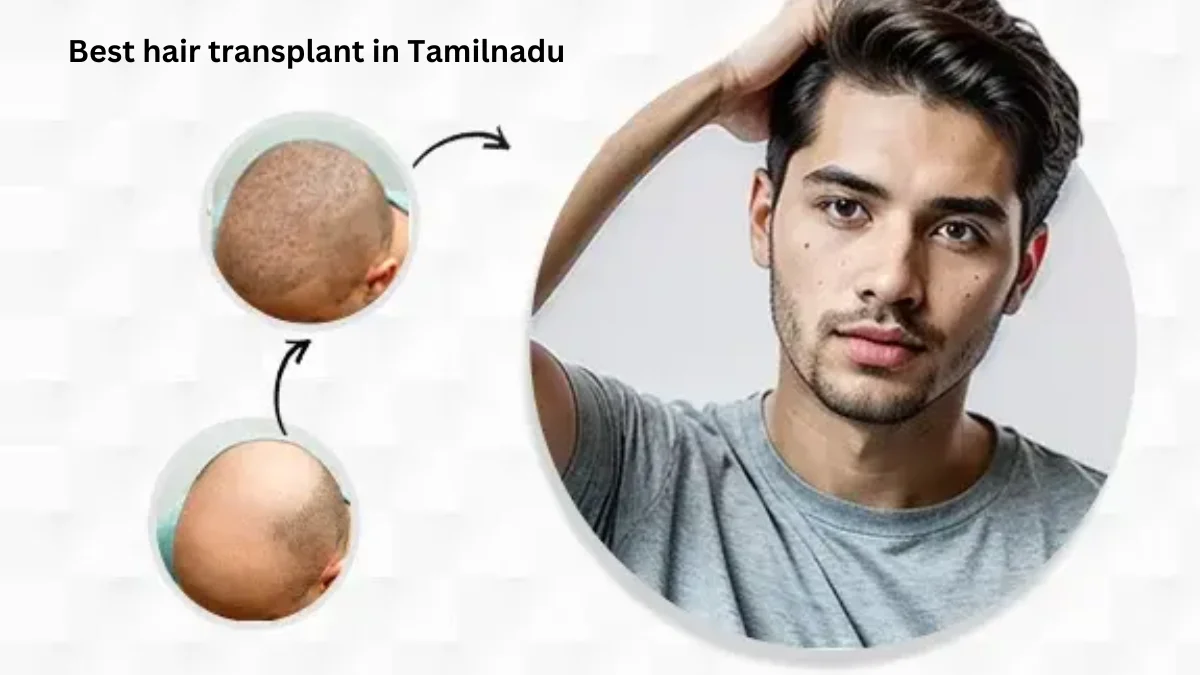
Hair transplant procedures have become increasingly popular among individuals experiencing hair loss or baldness. Tamil Nadu, particularly Chennai, is home to some of the best hair transplant clinics in India, offering advanced techniques at competitive prices. Choosing the right clinic and doctor is crucial for a successful and natural-looking hair transplant. This article provides a detailed guide on the best hair transplant options in Tamil Nadu, including top clinics, costs, techniques, and recovery tips.
Visit Dr. Hanan Dermatology Specialty Clinic in Padur, OMR, Chennai. Schedule your consultation today and start your journey to fuller, healthier hair.

For more information and to book your appointment, visit our clinic or call us at the clinic’s contact details.
Before selecting a clinic, it is essential to understand the different hair transplant techniques available. Each method has its benefits and is suited for different hair loss conditions.
Choosing the best hair transplant clinic involves several factors:
Here are some of the best hair transplant clinics in Tamil Nadu known for their high-quality procedures:
The cost of a hair transplant varies based on the clinic, technique used, and number of grafts required. On average:
Factors affecting cost:
After a hair transplant, proper care is essential for optimal results:
Many patients have reported positive experiences with hair transplants in Tamil Nadu. Here are some success stories:
Choosing the best hair transplant clinic in Tamil Nadu depends on multiple factors, including the technique, doctor expertise, and cost. Clinics like DHI India, Eugenix Hair Sciences, and Tamira Life Clinic offer top-quality procedures with high success rates. If you are considering a hair transplant, consult with a qualified specialist to determine the best treatment for your needs.

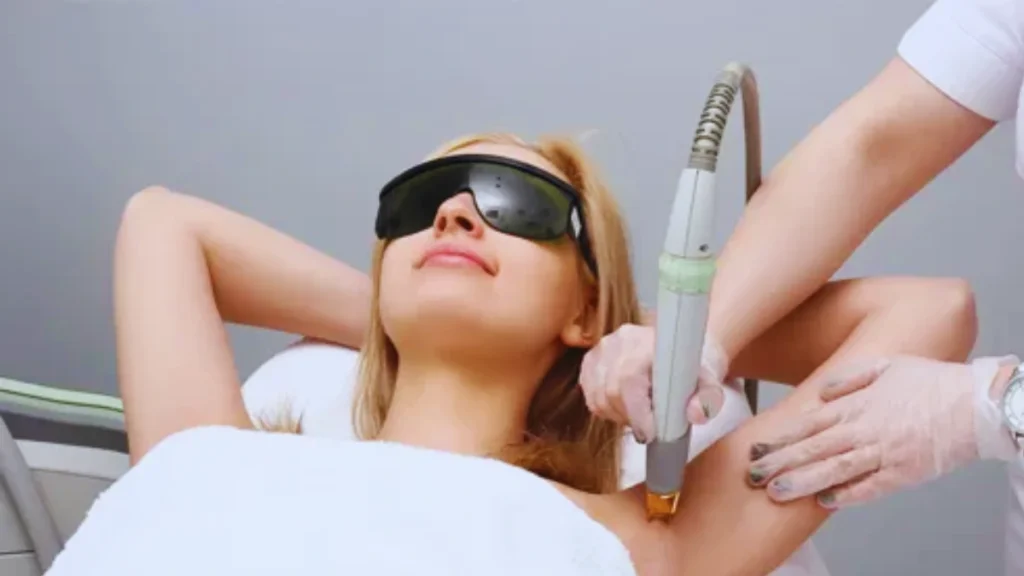
When it comes to personal grooming, private part hair removal is a topic that many are keen to explore. With advancements in technology and the availability of specialized treatments, it has become easier and safer to achieve smooth, hair-free skin in sensitive areas like the bikini line. Among the various methods available, laser hair removal stands out as the most effective and long-lasting option. If you’re considering private part hair removal in Chennai, this guide will help you understand the best methods, clinics, and essential factors to consider.
Visit Dr. Hanan Dermatology Specialty Clinic in Padur, OMR, Chennai. Schedule your consultation today and start your journey to fuller, healthier hair.
For more information and to book your appointment, visit our clinic or call us at the clinic’s contact details.
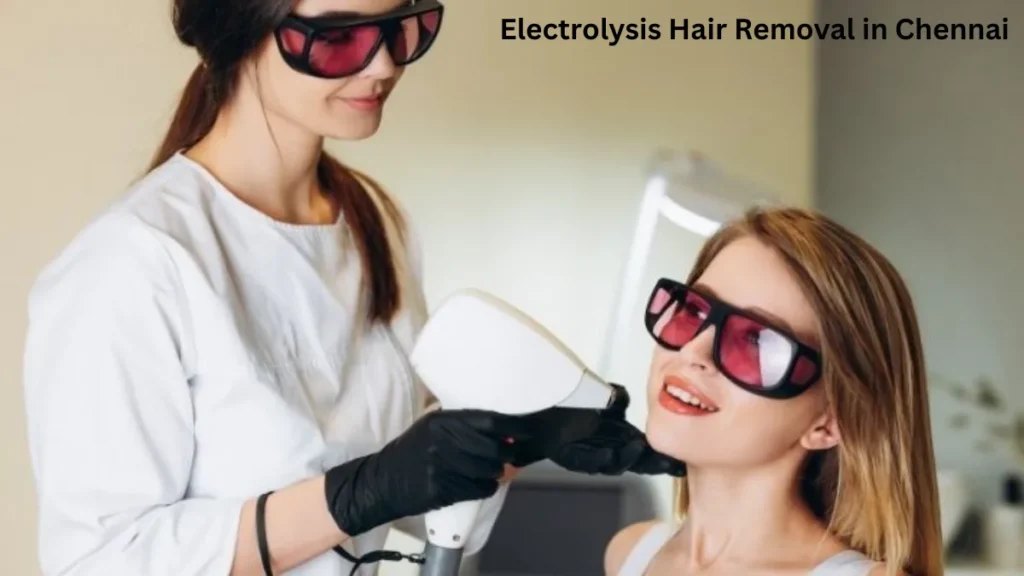
There are several reasons people opt for private part hair removal, particularly for areas like the bikini line. For many, it’s about maintaining hygiene, comfort, and aesthetic appeal. Here are a few reasons why hair removal in sensitive areas is becoming increasingly popular:
While there are different hair removal methods available, each has its pros and cons. Shaving and waxing are common, but laser hair removal is becoming the top choice for those seeking a more permanent and less painful solution.
Read more: Electrolysis Hair Removal in Chennai
Laser hair removal is the most popular and effective method for permanent hair reduction in sensitive areas like the bikini line. Here’s why:
In Chennai, Nd:YAG laser technology is a highly recommended option for darker skin tones. Nd:YAG lasers penetrate deeply into the skin, targeting the hair follicle without damaging the surrounding tissue, making it a safe choice for Indian skin types.
While laser hair removal is the go-to option for many, there are other methods you can consider:
Laser hair removal is often the preferred method as it offers more permanent results with minimal discomfort.
If you’re looking for a trusted place for private part hair removal in Chennai, here are some popular clinics and salons:
When selecting a clinic, make sure it meets your needs in terms of cleanliness, experience, and customer reviews.
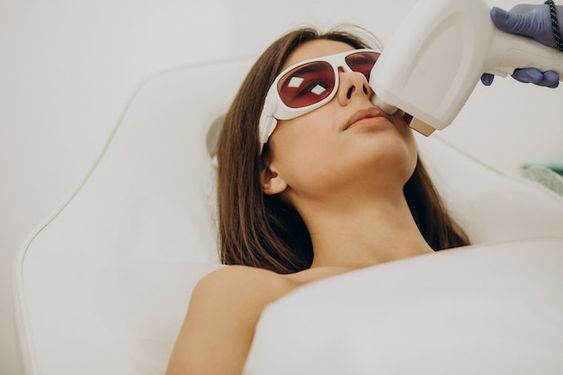
Laser hair removal for private parts is generally quick and non-invasive. Here’s what you can expect:
Overall, laser hair removal is relatively painless, with minimal downtime, making it an ideal choice for sensitive areas.
Read more: laser hair removal treatment
After your laser hair removal session, it’s essential to take care of the treated area to avoid irritation and maximize results:
Following these aftercare tips will help ensure smooth, hair-free skin and prevent complications.
The cost of laser hair removal for private parts in Chennai varies depending on the clinic, the type of laser used, and the size of the area being treated. On average, a session for the bikini line can cost between ₹1,500 and ₹5,000. Multiple sessions are required, so total costs can add up over time.
Factors that influence pricing include:
Make sure to inquire about packages and any discounts available for multiple sessions.
Before opting for private part hair removal, consider the following:
A consultation with a dermatologist or laser specialist can help you make the right decision based on your unique needs.
Private part hair removal is a popular option for those seeking smooth, hair-free skin in sensitive areas. Laser hair removal, particularly with Nd:YAG technology, offers permanent results with minimal discomfort. By choosing a reputable clinic in Chennai, you can enjoy safe and effective treatments that deliver the desired results.
If you’re ready to make the switch from temporary hair removal methods, consider laser treatments for long-term smoothness and convenience.
1. Is laser hair removal painful?
2. How many sessions are needed for permanent results?
3. Can I get laser hair removal for my bikini line? ?
4. Are there any side effects of laser hair removal?
5. How much does laser hair removal cost in Chennai?
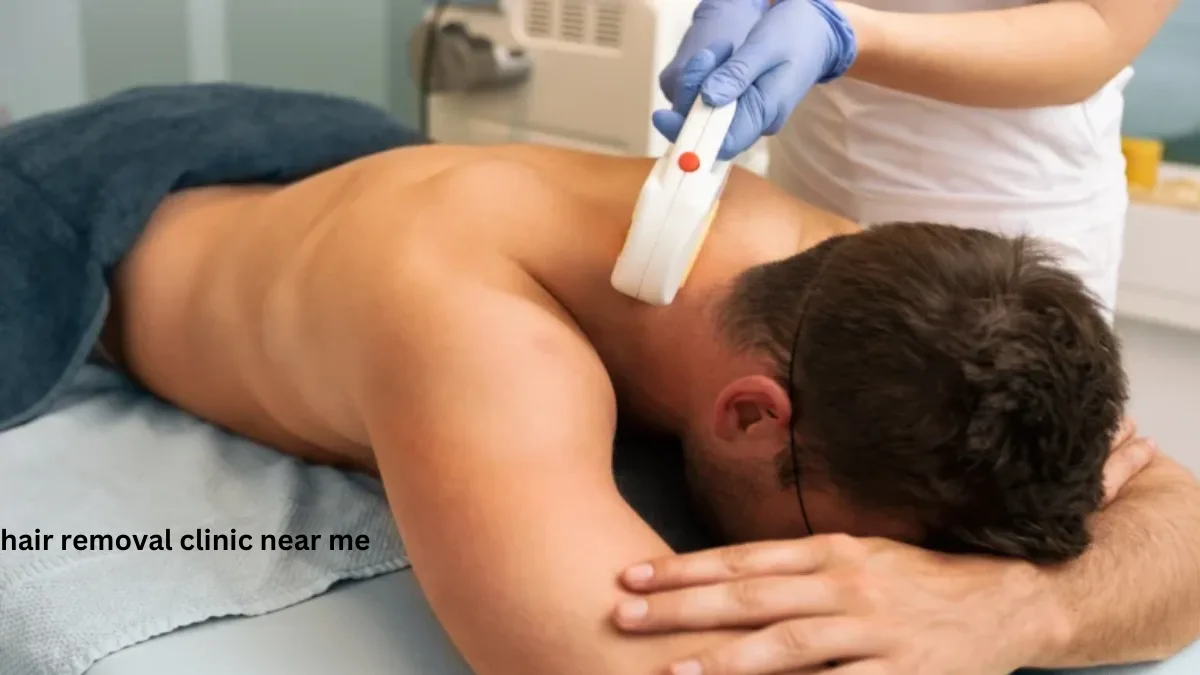
Hair removal has become an integral part of personal grooming for many people. Whether for aesthetic purposes or comfort, finding a trusted hair removal clinic nearby is essential. With advancements in technology like laser hair removal, achieving smooth, hair-free skin has never been easier. This article will guide you through everything you need to know about finding the best hair removal clinic near you.
Visit Dr. Hanan Dermatology Specialty Clinic in Padur, OMR, Chennai. Schedule your consultation today and start your journey to fuller, healthier hair.
For more information and to book your appointment, visit our clinic or call us at the clinic’s contact details.
When it comes to hair removal, there are several options to choose from. Here’s an overview of the most popular treatments:
Selecting the right clinic is crucial to ensure safe and effective treatment. Here are key factors to keep in mind:
Professional hair removal clinics offer several advantages:
Most clinics offer a pre-treatment consultation to ensure the best results. Here’s what typically happens:
Here’s a list of reputed hair removal clinics in your area:
The cost of hair removal varies based on the treatment and area covered:
Permanent solutions like laser and electrolysis may seem costlier upfront but offer better value over time.
Read more: Private Part Hair Removal in Chennai
Testimonials and Success Stories
Many clients have seen incredible results from professional hair removal treatments. Here are some testimonials:
Q: Is laser hair removal safe for all skin types?
A: Yes, but it’s essential to consult a specialist to determine the best approach for your skin type.
Q: How many sessions are needed for permanent results?
A: Typically, 6-8 sessions are required for optimal results.
Q: What is the cost of full-body hair removal?
A: Full-body laser hair removal can cost INR 25,000 – INR 50,000 for a package of sessions.
Q: Are there any side effects to laser treatment?
A: Minimal side effects like redness or slight irritation may occur but usually subside within hours.
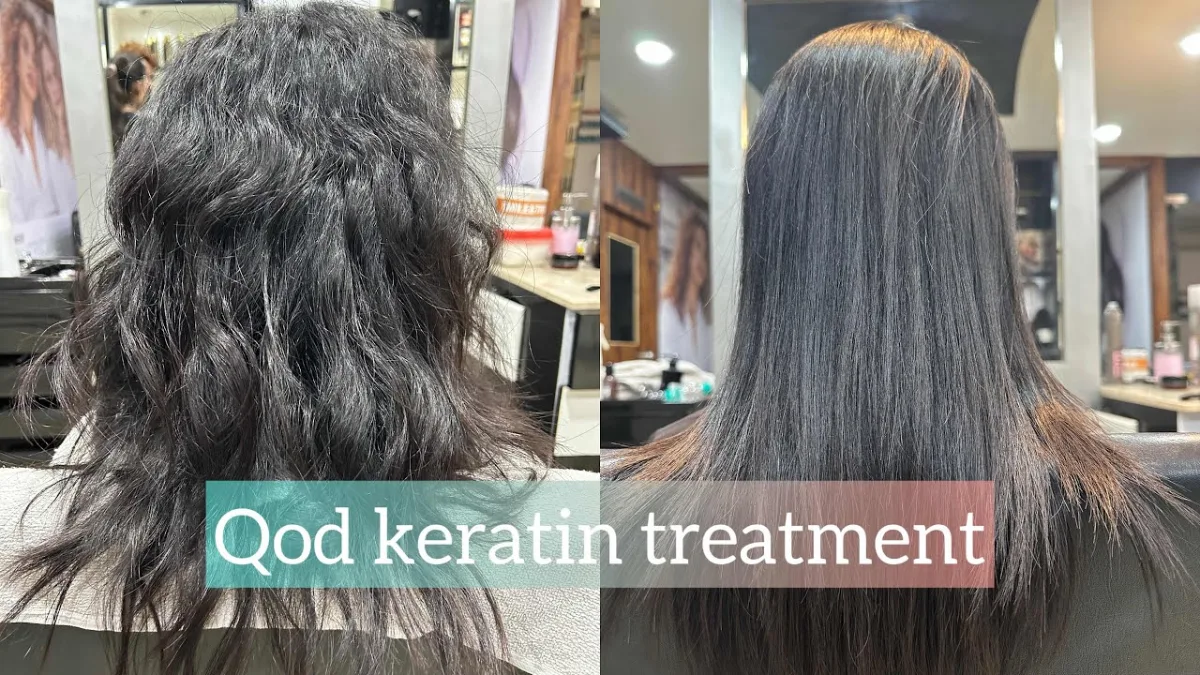
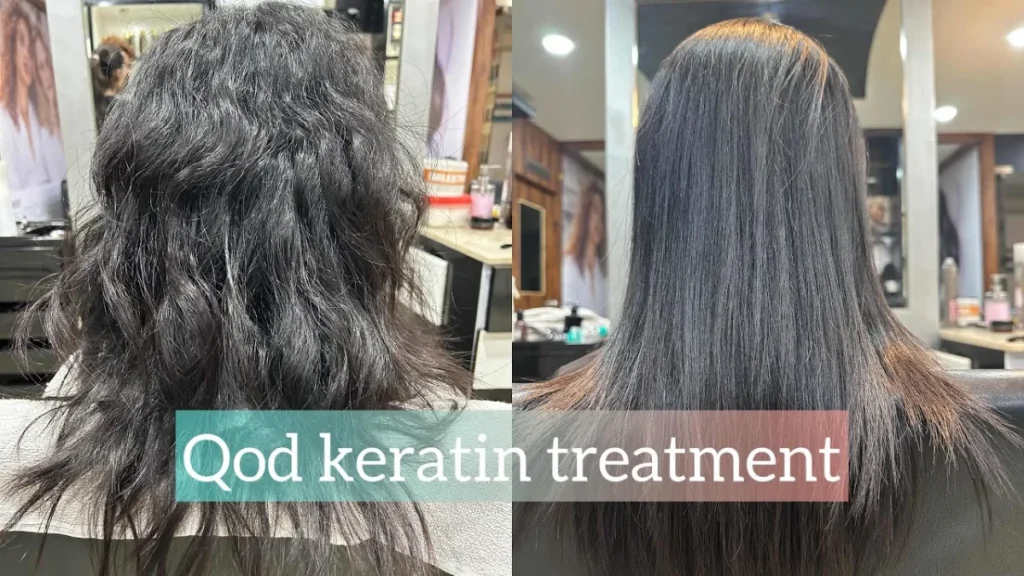
Hair care has come a long way with advancements in technology and treatments that promise smoother, healthier, and more manageable hair. One such treatment that has gained significant attention for its impressive results is QOD Hair Treatment. Whether you struggle with frizzy hair, dullness, or damage, QOD offers a solution that promises smooth, shiny, and nourished locks. In this article, we’ll dive deep into what QOD hair treatment is, how it works, its benefits, and how you can maintain your results for long-lasting effects.
Visit Dr. Hanan Dermatology Specialty Clinic in Padur, OMR, Chennai. Schedule your consultation today and start your journey to fuller, healthier hair.
For more information and to book your appointment, visit our clinic or call us at the clinic’s contact details.
QOD Hair Treatment (Quality of Desired) is a professional salon treatment that uses a blend of keratin and other nourishing ingredients to repair and rejuvenate hair. The treatment is designed to smooth, straighten, and reduce frizz while improving the overall health of the hair. One of the reasons QOD has become so popular is its ability to enhance hair texture without using harsh chemicals like formaldehyde, which is commonly found in other hair treatments like Brazilian blowouts.
QOD offers several treatment options, such as keratin smoothing, hair botox, and specialized solutions tailored for different hair types and concerns. The treatment is suitable for various hair types, including curly, wavy, and even damaged hair, making it a versatile solution for all.
The QOD hair treatment process involves applying a blend of keratin, proteins, and amino acids to the hair. Here’s a breakdown of how it works:
Depending on the type of treatment chosen, the results can last for several months, and you’ll notice immediate improvements in the texture and health of your hair.
Why should you consider QOD Hair Treatment? Here are the key benefits:
When comparing QOD Hair Treatment with other hair straightening and smoothing treatments like Brazilian Blowout or traditional keratin treatments, here’s what sets QOD apart:
In short, QOD Hair Treatment offers a safer, longer-lasting, and nourishing solution for anyone looking to improve the texture of their hair.
While QOD Hair Treatment is generally safe, there are some important considerations to keep in mind:
To extend the life of your QOD Hair Treatment and keep your hair looking fabulous, follow these aftercare tips:
Game-changing solution for anyone looking to smooth frizzy, unruly hair and restore its health. The treatment’s ability to improve hair texture while reducing frizz, damage, and styling time makes it a must-try for those with all hair types. Whether you’re seeking a keratin treatment, botox repair, or a customizable solution, QOD offers a safe and effective way to achieve your desired look.
Ready to transform your hair? Book an appointment with a certified QOD stylist or purchase QOD products online to begin your hair care journey today!
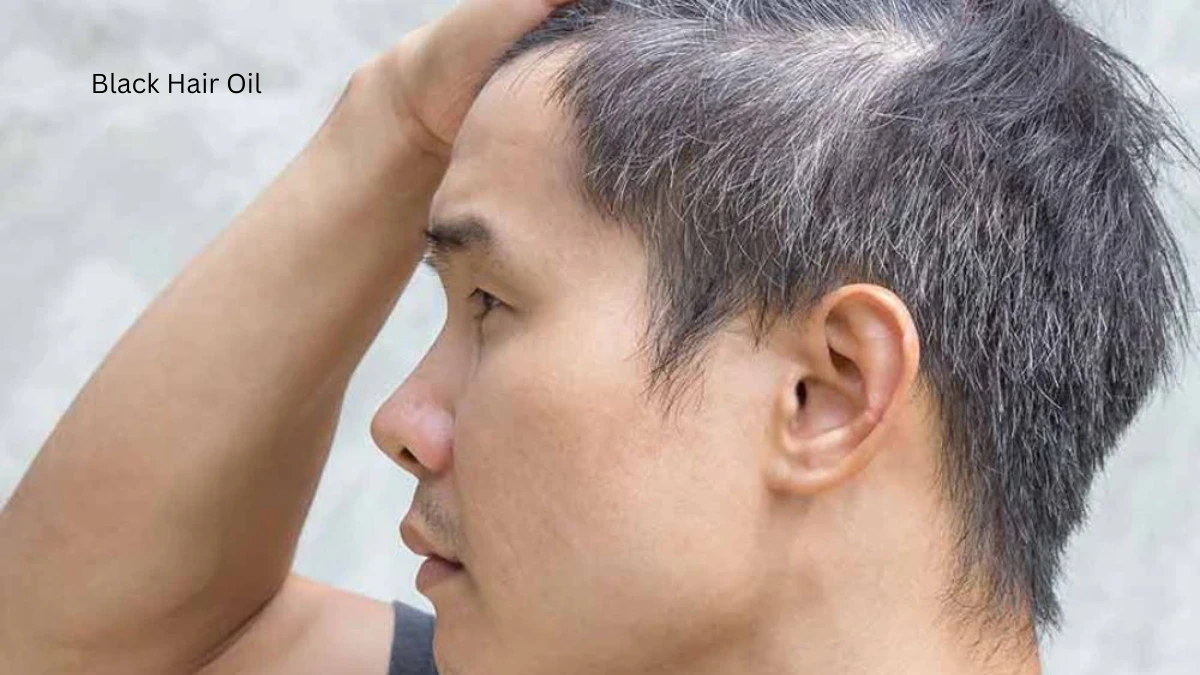
Black hair oils have long been a staple in the hair care routines of many, particularly those with textured hair. These oils, rich in natural ingredients, are revered for their ability to promote healthy hair growth, add moisture, and improve the overall health of the hair. Whether you’re looking for stronger, shinier, or longer hair, black hair oil could be your go-to solution. In this guide, we’ll explore the benefits, types, and how to use black hair oil for the best results.
Visit Dr. Hanan Dermatology Specialty Clinic in Padur, OMR, Chennai. Schedule your consultation today and start your journey to fuller, healthier hair.
For more information and to book your appointment, visit our clinic or call us at the clinic’s contact details.
Black hair oil refers to a variety of oils made from natural ingredients specifically designed for Black and textured hair types. These oils, such as Jamaican black castor oil and black seed oil, are packed with nourishing properties that cater to the unique needs of coarser, curlier, and more textured hair. They offer a variety of benefits, including moisturizing, repairing, and stimulating hair growth.
Unlike regular oils, black hair oils are often formulated with healing herbs and botanical extracts that work harmoniously to enhance scalp health and prevent hair damage.
Promotes Hair Growth
One of the most significant benefits of using black hair oil is its ability to stimulate hair growth. Oils like Jamaican black castor oil contain ricinoleic acid, which increases blood circulation to the scalp, promoting hair growth from the root.
Moisturizes and Hydrates
Black hair oils are rich in fatty acids that help lock in moisture. Regular use can help prevent dryness, frizz, and split ends, making your hair more manageable and soft to the touch.
Strengthens Hair
Black hair oils help repair damage by nourishing the hair shaft, reducing breakage and adding strength. This is particularly beneficial for those with brittle or chemically-treated hair.
Improves Scalp Health
The anti-inflammatory properties of black hair oils contribute to a healthier scalp. Ingredients like black seed oil and Jamaican black castor oil are known for their antifungal and antibacterial properties, promoting a cleaner scalp and reducing issues such as dandruff.
Prevents Premature Greying
Many black hair oils contain antioxidants that help reduce the appearance of grey hair by nourishing the hair follicles and preserving the natural pigment.
Jamaican Black Castor Oil
This oil is renowned for its ability to thicken and lengthen hair. Rich in omega-9 fatty acids, Jamaican black castor oil penetrates the scalp to hydrate and strengthen the hair follicles.
Black Seed Oil
Packed with essential fatty acids, antioxidants, and vitamins, black seed oil is known for helping with hair thinning and promoting overall scalp health. It’s a fantastic option for those suffering from hair loss or a dry, itchy scalp.
Amla Oil
Amla oil, derived from the Indian gooseberry, adds shine and softness to Black hair while helping to reduce hair fall and increase hair density.
Baobab Oil
Known for its high vitamin C content, baobab oil hydrates and strengthens dry, brittle hair. It’s perfect for nourishing hair that’s been damaged by heat or chemical treatments.
Other Variants
Other oils commonly found in black hair oil blends include argan oil, coconut oil, and olive oil, which offer additional moisturizing and strengthening benefits.
Pre-shampoo Treatment
Before washing your hair, apply your black hair oil to dry hair. Let it sit for 15-30 minutes to allow the oil to deeply hydrate and prepare your scalp for cleansing.
Hot Oil Treatments
Heat the oil slightly and apply it to your hair for an intense moisture treatment. This helps the oil penetrate deeper into the hair shaft and strengthens it from within.
Scalp Massages
Massage the oil directly into your scalp using your fingertips to boost circulation, stimulate hair follicles, and relieve any scalp tension. This can be done before bed and left overnight for maximum absorption.
Leave-in Oil
Apply a small amount of oil to damp hair and leave it in for a natural shine and extra moisture. This method works wonders for keeping curls hydrated and bouncy throughout the day.
Hair Mask
Create an enriching oil-based hair mask by combining black hair oil with other nourishing ingredients, like honey or aloe vera. Leave it on for 30 minutes before rinsing for soft, hydrated hair.
Curly and Coily Hair
If you have curly or coily hair, Jamaican black castor oil or baobab oil is a great choice for adding moisture and promoting hair growth. These oils help define curls and reduce frizz.
Straight and Wavy Hair
For straight or wavy hair types, black seed oil and amla oil provide softness and strength without weighing the hair down.
Damaged or Dry Hair
If your hair is brittle or damaged, consider using Jamaican black castor oil or coconut oil for deep repair. These oils help restore moisture, strengthen the hair shaft, and reduce breakage.
Sensitive Scalp
If you have a sensitive scalp, look for gentle oils like baobab oil or black seed oil that soothe irritation while moisturizing the scalp.
Oil Makes Hair Greasy
One common misconception is that oils make hair greasy. When used in moderation and the right amounts, oils can provide nourishment without leaving hair looking oily or weighed down.
Oils Weigh Down Hair
When applied correctly, oils can add volume and bounce to your hair, especially if you use lightweight options like argan oil or baobab oil.
All Oils Are the Same
Not all oils are created equal. Different oils have different benefits, so it’s essential to choose one that matches your hair type and needs.
Allergic Reactions
While rare, some people may experience an allergic reaction to certain oils. Always perform a patch test before applying oils to your scalp.
Overuse
Too much oil can lead to buildup, leaving your hair looking heavy and greasy. A few drops or a small amount is usually sufficient for most hair types.
Storage Tips
Store your oils in a cool, dark place to preserve their potency and extend their shelf life.
Black hair oils are an essential part of many hair care routines due to their ability to hydrate, strengthen, and promote growth. Whether you’re dealing with dryness, breakage, or thinning hair, the right oil can make a significant difference. By understanding the benefits and choosing the best oil for your hair type, you can unlock healthier, more beautiful hair.