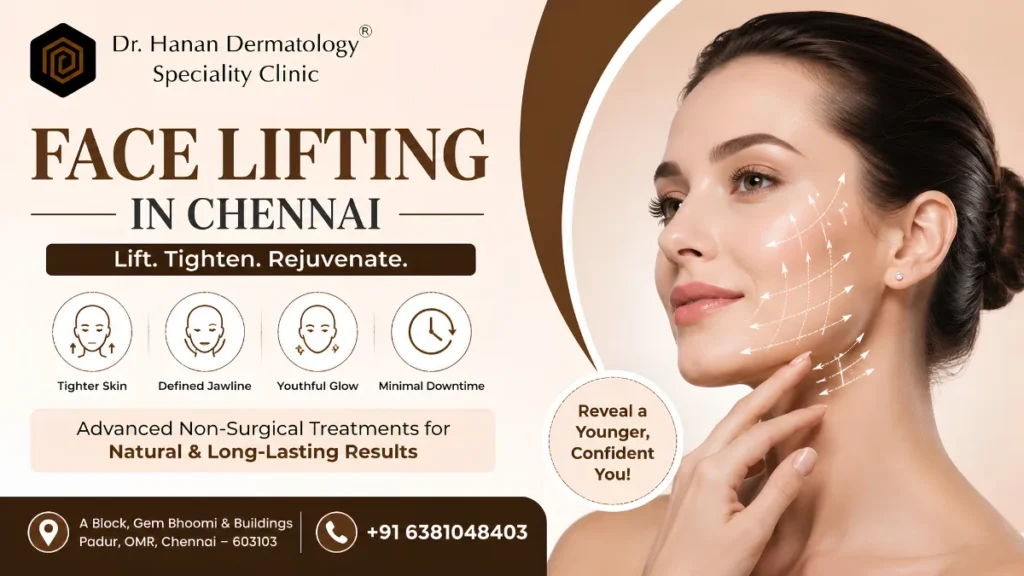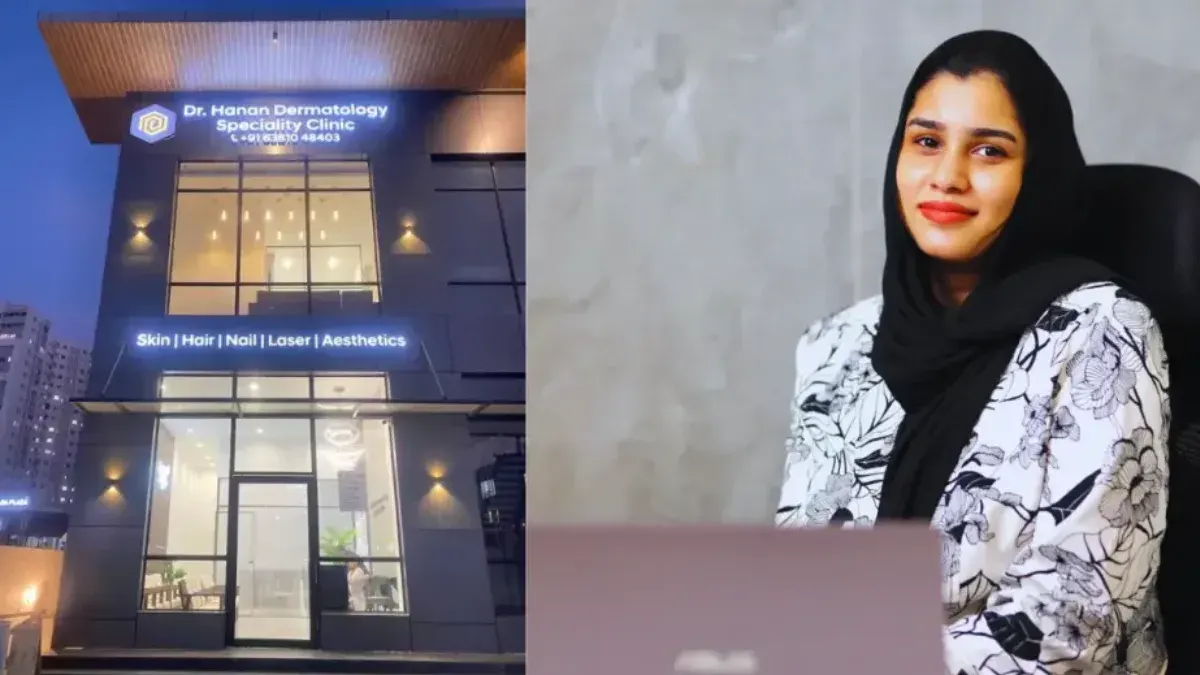
Face Lifting in Chennai with expert tips from Dr. Hanan Dermatology Clinic, Chennai.

Face Lifting in Chennai – Restore a Youthful Appearance with Advanced Non-Surgical Treatments

A youthful, well-defined face is often associated with confidence and healthy skin. However, as we age, collagen production slows down, causing the skin to lose elasticity. This leads to sagging cheeks, jowls, fine lines, and reduced facial definition. Fortunately, modern aesthetic dermatology offers safe and effective face lifting treatments in Chennai that help tighten the skin without the need for major surgery.
At Dr. Hanan Dermatology Speciality Clinic, one of the leading skin and cosmetic clinics in Chennai, we specialize in advanced non-surgical face lifting treatments designed to lift, tighten, and rejuvenate your face naturally. Using cutting-edge technologies such as HIFU, Thread Lift, Dermal Fillers, Botox, and RF Skin Tightening, our expert team creates personalized treatment plans to help you achieve long-lasting and natural-looking results.
Whether you want to restore facial contours, reduce wrinkles, or enhance your jawline, our customized face lifting solutions offer minimal downtime and maximum confidence.
What is Face Lifting?
Face lifting is a cosmetic treatment designed to improve facial firmness by tightening loose skin, stimulating collagen production, and restoring youthful facial contours. Unlike traditional facelift surgery, modern dermatology offers several non-surgical face lifting options that require little to no recovery time.
Face lifting can effectively improve:
- Sagging cheeks
- Loose jawline
- Jowls
- Double chin
- Neck laxity
- Fine lines and wrinkles
- Loss of facial volume
- Poor skin elasticity
Depending on your skin condition and cosmetic goals, your dermatologist may recommend a single treatment or a combination of therapies for optimal results.
Signs You May Benefit from Face Lifting
Many people notice subtle signs of aging in their 30s or 40s. Early treatment can significantly delay the progression of skin laxity.
You may be a suitable candidate if you have:
- Loose facial skin
- Mild to moderate skin sagging
- Loss of jawline definition
- Deep smile lines
- Marionette lines
- Drooping cheeks
- Double chin
- Fine wrinkles
- Neck skin looseness
- Reduced facial firmness
Types of Face Lifting Treatments Available in Chennai
At Dr. Hanan Dermatology Speciality Clinic, we provide advanced non-surgical facial rejuvenation procedures that are safe, effective, and customized for every patient.
HIFU (High-Intensity Focused Ultrasound)
HIFU is among the most popular non-surgical facelift treatments available today. It uses focused ultrasound energy to stimulate collagen production deep within the skin.
Benefits
- Tightens loose skin
- Improves jawline definition
- Lifts cheeks
- Reduces neck sagging
- No surgery
- No scars
- Minimal downtime
- Natural collagen regeneration
Results continue improving over the following 2–3 months as collagen rebuilds naturally.
Thread Lift
Choose a shampoo that targets your specific hair concern:
Thread Lift is a minimally invasive procedure that uses dissolvable medical-grade threads to gently lift sagging tissues.
Ideal for:
- Drooping cheeks
- Mild jowls
- Jawline lifting
- Neck tightening
- Eyebrow lifting
Benefits include immediate lifting with continued collagen stimulation over several months.
Dermal Fillers
Facial aging is not only caused by loose skin but also by volume loss.
Dermal fillers restore youthful volume by enhancing:
- Cheeks
- Chin
- Jawline
- Nasolabial folds
- Under-eye hollows
The result is a naturally lifted and refreshed appearance.
Botox
Botox is commonly used alongside face lifting treatments to relax dynamic facial muscles responsible for wrinkles.
Botox effectively treats:
- Forehead lines
- Crow’s feet
- Frown lines
- Brow lifting
Combined with fillers or HIFU, Botox provides a more comprehensive facial rejuvenation.
Radiofrequency (RF) Skin Tightening
Radiofrequency technology gently heats deeper skin layers to stimulate collagen remodeling.
Benefits include:
- Firmer skin
- Improved elasticity
- Reduced wrinkles
- Better skin texture
- Gradual tightening
Surgical Face Lift vs Non-Surgical Face Lift
| Surgical Face Lift | Non-Surgical Face Lift |
|---|---|
| Requires surgery | No surgery |
| General anesthesia | Outpatient procedure |
| Longer recovery | Minimal downtime |
| Permanent scars | No visible scars |
| 2–4 weeks recovery | Resume activities quickly |
| Long-lasting results | Natural gradual improvement |
For individuals with mild to moderate aging, non-surgical treatments often provide excellent results without the risks associated with surgery.
Benefits of Face Lifting Treatment
Choosing professional face lifting treatment offers several cosmetic and emotional benefits.
These include:
- Youthful facial appearance
- Firmer skin
- Better jawline definition
- Reduced wrinkles
- Lifted cheeks
- Improved facial symmetry
- Enhanced collagen production
- Healthier skin texture
- Increased self-confidence
- Natural-looking outcomes
Who is an Ideal Candidate?
Face lifting treatment is suitable for healthy adults who wish to improve facial aging without undergoing major surgery.
Ideal candidates include:
- Men and women over 30 years
- Individuals with mild to moderate skin laxity
- Patients experiencing early signs of aging
- Healthy non-smokers
- People seeking natural-looking results
- Individuals with realistic expectations
A detailed consultation helps determine the most appropriate treatment based on your skin condition.
Face Lifting Consultation at Dr. Hanan Dermatology Speciality Clinic
Every face is unique, which is why personalized treatment planning is essential.
During your consultation, our specialists will:
- Examine your skin quality
- Assess facial volume loss
- Evaluate skin elasticity
- Discuss your cosmetic goals
- Review medical history
- Recommend suitable treatment options
- Explain expected outcomes
- Create a customized treatment plan
Our goal is to achieve subtle, natural-looking enhancement while preserving your facial expressions.
How Face Lifting Procedures Work
Non-Surgical Face Lift
Most procedures follow these steps:
- Consultation and facial assessment
- Skin cleansing
- Marking treatment areas
- Application of numbing cream (if required)
- Treatment using HIFU, Thread Lift, Fillers, Botox, or RF technology
- Post-treatment care instructions
Most sessions last between 30 and 90 minutes.
Surgical Face Lift
A surgical facelift typically involves:
- General anesthesia
- Small incisions around the ears
- Tightening underlying muscles
- Removing excess skin
- Repositioning facial tissues
- Closing incisions with sutures
Recovery usually takes several weeks and is generally reserved for individuals with advanced facial aging.
Recovery and Aftercare
After Non-Surgical Treatments
Recovery is generally quick.
Patients may experience:
- Mild redness
- Temporary swelling
- Minor tenderness
Recommended aftercare includes:
- Applying sunscreen daily
- Avoiding excessive heat for 24–48 hours
- Staying hydrated
- Following prescribed skincare products
- Attending follow-up appointments
Most patients return to normal activities on the same day or the following day.
After Surgical Face Lift
Recovery may involve:
- Swelling
- Bruising
- Temporary numbness
- Compression garments
- Activity restrictions
Complete healing usually occurs within several weeks.
Results and Longevity
The duration of results depends on the treatment selected.
Approximate timelines include:
- Botox: 3–6 months
- Dermal Fillers: 9–18 months
- Thread Lift: 12–18 months
- HIFU: 12–24 months
- RF Skin Tightening: Maintenance sessions recommended
- Surgical Face Lift: Several years
Healthy lifestyle habits and proper skincare help extend the longevity of results.
FAQs
1. What is face lifting treatment?
Face lifting is a cosmetic procedure that improves facial contours by tightening loose skin, reducing wrinkles, and restoring a youthful appearance. Depending on your needs, it can be performed using non-surgical treatments such as HIFU, thread lift, dermal fillers, Botox, or through surgical facelift procedures.
2. Which face lifting treatment is best?
The best treatment depends on your age, skin condition, and cosmetic goals. For mild to moderate skin laxity, non-surgical options like HIFU and thread lifts are highly effective. During your consultation at Dr. Hanan Dermatology Speciality Clinic, our specialists will recommend the most suitable treatment for you.
3. Is non-surgical face lifting effective?
Yes. Non-surgical face lifting treatments stimulate collagen production, tighten the skin, and improve facial definition with little to no downtime. They are ideal for individuals seeking natural-looking results without surgery.
4. How long do face lifting results last?
The longevity of results varies by treatment:
- HIFU: 12–24 months
- Thread Lift: 12–18 months
- Dermal Fillers: 9–18 months
- Botox: 3–6 months
Regular maintenance sessions can help prolong the results.
5. Is face lifting treatment painful?
Most non-surgical face lifting procedures involve minimal discomfort. A topical numbing cream may be applied before treatment to enhance comfort. Patients generally tolerate the procedures well.
6. How much does face lifting cost in Chennai?
The cost depends on the type of treatment, the areas being treated, the number of sessions required, and your individual skin concerns. A personalized consultation is the best way to receive an accurate treatment plan and cost estimate.
7. Who is a good candidate for face lifting?
Face lifting is suitable for healthy adults experiencing mild to moderate skin laxity, sagging cheeks, jowls, or early signs of facial aging. A dermatologist will assess your skin and recommend the most appropriate treatment.
8. How long does a face lifting procedure take?
Most non-surgical face lifting treatments are completed within 30 to 90 minutes, depending on the procedure and treatment area. Patients can usually return to their daily activities shortly afterward.
9. Are there any side effects after face lifting treatment?
Some patients may experience temporary redness, mild swelling, bruising, or tenderness. These side effects are generally mild and resolve within a few days when post-treatment care instructions are followed.
10. When will I see the results?
Some treatments, such as thread lifts and dermal fillers, provide immediate improvements. Treatments like HIFU and RF skin tightening stimulate collagen production, with optimal results developing gradually over 2 to 3 months.
11. Can face lifting be combined with other cosmetic treatments?
Yes. Face lifting can be combined with Botox, dermal fillers, skin tightening procedures, laser treatments, or skin rejuvenation therapies to achieve more comprehensive facial enhancement. Your dermatologist will recommend the safest combination based on your goals.
12. Why choose Dr. Hanan Dermatology Speciality Clinic for face lifting in Chennai?
Dr. Hanan Dermatology Speciality Clinic offers advanced non-surgical face lifting treatments using modern technology and personalized care. Led by Dr. Hanan Basith, MD (DVL), FFAM, the clinic is known for its expertise in dermatology, facial aesthetics, and natural-looking cosmetic results in a safe and patient-focused environment.
Book Your Consultation Today!
For Personalised Treatment visit Dr. Hanan Clinic. Feel confident and proud with our expert care.
Table of Contents
Hair Fall Treatment for Women: Causes, Remedies & Solutions
Hair Fall Treatment for Women: Causes, Remedies & Advanced Solutions
Looking for the best hair fall treatment for women? Discover expert solutions, causes, and remedies from Dr. Hanan Dermatology Clinic.

Hair is an essential part of a woman’s identity and confidence. But when the hair falls, it can cause anxiety, low self -esteem and emotional distress. Dr. Hanan Dermatology Specialty and Trichology Clinic, we understand the emotional and physical effects of female hair loss – and we are here to help you find a real solution.
In this comprehensive guide, you will learn the causes of hair fall in women, how to identify early signals, and the most effective hair fall for women – from home remedies to clinical intervention.
What Is Hair Fall in Women?
Hair collapse, or hair loss in women is medically known as female pattern hair loss (FPHL) or Androgenic Alopecia. This male pattern differs from baldness and often presents as a normal thin on the crown rather than a recurrent hairline.
Most women shed between 50–100 strands per day, which is normal. However, when hair shedding exceeds this rate or you notice to be visible, it is time to take action.
Common Causes of Hair Fall in Women
Understanding the root cause of hair loss is crucial for effective treatment. Here are some of the most common culprits:
1. Hormonal Imbalances
- Thyroid disorders
- Polycystic ovary syndrome (PCOS)
- Menopause or postpartum hormone shifts
Hormones regulate hair growth cycles, and imbalances can lead to shedding or thinning.
2. Stress & Lifestyle
High stress levels can trigger telogen effluvium due to work pressure, anxiety or trauma, a condition where hair enters the resting phase and falls out.
3. Nutritional Deficiencies
- Iron, Vitamin D, Zinc, and Biotin deficiencies are often linked to hair loss.
2. Poor diet or extreme weight loss can rapidly deplete nutrients essential for hair growth.
4. Medical Conditions
- Alopecia Areata – An autoimmune condition causing patchy bald spots.
Scalp Infections – Fungal infections like ringworm can lead to localized hair loss.
5. Genetics
If your mother or grandmother experienced hair thinning, you may be genetically predisposed to female pattern hair loss.
Early Signs of Hair Loss in Women
Recognizing the early signs helps prevent further damage:
- Thinning on the top or crown of the scalp
2. Widening of the hair part
3. More hair in your comb or shower drain
4. A ponytail that feels thinner than usual
5. Bald spots or patches
Best Hair Fall Treatments for Women
At Dr. Hanan Dermatology Clinic, we offer customized treatment plans based on your hair type, scalp condition, and lifestyle. Here are the best hair fall treatments we recommend:
1. Topical Medications
Minoxidil 2% or 5%: FDA-approved treatment for women. Encourages hair growth by widening blood vessels and extending the growth phase.
2. Oral Medications
- Spironolactone: Blocks androgens, suitable for women with PCOS-related hair loss.
2. Iron or Vitamin D supplements: Corrects deficiencies that contribute to shedding.
3. Platelet-Rich Plasma (PRP) Therapy
PRP uses your own blood platelets to stimulate dormant hair follicles. It’s a non-surgical, advanced method that promotes natural hair growth.
4. Low-Level Laser Therapy (LLLT)
Laser caps and in-clinic laser treatments improve scalp circulation and hair density.
5. Mesotherapy
A non-invasive treatment involving micro-injections of vitamins, enzymes, and plant extracts directly into the scalp to stimulate follicles and strengthen hair.
Natural Remedies and Home Care Tips
While clinical treatment is effective, integrating home remedies into your routine can complement professional care:
- Use a wide-tooth comb to prevent breakage.
- Avoid tight hairstyles like ponytails and buns.
- Oil massages with castor or coconut oil to improve blood circulation.
- Aloe vera gel application helps soothe the scalp and reduce dandruff.
Scalp exfoliation once a week to remove dead skin and stimulate follicles.
Lifestyle Changes for Long-Term Hair Health
- Balanced diet rich in protein, iron, omega-3 fatty acids, and vitamins.
- Hydration: Drink at least 2–3 liters of water daily.
- Sleep: Get 7–8 hours of uninterrupted sleep to support hormonal balance.
Limit heat styling and chemical treatments that weaken the hair shaft.
Why Choose Dr. Hanan Dermatology Speciality and Trichology Clinic?
Located in Padur, Chennai, our clinic is known for:
Experienced Dermatologists & Trichologists
Advanced Technology (PRP, Mesotherapy, LLLT)
Personalized Hair Restoration Plans
High Success Rate & Client Satisfaction
Whether you’re experiencing seasonal shedding or long-term hair thinning, our specialists will work with you to diagnose the cause and craft a treatment plan that delivers visible results
Book Your Consultation Today
Don’t let hair loss affect your confidence. Get professional care from the leading hair fall treatment clinic in Chennai. Contact us today to schedule a scalp analysis and consultation.
Book Your Consultation Today!
For Personalised Treatment visit Dr. Hanan Clinic. Feel confident and proud with our expert care.
Table of Contents
How to Get Clear Skin: Proven Tips for a Glowing skin
How to get clear skin with expert tips on cleansing, exfoliating, and targeted care for glowing, blemish-free skin.

Achieving clear skin isn’t just about following trends or chasing influencer-endorsed routines — it’s about establishing a lifestyle that prioritizes skin health. If you’ve ever wondered how to get clear skin, know that it’s the result of consistent care, evidence-based skincare practices, and making the right choices every day. Whether you’re tackling breakouts, dullness, or uneven skin tone, the journey starts with understanding what your skin truly needs.
Let’s dive into the best practices to help you achieve a naturally glowing, blemish-free complexion.
1. Cleanse Gently but Thoroughly
Cleansing is the cornerstone of any skincare regimen. A clean face ensures that other skincare products can be absorbed properly. Wash your face twice daily – to remove sweat and oil overnight in the morning, and to get rid of dirt, pollutants and makeup at night. Use a gentle, pH-balanced cleanser that suits the type of your skin-oily, dry, or combination.
Over-cleansing or using harsh soaps can damage the skin barrier, leading to irritation and dryness, which can actually trigger more breakouts. Stick with a cleanser that contains skin -friendly ingredients such as ceramides or aloe vera.
Extra Tip: For acne-prone skin, ingredients like salicylic acid, benzoyl peroxide, or tea tree oil can help reduce inflammation and unclog pores.
2. Exfoliate Regularly — But Don’t Overdo It
Exfoliation helps to remove dead skin cells that can stop pores and can make your skin look dull. By exfoliating 2-3 times a week, you stimulate the cell turnover, promoting a smooth and more-toned complexion. However, more isn’t always better — over-exfoliating can lead to micro-tears and sensitivity.
Chemical exfoliants such as glycolic acid (AHA) and salicylic acid (BHA) are particularly effective for all types of all types. They enter deeply than physical scrub and are less likely to cause irritation when used properly.
3. Moisturize Daily — Even If You Have Oily Skin
Many people skip the moisturizer thinking that it will spoil the oil or cause acne. In fact, skipping of moisturizer can lead to dehydration, causing more than oil to compensate for your skin. The key is using a non-comedogenic, light moisturizer that hydrates without closing the pores.
Look for formulations with hyaluronic acid, glycerin, or niacinamide – these elements not only lock the moisture, but also improve the skin texture and tone over time.
Pro Tip: Apply moisturizer immediately after cleansing while your skin is still slightly damp. This helps seal in hydration effectively.
4. Don’t Skip Sunscreen — Ever
If you want clear skin that stays youthful, sunscreen is non-negotiable. Unprotected exposure to the sun can lead to hyperpigmentation, uneven skin tone, sunburn, and premature aging — all of which can hinder your skin goals.
Choose a broad-spectrum sunscreen with at least SPF 30 and reapply every two hours, especially if you’re sweating or outdoors for extended periods. Mineral sunscreens with zinc oxide or titanium dioxide are great for sensitive or acne-prone skin.
5. Avoid Touching Your Face
Your hands face countless surfaces throughout the day, raising bacteria, oil and other impurities. Each time you touch your face, you risk transferring that grime directly into your skin, which increases the chances of clogged pores and acne.
Always be aware that you keep your hands away from your face unless you’re cleansing or applying skincare. In addition, clean the screen of your phone regularly and change your pillow weekly – small hygiene habits that make a big difference.
Pro Tip: If you’re a frequent face-toucher, keep a reminder on your desk or phone screen to break the habit.
6. Maintain a Balanced Diet and Stay Hydrated
Your skin reflects your internal health. Consuming a diet rich in dense foods of nutrients can improve your skin texture, clarity and flexibility. Antioxidants from berries, leafy greens, nuts, and seeds help in combating oxidative stress, while omega -3 are found in fish such as fatty acids, such as salmon reduce inflammation and support a healthy lipid barrier.
Limit the intake of Processed foods, dairy (if you are sensitive), refined sugars – which can spike all insulin and contribute to a breakout. And of course, drink enough water – ideally 8–10 glasses daily to keep your skin plump, clear and well-hydrated from within.
7. Follow a Consistent Night time Routine
Night time is the natural repair time of your skin. Having a structured evening skincare routine can increase recovery and help in dealing with specific skin concerns at bedtime.
Start with a soft cleanser to remove makeup and buildup. To prepare the skin, follow with a toner or essence, then apply serum like niacinamide, retinol, or vitamin C on your base
Bonus Tip: Use a silk or satin pillowcase to reduce friction and keep skin smoother overnight.
8. Get Enough Sleep and Manage Stress
Sleep and stress are two underrated yet powerful contributors to skin health. Lack of sleep disrupts hormonal balance and skin regeneration, causing dull, puffiness and acne. Chronic stress increases the level of cortisol, which triggers oil production and inflammation.
Target for a comfortable sleep of at least 7-9 hours. Include stress-reducing activities in your daily life-it should be a journey, a nature walk, meditation
9. Use Targeted Treatments for Specific Issues
When dealing with stubborn issues such as acne, dark spots, or fine lines, over-the-counter treatment can offer powerful support-but only when used wisely. Look for products with active ingredients:
- Vitamin C: For brightening and reducing hyperpigmentation
- Retinol: For anti-aging and acne control
- Benzoyl peroxide: For acne-causing bacteria
- Azelaic acid: For redness and acne scars
Always start with a patch test and introduce one active product at a time to avoid overwhelming your skin.
Pro Tip: Consulting a dermatologist can help you choose the right actives for your unique skin concerns.
ConclusionConclusion: Clear Skin Is a Journey, Not a Quick Fix
Understanding how to get clear skin means knowing that consistency, patience, and the right guidance are key. There’s no one-size-fits-all miracle product, but by establishing a balanced skincare routine, making healthy lifestyle choices, and staying informed, you can achieve the radiant, blemish-free complexion you deserve.
Still struggling with persistent skin issues or confused about what products suit your skin? Visit Dr. Hanan Dermatology Speciality Clinic for personalized consultations, expert-guided treatments, and tailored skin solutions that truly work. Our team is here to support you every step of your clear skin journey.
Book Your Consultation Today!
For Personalised Treatment visit Dr. Hanan Clinic. Feel confident and proud with our expert care.
Table of Contents
Melasma Treatment in Chennai: Expert Solutions for Pigmentation
Looking for melasma treatment in Chennai? Dr. Hanan Clinic offers chemical peels, lasers & dermatologist-led solutions for clear, even-toned skin.

Melasma is one of the most common skin pigmentation concerns among Indians, especially in cities like Chennai, where high UV exposure, humidity, and lifestyle stressors contribute to worsening pigmentation. Characterized by dark brown or grayish patches, usually on the face, melasma is more than just a cosmetic concern—it can affect confidence, self-esteem, and quality of life.
At Dr. Hanan Dermatology Speciality and Trichology Clinic, we treat melasma with a scientific, evidence-based approach, combining modern dermatological treatments with preventive care.
This guide will help you understand what melasma is, its causes, treatment options, lifestyle changes, and answers to the most common questions patients ask us at our clinic in Chennai.
What Is Melasma?
Melasma is a chronic skin pigmentation disorder caused by overproduction of melanin (the pigment responsible for skin color). It appears as irregular, brown or gray patches on the face—commonly on:
- Cheeks
- Nose bridge
- Forehead
- Upper lip
- Chin
Although melasma is not dangerous, it is stubborn and recurrent, requiring consistent care.
Causes of Melasma
Melasma is multifactorial—meaning more than one cause contributes to it. The most common triggers are:
- Excessive Sun Exposure: Chennai’s tropical climate exposes skin to strong UVA/UVB rays, stimulating excess melanin.
- Hormonal Changes: Pregnancy, oral contraceptives, or thyroid imbalances.
- Genetics: A family history of melasma increases the risk.
- Skin Type: More common in people with medium-to-dark skin tones (Fitzpatrick types III–V).
- Cosmetic Use: Harsh creams or self-medication with bleaching products.
- Stress & Heat: Increase cortisol levels and inflammation, worsening pigmentation.
Types of Melasma
Dermatologists identify melasma based on the depth of pigmentation:
- Epidermal Melasma – affects the upper skin layer; lighter brown, well-defined; responds well to creams and peels.
- Dermal Melasma – affects deeper skin layers; appears bluish-gray; harder to treat.
- Mixed Melasma – combination of both; most common in Indian patients.
Why Is Melasma So Common in Chennai?
Chennai’s climate and lifestyle make melasma particularly challenging:
- Intense sunlight throughout the year
- High humidity, leading to sweat + skin irritation
- Outdoor lifestyle and pollution
- Darker Indian skin tones, which are more prone to pigmentation
This is why dermatologist-guided melasma treatment is essential in Chennai for long-term results.
Does More Grafts Always Mean Better Results?
Not necessarily. While more grafts may give higher density, quality and placement matter more than quantity. Poorly placed or low-survival grafts won’t give natural results, no matter how many are implanted.
That’s why it’s essential to choose an experienced clinic with advanced technology. At Dr. Hanan Dermatology Speciality and Trichology Clinic, we use FDA-approved tools and follow strict protocols to ensure graft survival and natural outcomes.
Melasma Treatment Options at Dr. Hanan Clinic
Topical Creams & Serums
Dermatologists prescribe creams containing:
- Hydroquinone (gold standard lightening agent)
- Kojic Acid, Azelaic Acid, Arbutin, Niacinamide
- Retinoids (Tretinoin) to boost cell turnover
- Tranexamic Acid (cream/serum) to block pigmentation pathways
These are usually first-line treatments and require medical supervision.
Chemical Peels
Medical-grade peels accelerate skin renewal, reduce pigmentation, and brighten skin.
Common peels include:
- Glycolic Acid Peels – gentle, suitable for beginners
- Mandelic Acid Peels – good for sensitive skin
- TCA (Trichloroacetic Acid) – deeper peel for stubborn pigmentation
Sessions are spaced 2–4 weeks apart for safe results.
Laser Treatment for Melasma
For resistant melasma, we use advanced laser therapy:
- Q-Switched Nd:YAG Laser – targets melanin safely
- Fractional CO2 Laser – improves texture and pigmentation
- Low-Fluence Laser Toning – reduces melasma without damaging surrounding skin
Laser treatment is safe when done by dermatologists and can deliver dramatic improvements.
Microneedling with Serums or Exosomes
- Creates micro-channels in skin → improves penetration of brightening serums.
- Can be combined with PRP (Platelet-Rich Plasma) or Exosome therapy for better results.
- Helps with pigmentation, texture, and overall glow.
Oral Medications & Supplements
- Tranexamic Acid Tablets – prescribed in resistant melasma cases.
- Antioxidants – Vitamin C, Glutathione, Polypodium Leucotomos extract.
- Improve skin healing and reduce oxidative stress.
Home Care & Lifestyle for Melasma Patients
Professional treatment is only 50% of the journey. Daily skincare habits determine long-term results.
- Use broad-spectrum sunscreen SPF 50+ daily, even indoors.
- Wear protective clothing, hats, and sunglasses outdoors.
- Avoid overusing harsh scrubs or bleaching creams.
- Maintain a balanced diet rich in antioxidants (berries, spinach, nuts).
- Stay hydrated and manage stress through yoga or meditation.
Internal Linking Suggestions
Professional treatment is only 50% of the journey. Daily skincare habits determine long-term results.
- Use broad-spectrum sunscreen SPF 50+ daily, even indoors.
- Wear protective clothing, hats, and sunglasses outdoors.
- Avoid overusing harsh scrubs or bleaching creams.
- Maintain a balanced diet rich in antioxidants (berries, spinach, nuts).
- Stay hydrated and manage stress through yoga or meditation.
Final Thoughts
Melasma may feel like a never-ending battle, but the truth is—it can be effectively managed with the right approach. At Dr. Hanan Dermatology Speciality and Trichology Clinic in Chennai, we specialize in customized melasma treatments backed by dermatology expertise and advanced technology.
With the right mix of medical treatments, lifestyle changes, and consistent aftercare, clear, glowing, and even-toned skin is possible.
Book Your Consultation Today!
For Personalised Treatment visit Dr. Hanan Clinic. Feel confident and proud with our expert care.
Table of Contents
White Hair Treatment Oil: A Natural Solution for Grey Hair
White or grey hair is a natural part of aging, but premature greying can cause concern for many. Whether due to genetics, lifestyle, or environmental factors, the right treatment oil can help restore your hair’s natural pigmentation while improving its overall health. In this article, we’ll explore the benefits, key ingredients, and application tips for white hair treatment oils, along with some DIY recipes and market recommendations.
Book Your Consultation Today
Visit Dr. Hanan Dermatology Specialty Clinic in Padur, OMR, Chennai. Schedule your consultation today and start your journey to fuller, healthier hair.
For more information and to book your appointment, visit our clinic or call us at the clinic’s contact details.
Causes of Premature White Hair
- Genetics and Heredity: Family history plays a significant role in early greying.
- Nutritional Deficiencies: Lack of Vitamin B12, iron, and essential minerals can accelerate greying.
- Lifestyle Factors: High stress, smoking, and poor diet contribute to premature white hair.
- Environmental Factors: Exposure to pollution and harsh chemicals can damage hair follicles, leading to greying.
Benefits of White Hair Treatment Oils

- Nourishes the Scalp: Promotes healthy hair growth by providing essential nutrients.
- Restores Natural Pigmentation: Ingredients like Amla and Bhringraj help reverse greying.
- Prevents Further Greying: Strengthens hair follicles and reduces oxidative stress.
- Adds Strength and Shine: Deep conditioning improves the texture and appearance of hair.
Read more: High-Frequency Hair Treatment
Key Ingredients in White Hair Treatment Oils
- Amla (Indian Gooseberry): Known for its rich Vitamin C content, Amla strengthens hair roots and restores natural color.
- Coconut Oil: Moisturizes the scalp and reduces protein loss, preventing hair damage.
- Bhringraj: Often called the “king of hair,” it is effective in reducing grey hair and promoting growth.
- Black Sesame Oil: Enhances melanin production and prevents further greying.
- Henna: A natural coloring agent that conditions and revitalizes hair.
Top White Hair Treatment Oils in the Market
- Indulekha Bringha Oil: Infused with Ayurvedic herbs to reduce greying.
- Parachute Advanced Ayurvedic Hot Oil: Provides deep nourishment and strengthens hair.
- Kesh King Oil: Combines Amla, Bhringraj, and other herbal ingredients to restore hair health.
DIY White Hair Treatment Oil Recipe
Ingredients:
- 1 cup coconut oil
- 2 tablespoons dried Amla powder
- A handful of curry leaves
- 1 tablespoon Bhringraj powder
Steps:
- Heat the coconut oil on low flame.
- Add Amla powder, curry leaves, and Bhringraj powder.
- Let it simmer for 10–15 minutes until the ingredients infuse.
- Strain the oil and store it in a glass jar.
- Apply twice a week for visible results.
How to Apply Treatment Oils for Best Results
- Warm the oil slightly before use.
- Massage gently into the scalp using circular motions to stimulate blood flow.
- Leave the oil overnight or for at least 2–3 hours.
- Wash with a mild, sulfate-free shampoo.
- Use 2–3 times a week for optimal results.
Success Stories
Many users have reported positive outcomes with consistent use of white hair treatment oils. Testimonials often highlight the return of natural pigmentation, reduction in further greying, and healthier hair texture.
Precautions and Tips
- Choose oils that are free from synthetic chemicals and dyes.
- Perform a patch test to check for allergies before application.
- Pair oil treatments with a balanced diet rich in vitamins and minerals.
Conclusion
White hair treatment oils offer a natural and effective solution to premature greying. With key ingredients like Amla, Bhringraj, and coconut oil, these products not only restore natural pigmentation but also improve hair health. Whether you opt for a market product or a DIY recipe, consistency, and proper care are essential for achieving noticeable results.
Advanced Skin, Hair, and Laser Clinic: Your Ultimate Destination for Modern Skin and Hair Care

In today’s fast-paced world, maintaining healthy, glowing skin and strong, vibrant hair has become a priority for many individuals. With technological advancements, the approach to skincare and haircare has evolved, moving beyond traditional remedies to more effective, non-invasive treatments. Advanced Skin, Hair, and Laser Clinics are at the forefront of this revolution, providing cutting-edge solutions for your skin and hair concerns.
In this article, we’ll explore why choosing an advanced skin, hair, and laser clinic can be a game-changer for your beauty and self-confidence
Book Your Consultation Today
Visit Dr. Hanan Dermatology Specialty Clinic in Padur, OMR, Chennai. Schedule your consultation today and start your journey to fuller, healthier hair.
For more information and to book your appointment, visit our clinic or call us at the clinic’s contact details.
.
Why Choose an Advanced Skin, Hair, and Laser Clinic?

Advanced skin, hair, and laser clinics offer a range of benefits, making them the ideal choice for anyone looking to enhance their appearance. Here are some reasons why these clinics stand out:
- Cutting-edge Technology: These clinics utilize the latest medical-grade machines and techniques to ensure high-quality results. From laser hair removal to anti-aging treatments, technology plays a vital role in delivering effective and safe results.
- Personalized Care: Experienced dermatologists assess your unique skin and hair needs, ensuring treatments are tailored to your requirements for the best outcome.
- Non-invasive Procedures: Many of the treatments offered are non-surgical, meaning minimal discomfort and faster recovery times.
- Long-lasting Results: Whether you’re looking for acne treatments, hair restoration, or skin rejuvenation, advanced clinics provide solutions with long-lasting effects.
Services Offered at Advanced Skin, Hair, and Laser Clinics

Advanced skin, hair, and laser clinics provide a comprehensive range of services designed to address a variety of skin and hair concerns. Here are some of the most popular treatments:
1. Skin Care Treatments
- Acne Treatment: Target acne at its root with laser therapies, chemical peels, and medical-grade skincare.
- Anti-aging Solutions: Reduce the appearance of wrinkles, fine lines, and sagging with treatments like Botox, dermal fillers, and laser resurfacing.
- Scar Removal: Laser treatments like fractional CO2 laser effectively treat acne scars and other skin imperfections.
- Skin Rejuvenation: Restore a youthful glow with non-invasive skin treatments that remove dead skin cells and improve overall skin texture.
- Skin Lightening & Brightening: Treatments like chemical peels and laser therapies can lighten dark spots, hyperpigmentation, and even out skin tone.
2. Hair Care Treatments

- Hair Restoration: Solutions like PRP (Platelet-Rich Plasma) therapy and stem cell treatments help regenerate hair follicles and promote natural hair growth.
- Hair Reduction: Say goodbye to unwanted hair with laser hair removal techniques that provide smooth skin with permanent results.
- Scalp Treatments: Combat hair fall, dandruff, and thinning hair with specialized scalp care treatments and therapies.
Read more: Dandruff Treatment A Complete Guide to a Healthier Scalp
3. Laser Treatments
- Laser Hair Removal: A popular option for permanent hair removal, these treatments can be done on various body areas, including the face, arms, legs, and bikini line.
- Laser Skin Resurfacing: Reduces wrinkles, fine lines, and scarring while improving skin texture and tone.
- Tattoo Removal: Laser technology is used to safely remove tattoos without damaging the surrounding skin.
- Fractional CO2 Laser: A highly effective method to treat scars, wrinkles, and large pores, helping to improve skin texture.

Technology Used in Advanced Clinics
The technology used in advanced skin, hair, and laser clinics is critical in ensuring effective and safe treatments. Some of the most widely used technologies include:
- Nd:YAG Lasers: These lasers are highly effective for dark skin tones, offering effective hair removal and skin treatments without side effects.
- Diode Lasers: Known for their precision, diode lasers are used for hair removal and skin treatments across various skin types.
- FDA-Approved Equipment: Ensuring that all machines are FDA-approved guarantees safety and reliability, providing you with optimal results.
Read more: Private Part Hair Removal in Chennai
Experienced Dermatologists and Experts
Advanced clinics are home to experienced, qualified dermatologists who have extensive training in the latest skin and hair treatments. These professionals bring their expertise to ensure that each patient receives the best care possible. Whether you need help with acne, hair restoration, or anti-aging treatments, skilled dermatologists are there to guide you through your journey.
Dr. M. Shraddha, a renowned dermatologist and a member of the American Academy of Anti-Aging Medicine, heads many clinics. With over 15 years of experience, she and her team bring their expertise to every treatment.
Safety and Hygiene Standards
When it comes to cosmetic treatments, safety is paramount. Advanced skin, hair, and laser clinics prioritize hygiene and follow strict sterilization protocols. The use of single-use equipment, thorough sanitization, and regular safety checks ensures that patients receive safe and hygienic treatments.
The Process: What to Expect at an Advanced Skin, Hair, and Laser Clinic
From consultation to post-treatment care, here’s what you can expect when visiting an advanced clinic:
- Consultation: Your journey begins with a comprehensive skin and hair analysis by an experienced dermatologist. They will assess your skin type, medical history, and specific concerns before recommending a treatment plan.
- Treatment: Depending on your condition, you’ll undergo your chosen treatment. Non-invasive treatments like laser hair removal and acne therapy require minimal downtime.
- Post-Treatment Care: After the treatment, the clinic will provide you with aftercare instructions to ensure optimal results. Follow-up consultations may be scheduled to monitor your progress.
Benefits of Choosing an Advanced Skin, Hair, and Laser Clinic
Choosing an advanced clinic offers several benefits, including:
- Long-lasting Results: With the latest technology and expert care, you can expect long-term results.
- Minimal Downtime: Non-surgical treatments allow for quick recovery, meaning you can return to your daily activities without much interruption.
- Safe and Customized Care: The treatments are tailored to your individual needs, ensuring the best results while minimizing risks.
Cost of Treatments and Packages
The cost of treatments varies depending on the type of procedure and the area being treated. Many clinics offer packages that provide cost-effective solutions for multiple sessions, allowing you to experience long-lasting results. You may also find discounts and promotions for first-time visitors.
FAQs About Advanced Skin, Hair, and Laser Treatments
Q1: Are these treatments safe for all skin types?
Yes, advanced skin, hair, and laser clinics offer treatments that are safe for various skin types, including sensitive skin.
Q2: How long does it take to see results from laser hair removal?
Most patients see significant results after 4-6 sessions, with hair regrowth becoming finer and less frequent.
Q3: Is there any downtime after skin rejuvenation treatments?
Downtime is minimal, but there might be slight redness or swelling depending on the treatment.
Conclusion
Whether you’re looking to enhance your skin’s appearance, reduce hair growth, or treat specific skin conditions, an advanced skin, hair, and laser clinic offers the latest treatments and expert care. Book a consultation with a trained dermatologist today and rediscover your beauty with the help of non-invasive, effective solutions.
Hair Loss Treatment : Proven Solutions for All Types of Hair Loss

Hair Loss Treatment: Hair loss is a common condition that affects millions of people worldwide, causing emotional distress and impacting self-esteem. Whether you’re experiencing the early signs of male pattern baldness, thinning hair, or sudden hair loss, it’s crucial to address the issue early on. In this guide, we’ll explore various hair loss treatments, from medications to advanced surgical procedures, and provide tips on how to manage and prevent hair loss effectively.
Book Your Consultation Today
Visit Dr. Hanan Dermatology Specialty Clinic in Padur, OMR, Chennai. Schedule your consultation today and start your journey to fuller, healthier hair.
For more information and to book your appointment, visit our clinic or call us at the clinic’s contact details.
What is Hair Loss?
Hair loss, or alopecia, is a condition where an individual sheds more hair than usual, leading to noticeable thinning or bald patches. On average, it’s normal to lose around 50-100 strands of hair per day. However, excessive hair loss occurs when the hair fails to regrow at the same rate, leading to thinning or baldness.
Hair loss can affect anyone, regardless of age or gender. It may occur on the scalp, face, or body, and the causes of hair loss vary from genetics to medical conditions, lifestyle factors, and hormonal changes.
Common Causes of Hair Loss
Understanding the root cause of your hair loss is essential for determining the best treatment option. Some of the most common causes of hair loss include:
- Genetics (Androgenic Alopecia): Hereditary hair loss is one of the most common causes of thinning hair. This condition is often referred to as male or female pattern baldness.
- Hormonal Changes: Pregnancy, childbirth, menopause, and other hormonal shifts can contribute to temporary or permanent hair loss.
- Medical Conditions: Autoimmune diseases, thyroid disorders, and other health issues can lead to hair loss.
- Stress and Lifestyle Factors: Physical or emotional stress can lead to a type of hair loss called telogen effluvium, where hair falls out rapidly after stressful events.
- Medications: Certain treatments, such as chemotherapy, may cause hair loss as a side effect.
Types of Hair Loss
There are several types of hair loss, each with its own underlying causes and treatment options:
- Androgenic Alopecia: This is the most common form of hair loss and can affect both men and women. It typically results in a receding hairline for men and thinning hair all over the head for women.
- Alopecia Areata: This autoimmune condition causes hair to fall out in small, round patches, often on the scalp.
- Telogen Effluvium: This temporary hair loss occurs after physical or emotional stress and is often seen a few months after an event like surgery or significant life changes.
- Anagen Effluvium: This rapid hair loss usually occurs as a side effect of chemotherapy or other medical treatments.
- Scarring Alopecia: Inflammatory conditions cause permanent hair loss by damaging hair follicles and replacing them with scar tissue.
Non-Surgical Hair Loss Treatments

1. Medications
- Minoxidil (Rogaine®): Minoxidil is a topical solution that is widely used to treat androgenic alopecia. It stimulates hair growth and slows the rate of hair loss. Available over the counter, it’s suitable for both men and women.
- Finasteride (Propecia®): This oral medication is commonly prescribed for men with male pattern baldness. It works by blocking the hormone dihydrotestosterone (DHT), which is responsible for hair follicle shrinkage in androgenic alopecia.
2. Platelet-Rich Plasma (PRP) Therapy
- What It Is: PRP therapy involves drawing blood from your body, processing it to concentrate the platelets, and injecting it into your scalp. This method promotes hair growth by stimulating hair follicles.
- Benefits: PRP therapy is beneficial for individuals experiencing early stages of hair loss, and it can help regrow hair and slow down the progression of hair thinning.
3. Low-Level Laser Therapy (LLLT)
- How It Works: LLLT uses light to stimulate hair follicles and improve scalp circulation. Devices like laser combs, helmets, and caps are FDA-approved for treating hair loss.
- Effectiveness: This treatment is non-invasive, safe, and effective for some individuals, especially those in the early stages of hair thinning.
4. Topical Corticosteroids
- Usage: For autoimmune-related hair loss like alopecia areata, corticosteroid creams or injections can be applied to the scalp to reduce inflammation and promote hair regrowth.
Read more: Benefits of Hair Transplant A Permanent Solution for Hair Loss
Surgical Hair Loss Treatments

1. Hair Transplant Surgery
- Follicular Unit Extraction (FUE): In FUE, hair follicles are extracted from thicker areas of the scalp and transplanted into thinning or balding areas. The procedure leaves minimal scarring and provides natural results.
- Follicular Unit Transplantation (FUT): FUT involves removing a strip of skin from the donor area and then dividing it into grafts for transplantation. It’s typically more invasive than FUE but can be more suitable for those requiring a large number of grafts.
2. Scalp Reduction Surgery
- What It Is: Scalp reduction involves surgically removing sections of bald skin and pulling the remaining scalp to cover the area. This procedure is used in cases of extensive baldness.
3. Hair Cloning
- Emerging Technology: Hair cloning is a new research area where scientists aim to clone hair follicles to treat hair loss. Though not widely available, it’s a promising future solution.
Read more: Hair Follicle Surgery A Complete Guide to Hair Restoration
Home Remedies and Natural Treatments

For those seeking natural remedies, several options may help promote healthier hair:
- Herbal Oils: Oils like castor oil, rosemary oil, and peppermint oil are believed to improve circulation and promote hair regrowth. While the effectiveness of these oils varies, many people find them helpful for maintaining healthy hair.
- Dietary Supplements: Biotin, iron, vitamin D, and other nutrients are essential for healthy hair. Deficiencies in these nutrients can lead to hair loss, so adding them to your diet can help improve hair health.
- Scalp Massages: Regularly massaging the scalp with essential oils or natural oils can increase blood circulation to hair follicles, which may encourage hair growth.
Read more: Medicine After Hair Transplant Essential Post-Operative Care for Optimal Results
Preventive Measures to Reduce Hair Loss
While some hair loss is inevitable, there are steps you can take to minimize further damage:
- Eat a Healthy Diet: A balanced diet rich in protein, iron, and essential vitamins supports hair health and minimizes hair loss.
- Avoid Tight Hairstyles: Styles that pull on the hair, like braids and tight ponytails, can lead to traction alopecia, a type of hair loss caused by constant tension on the hair.
- Protect Your Hair from Damage: Minimize the use of heat styling tools and harsh chemical treatments. Always use heat protectants when styling.
When to Seek Professional Help
If you’re experiencing excessive hair shedding, patches of baldness, or other unusual symptoms, it’s important to consult a healthcare provider. They may recommend diagnostic tests to identify the underlying cause of your hair loss and suggest the best treatment plan.
The Emotional Impact of Hair Loss
Hair loss can have a significant emotional and psychological impact. It’s essential to seek support from loved ones or professional counselors if you’re struggling with the emotional side effects of hair loss. Additionally, options like wigs, hairpieces, or alternative styling techniques can help boost confidence.
Conclusion
Hair loss treatment varies greatly depending on the cause and severity of the condition. Whether you choose non-invasive options like medications and PRP therapy or more permanent solutions such as hair transplant surgery, there are effective treatments available. It’s essential to consult with a healthcare provider to find the best approach tailored to your specific needs. With the right treatment and care, you can successfully manage hair loss and restore your confidence.
High-Frequency Hair Treatment: Everything You Need to Know

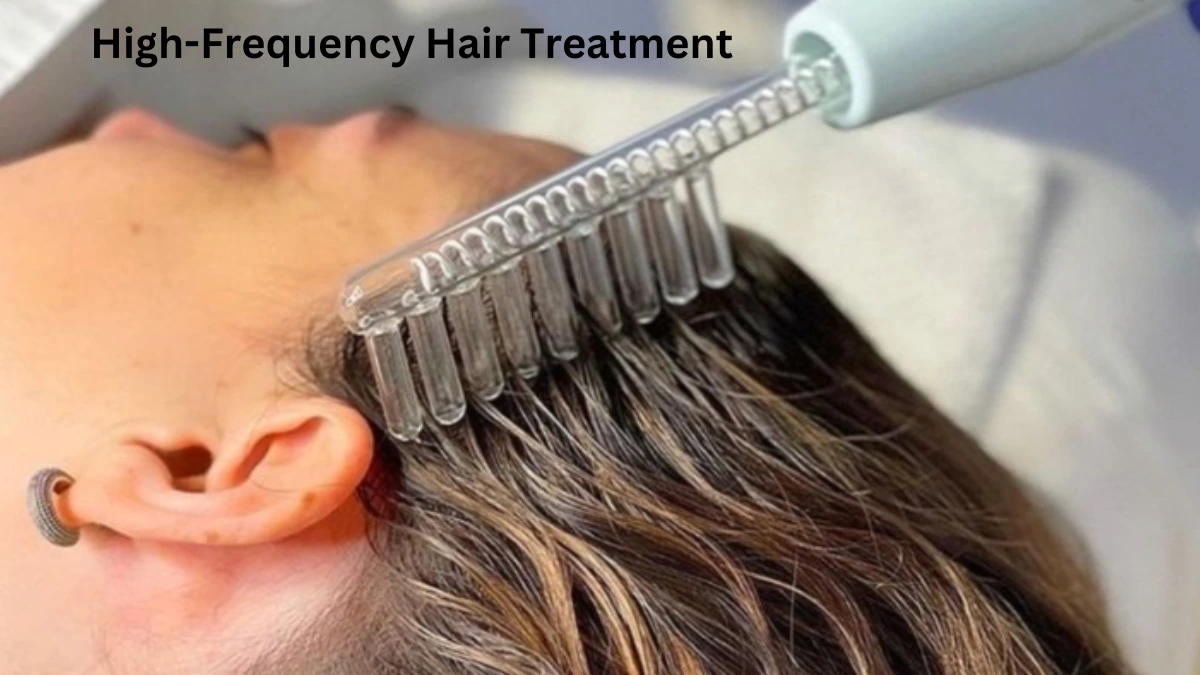
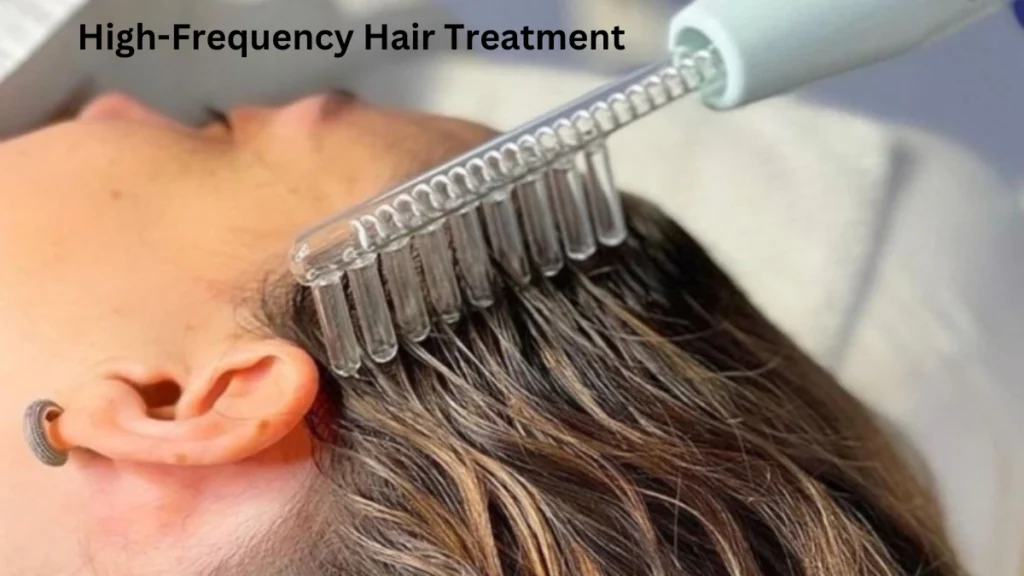
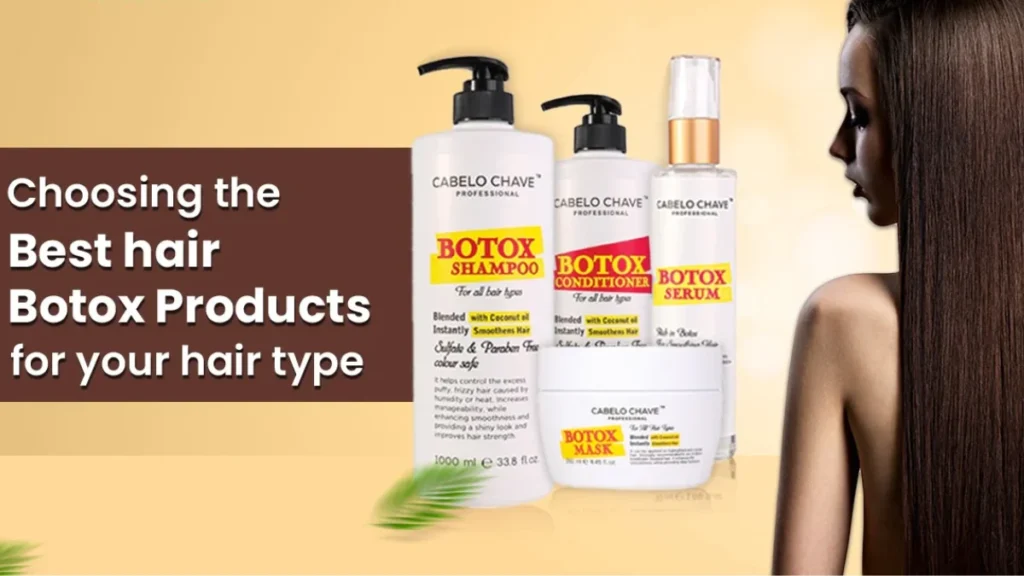
High-frequency hair treatment is a revolutionary scalp therapy designed to address common hair and scalp issues such as hair fall, dandruff, thinning, and even alopecia. This treatment utilizes a transparent, rod-like device equipped with different knobs to deliver electrical stimulation through ultra and infrared rays. By boosting blood circulation, improving nutrient delivery, and encouraging the hair follicle’s cell turnover rate, this therapy promotes a healthier scalp environment, paving the way for consistent and robust hair growth. Often recommended by trichologists, it provides a non-invasive yet effective solution for individuals seeking healthier, more vibrant hair.
Book Your Consultation Today
Visit Dr. Hanan Dermatology Specialty Clinic in Padur, OMR, Chennai. Schedule your consultation today and start your journey to fuller, healthier hair.
For more information and to book your appointment, visit our clinic or call us at the clinic’s contact details.
How High-Frequency Hair Treatment Works
The treatment relies on a specialized transparent rod-like device equipped with interchangeable attachments. These attachments, such as comb-shaped tools and bulbs, emit high-frequency rays to target specific scalp areas. The procedure is grounded in electrical stimulation, which activates the hair follicles and improves scalp health.
Tools and Devices
- Transparent rod: The main device used for treatment.
- Comb attachment: Directly touches the scalp to emit infrared rays.
- Bulb attachment: Emits ultraviolet rays from a safe distance to treat the scalp.
The procedure of High-Frequency Hair Treatment

Here’s what to expect during a session:
- Preparation: Hair is divided into 4–5 sections and detangled.
- Infra Ray Application: A comb attachment emitting rays is used on the scalp for 2–3 minutes.
- Massage and Hair Mask: A thorough oil massage follows for 20 minutes, and a moisturizing hair mask is applied from root to tip, left for 15 minutes.
- Steam and Ultra Ray Treatment: Hair is steamed to open cuticles, then exposed to ultraviolet rays through a bulb for 5–7 minutes.
- Post-Treatment Care: Hair is washed the next morning to complete the process.
Each session lasts about 45 minutes, making it a manageable addition to your hair care routine.
Read more: PRP vs GFC Hair Treatment in Chennai Which is the Best for Hair Regrowth
Frequency and Maintenance
To achieve optimal results, experts recommend at least 10 continuous sessions, spaced 2–3 times a week. Once the desired outcome is achieved, treatments can transition to a maintenance schedule of once every two weeks. This gradual reduction ensures long-lasting benefits.
Benefits of High-Frequency Hair Treatment

This treatment offers numerous advantages for scalp and hair health:
- Improved Blood Circulation: Enhances oxygen and nutrient delivery to hair follicles.
- Stimulation of Hair Follicles: Promotes rapid and consistent hair growth.
- Effective Dandruff Treatment: Reduces flakes and relieves an itchy scalp.
- Gradual Hair Fall Reduction: Strengthens roots over time.
- Enhanced Hair Texture: Leaves hair smooth, shiny, and more manageable.
Limitations and Considerations
While high-frequency therapy has many benefits, some limitations exist:
- Lack of extensive scientific research supporting its efficacy.
- May not suit all hair and scalp conditions.
- Potential for mild irritation during initial sessions.
Expert Opinions and Anecdotal Evidence
Beauty professionals highlight the painless and non-invasive nature of this treatment. Jaishree Shah, a renowned expert, explains that visible results can be seen after eight sessions. Another expert, Bhavna Daniel, emphasizes the dual benefits of infra and ultra rays for stimulating hair follicles and treating scalp issues.
DIY vs. Professional Treatment
- Professional Treatment: Offers expert guidance and advanced equipment for better results.
- At-Home Devices: Available for personal use but require caution to ensure safety and effectiveness.
Cost and Availability
- Cost per session: Prices typically range from $20 to $50, depending on the salon or clinic.
- Availability: Most urban salons and specialized clinics offer this treatment. At-home devices are also widely available online.
FAQs About High-Frequency Hair Treatment
- Is it safe for all hair types? Yes, but individuals with sensitive scalps should consult a professional first.
- How soon can one expect results? Visible improvements typically appear after 5–8 sessions.
- Are there any side effects? Mild irritation during initial sessions may occur but subsides quickly.
- Can it be combined with other hair treatments? Yes, it can complement treatments like deep conditioning or keratin therapy.
Conclusion
High-frequency hair treatment is an effective and innovative solution for addressing common hair and scalp issues. With benefits ranging from enhanced hair growth to dandruff reduction, it’s a treatment worth considering for anyone seeking healthier hair. Consult a professional to determine if this therapy suits your hair needs, and take the first step towards a vibrant, nourished scalp!
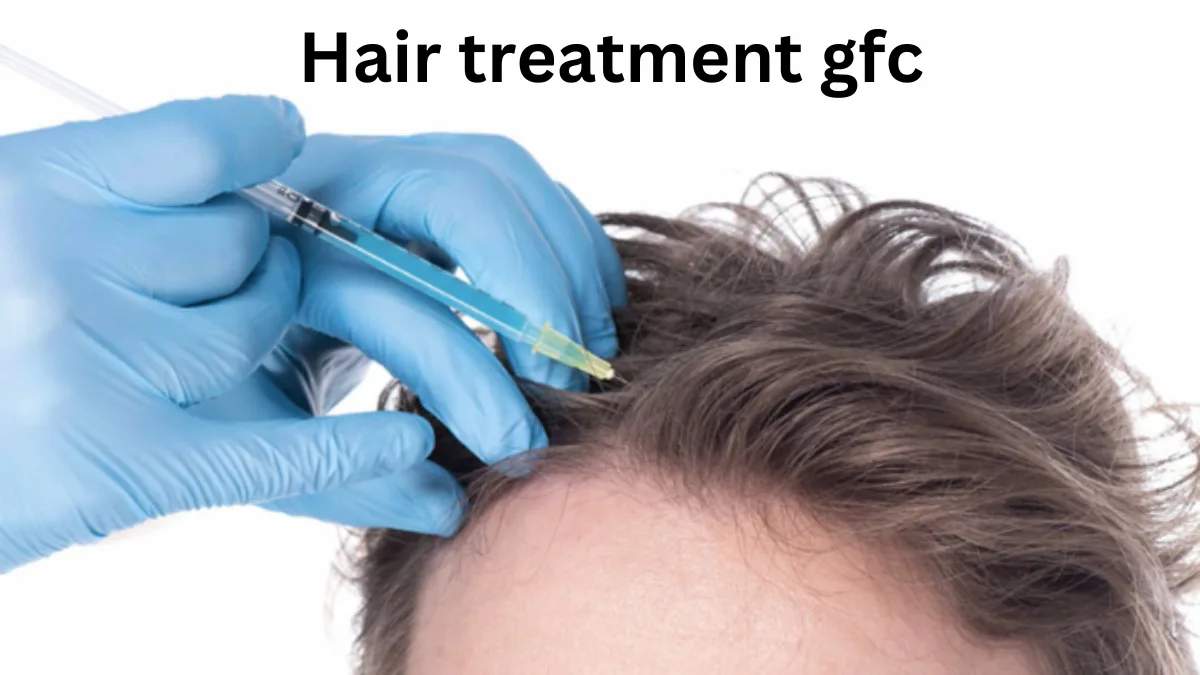
Hair Treatment GFC: A Revolutionary Solution for Hair Regrowth
Hair loss is a common concern for both men and women, with countless individuals seeking effective solutions to restore their hair’s fullness and health. Among the most innovative advancements in hair restoration is GFC (Growth Factor Concentrate), a cutting-edge treatment gaining popularity for its ability to stimulate hair regrowth and improve scalp health. In this article, we’ll explore what GFC hair treatment is, how it works, and why it’s a game-changer in the field of hair restoration.
Book Your Consultation Today
Visit Dr. Hanan Dermatology Specialty Clinic in Padur, OMR, Chennai. Schedule your consultation today and start your journey to fuller, healthier hair.
For more information and to book your appointment, visit our clinic or call us at the clinic’s contact details.
What is GFC Hair Treatment?
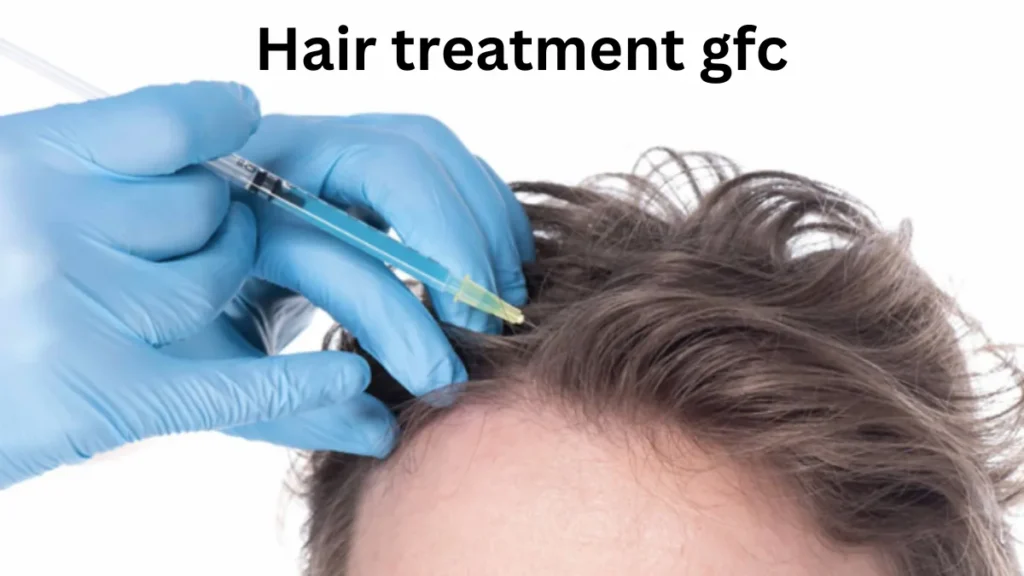
GFC, or Growth Factor Concentrate, is a non-surgical hair restoration treatment that uses growth factors to stimulate hair follicles and encourage hair regrowth. These growth factors are naturally occurring proteins that help promote cell growth, healing, and regeneration. GFC is derived from the patient’s own blood, which is processed to concentrate these growth factors and then injected into the scalp to rejuvenate dormant hair follicles and stimulate the growth of new, healthy hair.
This treatment is a breakthrough in the fight against hair loss, offering a natural and effective alternative to more invasive procedures like hair transplants.
The Science Behind GFC Hair Treatment
Growth factors play a crucial role in stimulating hair regrowth. These are naturally occurring proteins in the body that promote the healing of tissue and the growth of new cells. In the context of hair restoration, key growth factors such as VEGF (vascular endothelial growth factor) and PDGF (platelet-derived growth factor) are particularly important. They help to regenerate hair follicles, improve blood circulation to the scalp, and promote hair follicle survival.
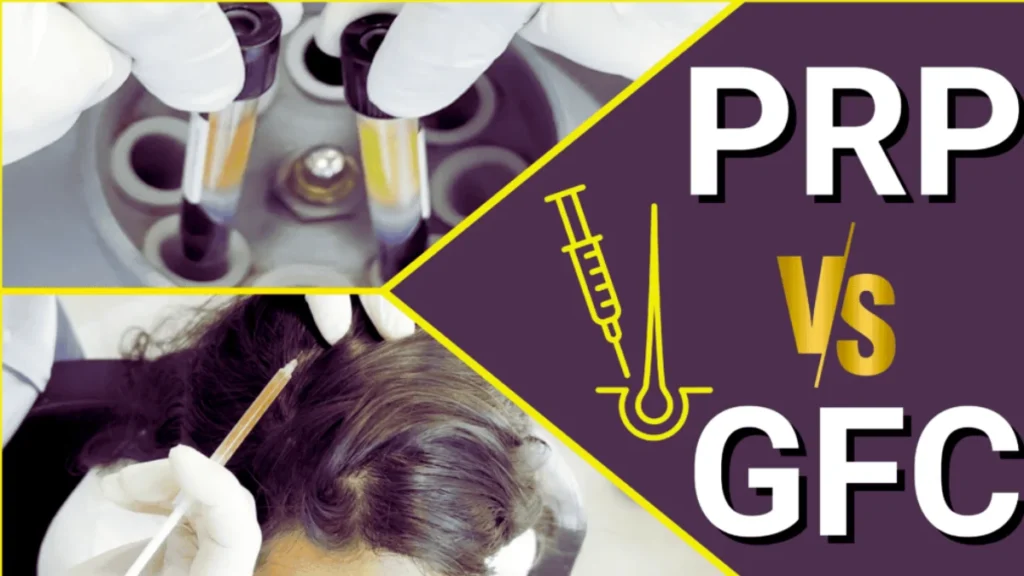
The process begins with drawing a small sample of the patient’s blood, which is then processed in a centrifuge to isolate the plasma. This plasma, which contains a high concentration of growth factors, is injected into the scalp in targeted areas where hair thinning or hair loss is most prominent. This stimulation of the scalp promotes the regeneration of hair follicles, leading to stronger, thicker hair growth.
Benefits of GFC Hair Treatment
GFC offers a range of benefits that make it an appealing choice for those looking to combat hair thinning and hair loss:
- Stimulates Hair Growth: GFC directly targets the hair follicles, encouraging dormant follicles to become active again, leading to visible hair regrowth.
- Improves Hair Thickness and Texture: As new hair grows, it is often thicker and healthier, contributing to fuller, more voluminous hair.
- Non-Invasive Procedure: Unlike hair transplant surgery, GFC treatment is minimally invasive, requiring no incisions or stitches.
- Minimal Downtime: Most patients experience only mild discomfort and minimal downtime, allowing them to resume daily activities almost immediately.
- Safe and Natural: Since the treatment uses the patient’s own blood, it is a natural, safe option with a low risk of complications.
Who is an Ideal Candidate for GFC Hair Treatment?
GFC hair treatment is suitable for a wide range of individuals, including:
- People with Androgenic Alopecia (Pattern Baldness): This hereditary condition causes gradual thinning or balding, particularly around the crown and temples.
- Women and Men with Thinning Hair: Those experiencing thinning hair or early-stage hair loss can benefit from GFC’s restorative properties.
- Individuals Seeking Non-Surgical Solutions: GFC is an excellent option for people who are not ready for or are not candidates for hair transplant surgery.
- Those Looking for a Natural Alternative: Because GFC uses the body’s own growth factors, it is a great option for those seeking a natural approach to hair restoration.
The GFC Hair Treatment Procedure
The GFC hair treatment procedure is relatively straightforward and involves the following steps:
- Consultation and Assessment: A thorough consultation with a hair restoration specialist is essential to assess the patient’s hair loss and determine the suitability of GFC treatment.
- Blood Collection and Processing: A small blood sample is drawn from the patient. This sample is then processed using a centrifuge to isolate the growth factor-rich plasma.
- Application of GFC: The concentrated plasma is injected into the scalp at areas where hair thinning or loss has occurred. The injections are typically done with a fine needle to minimize discomfort.
- Post-Treatment Care: After the procedure, patients may experience mild redness or swelling at the injection sites. These effects are temporary, and most patients can return to their normal routines immediately.
What to Expect After GFC Hair Treatment
After undergoing GFC hair treatment, patients may experience:
- Mild Side Effects: Some redness or swelling at the injection site is common but typically subsides within a few hours to a few days.
- Gradual Hair Growth: It takes time for new hair to grow, and results are typically visible within 3-6 months. New hair may initially be fine but gradually thickens and strengthens.
- Ongoing Treatments: To maintain results, some patients may need follow-up sessions. Your hair restoration specialist will provide a personalized treatment plan based on your progress.
GFC Hair Treatment vs. Other Hair Loss Treatments
When comparing GFC to other popular hair treatments, several key differences become apparent:
- GFC vs. PRP (Platelet-Rich Plasma): While both GFC and PRP involve the use of the patient’s own blood, GFC typically has a higher concentration of growth factors, making it a more powerful treatment for stimulating hair growth.
- GFC vs. Hair Transplant: Unlike hair transplants, which involve the surgical relocation of hair follicles, GFC is a non-invasive procedure with minimal downtime. It’s a great option for people who want to avoid surgery.
- Cost Comparison: GFC is generally more affordable than hair transplant surgery, making it an attractive option for those looking for a cost-effective solution to hair loss.
Potential Risks and Side Effects
GFC hair treatment is generally safe, but as with any medical procedure, there are potential risks:
- Mild Pain or Swelling: Some patients may experience discomfort at the injection site.
- Temporary Results: The effectiveness of the treatment can vary, and not everyone will experience the same level of hair regrowth.
Success Stories and Case Studies
Many patients have experienced significant improvements in hair regrowth following GFC treatment. Testimonials from individuals who have undergone the procedure often highlight the natural results and improved hair thickness. Before-and-after photos demonstrate how GFC can help restore hair in areas that were once thinning or bald.
Conclusion
GFC hair treatment is an innovative, non-invasive solution for hair loss and thinning. By harnessing the power of growth factors derived from the patient’s own blood, this treatment helps stimulate hair regrowth and improve hair thickness. With minimal downtime and a natural, safe process, GFC is a highly effective alternative to more invasive hair restoration options. If you’re struggling with hair loss and seeking a natural, non-surgical option, GFC might be the treatment you’ve been waiting for.
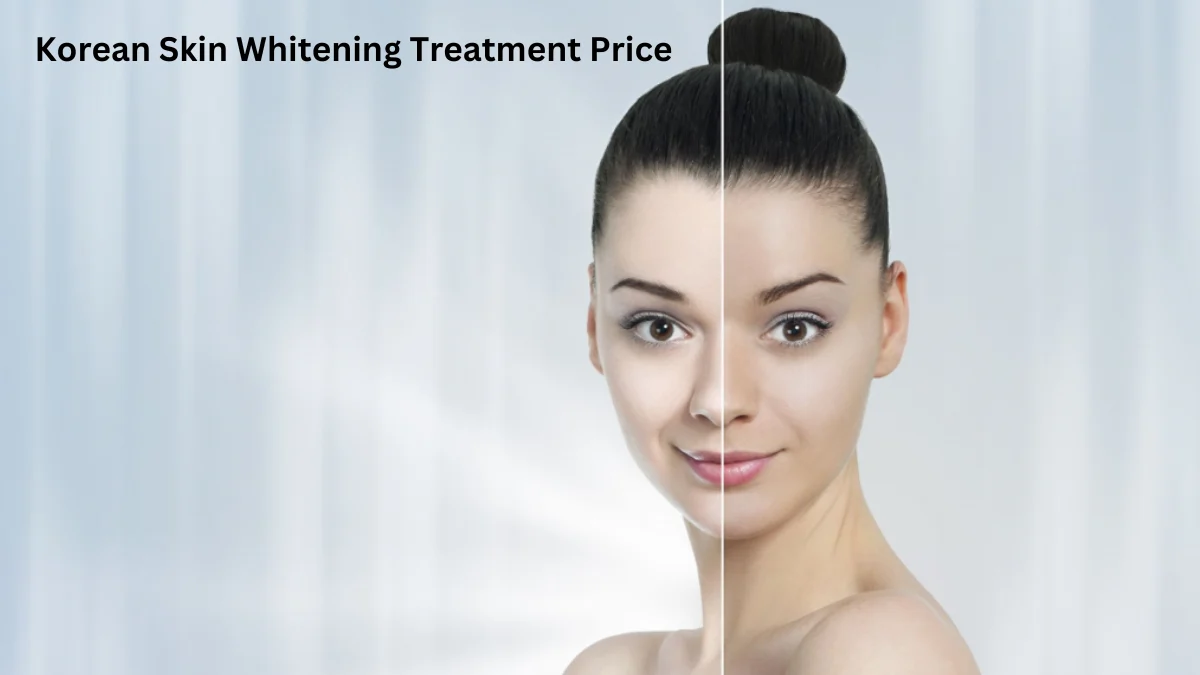
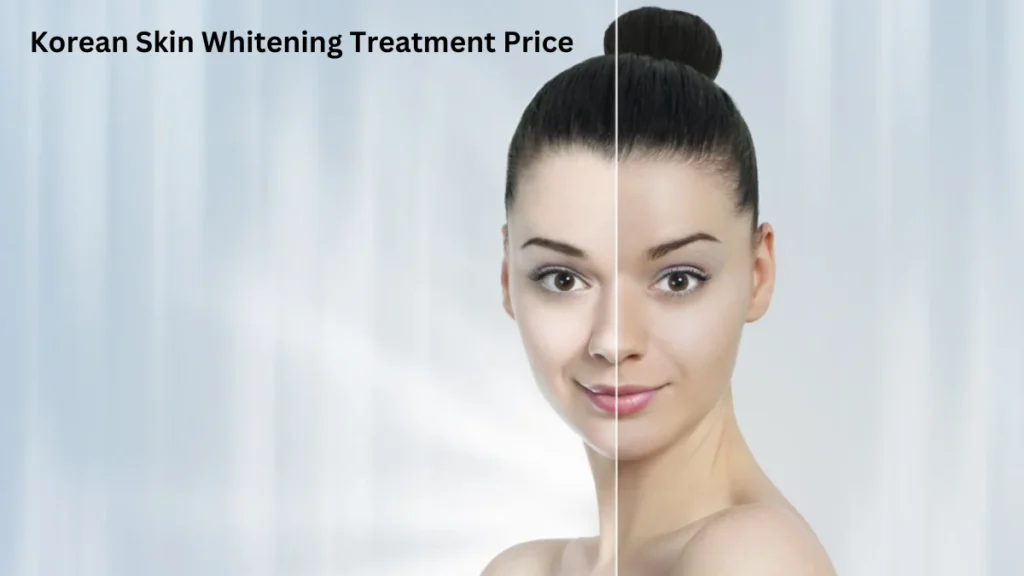
Korean Skin Whitening Treatment Price: A Complete Guide

Korean Skin Whitening Treatment Price: In recent years, Korean skincare has taken the beauty industry by storm, with a focus on flawless, radiant skin. One of the most sought-after treatments is Korean skin whitening, which promises a brighter, more even complexion. As its popularity continues to grow, many are curious about the price of these treatments. In this article, we will explore the various Korean skin whitening treatments, the factors affecting their cost, and a detailed price breakdown to help you make an informed decision.
Book Your Consultation Today
Visit Dr. Hanan Dermatology Specialty Clinic in Padur, OMR, Chennai. Schedule your consultation today and start your journey to fuller, healthier hair.
For more information and to book your appointment, visit our clinic or call us at the clinic’s contact details.
Korean Skin Whitening Treatment Price
| Treatment Type | Price Range (INR) | Details |
| Skincare Products | ₹1,640 – ₹8,200 | Whitening creams, serums, and masks from brands like Laneige, Innisfree, and The Face Shop. |
| Whitening Sheet Masks | ₹164 – ₹1,640 | Affordable sheet masks for brightening and skin tone evening. |
| Laser Skin Whitening | ₹8,200 – ₹41,000 per session | Includes fractional CO2 laser and other advanced technologies. |
| Chemical Peels | ₹8,200 – ₹24,600 per session | Exfoliates the skin and helps lighten dark spots. |
| Whitening Facials | ₹4,100 – ₹16,400 per session | Professional facials offered by top clinics in Korea. |
| Glutathione Injections | ₹4,100 – ₹16,400 per session | Skin-whitening injections, often used for quicker results. |
| Whitening IV Drips | ₹8,200 – ₹24,600 per session | Whitening IV treatments offered as packages for lasting effects. |
1.Introduction
Korean skin whitening treatments are gaining immense popularity due to their effectiveness and innovation in the beauty world. These treatments range from affordable skincare products to more intensive procedures such as laser therapy and glutathione injections. Whether you’re looking for a radiant glow or trying to fade dark spots, understanding the cost of these treatments is crucial for making the best choice.
2. Types of Korean Skin Whitening Treatments
Korean skin whitening treatments can be broadly categorized into four main types: skincare products, facial treatments, injections, and home remedies.
Skincare Products
Korean skincare brands offer a wide variety of whitening products, such as creams, serums, and sheet masks, all designed to lighten the skin, even out skin tone, and reduce pigmentation.
Facial Treatments
These are in-clinic treatments such as laser therapy, chemical peels, and whitening facials that target deeper layers of the skin for more permanent results.
Injections and Procedures
Glutathione injections and whitening IV drips are popular procedures in Korea for those seeking rapid and visible results. These treatments are typically done at specialized clinics and involve injecting or infusing skin-whitening agents into the bloodstream.
Home-Based Remedies
Many people opt for DIY Korean whitening masks or natural skin treatments at home, which are budget-friendly but may not offer the same level of results as professional procedures.
3. Factors Affecting the Price of Korean Skin Whitening Treatments
The price of Korean skin whitening treatments varies depending on several factors:
Treatment Type
The type of treatment you choose plays a significant role in the cost. Skincare products are generally the most affordable option, while injections and laser treatments tend to be more expensive.
Location and Clinic
Treatment costs can vary greatly depending on where you get the procedure. Urban centers like Seoul, where many high-end clinics are located, may charge higher fees compared to more rural areas.
Brand and Product Quality
Premium skincare brands such as Laneige, Sulwhasoo, and Dr. Jart+ will cost more than drugstore brands. The higher quality products tend to offer better and longer-lasting results, which may justify the higher price.
Duration and Frequency of Treatment
One-time treatments like laser therapy or chemical peels may cost more upfront, while regular use of whitening products or continuous glutathione injections could be more cost-effective over time.
Expertise of Professionals
The cost of treatments may also depend on the expertise of the professionals administering them. Dermatologists and certified skincare experts often charge more than less experienced staff.
4. Price Breakdown of Popular Korean Skin Whitening Treatments
Skincare Products
Korean whitening skincare products are widely available and can be purchased online or in-store. On average:
- Whitening creams and serums: Prices range from $20 to $100, depending on the brand and ingredients.
- Whitening masks: Sheet masks typically cost between $2 to $5 per mask, with premium versions costing up to $20.
Popular brands like Laneige, Innisfree, and The Face Shop offer products that cater to different skin types and needs.
Facial Treatments
- Laser treatments: The cost of a single session of laser skin whitening ranges from $100 to $500. For more advanced technologies, such as fractional CO2 lasers, the cost can be even higher.
- Chemical peels: A single session typically costs between $100 to $300.
- Whitening facials: Professional facials in top Korean clinics can range from $50 to $200 per session.
Injections and Procedures
- Glutathione injections: The cost of glutathione injections can range from $50 to $200 per session, depending on the clinic and the dosage.
- Whitening IV drips: These are more expensive, with prices ranging from $100 to $300 per treatment, typically offered as packages.
5. Comparing Korean Skin Whitening Treatment Prices with Other Countries
When comparing the prices of Korean skin whitening treatments with those in other countries, you may find that Korea offers more affordable options. In places like the United States or Europe, the cost of similar treatments—especially in high-end clinics—can be significantly higher, sometimes reaching up to double the prices seen in Korea. This is one reason why many people from around the world travel to Korea for cosmetic procedures, including skin whitening.
6. Is Korean Skin Whitening Worth the Cost?
Whether or not Korean skin whitening treatments are worth the cost depends on individual needs, preferences, and skin concerns. Many people find significant improvements in their skin tone, reduced pigmentation, and an overall brighter complexion with these treatments. The choice of treatment will depend on factors like:
- Desired results (quick vs. gradual)
- Budget constraints
- Sensitivity to certain ingredients or procedures
- Availability of professional clinics in your area
It’s important to consult with a dermatologist or skincare professional before committing to any treatment to ensure it is suitable for your skin.
7. Conclusion
Korean skin whitening treatments offer a wide range of options for those looking to brighten their complexion and reduce hyperpigmentation. From affordable skincare products to high-end clinical procedures, there is something for every budget. When considering these treatments, it’s essential to factor in the cost, treatment type, and location. Always ensure you are opting for reputable clinics or brands to ensure safety and effectiveness.
FAQs
Q1: Are Korean skin whitening treatments safe?
Yes, most Korean skin whitening treatments are safe when performed by licensed professionals or using reputable products. Always consult with a dermatologist before starting any treatment.
Q2: How long does it take to see results from Korean skin whitening treatments?
The Korean Skin Whitening Treatment Price and results depend on the treatment type. Skincare products can take several weeks to show visible results, while injections and laser treatments can provide faster improvements.
Q3: Can I combine different Korean skin whitening treatments? Combining skincare products with professional treatments can enhance results. However, it’s important to consult with a dermatologist to avoid any adverse effects.