
White Patches on Skin Treatment: Causes, Remedies, and Solutions
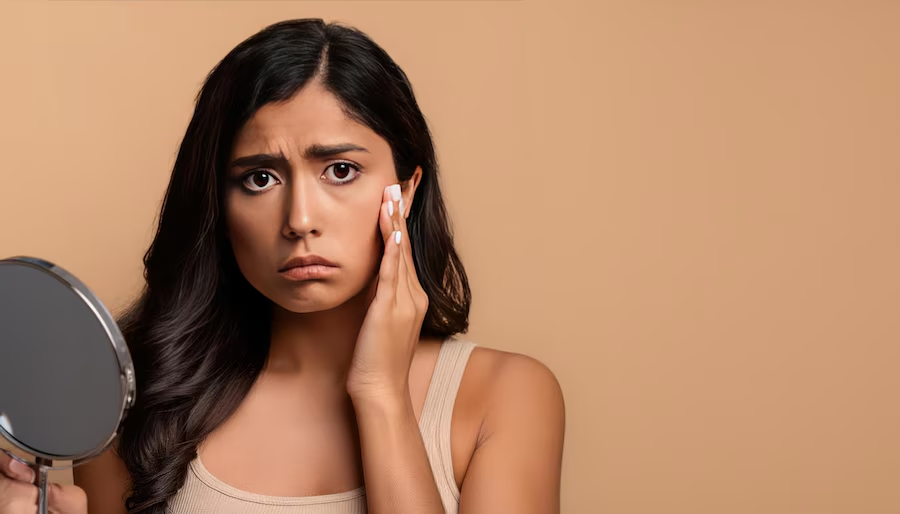
White Patches on Skin Treatment: White patches on the skin can be a cause of concern for many individuals. These patches may appear due to various medical conditions and can impact self-confidence. While some cases are temporary, others may require long-term treatment. Early diagnosis and proper treatment are crucial for managing and restoring skin pigmentation. In this article, we will discuss the causes, medical treatments, home remedies, and preventive measures for white patches on the skin.
Book Your Consultation Today
Visit Dr. Hanan Dermatology Specialty Clinic in Padur, OMR, Chennai. Schedule your consultation today and start your journey to fuller, healthier hair.

For more information and to book your appointment, visit our clinic or call us at the clinic’s contact details.
Causes of White Patches on Skin
White patches can result from different conditions, including:
1. Vitiligo
Vitiligo is an autoimmune condition where the body’s immune system attacks melanocytes, the cells responsible for producing skin pigment. This leads to the loss of skin color in patches.
2. Pityriasis Alba
A common skin condition in children, pityriasis alba causes dry, scaly white patches on the face and arms. It is usually associated with eczema and resolves over time.
3. Fungal Infections (Tinea Versicolor)
A yeast infection on the skin can cause small, discolored patches that may appear white, pink, or brown. These patches often become more noticeable in humid climates.
4. Nutritional Deficiencies
A lack of essential nutrients, such as Vitamin B12, Vitamin D, copper, and iron, can lead to hypopigmentation.
5. Skin Trauma or Burns
Post-inflammatory hypopigmentation can occur after skin injuries, burns, or chemical exposure, causing temporary or permanent white patches.
6. Other Medical Conditions
Certain conditions like psoriasis, eczema, and leprosy can also cause white patches as a symptom.
Diagnosis and When to See a Doctor
If you notice persistent white patches on your skin, consult a dermatologist. Diagnosis may involve:
- Physical Examination – Observing the patches and skin condition.
- Wood’s Lamp Test – Using UV light to examine pigmentation changes.
- Skin Biopsy – A small skin sample may be taken for analysis.
- Blood Tests – Checking for autoimmune disorders or nutritional deficiencies.
Medical Treatments for White Patches
1. Topical Treatments
- Corticosteroids – These creams can help restore skin color, especially if applied early.
- Topical Calcineurin Inhibitors (Tacrolimus, Pimecrolimus) – Used for small patches to stimulate pigment production.
- Janus Kinase (JAK) Inhibitors – Help restore pigmentation by reducing inflammation.
2. Light Therapy
- Photochemotherapy (PUVA) – Involves applying medication to the skin before exposure to UVA light.
- Narrow-Band UVB Therapy – Direct UVB exposure can stimulate melanocytes and restore skin color.
3. Depigmentation Therapy
For widespread vitiligo, depigmenting the remaining skin to achieve an even tone may be an option.
4. Medical-Grade Skin Peels
Chemical peels can exfoliate the top layers of skin and stimulate new pigment production.
Cosmetic and Camouflage Solutions
- Skin Camouflage Creams – Specially formulated concealers can temporarily cover white patches.
- Tattooing (Micropigmentation) – Permanent cosmetic tattooing can help blend white patches with surrounding skin.
Home Remedies and Lifestyle Management
1. Natural Remedies
- Coconut Oil – Moisturizes and soothes the skin, promoting healing.
- Aloe Vera Gel – Known for its anti-inflammatory and healing properties.
- Honey – Helps hydrate the skin and has antimicrobial benefits.
2. Dietary Changes
Consuming foods rich in vitamins and minerals, such as leafy greens, nuts, and dairy, can support skin health.
3. Sun Protection
Using sunscreen with SPF 30 or higher helps protect depigmented skin from sun damage and prevents further discoloration.
White Patches on Skin Treatment Preventive Measures
- Maintain good skin hygiene to prevent infections.
- Avoid harsh chemicals and skin irritants.
- Strengthen immunity through a balanced diet and hydration.
Conclusion
White patches on the skin can be caused by various conditions, from autoimmune disorders to fungal infections. While medical treatments, topical applications, and light therapy can restore pigmentation, natural remedies and preventive care also play a role in managing these patches. If you notice persistent white patches, consulting a dermatologist for a proper diagnosis and treatment plan is essential. With the right approach, skin pigmentation can often be restored, helping you regain confidence in your skin’s appearance.
How to Grow Hair Faster in 1 Week: Effective Tips and Remedies
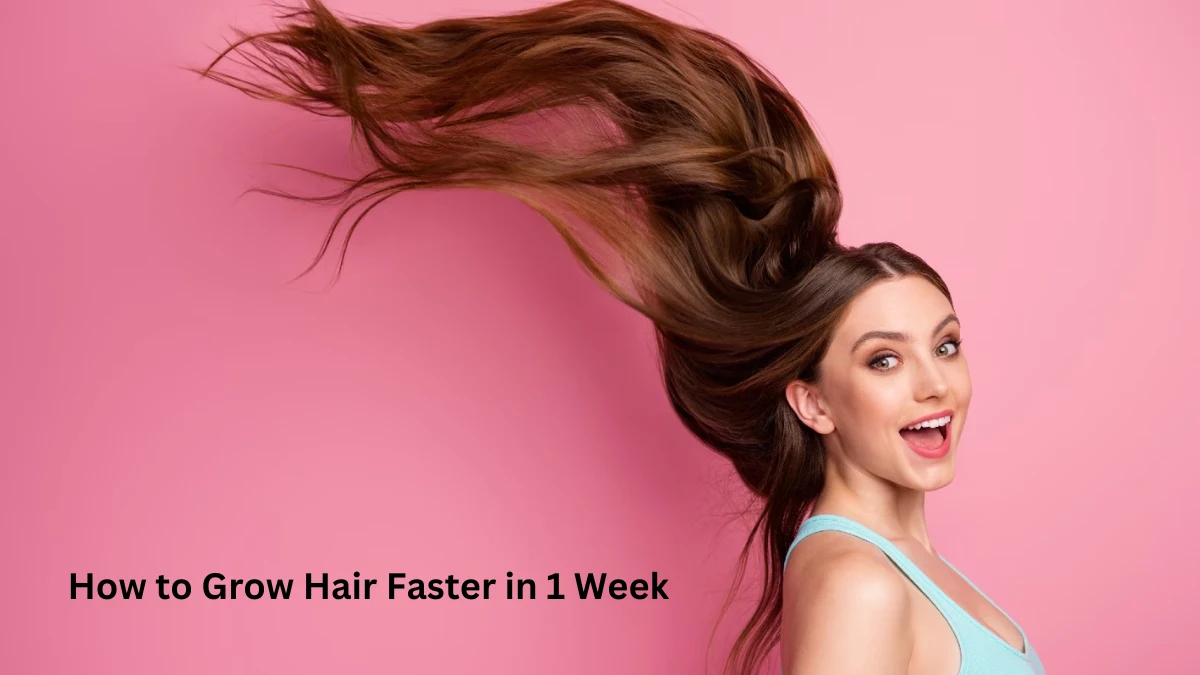
How to Grow Hair Faster in 1 Week: Many people desire longer, healthier hair, and while hair growth is a natural process, certain habits and remedies can help stimulate it faster. While it’s impossible to grow several inches in just a week, you can enhance hair health and create an environment that promotes faster growth. This guide covers practical steps to improve hair growth naturally.
Book Your Consultation Today
Visit Dr. Hanan Dermatology Specialty Clinic in Padur, OMR, Chennai. Schedule your consultation today and start your journey to fuller, healthier hair.
For more information and to book your appointment, visit our clinic or call us at the clinic’s contact details.
Hair Care Routine for Faster Growth
Scalp Massage with Essential Oils
A scalp massage increases blood circulation, delivering oxygen and nutrients to hair follicles. Using essential oils such as castor oil, coconut oil, or rosemary oil can further stimulate growth.
- Warm the oil slightly and apply it to your scalp.
- Massage in circular motions for 5-10 minutes.
- Leave it on for at least an hour or overnight before washing.
Proper Hair Washing Routine
Overwashing can strip natural oils, while infrequent washing may lead to buildup.
- Use a mild, sulfate-free shampoo and wash hair 2-3 times a week.
- Always follow up with a moisturizing conditioner to prevent dryness and breakage.
Deep Conditioning and Hair Masks
A deep conditioning treatment can strengthen hair and reduce split ends.
- Try a banana and honey mask or yogurt and egg mask for hydration.
- Apply once a week for best results.
Diet and Nutrition for Hair Growth
Protein-Rich Foods for Stronger Hair
Hair is primarily made of keratin, a protein. Eating protein-rich foods supports hair health.
- Best sources: Eggs, fish, chicken, beans, and nuts.
Importance of Vitamins
- Biotin: Strengthens hair and boosts growth (found in eggs, nuts, and bananas).
- Vitamin E: Improves scalp circulation (found in almonds and avocados).
- Omega-3 fatty acids: Keep hair shiny and healthy (found in fish, flaxseeds, and walnuts).
Hydration and Hair Health
Drinking 8-10 glasses of water daily keeps the scalp hydrated, reducing dryness and breakage.
Home Remedies for Faster Hair Growth
Onion Juice Application
Onion juice is rich in sulfur, which stimulates collagen production and hair growth.
- Extract onion juice and apply it to the scalp.
- Leave it for 15-30 minutes before washing.
Aloe Vera Gel Treatment
Aloe vera has enzymes that promote hair growth and reduce dandruff.
- Apply fresh aloe vera gel to the scalp and leave it for 30 minutes.
- Rinse with a mild shampoo.
Rice Water Rinse
Rice water contains amino acids that strengthen hair and improve elasticity.
- Soak rice in water for a few hours, then strain.
- Use the water to rinse your hair after shampooing.
Lifestyle Changes to Boost Hair Growth
Reduce Stress
Stress can trigger hair loss. Engage in stress-relieving activities like yoga, meditation, or exercise.
Get Enough Sleep
Adequate sleep is essential for cell regeneration and hair follicle health. Aim for 7-8 hours per night.
Avoid Heat Styling
Excessive use of heat tools can weaken hair. Opt for heat-free styling methods and always use a heat protectant.
Common Mistakes to Avoid
- Overwashing hair, which strips essential oils.
- Tight hairstyles, which cause hair breakage and traction alopecia.
- Using harsh chemicals, such as bleach and perming agents, that damage hair structure.
Expert Tips for Long-Term Hair Growth
Regular Trims
How to Grow Hair Faster in 1 Week and Trimming split ends every 6-8 weeks prevents breakage and keeps hair healthy.
Scalp Exfoliation
Using a gentle scalp scrub once a week removes dead skin cells and enhances follicle function.
Choose the Right Hair Products
Opt for sulfate-free, paraben-free, and alcohol-free products to maintain hair moisture and prevent damage.
Conclusion
Growing hair faster in one week requires a combination of proper hair care, a nutrient-rich diet, home remedies, and healthy lifestyle choices. While you may not see inches of growth instantly, following these tips will create the best conditions for stronger, healthier hair over time. Be patient, stay consistent, and your hair will thank you!
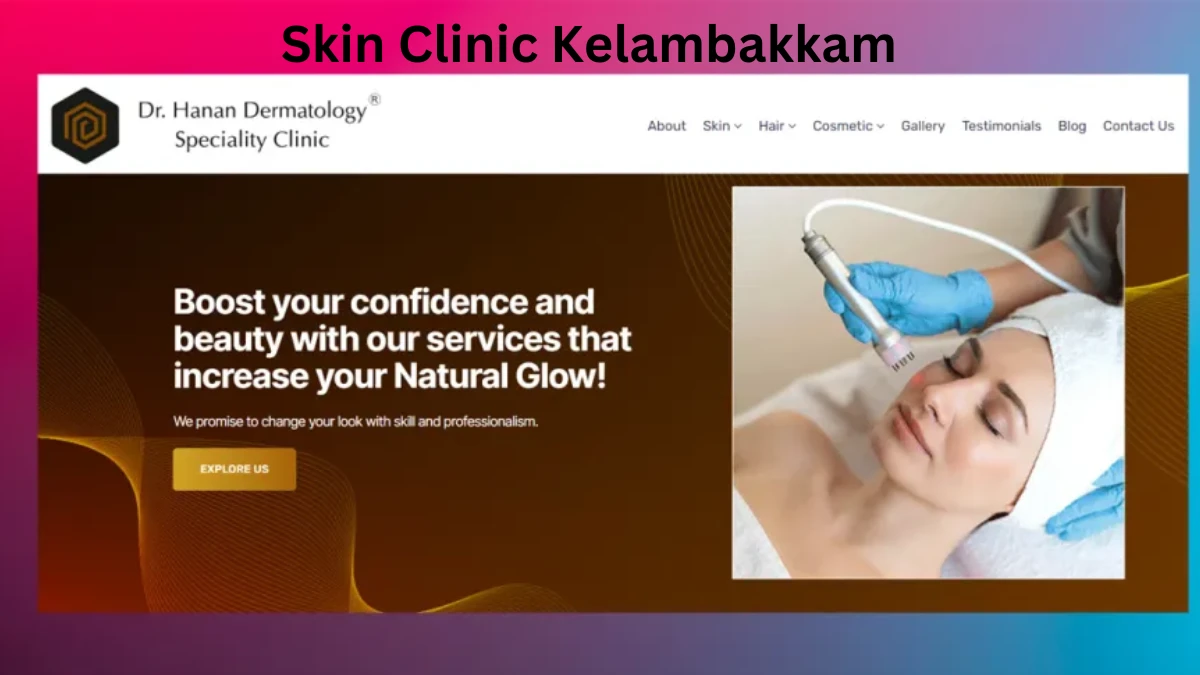
Skin Clinic Kelambakkam: Expert Care for Your Skin Health
Kelambakkam, located in the heart of Chennai, is home to several top-notch healthcare facilities, including specialized skin clinics. Whether you’re struggling with acne, pigmentation, or hair loss, finding a reliable skin clinic in Kelambakkam is crucial for restoring your skin health. With expert dermatologists, advanced treatments, and a comfortable environment, these clinics provide a one-stop solution for all your skin care needs.
Book Your Consultation Today
Visit Dr. Hanan Dermatology Specialty Clinic in Padur, OMR, Chennai. Schedule your consultation today and start your journey to fuller, healthier hair.
For more information and to book your appointment, visit our clinic or call us at the clinic’s contact details.
Types of Skin Treatments Offered at a Skin Clinic in Kelambakkam
A trusted skin clinic in Kelambakkam offers a wide range of treatments to address various skin and hair concerns. Here are some of the most popular services provided:
Acne Treatment
Acne can be frustrating at any age. Skin clinics in Kelambakkam offer advanced acne treatments using a combination of medication, laser treatments, and facials tailored to reduce breakouts and minimize scarring.
Anti-Aging Treatments
Say goodbye to fine lines, wrinkles, and sagging skin with anti-aging treatments like Botox, dermal fillers, and skin rejuvenation therapies. These procedures help restore youthful radiance by boosting collagen production and smoothing the skin.
Pigmentation Issues
For those struggling with dark spots, melasma, or sun damage, skin clinics in Kelambakkam provide treatments like chemical peels, laser therapy, and topical treatments designed to even out skin tone and restore a glowing complexion.
Scar and Stretch Mark Removal
Whether it’s acne scars or stretch marks, advanced laser therapies and topical treatments available in Kelambakkam clinics help reduce their appearance and improve skin texture.
Hair Loss Treatment
Many skin clinics in Kelambakkam offer hair loss solutions such as PRP therapy, hair restoration treatments, and medications designed to promote hair regrowth and combat thinning hair.
Skin Infections and Allergies
From rashes to infections, dermatologists in Kelambakkam can accurately diagnose and treat skin infections, allergic reactions, and other dermatological concerns to help you get clear, healthy skin.
Why Choose a Skin Clinic in Kelambakkam?
Expert Dermatologists and Experienced Staff
Skin clinics in Kelambakkam boast a team of qualified and experienced dermatologists. Their expertise in diagnosing and treating a wide range of skin conditions makes them the go-to professionals for all your skin needs.
Advanced Technology and Treatment Options
These clinics are equipped with the latest dermatological technologies, ensuring that you receive the best and most effective treatments available.
Personalized Treatment Plans
A skin clinic in Kelambakkam will provide a treatment plan tailored to your unique skin type, concerns, and goals, ensuring that you get optimal results.
Affordable and Transparent Pricing
Many skin clinics in Kelambakkam offer transparent pricing with no hidden charges. Whether you need a consultation, ongoing treatment, or cosmetic procedures, you can expect fair and affordable rates.
Best Skin Clinics in Kelambakkam
Here are some of the top-rated skin clinics in Kelambakkam, Chennai:
- Dr. Hanan Dermatology Speciality Clinic
- Location: A Block, Gem Bhoomi & Buildings, OMR, Padur, Chennai, Tamil Nadu 603103
- Timings: Mon, Thu – Fri: 02:00 PM – 07:00 PM | Sat – Sun: 10:00 AM – 01:00 PM
- Consultation Fee: ₹600
- Services: Acne treatment, anti-aging, pigmentation treatment, and more.
- SkinCare Clinic
- Location: Kelambakkam, Chennai
- Timings: Mon – Sat: 10:00 AM – 06:00 PM
- Consultation Fee: ₹500
- Services: Skin rejuvenation, hair loss treatment, scar removal, and more.
These clinics are known for their high-quality services and satisfied patients. Always check the reviews and ratings before booking your consultation to ensure you’re getting the best care possible.
How to Choose the Right Skin Clinic in Kelambakkam
When choosing a skin clinic in Kelambakkam, consider the following factors:
- Qualified Dermatologists: Make sure the clinic is staffed with certified and experienced dermatologists who can offer personalized advice.
- Technology and Equipment: Ensure the clinic uses state-of-the-art technologies for accurate diagnosis and effective treatments.
- Clinic Cleanliness and Ambience: A hygienic, comfortable environment is essential for successful treatments.
- Affordability: Compare prices for different treatments and services to find an option that fits your budget.
What to Expect During a Skin Consultation
During your first consultation at a skin clinic, the dermatologist will analyze your skin condition and discuss your concerns. Based on this, they will provide a customized treatment plan, explain the procedures, and discuss any potential risks or side effects. You will also have the opportunity to ask any questions about aftercare and expected results.
Home Care Tips for Healthy Skin
Complement your clinic treatments with these simple tips for maintaining healthy skin at home:
- Follow a Skincare Routine: Cleanse, tone, and moisturize daily.
- Use Sunscreen: Protect your skin from harmful UV rays to prevent premature aging and pigmentation.
- Stay Hydrated: Drink plenty of water to keep your skin hydrated.
- Eat a Balanced Diet: Include vitamins, minerals, and antioxidants in your diet to support skin health.
- Avoid Over-Washing: Washing your face too often can strip your skin of its natural oils. Wash twice a day.
FAQs About Skin Clinics in Kelambakkam
1. How much does a consultation cost at a skin clinic in Kelambakkam?
- Consultation fees range from ₹500 to ₹1000, depending on the clinic and services offered.
2. Are treatments at skin clinics in Kelambakkam safe?
- Yes, skin clinics in Kelambakkam follow safety protocols and use FDA-approved equipment for treatments.
3. How long does it take to see results from skin treatments?
- Results vary depending on the treatment, but most treatments show noticeable improvements within 2 to 6 weeks.
4. Can I walk-in for a consultation or should I make an appointment?
- It’s best to schedule an appointment in advance to avoid waiting time.
Conclusion
Choosing the right skin clinic in Kelambakkam can significantly impact the health and appearance of your skin. With a wide range of services offered, from acne treatment to hair loss solutions, you can find the perfect treatment plan tailored to your skin’s needs. Don’t wait – book a consultation with a reputable clinic today to take the first step toward healthier, more beautiful skin!
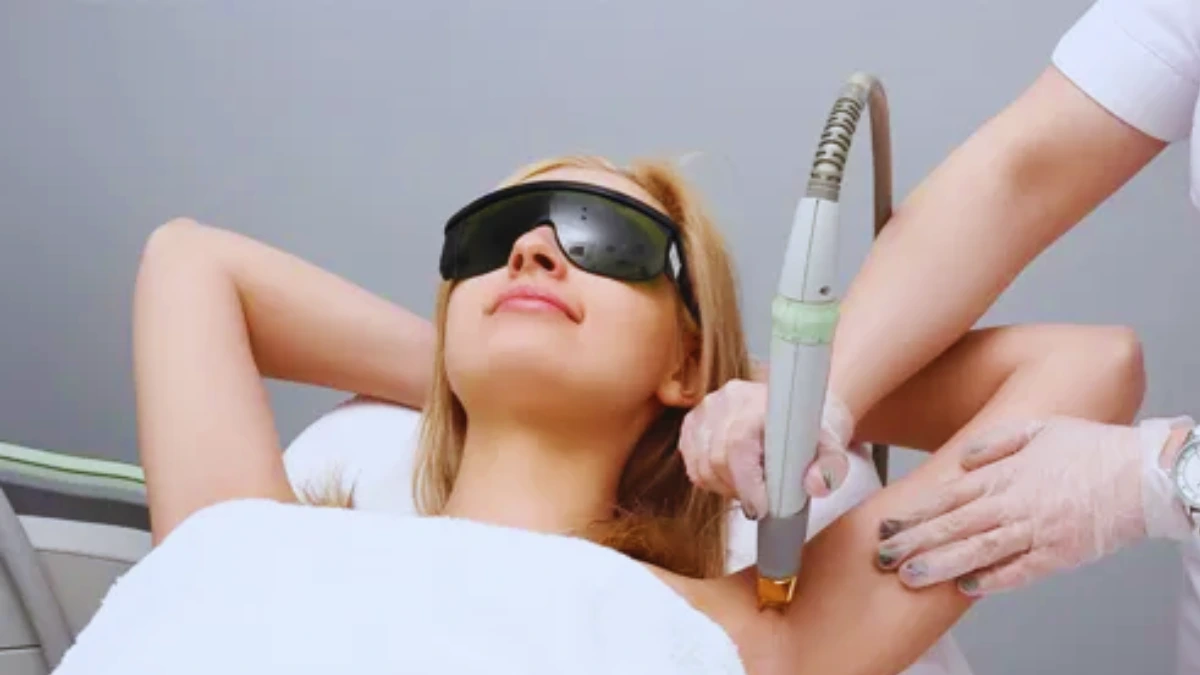
Private Part Hair Removal in Chennai: A Complete Guide
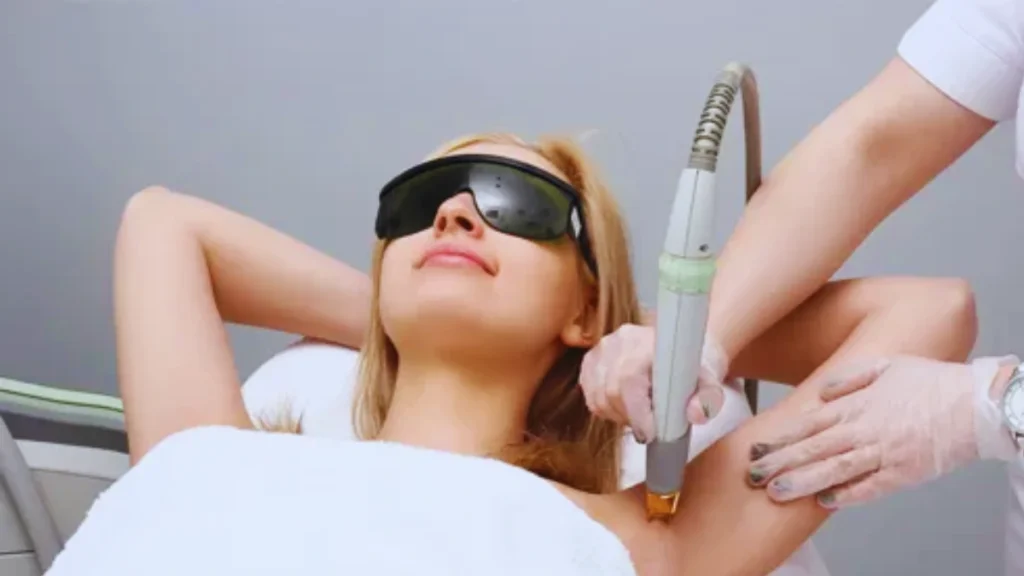
When it comes to personal grooming, private part hair removal is a topic that many are keen to explore. With advancements in technology and the availability of specialized treatments, it has become easier and safer to achieve smooth, hair-free skin in sensitive areas like the bikini line. Among the various methods available, laser hair removal stands out as the most effective and long-lasting option. If you’re considering private part hair removal in Chennai, this guide will help you understand the best methods, clinics, and essential factors to consider.
Book Your Consultation Today
Visit Dr. Hanan Dermatology Specialty Clinic in Padur, OMR, Chennai. Schedule your consultation today and start your journey to fuller, healthier hair.
For more information and to book your appointment, visit our clinic or call us at the clinic’s contact details.

Why Choose Private Part Hair Removal?
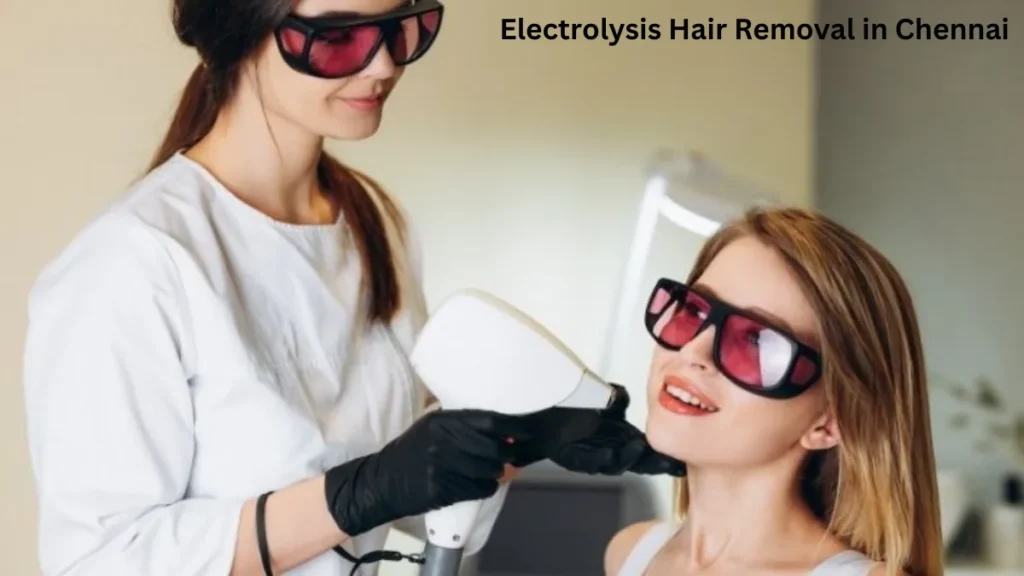
There are several reasons people opt for private part hair removal, particularly for areas like the bikini line. For many, it’s about maintaining hygiene, comfort, and aesthetic appeal. Here are a few reasons why hair removal in sensitive areas is becoming increasingly popular:
- Hygiene: Removing hair in private areas can help reduce sweat and bacteria build-up, promoting better hygiene.
- Convenience: With smooth skin, there’s less need for constant shaving or waxing, saving time and reducing irritation.
- Aesthetic Appeal: Many people prefer the clean look and feel of hair-free private areas for self-confidence or during swim season.
While there are different hair removal methods available, each has its pros and cons. Shaving and waxing are common, but laser hair removal is becoming the top choice for those seeking a more permanent and less painful solution.
Read more: Electrolysis Hair Removal in Chennai
Best Methods for Private Part Hair Removal in Chennai
Laser Hair Removal
Laser hair removal is the most popular and effective method for permanent hair reduction in sensitive areas like the bikini line. Here’s why:
- Permanent Results: Unlike shaving or waxing, laser hair removal targets hair follicles, preventing future hair growth.
- Precision: Lasers can focus on specific areas, making it ideal for sensitive skin and private parts.
- Minimal Pain: Laser treatments are generally less painful than waxing and cause minimal discomfort.
In Chennai, Nd:YAG laser technology is a highly recommended option for darker skin tones. Nd:YAG lasers penetrate deeply into the skin, targeting the hair follicle without damaging the surrounding tissue, making it a safe choice for Indian skin types.
Other Hair Removal Options
While laser hair removal is the go-to option for many, there are other methods you can consider:
- Shaving: It’s quick and easy but can lead to irritation, ingrown hairs, and frequent upkeep.
- Waxing: Offers smooth results for a few weeks but can be painful, especially in sensitive areas.
Laser hair removal is often the preferred method as it offers more permanent results with minimal discomfort.
Top Salons and Clinics Offering Private Part Hair Removal in Chennai
If you’re looking for a trusted place for private part hair removal in Chennai, here are some popular clinics and salons:
- Naturals Salon: Known for offering high-quality bikini line laser hair removal, Naturals Salon is a top choice in Chennai. Their trained professionals ensure a safe and comfortable experience.
- Other Reputable Clinics: Look for clinics that specialize in laser hair removal and have certified dermatologists and experienced technicians. Well-known centers in Chennai provide advanced lasers, including the Nd:YAG option.
When selecting a clinic, make sure it meets your needs in terms of cleanliness, experience, and customer reviews.
What to Expect During a
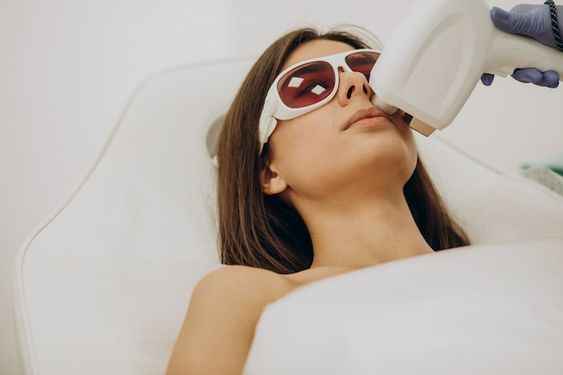
Laser hair removal for private parts is generally quick and non-invasive. Here’s what you can expect:
- Consultation: During your first visit, the technician will assess your skin type, hair color, and medical history to determine the best treatment.
- Treatment Process: The laser is applied to the targeted area. You may feel a mild stinging or snapping sensation, but it is usually well-tolerated.
- Number of Sessions: Typically, multiple sessions are needed to achieve permanent results. Most people require 6-8 sessions, spaced a few weeks apart.
Overall, laser hair removal is relatively painless, with minimal downtime, making it an ideal choice for sensitive areas.
Read more: laser hair removal treatment
Post-Treatment Care for Private Part Hair Removal
After your laser hair removal session, it’s essential to take care of the treated area to avoid irritation and maximize results:
- Avoid Sun Exposure: Your skin will be sensitive after treatment, so it’s essential to avoid direct sunlight for a few days.
- Moisturize: Keep the treated area hydrated to prevent dryness or irritation.
- No Hot Showers or Saunas: Avoid hot water on the treated area for 24 hours to reduce the risk of irritation.
Following these aftercare tips will help ensure smooth, hair-free skin and prevent complications.
Cost of Private Part Hair Removal in Chennai
The cost of laser hair removal for private parts in Chennai varies depending on the clinic, the type of laser used, and the size of the area being treated. On average, a session for the bikini line can cost between ₹1,500 and ₹5,000. Multiple sessions are required, so total costs can add up over time.
Factors that influence pricing include:
- Clinic Reputation: High-end clinics with experienced technicians may charge more.
- Laser Type: Advanced laser technologies like Nd:YAG may cost more than traditional options.
- Area Size: Larger treatment areas generally cost more.
Make sure to inquire about packages and any discounts available for multiple sessions.
Key Considerations Before Choosing a Hair Removal Method
Before opting for private part hair removal, consider the following:
- Skin Type: Different skin types may react differently to hair removal methods. Ensure the clinic you choose offers treatment suited for your skin type.
- Desired Results: If you want long-lasting results, laser hair removal is the best option.
- Medical History: Discuss any medical conditions or concerns with the technician to avoid complications.
A consultation with a dermatologist or laser specialist can help you make the right decision based on your unique needs.
Conclusion
Private part hair removal is a popular option for those seeking smooth, hair-free skin in sensitive areas. Laser hair removal, particularly with Nd:YAG technology, offers permanent results with minimal discomfort. By choosing a reputable clinic in Chennai, you can enjoy safe and effective treatments that deliver the desired results.
If you’re ready to make the switch from temporary hair removal methods, consider laser treatments for long-term smoothness and convenience.
Frequently Asked Questions (FAQs)
1. Is laser hair removal painful?
- Laser hair removal is generally not very painful. Most patients experience a mild stinging or snapping sensation during the procedure.
2. How many sessions are needed for permanent results?
- On average, 6-8 sessions are required to achieve permanent results.
3. Can I get laser hair removal for my bikini line? ?
- Yes, laser hair removal is safe and effective for sensitive areas like the bikini line.
4. Are there any side effects of laser hair removal?
- Some mild redness and irritation may occur, but these usually subside within a few hours.
5. How much does laser hair removal cost in Chennai?
- Prices for bikini line laser hair removal in Chennai generally range from ₹1,500 to ₹5,000 per session, depending on the clinic and technology used.
Nanoplastia Hair Treatment: Everything You Need to Know
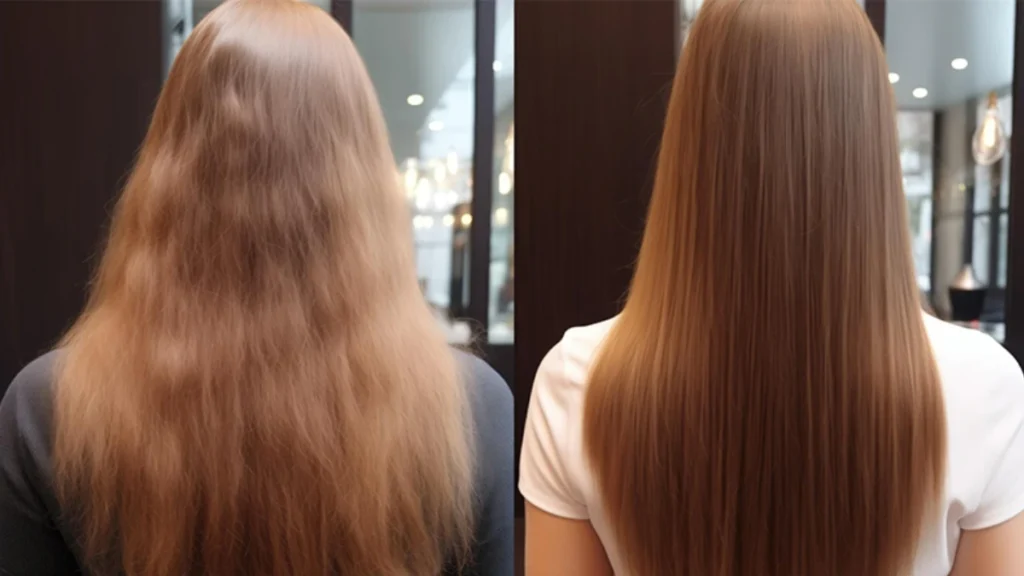
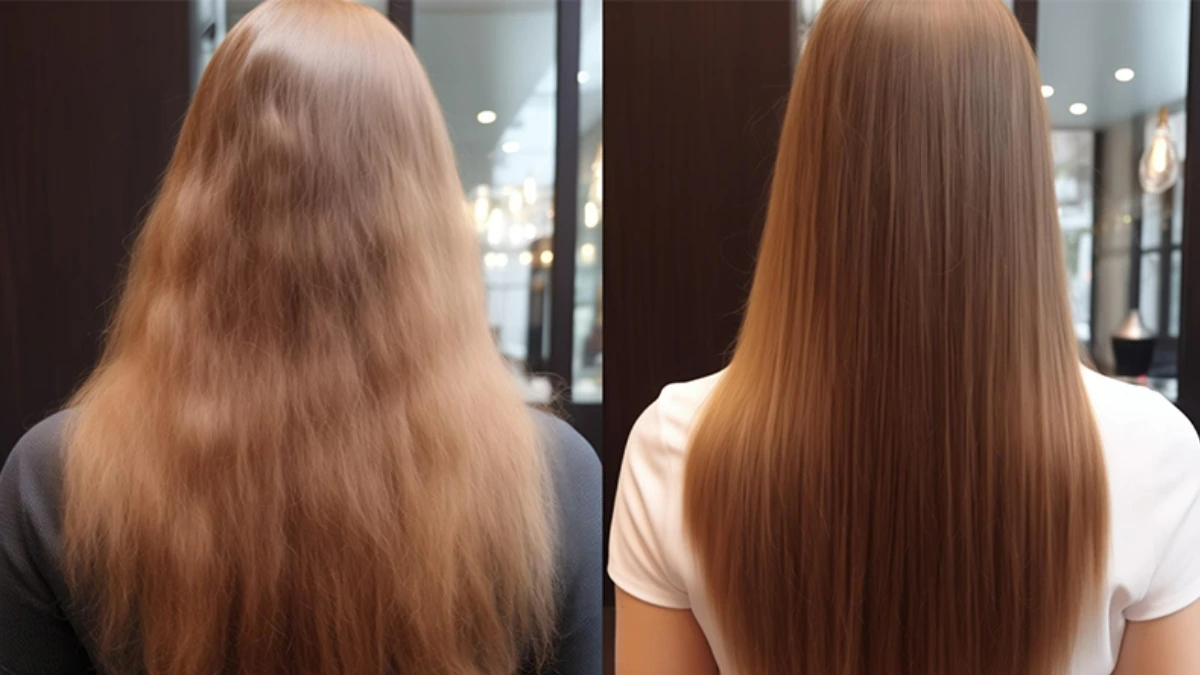
Maintaining healthy and beautiful hair is a priority for many individuals, but finding the right treatment can be a challenge. Nanoplastia hair treatment has emerged as a revolutionary solution for those seeking smooth, frizz-free hair. This article delves into the details of Nanoplastia, how it works, its benefits, and what to expect from the treatment.
Book Your Consultation Today
Visit Dr. Hanan Dermatology Specialty Clinic in Padur, OMR, Chennai. Schedule your consultation today and start your journey to fuller, healthier hair.
For more information and to book your appointment, visit our clinic or call us at the clinic’s contact details.
What is Nanoplastia Hair Treatment?
Definition and Explanation of Nanoplastia
Nanoplastia is an advanced hair treatment that uses nano-sized keratin particles to penetrate the hair cuticle and repair damage from within. Unlike traditional keratin treatments, Nanoplastia offers deeper and longer-lasting results by rejuvenating hair at a molecular level.
How it Differs from Other Hair Treatments
Nanoplastia differs from other treatments like keratin and hair botox in its formulation and application process. While keratin treatments primarily coat the hair, nanoplastia works by infusing nano-keratin into the hair shaft for more profound and durable results. Hair botox, on the other hand, focuses on smoothing and nourishing the hair but does not offer the same level of structural repair as Nanoplastia.
Key Benefits of Nanoplastia
- Deep restoration of hair structure
- Long-lasting smoothness and frizz control
- Improved hair texture and manageability
- Safe and gentle on all hair types
Nanoplastia vs. Keratin Treatment
Wondering how nanoplastia stacks up against keratin? Here’s a quick comparison:
| Feature | Nanoplastia | Keratin Treatment |
|---|---|---|
| Ingredients | Natural (amino acids, oils) | Chemical (may contain formaldehyde) |
| Hair Goals | Repairs and smooths hair | Primarily smooths hair |
| Suitability | Safe for all hair types | Not ideal for sensitive scalps |
| Maintenance | Low-maintenance | May require additional care |
How Nanoplastia Works
The Science Behind Nanoplastia
Nanoplastia utilizes nano-keratin, which is small enough to penetrate the hair cuticle and reach the cortex. This allows the treatment to repair damage from the inside out, strengthening and smoothing the hair.
The Role of Nano-Sized Keratin Particles
The nanosized keratin particles in Nanoplastia fill in gaps and cracks in the hair cuticle, providing a smooth and uniform surface. This leads to a significant reduction in frizz and improved hair texture.
The Process of Application and Penetration
During the Nanoplastia treatment, the hair is thoroughly washed to remove any impurities. The Nanoplastia solution is then applied to the hair and allowed to penetrate for a specified duration. Finally, the hair is rinsed, dried, and styled, leaving it smooth and silky.
Benefits of Nanoplastia Hair Treatment
Frizz Control and Smoothness
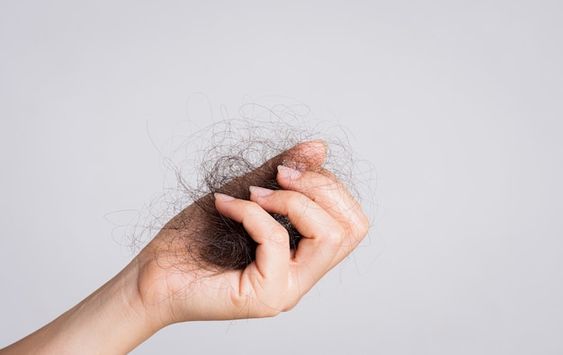
Nanoplastia effectively tames frizz and provides long-lasting smoothness, even in humid conditions. The treatment ensures that hair remains sleek and manageable for months.
Improved Hair Texture and Manageability
By repairing the hair from within, Nanoplastia enhances the overall texture, making it softer, shinier, and easier to manage. This makes daily styling a breeze.
Restorative Properties for Damaged Hair
Nanoplastia’s deep-penetrating formula repairs damaged hair, restoring its strength and elasticity. This is particularly beneficial for chemically treated or heat-damaged hair.
Long-Lasting Results (8-10 Months)
Unlike other treatments that may last only a few weeks, Nanoplastia provides results that can last up to 8-10 months with proper care.
Read more: hair treatment for hair loss
Who Should Consider Nanoplastia?
Ideal Candidates for the Treatment
Nanoplastia is suitable for anyone looking to improve the health and appearance of their hair. It is especially beneficial for those with frizzy, curly, or chemically treated hair.
Types of Hair That Benefit the Most
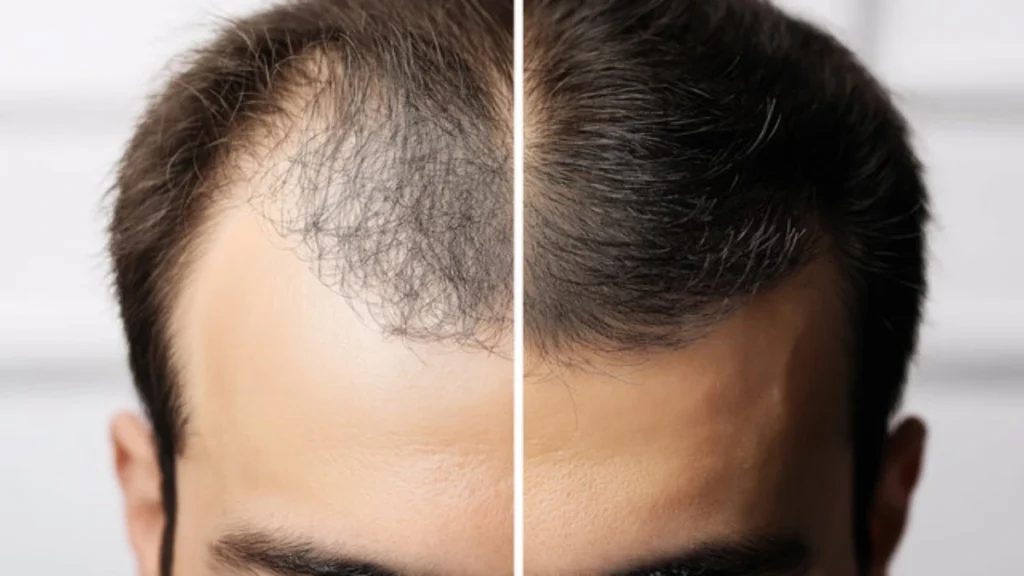
- Curly and wavy hair that tends to frizz
- Chemically treated hair in need of repair
- Dry and damaged hair requiring deep restoration
When to Opt for Nanoplastia
Consider Nanoplastia if you have recently undergone chemical treatments or are seeking a long-lasting solution for smooth, manageable hair.
The Nanoplastia Procedure
Step-by-Step Guide to the Treatment Process
- Hair Washing and Preparation: The hair is washed with a clarifying shampoo to remove any buildup and open the hair cuticles.
- Application of the Nanoplastia Solution: The Nanoplastia solution is evenly applied to the hair, ensuring thorough coverage.
- Drying and Styling: After allowing the solution to penetrate, the hair is dried and styled using a flat iron to seal in the treatment.
- Aftercare Instructions: The stylist provides aftercare instructions to maintain the results, including recommendations for sulfate-free shampoos and conditioners.
Read more: Benefits of Hair Transplant A Permanent Solution for Hair Loss
Comparing Nanoplastia with Other Treatments
Nanoplastia vs. Keratin Treatment
- Nanoplastia: Uses nano-keratin for deeper penetration and longer-lasting results.
- Keratin Treatment: Primarily coats the hair and offers smoother hair for a shorter duration.
Nanoplastia vs. Hair Botox
- Nanoplastia: Focuses on deep repair and structural restoration of the hair.
- Hair Botox: Primarily nourishes and smooths the hair without providing the same level of repair.
Advantages and Disadvantages of Each Treatment
- Advantages of Nanoplastia: Long-lasting, deep repair, safe for all hair types.
- Disadvantages of Nanoplastia: May require longer application time.
- Advantages of Keratin Treatment: Smoother hair, quick results.
- Disadvantages of Keratin Treatment: Shorter duration, may contain formaldehyde.
- Advantages of Hair Botox: Nourishing, enhances hair appearance.
- Disadvantages of Hair Botox: Less effective for deep repair.
Cost and Availability
Average Cost of Nanoplastia Treatment
The cost of Nanoplastia treatment can vary depending on the salon and the length of the hair. On average, the treatment ranges from $150 to $500.
Where to Get Nanoplastia Done
Nanoplastia is available at many professional hair salons and specialized treatment centers. It is essential to choose a reputable salon with experienced stylists.
Maintenance Tips for Prolonging Results
- Use sulfate-free shampoos and conditioners to maintain the treatment.
- Avoid excessive heat styling and chemical treatments.
- Follow the stylist’s aftercare instructions to ensure long-lasting results.
Success Stories and Testimonials
Real-Life Experiences of Individuals Who Have Undergone Nanoplastia
Many individuals have reported positive results after undergoing Nanoplastia treatment. They have experienced significant improvements in hair texture, smoothness, and overall health.
Before and After Photos
Before and after photos showcase the transformative effects of Nanoplastia, highlighting the improvement in hair appearance and manageability.
Testimonials from Satisfied Customers
Satisfied customers have praised Nanoplastia for its long-lasting results and ability to rejuvenate damaged hair. They appreciate the smooth, frizz-free finish that the treatment provides.
FAQs
- How long do the results of nanoplastia last?
- Nanoplastia results typically last 4 to 6 months. Proper aftercare, such as using sulfate-free shampoos, can extend the longevity of the treatment.
- Is nanoplastia suitable for all hair types?
- Yes, nanoplastia works effectively on all hair types, including straight, wavy, curly, and color-treated hair.
- Can nanoplastia be done on chemically treated or bleached hair?
- Absolutely! Nanoplastia is designed to repair and nourish damaged hair, making it a great option for chemically treated or bleached hair.
- Is nanoplastia safe for pregnant or breastfeeding women?
- Yes, nanoplastia is generally safe for pregnant or breastfeeding women as it is free from harmful chemicals like formaldehyde. However, it’s always advisable to consult with your doctor first.
- Does nanoplastia completely straighten hair?
- Nanoplastia smooths hair and reduces frizz, but it doesn’t always result in pin-straight hair. The final texture depends on your hair type.
- How is nanoplastia different from keratin treatments?
- Nanoplastia uses natural ingredients like amino acids and proteins, while keratin treatments may include harsh chemicals like formaldehyde. Nanoplastia focuses on repair and nourishment in addition to smoothing.
- How much does nanoplastia cost?
- The treatment costs between ₹5,000 and ₹15,000, depending on the salon, your hair length, and thickness.
- What aftercare is required for nanoplastia?
- Use sulfate-free shampoos and conditioners, avoid washing your hair for 48 hours post-treatment if instructed, and minimize the use of heat styling tools.
- Can I color my hair after nanoplastia?
- Yes, you can color your hair after nanoplastia, but it’s recommended to wait at least two weeks to allow the treatment to settle.
- Does nanoplastia have any side effects?
- Nanoplastia is generally safe, but individuals with specific allergies should consult their stylist or perform a patch test before the treatment.
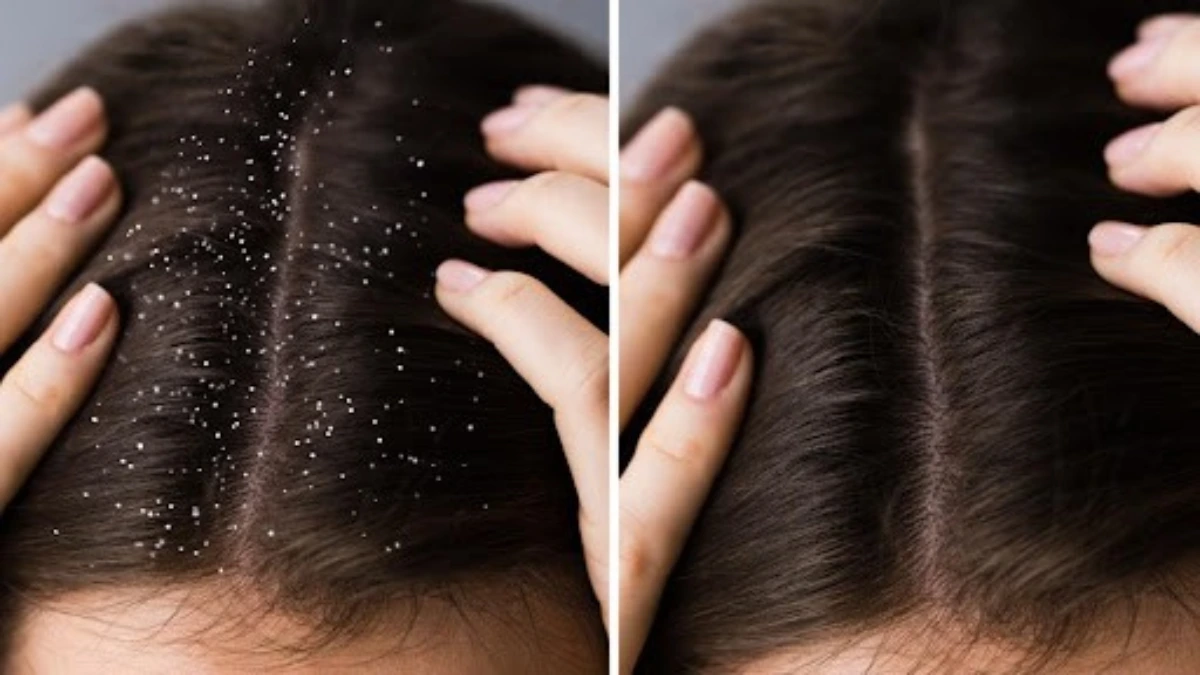
Dandruff Treatment: A Complete Guide to a Healthier Scalp
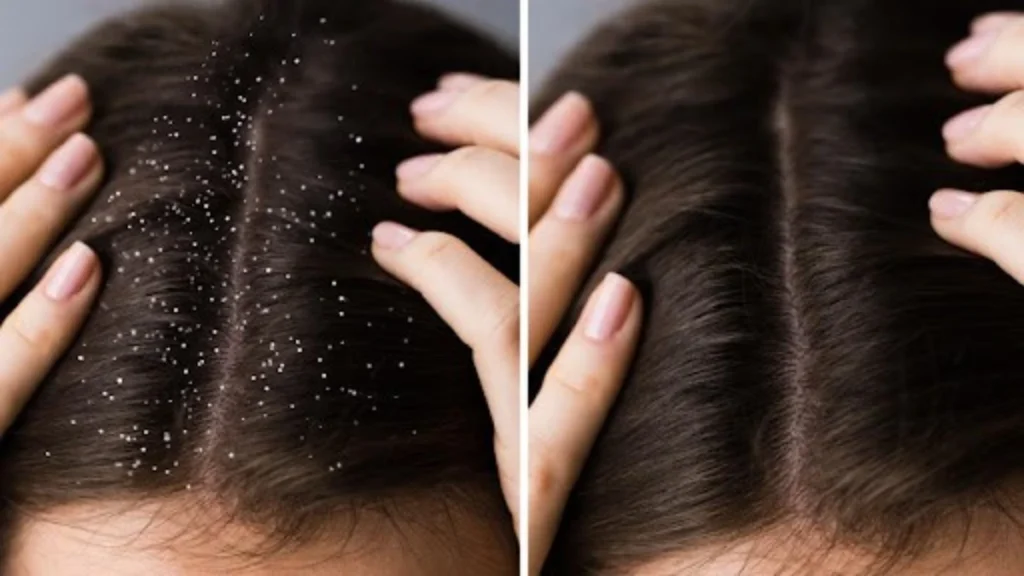
Dandruff is a common scalp condition that affects approximately 50% of the population at some point in their life. While it may seem like a minor cosmetic concern, the visible flakes, itching, and discomfort can significantly affect one’s confidence and quality of life. Fortunately, dandruff is highly treatable with proper care and the right treatment options. In this comprehensive guide, we will explore the causes, symptoms, and most effective dandruff treatments to help you manage this common condition.
Hair health is not just about aesthetics; it’s an integral part of our overall well-being. Hair clinics play a crucial role in diagnosing and treating a variety of hair and scalp issues, providing specialized care and advanced treatments. This article explores what hair clinics are, the services they offer, and how they can benefit those struggling with hair problems.
What Is Dandruff?
Dandruff, or pityriasis capitis, is the shedding of dead skin cells from the scalp. Under normal circumstances, the skin’s outer layer continually renews itself by shedding dead cells. However, in people with dandruff, this process accelerates, resulting in visible flakes. These flakes often become more noticeable on dark clothing or hair. The condition can be mild, with only small flakes of dry skin, or more severe, involving large patches of greasy, inflamed skin.
Common Causes of Dandruff
Dandruff can arise from several factors, and understanding these underlying causes is crucial for effective treatment:
- Dry Skin: One of the most common causes of dandruff, especially in the winter months, is dry skin. A dry scalp can lead to the formation of flakes, which are typically smaller and less oily.
- Seborrheic Dermatitis: This is a more severe form of dandruff and is characterized by inflamed, red, and greasy patches of skin. Seborrheic dermatitis can occur not only on the scalp but also in areas such as the face, chest, and behind the ears. The cause of this condition is linked to an overgrowth of a yeast called Malassezia, which thrives in oily environments (Mayo Clinic).
- Malassezia Yeast Overgrowth: This naturally occurring fungus feeds on the oils produced by the scalp. When its growth becomes excessive, it can lead to scalp irritation and increased skin cell turnover, causing flakes.
- Skin Conditions: Conditions like psoriasis and eczema can also contribute to dandruff. Psoriasis often causes localized patches of thick, scaly skin, while eczema may result in inflammation and itching.
- Improper Hair Care: Overuse of harsh hair care products, infrequent washing, or using products that contain harsh chemicals can lead to scalp irritation, exacerbating dandruff.
Types of Dandruff
Dandruff can vary in severity and presentation. The two primary types are:
- Dry Dandruff: Characterized by small, dry flakes that appear on the shoulders, especially when wearing dark clothing. This form of dandruff is typically linked to dry skin.
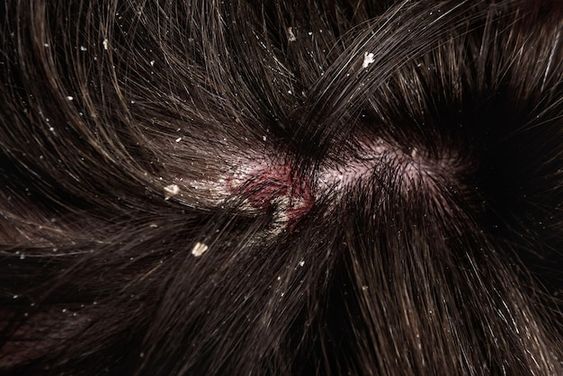
- Oily Dandruff (Seborrheic Dermatitis): This more severe form of dandruff is accompanied by oily patches, redness, and larger flakes. The scalp may appear greasy and inflamed.
Symptoms of Dandruff
The primary symptom of dandruff is the shedding of dead skin cells from the scalp. These flakes can vary in size and texture, depending on the type and severity of dandruff. Other common symptoms include:
- Itching: Often associated with both dry dandruff and seborrheic dermatitis, itching is a prevalent symptom. It may worsen as the flakes increase in size or as the scalp becomes more irritated.
- Redness and Inflammation: In more severe cases, such as seborrheic dermatitis, the scalp may become inflamed, itchy, and painful.
- Greasy or Dry Scalp: While some individuals experience a dry scalp with dandruff, others may notice an oily scalp that contributes to the formation of greasy flakes.
How to Treat Dandruff: Effective Solutions
The good news is that dandruff is highly treatable, with various treatment options available to help manage the condition. Here’s a detailed look at the most effective ways to treat dandruff.
1. Medicated Shampoos
Medicated shampoos are often the first line of treatment for dandruff. They contain active ingredients designed to tackle the underlying causes of dandruff, including yeast overgrowth, scalp inflammation, and oil buildup. Some of the most common active ingredients found in anti-dandruff shampoos include:
- Zinc Pyrithione: A widely used antifungal agent that reduces the growth of yeast on the scalp, making it effective for mild to moderate dandruff (Healthline).
- Selenium Sulfide: This ingredient helps to slow the rate at which skin cells are shed and reduces the production of oils that contribute to dandruff (Mayo Clinic).
- Piroctone Olamine: A newer antifungal agent that is gentler on the scalp and has fewer side effects compared to older treatments like zinc pyrithione (WebMD).
- Tar-Based Shampoos: Coal tar is a potent ingredient used for more severe scalp conditions like seborrheic dermatitis and psoriasis. While effective, tar shampoos can have a strong odor and may cause irritation in some individuals (Mayo Clinic).
2. Natural Remedies for Dandruff
In addition to medicated shampoos, several natural remedies can help alleviate dandruff symptoms. These remedies work by addressing scalp health, reducing inflammation, and managing fungal growth.
- Tea Tree Oil: Tea tree oil is a natural antifungal and antibacterial agent that can help reduce dandruff by controlling the overgrowth of yeast on the scalp. Simply add a few drops to your shampoo or mix with carrier oils like coconut or olive oil for a scalp massage (Mayo Clinic).
- Apple Cider Vinegar: Known for its pH-balancing properties, apple cider vinegar can help regulate the scalp’s acidity and reduce fungal growth. Dilute it with water and apply it to your scalp as a rinse (Healthline).
- Coconut Oil: Rich in fatty acids and antioxidants, coconut oil can hydrate the scalp and reduce irritation. It has antifungal properties that can help fight the yeast responsible for dandruff (WebMD).
3. Topical Treatments for Severe Cases
If dandruff is severe or unresponsive to over-the-counter shampoos, doctors may recommend topical treatments that help reduce inflammation and fungal growth.
- Corticosteroid Creams: These prescription-strength creams can reduce inflammation and alleviate symptoms of seborrheic dermatitis and severe dandruff (Healthline).
- Salicylic Acid: This keratolytic agent helps remove excess scalp flakes and is often included in shampoos or topical treatments for stubborn dandruff (Mayo Clinic).
4. Home Care Tips to Prevent Dandruff Flare-Ups
In addition to treatments, lifestyle changes can play a significant role in controlling dandruff and preventing flare-ups:
- Shampoo Regularly: Consistent washing with a mild, medicated anti-dandruff shampoo can help keep dandruff under control. Avoid skipping washes, as infrequent washing may lead to an accumulation of oils and flakes.
- Avoid Harsh Hair Products: Stay away from hair products that contain alcohol or harsh chemicals, as they can dry out and irritate the scalp.
- Manage Stress: Emotional stress can exacerbate dandruff symptoms, so practicing stress management techniques like meditation, yoga, or regular exercise can help prevent flare-ups (Healthline).
- Maintain a Healthy Diet: A diet rich in vitamins, minerals, and omega-3 fatty acids can support scalp health. Zinc and B vitamins are particularly important for maintaining healthy skin and hair (WebMD).
5. When to See a Doctor
While dandruff is often manageable with home remedies and over-the-counter treatments, some individuals may need medical intervention. Consider consulting a dermatologist if:
- The dandruff is severe or persistent despite using anti-dandruff products.
- The scalp becomes inflamed, sore, or develops sores.
- There are other symptoms such as hair loss, redness, or pus-filled lesions.
A healthcare provider can help diagnose the underlying cause of dandruff and recommend the best treatment options.
Dandruff Prevention Tips
Preventing dandruff is possible with a few simple habits. Here are some key tips to maintain a healthy scalp:
- Use Anti-Dandruff Shampoos: If you’re prone to dandruff, incorporating a medicated shampoo into your regular hair care routine can help keep the condition under control.
- Avoid Scratching: Scratching your scalp can irritate the skin, leading to further inflammation and worsening dandruff. Use gentle products and massage your scalp with your fingertips to reduce itching.
- Stay Hydrated: Proper hydration is essential for healthy skin, including the scalp. Drink plenty of water throughout the day to keep your skin and scalp moisturized.
- Protect Your Scalp from the Sun: Sun exposure can exacerbate dandruff and skin irritation. Wear a hat when spending long periods outdoors to protect your scalp from harmful UV rays.
Dandruff Treatment: Medicines and Treatment Options
| Treatment | Active Ingredient | How It Works | Used For |
|---|---|---|---|
| Anti-Dandruff Shampoos | Zinc Pyrithione | Reduces the growth of yeast and controls scalp flaking. | Mild to moderate dandruff, effective for regular use. |
| Anti-Dandruff Shampoos | Selenium Sulfide | Slows skin cell turnover and reduces oil production. | Moderate to severe dandruff, seborrheic dermatitis. |
| Coal Tar Shampoos | Coal Tar | Slows down the production of skin cells and reduces inflammation. | Severe dandruff and psoriasis. |
| Ketoconazole Shampoos | Ketoconazole | Antifungal properties that treat yeast overgrowth on the scalp. | Fungal-related dandruff, seborrheic dermatitis. |
| Topical Corticosteroids | Hydrocortisone | Reduces scalp inflammation and redness caused by dandruff or dermatitis. | Inflammation and irritation due to dandruff. |
| Topical Antifungal Creams | Clotrimazole, Miconazole | Treats fungal infections by reducing yeast growth. | For fungal causes of dandruff and seborrheic dermatitis. |
| Salicylic Acid Treatments | Salicylic Acid | Exfoliates the scalp, removing flakes and reducing buildup. | Severe dandruff or thick, scaly flakes. |
| Oral Medications | Antifungal Medications (Fluconazole) | Treats severe, persistent dandruff caused by fungal infection. | Chronic seborrheic dermatitis or yeast-related dandruff. |
| Tea Tree Oil | Tea Tree Oil | Natural antifungal and antibacterial agent that soothes the scalp. | Mild dandruff, scalp irritation. |
| Apple Cider Vinegar Rinse | Apple Cider Vinegar | Balances the scalp’s pH and reduces yeast overgrowth. | Mild dandruff, itchy scalp. |
Dandruff is a common scalp condition that can be managed with proper treatment, including medicinal shampoos, topical treatments, and oral medications. Below is a table of common dandruff treatments, their active ingredients, how they work, and when they are typically used.
Explanation of Common Active Ingredients:
- Zinc Pyrithione: This ingredient helps to combat the overgrowth of the Malassezia yeast that is often responsible for dandruff. It’s commonly found in over-the-counter shampoos.
- Selenium Sulfide: Often used in treatments for seborrheic dermatitis, it not only controls the growth of fungi but also helps with excessive oil production on the scalp.
- Coal Tar: Coal tar-based shampoos are effective for controlling scalp conditions like psoriasis, as it helps slow down the production of skin cells and reduces the thickness of flakes.
- Ketoconazole: An antifungal agent that is highly effective against dandruff caused by fungal infections. Ketoconazole shampoos are often recommended for persistent dandruff when other treatments fail.
- Corticosteroids: These topical treatments are helpful in reducing inflammation caused by severe dandruff, seborrheic dermatitis, or psoriasis.
- Salicylic Acid: A keratolytic agent, salicylic acid works by softening and shedding the scalp’s dead skin cells. It’s particularly helpful for individuals with thick, scaly flakes.
- Tea Tree Oil: This natural remedy is a gentle yet effective solution for dandruff, particularly when the condition is mild. Its antifungal properties help combat Malassezia yeast.
- Apple Cider Vinegar: Known for its balancing properties, apple cider vinegar works by adjusting the scalp’s pH level and inhibiting fungal growth.
Tips for Effective Dandruff Treatment:
- Consistency: Use dandruff treatments regularly as per instructions to see optimal results.
- Avoid Over-Washing: Over-washing can strip the scalp of natural oils, leading to dry scalp and worsening dandruff.
- Hydrate: Drinking enough water can support scalp health, reducing dryness.
- Balanced Diet: Eating foods rich in vitamins and minerals, especially zinc and B-vitamins, can help support scalp health.
If your dandruff persists despite using these treatments, it may be a sign of a more severe scalp condition like seborrheic dermatitis or psoriasis, and you should consult a dermatologist for further evaluation and prescription treatment.
Conclusion
Dandruff is a common yet manageable condition that can be treated effectively with the right approach. Whether through medicated shampoos, natural remedies, or lifestyle changes, there are plenty of options available to help you achieve a healthier, flake-free scalp. If dandruff persists or worsens, consulting with a healthcare professional can help ensure that you receive the most appropriate treatment.
With consistent care and the right treatment plan, you can manage dandruff and enjoy a clearer, more confident scalp.