
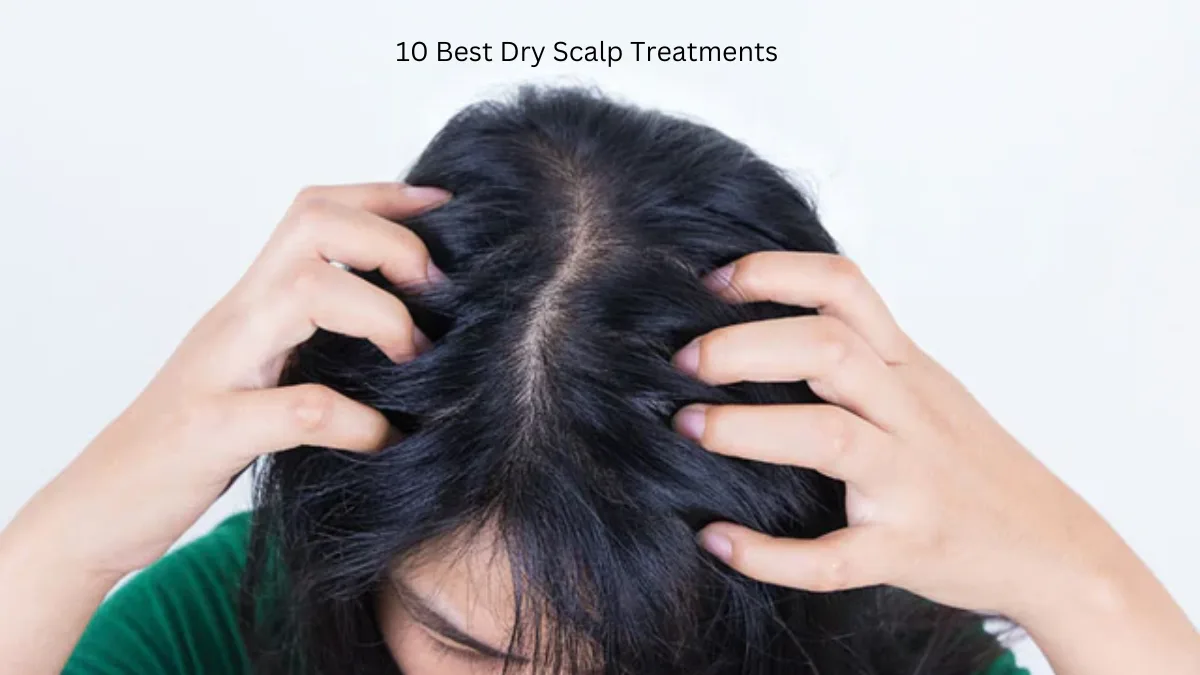
10 Best Dry Scalp Treatments: Causes, Powerful Remedies & Prevention Tips
10 Best Dry Scalp Treatments: A dry scalp can be uncomfortable, causing itchiness, flaking, and irritation. Many people mistake dry scalp for dandruff, but the two are different conditions requiring different treatments. Dry scalp occurs when the skin lacks moisture, leading to dryness and peeling. Understanding the causes and effective treatments can help restore scalp health and prevent further discomfort.
Book Your Consultation Today
Visit Dr. Hanan Dermatology Specialty Clinic in Padur, OMR, Chennai. Schedule your consultation today and start your journey to fuller, healthier hair.

For more information and to book your appointment, visit our clinic or call us at the clinic’s contact details.
Causes of Dry Scalp
Several factors contribute to a dry scalp, including environmental, lifestyle, and medical conditions. Some of the most common causes include:
1. Lack of Moisture
A dehydrated scalp is a primary cause of dryness. Without enough natural oils, the scalp becomes flaky and irritated.
2. Harsh Hair Care Products
Shampoos and conditioners containing sulfates, alcohol, or artificial fragrances can strip the scalp of essential oils, leading to dryness.
3. Weather Conditions
Cold, dry air in winter or excessive heat exposure in summer can rob the scalp of moisture, making it prone to flaking.
4. Aging & Hormonal Changes
As we age, oil production in the scalp decreases, leading to drier skin. Hormonal imbalances can also contribute to scalp dryness.
5. Skin Conditions
Certain dermatological conditions like psoriasis, seborrheic dermatitis, and eczema can cause persistent scalp dryness and irritation.
6. Poor Diet & Hydration
A lack of essential nutrients, such as omega-3 fatty acids, zinc, and vitamins A & E, can affect scalp health. Insufficient water intake also contributes to dryness.
Dry Scalp vs. Dandruff: Key Differences
Many people confuse dry scalp with dandruff, but they are different conditions:
| Feature | Dry Scalp | Dandruff |
|---|---|---|
| Cause | Lack of moisture | Excess oil production |
| Flakes | Small, white, and dry flakes | Larger, yellowish, oily flakes |
| Scalp Condition | Dry and tight | Oily and red |
| Treatment | Hydration and moisture-based care | Anti-fungal and oil-control treatments |
Understanding these differences can help you choose the right treatment for your condition.
Effective Treatments for Dry Scalp
The right treatment depends on the severity of your condition. Here are some of the best ways to treat dry scalp:
1. Use a Moisturizing Shampoo & Conditioner
Look for shampoos containing coconut oil, aloe vera, glycerin, shea butter, or argan oil. Avoid sulfates and harsh chemicals that strip the scalp of moisture.
2. Apply Scalp Oils & Serums
Oiling the scalp helps restore moisture and prevent dryness. Some of the best oils for dry scalp include:
- Jojoba Oil: Mimics the scalp’s natural sebum
- Tea Tree Oil: Soothes irritation and has antibacterial properties
- Argan Oil: Deeply hydrates and nourishes the scalp
3. Try Natural Home Remedies
For a chemical-free treatment, try these DIY remedies:
- Coconut Oil Massage: Warm coconut oil and gently massage it into your scalp before washing.
- Apple Cider Vinegar Rinse: Mix equal parts apple cider vinegar and water to balance scalp pH.
- Aloe Vera Gel: Apply fresh aloe vera to soothe and hydrate the scalp.
- Honey & Yogurt Mask: Mix honey with yogurt and apply it as a scalp mask for deep nourishment.
4. Medical Treatments for Severe Cases
If home remedies and over-the-counter treatments don’t work, consult a dermatologist. Prescription treatments may include:
- Medicated Shampoos: Containing ketoconazole, selenium sulfide, or zinc pyrithione
- Topical Corticosteroids: To reduce inflammation and itching
- Vitamin D-Based Medications: Such as calcipotriene to control skin cell production
Best Hair Care Routine for Dry Scalp
Follow these hair care tips to keep your scalp healthy and hydrated:
- Use Sulfate-Free Shampoo: Wash your hair with a gentle, moisturizing shampoo.
- Wash Hair Less Frequently: Overwashing can strip natural oils, so wash only 2-3 times a week.
- Avoid Heat Styling: Reduce the use of hair dryers, straighteners, and curling irons.
- Stay Hydrated: Drink plenty of water and eat a nutrient-rich diet.
- Avoid Harsh Chemical Treatments: Limit bleaching, coloring, and perming treatments.
Prevention Tips for Dry Scalp Treatment
Preventing dry scalp is easier than treating it. Here are some useful prevention tips:
- Moisturize Your Scalp Regularly: Apply a lightweight oil or leave-in conditioner.
- Use a Humidifier: Especially during winter to maintain moisture levels in the air.
- Protect Your Scalp from the Sun: Wear a hat or use SPF hair sprays.
- Manage Stress Levels: High stress can trigger scalp conditions, so practice relaxation techniques.
- Quit Smoking: Smoking reduces blood flow to the scalp, making it drier and less healthy.
When to See a Doctor
If your dry scalp persists despite home treatments, consult a dermatologist, especially if you experience:
- Severe itching or irritation
- Redness, swelling, or tenderness
- Thick, scaly patches
- Hair loss along with dryness
A doctor can diagnose underlying conditions and provide targeted treatments.
Dry Scalp Treatment at FAQs
1. What is the best treatment for a dry scalp?
The best treatment depends on the cause. Moisturizing shampoos, natural oils like coconut or jojoba oil, and hydrating hair masks can help. If the condition persists, consult a dermatologist for medicated treatments.
2. How can I permanently get rid of a dry scalp?
Maintaining a healthy scalp care routine is key. Use sulfate-free shampoos, keep your scalp moisturized, drink plenty of water, and protect your hair from harsh weather. If an underlying condition is causing dryness, medical treatment may be necessary.
3. Can dry scalp cause hair loss?
Yes, a severely dry scalp can lead to itching, inflammation, and flaking, which may weaken hair follicles and cause temporary hair loss. Treating scalp dryness early can help prevent this issue.
4. How often should I oil my dry scalp?
You can oil your scalp 1-2 times a week with lightweight oils like argan or jojoba oil. Avoid heavy oils that may clog pores. Always wash off excess oil to prevent buildup.
5. Is dandruff the same as dry scalp?
No, dandruff is caused by excess oil, while a dry scalp is caused by lack of moisture. Dandruff flakes are larger and oily, while dry scalp flakes are smaller and dry.
6. What foods help with a dry scalp?
Eating foods rich in omega-3 fatty acids, vitamin E, zinc, and biotin can improve scalp health. Include nuts, fish, avocados, and leafy greens in your diet.
7. Does drinking water help with a dry scalp?
Yes, staying hydrated helps maintain overall skin and scalp moisture. Aim for at least 8 glasses of water per day.
8. Can stress cause a dry scalp?
Yes, high-stress levels can trigger scalp issues, including dryness and irritation. Managing stress through exercise, meditation, or relaxation techniques can help.
9. Are there any home remedies for dry scalp?
Yes, natural remedies like coconut oil, aloe vera, apple cider vinegar, and honey masks can help restore moisture and soothe irritation.
10. When should I see a doctor for my dry scalp?
If you experience severe itching, redness, swelling, persistent flaking, or hair loss, consult a dermatologist to check for underlying conditions like psoriasis or fungal infections.
Dry Skin Treatment: Best Remedies and Skincare Tips
Dry skin is a common issue that affects people of all ages. It can cause irritation, itching, and flaking, making your skin look dull and rough. Various factors, including environmental conditions, skincare habits, and medical conditions, contribute to dry skin. Proper treatment can restore hydration and keep your skin healthy and glowing.
Book Your Consultation Today
Visit Dr. Hanan Dermatology Specialty Clinic in Padur, OMR, Chennai. Schedule your consultation today and start your journey to fuller, healthier hair.
For more information and to book your appointment, visit our clinic or call us at the clinic’s contact details.
Causes of Dry Skin
Understanding the causes of dry skin can help prevent and treat the condition effectively. Some common causes include:
- Environmental Factors: Cold weather, low humidity, and excessive sun exposure strip moisture from the skin.
- Overwashing: Frequent washing, especially with hot water, can damage the skin’s natural barrier.
- Harsh Skincare Products: Soaps and cleansers with alcohol, sulfates, and fragrances can dry out the skin.
- Medical Conditions: Eczema, psoriasis, and diabetes can contribute to excessive dryness.
- Dehydration: Not drinking enough water can lead to dry, flaky skin.
Best Moisturizing Techniques
Keeping your skin moisturized is key to preventing dryness. Follow these techniques:
- Choose the Right Moisturizer: Look for ingredients like hyaluronic acid, glycerin, ceramides, and petroleum jelly.
- Apply Moisturizer Correctly: Use it right after bathing when your skin is still damp to lock in moisture.
- Use Oil-Based Moisturizers: These are more effective for extremely dry skin compared to water-based lotions.
Daily Skincare Routine for Dry Skin
A good skincare routine helps maintain hydration levels and keeps dryness at bay:
- Use a Gentle Cleanser: Choose a mild, fragrance-free cleanser that won’t strip your skin’s natural oils.
- Apply a Hydrating Serum: Serums with hyaluronic acid and vitamin E help retain moisture.
- Follow with a Moisturizer: A rich, creamy moisturizer should be applied twice a day.
- Nighttime Skincare: Use a thicker moisturizer or overnight mask for intense hydration.
Home Remedies for Dry Skin
Natural remedies can effectively treat dry skin without harsh chemicals:
- Coconut Oil: A great natural moisturizer that soothes and nourishes dry skin.
- Aloe Vera Gel: Reduces inflammation and adds moisture to the skin.
- Honey and Yogurt Mask: Honey is a natural humectant that retains moisture, while yogurt provides gentle exfoliation.
Lifestyle Changes to Prevent Dry Skin
Simple lifestyle changes can help prevent dryness:
- Stay Hydrated: Drink plenty of water daily.
- Use a Humidifier: Adds moisture to indoor air and prevents skin from drying out.
- Avoid Long, Hot Showers: Use lukewarm water instead.
- Wear Protective Clothing: Cover exposed skin in cold weather to prevent moisture loss.
Medical Treatments for Severe Dry Skin
If home remedies and skincare routines don’t work, medical treatments may be necessary:
- Consult a Dermatologist: Seek professional advice if dry skin persists.
- Prescription Creams: Dermatologists may prescribe medicated creams with hydrocortisone or urea.
- Treatment for Underlying Conditions: Managing eczema, psoriasis, or diabetes can help alleviate dryness.
FAQs on Dry Skin Treatment
Q: How often should I apply moisturizer?
A: At least twice a day, or more frequently if needed.
Q: Can dry skin lead to wrinkles?
A: Yes, prolonged dryness can contribute to premature aging and fine lines.
Q: What ingredients should I avoid in skincare products?
A: Avoid alcohol, sulfates, and artificial fragrances, as they can further dry out the skin.
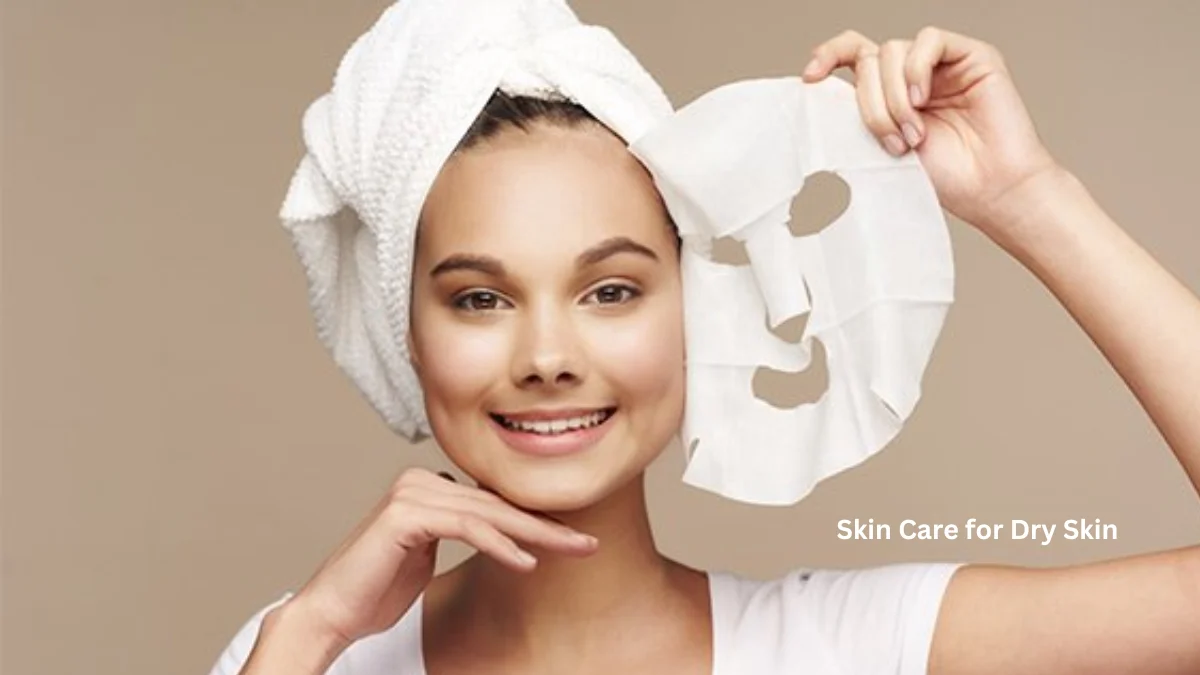
Skin Care for Dry Skin: Expert Tips for Hydrated & Healthy Skin
Dry skin is a common skin concern that affects millions of people worldwide. It can be caused by environmental factors, genetics, aging, and improper skincare routines. When left untreated, dry skin can lead to flakiness, irritation, and even conditions like eczema. A proper skincare routine that hydrates and protects the skin is essential for maintaining a healthy complexion. This comprehensive guide will help you understand the causes, best skincare routines, ingredients, home remedies, and lifestyle tips to effectively manage dry skin.
Book Your Consultation Today
Visit Dr. Hanan Dermatology Specialty Clinic in Padur, OMR, Chennai. Schedule your consultation today and start your journey to fuller, healthier hair.
For more information and to book your appointment, visit our clinic or call us at the clinic’s contact details.
Understanding Dry Skin
What is Dry Skin?
Dry skin, also known as xerosis, occurs when the skin lacks sufficient moisture. This results in a tight, rough, and sometimes itchy texture. It is commonly found on the face, hands, legs, and other areas exposed to harsh environmental conditions.
Signs and Symptoms of Dry Skin
- Rough, scaly, or flaky patches
- Tightness or discomfort, especially after washing
- Itchiness and redness
- Increased sensitivity
- Cracking or peeling, especially in extreme cases
Common Causes of Dry Skin
- Environmental Factors: Cold weather, low humidity, wind exposure, and excessive sun exposure can dehydrate the skin.
- Aging: The skin naturally produces less oil and retains less moisture as we age.
- Genetics: Some people are naturally prone to drier skin types due to genetic factors.
- Harsh Skincare Products: Cleansers, toners, and exfoliants containing alcohol, sulfates, or strong fragrances can strip the skin of its natural oils.
- Frequent Hot Showers: Prolonged exposure to hot water can remove essential oils, leaving the skin dry and irritated.
Best Skincare Routine for Dry Skin
1. Cleansing
A gentle, hydrating cleanser is essential for removing dirt and impurities without stripping the skin of moisture. Look for cleansers containing ceramides, hyaluronic acid, and glycerin to help maintain hydration. Avoid foaming cleansers with harsh surfactants.
2. Exfoliation
Exfoliating once or twice a week helps remove dead skin cells and promotes better absorption of moisturizers. Choose mild exfoliants containing lactic acid or PHAs (polyhydroxy acids), which are less irritating than traditional AHAs and BHAs. Avoid over-exfoliating, as it can worsen dryness.
3. Moisturizing
A rich, hydrating moisturizer should be applied immediately after cleansing to lock in moisture. Look for key ingredients such as hyaluronic acid, ceramides, glycerin, shea butter, and squalane to deeply hydrate and strengthen the skin barrier.
4. Sun Protection
Dry skin is prone to damage, making daily sunscreen application essential. Choose a broad-spectrum SPF 30+ sunscreen that contains hydrating ingredients like niacinamide, titanium dioxide, or zinc oxide to protect against UV damage while keeping the skin nourished.
Best Ingredients for Dry Skin
- Hyaluronic Acid: A humectant that attracts moisture to the skin, keeping it plump and hydrated.
- Glycerin: Helps retain moisture and prevents dehydration.
- Ceramides: Essential for restoring the skin’s barrier and preventing moisture loss.
- Shea Butter & Natural Oils: Deeply nourish and provide long-lasting hydration.
- Squalane: Mimics the skin’s natural oils, providing lightweight yet effective hydration.
- Aloe Vera: Soothes irritation and inflammation while adding moisture.
Home Remedies for Dry Skin
1. Aloe Vera Gel
Aloe vera has anti-inflammatory properties that help soothe dry, irritated skin. Apply a thin layer of pure aloe vera gel and leave it on for 10–15 minutes before rinsing.
2. Coconut & Olive Oil
Both oils contain fatty acids that deeply hydrate the skin. Apply a few drops after showering to lock in moisture.
3. Oatmeal Baths
Oatmeal contains soothing properties that help relieve itchiness and irritation. Add finely ground oatmeal to lukewarm bathwater and soak for 15–20 minutes.
4. Honey as a Natural Humectant
Honey attracts moisture to the skin and has antimicrobial benefits. Apply a thin layer to dry areas and leave it on for 10–15 minutes before rinsing off.
Lifestyle Tips for Managing Dry Skin
1. Stay Hydrated
Drink at least 8–10 glasses of water daily to maintain overall skin hydration.
2. Use a Humidifier
Indoor heating and air conditioning can deplete moisture levels in the air. A humidifier helps maintain optimal humidity levels, preventing skin dryness.
3. Avoid Long, Hot Showers
Use lukewarm water and limit showers to 5–10 minutes to prevent excessive moisture loss.
4. Choose Soft, Breathable Fabrics
Wearing cotton and silk reduces friction and irritation on dry, sensitive skin. Avoid synthetic materials that can cause irritation.
5. Eat a Skin-Healthy Diet
Consume foods rich in omega-3 fatty acids, vitamin E, and antioxidants to nourish your skin from within. Include salmon, walnuts, avocados, and leafy greens in your diet.
Common Skincare Mistakes to Avoid
- Overwashing Your Face: Washing more than twice a day can strip natural oils.
- Skipping Sunscreen: UV exposure accelerates dryness and aging.
- Using Alcohol-Based Toners: These can further dry out your skin.
- Ignoring Patch Testing: Always test new skincare products before applying them to your face to prevent reactions.
When to See a Dermatologist
If your dry skin persists despite following a proper skincare routine, or if you experience severe flaking, cracking, or irritation, it may be a sign of an underlying skin condition like eczema, psoriasis, or dermatitis. Consult a dermatologist for a customized treatment plan.
Conclusion
Taking care of dry skin requires a consistent routine, hydrating ingredients, and a moisture-rich lifestyle. By following the right skincare steps and avoiding common mistakes, you can achieve healthy, glowing skin. If dryness persists, seek professional guidance to address any underlying skin concerns.
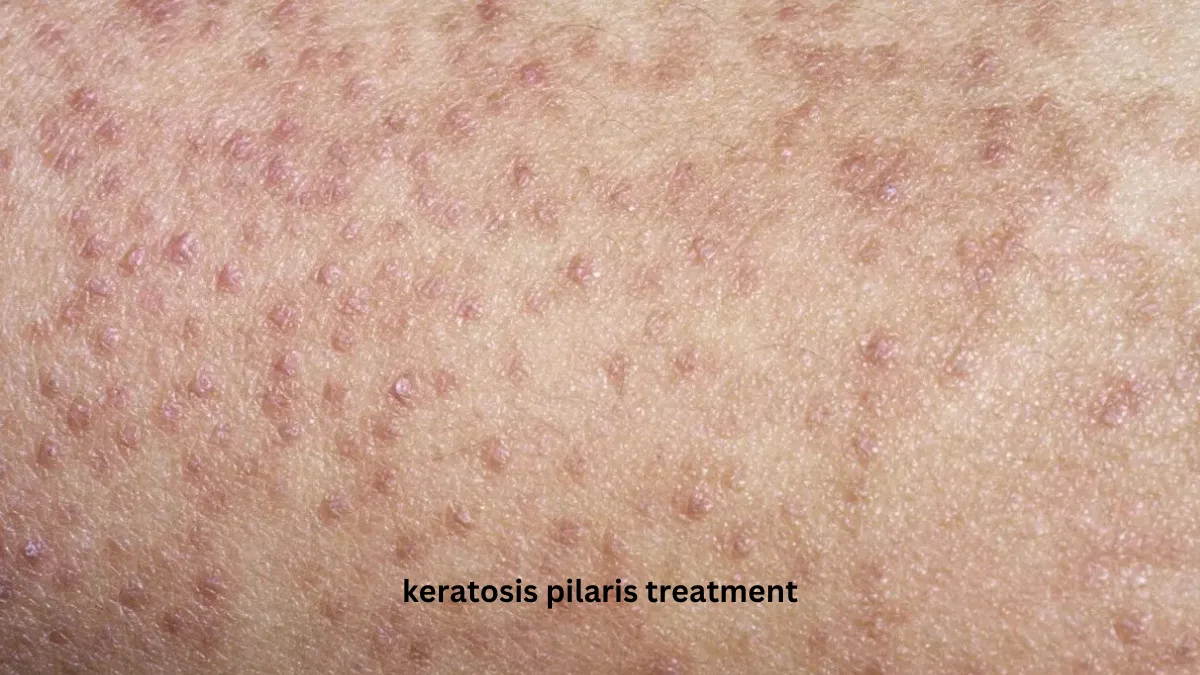
Keratosis Pilaris Treatment: Best Ways to Get Smooth, Bump-Free Skin
Keratosis Pilaris Treatment: Keratosis Pilaris (KP) is a common but harmless skin condition that results in small, rough bumps on the skin, often resembling goosebumps or sandpaper. These bumps typically appear on the arms, thighs, cheeks, or buttocks. While KP is not painful or dangerous, many seek treatment to improve their skin’s appearance. This guide provides expert-backed, evidence-based treatments to help manage and reduce KP effectively.
Book Your Consultation Today
Visit Dr. Hanan Dermatology Specialty Clinic in Padur, OMR, Chennai. Schedule your consultation today and start your journey to fuller, healthier hair.
For more information and to book your appointment, visit our clinic or call us at the clinic’s contact details.
Understanding Keratosis Pilaris Treatment
What is Keratosis Pilaris?
KP occurs due to keratin buildup, which clogs hair follicles and creates small, rough bumps. It is a benign condition, but managing it requires proper skincare.
Causes of KP
- Excess keratin production
- Genetic predisposition
- Environmental triggers (cold weather, dry skin)
- Association with conditions like eczema and ichthyosis vulgaris
Who is at Risk?
- Children and teenagers (commonly seen during puberty)
- People with dry or sensitive skin
- Those with a family history of KP
Dermatologist-Approved Home Remedies
1. Exfoliation Techniques
Exfoliation helps remove dead skin cells and unclog pores.
- Physical Exfoliation: Use a soft loofah, dry brush, or a gentle scrub.
- Chemical Exfoliation: Choose AHAs (lactic acid, glycolic acid) or BHAs (salicylic acid) for effective exfoliation.
2. Moisturization
Hydrating the skin helps reduce KP’s rough texture.
- Best Dermatologist-Recommended Creams:
- Urea-based moisturizers (10-20% urea for softening skin)
- Ceramide creams to strengthen the skin barrier
- Lactic acid lotions to exfoliate and hydrate
- Natural Remedies: Coconut oil, aloe vera, and shea butter provide soothing hydration.
3. Skincare Routine Adjustments
- Avoid harsh soaps and long, hot showers that strip skin moisture.
- Use a humidifier during winter to prevent dryness.
- Consume omega-3-rich foods (salmon, flaxseeds) to support skin health.
Over-the-Counter (OTC) Keratosis Pilaris Treatment
If home remedies are not enough, consider OTC products:
- Keratolytic Creams: Containing salicylic acid, lactic acid, or urea to break down excess keratin.
- Retinoid Creams: Help increase cell turnover and smooth rough skin.
- Anti-Inflammatory Lotions: Reduce redness and irritation.
Dermatologist-Prescribed Treatments
For severe KP cases, dermatologists may recommend:
- Prescription Retinoids (Tretinoin, Adapalene) to enhance skin renewal.
- Laser Therapy to reduce redness and inflammation.
- Microdermabrasion & Chemical Peels to improve skin texture over time.
Debunking Myths About Keratosis Pilaris
1. Can KP Be Completely Cured?
No, but it can be effectively managed with proper skincare.
2. Does Diet Affect KP?
There is no direct scientific link, but maintaining a nutrient-rich diet supports skin health.
3. Will Scrubbing Too Hard Help?
No, over-exfoliation irritates the skin and worsens KP.
Long-Term Prevention & Skincare Routine
- Use gentle exfoliants (2-3 times a week).
- Moisturize daily, especially after showering.
- Wear breathable fabrics to minimize irritation.
- Follow dermatologist-recommended treatments if necessary.
FAQs
1. What is Keratosis Pilaris (KP)?
Keratosis Pilaris (KP) is a common, harmless skin condition that causes small, rough bumps, usually on the arms, thighs, cheeks, or buttocks. It occurs due to the buildup of keratin, which blocks hair follicles.
2. What causes Keratosis Pilaris?
KP is caused by excess keratin, a protein that protects the skin. This buildup clogs hair follicles, leading to rough, bumpy skin. It is often hereditary and linked to dry skin conditions like eczema.
3. Is Keratosis Pilaris curable?
There is no permanent cure for KP, but regular skincare can significantly improve its appearance.
4. How can I treat Keratosis Pilaris at home?
- Exfoliation: Use mild exfoliants with lactic acid, salicylic acid, or urea.
- Moisturization: Apply hydrating lotions with ceramides, urea, or alpha hydroxy acids.
- Gentle Cleansing: Avoid harsh soaps and hot showers, which can dry out the skin.
- Humidifiers: Using a humidifier can help keep the skin hydrated, especially in dry weather.
5. What are the best creams for Keratosis Pilaris?
Look for lotions or creams containing:
- Lactic acid (e.g., AmLactin)
- Salicylic acid (e.g., CeraVe SA Lotion)
- Urea (e.g., Eucerin Urea Repair)
- Retinoids (for stubborn cases, prescribed by a dermatologist)
6. Can diet affect Keratosis Pilaris?
A healthy diet rich in Omega-3 fatty acids (found in fish, nuts, and seeds) and vitamin A may help improve skin health, but there is no direct cure through diet alone.
7. Should I scrub the bumps off?
No, scrubbing aggressively can worsen the condition and lead to irritation. Use gentle exfoliation instead.
8. Does Keratosis Pilaris worsen in winter?
Yes, KP tends to worsen in colder months due to dry air, so extra hydration and gentle exfoliation are recommended.
9. Can laser treatments help?
Yes, laser therapy (such as fractional lasers) can reduce redness and improve skin texture in severe cases, but it may require multiple sessions.
10. Is Keratosis Pilaris contagious?
No, KP is not contagious. It is a genetic skin condition and cannot be spread from person to person.