Hair Fall Treatment in India: Comprehensive Guide to Regain Healthy Hair
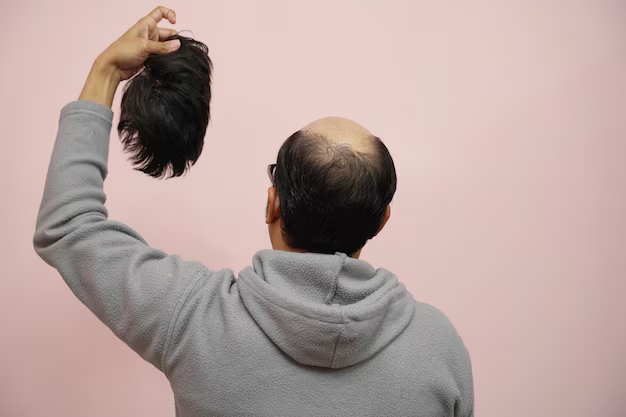
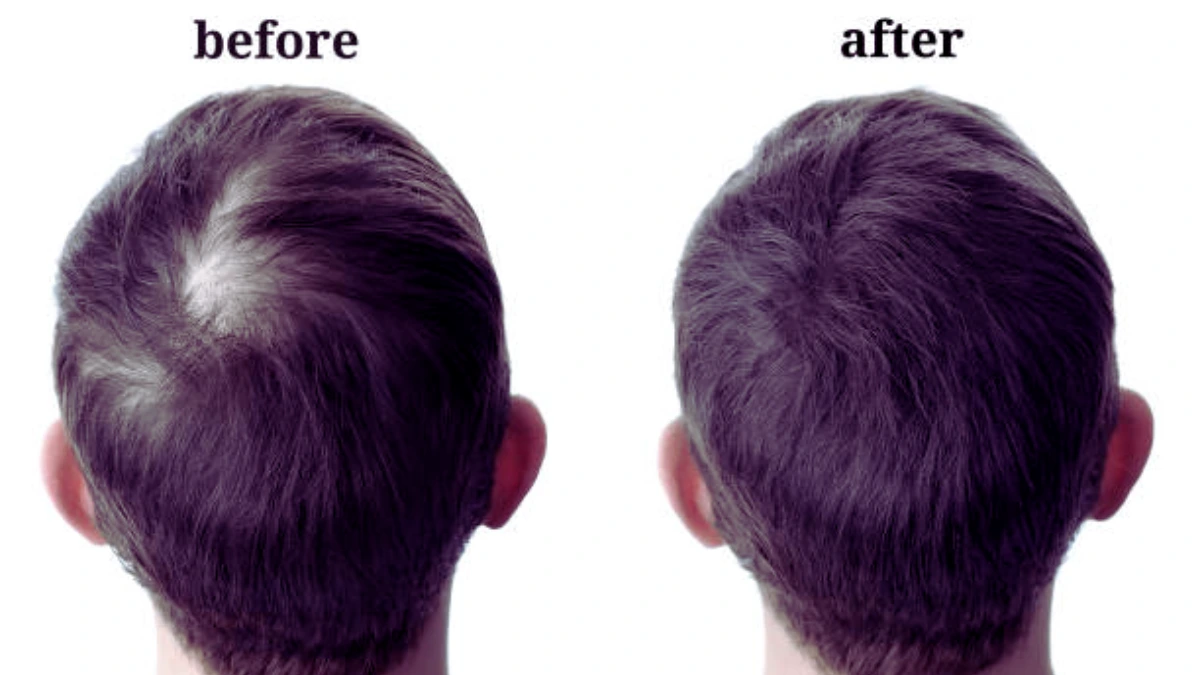
Hair Fall Treatment in India: Hair fall is a common concern that affects millions of people worldwide, and India is no exception. Whether due to genetic factors, lifestyle, or environmental stressors, excessive hair fall can significantly impact confidence and well-being. Fortunately, India offers a plethora of effective treatments to combat hair loss. In this article, we’ll explore the causes, diagnostic methods, and treatments available in India to help you make an informed decision and regain your crowning glory.
Book Your Hair Fall Treatment in India Consultation Today
Visit Dr. Hanan Dermatology Specialty Clinic in Padur, OMR, Chennai. Schedule your consultation today and start your journey to fuller, healthier hair.
For more information and to book your appointment, visit our clinic or call us at the clinic’s contact details.

Understanding Hair Fall
What is Hair Fall?
Hair fall refers to the shedding of more hair than what is naturally replaced in the hair growth cycle. While it is normal to lose about 50-100 strands daily, excessive hair fall can lead to thinning or bald patches.
Common Causes of Hair Fall
- Genetics: Male and female pattern baldness.
- Stress: Emotional and physical stress can disrupt hair growth.
- Nutritional Deficiencies: Lack of iron, vitamins, and proteins.
- Hormonal Imbalances: Conditions like PCOS, thyroid dysfunction.
- Environmental Factors: Pollution, hard water, and UV exposure.
- Medical Conditions: Alopecia, scalp infections, and chronic illnesses.
Diagnosing Hair Fall
Accurate diagnosis is crucial for effective treatment. Dermatologists and trichologists can identify the root cause through:
- Scalp Examination: To assess hair density and scalp health.
- Blood Tests: To detect deficiencies and hormonal issues.
- Hair Pull Test: Evaluates hair fragility.
- Scalp Biopsy: For severe or unexplained cases.
Types of Hair Fall Treatments in India
Medical Treatments
- Topical Solutions: Minoxidil promotes regrowth by stimulating follicles.
- Oral Medications: Finasteride helps in cases of androgenetic alopecia.
- Medicated Shampoos: Treats dandruff and scalp infections.
- Hormonal Therapies: Corrects imbalances causing hair loss.
Cosmetic and Clinical Procedures
- Hair Transplants: Techniques like FUT and FUE offer permanent solutions.
- PRP Therapy: Platelet-rich plasma injections to stimulate regrowth.
- Mesotherapy: Nutrient-rich injections for better scalp health.
- Low-Level Laser Therapy (LLLT): Stimulates hair follicles non-invasively.
Ayurvedic and Natural Remedies
- Herbs: Bhringraj, Amla, and Shikakai for natural nourishment.
- Ayurvedic Oils: Promote hair growth and improve scalp health.
- Yoga and Meditation: Reduces stress, aiding in hair retention.
Home Remedies
- Coconut Oil: Deeply nourishes and strengthens hair.
- Onion Juice: Rich in sulfur to promote hair growth.
- Aloe Vera: Soothes the scalp and reduces dandruff.
Cost of Hair Fall Treatments in India
Hair fall treatments in India are comparatively affordable. The costs vary based on the procedure, clinic reputation, and city. Here’s an approximate range:
- Topical Treatments: INR 500 – 2,000/month.
- Hair Transplants: INR 40,000 – 2,50,000.
- PRP Therapy: INR 5,000 – 15,000/session.
Choosing the Right Treatment for You
- Identify the Cause: Understanding the underlying reason is key.
- Consult Professionals: Visit certified dermatologists or trichologists.
- Customize Solutions: Choose treatments suitable for your hair type and condition severity.
Preventive Tips for Managing Hair Fall
- Balanced Diet: Include foods rich in iron, biotin, and omega-3.
- Scalp Care: Use mild shampoos and avoid harsh chemicals.
- Lifestyle Changes: Manage stress with yoga and ensure adequate sleep.
- Hydration: Drink plenty of water to keep your scalp hydrated.
Conclusion
Hair fall can be a distressing issue, but with the variety of treatments available in India, you don’t have to suffer in silence. From medical solutions to natural remedies, the right approach can help you achieve healthy and luscious locks. Consult a specialist to identify the best course of action and take the first step towards regaining your confidence.
Best Hair Transplant in Tamil Nadu: Top Clinics, Cost & Techniques
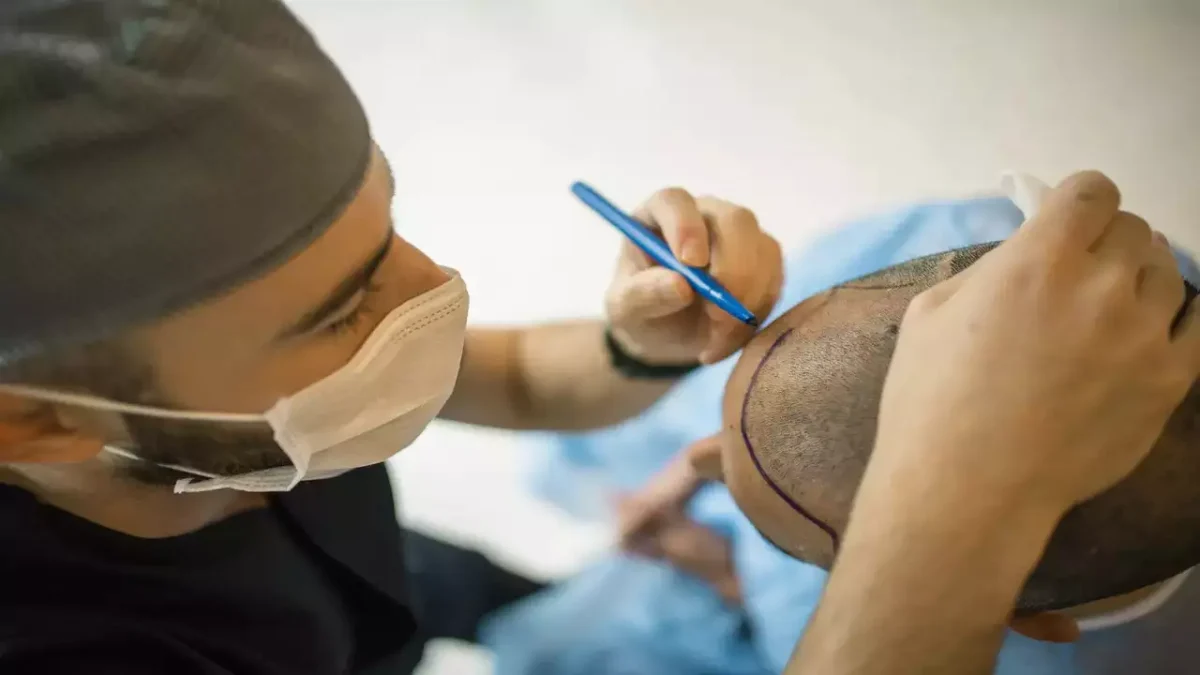
Hair transplant procedures have become increasingly popular among individuals experiencing hair loss or baldness. Tamil Nadu, particularly Chennai, is home to some of the best hair transplant clinics in India, offering advanced techniques at competitive prices. Choosing the right clinic and doctor is crucial for a successful and natural-looking hair transplant. This article provides a detailed guide on the best hair transplant options in Tamil Nadu, including top clinics, costs, techniques, and recovery tips.
Book Your Consultation Today
Visit Dr. Hanan Dermatology Specialty Clinic in Padur, OMR, Chennai. Schedule your consultation today and start your journey to fuller, healthier hair.

For more information and to book your appointment, visit our clinic or call us at the clinic’s contact details.
Hair Transplant Techniques
Before selecting a clinic, it is essential to understand the different hair transplant techniques available. Each method has its benefits and is suited for different hair loss conditions.
Follicular Unit Extraction (FUE)
- A minimally invasive method where individual hair follicles are extracted and implanted.
- No visible scarring and a faster recovery period.
- Suitable for patients looking for a natural hairline with minimal downtime.
Follicular Unit Transplantation (FUT)
- Involves removing a strip of skin with hair follicles from the donor area.
- Higher graft survival rate but may leave a linear scar.
- Recommended for patients requiring a large number of grafts.
Direct Hair Implantation (DHI)
- An advanced technique where hair follicles are extracted and implanted simultaneously.
- Offers high precision and density.
- Performed with specialized tools for better results.
Robotic Hair Transplant
- Uses AI-powered robotic technology for precise hair follicle extraction and placement.
- Minimizes human error and speeds up the procedure.
- Best suited for individuals looking for a high-tech, minimally invasive approach.
Factors to Consider When Choosing a Hair Transplant Clinic
Choosing the best hair transplant clinic involves several factors:
- Expertise and Experience – Ensure the clinic has experienced surgeons specializing in hair restoration.
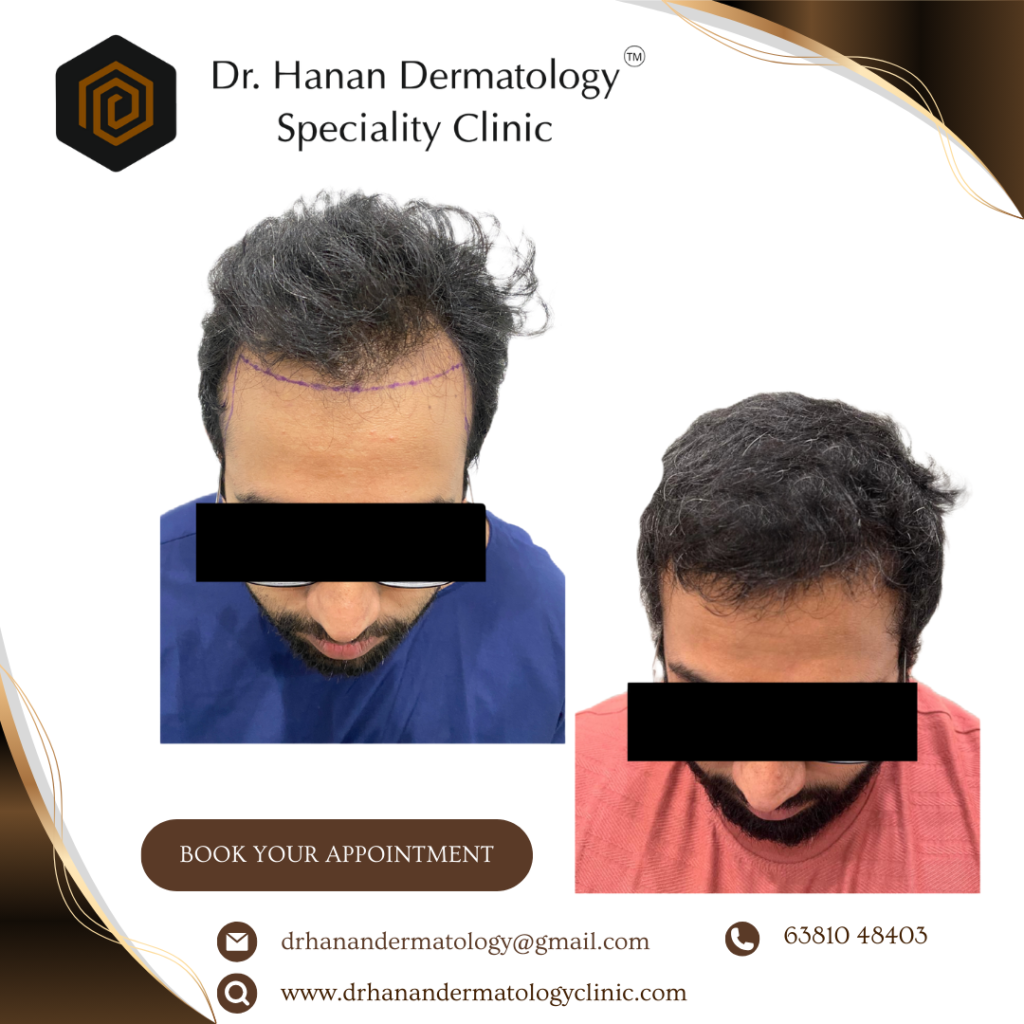
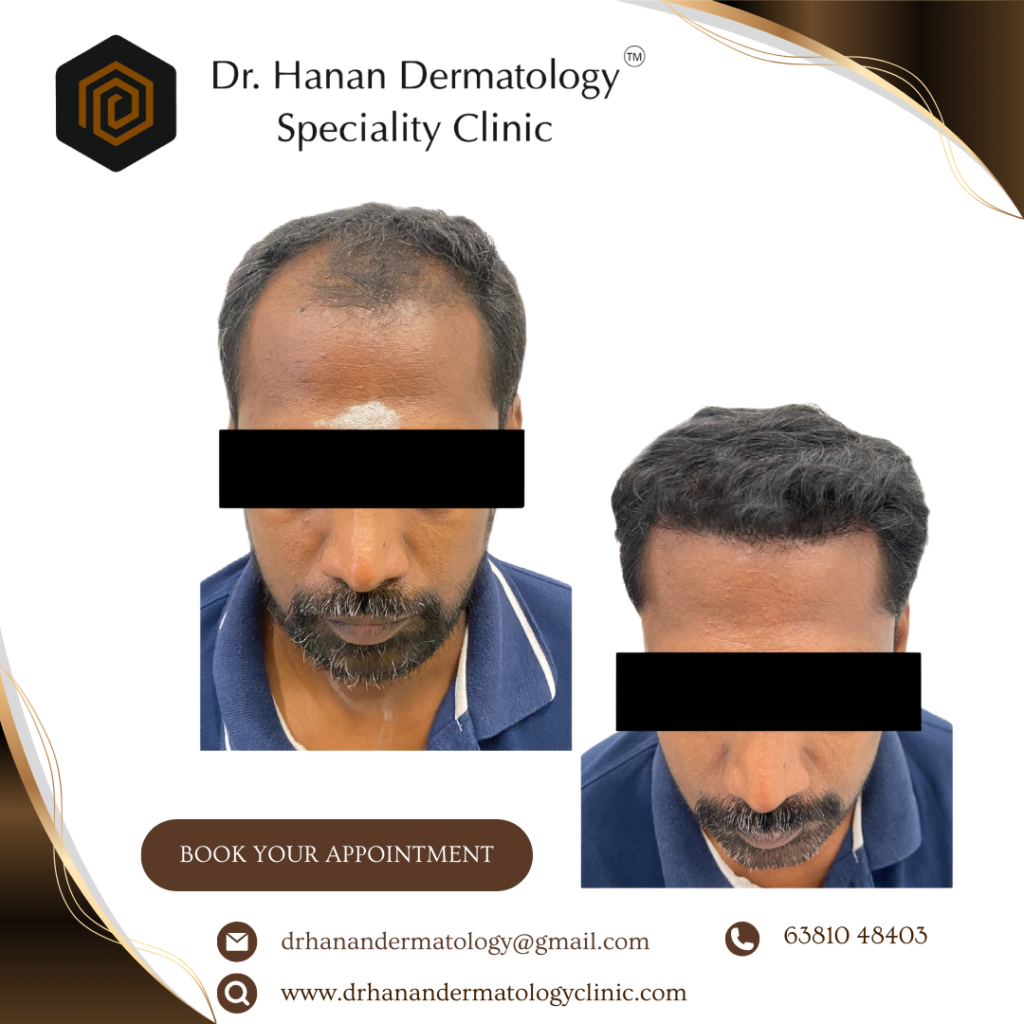
- Success Rate and Reviews – Look for patient testimonials and before-and-after images.
- Advanced Technology – Clinics using the latest equipment ensure better results.
- Cost and Affordability – Compare the price based on the number of grafts required.
- Post-Operative Care – Choose a clinic that provides proper follow-up consultations and care.
Top Hair Transplant Clinics in Tamil Nadu
Here are some of the best hair transplant clinics in Tamil Nadu known for their high-quality procedures:
1. DHI India – Chennai
- Specializes in Direct Hair Implantation (DHI) technique.
- Offers natural results with high graft survival rates.
- Personalized treatment plans for every patient.
2. Eugenix Hair Sciences
- One of the leading hair restoration clinics in India.
- Experienced doctors with high success rates.
- Uses advanced techniques to ensure natural hair growth.
3. Tamira Life Clinic
- Provides both FUE and FUT hair transplants.
- High patient satisfaction with skilled dermatologists.
- Offers affordable packages with post-operative care.
4. Hande Hospital
- Known for cost-effective hair transplant procedures.
- Experienced dermatologists and plastic surgeons.
- Provides customized treatment plans.
5. Advanced Grohair Clinic
- Specializes in FUE hair transplants.
- Offers free consultations and affordable pricing.
- Uses the latest technology for precise graft implantation.
6. Pristyn Care
- Nationwide presence with expert hair transplant surgeons.
- Offers minimally invasive hair transplant procedures.
- Focuses on patient safety and post-op recovery.
Cost of Hair Transplant in Tamil Nadu
The cost of a hair transplant varies based on the clinic, technique used, and number of grafts required. On average:
- FUE Hair Transplant – ₹40,000 to ₹1,50,000
- FUT Hair Transplant – ₹30,000 to ₹1,20,000
- DHI Hair Transplant – ₹80,000 to ₹2,50,000
- Robotic Hair Transplant – ₹1,50,000 to ₹3,00,000
Factors affecting cost:
- Number of grafts needed.
- Experience of the surgeon.
- Clinic reputation and location.
- Post-operative care and medications.
Recovery and Post-Transplant Care
After a hair transplant, proper care is essential for optimal results:
- Immediate Aftercare: Avoid touching the scalp, strenuous activities, and sun exposure for at least two weeks.
- Healing Period: Redness and mild swelling are common but subside within a few days.
- Hair Shedding: Transplanted hair may shed after 2-3 weeks before new growth starts.
- Final Results: Noticeable hair growth occurs after 6-12 months.
Success Stories and Patient Testimonials
Many patients have reported positive experiences with hair transplants in Tamil Nadu. Here are some success stories:
- A 35-year-old IT professional from Chennai underwent an FUE transplant and saw significant hair regrowth within 9 months.
- A businessman from Coimbatore opted for the DHI method and achieved a fuller hairline within 6 months.
Conclusion
Choosing the best hair transplant clinic in Tamil Nadu depends on multiple factors, including the technique, doctor expertise, and cost. Clinics like DHI India, Eugenix Hair Sciences, and Tamira Life Clinic offer top-quality procedures with high success rates. If you are considering a hair transplant, consult with a qualified specialist to determine the best treatment for your needs.
Hair Transplant Surgery in Chennai: Your Ultimate Guide for 2026
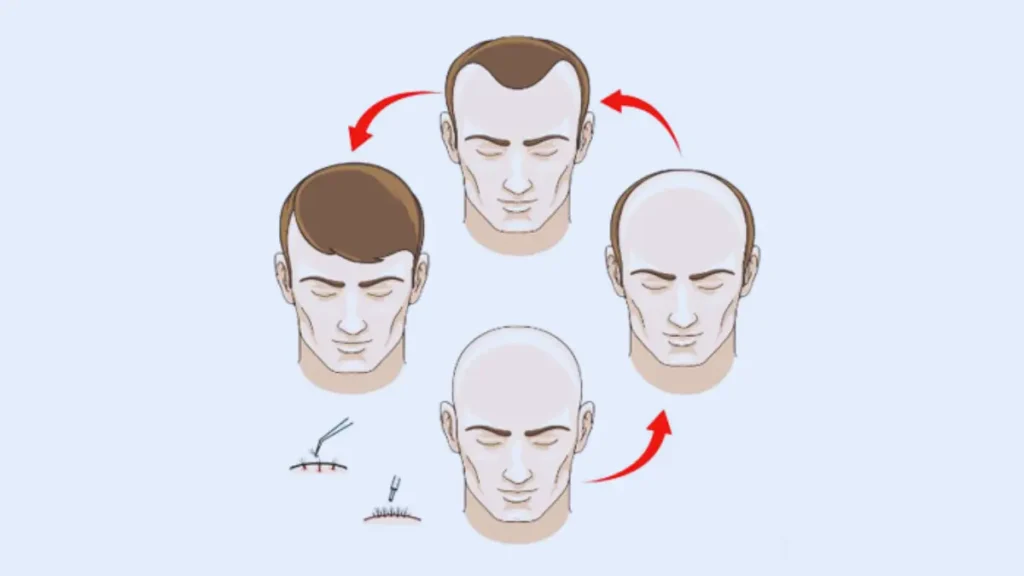
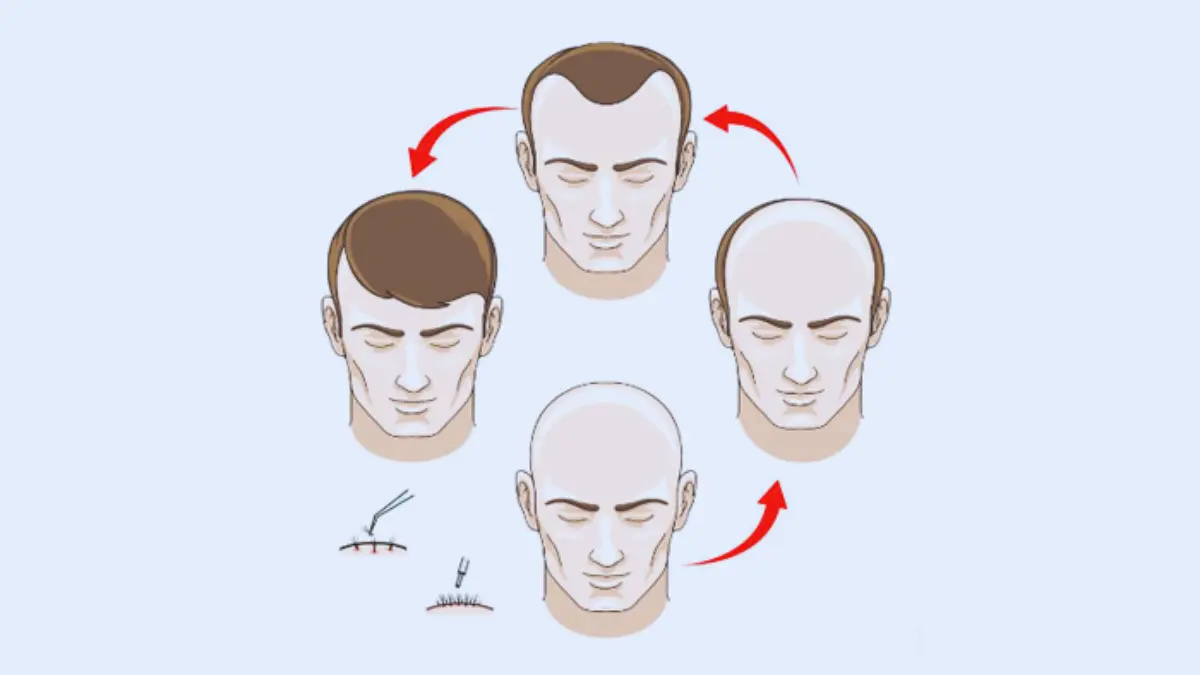
Hair loss can be a frustrating and emotional experience, but thanks to advancements in modern medicine, hair transplant surgery offers a permanent solution. If you are looking to restore your hairline and regain your confidence, Chennai is one of the leading destinations for high-quality hair transplant surgery. In this comprehensive guide, we’ll take you through everything you need to know about hair transplant surgery in Chennai, from the procedure to cost, top clinics, and recovery tips.
Book Your Consultation Today
Visit Dr. Hanan Dermatology Specialty Clinic in Padur, OMR, Chennai. Schedule your consultation today and start your journey to fuller, healthier hair.

For more information and to book your appointment, visit our clinic or call us at the clinic’s contact details.
What is Hair Transplant Surgery?
Hair transplant surgery is a cosmetic procedure designed to restore lost hair to areas of the scalp affected by hair thinning or balding. It involves relocating hair follicles from one part of the scalp, usually from the back or sides (where hair is thicker), to the balding or thinning areas.
There are three primary methods used in hair transplant surgery:
- Follicular Unit Transplantation (FUT): Involves removing a strip of scalp and transplanting individual follicles.
- Follicular Unit Extraction (FUE): The surgeon extracts individual follicles from the donor area and implants them into the recipient site.
- Direct Hair Implantation (DHI): A refined version of FUE that ensures more precise placement of the follicles.
These methods vary in their approach, but all offer the potential for permanent, natural-looking results.
Read more: Best Hair Doctor in Chennai: Your Ultimate Guide to Expert Hair Care and Treatment
Why Choose Chennai for Hair Transplant Surgery?
Chennai has become a sought-after location for hair transplant surgery due to its:
- Experienced Surgeons: Chennai is home to several renowned surgeons who have performed thousands of successful hair transplants. Many of these specialists have undergone extensive training and certification from top global institutions.
- Advanced Techniques: Clinics in Chennai are equipped with the latest technology and advanced surgical techniques to ensure the best results.
- Affordable Cost: Hair transplant surgery in Chennai is more cost-effective than in many other cities, especially considering the quality of care and results provided.
- Patient Success Stories: With countless satisfied patients, Chennai has built a strong reputation for delivering high-quality and natural-looking results.
Top Clinics for Hair Transplant Surgery in Chennai
Several world-class clinics in Chennai specialize in hair transplant surgery. Here are a few you can trust:
| Clinic Name | Contact | Overview |
|---|---|---|
| Tamira Plastic Surgery | 1800 3000 1613 | Known for excellence in hair transplant surgery, offering advanced treatments with high-quality service and professional care. |
| Ultra Bio Hair Transplant Clinic | 073050 07271 | Solid reputation for hair transplant surgeries, frequently recommended for its expertise in hair restoration procedures. |
| Advanced Grohair & Gloskin Clinic | 083909 56789 | Highly appreciated for a friendly and skilled team, delivering impressive hair restoration results and a variety of hair treatments. |
| Unique Hair Gro Hair Transplant Clinic | 089250 53339 | Praised for excellent service and effective hair transplant results, recommended by patients for quality care. |
| Chennai Plastic Surgery | 096000 58899 | Led by Dr. Karthik Ram, specializes in hair transplants and other cosmetic procedures with professionalism and high regard from patients. |
| Construct Face and Hair (CFH) | 073581 99693 | Offers personalized treatment plans focused on natural-looking hair restoration, with positive feedback from patients. |
| Max Hair Clinic Chennai – Nungambakkam | 088832 88822 | Provides hair replacement solutions for men at reasonable costs, offering a variety of services for effective treatments. |
| IQ Hair Transplant and Skin Care | 072000 77828 | Known for affordable yet effective hair restoration services, a trusted clinic for hair transplant surgeries in Chennai. |
| DHI India – Best Hair Transplant in Chennai | 1800 103 9300 | A well-known name in hair transplant surgery offering excellent results with advanced techniques like Direct Hair Implantation (DHI). |
| Looks Studio Hair Transplant Clinic | 070308 84499 | Offers PRP treatments and hair fall solutions, a popular clinic for effective hair transplant services. |
| Dr. Youth Clinic – Skin & Hair Care | 099944 49535 | Specializes in personalized treatments for hair loss and skin care, known for its high-quality services in hair transplant surgeries. |
| F2 Hair Transplant and Skin Care | 072000 99924 | Praised for affordable and high-quality hair transplant services, with excellent reviews. |
| Dermis Care – Hair Transplant and Skin Aesthetic Clinic | 093636 20020 | Recognized for expertise in hair transplant surgeries and skin aesthetic treatments, located in Porur. |
Cost of Hair Transplant Surgery in Chennai
The cost of a hair transplant in Chennai can vary depending on several factors:
- Type of Procedure: FUT generally costs less than FUE and DHI, which require more advanced equipment and time.
- Number of Grafts: The more grafts you need, the higher the cost. Typically, the cost is calculated per graft.
- Clinic Reputation and Surgeon’s Experience: Experienced surgeons and renowned clinics may charge a premium, but their expertise ensures higher success rates.
On average, the cost for hair transplant surgery in Chennai ranges from ₹40,000 to ₹150,000, with prices fluctuating based on the complexity of the procedure.
Eligibility and Considerations for Hair Transplant Surgery
Hair transplant surgery is suitable for:
- Men: Those suffering from male pattern baldness.
- Women: Those experiencing thinning hair or bald spots due to genetics, hormonal changes, or other conditions.
- Healthy Individuals: Candidates should be in good overall health, with sufficient donor hair on the scalp.
Before the surgery, the surgeon will evaluate your scalp and hair to determine the best course of action for achieving the most natural results.
Hair Transplant Procedure: Step-by-Step Guide
- Initial Consultation: The surgeon will assess your scalp condition, hair quality, and discuss your goals.
- Preparation: Local anesthesia is administered to numb the donor and recipient areas.
- Procedure:
- FUT: A strip of hair-bearing skin is removed, and the follicles are transplanted.
- FUE: Individual follicles are extracted from the donor area and implanted.
- DHI: The follicles are placed directly into the scalp using a special pen-like tool.
- Post-Surgery Care: After the surgery, you will be given instructions on how to care for your new hair follicles to ensure proper healing.
Benefits and Risks of Hair Transplant Surgery
Benefits:
- Permanent Results: The transplanted hair grows naturally and lasts for a lifetime.
- Minimal Maintenance: Once the procedure is complete, no further treatment is required.
- Natural-Looking Results: Skilled surgeons can create a natural hairline that matches your facial features.
Risks:
- Infection: As with any surgical procedure, there is a slight risk of infection.
- Scarring: FUT may leave a small linear scar, though FUE and DHI are less invasive.
- Post-Surgery Swelling: Swelling of the forehead or scalp is a common side effect but resolves over time.
Aftercare and Recovery Tips
- Avoid touching or scratching the transplanted area for the first few days.
- Take prescribed medications to reduce swelling and prevent infection.
- Follow-up Appointments: Regular visits to the clinic ensure that the healing process is progressing as expected.
- Hair Growth Timeline: Results typically begin to show after 3-4 months, with full results visible within 12 months.
Types of Hair Transplant Procedures
Follicular Unit Transplantation (FUT)
FUT involves removing a strip of scalp from the donor area, extracting hair follicles, and transplanting them to the balding areas. This method is suitable for patients with a large area of baldness.
Follicular Unit Extraction (FUE)
FUE involves extracting individual hair follicles directly from the donor area and transplanting them to the balding areas. This method is less invasive and leaves minimal scarring.
Direct Hair Implant (DHI)
DHI is a patented technique that allows for precise control over the angle, depth, and direction of hair implantation. It is known for its natural-looking results and minimal pain.
What to Expect During the Procedure
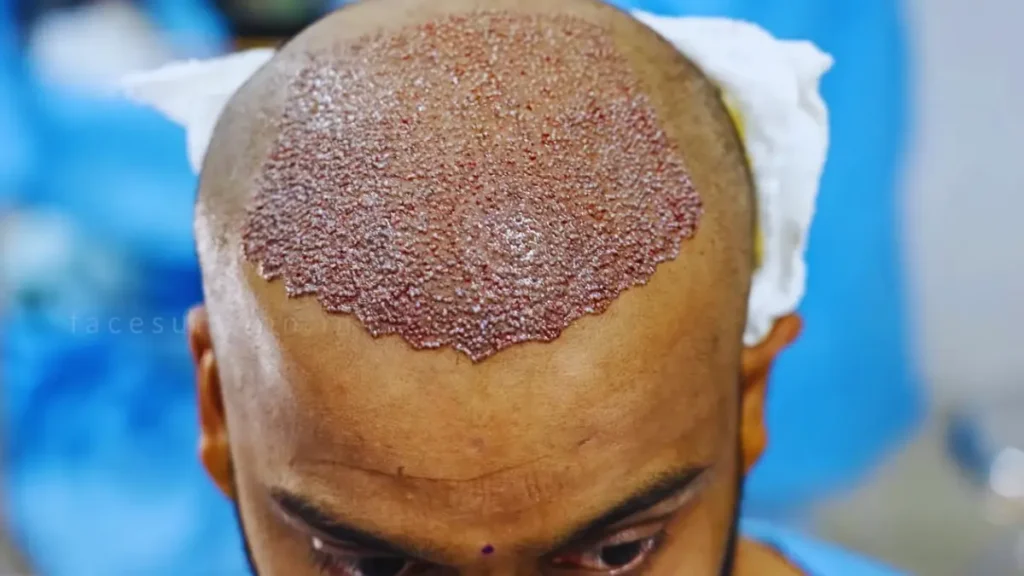
- Consultation: The first step involves a detailed consultation with the surgeon to discuss your goals, medical history, and suitability for the procedure.
- Preparation: The donor area is shaved, and local anesthesia is applied to numb the scalp.
- Extraction: Hair follicles are extracted using the chosen method (FUT, FUE, or DHI).
- Transplantation: The extracted hair follicles are carefully implanted into the balding areas.
- Recovery: Post-operative care includes medications to prevent infection, and patients can expect some swelling and discomfort, which typically subsides within a few days.
Costs of Hair Transplant Surgery
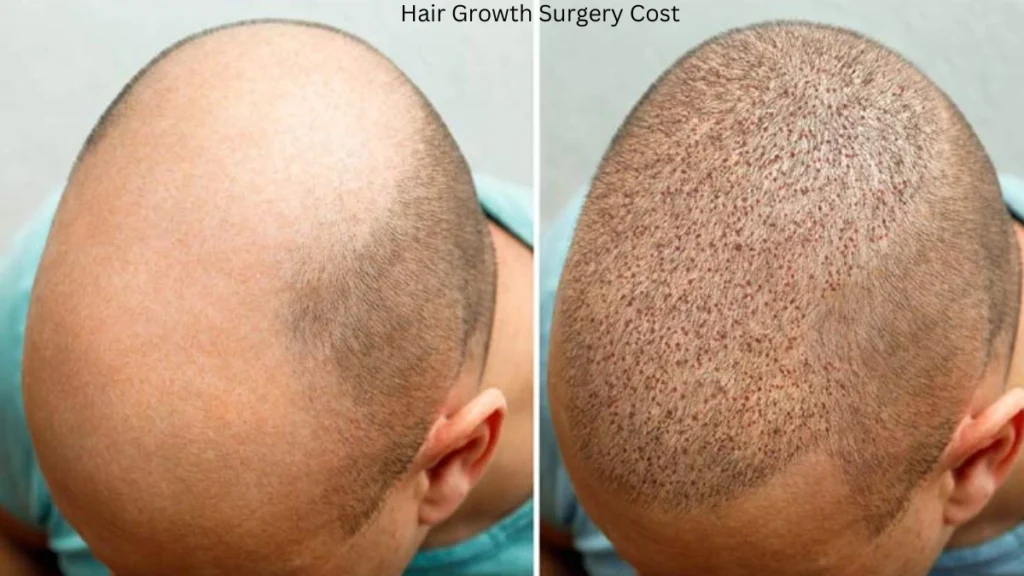
The cost of hair transplant surgery in Chennai can vary depending on the clinic, the number of grafts, and the chosen technique. On average, the cost ranges from ₹1,00,000 to ₹5,00,000.
FAQs About Hair Transplant Surgery in Chennai
- How long does the procedure take? The procedure typically takes between 4 to 8 hours, depending on the number of grafts.
- Is the surgery painful? Local anesthesia ensures that the surgery is painless, though some discomfort may be experienced during recovery.
- When will I see results? It may take 3-4 months before you begin seeing noticeable hair growth, with full results visible after about 12 months.
Conclusion
Hair transplant surgery in Chennai offers an excellent opportunity for those suffering from hair loss to regain their natural hairline. With skilled surgeons, advanced techniques, and affordable prices, Chennai has emerged as one of the top destinations for hair restoration. If you are considering a hair transplant, consult a certified clinic to determine the best solution for your needs. Take the first step toward restoring your hair and confidence today!