Boost Natural Immunity to Reduce Hair Loss for your hair type with expert tips from Dr. Hanan Dermatology Clinic, Chennai.

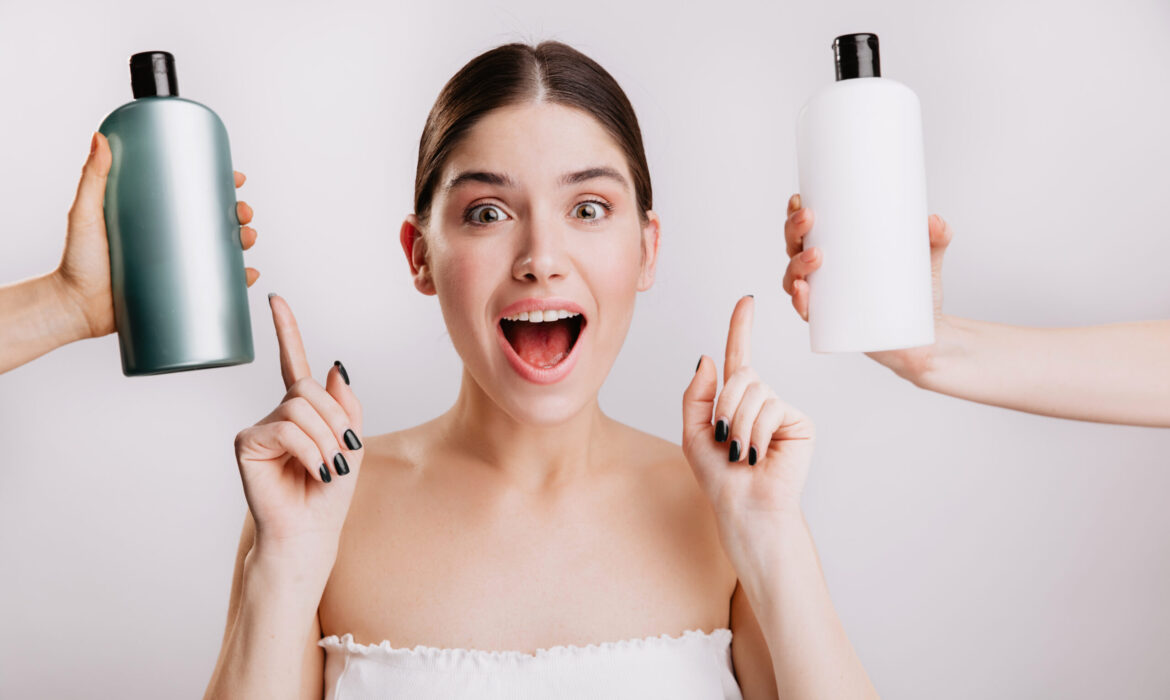
Boost Natural Immunity to Reduce Hair Loss for your hair type with expert tips from Dr. Hanan Dermatology Clinic, Chennai.
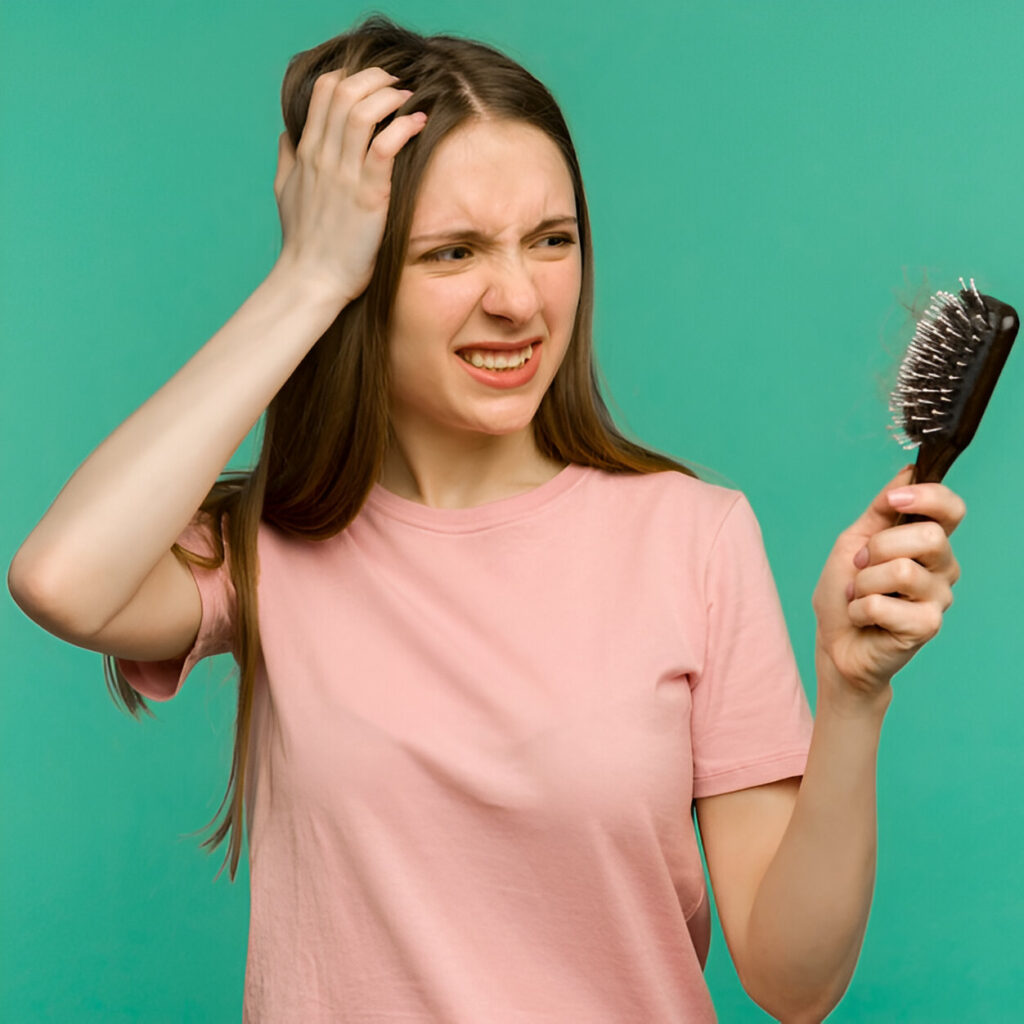
Boost Natural Immunity to Reduce Hair Loss: Hair loss has become a common concern among both men and women due to stress, unhealthy eating habits, hormonal imbalance, pollution, and weakened immunity. While many people focus only on shampoos and hair products, maintaining a strong immune system plays a major role in improving hair health naturally.
At Dr. Hanan Dermatology Speciality Clinic, experienced dermatologists and hair specialists provide advanced treatments and expert guidance to help patients reduce hair fall and restore healthy hair growth safely.
Your immune system protects the body from infections, inflammation, and cellular damage. When immunity becomes weak or imbalanced, hair follicles can become inflamed and damaged, leading to excessive hair shedding.
Conditions such as chronic stress, nutritional deficiencies, poor gut health, and autoimmune disorders can directly affect the scalp and weaken hair roots. Strengthening immunity naturally helps create a healthy environment for hair follicles to grow stronger and healthier.
A weakened immune system can contribute to several hair-related problems, including:
People experiencing sudden hair fall, thinning, or patchy hair loss should seek professional diagnosis from experienced dermatologists.
Hair is made of keratin, a structural protein essential for healthy growth. Lack of protein can weaken hair strands and increase breakage.
Protein-rich foods include:
A balanced protein-rich diet supports stronger roots and improves overall hair texture.
Iron deficiency is one of the leading causes of hair loss, especially among women.
Foods rich in iron include:
Iron helps deliver oxygen to hair follicles, improving scalp nourishment and growth.
Vitamin C supports collagen production and improves iron absorption in the body.
Best sources include:
Regular intake helps maintain stronger hair follicles and healthier skin.
Healthy fats improve scalp hydration and reduce inflammation that can damage follicles.
Omega-3-rich foods include:
These nutrients may improve hair density and scalp health naturally.
Biotin and zinc are important nutrients for healthy hair growth and immune support.
Foods rich in biotin and zinc:
Deficiency in these nutrients can lead to thinning hair and scalp issues.
When choosing a shampoo, always read the label. Avoid these ingredients that can damage your hair over time:
Artificial fragrance or color – May trigger sensitivity or allergies
If you’re unsure whether a shampoo will suit your hair:
If irritation, hair fall, or excess dryness occurs, discontinue use and consult a dermatologist.
Chronic stress increases cortisol levels, which may trigger excessive hair shedding known as telogen effluvium.
Helpful stress management techniques include:
Managing stress improves both immune balance and hair health.
Sleep is essential for tissue repair, hormone balance, and healthy hair follicle regeneration.
Experts recommend:
Good sleep supports stronger immunity and better scalp recovery.
Regular physical activity improves blood circulation and delivers oxygen and nutrients to the scalp.
Best activities include:
Exercise also helps reduce inflammation and stress-related hair loss.
Gentle scalp massage stimulates circulation and helps relax the scalp muscles.
Natural oils commonly used include:
Massaging the scalp several times weekly may improve hair strength naturally.
Studies suggest rosemary oil may help improve hair growth by reducing inflammation and enhancing blood circulation to follicles.
When used consistently, rosemary oil may support thicker and healthier hair.
Frequent coloring, bleaching, heat styling, and chemical treatments can damage hair shafts and weaken follicles.
Protect your hair by:
Vitamin D supports immune regulation and healthy hair follicle cycling.
Sources include:
Low Vitamin D levels are commonly linked to hair thinning.
Zinc supports tissue repair and immune function while helping reduce hair fall caused by scalp inflammation.
14+ Years of Experience
65,000+ Happy Patients
41,000+ Procedures Completed
Advanced Hair and Skin Technologies
Experienced Dermatologists and Specialists
Personalized Treatment Plans
The clinic is recognized for delivering safe, advanced, and result-oriented dermatology and trichology treatments.
Yes, a weak immune system can contribute to hair loss by increasing inflammation, reducing nutrient absorption, and affecting hair follicle health. Conditions like autoimmune disorders may also trigger patchy hair loss.
Protein-rich foods, iron-rich vegetables, omega-3 fatty acids, nuts, seeds, eggs, fish, and Vitamin C-rich fruits can support healthier hair growth naturally.
Deficiencies in Vitamin D, iron, zinc, and biotin are commonly associated with excessive hair shedding and thinning.
Yes, chronic stress increases cortisol levels, which can weaken immunity and push hair follicles into the resting phase, leading to increased hair fall.
A healthy gut supports nutrient absorption and immune balance. Probiotics and a balanced diet may help improve scalp and hair health over time.
Rosemary oil may help improve blood circulation to the scalp and reduce inflammation, which can support healthier hair growth when used regularly.
Experts recommend 7–9 hours of quality sleep daily to support tissue repair, hormonal balance, and healthy hair follicle regeneration.
Yes, regular exercise improves blood circulation, reduces stress, and helps deliver nutrients and oxygen to hair follicles.
You should consult a dermatologist if you experience sudden hair shedding, bald patches, persistent thinning, scalp irritation, or excessive hair fall lasting several months.
Yes, Dr. Hanan Dermatology Speciality Clinic offers advanced hair loss treatments, scalp therapies, PRP treatment, and hair transplant procedures with personalized care.
Confused about shampoo? Learn how to choose the right shampoo for your hair type with expert tips from Dr. Hanan Dermatology Clinic, Chennai.
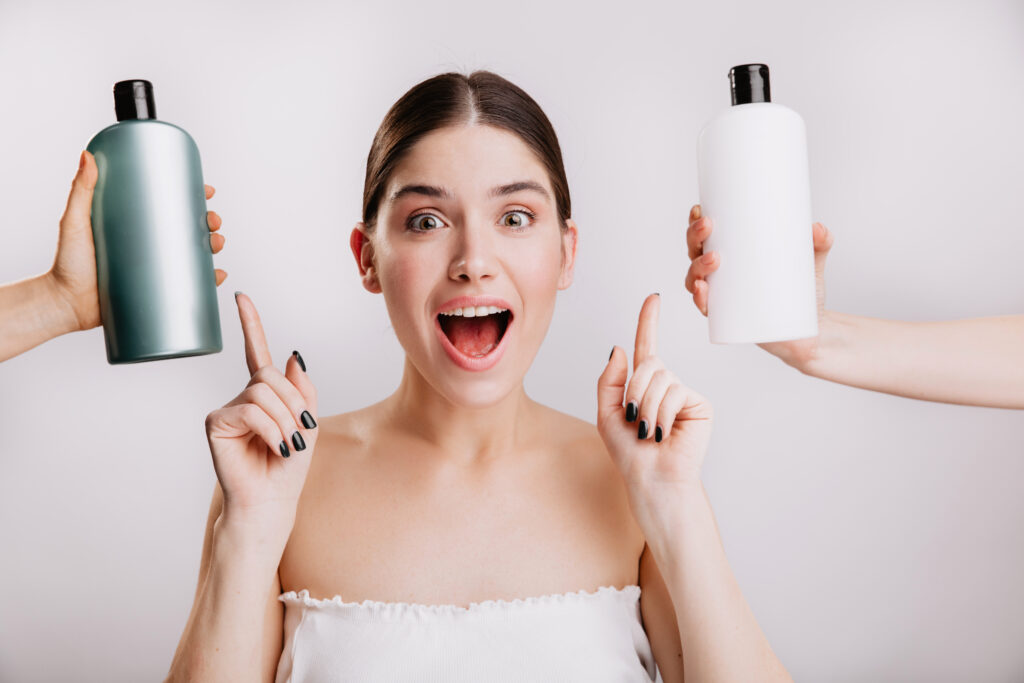
Choosing the right shampoo might seem like a small decision, but it plays a big role in your hair health. With endless options on the shelves—hydrating, clarifying, volumizing, anti-dandruff—it’s easy to feel confused. The truth is, using the wrong shampoo can lead to dryness, hair fall, dandruff, and an irritated scalp.
At Dr. Hanan Dermatology Speciality and Trichology Clinic in Chennai, we guide our patients in making personalized hair care choices, starting with the right shampoo for their unique hair and scalp type. In this blog, let’s decode how to pick the perfect shampoo that actually works for you.
Your shampoo is more than just one cleanser – this is the foundation of your hair care routine. The right one supports the health of your scalp, strengthens your hair roots, and keeps your strands shiny and manageable. Wrong one, however, can spoil your scalp condition and cause issues like:
Before shopping for a shampoo, determine your hair type:
Quickly looks smooth or flat. A clear or balancing shampoo is required that removes excess oil without drying the scalp.
Often feel brittle, rough or frizzy. A moisturizing or hydrating shampoo with ingredients such as shea butter, argan oil, or coconut oil.
Not very oily or dry. You can choose a mild, sulfate-free shampoo that maintains the natural balance of your scalp.
Oily on the roots and dry at the ends. Choose a balancing formula or apply shampoo to the scalp only when conditioning the ends.
A healthy scalp equals healthy hair. Match your shampoo to your scalp needs, not just your hair strands.
Sensitive or itchy scalp: Use fragrance-free, dermatologist-tested shampoos that are soft and hypoallergenic.
Choose a shampoo that targets your specific hair concern:
Hair Concern | Ideal Shampoo Type |
Hair fall | Strengthening or anti-hair fall shampoo with keratin or biotin |
Dandruff | Anti-dandruff shampoo with zinc pyrithione, ketoconazole, or salicylic acid |
Frizz | Smoothing shampoo with argan oil or keratin |
Color-treated hair | Color-protect shampoo that’s sulfate-free |
Heat-damaged hair | Repairing shampoo with protein and amino acids |
When choosing a shampoo, always read the label. Avoid these ingredients that can damage your hair over time:
Artificial fragrance or color – May trigger sensitivity or allergies
If you’re unsure whether a shampoo will suit your hair:
If irritation, hair fall, or excess dryness occurs, discontinue use and consult a dermatologist.
Every scalp and hair type are different. This is why Dr. Hanan Dermatology Specialty and Trichology Clinic in Chennai, we provide individual hair care guidance after a detailed scalp analysis. Whether you are struggling with hair loss, dandruff, or dryness, our team will help you take the right shampoo and treatment to restore hair health.
Shampoo your scalp, not only hair length
Rinse well to avoid buildup
Use lukewarm or cold water, not hot
Follow with conditioner suitable for your hair type
Do not over wash – For most people the ideal wash is 2-3 times.
Your shampoo can either protect your hair or be the silent criminal behind damage. Choosing the right shampoo for your hair type makes your hair healthy, vibrant and strong. If you are uncertain from where to start, then book a consultation with our hair experts at Dr. Hanan Dermatology and Trichology Clinic – we are here to guide you at every step.

Dr Hanan Dermatology Speciality clinic a Leading Dermatology, Cosmetology Clinic that provides the Best Affordable Treatment for Skin, Hair & Laser.
Our Contacts
Copyright © 2024 Dr Hanan Dermatology Speciality Clinic is Developed and Maintained by Qualpr | Privacy Policy | Terms and Conditions
Dr Hanan Dermatology Speciality Clinic
Typically replies within minutes
Any questions related to Skin, Hair, and Cosmetic or Looking to book an appointment?
WhatsApp Us
🟢 Online | Privacy policy
WhatsApp us