Expert tips to choose the Best Hair Transplant Clinic with qualified surgeons, advanced techniques, and trusted patient outcomes in India.

Expert tips to choose the Best Hair Transplant Clinic with qualified surgeons, advanced techniques, and trusted patient outcomes in India.
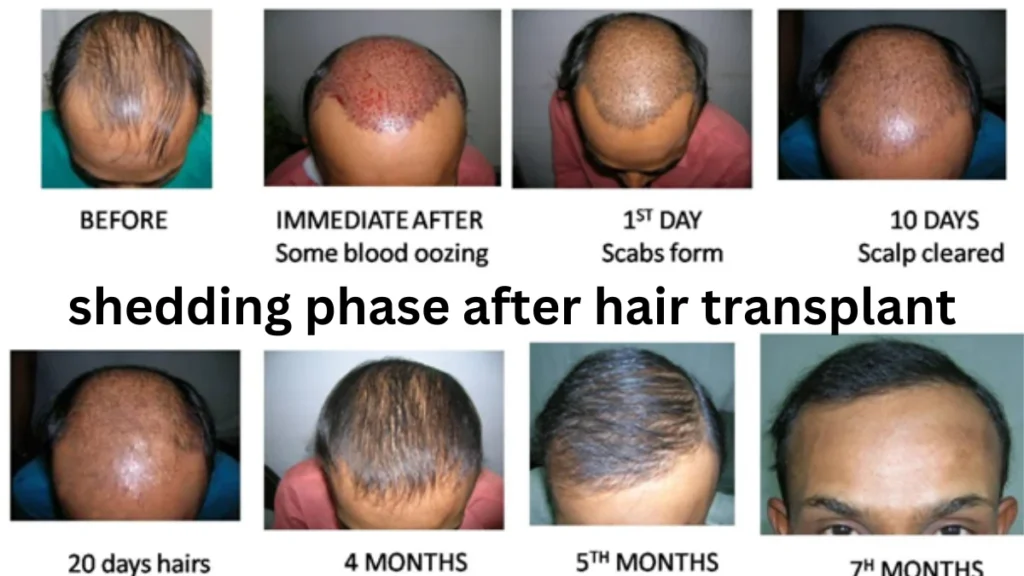
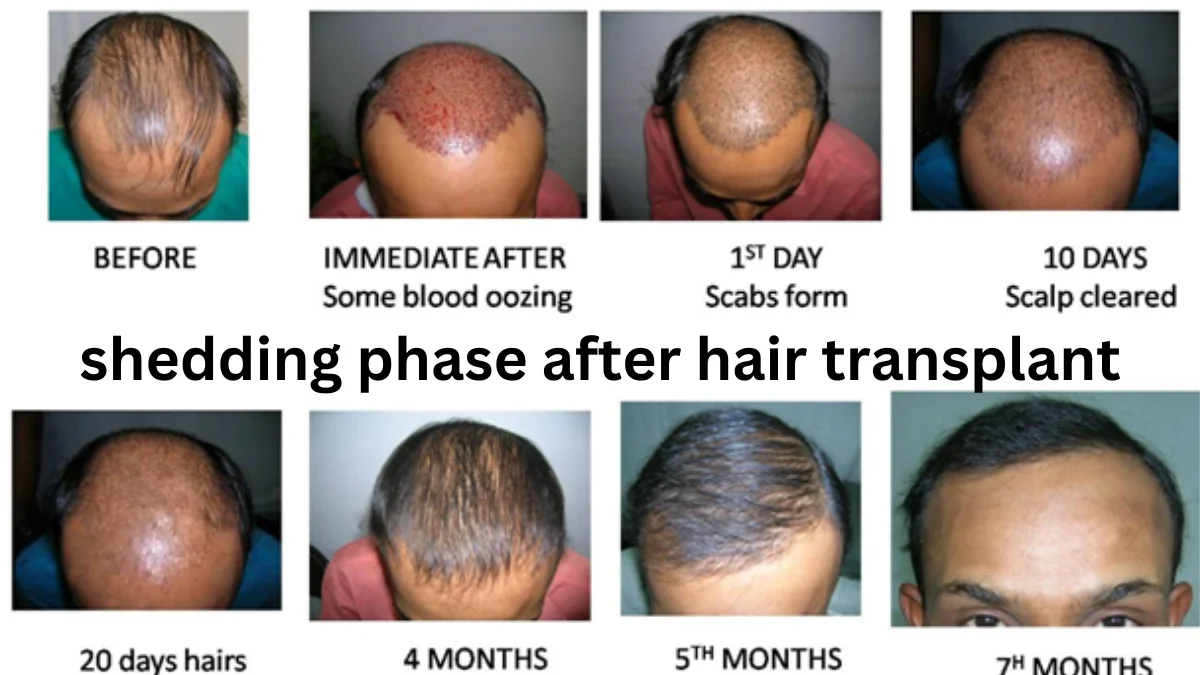
Shedding Phase After Hair Transplant Duration: Undergoing a hair transplant is an exciting step towards restoring your hair and confidence. However, many patients notice that transplanted hair falls out within a few weeks after the procedure. This is known as the shedding phase, a normal part of the hair growth cycle. Understanding this phase is crucial to stay calm and ensure long-term success. At Dr. Hanan Dermatology Speciality Clinic, Chennai, we guide our patients through every stage, ensuring safe and effective hair restoration.
Understanding the timeline helps patients set realistic expectations:
| Weeks After Transplant | What to Expect |
|---|---|
| 1–2 Weeks | Initial shedding of transplanted hair begins |
| 3–4 Weeks | Most grafts enter resting (telogen) phase |
| 5–8 Weeks | Gradual shedding continues, scalp heals fully |
| 3–6 Months | New hair starts emerging from transplanted follicles |
| 9–12 Months | Full hair growth and natural density achieved |
Patience is key. The shedding phase is temporary, and visible results usually appear within 3–6 months, with full results in 9–12 months.
Several factors contribute to post-transplant shedding:
Natural Hair Growth Cycle: Transplanted follicles temporarily enter the telogen (resting) phase.
Minor Scalp Trauma: Extraction and implantation cause slight trauma to hair follicles.
Individual Factors: Age, hair density, and genetics influence shedding intensity.
Lifestyle Factors: Stress, poor nutrition, and inadequate post-operative care may affect shedding.
Tip: Following the dermatologist’s instructions minimizes shedding-related stress.
During this phase, it’s normal to see clumps of hair falling out. Key things to remember:
Shedding does not harm the transplanted follicles.
Avoid panicking, as hair will regrow naturally.
Maintain gentle hair care as advised by your dermatologist.
At Dr. Hanan Clinic, we educate patients on what to expect during this phase to reduce anxiety and ensure adherence to post-operative care.
Proper care can help manage shedding and promote healthy hair growth:
Use gentle, sulfate-free shampoos
Avoid scratching, combing aggressively, or using chemical treatments
Ensure nutritional support with protein, vitamins, and minerals
Follow dermatologist instructions for PRP therapy or post-transplant medications
Adhering to post-transplant care improves follicle survival and speeds up hair growth.
While shedding is normal, consult your dermatologist if you notice:
Excessive shedding beyond 8–10 weeks
Redness, swelling, or infection at the transplant site
Patchy or uneven hair loss
Dr. Hanan Clinic provides personalized follow-ups to ensure every patient achieves natural and lasting results.
Knowing about the shedding phase helps patients:
Reduce anxiety and unrealistic expectations
Follow post-transplant care instructions carefully
Prepare for the timeline of new hair growth
Understanding the process ensures a smoother recovery and better satisfaction with final results.
Q1. How long does the shedding phase last after a hair transplant?
A: The shedding phase typically lasts 2–8 weeks. During this time, transplanted hair may fall out before new growth begins.
Q2. Is shedding normal after FUE or DHI hair transplant?
A: Yes. Shedding is a natural and expected part of the hair growth cycle and occurs in both FUE and DHI procedures.
Q3. Will my hair grow back after shedding?
A: Absolutely. The hair follicles remain healthy and enter a new growth phase, producing permanent hair after the resting period.
Q4. Can shedding affect my final results?
A: No. Shedding is temporary and does not impact the long-term success of the hair transplant.
Q5. How can I reduce shedding after hair transplant?
A: Follow gentle hair care, avoid harsh chemicals, maintain a healthy diet, and adhere to post-operative care instructions provided by your dermatologist.
Q6. When should I consult my dermatologist about shedding?
A: If shedding continues beyond 8–10 weeks, or if you notice redness, swelling, infection, or patchy hair loss, consult your dermatologist immediately.
Q7. Is shedding painful or harmful?
A: No. The shedding phase is not painful, and it is a normal part of the healing process.
Q8. How soon will new hair growth be visible after shedding?
A: New hair usually starts growing around 3–6 months, with full results visible in 9–12 months
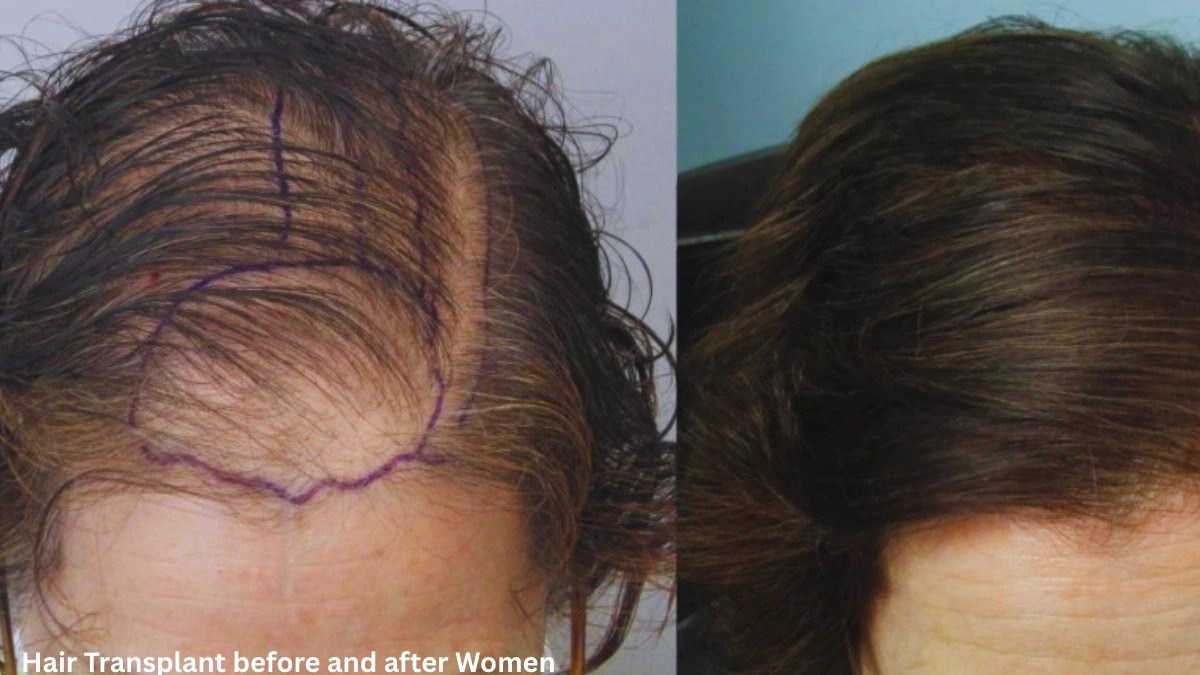
Women hair transplant in Chennai. Ensure safe procedures, natural results, and long-term success with Dr. Hanan Dermatology Clinic.
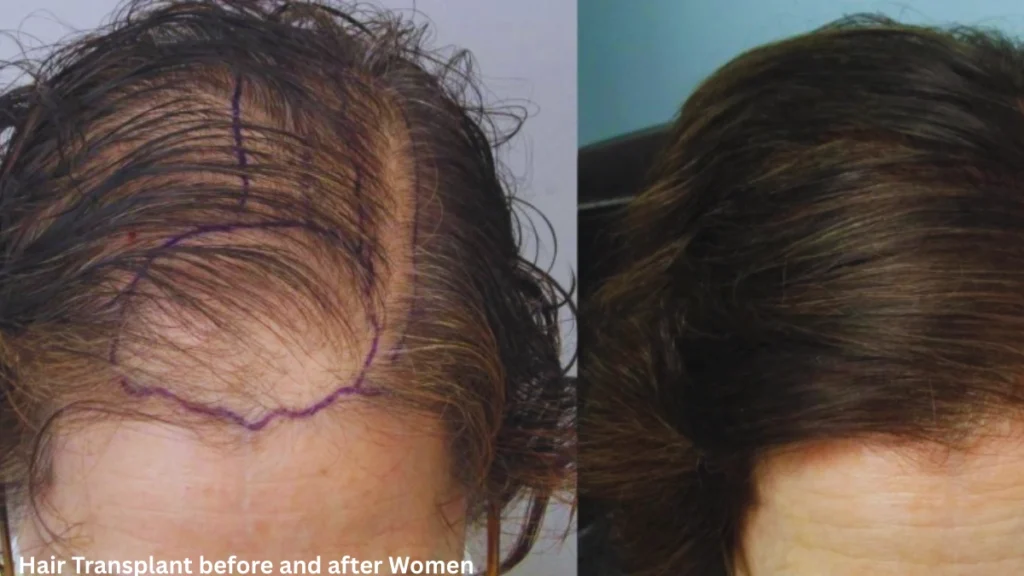
Hair Transplant Before and After Women: Hair loss is not just a problem for men; it affects millions of women globally, impacting confidence and self-esteem. At Dr. Hanan Dermatology Speciality Clinic, Chennai’s leading dermatology and hair clinic, we specialize in female hair transplant procedures that restore natural hair density and deliver lasting results. In this article, we explore causes, procedures, before and after transformations, benefits, risks, and costs of hair transplants for women.
Hair loss in women can occur due to a variety of reasons:
Genetics: Androgenetic alopecia can cause thinning along the scalp.
Hormonal Changes: Conditions like PCOS, menopause, and thyroid disorders affect hair growth.
Stress & Lifestyle: Poor diet, stress, and lifestyle habits can accelerate hair loss.
Medical Conditions & Medications: Certain illnesses or chemotherapy can cause temporary or permanent hair thinning.
Understanding the cause helps in planning an effective hair transplant strategy.
Female hair transplant procedures are tailored to women’s specific hair patterns. The most popular techniques include:
FUE (Follicular Unit Extraction): Individual hair follicles are extracted and transplanted to thinning areas.
DHI (Direct Hair Implantation): A more precise method allowing direct implantation without prior incisions.
Sapphire FUE: Uses sapphire blades for minimally invasive graft implantation, ensuring natural hairlines and faster healing.
Each technique is carefully chosen based on scalp condition, hair density, and patient expectations.
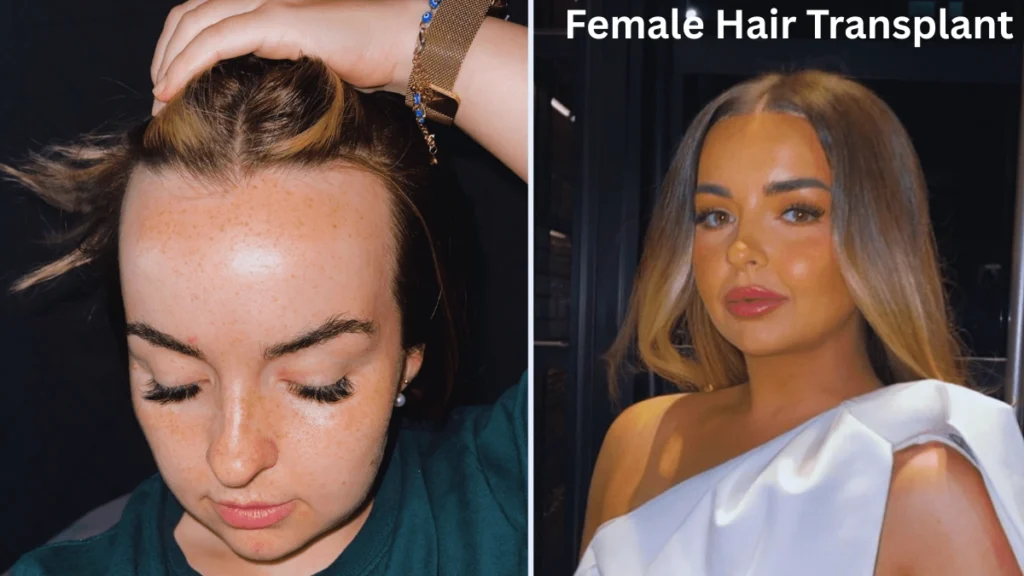
A typical hair transplant procedure at Dr. Hanan Clinic includes:
Consultation & Scalp Assessment: A dermatologist evaluates hair loss pattern, donor hair, and suitability for the transplant.
Donor Area Selection & Extraction: Healthy hair follicles are harvested from the back or sides of the scalp.
Implanting Hair in Thinning Areas: Follicles are transplanted to the thinning or bald regions, following the natural hairline pattern.
Post-Procedure Care & Recovery: Patients receive detailed instructions for care, with minimal downtime and fast healing.
Documenting results is crucial to show transformation and success.
Before: Thinning hair, receding hairline, or bald patches affecting confidence.
After: Natural hair density, improved hairline, and restored volume.
Typical timelines:
1–3 months: Early hair growth starts
6 months: Noticeable improvement in density
9–12 months: Full natural results
At Dr. Hanan Clinic, we provide real patient transformations with before-and-after images, showcasing successful results and natural outcomes.
Female hair transplants offer multiple advantages:
Restores natural hair density and hairline
Improves self-confidence and appearance
Offers a permanent solution for thinning hair
Minimally invasive with quick recovery and minimal scarring
While hair transplants are safe, patients should be aware of:
Minor side effects like swelling, redness, or temporary shedding
Importance of choosing an experienced dermatologist and certified clinic
Managing realistic expectations for density and hairline design
Dr. Hanan Clinic follows strict safety protocols and uses advanced techniques to minimize risks.
The cost depends on multiple factors:
Number of grafts required
Type of procedure (FUE, DHI, Sapphire FUE)
Clinic reputation and location
Surgeon experience
Additional treatments like PRP therapy
Approximate cost range in Chennai:
1000 grafts: ₹40,000 – ₹80,000
2000 grafts: ₹80,000 – ₹1,60,000
3000 grafts: ₹1,20,000 – ₹2,40,000
At Dr. Hanan Dermatology Speciality Clinic, we offer transparent pricing and customized packages for female hair transplant patients.
Q1. Is hair transplant safe for women?
A: Yes, when performed by certified dermatologists like Dr. Hanan, hair transplant is safe and effective for female patients.
Q2. How many grafts are needed for women?
A: Most women require 2000–4000 grafts depending on hair loss pattern and desired density.
Q3. How soon will I see results?
A: Initial growth is visible after 3–6 months, with full results in 9–12 months.
Q4. Is the procedure painful?
A: Procedures are performed under local anesthesia, ensuring minimal discomfort.
Q5. Can hair transplant results last a lifetime?
A: Yes, transplanted hair is permanent, though natural hair loss may continue in untreated areas.

Top Questions to Ask Before Getting a Hair Transplant in Chennai – Learn what to ask your doctor to ensure a safe procedure, natural results, and long-term success.

Hair loss can be emotionally draining, but a hair transplant provides a promising and permanent solution. However, it is important to choose the right clinic and approach – especially in a city like Chennai, where there are more options but not all equal .
Whether you are just starting your research or ready to book a consultation, asking the right question is the key to success. Dr. Hanan Dermatology Specialty and Trichology Clinic helps you highlight the top questions to ask before you get a hair transplant in Chennai – so you invest wisely in your look, confidence and security.
Not every person who experiences hair loss is not a suitable candidate for transplantation. Success depends on hair loss, available donor area and type of underlying health conditions.
Why it matters:Choosing a transplant before understanding your type of hair loss can lead to poor results or wasted money.
Hair transplants are done using two main techniques:
Why it matters: Each method has pros and cons. Your doctor must tailor the approach to your hair pattern and aesthetic goals.
In Chennai, many clinics allow procedures to technicians or unqualified employees, which can compromise your results and safety.
Why it matters: You need someone with medical knowledge + aesthetic sense to deliver safe and natural-looking results.
Cost is a major concern, but don’t fall for the lowest price tag.
Why it matters: A transparent pricing structure ensures you know exactly what you’re paying for—without surprises.
It’s important to manage your expectations. Some clinics may overpromise density or instant results, which is misleading.
Why it matters: Your hair will grow gradually—usually starting at 3 months, with full results around 9–12 months.
A hair transplant is generally safe, but only when performed in a sterile, certified environment.
Why it matters: Complications like infections, scarring, or poor graft survival happen mostly due to poor hygiene or improper technique.
Many patients worry about when they can return to work, travel, or exercise.
Why it matters: Understanding the downtime and healing helps you plan your schedule and aftercare correctly.
Yes—but don’t panic! This is a normal part of the hair growth cycle called “shock loss.”
Why it matters: Many patients worry after seeing hair fall again post-surgery, but informed expectations prevent fear and frustration.
A transplant doesn’t prevent further loss of non-transplanted hair. That’s why a combined approach often gives the best results.
Why it matters: Treating the entire scalp—not just the bald spots—ensures long-term results.
Here’s where the decision really counts. Chennai has many clinics offering “discount” transplants. But the right clinic isn’t just about affordability—it’s about credibility, hygiene, and expertise.
Why it matters: Your choice of clinic affects not just your looks—but your health and safety, too.
If you still have doubts, ask these during your consultation:
At Dr. Hanan Dermatology Speciality and Trichology Clinic, Chennai, we answer all these questions—and more—with honesty and clarity
Asking the right questions before your hair transplant in Chennai helps you:
So don’t be afraid to ask, compare, and consult more than once. The more informed you are, the more successful your hair restoration journey will be.
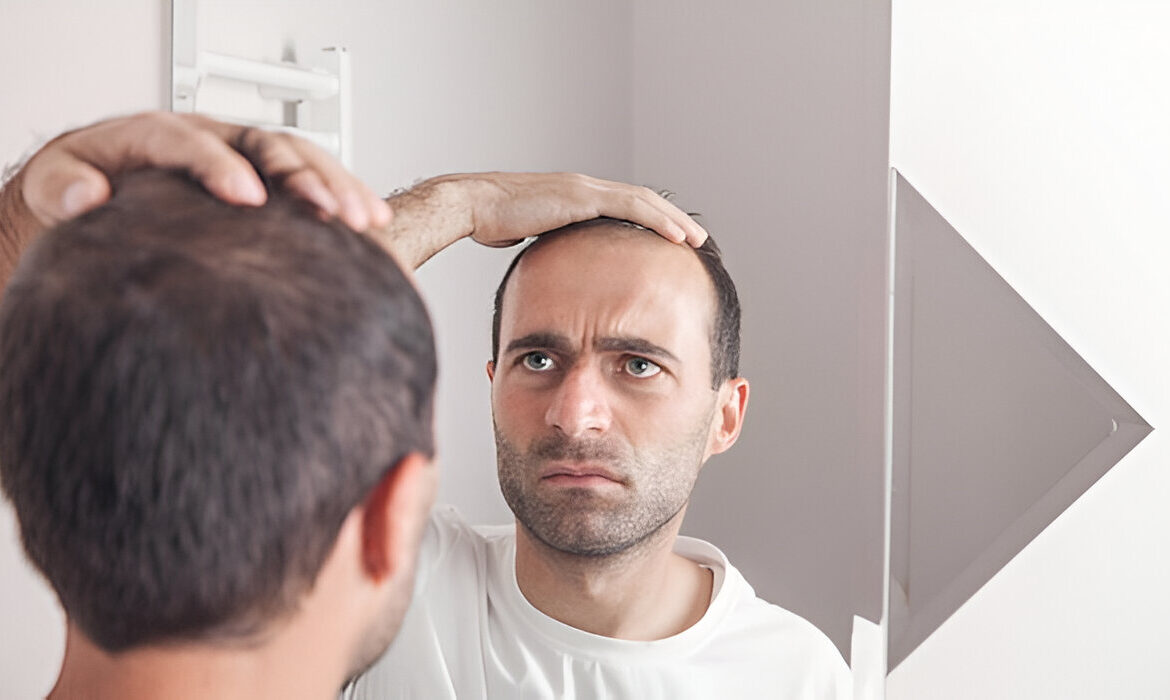
Learn the truth behind hair transplant myth and facts. Get expert insights from Dr. Hanan Clinic to make confident, informed hair choices.
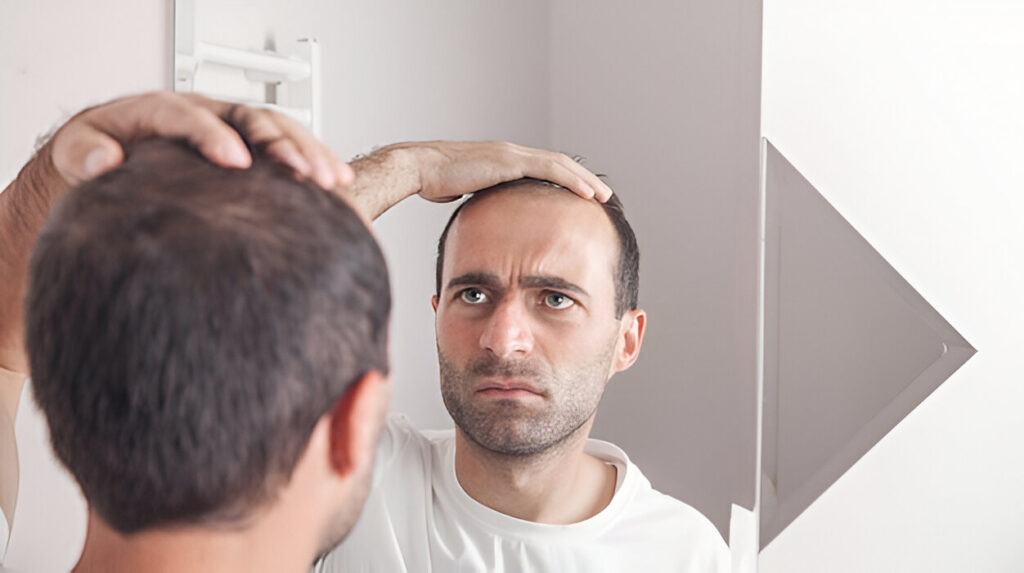
Hair loss can affect confidence, and for many people, a hair transplant becomes the most promising solution. But when it comes to hair transplant procedures, there is a lot of confusion. From social media rumors to old beliefs, many people fall prey to misinformation – and this can prevent them from taking the right decisions.
Dr. Hanan Dermatology Specialty and Trichology Clinic in Chennai, we believe in educating our patients so that they can make informed choices. This blog clears the most common hair transplant myths and facts, which spotlights the truth from fiction once and for all.
After a successful hair transplant, most people begin to see the growth of new hair post-procedure after 3-4 months. Full results can take 9–12 months depending on individual factors. Do not expect changes overnight – patience is key.
A hair transplantation requires healthy donor hair (usually behind the scalp or from the edges). If you have extensive baldness, poor donor density, or some medical conditions, you may not be eligible. Consultation with a qualified trichologist or dermatologist is necessary
The hair used in transplants comes from resistant areas which are genetically resistant to balding. Once transplanted, this hair usually maintains its resistance and grows like normal hair. However, your existing non-transplanted hair may still be thinner over time if not managed.
Most patients experience minimal discomfort during and after the procedure, with advanced methods such as FUE (Follicular Unit Extraction) and FUT (Follicular Unit Transplantation). Local anesthesia is used, and recovery time is usually short. When performed by experienced professionals, it is extremely safe.
While male pattern baldness is more common, women also experience hair thinning, especially with part line or crown. Hair transplants for women are rapidly popular and highly effective when properly done.
Gone are the days of “Pluggy” hairlines. Today’s advanced procedures include accurate placements of individual hair, mimicking the growth pattern of your natural hair. At Dr. Hanan Dermatology Speciality and Trichology clinic, we ensure results that mix basically with your existing hair.
Many believe that foreign travel guarantees better results, but it is no longer true. Leading dermatology clinics in India, like us, offer affordable costs with world class technology, experienced surgeons and quality.
Even though the transplant is permanent, your scalp requires time to fix, and your new Rome requires proper nutrition. After the post-up care plan, it is important to use prescribed medicines, and to participate in follow-up.
FUE (follicular unit extraction) leaves marks like small dot like scars that also appear barely with short hair. FUT can leave a linear mark, but it can often be hidden under the hair. In Dr. Hanan Clinic, we help patients choose the right technique depending on their goals and type of hair.
While the upfront cost may seem high, it saves you money compared to the ongoing treatments, serums or years of medications. In addition, it provides a permanent solution to hair loss, Boosting your confidence for life.
At Dr. Hanan Dermatology Speciality and Trichology Clinic in Chennai. , we combine medical expertise with personal care. Our hair transplant procedures are:
Whether you are facing the loss of thin or advanced hair at an early stage, we are helping to re-achieve your confidence here-naturally and safely.
Hair loss is a sensitive subject, but should not cause misinformation that you avoid delay or treatment. For hair transplant myths and facts, this guide is to help you make a decision -filled decision.

Dr Hanan Dermatology Speciality clinic a Leading Dermatology, Cosmetology Clinic that provides the Best Affordable Treatment for Skin, Hair & Laser.
Our Contacts
Copyright © 2024 Dr Hanan Dermatology Speciality Clinic is Developed and Maintained by Qualpr | Privacy Policy | Terms and Conditions
Dr Hanan Dermatology Speciality Clinic
Typically replies within minutes
Any questions related to Skin, Hair, and Cosmetic or Looking to book an appointment?
WhatsApp Us
🟢 Online | Privacy policy
WhatsApp us