
Growth Factor Concentrate for Hair | GFC Hair Treatment Chennai
Growth Factor Concentrate for Hair | GFC Hair Treatment Chennai
Discover how Growth Factor Concentrate boosts natural hair growth and restores thinning hair. Safe, effective, and expert-approved.
Hair loss affects millions of people around the world. As a result, there is a demand for effective treatments that deliver real results.
A promising innovation in hair restoration is Growth Factor Concentrate (GFC), a scientifically backed solution designed to combat hair loss and promote healthy regrowth.
GFC offers a revolutionary approach to Hair loss treatment that uses natural growth factors from the patient’s own body. In this article, It offers a non-surgical and minimally invasive option.
We will delve into the science behind Growth Factor Concentrate, and its benefits. and what to expect from treatment.
What is Growth Factor Concentrate (GFC)?
Growth factor concentrate is a potent mixture of growth factors and proteins that play an important role in cell growth. Proliferation and maintenance. These proteins are found in abundance in our blood plasma.
When concentrated, it stimulates the hair follicles and increases the regeneration process. This advanced treatment involves isolating growth factors from a small sample of the patient’s blood.
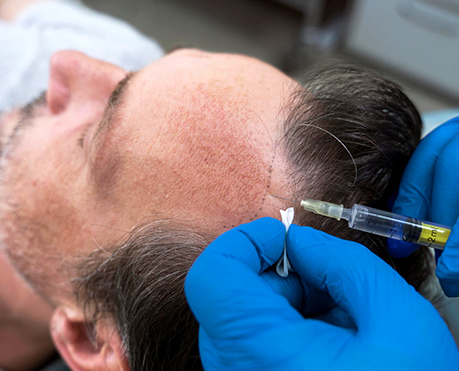
Focus your attention on the scalp. and injected into the scalp to stimulate hair growth. Unlike traditional hair restoration methods, GFC focuses on natural regeneration.
It provides a holistic solution that works with your body’s biology. It is a highly effective method for those who want to restore their hair without surgery or harsh medications.
How Does Growth Factor Concentrate Work?
The growth factors used in this treatment act as messengers, sending signals to hair follicles to restart their growth cycle. Here’s how it works in three simple steps:
1. Blood Collection: A small amount of the patient’s blood is drawn, typically from the arm.
2. Processing: The blood is processed to isolate and concentrate the growth factors.
3. Injection: The concentrated growth factors are injected into the scalp at targeted areas where hair thinning or hair loss is occurring.
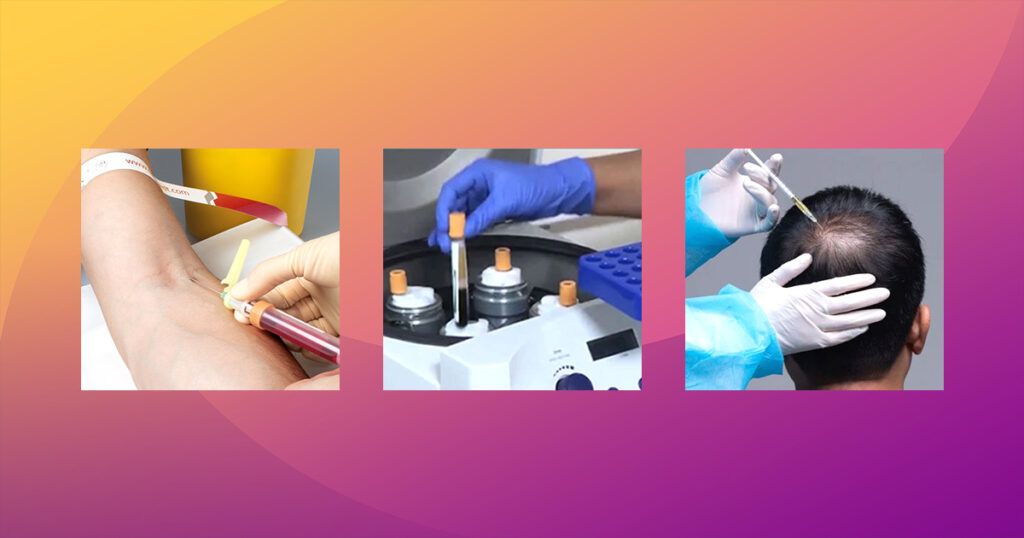
This process enhances the activity of hair follicles in their anagen phase (the growth phase of the hair cycle), encouraging the regeneration of new, thicker, and healthier hair strands.
Benefits of concentrated Growth Factor for hair restoration
Intensive therapy with growth factors stands out because of its unique and natural method of hair restoration. Some of the main benefits of this treatment are as follows.
1. Non-surgical solution
Unlike hair transplants or other invasive procedures, GFC does not require surgery. This makes it the preferred choice for individuals looking for a less invasive method. The treatment is quick. with only slight discomfort and requires little or no downtime. This makes it an ideal choice for busy individuals.
2. Use the body's healing power
A key advantage of GFC is that it uses growth factors from the patient’s own body. This reduces the risk of allergic reactions or side effects often associated with synthetic products or medicines.
3. Stimulates natural hair growth
GFC stimulates dormant hair follicles. and promotes the body’s natural healing process Stimulates hair follicles to create hair. This treatment not only stops hair loss. But it also stimulates the growth of new hair. This causes the patient’s hair to become fuller and denser over time.
4. Safe and proven results
With years of research supporting its effectiveness, Growth Factor Concentrate has been proven to safely treat hair loss. Studies have found significant improvements in hair density, thickness, and volume. After multiple GFC treatments, results may vary from person to person. However, most patients report noticeable changes within a few months of treatment.
5. Adaptive treatment
Each GFC treatment plan will vary based on the patient’s specific needs and hair condition, number of sessions, growth factor concentration, and hair growth factors. The injection site is optimized to ensure the best results.
Who is a Good Candidate for Growth Factor Concentrate?
Growth Factor Concentrate therapy is ideal for individuals experiencing early to moderate hair thinning. It is particularly effective for those with conditions like androgenetic alopecia, also known as male-pattern or female-pattern baldness, which is the most common form of hair loss. However, it may also benefit those who have experienced hair thinning due to stress, illness, or age-related factors.
This treatment is not recommended for individuals with severe hair loss or completely bald areas, as the results may be limited in such cases. It’s best suited for those whose hair follicles are still active, even if they are producing thinner hair.
What to Expect During the Procedure
The GFC treatment is relatively quick and straightforward, with most sessions taking less than an hour. Here’s what you can expect:
1. Consultation: A thorough consultation is conducted to determine the extent of hair loss and whether you’re a suitable candidate for the procedure. This may involve examining the scalp and discussing your medical history.
2. Preparation: On the day of the treatment, a small amount of blood is drawn from your arm, which is then processed to separate the growth factors.
3. Injections: Using a fine needle, the concentrated growth factors are injected into areas of the scalp that require stimulation. The injections are targeted to maximize results, and most patients report only mild discomfort during this stage.
4. Aftercare: There is minimal downtime associated with GFC therapy. Patients can resume normal activities shortly after the procedure. Some may experience mild swelling or redness at the injection sites, but this typically subsides within a few hours.
Results and maintenance
Growth Factor Concentrate is a single use. For best results, Most patients need to have their treatments spaced out a few weeks apart. In general, after 3-4 months the results will start to become noticeable and there will be continued improvement over the next year. Maintenance can be recommended every 6-12 months to maintain hair growth.
The results of GFC treatment depend on several factors, such as the patient’s age. The extent of hair loss and how well they respond to treatment for best results. It is necessary to follow the aftercare instructions given by your specialist and follow all instructions. Session increased
How Does GFC Compare to Other Hair Restoration Treatments?
Compared to other treatments such as PRP (Platelet-Rich Plasma), minoxidil, or hair transplants, Growth Factor Concentrate offers several distinct advantages:
a. Higher Concentration of Growth Factors: GFC isolates and concentrates growth factors to a much higher degree than PRP, offering potentially better results.
b. No Need for Daily Maintenance: Unlike topical solutions like minoxidil, GFC does not require daily application, making it more convenient for patients.
c. Non-Surgical: Unlike hair transplants, GFC is a non-invasive procedure that does not involve surgical removal or implantation of hair follicles.
However, the best treatment plan varies from individual to individual, and combining GFC with other treatments may be recommended for some patients to achieve optimal results.
Who is Dr. R. Amin Hanan ?
Dr. R. Amin Hanan is the best Dermatologist, Cosmetologist & Hair Transplant Surgeon practicing in Chennai with over a decade of experience. She is also a fellowship holder (FFAM) in AESTHETIC MEDICINE, HAIR TRANSPLANT, and is the founder of Hanan Dermatology Speciality Clinic.
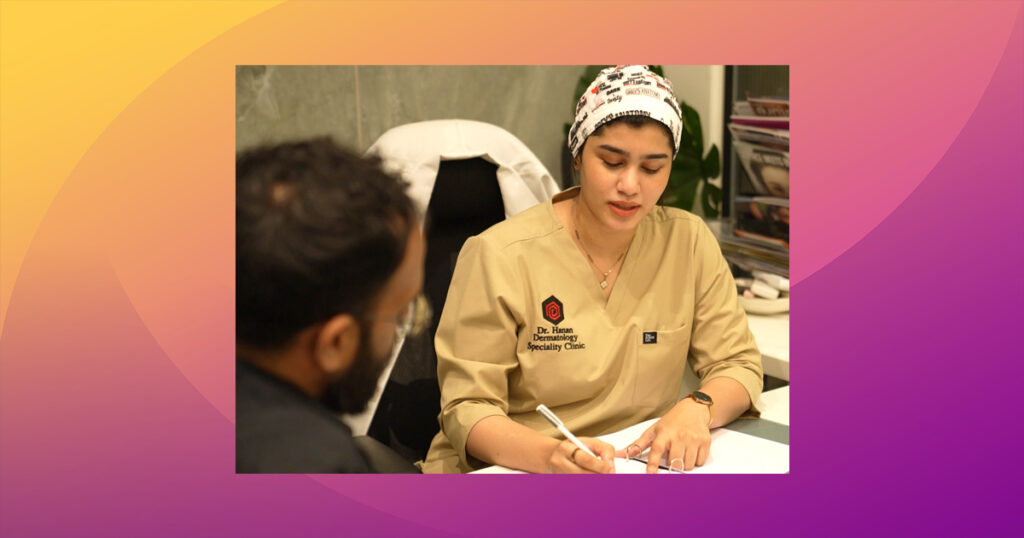
For more information on Growth Factor Concentrate Therapy in Chennai, visit Hanan Dermatology Speciality Clinic at OMR or contact us at +91 6381048403 or simply fill in your name and number & one of our team members will get in touch with you soon.
Our team of experts along with Dr. R. Amin Hanan MBBS., MD. (DVL), FFAM– Best Dermatologist, Cosmetologist & Hair Transplant Surgeon, will help you understand your problem and guide you through every stage of your treatment.
Conclusion
Growth Factor Concentrate represents an exciting advancement in the field of hair restoration, offering a safe, natural, and effective way to stimulate hair growth.
By harnessing the power of your own body’s growth factors, GFC provides a non-surgical solution to hair thinning that delivers lasting, visible results.
Whether you are in the early stages of hair loss or looking to enhance the density of your hair, this innovative treatment may be the solution you’ve been searching for.
FAQ’S
1. What is GFC Hair Treatment?
GFC Hair Treatment uses growth factor concentrate to stimulate hair regrowth and improve scalp health.
2. How long does the treatment take?
Each session typically lasts 30-60 minutes, with visible results after 3-4 sessions.
3. Is GFC Hair Treatment safe?
Yes, it’s a non-invasive and safe procedure with minimal side effects.
Table of Contents
Top 10 Hair Care Mistakes You Didn’t Know You Were Making
Top 10 Hair Care Mistakes You Didn’t Know You Were Making
Avoid hair damage by fixing everyday mistakes! Discover the top 10 hair care mistakes you didn’t know you were making.
Beautiful, healthy hair does not depend only on genetic or salon visits – it begins with how you treat your hair every day. Dr. Hanan Dermatology Specialty and Trichology Clinic, we regularly treat patients dealing with chronic hair fall, dandruff, thinning and scalp conditions – all are often caused by the same thing: simple but avoidable hair care mistakes.
In this blog, we reveal the top 10 hair care mistakes that you did not know that you were making specialized solutions to help create a better routine and re-achieve your hair health..
Washing Your Hair Too Frequently or Too Rarely
Many people believe that washing your hair daily keeps it clean and healthy. In fact, over washing can snatch your scalp of natural oils, which can cause dryness, breakdown, and even increase in oil production. On the other hand, not washing enough can cause product buildup, irritation and dandruff.
What’s the ideal frequency?
Many people believe that washing your hair daily keeps it clean and healthy. In fact, over washing can snatch your scalp of natural oils, which can cause dryness, breakdown, and even increase in oil production. On the other hand, not washing enough can cause product buildup, irritation and dandruff.
1. Oily scalp: Wash every 2–3 days
2. Dry or curly hair: Wash twice a week
3. Active lifestyle (sweat/dust): Consider rinsing with water or using a mild shampoo
Use sulfate-free, pH-balanced shampoos tailored to your hair type.
Using the Wrong Shampoo for Your Scalp Type
Most people choose shampoos based on fragrance, packaging or trends. But each scalp is different-some are dry, some oily, some dandruff-prone-and each requires a specific type of care.
Shampoo types:
Dry scalp: Look for moisturizing and hydrating shampoos with ingredients like glycerin or aloe vera.
Oily scalp: Choose a clarifying or balancing formula with ingredients like salicylic acid.
Dandruff: Use shampoos with zinc pyrithione, ketoconazole, or coal tar.
Remember: Hair type (straight, curly, thin) matters, but scalp type is what decides your shampoo.
Skipping Conditioner or Applying It to the Scalp
Conditioner helps maintain moisture, reduce frizz and prevent tangling – especially important for damaged or dried hair. But many people are afraid of lubrication or accidentally apply it to the scalp, which can clog pores.
Correct Usage:
1. Apply from mid-length to tips
2. Choose a light conditioner if you have fine hair
3. Use deep conditioners or hair masks weekly if you have chemically treated hair
Avoid applying conditioner to the scalp unless it’s a scalp-specific product.
Rough Towel-Drying or Brushing Wet Hair
Your hair is the most fragile when wet. Rubbing with a regular towel, twisting, or brushing it, brushing it, wetting can cause major breakdown and split ends.
Correct Usage:
1. Blot your hair with a microfiber towel or soft cotton T-shirt
2. Detangle with a wide-tooth comb after applying conditioner
3. Let it air-dry naturally without aggressive rubbing
Avoid brushing entirely when your hair is soaking wet—unless it’s with a wide-tooth comb and conditioner applied.
Excessive Heat Styling Without Protection
The blow dryer, straightener, and curling iron are often used without any heat protection, which damages the hair cuticle, reduces elasticity, and leads to dryness and breakdown
Best Practices:
1. Always apply a heat-protectant spray before using any tool
2. Keep tools on medium heat settings
3. Limit styling to 1–2 times a week
4. Let your hair air-dry naturally whenever possible
A single session of high-heat straightening can cause lasting protein loss in the hair shaft.
Wearing Tight Hairstyles Too Often
Braids, ponytails, or buns that are tightly pulled back can look clean, but they stress your hair follicles, causing traction alopecia, a form of hair loss that can be permanent.
How to fix it:
1. Wear loose hairstyles often
2. Avoid tight elastics or rubber bands
3. Let your scalp rest between tight styles
4. Switch up your parting occasionally
Signs of early damage include scalp tenderness and short, broken hair near your hairline.
Neglecting Your Scalp Health
Your scalp is like a soil where your hair grows – if it is not healthy, your hair will not be either. Nevertheless, most hair routines focus only on strands, ignoring the scalp.
Common scalp issues:
Build-up from products and oils
Fungal infections or dandruff
Clogged hair follicles due to pollution and sweat
Solutions:
1. Exfoliate the scalp using scrubs or salicylic acid shampoos once a week
2. Use a mild clarifying shampoo monthly
3. Treat dandruff or itching early with dermatologist-recommended products
Visit a trichologist if scalp issues persist.
Using DIY Hair Remedies Without Research
DIY masks made from kitchen ingredients such as lemon juice, baking soda, onion juice, or eggs can look natural and harmless. But some of these can disrupt the pH of the scalp, cause irritation, or even damage the hair shaft.
Risky DIY ingredients:
1. Lemon juice: Too acidic; can irritate and dry scalp
2. Baking soda: Abrasive; strips natural oils
3. Egg masks: Can clog pores and cause bad odor if not rinsed properly
Better alternatives:
1. Use dermatologist-approved products
2. Choose masks with biotin, keratin, or niacinamide
3. Consult before trying new DIY solutions, especially if you have sensitive skin
Avoiding Haircuts to Grow Hair Longer
Many people delay trimming their hair so that it grows rapidly. But not cutting the split loops causes them to travel upwards, resulting in frizz, breakage and a thin appearance over time.
Hair health routine:
1. Trim every 6–8 weeks to prevent split ends
2. Use split-end sealing serums in between visits
3. Avoid excessive brushing or pulling
Hair growth starts at the scalp—but maintaining healthy ends is key to visible length.
Overusing Styling Products
Serum, spray, mousse, dry shampoo, hair oils – using many of these can prevent hair follicles, increase residue buildup, and block natural growth.
Simplify your routine:
1. Use only 1–2 leave-in products daily
2. Wash hair regularly if using dry shampoo
3. Avoid alcohol-based sprays that dry out hair
Choose non-comedogenic, lightweight formulations
Bonus Tip: Stress, Diet, and Lifestyle Matter Too
Hair health is influenced by internal health. If you’re following a good hair routine but still facing issues, look at:
1. Nutritional Deficiencies (iron, biotin, zinc)
2. Thyroid Imbalances or PCOS
3. High Stress Levels or poor sleep
Include a balanced diet, adequate hydration, and regular exercise to support hair growth from within.
When Should You See a Dermatologist or Trichologist?
If you’re experiencing:
1. Sudden or excessive hair fall
2. Bald patches or thinning hair
3. Chronic dandruff or itchy scalp
4. No results despite following a good routine
it’s time to consult an expert. Early diagnosis and the right treatment plan can prevent long-term hair loss.
Conclusion:
Hair care does not need to be complicated. Just avoiding these 10 normal hair care mistakes, you can improve your hair quality, strength and glow over time.
Every strand matters – and healthy hair starts with a healthy routine. If you are constantly struggling with hair issues, then we are here to help.
Book Your Consultation Today!
For Personalised Treatment visit Dr. Hanan Clinic. Feel confident and proud with our expert care.