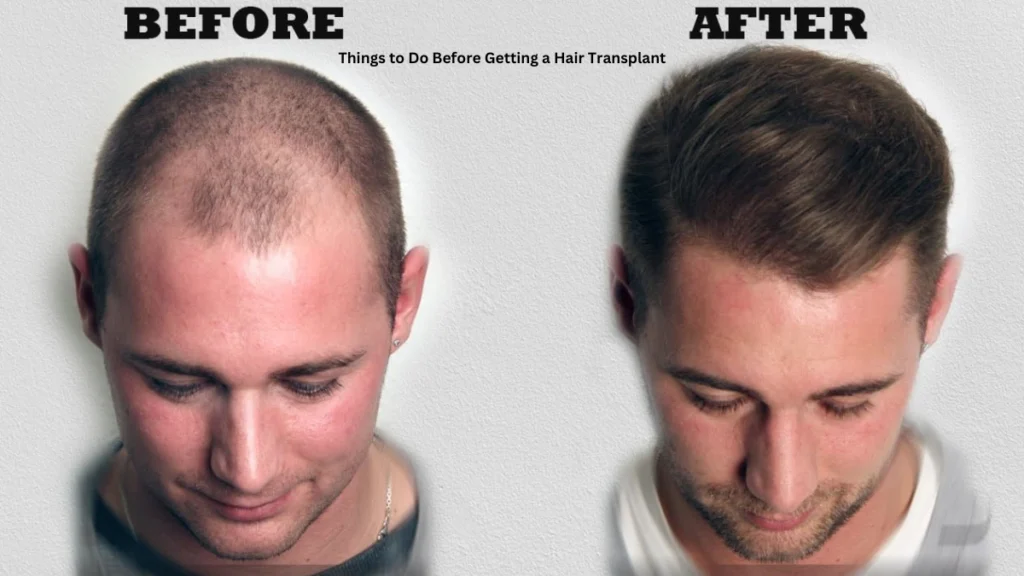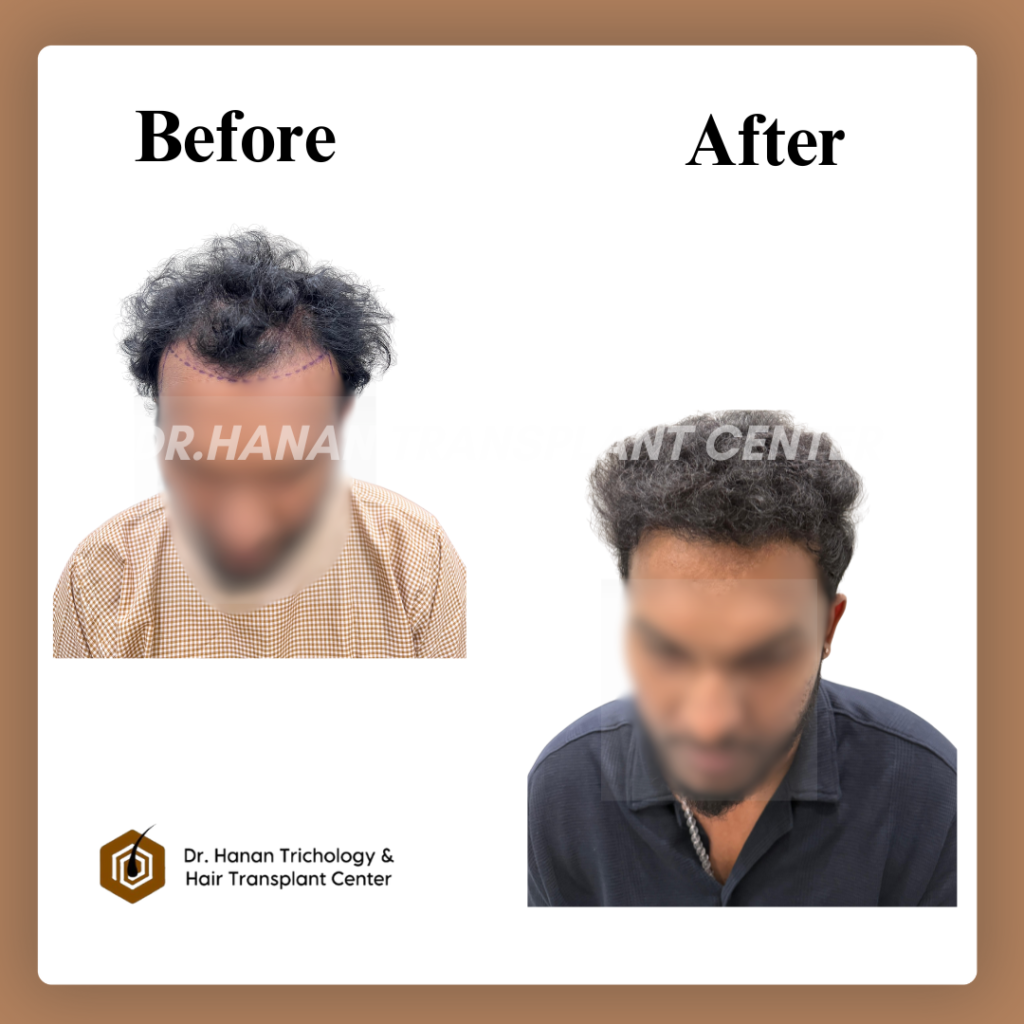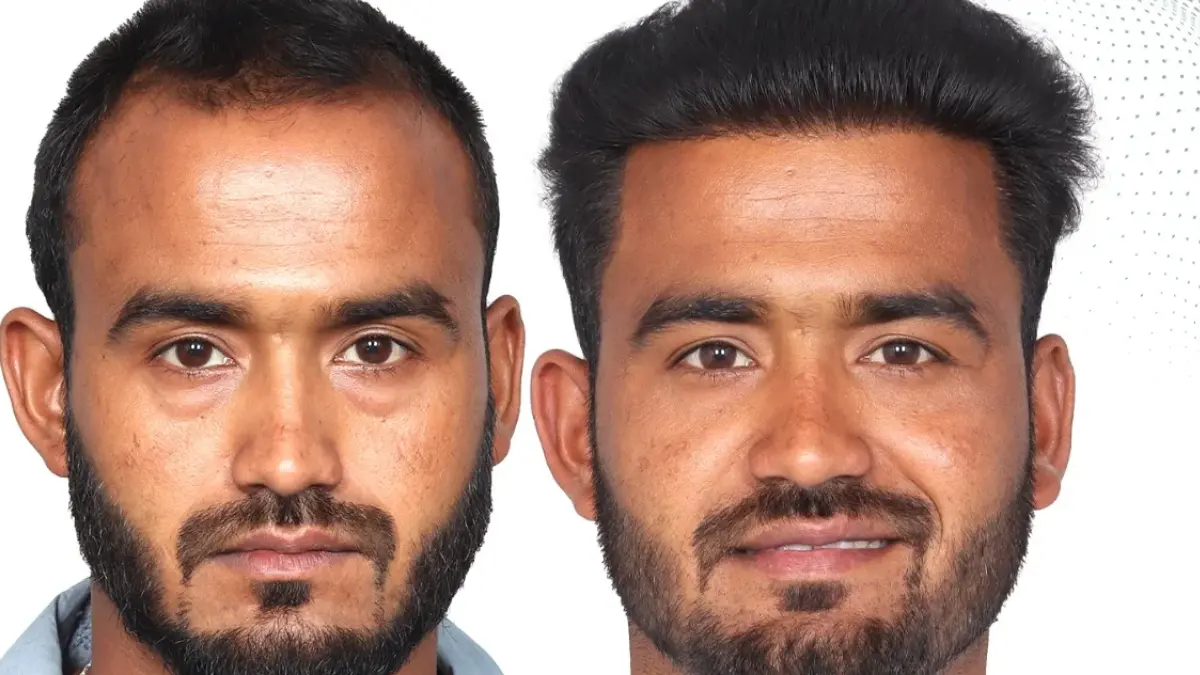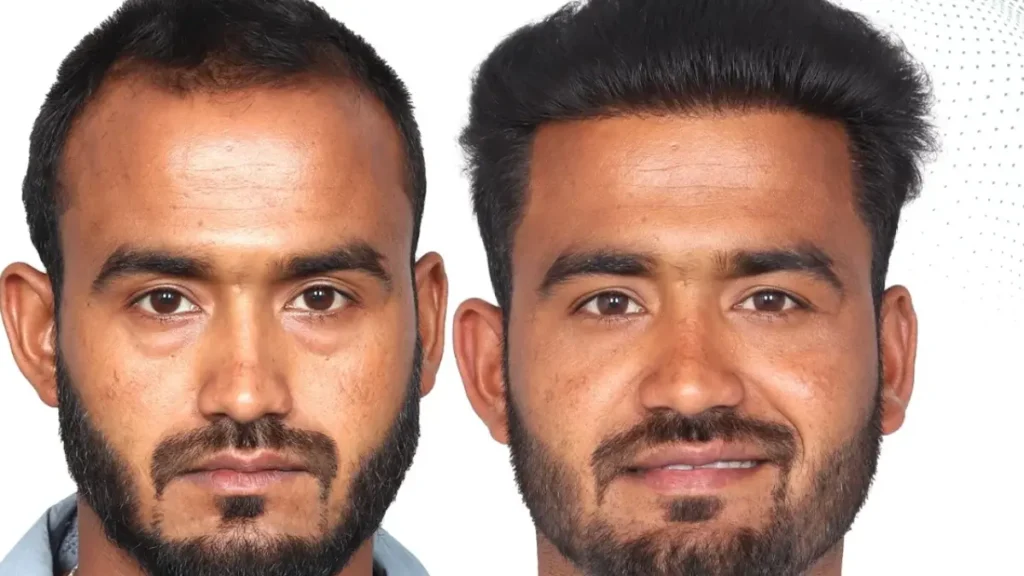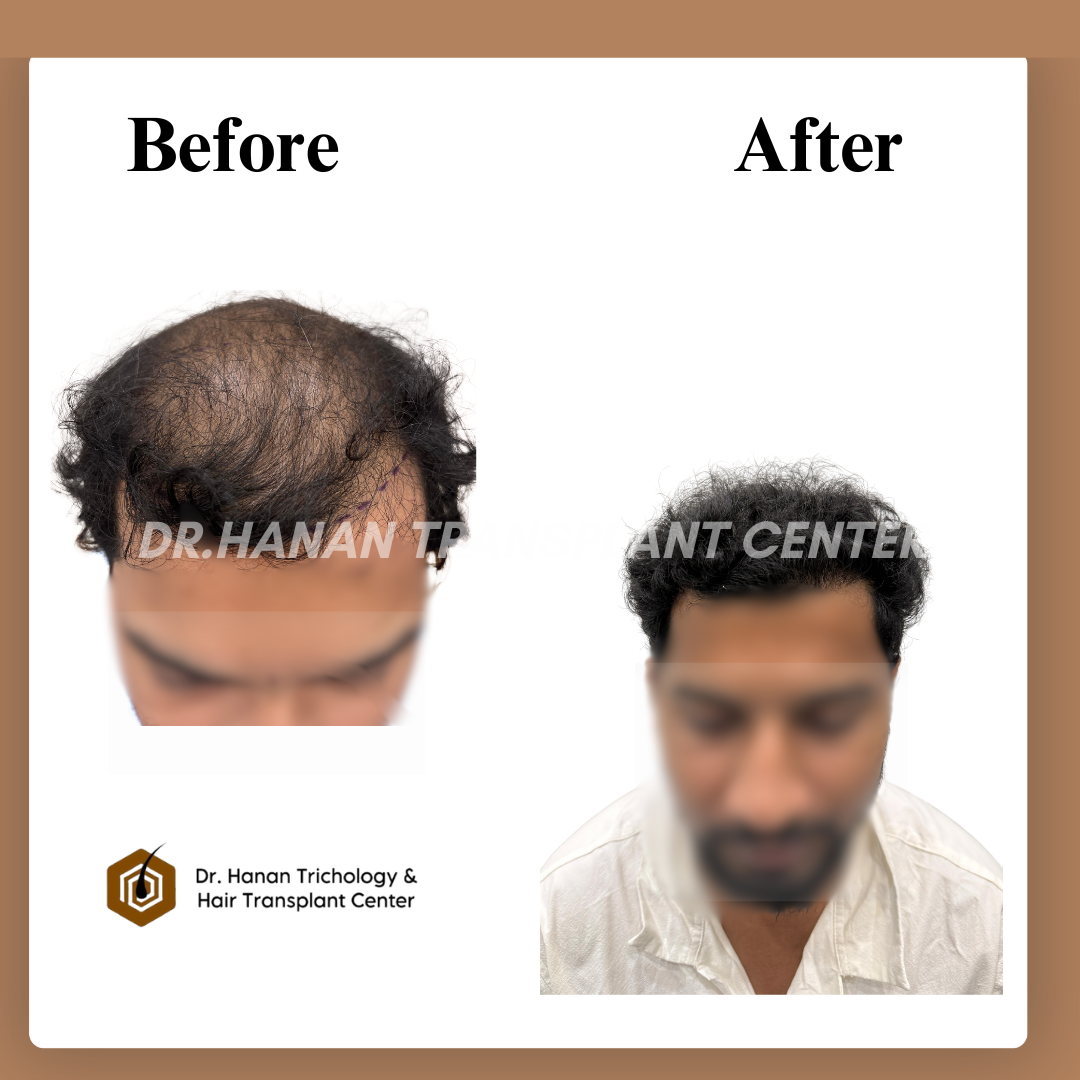
Expert Tips to Choose the Best Hair Transplant Clinic – 10 Days After Hair Transplant

Best Homeopathic Medicine for Dandruff and Hair Fall: Hair problems like dandruff and hair fall affect millions of people around the world. While conventional treatments can be effective, many individuals are turning to homeopathic remedies for a more natural and personalized approach to their hair care routine. Homeopathy offers gentle, holistic treatments that target the root causes of hair issues, promoting overall scalp health and hair growth. In this article, we explore the best homeopathic medicines for dandruff and hair fall, their benefits, and how they can help you achieve healthier, fuller hair.
Visit Dr. Hanan Dermatology Specialty Clinic in Padur, OMR, Chennai. Schedule your consultation today and start your journey to fuller, healthier hair.
For more information and to book your appointment, visit our clinic or call us at the clinic’s contact details.
Before diving into the homeopathic treatments, it’s important to understand what dandruff and hair fall are and how they impact your hair.
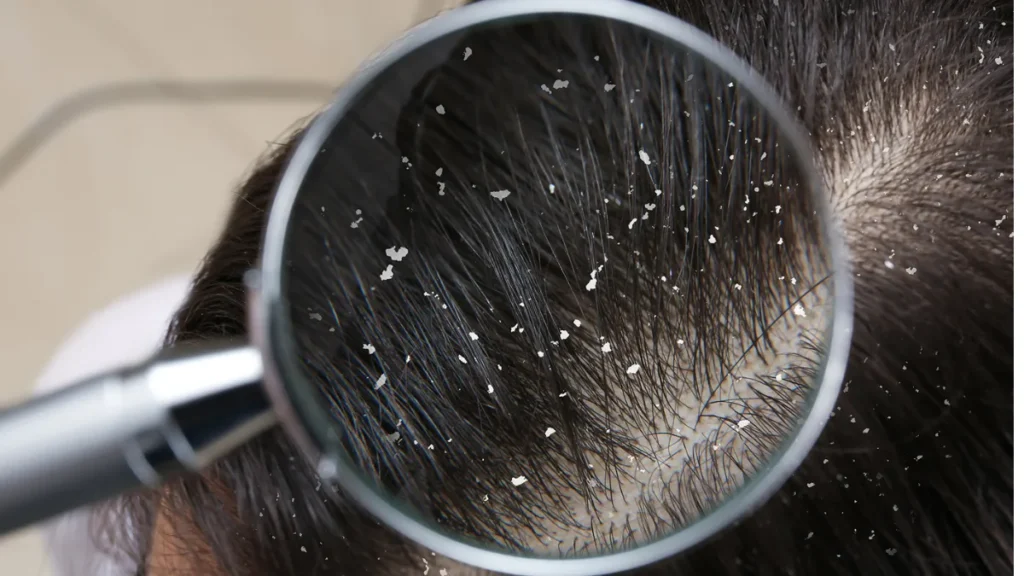
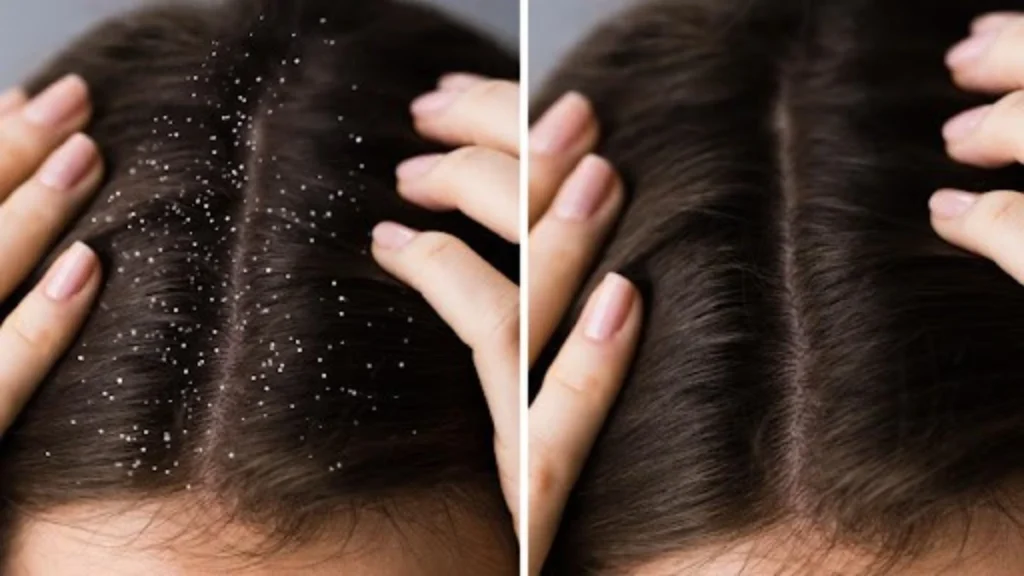
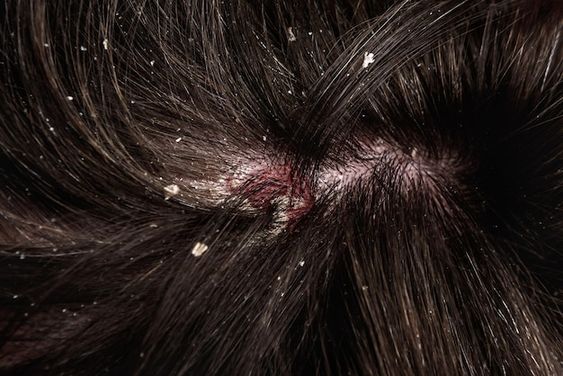
Dandruff is a common scalp condition characterized by flaky, itchy skin. It can result from various factors, including:
Hair fall occurs when hair shedding exceeds hair growth, leading to thinning or baldness. Common causes include:

Homeopathy is known for its holistic approach, treating the individual as a whole rather than just focusing on symptoms. When it comes to dandruff and hair fall, homeopathic remedies work by addressing the root causes and stimulating the body’s natural healing abilities. Here are some key benefits:
Read more: Dandruff Treatment A Complete Guide to a Healthier Scalp

Homeopathy offers several remedies that can effectively treat dandruff. Here are some of the most effective medicines for dandruff:
Thuja is a popular remedy for dandruff caused by fungal infections. It helps balance the scalp’s oil production and promotes healthy hair growth. Thuja is often used for itchy, flaky scalps and can relieve discomfort caused by dandruff.
This remedy is particularly effective for dry, flaky dandruff that often occurs in winter. If you experience dandruff due to dehydration or environmental factors, Natrum Muriaticum can help restore moisture to the scalp and reduce dryness.
Graphites is ideal for individuals who experience eczema-like dandruff, where the scalp becomes crusted or greasy. It helps soothe scalp irritation, reduce inflammation, and alleviate flakes.
For individuals dealing with oily dandruff, Kali Sulphuricum works to balance the scalp’s oil production. It helps treat greasy flakes and helps with scalp inflammation that often accompanies oily dandruff.
Read more: Best Dandruff Treatment in Chennai
When it comes to hair fall, homeopathy offers several remedies that can strengthen the hair follicles and promote hair growth. Some of the most effective treatments include:
Phosphorus is known for its ability to treat hair thinning caused by stress or hormonal imbalances. It helps restore vitality to the hair follicles, encouraging hair regrowth. Phosphorus can also be effective for those who experience excessive hair shedding after stressful events.
Lycopodium is commonly used for pattern baldness, particularly in individuals who experience hair loss in the crown or front of the scalp. It helps with premature graying and encourages healthy hair growth.
Silicea is a powerful remedy for individuals suffering from hair fall due to weak hair roots. It helps strengthen the hair follicles, improves scalp health, and reduces excessive hair shedding. It is especially beneficial for people with fragile, brittle hair.
For those who experience hair loss related to poor circulation or overall health, Arsenicum Album can be a useful treatment. It helps improve scalp circulation and reduces the shedding of hair, especially if the scalp is inflamed or irritated.
Homeopathic medicines come in various forms, including liquids, pellets, and tablets. The correct dosage and treatment plan depend on your individual symptoms, so it’s crucial to consult a professional homeopath for personalized advice. Here are some general guidelines for using homeopathic remedies:
In addition to homeopathic remedies, there are several lifestyle changes you can make to promote healthy hair:
Homeopathic remedies offer a natural and effective solution for dandruff and hair fall. Whether you’re dealing with dry scalp, oily flakes, or hair thinning, there are homeopathic treatments that can help address the root causes and promote healthy hair growth. Remember to consult a professional homeopath for personalized advice and treatment plans, and be patient as you give these remedies time to work. Embrace the natural path to healthier, fuller hair with homeopathy.
1. Are homeopathic remedies safe for dandruff and hair fall? Yes, homeopathic remedies are made from natural ingredients and are safe when used as directed. Always consult a professional for proper guidance.
2. How long does it take to see results with homeopathic treatments for hair fall?
Results can vary depending on the individual, but most people start seeing noticeable improvements after a few weeks to a few months of consistent use.
3. Can homeopathy treat all types of hair loss?
Homeopathy can help with various types of hair loss, including stress-related hair fall, pattern baldness, and hair loss due to poor scalp health.
4. Should I combine homeopathic remedies with other treatments?
It’s best to consult a homeopath before combining treatments. Sometimes, homeopathy works well alongside other natural remedies or lifestyle changes.
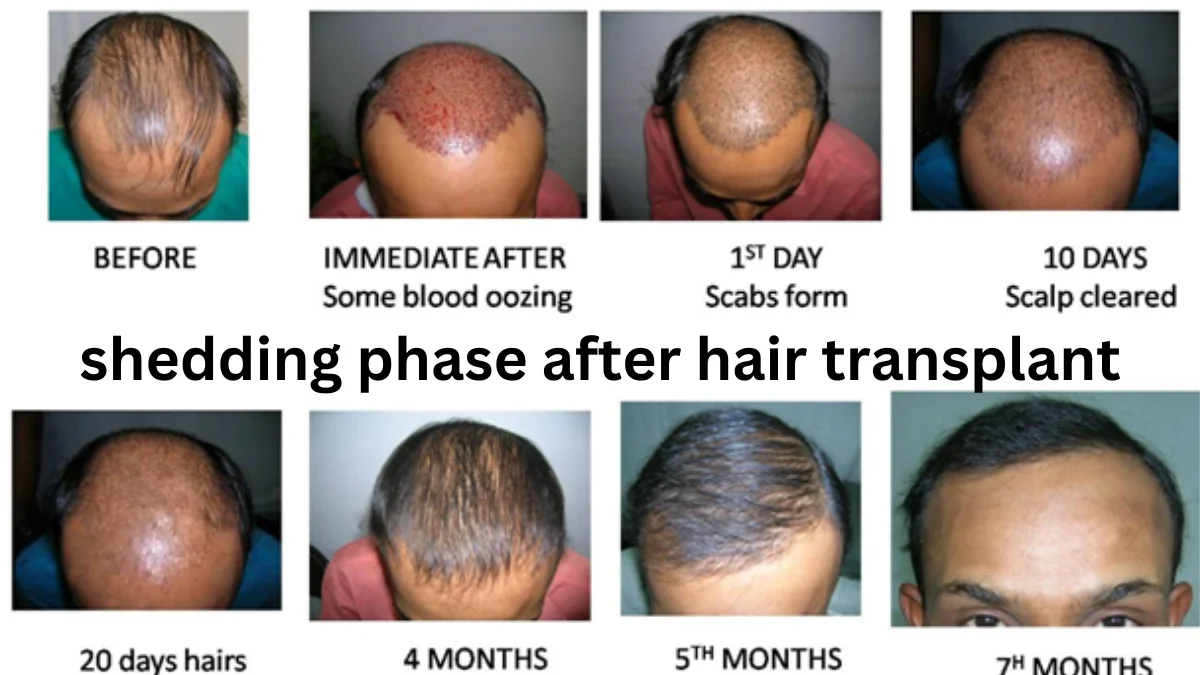
Undergoing a hair transplant is an exciting step toward hair restoration, but many individuals experience the shedding phase shortly after the procedure. This stage, also known as shock loss, is a natural and temporary process. Understanding the shedding phase can help manage expectations and ensure proper scalp care for optimal regrowth.
Visit Dr. Hanan Dermatology Specialty Clinic in Padur, OMR, Chennai. Schedule your consultation today and start your journey to fuller, healthier hair.
For more information and to book your appointment, visit our clinic or call us at the clinic’s contact details.
The shedding phase is a temporary period where transplanted hair falls out before new growth begins. This happens because the hair follicles enter the resting phase of the hair growth cycle after being relocated. While shedding may seem concerning, it is a normal and necessary part of the hair restoration journey.
The hair growth cycle consists of three main phases:
After a transplant, hair follicles enter the telogen phase due to temporary trauma, leading to shedding. However, the follicles remain intact and will soon produce new hair.

Proper scalp care can promote healing and support new hair growth. Follow these essential tips:
Read more: Things to Do Before Getting a Hair Transplant
While shedding is unavoidable, certain treatments can help minimize it:
Fact: Shedding is a normal part of the hair transplant process, and new hair will grow back stronger.
Fact: The transplanted hair follicles remain intact, and shedding only affects the hair strands, not the roots.
Yes, shedding is a normal part of the healing process. It’s known as shock loss and occurs because the transplanted hair follicles enter the resting phase before new hair growth begins.
Shedding typically begins 2–4 weeks after the transplant procedure.
The shedding phase can last between 2–3 months, depending on individual healing and hair growth cycles.
No, shedding does not mean failure. The hair follicles remain intact, and new hair will begin to grow after the shedding phase.
New hair usually starts to grow within 4–12 months, with significant thickening by 12–18 months.
Some treatments can help minimize shedding, such as:
Not all transplanted hair will shed, but it is common for a significant amount to fall out before new growth begins.
While there’s no way to completely speed up the process, proper scalp care, a healthy diet, and doctor-recommended treatments can support faster regrowth.
If shedding persists beyond the expected timeline, consult your hair transplant specialist to rule out any underlying issues.
Expert Tips to Choose the Best Hair Transplant Clinic – 10 Days After Hair Transplant

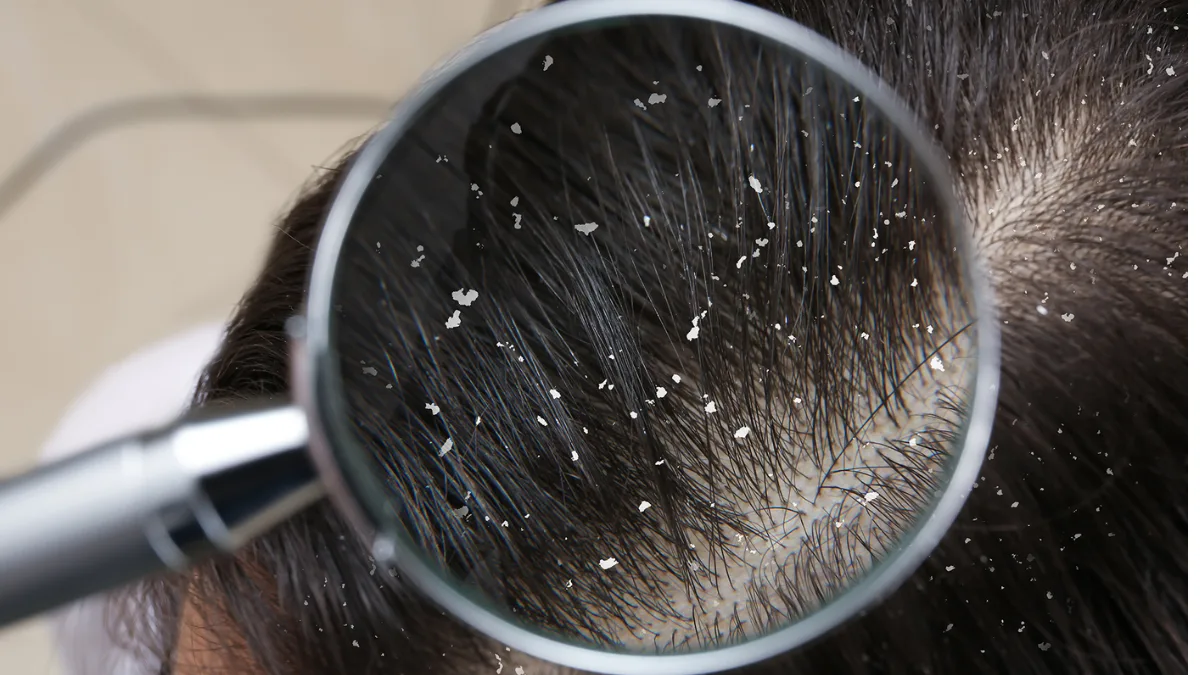
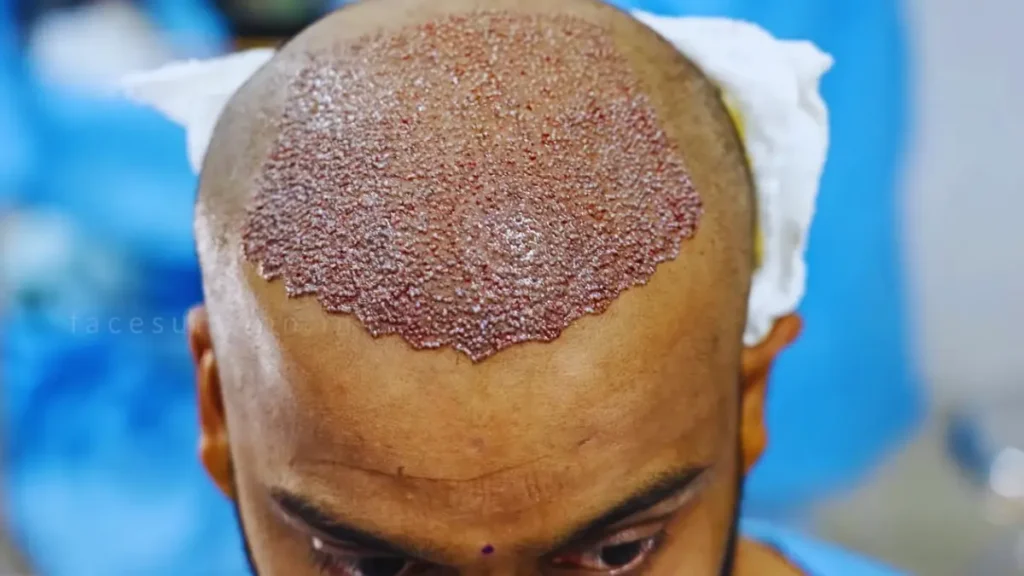
10 Days After Hair Transplant: Undergoing a hair transplant is a life-changing decision, and the recovery journey plays a crucial role in achieving natural, long-lasting results. Ten days after a hair transplant, most patients experience visible healing, reduced discomfort, and an important biological phase known as shock loss.
At Dr. Hanan Dermatology Speciality Clinic, Chennai, patients are carefully guided through each recovery milestone to ensure graft safety and optimal hair regrowth.
Day 10 marks a critical transition phase in hair transplant recovery:
Hair grafts begin to anchor securely into the scalp
The risk of accidental graft dislodgement significantly reduces
Most post-operative swelling and redness subside
The scalp prepares for the shedding (shock loss) phase, which is normal
While healing is well underway, the scalp still needs gentle care and medical supervision.
Most tiny scabs fall off naturally
Redness reduces considerably, though mild pinkness may persist
No active bleeding or swelling should be present
This is a healthy sign that the micro-incisions are healing properly.
Mild tenderness or tightness is common
Occasional itching as nerves regenerate
Grafts feel secure but should not be scratched or rubbed
According to dermatologists, this sensitivity usually resolves over the next 1–2 weeks.
One of the most common concerns at this stage is hair shedding, also called shock loss.
Transplanted hair shafts may fall out
Hair follicles remain alive and intact beneath the scalp
This process does not affect final hair growth
New hair growth typically begins around 3–4 months post-transplant.
Yes. Hair fall at this stage is expected and temporary.
Normal:
Shedding of transplanted hair
No pain or bleeding
Not Normal:
Excessive redness with pus
Severe pain or swelling
Sudden bald patches with inflammation
If any abnormal symptoms appear, immediate consultation is recommended.
Patients can now begin gentle washing:
Use a mild, dermatologist-recommended shampoo
Apply using fingertips (no nails)
Rinse with lukewarm water
Pat dry with a soft towel — do not rub
At Dr. Hanan Dermatology Speciality Clinic, patients receive personalized washing instructions based on their scalp type and transplant technique.
You may safely resume:
Office work and daily routines
Light walking
Normal sleeping with a soft pillow
Heavy workouts or sweating
Swimming and steam baths
Direct sun exposure
Smoking and alcohol
Hair styling products or oil massage
These can delay healing and affect graft survival.
Follow your dermatologist’s aftercare plan
Stay hydrated and eat protein-rich foods
Use prescribed medications only
Protect the scalp from dust and pollution
Scratch or pick scabs
Massage the scalp
Wear tight helmets or caps
Skip follow-up appointments
Contact your dermatologist immediately if you notice:
Persistent redness or swelling
Pus or foul discharge
Fever or severe pain
Sudden bleeding
Early medical attention prevents complications.
| Time After Transplant | What Happens |
|---|---|
| 2–4 weeks | Shock loss phase |
| 3–4 months | New baby hair starts growing |
| 6 months | Visible density improvement |
| 9–12 months | Final, natural results |
Patience and proper care are key to success.
Dr. Hanan Basith, MD (DVL), FFAM, Founder of Dr. Hanan Dermatology Speciality Clinic, emphasizes:
Regular follow-ups improve outcomes
Nutrition and scalp hygiene matter
Avoid self-medication or online remedies
Choose experienced dermatologists for long-term success
Dr. Hanan is a graduate of Madras Medical College, Chennai, a fellow in facial aesthetic medicine, and a life member of IADVL, ACSI, and AHRS, ensuring international-standard care.
Is it normal for hair to fall out 10 days after a hair transplant?
Yes. Hair fall at this stage is completely normal and is known as shock loss. Only the hair shafts shed, while the transplanted follicles remain healthy beneath the scalp and will regrow new hair in the coming months.
Can grafts fall out after 10 days?
No. By Day 10, the grafts are usually securely anchored in the scalp. Normal washing or gentle touch will not dislodge them if aftercare instructions are followed properly.
Is redness or pinkness still normal after 10 days?
Mild redness or pinkness is normal, especially in fair or sensitive skin types. It typically fades over the next few weeks. Severe redness, pain, or pus should be evaluated by a dermatologist.
Can I wash my hair normally 10 days after a hair transplant?
You can gently wash your hair using a mild, dermatologist-recommended shampoo. Avoid rubbing, scratching, or using strong water pressure. Always pat dry with a soft towel.
Can I resume work and daily activities after 10 days?
Yes. Most patients can return to office work, walking, and light daily activities. Heavy exercise, sweating, swimming, and gym workouts should still be avoided.
Is itching normal 10 days after a hair transplant?
Yes. Mild itching is a sign of healing and nerve regeneration. Do not scratch the scalp. If itching becomes severe, consult your dermatologist for soothing medications.
Can I apply oil or hair products at this stage?
No. Hair oils, gels, sprays, and styling products should be avoided for at least 3–4 weeks or until your doctor advises otherwise.
When will new hair start growing after shock loss?
New hair growth usually begins around 3 to 4 months after the transplant. Visible density improves by 6 months, with final results seen between 9–12 months.
Can I wear a helmet or cap after 10 days?
Loose-fitting caps may be allowed, but tight helmets or caps should be avoided as they can irritate the scalp and affect healing.
When should I contact my doctor after Day 10?
Contact your dermatologist if you notice increasing pain, swelling, pus, persistent redness, fever, or unusual bleeding.
Why choose Dr. Hanan Dermatology Speciality Clinic for hair transplant care?
Dr. Hanan Dermatology Speciality Clinic in Chennai offers advanced hair transplant techniques, experienced dermatologists, personalized post-procedure care, and affordable, ethical treatment focused on long-term results.

Hair Replacement in Chennai: Hair loss can significantly affect your appearance and self-esteem, leading many individuals to seek effective solutions. Whether it’s thinning hair, bald patches, or complete hair loss, hair replacement offers a promising way to regain your natural look and confidence. Chennai, known for its advanced medical treatments, is home to some of the top clinics offering expert hair replacement services. In this guide, we’ll explore the best hair replacement options available in Chennai, the methods involved, and how to choose the right clinic for your needs.

Visit Dr. Hanan Dermatology Specialty Clinic in Padur, OMR, Chennai. Schedule your consultation today and start your journey to fuller, healthier hair.
For more information and to book your appointment, visit our clinic or call us at the clinic’s contact details.
Hair loss affects millions of people globally, and it can occur due to various factors. Common causes include:
Hair loss can be both emotionally and psychologically challenging, which is why many turn to hair replacement solutions for a lasting solution.
Read more: Hair Transplant Cost in India : Guide for 2024
Hair replacement is a non-invasive or minimally invasive procedure that provides a permanent solution for those experiencing hair loss. It differs from hair transplants, which involve transplanting your own hair follicles to the balding areas. Hair replacement techniques are designed to restore a full head of hair, boosting your confidence and appearance.
Chennai offers a variety of hair replacement methods catering to different needs and preferences. The city is home to expert clinics that use the latest technology and techniques to ensure natural-looking results.
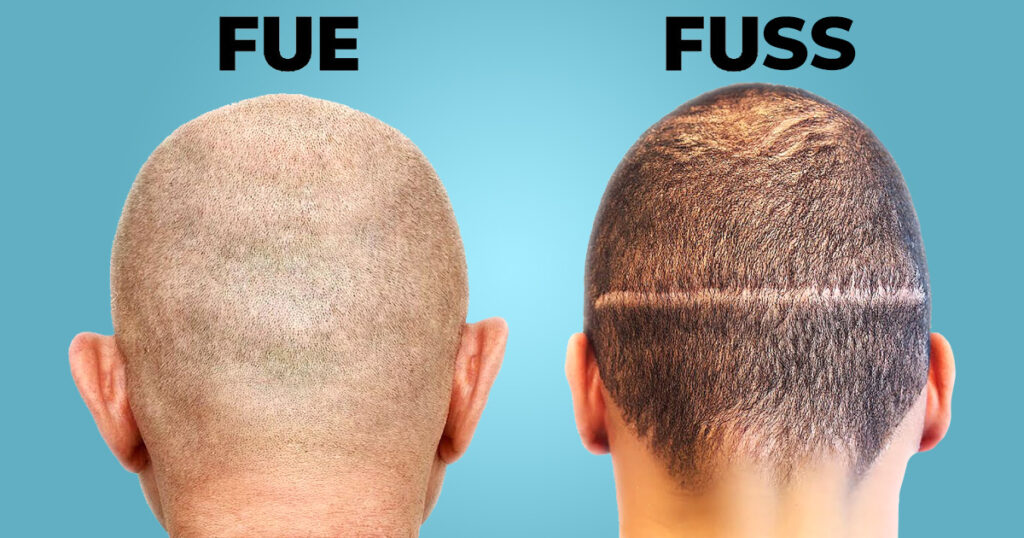
Hair transplants are among the most popular and effective treatments for hair loss. Two main types are:
Both methods are minimally invasive, providing long-lasting, natural results.
For those who prefer a non-invasive approach, several options are available:
Custom hairpieces are designed to match your natural hair texture, color, and density. These systems are ideal for individuals who want a non-surgical but highly personalized hair replacement solution.
Selecting the right clinic is crucial for achieving the best results. When choosing a clinic in Chennai, consider the following factors:
Some of the top-rated clinics in Chennai for hair replacement include RichFeel Hair and Skin Clinic, Dr. Batra’s Clinic, and Auris Clinic.
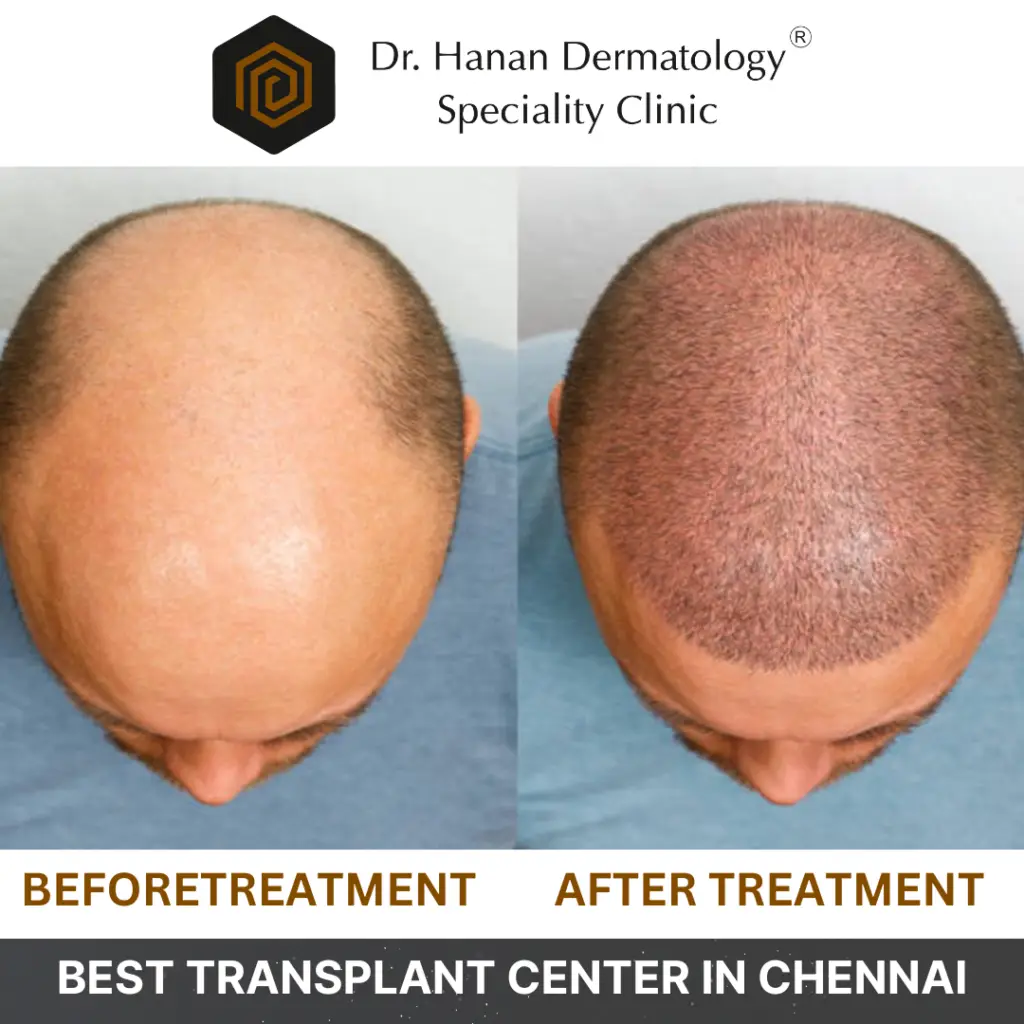
Hair replacement offers numerous benefits that go beyond aesthetic improvements:
Read more: Best Hair Transplant Center in Chennai 2024
The cost of hair replacement in Chennai can vary significantly depending on the method, clinic, and extent of hair loss.
Many clinics also offer financing options to make the treatments more accessible.
While hair replacement treatments are generally safe, there are some risks and side effects to consider:
To ensure the longevity of your new hair, follow these aftercare tips:
Hair replacement in Chennai offers an excellent solution for those struggling with hair loss. Whether you choose a surgical transplant or a non-surgical treatment, the city’s top clinics provide advanced options to restore your natural look. The key to successful hair replacement lies in choosing a reputable clinic, understanding the costs, and following proper aftercare.
Start your hair restoration journey today and regain your confidence with the best hair replacement solutions available in Chennai!

Beard Hair Transplant in Chennai Learn what top dermatologists in Chennai say about the link between stress and hair fall, types, treatments, and recovery tips.

Beard Hair Transplant in Chennai: A well-shaped, dense beard is often associated with confidence and a strong appearance. However, many men struggle with patchy, thin, or uneven beard growth due to genetics, scars, or medical conditions. If you are looking for a safe and permanent solution, a beard hair transplant in Chennai at Dr. Hanan Dermatology Speciality Clinic can help you achieve natural-looking, long-lasting results.
Located at Padur, OMR, Chennai, Dr. Hanan Dermatology Speciality Clinic is a trusted center for advanced hair restoration, offering dermatologist-supervised beard transplants using modern, proven techniques.
A beard hair transplant is a minimally invasive cosmetic procedure where healthy hair follicles are taken from a donor area—usually the back of the scalp—and carefully implanted into areas of the beard that lack density or have no growth.
The transplanted hair grows naturally, just like your original beard hair, and once established, it becomes permanent. The procedure is customized to match your facial structure, beard pattern, and hair texture for a natural appearance.
You may be a good candidate for a beard transplant if you have:
Patchy or uneven beard growth
No beard growth due to genetics
Beard hair loss from scars, burns, or acne marks
Alopecia areata affecting the beard
Stable overall health and realistic expectations
A detailed consultation at Dr. Hanan Dermatology Speciality Clinic helps determine suitability and expected results.
Understanding the cause of beard hair loss is important before treatment. Common reasons include:
Genetics: Family history of thin or patchy beard
Hormonal imbalance: Low androgen sensitivity
Skin conditions: Alopecia areata or chronic inflammation
Scarring: Injuries, burns, or acne scars
Past habits: Over-plucking or improper grooming
At Dr. Hanan’s clinic, beard hair loss is evaluated medically to ensure the right treatment approach.
The clinic follows a precise, dermatologist-led approach for safe and natural outcomes.
Consultation & Beard Design
Facial analysis and beard shape planning based on face structure.
Donor Area Selection
Healthy hair follicles are selected from the scalp.
Advanced FUE Technique
Individual hair follicles are extracted using minimally invasive methods.
Implantation
Grafts are placed at the correct angle and direction to mimic natural beard growth.
Post-Procedure Care
Aftercare instructions and follow-ups ensure smooth recovery.
The procedure is usually completed in a single session and does not require hospital admission.
Patients trust Dr. Hanan Dermatology Speciality Clinic for beard transplants because of its medical expertise and ethical care.
Key advantages:
Procedure supervised by a qualified MD Dermatologist
Natural beard line and density planning
Advanced FUE technology
High safety and hygiene standards
Affordable and transparent pricing
Personalized treatment for every patient
Initial shedding may occur in the first few weeks (normal phase)
New beard hair growth starts in 3–4 months
Visible improvement by 6 months
Full, natural beard growth by 9–12 months
The transplanted hair grows permanently and can be shaved, trimmed, and styled like natural beard hair.
Recovery after a beard hair transplant is generally smooth.
Aftercare guidelines include:
Mild redness or swelling for a few days
Avoid touching or shaving the beard initially
Follow prescribed medications and skincare routine
Resume normal activities within a few days
Regular follow-ups at the clinic help monitor healing and results.
The cost of beard hair transplant in Chennai depends on:
Number of grafts required
Area of beard coverage
Technique used
Individual beard design complexity
At Dr. Hanan Dermatology Speciality Clinic, pricing is kept affordable without compromising medical quality. A personalized cost estimate is provided after consultation.
Yes. When performed by trained professionals in a certified clinic, beard hair transplant is considered safe.
Safety highlights:
Minimally invasive procedure
Low risk of complications
Permanent and natural results
Dermatologist-supervised care
Patients with certain medical conditions may require additional evaluation before proceeding.
1. Is beard hair transplant permanent?
Yes. The transplanted hair follicles are taken from healthy donor areas (usually the scalp) and are permanent. Once they grow, they behave like natural beard hair and can be shaved, trimmed, and styled normally.
2. How long does it take to see results?
Initial hair shedding occurs in the first few weeks, which is normal. New hair growth begins around 3–4 months, with visible results by 6 months. Full beard density and natural appearance are typically achieved by 9–12 months.
3. Does the procedure hurt?
The procedure is performed under local anesthesia, so discomfort is minimal. Most patients report feeling only mild pressure during graft implantation. Post-procedure, any minor swelling or redness usually subsides within a few days.
4. Who is eligible for a beard hair transplant?
Ideal candidates are men with patchy or thin beard growth, scars, burns, or genetic beard hair loss. A consultation at Dr. Hanan Dermatology Speciality Clinic will assess your suitability based on hair density, skin type, and medical history.
5. How long does the procedure take?
A beard hair transplant session typically lasts 4–6 hours, depending on the number of grafts required and the area of beard coverage. Most patients can resume normal daily activities shortly after the procedure.
6. Is beard hair transplant safe?
Yes. When performed by a qualified dermatologist at a certified clinic, beard hair transplant is a safe, minimally invasive procedure. Dr. Hanan Dermatology Speciality Clinic follows strict hygiene protocols and medical standards to ensure safety.
7. Can I shave or style my beard after the transplant?
After complete healing and hair growth, transplanted hair can be shaved, trimmed, or styled like natural beard hair. Patients should follow post-procedure care instructions to ensure optimal growth.
8. How much does a beard hair transplant cost in Chennai?
Cost depends on factors like the number of grafts, area of coverage, and technique used. At Dr. Hanan Dermatology Speciality Clinic, we offer affordable and transparent pricing tailored to your individual needs. A detailed cost estimate is provided after consultation.
9. How long is the recovery period?
Most patients experience mild redness or swelling for 3–5 days. Normal activities can usually resume immediately, but strenuous activity should be avoided for the first week. Full recovery and optimal hair growth occur over several months.
10. Can beard transplants fix scars or burns?
Yes. Beard hair transplant can effectively restore hair in areas affected by scars or burns, giving a natural appearance. The dermatologist carefully designs graft placement to cover scar tissue seamlessly.
Dr Hanan Dermatology Speciality clinic a Leading Dermatology, Cosmetology Clinic that provides the Best Affordable Treatment for Skin, Hair & Laser.
Our Contacts
Copyright © 2024 Dr Hanan Dermatology Speciality Clinic is Developed and Maintained by Qualpr | Privacy Policy | Terms and Conditions
Dr Hanan Dermatology Speciality Clinic
Typically replies within minutes
Any questions related to Skin, Hair, and Cosmetic or Looking to book an appointment?
WhatsApp Us
🟢 Online | Privacy policy
WhatsApp us