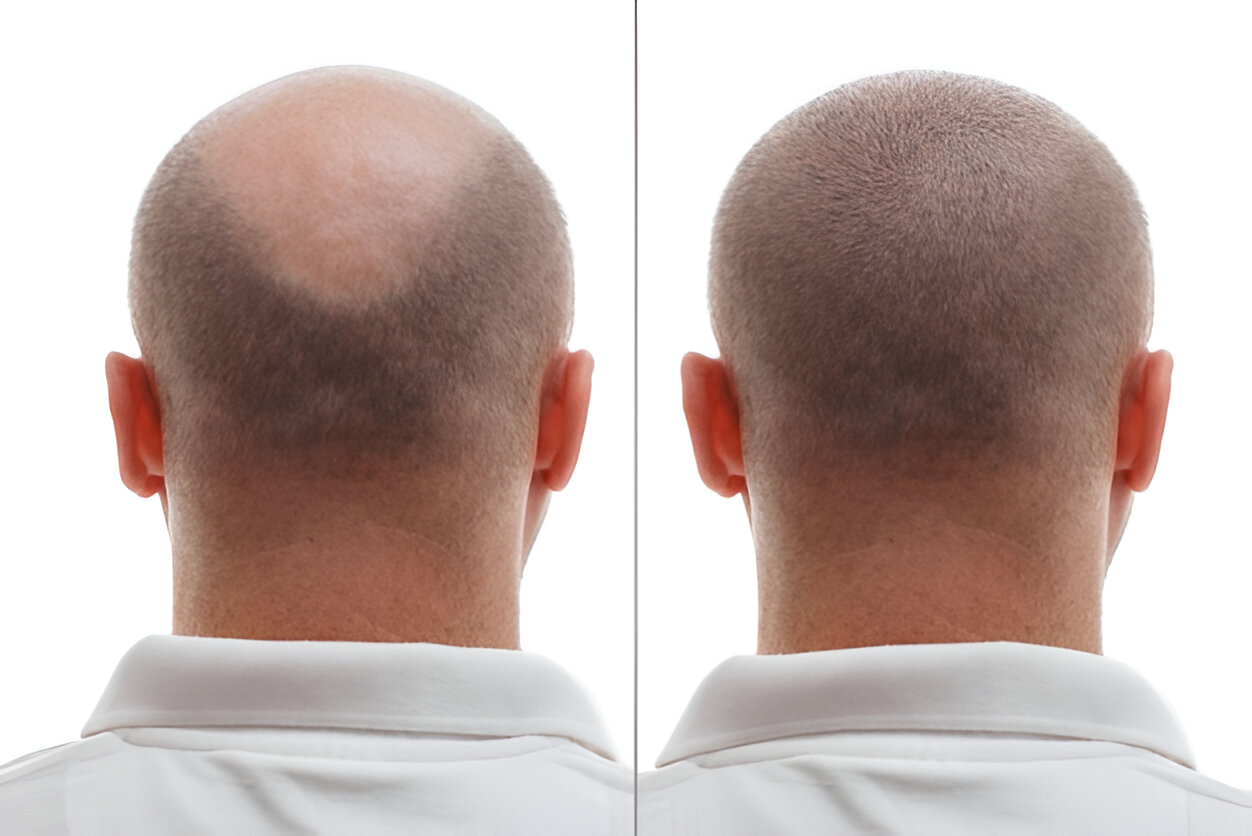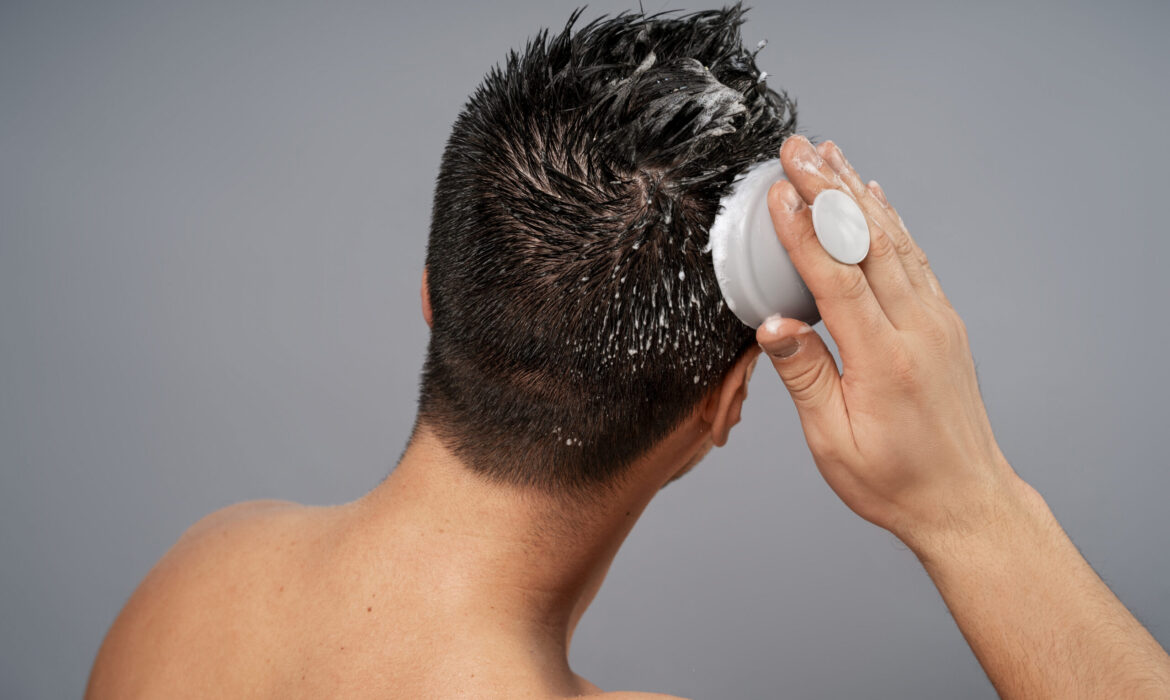
Build the Best Hair Care Routine for Men with expert grooming tips, hair fall control advice, and healthy habits for stronger hair.

Best Hair Treatment for Damaged Hair: Restore Your Hair’s Health

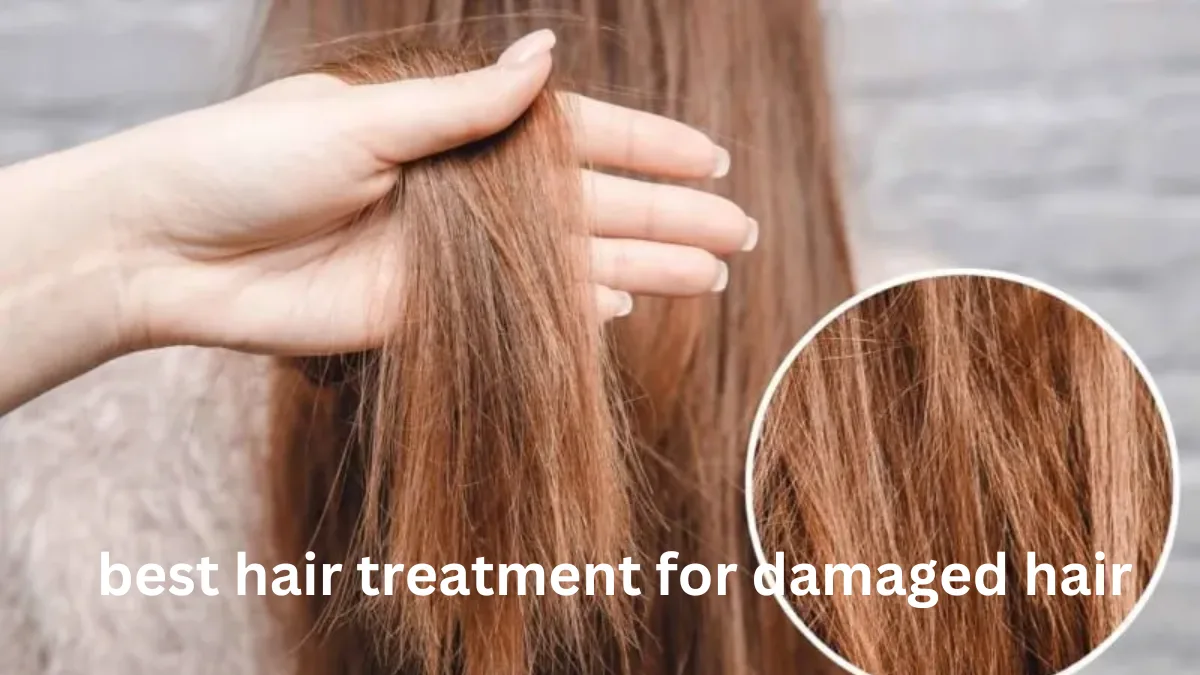
Best Hair Treatment for Damaged Hair: Hair damage is a common problem that can leave your locks looking dull, brittle, and lifeless. Whether it’s caused by over-styling, chemical treatments, or environmental factors, repairing damaged hair is essential for restoring its strength and shine. This article will guide you through the best hair treatments for damaged hair, from deep conditioning to professional salon treatments.
Book Your Consultation Today
Visit Dr. Hanan Dermatology Specialty Clinic in Padur, OMR, Chennai. Schedule your consultation today and start your journey to fuller, healthier hair.
For more information and to book your appointment, visit our clinic or call us at the clinic’s contact details.
Understanding Hair Damage
Hair damage can manifest in various forms, and it’s important to understand its causes to treat it effectively. There are three main types of hair damage:
- Physical Damage: Caused by excessive brushing, towel-drying, and using hair tools like straighteners or curling irons.
- Chemical Damage: Resulting from coloring, bleaching, or perming your hair.
- Environmental Damage: Exposure to harsh weather conditions like sun, wind, and pollution.
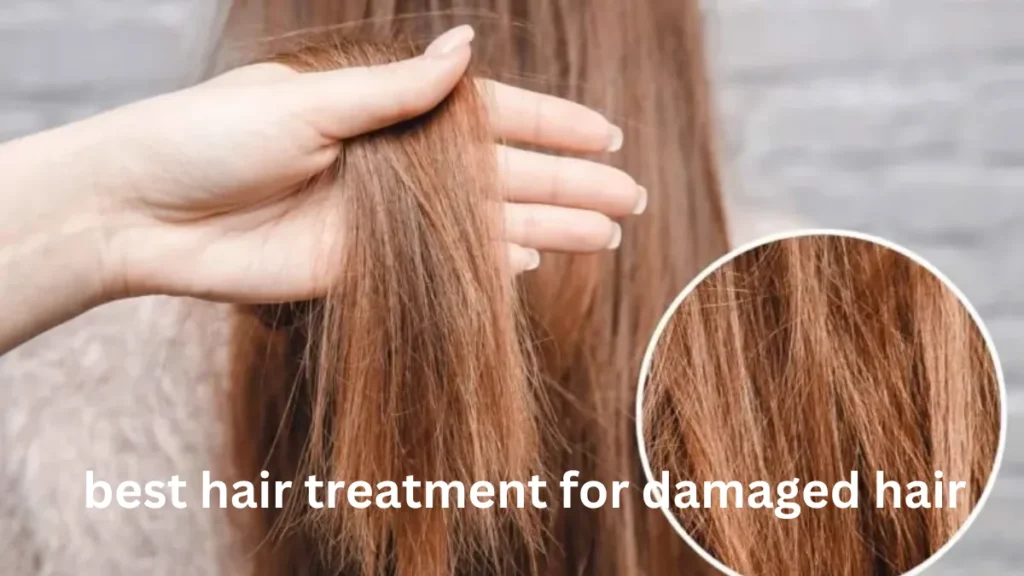
Symptoms of damaged hair include dryness, split ends, frizz, breakage, and thinning. Treating your hair properly can prevent further damage and restore its health.
Best Hair Treatments for Damaged Hair
Deep Conditioning Treatments
One of the most effective ways to repair damaged hair is through deep conditioning. Deep conditioners are formulated to penetrate the hair shaft and provide essential moisture and nutrients. Look for products with ingredients like shea butter, avocado oil, and keratin, which help restore hair’s strength and elasticity. Using a deep conditioner once a week can significantly improve the texture of your hair.
Keratin Treatments
Keratin treatments are a popular solution for damaged hair. Keratin is a protein naturally found in your hair, and replenishing it can help rebuild hair structure. Keratin treatments smooth frizz, repair damage, and add shine. However, while keratin treatments are effective, they can also leave your hair feeling a bit flat, so it’s important to choose a product that suits your hair type.
Hair Oils
Hair oils are excellent for nourishing and moisturizing dry, damaged hair. Argan oil, coconut oil, and olive oil are all rich in vitamins and essential fatty acids, making them great choices for repairing damage. Simply massage a few drops into your scalp and hair, and leave it on for at least 30 minutes before washing your hair. This will help seal in moisture and improve the overall health of your hair.
Hair Masks
Hair masks can be either store-bought or DIY. Store-bought masks are usually packed with vitamins, oils, and proteins that help revitalize damaged hair. For a more natural approach, you can create your own hair mask using ingredients like honey, yogurt, and avocado. Apply the mask to your hair and leave it on for 20-30 minutes to let it work its magic.
Protein Treatments
Protein treatments are essential for strengthening damaged hair. When your hair is damaged, it often lacks protein, which can make it weaker and more prone to breakage. Protein treatments help to rebuild and strengthen the hair shaft, restoring your hair’s structure. Use a protein treatment once a month to maintain your hair’s strength and prevent further damage.
Heat Protection Treatments
If you can’t avoid using heat styling tools like blow dryers, flat irons, and curling irons, it’s essential to use heat protectants. Heat protectants create a barrier between your hair and the heat, minimizing the damage caused by high temperatures. Look for products with silicones or natural oils that provide heat protection and keep your hair looking smooth and shiny.
Professional Treatments for Damaged Hair
Hair Salon Treatments
Professional salon treatments like Olaplex and Brazilian Blowouts are highly effective at repairing damaged hair. These treatments work by restoring the hair’s internal structure and bonding the broken disulfide bonds. Although these treatments can be expensive, they provide long-lasting results and are ideal for severely damaged hair.
Hair Reconstruction Services
In cases of extreme damage, hair reconstruction services may be necessary. These services help to rebuild the hair’s strength and texture by using advanced techniques to repair split ends, prevent breakage, and restore volume.
Home Remedies for Damaged Hair
For a more natural approach to hair repair, you can use several home remedies to treat damaged hair. Some of the most effective DIY treatments include:
- Coconut Oil Treatment: Apply coconut oil to your hair and leave it on overnight for intense hydration.
- Honey and Olive Oil Mask: Mix honey and olive oil for a moisturizing mask that helps seal split ends.
- Aloe Vera Treatment: Aloe vera helps soothe the scalp and restore moisture to dry, brittle hair.
Prevention Tips for Hair Damage
Preventing further damage is key to maintaining healthy hair. Here are some helpful tips to protect your hair:
- Avoid Over-Washing: Washing your hair too frequently can strip it of natural oils. Wash your hair 2-3 times a week.
- Limit Heat Styling: Reduce the use of heat styling tools, or use them on the lowest heat setting.
- Use a Wide-Tooth Comb: Instead of brushing wet hair, use a wide-tooth comb to prevent breakage.
- Protect Your Hair from Sun and Pollution: Wear a hat or use UV-protectant hair products to shield your hair from harmful environmental factors.
When to Seek Professional Help
If your hair damage is severe or if home treatments aren’t working, it’s time to consult a professional. A dermatologist or hair specialist can help determine the cause of the damage and recommend personalized treatment plans.
FAQs
1. What causes hair damage?
Hair damage can be caused by excessive heat styling, chemical treatments (like coloring and perming), environmental factors (like sun exposure), and poor hair care habits (such as over-washing or using harsh products).
2. How can I repair my damaged hair?
Repairing damaged hair typically involves using nourishing treatments such as deep conditioning masks, oils, and protein-rich products to restore moisture, strengthen strands, and improve elasticity. Regular trims are also essential to remove split ends.
3. What is a keratin treatment?
A keratin treatment is a salon procedure that helps smooth and strengthen hair by infusing it with keratin, a natural protein. It can help reduce frizz, improve shine, and make hair more manageable.
4. How often should I use a deep conditioning treatment?
For severely damaged hair, it’s recommended to use a deep conditioning treatment at least once a week. For mild damage, you can use it bi-weekly or monthly, depending on your hair’s needs.
5. Can home remedies help damaged hair?
Yes, certain home remedies like coconut oil, honey, aloe vera, and avocado masks can provide moisture and nourishment to damaged hair. However, for significant damage, professional treatments may be more effective.
6. Is there a treatment for heat-damaged hair?
Yes, using protein treatments, repairing serums, and moisturizing conditioners can help restore heat-damaged hair. Avoiding heat styling tools while your hair recovers is crucial.
7. Can damaged hair grow back healthy?
While you can’t reverse damage to existing hair, you can improve its condition with proper treatments and a healthy hair care routine. New hair growth can be healthy if you nourish your scalp and hair follicles.
8. Are salon treatments worth the investment?
Salon treatments like Olaplex or keratin treatments can significantly improve the health and appearance of damaged hair. If you have severe damage, professional treatments can provide more noticeable results than at-home products.
9. What products should I avoid for damaged hair?
Avoid harsh shampoos, products with sulfates, and those with alcohol, as these can further strip moisture from damaged hair. Opt for gentle, hydrating, and strengthening products instead.
10. How long does it take to repair damaged hair?
The time it takes to repair damaged hair depends on the extent of the damage and your hair care routine. With consistent treatments, improvements may be visible within a few weeks to a couple of months.
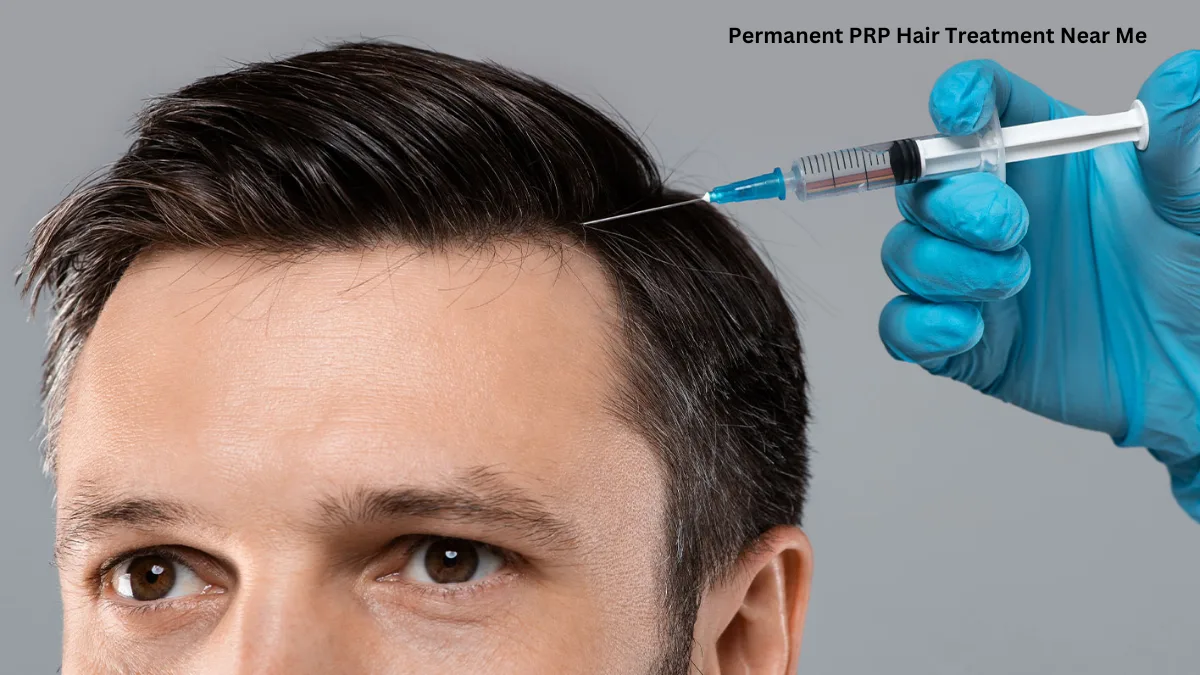
Permanent PRP Hair Treatment Near Me: A Complete Guide

Hair loss can be distressing, leading many individuals to seek effective and long-lasting treatments. One of the most popular and promising solutions today is PRP (Platelet-Rich Plasma) hair treatment. If you are searching for a “permanent PRP hair treatment near me,” this guide will help you understand what PRP is, its effectiveness, cost, and how to find the best clinic for your needs.
Book Your Consultation Today
Visit Dr. Hanan Dermatology Specialty Clinic in Padur, OMR, Chennai. Schedule your consultation today and start your journey to fuller, healthier hair.
For more information and to book your appointment, visit our clinic or call us at the clinic’s contact details.
What is PRP Hair Treatment?
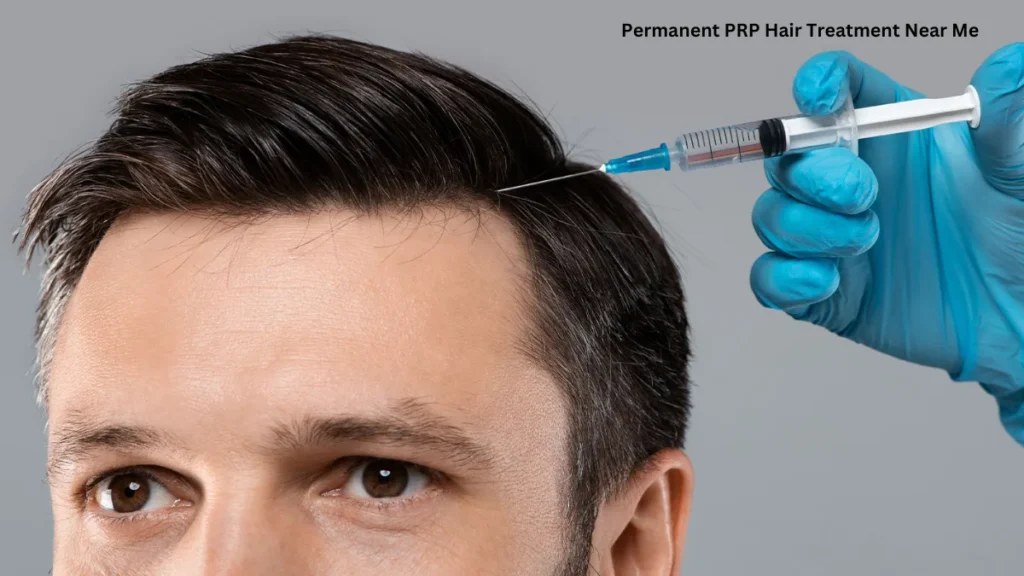
PRP hair treatment is a non-surgical procedure that uses a patient’s own blood to stimulate hair growth. The process involves drawing a small amount of blood, separating the platelets using a centrifuge, and injecting the concentrated plasma into the scalp. Platelets contain growth factors that promote hair follicle regeneration, improve blood circulation, and strengthen hair shafts.
Benefits of PRP Hair Treatment:
- Stimulates natural hair growth
- Increases hair density and thickness
- Non-invasive with minimal downtime
- Safe and natural, as it uses the patient’s own blood
- Suitable for both men and women experiencing hair thinning
Is PRP Hair Treatment Permanent?
One of the most common questions is whether PRP treatment provides permanent results. While PRP significantly improves hair growth and density, it is not a one-time solution. The longevity of the results depends on individual factors, including age, the severity of hair loss, and overall scalp health.
Factors Influencing PRP Treatment Longevity:
- The number of initial sessions (usually 3-4 sessions over several months)
- Maintenance treatments (recommended every 6-12 months)
- Lifestyle factors like diet, stress levels, and hair care routine
- The underlying cause of hair loss (genetic, hormonal, or medical conditions)
Who is an Ideal Candidate for PRP Hair Treatment?
PRP therapy is ideal for individuals experiencing early-stage hair thinning and hair loss. It is effective for:
- Men and women with androgenetic alopecia (pattern baldness)
- Those experiencing hair thinning due to stress or hormonal imbalances
- Individuals looking for a non-surgical hair restoration method
- Patients who want to enhance the results of a hair transplant
Finding the Best Permanent PRP Hair Treatment Near You
Choosing the right clinic is crucial to ensure safe and effective results. Here’s how to find the best PRP hair treatment provider near you:
1. Check Clinic Reputation:
Look for clinics with experienced dermatologists or hair restoration specialists. Read online reviews and testimonials to gauge customer satisfaction.
2. Verify Doctor’s Credentials:
Ensure the doctor performing the treatment is certified and has experience in PRP therapy.
3. Ask About the Procedure:
A good clinic will offer a consultation to discuss the process, expected results, and maintenance plans.
4. Compare Costs and Packages:
Different clinics may offer varying prices. Look for a balance between affordability and quality of service.
What to Expect from PRP Hair Treatment?
Step-by-Step Process:
- Blood Draw: A small amount of blood is taken from the patient.
- Centrifugation: The blood is processed to isolate platelet-rich plasma.
- Injection: The PRP is injected into targeted areas of the scalp.
- Recovery: Minimal downtime, with mild redness or tenderness lasting a day or two.
When Will You See Results?
- First 3 Months: Reduction in hair shedding
- 4-6 Months: Visible hair regrowth and increased thickness
- 12 Months: Full effects of the treatment, with noticeable hair density improvement
Cost of Permanent PRP Hair Treatment
The cost of PRP treatment varies based on location, clinic expertise, and the number of sessions required. On average:
- Single session: $500 – $1,500
- Full treatment package (3-4 sessions): $1,500 – $4,000
- Maintenance sessions: $400 – $800 per session
Insurance usually does not cover PRP for hair loss as it is considered a cosmetic procedure.
Potential Risks and Side Effects
PRP hair treatment is generally safe, but minor side effects may occur, such as:
- Mild pain or redness at the injection site
- Temporary swelling or bruising
- Rare risk of infection if performed by an inexperienced practitioner
To minimize risks, always choose a certified and experienced provider.
Success Stories and Real Patient Testimonials
Many patients have experienced significant hair growth and improved hair thickness after PRP treatment. Before-and-after pictures from reputable clinics can provide insight into the potential results.
FAQs About Permanent PRP Hair Treatment Near Me
1. How Many PRP Sessions Are Needed for Long-Term Results?
Most individuals require 3-4 initial sessions, followed by maintenance treatments every 6-12 months.
2. Can PRP Completely Stop Hair Loss?
PRP can slow hair loss and promote regrowth, but it may not completely stop hair loss caused by genetic factors.
3. How Soon Can Results Be Seen?
Noticeable improvements usually appear within 3-6 months.
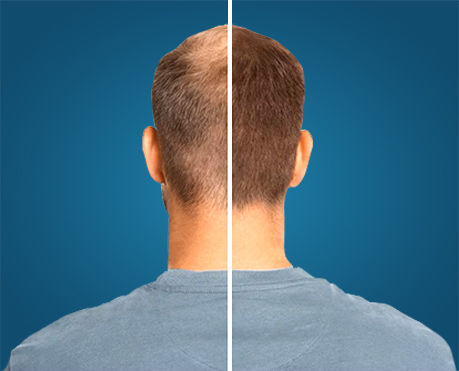
Best Hair Care Routine for Men

Having a strong, healthy head of hair does not occur by coincidence – it takes dedication, correct products and good habits. In this guide, we will run through the best hair care routine for men, provide practical suggestions and insight to help maintain a clean, healthy scalp and strong hair. Whether you are struggling with dandruff, experiencing hair thin, or just want to level your grooming game, this guide is for you.
Understanding Your Hair Type
It is important to understand your hair type before you start building your routine. Men’s hair can be straight, wavy, curly or coily, and each type has specific requirements. Straight hair can be rapidly oily and requires more frequent washing, while curly or coily hair is dry and has benefits from deep hydration. Knowing the type of your hair will help you choose the right products and will set the expectations of realistic grooming.
Use a Conditioner
Conditioning is not optional – especially if you want soft, managable hair. After each washing, apply a conditioner to repay the moisture and repair any damage. Leave it for at least 2-3 minutes before rinsing well. A good conditioner helps to reduce the frizz, prevent breakdown, and gives your hair a smooth texture.
How Diet and Hydration Impact Your Hair Health
A balanced diet and proper hydration are often underestimated by reducing hair care. Your hair is made of protein, so protein -rich diets, omega -3 fatty acids, and vitamins such as biotin, B12 and E help in promoting hair growth and strength. Drinking enough water keeps your scalp hydrated and free from dryness or irritation, supporting your hair care routine from the inside out.
Avoid Over-Styling
Excessive use of hair gel, wax and spray can lead to product buildups, clogged follicles and even hair loss time. Stick to light, non-comedogenic products and always wash out styling products before bed. If you are using the heat tool, apply a heat protector to prevent damage.
Experienced dermatologists and trichologists
Evidence-based scalp care protocols
Over 800+ positive Google reviews
State-of-the-art treatment technology
Located in Padur, Chennai for easy access
We don’t just treat dandruff—we work toward restoring your scalp’s health permanently.
Regular Haircuts for Maintenance
Even if you’re growing your hair out, trimming every 4–6 weeks helps remove split ends and keeps your hairstyle looking sharp. Regular haircuts promote healthy growth and prevent your hair from looking messy or unwanted.
Scalp Care Matters
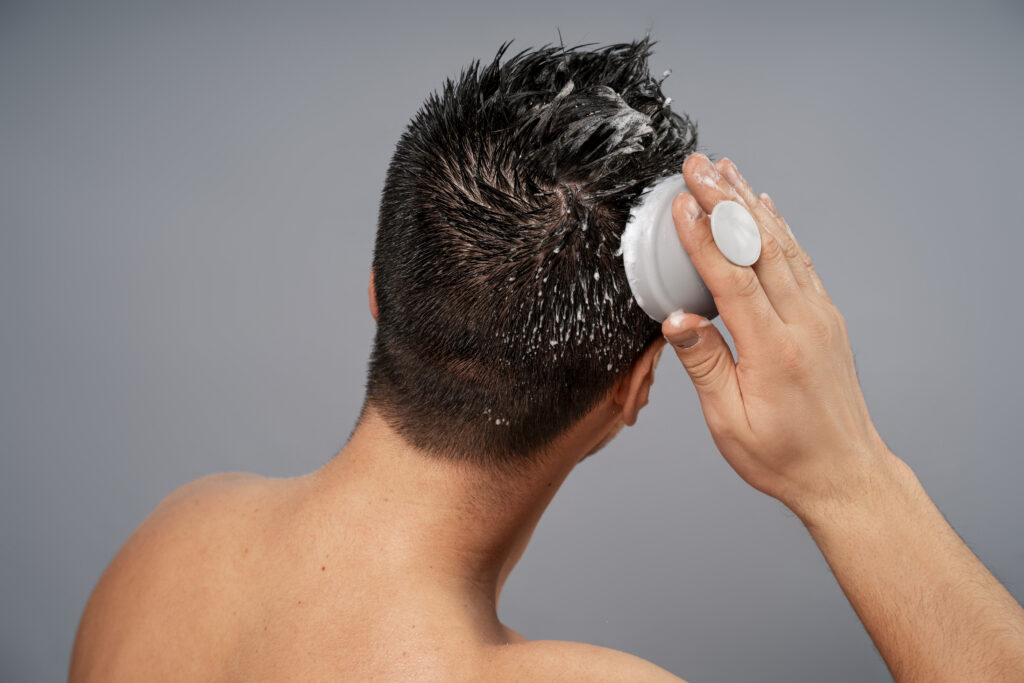
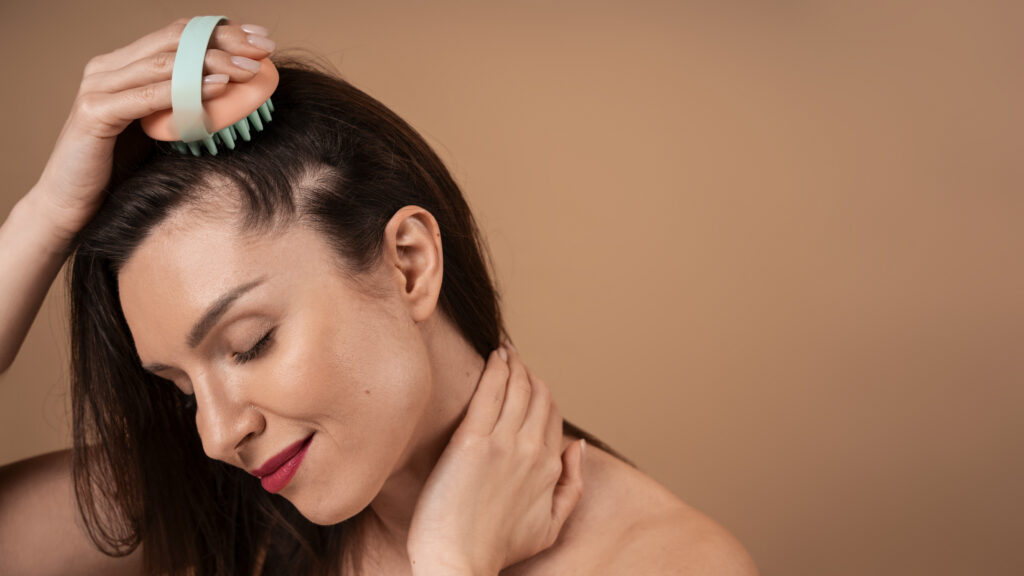
Healthy hair begins with a healthy scalp. To remove dead skin and improve blood circulation, exfoliate your scalp once a week using a scalp scrub or clarify the shampoo. Massage your scalp regularly to stimulate hair follicles and increase growth. It is one of the most underrated men’s hair care tips, but also one of the most effective.
Choose the Right Hair Products
Use products that correspond to your hair type and needs. Men with thin or fine hair may benefit from volumizing shampoos, while people with curly or thick hair require more hydrating and curl-enhancing formulas. Always check the ingredient label – avoid harsh sulfates, parabens and alcohol.
Control Hair Fall with Targeted Solutions
Hair fall is common in men due to stress, genetics and environmental factors. To control this, use anti-hair fall shampoos, include essential oils such as henna or peppermint, and consider medical remedies such as minoxidil under the guidance of a dermatologist. Do not ignore natural remedies – onion juice and aloe vera have shown promising results for some users.
Protect Your Hair From the Environment
Pollution, UV rays and hard water can wreak havoc on your hair. Wear a hat directly in the sun, use a leave-in conditioner with SPF, and rinse the hair after swimming to remove chlorine or salt. Installing shower filters can also help reduce harm from hard water.
Be Consistent With Your Grooming Routine
The key to obtaining long -term results is stability. Do not expect miracles overnight – whether you are facing hair fall or dullness, ensure gradual but permanent improvement every day after a structured routine.
FAQs
What is the best daily hair care routine for men?
A good daily hair care routine for men includes gentle cleansing with a suitable shampoo, regular scalp massage, proper conditioning, and avoiding excessive heat or harsh styling products.
How often should men wash their hair?
Most men should wash their hair 2–3 times a week. Those with oily scalp may need more frequent washing, while dry or curly hair types benefit from fewer washes.
Which shampoo is best for men’s hair?
The best shampoo depends on hair type and scalp condition. Men with hair fall, dandruff, or oily scalp should choose dermatologist-recommended shampoos with mild, sulfate-free formulas.
Is oiling necessary for men’s hair care?
Oiling helps nourish the scalp and improve hair texture, but it should be done in moderation. Over-oiling or leaving oil overnight can clog pores and worsen dandruff.
How can men prevent hair fall naturally?
Maintaining a balanced diet, managing stress, exercising regularly, and following a consistent hair care routine can help reduce hair fall. Medical advice is recommended if hair loss is excessive.
Does using hair gel or wax damage hair?
Frequent use of hair styling products can cause scalp buildup and dryness if not washed properly. Use them sparingly and clean the scalp regularly.
What role does diet play in men’s hair health?
Protein, iron, vitamins, and minerals are essential for healthy hair growth. Poor nutrition can lead to weak, thinning hair over time.
Can men with dandruff follow the same hair care routine?
Men with dandruff need a specialized routine that includes anti-dandruff shampoos and proper scalp care. Regular products may not effectively treat dandruff.
When should men consult a dermatologist for hair problems?
If hair fall is sudden, excessive, or accompanied by scalp itching or thinning, consulting a dermatologist is recommended for early diagnosis and treatment.
Does a proper hair care routine help prevent baldness?
A good hair care routine supports scalp health and slows damage, but genetic baldness requires medical or advanced treatment for effective control.
Book Your Consultation Today!
For Personalised Treatment visit Dr. Hanan Clinic. Feel confident and proud with our expert care.
Table of Contents
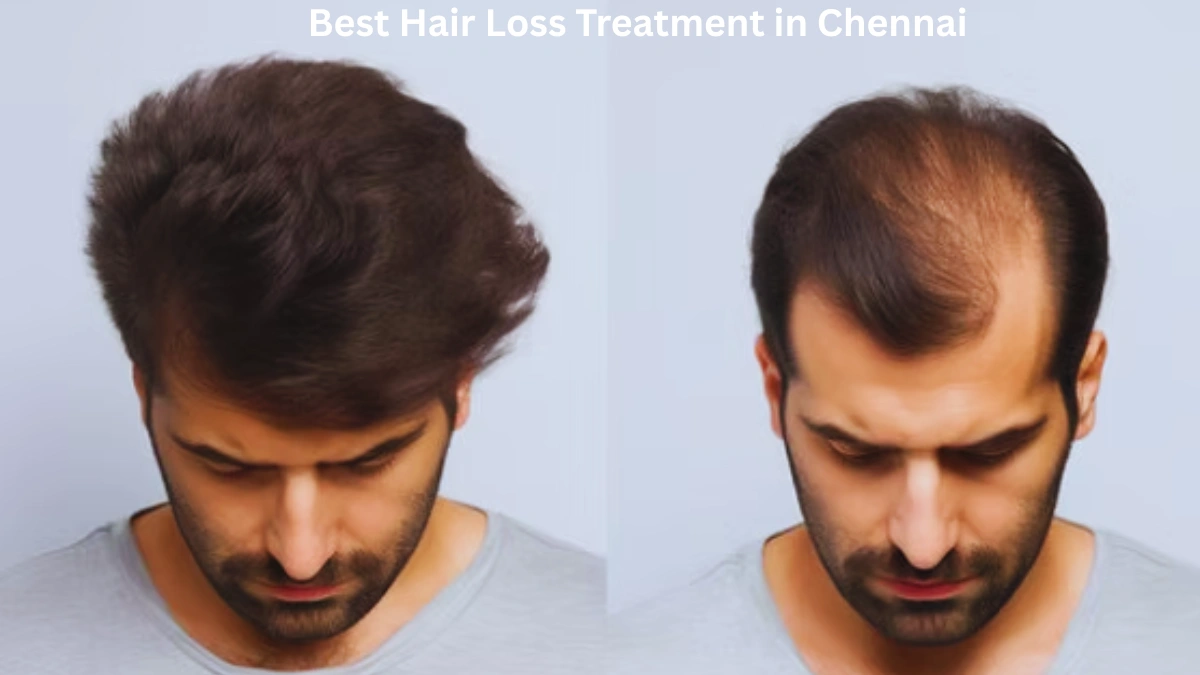
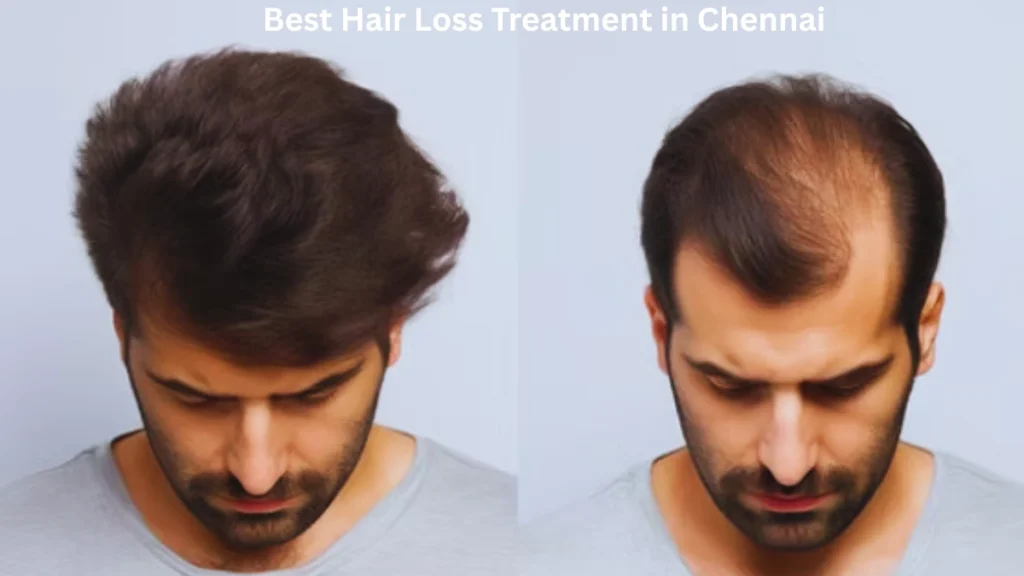
Best Hair Loss Treatment in Chennai – Expert Solutions by Dr. Hanan Dermatology Speciality Clinic
Find the best hair loss treatment based on your hair and scalp type. Chennai dermatologists at Dr. Hanan Clinic share expert tips, safe ingredients, and proven solutions for healthy hair regrowth.

Table of Contents
Best Hair Loss Treatment: Hair loss is no longer just a cosmetic concern—it directly affects confidence, self-esteem, and quality of life. If you are searching for the best hair loss treatment in Chennai, Dr. Hanan Dermatology Speciality Clinic offers dermatologist-led, affordable, and evidence-based solutions for men and women.
As a leading dermatology, cosmetology, and trichology clinic in Chennai, we specialize in diagnosing the root cause of hair loss and delivering personalized treatments that produce visible, long-term results.
Understanding Hair Loss: Why Early Treatment Matters
Hair fall is common, but excessive or progressive hair loss is not normal. Losing more than 80–100 strands daily, thinning hair, widening part lines, or receding hairlines are signs that require professional evaluation.
Early diagnosis by a dermatologist:
- Prevents permanent follicle damage
- Improves treatment success
- Reduces the need for surgical procedures
At Dr. Hanan Dermatology Speciality Clinic, we focus on early intervention and medical accuracy to preserve and restore hair health.
Common Causes of Hair Loss
Hair loss can occur due to one or multiple underlying reasons, including:
- Genetic hair loss (Androgenetic Alopecia)
- Hormonal imbalance (thyroid, PCOS)
- Nutritional deficiencies (iron, vitamin D, B12)
- Stress and lifestyle factors
- Post-illness or post-COVID hair fall
- Scalp infections and skin conditions
- Excessive chemical treatments and heat styling
Identifying the exact cause is the foundation of choosing the best hair loss treatment.
How We Choose the Best Hair Loss Treatment for You
At Dr. Hanan Dermatology Speciality Clinic, every patient undergoes:
- Detailed medical history evaluation
- Clinical scalp and hair examination
- Dermoscopy when required
- Blood tests (if indicated)
Based on the findings, we design a customized treatment plan focused on safety, effectiveness, and long-term hair regrowth.
Read more: Best Treatments for Dandruff and Itchy Scalp
Best Hair Loss Treatments Recommended by Dermatologists
Medical Treatment for Hair Loss
Medical therapy remains the first line of treatment for most patients.
- Topical and oral medications (as medically appropriate)
- Prescription supplements for nutritional deficiencies
- Long-term maintenance plans
All medications are prescribed only after dermatologist consultation to ensure safety and suitability.
- Hyaluronic Acid – locks in moisture.
- Ceramides – repair the skin barrier.
- Aloe Vera or Vitamin E – soothe and nourish.
A gentle cleanser ensures your skin feels supple and smooth instead of tight after washing.
PRP Therapy for Hair Loss
Platelet-Rich Plasma (PRP) therapy is one of the most effective non-surgical treatments for hair regrowth.
Benefits of PRP:
- Strengthens weak hair follicles
- Reduces hair fall
- Improves hair thickness and density
- Uses the patient’s own blood (safe & natural)
Results typically appear within 3–4 months with multiple sessions.
Advanced Hair Loss Therapies
Depending on severity, we may recommend:
- GFC therapy
- Mesotherapy
- Combination treatments for enhanced results
These therapies are performed under strict medical protocols.
Hair Transplant: A Permanent Hair Loss Solution
For advanced baldness, hair transplant surgery offers permanent and natural-looking results.
At our clinic, we provide:
- Advanced FUE hair transplant techniques
- Natural hairline design
- Minimal downtime
- Long-lasting outcomes
Hair transplant is recommended only when medical treatments are insufficient, ensuring ethical care.
Natural & Supportive Hair Loss Care
Medical treatment works best when combined with:
- Balanced diet rich in protein and iron
- Proper scalp hygiene
- Stress management
- Dermatologist-recommended hair care routines
We guide patients on long-term hair health, not just temporary fixes.
Hair Loss Treatment for Men and Women
Hair loss affects men and women differently.
- Men commonly experience frontal recession and crown thinning
- Women often face diffuse thinning and volume loss
Our clinic provides gender-specific treatment protocols for safe and effective outcomes.
When Will You See Results?
Hair growth is a gradual process.
- Hair fall reduction: 4–8 weeks
- New hair growth: 3–6 months
- Visible density improvement: 6–12 months
Consistency, follow-ups, and medical supervision are key to success.
Myths vs Facts About Hair Loss Treatment
Myth: Hair loss cannot be treated
Fact: Early-stage hair loss is highly treatable
Myth: Oils alone can regrow hair
Fact: Oils support scalp health but cannot treat medical hair loss
Myth: All shampoos stop hair fall
Fact: Shampoos are supportive, not curative
FAQs
What is the best hair loss treatment?
The best hair loss treatment depends on the underlying cause such as genetics, hormonal imbalance, stress, or nutritional deficiency. A dermatologist consultation is essential to identify the cause and recommend the right treatment.
Can hair loss be treated permanently?
Hair loss can be effectively controlled and improved when treated early. Medical therapies help slow or reverse hair fall, while hair transplant provides a permanent solution for advanced baldness.
Is PRP treatment effective for hair loss?
Yes, PRP (Platelet-Rich Plasma) therapy is a clinically proven treatment that helps reduce hair fall, strengthen hair follicles, and promote natural hair regrowth when performed by a qualified dermatologist.
How many PRP sessions are required for hair regrowth?
Most patients require 3 to 6 PRP sessions, spaced 4 to 6 weeks apart. The number of sessions depends on the severity of hair loss and individual response.
Is hair loss treatment safe?
Yes, hair loss treatments are safe when prescribed and performed by a dermatologist. All procedures at Dr. Hanan Dermatology Speciality Clinic follow medically approved and ethical protocols.
When will I see results from hair loss treatment?
Hair fall reduction is usually noticed within 4 to 8 weeks, while visible hair regrowth and improved thickness may take 3 to 6 months with consistent treatment.
Is hair transplant better than non-surgical treatments?
Hair transplant is recommended for advanced hair loss. In early and moderate stages, non-surgical treatments such as medications and PRP therapy often provide excellent results.
Are hair loss treatments different for men and women?
Yes, hair loss patterns and causes differ in men and women, so treatment plans are customized based on gender-specific medical and hormonal factors.
Do oils and shampoos stop hair loss?
Oils and shampoos help maintain scalp health but cannot treat medical hair loss on their own. Dermatologist-guided treatment is required for effective results.
Who is the right candidate for a hair transplant?
Patients with stable hair loss, good donor hair density, and healthy scalp conditions are suitable candidates. A detailed dermatologist evaluation is necessary.
Why choose Dr. Hanan Dermatology Speciality Clinic for hair loss treatment?
The clinic offers dermatologist-led care, advanced PRP and hair transplant procedures, ethical pricing, and proven patient outcomes, making it one of the trusted hair clinics in Chennai.
Where is Dr. Hanan Dermatology Speciality Clinic located?
A Block, Gem Bhoomi & Buildings, Padur, OMR, Chennai – 603103
Phone: +91 6381048403
Book Your Consultation Today!
For Personalised Treatment visit Dr. Hanan Clinic. Feel confident and proud with our expert care.
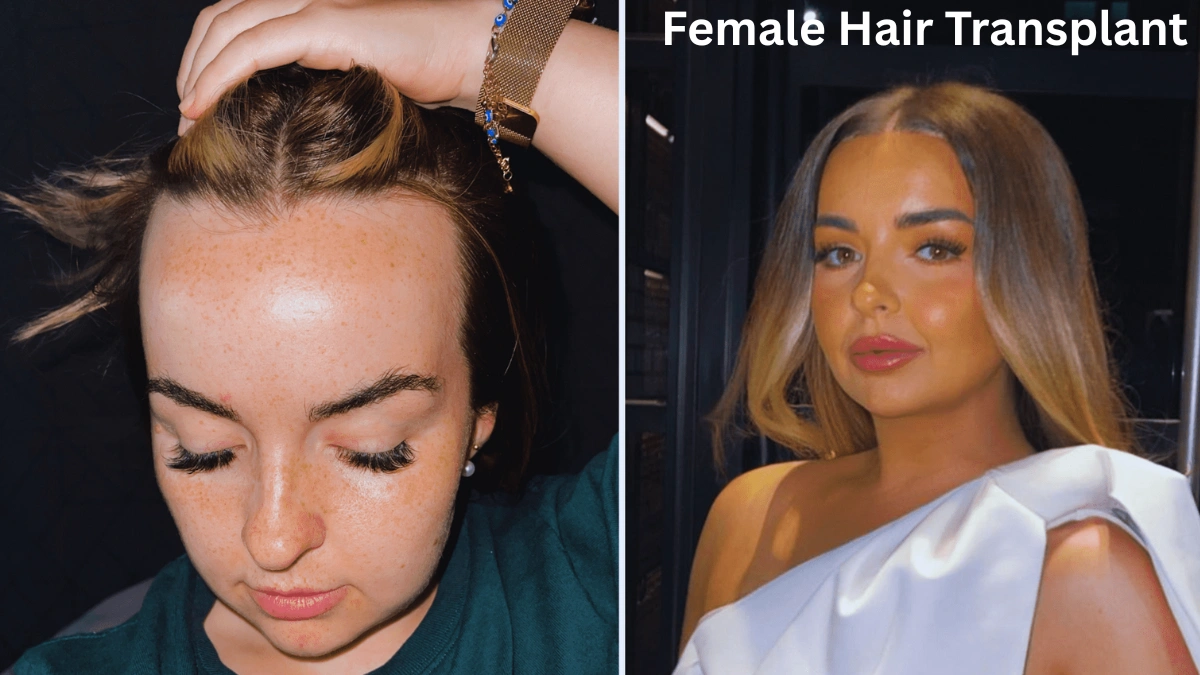
Female Hair Transplant: A Complete Guide for Women Experiencing Hair Loss
Discover the key benefits of female hair transplant for permanent, natural-looking hair restoration. Get expert, dermatologist-led treatment at Dr. Hanan Dermatology Speciality Clinic, Chennai.

Female Hair Transplant: Hair loss is not just a men’s concern. Millions of women experience thinning hair, widening part lines, receding hairlines, or bald patches due to hormonal changes, genetics, stress, or medical conditions. A female hair transplant is an advanced, dermatologist-approved solution designed specifically for women to restore hair density while maintaining a natural, feminine appearance.
Unlike male hair restoration, female hair transplant procedures require a highly customized approach, making expert evaluation and technique selection crucial for success.
Understanding Hair Loss in Women
Hair loss in women can be temporary or permanent, depending on the cause. Common reasons include:
Hormonal imbalance (PCOS, menopause, post-pregnancy)
Genetic predisposition (female pattern hair loss)
Chronic stress or illness
Thyroid disorders
Nutritional deficiencies
Traction from tight hairstyles or extensions
A proper diagnosis is essential before deciding on a hair transplant, as some types of hair loss respond better to medical treatment than surgery.
Common Female Hair Loss Patterns
Women experience hair loss differently from men. The most common patterns include:
Female Pattern Hair Loss (FPHL): Gradual thinning over the crown and part line
Diffuse Thinning: Overall reduction in hair density
Traction Alopecia: Hair loss caused by tight hairstyles
Alopecia Areata: Patchy hair loss due to autoimmune causes
Scarring Alopecia: Permanent hair loss from injury or inflammation
Each pattern requires a tailored treatment plan to achieve natural results.
What Is a Female Hair Transplant?
A female hair transplant involves relocating healthy hair follicles from a donor area (usually the back or sides of the scalp) to thinning or bald areas. The goal is to restore volume, improve density, and create a natural hairline that blends seamlessly with existing hair.
Common areas treated include:
Frontal hairline
Crown and mid-scalp
Widening part lines
Scarred areas
Eyebrows (in select cases)
Who Is an Ideal Candidate for Female Hair Transplant?
Women may be suitable candidates if they:
Have stable hair loss with visible thinning or bald areas
Possess a healthy donor area with sufficient hair density
Have realistic expectations about results
Have not responded adequately to medical treatments alone
Women with active hair shedding conditions may need medical management before considering surgery.
Hair Transplant Techniques for Women
FUE (Follicular Unit Extraction)
FUE is the most commonly recommended technique for women because it:
Leaves no linear scar
Is ideal for diffuse thinning
Allows flexible donor area selection
Provides natural-looking density
FUT (Strip Method)
FUT may be considered in select cases where a larger number of grafts are needed. However, it involves a linear scar and is less commonly preferred for women.
Donor Area Selection & Hairline Design
Successful female hair transplantation depends heavily on:
Careful donor area selection to prevent visible thinning
Precision graft extraction
Customized hairline and density planning
Matching hair direction, angle, and texture
Expert planning ensures the results look natural and feminine.
Step-by-Step Female Hair Transplant Procedure
Detailed consultation and scalp analysis
Local anesthesia for comfort
Graft extraction from donor area
Careful implantation into thinning regions
Procedure duration: typically 4–8 hours, depending on graft count
The procedure is safe, minimally invasive, and performed as a day-care treatment.
Recovery & Aftercare
Mild scabbing and redness for 7–10 days
Gentle hair washing as advised by the dermatologist
Return to work within a few days
Avoid strenuous exercise for 2–3 weeks
Following aftercare instructions is vital for optimal graft survival.
Hair Growth Timeline & Results
Temporary shedding (shock loss) may occur in the first few weeks
New hair growth begins around 3–4 months
Noticeable density improvement by 6–9 months
Final results visible in 9–12 months
Transplanted hair is generally permanent, provided underlying hair health is maintained.
Female hair transplant is considered safe when performed by experienced dermatologists. Possible mild side effects include:
Temporary swelling or redness
Shock loss
Minimal infection risk
These risks are significantly reduced in certified, medically supervised clinics.
Maintenance & Long-Term Hair Care
To protect existing hair and enhance results, doctors may recommend:
Topical treatments like Minoxidil
PRP (Platelet-Rich Plasma) therapy
Nutritional support and scalp care routines
Ongoing care helps maintain overall hair health and density.
Table of Contents
Hair Transplant Pain: What Should You Expect?
Hair transplant pain is minimal with modern techniques. Learn what to expect during and after the procedure at Dr. Hanan Clinic.

One of the most common worries among people considering hair transplantation is pain. Small incisions and hair follicles can be thought of being extracted or implanted. If you are thinking how painful a hair transplant is really, you are not alone. At Dr. Hanan Dermatology Specialty and Trichology Clinic, we asked this question in almost every consultation. In this blog, we will explain what you can really expect in terms of both hair transplant pain during and later, and why it is more manageable than most people think.
Is a Hair Transplant Painful?
Hair transplant procedures, particularly modern techniques like FUE (Follicular Unit Extraction) and FUT (Follicular Unit Transplantation), are minimally invasive and designed to ensure maximum comfort. Contrary to common fears, hair transplants are not painful, especially when performed by experienced dermatologists using advanced tools and anesthetics.
What Happens During the Procedure?
The process begins with local anesthesia so that both the donor and recipient of the scalp can be numb. Most patients described the injection of the anesthetic as a brief pinch or stinging sensation. Once the anesthesia becomes effective, the scalp becomes completely numb, and you do not feel any pain during the extraction or implantation process. More and more, patients report a mild sensation of pressure or movement, but nothing is sharp or uncomfortable.
During a FUE process, an individual follicle is extracted from the donor area using a small punch tool. Thanks to anesthesia, this process is painless. Similarly, when the graft is transplanted into thin or bald areas, the experience is free from pain. In a FUT procedure, where a strip of skin is removed from the back of the scalp, initial discomfort is still controlled with anesthesia, and the process of stitching is complete without you feeling anything.
How Painful Is the Recovery Period?
After the procedure, anesthesia gradually stops, and you may experience some mild soreness, tightness or feeling of pressure in treated areas. However, this discomfort is usually light and manageable. Most patients describe it as less intense than regular headaches. Over-the-counter or prescribed painkillers are usually sufficient to relieve any post-operative discomfort. At Dr. Hanan Clinic, we provide post-procedure care kits that include pain management medication, soothing spray and instructions that you heal comfortably.
What Does the Healing Process Feel Like?
The healing process is also relatively easy. In the first few days, you can see minor redness, nap, or itching in the transplant area. These symptoms are not painful, but may be a bit annoying. It is important not to scratch or disturb the region as it heals. Within a week to ten days, the most visible signs of the procedure fades, and the discomfort decreases significantly or disappears.
Does Everyone Experience the Same Level of Pain?
An important thing to understand about hair transplant pain is that it varies a bit from person to person. Some people have more pain limit, while others may be more sensitive. However, modern hair transplant techniques are carefully designed to prefer patient comfort. At our Clinic, we also offer additional comfort measures such as numbing sprays, cooling fans and even calming music or entertainment during long sessions.
What Do Patients Say About the Pain?
If you are still worried about the pain, it can help listen to those who have already undergone the process. Most of our patients are surprised by how smooth and comfortable the process is. In fact, many people say that they spend the process of watching movies, browsing their phones or even naps. It is far from the painful operation he had imagined.
Will the Pain Return After a Few Days?
Another common anxiety is the recovery phase. Patients often ask whether the scalp will hurt days or weeks after transplantation. The truth is, if you follow the proper aftercare instructions, the pain quickly fades and doesn’t come back. At Dr. Hanan Clinic, our dermatologists make sure that your scalp remains healthy and taken care of through scheduled follow -ups.
Final Verdict: Is Hair Transplant Pain Worth It?
In summary, if you are putting off a hair transplant because you are afraid of pain, know that today’s procedures are surprisingly gentle.
Thanks to Local anesthesia, advanced technology and specialist care, the pain levels involved are very low – often comparable to minor dental procedures. Brief, mild discomfort is a small price to pay for the long -term benefits of natural, permanent hair restoration.
Therefore, if you are searching online about hair transplant pain, then be sure that reality is far more comfortable than myths. Consult our experts at Dr. Hanan Dermatology Specialty and Trichology Clinic in Chennai to understand your options and experience an almost painless journey for fuller, thicker hair.
Book Your Consultation Today!
For Personalised Treatment visit Dr. Hanan Clinic. Feel confident and proud with our expert care.
Table of Contents
How to Stop Hair Loss: Treatments & Natural Remedies
In this guide, we look at the best ways to stop hair loss immediately with help from science and experts.

Can Stress Cause Hair Loss? Dermatologists Tips
Can stress cause hair loss? Learn what top dermatologists in Chennai say about the link between stress and hair fall, types, treatments, and recovery tips.

Why Seasonal Skin Care Matters in Chennai
Hair loss is a concern that affects millions globally, and one common but often overlooked cause is stress. In a city like Chennai, where fast-paced lifestyles, work pressure, and environmental changes are constant, stress-related hair fall is becoming increasingly common. At Dr. Hanan Dermatology Speciality and Trichology Clinic, our dermatologists frequently treat patients whose hair loss is directly or indirectly triggered by stress.
In this blog, we’ll explore the scientific link between stress and hair loss, the different types of hair fall caused by stress, symptoms to watch out for, and expert treatment options available in Chennai.
How Does Stress Cause Hair Loss?
Stress affects the body in multiple ways—and your scalp and hair follicles aren’t spared. When the body undergoes emotional or physical stress, it can disrupt the normal hair growth cycle. This disruption leads to excessive shedding, thinning, or even hair loss in patches.
Chronic stress can trigger hormonal imbalances, reduce blood flow to the scalp, and elevate levels of cortisol (the stress hormone), all of which negatively affect hair health. Inflammation caused by stress can also damage the hair follicles and slow down hair production.
Studies have shown that stress can impact the anagen (growth) phase of the hair cycle, causing more hairs to shift into the telogen (resting) phase prematurely. This leads to a noticeable increase in hair fall within a few months of the stressful event.
Types of Stress-Related Hair Loss
There are three main types of hair loss that are scientifically linked to stress:
Telogen Effluvium
This is the most common form of stress-induced hair loss. During Telogen Effluvium, a large number of hair follicles prematurely enter the resting phase (telogen), causing increased shedding.
Symptoms: Noticeable hair fall while combing, washing, or on your pillow.
Triggers: Sudden illness, high fever, emotional trauma, childbirth, or crash diets.
Recovery: Usually resolves in 3–6 months once the stressor is removed.
Alopecia Areata
This is an autoimmune condition where the immune system attacks hair follicles, often triggered by extreme stress.
Symptoms: Sudden hair loss in round patches, usually on the scalp. In some cases, it may affect eyebrows or beard.
Triggers: Emotional stress, family history, autoimmune disorders.
Treatment: Corticosteroids, immunotherapy, and stress management.
Trichotillomania
This is a psychological condition where a person feels the urge to pull out their hair due to anxiety or emotional distress.
Symptoms: Patchy hair loss, broken hairs, and thinning. Most common in adolescents and young adults.
Management: Behavioral therapy, psychological support, and dermatological care.
Expert-Backed Treatments in Chennai
At Dr. Hanan Dermatology Speciality and Trichology Clinic, we offer specialized diagnostics and treatment plans for stress-induced hair loss:
- PRP (Platelet-Rich Plasma) Therapy: Promotes growth by stimulating hair follicles and increasing scalp health.
- Minoxidil and Topical Serums: Helps prolong the growth phase of hair and reduce shedding.
- Hair Regrowth Supplements: Targets internal deficiencies caused by stress, including biotin, zinc, and vitamin D.
- Laser Therapy for Scalp: Improves blood circulation and strengthens follicles.
- Counseling and Stress Management Referrals: For cases linked with anxiety or depression, we refer you to our in-house mental health experts.
We believe in combining internal wellness with external treatment for holistic hair recovery.
How to Prevent Stress-Related Hair Loss
Practice Regular Relaxation Techniques: Yoga, meditation, and breathing exercises have been shown to lower cortisol levels.
Sleep Well: Aim for 7–8 hours of sleep every night to help the body repair and regenerate.
Maintain a Balanced Diet: Include foods rich in iron, protein, omega-3 fatty acids, and antioxidants.
Avoid Over-Styling and Harsh Products: Reduce the use of flat irons, harsh dyes, and chemical treatments.
Stay Hydrated: Water supports scalp health and nutrient delivery to follicles.
When to See a Dermatologist
If you’re experiencing sudden, excessive hair loss or patchy bald spots, don’t wait. The earlier the diagnosis, the more effective the treatment. At Dr. Hanan Clinic, we perform detailed scalp analysis, trichoscopy, and blood tests to identify the root cause.
Our dermatologists then customize a treatment plan to not only stop the hair loss but also encourage healthy regrowth.
When to See a Dermatologist
Stress-related hair loss is more common than most people realize, especially in a high-stress environment like Chennai. The good news? With expert guidance and timely treatment, most people can fully recover and enjoy healthy hair once again.
If you’re concerned about hair thinning or sudden shedding, visit Dr. Hanan Dermatology Speciality and Trichology Clinic. We’ll help you identify the cause, relieve your stress, and restore your confidence—one strand at a time.
Frequently asked Questions
Yes. In most cases, once the stressor is removed and the body returns to a balanced state, hair often begins to regrow. Treatments like PRP and topical solutions can accelerate this recovery. Learn more about PRP Treatment for Hair Loss in Chennai.
Depending on the type and severity, stress-related hair loss may last from 3–6 months. Recovery depends on early intervention and proper treatment. Find solutions through our Hair Regrowth Treatments in Chennai.
Sudden, diffuse hair shedding after a stressful event (like illness, surgery, or emotional trauma) is a strong indicator. A dermatologist can confirm this through scalp examination and history. Consider reading Hair Fall While Combing: Best Ways to Minimize It.
In most cases, stress-related hair loss is temporary. However, chronic stress or delayed treatment can worsen underlying conditions and prolong recovery. For further understanding, see Hair Transplant Pain: What Should You Expect?.
Book Your Consultation Today!
For Personalised Treatment visit Dr. Hanan Clinic. Feel confident and proud with our expert care.
Table of Contents
Scalp Health Before Hair Transplant: Why Preparation Matters
Healthy scalp before hair transplant ensures lasting results. At Dr. Hanan Clinic, Chennai, treating scalp issues boosts graft survival and growth.”

Hair transplantation has become one of the most effective and permanent solutions for baldness and thinning hair. However, what many patients don’t realize is that the success of a hair transplant depends heavily on the condition of the scalp before surgery. Preparing your scalp is not just a recommendation—it is a crucial step that influences graft survival, healing, and long-term results.
At Dr. Hanan Dermatology Speciality and Trichology Clinic, Chennai, we emphasize scalp health as the foundation for natural, lasting hair transplant outcomes. In this blog, our dermatologists explain why scalp preparation is important, what steps patients should take, and how to maximize transplant success.
Why Is Scalp Health Important Before a Hair Transplant?
Your scalp is the “soil” where transplanted hair grafts will grow. If the scalp is unhealthy—due to dandruff, infections, poor circulation, or inflammation—the newly transplanted follicles may not survive. A well-prepared scalp ensures:
- Stronger Graft Survival: Healthy scalp tissue provides proper blood supply and nutrients.
- Faster Healing: A clean, hydrated scalp recovers quicker with less post-surgical discomfort.
- Reduced Risk of Infection: Pre-treatment prevents scalp infections or folliculitis.
- Natural Results: A well-conditioned scalp ensures transplanted hair grows seamlessly with existing hair.
Patients often ask, “Does scalp condition really affect transplant success?” The answer is yes. Studies show that poor scalp health can lower graft survival rates by up to 20–30%.
Common Scalp Issues That Must Be Treated Before Transplant
Many patients in Chennai visit us with pre-existing scalp concerns. These must be addressed before the transplant procedure:
- Dandruff & Seborrheic Dermatitis – Flaky, itchy scalp increases inflammation.
- Scalp Infections – Bacterial or fungal infections can interfere with graft healing.
- Psoriasis & Eczema – Chronic skin conditions cause irritation and scarring.
- Oily & Congested Scalp – Excess sebum clogs pores and affects graft anchoring.
- Poor Circulation – Stress and lifestyle factors can reduce blood flow to hair follicles.
Our dermatologists treat these conditions in advance using medicated shampoos, antifungal therapies, and topical solutions before moving forward with surgery.
Steps to Prepare Your Scalp Before a Hair Transplant
Medical Consultation and Scalp Analysis
At Dr. Hanan Clinic, every patient undergoes trichoscopy and scalp analysis before planning surgery. This helps us identify dandruff, scalp infections, or poor skin barrier function. Based on the results, we customize a scalp preparation plan.
Use Dermatologist-Prescribed Shampoos
Patients are advised to use medicated shampoos containing:
- Ketoconazole (for dandruff and fungal issues)
- Zinc pyrithione (for oil control)
- Salicylic acid (for scalp exfoliation)
These shampoos reduce flakes, clean the pores, and create an ideal environment for transplant grafts.
Improve Blood Circulation
A healthy scalp requires good blood flow. We recommend:
- Scalp massage with dermatologist-approved oils to stimulate circulation.
- Low-Level Laser Therapy (LLLT) sessions for patients with poor scalp vascularity.
Lifestyle changes—regular exercise and stress management.
Avoid Smoking and Alcohol
Nicotine and alcohol reduce oxygen flow in the bloodstream, delaying wound healing. Patients must stop smoking and drinking at least 2 weeks before surgery to ensure better graft survival.
Treat Pre-Existing Conditions
If you have scalp psoriasis, eczema, or dermatitis, these must be treated first. At our clinic, we use topical steroids, anti-inflammatory serums, and oral medications when required. Transplantation is only scheduled once the scalp is stable
Maintain Scalp Hygiene
Simple hygiene measures matter:
- Wash hair regularly with mild shampoo.
- Avoid harsh styling products (gels, sprays).
- Do not scratch or pick at the scalp.
Nutrition for Scalp Health
Diet directly affects scalp condition. Patients are encouraged to include:
- Protein-rich foods (fish, eggs, legumes)
- Iron and zinc (green leafy vegetables, nuts)
- Omega-3 fatty acids (flaxseed, walnuts, salmon)
- Vitamin C and antioxidants (citrus fruits, berries)
Supplements may also be prescribed for patients with deficiencies.
Post-Preparation: What to Expect During Surgery
Once your scalp is ready, you’re fit for surgery. At Dr. Hanan Dermatology Speciality and Trichology Clinic, we use advanced methods like FUE (Follicular Unit Extraction) and FUT (Follicular Unit Transplantation). A healthy scalp allows:
- Faster healing of donor areas.
- Better anchoring of transplanted follicles.
- Reduced risk of complications.
Expert Advice from Dr. Hanan Clinic
Our dermatologists emphasize that a hair transplant isn’t just about surgery—it’s about preparation and aftercare. We guide patients at every step:
- Scalp health optimization before surgery.
- Customized aftercare plans.
Follow-up treatments like PRP therapy to boost graft survival.
For more insights, check out:
- Hair Transplant Aftercare Tips: Ensuring Long-Term Results
- Best Hair Transplant Clinic in Chennai
Final Thoughts
The success of your hair transplant doesn’t begin in the operation room—it begins weeks before, with proper scalp preparation. By treating dandruff, infections, and poor circulation in advance, you give your grafts the best possible chance to survive and thrive.
At Dr. Hanan Dermatology Speciality and Trichology Clinic, Chennai, our expert dermatologists ensure every patient is prepared, treated, and supported throughout the journey. Healthy scalp equals healthy results.
Book Your Consultation Today!
For Personalised Treatment visit Dr. Hanan Clinic. Feel confident and proud with our expert care.
Table of Contents
Benefits of Hair Transplant: Why It’s the Best Solution for Hair Loss
Learn the key benefits of hair transplant for permanent, natural hair growth. Get expert treatment at Dr. Hanan Dermatology Clinic!

Hair transplant is one of the most effective and permanent solutions for hair loss. Whether you are struggling with male or female pattern baldness or thinning of hair, a hair transplant can restore your confidence and natural hair growth. In this blog, we will find out the top benefits of hair transplantation and Why Dr. Hanan Dermatology Specialty and Trichology Clinic is the best option for this life-changing procedure.
Permanent and Natural Results
The biggest advantage of hair transplant is that it provides long -lasting and natural looking results. Unlike temporary solutions such as wig, hair fiber, or medication, hair transplantation uses your own hair follicle, which ensures a spontaneous mix with your existing hair. Transplanted hair naturally grows, making it impossible to differentiate from the rest of your hair.
Boosts Self-Confidence
Hair loss can lead to a toll on a person’s self -esteem and mental health. A successful hair transplant restores your hair and helps you regain confidence. Many patients experience a better quality of life and feel more comfortable in social and professional settings after the process.
Low Maintenance
Once transplanted hair starts growing, it does not require any special maintenance. You can wash your hair, style and cut as before. Unlike hair extensions or wigs, which require continuous adjustment and special care, a hair transplant is struggle free.
Cost-Effective in the Long Run
While a hair transplant may look expensive initially, this is a one -time investment. Unlike the treatment of hair loss, the cost of medication, PRP therapy, or hair growth products requires the ongoing cost, a hair transplant is permanent, which saves you in long periods.
Safe and Painless Procedure
With Advancement in medical technology, hair transplant is now a safe and minimum invasive process. Modern techniques such as FUE (follicular unit extraction) and FUT (follicular Unit Transplantation) ensure minimal pain and a comfortable experience with a quick recovery. The process is performed under local anesthesia, making it almost painless.
Minimal Downtime and Quick Recovery
A hair transplant requires minimal recovery time, allowing you to return to your daily activities within a few days. Most patients experience minor swelling or redness, which decreases within a week. The proper post-process ensures a smooth and rapid recovery after care.
No Risk of Allergic Reactions
Since a hair transplant uses your own hair follicle, there is no risk of allergic reactions or incompatibility. Unlike synthetic treatment or hair implants, which might cause side effects, a hair transplant is completely natural and biocompatible
Suitable for Both Men and Women
Hair transplantation is not only for men! Women suffering from hair Thinning, Receding hairlines, or bald patches can also benefit from this process. Transplant techniques are optimized based on the pattern of individual hair loss to ensure the best results for both male and female patients
Permanent Solution for Various Types of Hair Loss
Hair transplant processes are effective in treating various types of hair loss, including:
- Male and female pattern baldness (androgenetic alopecia)
2. Hair loss due to trauma (irritation, injury, or surgery scars)
3. Hair loss due to medical conditions such as traction alopecia
4. Restoring eyebrows, beards, and mustaches for those who are with patchy or absent facial hair
Performed by Expert Dermatologists at Dr. Hanan Dermatology Speciality & Trichology Clinic
If you are considering a hair transplant, it is important to choose the right clinic and experienced professionals. Dr. Hanan Dermatology Specialty and Trichology Clinic is a major hair transplant clinic in Chennai, known for it: of expert dermatologist and hair transplant specialist. Proven results with high success rates, Excellent patient care and post-transplant follow-up
Conclusion:
A hair transplant is a life -changing procedure that provides a permanent, natural and effective solution for hair loss. If you are looking for the best hair transplant clinic in Chennai, then Dr. Hanan Dermatology Specialty and Trichology Clinic.
💡 Book your consultation today and take the first step towards restoring your hair and confidence!
Ready for Permanent Hair Restoration?
Wondering if a hair transplant is permanent? Book a consultation with our specialists and get personalized guidance for long-lasting results!