
Hair Treatment for Women: A Complete Guide to Healthy, Luscious Locks
Hair Treatment for Women: Hair health plays a significant role in how we present ourselves, and for many women, achieving and maintaining beautiful hair is a top priority. However, hair issues such as thinning, dryness, and hair loss are common concerns. Fortunately, there are numerous treatments and techniques available to address these challenges. Whether you’re dealing with hormonal shifts, genetic factors, or simply seeking to boost the health of your hair, this guide will walk you through the most effective hair treatments for women.
Book Your Consultation Today
Visit Dr. Hanan Dermatology Specialty Clinic in Padur, OMR, Chennai. Schedule your consultation today and start your journey to fuller, healthier hair.
For more information and to book your appointment, visit our clinic or call us at the clinic’s contact details.

Common Causes of Hair Problems in Women
Understanding the root causes of hair problems is the first step in finding the right treatment. Several factors contribute to hair issues in women:
- Genetic Factors: Female-pattern hair loss, also known as androgenic alopecia, is a hereditary condition where hair gradually thins, typically around the crown or top of the head.
- Hormonal Changes: Pregnancy, menopause, and thyroid imbalances can cause significant changes in hair texture, growth, and shedding.
- Scalp Conditions: Eczema, psoriasis, and dandruff can lead to itching, irritation, and hair thinning.
- Nutritional Deficiencies: Lack of essential vitamins and minerals, including iron, biotin, and vitamin D, can weaken hair and lead to excessive shedding.
- Overuse of Hair Products: Frequent use of harsh chemicals, dyes, and heated styling tools can damage the hair shaft, leading to dryness and breakage.
- Stress: High stress levels can contribute to telogen effluvium, a condition where hair falls out in large amounts, often during periods of intense stress or after major life events.
Types of Hair Treatments for Women
Whether your hair concerns are caused by an internal issue or external factors, there is a range of treatments available to help restore your locks.
1. Medicated Treatments
- Minoxidil (Rogaine): One of the most popular treatments for hair regrowth, Minoxidil helps improve blood circulation to the scalp, stimulating hair follicles and promoting regrowth. Available over the counter, it’s suitable for both thinning and bald spots.
- Platelet-Rich Plasma (PRP) Therapy: In this procedure, your blood is drawn and processed to concentrate the platelets, which are then injected into the scalp to stimulate hair follicle regeneration. PRP therapy has shown promising results in improving hair thickness.
- Topical Corticosteroids: These are prescribed for scalp conditions such as eczema and psoriasis, reducing inflammation and helping to restore hair growth.
- Prescription Medications: Medications like finasteride (for post-menopausal women) can be prescribed for hormone-related hair loss, while others target autoimmune diseases affecting hair growth.
2. Natural/Herbal Treatments
- Essential Oils: Rosemary, lavender, and peppermint oils are popular for their ability to stimulate hair follicles and promote growth. Massaging these oils into the scalp may improve circulation and hair health.
- Aloe Vera: Aloe vera has soothing and moisturizing properties, which can calm irritated scalps and prevent hair breakage.
- Coconut Oil: Rich in fatty acids, coconut oil nourishes the hair, preventing dryness and damage while supporting overall hair strength.
- Castor Oil: Known for promoting hair growth, castor oil is rich in ricinoleic acid, which helps improve circulation to the scalp.
3. Hair Supplements
Hair supplements are designed to boost the health of your hair from the inside out:
- Biotin: A popular B-vitamin, biotin supports hair growth by strengthening the hair shaft and preventing breakage.
- Collagen: Helps maintain hair elasticity and improves overall scalp health.
- Iron and Zinc: These minerals prevent hair thinning and promote healthy hair growth, especially in women suffering from anemia.
4. Hair Masks and Deep Conditioning
- Hydrating Hair Masks: For dry or brittle hair, moisturizing hair masks can provide deep hydration and restore softness and shine.
- Protein Treatments: For weak, damaged hair, protein treatments help rebuild the hair structure and reduce breakage.
5. Scalp Treatments
- Scalp Exfoliation: Removing dead skin cells and product buildup from the scalp can improve hair health by promoting better follicle function.
- Scalp Massages: Regular scalp massages can enhance blood circulation to the hair follicles, stimulating growth and reducing hair loss.
Cosmetic Solutions for Hair Loss
For women who struggle with more noticeable hair loss or thinning, cosmetic options can provide an instant boost in confidence.
1. Hair Fibers
These small, colored fibers attach to existing hair and create the appearance of thicker, fuller hair. They are a quick, temporary solution for those needing coverage for thinning spots.
2. Wigs and Hairpieces
Modern wigs made from human hair or high-quality synthetic fibers offer an excellent solution for complete hair loss or extreme thinning. These come in various styles, colors, and lengths for a natural look.
3. Hair Extensions
Hair extensions can add length, volume, and fullness to thinning hair. They can be attached using clips, glue, or sew-ins, offering versatile solutions for various hair types.
4. Scalp Micropigmentation
This cosmetic procedure involves the application of tiny pigment dots to the scalp to mimic hair follicles. It’s ideal for women with extensive thinning at the front or crown of the head.
5. Thickening Sprays and Powders
Volumizing sprays and powders are an easy, on-the-go way to add fullness to your hair. These products coat individual strands of hair and create a thicker appearance.
Professional Hair Treatments
For severe hair loss or persistent issues, professional treatments may be necessary.
- Laser Therapy (Low-Level Light Therapy): This non-invasive procedure uses red light to stimulate hair growth by improving circulation and increasing cellular activity in hair follicles.
- Hair Transplant Surgery: In cases of significant hair loss, a hair transplant can be an option to restore natural hair by relocating hair follicles from a donor area to thinning spots.
- Consulting a Dermatologist: A professional dermatologist can diagnose underlying conditions and create a personalized treatment plan tailored to individual hair needs.
At-Home vs. Professional Hair Treatment
While at-home treatments offer convenience and cost-effectiveness, professional treatments are often more powerful and targeted for serious hair loss or scalp conditions. If your hair concerns persist despite at-home efforts, it’s a good idea to consult a professional for tailored guidance and treatment options.
Preventive Measures for Healthy Hair
The best approach to maintaining healthy hair is preventive care. Here are some tips to protect your hair:
- Proper Nutrition: Ensure your diet includes essential vitamins and minerals like biotin, iron, and omega-3 fatty acids.
- Avoid Excessive Heat Styling: Limit the use of flat irons, curling irons, and blow dryers to prevent heat damage.
- Regular Hair Trims: Trim your hair every few months to avoid split ends and keep it looking healthy.
- Protect from Sun Damage: Wear hats or use UV protection sprays to shield your hair from harmful sun exposure.
Conclusion
Hair treatment for women encompasses a wide range of options, from topical medications to natural remedies and cosmetic solutions. By understanding the underlying causes of hair loss and choosing the right treatments, women can regain fuller, healthier hair. Whether you opt for professional procedures or DIY treatments, it’s important to be consistent and patient, as healthy hair growth takes time. Embrace a holistic approach combining medical, cosmetic, and preventive care to achieve the best results for your hair.
FAQs
1. What causes hair loss in women?
Hair loss in women can be caused by various factors, including genetics (female-pattern hair loss), hormonal changes (pregnancy, menopause, thyroid issues), stress, nutritional deficiencies, scalp conditions (eczema, psoriasis), and overuse of hair products or heated styling tools.
2. Can hair loss in women be reversed?
In many cases, hair loss in women can be stabilized or reversed, especially when treated early. Medications like Minoxidil (Rogaine) or PRP therapy can promote regrowth. However, results depend on the cause and severity of hair loss.
3. What are the most effective treatments for thinning hair?
The most effective treatments for thinning hair include:
- Minoxidil (Rogaine): Stimulates hair regrowth.
- PRP therapy: Uses your blood’s platelets to promote follicle regeneration.
- Essential oils and natural remedies: Rosemary oil, aloe vera, and castor oil help nourish and stimulate the scalp.
- Hair supplements: Biotin, collagen, and iron can strengthen hair from the inside.
4. Are there any natural remedies for hair loss?
Yes, several natural remedies may help with hair loss, including:
- Essential oils (rosemary, lavender, and peppermint) for stimulating hair follicles.
- Aloe vera to soothe the scalp.
- Coconut oil for deep hydration.
- Castor oil for promoting hair growth. However, the effectiveness of these remedies varies and may work best in combination with other treatments.
5. How long does it take to see results from hair treatments?
Results from hair treatments vary depending on the type and severity of hair loss. For treatments like Minoxidil, visible results may take 2-4 months of consistent use. PRP therapy can show improvements within 3-6 months. Patience is key, as hair growth cycles take time.
6. Are there any side effects to using hair growth treatments?
Some treatments, such as Minoxidil, may cause mild side effects like scalp irritation, dryness, or itching. PRP therapy may cause temporary discomfort at the injection site. It’s important to consult a dermatologist or healthcare provider before starting any treatment to ensure it’s suitable for your condition.
7. What are the cosmetic options for covering hair loss?
Cosmetic solutions for covering hair loss include:
- Hair fibers to temporarily add volume.
- Wigs and hairpieces for complete coverage.
- Hair extensions to add length and fullness.
- Scalp micropigmentation to create the appearance of fuller hair.
8. Is it possible to prevent hair loss in women?
While some hair loss is genetic and inevitable, it’s possible to reduce the risk of excessive hair loss by maintaining a healthy diet, avoiding heat styling tools, limiting chemical treatments, and managing stress. Regular scalp care and gentle handling of hair also promote healthier hair growth.
9. When should I consult a dermatologist about hair loss?
If you’re experiencing significant hair thinning, bald patches, or if over-the-counter treatments aren’t effective, it’s time to consult a dermatologist. A professional can identify the cause of hair loss and recommend the most effective treatments tailored to your needs.
10. Can hair loss be linked to other health conditions?
Yes, hair loss can sometimes be a sign of underlying health issues such as thyroid disorders, autoimmune diseases (like lupus), or iron deficiency. If hair loss is sudden or accompanied by other symptoms, it’s important to seek medical advice to address any potential health concerns.
Hair Treatment and Shampoo for Women: Achieve Healthy, Radiant Hair
Hair Treatment and Shampoo for Women: Every woman dreams of having luscious, healthy hair that radiates confidence. However, pollution, stress, hormonal changes, and improper care can lead to common hair concerns like dryness, hair fall, and breakage. By understanding your hair’s unique needs and using the right treatments and shampoos, you can restore its natural beauty and vitality.
In this article, we’ll explore the best hair treatments, shampoos, and tips for women to achieve flawless hair health.
Book Your Consultation Today
Visit Dr. Hanan Dermatology Specialty Clinic in Padur, OMR, Chennai. Schedule your consultation today and start your journey to fuller, healthier hair.
For more information and to book your appointment, visit our clinic or call us at the clinic’s contact details.
Hair Treatment and Shampoo for Women
Understanding Your Hair Type and Its Needs
Choosing the right hair care products begins with identifying your hair type:
- Dry Hair: Lacks moisture and shine. Needs deep hydration from ingredients like argan oil, shea butter, and keratin.
- Oily Hair: Prone to greasiness. Balancing shampoos with tea tree oil or salicylic acid can help regulate oil production.
- Curly or Textured Hair: Requires intense hydration and frizz control. Look for Jamaican black castor oil or coconut oil.
- Thinning Hair: Needs volumizing and strengthening ingredients like biotin or caffeine to boost density.
- Color-Treated Hair: Must be protected with sulfate-free, color-safe shampoos to retain vibrancy and prevent damage.
Top Hair Treatments for Women
- Hair Oils for Deep Nourishment
- Coconut Oil: Penetrates deeply to repair damaged strands.
- Castor Oil: Promotes hair growth and adds thickness.
- Argan Oil: Protects against heat damage while enhancing shine.
- Scalp Treatments for Healthy Roots
- Exfoliating Scrubs: Remove product buildup and improve scalp health.
- Niacinamide Serums: Hydrate the scalp and support strong hair growth.
- Hair Masks for Intense Repair
- Look for masks with keratin, collagen, or proteins to strengthen and restore damaged hair. Use once or twice weekly.
- Dandruff and Hair Loss Solutions
- Shampoos with ketoconazole, selenium sulfide, or zinc pyrithione can treat dandruff effectively. For hair loss, consider minoxidil-based products.
Must-Have Ingredients for Hair Growth and Health
When choosing Hair Treatment and Shampoo for Women and treatments, prioritize these hair-friendly ingredients:
- Biotin: Strengthens hair and promotes thicker strands.
- Keratin: Repairs and smoothens damaged cuticles.
- Collagen: Improves elasticity and reduces breakage.
- Tea Tree Oil: Fights dandruff and soothes itchy scalps.
- Aloe Vera: Moisturizes hair and keeps the scalp healthy.
Best Shampoos for Women in 2025
- For Hair Growth:
- Vegamour GRO+ Advanced Shampoo: Clinically proven to reduce hair fall and promote density.
- Budget-Friendly Option:
- Garnier Fructis Grow Strong Shampoo: Strengthens hair and reduces breakage at an affordable price.
- For Thinning Hair:
- DS Laboratories Revita CBD Shampoo: A high-quality product that boosts volume and reduces shedding.
- For Curly Hair:
- Luseta Jamaican Black Castor Oil Shampoo: Nourishes and defines curls.
- For Natural Care:
- Kitsch Rice Water Shampoo Bar: A sustainable, eco-friendly option for frizzy and dry hair.
How to Maintain Healthy Hair: Expert Tips
- Wash Your Hair Properly: Avoid overwashing, which can strip natural oils. Always rinse thoroughly to prevent residue buildup.
- Protect Against Heat: Use a heat protectant before styling to prevent damage.
- Eat a Balanced Diet: Nutrients like biotin, vitamin E, and omega-3 fatty acids play a key role in hair health.
- Choose the Right Products: Avoid shampoos with sulfates, parabens, and silicones to reduce long-term damage.
- Trim Regularly: Prevent split ends and promote healthy growth with routine trims.
When to Seek Professional Help
If you experience persistent hair loss, severe dandruff, or scalp irritation, it’s best to consult a dermatologist. They can recommend targeted treatments, such as prescription shampoos, scalp therapies, or PRP (Platelet-Rich Plasma) therapy for hair regeneration.
Conclusion: The Secret to Beautiful Hair
Achieving healthy, radiant hair doesn’t have to be complicated. By identifying your hair type, using the right shampoos and treatments, and maintaining a consistent care routine, you can enjoy strong, shiny, and voluminous hair all year long.
Invest in high-quality products and give your hair the care it deserves. Your hair is your crown—let it shine!
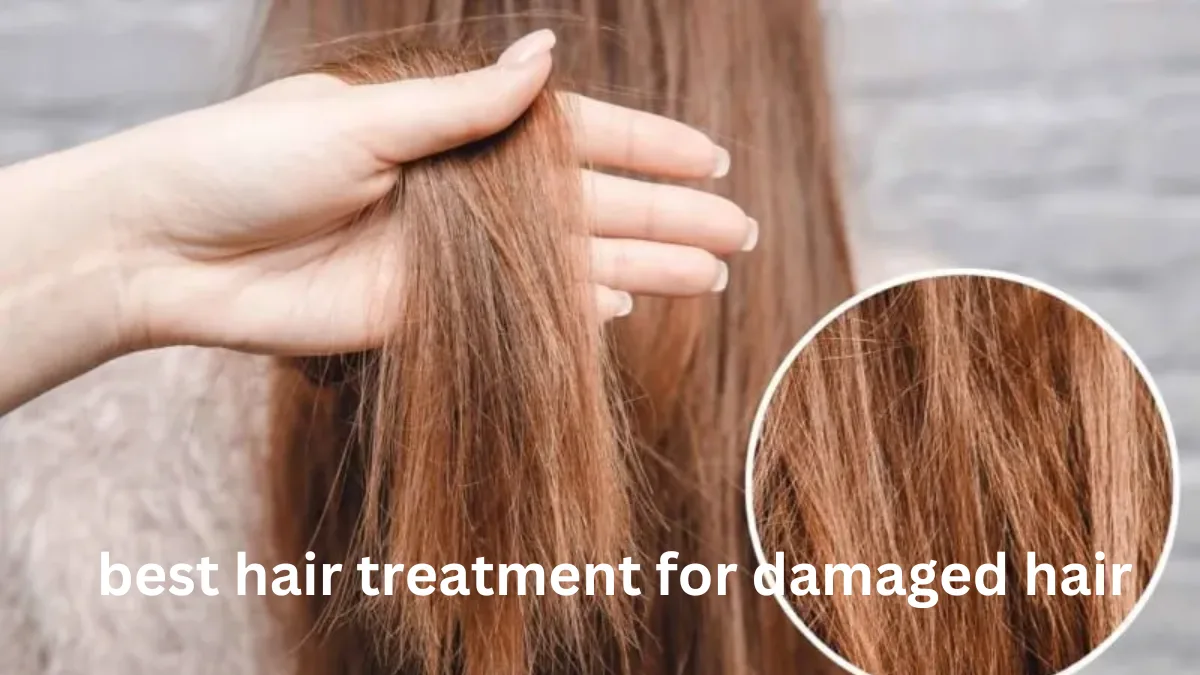
Best Hair Treatment for Damaged Hair: Restore Your Hair’s Health
Best Hair Treatment for Damaged Hair: Hair damage is a common problem that can leave your locks looking dull, brittle, and lifeless. Whether it’s caused by over-styling, chemical treatments, or environmental factors, repairing damaged hair is essential for restoring its strength and shine. This article will guide you through the best hair treatments for damaged hair, from deep conditioning to professional salon treatments.
Book Your Consultation Today
Visit Dr. Hanan Dermatology Specialty Clinic in Padur, OMR, Chennai. Schedule your consultation today and start your journey to fuller, healthier hair.

For more information and to book your appointment, visit our clinic or call us at the clinic’s contact details.
Understanding Hair Damage
Hair damage can manifest in various forms, and it’s important to understand its causes to treat it effectively. There are three main types of hair damage:
- Physical Damage: Caused by excessive brushing, towel-drying, and using hair tools like straighteners or curling irons.
- Chemical Damage: Resulting from coloring, bleaching, or perming your hair.
- Environmental Damage: Exposure to harsh weather conditions like sun, wind, and pollution.
Symptoms of damaged hair include dryness, split ends, frizz, breakage, and thinning. Treating your hair properly can prevent further damage and restore its health.
Best Hair Treatments for Damaged Hair
Deep Conditioning Treatments
One of the most effective ways to repair damaged hair is through deep conditioning. Deep conditioners are formulated to penetrate the hair shaft and provide essential moisture and nutrients. Look for products with ingredients like shea butter, avocado oil, and keratin, which help restore hair’s strength and elasticity. Using a deep conditioner once a week can significantly improve the texture of your hair.
Keratin Treatments
Keratin treatments are a popular solution for damaged hair. Keratin is a protein naturally found in your hair, and replenishing it can help rebuild hair structure. Keratin treatments smooth frizz, repair damage, and add shine. However, while keratin treatments are effective, they can also leave your hair feeling a bit flat, so it’s important to choose a product that suits your hair type.
Hair Oils
Hair oils are excellent for nourishing and moisturizing dry, damaged hair. Argan oil, coconut oil, and olive oil are all rich in vitamins and essential fatty acids, making them great choices for repairing damage. Simply massage a few drops into your scalp and hair, and leave it on for at least 30 minutes before washing your hair. This will help seal in moisture and improve the overall health of your hair.
Hair Masks
Hair masks can be either store-bought or DIY. Store-bought masks are usually packed with vitamins, oils, and proteins that help revitalize damaged hair. For a more natural approach, you can create your own hair mask using ingredients like honey, yogurt, and avocado. Apply the mask to your hair and leave it on for 20-30 minutes to let it work its magic.
Protein Treatments
Protein treatments are essential for strengthening damaged hair. When your hair is damaged, it often lacks protein, which can make it weaker and more prone to breakage. Protein treatments help to rebuild and strengthen the hair shaft, restoring your hair’s structure. Use a protein treatment once a month to maintain your hair’s strength and prevent further damage.
Heat Protection Treatments
If you can’t avoid using heat styling tools like blow dryers, flat irons, and curling irons, it’s essential to use heat protectants. Heat protectants create a barrier between your hair and the heat, minimizing the damage caused by high temperatures. Look for products with silicones or natural oils that provide heat protection and keep your hair looking smooth and shiny.
Professional Treatments for Damaged Hair
Hair Salon Treatments
Professional salon treatments like Olaplex and Brazilian Blowouts are highly effective at repairing damaged hair. These treatments work by restoring the hair’s internal structure and bonding the broken disulfide bonds. Although these treatments can be expensive, they provide long-lasting results and are ideal for severely damaged hair.
Hair Reconstruction Services
In cases of extreme damage, hair reconstruction services may be necessary. These services help to rebuild the hair’s strength and texture by using advanced techniques to repair split ends, prevent breakage, and restore volume.
Home Remedies for Damaged Hair
For a more natural approach to hair repair, you can use several home remedies to treat damaged hair. Some of the most effective DIY treatments include:
- Coconut Oil Treatment: Apply coconut oil to your hair and leave it on overnight for intense hydration.
- Honey and Olive Oil Mask: Mix honey and olive oil for a moisturizing mask that helps seal split ends.
- Aloe Vera Treatment: Aloe vera helps soothe the scalp and restore moisture to dry, brittle hair.
Prevention Tips for Hair Damage
Preventing further damage is key to maintaining healthy hair. Here are some helpful tips to protect your hair:
- Avoid Over-Washing: Washing your hair too frequently can strip it of natural oils. Wash your hair 2-3 times a week.
- Limit Heat Styling: Reduce the use of heat styling tools, or use them on the lowest heat setting.
- Use a Wide-Tooth Comb: Instead of brushing wet hair, use a wide-tooth comb to prevent breakage.
- Protect Your Hair from Sun and Pollution: Wear a hat or use UV-protectant hair products to shield your hair from harmful environmental factors.
When to Seek Professional Help
If your hair damage is severe or if home treatments aren’t working, it’s time to consult a professional. A dermatologist or hair specialist can help determine the cause of the damage and recommend personalized treatment plans.
FAQs
1. What causes hair damage?
Hair damage can be caused by excessive heat styling, chemical treatments (like coloring and perming), environmental factors (like sun exposure), and poor hair care habits (such as over-washing or using harsh products).
2. How can I repair my damaged hair?
Repairing damaged hair typically involves using nourishing treatments such as deep conditioning masks, oils, and protein-rich products to restore moisture, strengthen strands, and improve elasticity. Regular trims are also essential to remove split ends.
3. What is a keratin treatment?
A keratin treatment is a salon procedure that helps smooth and strengthen hair by infusing it with keratin, a natural protein. It can help reduce frizz, improve shine, and make hair more manageable.
4. How often should I use a deep conditioning treatment?
For severely damaged hair, it’s recommended to use a deep conditioning treatment at least once a week. For mild damage, you can use it bi-weekly or monthly, depending on your hair’s needs.
5. Can home remedies help damaged hair?
Yes, certain home remedies like coconut oil, honey, aloe vera, and avocado masks can provide moisture and nourishment to damaged hair. However, for significant damage, professional treatments may be more effective.
6. Is there a treatment for heat-damaged hair?
Yes, using protein treatments, repairing serums, and moisturizing conditioners can help restore heat-damaged hair. Avoiding heat styling tools while your hair recovers is crucial.
7. Can damaged hair grow back healthy?
While you can’t reverse damage to existing hair, you can improve its condition with proper treatments and a healthy hair care routine. New hair growth can be healthy if you nourish your scalp and hair follicles.
8. Are salon treatments worth the investment?
Salon treatments like Olaplex or keratin treatments can significantly improve the health and appearance of damaged hair. If you have severe damage, professional treatments can provide more noticeable results than at-home products.
9. What products should I avoid for damaged hair?
Avoid harsh shampoos, products with sulfates, and those with alcohol, as these can further strip moisture from damaged hair. Opt for gentle, hydrating, and strengthening products instead.
10. How long does it take to repair damaged hair?
The time it takes to repair damaged hair depends on the extent of the damage and your hair care routine. With consistent treatments, improvements may be visible within a few weeks to a couple of months.
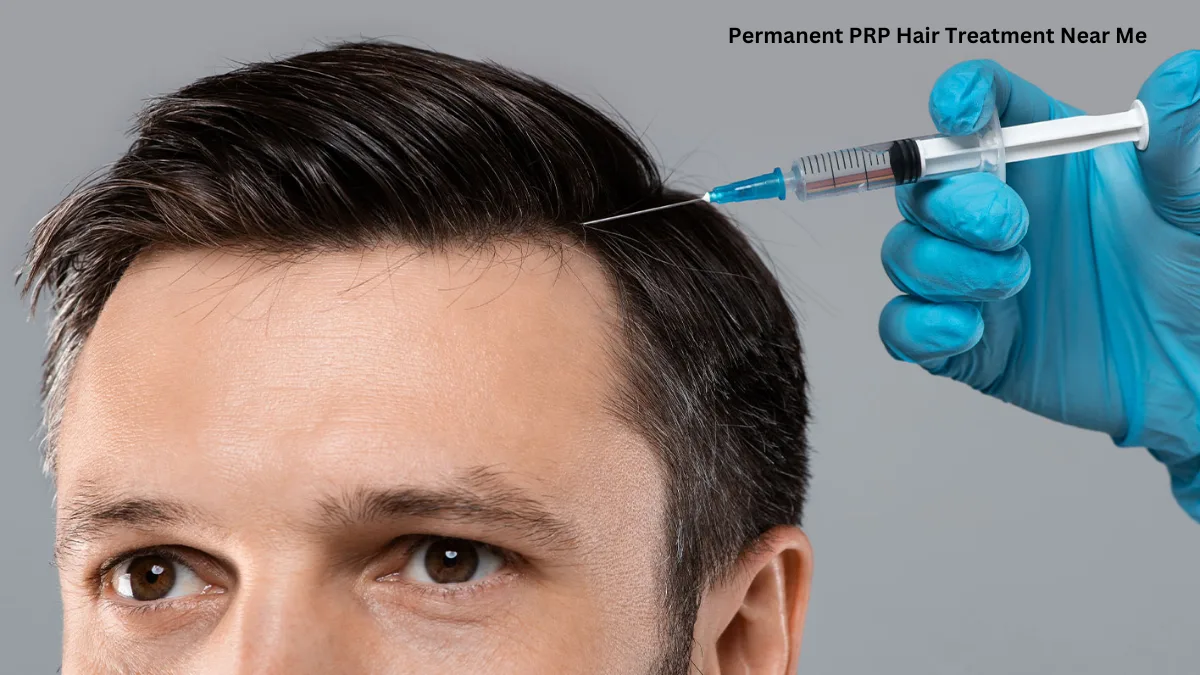
Permanent PRP Hair Treatment Near Me: A Complete Guide
Hair loss can be distressing, leading many individuals to seek effective and long-lasting treatments. One of the most popular and promising solutions today is PRP (Platelet-Rich Plasma) hair treatment. If you are searching for a “permanent PRP hair treatment near me,” this guide will help you understand what PRP is, its effectiveness, cost, and how to find the best clinic for your needs.
Book Your Consultation Today
Visit Dr. Hanan Dermatology Specialty Clinic in Padur, OMR, Chennai. Schedule your consultation today and start your journey to fuller, healthier hair.

For more information and to book your appointment, visit our clinic or call us at the clinic’s contact details.
What is PRP Hair Treatment?
PRP hair treatment is a non-surgical procedure that uses a patient’s own blood to stimulate hair growth. The process involves drawing a small amount of blood, separating the platelets using a centrifuge, and injecting the concentrated plasma into the scalp. Platelets contain growth factors that promote hair follicle regeneration, improve blood circulation, and strengthen hair shafts.
Benefits of PRP Hair Treatment:
- Stimulates natural hair growth
- Increases hair density and thickness
- Non-invasive with minimal downtime
- Safe and natural, as it uses the patient’s own blood
- Suitable for both men and women experiencing hair thinning
Is PRP Hair Treatment Permanent?
One of the most common questions is whether PRP treatment provides permanent results. While PRP significantly improves hair growth and density, it is not a one-time solution. The longevity of the results depends on individual factors, including age, the severity of hair loss, and overall scalp health.
Factors Influencing PRP Treatment Longevity:
- The number of initial sessions (usually 3-4 sessions over several months)
- Maintenance treatments (recommended every 6-12 months)
- Lifestyle factors like diet, stress levels, and hair care routine
- The underlying cause of hair loss (genetic, hormonal, or medical conditions)
Who is an Ideal Candidate for PRP Hair Treatment?
PRP therapy is ideal for individuals experiencing early-stage hair thinning and hair loss. It is effective for:
- Men and women with androgenetic alopecia (pattern baldness)
- Those experiencing hair thinning due to stress or hormonal imbalances
- Individuals looking for a non-surgical hair restoration method
- Patients who want to enhance the results of a hair transplant
Finding the Best Permanent PRP Hair Treatment Near You
Choosing the right clinic is crucial to ensure safe and effective results. Here’s how to find the best PRP hair treatment provider near you:
1. Check Clinic Reputation:
Look for clinics with experienced dermatologists or hair restoration specialists. Read online reviews and testimonials to gauge customer satisfaction.
2. Verify Doctor’s Credentials:
Ensure the doctor performing the treatment is certified and has experience in PRP therapy.
3. Ask About the Procedure:
A good clinic will offer a consultation to discuss the process, expected results, and maintenance plans.
4. Compare Costs and Packages:
Different clinics may offer varying prices. Look for a balance between affordability and quality of service.
What to Expect from PRP Hair Treatment?
Step-by-Step Process:
- Blood Draw: A small amount of blood is taken from the patient.
- Centrifugation: The blood is processed to isolate platelet-rich plasma.
- Injection: The PRP is injected into targeted areas of the scalp.
- Recovery: Minimal downtime, with mild redness or tenderness lasting a day or two.
When Will You See Results?
- First 3 Months: Reduction in hair shedding
- 4-6 Months: Visible hair regrowth and increased thickness
- 12 Months: Full effects of the treatment, with noticeable hair density improvement
Cost of Permanent PRP Hair Treatment
The cost of PRP treatment varies based on location, clinic expertise, and the number of sessions required. On average:
- Single session: $500 – $1,500
- Full treatment package (3-4 sessions): $1,500 – $4,000
- Maintenance sessions: $400 – $800 per session
Insurance usually does not cover PRP for hair loss as it is considered a cosmetic procedure.
Potential Risks and Side Effects
PRP hair treatment is generally safe, but minor side effects may occur, such as:
- Mild pain or redness at the injection site
- Temporary swelling or bruising
- Rare risk of infection if performed by an inexperienced practitioner
To minimize risks, always choose a certified and experienced provider.
Success Stories and Real Patient Testimonials
Many patients have experienced significant hair growth and improved hair thickness after PRP treatment. Before-and-after pictures from reputable clinics can provide insight into the potential results.
FAQs About Permanent PRP Hair Treatment Near Me
1. How Many PRP Sessions Are Needed for Long-Term Results?
Most individuals require 3-4 initial sessions, followed by maintenance treatments every 6-12 months.
2. Can PRP Completely Stop Hair Loss?
PRP can slow hair loss and promote regrowth, but it may not completely stop hair loss caused by genetic factors.
3. How Soon Can Results Be Seen?
Noticeable improvements usually appear within 3-6 months.