Female Baldness Treatment in Chennai: Price, Options & Expert Care
Discover the key benefits of female baldness treatment in Chennai for healthy, natural-looking hair restoration. Get expert, dermatologist-led care at Dr. Hanan Dermatology Speciality Clinic.

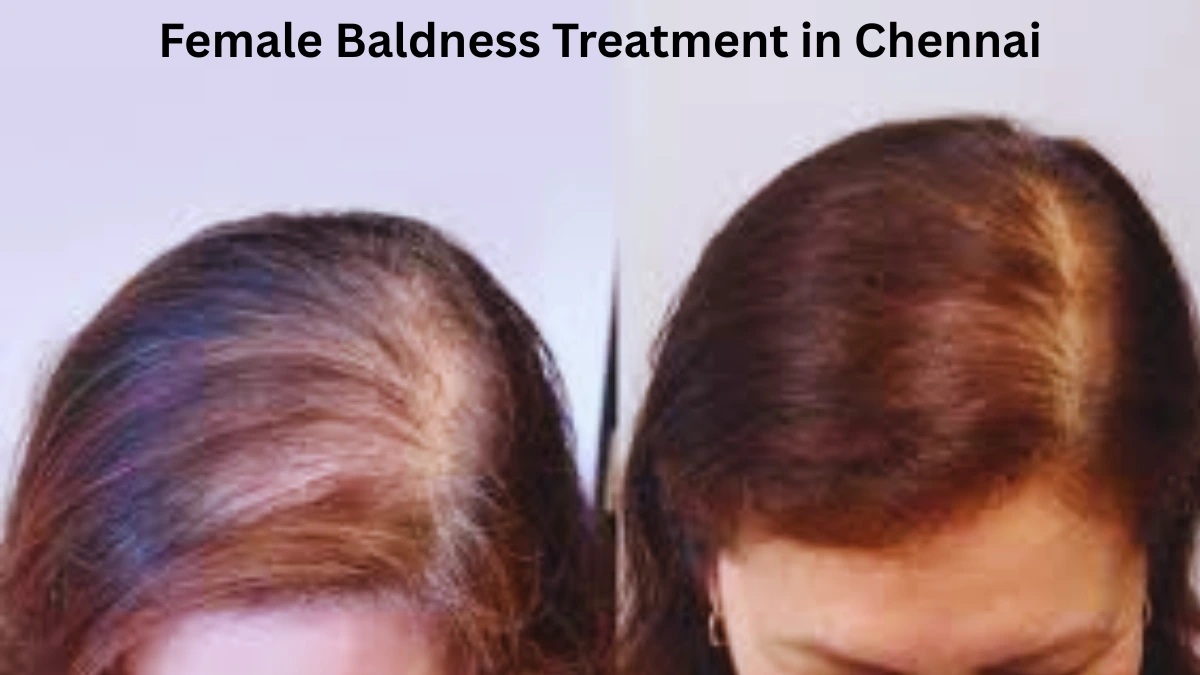
Female Baldness Treatment in Chennai: Female hair loss is more common than many realize and can deeply affect confidence and emotional well-being. The good news is that advanced female baldness treatments in Chennai now offer safe, effective, and affordable solutions tailored to different stages of hair loss. At Dr. Hanan Dermatology Speciality Clinic, women receive dermatologist-led, customized hair restoration treatments using FDA-approved technologies.
This guide explains female baldness treatment prices in Chennai, available options, factors affecting cost, and how to choose the right treatment.
What Is Female Baldness?
Female baldness, medically known as female pattern hair loss (FPHL) or alopecia, is characterized by:
Diffuse thinning over the crown
Widening of the hair part
Reduced hair density rather than complete bald patches
Common causes include:
Hormonal imbalance (PCOS, menopause)
Genetics
Nutritional deficiencies
Stress and lifestyle factors
Medical conditions or post-pregnancy hair fall
Early diagnosis by a qualified dermatologist is key to effective treatment.
Female Baldness Treatment Options in Chennai
At Dr. Hanan Dermatology Speciality Clinic, treatment plans are personalized based on hair loss severity, scalp health, and medical history.
1. PRP Therapy (Platelet-Rich Plasma)
PRP uses growth factors from your own blood to stimulate hair follicles.
Best for: Early to moderate hair thinning
Sessions: 4–6
Results: Reduced hair fall, improved density
2. GFC Therapy (Growth Factor Concentrate)
An advanced version of PRP with higher growth factor concentration.
Best for: Hormonal and chronic hair loss
Sessions: 4–6
Results: Faster regrowth and stronger hair shafts
3. Laser Hair Therapy
Low-level laser therapy improves blood circulation and follicle activity.
Best for: Maintenance and early-stage hair loss
Results: Supports regrowth when combined with PRP/GFC
4. Microneedling for Hair
Creates micro-channels in the scalp to boost absorption of growth serums.
Best for: Enhancing topical treatment results
Results: Improved scalp health and follicle activation
5. Topical & Medical Treatments
Includes dermatologist-prescribed solutions like Minoxidil and supplements.
Best for: Mild hair fall and prevention
Results: Slows hair loss and maintains existing hair
6. Hair Transplant (FUE Method)
A permanent solution for advanced female baldness.
Best for: Severe hair thinning or bald areas
Results: Natural, long-lasting hair restoration
Female Baldness Treatment Price in Chennai
Here is a clear price guide based on typical Chennai clinics:
| Treatment Type | Price Range |
|---|---|
| PRP Therapy | ₹4,000 – ₹8,000 per session |
| GFC Therapy | ₹5,000 – ₹15,000 per session |
| Laser Therapy | ₹3,000 – ₹5,000 |
| Microneedling | ₹4,000 – ₹6,000 |
| Topical Solutions | ₹2,000 – ₹5,000 per month |
| Hair Transplant (FUE) | ₹30,000 – ₹90,000+ |
Factors That Influence Female Baldness Treatment Cost
Several elements determine the final treatment price:
Severity & Cause of Hair Loss – Advanced cases cost more
Number of Sessions Needed – Package plans are more economical
Clinic Expertise – Dermatologist-led clinics ensure safer outcomes
Technology Used – FDA-approved kits and advanced devices may increase cost
Combination Treatments – PRP + GFC or Laser therapy improves results
Why Choose Dr. Hanan Dermatology Speciality Clinic?
Dr. Hanan Clinic stands out as a trusted female hair loss treatment clinic in Chennai due to:
Dermatologist-led diagnosis & treatment
FDA-approved PRP & GFC kits
Personalized treatment plans for women
Affordable pricing & value packages
Advanced hair transplant techniques (FUE)
High standards of hygiene & safety
Expert Recommendation
For best results:
Start treatment early
Avoid self-medication
Choose clinics with certified dermatologists
Opt for combination therapies if recommended
Follow post-treatment care strictly
An in-person consultation helps determine the exact treatment cost and expected results.
FAQs
1. What is the average cost of female baldness treatment in Chennai?
The cost varies depending on treatment type: PRP (₹4,000–₹8,000/session), GFC (₹5,000–₹15,000/session), Laser Therapy (₹3,000–₹5,000), Microneedling (₹4,000–₹6,000), Topical Solutions (₹2,000–₹5,000/month), and Hair Transplant (₹30,000–₹90,000+).
2. How many sessions are usually required?
Non-surgical treatments like PRP or GFC typically require 4–6 sessions for visible results. Packages may offer cost savings.
3. Is hair transplant necessary for all cases of female baldness?
No. Mild to moderate hair thinning can often be managed with PRP, GFC, or topical treatments. Hair transplant is recommended for severe bald areas or advanced hair loss.
4. Are the results of treatment permanent?
Transplanted hair is permanent. Non-surgical treatments like PRP, GFC, or medications support existing hair and slow hair loss, but ongoing maintenance may be needed.
5. Does Dr. Hanan Dermatology Speciality Clinic offer packages or financing?
Yes. The clinic provides inclusive packages and flexible payment options to make treatment affordable.
6. How do I choose the right treatment?
A dermatologist will assess your scalp, hair loss pattern, and health to recommend a personalized plan, combining non-surgical or surgical treatments as needed.
7. Are the treatments safe for women?
Yes. All procedures at Dr. Hanan Clinic are performed by qualified dermatologists using FDA-approved kits and safe techniques.
Ready for Permanent Hair Restoration?
Table of Contents
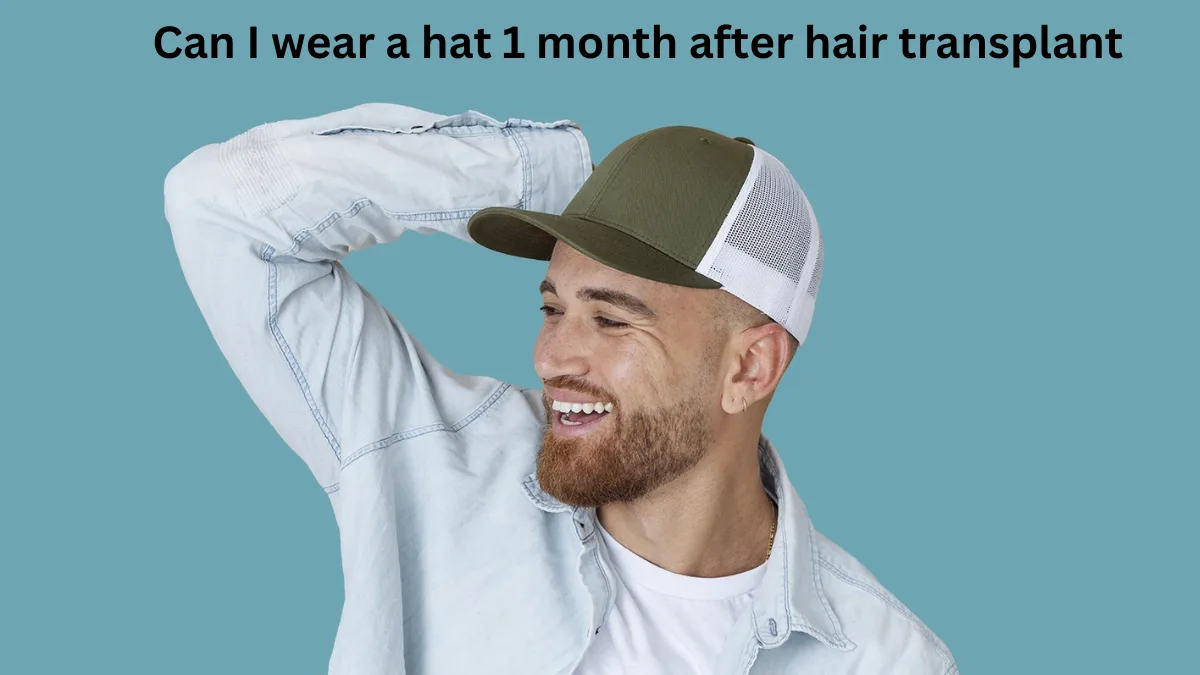
Can I Wear a Hat 1 Month After Hair Transplant?
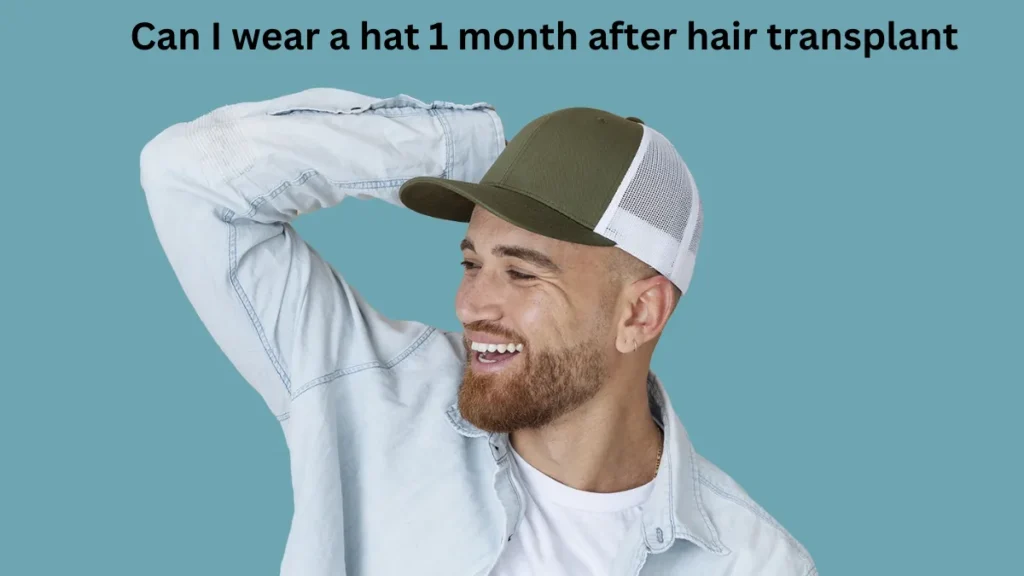
Can I Wear a Hat 1 Month After Hair Transplant: Hair transplants are a life-changing procedure for many individuals seeking to restore their hairline and confidence. However, the post-surgery period can raise a lot of questions. One common concern is whether it’s safe to wear a hat one month after a hair transplant. Let’s explore this topic in detail and provide the necessary information to ensure you’re taking care of your scalp while sporting a hat.
Book Your Consultation Today
Visit Dr. Hanan Dermatology Specialty Clinic in Padur, OMR, Chennai. Schedule your consultation today and start your journey to fuller, healthier hair.
For more information and to book your appointment, visit our clinic or call us at the clinic’s contact details.
Understanding Hair Transplants
A hair transplant is a procedure in which hair follicles are transferred from a donor area (usually the back of the head) to a thinning or balding area. It is typically done in two main stages: follicular unit extraction (FUE) or follicular unit transplantation (FUT). The recovery process involves careful attention to prevent graft dislodgement and infection during the early healing phase.
In the first month following your hair transplant, your scalp goes through significant healing. While most of the transplanted follicles are still “settling” into place, by the end of the first month, they are typically secure enough to withstand normal activities, including wearing a hat.
When is it Safe to Wear a Hat After a Hair Transplant?
While it’s generally recommended to avoid wearing a hat in the first few weeks, after one month, you can start wearing one again—provided certain precautions are taken.
Typically, hair grafts are stable enough to withstand the pressure of a hat at the one-month mark. However, always consult your surgeon for personalized advice. The grafts will have adhered to the scalp by then, reducing the risk of them being dislodged. It’s important to follow your doctor’s post-surgery instructions, as each case might differ based on your unique healing process.
Choosing the Right Hat
Not all hats are created equal, and when it comes to post-transplant care, choosing the right type of hat is crucial to prevent irritation and promote healing. Here are some hat selection tips:
- Opt for a Loose, Breathable Hat: Choose hats that aren’t too tight around the scalp. A hat that fits loosely will prevent any unnecessary pressure on the grafts, which could interfere with the healing process.
- Soft, Non-Irritating Materials: Go for soft hats made of natural materials such as cotton. These fabrics are gentle on the skin and less likely to cause friction that could irritate the scalp or disrupt the transplanted hair.
- Avoid Tight or Restrictive Hats: Avoid wearing hats that are too tight or made of materials that don’t allow your scalp to breathe. Tight hats can lead to irritation, and pressure on the grafts can cause discomfort or affect their growth.
Scalp Care While Wearing a Hat
Wearing a hat while recovering from a hair transplant requires extra attention to hygiene and scalp care. Here are some important scalp care tips:
- Hygiene: Make sure to keep your hat clean. Dirty hats can harbor bacteria, which increases the risk of infection. Wash your hat regularly to ensure it stays fresh.
- Avoid Excessive Friction: When wearing a hat, try to avoid rubbing the scalp too much. Friction from the hat can damage the delicate healing tissue and grafts.
- Sun Protection: If you plan on going outdoors, protect your scalp from sun exposure. While wearing a hat can shield your scalp from the sun, it’s still important to use sunscreen or wear a hat with a broad brim to avoid any UV damage to the healing scalp.
Signs to Watch for
It’s essential to be cautious and watch for signs of irritation, infection, or other complications. Here’s when you should avoid wearing a hat:
- Signs of Infection or Irritation: If you notice redness, swelling, or irritation, remove the hat immediately and consult your surgeon. Wearing a hat on an inflamed or irritated scalp could exacerbate the condition.
- Scalp Sensitivity: If your scalp is still sensitive or painful at the one-month mark, it might be better to wait a little longer before wearing a hat regularly.
Other Post-Transplant Tips
In addition to wearing a hat, here are a few other post-transplant tips to ensure a successful recovery:
- Avoid Strenuous Physical Activity: After your hair transplant, avoid any heavy exercise or strenuous activities that could cause excessive sweating or strain on the scalp until your surgeon clears you.
- Proper Shampooing: Continue using a mild shampoo to wash your scalp gently, avoiding harsh products that could irritate the transplanted area.
- Patience is Key: Hair transplants take time to fully show results. Be patient and allow your hair to grow naturally without expecting instant results.
Conclusion
Can I Wear a Hat 1 Month After Hair Transplant and Wearing a hat one month after a hair transplant is generally safe, but it’s essential to follow some key guidelines. Choose loose, breathable hats, avoid tight-fitting ones, and maintain proper scalp hygiene. Watch for signs of infection or irritation, and consult your surgeon if you have concerns. The healing process can be slow, but with patience and care, you’ll soon be able to wear your favorite hats without any worries.
Remember, your confidence matters, and post-transplant care plays a crucial role in achieving the best results. If in doubt, always check with your surgeon for advice tailored to your unique situation.
Salman Khan Hair Transplant
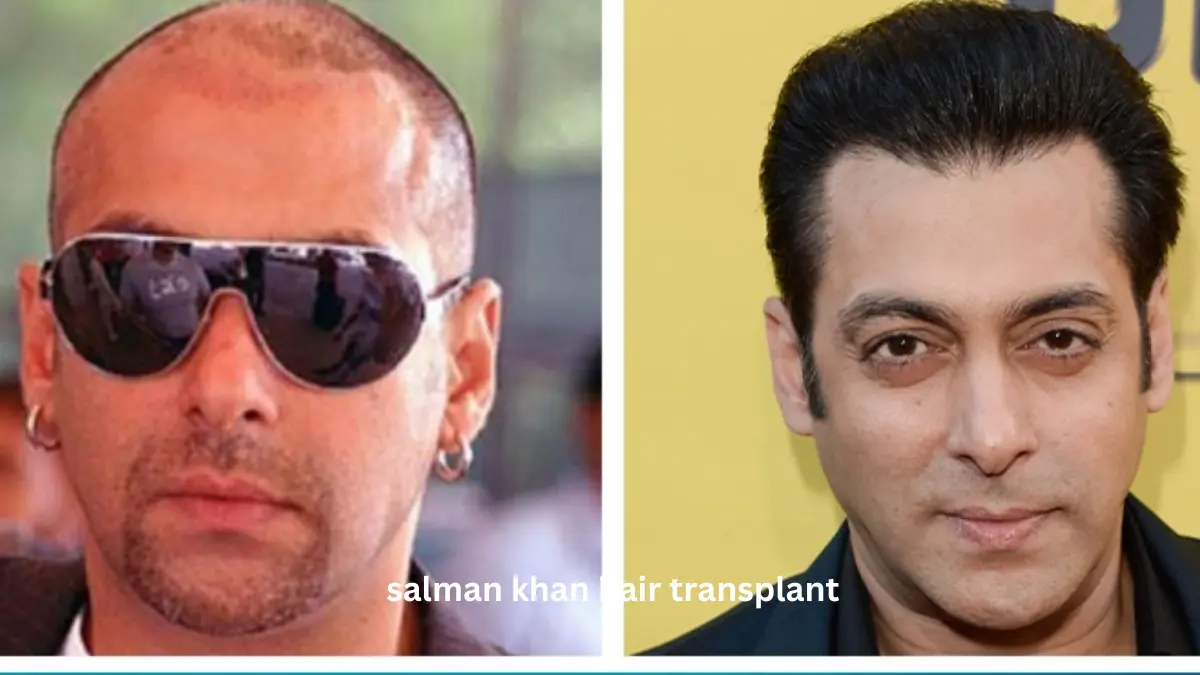
Salman Khan, one of Bollywood’s biggest superstars, has always been in the limelight, not only for his movies but also for his appearance. Over the years, fans and media have speculated about his hair transformation, leading to widespread discussions about his hair transplant. Given the importance of looks in the entertainment industry, many celebrities opt for hair restoration treatments, and Salman Khan is a prime example.
This article explores his hair transplant journey, the techniques used, and how it has influenced public perception.
Book Your Consultation Today
Visit Dr. Hanan Dermatology Specialty Clinic in Padur, OMR, Chennai. Schedule your consultation today and start your journey to fuller, healthier hair.
For more information and to book your appointment, visit our clinic or call us at the clinic’s contact details.
Signs of Hair Loss and Initial Speculations
In the early 2000s, Salman Khan’s receding hairline became a topic of discussion among fans and the media. Visible signs of hair thinning were noticeable in his films and public appearances, sparking rumors about possible hair loss treatments.
Possible Causes of Hair Loss:
- Genetics and hereditary factors
- Stress and lifestyle choices
- Aging-related hair thinning
Given his iconic status in Bollywood, maintaining a youthful appearance became crucial for his career, which likely led him to consider hair transplant solutions.
The First Hair Transplant Procedure
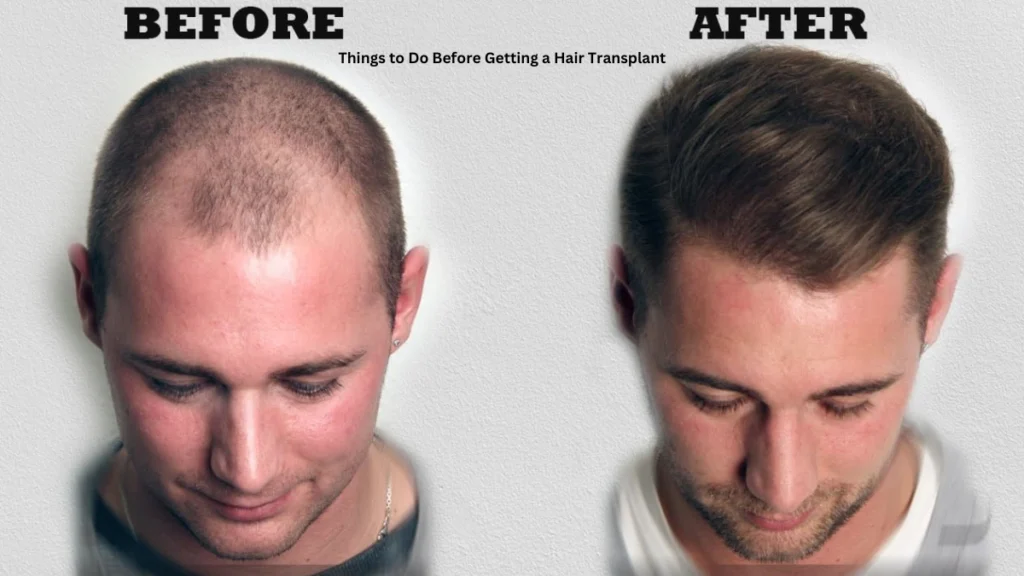
Reports suggest that Salman Khan underwent his first hair transplant in 2003, opting for the FUT (Follicular Unit Transplantation) technique.
How FUT Works:
- A strip of hair-bearing scalp is removed from the donor area (usually the back of the head).
- The strip is dissected into smaller follicular units.
- These units are implanted into the thinning areas of the scalp.
Challenges with FUT:
- Leaves a linear scar at the donor site
- Longer recovery time
- Results are not as natural as newer techniques
Though FUT provided an initial solution, visible scarring and limited density improvements prompted him to explore better alternatives.
Read more: Things to Do Before Getting a Hair Transplant
Transition to FUE for Better Results
After facing issues with FUT, Salman Khan reportedly switched to FUE (Follicular Unit Extraction) for his subsequent procedures.
Why FUE Was a Better Choice:
- Individual follicular units are extracted, leaving minimal scarring.
- Faster recovery time compared to FUT.
- More natural-looking results with better density.
Several reports suggest that he underwent multiple FUE sessions, with some estimating up to four procedures over the years to achieve optimal results.
Dubai as the Preferred Location
Salman Khan is known for his frequent visits to Dubai, where he allegedly underwent hair transplant procedures.
Why Dubai?
- Privacy and Discretion: Avoiding media scrutiny in India.
- World-Class Clinics: Dubai is home to some of the best hair restoration centers.
- Advanced Treatment Facilities: Access to cutting-edge technology and expert surgeons.
His preference for Dubai highlights the increasing trend of medical tourism for cosmetic procedures among celebrities.
Visible Transformation Over the Years
Over time, fans and media have observed significant improvements in Salman Khan’s hair density and overall appearance. His transformation has been evident in his film roles, public appearances, and TV shows like Bigg Boss, where he continues to maintain a youthful look.
Impact on His Career and Public Image:
- Restored confidence in on-screen performances.
- Increased fan admiration for his well-maintained look.
- Media discussions on the success of his hair restoration journey.
The Science Behind Hair Transplants – FUT vs. FUE
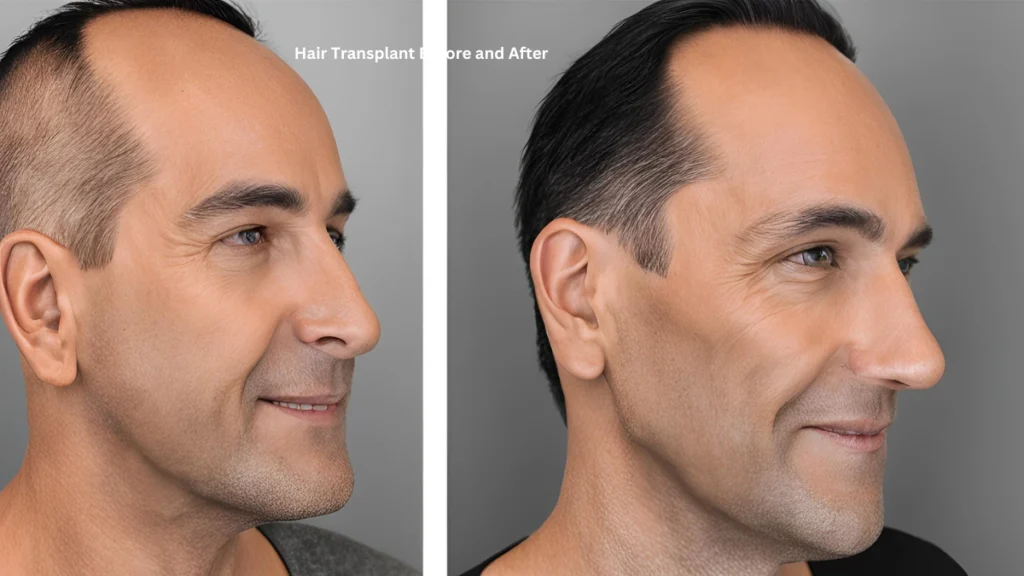
For those considering hair transplants, it’s essential to understand the difference between FUT and FUE.
| Feature | FUT (Follicular Unit Transplantation) | FUE (Follicular Unit Extraction) |
|---|---|---|
| Scarring | Leaves a linear scar | Minimal to no visible scarring |
| Recovery Time | Longer | Shorter |
| Procedure Type | Strip surgery | Individual follicle extraction |
| Natural Appearance | May look less natural | Provides a more natural look |
With advancements in hair restoration, FUE is now the preferred choice, especially for celebrities who prioritize a discreet and effective solution.
Influence of Salman Khan on Hair Restoration Trends
Salman Khan’s hair transplant journey has inspired many individuals, including fellow Bollywood actors and fans, to consider hair restoration.
Other Bollywood Celebrities Rumored to Have Had Hair Transplants:
- Akshay Kumar
- Sanjay Dutt
- Govinda
His successful hair transformation has contributed to reducing the stigma around hair transplants, making it a more widely accepted cosmetic procedure.
Read more: Hair Transplant Before and After
FAQs
1. Did Salman Khan undergo a hair transplant?
There is no official confirmation from Salman Khan regarding whether he has had a hair transplant. However, many people speculate that he may have undergone the procedure, as there has been a noticeable difference in his hairline over time.
2. What is a hair transplant?
A hair transplant is a cosmetic procedure in which hair follicles from one part of the body (usually the back of the head) are moved to a balding or thinning area. This procedure is typically done to restore a natural hairline.
3. How does a hair transplant work?
The most common techniques for hair transplant are Follicular Unit Extraction (FUE) and Follicular Unit Transplantation (FUT). In FUE, individual hair follicles are extracted and transplanted, while in FUT, a strip of scalp is removed, and the follicles are then harvested from that strip.
4. Is hair transplant permanent?
Yes, hair transplant results are generally permanent, as the transplanted hair follicles are taken from areas that are genetically resistant to hair loss.
5. What are the side effects or risks of a hair transplant?
Common side effects include swelling, redness, or scabbing on the scalp. In rare cases, infections, scarring, or unnatural-looking hair growth might occur.
6. How long does it take for the transplanted hair to grow?
It typically takes about 3-4 months for the transplanted hair to start growing, with full results visible after 9-12 months.
7. Is a hair transplant painful?
The procedure itself is generally done under local anesthesia, so it is not painful during the process. Some discomfort or soreness might occur afterward.
8. How much does a hair transplant cost in India?
The cost of a hair transplant in India varies, but it generally ranges from ₹40,000 to ₹2,50,000, depending on the clinic, the number of grafts, and the technique used.
9. What factors affect the success of a hair transplant?
Factors such as the skill of the surgeon, the health of the donor area, the quality of the hair follicles, and post-surgery care can all influence the outcome of the transplant.
10. Do celebrities like Salman Khan get special treatment during a hair transplant?
While celebrities may opt for high-end clinics and experienced surgeons, the hair transplant procedure itself remains the same for everyone, with results primarily depending on individual factors.
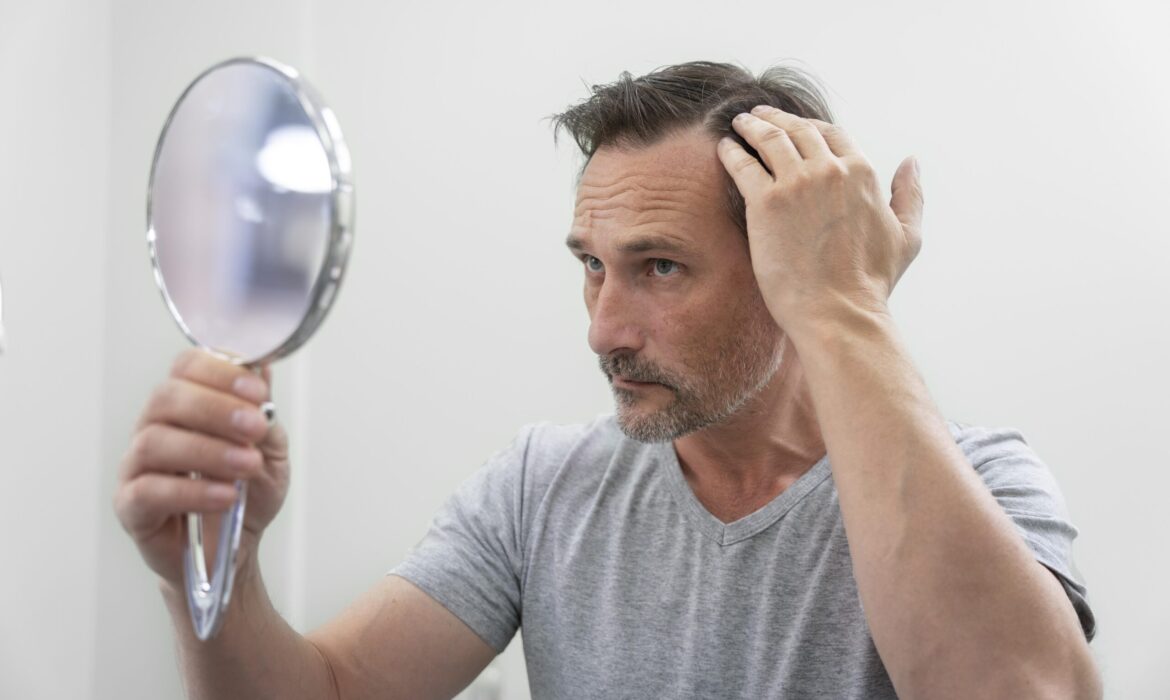
Sex After Hair Transplant: Does It Affect Your Results?
Sex after a hair transplant—does it affect results? Learn when it’s safe and what to avoid from the best hair transplant clinic in Chennai.

A hair transplant is a life -changing process that restores not only hair but also confidence. However, patients often worry about after surgery care, and a common question is: “Can I have sex after a hair transplant?”
While sex is a natural part of life, attachment to it even after a hair transplant can affect the healing process. In this blog, we will discuss how sexual activity can affect your results, when it is safe to resume, and the precautions you should take.
Can You Have Sex After a Hair Transplant?
The brief answer is: It is best to wait for at least 7-10 days.
After a hair transplant, new transplanted hair follicle is delicate. During this treatment period, excessive sweating, increase in heart rate, and can interfere with the physical pressure recovery process on the scalp.
While sex does not directly damage transplanted grafts, some factors related to sexual activity may cause risk
How Does Sex Affect Hair Transplant Recovery?
1. Sweating may increase the risk of infection
Those who have lost hair due to burns, accidents or surgery can qualify for a transplantation, based on their scalp position and the availability of donor hair.
2. Increased blood pressure may cause inflammation
Sexual activity increases blood pressure and heart rate, causing inflammation after surgery on the scalp and forehead. This can expand the time of recovery and cause discomfort.
3. Risk of accidental trauma for scalp
During sex, sudden movements or casual bumps can dislike grafts in the initial treatment phase. Even slight friction can disturb new transplanted follicles.
4. hormonal changes and treatment
Sex triggers the release of hormones such as testosterone and adrenaline. Although this is not necessarily harmful, it can cause temporary changes in the body’s response to treatment, which can lead to comfort in the first few days.
When Can You Resume Sex After a Hair Transplant?
Doctors usually recommend waiting at least 7-10 days before being engaged in sexual activity. However, it depends on individual treatment rates.
Here is a common guideline:
Day 1-5: Avoid sex strictly. Grafts are still critical.
Day 6-10: If healing is well, soft physical activity can be resumed. However, avoid sweating and avoid direct exposure to the skull.
After 10 days: Most patients, including sex, can resume general activities without major concerns.
For the best results, always consult your hair transplant surgeon before starting intensive activities.
Tips for sex after hair transplant
If you decide to resume sexual activity after the recommended waiting period, follow these precautions:
- Avoid excessive sweating: Keep the room cool and avoid long -term sessions.
2. Be conscious of head movements: Avoid posts that put pressure on your scalp.
3. Do not touch or scratch your scalp: Graft may cause damage to casual rubbing.
4. Stay hydrated: Drinking water helps in recovering rapidly.
5. Keep your head high: It reduces inflammation and prevents fluid buildup.
Conclusion:
Sex hair does not ruin your hair transplant, but timing matters. If you follow proper precautions then sex does not affect your results after hair transplant. The key is to allow your scalp to be heal without unnecessary stress.
At Dr. Hanan Dermatology Specialty and Trichology Clinic, we provide specialist guidance to ensure the best post-transplant care. If you worry about recovery, then our experts are here to help!
Book a consultation today and get the best hair transplant in Chennai!
Ready for Permanent Hair Restoration?
Table of Contents
How Many Grafts Do You Need for a Successful Hair Transplant?
Wondering how many grafts you need for a successful hair transplant? Learn graft requirements, costs, and expert insights

How Many Grafts Do You Need for a Successful Hair Transplant: Hair loss can be emotionally challenging, especially when it starts affecting your confidence and appearance. For many, a hair transplant in Chennai offers a permanent, natural-looking solution. But one of the most common questions patients ask is: “How many grafts do I actually need for a successful hair transplant?”
The answer isn’t one-size-fits-all. It depends on your stage of baldness, hair density goals, and the technique used. At Dr. Hanan Dermatology Speciality and Trichology Clinic, we provide personalized assessments to determine the exact number of grafts required for long-term, natural results.
What Are Hair Grafts?
A hair graft is a small piece of skin containing hair follicles. Each graft can contain anywhere from 1 to 4 hair follicles. During a hair transplant, these grafts are extracted from the donor area (usually the back or sides of the scalp) and implanted into thinning or balding areas.
The number of grafts you need directly determines:
- The density of your new hair
- The coverage area (front hairline, crown, or full scalp)
- The cost of the procedure
Factors That Decide How Many Grafts You Need
Stage of Baldness (Norwood Scale)
Dermatologists use the Norwood Scale to classify male pattern baldness.
- Early stages (Norwood 2–3): May need 800–1,500 grafts.
- Moderate baldness (Norwood 4–5): Around 2,000–3,000 grafts.
- Advanced baldness (Norwood 6–7): 3,500–5,000+ grafts may be required.
Desired Hair Density
Some patients want a fuller, denser look, while others are satisfied with moderate coverage. The higher the density goal, the more grafts are needed.
Donor Area Availability
Your donor area (the back and sides of the scalp) must have enough strong, healthy follicles to supply grafts. If the donor area is limited, we plan carefully to balance density and coverage
Hair Characteristics
- Thicker hair → Fewer grafts needed for coverage
- Curlier hair → Appears denser
- Straight, fine hair → Requires more grafts for the same effect
Hair Characteristics
- FUE (Follicular Unit Extraction): Individual grafts are extracted. Best for precision and minimal scarring.
- FUT (Follicular Unit Transplantation): A strip of skin is removed and divided into grafts. Suitable for higher graft numbers in a single session.
Average Grafts Required for Different Areas
- Hairline Restoration: 800–1,200 grafts
- Frontal Zone (forehead area): 1,500–2,000 grafts
- Crown Area (vertex): 1,000–2,500 grafts
- Full Head Coverage: 3,000–5,000+ grafts
Example: A patient with moderate baldness (Norwood 4) may need around 2,500 grafts to restore the hairline and crown area with natural density.
How Many Sessions Will You Need?
Depending on your graft requirement and donor supply:
- Low grafts (1,500 or less): Usually completed in one session.
- High grafts (3,500+): May require two sessions for best results.
At Dr. Hanan Clinic, our dermatologists assess the scalp, donor density, and hair goals before planning the session count.
Does More Grafts Always Mean Better Results?
Not necessarily. While more grafts may give higher density, quality and placement matter more than quantity. Poorly placed or low-survival grafts won’t give natural results, no matter how many are implanted.
That’s why it’s essential to choose an experienced clinic with advanced technology. At Dr. Hanan Dermatology Speciality and Trichology Clinic, we use FDA-approved tools and follow strict protocols to ensure graft survival and natural outcomes.
Cost of Hair Transplant by Graft Count in Chennai
The cost of hair transplant in Chennai is usually calculated per graft:
- ₹30–₹45 per graft (depending on technique and clinic expertise).
So, a 2,000-graft transplant may cost around ₹60,000–₹90,000, while a 4,000-graft transplant could cost ₹1.2–₹1.6 lakhs.
Investing in the right number of grafts ensures not just coverage, but a natural hairline and lasting results.
Final Thoughts
The number of grafts you need for a successful hair transplant depends on baldness level, donor area, and personal goals. More grafts don’t always equal better results – skilled placement, advanced technology, and aftercare matter the most.
At Dr. Hanan Dermatology Speciality and Trichology Clinic, we take a personalized approach, ensuring every graft counts toward natural, lasting hair restoration.