Explore Virat Kohli hair transplant journey, expert insights, FUE technique, graft estimates & before-after results. Learn from a celebrity case study.
Best Treatments for Dandruff and Itchy Scalp
Find the best treatments for dandruff and itchy scalp from Chennai’s expert dermatologists at Dr. Hanan Clinic.

Dandruff and itchy scalp are two of the most common hair and scalp issues, affecting millions of people across all age groups. While they might seem like minor inconveniences, these conditions can lead to embarrassment, discomfort, and even hair loss if left untreated. At Dr. Hanan Dermatology Speciality and Trichology Clinic in Chennai, our dermatologists provide medically approved solutions that address the root cause of scalp problems—not just the symptoms.
This blog explains the best treatments for dandruff and itchy scalp, using a clinical, EEAT-backed approach to ensure you receive trustworthy, expert-backed advice for your hair and scalp health.
What Causes Dandruff and Itchy Scalp?
Dandruff is typically caused by one or a combination of the following:
- Seborrheic dermatitis (an inflammatory skin condition)
- Malassezia (a yeast-like fungus naturally found on the scalp)
- Dry skin or product buildup
- Excess oil production
- Improper scalp hygiene
- Sensitivity to hair care products (contact dermatitis)
An itchy scalp may also be triggered by the same factors or other conditions like psoriasis, eczema, or even lice. Identifying the cause is key to finding the right treatment.
What Is the Best Treatment for Dandruff According to Dermatologists?
At Dr. Hanan Clinic, we believe in customized, evidence-based treatment plans. Depending on your scalp type, the severity of your dandruff, and any underlying skin condition, our dermatologists may recommend:
1. Medicated Shampoos
Prescribed shampoos that contain:
- Ketoconazole (antifungal)
- Zinc pyrithione (antimicrobial + anti-inflammatory)
- Salicylic acid (exfoliates flakes and reduces buildup)
- Coal tar (slows skin cell turnover)
These are often used 2–3 times a week, followed by a mild, hydrating conditioner.
2. Topical Steroids or Antifungals
In cases of moderate to severe seborrheic dermatitis or psoriasis, dermatologists may prescribe:
- Corticosteroid lotions or creams
- Antifungal lotions or foams
These help reduce inflammation and yeast overgrowth on the scalp.
3. Scalp Exfoliation Treatments
Professional scalp exfoliation at our clinic can help remove:
- Dead skin buildup
- Excess oil
- Product residue
This prepares the scalp to absorb treatment products more effectively and restores scalp balance.
4. Low-Level Light Therapy (LLLT)
For chronic inflammation or itchiness, LLLT can help by:
- Improving microcirculation
- Reducing oxidative stress
- Boosting scalp health
This is often used alongside medicated shampoos for long-term results.
5. Hair & Scalp Analysis
We use digital trichoscopy to:
- Identify exact causes of dandruff
- Detect fungal growth or skin damage
- Customize your treatment protocol
How Do You Permanently Get Rid of Dandruff?
There is no “permanent” cure for dandruff, but it can be effectively managed with the right combination of:
- Medical treatment
- Consistent scalp hygiene
- Avoidance of harsh hair products
- Balanced diet (rich in zinc, omega-3s, and vitamin B)
- Regular follow-ups with a dermatologist
Dandruff often recurs when treatment is stopped prematurely or when lifestyle factors are ignored.
Can Dandruff Cause Hair Loss?
Yes, indirectly. Severe dandruff and constant scratching may lead to:
- Hair root inflammation
- Hair breakage
- Follicular damage due to fungal infections
While dandruff doesn’t cause baldness, chronic scalp inflammation can contribute to diffuse hair shedding or thinning, especially in individuals already prone to hair fall.
Are There Natural Remedies for Dandruff That Actually Work?
Some natural remedies offer mild relief, such as:
- Tea tree oil (antifungal)
- Apple cider vinegar rinses (restores pH)
- Aloe vera gel (soothing and anti-inflammatory)
However, these are best used as supportive care and should not replace dermatologist-prescribed treatments for persistent cases.
How Can I Prevent Dandruff and Itchy Scalp in the Future?
- Wash hair regularly with a gentle shampoo
- Avoid excessive oiling and product buildup
- Use non-comedogenic scalp care products
- Stay hydrated and eat a nutrient-rich diet
- Protect scalp from sun exposure
- Avoid harsh heat styling or chemical treatments
Routine scalp checkups at our clinic can help monitor your progress and avoid recurrence.
Why Choose Dr. Hanan Clinic for Scalp and Hair Treatments?
- Board-certified dermatologists with trichology expertise
- Advanced diagnostic tools like digital scalp analysis
- Personalized dandruff and scalp care plans
- Safe, medical-grade treatments and equipment
- Trusted care by one of Chennai’s leading dermatology clinics
Book a Consultation for Dandruff Treatment in Chennai
If you’re struggling with persistent dandruff or scalp irritation, don’t rely on over-the-counter fixes. Consult with our dermatology team at Dr. Hanan Dermatology Speciality and Trichology Clinic for safe and lasting relief.
Healthy scalp. Healthier hair. It starts with expert care.
Book Your Consultation Today!
For Personalised Treatment visit Dr. Hanan Clinic. Feel confident and proud with our expert care.
Table of Contents
Hair Thinning in Teenage: How to Treat It
Struggling with hair thinning in teenage years? Get expert tips and treatments from Chennai’s trusted dermatologists at Dr. Hanan Clinic.

Hair thinning in teenage years is becoming increasingly common, especially due to modern lifestyle habits, nutritional gaps, stress, and hormonal changes. While it’s natural to lose a few strands daily, excessive hair fall or visible thinning at a young age can be distressing. At Dr. Hanan Dermatology Speciality and Trichology Clinic, Chennai, we see many teens facing this issue and provide tailored treatment plans based on in-depth diagnosis.
In this blog, we’ll explore the causes of teenage hair thinning, how to spot early signs, effective treatments, and expert tips to regain hair health safely.
In this blog, we’ll explore the causes of teenage hair thinning
Why Is My Hair Thinning as a Teenager?
Hair thinning during adolescence can be due to several reasons—some reversible, some needing long-term management. The key is early diagnosis.
Common Causes of Hair Thinning in Teenagers:
- Hormonal Changes
Puberty brings a surge in hormones like androgens, which can disrupt the hair growth cycle and cause thinning in both boys and girls. - Nutritional Deficiencies
Low levels of iron, zinc, protein, biotin, or vitamin D can significantly impact hair health. - Stress and Mental Health
Academic pressure, social anxiety, or emotional issues can trigger Telogen Effluvium, a stress-induced form of hair loss. - Poor Diet or Crash Dieting
Skipping meals, extreme calorie deficits, or eating mostly junk food can deprive hair follicles of essential nutrients. - Genetics (Androgenetic Alopecia)
If one or both parents have pattern baldness, it may begin early, especially in males. - Over-Styling and Heat Damage
Constant use of straighteners, curling rods, or tight hairstyles damages hair shafts and roots. - Underlying Medical Conditions
Conditions like PCOS, thyroid imbalance, or autoimmune disorders like alopecia areata may be the root cause.
Related Link: Learn more about Types of Hair Loss and Their Treatments
How to Know If You Have Hair Thinning as a Teen?
Recognizing the early signs of hair thinning is essential for timely treatment.
Early Signs Include:
- A widening parting or receding hairline
- More hair on pillow, comb, or shower drain
- Scalp visibility through the hair
- Hair feeling thinner or lighter than usual
- Reduced ponytail thickness (for girls)
Can Hair Thinning in Teenagers Be Reversed?
Yes—most types of hair thinning in teenagers can be reversed if treated early and correctly. The approach may include medical treatment, lifestyle changes, and professional care under a dermatologist.
Symptoms: Patchy hair loss, broken hairs, and thinning. Most common in adolescents and young adults.
Management: Behavioral therapy, psychological support, and dermatological care.
Best Treatments for Hair Thinning in Teenage
At Dr. Hanan Clinic, we customize hair loss treatment based on the patient’s age, diagnosis, severity, and medical history.
1. Topical Treatments
Mild topical solutions like minoxidil (in low strength) may be used under medical supervision to stimulate hair follicles and improve density.
2. Nutritional Therapy
We prescribe supplements containing biotin, iron, zinc, and amino acids to restore internal imbalances. Diet counseling is often part of the treatment.
3. PRP Therapy for Teens
Platelet-Rich Plasma (PRP) therapy is a safe, non-surgical treatment that uses your own blood’s growth factors to stimulate hair regrowth. It’s becoming a popular option even for young patients with early signs of androgenetic alopecia.
4. Low-Level Laser Therapy (LLLT)
This painless treatment boosts blood circulation in the scalp and revitalizes weak hair follicles.
5. Microneedling
For early-stage thinning, microneedling combined with hair serums can help increase scalp absorption and rejuvenate follicles.
What Not to Do If You're a Teen Experiencing Hair Loss
- Don’t self-medicate with strong OTC hair loss products
- Avoid using adult-strength minoxidil or oral finasteride without a prescription
- Don’t follow viral trends (on TikTok, YouTube, etc.) without expert advice
- Avoid stress-induced pulling or tugging of hair (Trichotillomania)
Expert Tips to Prevent Hair Thinning in Teenagers
- Eat a balanced diet with protein, leafy greens, and healthy fats
- Wash your scalp 2–3 times a week with a gentle, sulfate-free shampoo
- Avoid tight hairstyles like ponytails or buns
- Stay hydrated and get 7–8 hours of sleep
- Incorporate relaxation methods like yoga or journaling to manage stress
When to See a Dermatologist for Hair Thinning
Visit a specialist if:
- Hair thinning has continued for more than 2–3 months
- You have a family history of baldness
- You notice bald patches or scalp inflammation
- You are experiencing emotional distress due to hair changes
At Dr. Hanan Dermatology Speciality and Trichology Clinic, our dermatologists use trichoscopy, blood tests, and clinical evaluation to diagnose the exact reason for your hair thinning. This enables us to design a personalized, teen-friendly treatment plan.
Explore Treatments: Hair Regrowth Treatments in Chennai
Final Thoughts: Hair Thinning in Teenage Is Treatable
While hair thinning in teenage years can feel overwhelming, the good news is that it’s usually reversible with timely care. Whether the root cause is stress, poor nutrition, or hormonal changes, you don’t have to face it alone.
Our team at Dr. Hanan Clinic in Chennai has helped hundreds of teens regain confidence and fuller, healthier hair. Early consultation and a customized plan are the keys to long-term hair wellness.
Book Your Consultation Today!
For Personalised Treatment visit Dr. Hanan Clinic. Feel confident and proud with our expert care.
Table of Contents
Dermatologist Approved Haircare Habits
Learn dermatologist approved haircare habits to boost scalp health. Spot green flags vs red flags and protect your hair with expert tips from Dr. Hanan Clinic, Chennai.

Table of Contents
Healthy, strong hair doesn’t just come from good genetics—it also comes from consistent, scientifically sound haircare habits. But many people follow advice from social media or hearsay, which sometimes includes harmful steps. In this blog, we’ll walk you through dermatologist-approved green flags (good habits you should follow) and red flags (practices to avoid). Use this as your reference to build a haircare routine that supports scalp health and hair growth.
Why Haircare Habits Matter
Your scalp is skin too, and hair follicles depend on a balanced environment—adequate hydration, minimal inflammation, good blood circulation, and proper nutrition. Poor habits (overwashing, harsh chemicals, tight hairstyles) can cause damage, breakage, hair fall, or scalp issues like irritation or dandruff.
As specialists in dermatology and trichology, at Dr. Hanan Dermatology Speciality and Trichology Clinic, we see many patients whose hair loss or scalp problems are worsened by bad habits. The good news: small changes—making more green flag habits—can make a big difference.
Green Flag Haircare Habits (What Dermatologists Approve)
These are safe, beneficial habits that support hair health for most people
Use a gentle, sulfate-free shampoo
Harsh sulfates strip natural oils, making the scalp dry and triggering overcompensation by sebaceous glands. Use mild cleansers or shampoos with gentle surfactants. For example, shampoos containing cocamidopropyl betaine or sodium lauryl sulfoacetate are milder.
Wash frequency suited to scalp type
Not everyone needs daily shampooing. For those with oily scalps, washing more often is okay; for dry or color-treated hair, washing 2–3 times per week may suffice. Let your scalp’s oil balance guide you.
Condition the mid-lengths to ends
Apply conditioner only from the mid-shaft downward—not on the scalp—so that the scalp isn’t weighed down or clogged. Use ingredients like panthenol, hydrolyzed keratin, and natural oils in conditioners.
Pat dry, don’t rub
Vigorous towel rubbing causes mechanical damage. Instead, gently pat or squeeze excess water, or use a microfiber towel or soft cotton T-shirt.
Use wide-tooth combs or detangling brushes
Especially when hair is wet, use a wide-tooth comb or specially designed detangler to minimize breakage.
Protect hair from heat & UV damage
- Use a heat protectant spray before blow-drying, straightening, or curling.
- Keep styling tools at moderate temperature (below ~180 °C).
- During sun exposure, protect hair with hats or use hair sunscreen or UV-protectant sprays.
Learn more about protection in our blog on Hair Fall While Combing: Best Ways to Minimize It
Scalp massage & circulation support
Gently massaging the scalp for a few minutes daily improves blood flow. Some dermatologists recommend low-level laser therapy (LLLT) or microneedling (under clinical supervision) to boost follicle health.
Scalp massages improve circulation. Some clinical solutions like PRP therapy also stimulate hair regrowth (read more about PRP Treatment for Hair Loss in Chennai
Balanced diet and hydration
Hair follicles need nutrients. Ensure adequate protein, iron, zinc, biotin, omega-3 fatty acids, vitamins A, C, D. Drink enough water. Poor nutrition often shows up as weak, dull hair.
Regular trimming
Trimming split ends every few months prevents further splitting that can travel up the hair shaft. This doesn’t grow hair faster, but helps hair look healthier.
Consistent scalp care routine
If you have dandruff, sensitivity, or scalp conditions, use medicated shampoos or treatments as prescribed. Follow dermatologist advice rather than random over-the-counter aggressive treatments.
Red Flag Haircare Habits (What Dermatologists Warn Against)
These are common but harmful practices that many people do—often without realizing the damage they cause.
Daily use of harsh chemical treatments
Bleaches, strong perms, repeated coloring can damage hair structure and scalp barrier. Doing these frequently weakens hair and increases breakage or permanent hair loss.
Over-washing or frequent shampooing with harsh surfactants
This strips natural oils and damages the scalp barrier, causing compensatory oiliness, dryness, or irritation.
Applying conditioner or heavy product directly to the scalp
This can block follicle openings, trap debris, and lead to clogged pores or milia, especially in sensitive scalps.
Tight hairstyles & constant traction
Styles like braids, tight ponytails or buns, weaves, or extensions create strain on hair follicles, causing traction alopecia over time.
Sleeping without hair protection
Sleeping on rough cotton pillowcases or without wrapping/covering your hair can cause friction, leading to breakage.
Heat styling at very high temperatures
Using flat irons or curling wands at extreme heat repeatedly damages keratin bonds and leads to brittle, broken hair.
Ignoring scalp symptoms
Itchiness, flaking, pain, or tender spots might indicate scalp disease—ignoring them or self-medicating can worsen the condition.
Use of generic or aggressive products without guidance
Random use of strong acids, bleaching agents, or unknown serums can lead to chemical burns, pigmentation, or hair loss.
Skipping sun protection for hair
UV radiation damages hair protein, fades color, and weakens structure. Scalp and hair UV protection is needed.
Poor diet, dehydration, over-stress
Chronic stress, nutrient deficiency, dehydration, smoking all negatively influence hair health.
Tips for Building a Dermatologist-Approved Haircare Routine
- Identify your scalp type (oily, dry, normal, combination)
- Choose gentle products with fewer irritants
- Start with the green flag habits above and gradually eliminate red flag ones
- Monitor your hair over 2–3 months and adjust
- If persistent hair fall, thinning or scalp changes occur, consult a dermatologist or trichologist
At Dr. Hanan Dermatology Speciality and Trichology Clinic, we evaluate scalp condition, hair density, and history before recommending a personalized regime.
Why Dr. Hanan Clinic Is Trusted for Haircare
When patients look for the best dermatologist in Chennai or the top hair transplant clinic in Chennai, they often find us. Our reputation comes from:
- Expert dermatologists and trichologists who diagnose and treat scalp/hair issues scientifically
- Ethical, evidence-based treatments that protect scalp health
- Genuine patient reviews (our clients often share how adopting green flag habits after their treatments improved results)
- Seamless integration between dermatology (skin) and trichology (hair) care
Final Thoughts
Building a haircare routine based on dermatologist-approved habits strengthens your hair, protects your scalp, and enhances the results of any medical treatment you may undergo. Always look for green flag habits and be aware of the red flags.
If you’re noticing persistent hair fall, thinning, or scalp issues, your best step is to consult a specialist. At Dr. Hanan Dermatology Speciality and Trichology Clinic, we combine medical expertise with patient education – helping you care for your hair every day.
Book Your Consultation Today!
For Personalised Treatment visit Dr. Hanan Clinic. Feel confident and proud with our expert care.
Female Baldness Treatment in Chennai: Price, Options & Expert Care
Discover the key benefits of female baldness treatment in Chennai for healthy, natural-looking hair restoration. Get expert, dermatologist-led care at Dr. Hanan Dermatology Speciality Clinic.

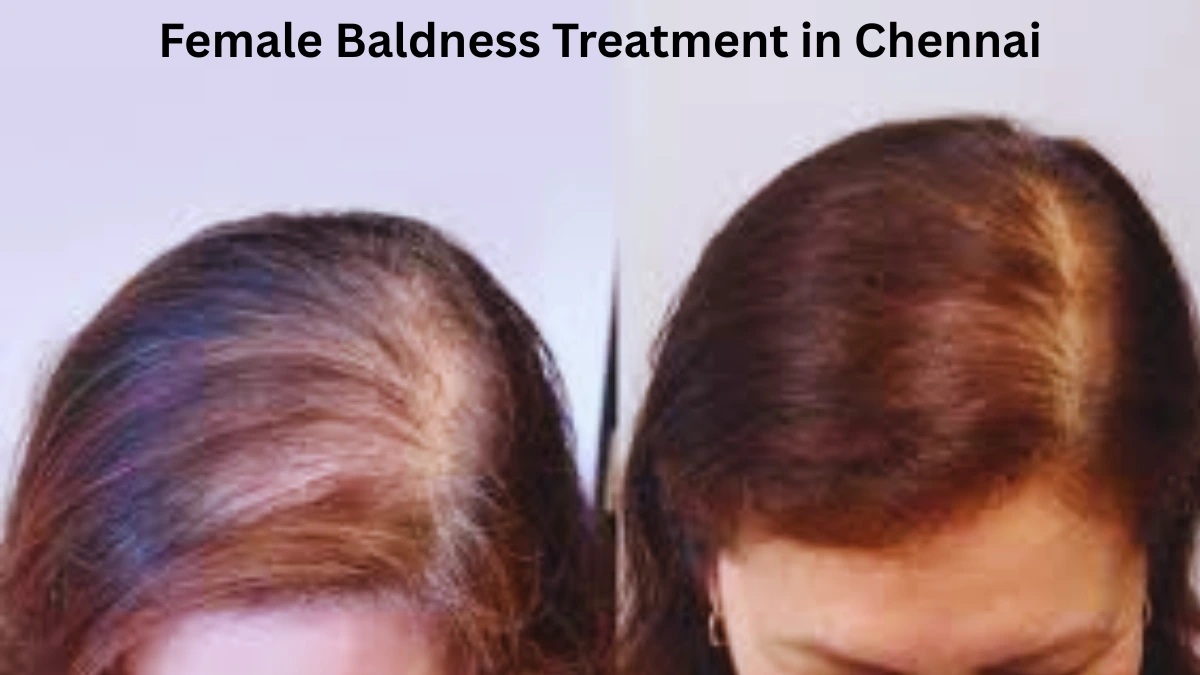
Female Baldness Treatment in Chennai: Female hair loss is more common than many realize and can deeply affect confidence and emotional well-being. The good news is that advanced female baldness treatments in Chennai now offer safe, effective, and affordable solutions tailored to different stages of hair loss. At Dr. Hanan Dermatology Speciality Clinic, women receive dermatologist-led, customized hair restoration treatments using FDA-approved technologies.
This guide explains female baldness treatment prices in Chennai, available options, factors affecting cost, and how to choose the right treatment.
What Is Female Baldness?
Female baldness, medically known as female pattern hair loss (FPHL) or alopecia, is characterized by:
Diffuse thinning over the crown
Widening of the hair part
Reduced hair density rather than complete bald patches
Common causes include:
Hormonal imbalance (PCOS, menopause)
Genetics
Nutritional deficiencies
Stress and lifestyle factors
Medical conditions or post-pregnancy hair fall
Early diagnosis by a qualified dermatologist is key to effective treatment.
Female Baldness Treatment Options in Chennai
At Dr. Hanan Dermatology Speciality Clinic, treatment plans are personalized based on hair loss severity, scalp health, and medical history.
1. PRP Therapy (Platelet-Rich Plasma)
PRP uses growth factors from your own blood to stimulate hair follicles.
Best for: Early to moderate hair thinning
Sessions: 4–6
Results: Reduced hair fall, improved density
2. GFC Therapy (Growth Factor Concentrate)
An advanced version of PRP with higher growth factor concentration.
Best for: Hormonal and chronic hair loss
Sessions: 4–6
Results: Faster regrowth and stronger hair shafts
3. Laser Hair Therapy
Low-level laser therapy improves blood circulation and follicle activity.
Best for: Maintenance and early-stage hair loss
Results: Supports regrowth when combined with PRP/GFC
4. Microneedling for Hair
Creates micro-channels in the scalp to boost absorption of growth serums.
Best for: Enhancing topical treatment results
Results: Improved scalp health and follicle activation
5. Topical & Medical Treatments
Includes dermatologist-prescribed solutions like Minoxidil and supplements.
Best for: Mild hair fall and prevention
Results: Slows hair loss and maintains existing hair
6. Hair Transplant (FUE Method)
A permanent solution for advanced female baldness.
Best for: Severe hair thinning or bald areas
Results: Natural, long-lasting hair restoration
Female Baldness Treatment Price in Chennai
Here is a clear price guide based on typical Chennai clinics:
| Treatment Type | Price Range |
|---|---|
| PRP Therapy | ₹4,000 – ₹8,000 per session |
| GFC Therapy | ₹5,000 – ₹15,000 per session |
| Laser Therapy | ₹3,000 – ₹5,000 |
| Microneedling | ₹4,000 – ₹6,000 |
| Topical Solutions | ₹2,000 – ₹5,000 per month |
| Hair Transplant (FUE) | ₹30,000 – ₹90,000+ |
Factors That Influence Female Baldness Treatment Cost
Several elements determine the final treatment price:
Severity & Cause of Hair Loss – Advanced cases cost more
Number of Sessions Needed – Package plans are more economical
Clinic Expertise – Dermatologist-led clinics ensure safer outcomes
Technology Used – FDA-approved kits and advanced devices may increase cost
Combination Treatments – PRP + GFC or Laser therapy improves results
Why Choose Dr. Hanan Dermatology Speciality Clinic?
Dr. Hanan Clinic stands out as a trusted female hair loss treatment clinic in Chennai due to:
Dermatologist-led diagnosis & treatment
FDA-approved PRP & GFC kits
Personalized treatment plans for women
Affordable pricing & value packages
Advanced hair transplant techniques (FUE)
High standards of hygiene & safety
Expert Recommendation
For best results:
Start treatment early
Avoid self-medication
Choose clinics with certified dermatologists
Opt for combination therapies if recommended
Follow post-treatment care strictly
An in-person consultation helps determine the exact treatment cost and expected results.
FAQs
1. What is the average cost of female baldness treatment in Chennai?
The cost varies depending on treatment type: PRP (₹4,000–₹8,000/session), GFC (₹5,000–₹15,000/session), Laser Therapy (₹3,000–₹5,000), Microneedling (₹4,000–₹6,000), Topical Solutions (₹2,000–₹5,000/month), and Hair Transplant (₹30,000–₹90,000+).
2. How many sessions are usually required?
Non-surgical treatments like PRP or GFC typically require 4–6 sessions for visible results. Packages may offer cost savings.
3. Is hair transplant necessary for all cases of female baldness?
No. Mild to moderate hair thinning can often be managed with PRP, GFC, or topical treatments. Hair transplant is recommended for severe bald areas or advanced hair loss.
4. Are the results of treatment permanent?
Transplanted hair is permanent. Non-surgical treatments like PRP, GFC, or medications support existing hair and slow hair loss, but ongoing maintenance may be needed.
5. Does Dr. Hanan Dermatology Speciality Clinic offer packages or financing?
Yes. The clinic provides inclusive packages and flexible payment options to make treatment affordable.
6. How do I choose the right treatment?
A dermatologist will assess your scalp, hair loss pattern, and health to recommend a personalized plan, combining non-surgical or surgical treatments as needed.
7. Are the treatments safe for women?
Yes. All procedures at Dr. Hanan Clinic are performed by qualified dermatologists using FDA-approved kits and safe techniques.
Ready for Permanent Hair Restoration?
Wondering if a hair transplant is permanent? Book a consultation with our specialists and get personalized guidance for long-lasting results!
Table of Contents
Can I Wear a Hat 1 Month After Hair Transplant?
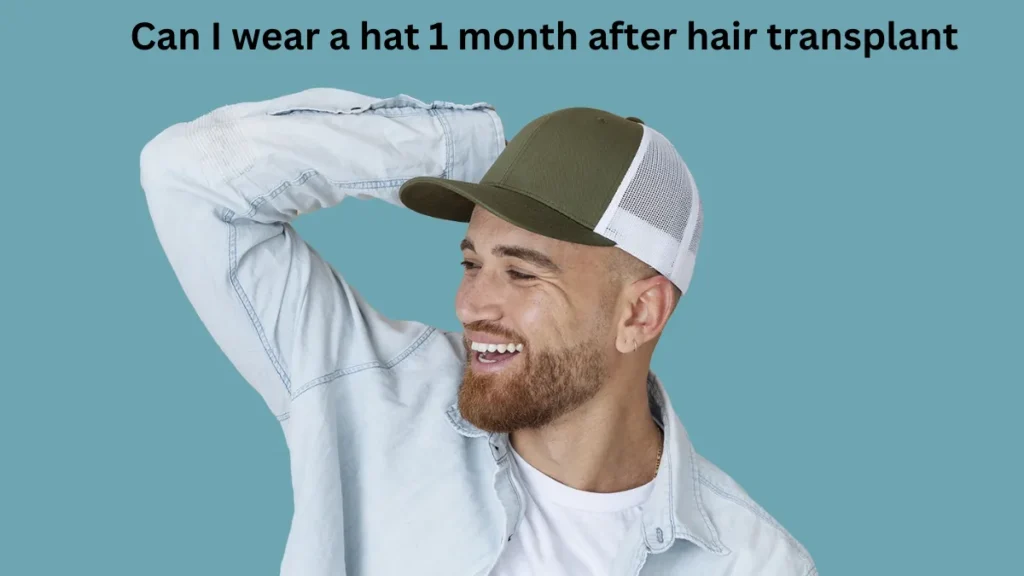
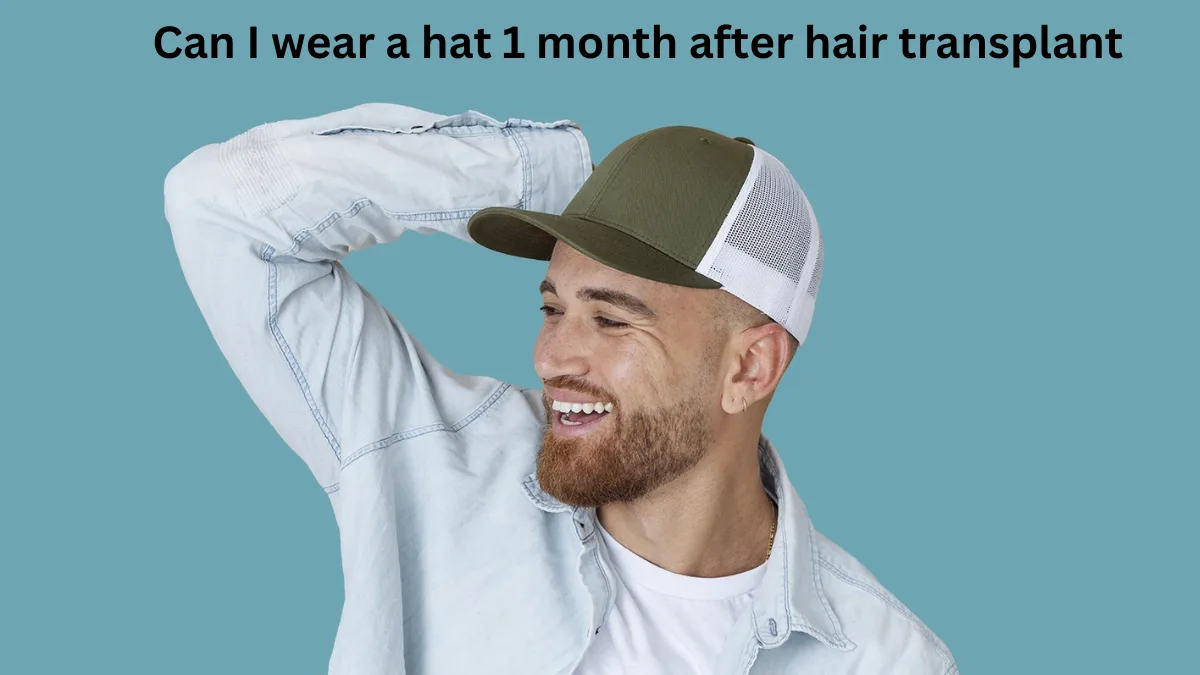
Can I Wear a Hat 1 Month After Hair Transplant: Hair transplants are a life-changing procedure for many individuals seeking to restore their hairline and confidence. However, the post-surgery period can raise a lot of questions. One common concern is whether it’s safe to wear a hat one month after a hair transplant. Let’s explore this topic in detail and provide the necessary information to ensure you’re taking care of your scalp while sporting a hat.
Book Your Consultation Today
Visit Dr. Hanan Dermatology Specialty Clinic in Padur, OMR, Chennai. Schedule your consultation today and start your journey to fuller, healthier hair.
For more information and to book your appointment, visit our clinic or call us at the clinic’s contact details.
Understanding Hair Transplants
A hair transplant is a procedure in which hair follicles are transferred from a donor area (usually the back of the head) to a thinning or balding area. It is typically done in two main stages: follicular unit extraction (FUE) or follicular unit transplantation (FUT). The recovery process involves careful attention to prevent graft dislodgement and infection during the early healing phase.
In the first month following your hair transplant, your scalp goes through significant healing. While most of the transplanted follicles are still “settling” into place, by the end of the first month, they are typically secure enough to withstand normal activities, including wearing a hat.
When is it Safe to Wear a Hat After a Hair Transplant?
While it’s generally recommended to avoid wearing a hat in the first few weeks, after one month, you can start wearing one again—provided certain precautions are taken.
Typically, hair grafts are stable enough to withstand the pressure of a hat at the one-month mark. However, always consult your surgeon for personalized advice. The grafts will have adhered to the scalp by then, reducing the risk of them being dislodged. It’s important to follow your doctor’s post-surgery instructions, as each case might differ based on your unique healing process.
Choosing the Right Hat
Not all hats are created equal, and when it comes to post-transplant care, choosing the right type of hat is crucial to prevent irritation and promote healing. Here are some hat selection tips:
- Opt for a Loose, Breathable Hat: Choose hats that aren’t too tight around the scalp. A hat that fits loosely will prevent any unnecessary pressure on the grafts, which could interfere with the healing process.
- Soft, Non-Irritating Materials: Go for soft hats made of natural materials such as cotton. These fabrics are gentle on the skin and less likely to cause friction that could irritate the scalp or disrupt the transplanted hair.
- Avoid Tight or Restrictive Hats: Avoid wearing hats that are too tight or made of materials that don’t allow your scalp to breathe. Tight hats can lead to irritation, and pressure on the grafts can cause discomfort or affect their growth.
Scalp Care While Wearing a Hat
Wearing a hat while recovering from a hair transplant requires extra attention to hygiene and scalp care. Here are some important scalp care tips:
- Hygiene: Make sure to keep your hat clean. Dirty hats can harbor bacteria, which increases the risk of infection. Wash your hat regularly to ensure it stays fresh.
- Avoid Excessive Friction: When wearing a hat, try to avoid rubbing the scalp too much. Friction from the hat can damage the delicate healing tissue and grafts.
- Sun Protection: If you plan on going outdoors, protect your scalp from sun exposure. While wearing a hat can shield your scalp from the sun, it’s still important to use sunscreen or wear a hat with a broad brim to avoid any UV damage to the healing scalp.
Signs to Watch for
It’s essential to be cautious and watch for signs of irritation, infection, or other complications. Here’s when you should avoid wearing a hat:
- Signs of Infection or Irritation: If you notice redness, swelling, or irritation, remove the hat immediately and consult your surgeon. Wearing a hat on an inflamed or irritated scalp could exacerbate the condition.
- Scalp Sensitivity: If your scalp is still sensitive or painful at the one-month mark, it might be better to wait a little longer before wearing a hat regularly.
Other Post-Transplant Tips
In addition to wearing a hat, here are a few other post-transplant tips to ensure a successful recovery:
- Avoid Strenuous Physical Activity: After your hair transplant, avoid any heavy exercise or strenuous activities that could cause excessive sweating or strain on the scalp until your surgeon clears you.
- Proper Shampooing: Continue using a mild shampoo to wash your scalp gently, avoiding harsh products that could irritate the transplanted area.
- Patience is Key: Hair transplants take time to fully show results. Be patient and allow your hair to grow naturally without expecting instant results.
Conclusion
Can I Wear a Hat 1 Month After Hair Transplant and Wearing a hat one month after a hair transplant is generally safe, but it’s essential to follow some key guidelines. Choose loose, breathable hats, avoid tight-fitting ones, and maintain proper scalp hygiene. Watch for signs of infection or irritation, and consult your surgeon if you have concerns. The healing process can be slow, but with patience and care, you’ll soon be able to wear your favorite hats without any worries.
Remember, your confidence matters, and post-transplant care plays a crucial role in achieving the best results. If in doubt, always check with your surgeon for advice tailored to your unique situation.
Rohit Sharma Hair Transplant – Speculation or Reality?
Rohit Sharma, the Indian cricket superstar, is widely known for his explosive batting and remarkable leadership on the field. Over the years, fans and media have noticed a significant change in his hairline, leading to speculation about whether he has undergone a hair transplant. While the cricketer has not publicly addressed these rumors, the discussion continues to grow, fueled by visual comparisons and the rising trend of hair transplants among celebrities. In this article, we explore the speculation surrounding Rohit Sharma’s hair transplant and the broader trend of hair restoration in sports and entertainment.
Book Your Consultation Today
Visit Dr. Hanan Dermatology Specialty Clinic in Padur, OMR, Chennai. Schedule your consultation today and start your journey to fuller, healthier hair.
For more information and to book your appointment, visit our clinic or call us at the clinic’s contact details.
The Speculation Around Rohit Sharma’s Hair Transplant
The buzz around Rohit Sharma’s potential hair transplant started when fans began comparing his older pictures with recent ones. Many believe that his hairline appears denser and more defined, suggesting a possible hair restoration procedure. While hair loss is a natural phenomenon for many individuals, including athletes, the noticeable transformation in Rohit’s hair has led to widespread curiosity.
Social media discussions and forums have been abuzz with before-and-after comparisons, leading many to believe that he might have opted for a hair transplant. However, without official confirmation, this remains purely speculative.
No Official Confirmation
Despite the ongoing discussions, Rohit Sharma has never publicly confirmed or denied undergoing a hair transplant. Unlike some celebrities who openly discuss their cosmetic procedures, Rohit has maintained silence on this matter. This highlights an important aspect of personal privacy, as individuals, even public figures, have the right to keep such choices undisclosed.
The Rise of Hair Transplants Among Celebrities and Athletes
Hair transplants have become increasingly popular among celebrities, athletes, and influencers due to their high success rates and natural-looking results. In a profession where public image plays a crucial role, many stars opt for hair restoration to maintain a youthful appearance.
Several sports personalities, including Virender Sehwag and Gautam Gambhir, have openly undergone hair transplants. The pressure of media attention and brand endorsements often pushes public figures to enhance their appearance, making such procedures common in the industry.
Understanding Hair Transplant Procedures
Hair transplantation is a medical procedure that involves transferring hair follicles from a donor area (usually the back of the scalp) to areas experiencing hair loss. The most common techniques include:
- Follicular Unit Extraction (FUE): Individual hair follicles are extracted and implanted, resulting in minimal scarring.
- Follicular Unit Transplantation (FUT): A strip of hair-bearing skin is removed, and individual follicles are transplanted.
These procedures have advanced significantly, offering natural and long-lasting results with minimal downtime.
FAQs
1. Did Rohit Sharma undergo a hair transplant?
There is no official confirmation from Rohit Sharma about undergoing a hair transplant. However, fans and experts speculate that he might have had a procedure due to visible changes in his hair density over the years.
2. What kind of hair transplant procedure might he have opted for?
If he did undergo a transplant, he may have chosen the FUE (Follicular Unit Extraction) method, which is a common and minimally invasive technique among celebrities.
3. When did Rohit Sharma’s hair transformation become noticeable?
People started noticing a difference in his hairline and density around the mid to late 2010s, leading to speculation about a possible hair restoration treatment.
4. Why do celebrities, including cricketers, opt for hair transplants?
Public figures like cricketers are constantly in the limelight, and their appearance matters for endorsements, media appearances, and personal confidence. Hair transplants help maintain a youthful look.
5. How much does a hair transplant cost in India?
The cost of a hair transplant in India varies based on the clinic, surgeon expertise, and the number of grafts required. On average, it can range between ₹50,000 to ₹4,00,000.
6. Can a hair transplant affect an athlete’s performance?
No, a properly done hair transplant does not impact an athlete’s performance. The recovery period is short, and most athletes resume training within a few weeks.
7. What are some other Indian cricketers rumored to have undergone hair transplants?
Apart from Rohit Sharma, cricketers like Virender Sehwag, Sourav Ganguly, Gautam Gambhir, and Harsha Bhogle have also been rumored to have undergone hair restoration treatments.
8. What are some natural alternatives to hair transplants?
Some alternatives include PRP (Platelet-Rich Plasma) therapy, Minoxidil, Finasteride, and a healthy diet rich in biotin and proteins to promote hair growth.
Virat Kohli Hair Transplant: Expert Analysis

Virat Kohli is not only a cricket icon, but also a style inspiration for millions of people. The changes that have been decorated over the years have given rise to many conversations, especially about his hair. In this blog, we dive deeply in the discussion around Virat Kohli Hair Transplant, checking facts, experts and techniques that may have contributed to his hair makeover.
Who is Virat Kohli?
Virat Kohli is one of the most successful and recognized cricketers in the world. Kohli, a former captain of the Indian national team, is known for his aggressive batting style, unmatched stability, and charismatic appearance and both. Beyond cricket, he admits to develop his fitness, fashion sense and personal style – including his hair.
Virat Kohli’s Hair Loss Journey
Like many men in his 20 and 30s, Kohli allegedly experienced male pattern baldness, mainly affecting their hairline and temples. Fans saw a change in the density of their hair, speculation about the hair being thin. Despite this, Kohli maintained a well -designed appearance with a hairstyle, which cleverly disrupts thin areas.ohli, a former captain of the Indian national team, is known for his aggressive batting style, unmatched stability, and charismatic appearance and both. Beyond cricket, he admits to develop his fitness, fashion sense and personal style – including his hair.
Did He Really Get a Hair Transplant?
While there is no official confirmation, experts and supervisors strongly believe that Virat Kohli did a hair transplant. Their attention is to be noted, which includes a more defined hairline and full crown, indicating a well -executed process. Hair transplants are common among famous celebrities, and Kohli’s case is widely considered a successful example.
Which Hair Transplant Method Did He Choose?
Based on expert analysis, it is likely that Kohli chose for the Fue (follicular unit extraction) method. This modern technology involves extracting separate hair follicles from a donor area (usually behind the skull) and transplanting them into thin or balding areas. Fue is favored by its minimal scarring, natural looking results and low recovery time-it is making a favorite option among celebrities.
How Many Grafts Were Transplanted?
While there is no official confirmation from Virat Kohli or his team about the specifics of the process, hair transplant experts estimate that they will have received around 2,000 to 3,000 grafts. This estimate is based on noticeable improvement in their frontal hairline and overall hair density.
Typically, a graft has 1 to 4 hair follicles. For a person like Kohli – who needs moderate improvements mainly in frontal and temple zones – this range of grafts would be sufficient to achieve a natural, full look, which is seen in its recent public appearances.
Cost of Virat Kohli’s Hair Transplant
While the accurate cost of Kohli’s hair transplant is unknown, based on similar high-end processes in India, the number of grafts and the reputation of the clinic, may range from 2,00,000 to ₹ 5,00,000 or more. Given their position and the quality of the result, it is likely that Kohli chose a premium hair restoration center.
Celebrity Hair Transplants: A Growing Trend
Virat Kohli is included in the list of celebrities like Salman Khan, Akshay Kumar, and others who have allegedly done hair transplants. These changes highlight how accessible and effective modern hair restoration techniques have become – not only for celebrities, but also to gain confidence for anyone.
Expert Opinion: Why FUE Works
The FUE method remains one of the most recommended options by dermatologists and trichologists. It does not leave no linear scars, a quick recovery time, and allows for accurate, natural looking results. For public figure like Kohli, these benefits are important.
Before and After: Virat Kohli’s Hair Transformation
For the recent appearance compared to photos from early 2010, there is a clear difference between Virat’s hair density and line-up. Their current hairstyle looks natural, well mixed, and adds their sharp appearance to a testament for skills behind the process.
Final Thoughts
Virat Kohli’s transformation is not just about looks – it is about confidence and grooming. Whether you are a fan or a child transplant options, their journey provides valuable insight into modern hair restorations.
If you are considering a hair transplant and want professional guidance and natural looking results, visit Dr. Hanan Dermatology Specialty and Trichology Clinic-Your Reliable Destination for Specialist Hair Restoration Solutions.
Table of Contents
Salman Khan Hair Transplant
Salman Khan, one of Bollywood’s biggest superstars, has always been in the limelight, not only for his movies but also for his appearance. Over the years, fans and media have speculated about his hair transformation, leading to widespread discussions about his hair transplant. Given the importance of looks in the entertainment industry, many celebrities opt for hair restoration treatments, and Salman Khan is a prime example.
This article explores his hair transplant journey, the techniques used, and how it has influenced public perception.
Book Your Consultation Today
Visit Dr. Hanan Dermatology Specialty Clinic in Padur, OMR, Chennai. Schedule your consultation today and start your journey to fuller, healthier hair.
For more information and to book your appointment, visit our clinic or call us at the clinic’s contact details.
Signs of Hair Loss and Initial Speculations
In the early 2000s, Salman Khan’s receding hairline became a topic of discussion among fans and the media. Visible signs of hair thinning were noticeable in his films and public appearances, sparking rumors about possible hair loss treatments.
Possible Causes of Hair Loss:
- Genetics and hereditary factors
- Stress and lifestyle choices
- Aging-related hair thinning
Given his iconic status in Bollywood, maintaining a youthful appearance became crucial for his career, which likely led him to consider hair transplant solutions.
The First Hair Transplant Procedure
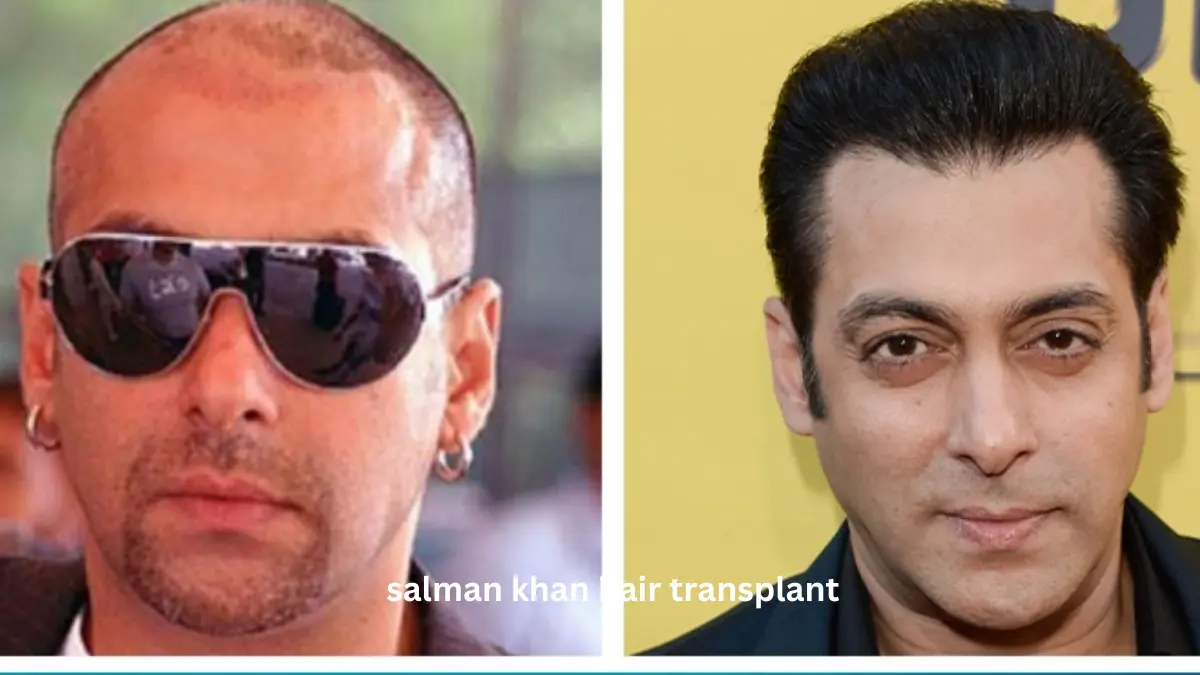
Reports suggest that Salman Khan underwent his first hair transplant in 2003, opting for the FUT (Follicular Unit Transplantation) technique.
How FUT Works:
- A strip of hair-bearing scalp is removed from the donor area (usually the back of the head).
- The strip is dissected into smaller follicular units.
- These units are implanted into the thinning areas of the scalp.
Challenges with FUT:
- Leaves a linear scar at the donor site
- Longer recovery time
- Results are not as natural as newer techniques
Though FUT provided an initial solution, visible scarring and limited density improvements prompted him to explore better alternatives.
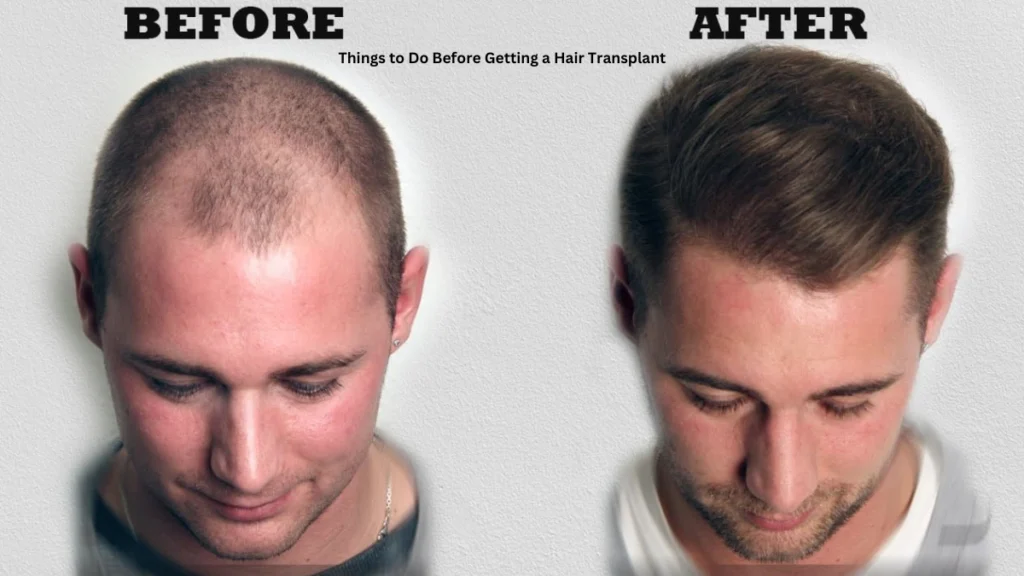
Read more: Things to Do Before Getting a Hair Transplant
Transition to FUE for Better Results
After facing issues with FUT, Salman Khan reportedly switched to FUE (Follicular Unit Extraction) for his subsequent procedures.
Why FUE Was a Better Choice:
- Individual follicular units are extracted, leaving minimal scarring.
- Faster recovery time compared to FUT.
- More natural-looking results with better density.
Several reports suggest that he underwent multiple FUE sessions, with some estimating up to four procedures over the years to achieve optimal results.
Dubai as the Preferred Location
Salman Khan is known for his frequent visits to Dubai, where he allegedly underwent hair transplant procedures.
Why Dubai?
- Privacy and Discretion: Avoiding media scrutiny in India.
- World-Class Clinics: Dubai is home to some of the best hair restoration centers.
- Advanced Treatment Facilities: Access to cutting-edge technology and expert surgeons.
His preference for Dubai highlights the increasing trend of medical tourism for cosmetic procedures among celebrities.
Visible Transformation Over the Years
Over time, fans and media have observed significant improvements in Salman Khan’s hair density and overall appearance. His transformation has been evident in his film roles, public appearances, and TV shows like Bigg Boss, where he continues to maintain a youthful look.
Impact on His Career and Public Image:
- Restored confidence in on-screen performances.
- Increased fan admiration for his well-maintained look.
- Media discussions on the success of his hair restoration journey.
The Science Behind Hair Transplants – FUT vs. FUE
For those considering hair transplants, it’s essential to understand the difference between FUT and FUE.
| Feature | FUT (Follicular Unit Transplantation) | FUE (Follicular Unit Extraction) |
|---|---|---|
| Scarring | Leaves a linear scar | Minimal to no visible scarring |
| Recovery Time | Longer | Shorter |
| Procedure Type | Strip surgery | Individual follicle extraction |
| Natural Appearance | May look less natural | Provides a more natural look |
With advancements in hair restoration, FUE is now the preferred choice, especially for celebrities who prioritize a discreet and effective solution.
Influence of Salman Khan on Hair Restoration Trends
Salman Khan’s hair transplant journey has inspired many individuals, including fellow Bollywood actors and fans, to consider hair restoration.
Other Bollywood Celebrities Rumored to Have Had Hair Transplants:
- Akshay Kumar
- Sanjay Dutt
- Govinda
His successful hair transformation has contributed to reducing the stigma around hair transplants, making it a more widely accepted cosmetic procedure.
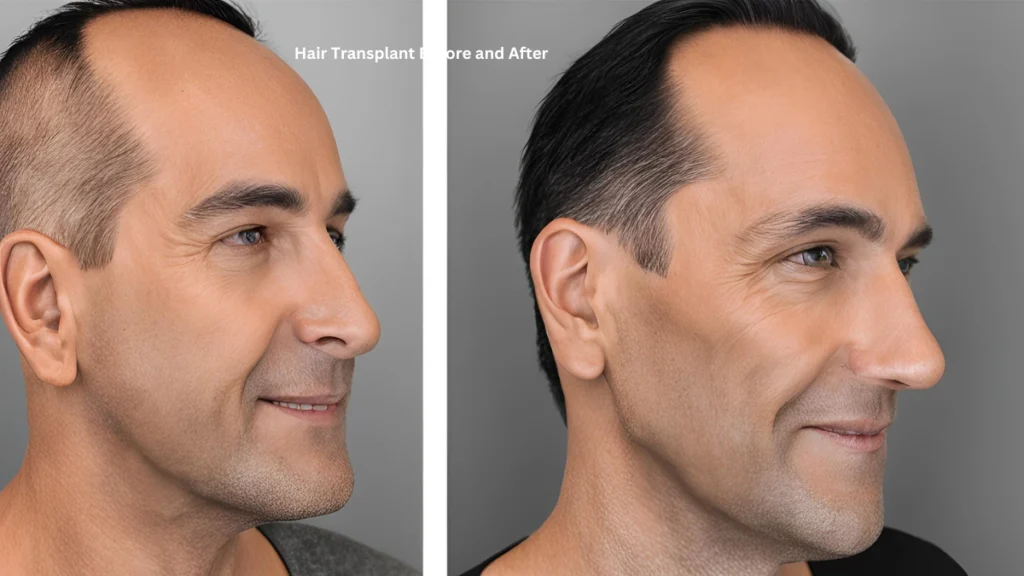
Read more: Hair Transplant Before and After
FAQs
1. Did Salman Khan undergo a hair transplant?
There is no official confirmation from Salman Khan regarding whether he has had a hair transplant. However, many people speculate that he may have undergone the procedure, as there has been a noticeable difference in his hairline over time.
2. What is a hair transplant?
A hair transplant is a cosmetic procedure in which hair follicles from one part of the body (usually the back of the head) are moved to a balding or thinning area. This procedure is typically done to restore a natural hairline.
3. How does a hair transplant work?
The most common techniques for hair transplant are Follicular Unit Extraction (FUE) and Follicular Unit Transplantation (FUT). In FUE, individual hair follicles are extracted and transplanted, while in FUT, a strip of scalp is removed, and the follicles are then harvested from that strip.
4. Is hair transplant permanent?
Yes, hair transplant results are generally permanent, as the transplanted hair follicles are taken from areas that are genetically resistant to hair loss.
5. What are the side effects or risks of a hair transplant?
Common side effects include swelling, redness, or scabbing on the scalp. In rare cases, infections, scarring, or unnatural-looking hair growth might occur.
6. How long does it take for the transplanted hair to grow?
It typically takes about 3-4 months for the transplanted hair to start growing, with full results visible after 9-12 months.
7. Is a hair transplant painful?
The procedure itself is generally done under local anesthesia, so it is not painful during the process. Some discomfort or soreness might occur afterward.
8. How much does a hair transplant cost in India?
The cost of a hair transplant in India varies, but it generally ranges from ₹40,000 to ₹2,50,000, depending on the clinic, the number of grafts, and the technique used.
9. What factors affect the success of a hair transplant?
Factors such as the skill of the surgeon, the health of the donor area, the quality of the hair follicles, and post-surgery care can all influence the outcome of the transplant.
10. Do celebrities like Salman Khan get special treatment during a hair transplant?
While celebrities may opt for high-end clinics and experienced surgeons, the hair transplant procedure itself remains the same for everyone, with results primarily depending on individual factors.
Sex After Hair Transplant: Does It Affect Your Results?
Sex after a hair transplant—does it affect results? Learn when it’s safe and what to avoid from the best hair transplant clinic in Chennai.

A hair transplant is a life -changing process that restores not only hair but also confidence. However, patients often worry about after surgery care, and a common question is: “Can I have sex after a hair transplant?”
While sex is a natural part of life, attachment to it even after a hair transplant can affect the healing process. In this blog, we will discuss how sexual activity can affect your results, when it is safe to resume, and the precautions you should take.
Can You Have Sex After a Hair Transplant?
The brief answer is: It is best to wait for at least 7-10 days.
After a hair transplant, new transplanted hair follicle is delicate. During this treatment period, excessive sweating, increase in heart rate, and can interfere with the physical pressure recovery process on the scalp.
While sex does not directly damage transplanted grafts, some factors related to sexual activity may cause risk
How Does Sex Affect Hair Transplant Recovery?
1. Sweating may increase the risk of infection
Those who have lost hair due to burns, accidents or surgery can qualify for a transplantation, based on their scalp position and the availability of donor hair.
2. Increased blood pressure may cause inflammation
Sexual activity increases blood pressure and heart rate, causing inflammation after surgery on the scalp and forehead. This can expand the time of recovery and cause discomfort.
3. Risk of accidental trauma for scalp
During sex, sudden movements or casual bumps can dislike grafts in the initial treatment phase. Even slight friction can disturb new transplanted follicles.
4. hormonal changes and treatment
Sex triggers the release of hormones such as testosterone and adrenaline. Although this is not necessarily harmful, it can cause temporary changes in the body’s response to treatment, which can lead to comfort in the first few days.
When Can You Resume Sex After a Hair Transplant?
Doctors usually recommend waiting at least 7-10 days before being engaged in sexual activity. However, it depends on individual treatment rates.
Here is a common guideline:
Day 1-5: Avoid sex strictly. Grafts are still critical.
Day 6-10: If healing is well, soft physical activity can be resumed. However, avoid sweating and avoid direct exposure to the skull.
After 10 days: Most patients, including sex, can resume general activities without major concerns.
For the best results, always consult your hair transplant surgeon before starting intensive activities.
Tips for sex after hair transplant
If you decide to resume sexual activity after the recommended waiting period, follow these precautions:
- Avoid excessive sweating: Keep the room cool and avoid long -term sessions.
2. Be conscious of head movements: Avoid posts that put pressure on your scalp.
3. Do not touch or scratch your scalp: Graft may cause damage to casual rubbing.
4. Stay hydrated: Drinking water helps in recovering rapidly.
5. Keep your head high: It reduces inflammation and prevents fluid buildup.
Conclusion:
Sex hair does not ruin your hair transplant, but timing matters. If you follow proper precautions then sex does not affect your results after hair transplant. The key is to allow your scalp to be heal without unnecessary stress.
At Dr. Hanan Dermatology Specialty and Trichology Clinic, we provide specialist guidance to ensure the best post-transplant care. If you worry about recovery, then our experts are here to help!
Book a consultation today and get the best hair transplant in Chennai!
Ready for Permanent Hair Restoration?
Wondering if a hair transplant is permanent? Book a consultation with our specialists and get personalized guidance for long-lasting results!
Table of Contents
Affordable Hair Transplant Options: How to Choose a Best Clinic in Chennai
Affordable Hair Transplant Options in Chennai
Get affordable hair transplant in Chennai without compromising quality from the best hair transplant clinic in chennai

Affordable Hair Transplant Options: Hair loss is a growing concern for both men and women in India, and Chennai is no exception. Whether it’s due to genetics, stress, hormonal changes, or lifestyle, the demand for affordable hair transplant solutions has been steadily increasing. But the biggest question people ask is: Can I really get a budget-friendly hair transplant without compromising on quality or safety?
The answer is yes—if you choose the right clinic and dermatologist. In this guide, we’ll explain what to look for in an affordable hair transplant, why cost should not be the only deciding factor, and why Dr. Hanan Dermatology Speciality and Trichology Clinic is trusted as one of the best hair transplant clinics in Chennai for long-lasting, natural results.
Why “Affordable Hair Transplant” Doesn’t Mean Cheap Quality
Many people assume that affordable treatments equal low standards. But in reality, affordability simply means:
- Transparent and ethical pricing.
- Customized treatment plans based on your hair loss stage.
- Clinics that avoid unnecessary add-ons or hidden costs.
At Dr. Hanan Dermatology Speciality Clinic, affordability means world-class treatment with fair pricing, ensuring that every patient can access advanced hair restoration without financial stress.
Factors That Decide the Cost of a Hair Transplant in Chennai
When searching for the best affordable hair transplant clinic, keep in mind these factors that influence cost:
Number of Grafts Required
The more advanced your baldness, the more grafts you need. For example:
- 1000–1500 grafts → Early thinning.
- 2000–3000 grafts → Moderate baldness.
- 4000+ grafts → Advanced baldness.
If you’re unsure about your graft requirement, check our detailed guide: How Many Grafts Do You Need for a Successful Hair Transplant?
Type of Technique Used
FUE (Follicular Unit Extraction): Minimally invasive, faster healing, and natural results.
FUT (Follicular Unit Transplantation): Suitable for larger graft counts but involves a linear scar.
Advanced methods (DHI, Sapphire FUE, Robotic): May cost more but provide precision and density.
Experience of the Dermatologist
Choosing an experienced hair transplant surgeon is non-negotiable. At Dr. Hanan Clinic, procedures are performed by dermatologists trained in both dermatology and trichology, ensuring medical accuracy and cosmetic precision.
Clinic Facilities & Safety Standards
Clinics with FDA-approved tools, sterilization protocols, and advanced technologies may cost slightly more, but they guarantee patient safety and better results.
How to Choose the Right Clinic for an Affordable Hair Transplant
When searching for “affordable hair transplant in Chennai,” don’t fall for flashy advertisements or only compare costs. Instead, look for these signs of trust:
- Transparent Pricing Models – A good clinic shares exact costs before the procedure.
- Qualified Dermatologists – Always check if the surgeon is an MD dermatologist or trichologist.
- Before & After Results – Genuine patient photos and success stories build trust.
- Technology Used – Clinics with advanced tools ensure natural results and faster recovery.
- Patient Reviews – At Dr. Hanan Clinic, over 1000 genuine Google reviews prove why patients trust us.
Remember: A poorly done transplant may require corrective surgery—doubling your costs later.
For details on preparing before a procedure, read: Scalp Health Before Hair Transplant: Why Preparation Matters.
How to Choose the Right Clinic for an Affordable Hair Transplant
At Dr. Hanan Dermatology Speciality and Trichology Clinic in Chennai, we specialize in delivering affordable yet high-quality hair transplant solutions tailored to each patient.
Here’s why patients choose us:
- Expert Dermatologists: Every procedure is performed by trained dermatologists specializing in hair restoration.
- Customized Treatment Plans: We analyze scalp health before deciding on graft count or method.
- Advanced Techniques: We use FUE, DHI, and PRP-assisted transplants for maximum graft survival.
- Proven Success: Hundreds of patients have restored their confidence through our treatments.
- Affordability Without Compromise: Transparent pricing with flexible EMI options.
Learn more about our advanced solutions: PRP Treatment for Hair Loss in Chennai.
FAQs
Is an affordable hair transplant in Chennai safe?
Yes, affordability does not mean low quality. A hair transplant is safe when performed by qualified dermatologists using approved techniques and proper sterilization standards, even at an affordable cost.
How much does an affordable hair transplant cost in Chennai?
The cost depends on the number of grafts, technique used (FUE or FUT), and clinic expertise. Chennai offers competitively priced hair transplant options compared to many other cities in India.
How can I identify the best affordable hair transplant clinic in Chennai?
Look for dermatologist-led clinics, transparent pricing, real patient reviews, before-and-after results, and clear consultation processes. Avoid clinics that promise unrealistic results at extremely low prices.
Is FUE more expensive than FUT hair transplant?
Yes, FUE generally costs more than FUT because it is minimally invasive and requires advanced technology. However, many clinics in Chennai offer FUE at affordable and reasonable rates.
Can affordable hair transplant clinics deliver natural results?
Yes, natural results depend on the surgeon’s skill, hairline design, and graft placement—not just cost. Experienced dermatologists can deliver excellent outcomes at affordable prices.
Are there hidden costs in hair transplant procedures?
Reputed clinics clearly explain all costs upfront, including consultation, procedure, and follow-up care. Always ask for a detailed cost breakdown before proceeding.
Is financing or EMI available for hair transplant in Chennai?
Many clinics offer flexible payment options or EMI plans to make hair transplant procedures more affordable for patients.
How long does it take to see results after a hair transplant?
Initial shedding occurs in the first few weeks. New hair growth usually starts in 3–4 months, with visible improvement by 6 months and full results in 9–12 months.
Who is the right candidate for an affordable hair transplant?
Patients with stable hair loss, sufficient donor hair, and good scalp health are ideal candidates. A dermatologist consultation is necessary to confirm suitability.
Why choose a dermatologist-led clinic for an affordable hair transplant?
Dermatologist-led clinics ensure accurate diagnosis, safe surgical practices, ethical pricing, and long-term hair health management, offering better value for money.
At Dr. Hanan Dermatology Speciality and Trichology Clinic, we combine affordability
Book Your Consultation Today!
For Personalised Treatment visit Dr. Hanan Clinic. Feel confident and proud with our expert care.