
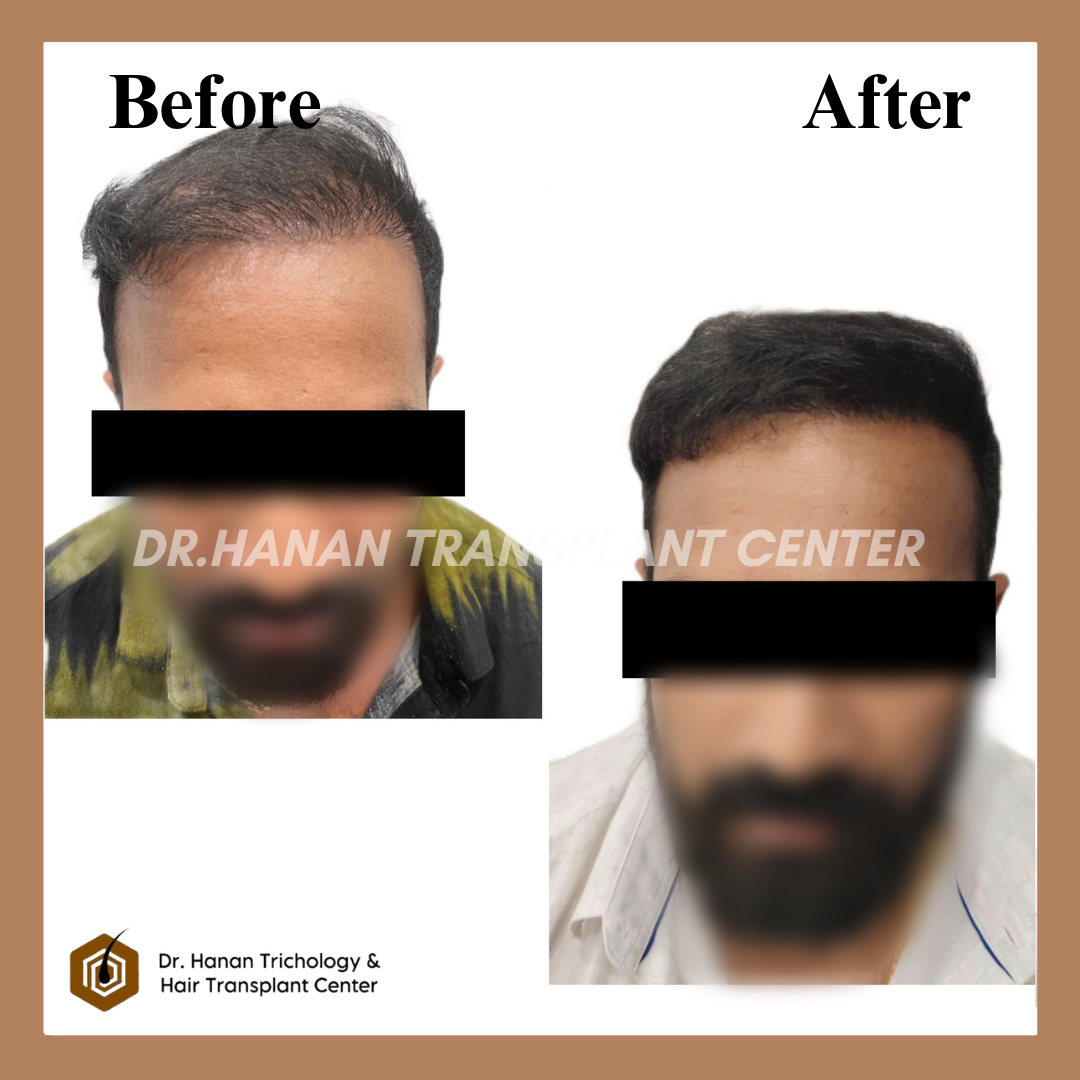
Hair Transplant Side Effects Fertility: Risks, Facts & Expert Advice (2026)
Hair Transplant Side Effects Fertility: Risks, Facts & Expert Advice (2026)
Hair Transplant Side Effects Fertility – Learn what to ask your doctor to ensure a safe procedure, natural results, and long-term success.
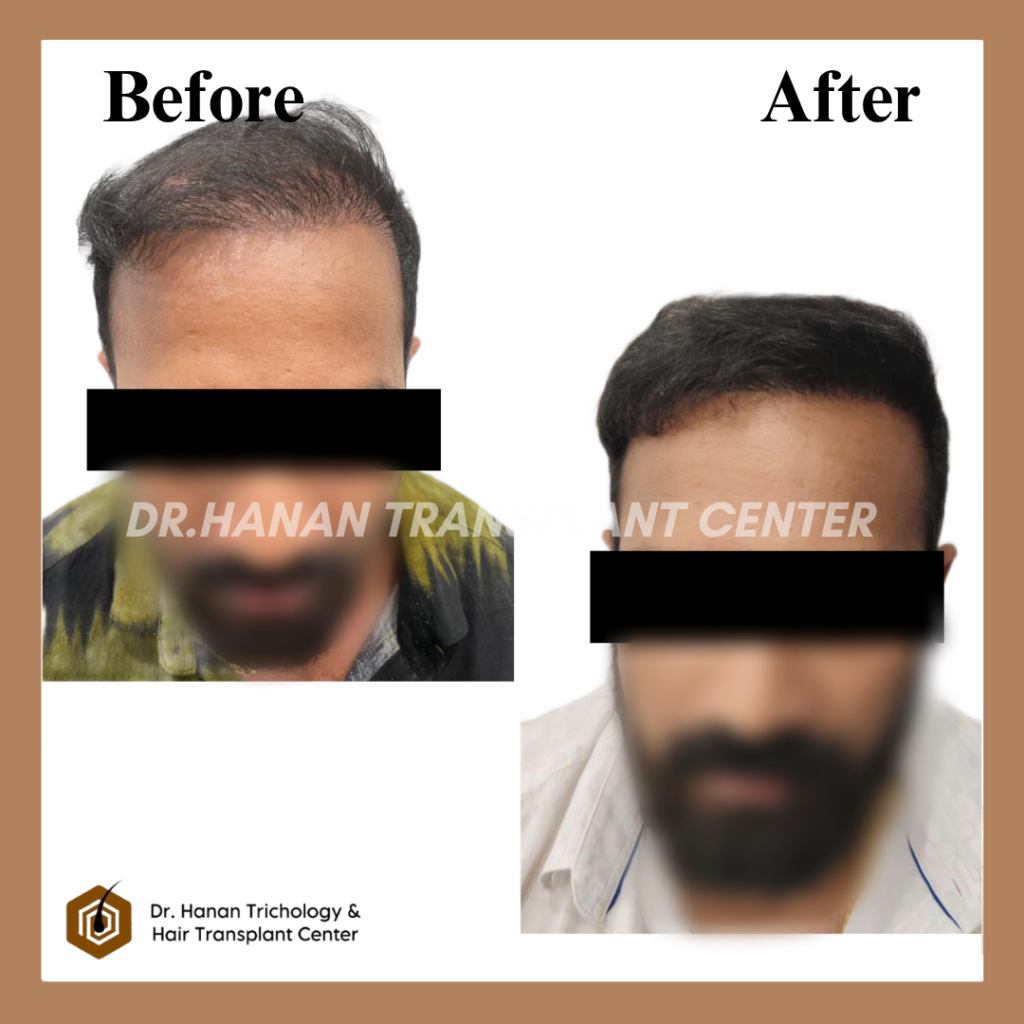
Hair Transplant Side Effects Fertility: Hair transplant procedures have become one of the most trusted solutions for hair loss. But many people still worry about side effects and fertility, especially when planning a family.
This guide explains everything in a clear, medically accurate, and easy-to-understand way—so you can make an informed decision.
Introduction
Hair loss can affect confidence, appearance, and emotional well-being. With modern techniques, hair transplants offer natural-looking and long-lasting results.
However, a common concern is:
“Can a hair transplant affect fertility or reproductive health?”The short answer is no, but there are a few important details you should understand—especially about medications.
What is a Hair Transplant?
A hair transplant is a cosmetic procedure where healthy hair follicles are moved from a donor area (usually the back of the scalp) to areas experiencing thinning or baldness.
Types of Hair Transplant:
- FUE (Follicular Unit Extraction): Individual follicles are extracted and implanted
- FUT (Follicular Unit Transplantation): A strip of scalp is removed and transplanted
Key Point:
It is a localized procedure, meaning it only affects the scalp—not internal organs or reproductive systems.
Common Side Effects of Hair Transplant
Most side effects are temporary and manageable.
Common Effects:
- Mild swelling on the forehead
- Redness and itching in the scalp
- Slight pain or discomfort
- Temporary hair shedding (shock loss)
- Minor scarring (rare with modern techniques)
- Infection (very rare with proper care)
These side effects usually subside within a few days to weeks.
Does Hair Transplant Affect Fertility?
No, hair transplant surgery does not affect fertility.
Here’s Why:
- No involvement of reproductive organs
- No effect on hormones like testosterone
- No impact on sperm production or ovulation
- Performed under local anesthesia only
From a medical perspective, it is considered safe for both men and women, even if they are planning to conceive.
Role of Hormones in Hair Loss & Fertility
Hair loss is often linked to a hormone called DHT (Dihydrotestosterone), which affects hair follicles.
However:
- Hair transplant surgery does not change hormone levels
- It simply relocates existing hair follicles
- Fertility-related hormones remain unaffected
Medications Associated with Hair Transplant
While the surgery is safe, some medications used alongside hair transplant may have mild effects.
Finasteride
- Used to reduce DHT levels
- Helps prevent further hair loss
Possible Side Effects (Rare – 1–2% cases):
- Reduced libido
- Erectile dysfunction
- Lower sperm count (temporary and reversible)
Important: Effects usually improve after stopping the medication.
Minoxidil
- Applied directly to the scalp
- Stimulates hair growth
Safety Note:
- Does not significantly affect fertility
- Considered a safer option compared to oral medications
Can Hair Loss Treatments Affect Fertility?
It’s important to understand the difference:
- Hair transplant surgery: No effect on fertility
- Certain medications: May have minor, temporary effects
Some studies suggest that long-term or high-dose use of certain drugs can affect sperm quality—but these effects are usually reversible.
Hair Transplant & Fertility in Men
- No direct impact on sperm production
- No change in testosterone levels
- Only medication (like finasteride) may affect sperm count in rare cases
Men planning to conceive should consult a doctor before starting medication.
Hair Transplant & Fertility in Women
- Hair transplant is safe for women
- Does not affect ovulation or reproductive hormones
- Avoid procedures during pregnancy as a precaution
Safe Alternatives for Those Planning Pregnancy
If you’re concerned about fertility, consider safer options:
PRP Therapy (Platelet-Rich Plasma)
- Uses your own blood growth factors
- No hormonal interference
- Safe and natural
Natural Approaches
- Balanced diet
- Stress management
- Scalp care routines
Expert Advice Before Treatment
Before undergoing any hair treatment:
- Consult a qualified dermatologist or surgeon
- Discuss your fertility plans
- Avoid self-medication
- Follow personalized medical advice
This ensures both safe results and peace of mind.
Myths vs Facts
Myth Fact Hair transplant causes infertility Surgery does not affect fertility All hair treatments are risky Only certain medications have minor risks Side effects are permanent Most are temporary and reversible
FAQs
1. Does a hair transplant affect fertility in men?
No, a hair transplant does not affect male fertility. The procedure is limited to the scalp and does not interfere with sperm production, hormones, or reproductive organs.
2. Can a hair transplant reduce sperm count?
No, the surgery itself does not reduce sperm count. However, certain medications like Finasteride may cause temporary changes in sperm count in rare cases.
3. Is it safe to undergo a hair transplant while planning a baby?
Yes, it is safe to undergo a hair transplant while planning a baby. The procedure does not impact fertility. Still, consult your doctor regarding medications.
4. Do hair transplant side effects impact reproductive health?
No, common side effects like swelling, redness, or itching are temporary and do not affect reproductive health.
5. Is Finasteride safe for fertility?
Finasteride may cause mild sexual side effects or temporary sperm changes in a small percentage of users. These effects are usually reversible after stopping the medication.
6. Does Minoxidil affect fertility?
No, Minoxidil is a topical treatment and does not significantly affect fertility or hormone levels.
7. How long should I stop hair loss medication before trying to conceive?
Doctors often recommend stopping medications like finasteride at least 2–3 months before planning pregnancy, but always follow medical advice.
8. Can women undergo hair transplant safely?
Yes, women can safely undergo hair transplant procedures. It does not affect ovulation or reproductive health. However, it is usually avoided during pregnancy.
9. Are hair transplant side effects permanent?
No, most side effects are temporary and resolve within a few days or weeks with proper care.
10. What is the safest hair loss treatment for people concerned about fertility?
Non-hormonal treatments like PRP therapy and lifestyle changes are considered the safest options for individuals concerned about fertility.
Book Your Consultation Today!
For Personalised Treatment visit Dr. Hanan Clinic. Feel confident and proud with our expert care.