

The Role of Diet and Lifestyle in Hair Transplant Success
The Role of Diet and Lifestyle in Hair Transplant Success
Maximize hair transplant success with expert-backed diet and lifestyle tips from Dr. Hanan Clinic, Chennai.
Hair transplant surgery has become one of the most effective solutions for hair loss, especially for those struggling with baldness or thinning hair. But did you know that the long-term success of a hair transplant doesn’t depend only on the surgeon’s skills or the technique used? Your diet and lifestyle choices play a critical role in how well your transplanted hair grows, strengthens, and lasts.
At Dr. Hanan Dermatology Speciality and Trichology Clinic, Chennai, we believe in a holistic approach to hair restoration—combining advanced surgical expertise with proper nutrition and healthy living to maximize results.
Why Diet and Lifestyle Matter After Hair Transplant
A hair transplant involves relocating healthy hair follicles from the donor area (usually the back of the scalp) to thinning or bald spots. Once transplanted, these follicles need a healthy environment, proper blood supply, and essential nutrients to grow strong.
Poor nutrition, lack of rest, stress, smoking, or alcohol consumption can weaken this process, leading to slower recovery and reduced graft survival. On the other hand, following a nutrient-rich diet and balanced lifestyle significantly boosts transplant outcomes.
Essential Nutrients for Hair Growth
Protein – The Building Block of Hair
Hair is primarily made of keratin, a protein. Consuming enough protein supports stronger hair shafts and healthy follicle function.
Foods to include: Eggs, fish, chicken, dairy, lentils, beans, nuts, and seeds.
Iron – For Oxygen Supply to Hair Follicles
Iron deficiency is a leading cause of hair loss. Adequate levels ensure that hair follicles receive enough oxygen through red blood cells.
Foods to include: Spinach, red meat (in moderation), pumpkin seeds, lentils, and fortified cereals.
Omega-3 Fatty Acids – For Scalp Health
Omega-3s help reduce inflammation, nourish hair follicles, and improve scalp circulation.
Foods to include: Salmon, walnuts, flaxseeds, chia seeds, and soybeans.
Vitamins – Fuel for Strong Hair Growth
- Vitamin A: Regulates sebum production.
- Vitamin C: Improves collagen production and iron absorption.
- Vitamin D: Supports follicle regeneration.
Vitamin E: Antioxidant that prevents oxidative stress on follicles.
Foods to include: Citrus fruits, sweet potatoes, nuts, leafy greens, mushrooms, and fortified dairy.
Biotin & Zinc – Hair Strength Boosters
Biotin supports keratin production, while zinc aids in tissue repair and follicle recovery.
Foods to include: Eggs, whole grains, sunflower seeds, oysters, and legumes.
Lifestyle Habits That Support Hair Transplant Success
Your hair transplant results depend not only on the surgery itself but also on the way you care for your body afterward. Adopting the right lifestyle habits helps your new hair follicles heal, grow stronger, and last for years.
Sleep and Rest – The Foundation of Recovery
After a transplant, your scalp needs time to heal and adapt. Sleep is when the body naturally repairs tissues, reduces inflammation, and promotes circulation to the scalp. Aim for 7–8 hours of uninterrupted sleep daily.
Tip: For the first week, sleep with your head slightly elevated using an extra pillow. This minimizes swelling and prevents accidental rubbing of grafts on the pillow.
Stress Management – Protect Your Hair Growth Cycle
High stress levels increase cortisol, which disrupts the natural hair growth cycle and can trigger conditions like telogen effluvium (stress-related shedding). Managing stress ensures transplanted follicles remain strong.
Practical ways to manage stress:
- Daily yoga or stretching
- Meditation apps like Headspace or Calm
- Spending time outdoors for Vitamin D and relaxation
- Limiting excessive screen time before bed
Hydration – Fuel for Follicle Health
Water makes up nearly 25% of the weight of a single hair strand. Staying hydrated ensures nutrients and oxygen are delivered efficiently to the hair follicles.
How much water is enough?
- 2–3 liters daily, more if you sweat heavily or live in hot climates like Chennai
- Include hydrating foods such as cucumbers, watermelon, and citrus fruits
Quit Smoking and Limit Alcohol – Non-Negotiables for Hair Growth
Smoking causes vasoconstriction (narrowing of blood vessels), reducing blood flow to the scalp. This deprives grafts of oxygen and nutrients, lowering their survival rate. Alcohol, on the other hand, dehydrates the body and impairs liver function, limiting nutrient absorption.
Actionable advice:
- Quit smoking at least 2 weeks before and after surgery for best results
- Avoid alcohol for the first 7–10 days post-surgery to minimize complications
- Replace alcohol with healthier alternatives like coconut water, fresh juices, or green tea
Scalp Care Post-Transplant – Protecting Your Investment
Your scalp is most vulnerable in the initial healing phase. Improper care can dislodge grafts or cause infections.
Key scalp care steps:
- Wash only as instructed by your dermatologist (usually after 48–72 hours)
- Use mild, dermatologist-recommended shampoos
- Avoid scratching or picking at scabs—these are part of the healing process
- Protect your scalp from direct sunlight for at least 4 weeks; wear a loose cap if going outside
- Avoid hair oils, dyes, or chemical treatments until your doctor approves
How Long Before Diet and Lifestyle Show Results?
Patients usually begin to see new hair growth 3–4 months post-surgery, with visible density by 9–12 months. Consistently following a balanced diet and healthy lifestyle can improve graft survival rates and ensure your transplanted hair looks natural and long-lasting.
Expert Dermatologist Tips for Healthy Winter Skin
- Avoid harsh scrubs and alcohol-based toners.
- Use a humidifier indoors to maintain moisture.
- Protect hands with gloves when outdoors.
- Schedule regular skin checkups to prevent winter-related flare-ups like eczema.
Final Thoughts
A hair transplant is not just a surgical procedure—it’s a long-term commitment to your scalp and overall health. At Dr. Hanan Dermatology Speciality and Trichology Clinic, Chennai, we guide our patients not only through surgery but also in adopting the right diet and lifestyle habits to ensure their results last a lifetime.
Healthy living means healthy hair—and your transplanted grafts deserve the best care.
Book Your Consultation Today!
For Personalised Treatment visit Dr. Hanan Clinic. Feel confident and proud with our expert care.
Table of Contents
What Happens in Your First Hair Transplant Procedure? Expert Insights
What Happens in Your First Hair Transplant Procedure? Expert Insights
Thinking about your first hair transplant? Learn the complete procedure, recovery tips, and expert insights
Hair loss is a concern for millions worldwide, and for many, a hair transplant is the most reliable way to restore a fuller head of hair. But if you’re new to this journey, you might be wondering—what happens during the first hair transplant procedure?
At Dr. Hanan Dermatology Speciality and Trichology Clinic in Chennai, we guide our patients through every step of the process, ensuring they understand what to expect before, during, and after their first procedure. This blog will explain the entire process in detail, backed by expert insights and real-world patient experiences.
Understanding Hair Transplant Basics
A hair transplant is a minimally invasive surgical procedure that involves moving healthy hair follicles from a donor area (usually the back or sides of the scalp) to areas affected by hair thinning or baldness.
The goal is to achieve natural-looking, long-lasting results by using your own hair follicles, which continue to grow after being transplanted.
Common hair transplant methods include:
- FUE (Follicular Unit Extraction): Individual hair follicles are extracted and implanted.
- FUT (Follicular Unit Transplantation/Strip Method): A strip of scalp is removed, and hair follicles are dissected for transplantation.
Related Read: Best Hair Transplant Clinic in Chennai
Who is the Right Candidate for a Hair Transplant?
Before the procedure, your dermatologist will assess:
- Age & hair loss stage
- Donor hair availability
- Overall scalp health
- Medical history
You might be an ideal candidate if you have:
- Male or female pattern baldness (androgenetic alopecia)
- Hair loss from injury or burns
- Adequate healthy donor hair
First Consultation: The Foundation of Success
The first step in any hair transplant journey is the initial consultation. At Dr. Hanan Clinic, we:
- Conduct a scalp analysis using trichoscopy
- Evaluate your donor area density
- Discuss your hairline design goals
- Explain expected results & timelines
- Provide a personalized treatment plan
This stage is crucial because it sets realistic expectations and ensures you’re medically fit for the surgery.
Pre-Procedure Preparation
Before your first hair transplant, your dermatologist may recommend:
- Stopping blood-thinning medications (with your doctor’s approval)
- Avoiding alcohol and smoking for at least a week before surgery
- Washing your hair with a mild shampoo on the morning of the procedure
- Wearing loose, comfortable clothing on the day of surgery
Related Read: Hair Transplant Pain: What Should You Expect?
Step-by-Step: Your First Hair Transplant Procedure
Marking and Hairline Design
Before the surgery begins, your surgeon will take high-resolution photos of your scalp to document the baseline and plan the new hairline. The hairline design process is not just about aesthetics—it’s about creating a natural look that will still suit your face as you age. The doctor will factor in:
- Your facial proportions
- The natural direction of your hair growth
- The density achievable in one session
- Long-term hair loss patterns
At Dr. Hanan Clinic, we use a customized hairline template based on international standards, ensuring your results are undetectable to the naked eye. This careful planning is why your first hair transplant is so important—it sets the foundation for all future treatments.
Local Anesthesia
Contrary to popular belief, a hair transplant is not painful because we use advanced local anesthesia techniques. The injections are administered using very fine needles, and in some cases, a numbing cream is applied beforehand for added comfort.
The anesthesia ensures that both the donor and recipient sites remain completely numb during the entire surgery. You may feel some pressure or vibration from the surgical tools, but no sharp pain.
Donor Hair Extraction
The donor area—typically the back of the head—is chosen because it has DHT-resistant hair follicles, meaning they are genetically programmed not to fall out.
- FUE Extraction: Each follicle is carefully removed using a micromotor punch tool (0.7–1 mm in diameter) to minimize scarring.
- FUT Extraction: A narrow strip of scalp is taken, and the wound is sutured using advanced closure techniques for minimal scarring.
At our clinic, we use magnification loupes during extraction to ensure each graft is removed intact and healthy, increasing the survival rate and ensuring optimal results for first-time patients.
Graft Preparation
Once the follicles are extracted, they are placed in a cooling solution enriched with growth-preserving agents to maintain vitality. Trained technicians carefully trim and clean each follicular unit under high-powered microscopes.
Proper handling at this stage is crucial—poor graft preparation is one of the leading causes of failed transplants. That’s why at Dr. Hanan Clinic, we follow strict sterile protocols and maintain grafts at optimal temperatures to ensure the highest survival rate possible.
Recipient Site Creation
Creating the recipient sites (tiny incisions where the grafts will be placed) is a highly skilled process that determines how natural your transplant will look.
The surgeon will match the angle, direction, and density of your existing hair to ensure seamless blending. The number of recipient sites created is based on:
- Hairline density goals
- Available donor grafts
- Scalp elasticity
At our clinic, we use custom blades and slit-making tools to create incisions that are just the right size for the grafts—preventing trauma to the surrounding scalp and ensuring quick healing.
Implantation
The final step is placing each follicular unit into the prepared recipient sites. This is done using forceps or implanter pens to ensure precision placement without damaging the follicles.
We prioritize dense packing in the front hairline for an immediate visual impact while maintaining natural density in other areas for a balanced look.
Each graft is positioned to mimic natural hair growth patterns, meaning no one should be able to tell you’ve had a transplant—even up close.
Related Read: Hair Transplant Aftercare Tips: Ensuring Long-Term Results
How Long Does the First Procedure Take?
The duration depends on:
- Number of grafts (usually 2,000–4,000 for first timers)
- Technique used (FUE may take longer than FUT)
On average, a first hair transplant takes 4–8 hours and is done in a single day.
Recovery Timeline for First-Time Patients
- Day 1–2: Mild swelling or redness in the recipient area
- Day 3–5: Formation of small scabs
- Day 7–10: Scabs start falling off naturally
- 1–3 Months: Shedding of transplanted hair (normal phase)
- 4–6 Months: Visible regrowth starts
- 9–12 Months: Final results become apparent
📌 Related Read: Hair Transplant Aftercare Tips: Ensuring Long-Term Results
Possible Side Effects and How to Avoid Them
While generally safe, your first hair transplant may cause:
- Temporary swelling
- Itching or tightness in the scalp
- Shock loss (temporary shedding of existing hair)
To minimize risks:
- Follow post-op instructions
- Avoid scratching or rubbing the scalp
- Sleep with your head elevated for the first few nights
Cost of First Hair Transplant in Chennai
The price depends on:
- Number of grafts
- Technique (FUE vs FUT)
- Surgeon’s expertise
- Clinic’s facilities
On average, hair transplants in Chennai cost ₹60,000 to ₹1,50,000 for a first procedure.
Long-Term Maintenance After the First Procedure
A single session may not be enough if your hair loss is progressive. Maintenance treatments may include:
- PRP therapy every 3–6 months
- Minoxidil or finasteride
- Balanced nutrition and stress management
📌 Related Read: PRP Treatment for Hair Loss in Chennai
Final Thoughts
Your first hair transplant procedure can be life-changing—restoring not just your hair but also your self-confidence. At Dr. Hanan Dermatology Speciality and Trichology Clinic, we combine medical expertise, advanced technology, and personalized care to ensure your first experience is safe, comfortable, and delivers natural results.
If you’re considering your first hair transplant, schedule a consultation with our dermatology experts today and take the first step toward a fuller, healthier head of hair.
Book Your Consultation Today!
For Personalised Treatment visit Dr. Hanan Clinic. Feel confident and proud with our expert care.
Table of Contents
Hair Regrowth Treatments vs Hair Transplant – What Works Best in 2025?
Hair Regrowth Treatments vs Hair Transplant – What Works Best in 2025?
Hair transplant or regrowth treatments? Find out what works best in 2025 with expert tips from Dr. Hanan Clinic, Chennai.
Hair loss is no longer a cosmetic concern-it affects confidence, social life and emotional welfare. With modern progress, 2025 provides several clinically proven options to combat baldness and thin hair. But the question is: Hair Regrowth Treatments vs. Hair Transplant – What does the best work in 2025?
Dr. in Chennai In Hanan Dermatology Specialty and Trichology Clinic, we specialize in both surgical and non-surgical solutions for hair loss. In this blog, we compare two most demanding approaches Non-invasive regrowth treatment and permanent hair transplant surgery-to help you decide which path is right for your skull and your goals.
Understanding the Root of the Problem: Why Hair Loss Happens
Before comparing treatments, it’s important to understand why hair loss occurs:
- Androgenetic Alopecia (pattern baldness)
- Hormonal imbalances (thyroid, PCOS)
- Nutritional deficiencies (iron, biotin, vitamin D)
- Stress & lifestyle factors
- Autoimmune diseases (alopecia areata)
- Medications and treatments (chemotherapy)
Different causes require different treatments—this is why scalp diagnosis is crucial.
What Are Hair Regrowth Treatments?
Hair regrowth treatments are non-surgical methods designed to stimulate dormant hair follicles and slow down further damage. In 2025, these treatments have become more targeted, effective and customized.
1. PRP (Platelet-Rich Plasma) Therapy
PRP is a regenerative treatment that uses components from its own blood to heal and rejuvenate hair follicles. A small amount of your blood is drawn, centrifuged to
Benefits:
- Improves hair density by reactivating dormant follicles
- Minimizes hair shedding and slows hair thinning progression
- Minimal downtime and suitable for most scalp types
Best for:
- Early-stage hair thinning in men and women
- Patients seeking a natural, non-surgical option
- Women with postpartum or hormonal hair loss
Caution:
- Multiple sessions are often required
- Visible results may take 2–3 months
- Should be performed in sterile environments to avoid infections
Microneedling with Exosomes
Microneedling with exosomes combines physical stimulation (microneedling) with the biological power of exosome-cell-retired messengers packed with growth factors and regenerative proteins. The micro injuries created by needles allow exosomes to penetrate and rejuvenate the hair follicle.
Benefits:
- Accelerates hair regrowth faster than PRP
- Improves follicle activity, density, and strand thickness
- Excellent for resistant areas that failed with PRP or medications
Best for:
- Diffuse thinning in both men and women
- Post-transplant scalp stimulation
- Those looking for cutting-edge, regenerative therapy
Caution:
- Requires sterile, controlled application
- Slight redness or sensitivity for 24–48 hours
- Premium cost compared to traditional PRP
Low-Level Laser Therapy (LLLT)
LLLT is a painless, light-based therapy that uses red or close light to stimulate cellular activity in hair follicles. It improves blood circulation and cellular energy, which helps the hair grow thicker and healthy over time.
Benefits:
- Non-invasive and safe for long-term use
- Enhances hair shaft strength and density
- Convenient for home or in-clinic use (helmet or cap-based devices)
Best for:
- Mild to moderate hair thinning
- Post-transplant or post-PRP maintenance
- Individuals with scalp sensitivity to topical treatments
Caution:
- Requires regular use (3–4 times/week)
- Results are gradual over 3–6 months
- Effectiveness varies by device and consistency
Prescription Medications (Minoxidil, Finasteride, Dutasteride)
Prescription medication remains one of the most widely used and medical approved treatments for hair loss in 2025. These drugs work either by increasing the blood circulation to the hair follicles or by reducing the production of dihydrotestosterone (DHT), the hormone that is mainly responsible for Androgenetic alopecia (pattern baldness).
Minoxidil is a topical solution or foam that stimulates hair growth by widening blood vessels and by improving oxygen, nutrients and blood flow. It is effective for both men and women and is available over-the-counter.
Finasteride and dutasteride are oral medications that inhibit the conversion of testosterone to DHT. While Finasteride FDA-approved, Dutasteride is considered more powerful and is often used in India under dermatologist guidance.
Benefits:
- Scientifically proven to reduce hair fall and improve density
- Easy to incorporate into daily routines
- Can be combined with PRP, LLLT, or microneedling for synergistic effects
Best for:
- Men with male pattern hair loss
- Women with hormonal hair thinning (Minoxidil only)
- Patients not ready for surgery or as post-transplant maintenance
Caution:
- Results vary by individual and take 3–6 months of consistent use
- Side effects may include scalp irritation (Minoxidil) or sexual dysfunction (Finasteride/Dutasteride), so ongoing medical supervision is advised
At Dr. Hanan Clinic, we personalize your medication plan based on your scalp type, hair loss pattern, and lifestyle. We also monitor your response with regular follow-ups to ensure safety and effectiveness.
Prescription medications work by targeting the root causes of hair loss—such as DHT sensitivity or poor blood circulation to the follicles. These include both topical and oral medications that are widely used and FDA-approved.
Benefits:
- Affordable and easy to use
- Scientifically proven to slow hair loss and promote regrowth
- Can be combined with PRP or microneedling for better results
Best for:
- Men with male pattern baldness (especially Finasteride and Dutasteride)
- Women with thinning due to hormonal imbalance (Minoxidil)
- Patients not ready for surgical intervention
Note: These medications must be used consistently and under medical supervision to prevent side effects and sustain long-term benefits.
Benefits:
- Affordable
- FDA-approved
Best for:
- Early to moderate pattern baldness
- Those looking for gradual improvement
What Is a Hair Transplant?
Hair transplant is a surgical procedure where hair follicles from a donor area (usually the back of the scalp) are moved to balding areas. It is the most permanent solution available in 2025.
There are two main techniques:
FUE (Follicular Unit Extraction)
Follicles are extracted individually with tiny punches and implanted in recipient zones.
Benefits:
- No linear scar
- Shorter recovery
- Natural-looking results
FUT (Follicular Unit Transplantation)
A strip of scalp is removed and grafts are prepared from it.
Benefits:
- More grafts in one session
- Suitable for larger bald patches
What Is the Best Hair Transplant Technology in 2025?
Great question (and thank you Google’s People Also Ask!).
In 2025, the most advanced techniques include:
- Sapphire FUE: Uses sapphire blades for precision
- Robotic-assisted Hair Transplantation: AI-based graft harvesting
- DHI (Direct Hair Implantation): No channel opening step, more control
At Dr. Hanan Clinic, we combine these advanced tools with dermatologist-level planning for natural hairlines and higher graft survival.
Hair Regrowth Treatments vs Hair Transplant – Key Comparison
Feature | Hair Regrowth Treatments | Hair Transplant |
Type | Non-surgical | Surgical |
Suitability | Early to moderate hair loss | Advanced baldness (Grade 3+) |
Downtime | Minimal to none | 3–7 days recovery |
Cost | Lower per session | One-time higher cost |
Results | Gradual, needs maintenance | Permanent, fuller coverage |
Side Effects | Minimal | Mild swelling, crusting |
Maintenance | Required (every 1–3 months) | PRP or LLLT optional for existing hair |
When to Choose Hair Regrowth Treatments
Choose non-surgical regrowth options if:
- You’re under 35
- Hair loss is recent or mild
- You want a gradual, non-invasive solution
- You are medically unfit for surgery
When to Choose Hair Transplant
Opt for a transplant if:
- You have visible bald patches (Grade 3 and above)
- You want long-lasting, high-density results
- You’ve already tried PRP, meds, or LLLT with limited success
- You have a strong donor area
Our Expert Advice: What We Recommend in 2025
At Dr. Hanan Dermatology Speciality and Trichology Clinic in Chennai, we don’t believe in one-size-fits-all. Our treatment strategy is always:
1. Diagnose First – Using digital scalp mapping and hair density analysis
2. Customize Treatment – PRP, microneedling, medications, transplant – or a combination
3. Track Results – Monthly follow-ups, maintenance planning, lifestyle advice
Our hybrid approach means many patients avoid surgery altogether with the right early intervention.
Why Choose Dr. Hanan Clinic in Chennai?
- 800+ 5-star reviews
- Team of certified dermatologists & trichologists
- Latest in FUE, PRP, Exosome, and Laser technology
- Customized plans for every hair type, age, and stage of hair loss
We are Chennai’s authority in hair restoration, blending medical expertise with the latest innovations.
Conclusion: Which Works Best in 2025?
Hair Regrowth Treatments are ideal if you’re catching the problem early and want to delay or avoid surgery.
Hair Transplant is best for those looking for a permanent fix for visible baldness.
But the ultimate solution? A doctor-designed combination plan customized just for you.
Book Your Consultation Today!
For Personalised Treatment visit Dr. Hanan Clinic. Feel confident and proud with our expert care.
Table of Contents
Best Age for Hair Transplant: Expert Advice from Dermatologists in Chennai
Hair Transplant Cost in India : Guide for 2025
Discuss about Hair transplant cost in India and get tips on budget. Learn more here or contact Dr.hanan Dermatology Speciality Clinic.
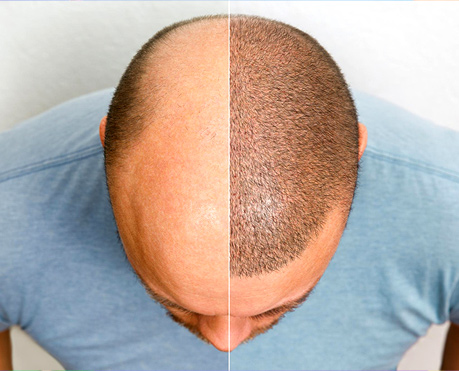
Hair loss is a very common problem affecting men and women of all ages. Fortunately, India has a variety of affordable hair treatments that not only help you hide the issue of hair loss, but also help prevent future recurrences.
In recent years, hair transplants have emerged as a popular solution for individuals who want to deal with hair loss issues. Known for its advanced medical technology and affordable healthcare, India has become a prime destination for those considering hair transplantation.
This article aims to provide an in-depth analysis of hair transplant price in India, to help potential patients make informed decisions about treatment options.
What is a hair transplant?
Hair transplant means move hair from one side of your head it’s called donar area of the head to an blad area with thinning or no hair. It can help your hair look good again. These implants have been practised by doctors in the US. since the 1950s, but techniques have improved dramatically.
Is hair transplant permanent?
Hair transplant treatments are permanent. Once your doctor gives you clearance, you can treat your replacement hair just like your normal healthy hair—wash, shampoo, and shampoo as usual. However, some hair transplants do not survive and a few hairs fall out.
Do you know that Ms Dhoni hair transplant and Virat Kholi did Hair Transplant Surgeries
Types of Hair Transplant Surgeries
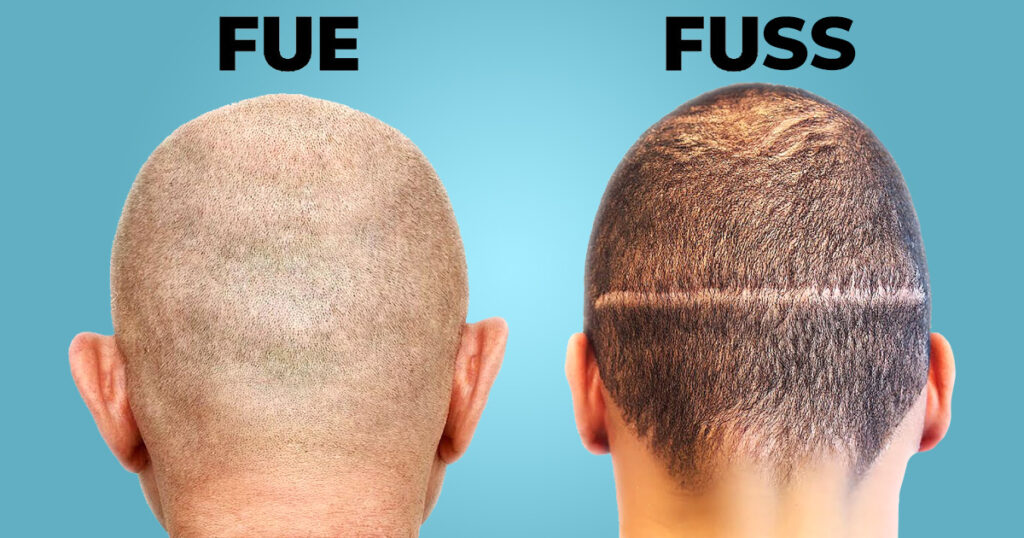
There are two main types of hair transplants, both done in a doctor’s office. First, the surgeon cleans your scalp and numbs the back of your head. Then, they choose between two methods: follicular unit strip surgery (FUSS) or follicular unit extraction (FUE).
1.Follicular Unit Strip Surgery (FUSS)
In FUSS, the surgeon removes a 6- to 10-inch strip of skin from the back of your head or donar area and stitches the area closed. This strip is then cut into 500 to 2,000 tiny grafts, each with a few hairs. These healthy hair grafts are used to fill in thinning areas or bald area. FUSS is also known as follicular unit transplantation (FUT).
2.Follicular Unit Extraction (FUE)
3.FUSS vs. FUE
- Scarring: FUSS leaves a scar where the strip was removed, which may be visible if your hair is short. FUE leaves small, less noticeable scars.
- Time: FUSS typically takes time consuming than FUE.
- Appearance: FUSS doesn’t require shaving the back of your scalp.
- Risk: In FUE, there’s a risk of damaging hair follicles, which might prevent successful transplantation.
- Cost: FUE is generally more expensive than FUSS.
4.Artificial Hair Transplants
Artificial hair transplants use synthetic fibers to replace lost hair instead of using your own hair. These were created for people who don’t have enough hair for traditional transplants. However, the U.S. FDA banned artificial hair transplants in 1983 due to safety concerns.
Although they might be an option for some, artificial hair transplants can cause side effects because of the foreign materials used. If you’re considering a hair loss treatment, consult a board-certified doctor who specializes in hair loss.
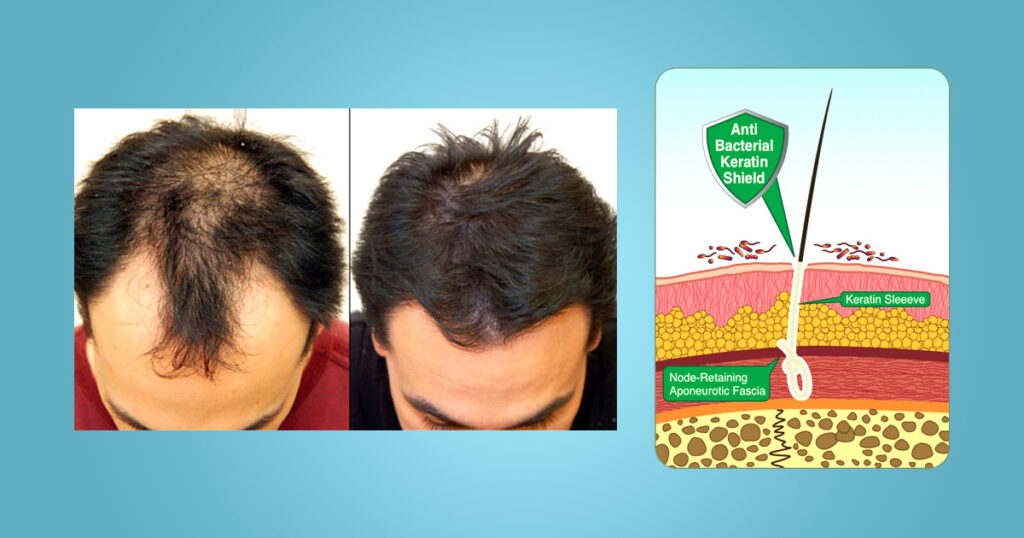
Factors affecting the cost of hair transplantation in India
Many factors influence the cost of hair transplant in India. Knowing these can help you plan your budget better.
Average Hair Transplant Cost in India
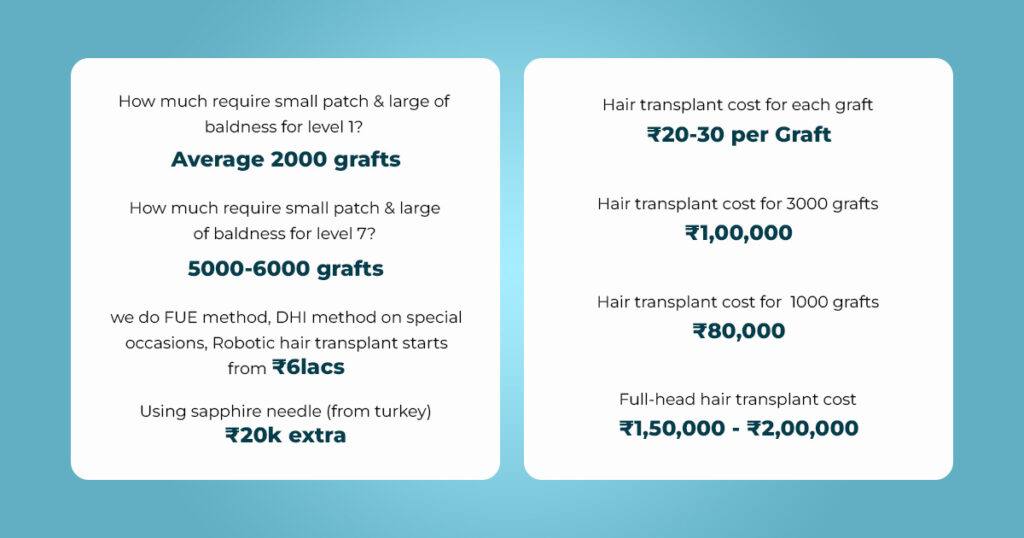
Hair transplant cost per hair in India and trasnplant in chennai varies widely based on the factors mentioned above. On average, the cost per graft ranges from ₹30 to ₹150 ($0.40 to $2) depending on the clinic and technique.
- FUT: Typically costs between ₹40,000 to ₹70,000 ($500 to $900) for 1,000 to 2,000 grafts.
- FUE: Generally costs between ₹60,000 to ₹1,50,000 ($800 to $2,000) for 1,000 to 2,000 grafts.
These prices may fluctuate based on the specific requirements of the patient and the clinic’s pricing policies.
Choosing the Best Clinic for Hair Transplant
Choosing the right hospital and managing costs is key to getting the best results. Here are some tips to help you:
1. Research and Analysis: Find information and read patient reviews about the quality of the hospital. Check online forums, social media, and patient profiles for useful information.
2. Check certificates: Make sure the surgeons at the hospital are qualified and experienced in hair transplantation. Check their credentials and credentials to ensure they are experts.
3. Compare costs: Get quotes from hospitals and compare their prices. Be wary of very low prices, as they may indicate low prices or hidden costs.
4. Consultation: Meet with hospitals to discuss your needs and treatment options. Take this time to tour the hospital facilities and meet the doctors.
Why Choosing Dr. Hanan for Best Hair Transplant Clinic in Chennai
When it comes to hair restoration, Dr. Hanan is renowned as the leading specialist in Chennai. His clinic is recognized for delivering exceptional hair transplant results with expertise, advanced technology, and personalized care. Here’s why Dr. Hanan is the top choice for the best hair transplant clinic in India.
1.Unmatched Expertise and Experience
Highly Qualified Specialist
Dr. Hanan is a board-certified dermatologist with specialized training in hair transplantation. With years of experience, Dr. Hanan delivers expert care and effective results.
Advanced Techniques
Utilizing the latest methods, including Follicular Unit Extraction and Follicular Unit Transplantation , Dr. Hanan provides minimally invasive and precise treatments for optimal hair restoration.
2.Cutting-Edge Facilities
Modern Technology
The clinic features state-of-the-art equipment and robotic-assisted systems to ensure precise and effective hair transplant procedure.
Comfortable Environment
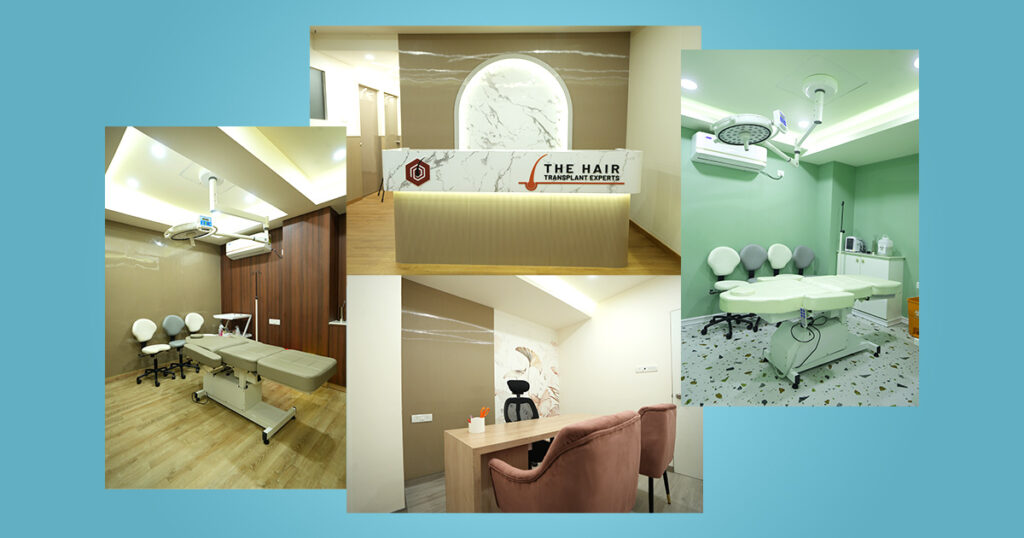
Dr. Hanan’s clinic maintains a sterile and modern setting, prioritizing patient comfort and safety during every procedure.
3.Comprehensive Hair Transplant Services
Personalized Treatment
Dr. Hanan offers customized treatment plans tailored to individual needs, ensuring natural-looking results and high patient satisfaction.
Post-Transplant Care
Comprehensive post-transplant care includes detailed aftercare instructions and follow-up support in your recovery time to ensure optimal results.
4.Patient-Centered Approach
Consultative Care
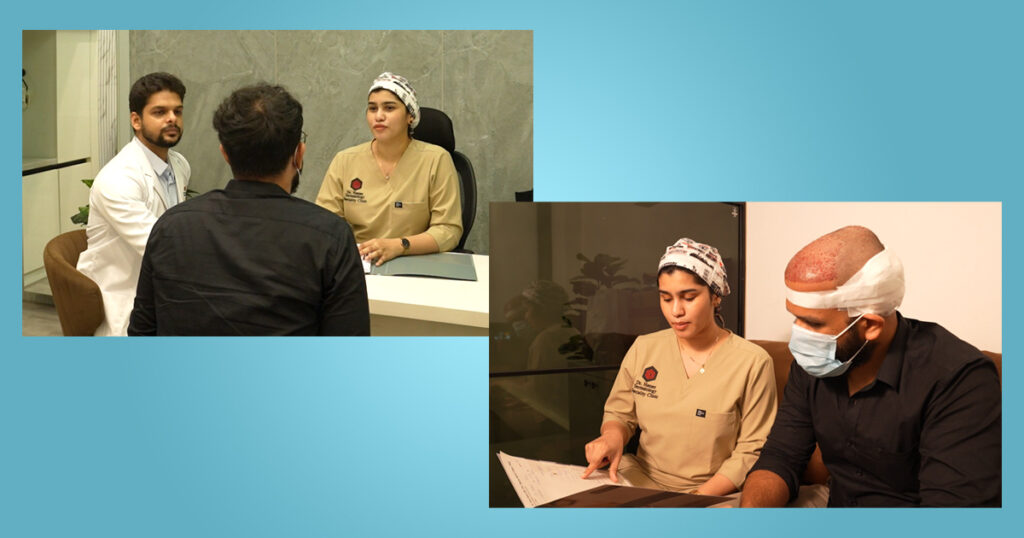
Dr. Hanan takes a personalized approach, listening to patient goals and providing clear, honest information about the process.
Holistic Support
Beyond the transplant, Dr. Hanan offers advice on lifestyle and hair care to maintain and enhance results.
Patient Education
Educating patients is a key aspect of Dr. Hanan’s practice. Dr. Hanan ensures that patients fully understand their diagnoses, treatment options, and preventive measures. This empowers patients to make informed decisions about their skin health and maintain optimal results.
5.Exceptional Patient Reviews and Testimonials
Positive Patient Experiences
Dr. Hanan’s clinic has received numerous positive reviews and testimonials from satisfied patients. These reviews highlight Dr. Hanan’s expertise, compassionate care, and commitment to excellence. The positive feedback is a testament to the high-quality care provided at the clinic.
Success Stories
Dr. Hanan regularly shares success stories and case studies to showcase the effectiveness of treatments and the positive impact on patients’ lives. These stories demonstrate Dr. Hanan’s ability to achieve outstanding results and improve patients’ skin health and confidence.
6.Convenient Location and Flexible Scheduling
Prime Location in OMR
Dr. Hanan’s clinic is conveniently located in the heart of OMR, making it easily accessible for patients from all parts of the city. The central location ensures that patients can reach the clinic without hassle.
Visit Us : Dr. Hanan Dermatology Speciality Clinic, A Block, Gem Bhoomi & Buildings, Padur, OMR, Chennai – 603103
Flexible Appointments
Understanding the busy schedules of patients, Dr. Hanan offers flexible appointment options, including extended hours and weekend appointments. This ensures that patients can receive the care they need at a time that is convenient for them.
For Enquiries / Appointments : +91 6381048403
Conclusion
Hair transplantation surgeries is a transformative procedure for individuals facing hair loss, and India offers affordable and quality options. By understanding the factors that affect grafts hair transplant cost and following research whole you will be able to make an informed decision and get the best results for your hair restoration journey.
FAQ’s
What is the best age for a hair transplant?
There is no “perfect” age for a hair transplant, most surgeons recommend waiting until your late 20s or early 30s when hair loss patterns are more established.
Is hair transplant painful?
The procedure is performed under local anesthesia, so you should not feel pain during the surgery. Some discomfort or soreness may occur afterward, but it can be managed with pain medication.
How long do hair transplant results last?
Hair transplant results are typically permanent, as the transplanted hair follicles are resistant to the effects of DHT, the hormone responsible for hair loss.
Table of Contents
For FUE Hair Transpalnt, the surgeon shaves a section of the back of your area of the scalp and removes hair follicles one by one. The donar area heals with small dots that are covered by your existing hair. After harvesting the hair, FUSS and FUE hair trasnplant procedures are similar: the surgeon prepares the grafts, numbs the area where the hair will be placed, makes tiny holes, and carefully inserts each graft.
The whole process usually takes 4-8 hours. You might need another procedure later if you continue to lose hair or want a fuller look.
1. Clinic Reputation and Location
The clinic’s name and location affect the average cost. Well-known clinics in big cities like Mumbai, Delhi, Chennai, and Bangalore usually charge more because they have advanced facilities and experienced surgeons. Smaller city clinics may offer lower prices.
2.The skill of a surgeon
The surgeon’s experience and knowledge are crucial. Highly skilled and famous hair transplant surgeons may charge more, but their expertise often leads to better results and fewer complications.
3.Technique Used
The technique chosen, FUT or FUE, impacts the cost. FUE is generally more expensive than FUT because it’s less invasive and requires more precision. The cost per graft is higher with FUE due to advanced technology and skill.
4. Number of Grafts Required
The total cost depends on the number of hair grafts required. More severe hair loss needs more grafts, increasing the cost. Clinics usually estimate costs based on graft numbers, ranging from 1,000 to 4,000 or more.
5. Additional Services
Extra services like pre-op treatment, post-op care, medications, and follow-up visits can add to the total cost. Some clinics offer packages that include these services, providing better value for money.
Hair Transplant Pain: What Should You Expect?
Hair Transplant Pain: What Should You Expect?
Hair transplant pain is minimal with modern techniques. Learn what to expect during and after the procedure at Dr. Hanan Clinic.
One of the most common worries among people considering hair transplantation is pain. Small incisions and hair follicles can be thought of being extracted or implanted. If you are thinking how painful a hair transplant is really, you are not alone. At Dr. Hanan Dermatology Specialty and Trichology Clinic, we asked this question in almost every consultation. In this blog, we will explain what you can really expect in terms of both hair transplant pain during and later, and why it is more manageable than most people think.
Is a Hair Transplant Painful?
Hair transplant procedures, particularly modern techniques like FUE (Follicular Unit Extraction) and FUT (Follicular Unit Transplantation), are minimally invasive and designed to ensure maximum comfort. Contrary to common fears, hair transplants are not painful, especially when performed by experienced dermatologists using advanced tools and anesthetics.
What Happens During the Procedure?
The process begins with local anesthesia so that both the donor and recipient of the scalp can be numb. Most patients described the injection of the anesthetic as a brief pinch or stinging sensation. Once the anesthesia becomes effective, the scalp becomes completely numb, and you do not feel any pain during the extraction or implantation process. More and more, patients report a mild sensation of pressure or movement, but nothing is sharp or uncomfortable.
During a FUE process, an individual follicle is extracted from the donor area using a small punch tool. Thanks to anesthesia, this process is painless. Similarly, when the graft is transplanted into thin or bald areas, the experience is free from pain. In a FUT procedure, where a strip of skin is removed from the back of the scalp, initial discomfort is still controlled with anesthesia, and the process of stitching is complete without you feeling anything.
How Painful Is the Recovery Period?
After the procedure, anesthesia gradually stops, and you may experience some mild soreness, tightness or feeling of pressure in treated areas. However, this discomfort is usually light and manageable. Most patients describe it as less intense than regular headaches. Over-the-counter or prescribed painkillers are usually sufficient to relieve any post-operative discomfort. At Dr. Hanan Clinic, we provide post-procedure care kits that include pain management medication, soothing spray and instructions that you heal comfortably.
What Does the Healing Process Feel Like?
The healing process is also relatively easy. In the first few days, you can see minor redness, nap, or itching in the transplant area. These symptoms are not painful, but may be a bit annoying. It is important not to scratch or disturb the region as it heals. Within a week to ten days, the most visible signs of the procedure fades, and the discomfort decreases significantly or disappears.
Does Everyone Experience the Same Level of Pain?
An important thing to understand about hair transplant pain is that it varies a bit from person to person. Some people have more pain limit, while others may be more sensitive. However, modern hair transplant techniques are carefully designed to prefer patient comfort. At our Clinic, we also offer additional comfort measures such as numbing sprays, cooling fans and even calming music or entertainment during long sessions.
What Do Patients Say About the Pain?
If you are still worried about the pain, it can help listen to those who have already undergone the process. Most of our patients are surprised by how smooth and comfortable the process is. In fact, many people say that they spend the process of watching movies, browsing their phones or even naps. It is far from the painful operation he had imagined.
Will the Pain Return After a Few Days?
Another common anxiety is the recovery phase. Patients often ask whether the scalp will hurt days or weeks after transplantation. The truth is, if you follow the proper aftercare instructions, the pain quickly fades and doesn’t come back. At Dr. Hanan Clinic, our dermatologists make sure that your scalp remains healthy and taken care of through scheduled follow -ups.
Final Verdict: Is Hair Transplant Pain Worth It?
In summary, if you are putting off a hair transplant because you are afraid of pain, know that today’s procedures are surprisingly gentle.
Thanks to Local anesthesia, advanced technology and specialist care, the pain levels involved are very low – often comparable to minor dental procedures. Brief, mild discomfort is a small price to pay for the long -term benefits of natural, permanent hair restoration.
Therefore, if you are searching online about hair transplant pain, then be sure that reality is far more comfortable than myths. Consult our experts at Dr. Hanan Dermatology Specialty and Trichology Clinic in Chennai to understand your options and experience an almost painless journey for fuller, thicker hair.
Book Your Consultation Today!
For Personalised Treatment visit Dr. Hanan Clinic. Feel confident and proud with our expert care.